Logitech transforms a mouse into a flip phone
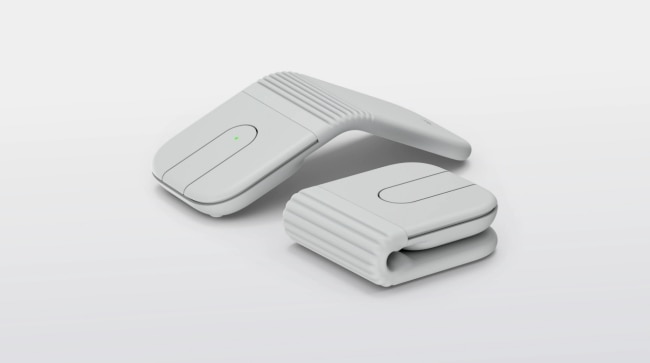
The Logitech Mobi Fold is pocket-sized, ultra-thin, and folds up like a flip phone from the 2000s to take up minimal space when not in use. It also comes with a travel case with a carrying strap.

The Logitech Mobi Fold is pocket-sized, ultra-thin, and folds up like a flip phone from the 2000s to take up minimal space when not in use. It also comes with a travel case with a carrying strap.
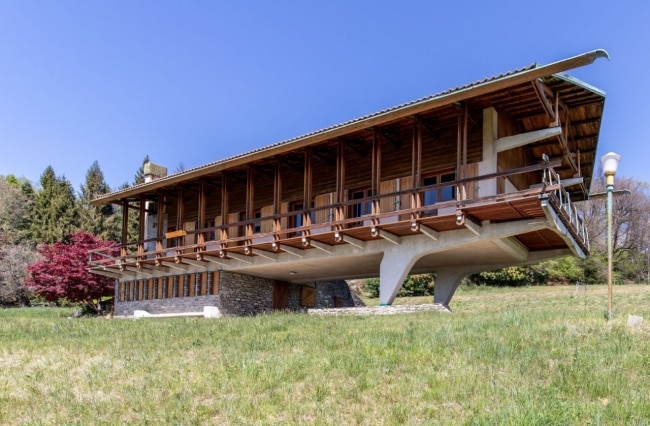
Preserved almost entirely since the 1950s, the house designed by Carlo Mollino for Luigi Cattaneo in Agra is now listed on Airbnb, offering a rare opportunity to temporarily inhabit one of the masterpieces of 20th-century Italian architecture.
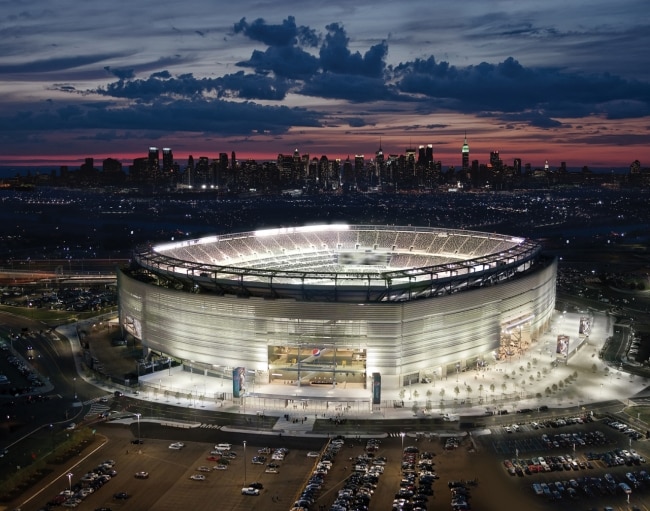
Before becoming the stage for the 2026 FIFA World Cup final, MetLife Stadium was the outcome of an unrealized project: building a stadium in the heart of Manhattan, above the rail yards on the West Side, where Hudson Yards — New York's so-called "billionaires' city" — now stands.
Materials, processes and products for responsible design
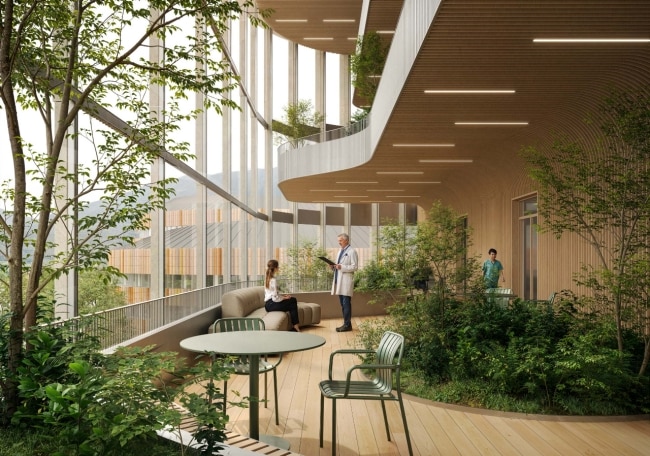
Brescia’s new Main and Children’s Hospital joins a growing generation of healthcare projects that are reshaping hospitals as more than places of treatment: civic campuses, inhabitable landscapes and symbolic architectures for the contemporary city.
You can share your work through the function by Domus where you can upload your architecture, design, interior, graphics, illustration, photography and art projects.
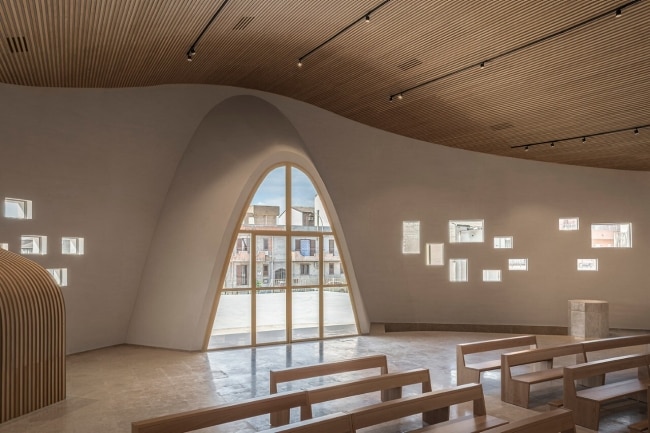
The project by Francesco Lipari, Lillo Giglia, and Giuseppe Conti transforms a peripheral area of Licata into a new civic landmark through sculptural forms, diffused natural light, and echoes of Alvar Aalto and Le Corbusier.
The third season of the series based on Hugh Howey’s novels returns to Apple TV+ with ten episodes, new timelines and a central question: what happens when a community survives thanks to a story constructed by power?

In 1908, Antoni Gaudí envisioned the Hotel Attraction for Lower Manhattan—a colossal vertical hotel that was never built and was later all but forgotten. On the centennial of his death, artist Thierry Lechanteur brings it back to life with an AI-generated reconstruction.
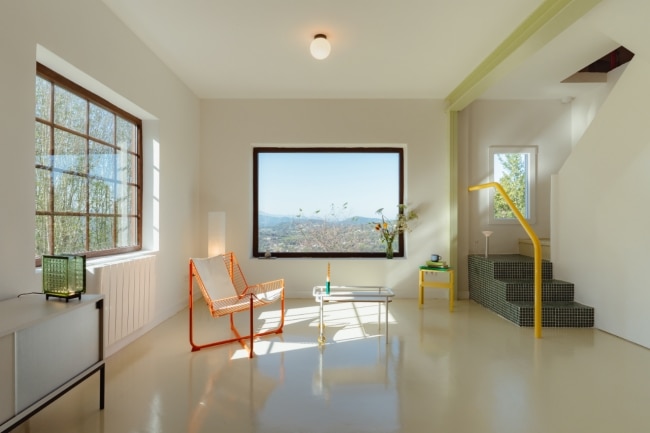
Designed by Spolia Office for a sommelier, this country house adopts the codes of a city apartment to rethink life in nature.

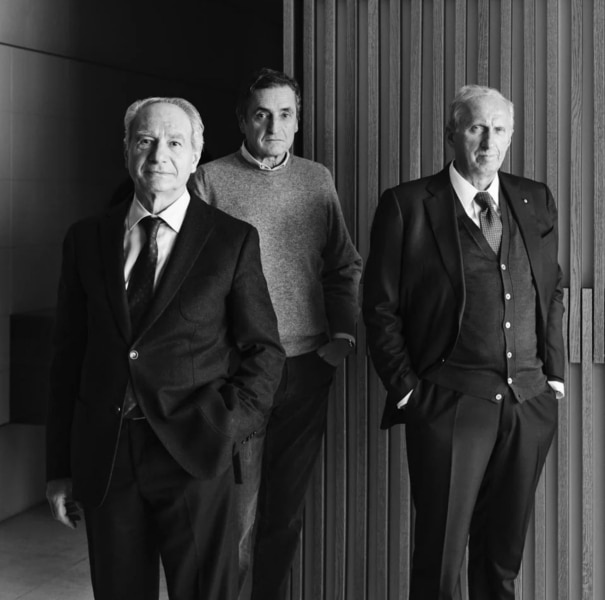
The entrepreneur who helped turn Italian manufacturing into a global benchmark, together with his family, shaped the story of Poliform, from its founding in 1970 to the Compasso d'Oro Career Award and its emergence as an international design brand.
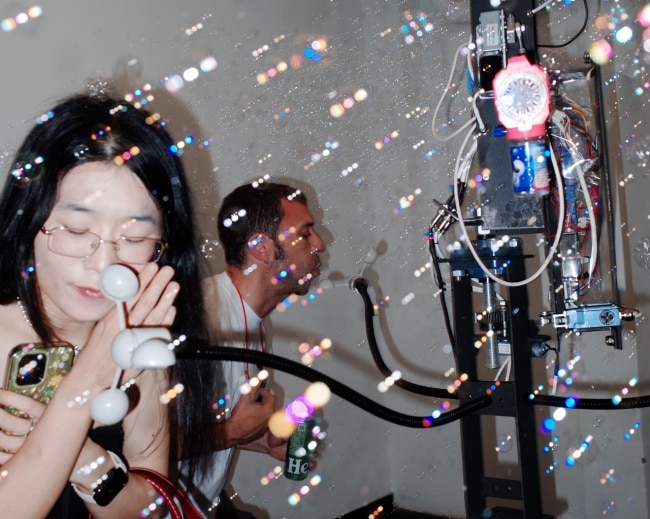
At Spazio Neue, in Milan, Matteo Vettorello presents two mechanical sculptures that can only be activated through the coordinated breathing of multiple people. A project that transforms participation into a reflection on the relationship between body, technology and urban space.
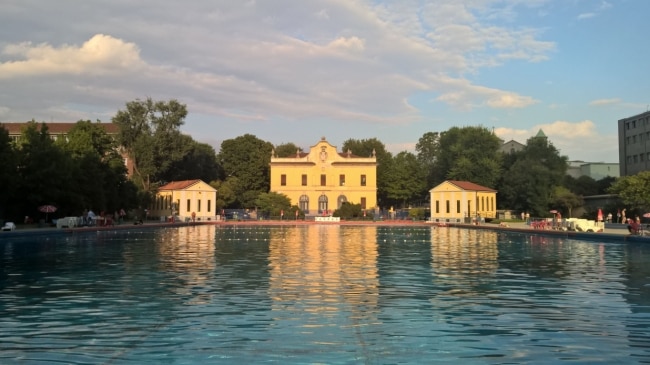
In a summer of record-breaking heat, much of what has for decades been one of the city’s most important public infrastructures is inaccessible. Amid construction sites, redevelopments, and closures, public swimming pools are returning to the centre of debate as climate shelters and essential services.
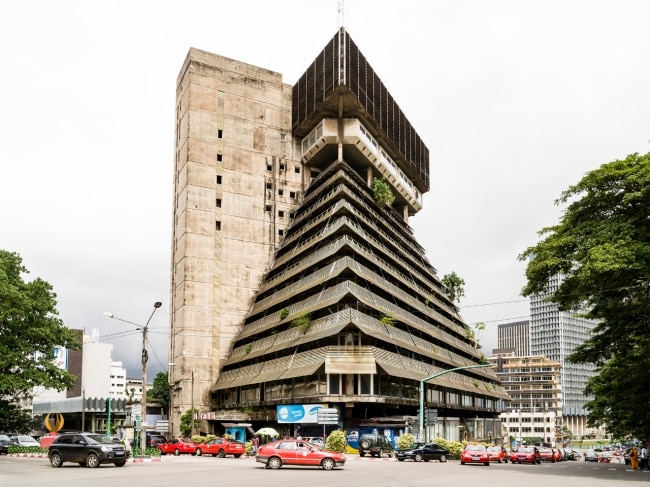
MOMA’s Architects of Liberation traces how architecture became a tool of self-determination, nation-building and cultural reinvention across Western Africa’s independence era.
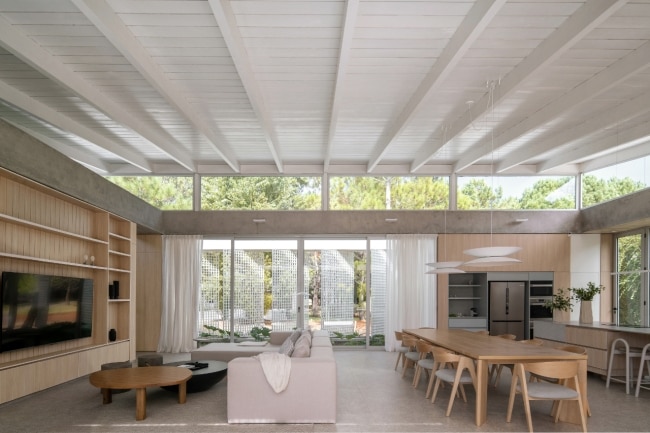
Designed by Jorgelina Tortorici & Asociados, the house is organised around patios and a garden. An ingenious system of vertical screens alternates between providing openness and privacy.
From the homes of artists, architects and great collectors to apartments left almost intact, eleven Italian house museums where works, furnishings and architecture still tell the story of the way of life of those who inhabited them.
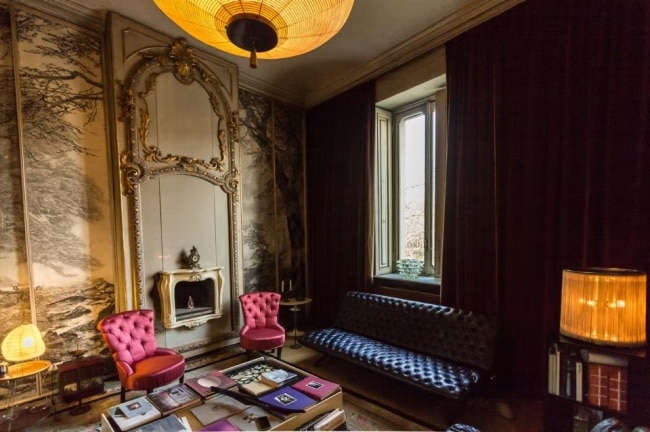
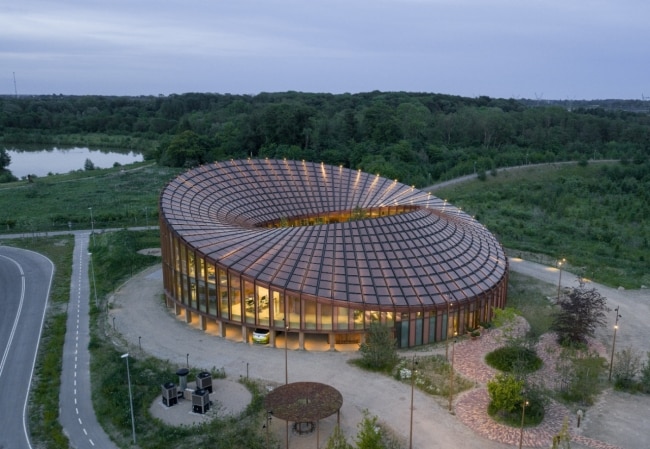
In Odense, the new Dymak headquarters combine offices, a showroom and a green courtyard within a circular building. The undulating roof serves as an architectural gesture, a solar device and a corporate statement.
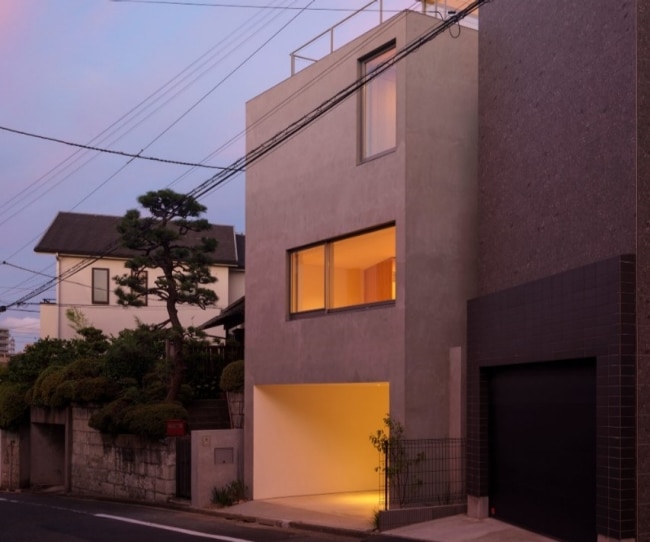
Designed by Chihiro Ishii Architects, this house is set within the strict confines of the plot. An internal ascending route expands the space and multiplies the perspectives, drawing the eye from the domestic landscape towards the urban horizon.

The passing of Hilde Lynn Helphenstein, the face behind the satirical account @JerryGogosian, reopens a question about the potential of digital criticism: when does a meme stop being mere entertainment and become a tool capable of impacting reality?

Russian rooftoppers Angela Nikolau and Ivan Kuznetsov climbed the spire of the Empire State Building without authorization and were later arrested. But their marriage proposal suspended above Manhattan has reignited one of the city's most powerful images: New York as a vertical myth, a space of risk, desire, and imagination.
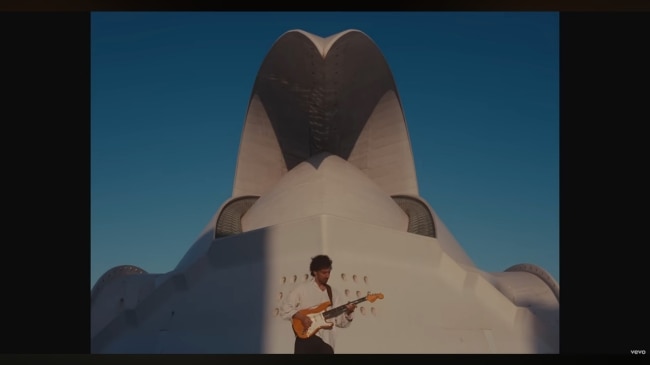
In the video for Going Shopping, The Strokes chose Santiago Calatrava’s Auditorio de Tenerife Adán Martín as their set, an iconic piece of architecture that takes centre stage in the band’s comeback.

From Amsterdam to Montevideo, from queer festivals to traditional carnivals, photographer Darren Smith spent seven years travelling across three continents to document temporary communities that resist the homogenisation of identity.
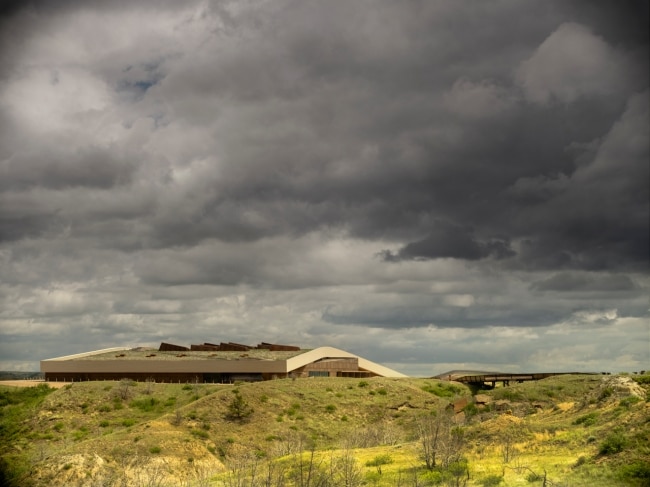
In the heart of North Dakota’s Badlands, Snøhetta’s Theodore Roosevelt Presidential Library opens on July 4. Rather than simply sitting within the landscape, the library interprets it as its primary architectural and educational medium.
In the newly renovated flagship store in the Swedish capital, H&M entrusts part of its identity to the Italian studio 6:AM, which transforms columns into sculptural elements inspired by Roman pilasters and Murano glass.
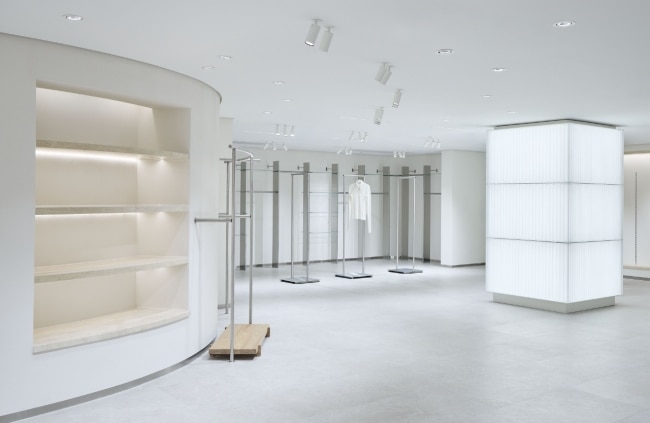

In the first edition of Terraforma Radical School, fifteen participants lived at Villa Arconati for four days, moving between field recording, landscape, and sound. An experiment to understand if a garden, a labyrinth, or even silence can become sound architecture.
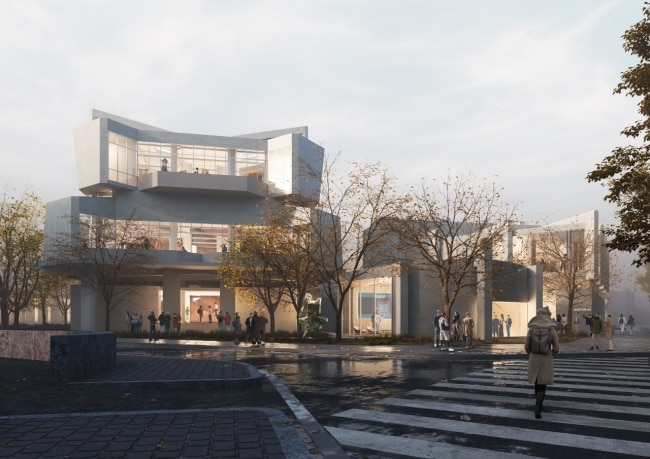
The Dutch firm is behind the redevelopment of Turin’s Gallery of Modern Art, a project that revives the radical spirit of the 1959 building and opens the museum up to the city. It also makes the storage areas and collections accessible to visitors thanks to the open storage model.
Beneath Piazza Missori survives the crypt of San Giovanni in Conca, one of Milan’s oldest basilicas, while the rest of the structure is now scattered across the Castello Sforzesco, Brera, Via Francesco Sforza, and Busto Arsizio.
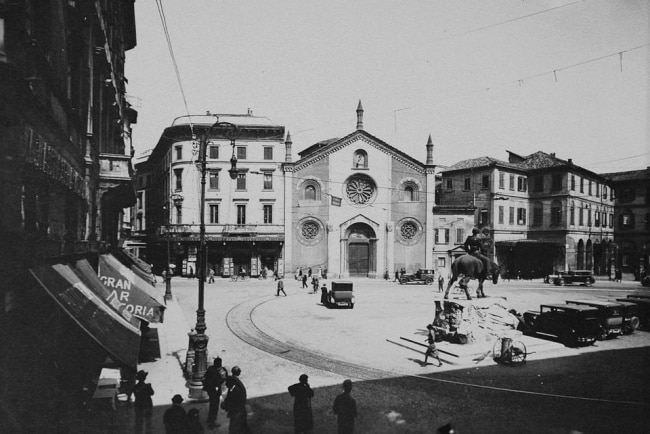
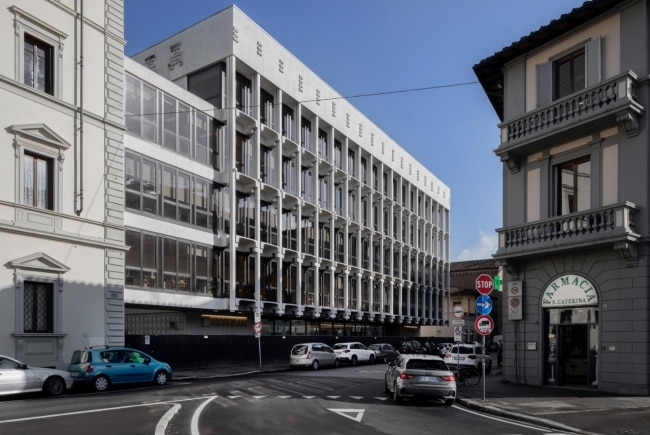
In 1972, Alberto Galardi and Silvano Zorzi designed a gravity-defying building in Florence, using a series of concrete tie rods to eliminate the need for columns. Ettore Sottsass designed the interiors.
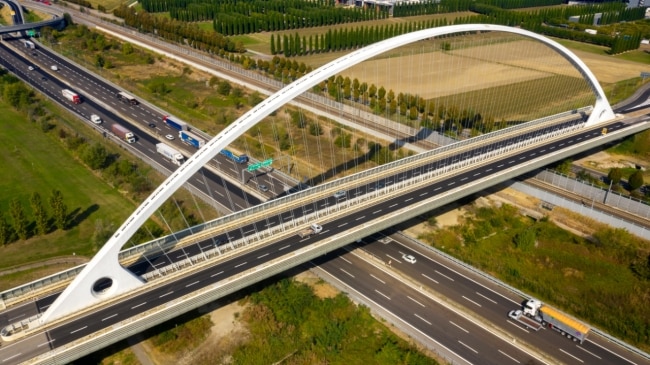
Opened in 1964 after eight years of construction, the Autostrada del Sole is the infrastructure that defined postwar Italy, becoming the country's first motorway to connect Milan and Naples. A monument to the economic boom, mass tourism and the automobile, the A1 is also something more: a journey through some of the most significant works of architecture in Italian history.
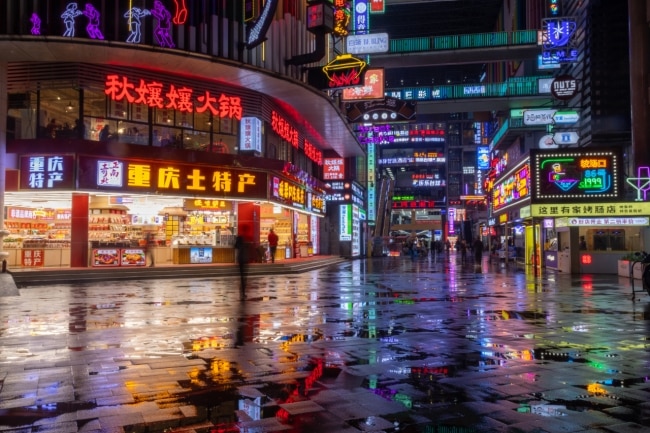
From drinking hot water instead of coffee to Labubu keychains, via skincare, feng shui, and traditional medicine: the Chinamaxxing phenomenon shows how Chinese culture is becoming one of the most desired imaginaries for Gen Z.

Developed together with Bandai, Apple Pippin was not meant to be just a console, but a multimedia platform for home entertainment. Its ambitions were huge, but the market turned it into one of the biggest flops in Cupertino’s history.
At the Vandalorum Museum in Värnamo, a major exhibition celebrates the creative partnership between Aino and Alvar Aalto through January 2027. Featuring over 300 objects, the exhibition recounts an equal collaboration that changed the history of design forever.
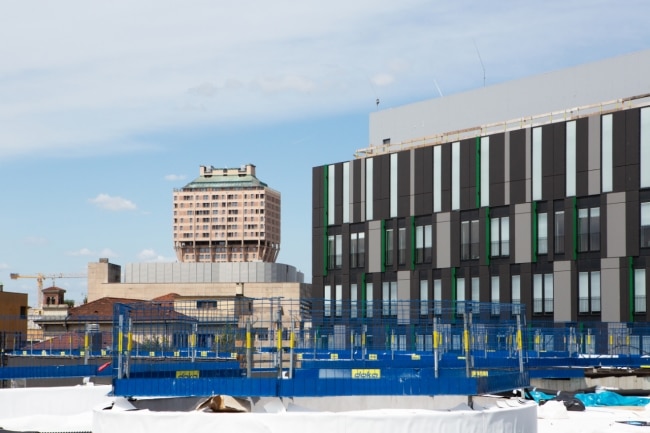
The project by Boeri Studio brings a new hospital complex to the heart of the city, consisting of three volumes, high clinical efficiency, urban functions, commercial spaces, and a large green roof designed as a therapeutic device and a new urban square.
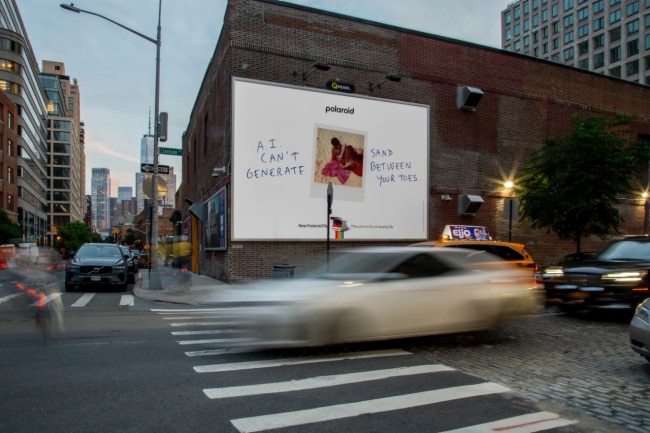
The brand's new global campaign champions analog photography over screens, chatbots, and data centers, turning nostalgia for instant cameras into a playful critique of AI culture.