


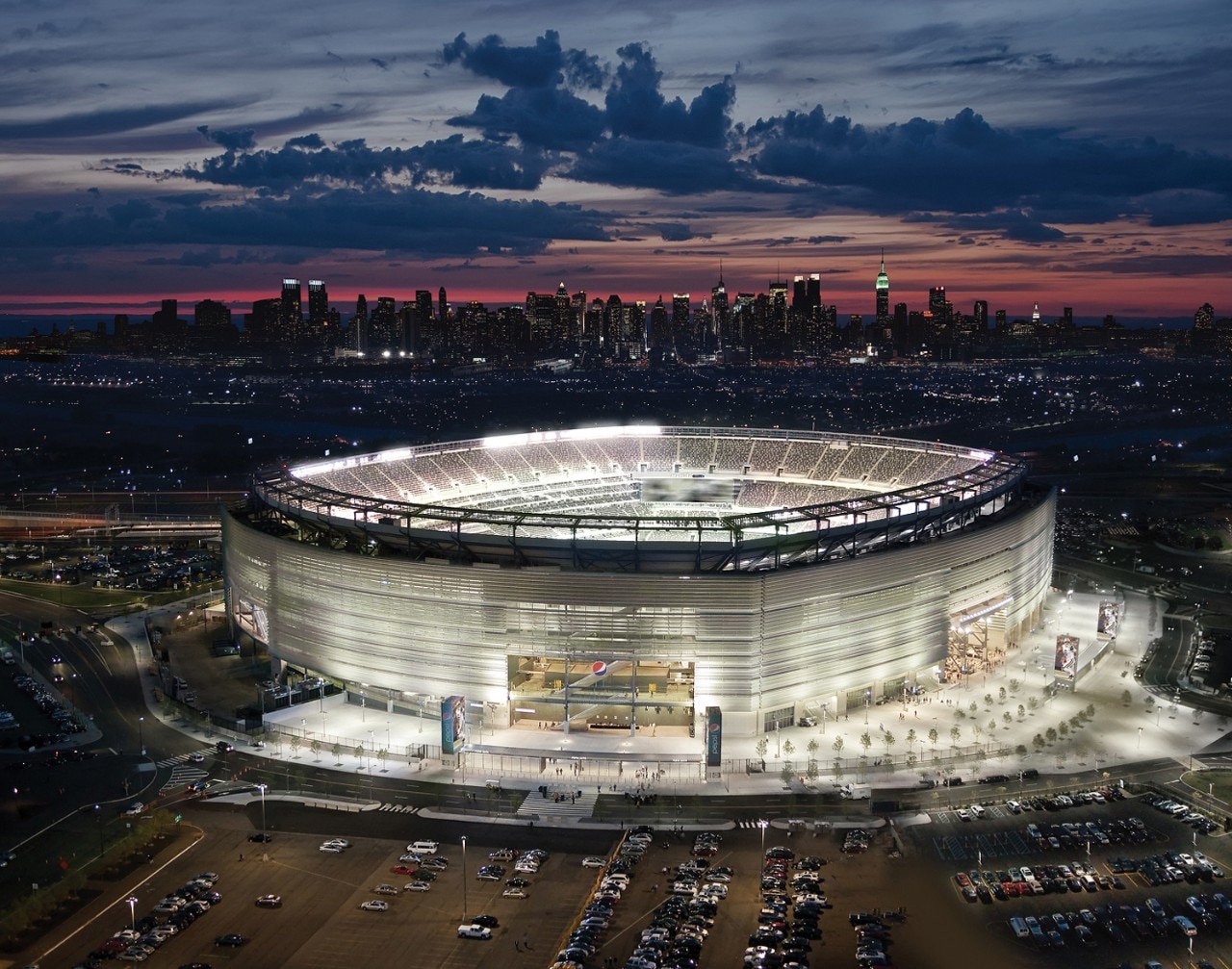

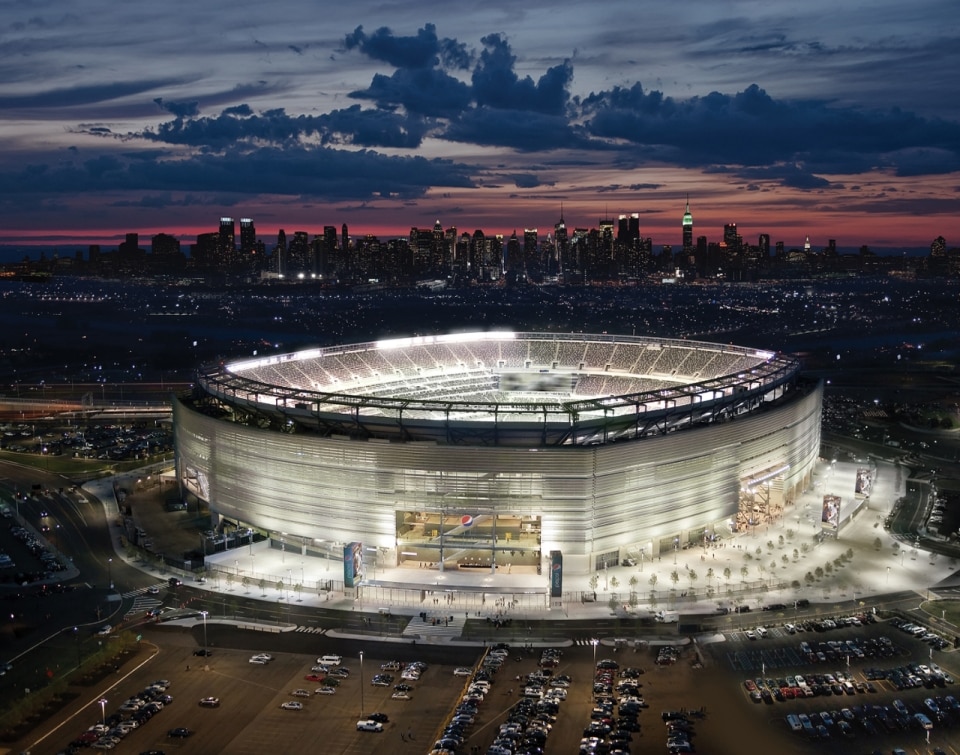
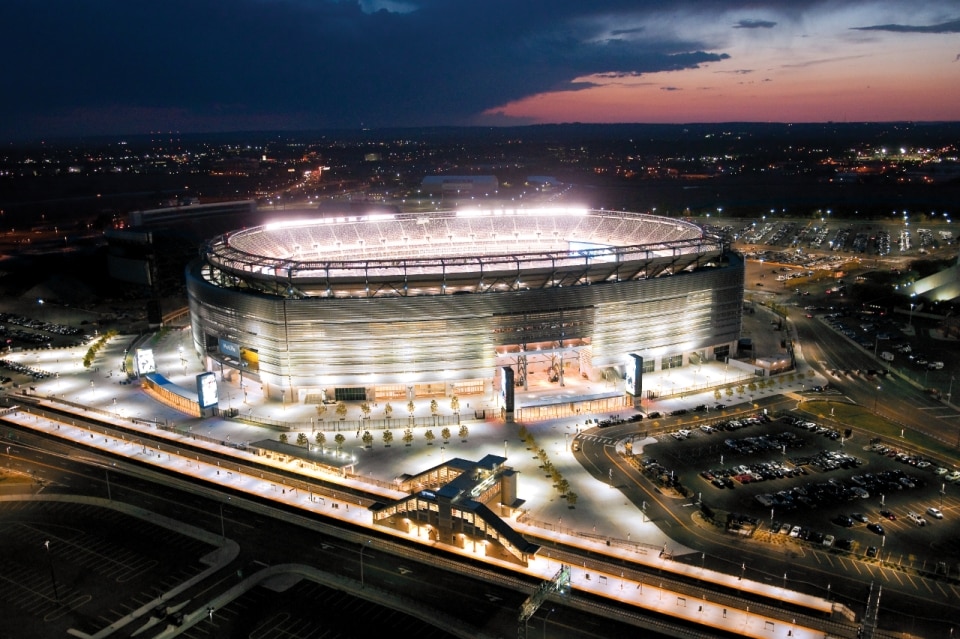
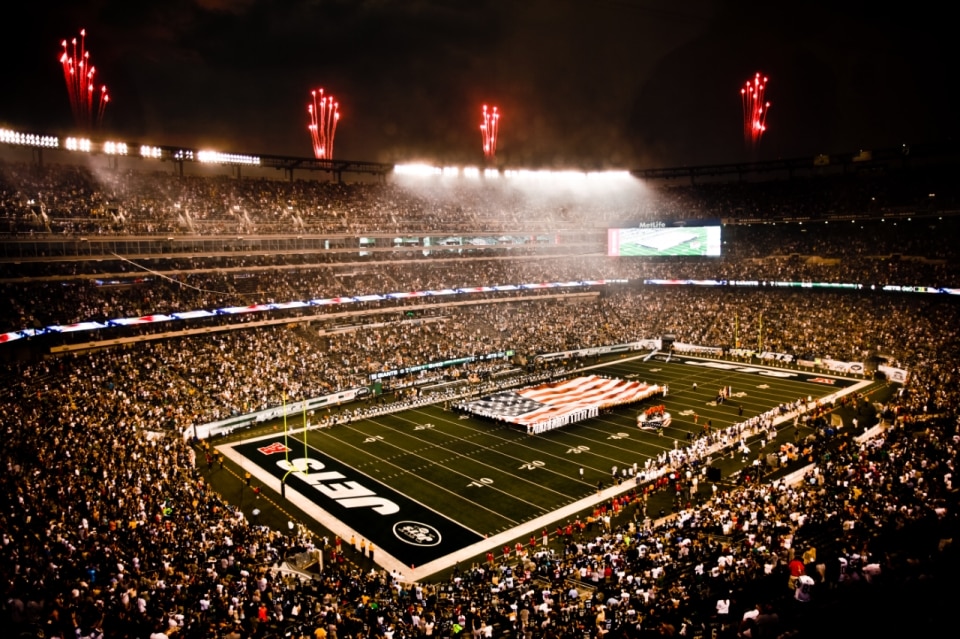
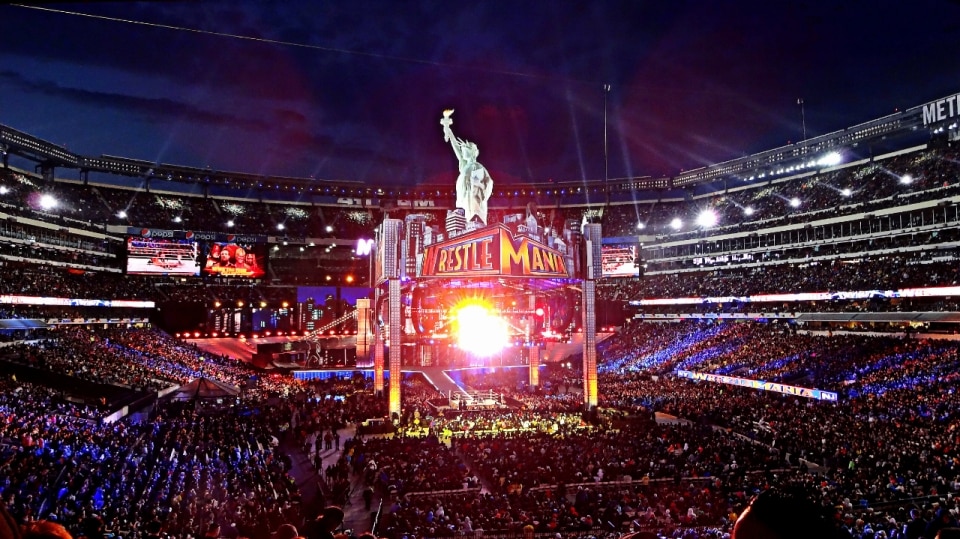
New York has always been two cities at once. One looks to tradition, institutions and sporting dynasties; the other to ambition, reinvention and the promise of the American dream. In American football, these two souls have names — the Giants and the Jets — and for more than forty years they have shared the same home, first Giants Stadium and now MetLife Stadium. Yet that home is not in New York at all, but in the marshlands of New Jersey, surrounded by highways, parking lots and shopping malls.
It is here, in perhaps the least New York setting imaginable, that the 2026 FIFA World Cup final will be played on July 19. But things could have turned out very differently. For years, the Jets' great ambition — the franchise founded in 1960 as the Titans of New York — was to build a new stadium in the heart of Manhattan, above the West Side Yard, the Long Island Rail Road's vast rail depot occupying approximately 26 acres (10.5 hectares) along the Hudson River.
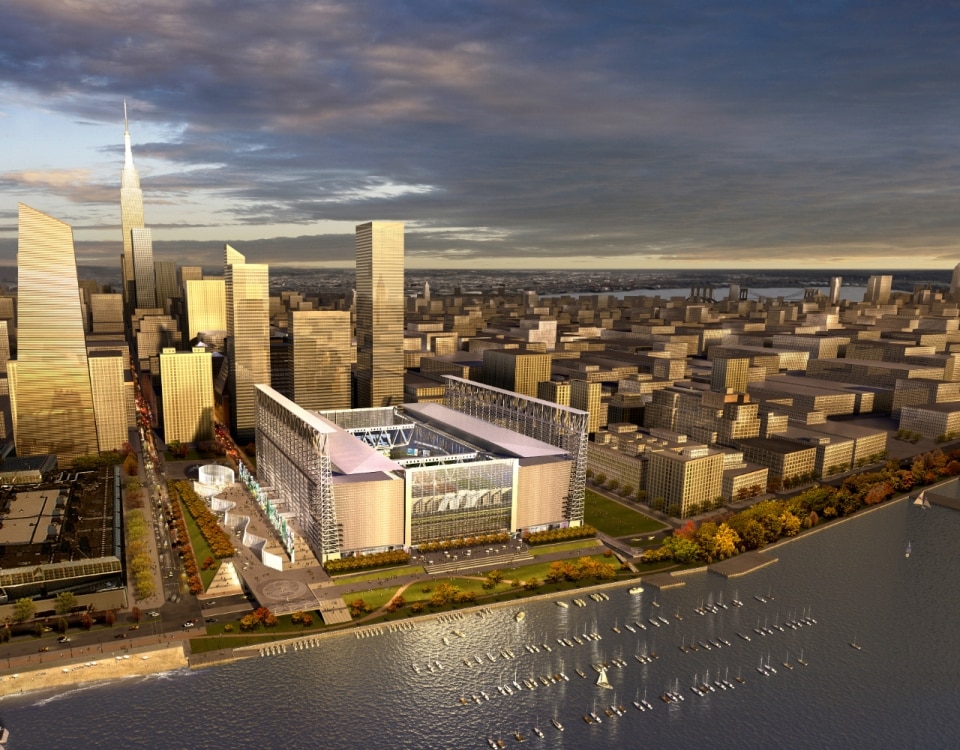
Had that project gone ahead, Hudson Yards — the neighborhood that New York Magazine once described as a "billionaire's fantasy city" — would likely be home to a 75,000-seat arena today. The story of MetLife Stadium, which will host the biggest match in world football in 2026, therefore begins with a stadium that was never built and with a city designed for billionaires.
From the suburbs to the West Side rail yards
It is the early 2000s in New Jersey's Meadowlands, the vast system of marshes and estuaries outside New York made iconic by Bruce Springsteen's music and the world of The Sopranos. Giants Stadium, inaugurated in 1976 to host both the Giants and the Jets, is beginning to show the limitations of a venue designed for another era.
For sixteen years, the Giants and the Jets have shared MetLife Stadium, not in New York but across the Hudson in New Jersey. On July 19, 2026, it will host the FIFA World Cup final. But things could have turned out very differently.
The Jets — the franchise created in the 1960s to challenge the Giants' dominance, the team that won just one Super Bowl and never another — see an opportunity to finally claim a home of their own and generate new revenue in an NFL increasingly driven by hospitality, luxury suites and major events.
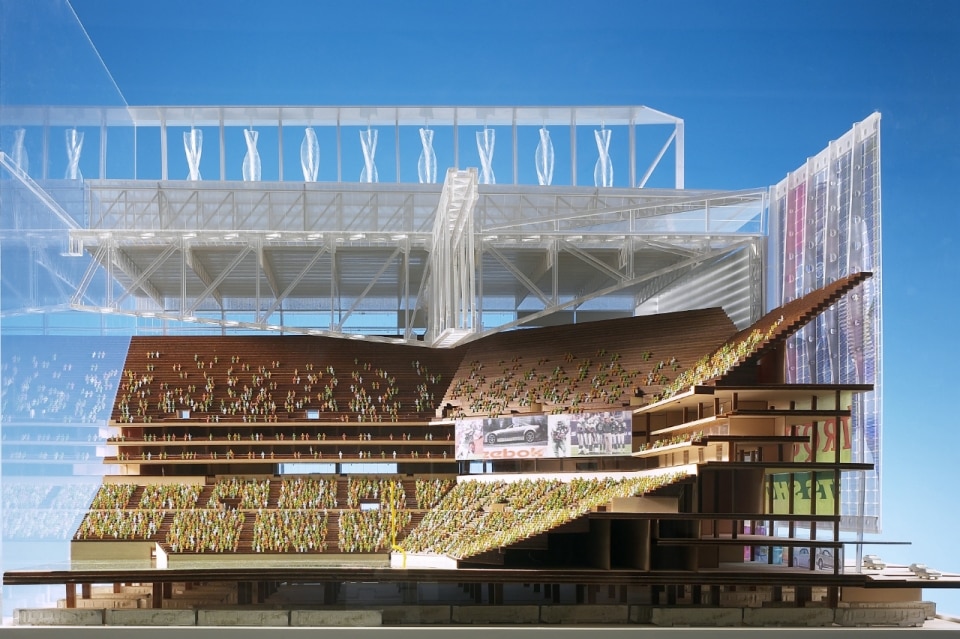
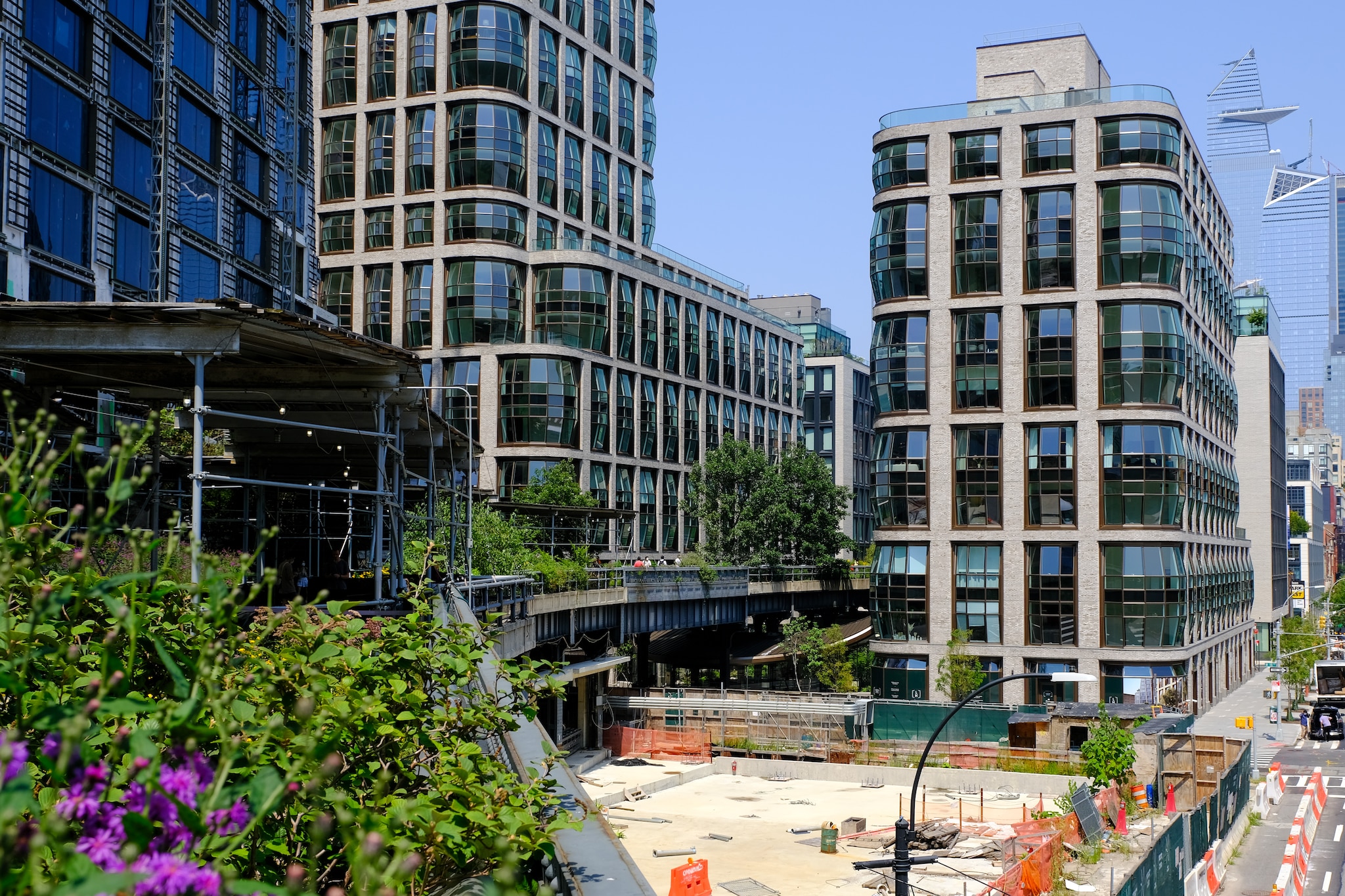
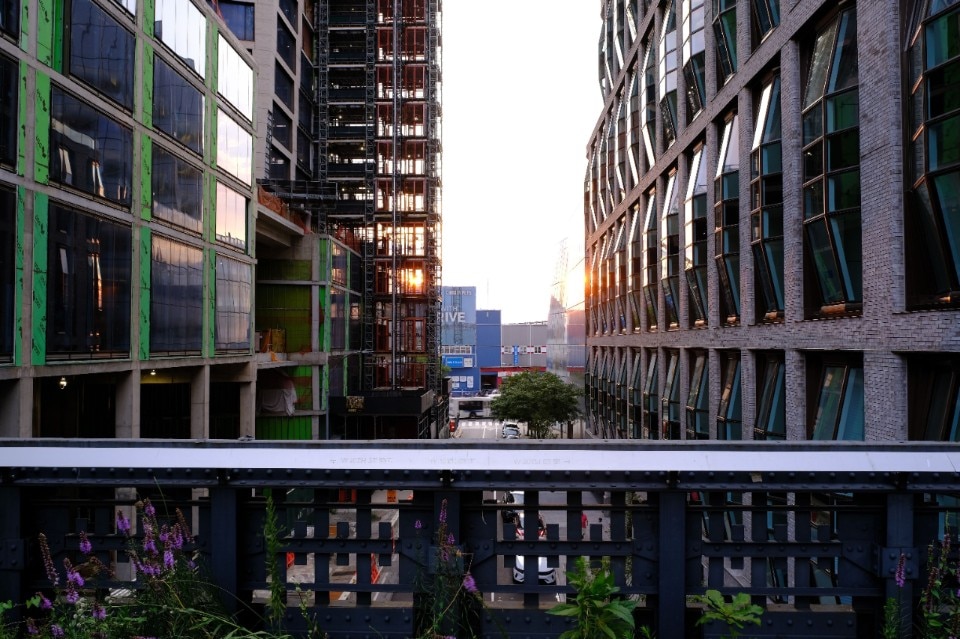
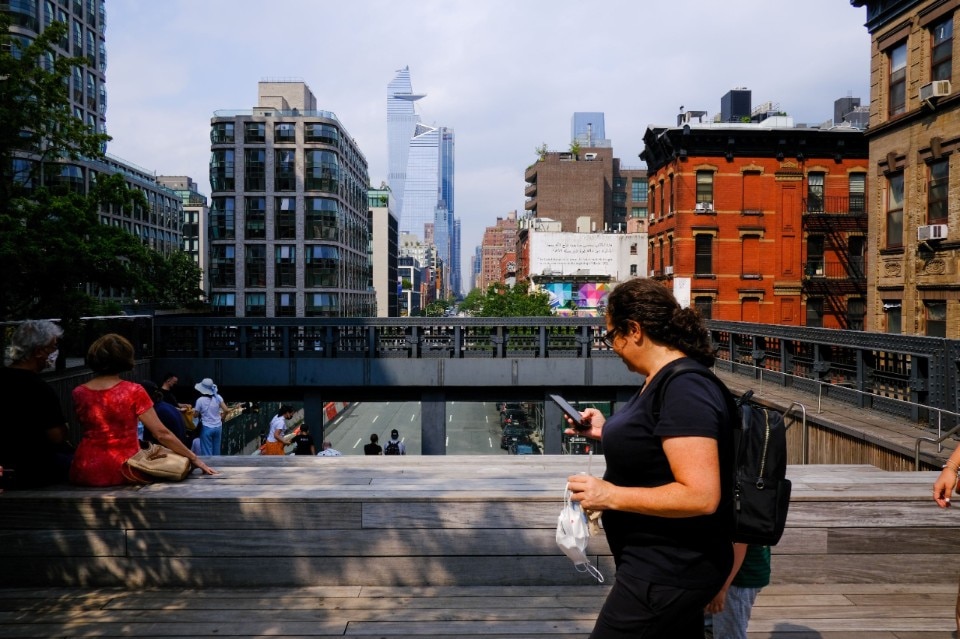
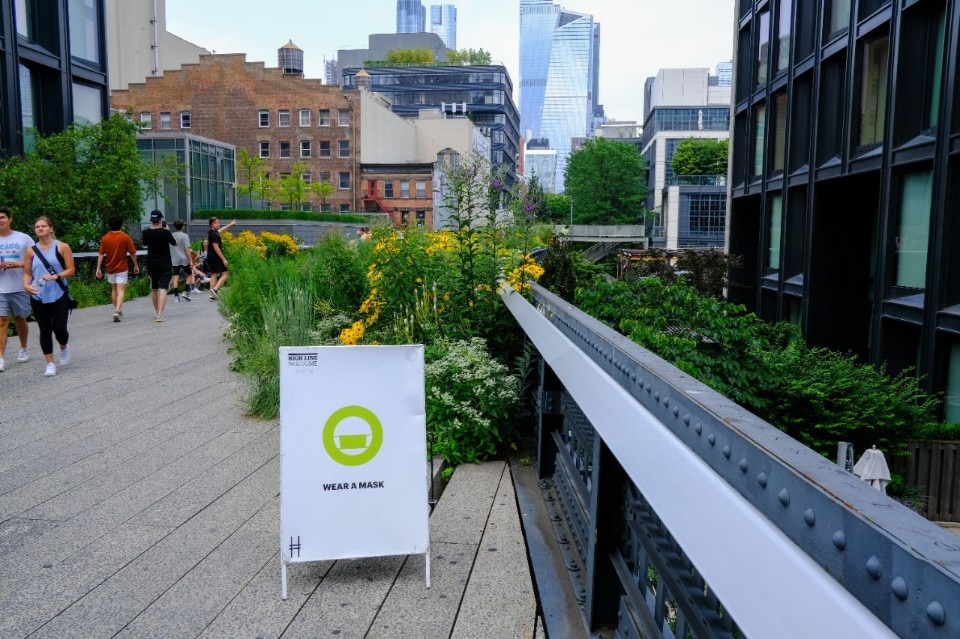
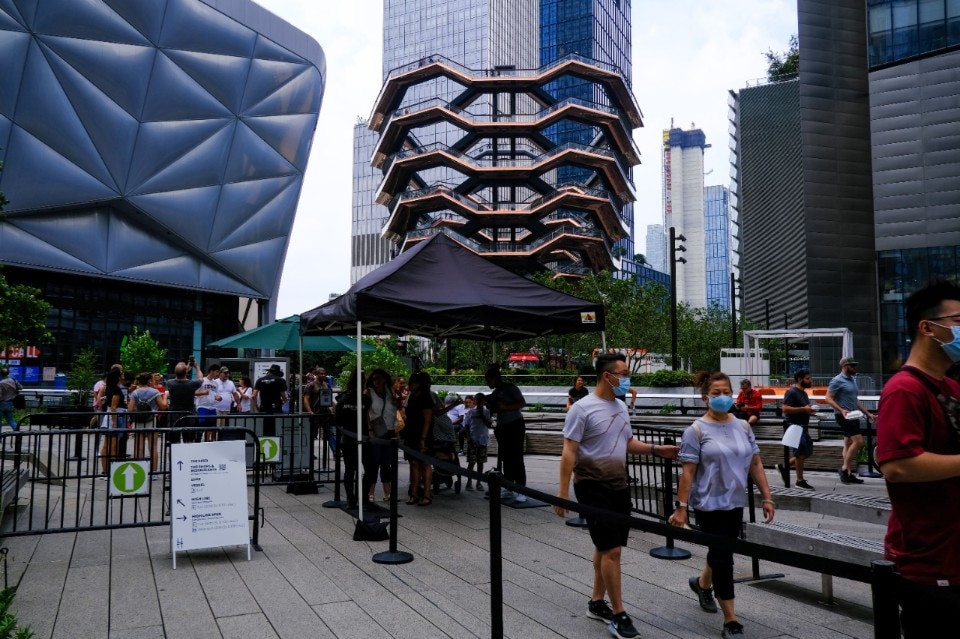
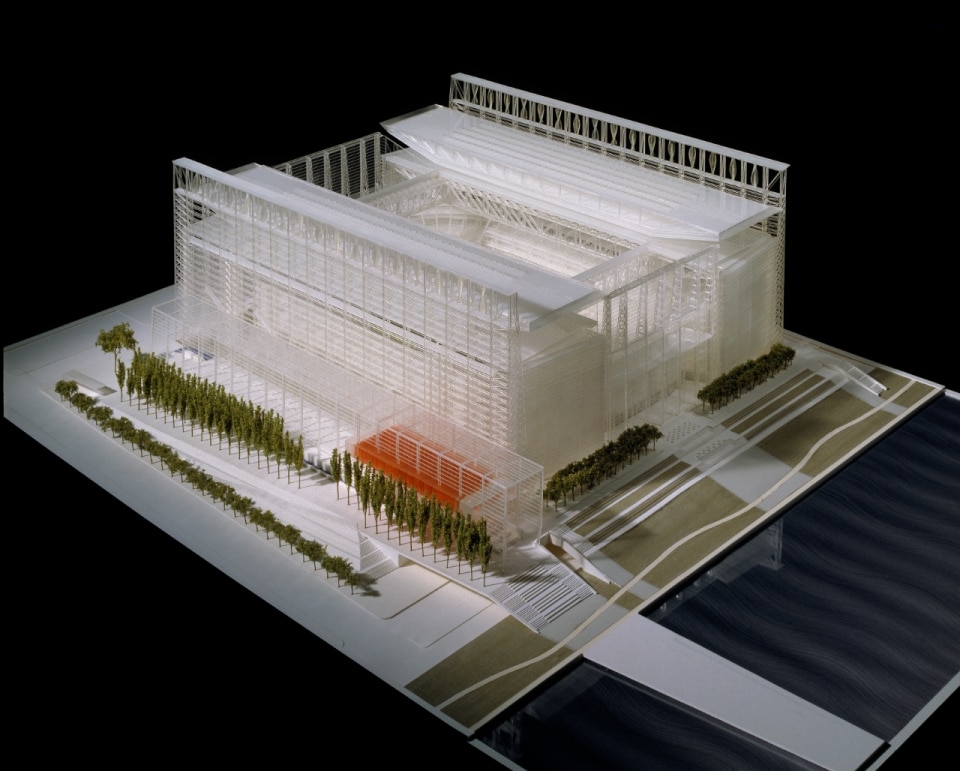
The proposal is ambitious: a stadium of more than 75,000 seats above the West Side Yard, between 30th and 33rd Streets. The infrastructure would literally sit on top of the rail tracks, on the very site where Thomas Heatherwick's Vessel, the Edge observation deck, The Shed cultural center by Diller Scofidio + Renfro, Meta's offices, the northern end of the High Line, luxury residences and high-end retail now stand.
The project was entrusted to New York-based firm Kohn Pedersen Fox, which envisioned far more than a football stadium. Officially known as the New York Sports and Convention Center, it would have hosted Jets games, as well as the opening ceremony and several events had New York secured the 2012 Olympic Games. Equipped with a retractable roof, it could expand to roughly 85,000 spectators and function as an extension of the nearby Jacob K. Javits Convention Center, becoming one of the largest convention venues in the United States.


.jpg.foto.rmedium.png)
The idea thrilled Mayor Michael Bloomberg, who saw the stadium as both the symbol of New York's Olympic bid and the catalyst for redeveloping a large swath of the city still occupied by rail infrastructure. The proposal for the New York Sports and Convention Center was born. Almost everyone, however, simply called it the West Side Stadium — and many immediately opposed it.
When New York said no
Among its most vocal critics was James Dolan, owner of Madison Square Garden, who feared the emergence of a direct competitor for concerts, conventions and sporting events. Much of New York State's political establishment also opposed the project. To many, the West Side Stadium represented an excessive use of public money and an overly aggressive intervention in the urban fabric. As New York's Olympic bid lost momentum to London, the project was definitively rejected in June 2005.
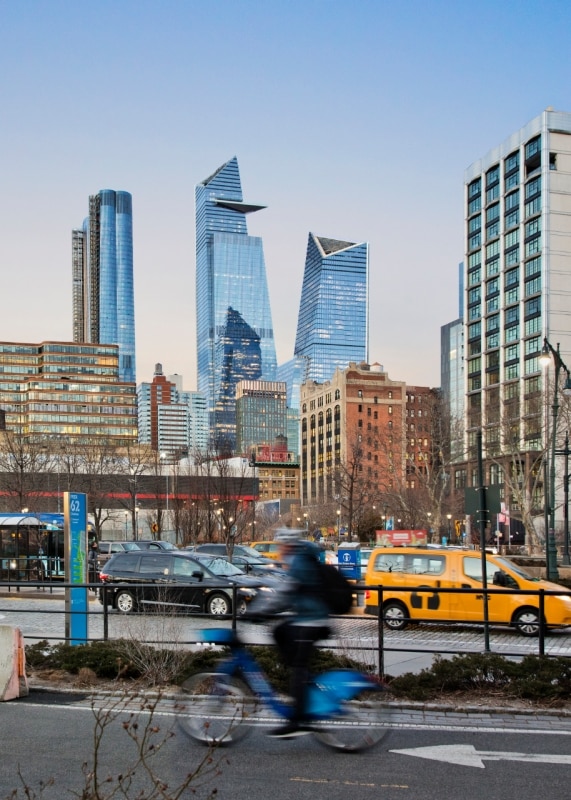
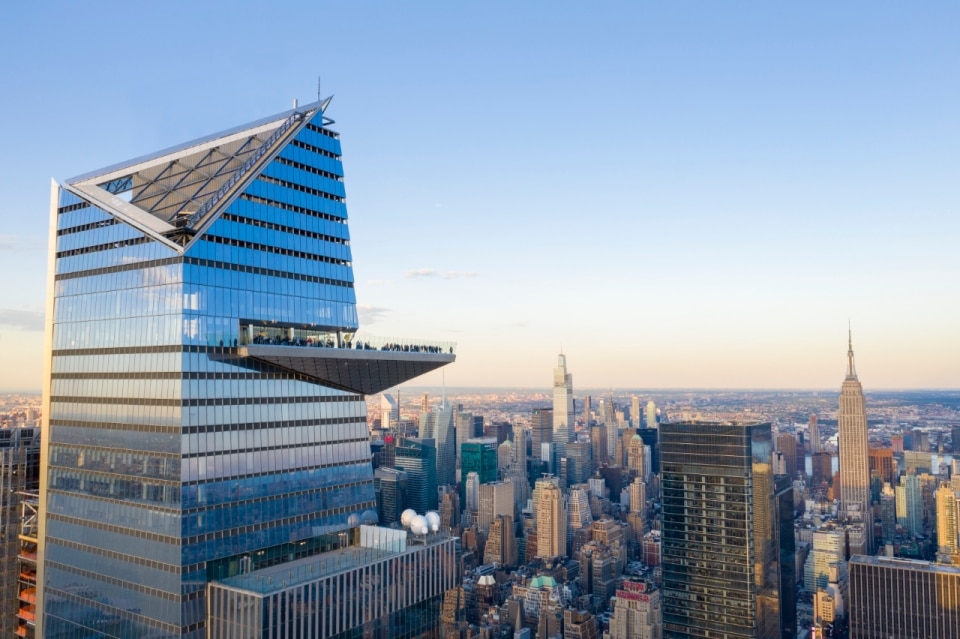
The stadium disappeared. The land did not. Nor did the architects. In the years that followed, Kohn Pedersen Fox would go on to design the master plan for Hudson Yards and several of its signature buildings — including 10, 20, 30 and 55 Hudson Yards — transforming the site once intended for the Jets' stadium into one of the largest private real estate developments in American history.
Meanwhile, the Giants and the Jets decided to remain in the Meadowlands and build a new venue together: MetLife Stadium, inaugurated in 2010 and destined, sixteen years later, to host the FIFA World Cup final.
A stadium in constant transformation
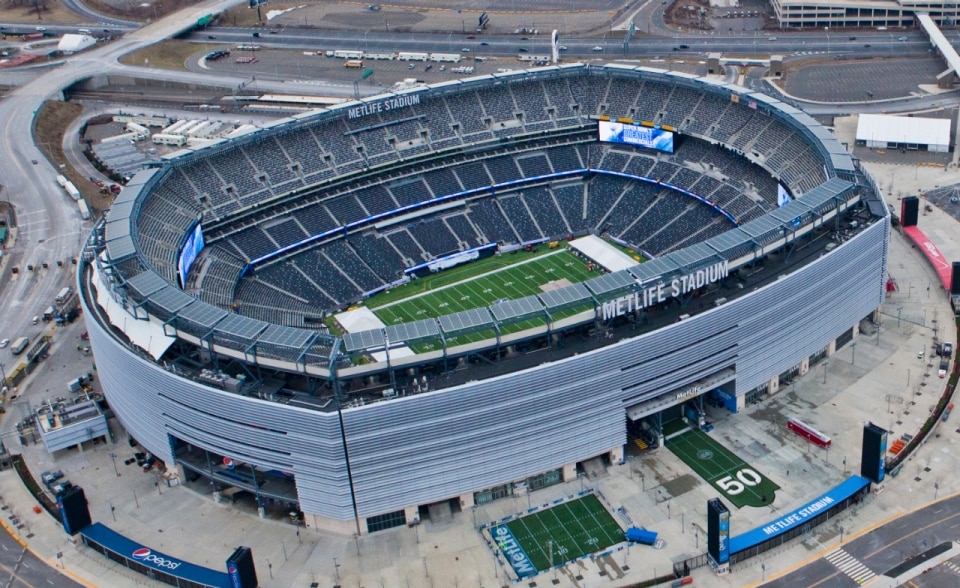
When MetLife Stadium opened in 2010, it was one of the most expensive sports venues ever built in the United States and one of the most unusual. Like Giants Stadium before it, it does not truly belong to a single team. Alternating between Giants and Jets home games, the stadium changes its colors, logos, lighting, signage and branding depending on who is playing. It is a venue without a single identity, suspended between two fan bases, two histories and two competing visions of New York.
The architecture itself, designed by EwingCole and Rockwell Group at a cost of $1.6 billion, lacks a defining visual signature. With a capacity of more than 82,000 spectators, MetLife Stadium's most distinctive feature is precisely its ability to continually reinvent itself.
Had the West Side Stadium been approved, the World Cup final would probably be played in the heart of Manhattan today.
Even ahead of the World Cup, this icon of American football has had to adapt. To comply with FIFA standards, its synthetic turf has been temporarily replaced with natural grass, while the playing field has been expanded, requiring modifications to the lower seating bowl. Like its forgotten ancestor, MetLife Stadium was not entirely ready to host the world's biggest football match.
From a ghost stadium to the World Cup final
The story of MetLife Stadium deserves a novel, but above all it deserves to be seen as a lens through which to examine the profound transformations New York has experienced over the past two decades: the privatization of public space, the role of mega-stadiums, fan cultures and the evolution of global cities.
Had the West Side Stadium been approved, the World Cup final would probably be played in the heart of Manhattan today. Instead, the site is occupied by the neighborhood of Vessel and The Shed — a development that continues to divide New Yorkers far more than the Giants and the Jets ever have.