


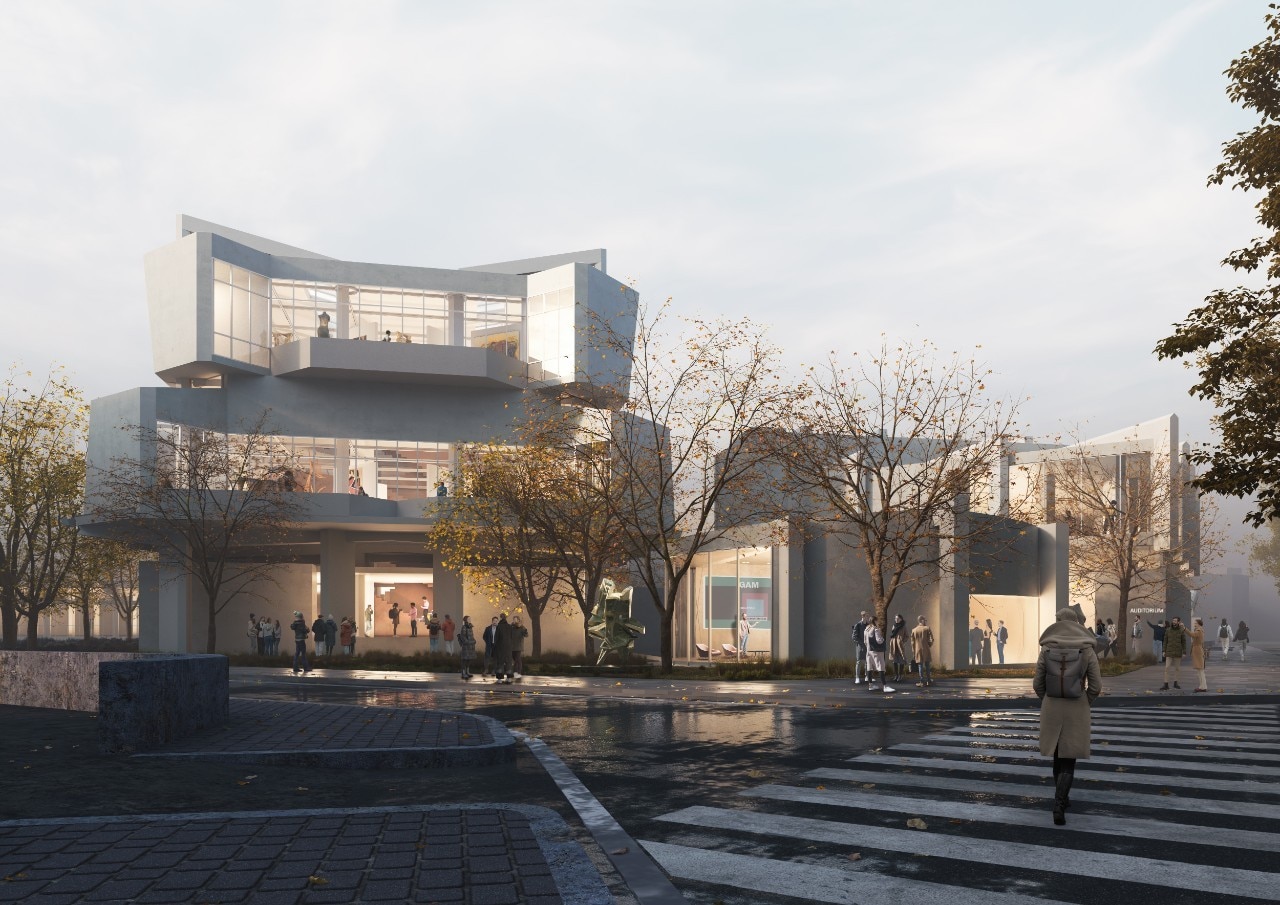

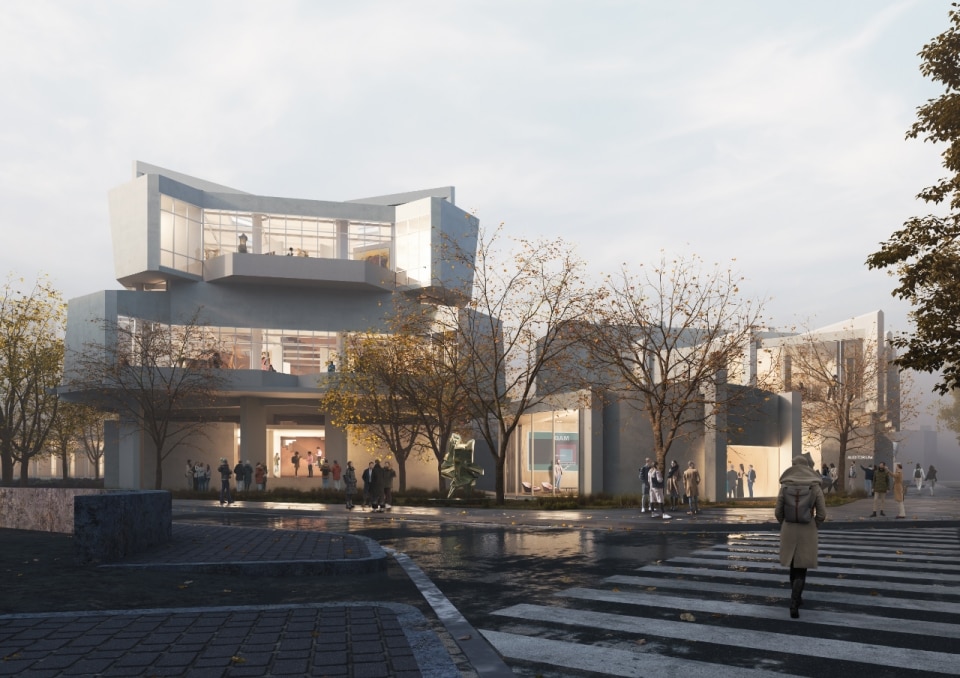
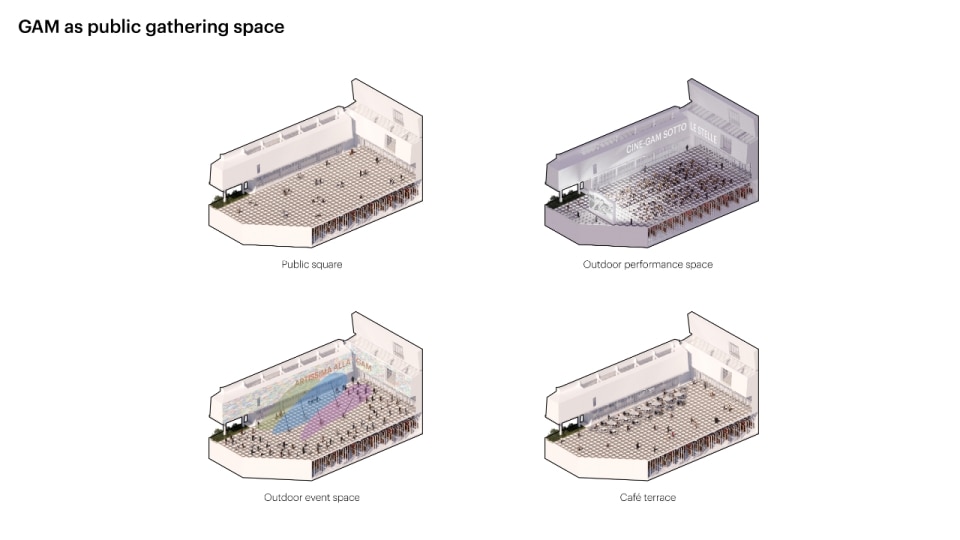
Almost seventy years after its opening, one of Italy’s great modern art museums is set to undergo a transformation. Details have finally been unveiled of the project designed by MVRDV and Balance Architettura for the redevelopment of Turin’s Civic Gallery of Modern and Contemporary Art (GAM): an ambitious and delicate intervention, called upon to engage with one of the undisputed icons of post-war Italian museum architecture.
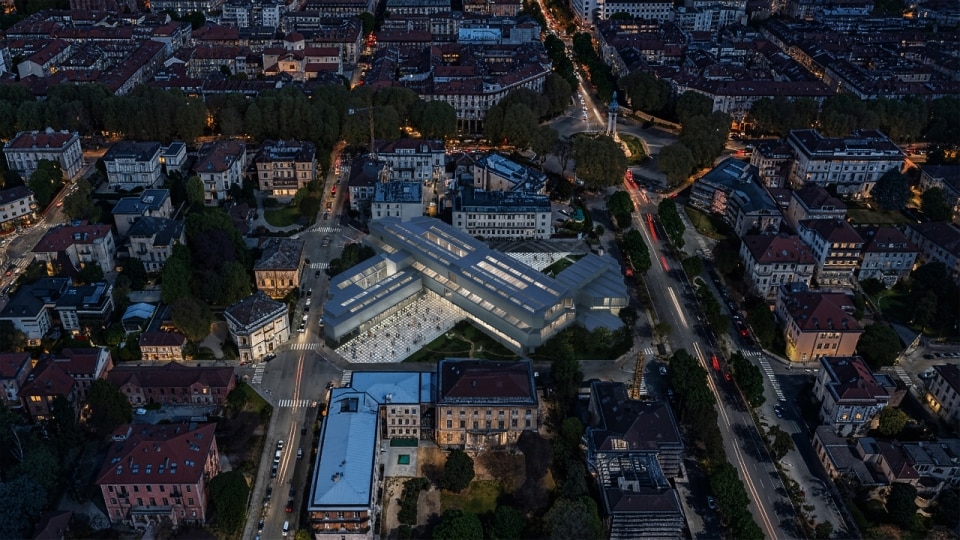
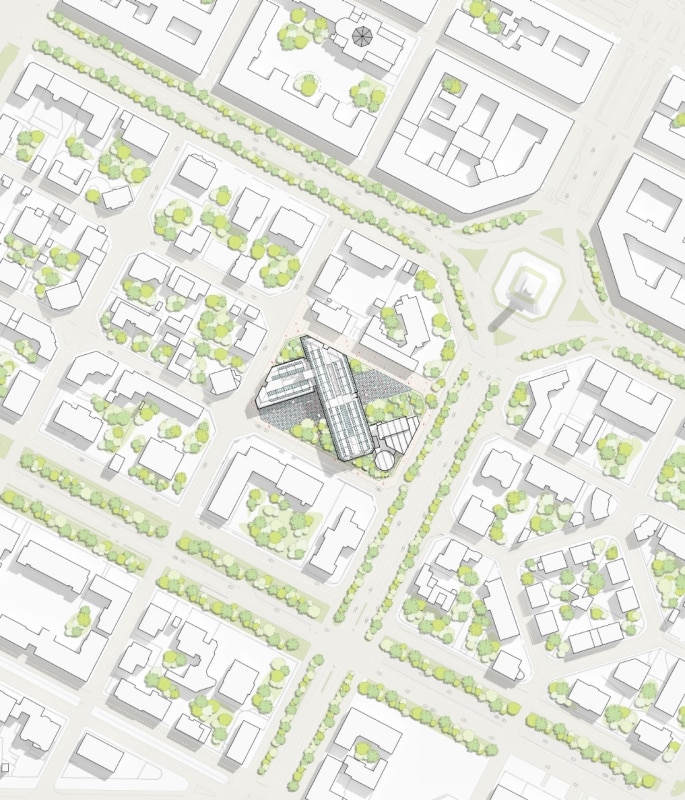
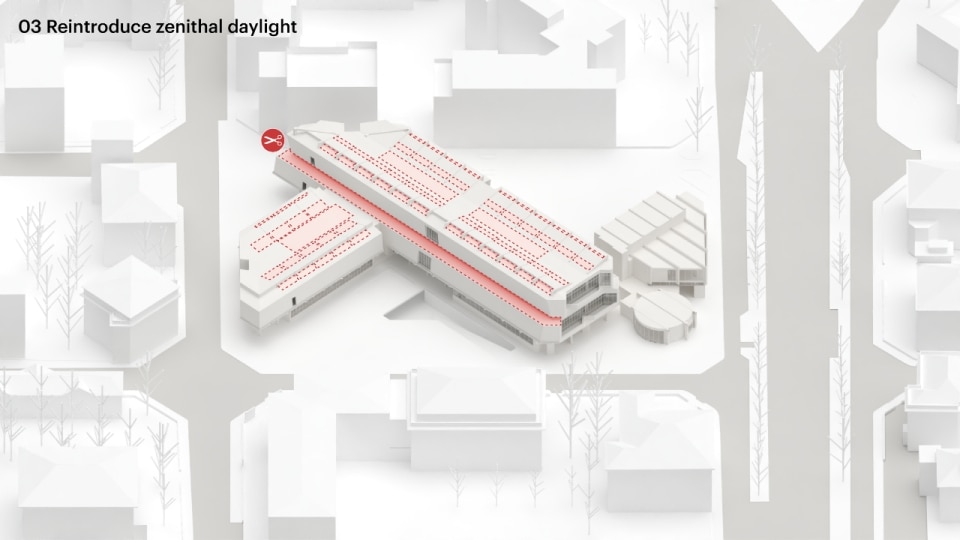
Opened in 1959 to a design by Carlo Bassi and Goffredo Boschetti, the GAM – the first Italian museum to feature a section dedicated to contemporary art, referred to at the time as ‘modern’ – embodied from the outset a strong commitment to experimentation and innovation, of which the architecture itself was an expression: the main volume, rotated diagonally in relation to the city’s orthogonal grid, ensured uniform natural lighting throughout the day, whilst the open-plan layout guaranteed maximum flexibility for exhibitions. Over time, however, the spatial coherence of the original design has gradually been lost, buried beneath multiple layers of functional additions and alterations.
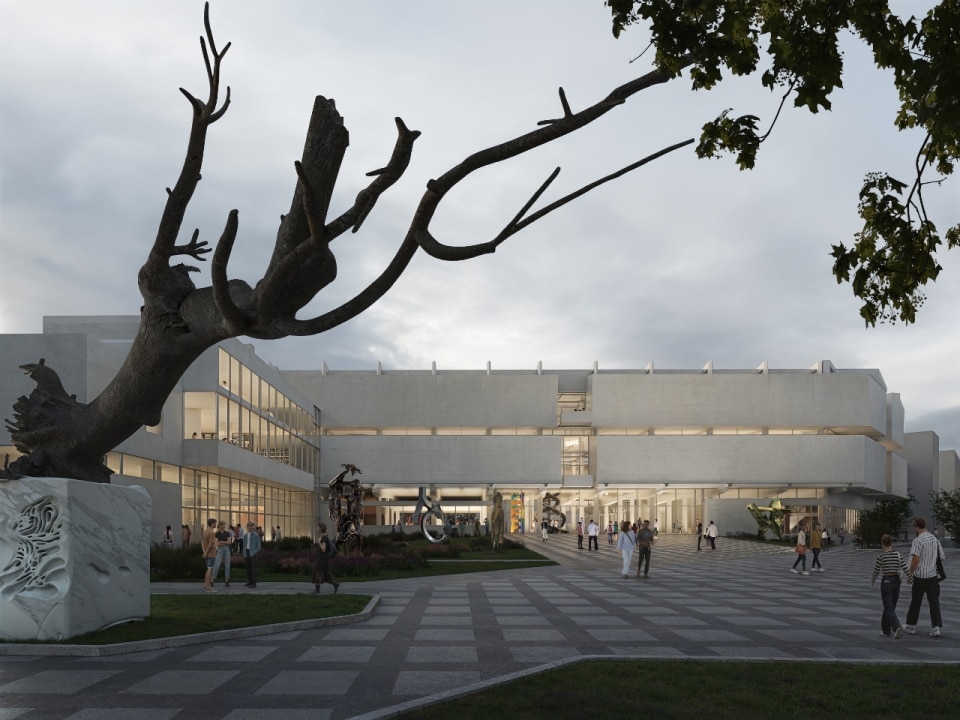
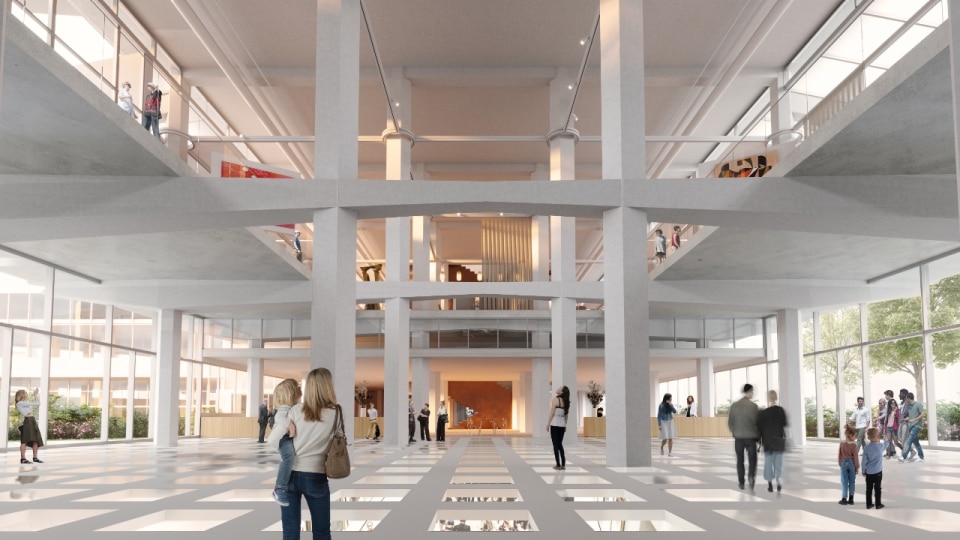
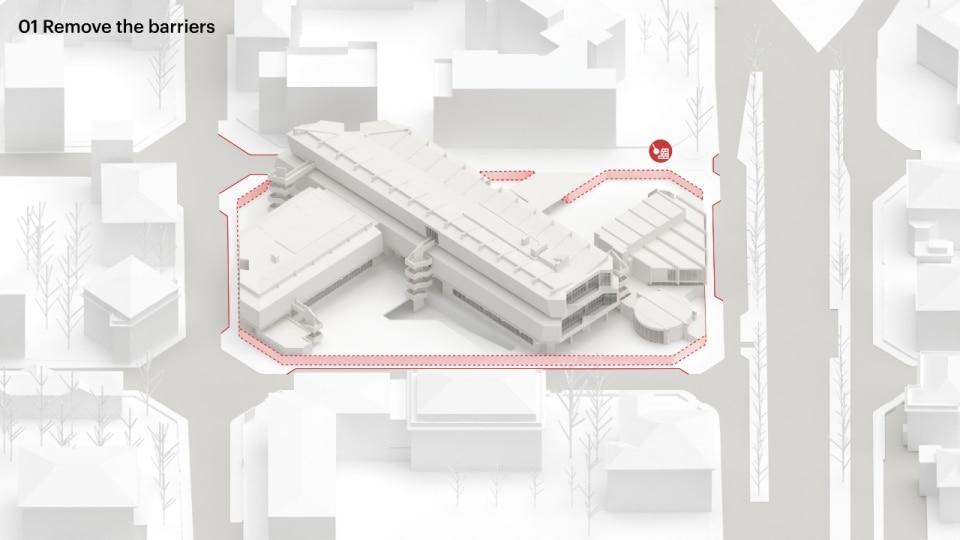
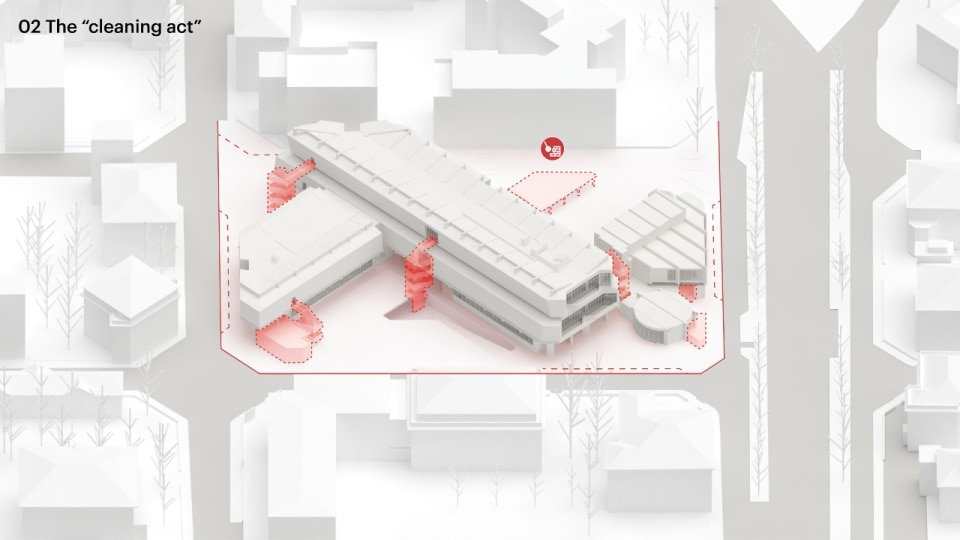
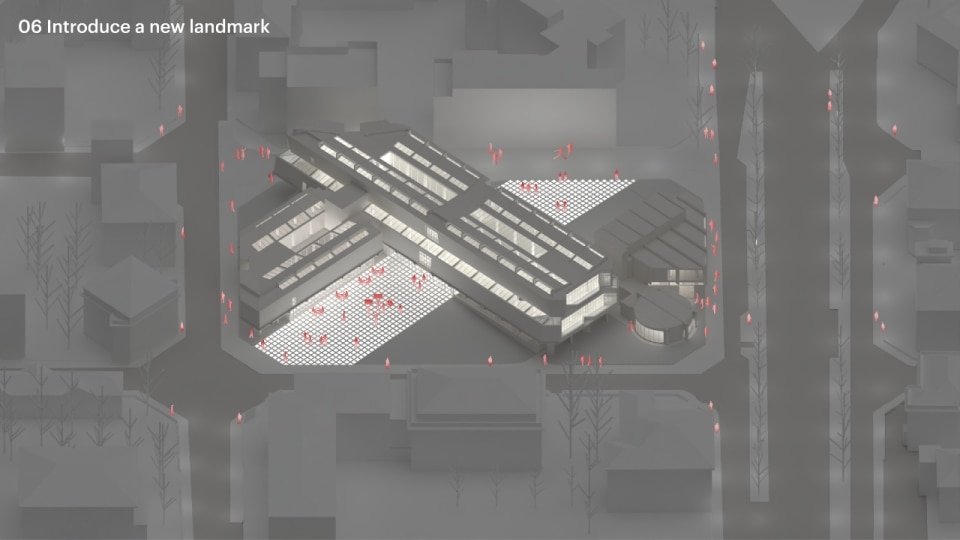
More than just a simple refurbishment, the new project aims to revive the institution’s original radical impulse, bequeathing to the future a museum capable of responding to the needs of contemporary visitors and opening itself up to new forms of cultural experience and engagement with the city. “In many ways, our design revisits the ideas and the optimism that were central to the creation of this building 70 years ago”, says MVRDV founding partner Winy Maas. “We aim to clean up and to open this now-enclosed building as much as possible. It creates a dialogue between the past and the future. I’d hope that if Carlo Bassi and Goffredo Boschetti could see our proposal today, they would be impressed at how new technology, materials, and ideals could take their ideas even further than was possible in the 1950s”.
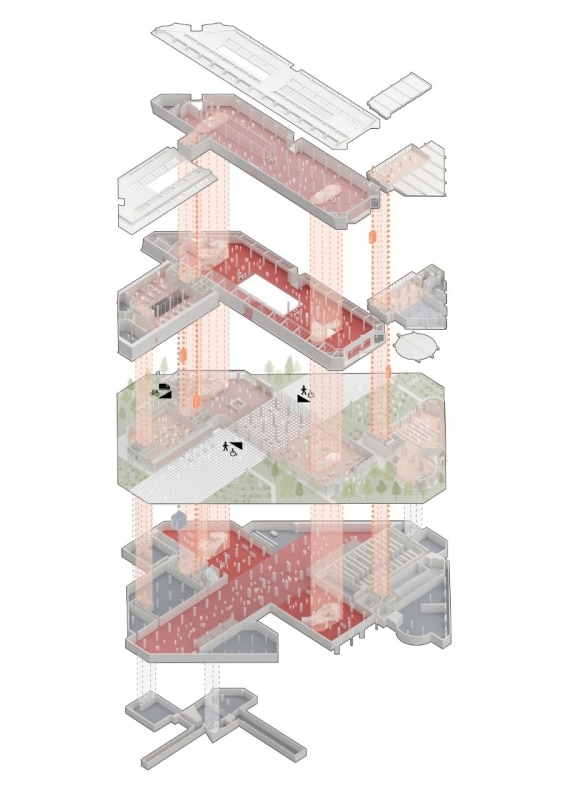
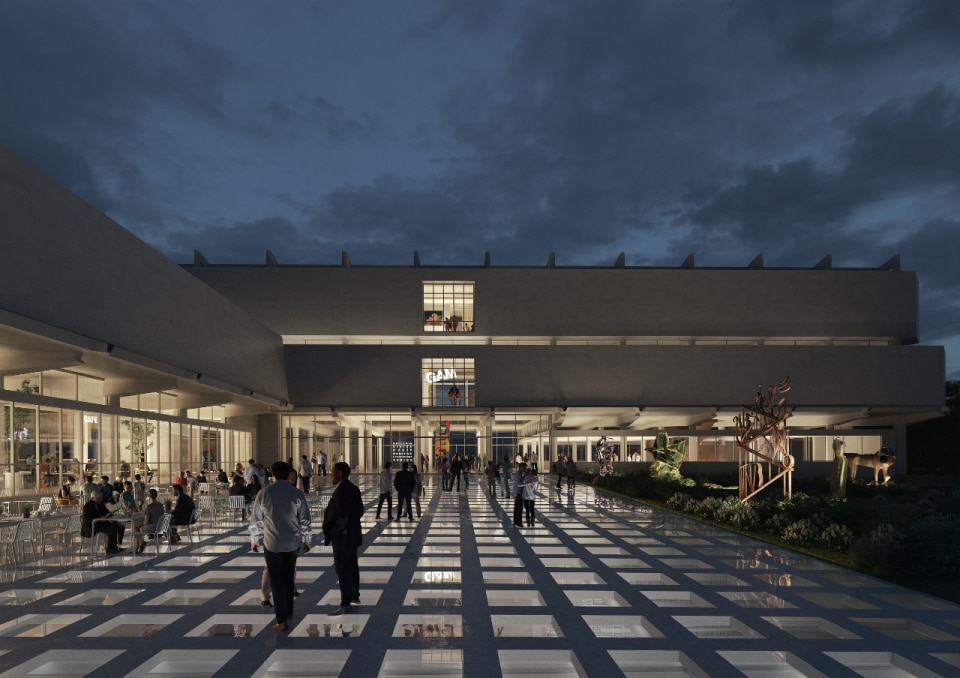
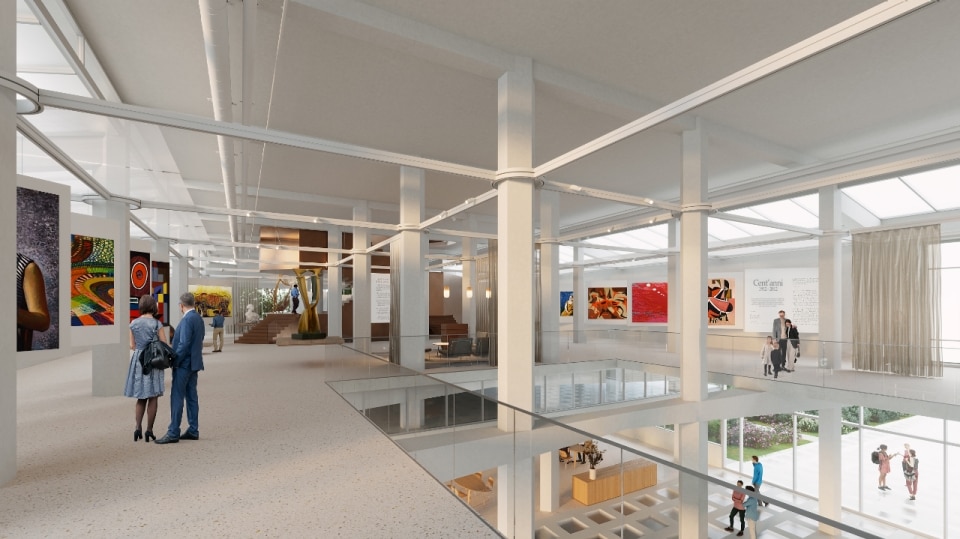
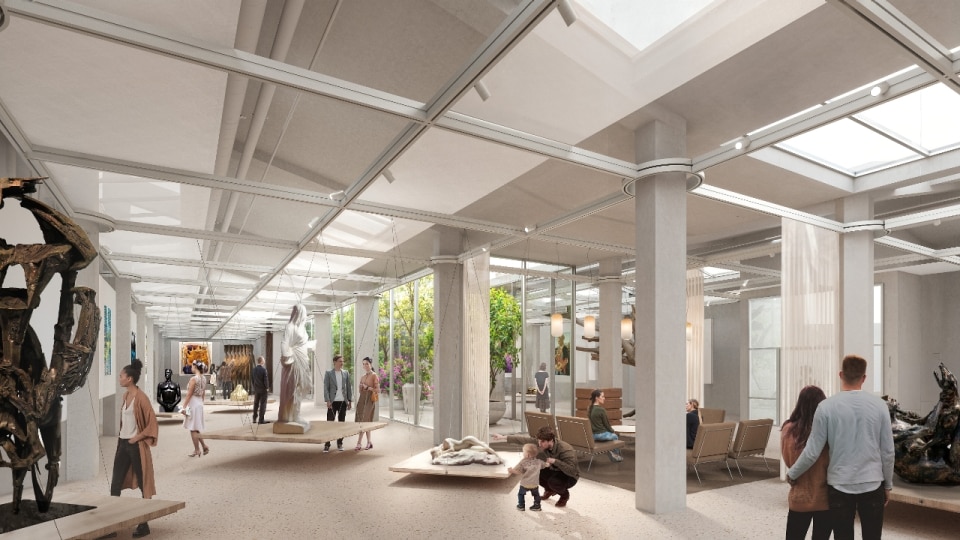
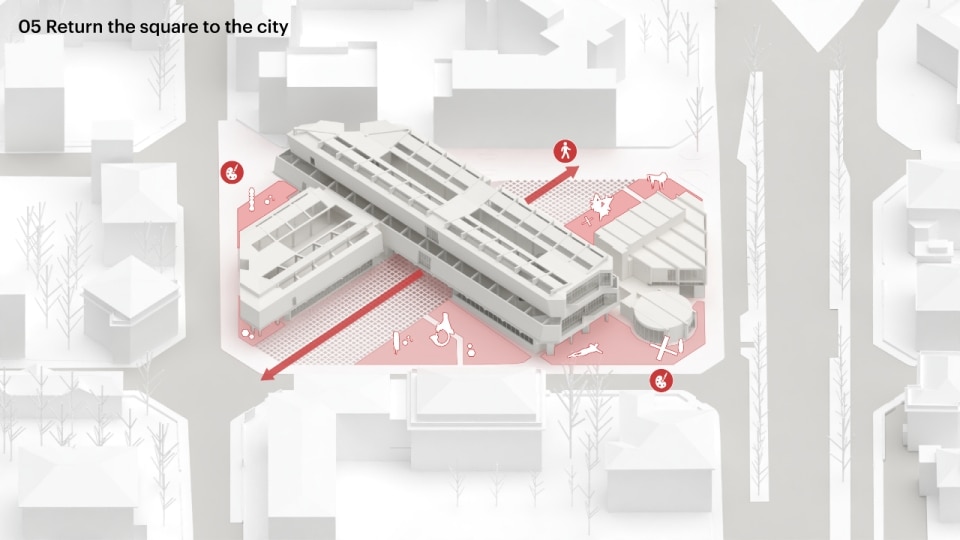
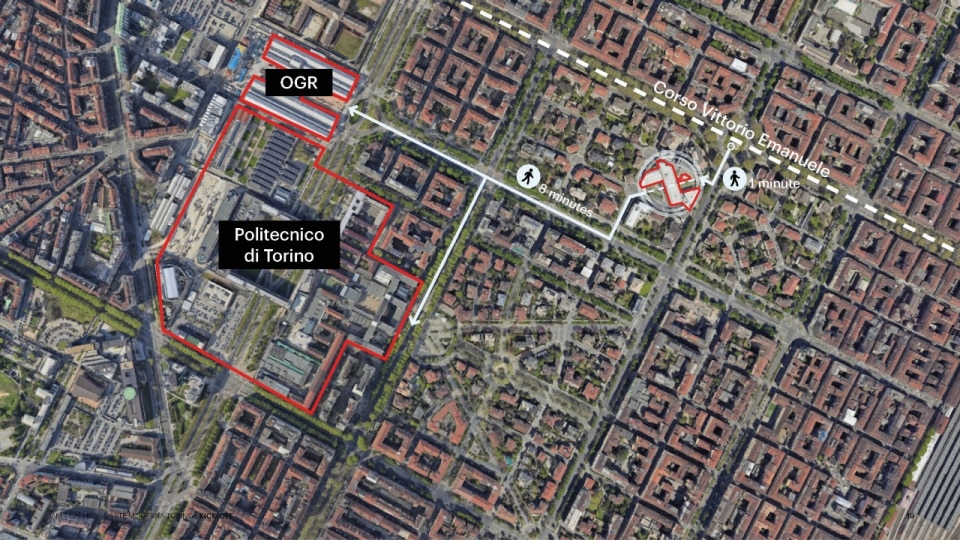
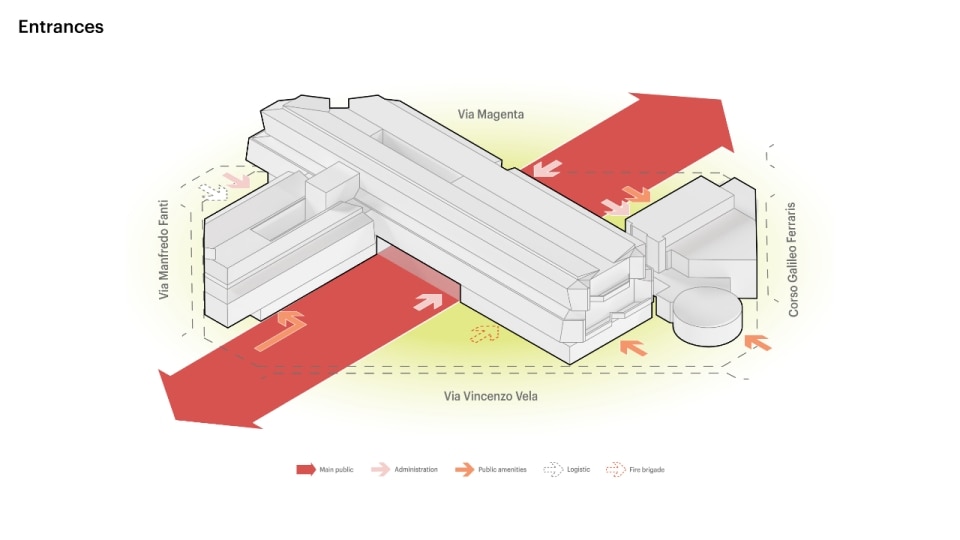
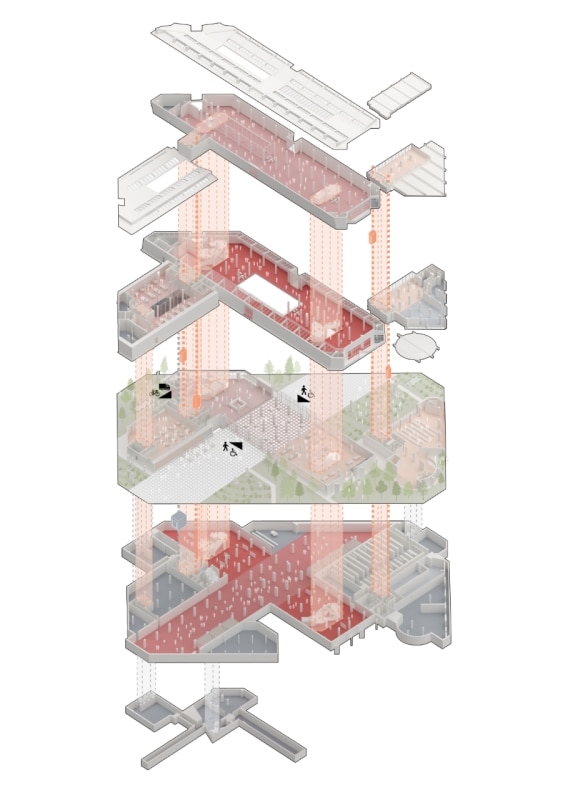
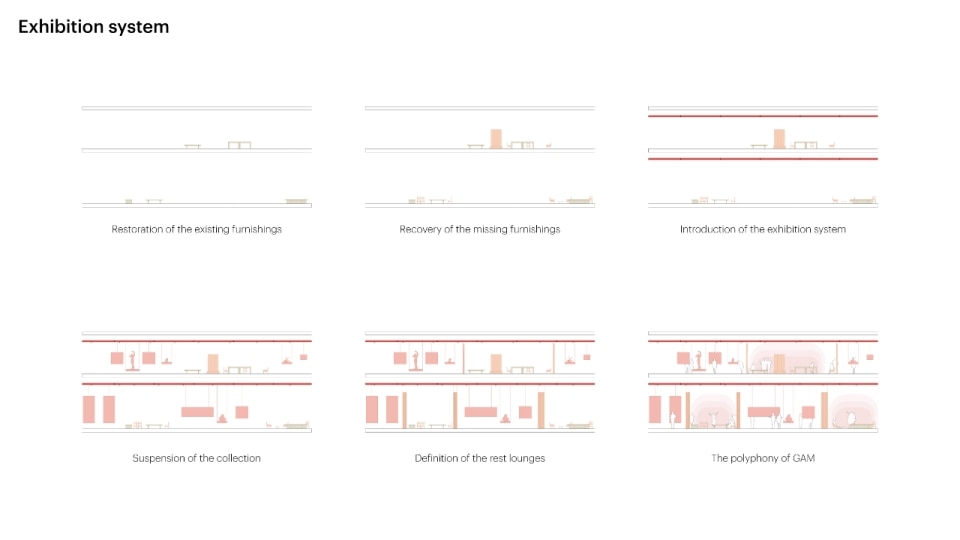
The strategy is, as is often the case in MVRDV’s work, exemplary in its clarity. A new glazed diagonal walkway crosses the park and passes beneath the museum’s main building, creating a direct link between the GAM, the Politecnico and the OGR, and redefining the museum as a permeable, everyday component of the urban infrastructure. Inside, the selective removal of incongruous partitions, the reopening of skylights and the restoration of the original fittings allow for the re-establishment of the original spatial layout, onto which a completely flexible exhibition system is superimposed, comprising suspended elements, movable walls and textile installations capable of continuously reconfiguring the space.
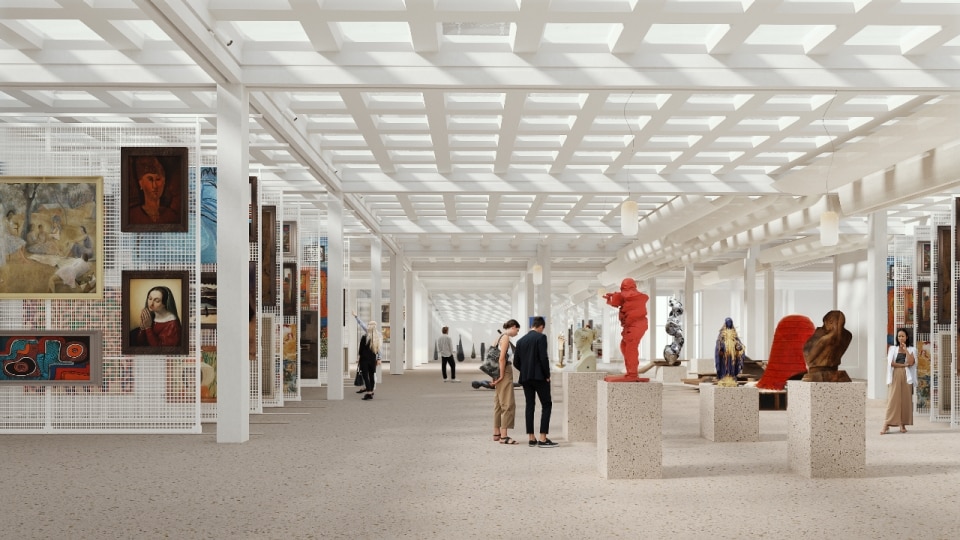
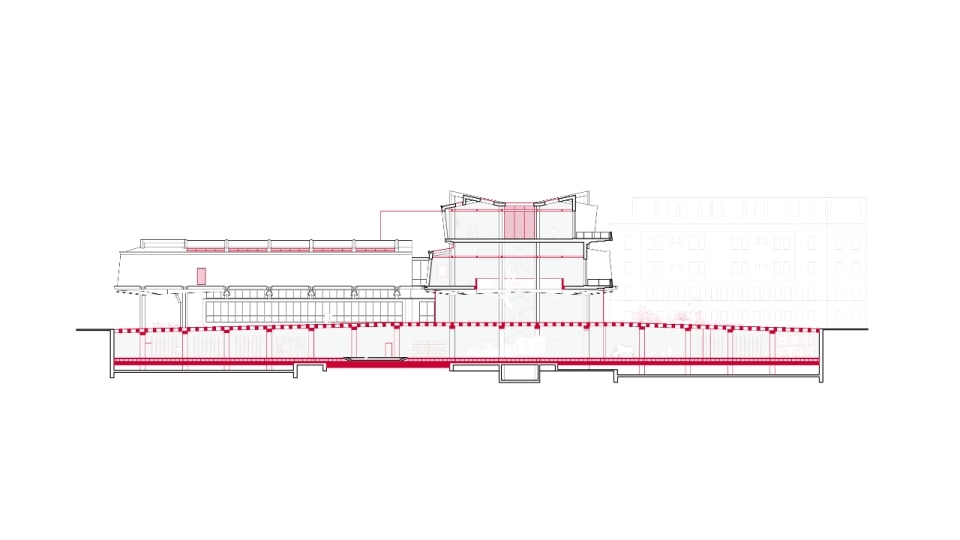
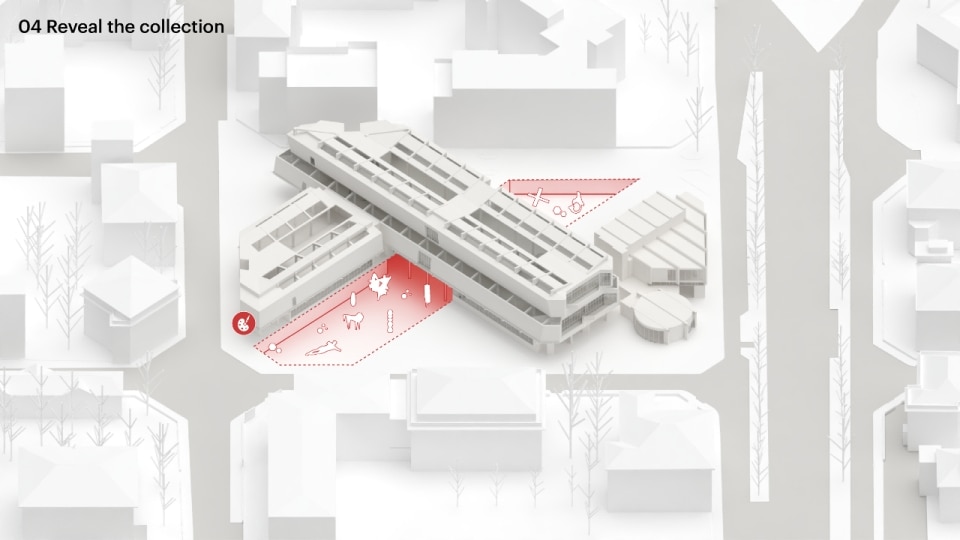
However, the most radical transformation will take place on the ground floor and in the basement levels, where the museum will adopt the open storage model. Following in the footsteps of the latest international experiments, from the Depot Boijmans Van Beuningen in Rotterdam – also designed by MVRDV – to the V&A East Storehouse in London by Diller Scofidio & Renfro, the project envisages the transformation of warehouses, storage areas and technical spaces into visitor-accessible environments: these areas will make a substantial part of the collection and the museum’s normally hidden activities accessible to the public, extending the visitor experience "behind the scenes".
Construction is expected to begin in 2027.