“Sometimes it’s worth taking the risk” — Jeanne Gang on architecture as a collective choice
From theaters to waterfronts and community centers, the projects by Studio Gang turn listening to communities into built form.
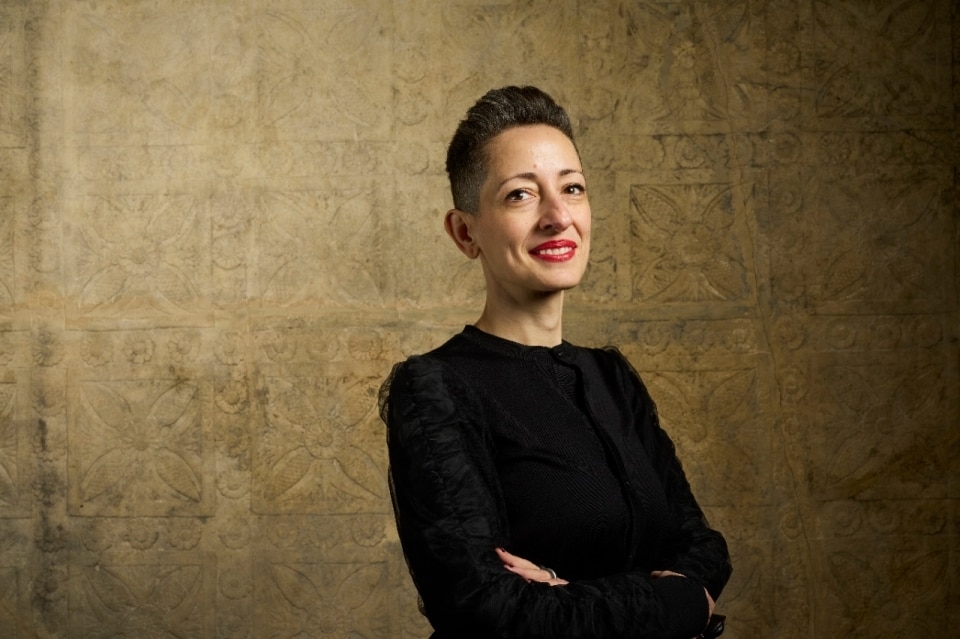
From her childhood in the mountains of Lebanon to her role chairing the Middle East and Africa jury at the Holcim Foundation Awards 2025, Ghotmeh reflects on craft, resilience, sustainability and architecture as a deeply human act.
From theaters to waterfronts and community centers, the projects by Studio Gang turn listening to communities into built form.
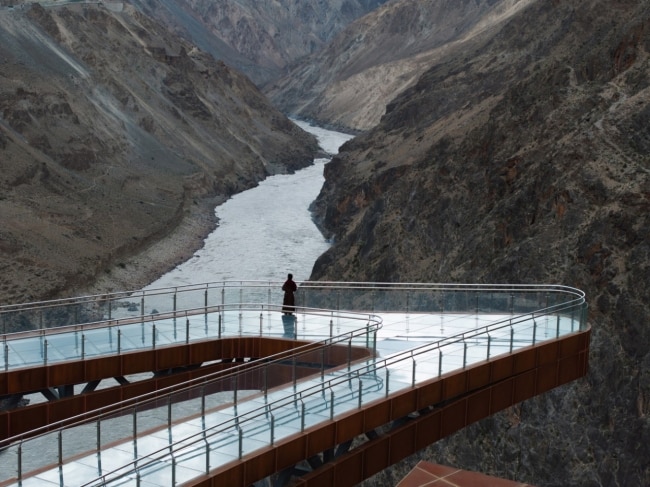
An Archermit intervention along the Sichuan-Tibet road transforms the edge of the Nujiang canyon into an observation and crossing device.
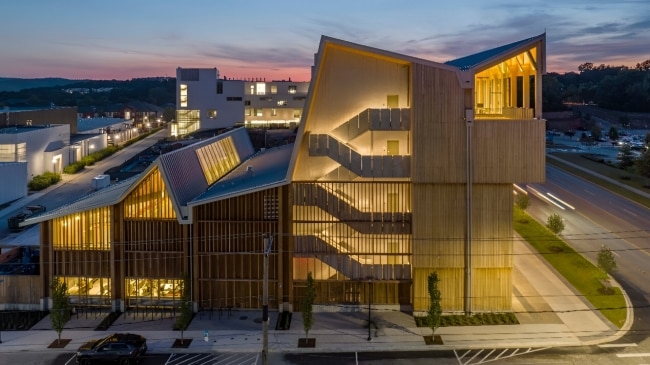
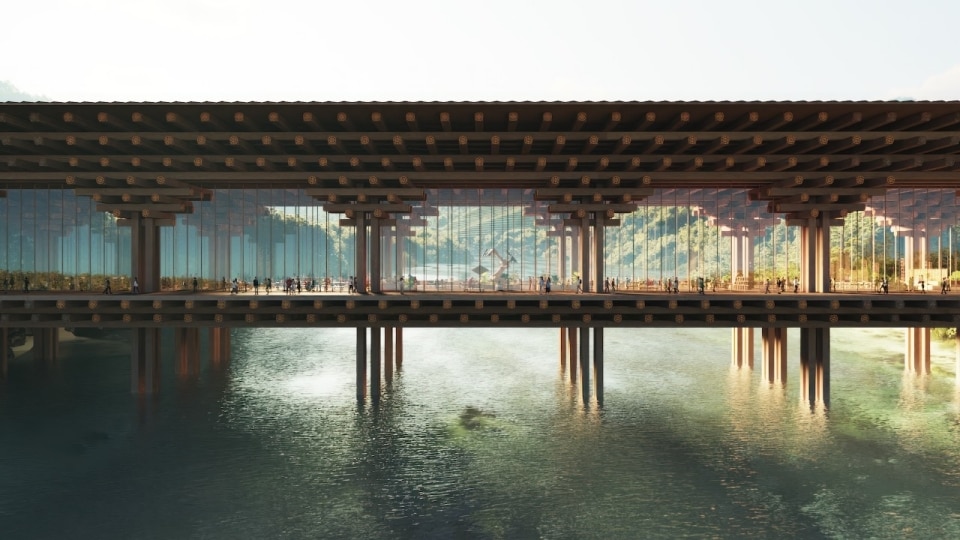
Residences, stadiums, theaters, and research centers: an itinerary among five buildings completed or announced in 2025 shows how wood is redefining contemporary architecture.
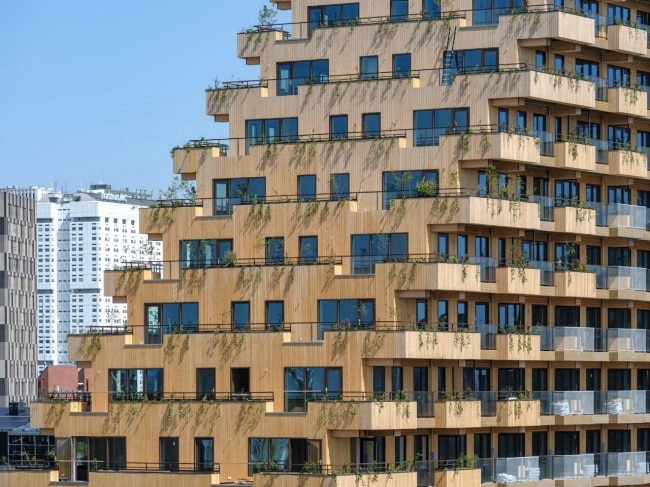
Sawa rises 50 metres along the Dutch city’s waterfront and was designed by Mei architects and planners with green terraces, inhabited galleries and shared spaces for residents.
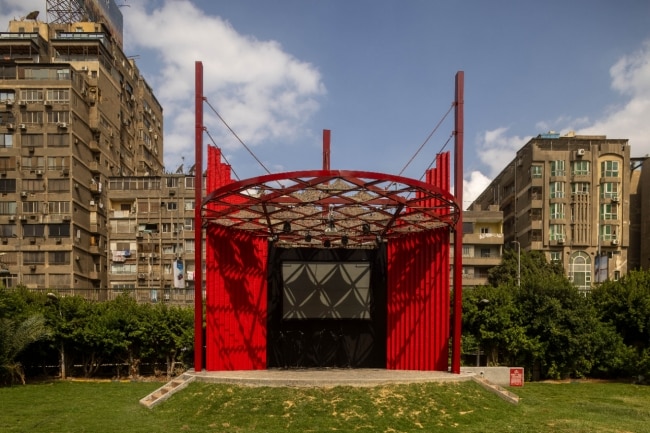
In the Agouza park, on the western bank of the Nile, Cluster and Thiss Studio are inaugurating a new free cultural space to protect one of the capital’s few remaining green areas.
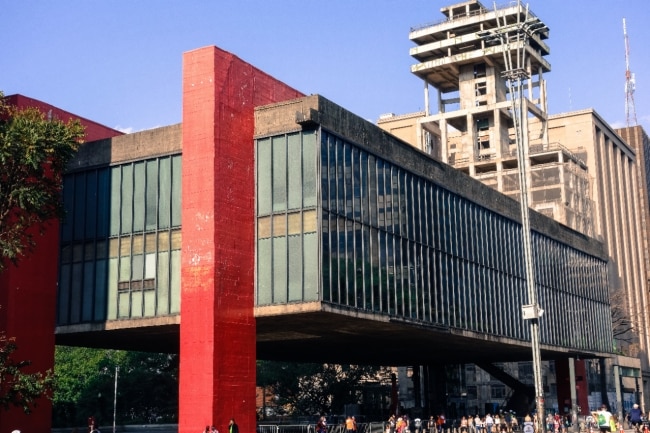
Brazilian artist Clarissa Tossin transforms the São Paulo museum designed by Lina Bo Bardi into a post-apocalyptic landscape built from the remnants of a flood.
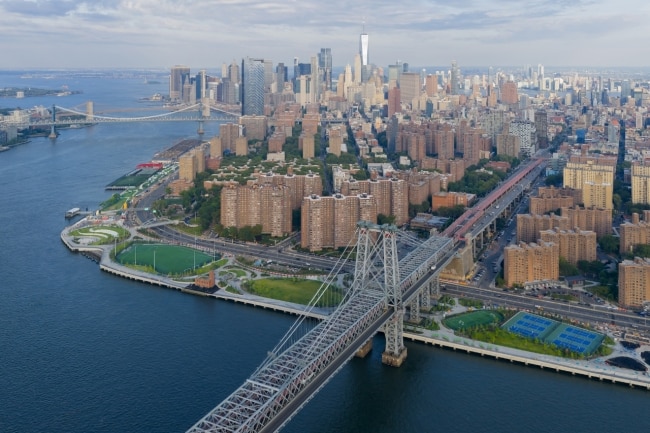
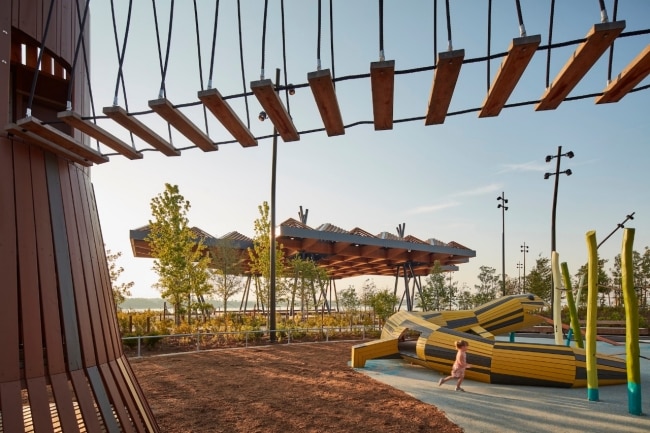
A “parkipelago” along the East River, near the Williamsburg Bridge — designed also as protection against climate events — is only the first step: the East Side shoreline is set to become increasingly green.
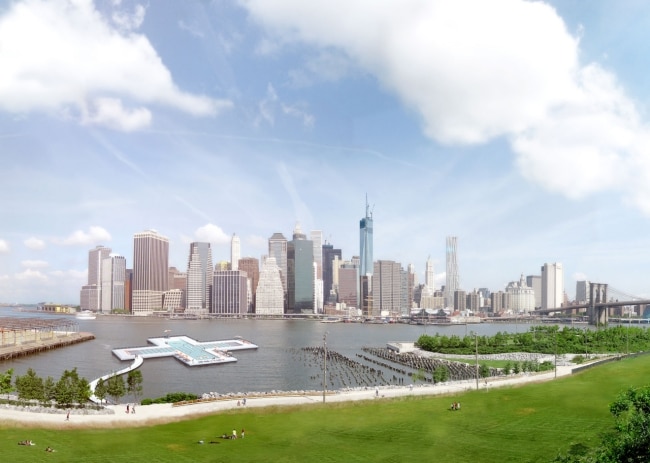
From a Kickstarter campaign to its possible 2027 opening, we retraced the story of the futuristic self-filtering pool on the East River with Kara Meyer, Managing Director of the project.
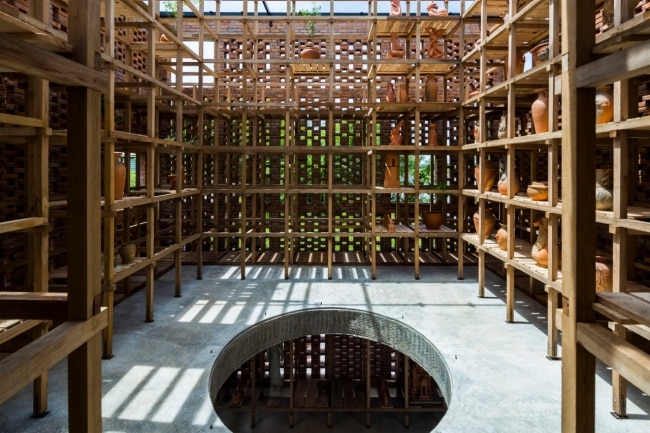
Natural ventilation, passive cooling, and local materials: in Vietnam, a new generation of architects is experimenting with design strategies for buildings resilient to climate change.
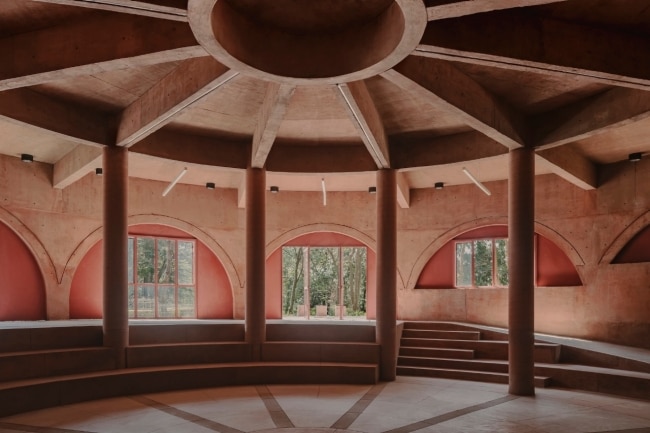
Amasa Estudio has transformed a marginal area where it was difficult to build into an accessible and safe community park that makes the most of its circular shape.
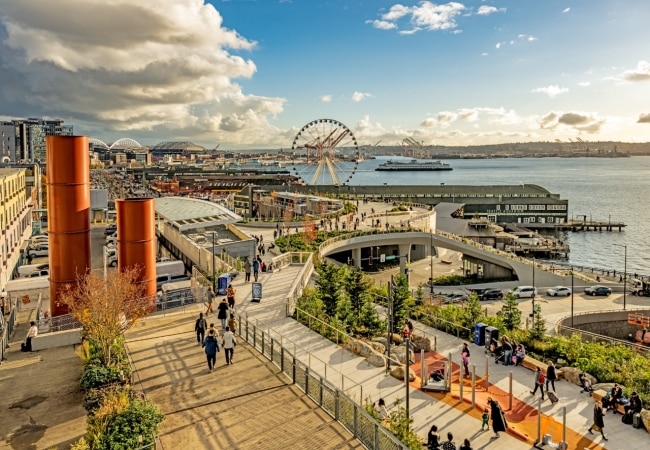
After fifteen years of work, the former industrial and highway area becomes a system of public spaces and ecological habitats designed by Field Operations.
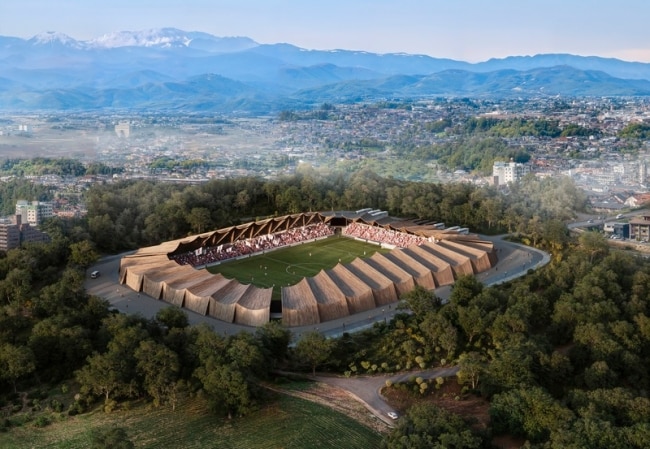
For the club from one of the regions most affected by environmental damage in the world, Vuild presents a project that combines innovative timber structures and sustainable practices, all inspired by the tradition of Shikinen Sengu: the community-based reconstruction of Shinto shrines.
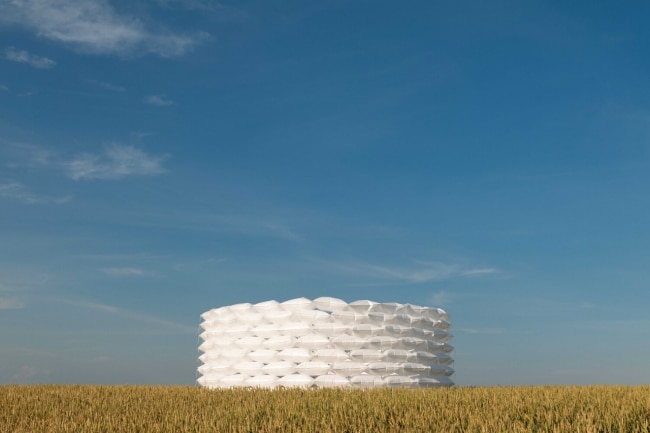
The work, recently installed in France, takes inspiration from sandbags—objects of protection and defense—emptied of their weight to form an enclosure for reflection.