

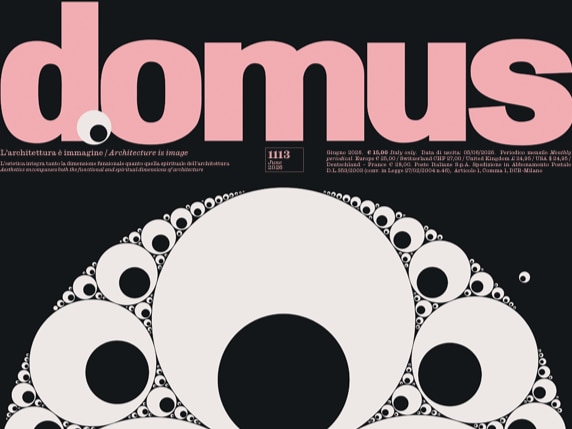

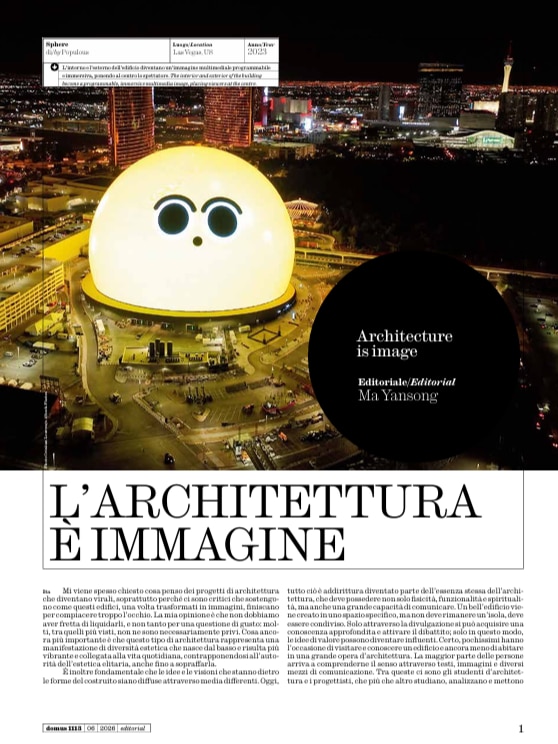
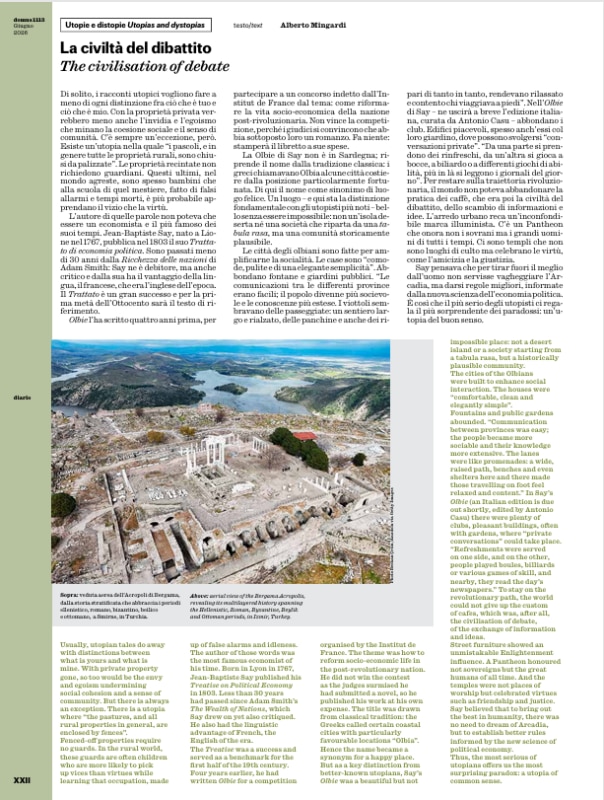
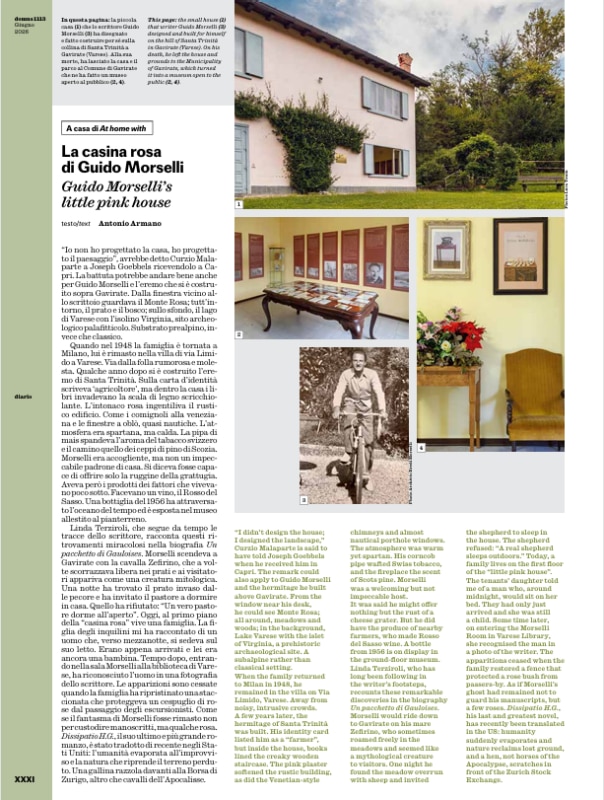
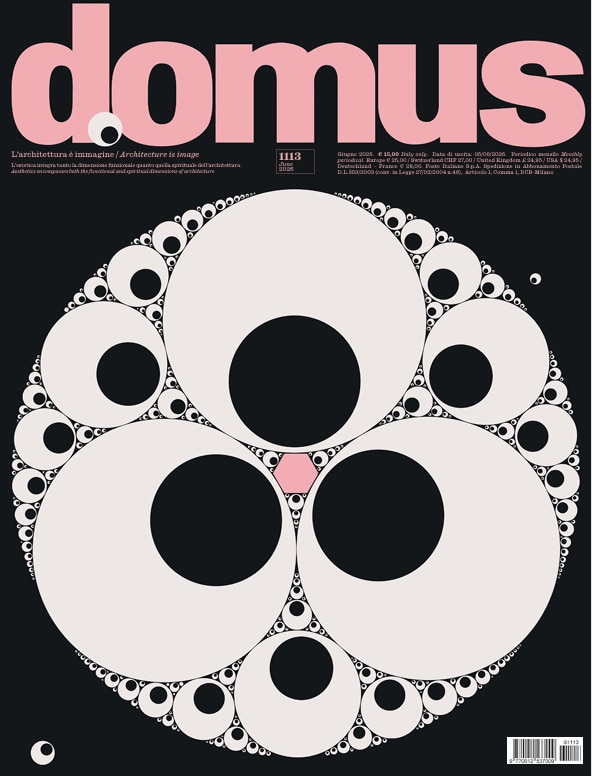
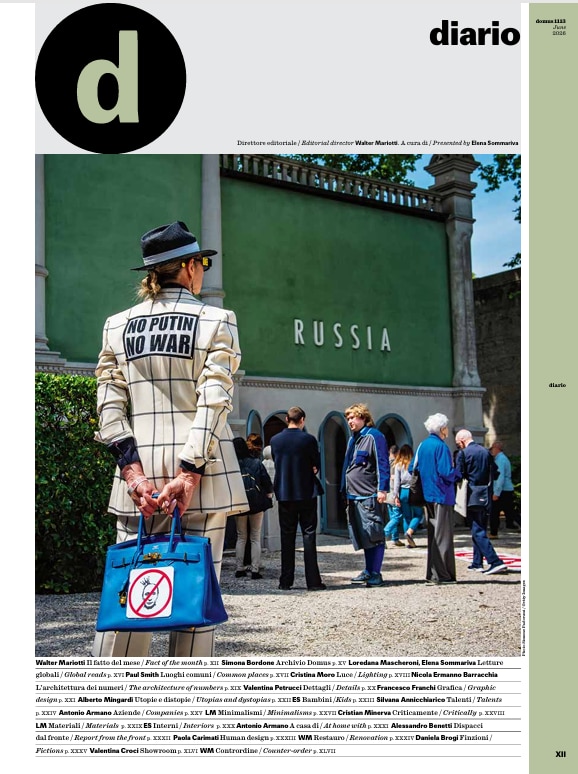
Every issue of Domus begins with a meditation. This time it’s declared from the cover itself: architecture is image. It doesn’t become image, it doesn’t draw on image, it is image, in the most radical and unsettling sense of the word. Ma Yansong, guest editor, doesn’t say this as a concession. He says it as someone who has built enough to know that every structure begins as a mental vision, and that the ability to communicate that form is not a commercial add-on but a constitutive condition of contemporary practice. Beauty is not decoration. It is energy, order, care, and today, also the courage to be seen.
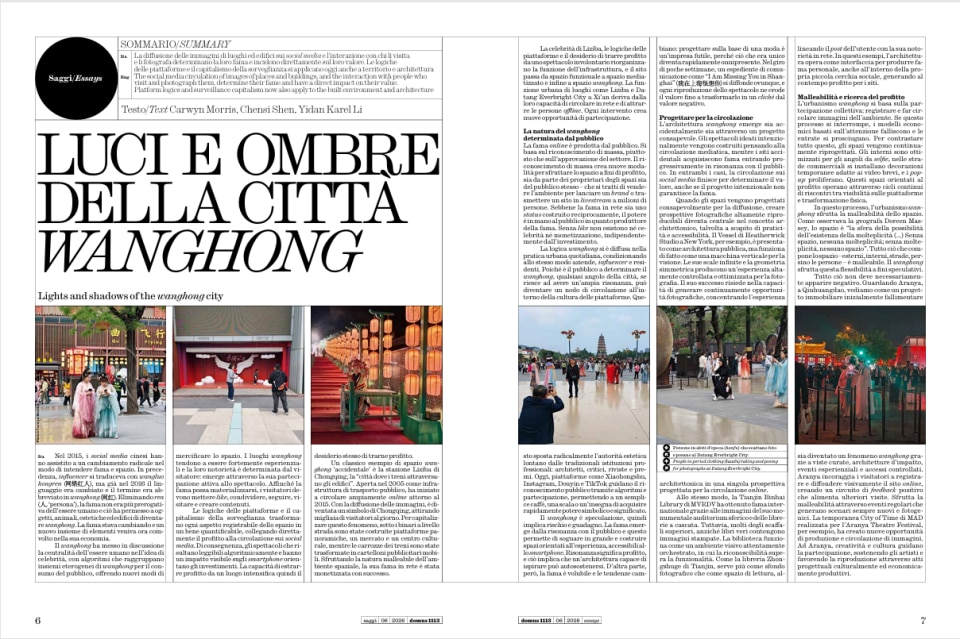
The question running through the issue, “is viral architecture still architecture?”, finds no single answer, nor does the issue seek one. It opens the question on multiple fronts, turns it around, and hands it to different voices. The opening essay confronts the wanghong phenomenon with an analytical density rare in trade publishing: the Liziba station in Chongqing, where trains pass literally through residential buildings, has become one of the most photographed places in China not by any architect’s design but through spontaneous collective resonance on Xiaohongshu and TikTok. Urban space becomes speculation: whoever earns likes earns value; whoever loses resonance loses economic meaning. It is a form of algorithmic urbanism that no zoning plan had foreseen. The wanghong is dead, the article declares without nostalgia, and is already mutating into its successor. Long live the wanghong.
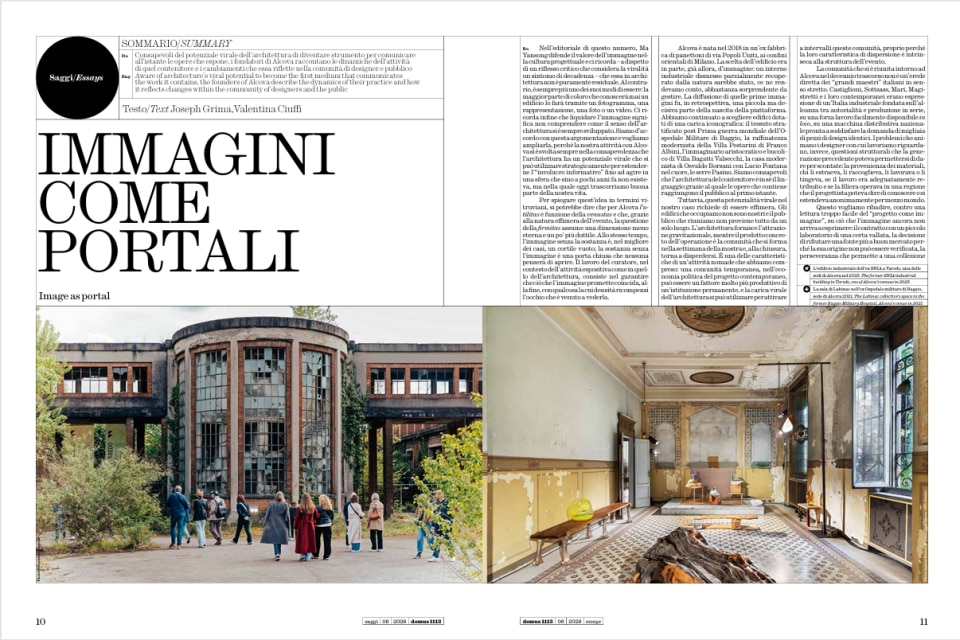
In implicit dialogue, the text by Joseph Grima and Valentina Ciuffi, founders of Alcova, the nomadic exhibition space that each year selects architecturally charged containers—from the former Military Hospital in Baggio to Villa Bagatti Valsecchi to the Pasino greenhouses—offers a precise counterargument: the image is the portal. It speaks to the psyche, draws the eye, and generates the desire for presence. But the portal must open onto something of substance. The architecture of the container is already the first message the work sends to the world, and if that message is hollow, no quantity of likes will fill it.
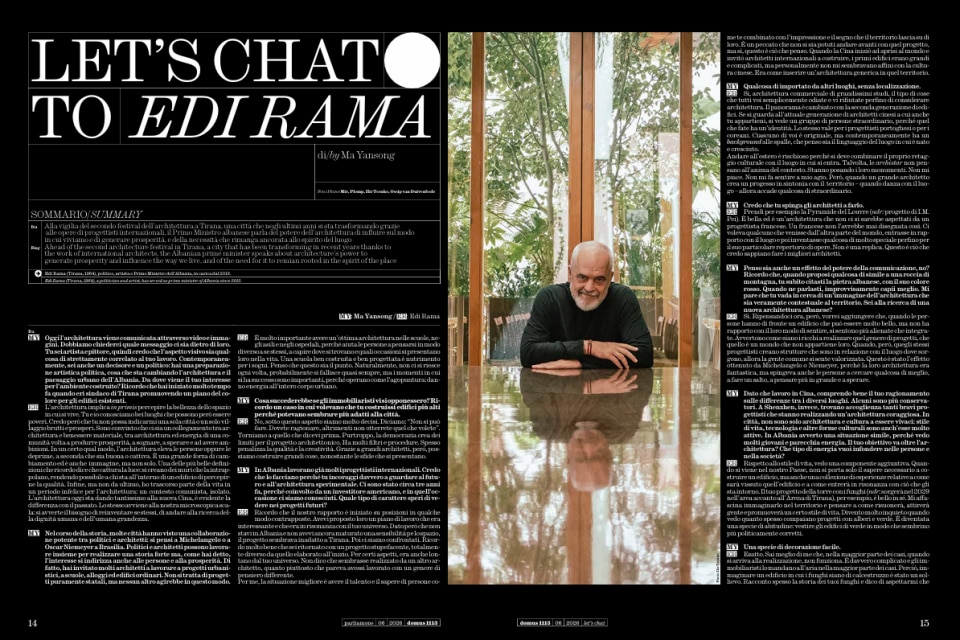
The question takes its most direct form in the conversation between Ma Yansong and Edi Rama, artist and Prime Minister of Albania for nearly two decades. Rama says something worth more than many manifestos: “show me a single ugly and prosperous city.” Architecture elevates people or it crushes them. It is not aesthetics, it is politics. Tirana is transforming itself, with OMA, Snøhetta, MVRDV, with colors painted over the grey facades of the communist era as acts of civil resistance, because someone had the courage to believe that built space is not ornament but moral infrastructure.
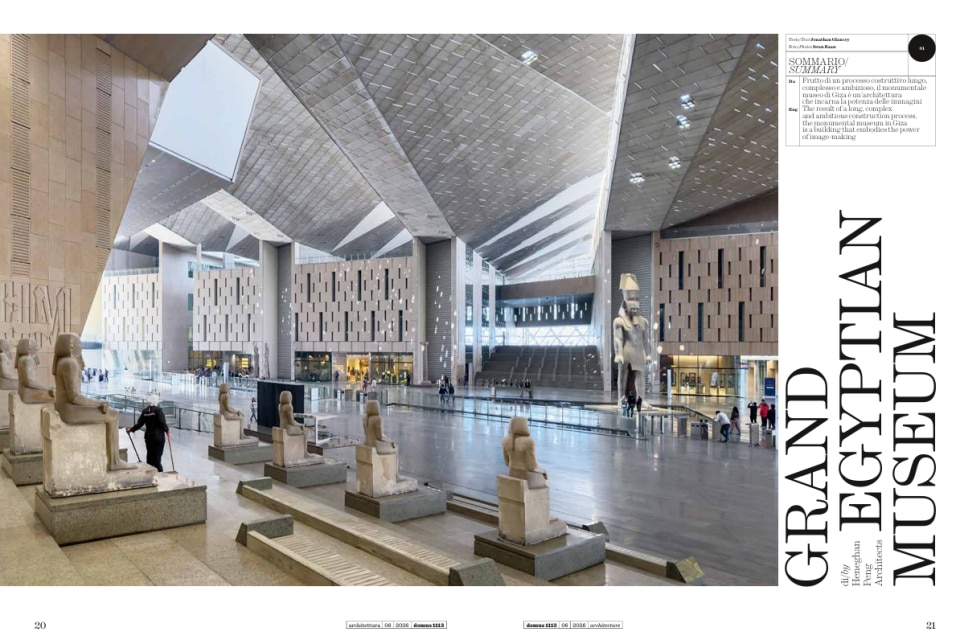
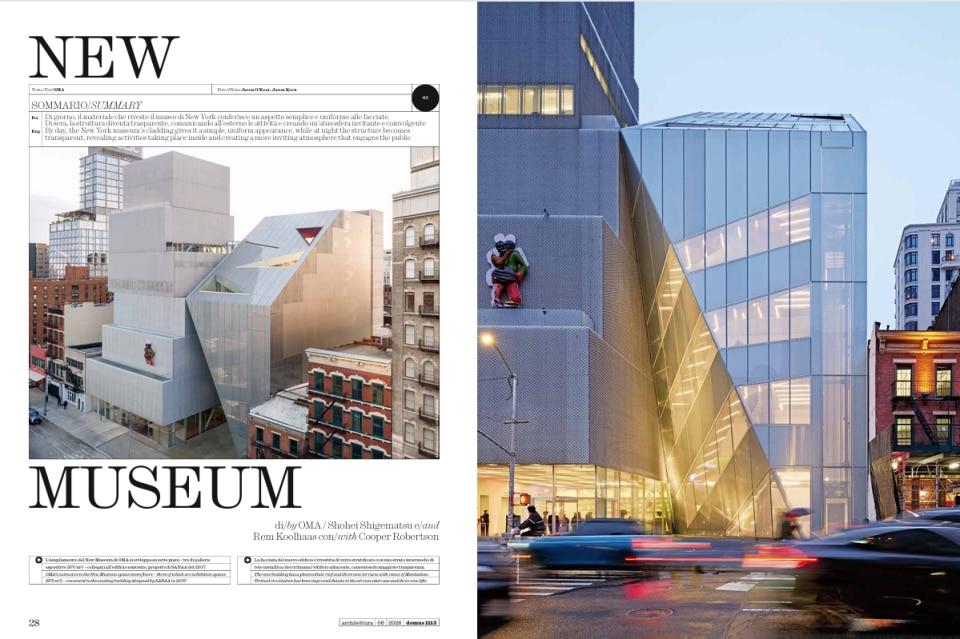
The issue moves through a range of projects. Jonathan Glancey writes on the Grand Egyptian Museum by Heneghan Peng Architects at Giza: twenty years of construction, fifty hectares of site, a building that connects museum and desert through a fan of sight lines aligned with the pyramids of Khufu, Khafre, and Menkaure. Glancey is honest enough to note that the completed museum loses something of the eternal magic of the competition entry, that tension of the not-yet, of architecture as promise. And yet crowds are already pouring inside, well before the metro line arrives. OMA presents the expansion of the New Museum in New York: seven floors in conversation with SANAA’s iconic 2007 building, monolithic by day and transparent by night, revealing its inner anatomy to the Bowery neighbourhood.
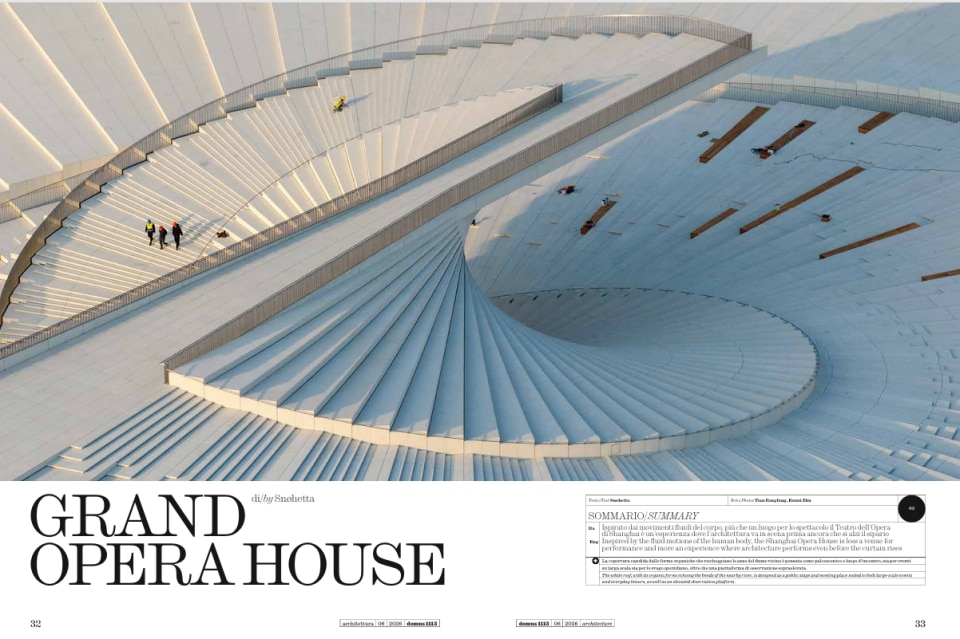
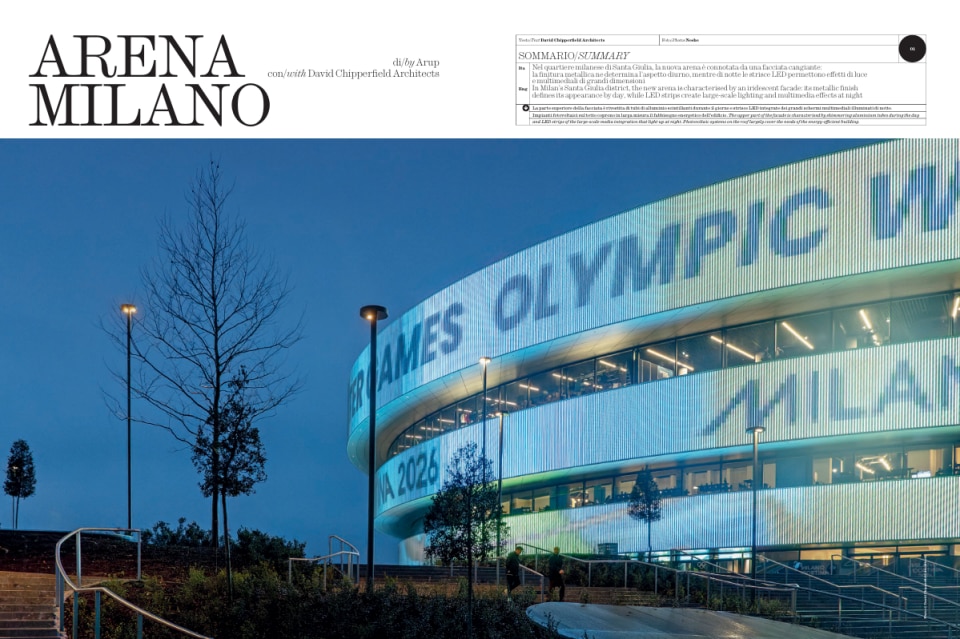
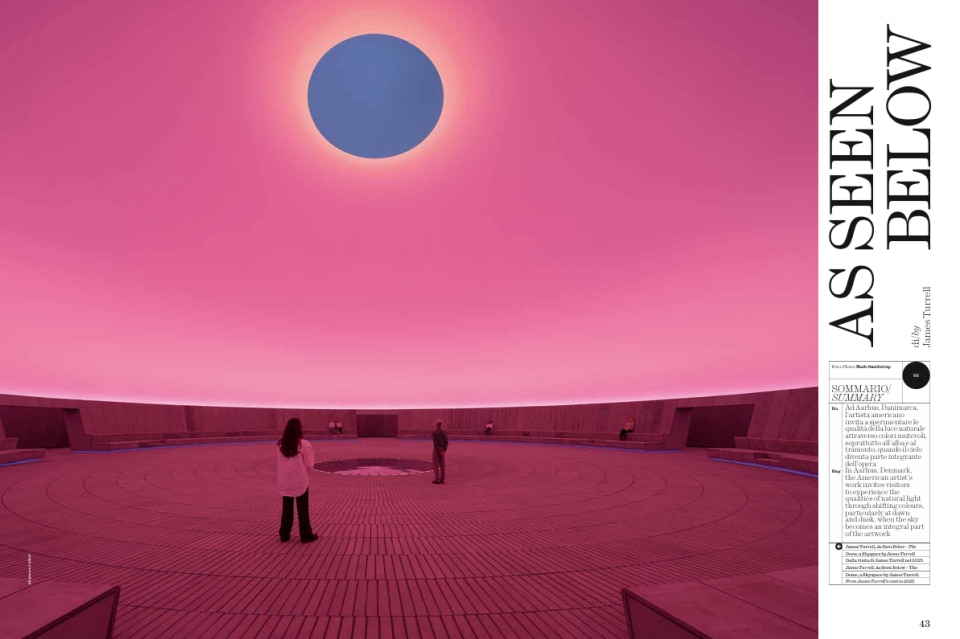
Snøhetta signs the Grand Opera House in Shanghai, drawing from the fluid movement of the body in dance: the helical roof is a public stage, observation platform, and civic gathering space, an architecture that performs before the curtain rises. David Chipperfield Architects and Arup present the Arena Milano in the Santa Giulia district, the 2026 Winter Olympic venue, its aluminium tube facade scintillating by day and transforming into an LED screen by night, rereading the Roman amphitheatre at the human scale of the neighbourhood. James Turrell brings to Aarhus his most ambitious Skyspace, forty metres in diameter and sixteen high, an oculus onto the sky that transforms the perception of time and light. “Architecture keeps the sky close,” Turrell writes, “so that the act of looking itself becomes the work.” It is a definition of architecture that has nothing to do with virality, and everything to do with presence.
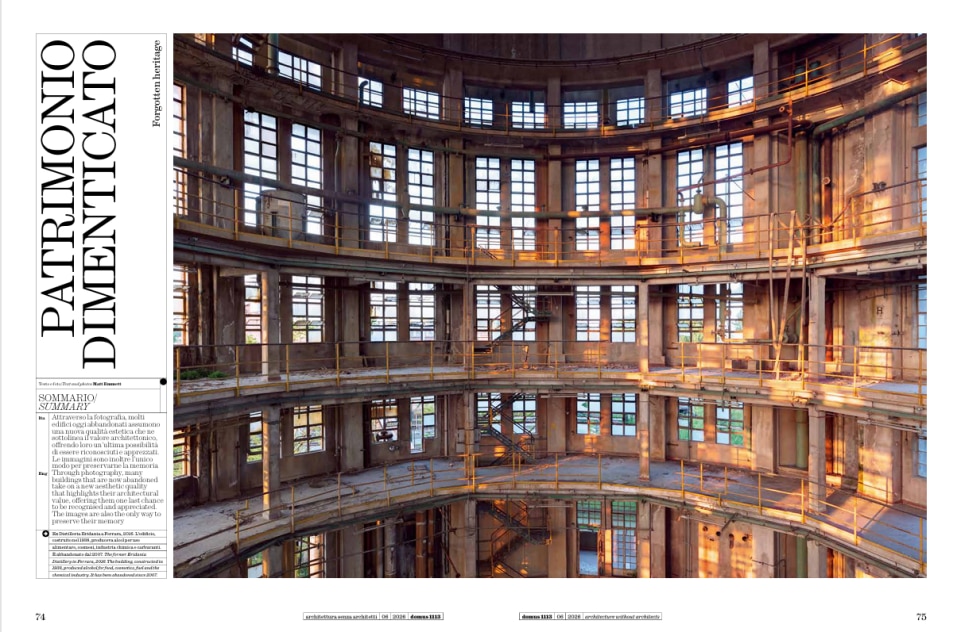
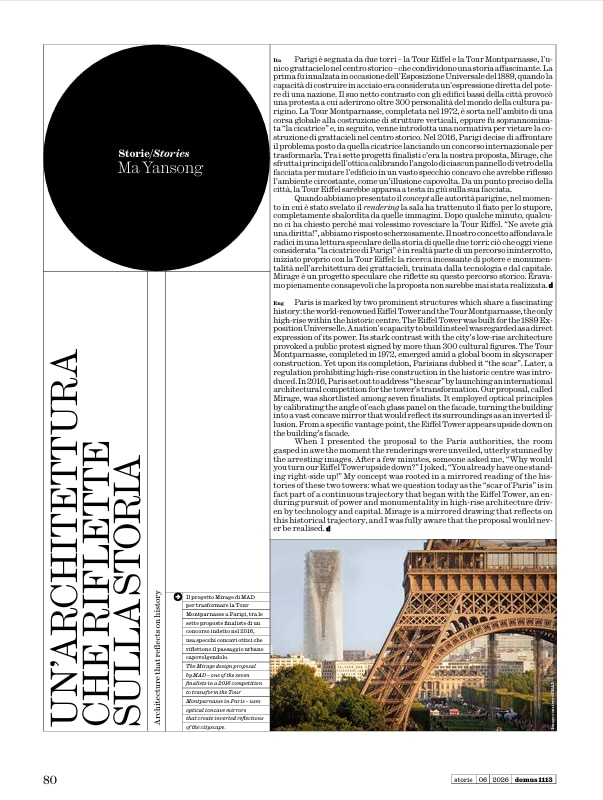
Among the most striking pages in the issue are Matt Emmett’s photographs of abandoned buildings: the National Gas Turbine Establishment, the steel mills of Liège, and Reading Gaol. Structures disappearing into neglect and silence, which through photography are given one last chance to be recognised. If the only way to preserve the memory of an architecture is the image, Emmett writes, that act of documentation is already worth something. The issue closes, in spirit, with Ma Yansong’s Mirage project for the Tour Montparnasse: concave mirrors that would have reflected the Eiffel Tower, inverted, onto Paris’s most contested scar. It was never built, nor could it have been; it was a critical act, a mirror held up to the unbroken history of monumental power. Sometimes the image that matters most is the one that never gets built.
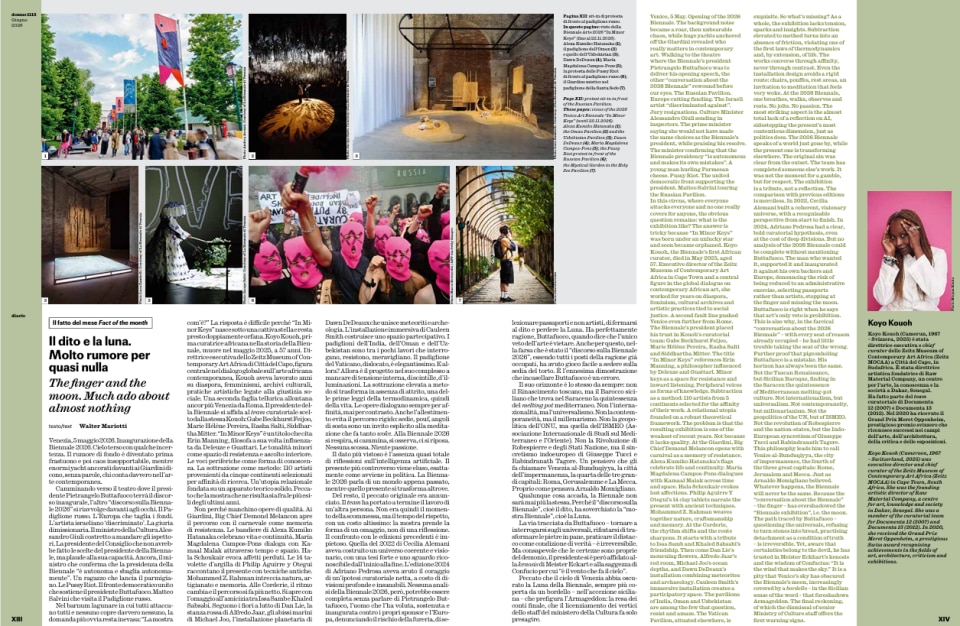
In the Diary curated by Elena Sommariva, the issue finds its most personal register. Mariotti opens with the 2026 Venice Biennale, “In Minor Keys”, doubly orphaned: of its curator Koyo Kouoh, who died in May 2025 at 57, and of the intellectual gamble her vision might have been. The team she had assembled carries someone else’s work across the finish line; this was not the moment for risk-taking, but for respect, at a steep cost. The exhibition takes the form of a tribute, not a reckoning. The theoretical framework is solid, but the show that emerges is among the thinnest in recent memory. Works speak only by affinity, never by contrast. At the 2026 Biennale you breathe, you walk, you rest. No jolt. No passion. The finger, the controversy surrounding Buttafuoco, eclipsed the moon. And the moon, this time, rather deserved it.
Beauty is not decoration. It is energy, order, care, and today also the courage to show up.
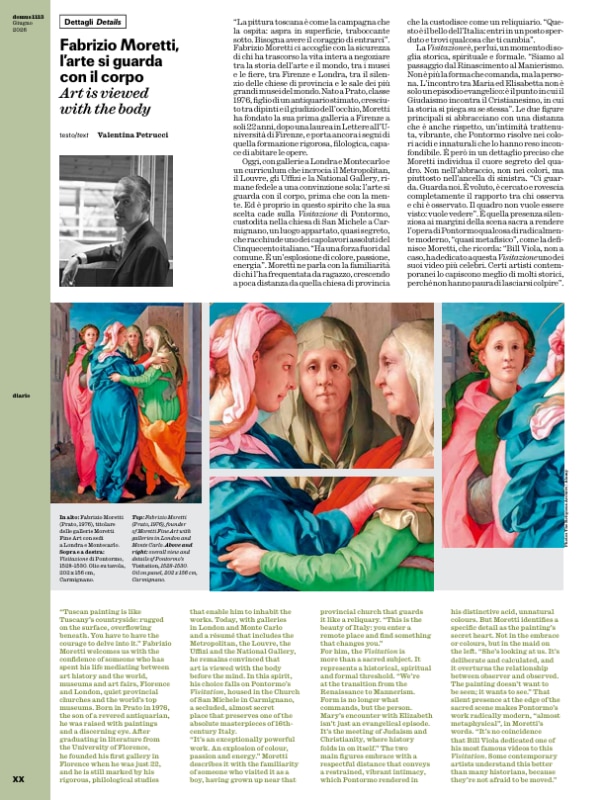
Simona Bordone retrieves from the archive Pierre Restany’s text on the 1968 Biennale: the parallel with the present is embarrassing in its precision. The artist’s worst enemy, Restany wrote, is the conformism of established values, dogmatic aesthetics, and the sclerosis of traditional genres. Valentina Petrucci meets Fabrizio Moretti, who speaks of Pontormo’s Visitation in Carmignano, in a tucked-away, almost secret church. The painting’s hidden heart lies neither in the embrace nor in the acid, unnatural colours that made Pontormo unmistakable. It lies in the handmaid on the left, looking straight at us. The painting does not want to be seen, it wants to see. Mariotti writes about the restoration of Villa Priuli Crisanti in Val Liona, carried out by Romina and Domenica Mimma Raulli in the spirit of compatibility, reversibility, and restraint.
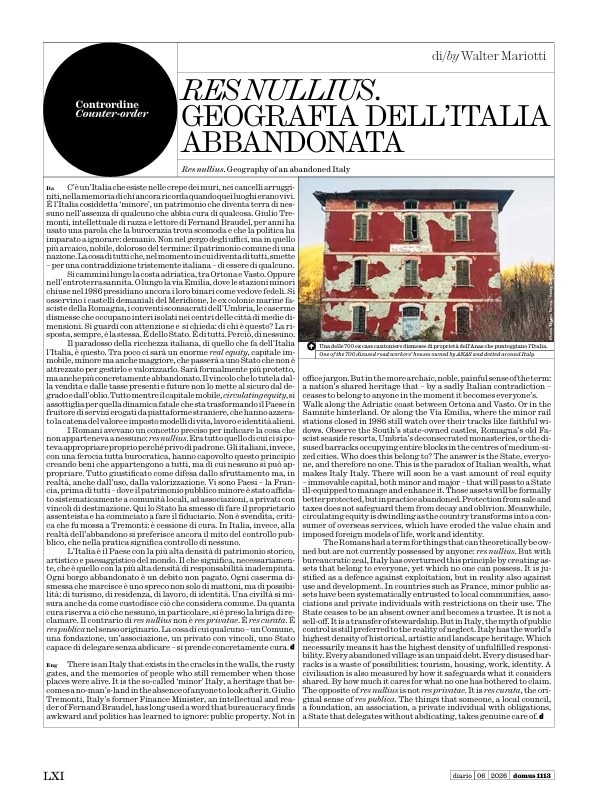
As Cesare Brandi wrote, restoration is not a creative act, it is a critical one. The villa now belongs to Andrea Crisanti, the epidemiologist of world renown who chose to give part of his success back to history. The Contrordine column takes on abandoned Italy: the railway stations closed in 1986, the state-owned castles, and the decommissioned barracks. Whose heritage is this? The answer, always, is the same: it belongs to the State, to everyone—which is to say, to no one. The opposite of res nullius is not res privatae. It is res curata. The thing someone actually takes care of.
And so, as always, happy reading.