


During Design Week, Milan can be described as a blend of two concepts: the radical motto “The Planet as a Festival” by Ettore Sottsass and Fernanda Pivano (1972), and the more pragmatic “City as a Location.” On one hand, architects have always been deeply involved in an event theoretically dedicated to their designer colleagues—though, as we know, the boundaries between the two disciplines are historically and positively blurred. They participate both as designers of installations and scenography and as authors of independent works that showcase their research.
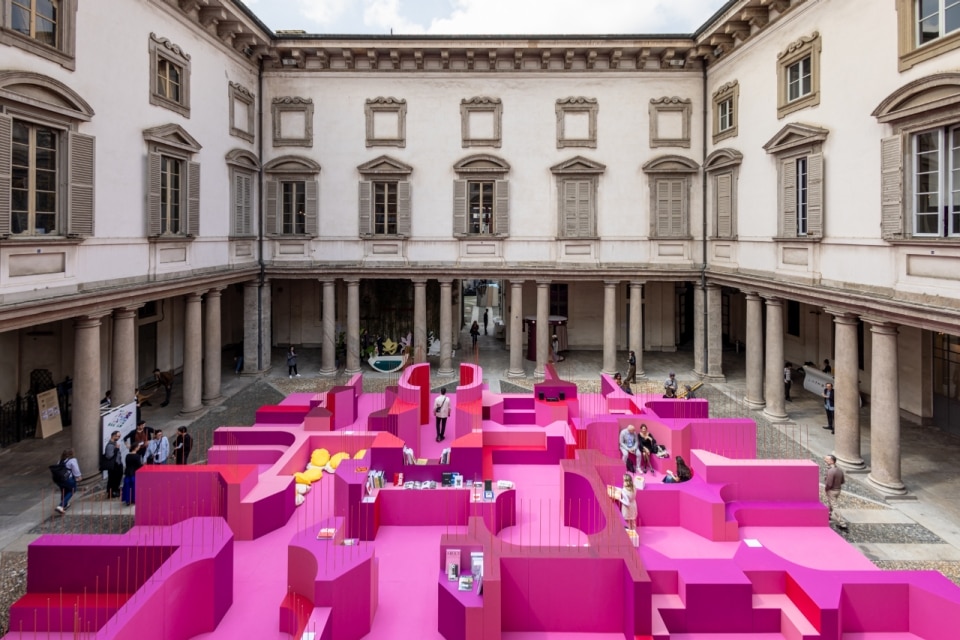
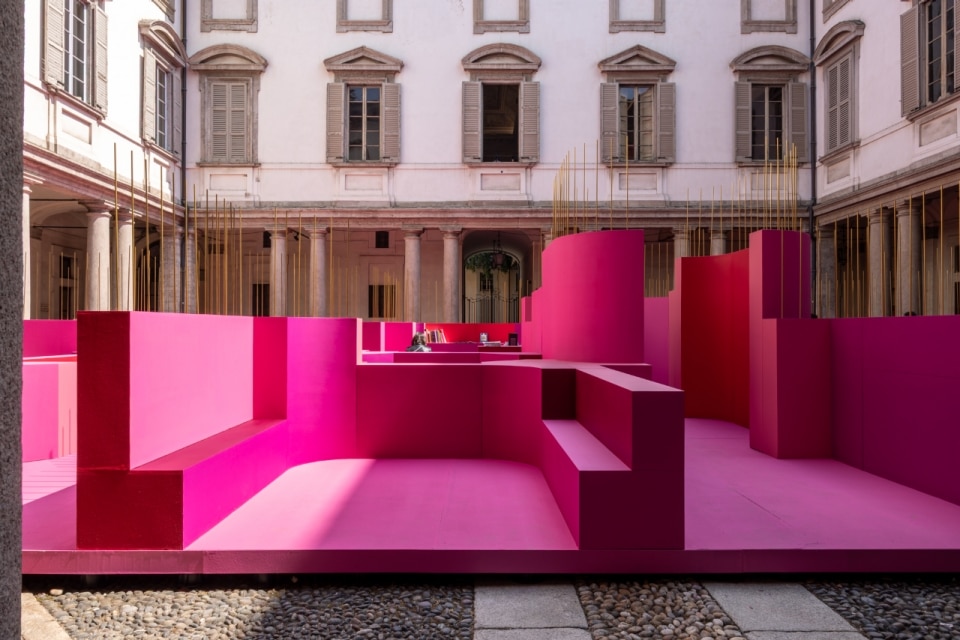
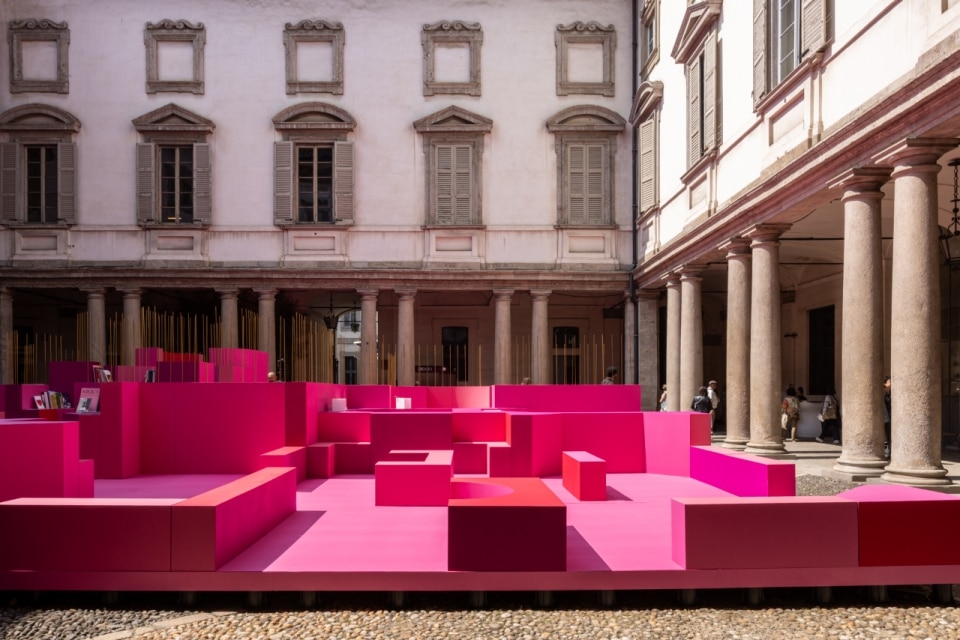
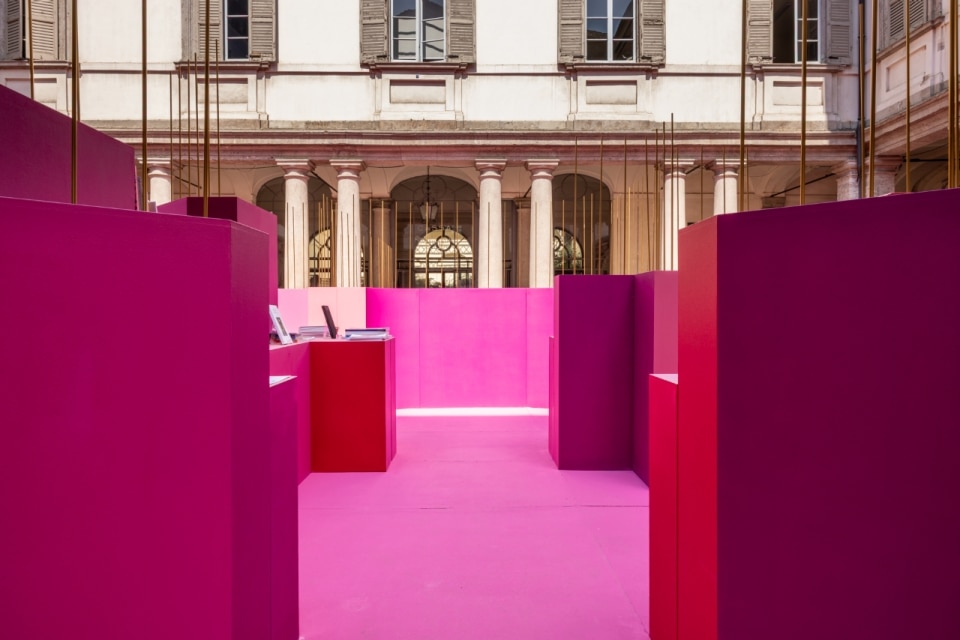
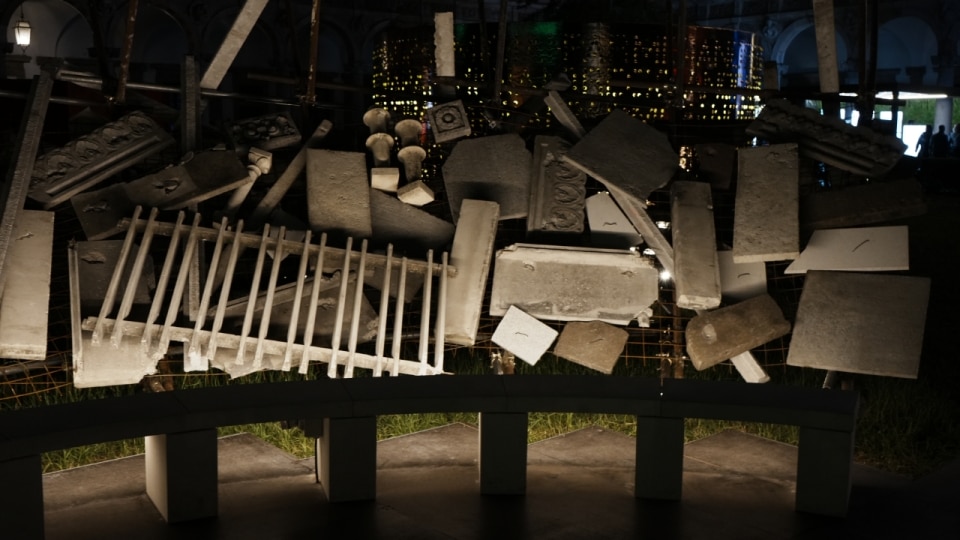
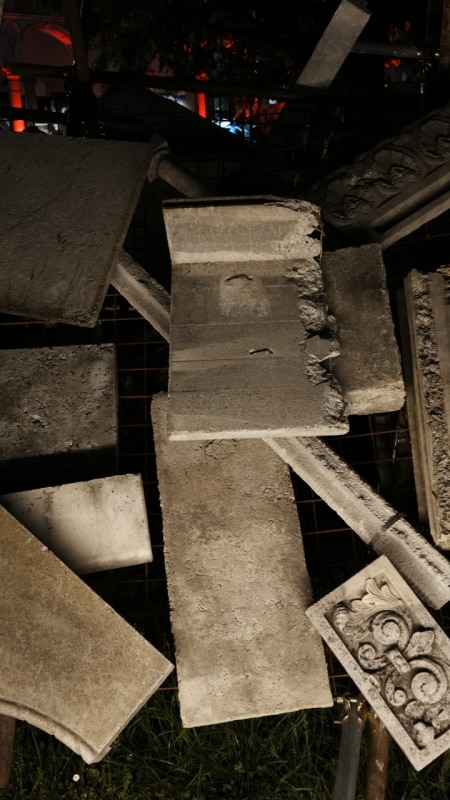
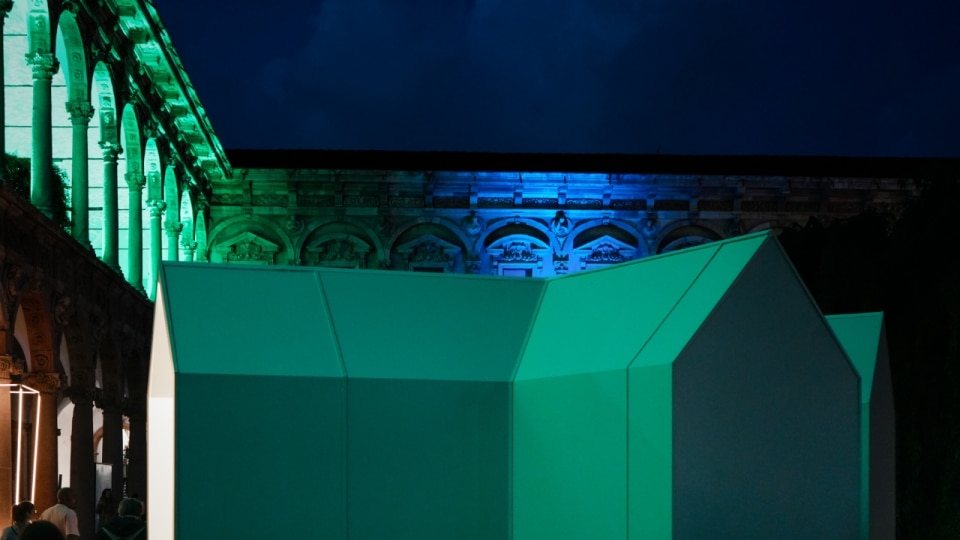
This year, for instance, the courtyard of Palazzo Litta is entirely dedicated to Lina Ghotmeh and her “Metamorphosis in Motion” (part of “Design Variations” by Mosca Partners), while from the cloisters of the Università Statale emerges “Mater” by Alessandro Scandurra: a mound of Ukrainian rubble arranged in a 16-meter ring. Scandurra has long been involved in reconstructing Ukrainian schools, but the event also features contributions from the usual suspects, such as Michele De Lucchi, Zaha Hadid Architects, MAD, Big and Ma Yansong, the current guest editor of Domus.
On the other hand, the city’s permanent architecture takes center stage, proving its ability to host—and survive—the now-incessant weeks. Over the four decades of Design Week’s existence, we have witnessed at least three “waves” of openings of generally inaccessible places.
In a chronological (yet permeable) order, the first to be discovered were the aristocratic palaces of the city center, whose monumental courtyards and frescoed halls offer a perfect mix of prestige and contrast with contemporary products. These were followed by former industrial sites, suited for a cool, underground positioning where emerging brands can prove themselves and established ones can find a bit of freshness. Finally, the last decade has belonged to modern, modernist, ultra-modern, Rationalist, and Brutalist architectures (the nuances here are irrelevant), which, after decades of general neglect, have finally been accepted as part of a collective heritage and imagination.
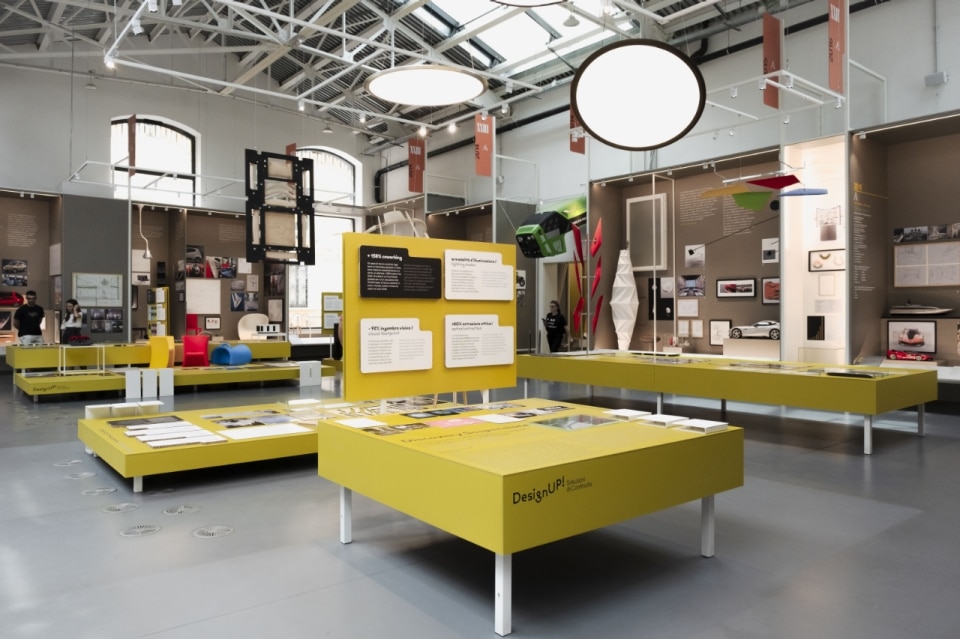
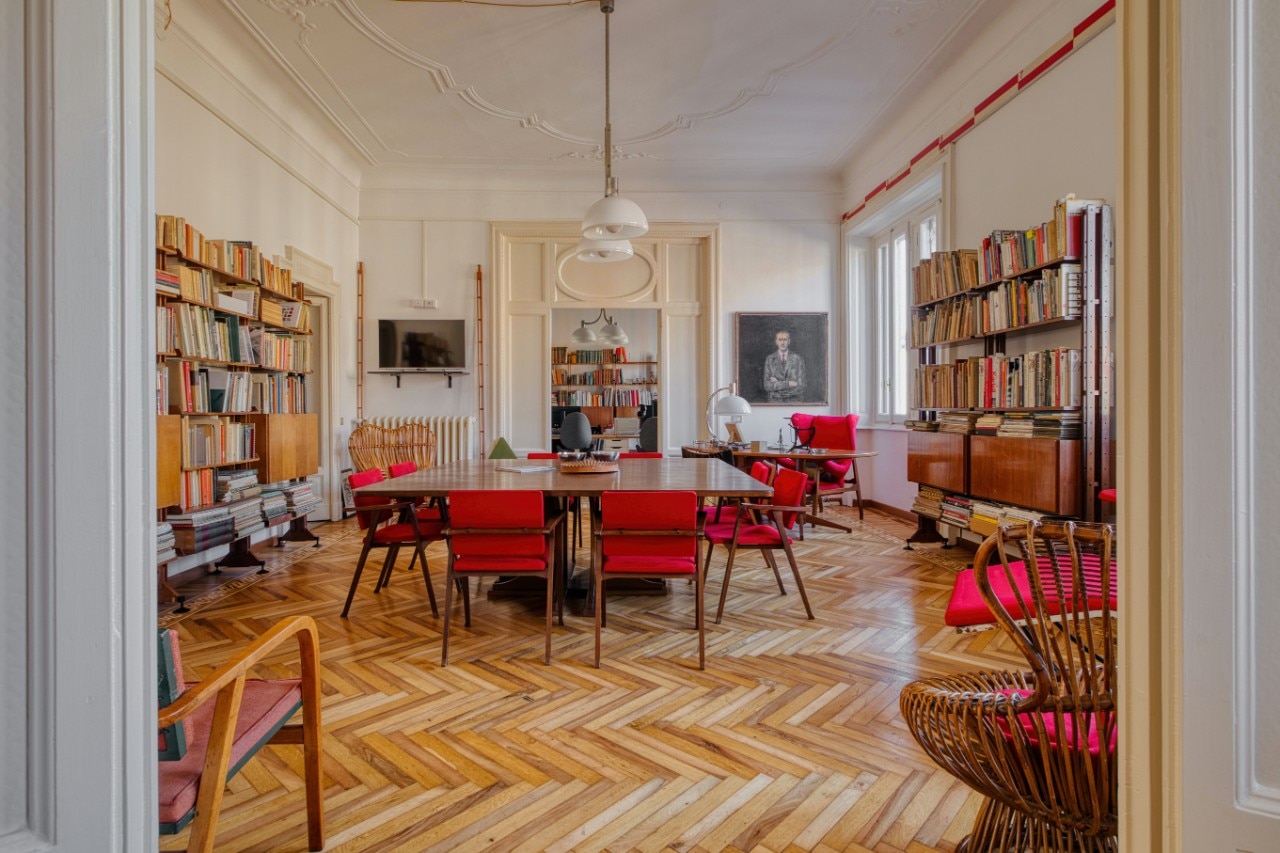
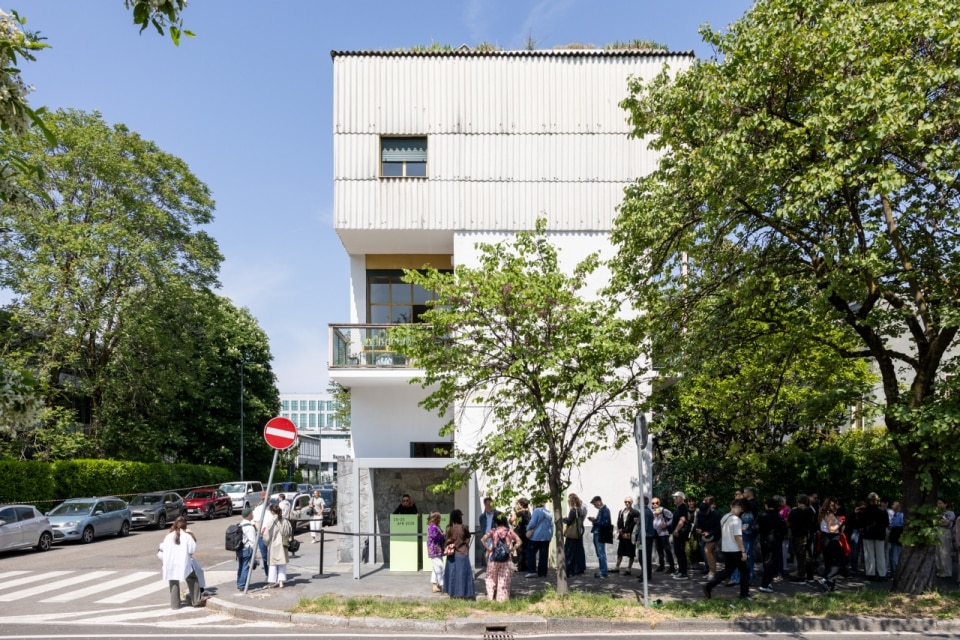
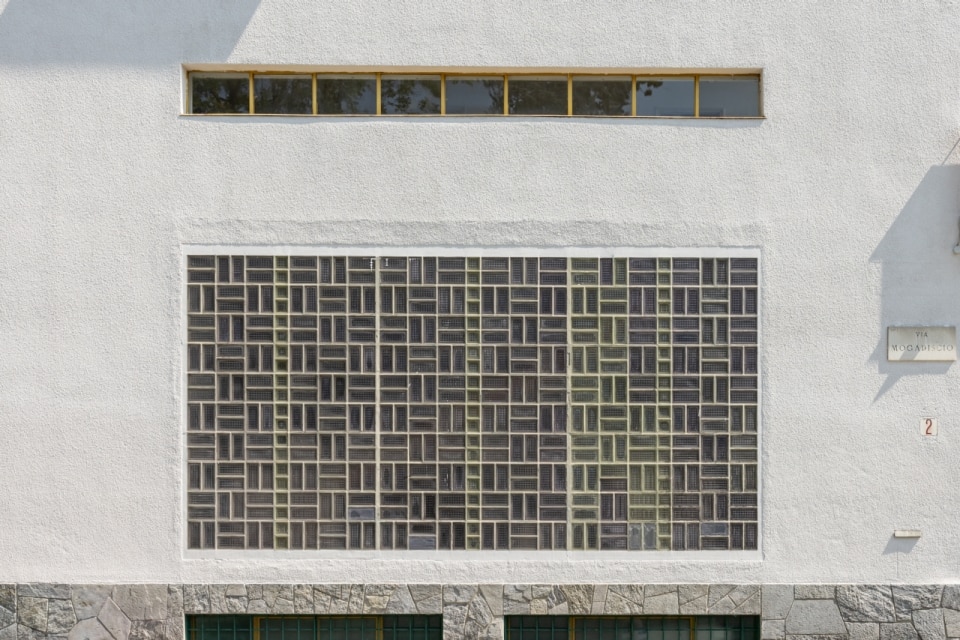
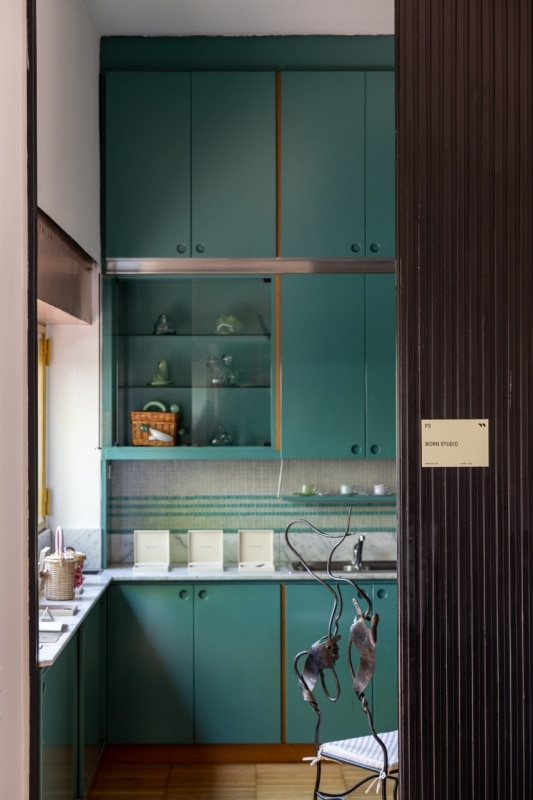
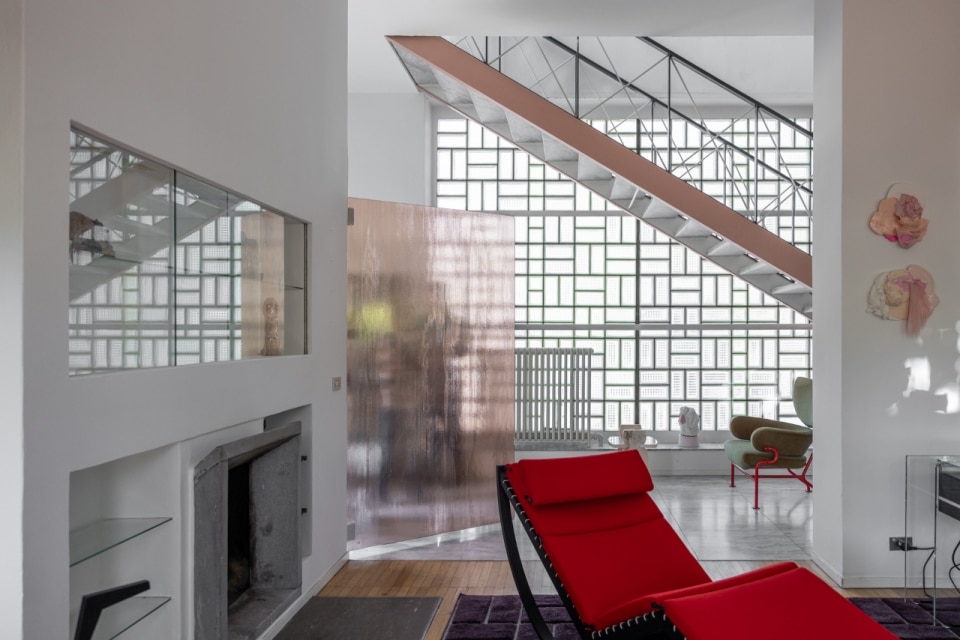
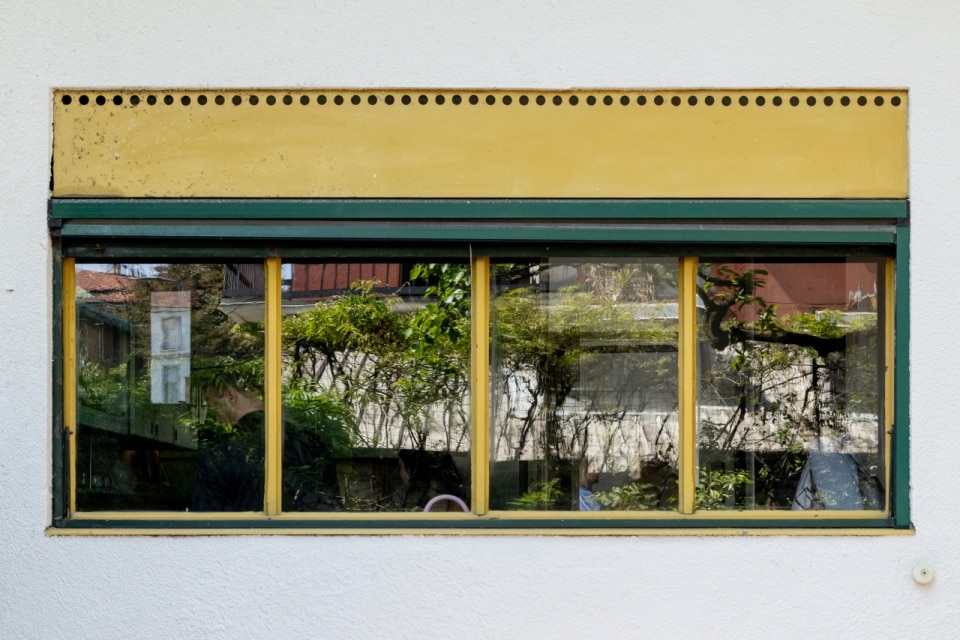
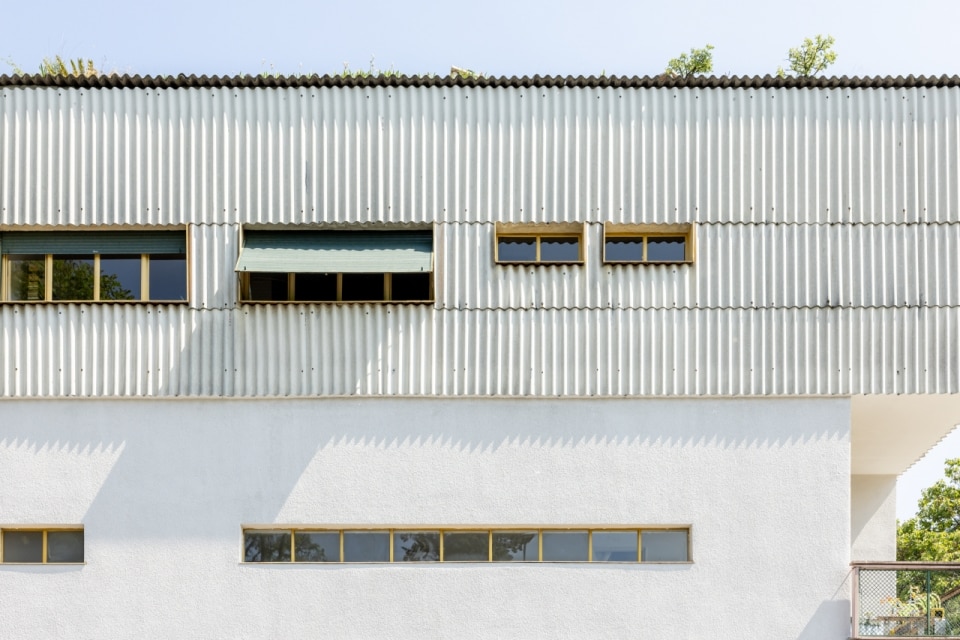
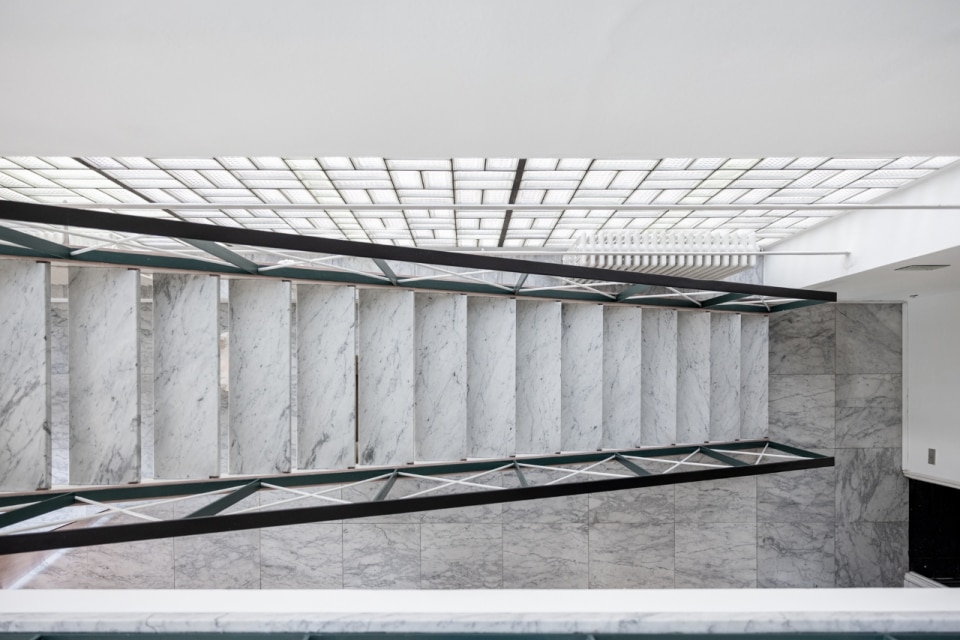
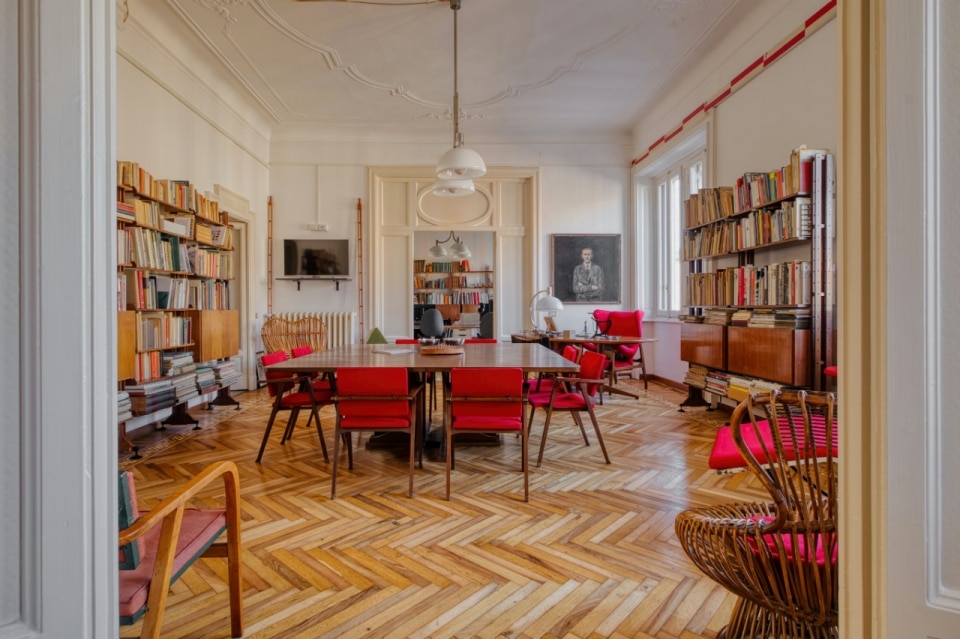
Design Week 2026 offers a well-assorted selection of all these options, featuring many returning favorites and a few new entries, both by renowned masters and newcomers. All eyes are on Franco Albini’s Villa Pestarini, a quintessential and well-preserved expression of 1930s Italian Rationalism. It is one of the two locations for Alcova, which this year returns to the city after its demanding excursion to the Brianza countryside in recent years. An even more hidden gem is the apartment designed between 1947 and 1948 by Osvaldo Borsani in the 18th-century Palazzo Olivazzi—the perfect resonance chamber for the new Interni Venosta collection, designed by Emiliano Salci and Britt Moran.
Also opening to the public is Villa Mozart, the lesser-known neighbor of the celebrated Villa Necchi Campiglio, with which it shares both its era (the 1930s) and its architect (Piero Portaluppi, who worked here on a layout originally set by Aldo Andreani). It hosts “The Perpetual Timekeeper,” showcasing the high-craftsmanship timepieces of Jaeger-LeCoultre.
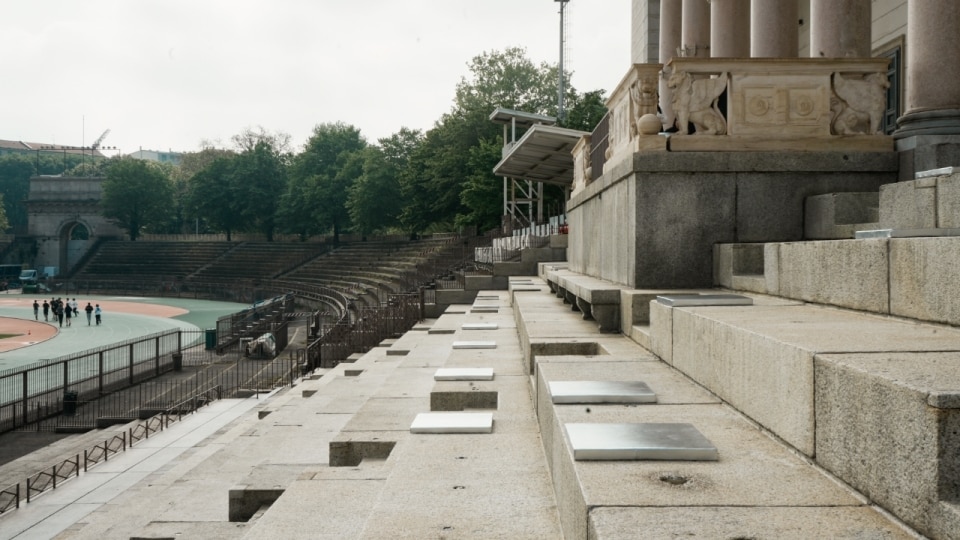
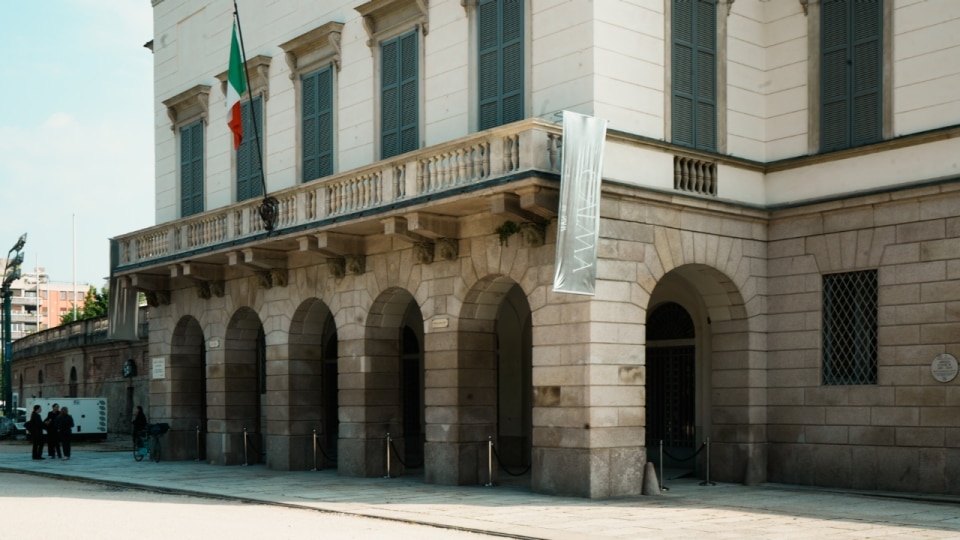
Zara opts for Neoclassicism, settling into Palazzina Appiani at the Arena Civica, an excellent example of Napoleonic-era Milanese architecture (completed by Luigi Canonica in 1807). The serene composure of the exterior, placidly overlooking the greenery of Parco Sempione, dialogues with the immersive and programmatically anti-frenetic experience of “Calma”, the Spanish brand’s exhibition.
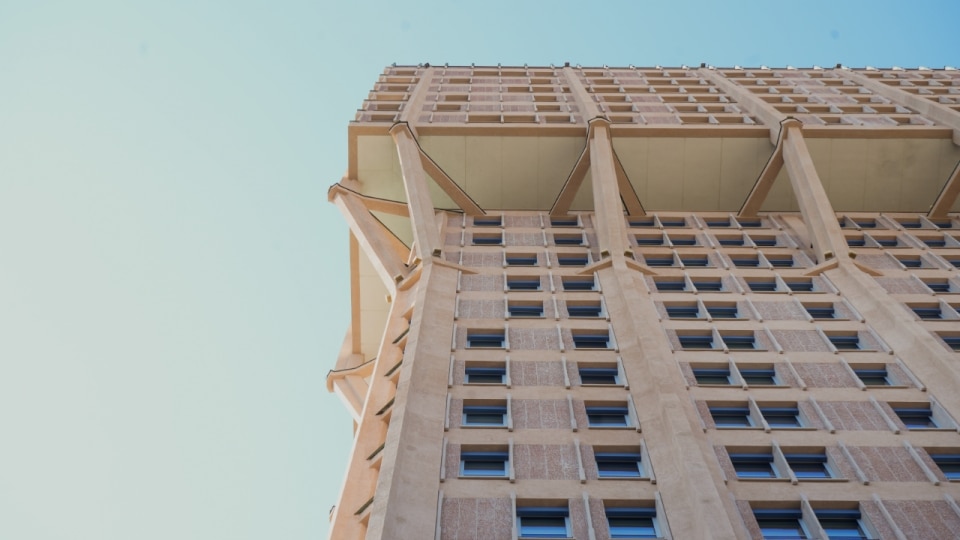
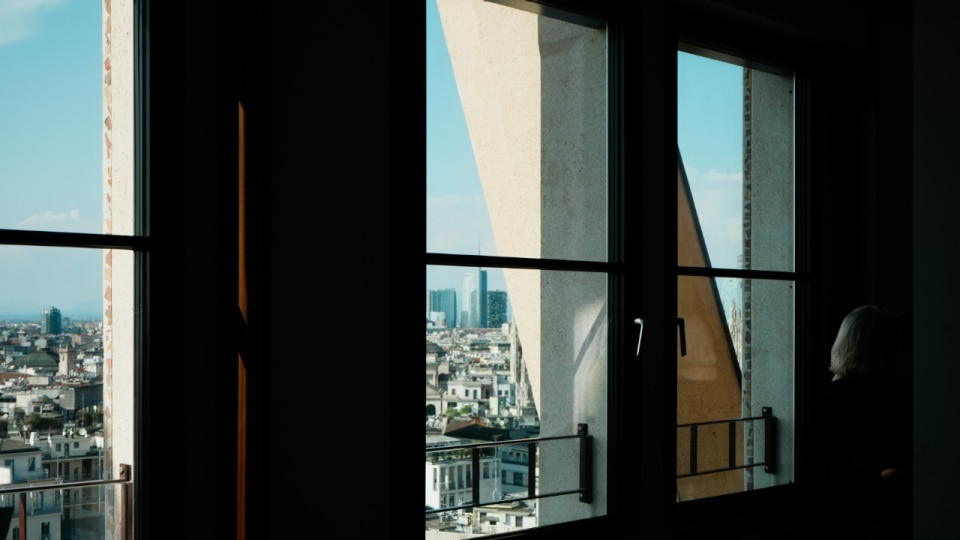
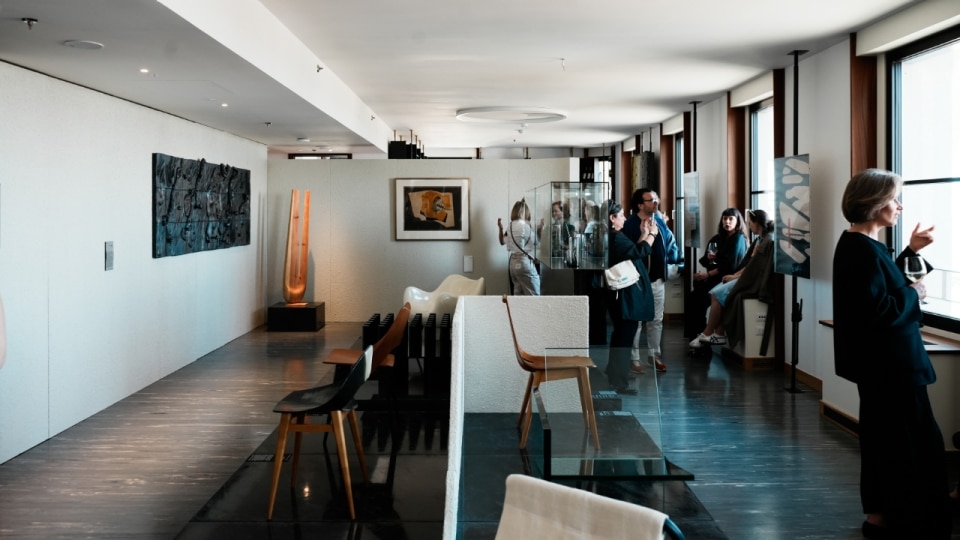
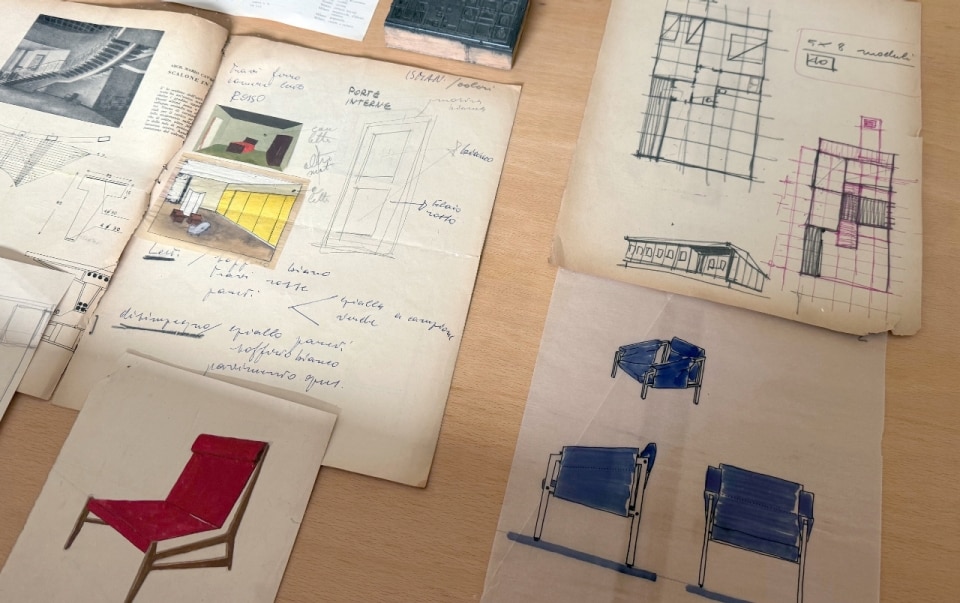
A great option to move away from the street level and take a break from the urban ground-floor chaos is to head up Torre Velasca for the exhibition “Polish Modernism”, set up inside the city’s most famous Brutalist building. Finally, for true connoisseurs, there is “Common Archive – The White Night of Design”, which for one night grants access to the most important home-studios and foundations of Milanese architects and designers (from Achille Castiglioni to Franco Albini, Vico Magistretti to Gae Aulenti, Giovanni Muzio to Gio Ponti, as well as Giancarlo Iliprandi, Bruno Danese, and Jacqueline Vodoz), alongside some of the city’s most significant archival centers (the Cittadella degli Archivi and CASVA – Center for Advanced Studies in the Visual Arts, among others).