


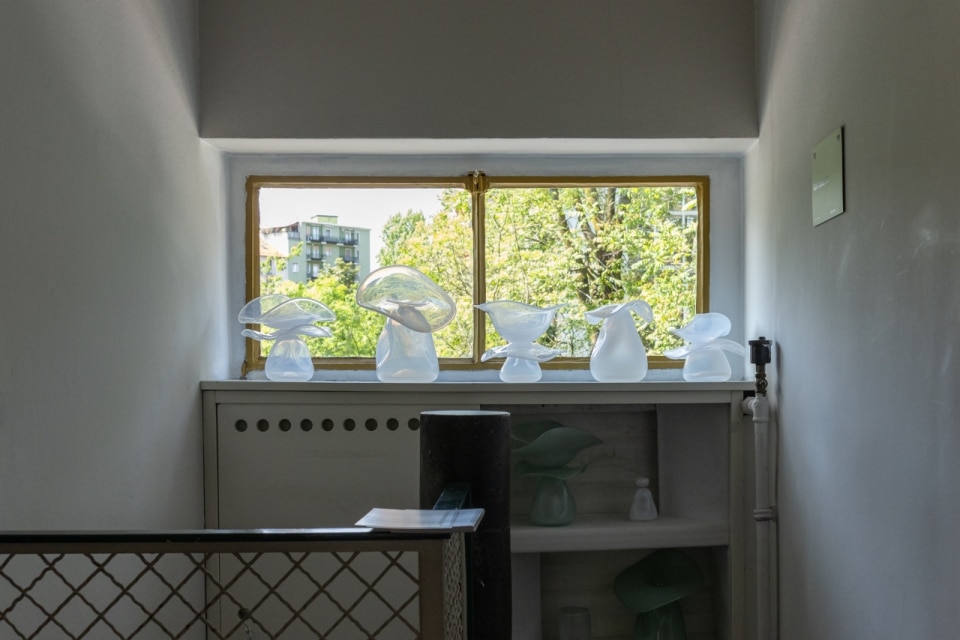
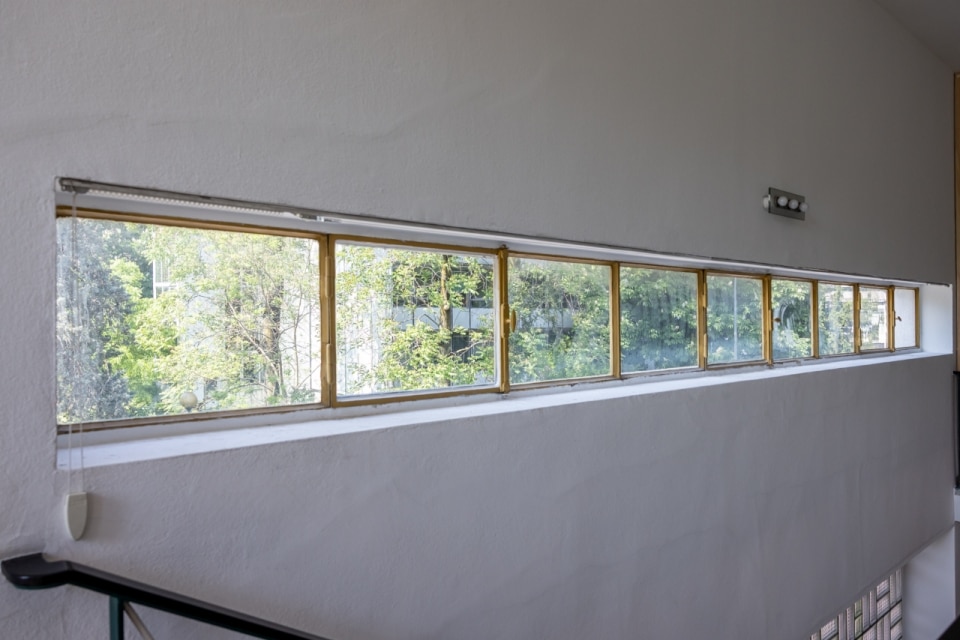
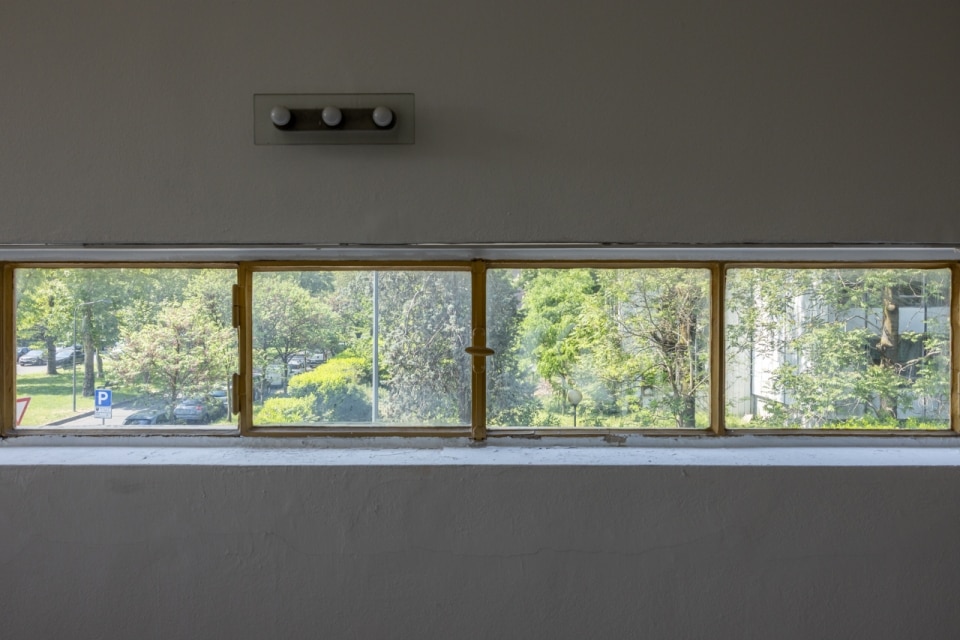
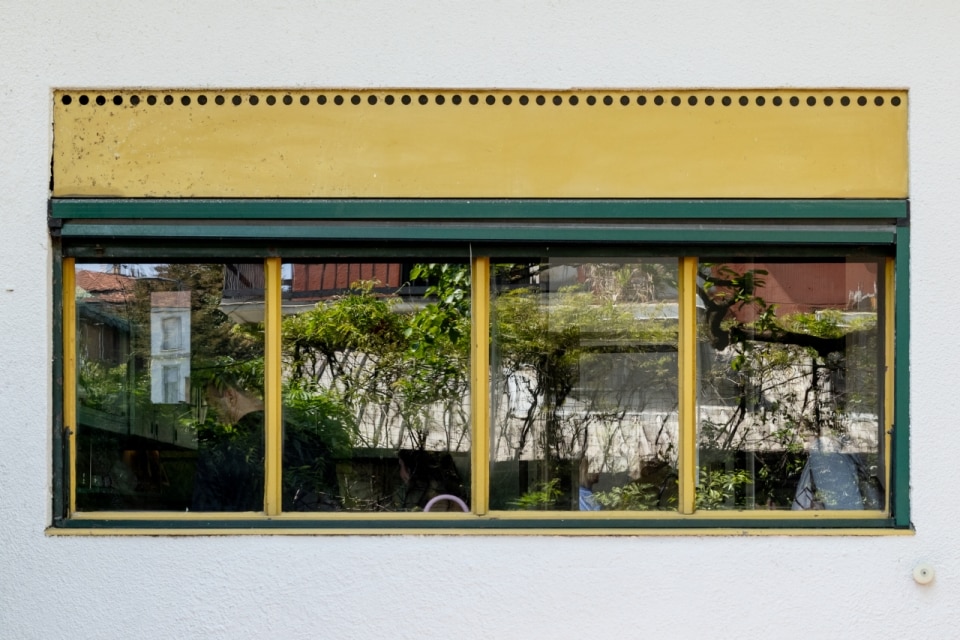
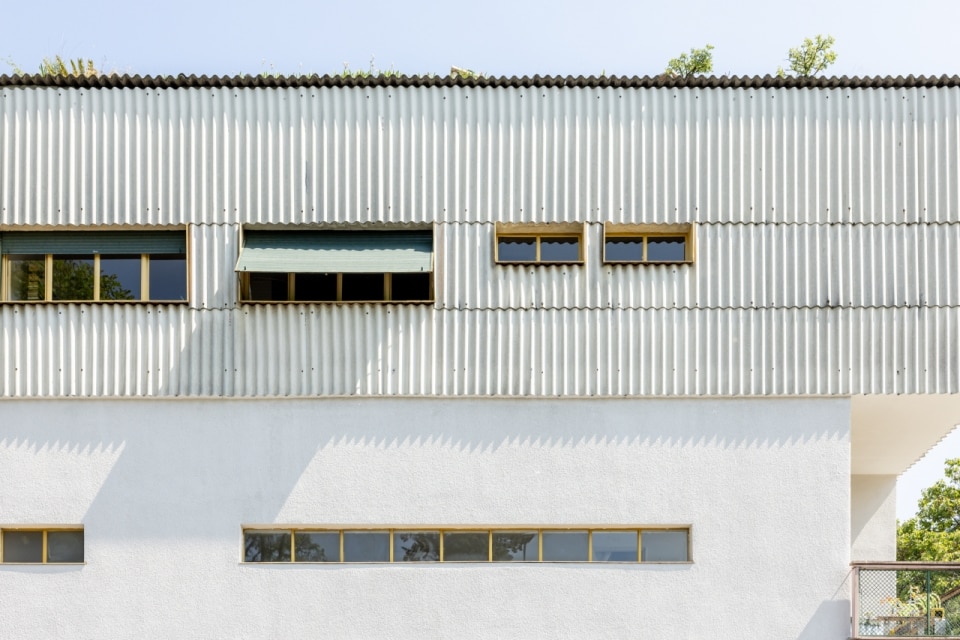
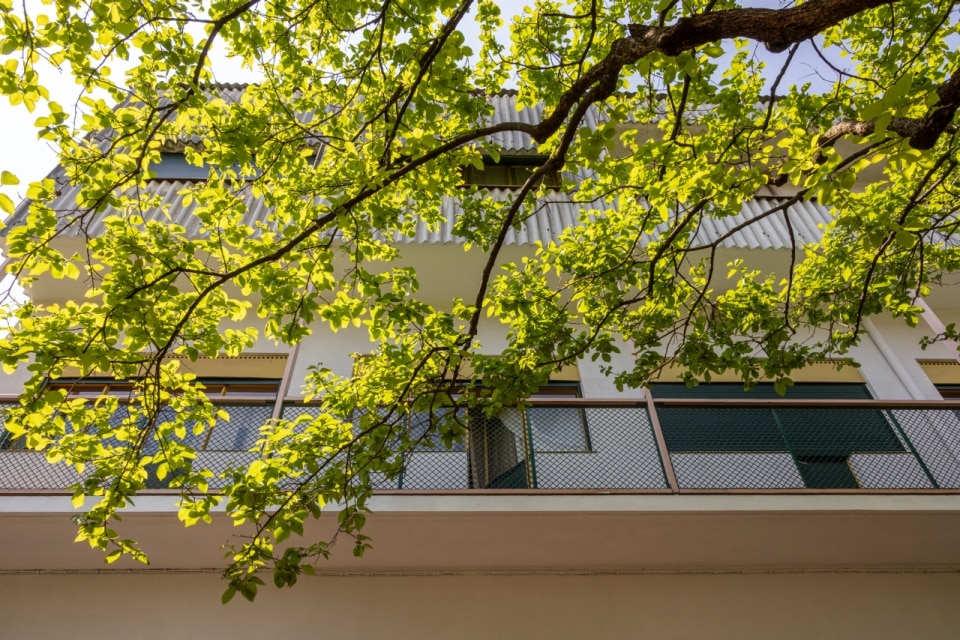
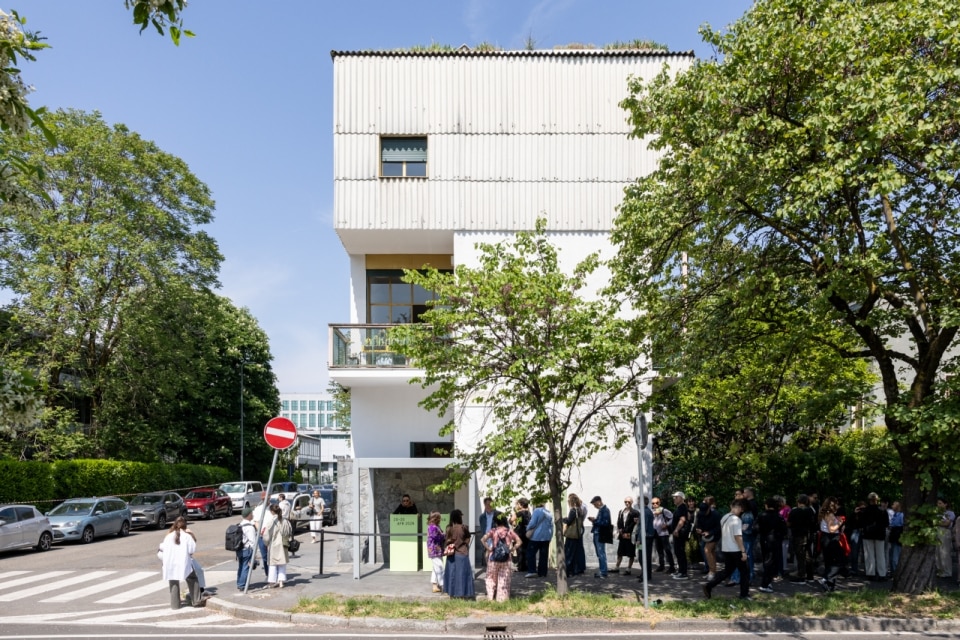
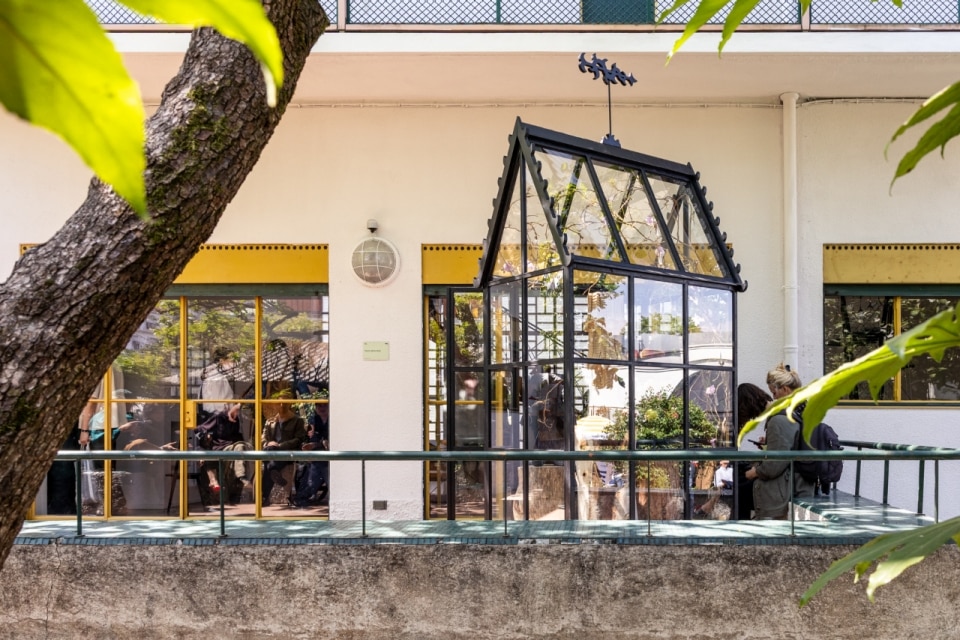
We already knew that one of the most anticipated locations of this year’s Milan Design Week would be difficult to access, ever since curators Joseph Grima and Valentina Ciuffi announced it back in February. What we perhaps didn’t expect, however, was that entry to Albini’s iconic Rationalist villa—designed in the 1930s and long inaccessible to the public—would sell out from the very first day of the Fuorisalone.
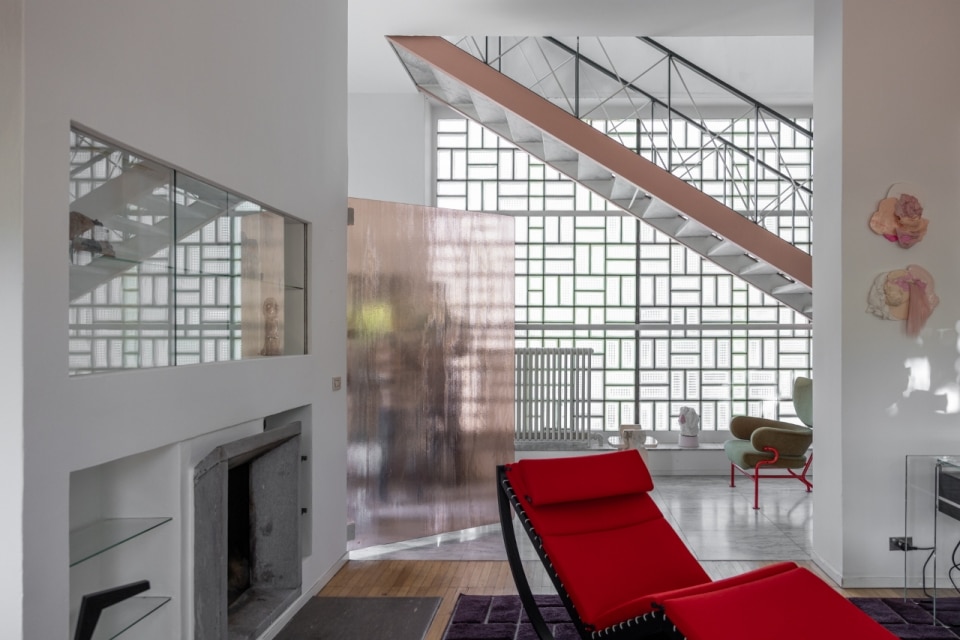
The villa is one of Alcova’s two venues, the other being the former military hospital in Baggio, and it’s safe to say that the €25 ticket price did little to deter visitors. Domus has covered this villa extensively over the years. The first time was in December 1939, when the magazine was still directed by Gio Ponti. Accompanying a photographic portfolio of the house, he wrote: “By examining these images, readers can feel as though they are attending a course in the most modern interior design.” More than eighty years later, the curatorial approach of the current exhibition seems to echo that very idea.
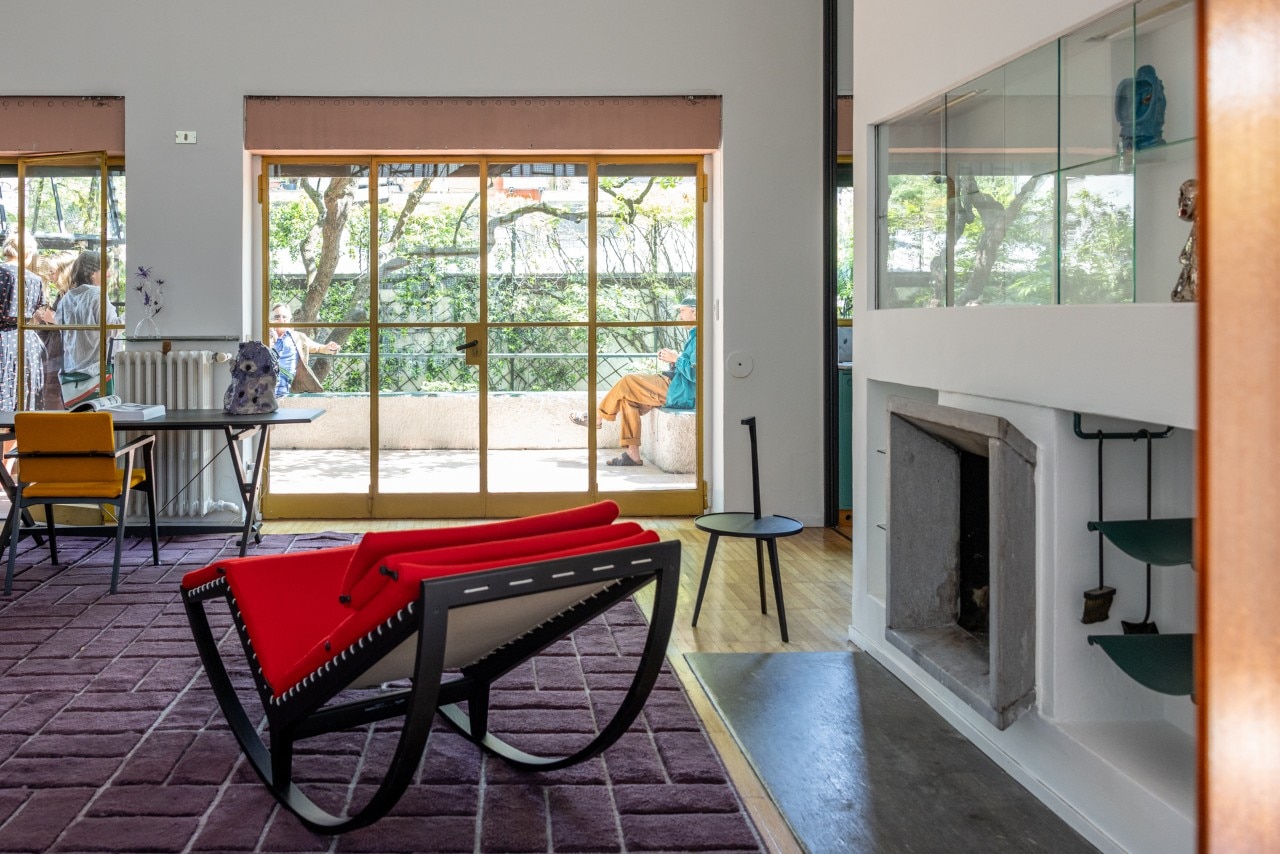
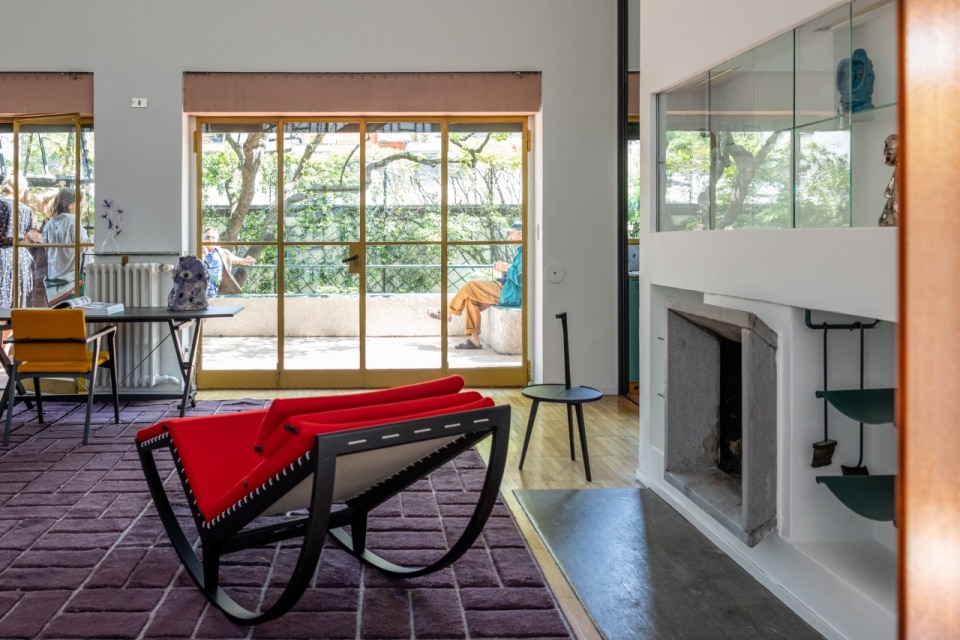
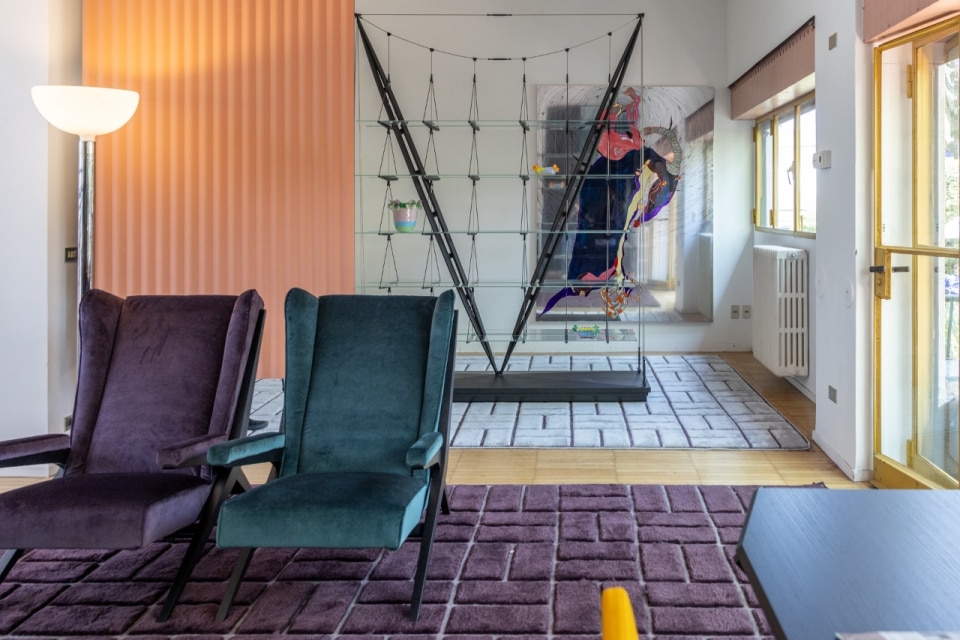
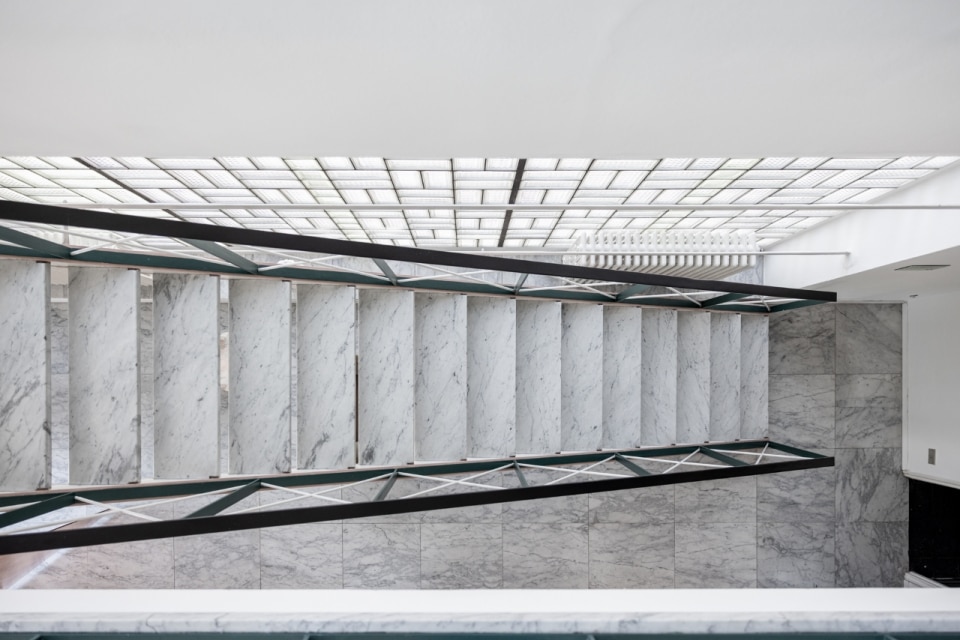
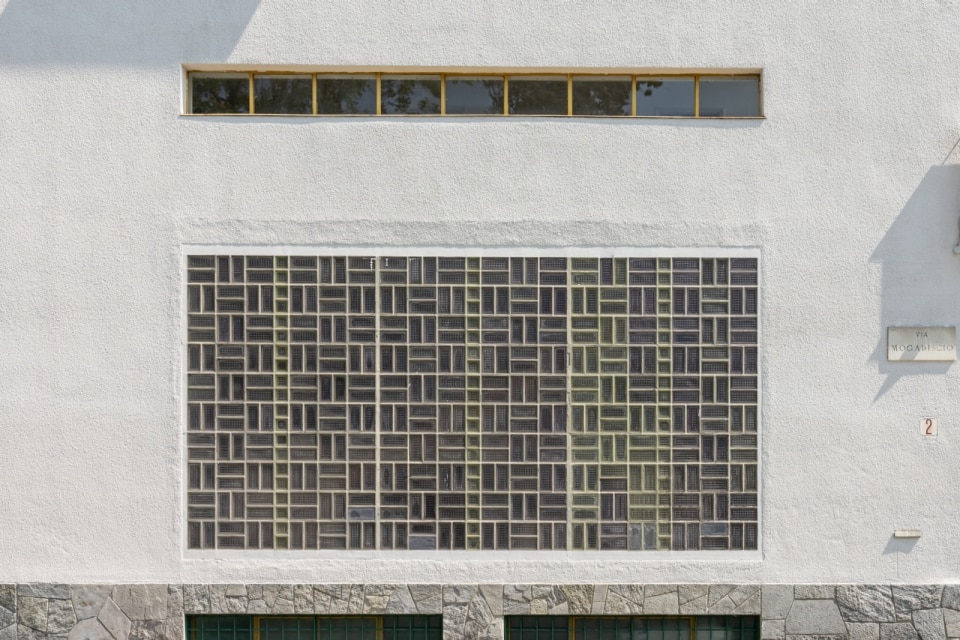
Upon entering, the glass-block wall, acting as a luminous screen, and the adjacent suspended marble staircase immediately command attention. Moving into the living area, the exhibition curated by Patricia Urquiola for Cassina presents re-editions of iconic pieces such as the Veliero bookcase and the Luisa chair, both originally designed by Albini and now produced exclusively by Cassina.
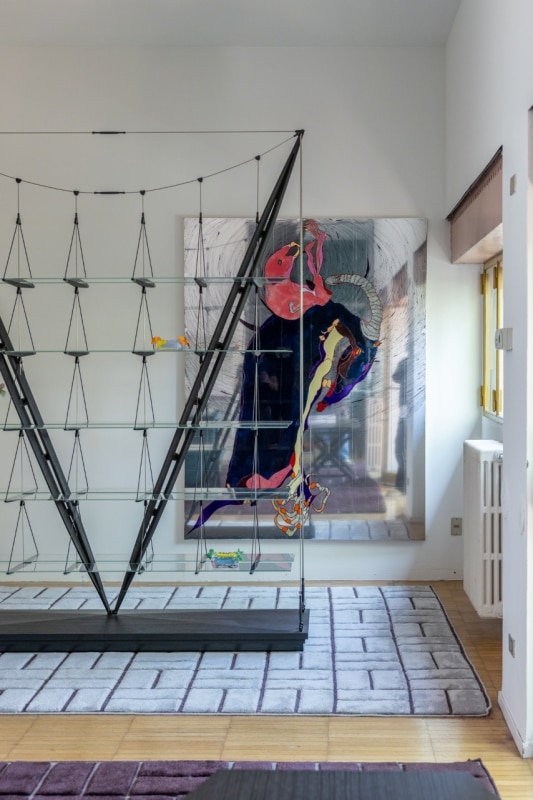
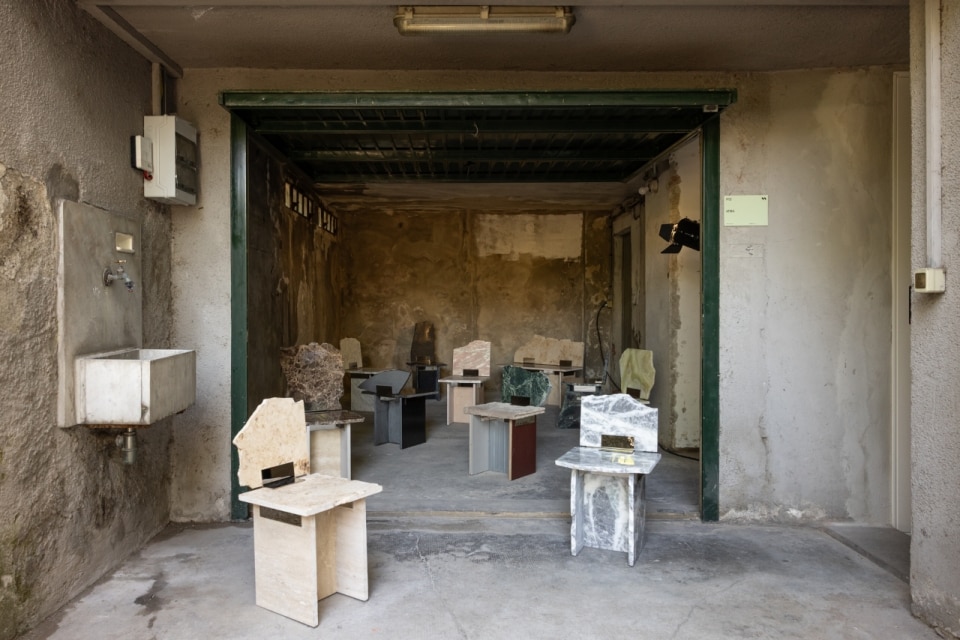
Other projects also animate the space, including that of the Paris-based maison Issé, which debuts its first collaboration with architect and designer Sophie Dries. One of the first-floor rooms is transformed by a large ceiling-mounted textile installation, exploring the expressive and spatial potential of raw plant fiber. Even the garage becomes part of the exhibition, with an installation by AtMa investigating the reuse of surplus materials in production systems, featuring seemingly rough seating elements that deliberately expose their joints.
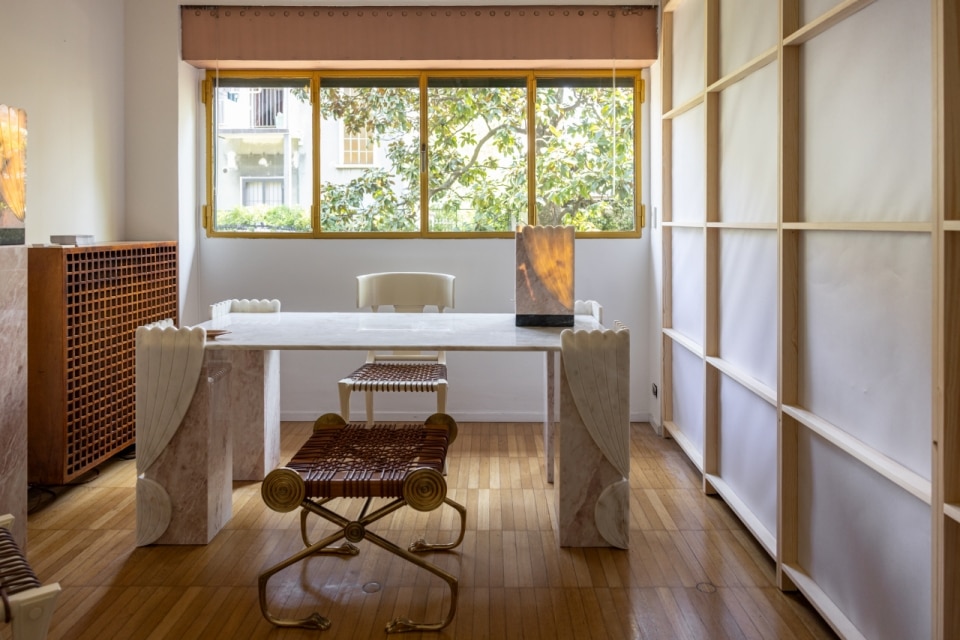
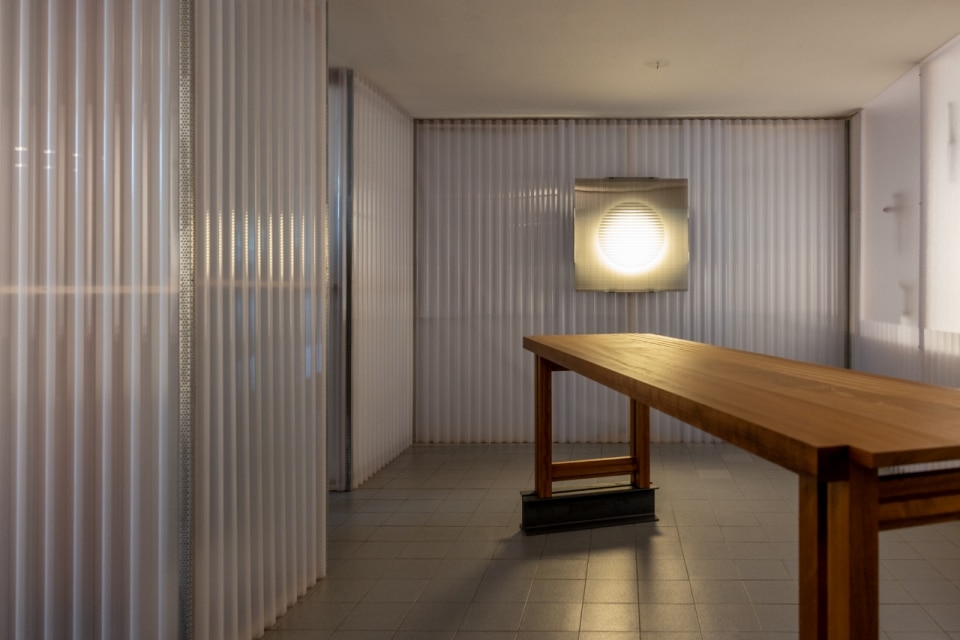
As already noted in our Milan Design Week day-one guide, the real surprise comes from Boccamonte. Their project reinterprets the legacy of Luisa Castiglioni through research, archival work, and new productions. Installed in a single room at basement level, clad entirely in polycarbonate panels, the display revisits the 1963 trestles designed by Albini’s former student, never previously brought to market, now reissued in iroko wood, alongside a remarkable custom table originally created for the bow window of one of Castiglioni’s houses.
These are accompanied by luminous elements such as Veneziana, which modulates light through layered surfaces, and Ango Lare, a corner mirror that reflects light to expand spatial perception, fully embodying the legacy of Castiglioni as interpreted by Boccamonte’s founders.
In the end, marrying outside, the set-up with the mini newsstand and striped canvas deck chairs teases the pause, and the mansion shows itself as a place to pause. But entrances are limited, and even those who have managed or will manage to get in will have to deal with time constraints.