



From April 20–26, 2026, Alcova returns for its eleventh edition during Milan Design Week. The curatorial and experimental platform founded by Joseph Grima and Valentina Ciuffi — which each year transforms forgotten or inaccessible spaces into a temporary microcosm of design research, often becoming as famous for its locations as for what takes place inside them — has chosen two symbolic sites of the city of Milan for this edition.
One marks a welcome return: the Baggio Military Hospital, which hosted Alcova in 2021 and 2022. The other is an absolute first. Villa Pestarini, the only villa ever designed by the great architect Franco Albini, will open its doors to the public for the first time in its 87-year history.
Franco Albini’s Villa Pestarini
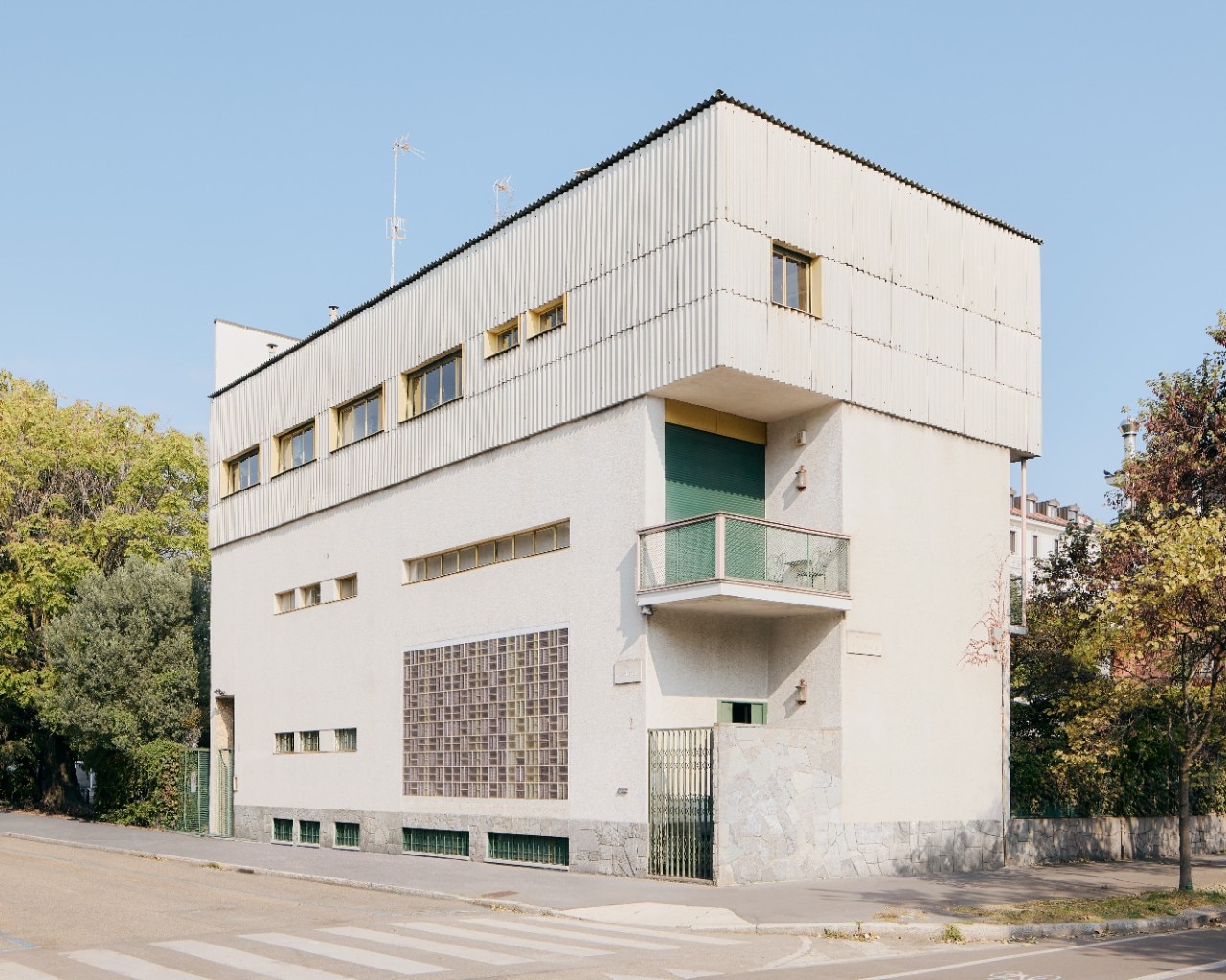
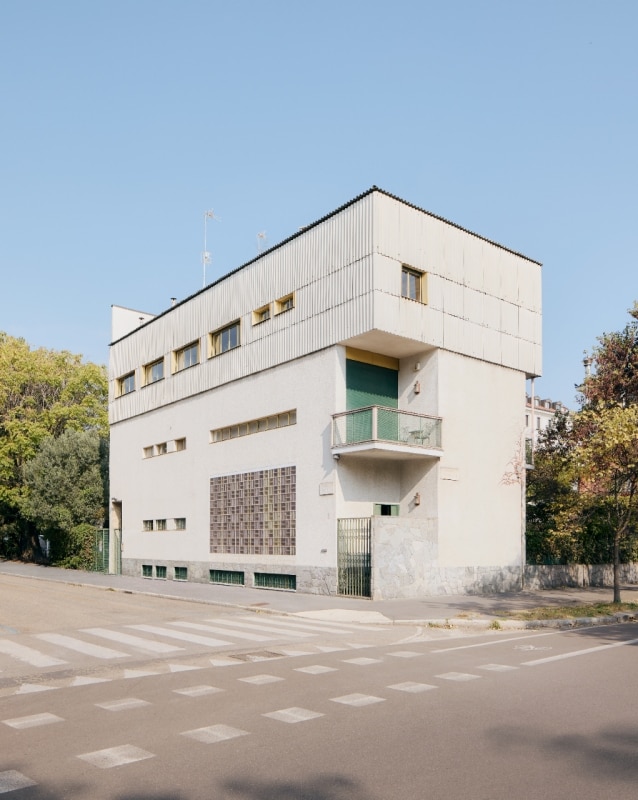
A white, rectangular volume set within a small island of greenery, Villa Pestarini is a gem of Milanese rationalist architecture, located just beyond the outer ring road and a few minutes’ walk from the Bande Nere metro station.
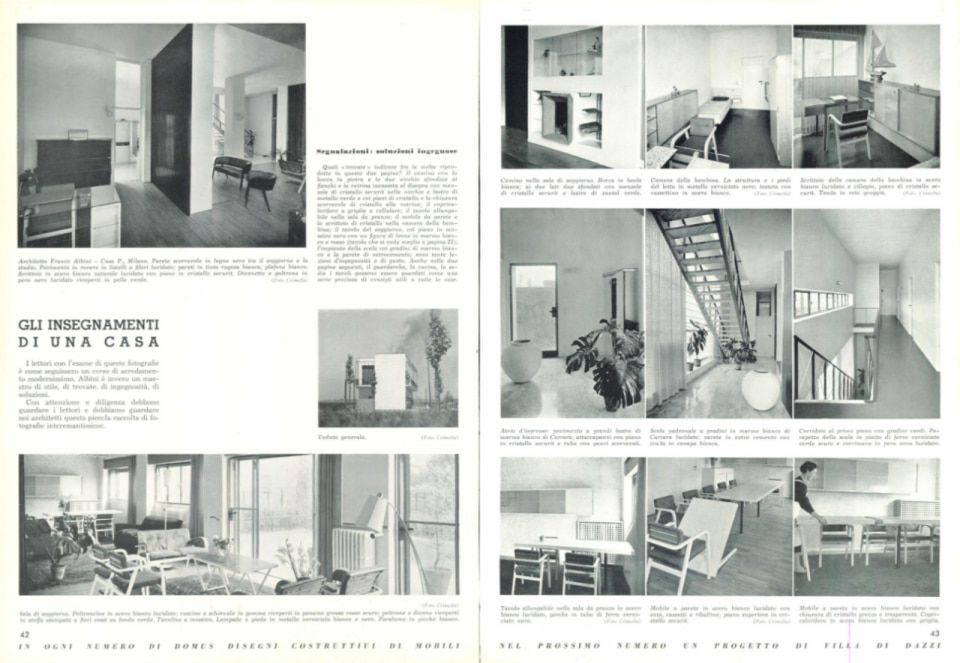
Albini designed it in the late 1930s as a private residence for a family — the same one that still preserves its memory today — and until now it has never been open to visitors. The project also stands as an exception in Albini’s career, as he was best known for his large-scale residential buildings and only rarely took on private commissions. Gio Ponti published the villa in Domus issue 144 in 1939.
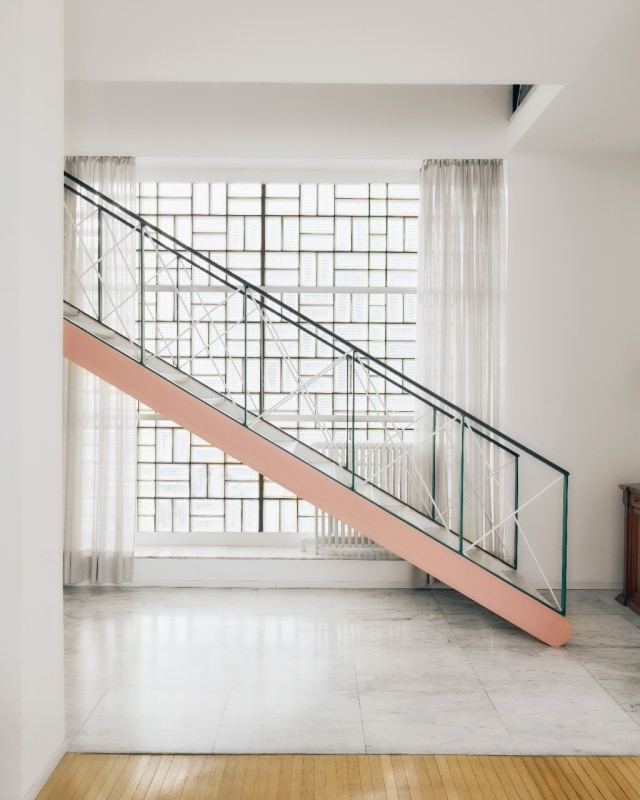
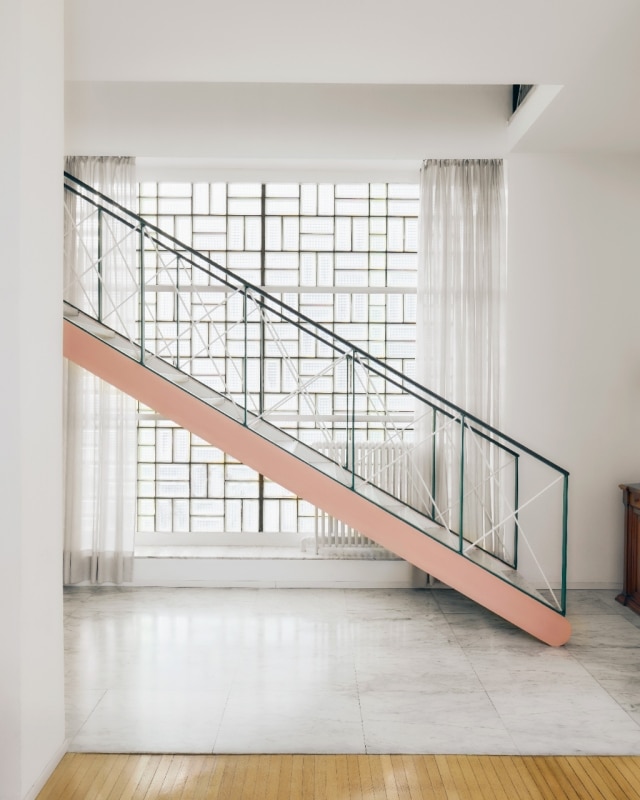
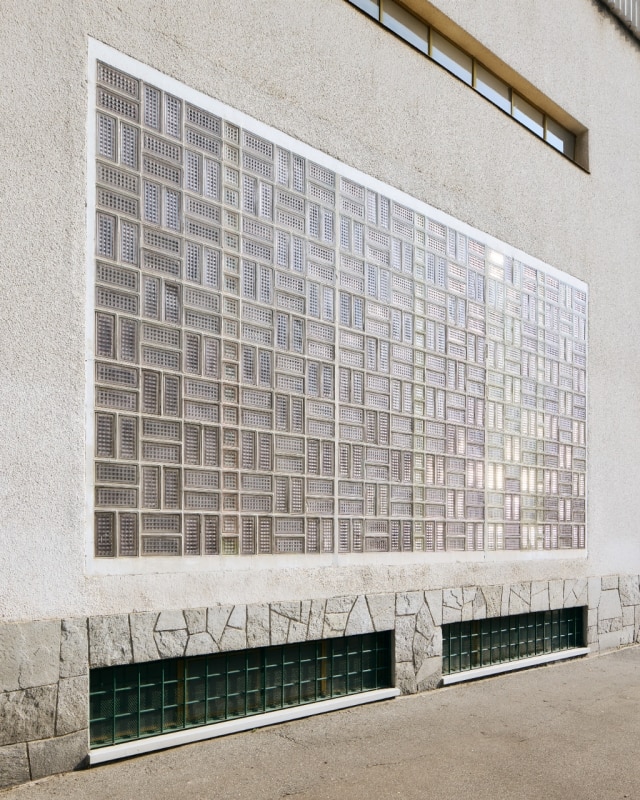
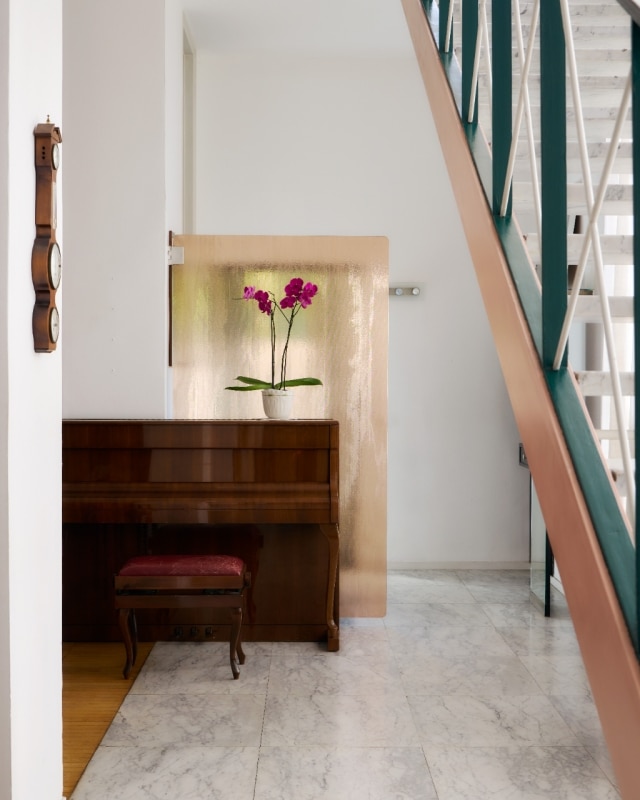
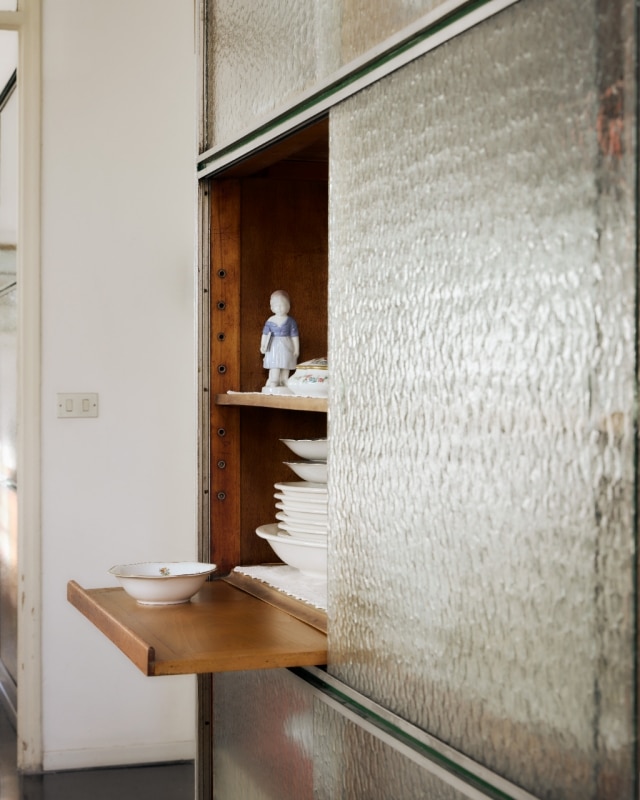
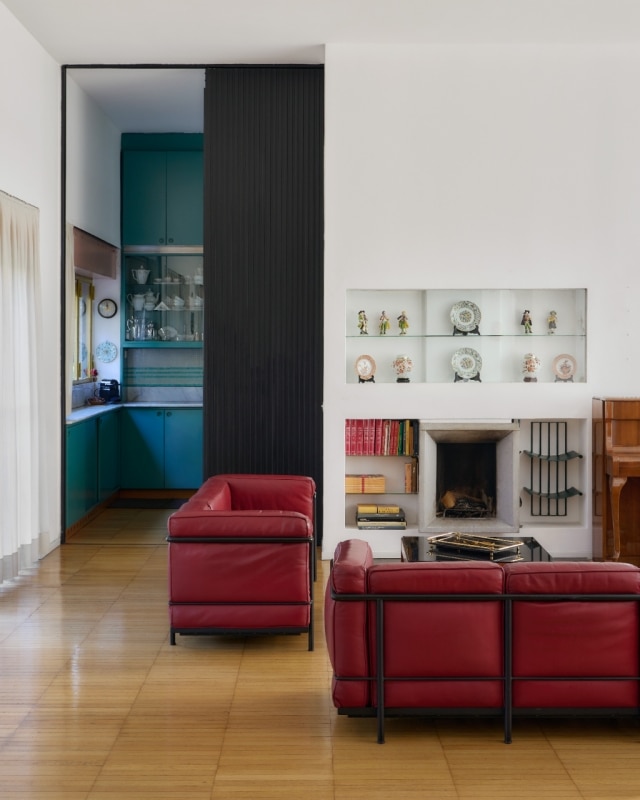
Glass-block façades, a low-tread marble staircase, custom-designed furniture, sliding partitions, and large windows overlooking the garden: all the elements that make up the villa that will host Alcova in 2026 have remained intact, exactly as Albini envisioned them. It’s a miraculous case of preservation — rare in the world of private residences — and now, for the first (and perhaps only) time, it will be open to the public.
The Baggio Military Hospital
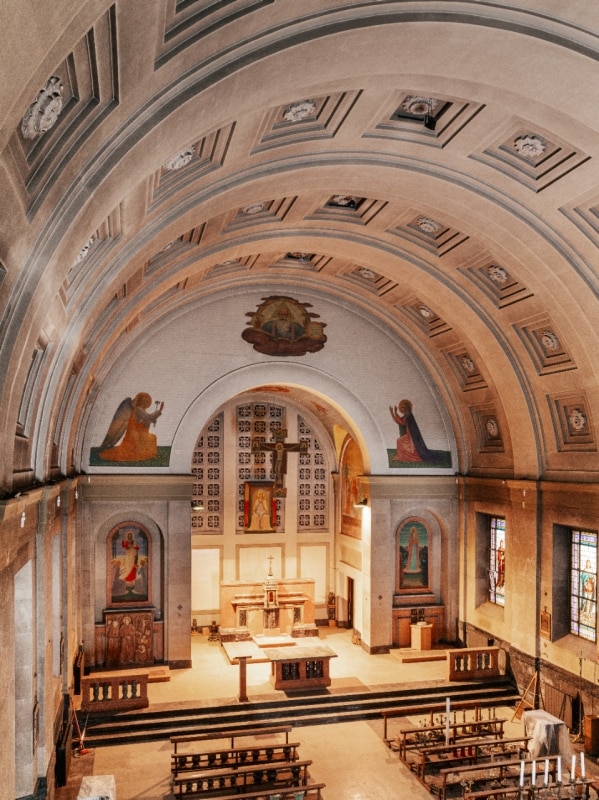
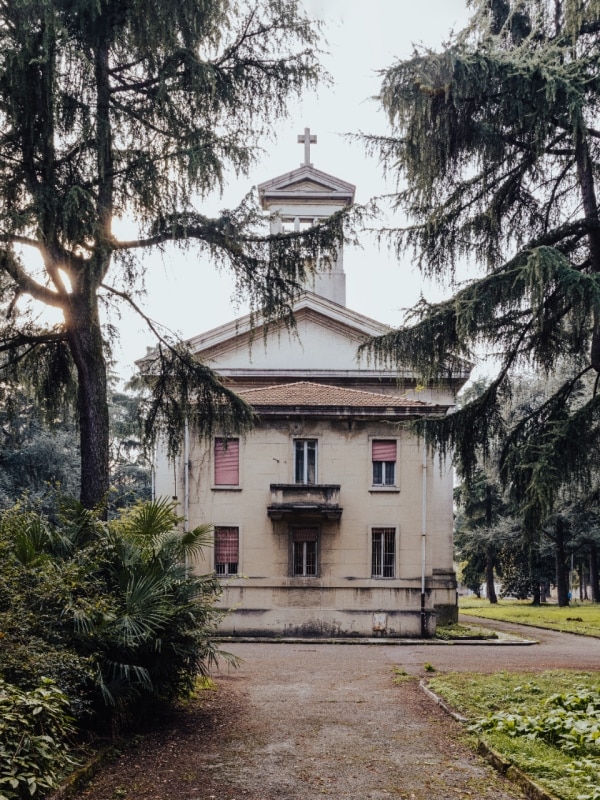
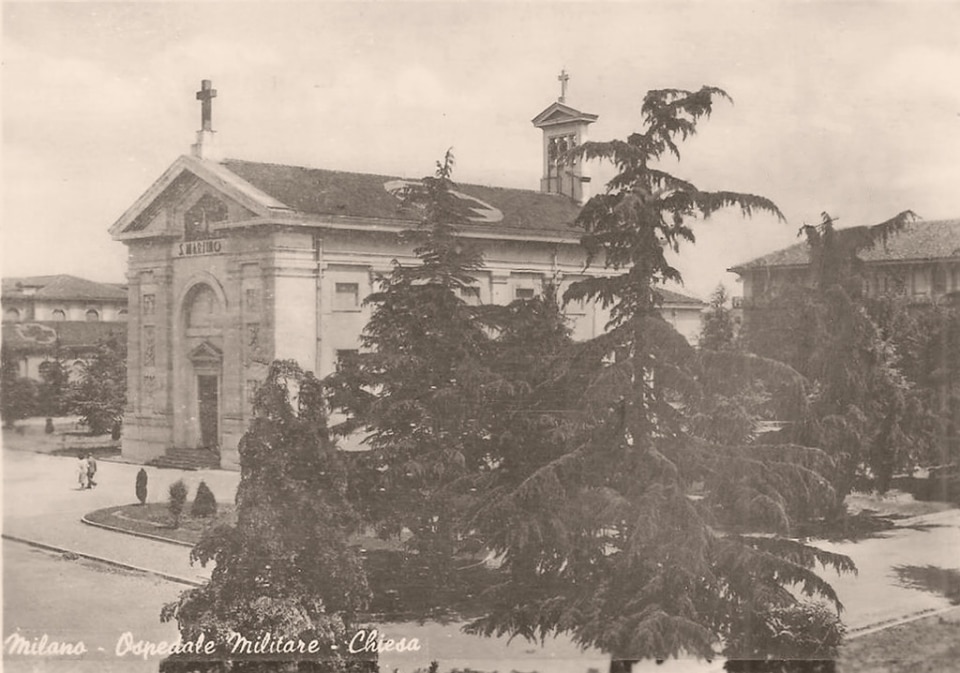
Then there is the Baggio Military Hospital: the vast complex of buildings designed after the First World War, which during the event will open two previously inaccessible spaces — the Church of San Martino with its former rectory and a historic archive.
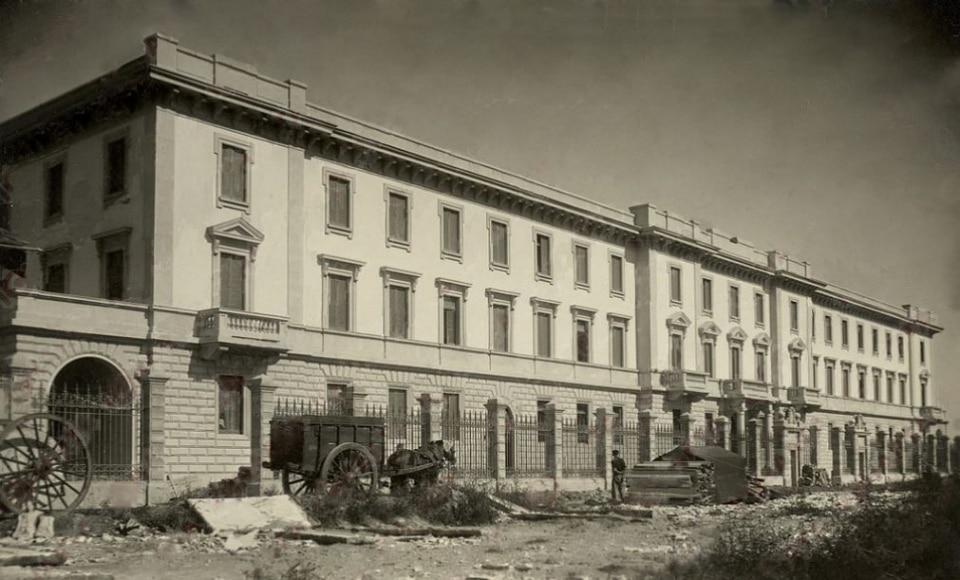
Built between 1928 and 1931, the hospital originated as the relocation of the historic facility for wounded and sick soldiers that had operated between the 18th and 19th centuries in the cloisters adjacent to the Basilica of Sant’Ambrogio, in the historic heart of Milan. From that moment on, the history of the Baggio Military Hospital became almost as complex as its map of buildings: requisitioned during the Second World War first by German troops and later by Anglo-American forces, in 1946 it returned to the Italian Army, becoming one of the sites associated with compulsory military service in Milan.
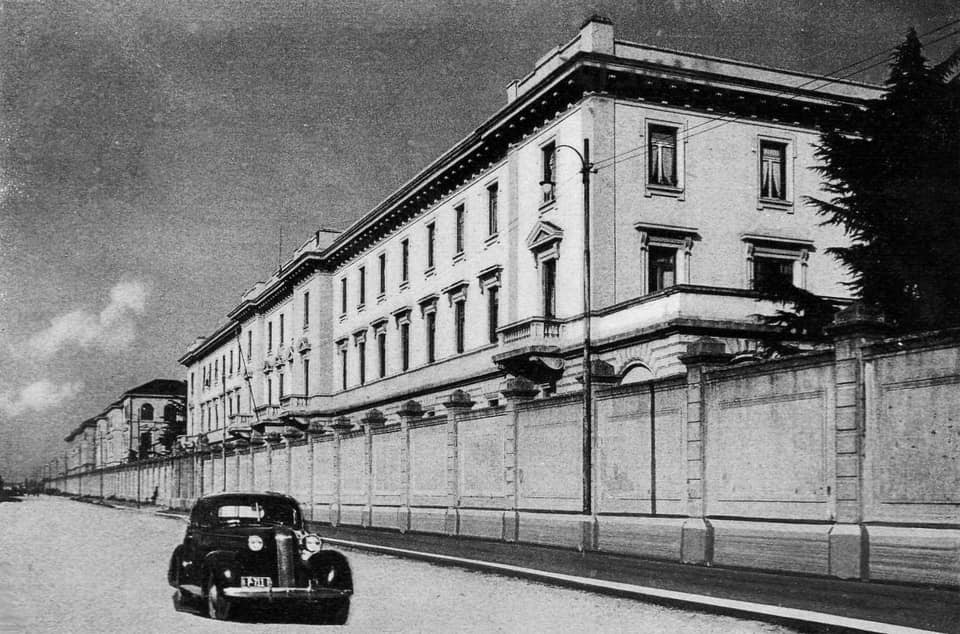
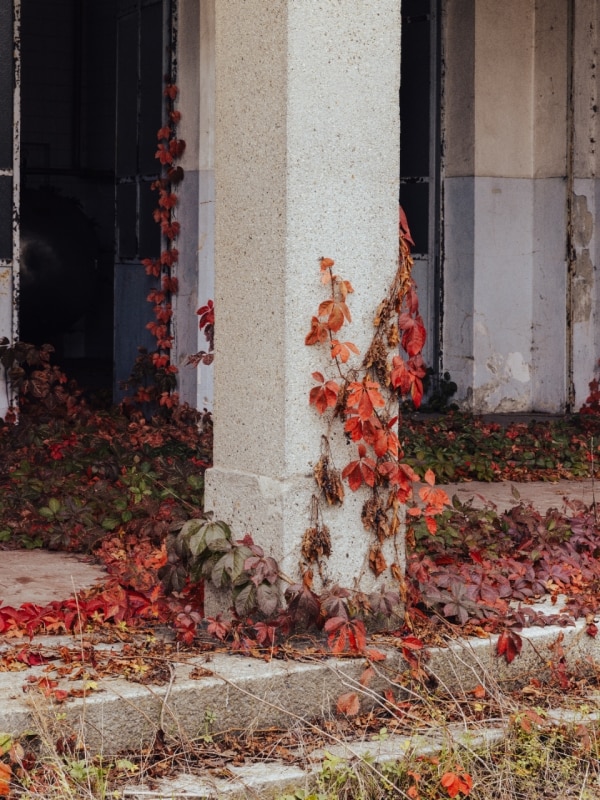
Today, the Baggio Military Hospital is a heritage site and a layered example of the intertwining of natural and man-made landscapes, where vegetation — as happened with another key site in Alcova’s history, the former slaughterhouse — has gradually reclaimed concrete and built structures, creating a new landscape, poised between abandonment and spontaneous transformation.
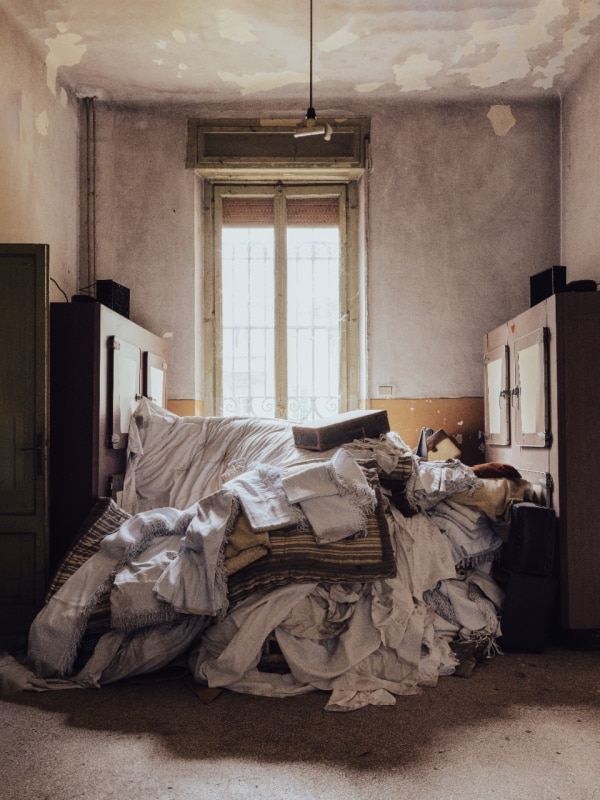
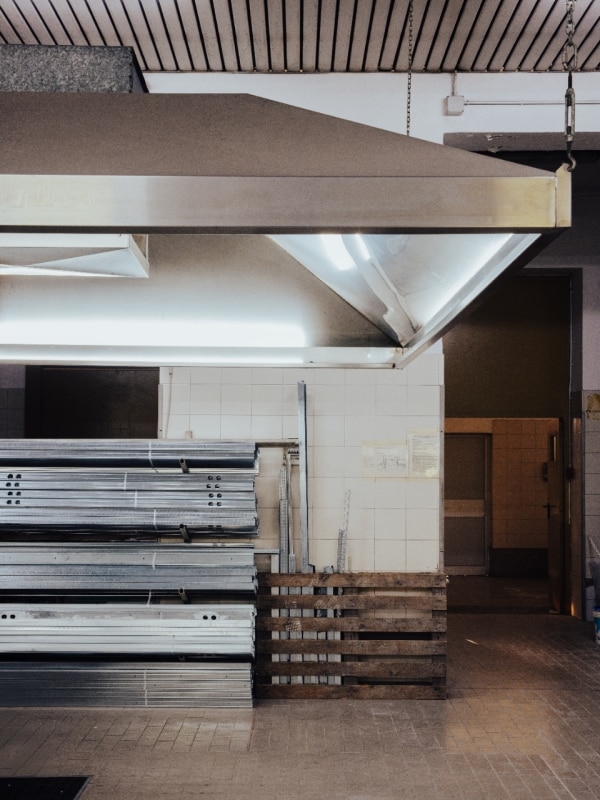
We should imagine it as labyrinthine, with buildings constructed in different periods and styles: the Casa delle Suore, a former 19th-century nunnery originally built to house nurses working at the military hospital and active until the 1980s; a former industrial laundry once used to wash hospital linens; a kitchen; the Stecca; the archives; and also a Temple, a building with an unusual structure, surrounded by a garden partly left in a wild state.

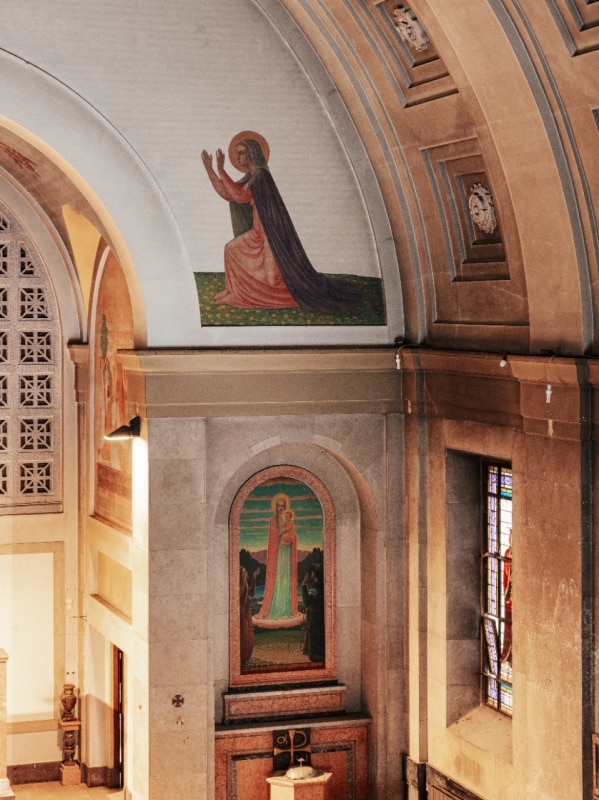
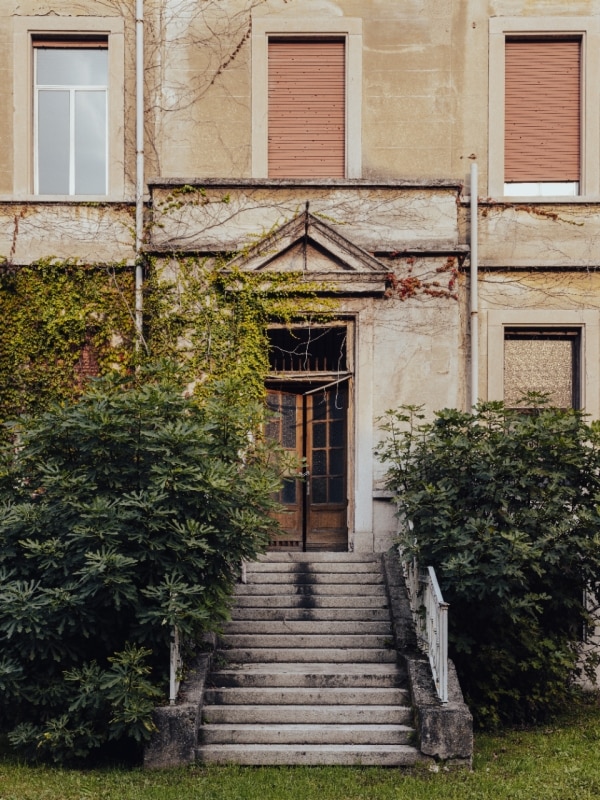
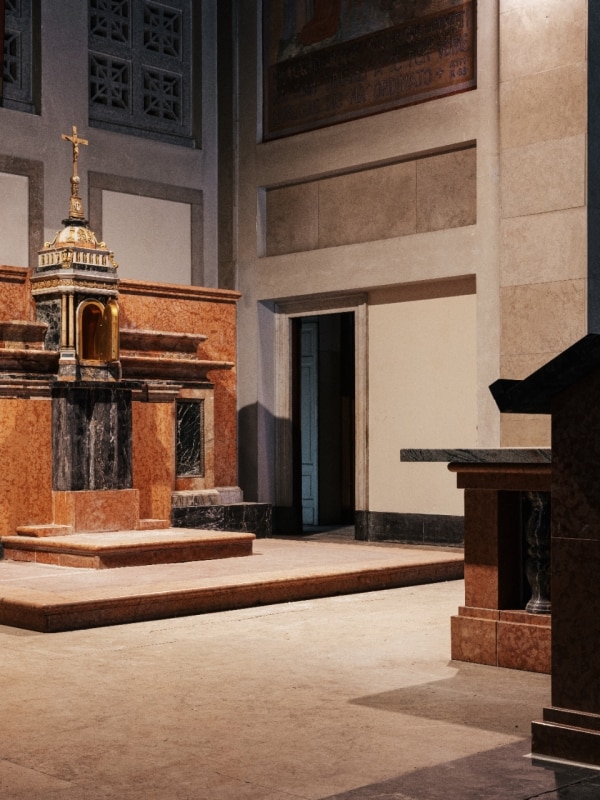
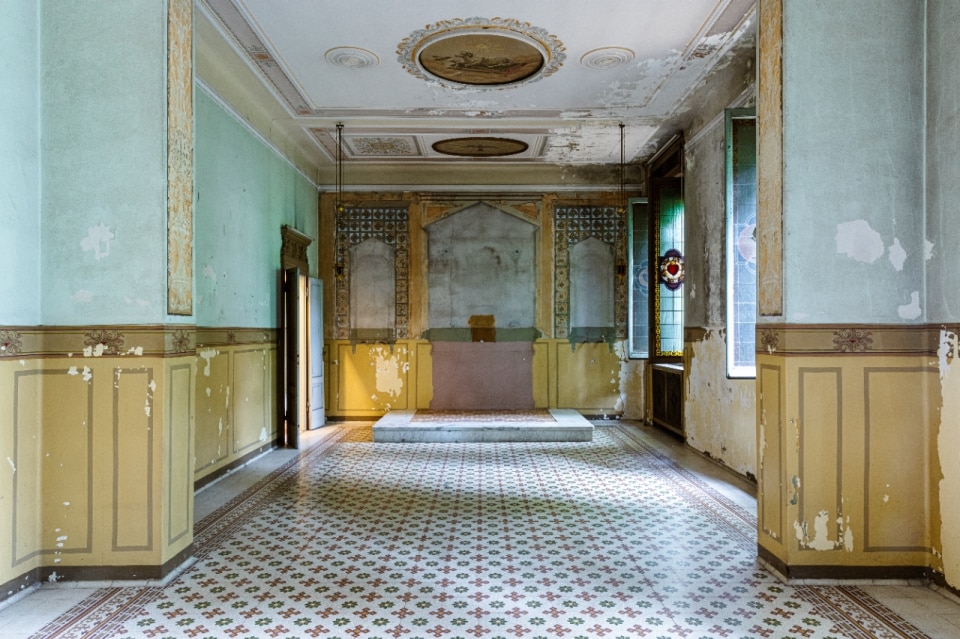
At the center of this labyrinth, this year the event focuses on the Church of San Martino, which with its neoclassical façade, marble and wood interiors, and lightly frescoed walls seems frozen in the moment when it offered spiritual refuge to soldiers, doctors, nurses, and civilians connected to the nearby military hospital. Directly connected to the church is the Rectory, where the priest once lived: one of the most recent buildings in the complex and never opened to the public until now.
The other new element is the hospital archives, recognizable by the files piled on the shelves and by a sign of uncertain origin on one of the walls that reads: “Vietato fumare” (No Smoking).