Your favorite fashion designers didn’t study fashion, but architecture
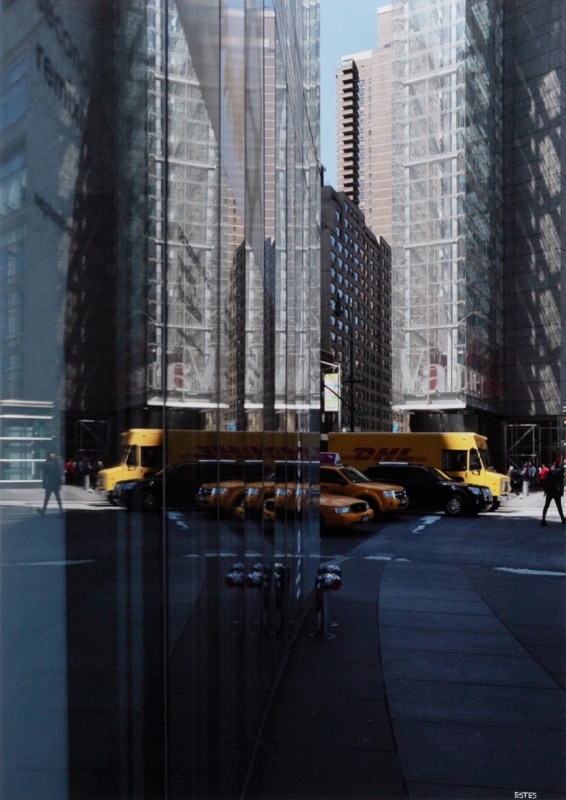
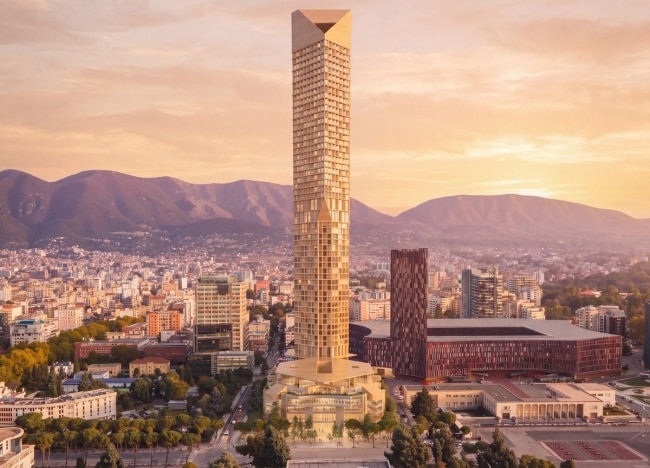
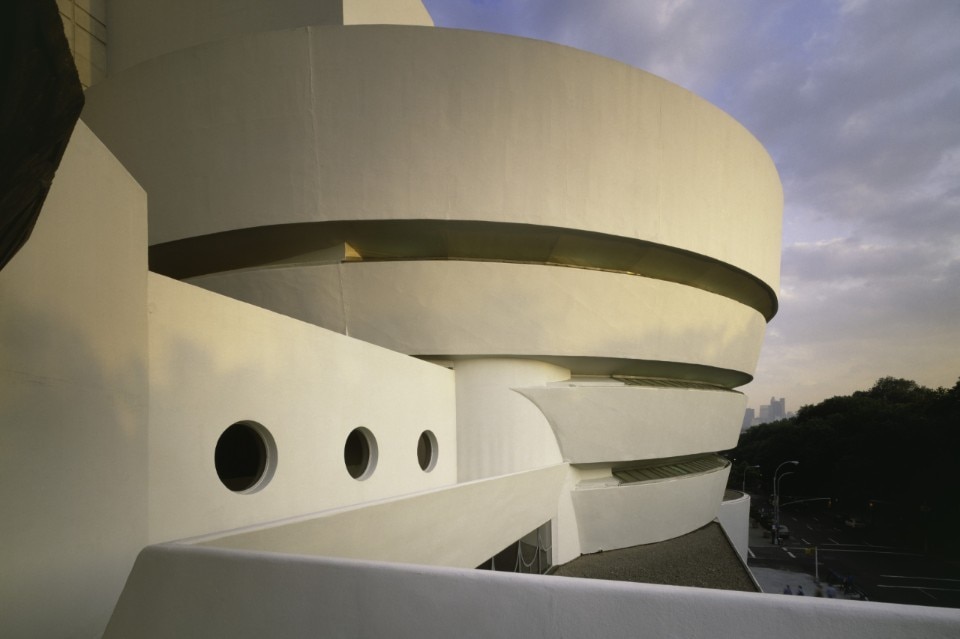
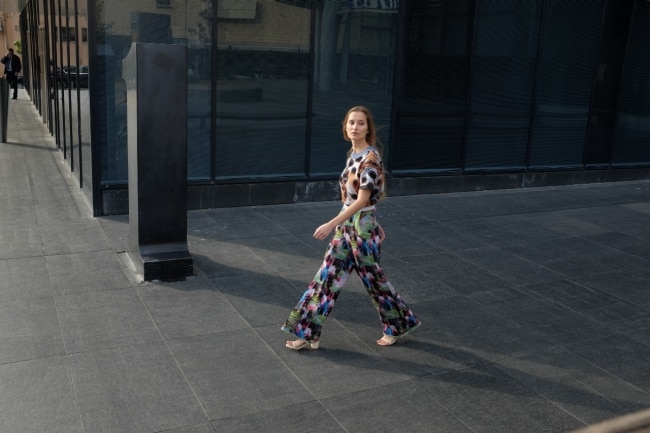
Before leading major fashion houses, many designers trained as architects—a natural shift across scales that still shapes how we think about fashion and space.
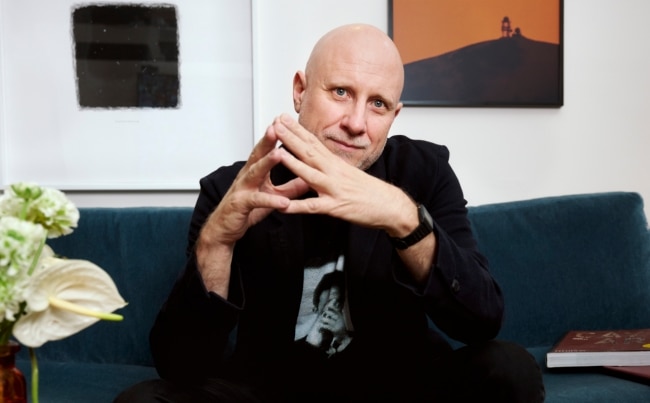
Domus’ 2026 guest editor brings to the Milan Polytechnic a reflection on contemporary architecture, between critique of the built environment, nature, and social responsibility.
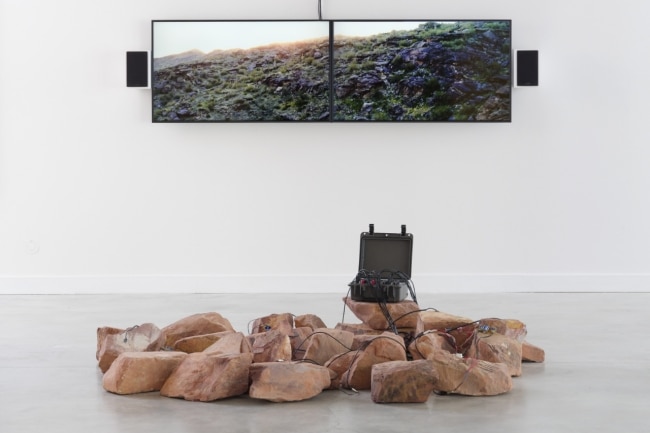
From collaborations with science labs to foundation programs like LAS, more and more artists are turning to quantum physics—not to illustrate it, but to question a world shaped by predictive models and artificial intelligence.
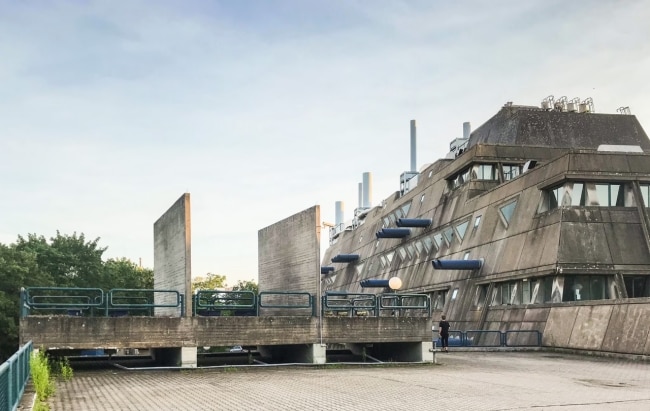
Through Nigel Green’s photography and Owen Hopkins’s prose, the new Blue Crow Media book Brutalist London explores an era when architecture shaped the city’s future as a collective social project.
You can share your work through the function by Domus where you can upload your architecture, design, interior, graphics, illustration, photography and art projects.
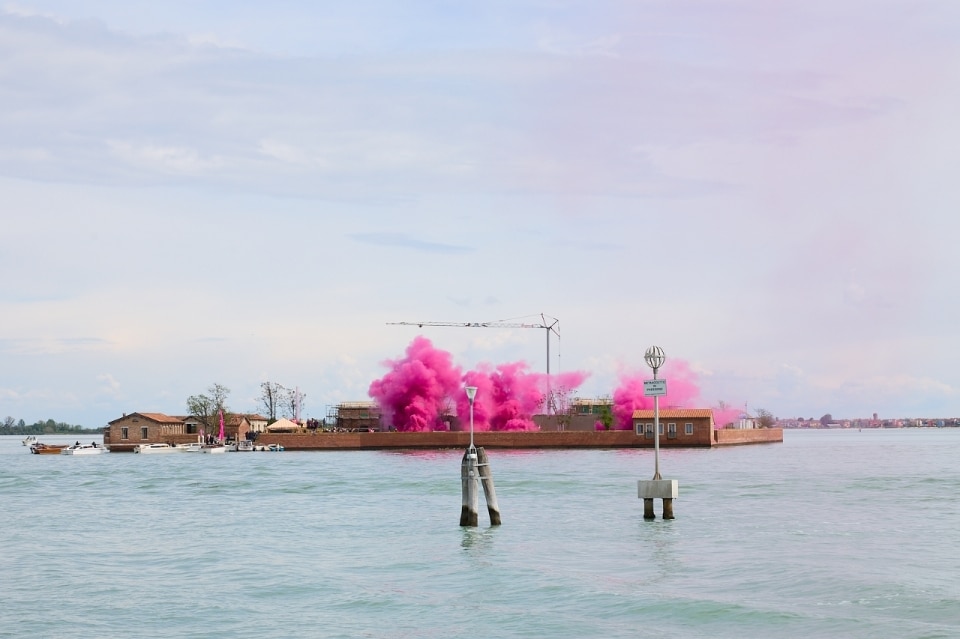
As Russia returns and Israel re-enters the 2026 edition, the Venice Biennale reveals a structural paradox: conceived as an open international platform, it has become an institution that cannot exclude.
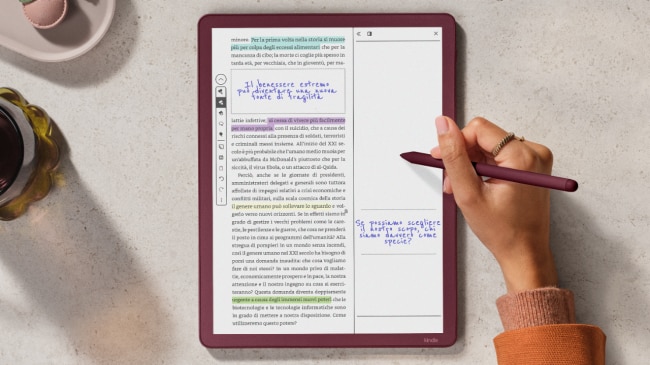
Tested during Milan Design Week, it’s not an alternative to the smartphone but a device that introduces a different visual language – somewhere between a camera and a drone.
Over the weekend of the 2026 Rome Marathon, New Balance transformed the Corsie Sistine into a temple of running, turning it into a place of care, recovery, and community for participants.
In Valencia, a new exhibition dedicated to Anselm Kiefer centers on Danaë—a more than 13-meter-long painting never before shown in Europe—set within one of the most historically charged buildings of the 20th century.
Twenty years after the original, between influencers, editorial crisis and nostalgia, the sequel returns to portrait a system that has changed everywhere — with no auteur ambitions whatsoever.
In his Milan studio, Matteo Mauro shows how Nvidia Studio is changing the way an artist works, produces and preserves his own work.
Among the most anticipated protagonists of the 61st Exhibition, the Serbian artist presents “Transforming Energy” at the Gallerie dell’Accademia, marking the first time a woman is invited to exhibit in this space.
From IKEA’s meatball-flavored lollipops to Gucci cans, the most popular Design Week giveaways are already on the second-hand market—and they don’t come cheap. What’s behind it?
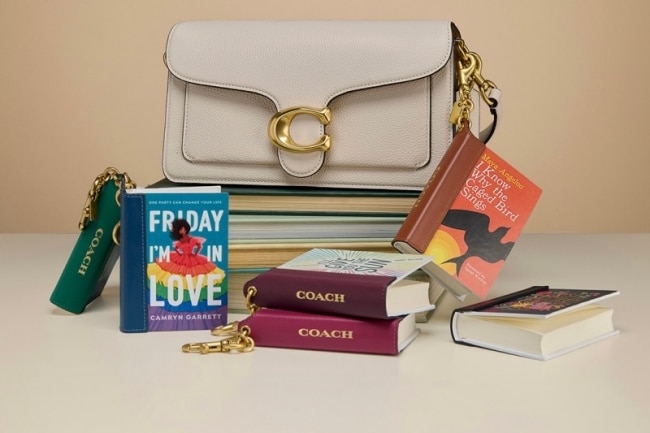
Contemporary design no longer just shapes objects—it turns them into frameworks for other objects. From phone cases to book charms, pocket maximalism becomes a new architecture of identity.
At MAXXI L’Aquila, “Aftershock” brings the Sichuan and Abruzzo earthquakes into dialogue: around seventy works exploring how fractures—political, human, and material—continue to reverberate over time.
“Vivono” reconstructs what we have failed to tell: an emotional and visual archive born out of a door-to-door search among fragments, poetry, and removed memory.
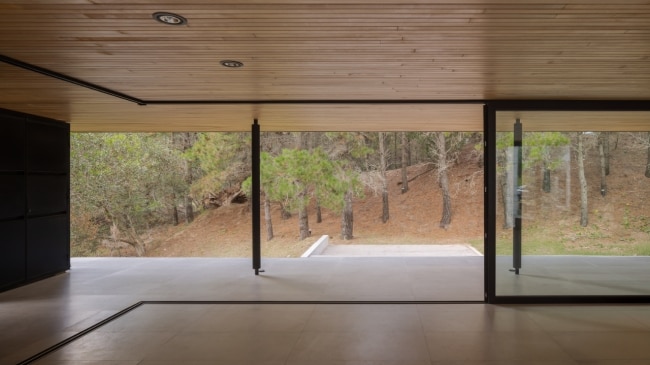
Designed by Workac, the Riverhouse is a model of sustainable and collaborative living. Friends, guests and collaborators helped to design and build the shared spaces and furnishings.
It is not just another lifestyle extension: the point is how it is sold. Millet ice cream follows the same product logic as cars and phones, with three increasingly accessorized versions.
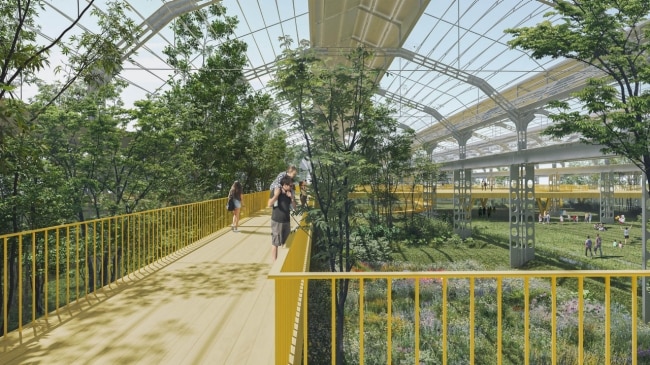
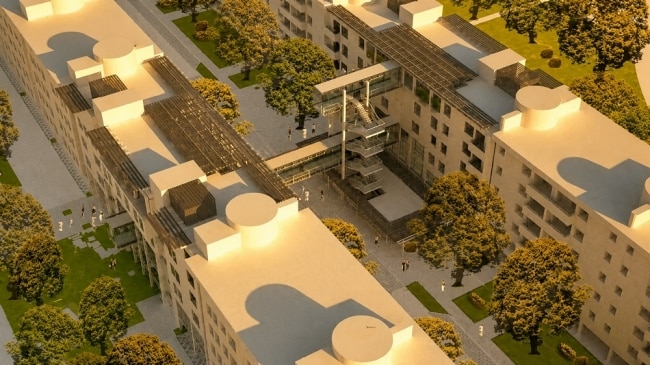
In Vaiano Valle Nord, south of Milan between Viale Ortles, Via Quaranta and the Parco Agricolo Sud, a new neighborhood is taking shape—designed to reconnect city and countryside. But as the project enters a decisive phase, debate over the future of green space is intensifying.
The Salone del Mobile has turned 64. An age when one stops making excuses and starts taking stock. And this year, the numbers are unforgiving.
Alessi reissues Ettore Sottsass's La Bella Tavola, the tableware collection that is also a tribute to his beloved China.
With flexible spaces, mobile installations, and themed itineraries, the new London hub abandons the traditional model to embrace the logic of fairs and “on demand” culture.
Overlooking Central Park, the apartment is listed at $4.59 million. It’s not the first time it’s been put up for sale, but it still holds traces of its past.
For two days during Milan Design Week, a temporary tea house by Cromo opens the terrace of Torre Velasca to the public, transforming the BBPR-designed landmark into a space suspended between ritual, design, and a new urban perspective.
For this Design Week weekend, we suggest a tour with minimal lines: between historic brands and Fuorisalone newcomers, hidden buildings and design temples.
The people and the too many people, the buildings never open to the public, the colorful installations and the rationalist Milan of the great architects of the 20th century. But also the details you may not have noticed: here are the best photos taken by Domus at this year's Design Week.
The two brands turn an apparently eccentric encounter into a coherent dialogue between industry, material, and process. More than a collaboration, it is a methodological convergence that puts making back at the center.
Gio Ponti’s secret hotel, a medieval theatre, and installations where there’s finally no trace of bad AI: these are the places to go during Milan Design Week if, like you, by 2026 FOMO has gone out of fashion.
At Teatro Arsenale, Estùdio Campana's installation for Art de Vivre transforms rugs into a contemplative experience far from the noise of Fuorisalone. The designer tells Domus why it is now urgent to look to nature as a form of healing.
Nike and Gucci show in different ways what the Milanese week has really become: a device where design is on the verge of extinction. In between, many attempts and few truly convincing visions.
During Design Week, you also need a map of places to pause. Between hidden gardens, inhabitable micro-hotels, oversized carousels, and installations that speak of a return to nature, here are the addresses we recommend.
Not just to look at: at Base Milano, design gets active. Studio Smarin's modular system transforms the Ground Hall on the ground floor into a collective space between experimentation, economic sustainability and new forms of sharing.
Amid large-scale installations by star architects, Milanese studios, and design archives exceptionally open for just one night, here’s where to go during Design Week if architecture is what you do.