OK
Domus Domus
newsstand
SUBSCRIBE
  • Magazine
  • Digital Edition
  • Digital Archive
LANGUAGE
  • it
  • en
Hi Logout
Sign up / Log in
  • News
  • Architecture
  • Interiors
  • Design
  • Art
  • Archive
  • Products
  • Design Essentials
  • Design Stories
  • Submit your project
Sections
  • News
  • Architecture
  • Interiors
  • Design
  • Art
  • Archive
  • Products
  • Covers
  • Biographies
  • Architecture Firms
  • Sustainable Cities
  • Gallery
  • Design Stories
  • Domus for Design
Magazine
  • Subscriptions
  • Digital Edition
  • Current Issue
  • Guest Editor
  • Digital Archive
  • Nordic Design
Specials
  • Design Essentials
  • Modern Work
  • DomusAir
  • Milano Design Week
  • Worldesign
Current Issue

Domus 1106 hits the shelves

Follow us
LANGUAGE
  • it
  • en
Hi Logout
Sign up / Log in
newsletter Icon
results No results Please enter a long search term

      “You may sit on that bag”: 21 game changers in domestic design

      “You may sit on that bag”: 21 game changers in domestic design

      Next gallery

      Houses of Cards: two dissonant residences in the province of Turin

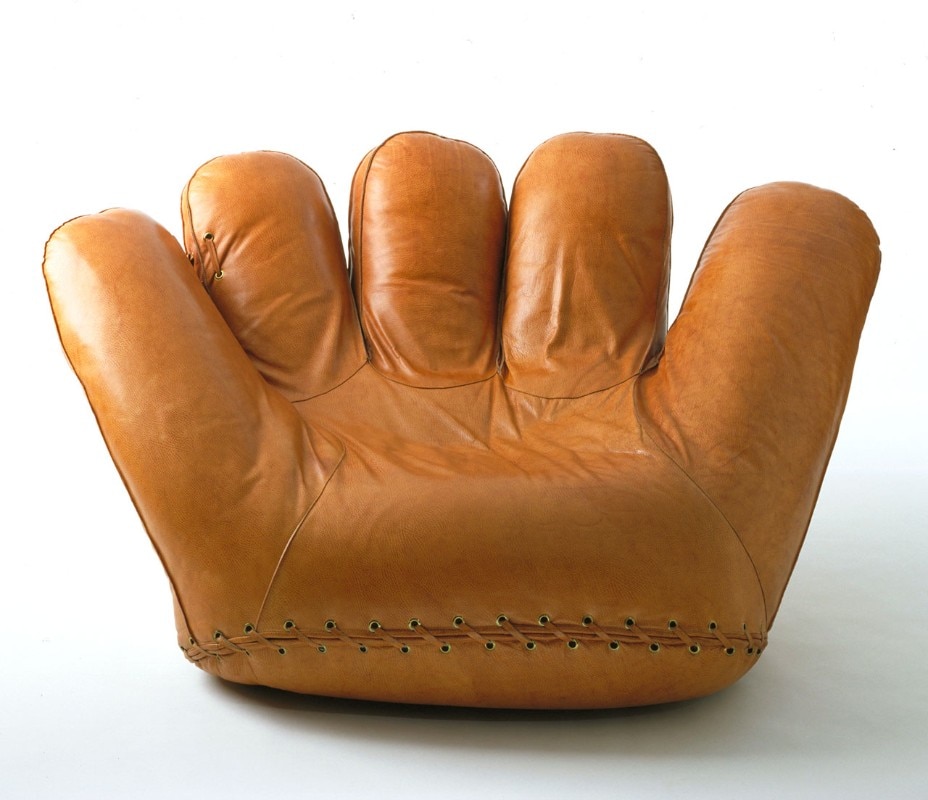
      De Pas, D’Urbino, Lomazzi, Joe, Poltronova, 1970

      Joe is a scaleshifter, translating into furniture a symbol of a whole era: Joe Di Maggio’s baseball glove. The result is manufactured by Poltronova, the iconic brand to produce the radical designs by Archizoom and Superstudio: a metal-framed polyurethane armchair with leather upholstery which is a Pop Art work in itself, close to those developed by Claes Oldenburg, at that time and later. 

      View article
      View article
      • SHARE
      • PIN IT

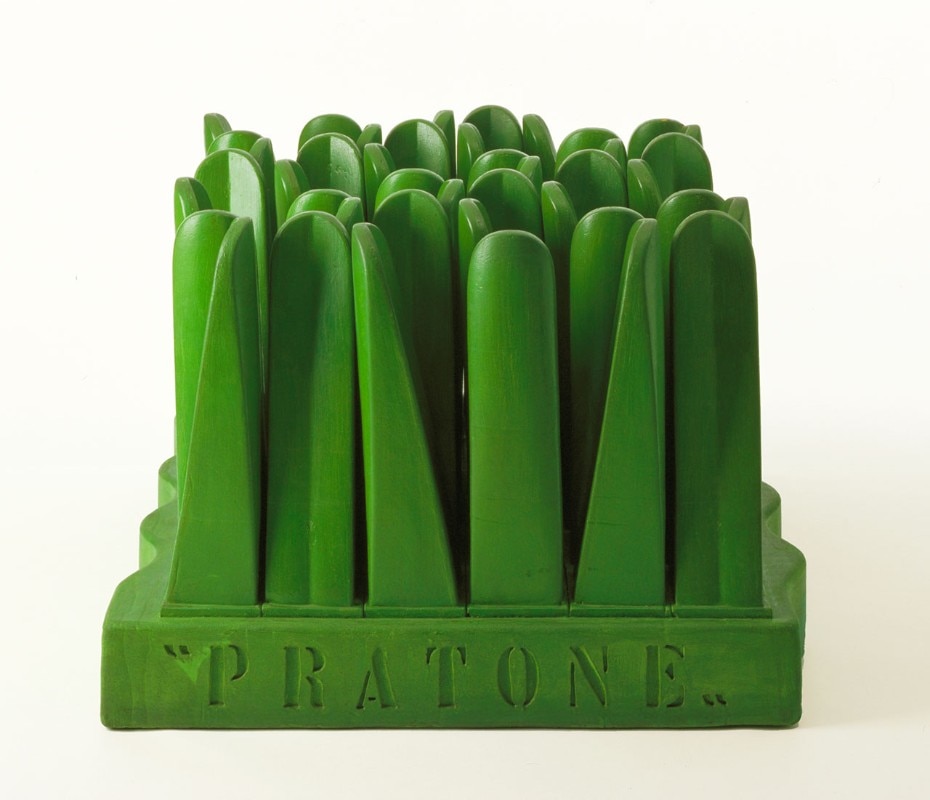
      Giorgio Ceretti, Pietro Derossi, Riccardo Rosso, Pratone, Gufram, 1971

      Ceretti, De Rossi and Rosso, in the heyday of Pop Art in its connection to Italian Radical groups, rethought the act itself of sitting and relaxing, enriching the Multipli collection by Gufram with nothing but a lawn unit. This can be seamlessly combined with other similar ones, made as well of soft and elastic one-meter-tall blades of expanded polyurethane grass, where one can lounge comfortably and unconventionally.

      View article
      View article
      • SHARE
      • PIN IT

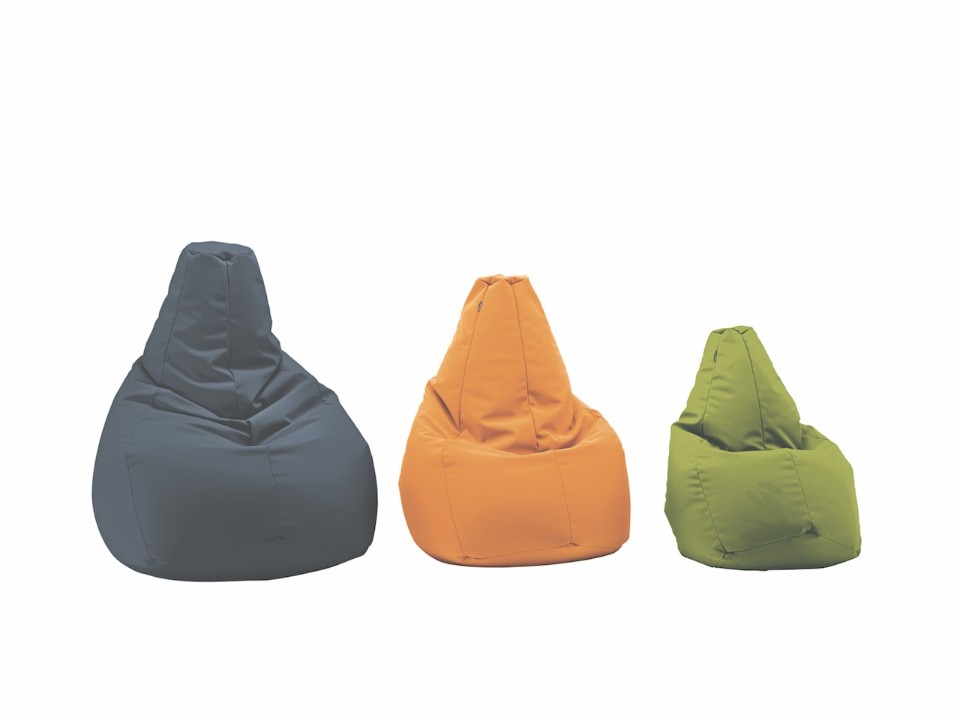
      Piero Gatti, Cesare Paolini, Franco Teodoro, Sacco, Zanotta, 1962

      A protest days’ child, discussing all assumptions of its typology, this chair was conceived as vinyl bag filled up with polystyrene beans, the utmost shapeless object: its concept was both inspired by a need for less formal vision on living spaces, and by the idea of creatin an anatomic chair, adapting to the users’ bodies and choices. Shown at MoMA in New York for Italy: the new domestic landscape 1972 exhibition, Sacco is also part of permanent design collections at the MoMA itself, at Musée des Arts Décoratifs in Paris, Victoria&Albert in London and Triennale Design Museum in Milan.  

      View article
      View article
      • SHARE
      • PIN IT

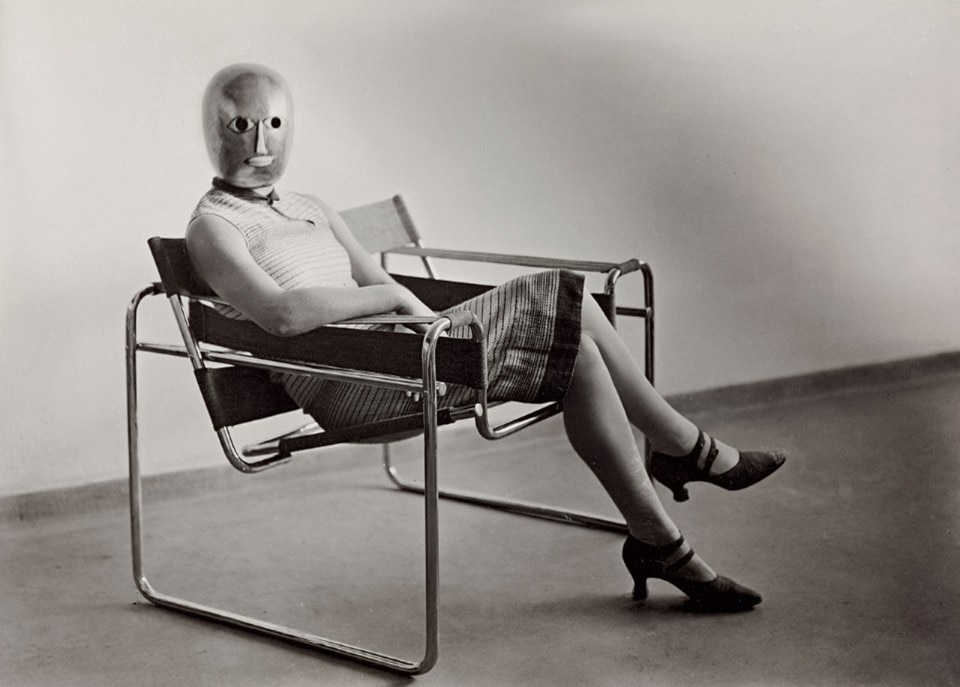
      Marcel Breuer, Wassily, 1926, Gavina (now Knoll)

      A chair  made of  a tubular steel frame, fabric strips and nothing else: the first questioning of the furniture design conventions to be based on production research, the B3 project came out in 1926 from the furniture workshops of Bauhaus Dessau under the direction of Marcel Breuer. The prototype frame was manufactured by Mannesmann, the first commercial pieces by Standard in Berlin; still, it was in 1962 that Dino Gavina made this chair a mass market success, also introducing the leather strips; a success which is still lasting, also after Gavina was purchased by Knoll in 1968.

      View article
      View article
      • SHARE
      • PIN IT

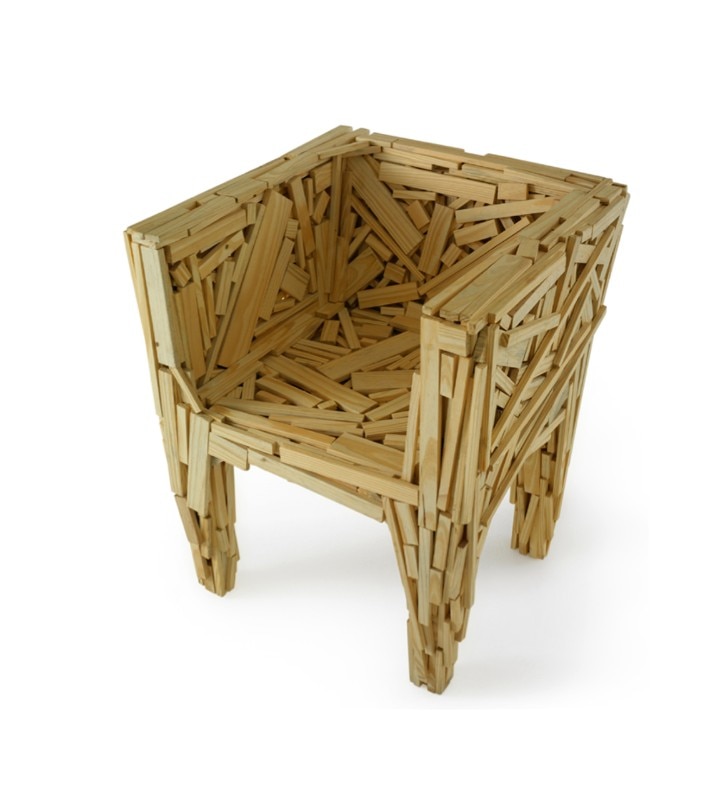
      Fernando & Humberto Campana, Favela, Edra, 2003

      Favela has got shape, but no precise structure: this one is made up of an assemblage of pine slats (teak slats for exteriors), glued or nailed, all different, creating properly unique pieces. It is the same methodology on which houses are built in Brazilian informal settlements, and the designers’  point was to emphasize the importance of different production technologies in the design process. (picture via edra.com)

      View article
      View article
      • SHARE
      • PIN IT

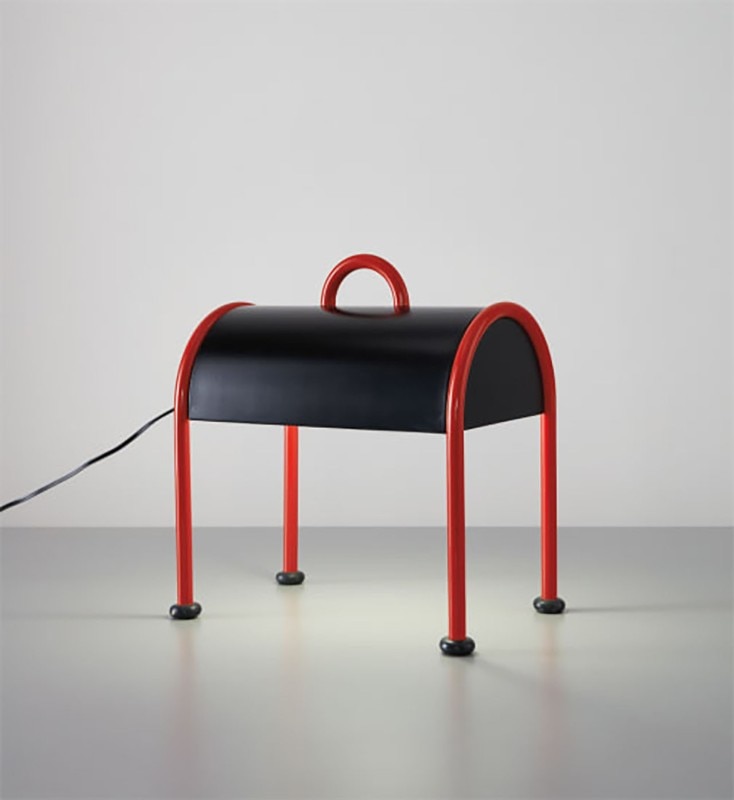
      Ettore Sottsass, Valigia, Stilnovo, 1977

      This table/floor lamp is created by the direct semantic merging of two objects (a suitcase and a lamp), and while announcing a forthcoming era — the Memphis world — it gifts the user with both a portable light island and a small vaulted architecture, to “make home anywhere”  as it often happens when one is travelling. 

      View article
      View article
      • SHARE
      • PIN IT

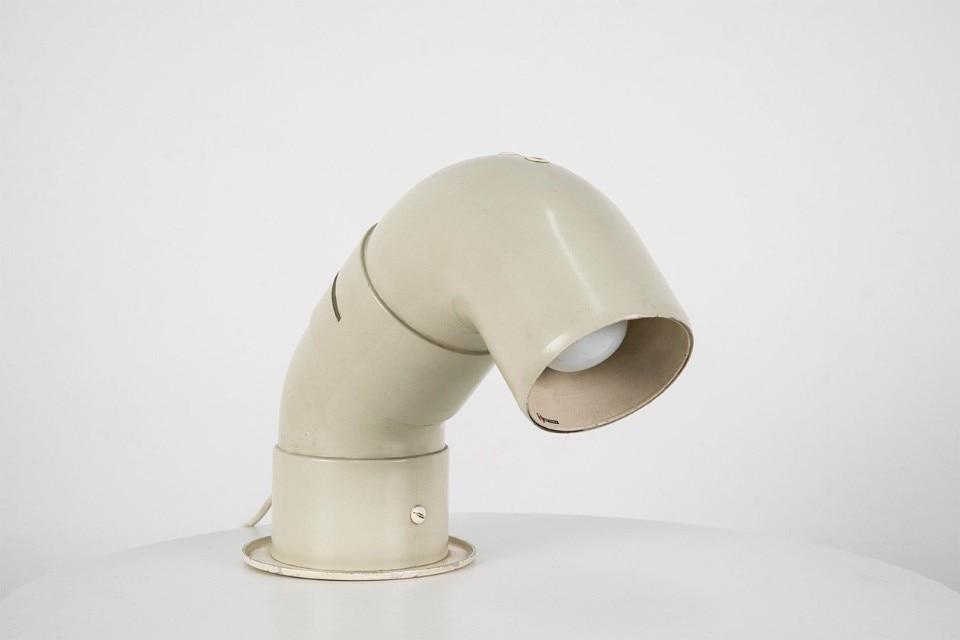
      Cini Boeri, Model 602, Arteluce, 1968

      Rigid PVC industrial pipes: Cini Boeri transposed a set of technical components into the domestic environment, valorizing their potential in giving an adaptive response to a new habitat; 602 is in fact an adjustable table lamp standing out as both a reflection on the shape in Modern aesthetics and on the objet trouvé.

      View article
      View article
      • SHARE
      • PIN IT

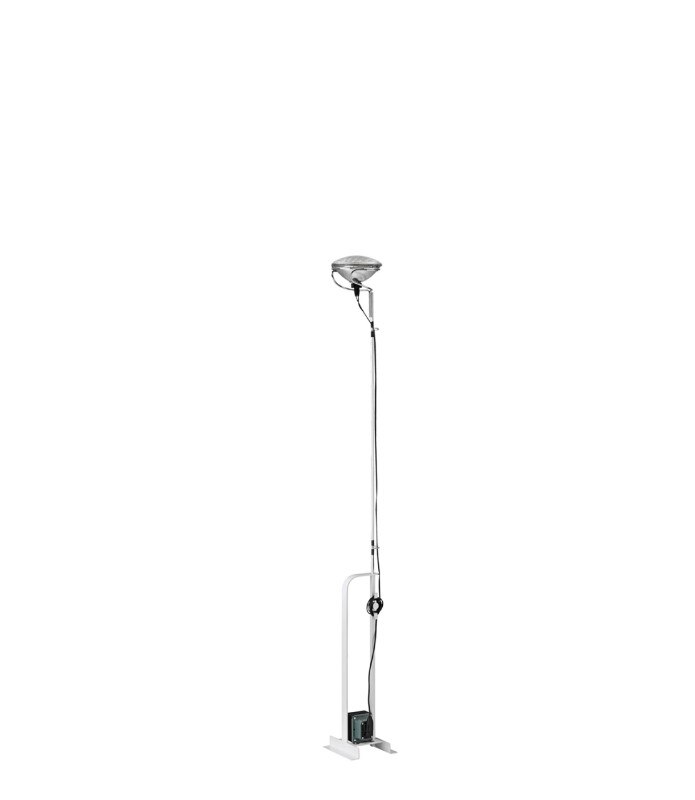
      Achille and Pier Giacomo Castiglioni, Toio, Flos, 1962

      An open challenge to middle-class living rooms, by means of objets trouvés: a car headlight, a fishing rod component to hold the wire, a frame saw, all of them connected by a thin hexagonal chrome steel bar. Everything is in plain sight, the composition is enough to literally build the space around its shape and its indirect lighting; to build it anywhere, by the way, as the whole system is extremely easy to carry from place to place. 

      View article
      View article
      • SHARE
      • PIN IT

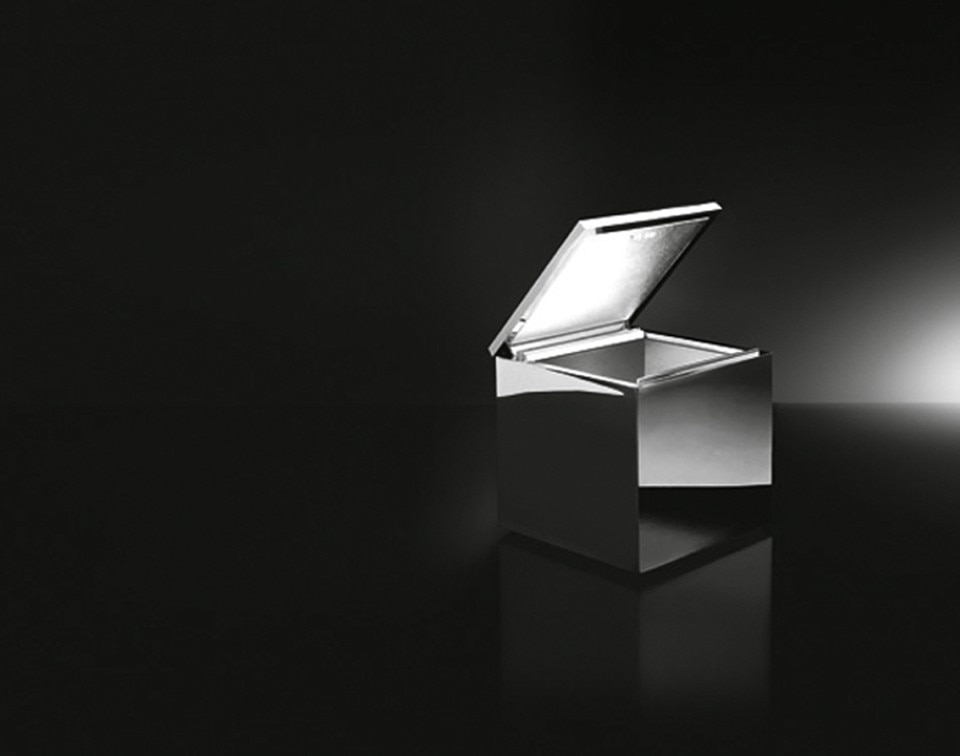
      The  two designers, working as Studio Opi, revolutionized an entire typology by appling the conceptual filter of the “light box”. Moving form metaphor to reality: a cubic box made of ABS — a polymer with a very wide range of applications, including the body of the Citroën Méhari — turns on a lightbulb as its top is flipped, revealing a reflecting interior surface. In a lifetime of almost 50 years, Cuboluce has had different surface restyling, and today it also employs LED technology without losing the iconic shape that made it a part of permanent design collection at MoMA in New York. (photo via cinienils.com)

      View article
      View article
      • SHARE
      • PIN IT

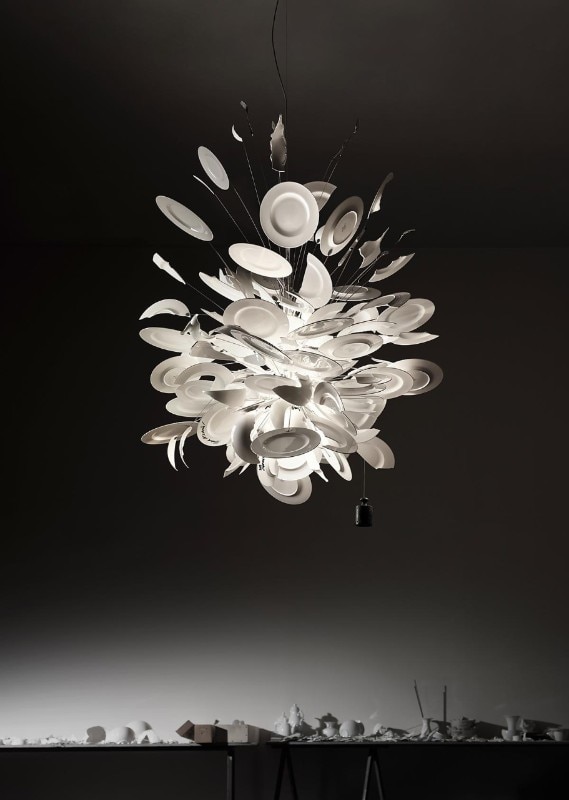
      Ingo Maurer, Porca Miseria!, 1994

      Maurer told that he once could hardly hold back a rebel yell, while visiting a Salone del Mobile (Milan international furniture fair) that was filled up with too much glossy perfection. An explosion of broken dishes, a domestic Zabriskie Point scene was then the answer, a handmade suspension lamp that finally drew its name from the exclamations of the visitors as it was first shown in Milan (Damn!). Each single Porca Miseria! is a unique handcrafted piece, and since 2006 Maurer had started to create some pieces using China figurines. (photo via ingo-maurer.com)

      View article
      View article
      • SHARE
      • PIN IT

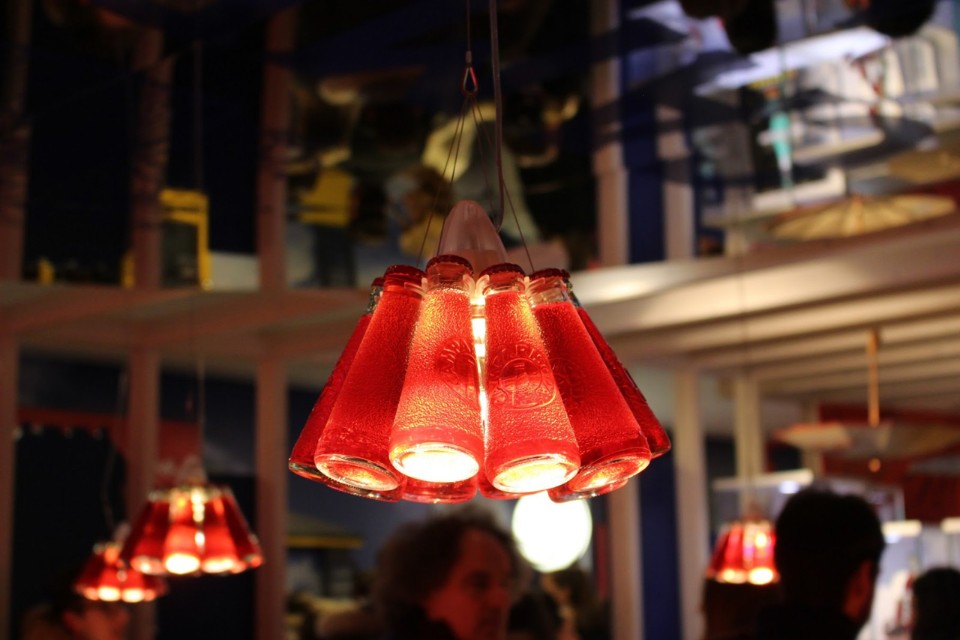
      Ingo Maurer, Campari Light, 2002

      In 1932, Fortunato Depero had already explored the plastic and chromatic effects of the interaction between the bright red Campari liqueur and a cone-shaped glass bottle. 70 years later, Campari Light definitely raised the bar: through repetition and combination, Campari becomes pure light, the main component of a largely popular suspension lamp, inspiring several similar projects with its simple design principle. (photo Omar Ruzza, cc by-sa 4.0)

      View article
      View article
      • SHARE
      • PIN IT

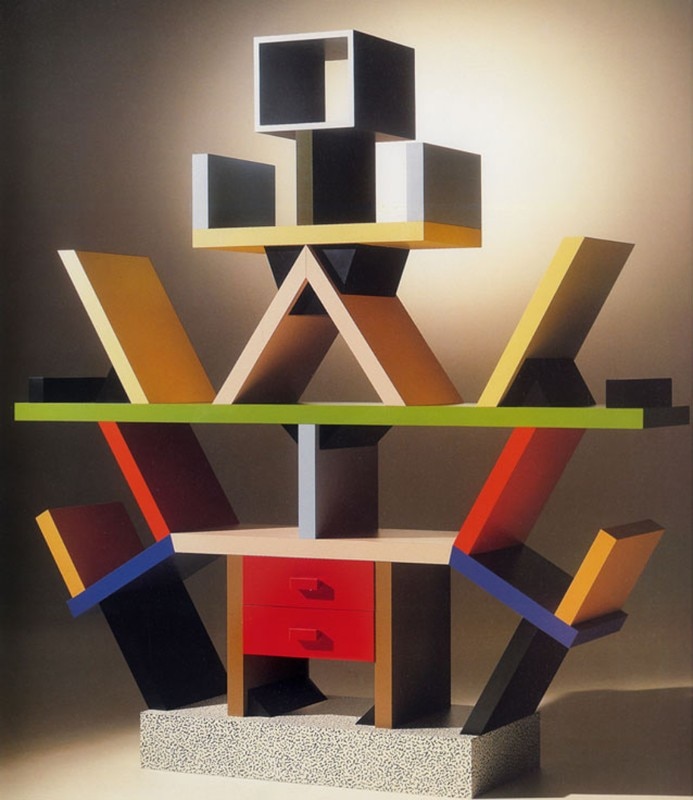
      Ettore Sottsass, Carlton, Memphis, 1981

      Immediately recognized as the icon of Memphis, an historically transversal world (spanning across different identities with its double nature of both a company and a collective), this design work demands the center of the room as very few others would, satirizing precious materials, ancient and modern references by reproducing their shapes and patterns on its laminate surfaces. A powerful short circuit between furniture and architecture is generated, suggesting the presence of some kind of monument for interiors. 

      View article
      View article
      • SHARE
      • PIN IT

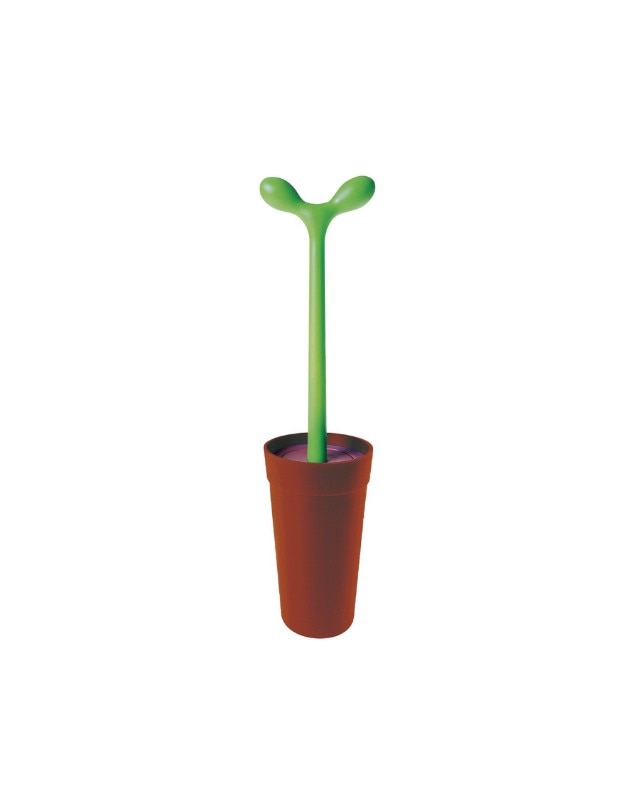
      Stefano Giovannoni, Merdolino, Alessi, 1994

      The very symbol of bourgeois decoration fulfils one of the most conventionally indecent functions of design: a thermoplastic resin ornamental plant is in fact a toilet brush, or, well, vice versa. As it happened with other concepts by Giovannoni, Merdolino would stir up mixed feelings upon its launch, only to become an immediate and successful instant classic. (photo via alessi.com)

      View article
      View article
      • SHARE
      • PIN IT

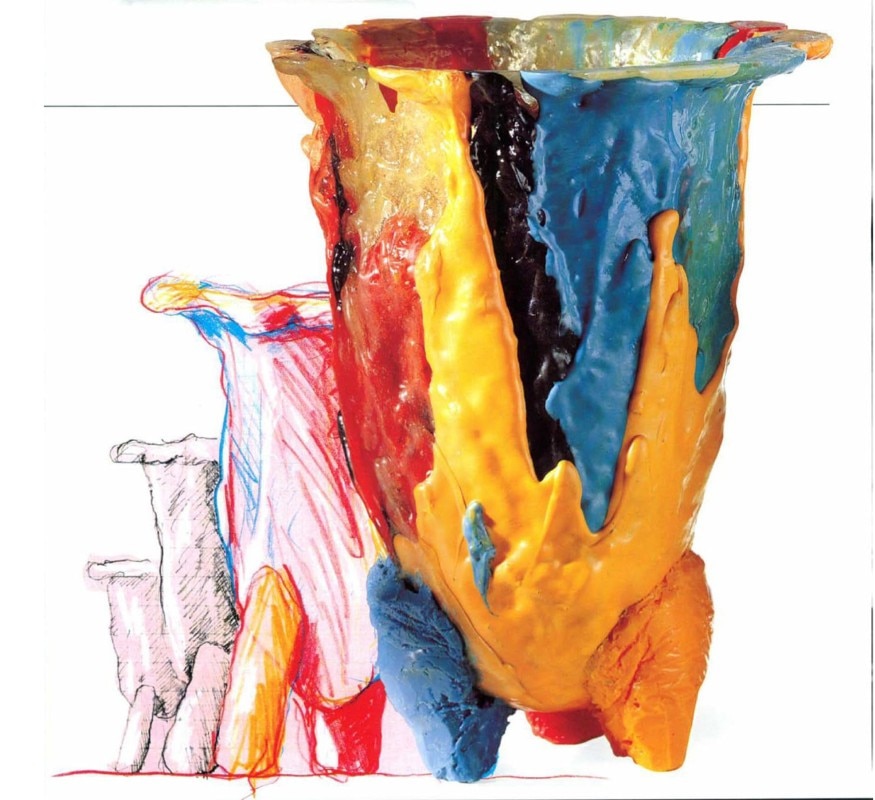
      Gaetano Pesce, Amazonia vase and Fish Design products, since 1994

      Please, always remember not to lean on any Gaetano Pesce vase, nor to try and hurl it in the hope to get any satisfactory dramatic crash. In full contrast with leading design practices of his times, Pesce created a brand to manufacture plastics according to common, non-specialized technologies: the shape and aesthetics of the final product  depended on the choices of the single factory worker, manually blending different shades of a soft, elastic resin into the mold. The uniqueness of each shape and tactile experience  are an open provocation against over-complexification  of production and the static image of decorative objects. (photo from Domus 776, November 1995)

      View article
      View article
      • SHARE
      • PIN IT

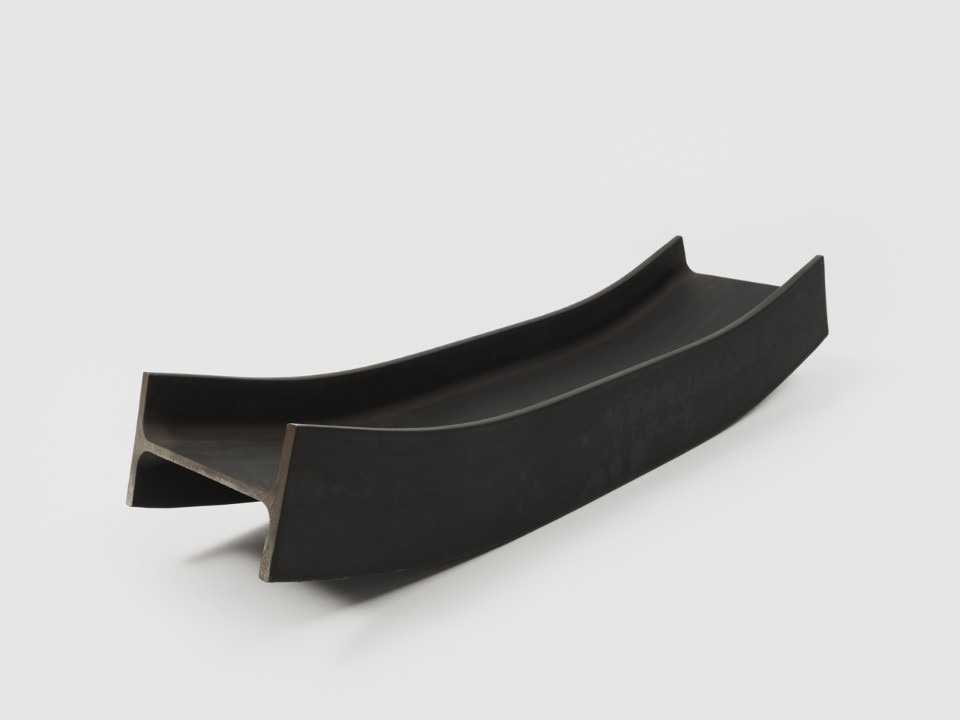
      Enzo Mari, Putrella, Danese, 1958

      A common I-beam, its two ends slightly folded pointing upwards, becomes a centerpiece or a tray, disclosing a less celebrated side of Mari’s personality, fascinated by the industrial ethics and aesthetics of the early Moderns. Deyan Sudjic has been describing this object as “...so distant from Mari’s Autoprogettazione open source furniture. Despite his radicalism, Mari knew how to make objects that could offer something out of the ordinary.”

      View article
      View article
      • SHARE
      • PIN IT

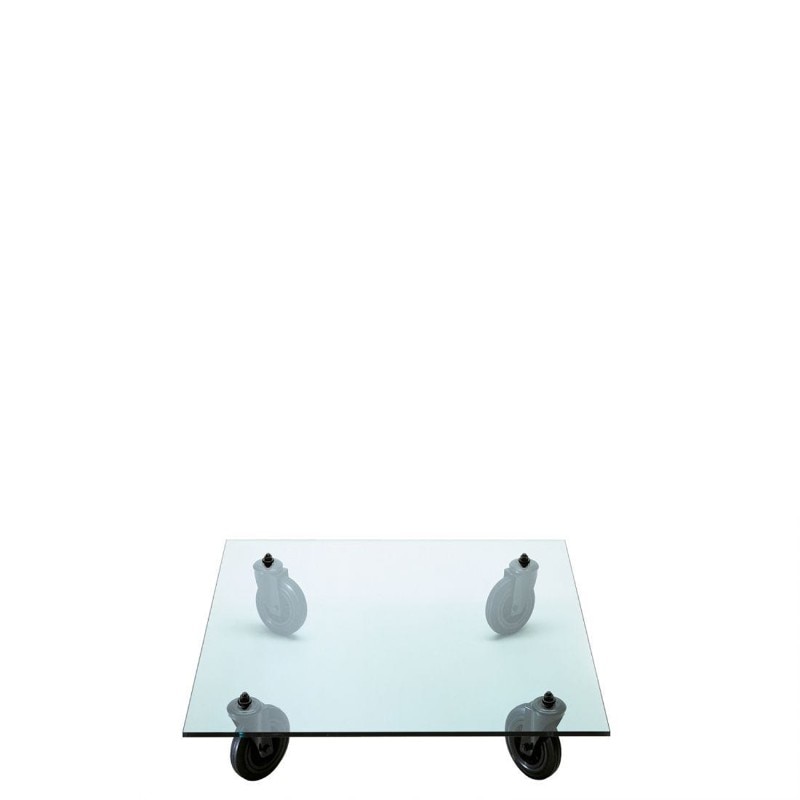
      Gae Aulenti, Coffee table on wheels, FontanaArte, 1980

      This is a textbook example of design by intuition, jumping straight to the prototyping phase without any preparatory drawing: Aulenti saw the trolleys employed in the glass manufacturing plants and decided to experiment the combination of free-rolling industrial wheels with a beveled glass slab. Another instant classic aiming to show how the separation between industrial and domestic world can be nothing but pure appearance. (photo via fontanaarte.com)

      View article
      View article
      • SHARE
      • PIN IT

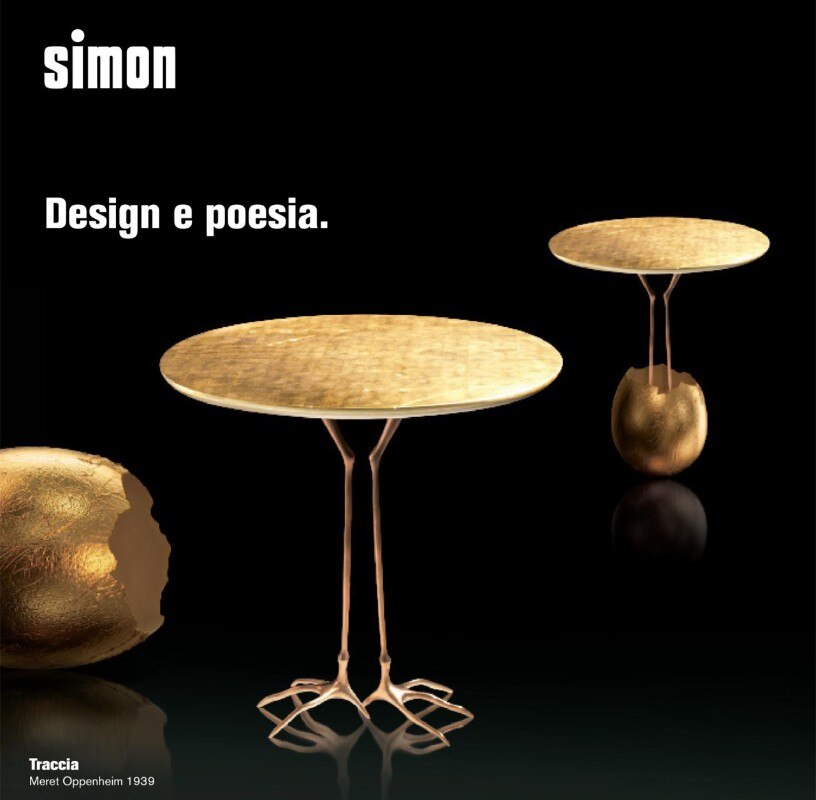
      Méret Oppenheim, Traccia (Table aux pieds d’oiseau), 1939 (currently manufactured by Cassina)

      The table with bird’s feet that you can now buy as any other piece of furniture was born a surrealist work of art, shown by Oppenheim at the 1939 Exhibition of Fantastic Furniture at René Drouin and Leo Castelli’s Parisian gallery. Classic furniture, the drawing room table, the ancient chest of  drawers with lion’s feet: all this is mocked and transfigured into a polished bronze cast, standing on slim bird’s feet (leaving their mark on the table top) and joining the works of Marcel Duchamp and Man Ray in the Surrealist team. (photo advertising from Domus 920, December 2018)

      View article
      View article
      • SHARE
      • PIN IT

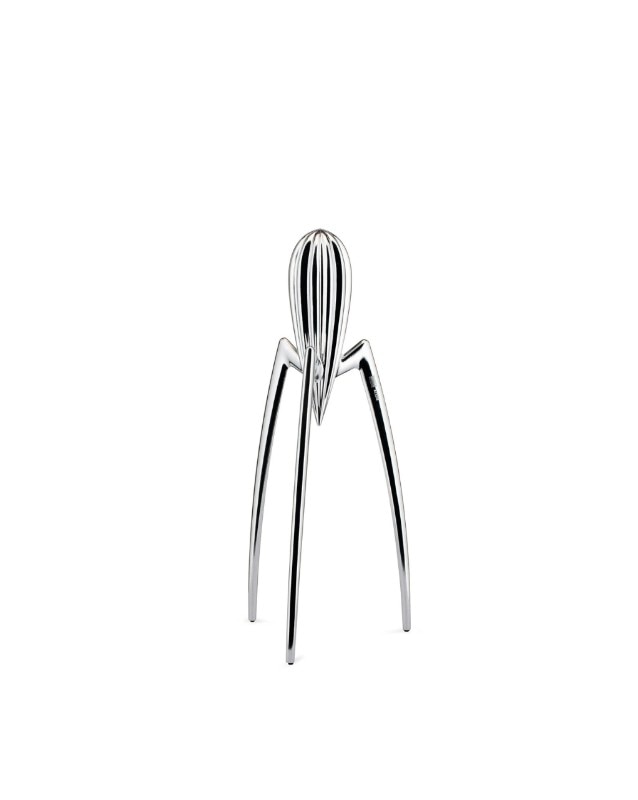
      Philippe Starck, Juicy Salif, Alessi, 1990

      In 1988 Starck conceived what two years later would become not just The citrus juicer par excellence, but The utmost Design Object, the ultimate domestic scene cliché in movies, and an immediate commercial success.  Matter of  fact, Juicy Salif is a die-cast aluminum citrus juicer, evocating a spider’s body with its sleek outline, also produced in limited anniversary series, cast in bronze or even gold.  (photo via alessi.com)

      View article
      View article
      • SHARE
      • PIN IT

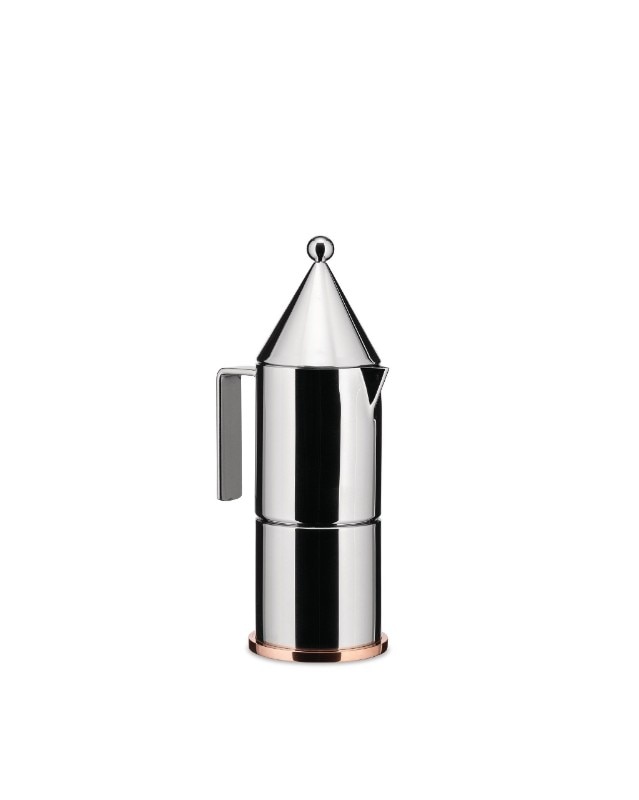
      Aldo Rossi, Conica, Alessi, 1984

      Analogy, and scale shifting: Rossi used to say that the coffee maker was an object he loved to design because of its wide presence in figurative art and its analogies with architectural shapes. In 1979, the year before his Teatro del Mondo for the Venice Biennale, Alesandro Mendini became art director of Officina Alessi and invited Rossi to submit a proposal for the Tea and Coffee Piazza project: the Milanese architect would create a temple-like tray carrying a cluster of  downscaled architectures. Conica was originated by that project , and several other miniaturized architetures would follow, including the Cupola coffee maker  (1988). (photo via alessi.com)

      View article
      View article
      • SHARE
      • PIN IT

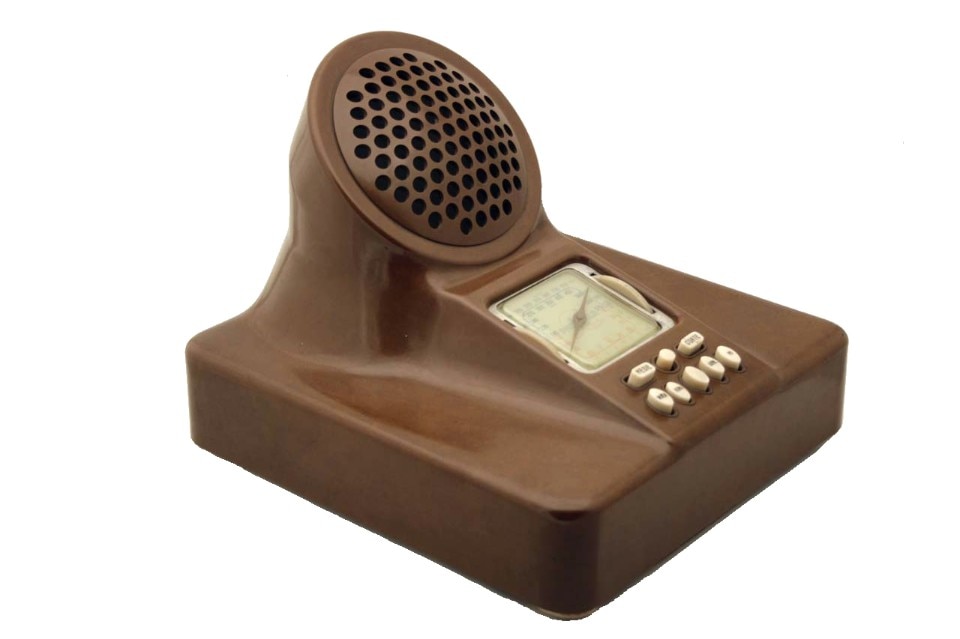
      Pier Giacomo Castiglioni, Livio Castiglioni, Luigi Caccia Dominioni, Phonola 547, Fimi-Phonola, 1940

      The encounter of epic design trajectories, such as Caccia Dominioni’s and Castiglioni’s, could not help but express a deepest rethinking of the most popular media device of an era, starting from its components. Leaving the “piece of furniture” aesthetics apart, this budget Bakelite-and-metal radio appliance brings a brand-new shape inside living spaces, inspired by telephone bodies, very handy and easy to use. (photo museoscienza.org. Museo nazionale della scienza e della tecnologia Leonardo da Vinci, Milano, cc by-sa 4.0)


      View article
      View article
      • SHARE
      • PIN IT

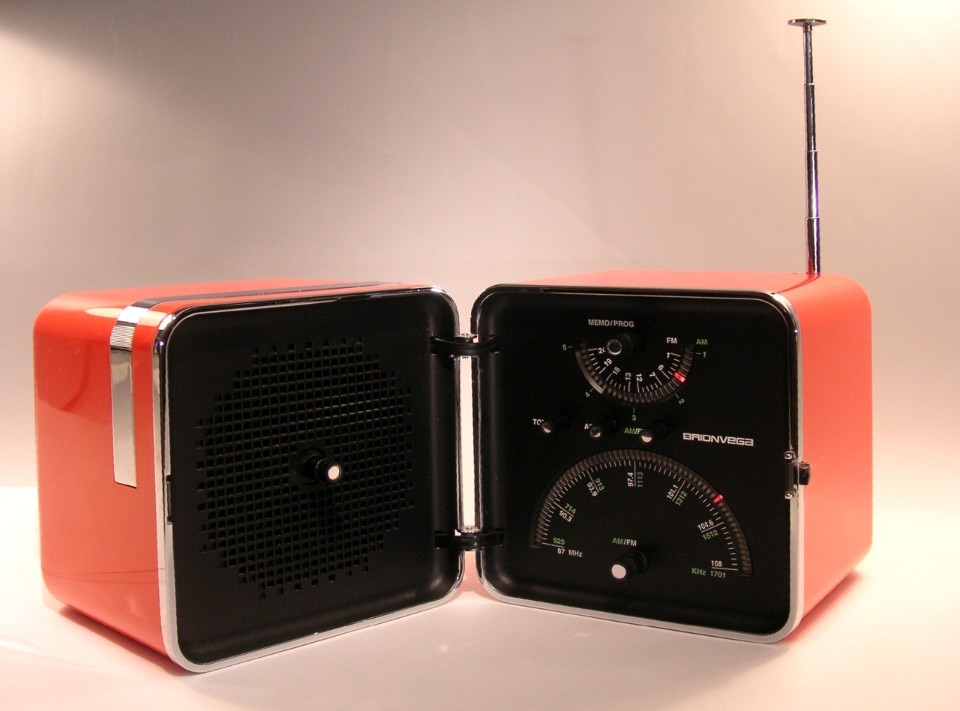
      Richard Sapper, Marco Zanuso, Cubo TS522, Brionvega, 1964

      With TS522, the radio officially became a design piece to be shown in living spaces for its shape. Such shape came from a radical rethinking of the layout of components, a systemic process distributing the elements between two plastic cubes, which could be open or closed, to form an orange-red parallelepiped box, the proper abstract allegory of The Design Object form the 60s. TS522 is also part of the permanent collections of several design museums worldwide, including MoMA in New York. 

      View article
      View article
      • SHARE
      • PIN IT

      View article
      View article
      • SHARE
      • PIN IT
      Loading
      Share
      • Sections
        • Design
      • Keywords
      • News
      • Architecture
      • Design
      • Art
      • Opinion
      • Archive
      • Products
      • Foreign Editions
      • Biographies
      • Architectural movements
      • Buildings
      • Architecture Firms
      • Design Essentials
      • Urban stories
      • Gio Ponti
      • Contacts & Editorial Team

      • Follow us
      Legal Note

      Editorial DomusEditoriale Domus Spa
      Via G. Mazzocchi, 1/3
      20089 Rozzano (Mi) -
      Codice fiscale, partita IVA e iscrizione al Registro delle Imprese di Milano
      n. 07835550158
      R.E.A. di Milano n. 1186124
      Capitale sociale versato € 5.000.000,00 - All rights reserved - Privacy - Informativa cookie completa - Gestione Cookies

      China Germany India Mexico, Central America and Caribbean Sri Lanka Korea icon-camera close icon-comments icon-down-sm icon-download icon-facebook icon-heart icon-heart icon--mobile-logo icon-next-sm icon-next icon-pinterest icon-play icon-plus icon-prev-sm icon-prev Search icon-twitter icon-views icon-instagram