



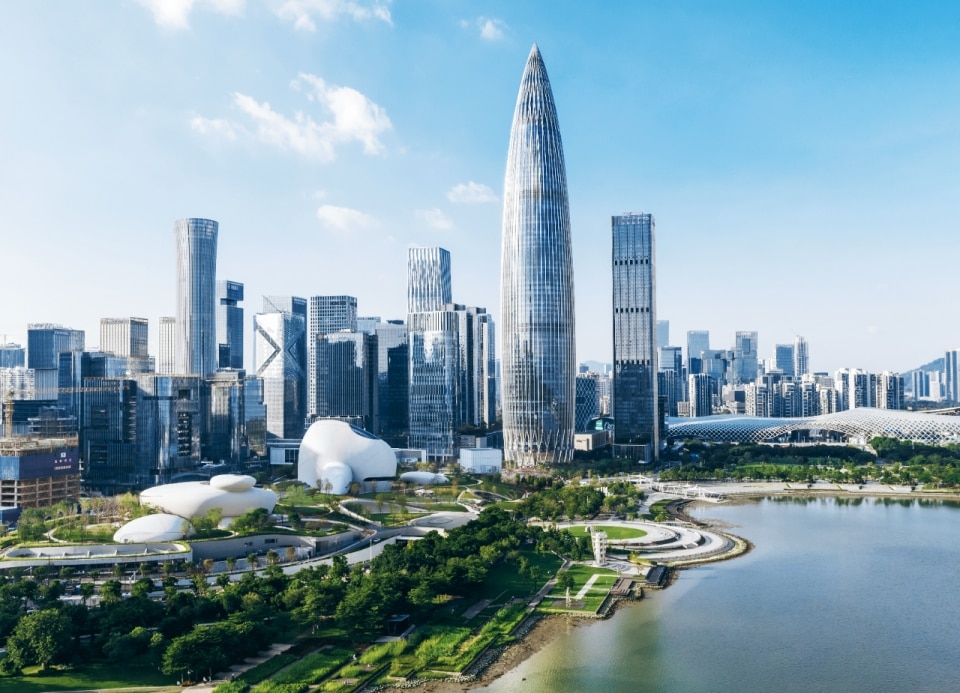
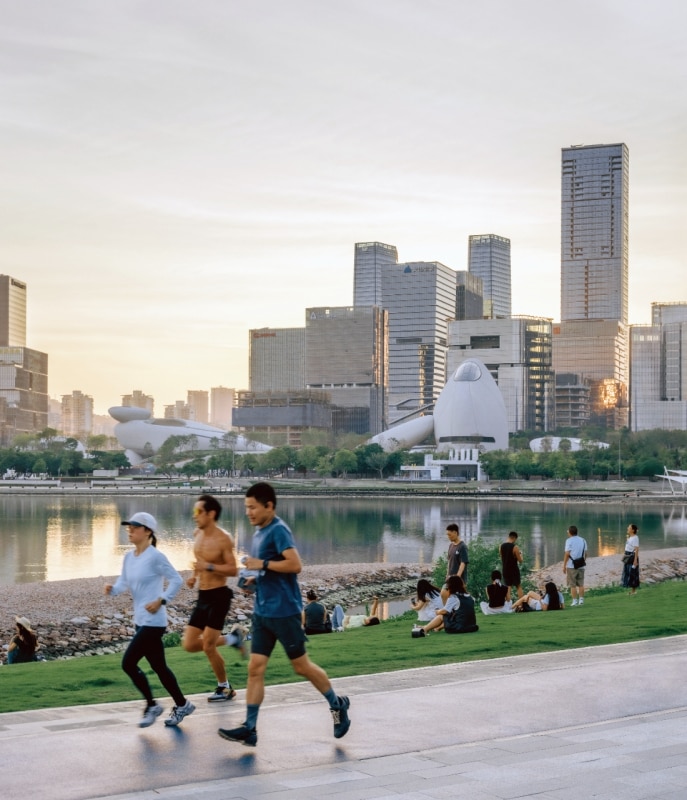
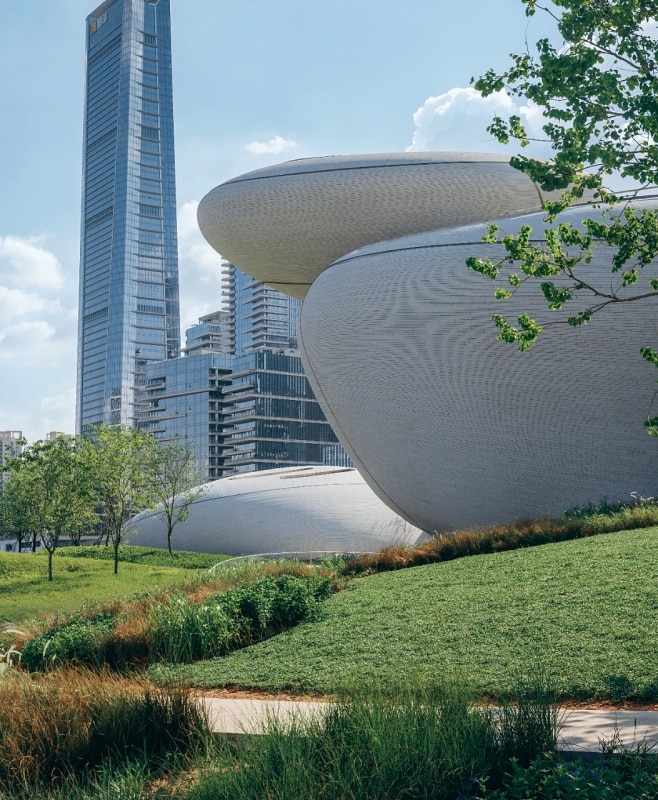
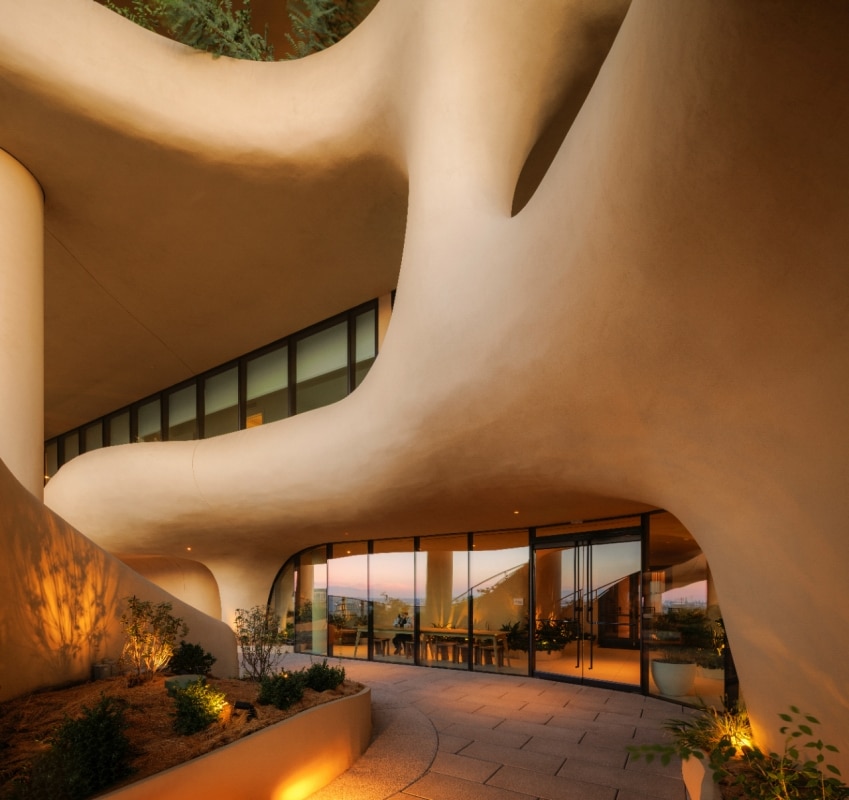
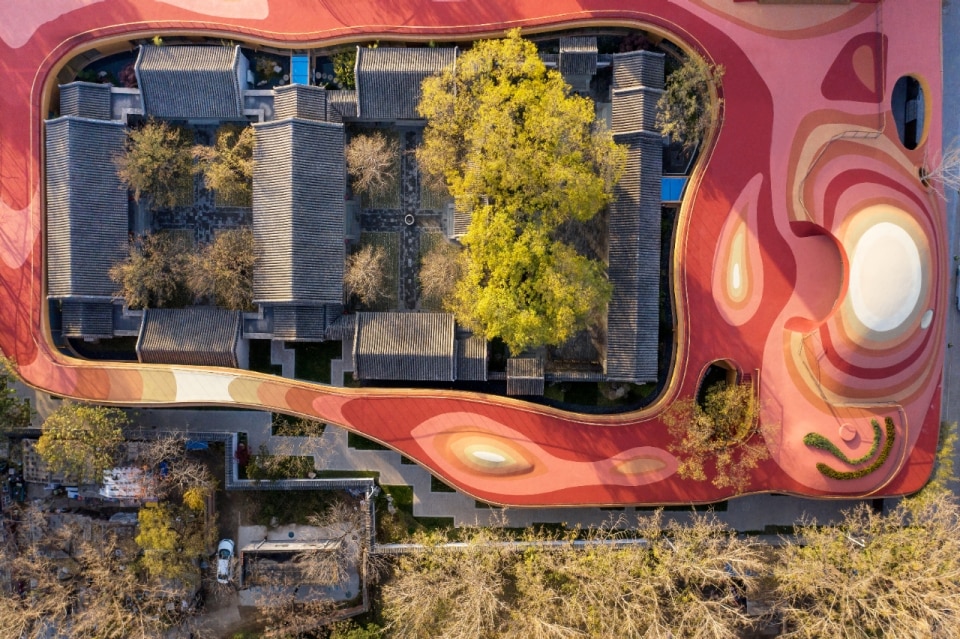
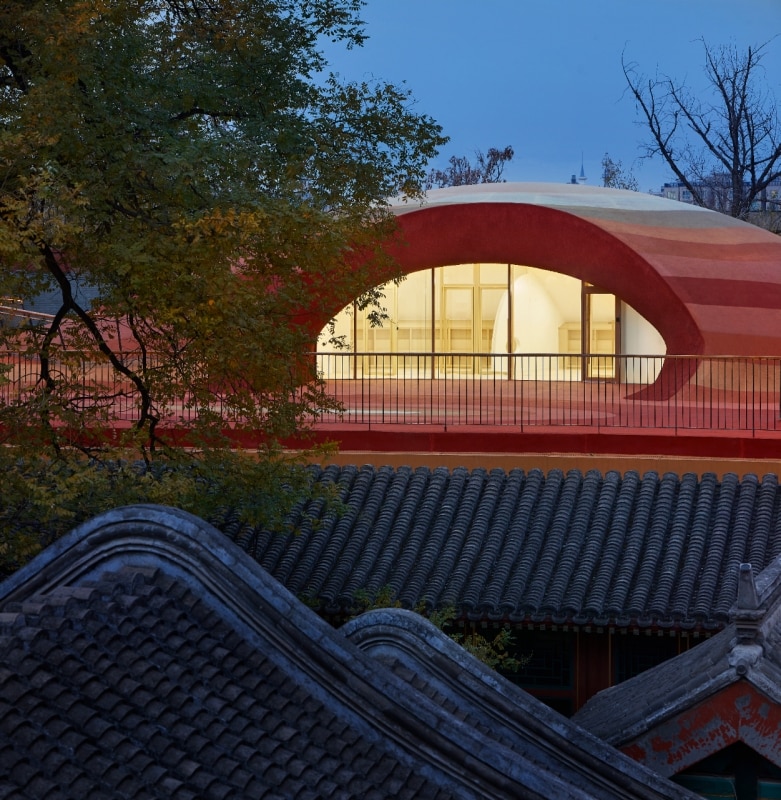
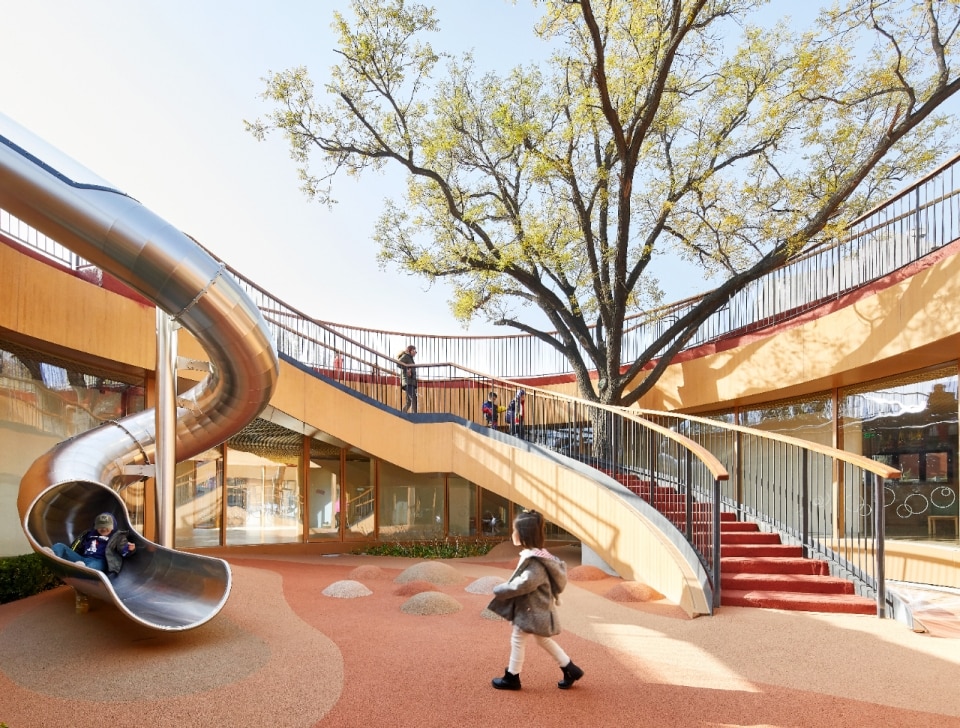
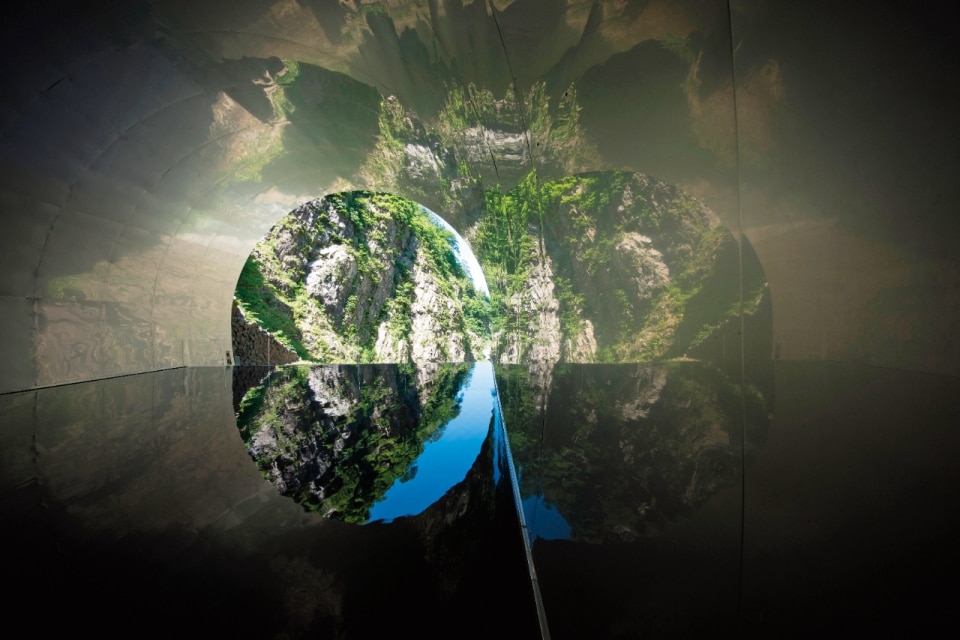
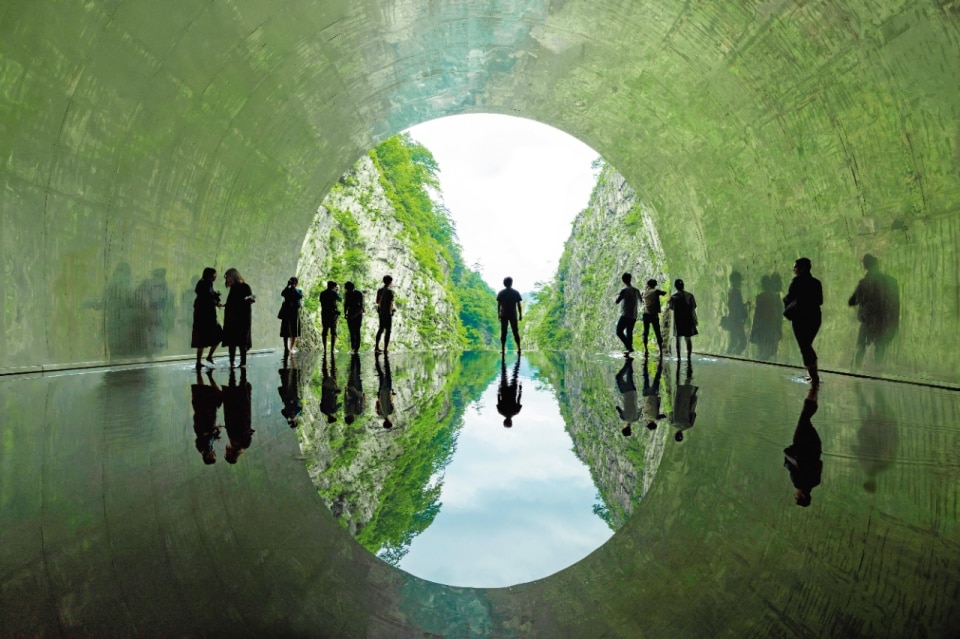
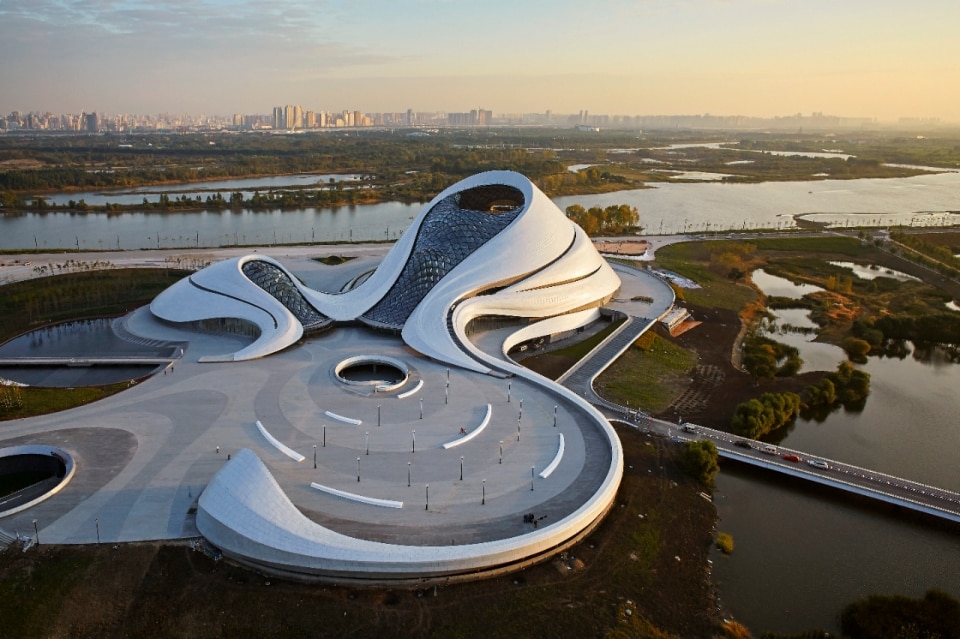
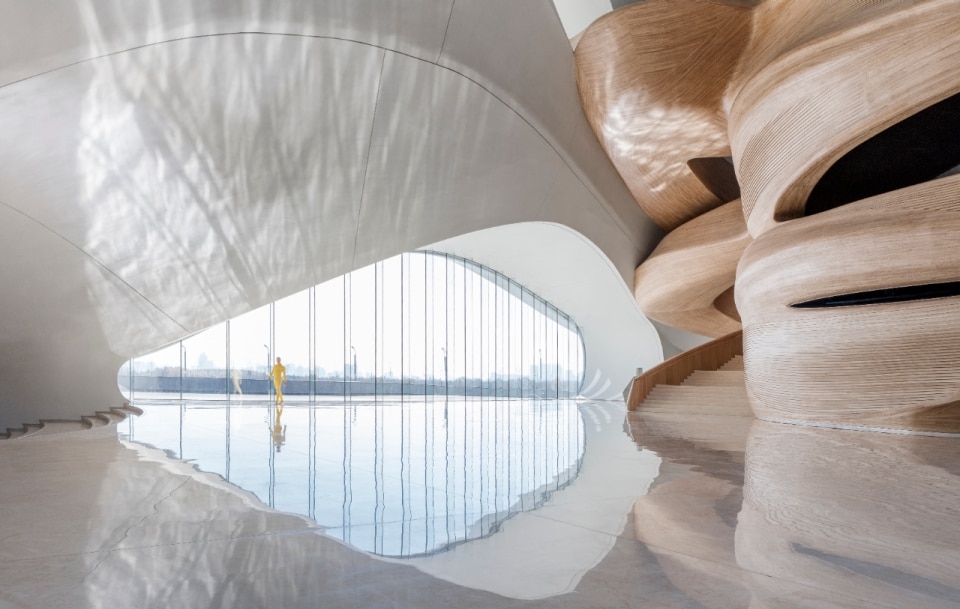
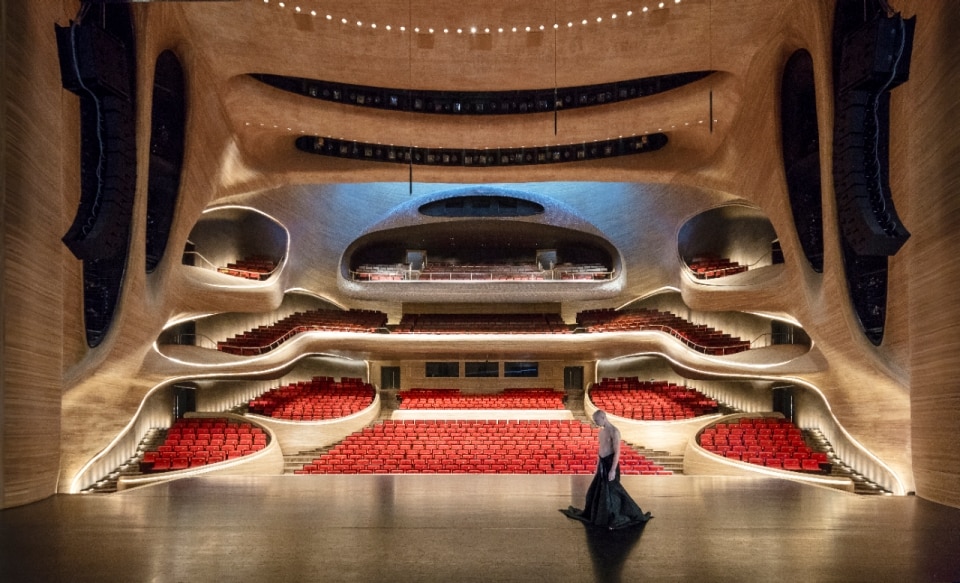
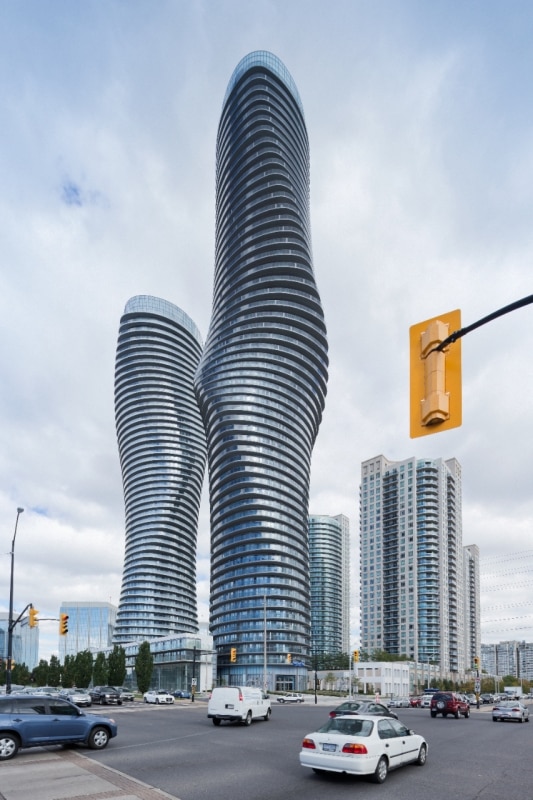
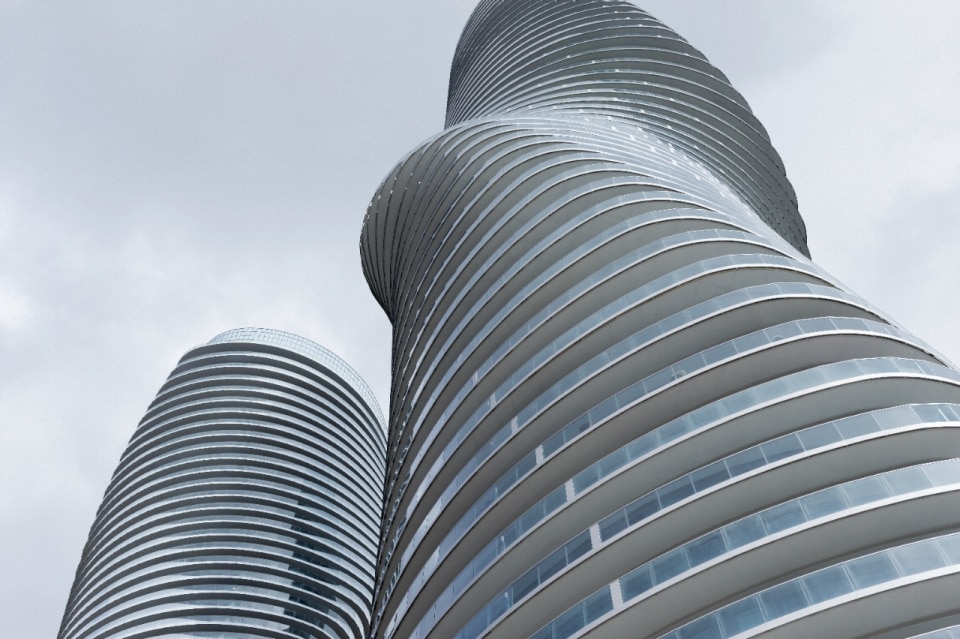
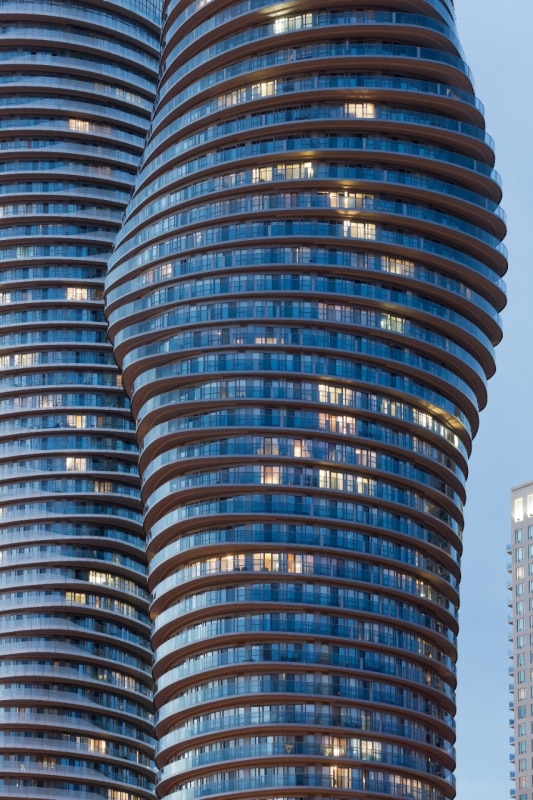
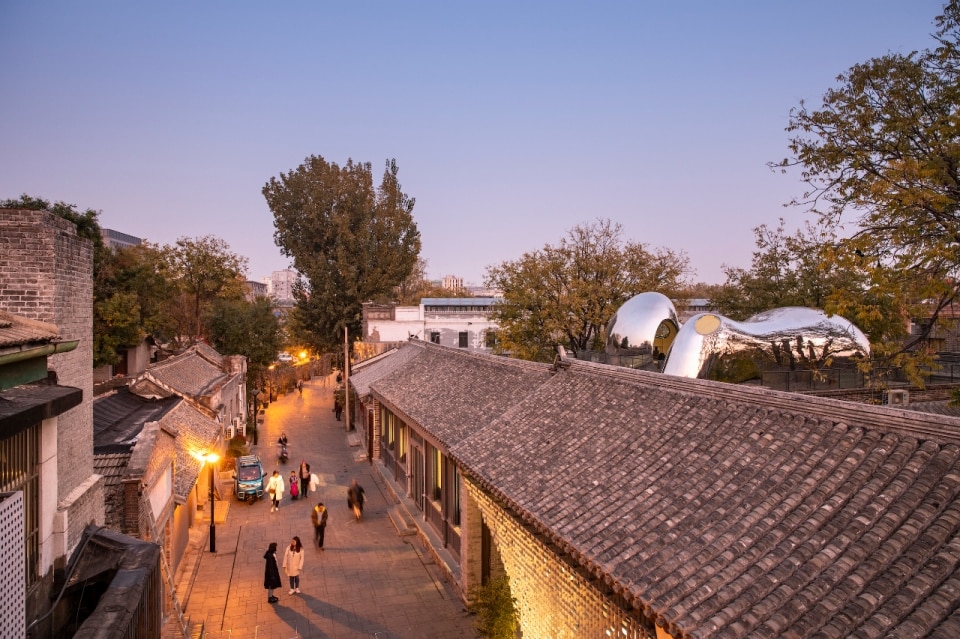
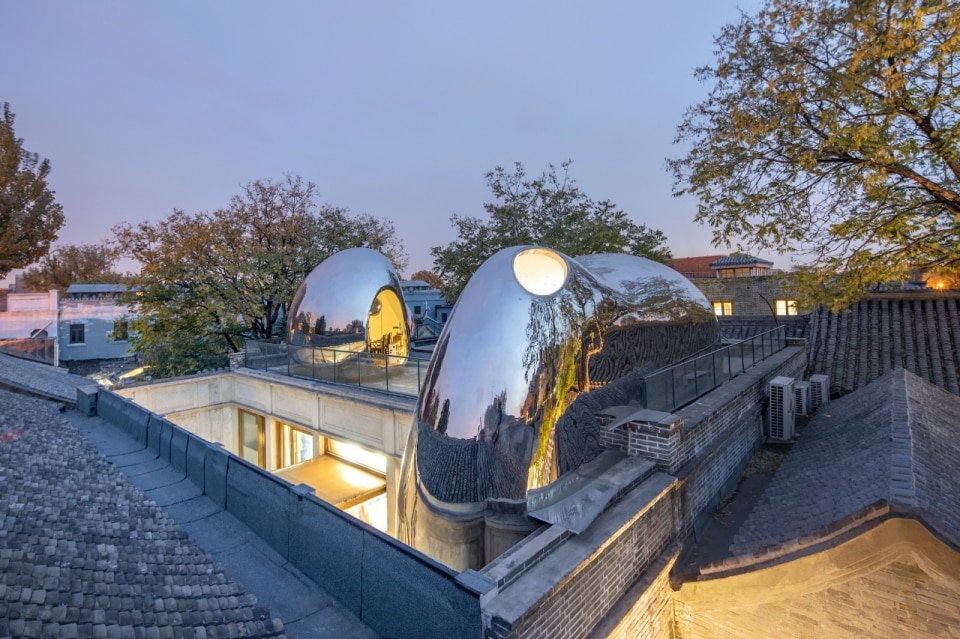
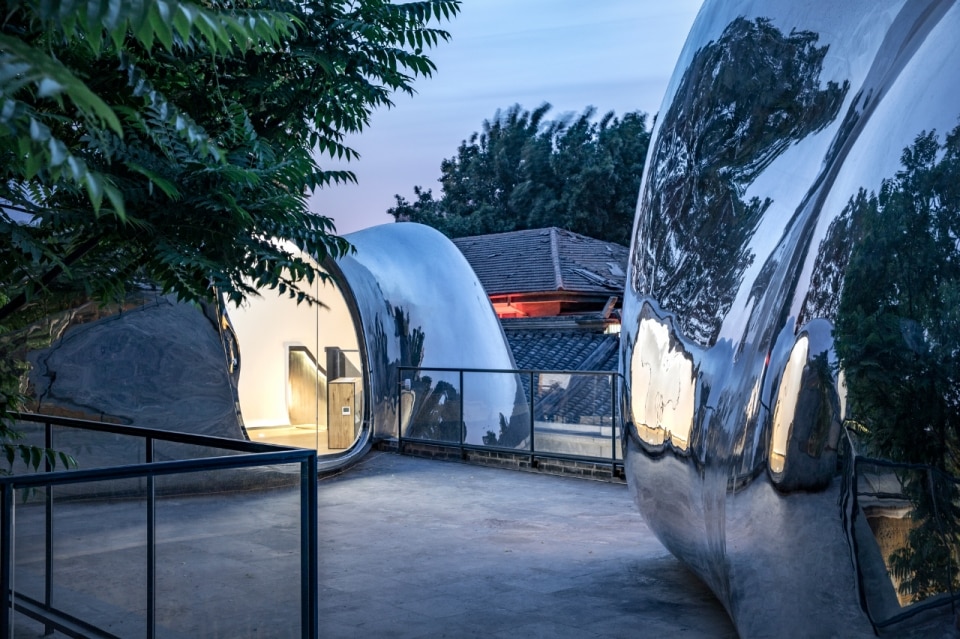
A futuristic architecture, still deeply rooted in tradition, technologically bold but with a romantic nature, constantly seeking a (re)balance in the relationship between man and nature: it seems like an oxymoron (and indeed it is) but it is not surprising that contrasts are a key to understanding contemporary reality in all its complexity, as taught by the ancient Chinese doctrine of yin and yang and demonstrated by the work of architect Ma Yansong, founder of MAD (and guest editor of Domus 2026).
Trained at Zaha Hadid's school, since founding his studio in Beijing in 2004 (now also with offices in Los Angeles and Rome), Ma Yansong has developed a design language that, breaking free from the intellectual rigour of the Modern Movement, considered oppressive, reclaims the connection between the natural (external) landscape and the human (internal) landscape as a vehicle for a sensory, if not spiritual and cathartic, experience of built space, in response to the often dehumanising conditions of massified and serialised contemporary urban development.
A conceptual approach that draws inspiration from the ancient Chinese painting tradition of "shanshui" (focused on the representation of natural landscapes where mountains and rivers, waterfalls and forests are integrated in different but harmonious configurations, Ed.) and which Ma Yansong expresses in the concept of "Shanshui City", as described in the 2015 book of the same name: not a utopian ideal of a garden city or a vernacular city modelled on mimetic rhetoric, but an integrated human-nature ecosystem in which the functional and performance requirements of contemporary living are integrated with an awakening of the individual from the emotional numbness induced by an increasingly materialistic and globalised society.
The result is a visionary and emotively disruptive architecture which, as Paul Goldberger observes in the preface to the book "MAD Rhapsody" (2021), is ideally linked to the works of Antoni Gaudí and Eero Saarinen, combining them with a "dollop of pure fantasy and perhaps a bit of science fiction".
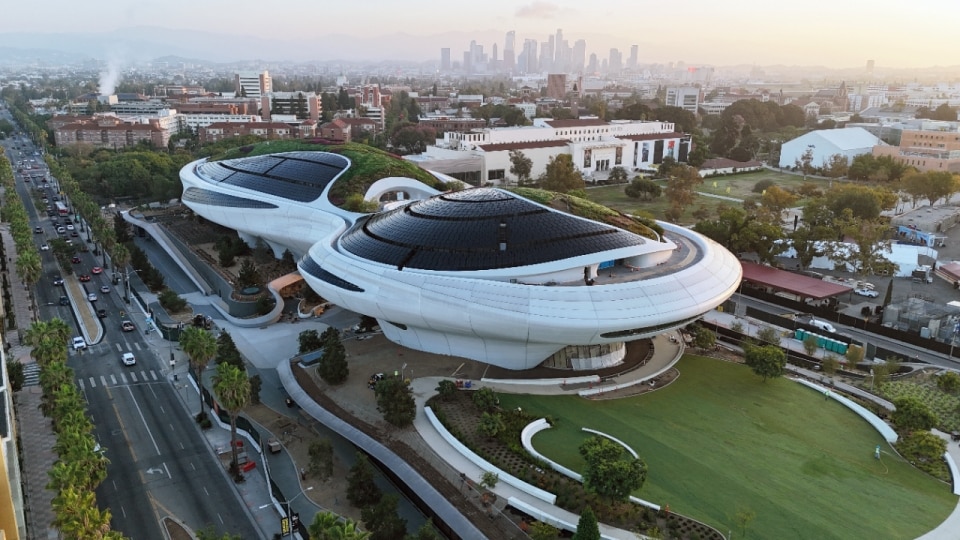
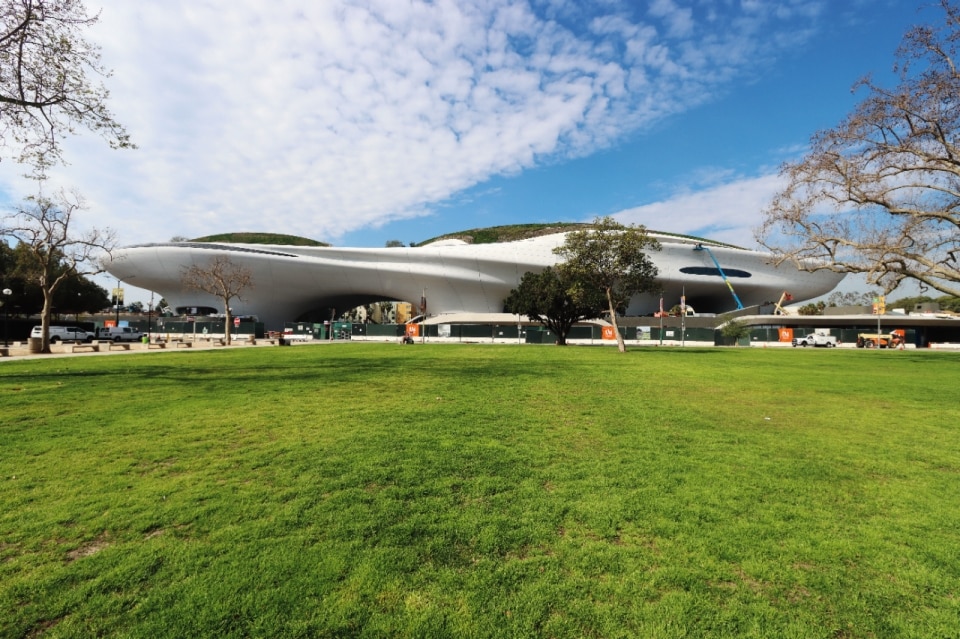
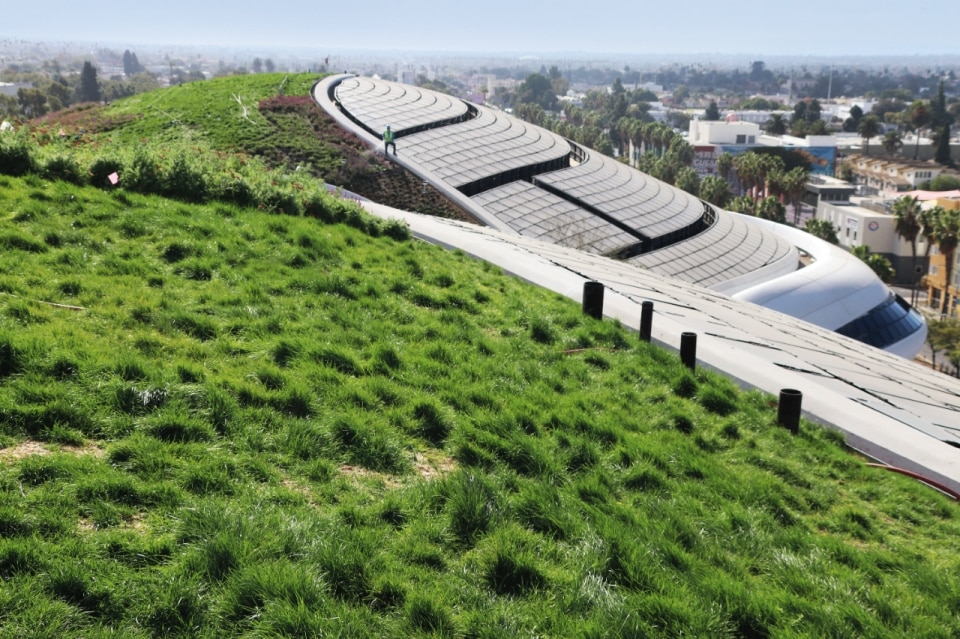
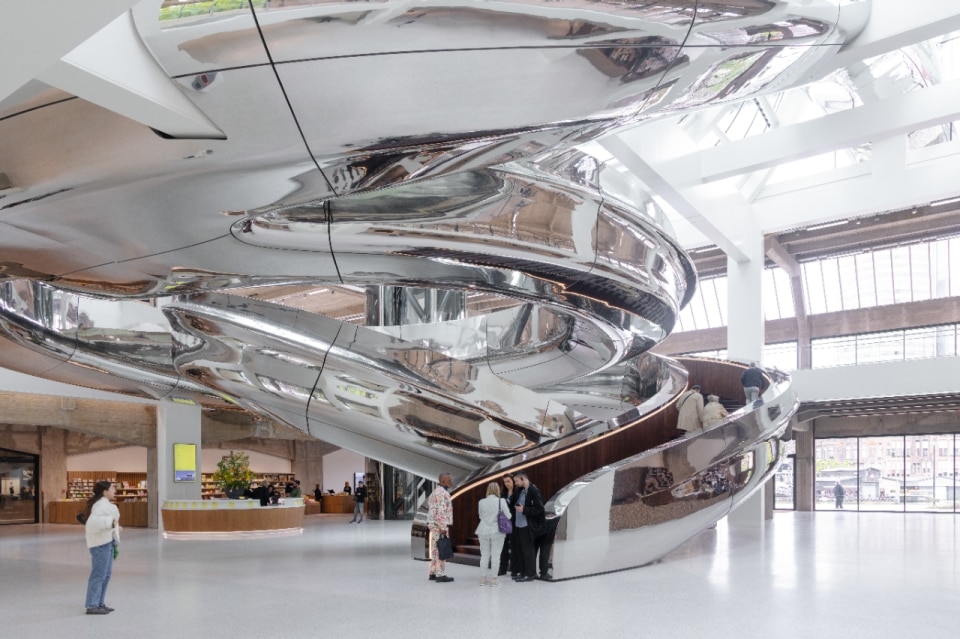
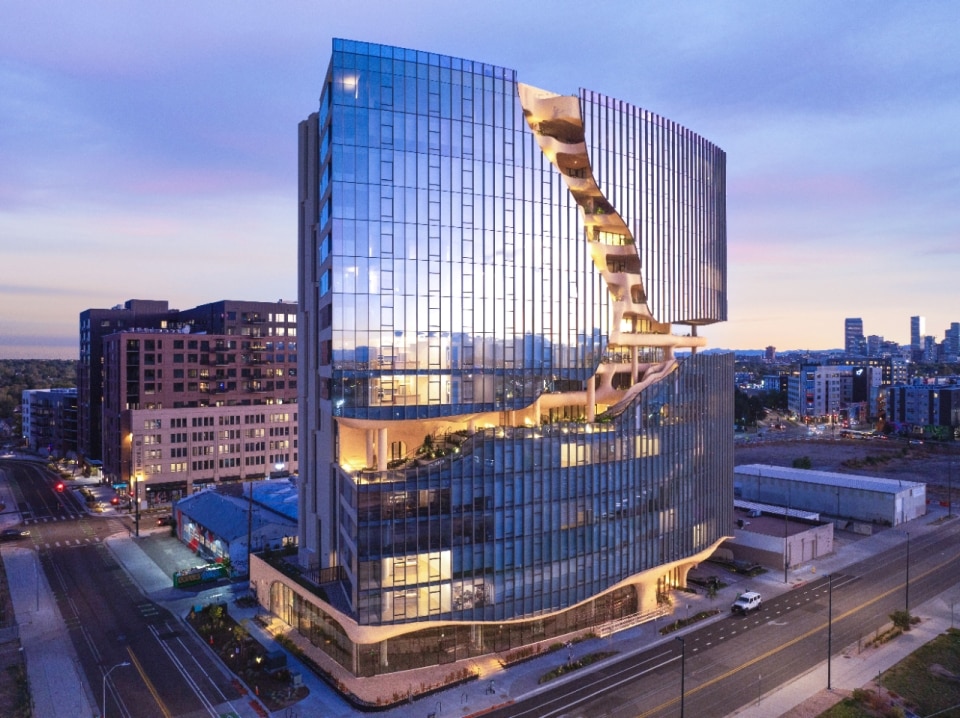
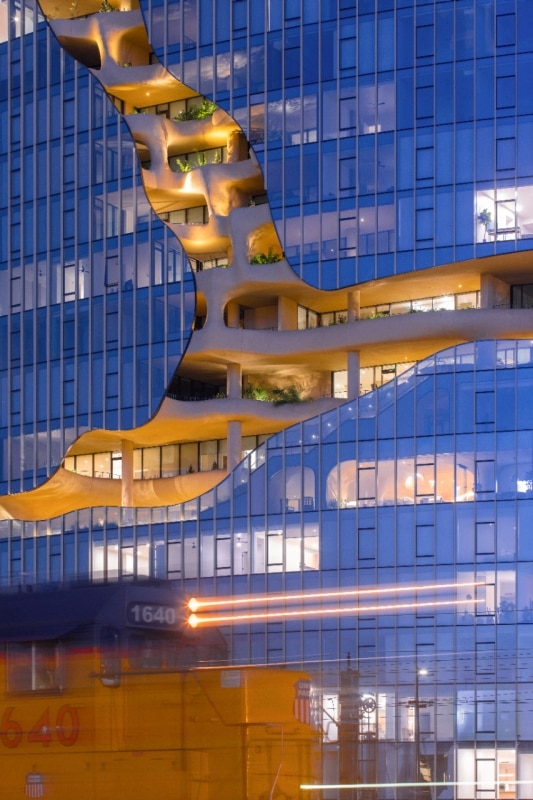
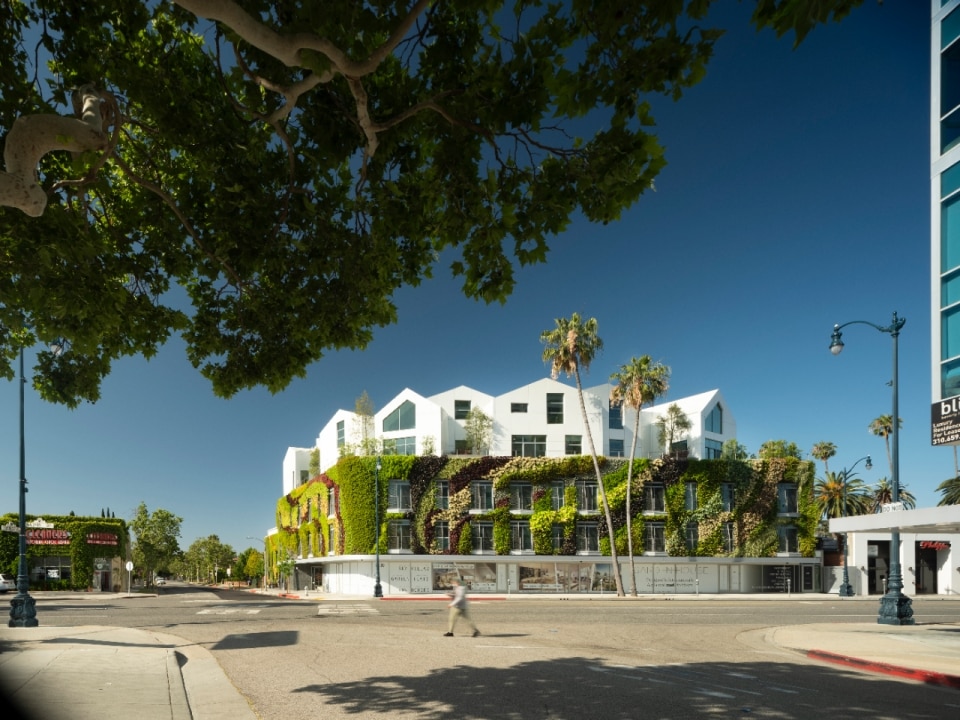
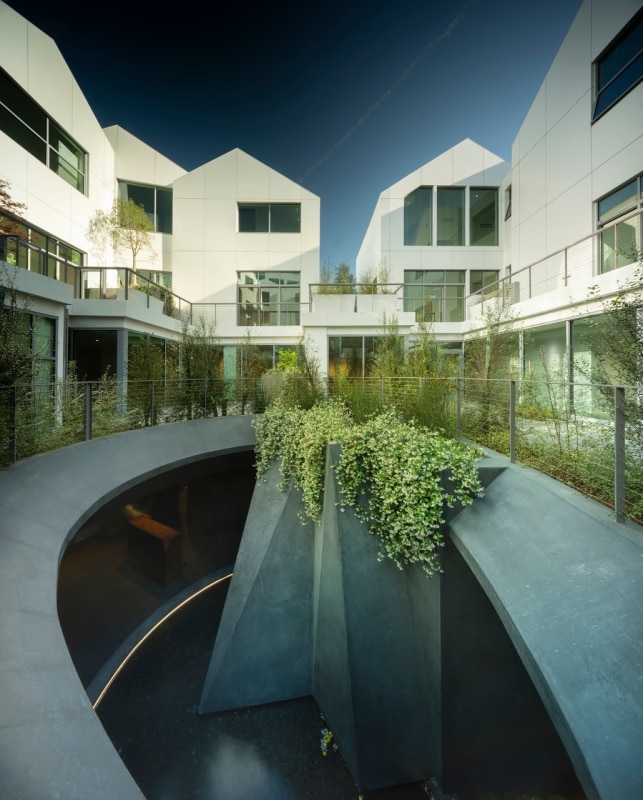
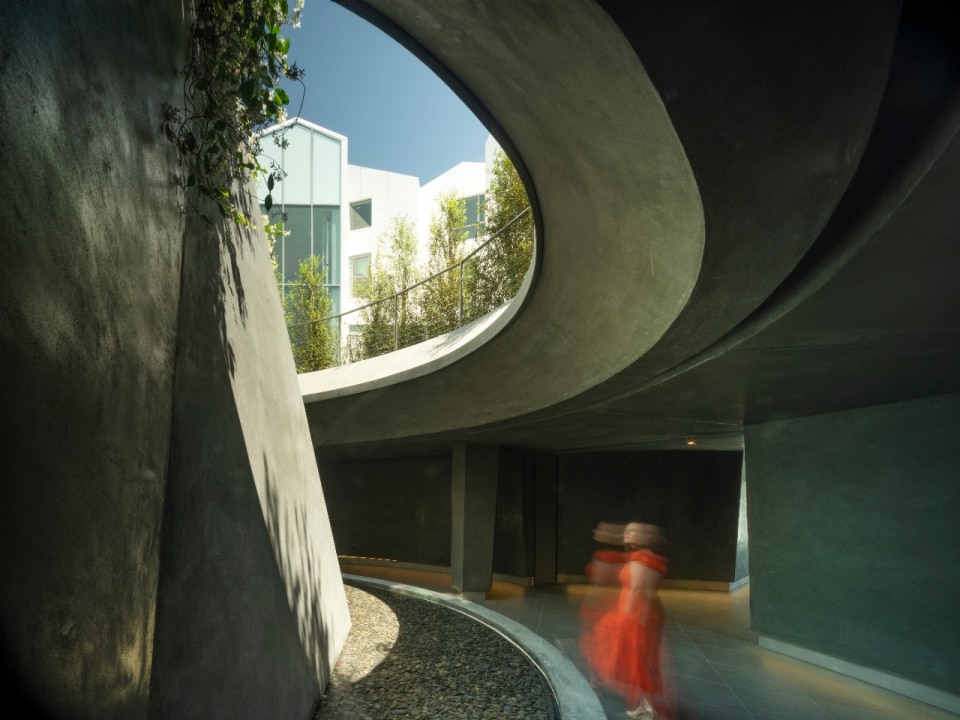
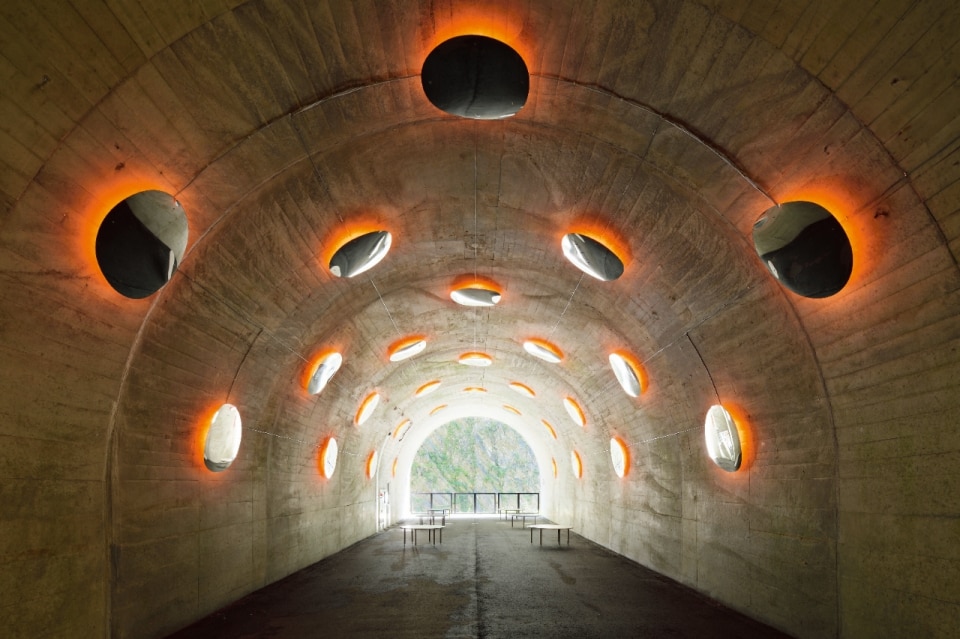
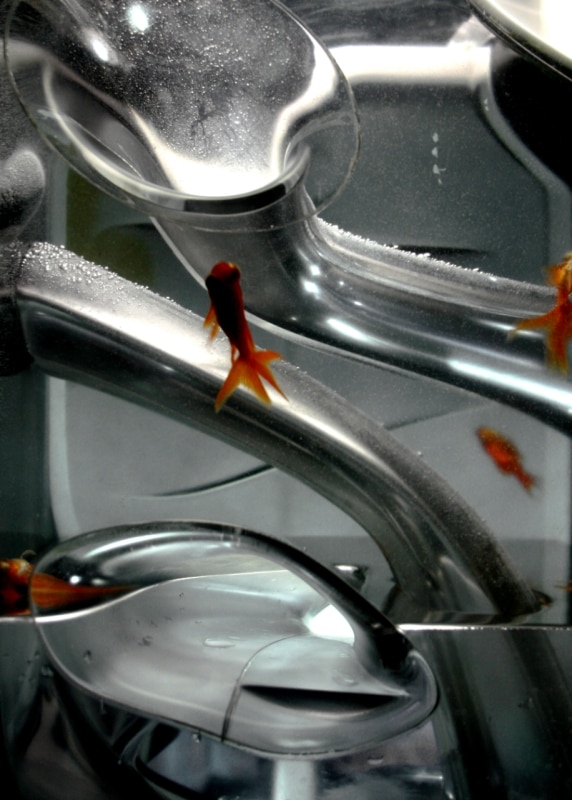
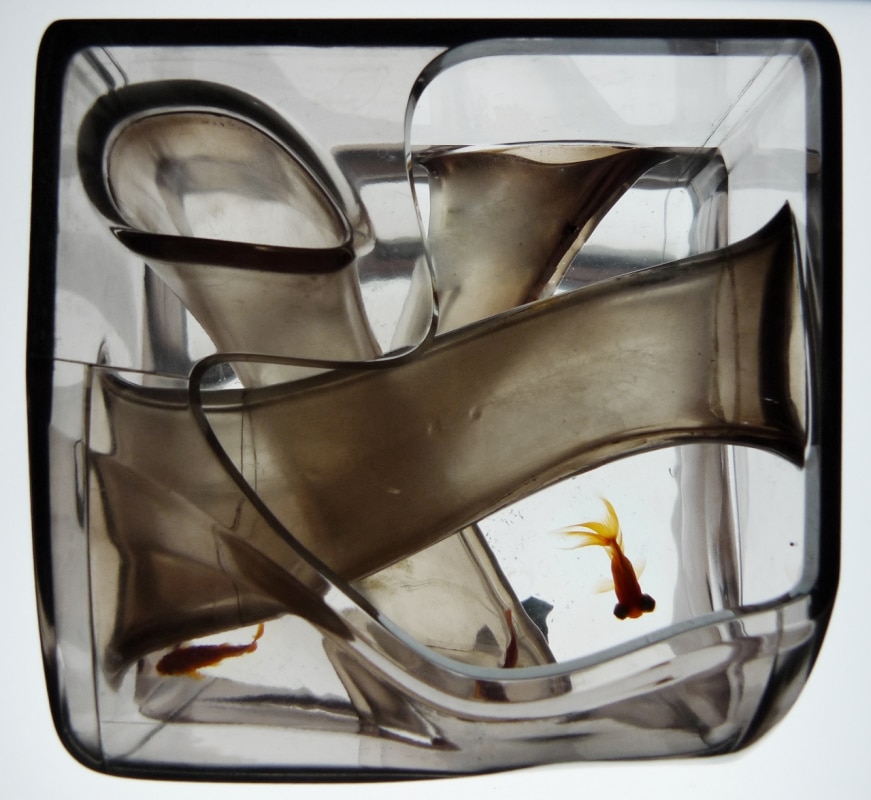
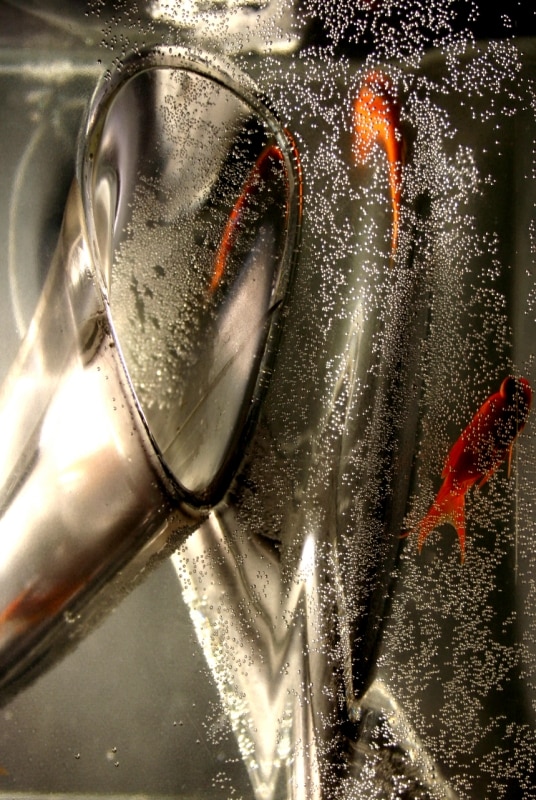
Among the most diverse functional programmes and scales (from urban to architectural and product), new projects and renovations of existing buildings, from Asia to America via Europe, be it conceived for human beings, or goldfishes, we propose a journey through the straightforwardly contemporary, intense, surprising but always deeply intimate – even when monumental – architecture of Ma Yansong, in search of new perceptive and cognitive trajectories.
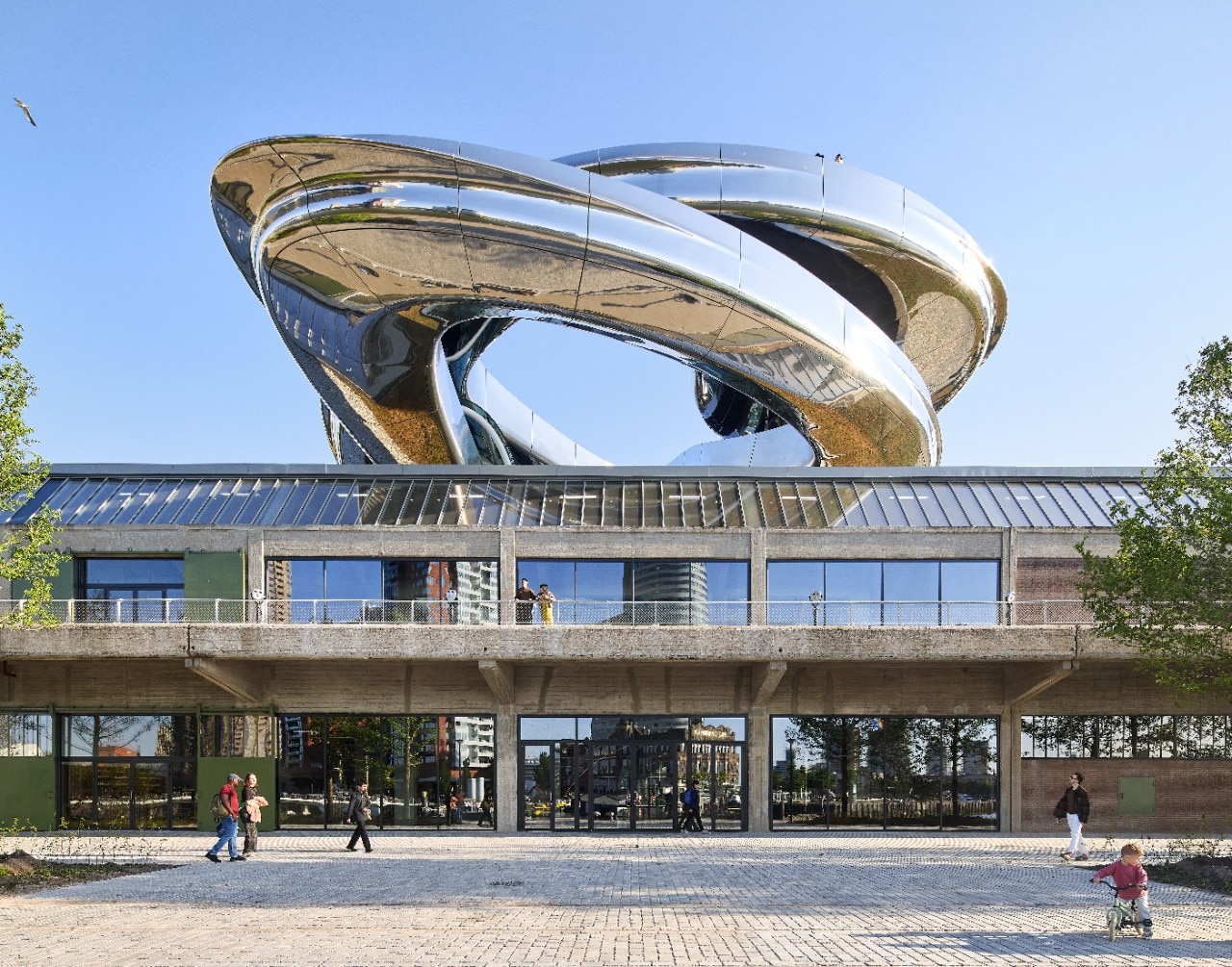
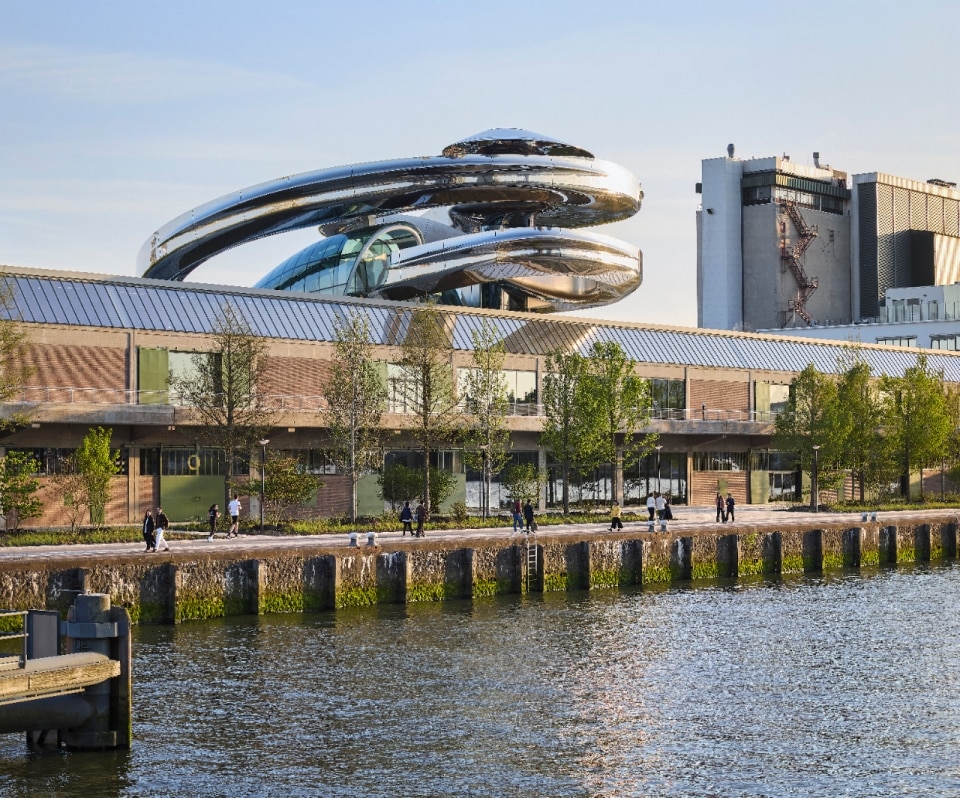
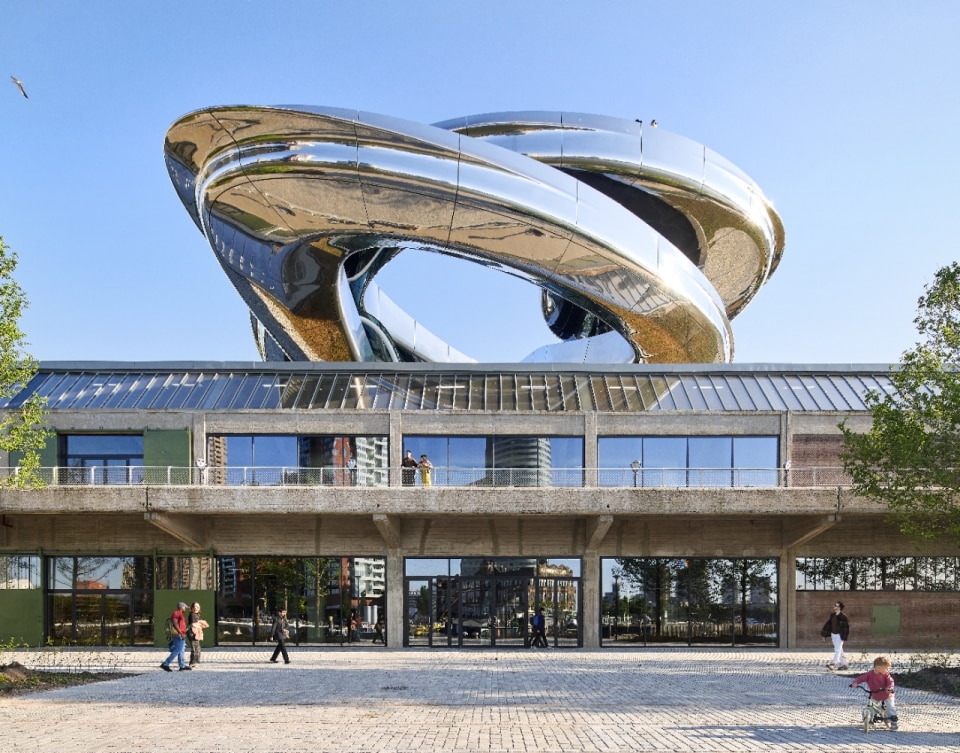
Opening Image: Fenix, Rotterdam, Netherlands, 2018-2025. Photo Hufton+Crow