



This article was originally published in Domus 1110, March 2026.
The house on Via Ferrara in Legnano is the latest project by Oasi Architects. It continues, reframes and radicalises the high-quality research on provincial homes conducted by the firm over the last 15 years.
Francesco Enea Castellanza and Pietro Ferrario founded Oasi Architects in 2009 in their hometown of Busto Arsizio, immersed in Milan’s sprawling metropolitan area. After studying at Milan Polytechnic and several key formative collaborations – Ferrario worked with artist Alberto Garutti and then with Milanese studio Laboratorio Permanente – the duo chose their own local area as a testing ground to experiment with the spaces and aesthetics of contemporary housing.
Acts of resistance against standardised construction, Oasi’s houses are cultured reinterpretations of two of the most common residential types in the Milan area: the late 20th-century villa and the older courtyard house.
The former became a single-material structure in exposed concrete enriched with a poetic entrance patio in Fagnano Olona (2017), while in Segrate (2020) it was shaped as an ironic transcription of local building codes, curving to respect the distances from neighbouring buildings.
I laid reclaimed wood flooring with my children.
Pietro Ferrario, Oasi Architects
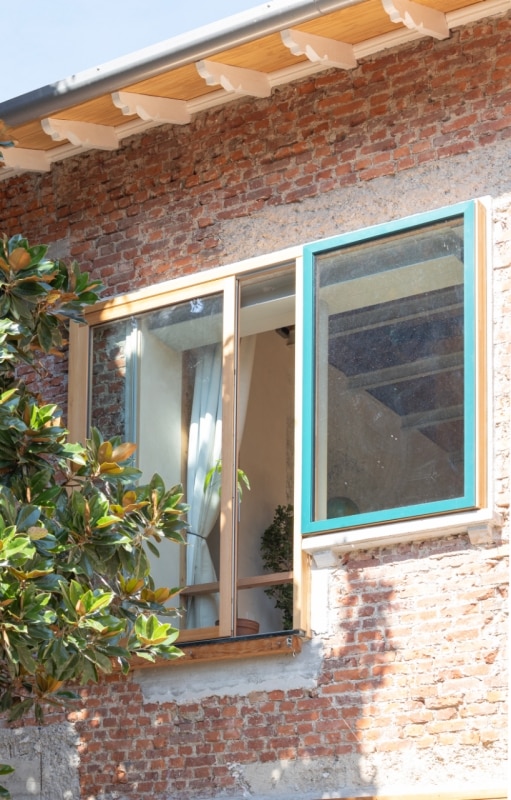
The courtyard house is reinvented as a tightly controlled patchwork of existing and contemporary spaces and materials, for example in Sacconago (2024). Oasi’s provincial houses are fragments of a potential widespread quality landscape: due to its continuity and systematic nature, their reflection on private space acquires civic and political value.
The Via Ferrara project introduces a new level of ambition and a more explicitly anti-systemic slant to this coherent research – Ferrario speaks of “necessary anarchism”.
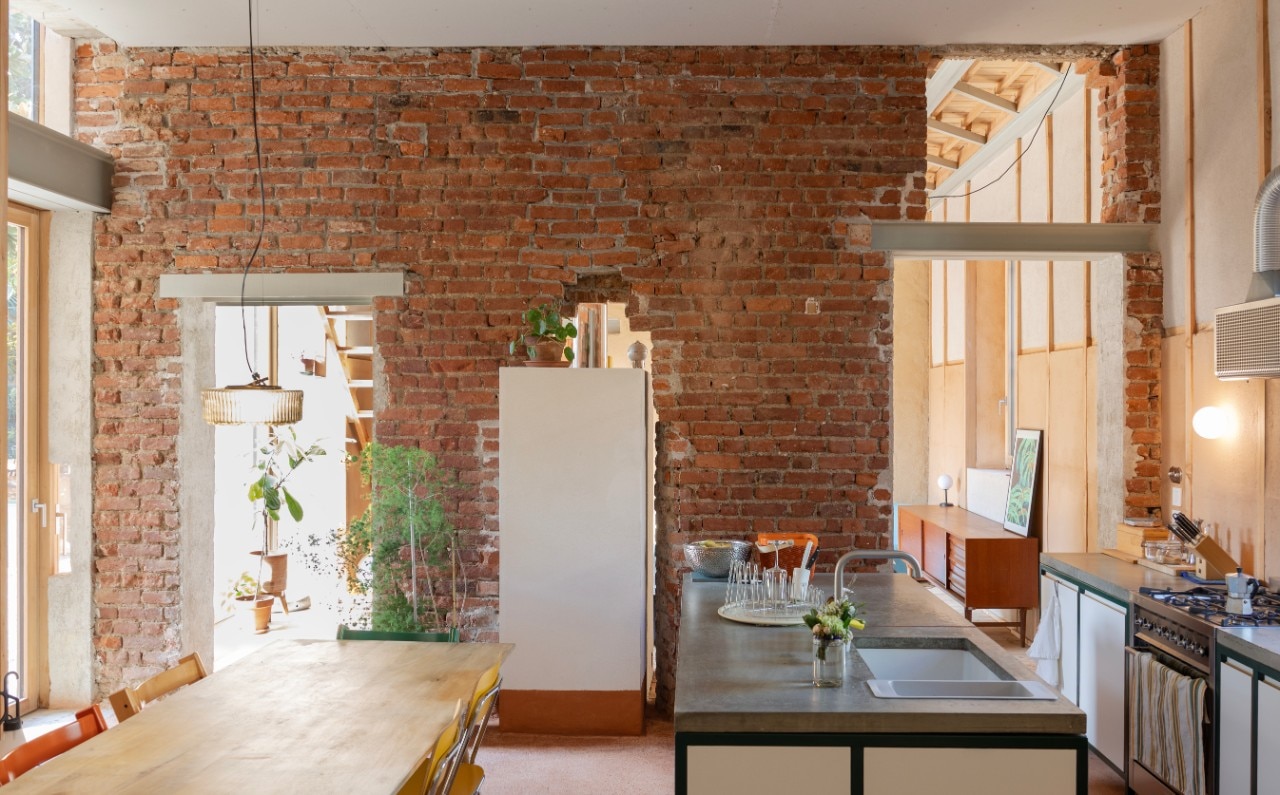
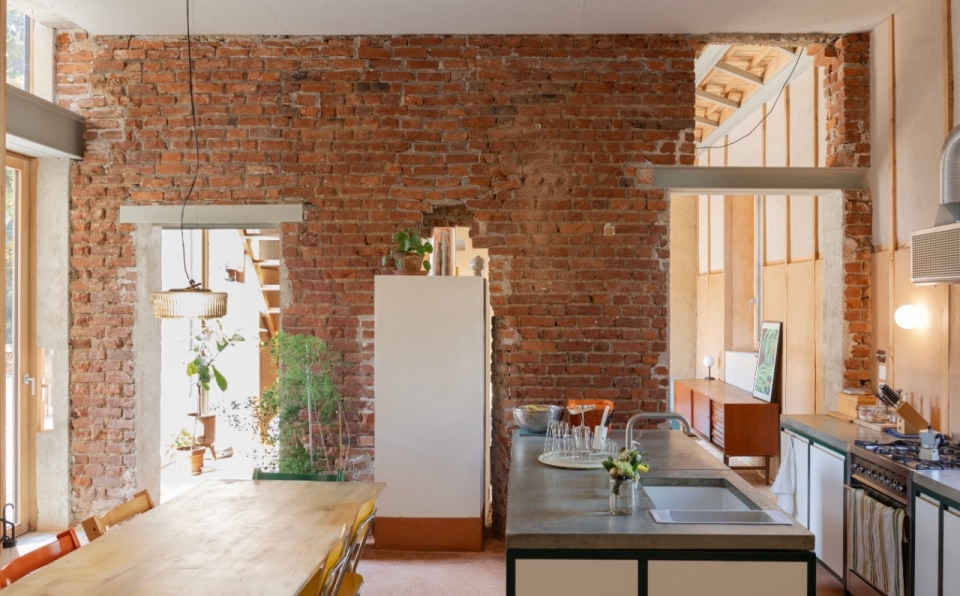
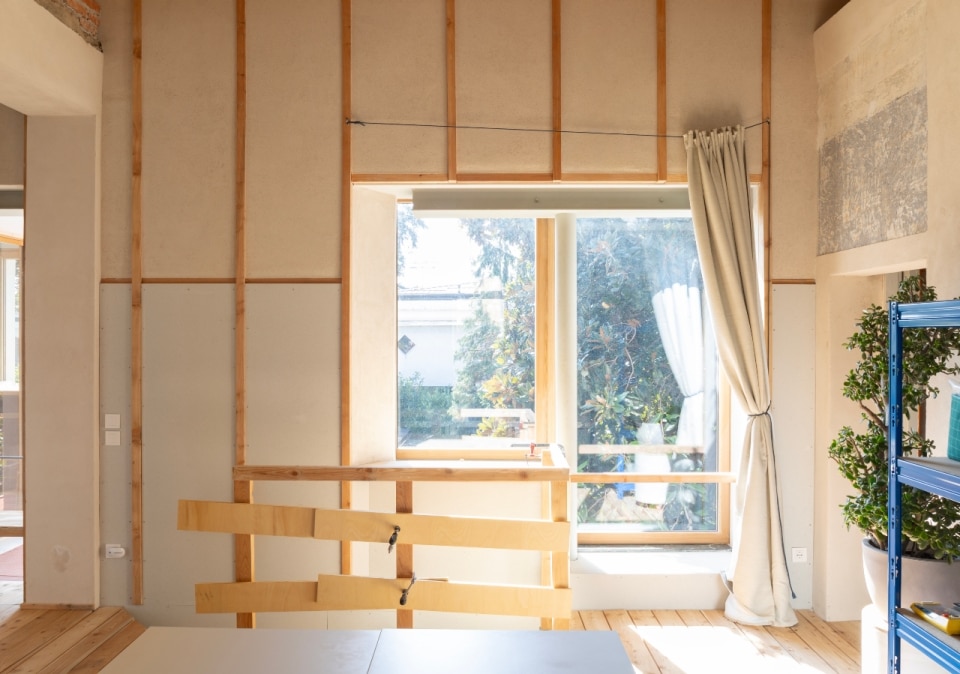
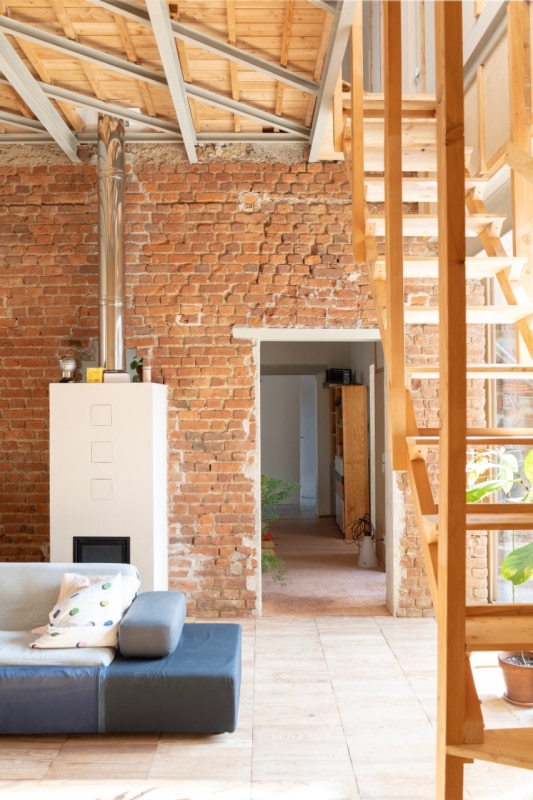
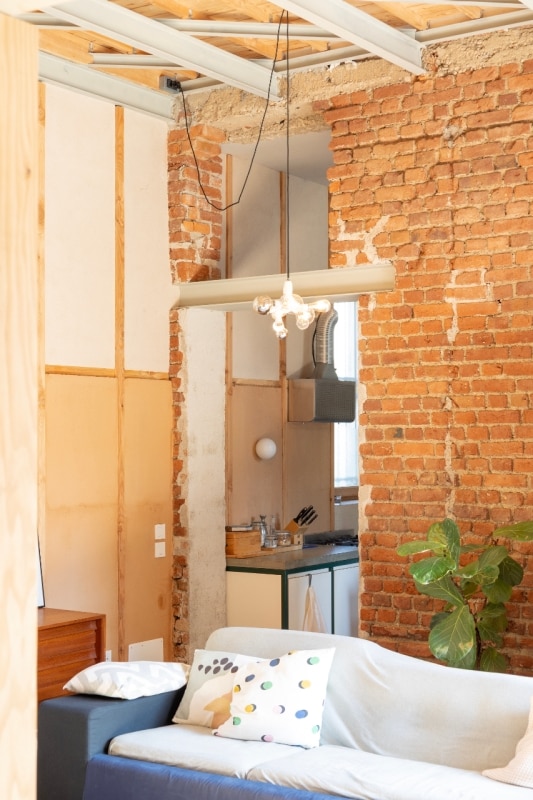
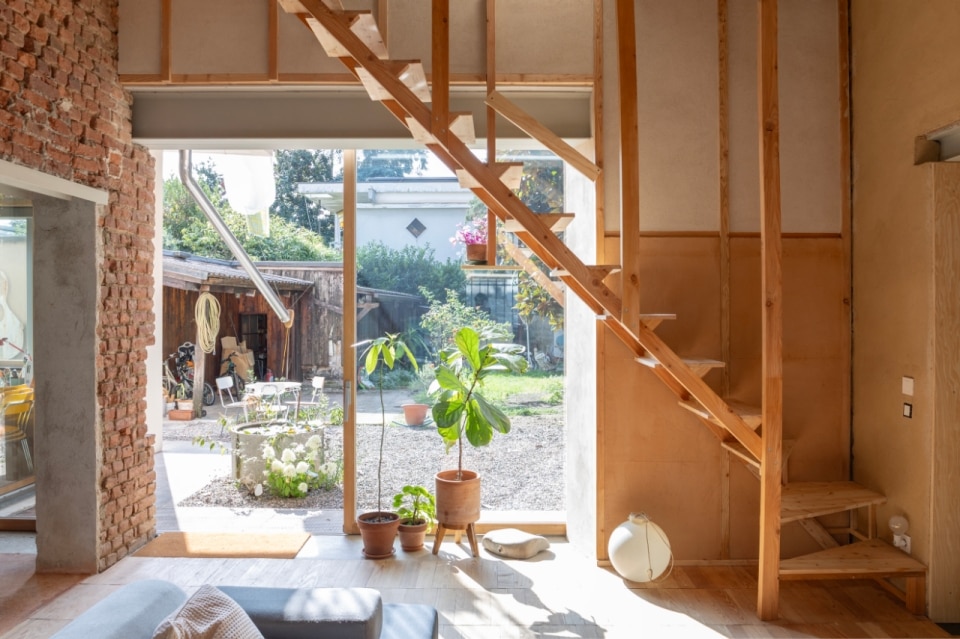
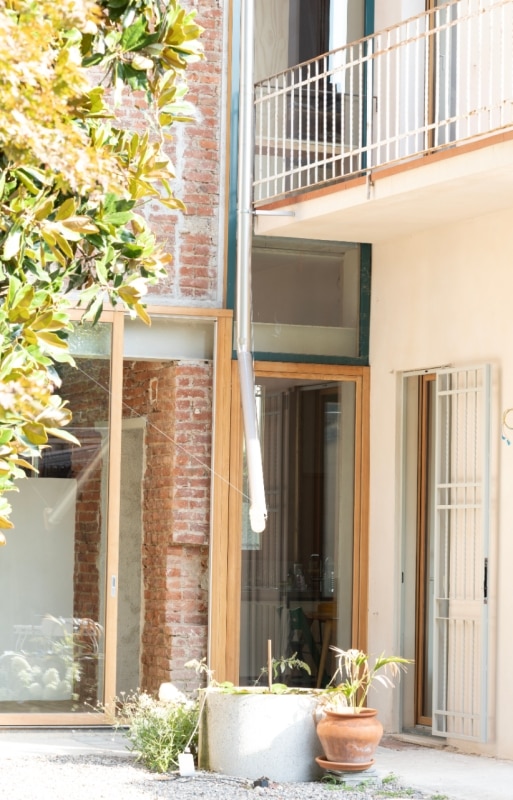
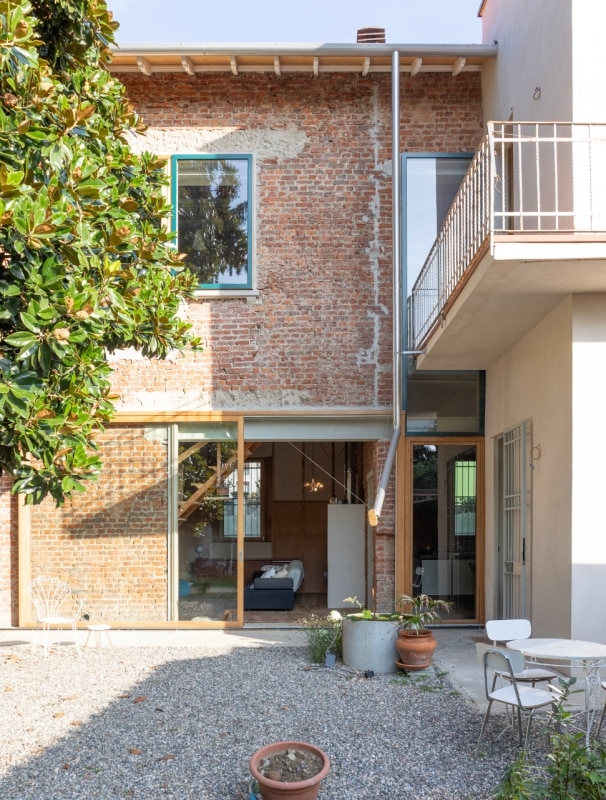
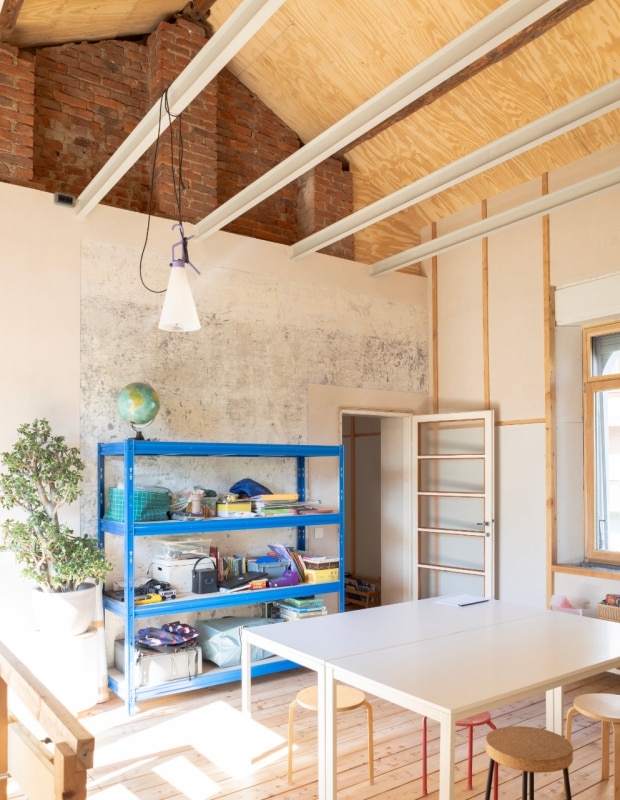
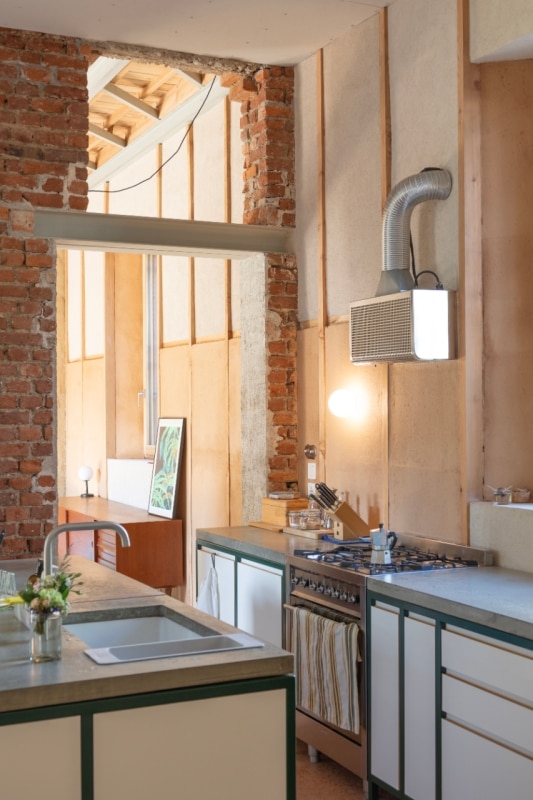
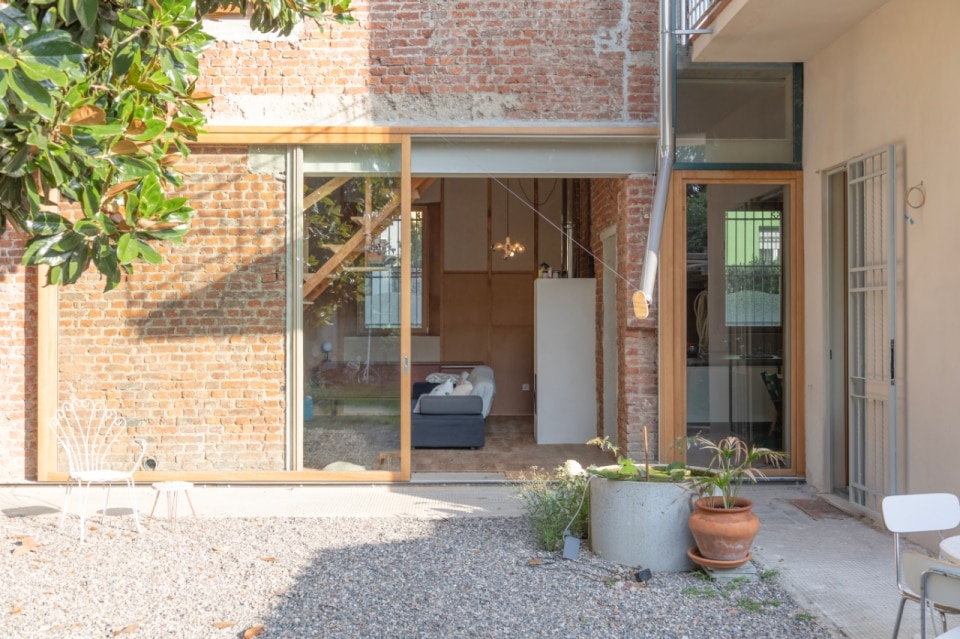
Their intervention on the courtyard house stands out for its spatial intelligence – the rediscovery of an enfilade of rooms on the ground floor, for example – and stylistic refinement – with the analogical combination of materials and components, virtually devoid of synthesis, recalling experiments in Belgian architecture of the last decade.
Its antecedents share these qualities, but here they come with a more profound questioning of the process.
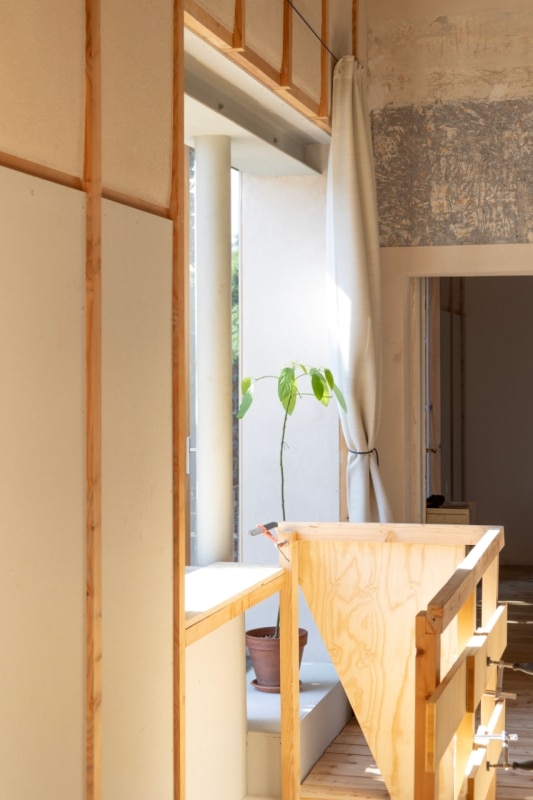
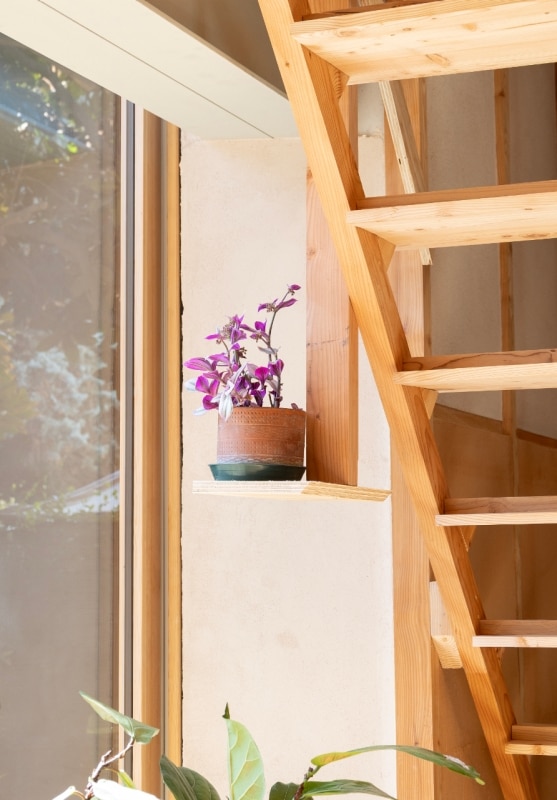
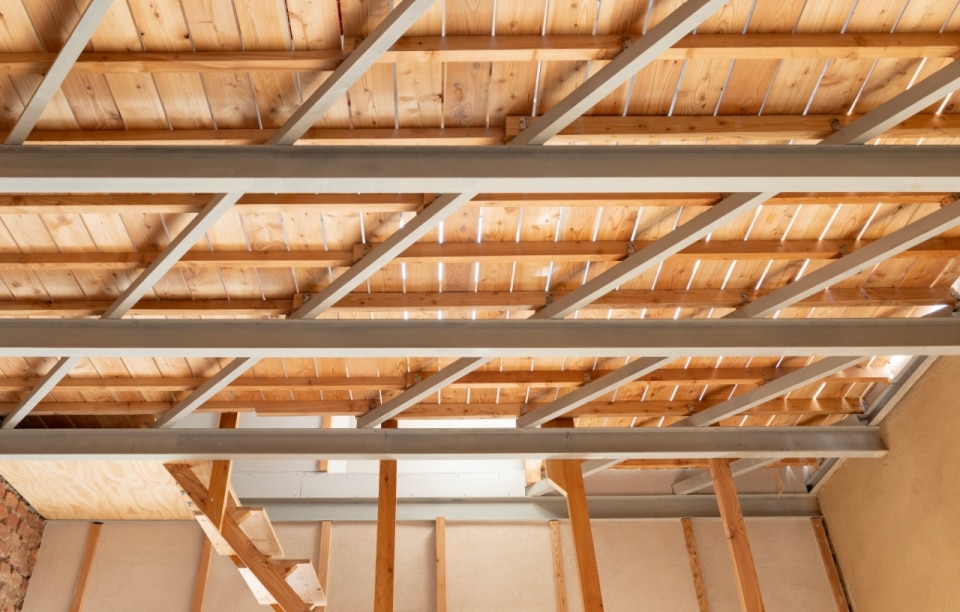
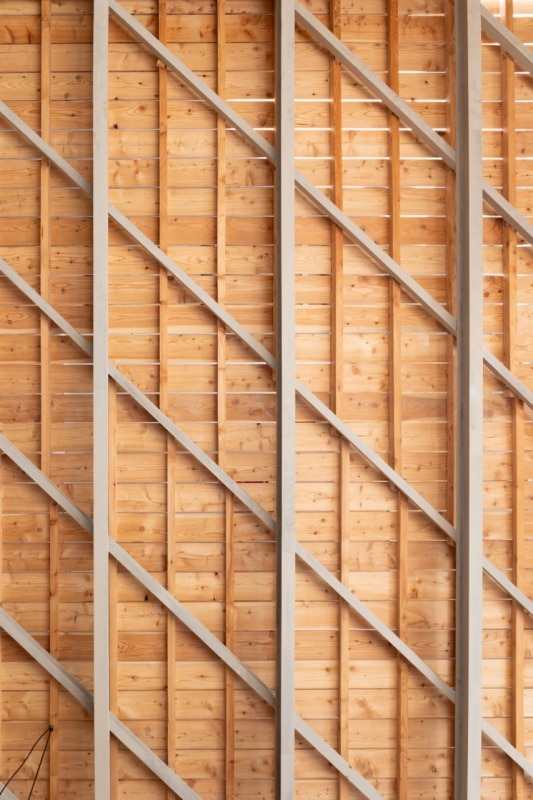
Commissioned by Ferrario himself, the building site became a chance to explore and experiment with vernacular construction techniques of Lombardy-Piedmontese farmhouses, natural materials – raw earth, straw, hemp – reuse and self-construction. Artisans, friends, colleagues and collaborators were involved in a workshop where “the executive design is replaced by a dimension of live action”, says Ferrario. “I laid the reclaimed wood flooring with my children.”
The house’s day-to-day running is also a shared commitment: the interior is heated by a wood-burning stove, refuelled twice a day in turns.
It is a challenging solution and a necessary statement today, against the illusions of home automation and the false sustainability of tax incentives.