


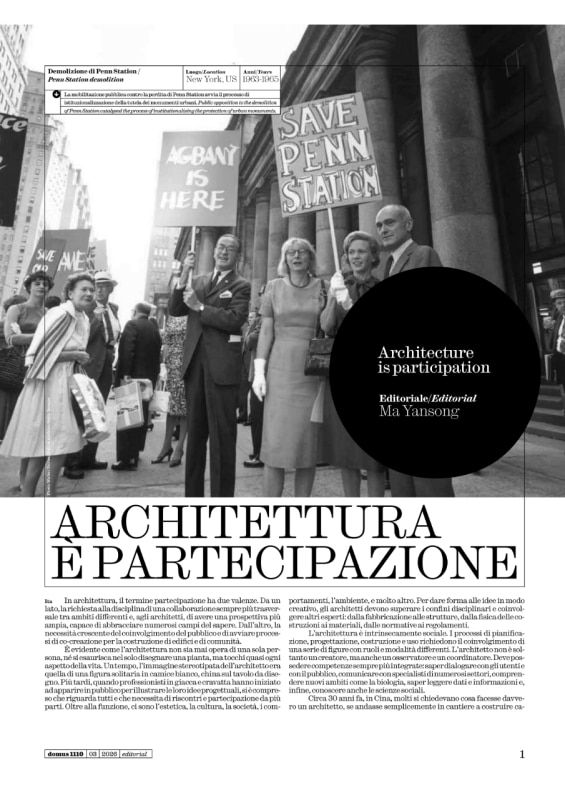
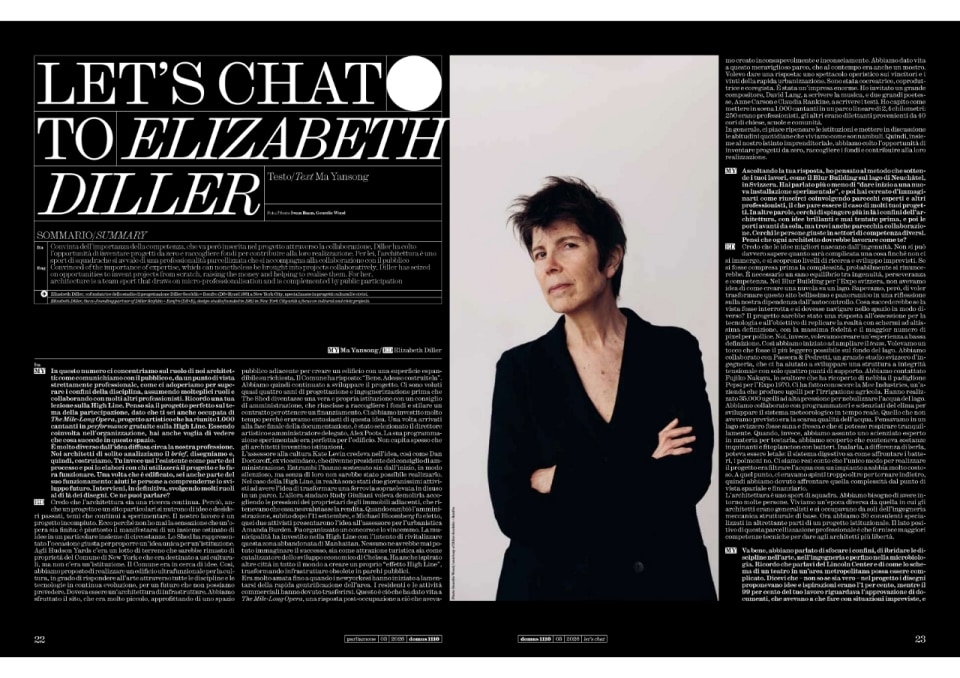
There is a word this issue repeats with stubborn insistence, and that word is together. Not as a slogan, but as a necessary condition. As the only workable answer to a world that stopped functioning the moment someone convinced everyone that a single mind, a single vision, a single plan bearing a single name, was enough to make architecture.
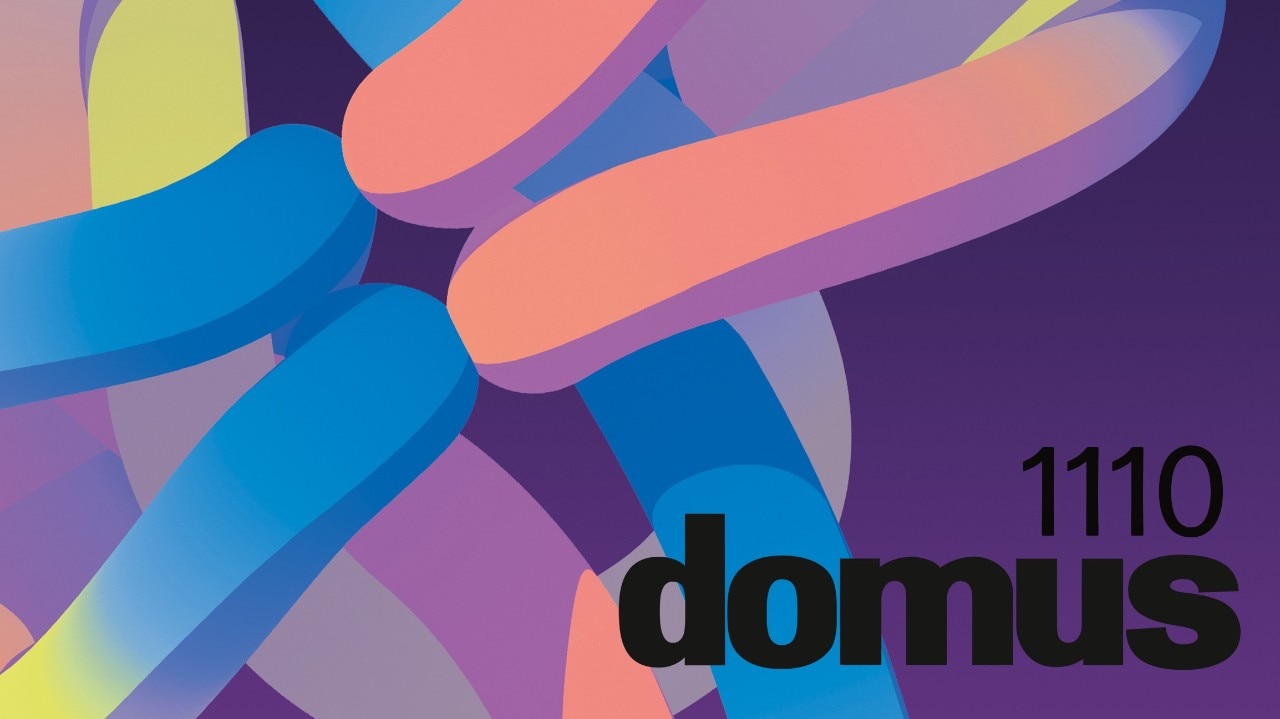
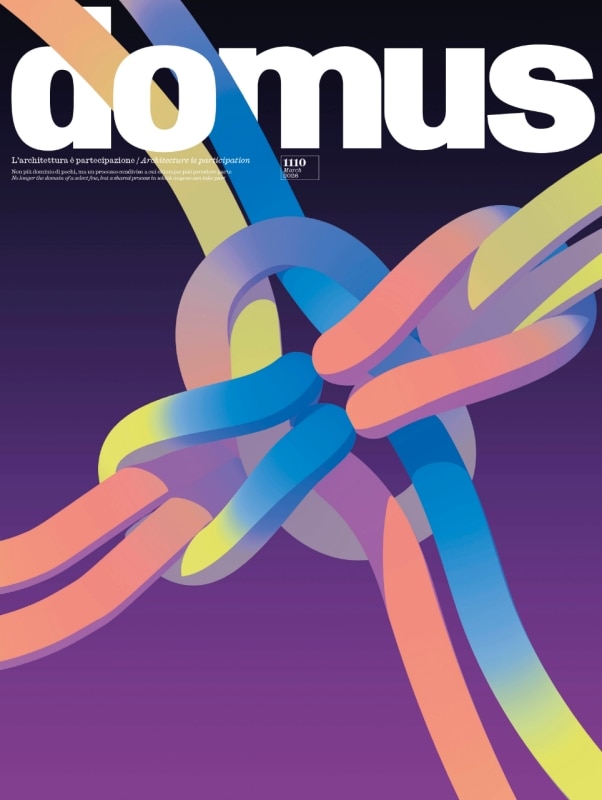
Domus 1110, the March 2026 issue, arrives with Ma Yansong as Guest Editor. With the ease of someone who has nothing to prove, he states the central thesis: contemporary design can no longer be a solitary act. It is a team sport. The cover by Marta Cerdà Alimbau says as much — four braided cords forming a net. Not a decorative metaphor but a structural diagram: people, places and knowledge held together by mutual tension.
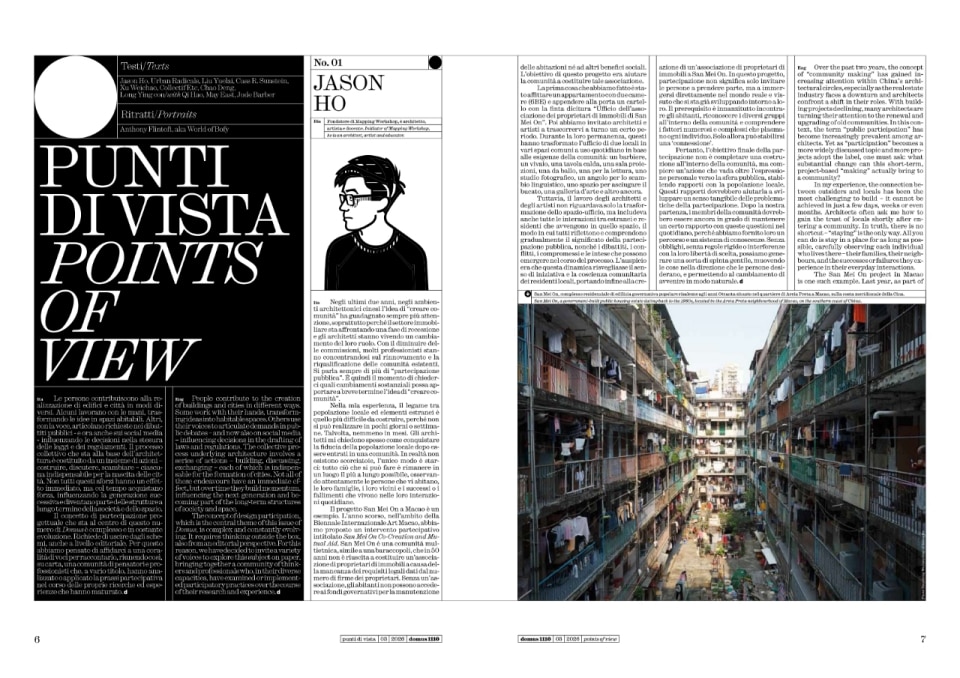
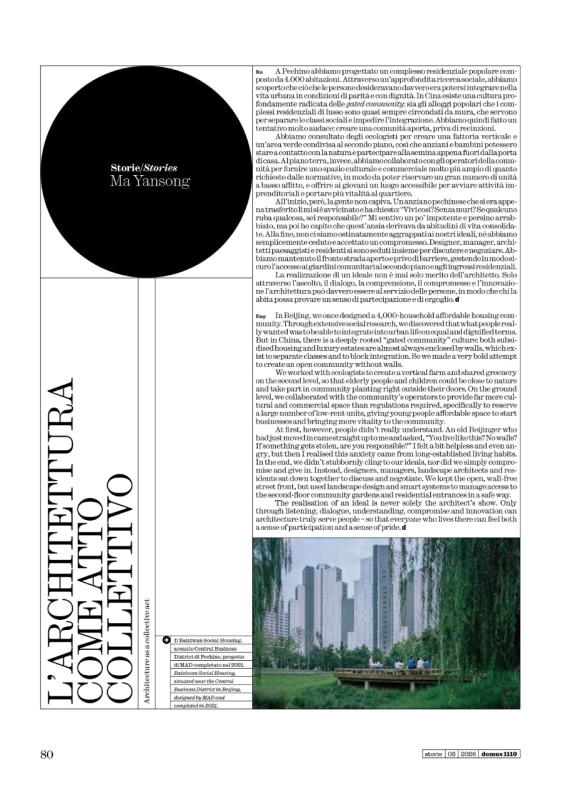
The theoretical debate unfolds on a planetary scale. Jason Ho of the Mapping Workshop calls for putting people at the center of urban processes — not as beneficiaries but as protagonists. Nasios Varnavas and Era Savvides of Urban Radicals assert the inseparability of ethics and aesthetics: form as an act of care. Liu Yuelai explores community gardens as tools of micro-regeneration capable of repairing social bonds from the ground up. Cass R. Sunstein reflects on the cognitive limits that make us unable to decide on behalf of the future. Collectif Etc proposes collaborative storytelling as a listening tool in complex territories. May East and Jude Barber of Collective Architecture bring the question where it burns most: spatial justice, the female perspective, “co-evolutionary mutualism”, where participation is not an add-on to the process but the very condition that makes it possible.
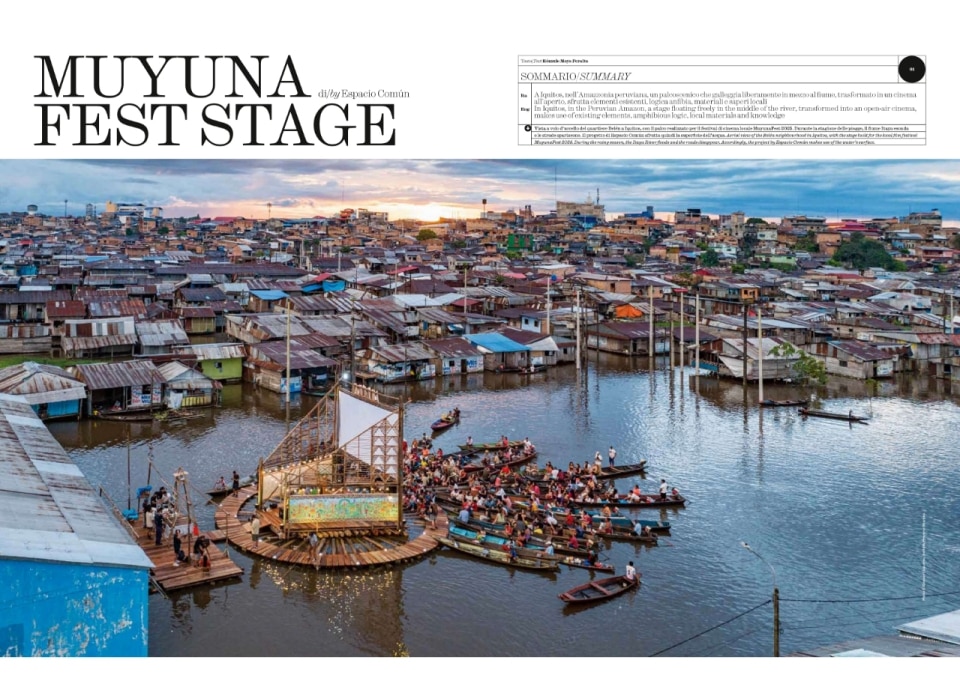
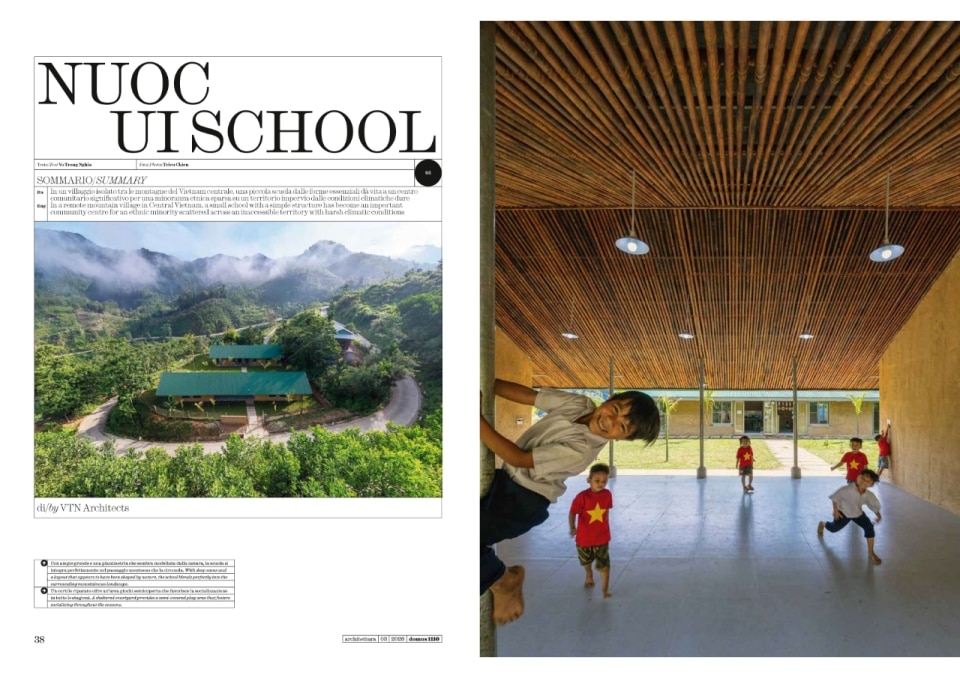
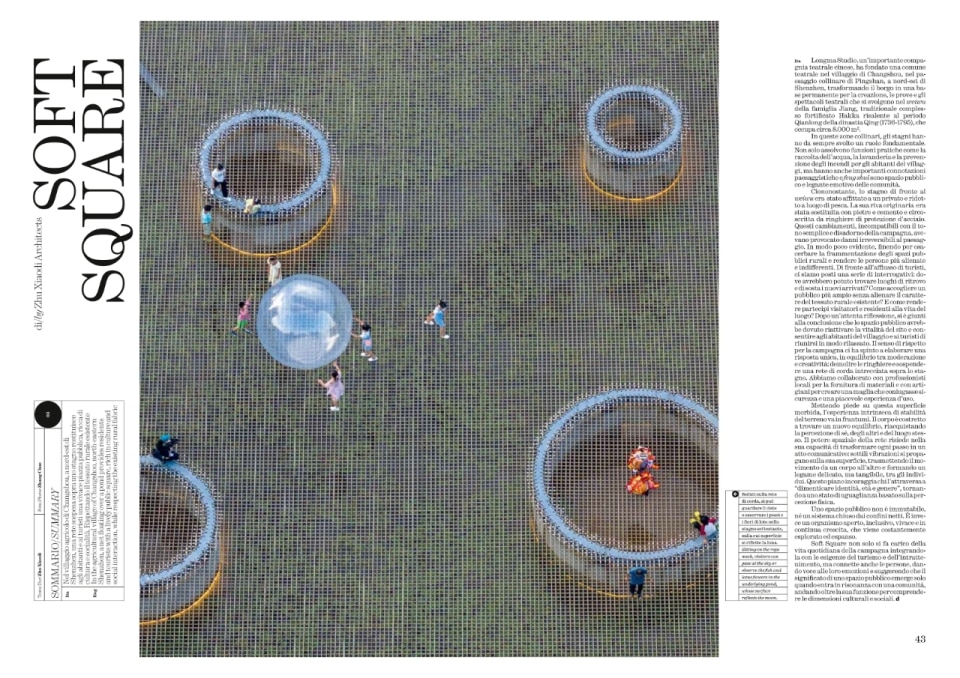
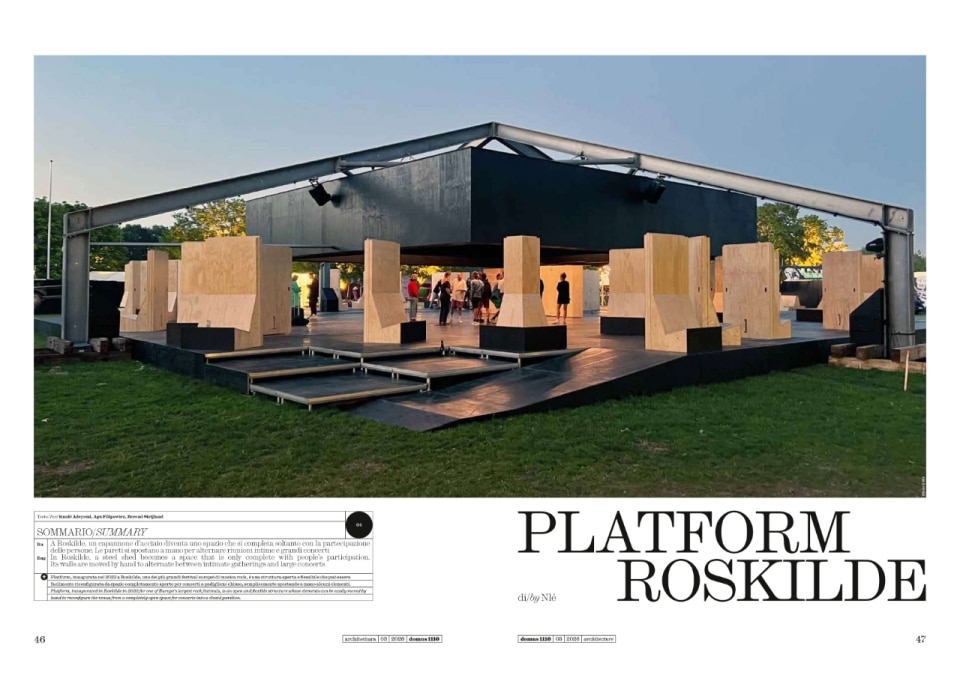
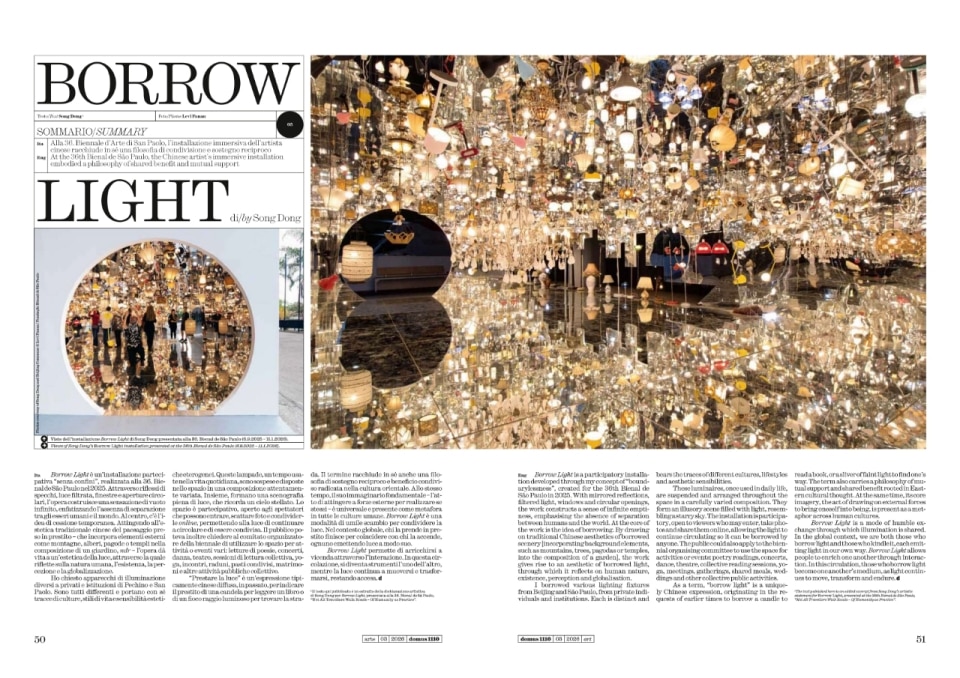
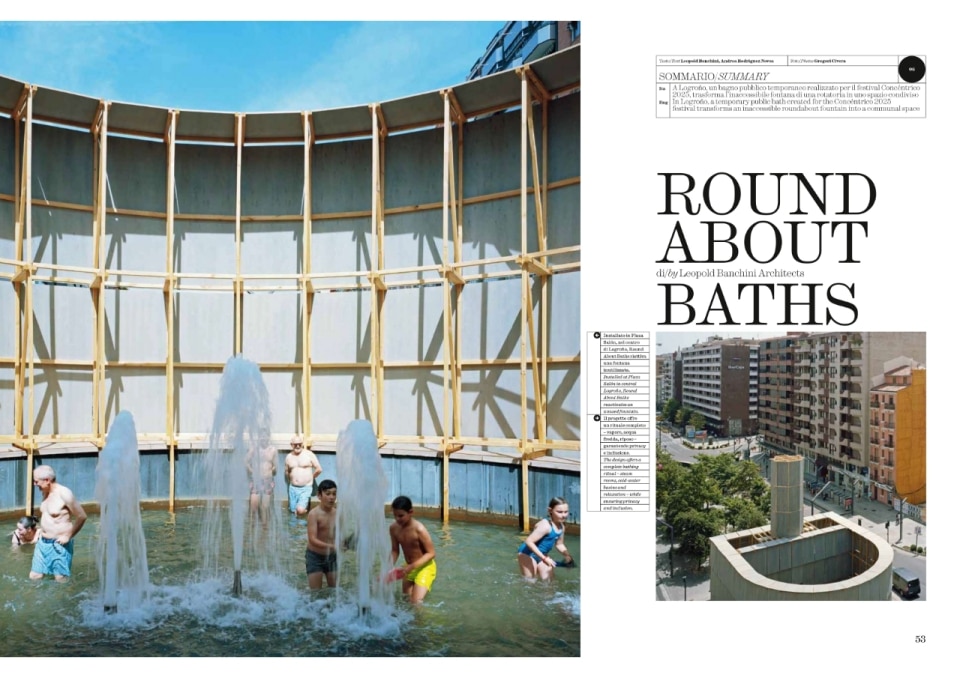
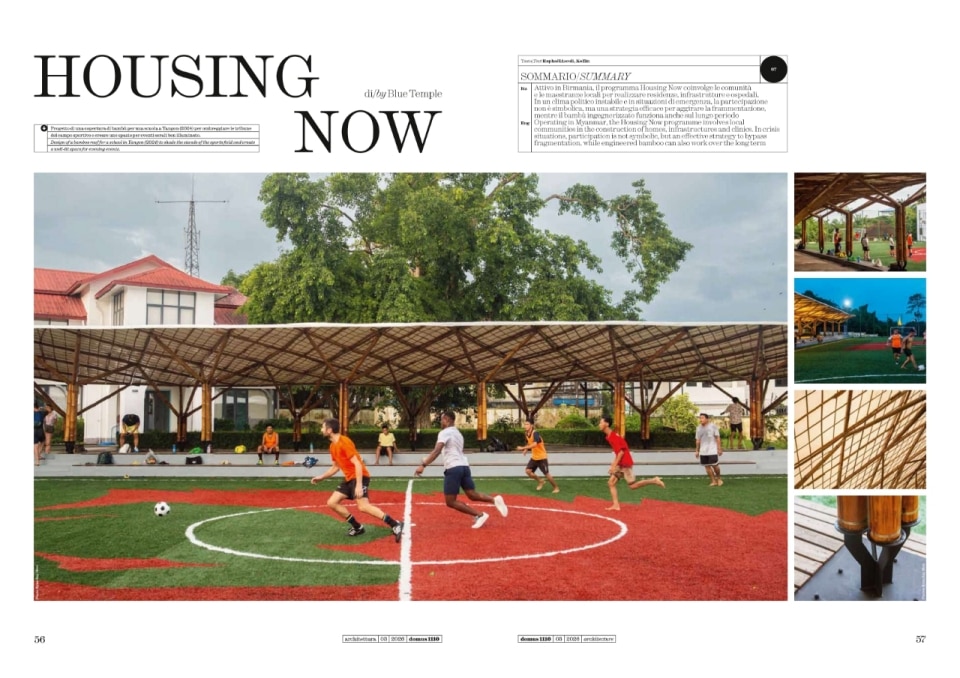
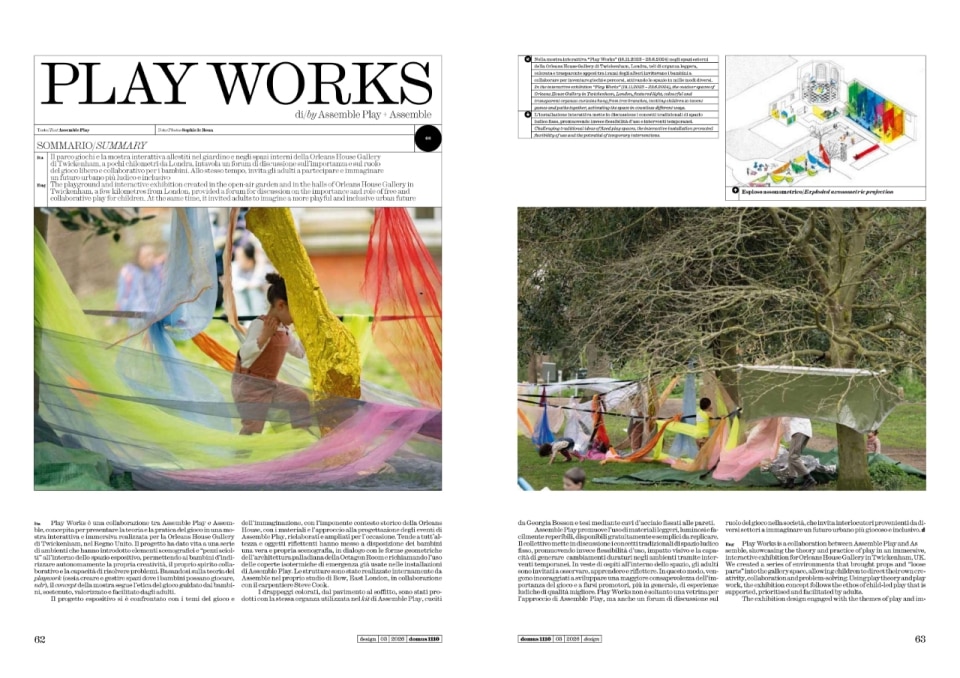
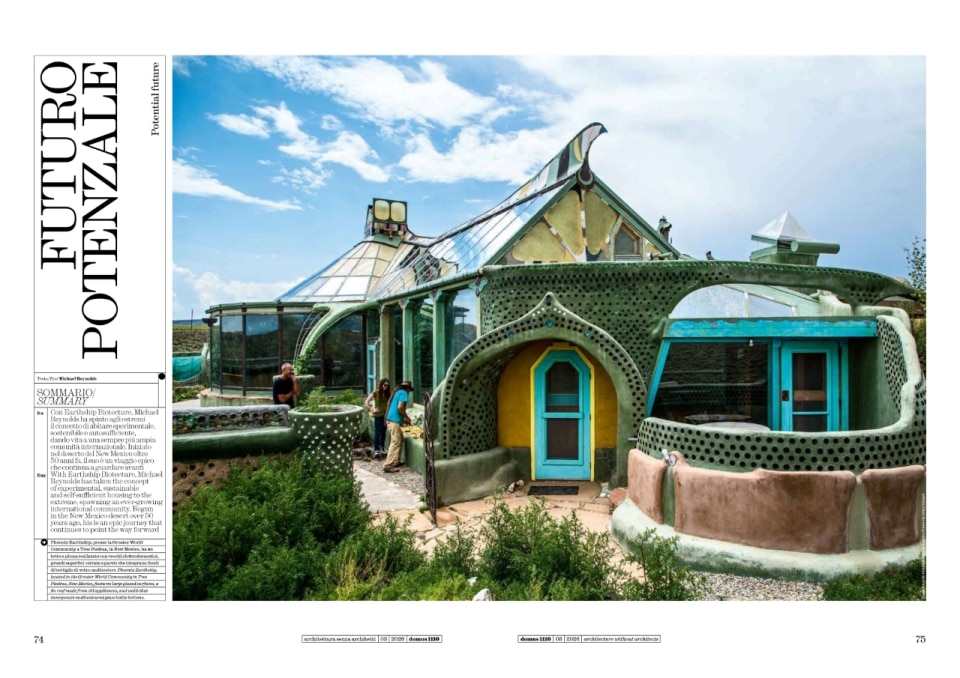
The projects give these ideas tangible form. Espacio Común builds a floating platform for the Muyuna Fest in Iquitos, on the Amazon: an architecture that unlearns the rules of dry land in order to follow the rhythms of the river. In Vietnam, Vo Trong Nghia uses rammed earth and bamboo to build the Nuoc Ui School, woven into the mountainous landscape of ethnic minorities. In Shenzhen Zhu Xiaodi experiments with the “Soft Square”. In Roskilde Kunlé Adeyemi and Aga Filipowicz construct collective platforms. In Logroño Leopold Banchini and Andrea Rodriguez Novoa bring public bathrooms into the street. Song Dong presents Borrow Light. In Myanmar Raphaël Ascoli and KoZin / Blue Temple respond to conflict and natural disaster with modular bamboo structures. Assemble Play turns play itself into a tool for urban design.

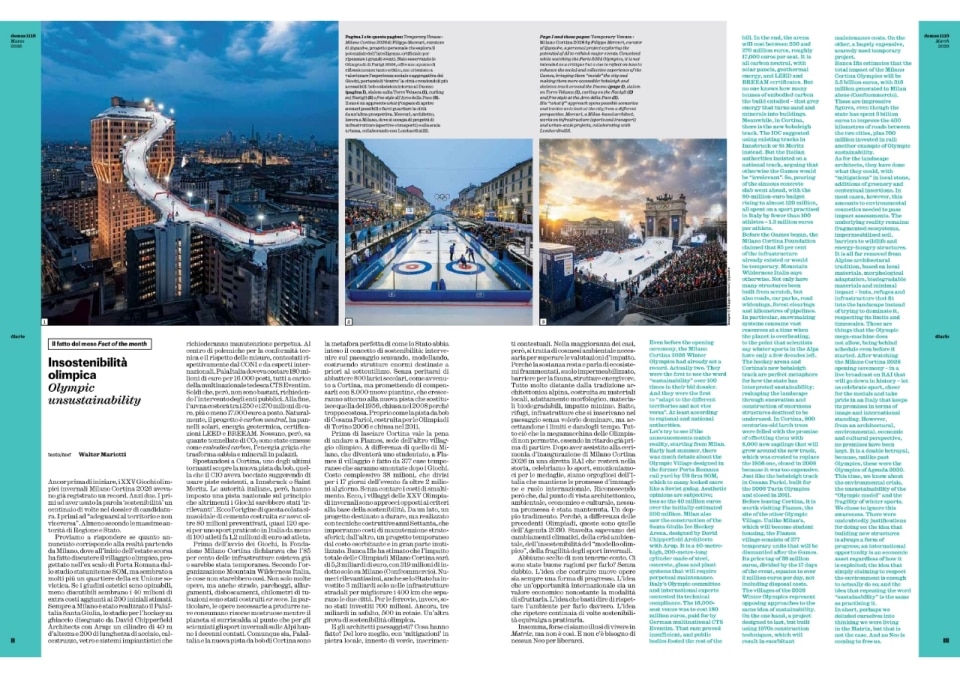
The story of the month is Milano Cortina 2026: a mirror of a country that knows how to narrate itself better than it knows how to build. A bobsled track costing 120 million euros for fewer than a hundred athletes. Larch forests offset with saplings. The word “sustainability” repeated a hundred times while the concrete pours. Walter Mariotti opens the issue from this vantage point, because Olympic unsustainability is the perfect metaphor for the time we are living through. No Neo is coming to free us from this self-inflicted Matrix.
Simona Bordone takes us to the opposite pole: Tokyo 1964, Kenzo Tange, the Yoyogi National Gymnasium. A building constructed with the anxiety of someone who knows it must outlast the event it was built for. Sixty years later, it still stands. The bobsled track at Cesana Pariol, built for the Turin 2006 Games, has been closed since 2011. The comparison speaks for itself.
Loredana Mascheroni meets Konstantin Grcic, designer and curator of White Out at the Triennale, dedicated to the future of winter sports. Grcic is optimistic — perhaps too optimistic, as he himself admits. Yet the refusal to surrender, when intellectually honest, has its own dignity.
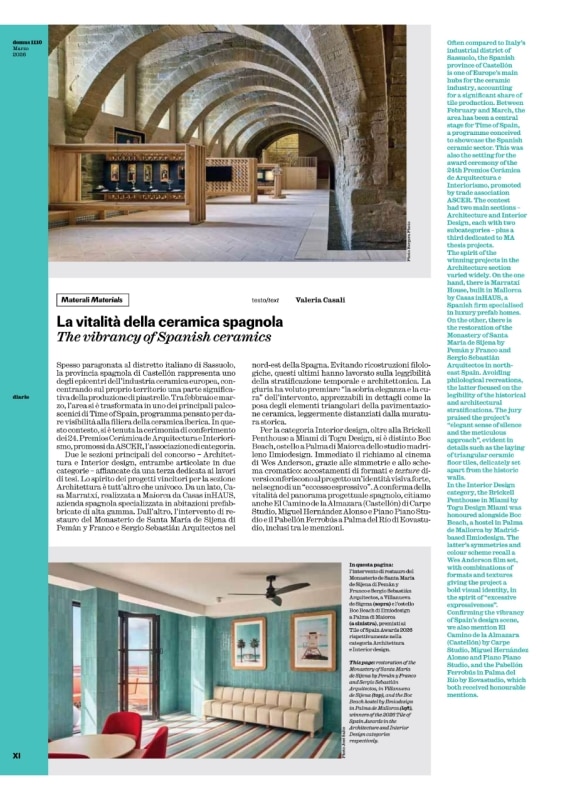
Then: Nicola Ermanno Barracchia on the principle of Two — the arc, quiet diplomacy, the idea that arriving first does not always mean standing on the podium. Valeria Casali and Elena Sommariva with their Global Readings: Ise Gropius, Beatriz Colomina, Davide Vargas, Eileen Gray, rediscovered as a pioneer whose work still resonates today. Paul Smith on manhole covers in Rome and London — drain covers as archaeology underfoot, SPQR as a reminder that history literally walks beneath us. Francesco Franchi with The Momney Project: reimagining euro banknotes starting from the invisible labor of mothers — sixteen billion hours a day, seventy-six percent carried out by women. If money certifies value, this is perhaps the most urgent question in contemporary design.
Valentina Petrucci meets Tim Parks, a British writer long transplanted to Italy, who has learned to look at painting by walking through it — reading the Triumph of Death at Palazzo Abatellis like a novel: from bottom to top, from left to right, the narrative enters the scene. Matt Shaw documents People’s Architecture Office and Rural Urban Framework: the Plugin House and the subterranean homes of northern China, reinvented as dynamic systems between history and community.
Alberto Mingardi takes us to New Lanark, and to the dream Robert Owen once built there: he refused child labor, founded an Institute for the Formation of Character with a Doric portico and music galleries, then sailed to America in 1825 hoping to replicate the experiment. It did not go well. Even the most beautiful dreams sometimes fail.
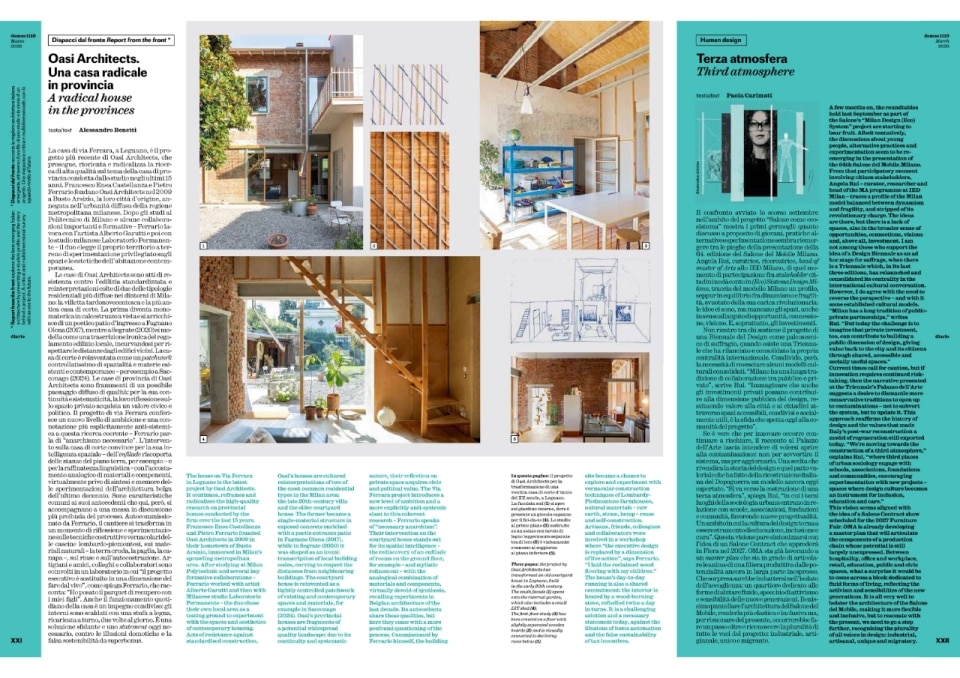
Elena Sommariva tells the story of Punto Luce al Gallaratese, the first purpose-built structure by Save the Children, designed by AOUMM: prefabricated timber, a green roof that will change color with the seasons, designed by listening to the young people of the neighborhood. A gift to the north-western outskirts of Milan. Silvana Annicchiarico presents Scatter d — the research project Is It Worth It? by Bahar Pourmoghadam and Marco Cattivelli, which embraces defect and turns imperfection into a declared language: a small poetic act of sabotage against the orthodoxy of industrial perfection. Alessandro Benetti tells the story of a radical house in Legnano: raw earth, straw, hemp, a wood-burning stove stoked twice a day, reclaimed parquet laid together with one’s children. This is the working blueprint of the future.
Walter Mariotti also signs the conversation with Mariacristina Gribaudi: a red swing, the smell of steel, six children, marathons, Keyline, Palazzo Ducale. A woman who understood that factory and family, art and enterprise are simply different rooms in the same house — and that the secret is finding the right rhythm to move through them all. And the piece on Sensoria Dolomites, a hotel on the Alpe di Siusi, where art is not decoration but shared experience, and where true luxury is the quality of human connection, not the exclusivity of price.
Daniela Brogi closes with Sentimental Value by Joachim Trier: a smartphone, a selfie, a house in Oslo, a mother who died by suicide, a director who wants to film in the places of his childhood. Memory is not a world of projections tied to time. It is a sentimental matter of spaces.
Exactly like this issue.
Happy reading.