





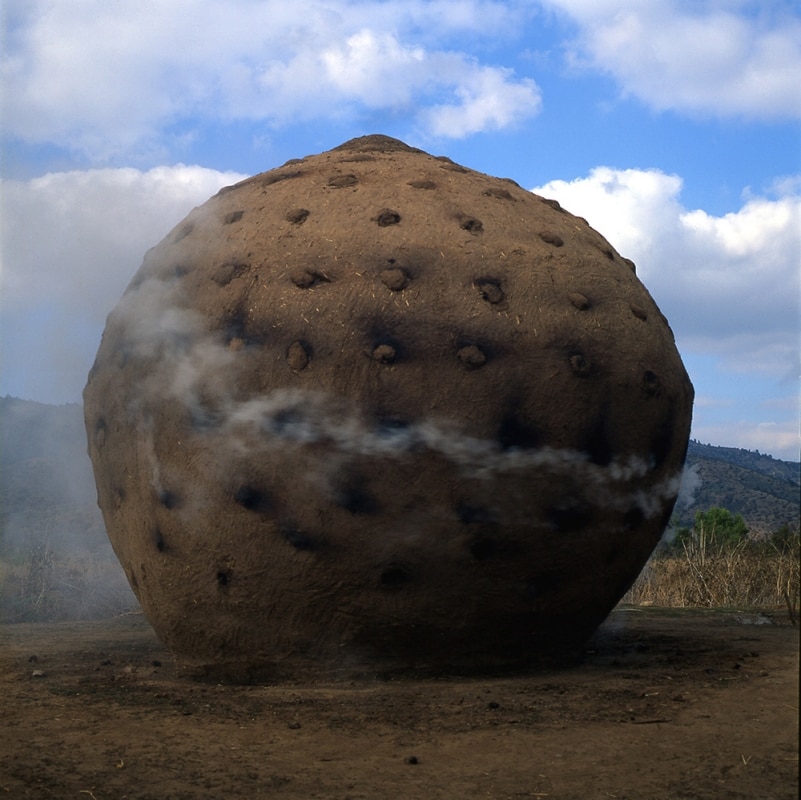
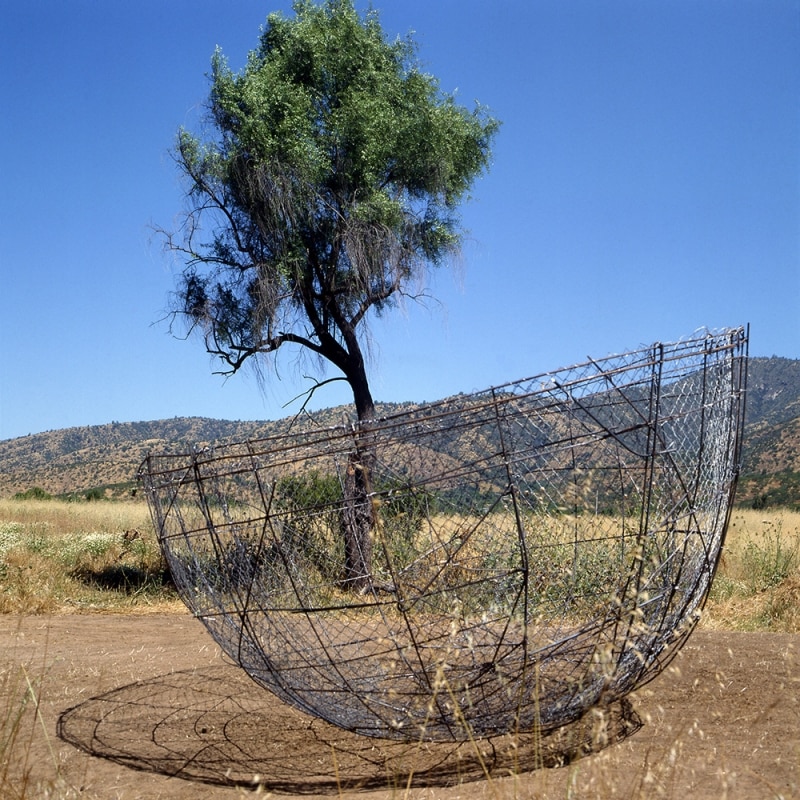
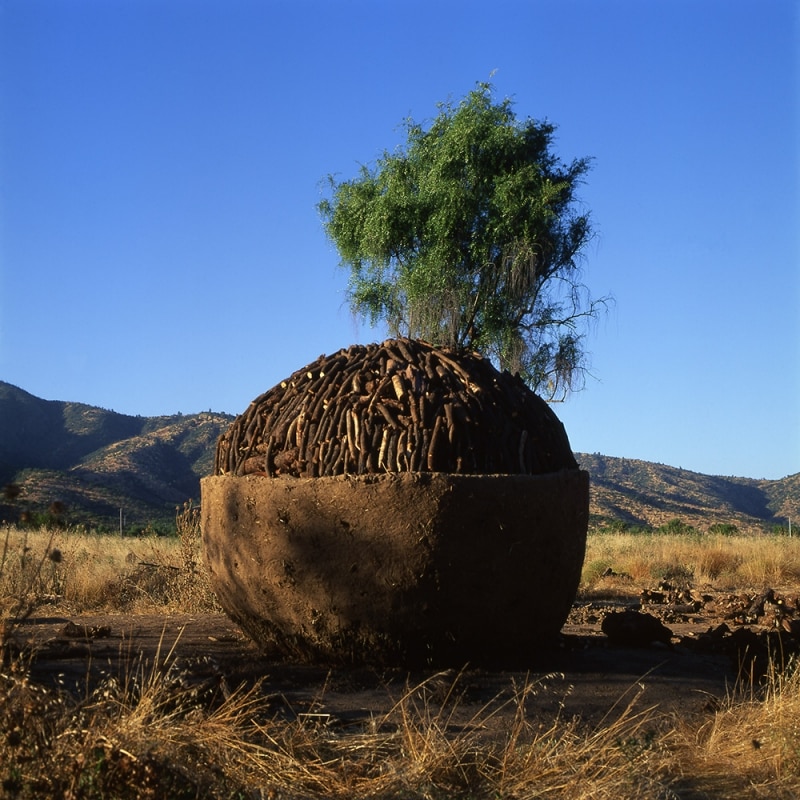
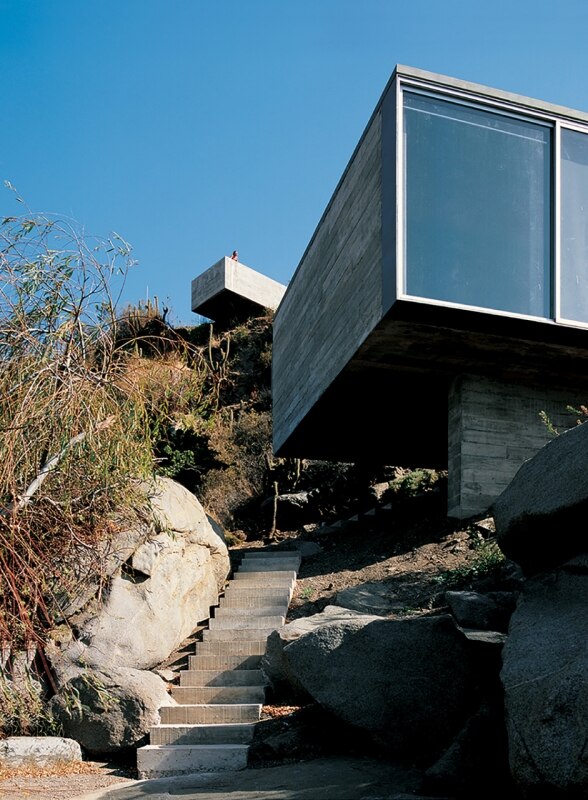
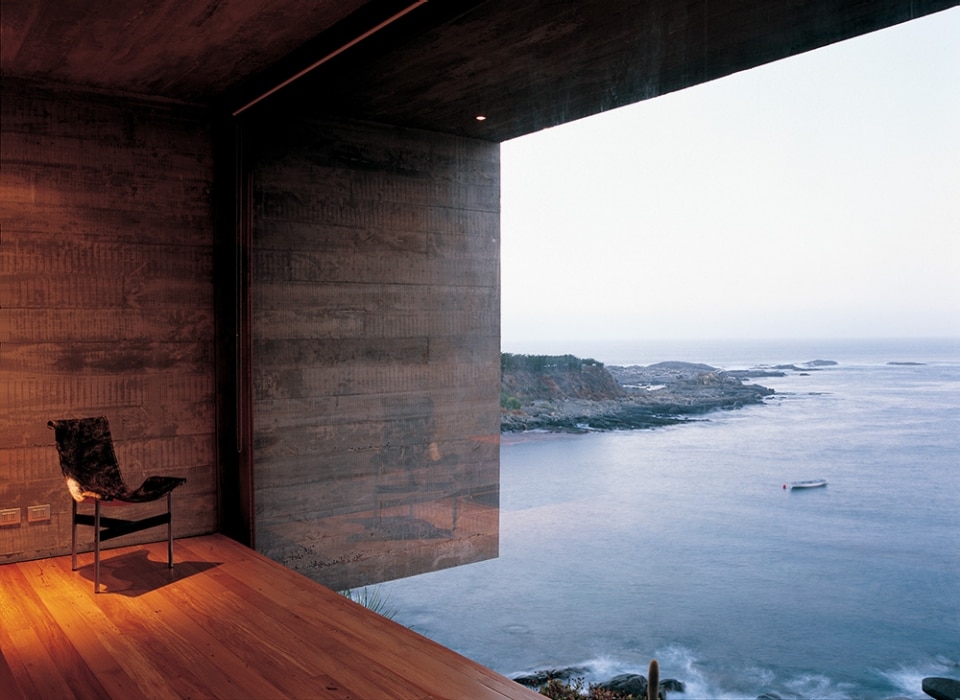
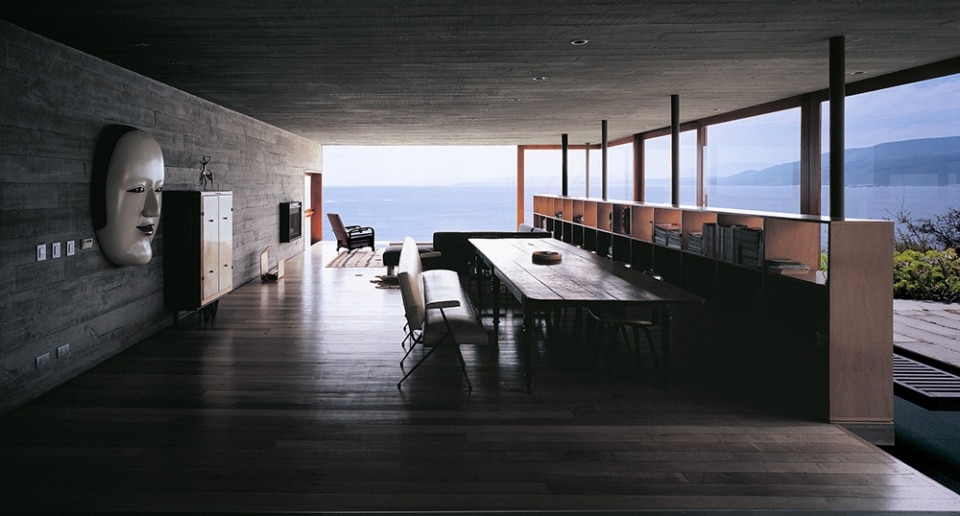
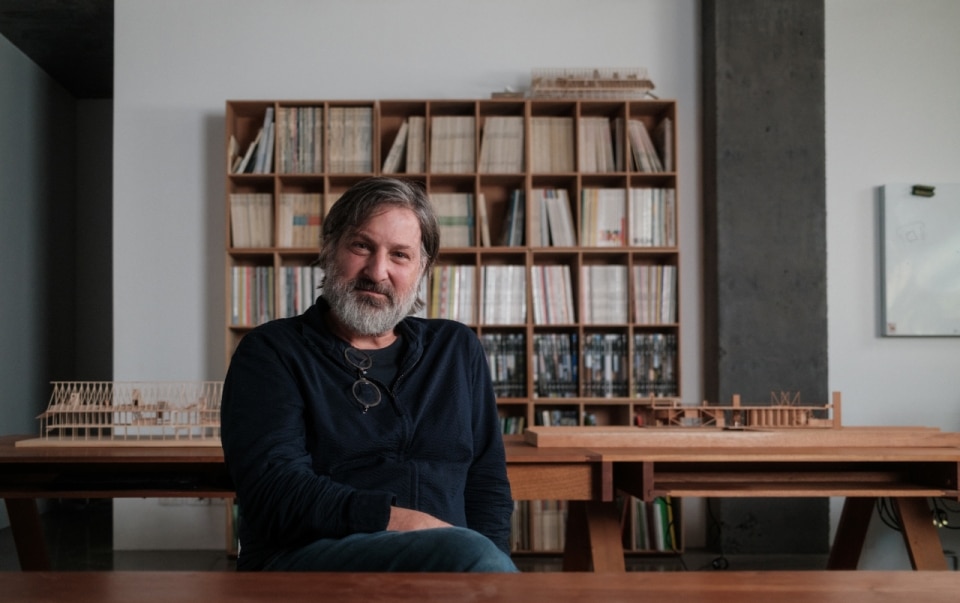
The 2026 Pritzker Architecture Prize has been awarded to Smiljan Radić Clarke, the Chilean architect who founded his studio in Santiago in 1995. His architecture is marked by vulnerability and a strong emotional presence — an “architecture as an act of faith,” as Domus editorial director Walter Mariotti writes — made of buildings that seem to protect and welcome people rather than astonish them, designed to capture the essence of places together with the passing of time and the shifting qualities of light.
The Pritzker jury stated: “Through a body of work positioned at the crossroads of uncertainty, material experimentation, and cultural memory, Smiljan Radić favours fragility over any unwarranted claim to certainty. His buildings appear temporary, unstable, or deliberately unfinished—almost on the point of disappearance—yet they provide a structured, optimistic and quietly joyful shelter, embracing vulnerability as an intrinsic condition of lived experience.”
Radić himself has described architecture as existing in a constant tension between permanence and fragility: “Architecture exists between large, massive, and enduring forms—structures that stand under the sun for centuries, waiting for our visit—and smaller, fragile constructions—fleeting as the life of a fly, often without a clear destiny under conventional light. Within this tension of disparate times, we strive to create experiences that carry emotional presence, encouraging people to pause and reconsider a world that so often passes them by with indifference.”
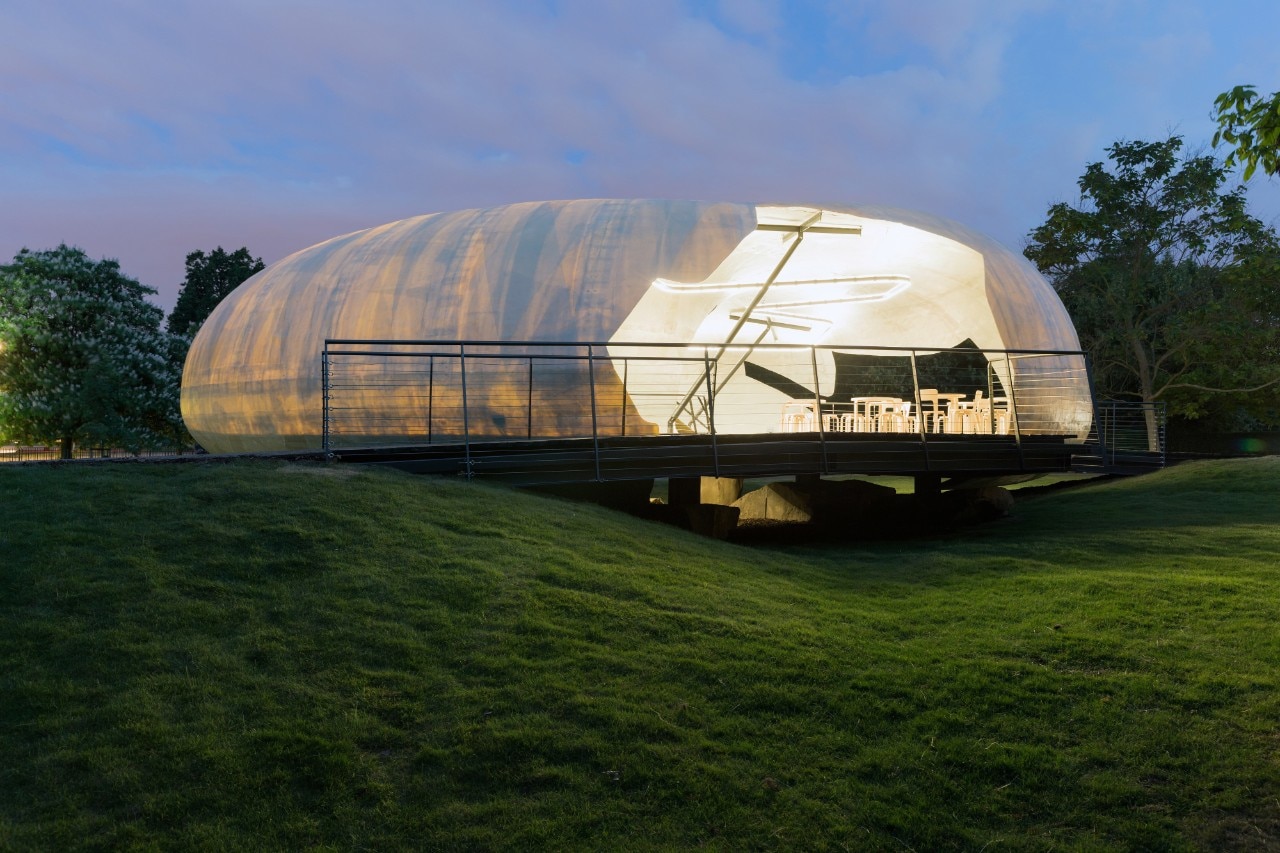
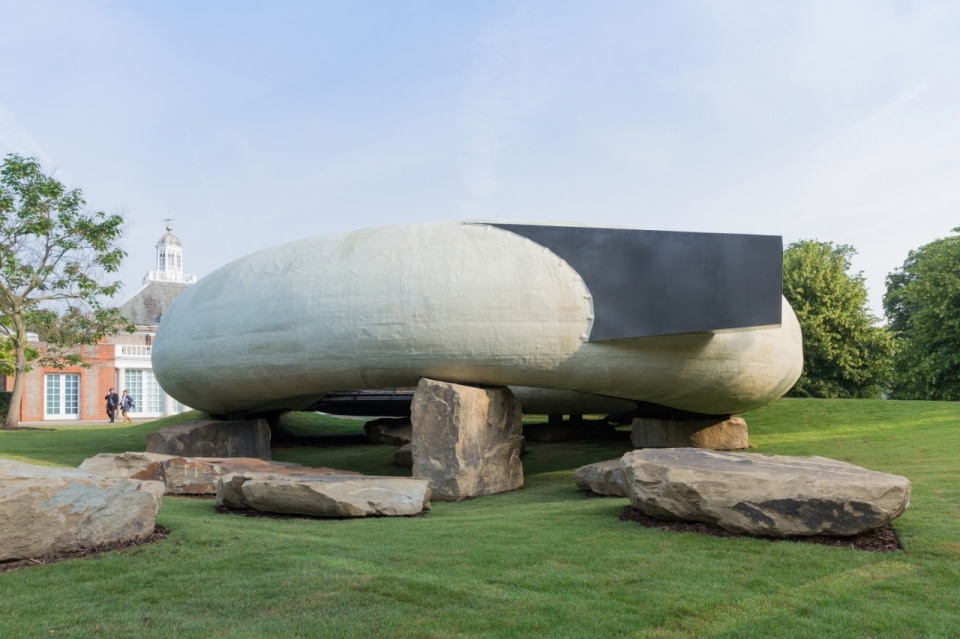
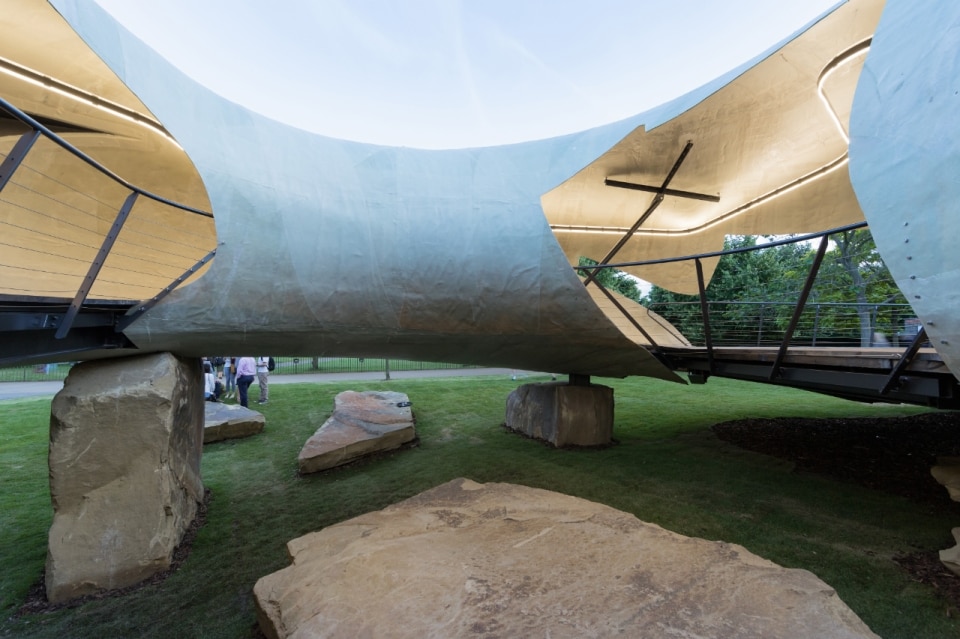
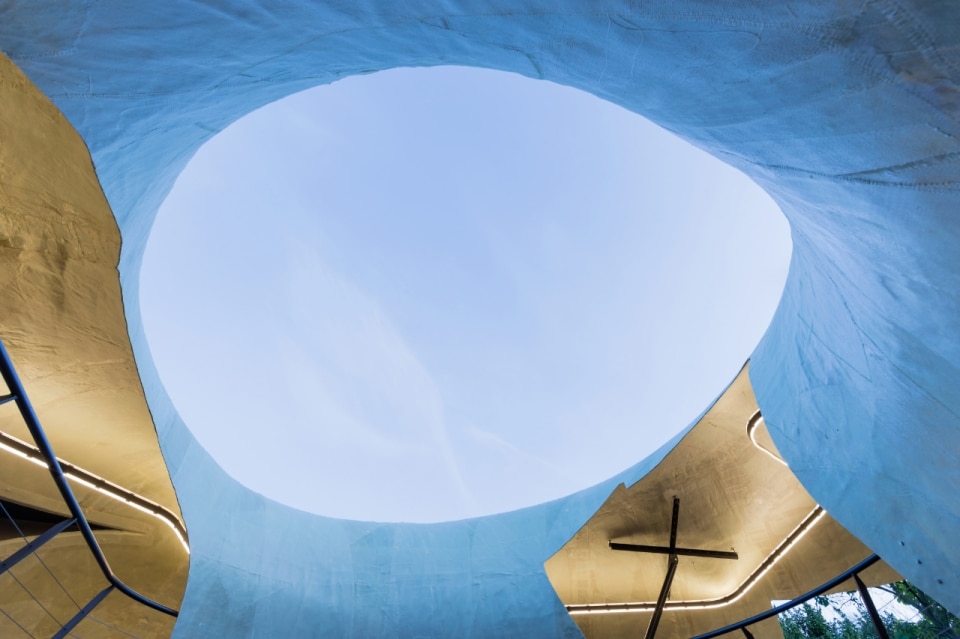
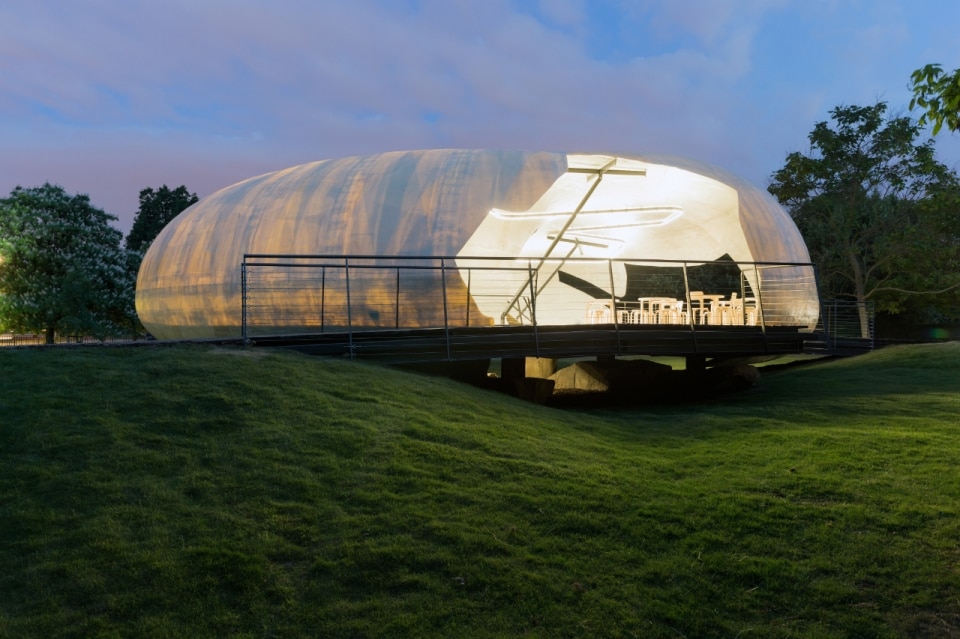
Among the works that most clearly reveal his design approach, his interpretation of the Serpentine Pavilion 2014 is perhaps the most internationally recognised: a light, almost primitive structure — a translucent shell supported by large natural stones that transforms the pavilion into a temporary refuge within the landscape of Kensington Gardens.
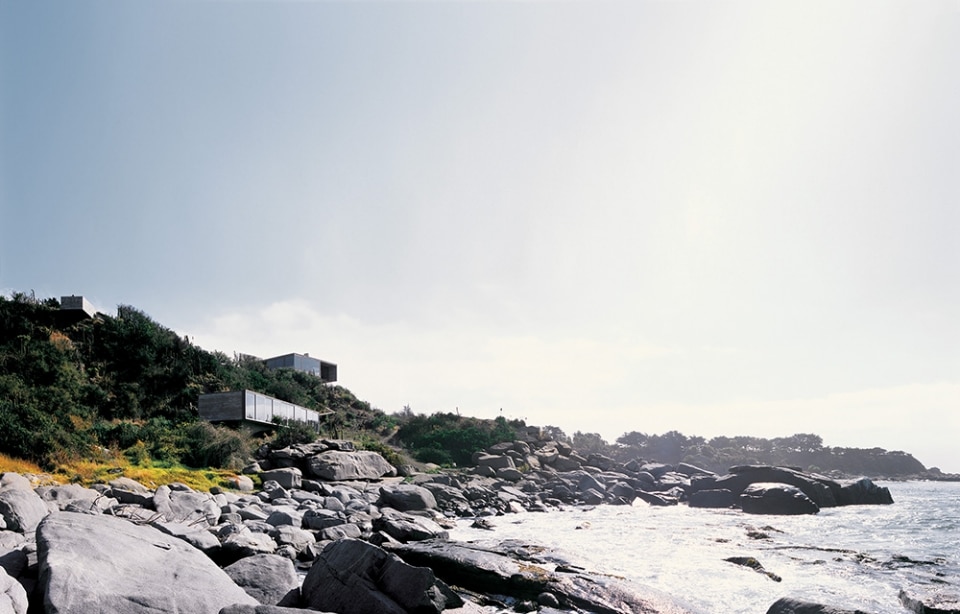
The relationship between architecture and landscape returns in many of Radić’s works, whose buildings are often oriented to shield themselves from wind, filter light or frame fragments of territory, establishing a direct dialogue with the surrounding environment. This is the case of Casa Pite, overlooking the Pacific Ocean, or the Carbonero House, set in the Chilean countryside.
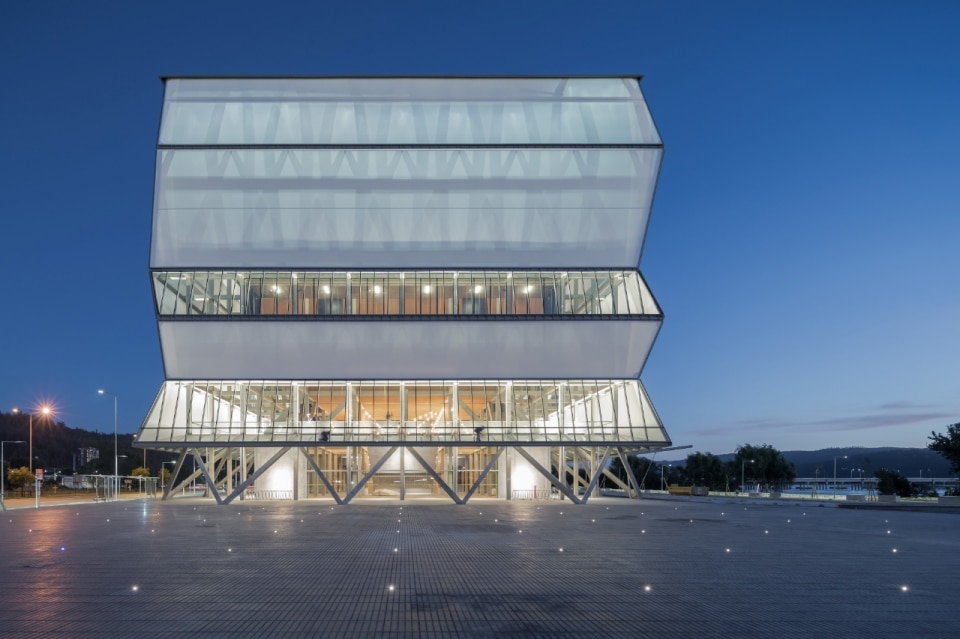
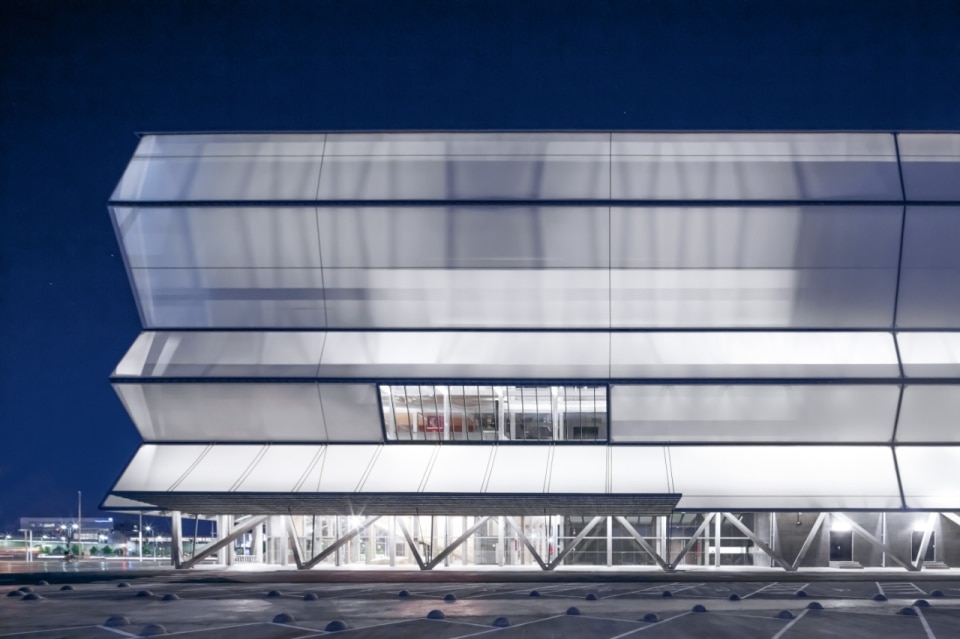
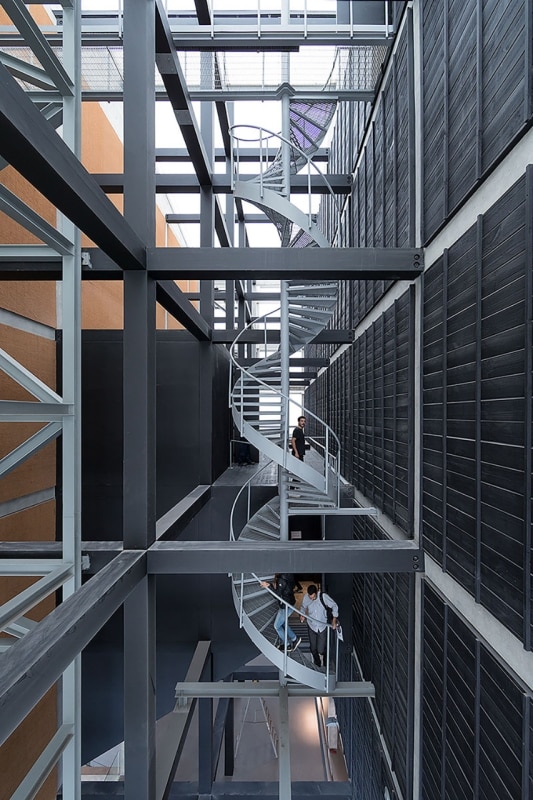
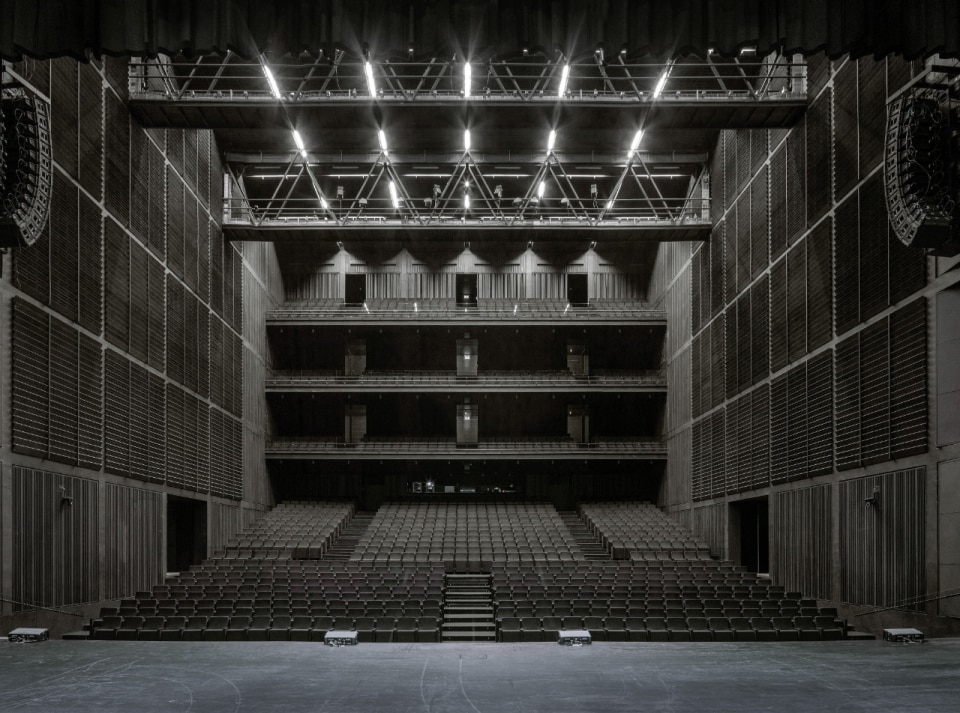
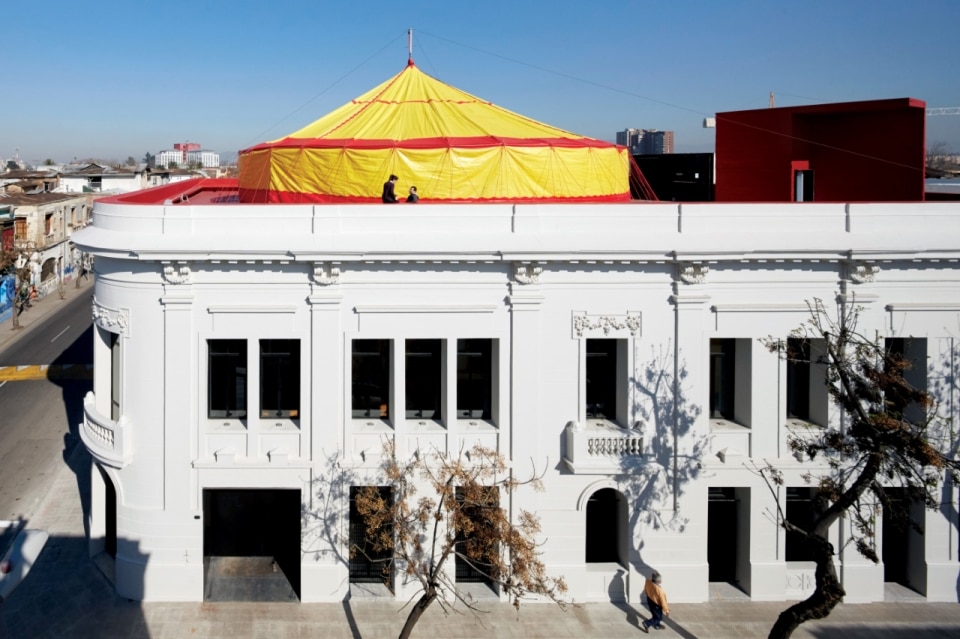
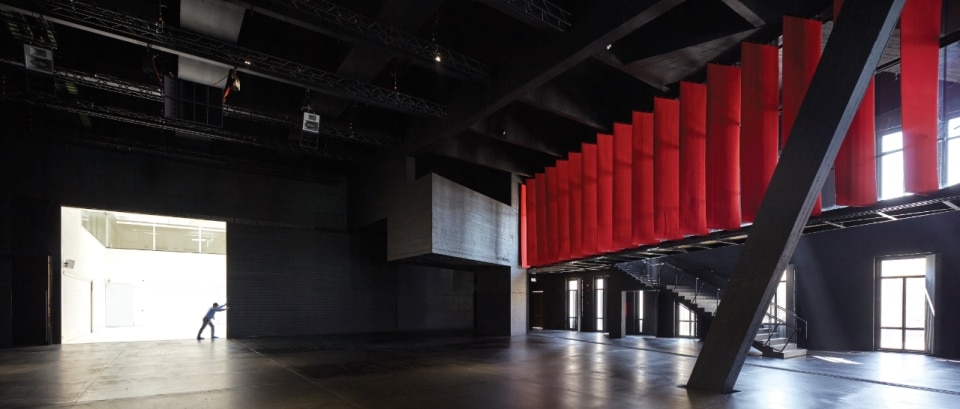
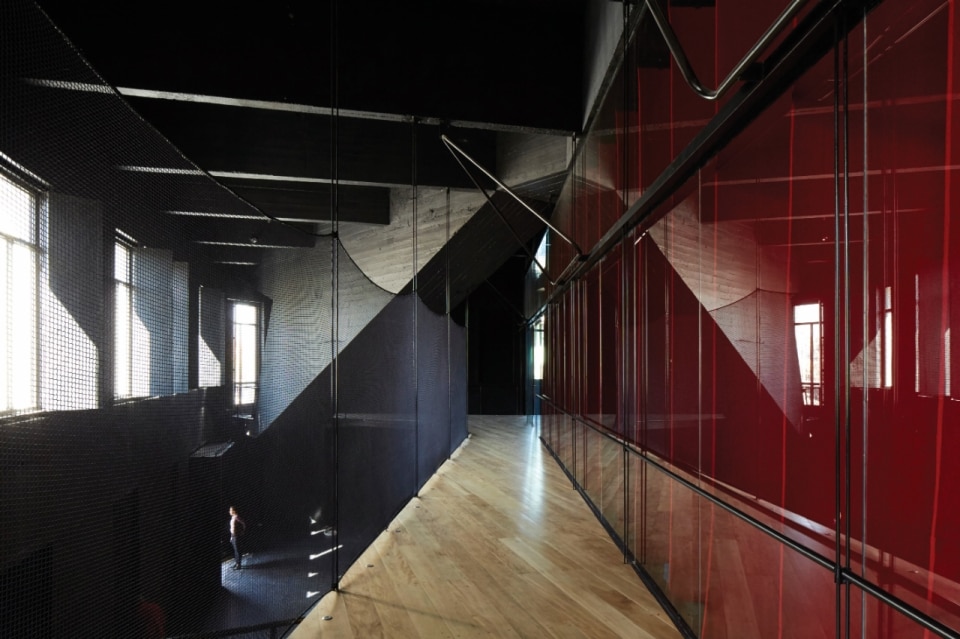
The same approach also emerges in urban interventions such as the Teatro Regional del Bío-Bío in Concepción, and the NAVE Cultural Center, which was created through the reuse of a building damaged by the 2010 Chile earthquake.