

In many Venetian calli — now turned into liquid corridors — the water reaches your knees; but if you lift your gaze, a network of walkways connects terraces and rooftop altane. Ground floors are no longer inhabited: many entrances and shops have become amphibious spaces, while life has moved upward. The MOSE system, once conceived as a defensive barrier against high tides, now acts more like a membrane that stabilizes an uncertain equilibrium.
A parallel-world Venice? Or a glimpse of its future? In recent years many have imagined it underwater: from novels (Le acque di Venezia, Ultima) to academic projects (Project Venezia 2100: Living with the Water) to interactive visualizations (Venezia +6m, Venice Underwater). The fragility of the lagoon city has become the unspoken premise of the latest Biennales.
If sustainability becomes a trend, then it disappears.
Lina Ghotmeh
Since the 1990s, sea levels have continued to rise, and between 2010 and 2019 there were forty episodes of acqua alta above 120 cm — a dramatic increase compared to a century ago. Venice lives in the past but already inhabits the future: one in which water is no longer an emergency, but a permanent condition.
Fragile cities and the reality of climate change
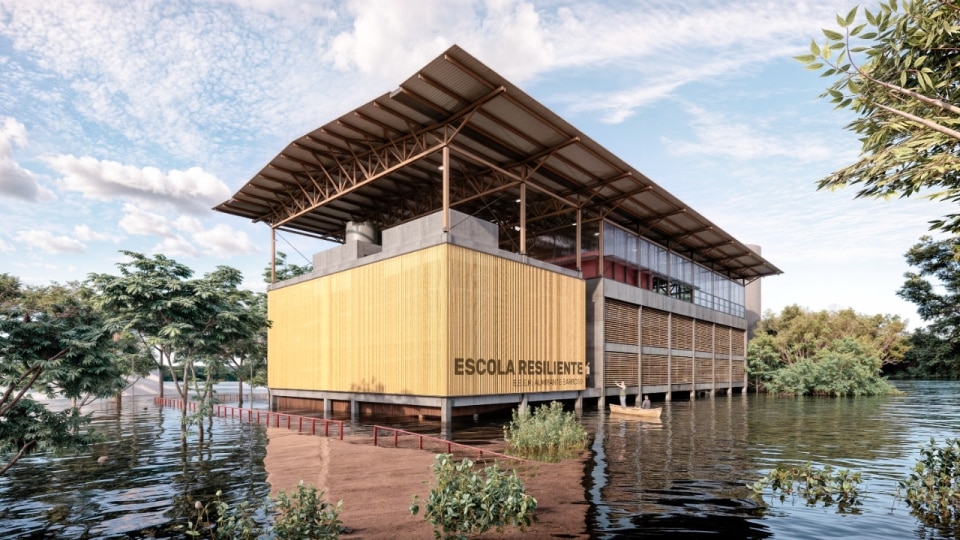
Returning to our present world — our Earth-616, to borrow from Marvel comics — Piazza San Marco is already preparing for high tide, walkways laid out, on the final day of the Holcim Foundation Forum. Retreat, resist, respond were the keywords: urban thinkers, environmental scientists and design practitioners confronting flooding and sea-level rise — “one of the defining climate challenges of our time.” The aim: rethink how we inhabit water-vulnerable cities. From the crisis of Jakarta to coastal communities swept away by storms, the Forum offered a sharp, lucid view of today’s unfolding apocalypse. In parallel, the Holcim Awards ceremony — one of the world’s leading recognitions for sustainable architecture and construction.
Sustainability is social before everything else. If people don’t want to use a space, it cannot be sustainable.
Kjetil Thorsen, Snøhetta



And then there is that word: sustainable. A mantra these days. Sustainable, sustainable, sustainable — repeated so often it seems to have dissolved into air.
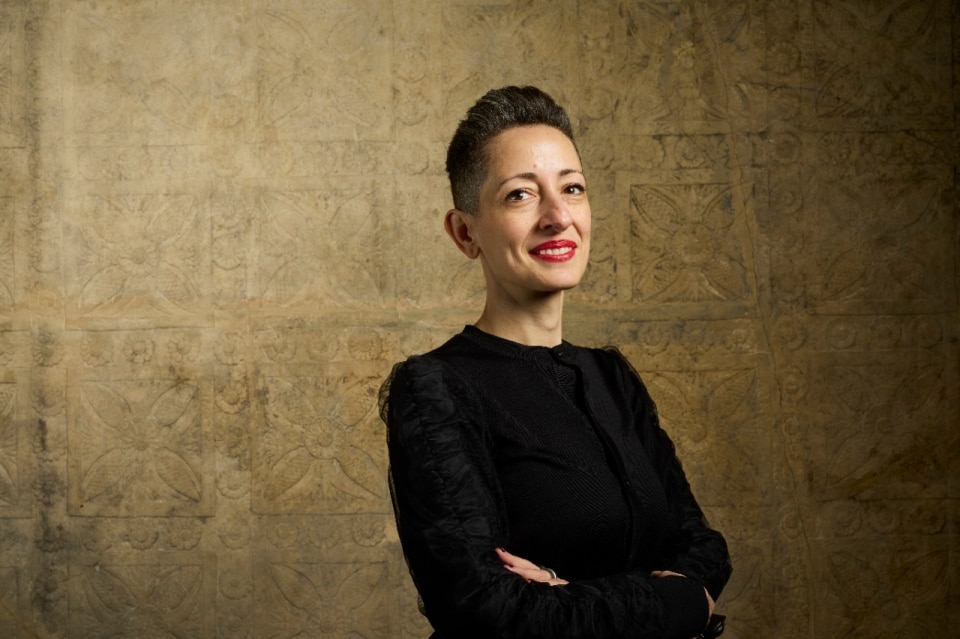
But what does sustainable really mean, this keyword that new projects wear like the trendiest handbag? “If sustainability becomes a trend, then it disappears,” says French-Lebanese architect Lina Ghotmeh, the only architect featured in the Time list of the 100 most influential people of 2025, and chair of the Africa & Middle East jury.
It may not be a trend, but it is certainly a tendency — especially in Europe and among younger offices — observes Norwegian architect Kjetil Thorsen, cofounder of Snøhetta and chair of the European jury. He expands the definition beyond the ecological paradigm: “Sustainability is social before everything else,” and “If people don’t want to use a space, it cannot be sustainable.”
You build a school, but you are actually building a community.
Sara Navrady and Rodrigo Louro, Mecanoo
What does exactly “sustainable architecture” mean?
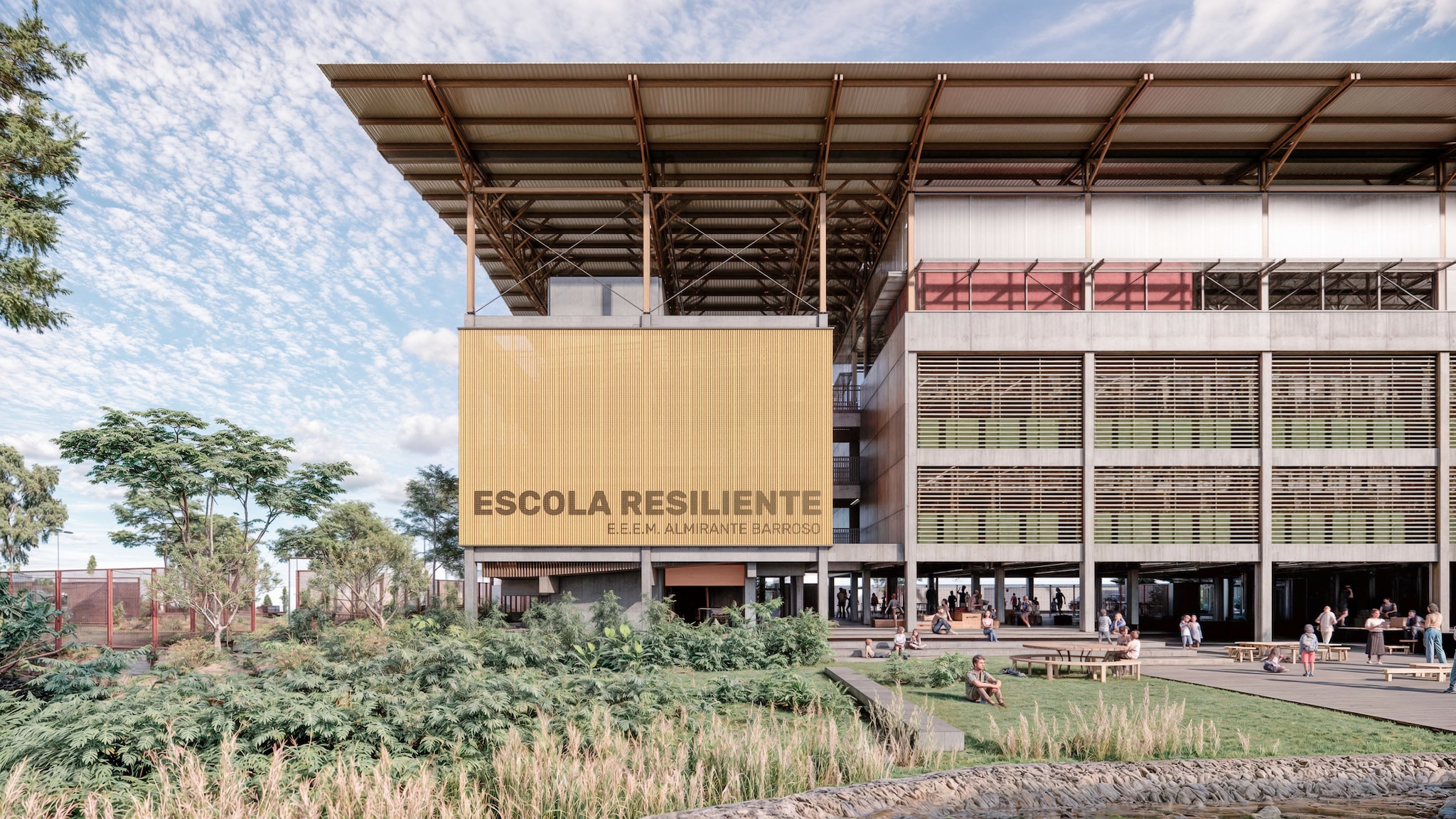
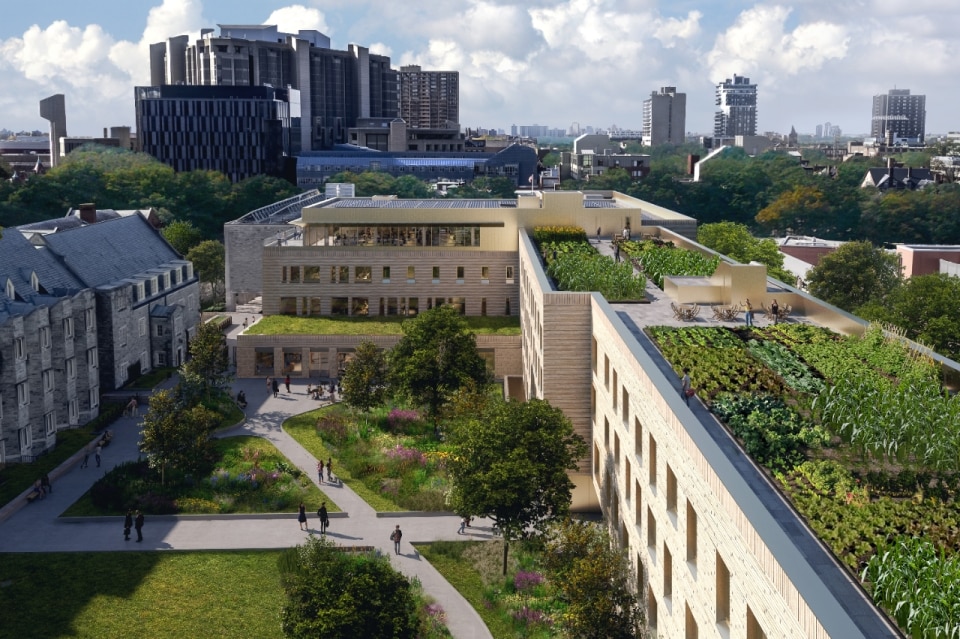
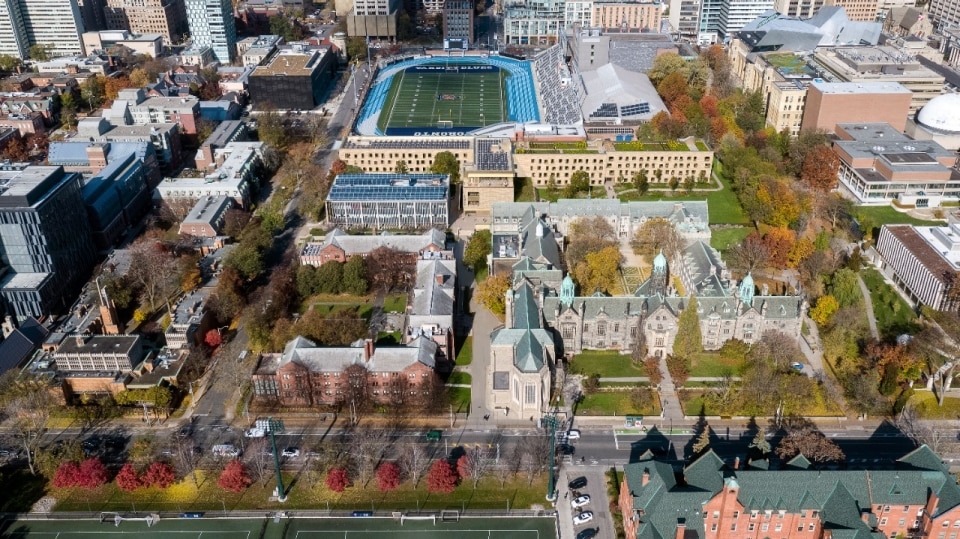
For Mecanoo — the Dutch studio led by Francine Houben and represented here by designers Sara Navrady and Rodrigo Louro, who worked on the Trinity College project in Toronto, exploring the relationship between architecture, community and harsh North American climates, with a strong focus on urban agriculture — sustainability means building places where people can see themselves reflected. “You build a school, but you are actually building a community.”
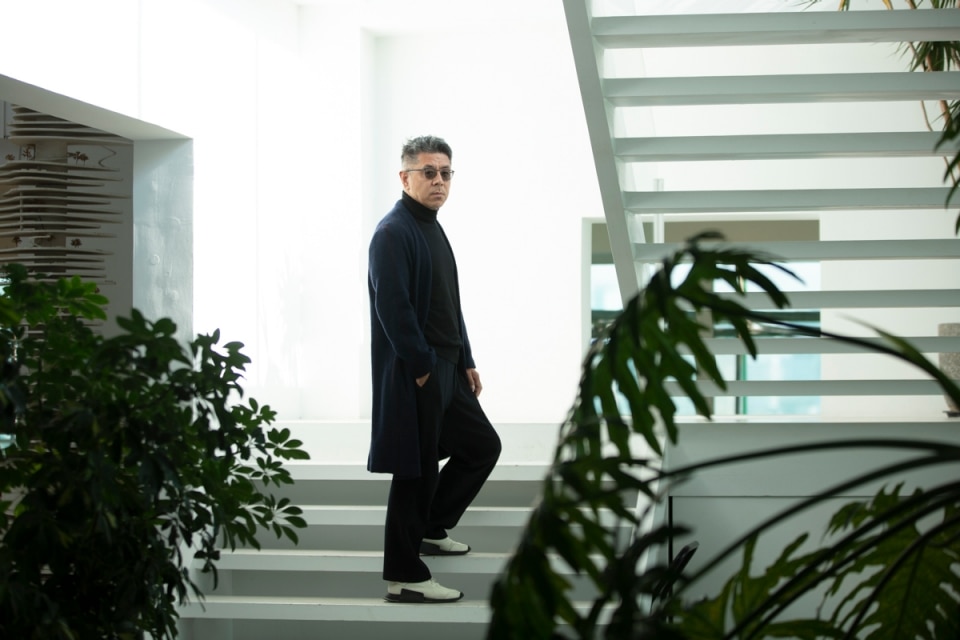
Designing something that is meant to last — “If it lasts long, then it’s about sustainability”: with this, Chinese architect Ma Yansong — Domus Guest Editor 2026 and member of the Asia jury — introduces the theme of time. For him, architecture unfolds along the arc of history: “Architecture is about time, it’s about the memory, it’s about the future, about the imagination.”
You cannot achieve sustainability through design alone… The projects that work are the ones where you build coalitions.
Jeanne Gang, Studio Gang
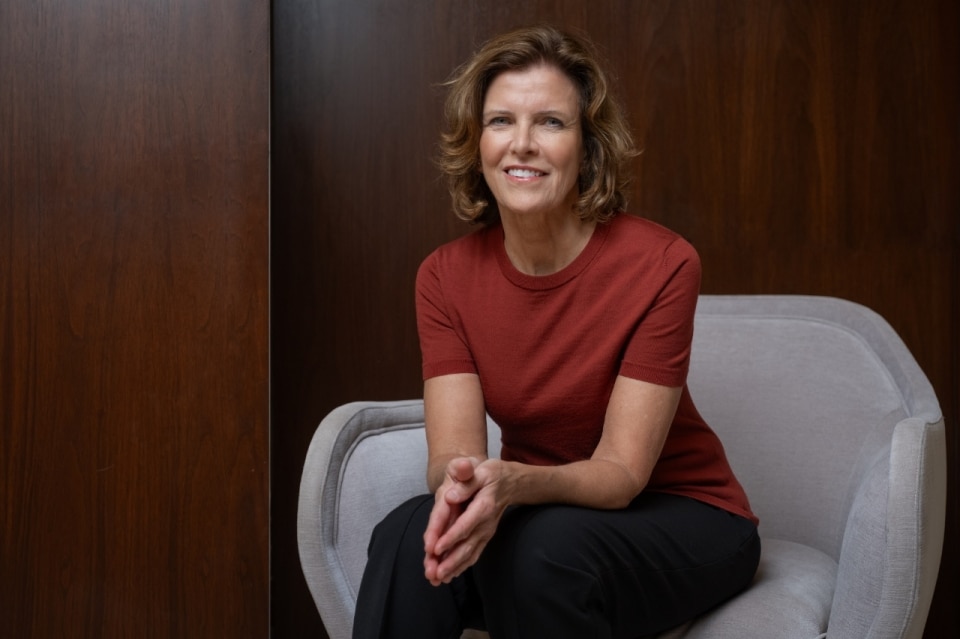
American architect Jeanne Gang, founding partner of Studio Gang and chair of the North America jury, brings the conversation back to legislation. “You cannot achieve sustainability through design alone,” she notes, lamenting the absence in the U.S. of a regulatory framework comparable to Europe’s. Sustainability becomes a form of coalition-building: “The projects that work are the ones where you build coalitions.”
A global map without a single truth
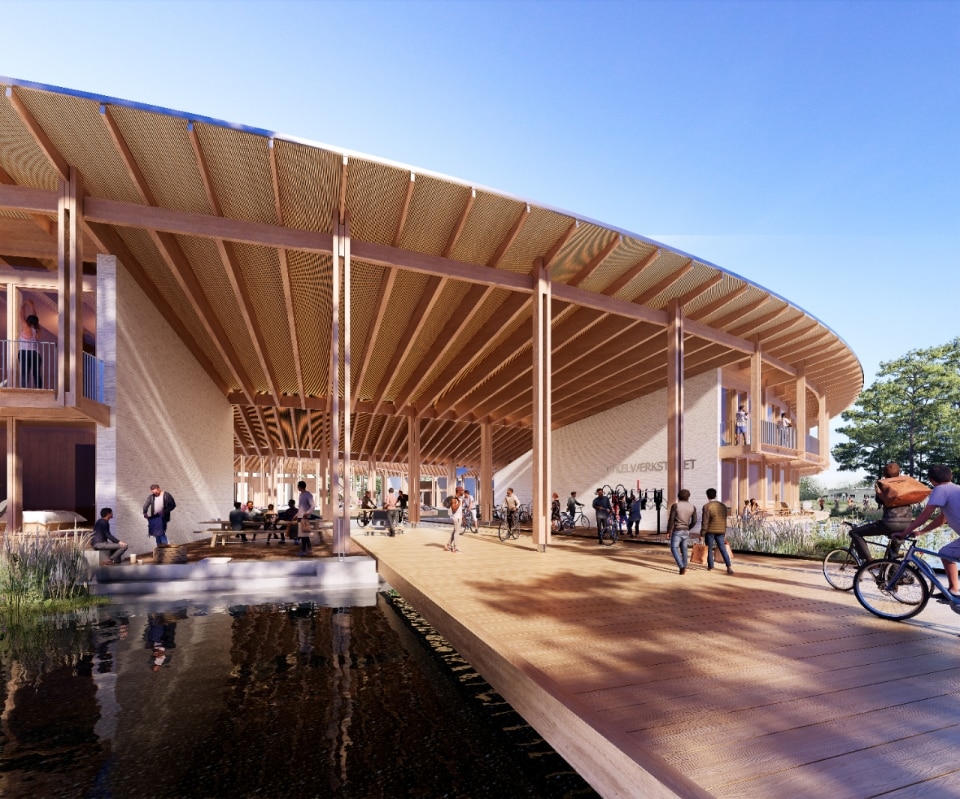
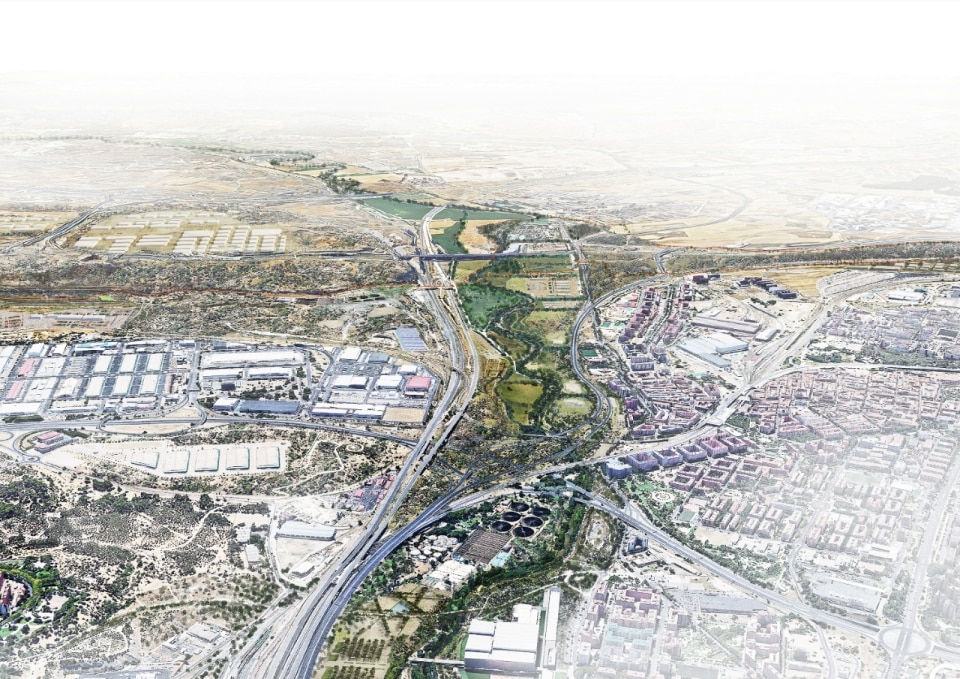
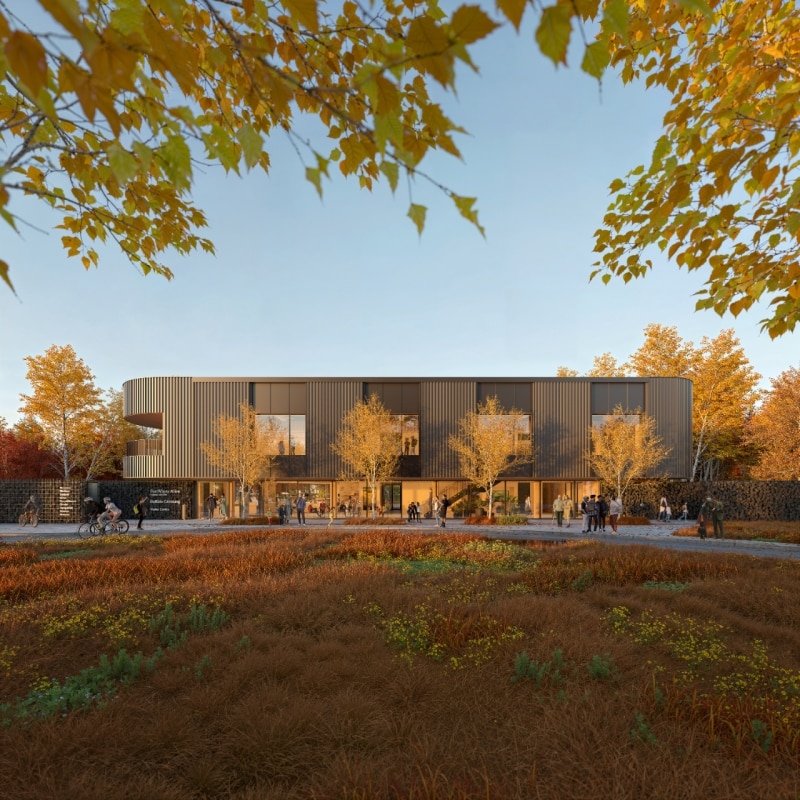
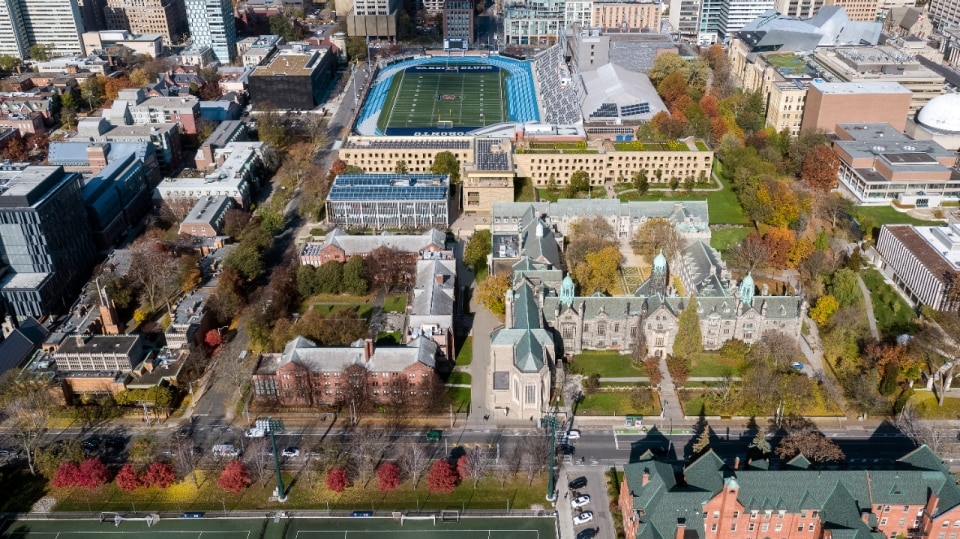
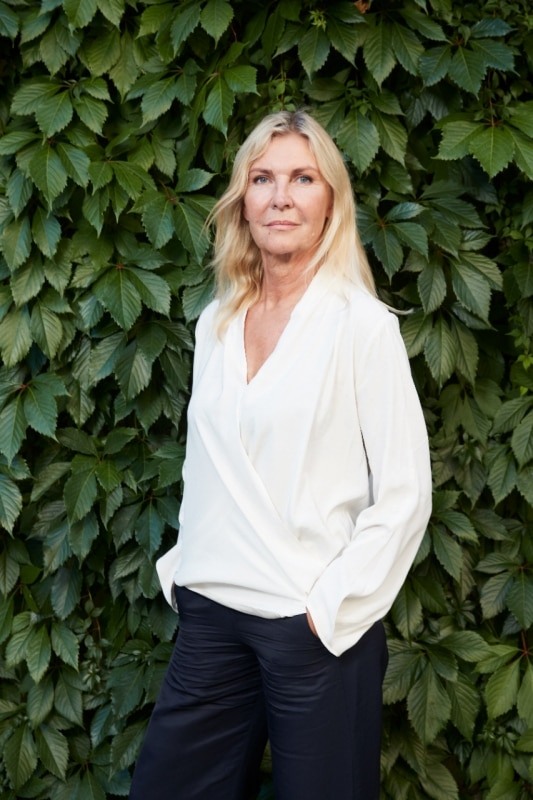
Sustainability costs money — and is often the first thing cut when budgets shrink. The Awards, by supporting real projects with real funding, help safeguard their sustainable value. At the same time, selecting five projects across five world regions sketches a global map of sustainability — yet no single definition emerges. As Ludwig Wittgenstein wrote in his Philosophical Investigations, “the meaning of a word is its use in the language.” And what this global mapping shows — as Danish architect Dorte Mandrup notes, participating with her Crafts College in Herning — is that every region has its own story. “How can you compare a Scandinavian project to a Nigerian project? You can’t.” “Impact means different things in different places.”
Designing something that is meant to last — if it lasts long, then it’s about sustainability.
Ma Yansong, Mad Architects, guest editor Domus 2026
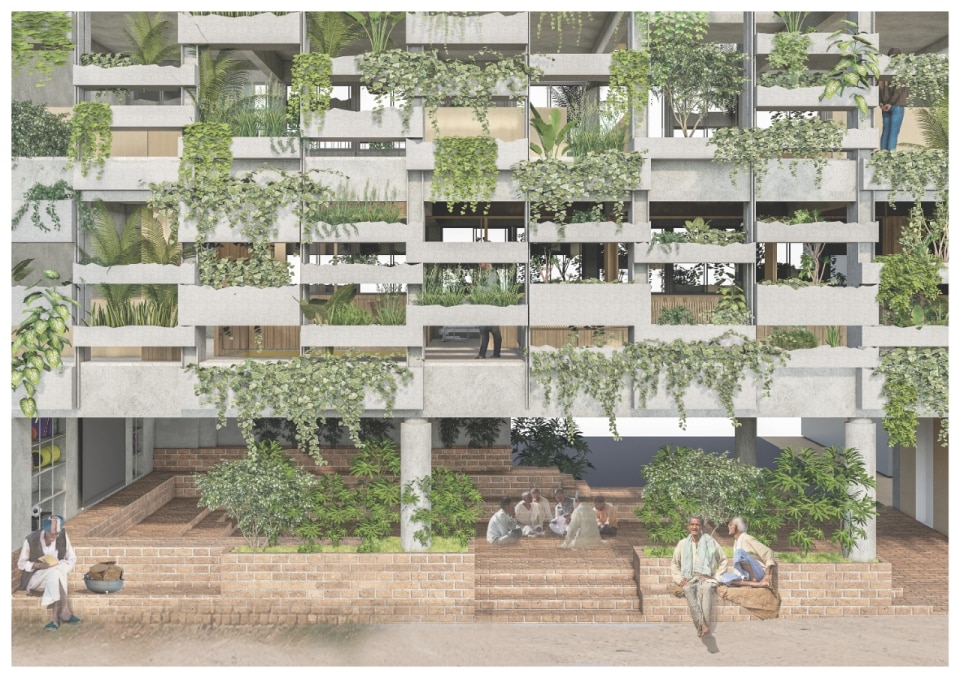
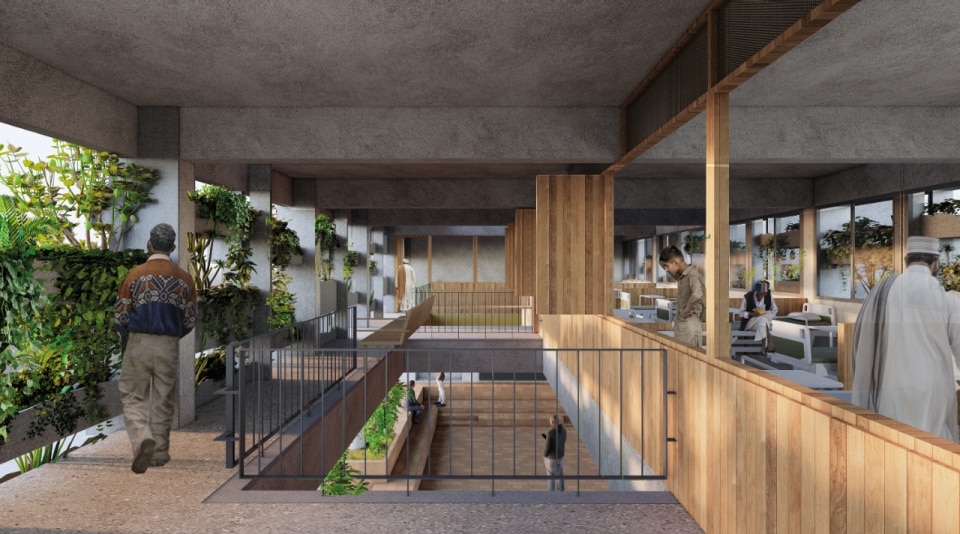
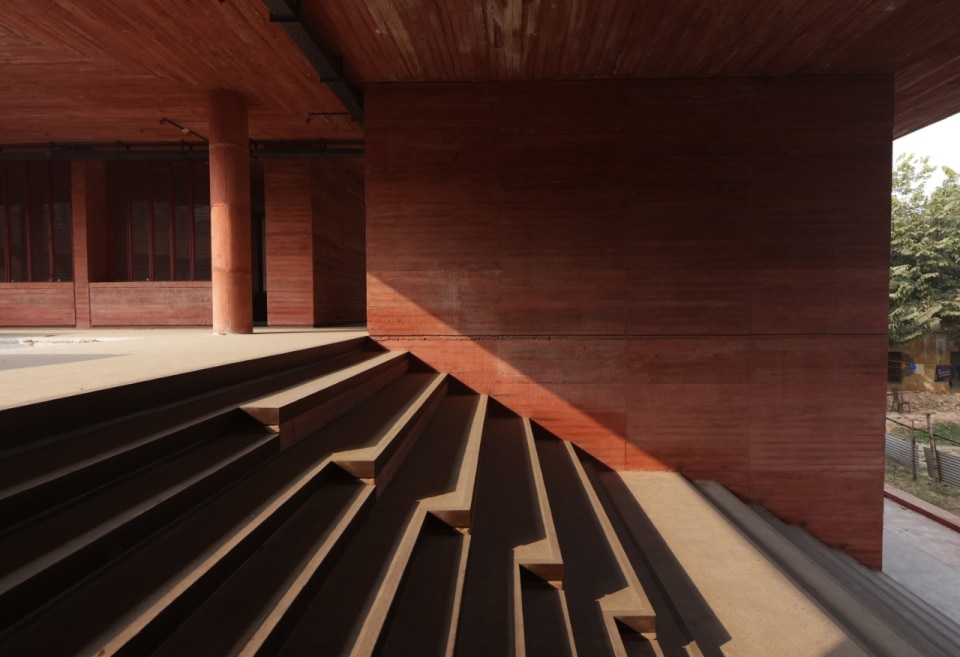
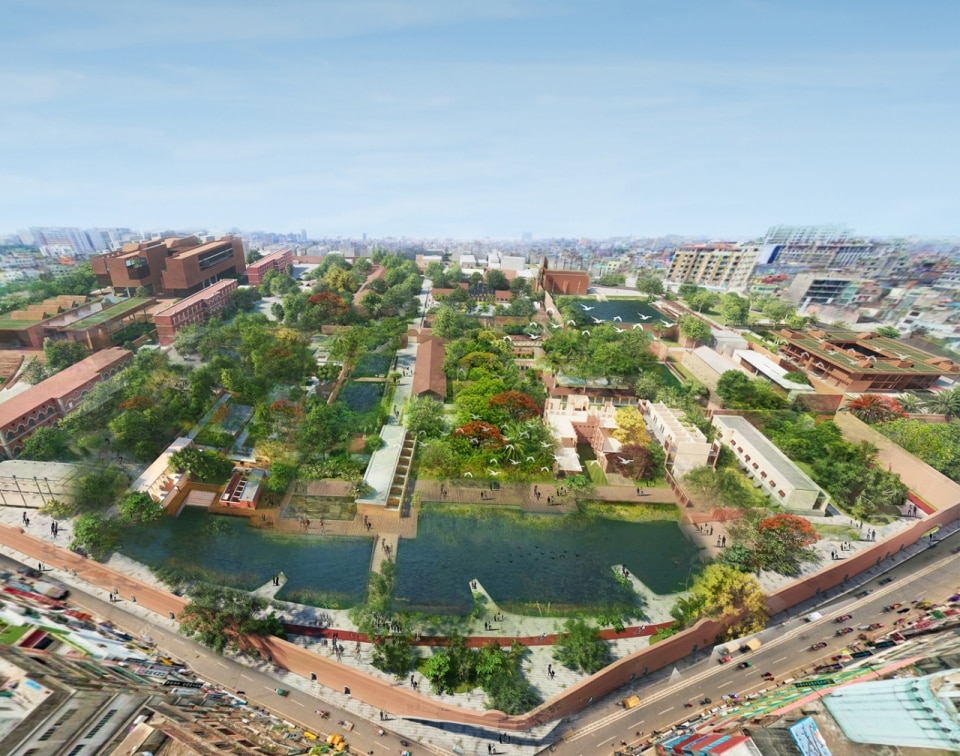
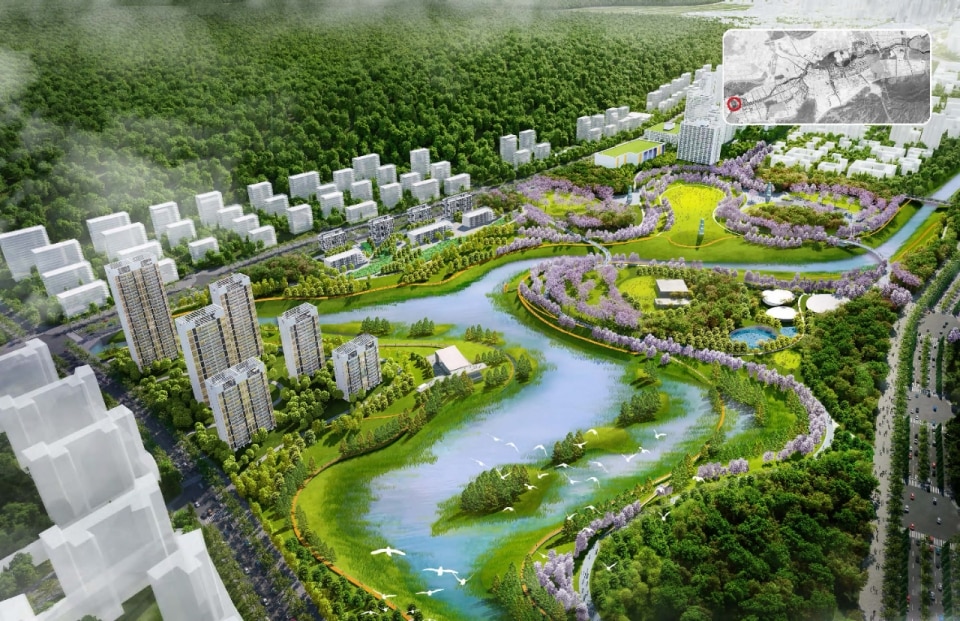
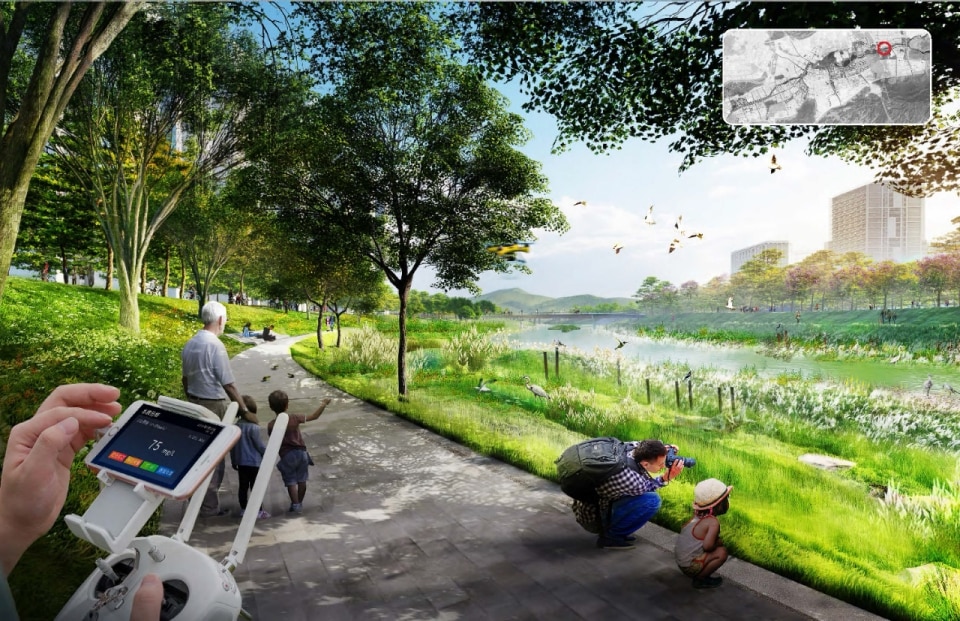
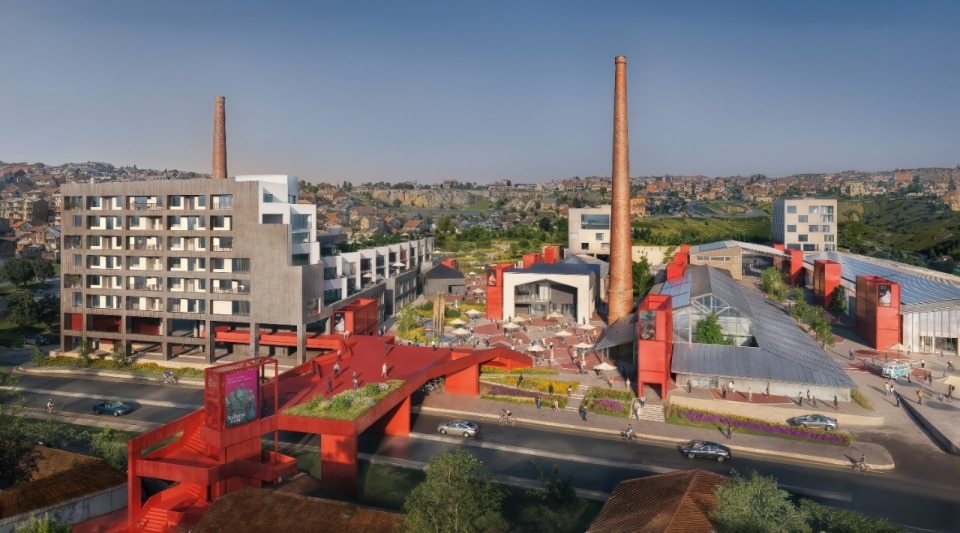
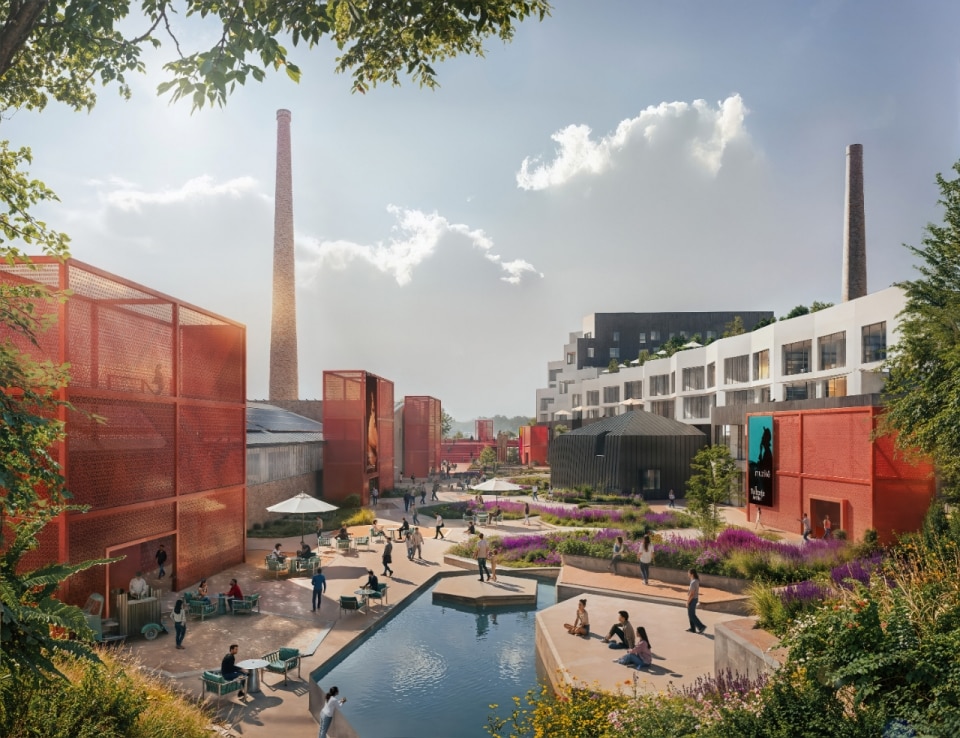
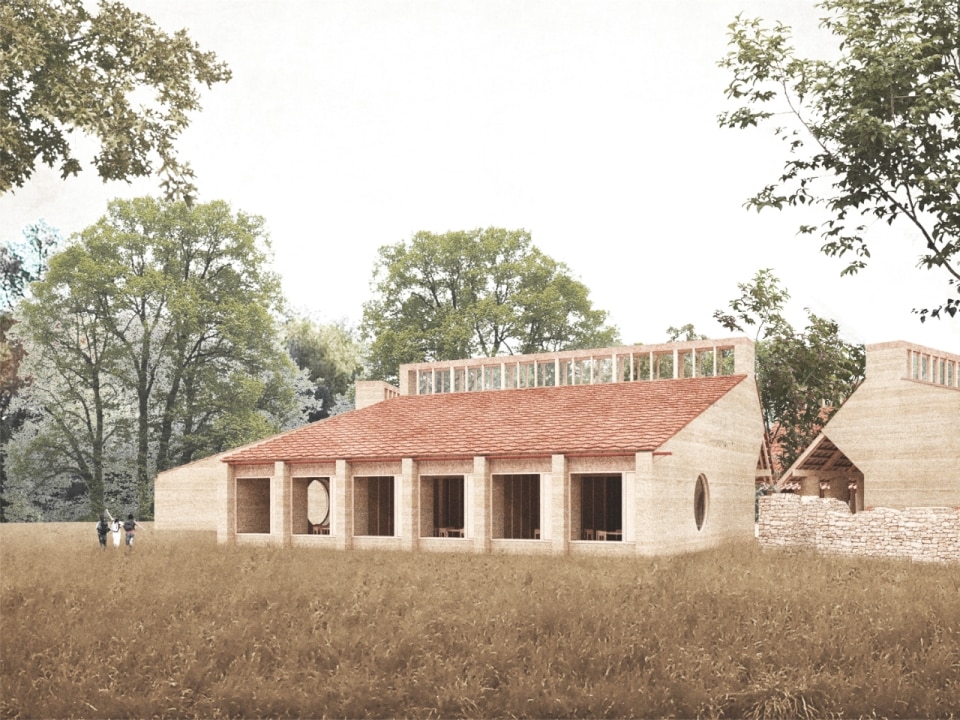
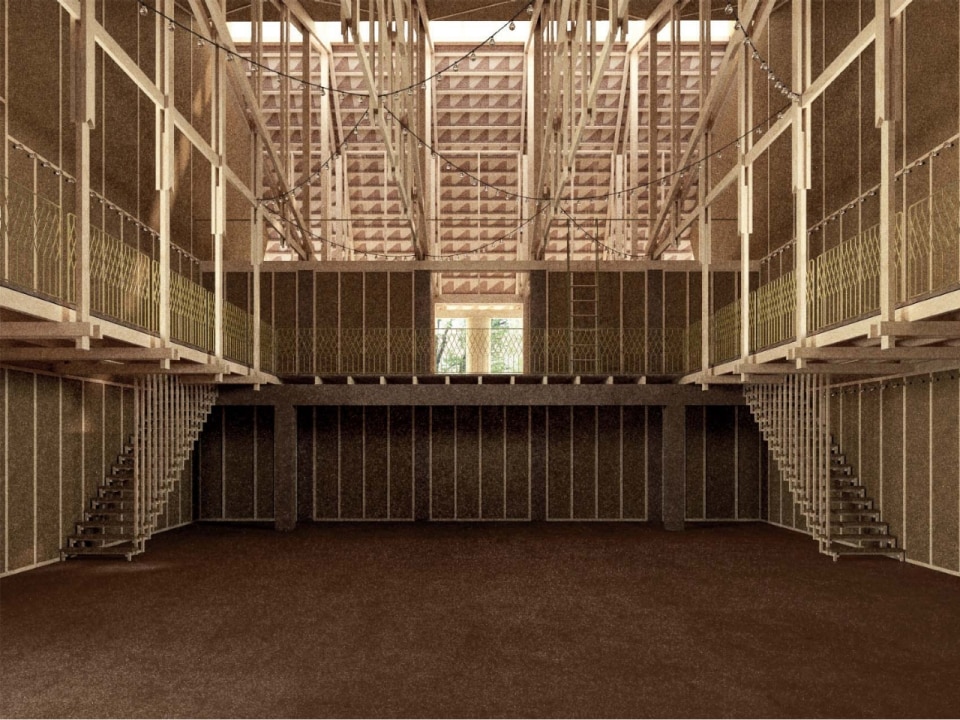
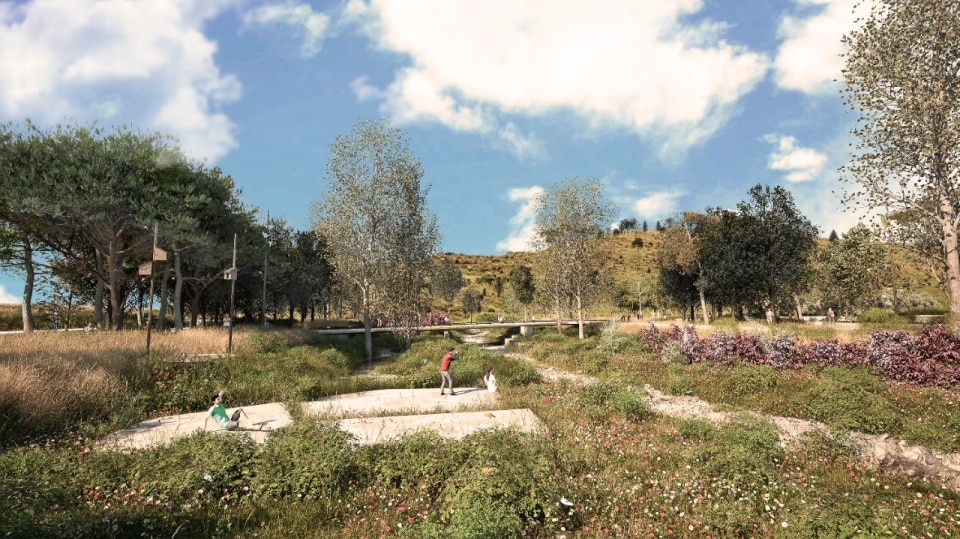
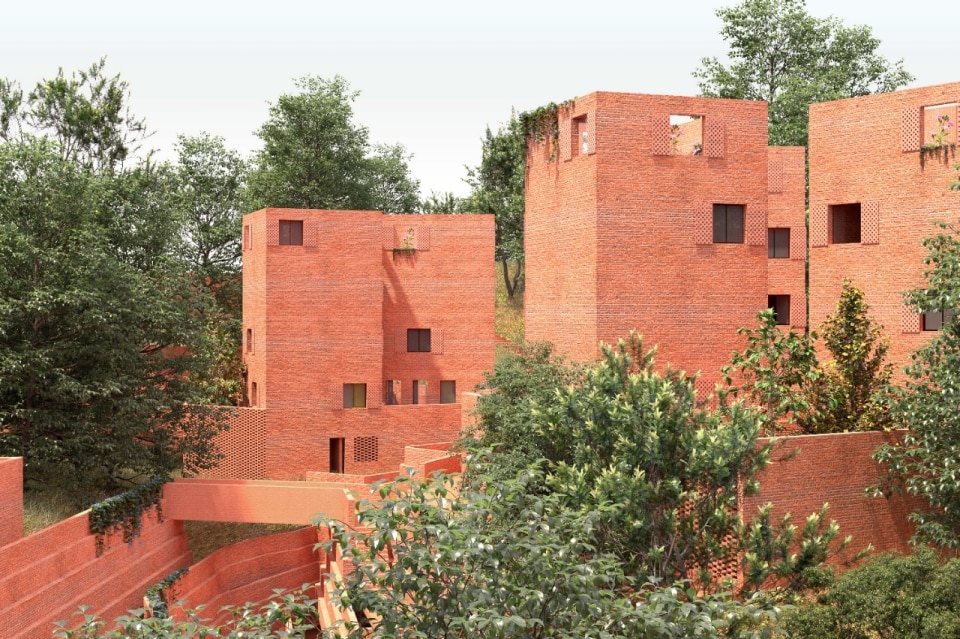
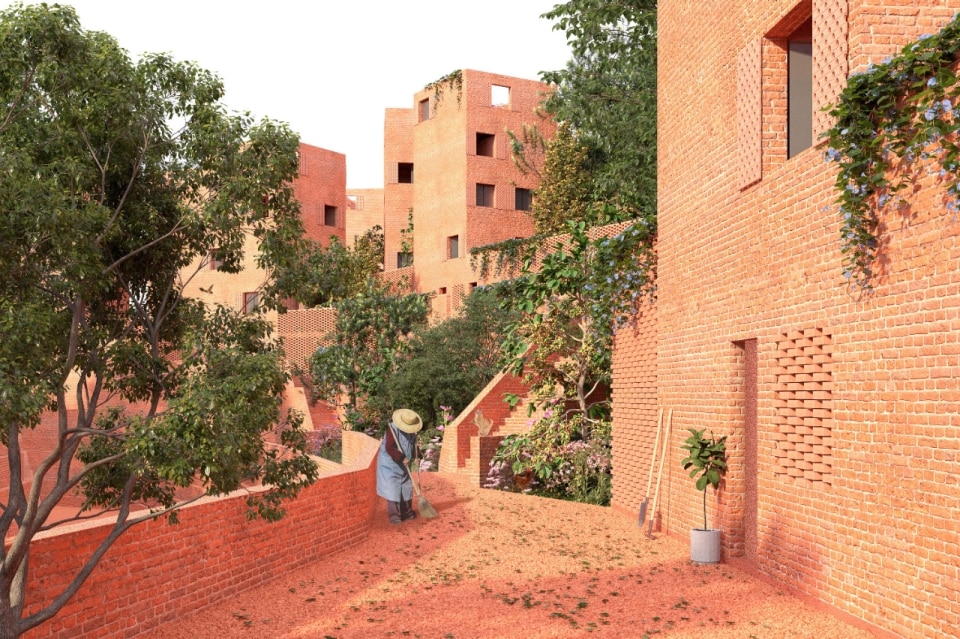
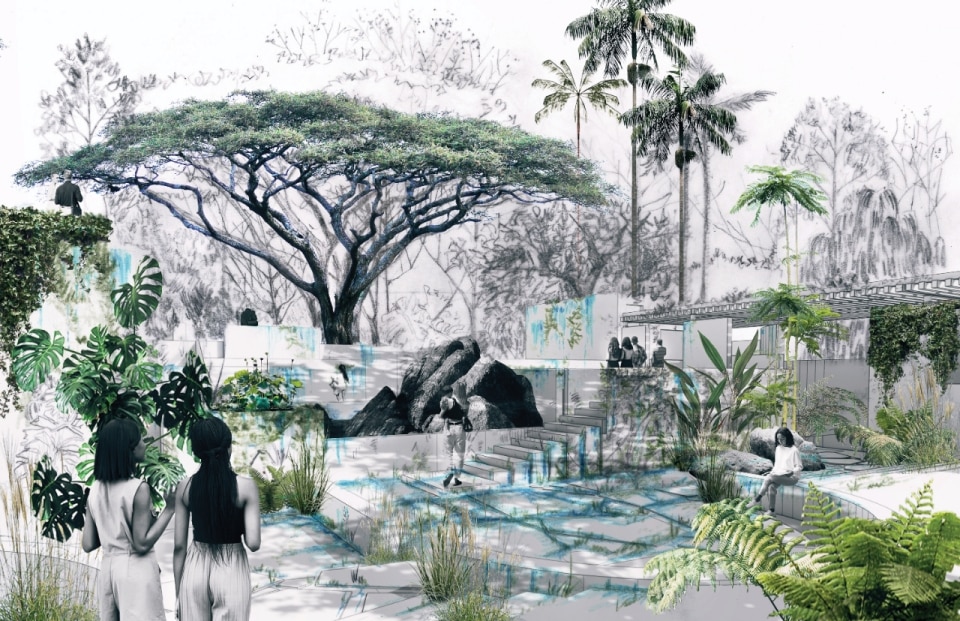
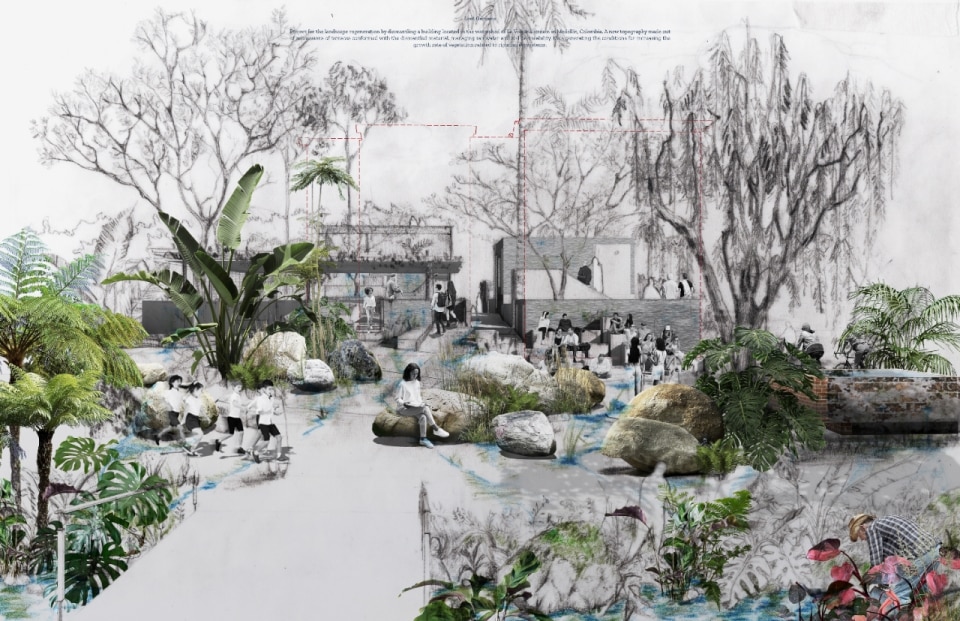
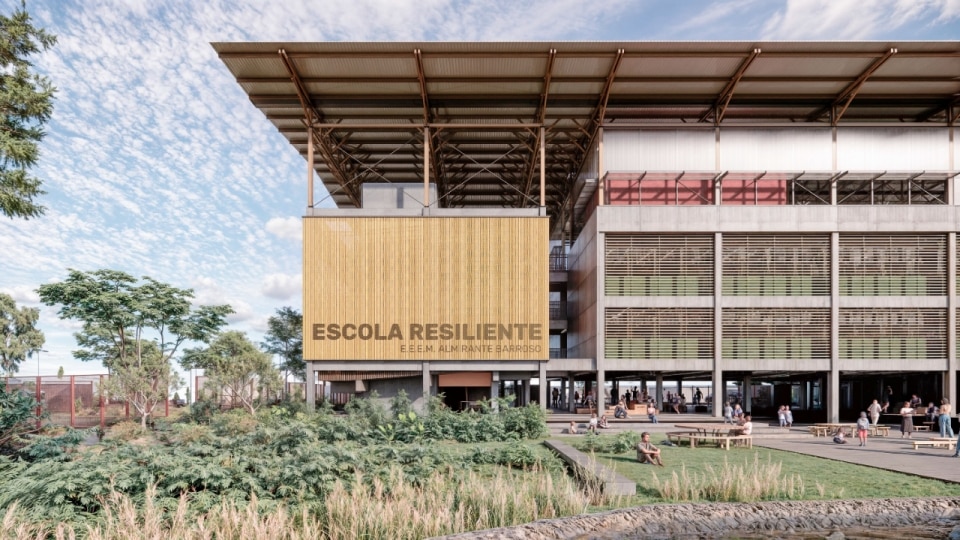
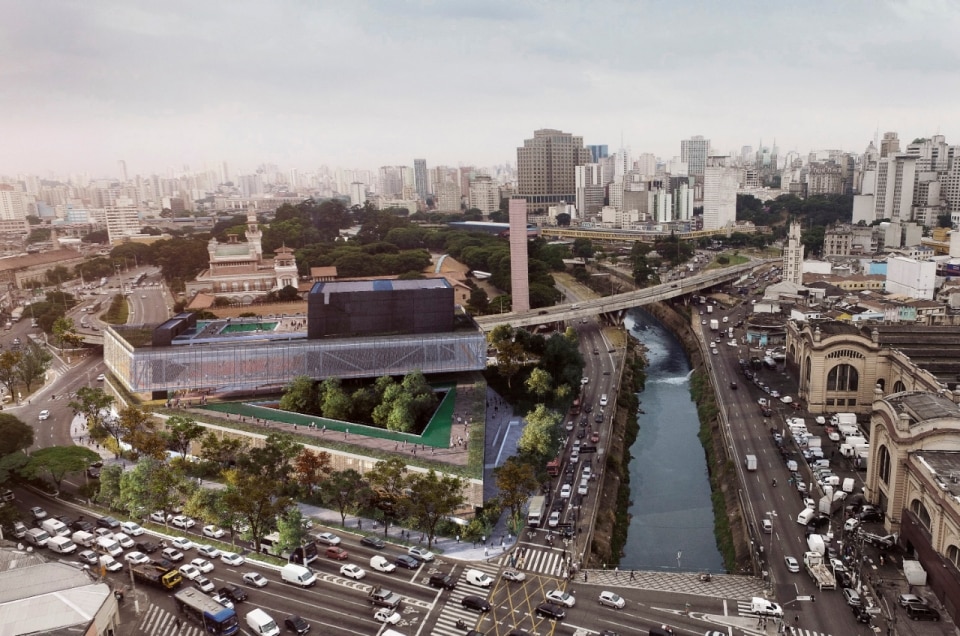
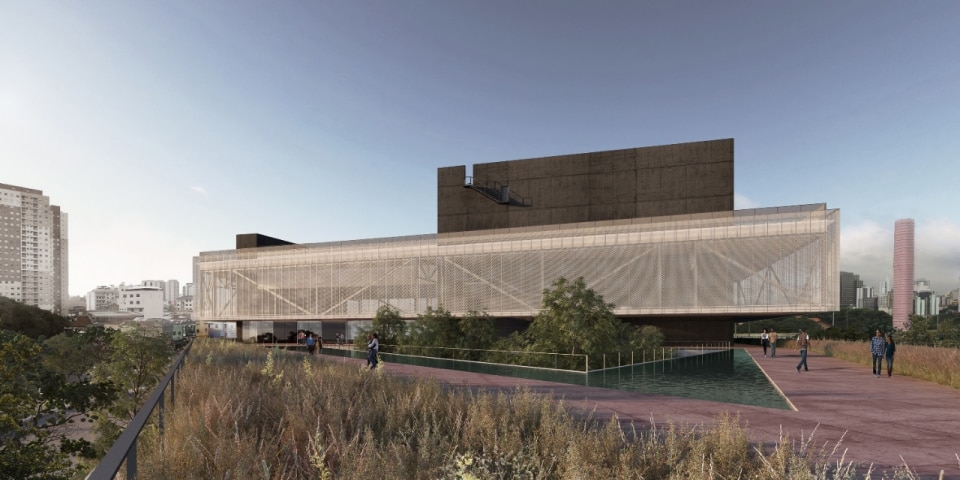
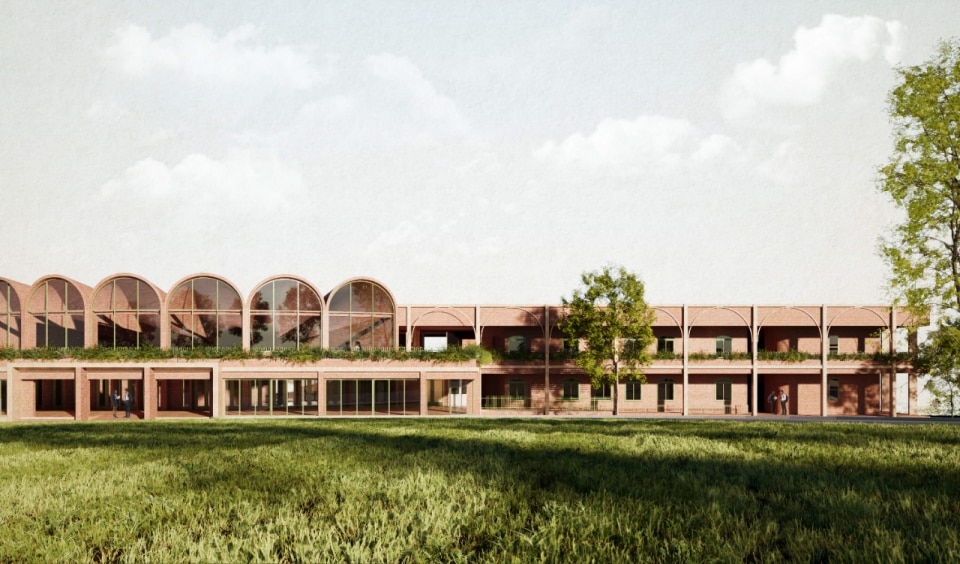
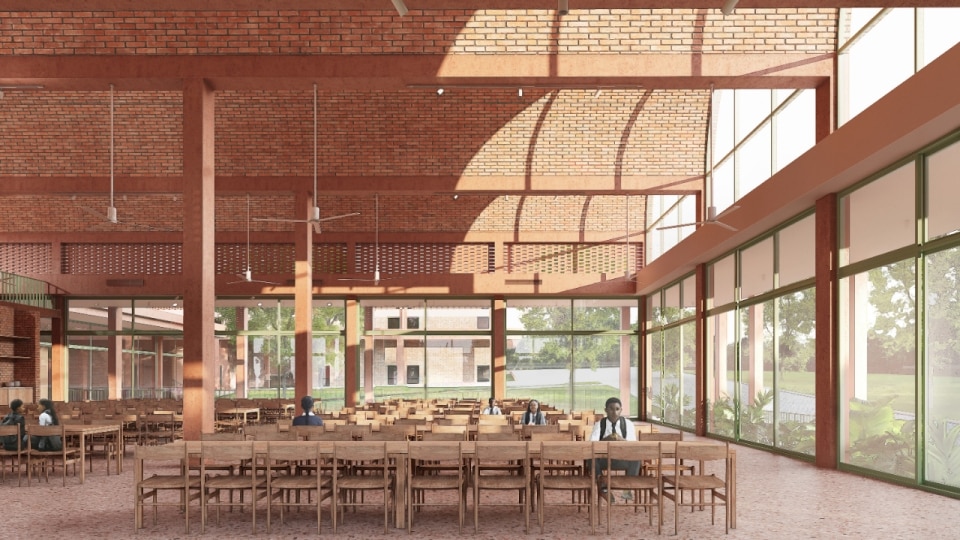
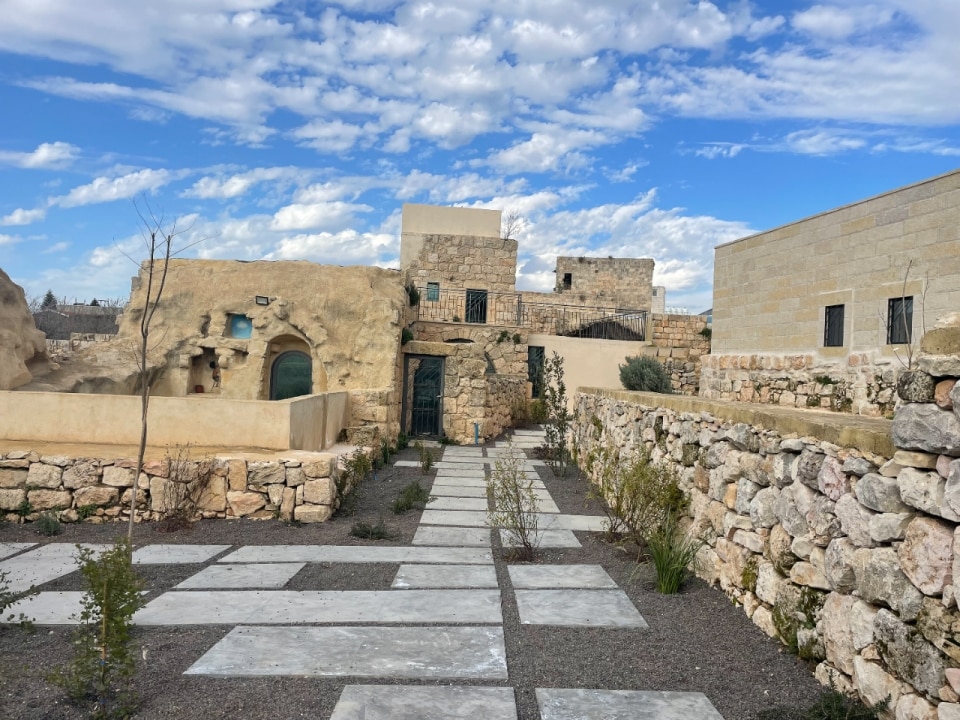
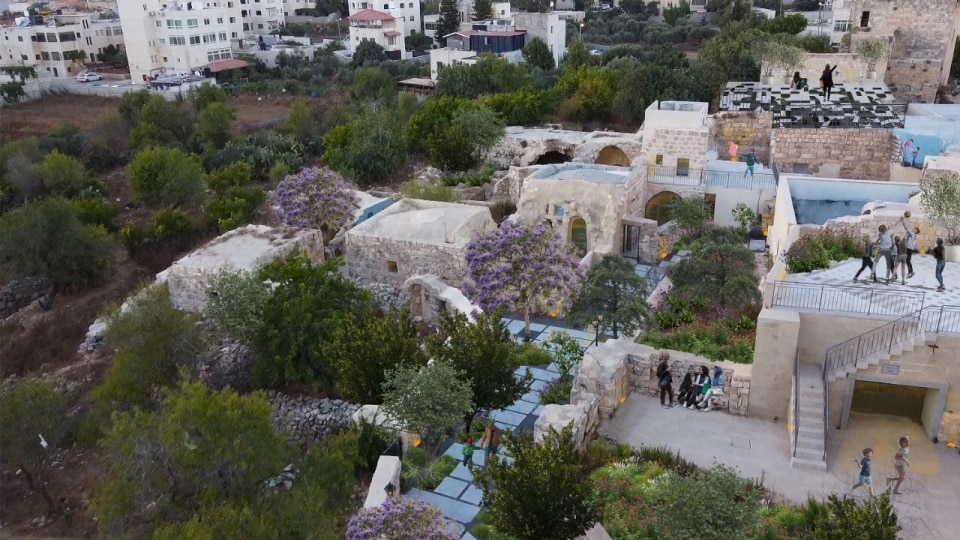
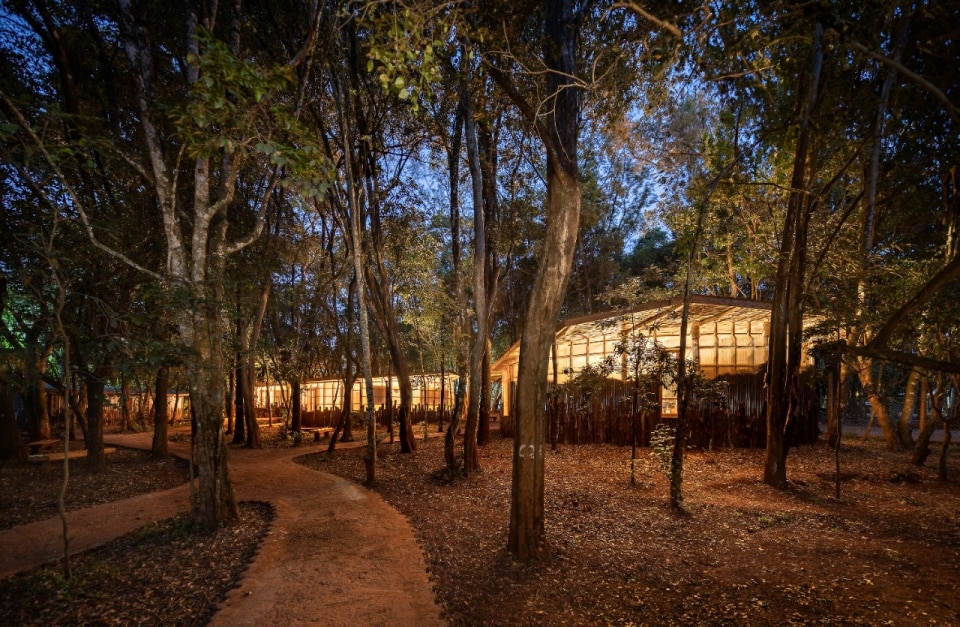
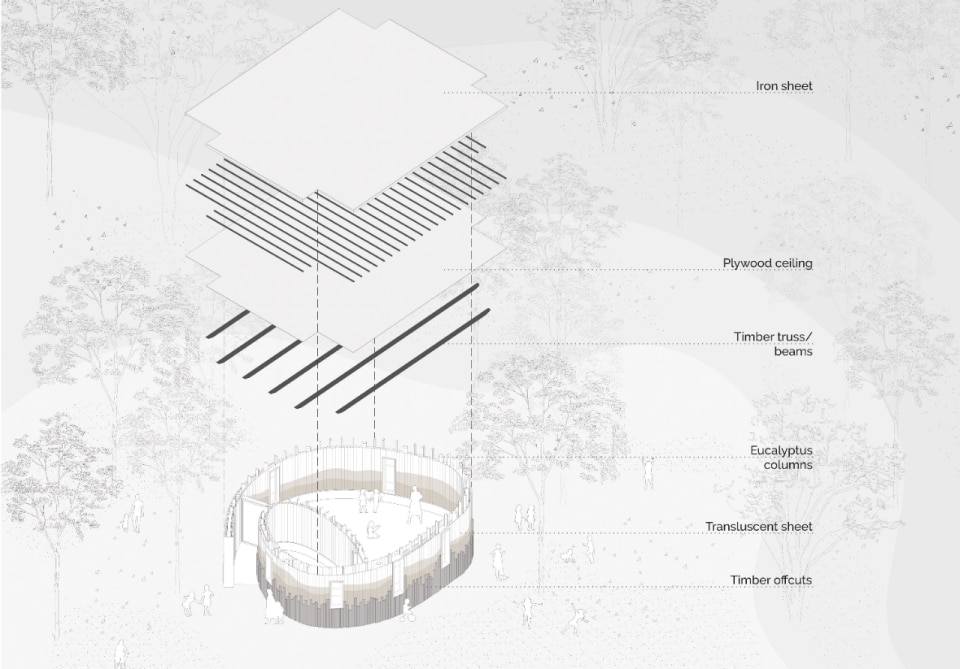
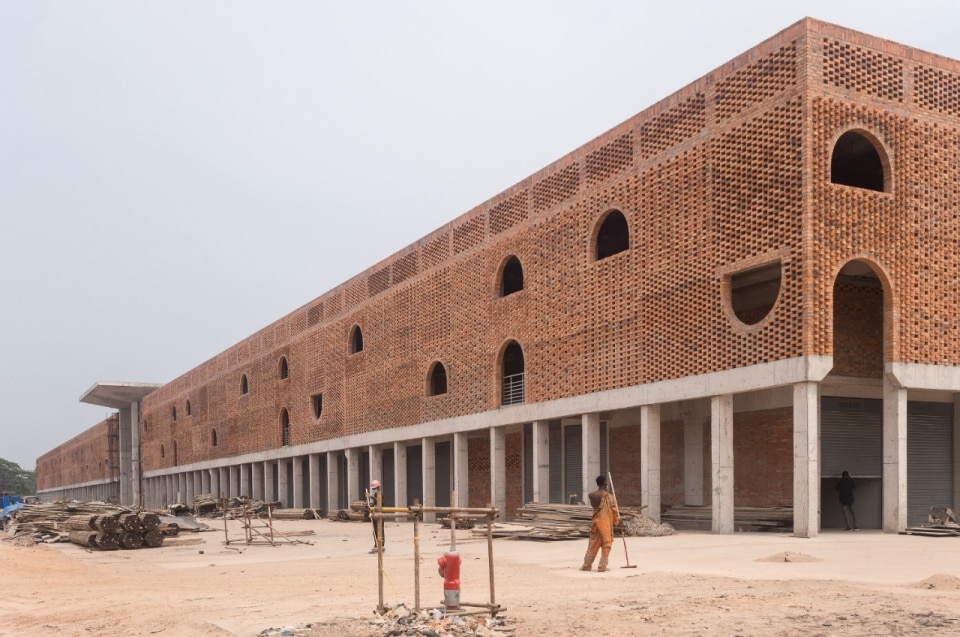
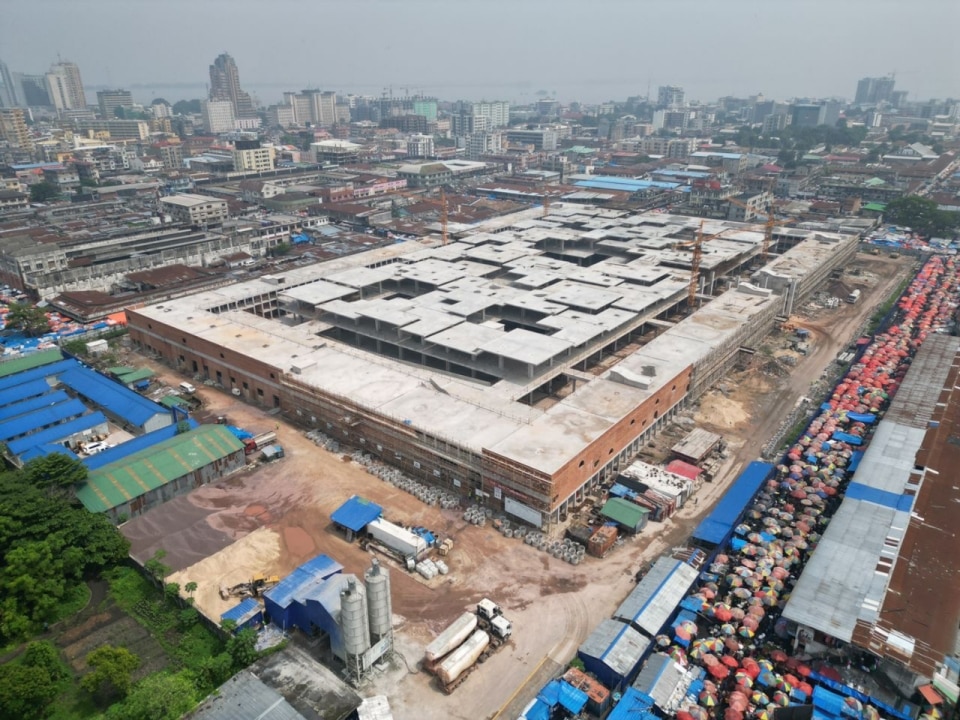
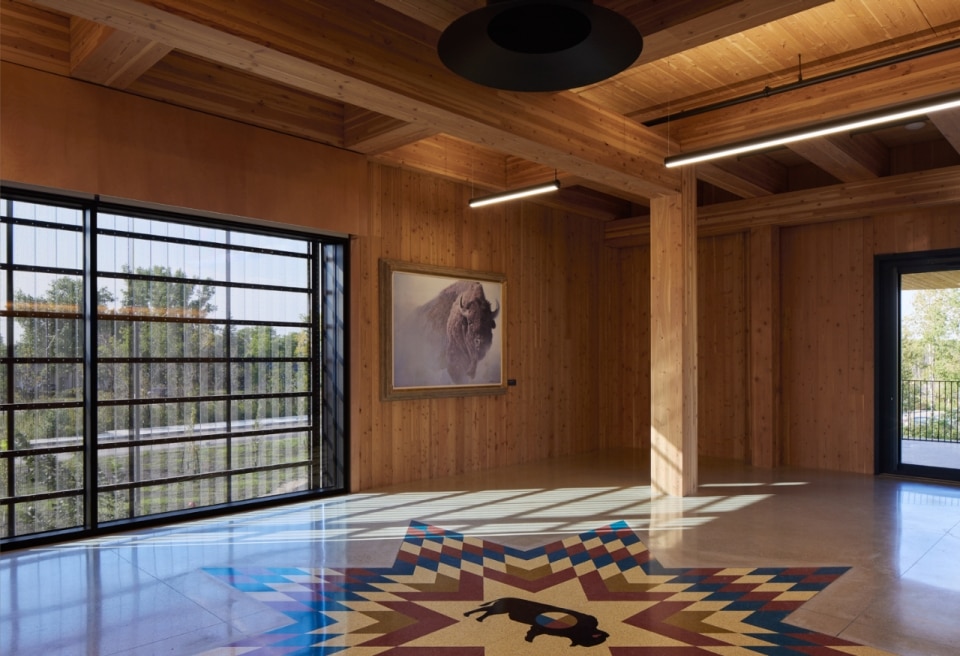
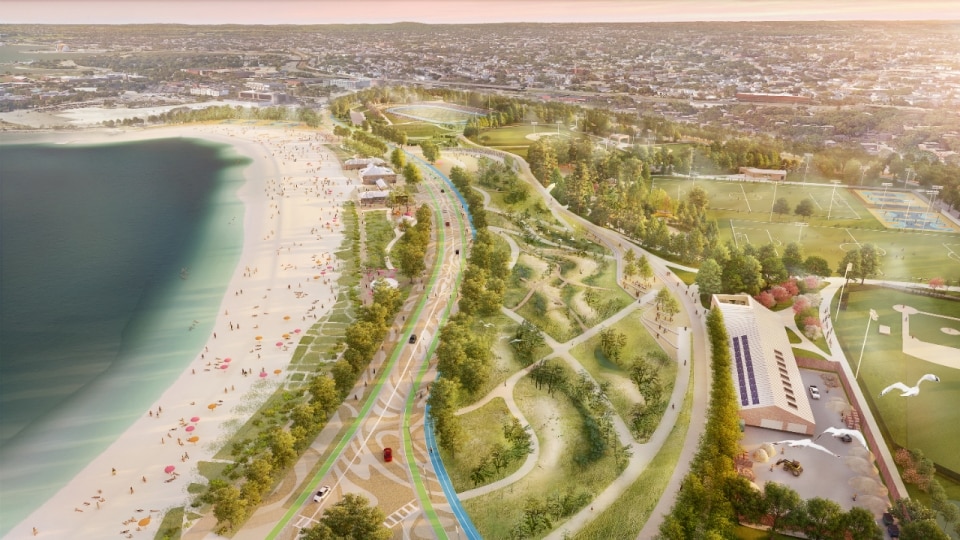
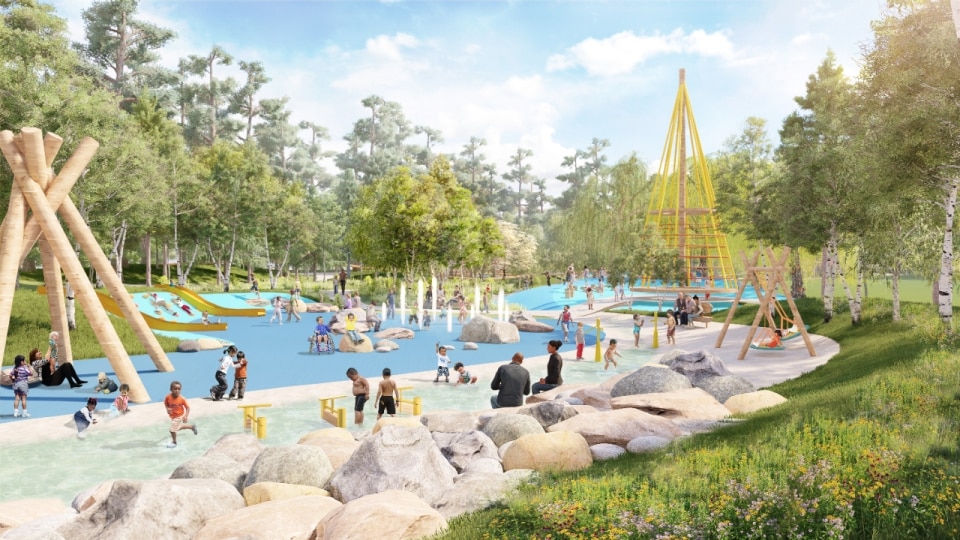
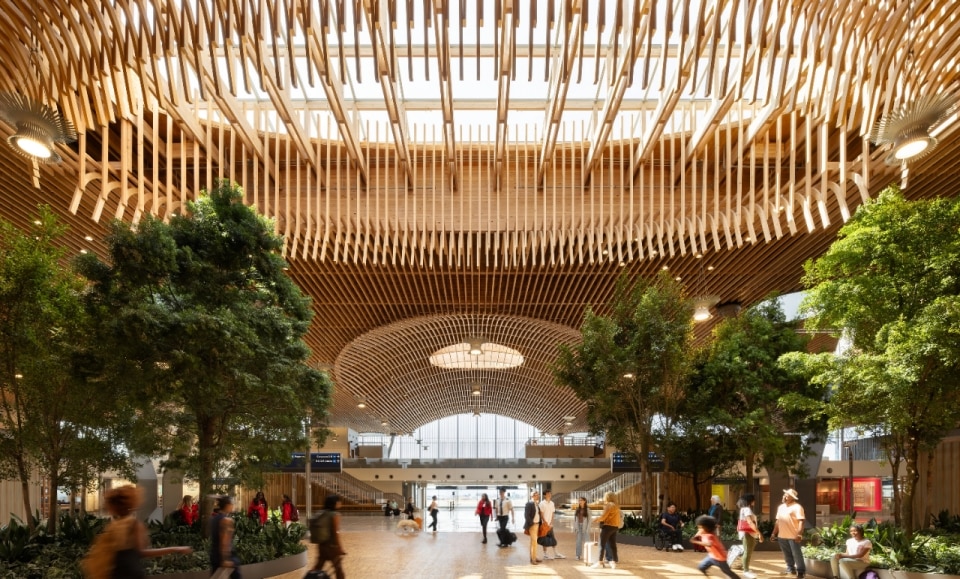
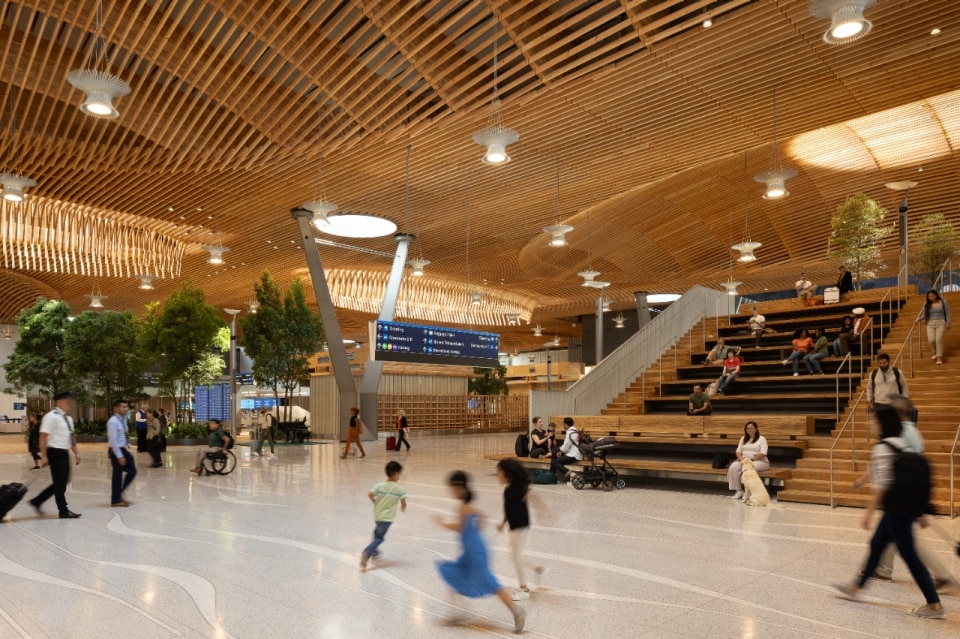
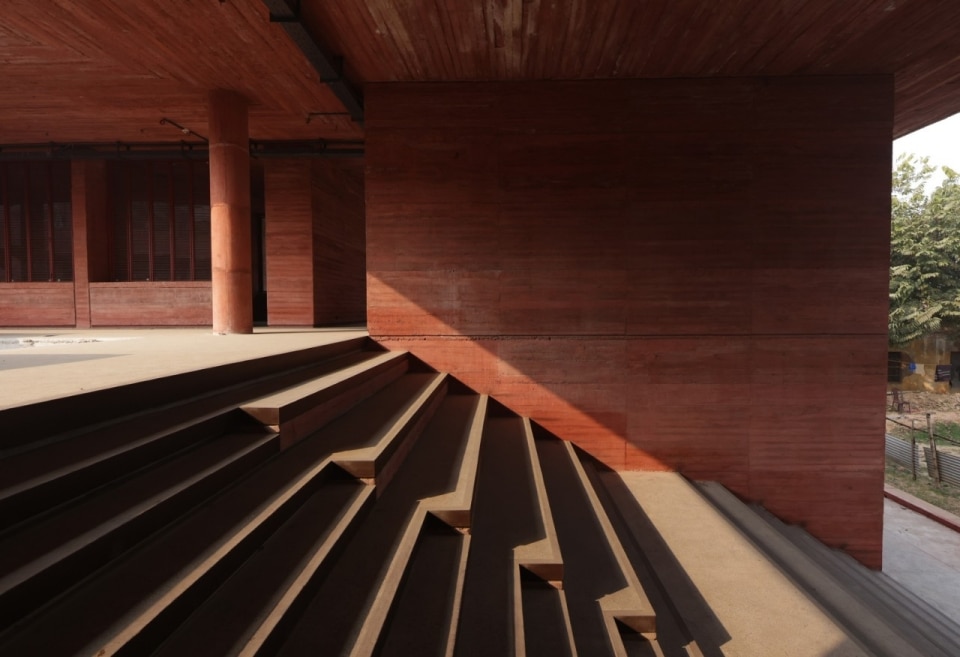
Thus the Asia winner, in Dhaka (Old Dhaka Central Jail Transformation, Form.3 Architects), may share certain themes with the European winner — while the project for Africa & Middle East (Qalandiya: The Green Historic Maze, Riwaq) is entirely unique. Meanwhile, Boston’s flood-resilient park (Moakley Park Vision Plan, Stoss Landscape Urbanism) — though seemingly the most “classic” sustainable project — is perhaps the one that best stitches together the guarded optimism of the Awards with the urgency that permeated the Forum: the need to intervene before the storm.
The Bhutan paradox
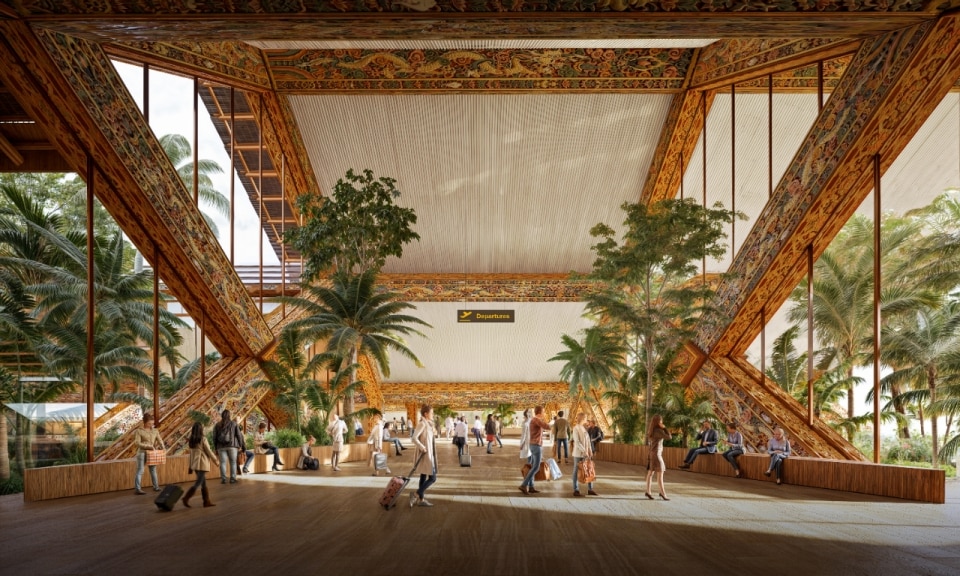
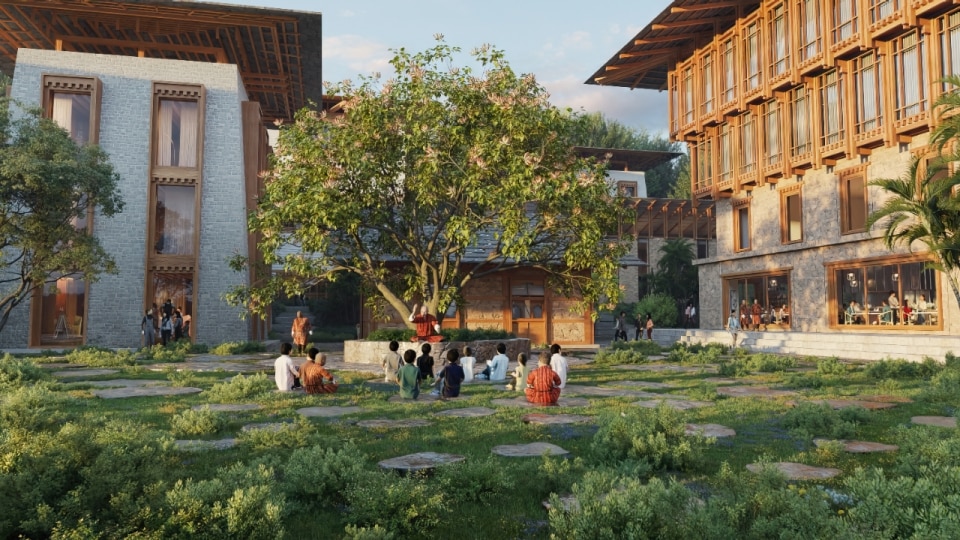
A special case is BIG’s project in Bhutan — a proposal that, as Ma Yansong notes in an ideal handover from Bjarke Ingels (Domus Guest Editor 2025) to himself (Guest Editor 2026), “really split the jury.” Can designing an entirely new city — complete with an airport — be considered sustainable in a country with a fragile landscape and where air travel is the only connection to the outside world? The paradox is real: air travel is the least sustainable mode of mobility, yet it is the only one that prevents Bhutan from being isolated.
How can you compare a Scandinavian project to a Nigerian project? You can’t. Impact means different things in different places.
Dorte Mandrup
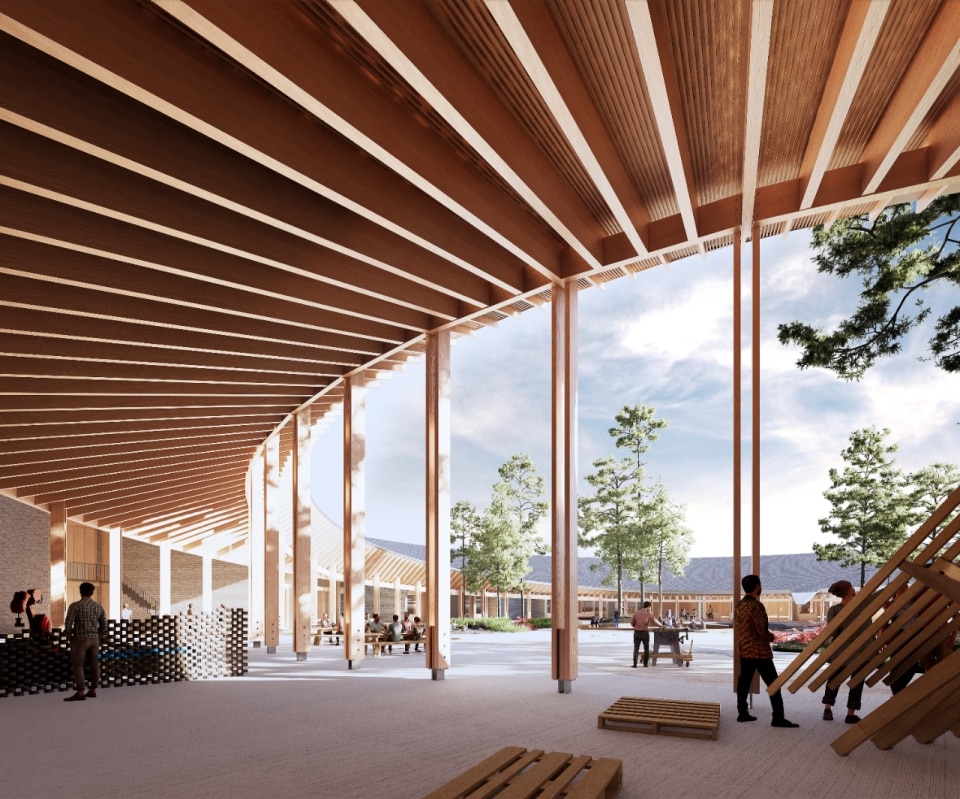
And this is where the project becomes compelling. As Giulia Frittoli and Frederik Lyng explain, BIG is not imagining a Western-style capital, but a constellation of settlements that extend from the landscape itself: “Landscape first, architecture second.” For Ma, “A village can have a future” — and this is what shifts the debate. “A project should encourage people to have better hope.” In Bhutan, “future” does not mean
skyscrapers or smart cities, but the possibility for a community to remain alive, for traditions to grow without turning into a museum.
All this because — as Venice teaches us — sustainability is not one precise thing. It is not like Kant’s moral law “within us,” but like the starry sky above our heads: different from region to region, continent to continent. And yet still a sky — still a guiding star. Not to design a better world — that may be too optimistic — but to design a world in which we can survive the increasingly harsh challenges that climate change will bring. Challenges that concern everyone, even those who assume they are safe. The future will be fragile everywhere. Just like Venice — queen of the seas, commercial powerhouse, jewel of the world — now risks being swallowed by the very water that once made it great.
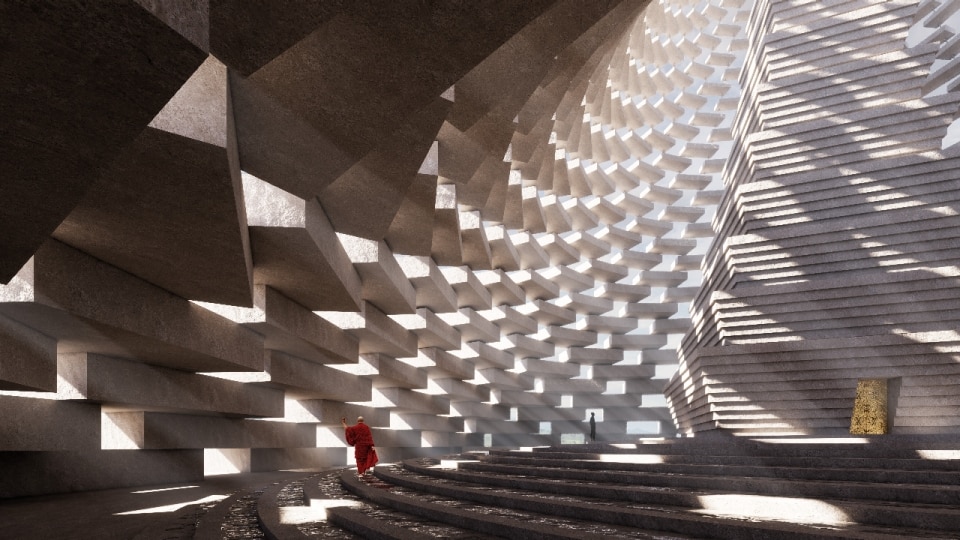
Opening image: Gelephu Mindfulness City - Gelephu, Bhutan | BIG - BJARKE INGELS GROUP