



The doors to Nigeria’s long-awaited Museum of West African Art (MOWAA), designed by David Adjaye, remain closed. Conceived as a major new cultural institution in Benin City, the museum’s architecture draws on the spatial logic and earth-based construction practices historically present in the region, articulating an ambition to reconnect contemporary Nigeria with its architectural heritage while establishing a platform for research, conservation and cultural production in West Africa.
“I see it as an awakening,” Adjaye said of the project. “An awakening of the arts in the Nigerian psyche. The building reactivates this idea of what I call a sort of Nigerian modernism comprising tradition with the future.”
After more than five years of development, the multi-million-dollar museum was seized by a group of local protesters on November 9, 2025, during a preview event. As foreign guests were insulted and asked to leave, the institution postponed its opening ceremony indefinitely.
Protest, power and the question of ownership
The protesters objected to the museum not being named the Benin Royal Museum and not being placed under the authority of the Oba, the sacred monarch and spiritual leader of the Edo people, who are indigenous to Benin City and its surrounding region.
Once the capital of the Edo Kingdom, also known as the Kingdom of Benin, Benin City was a powerful West African state between the 13th and 19th centuries. Renowned for its sophisticated political structure and artistic production, the kingdom is today most widely associated with the Benin Bronzes, objects looted by British forces during the 1897 colonial invasion.
We set out to show that African stories can be told on our own terms.
Ore Disu, Director of the MOWAA Institute
Formally announced in 2020, MOWAA was partly envisioned as a future home for restituted Benin Bronzes, now dispersed among institutions such as the British Museum and Berlin’s Humboldt Forum. Ongoing disputes over ownership, however, mean the objects have yet to return to Nigeria.
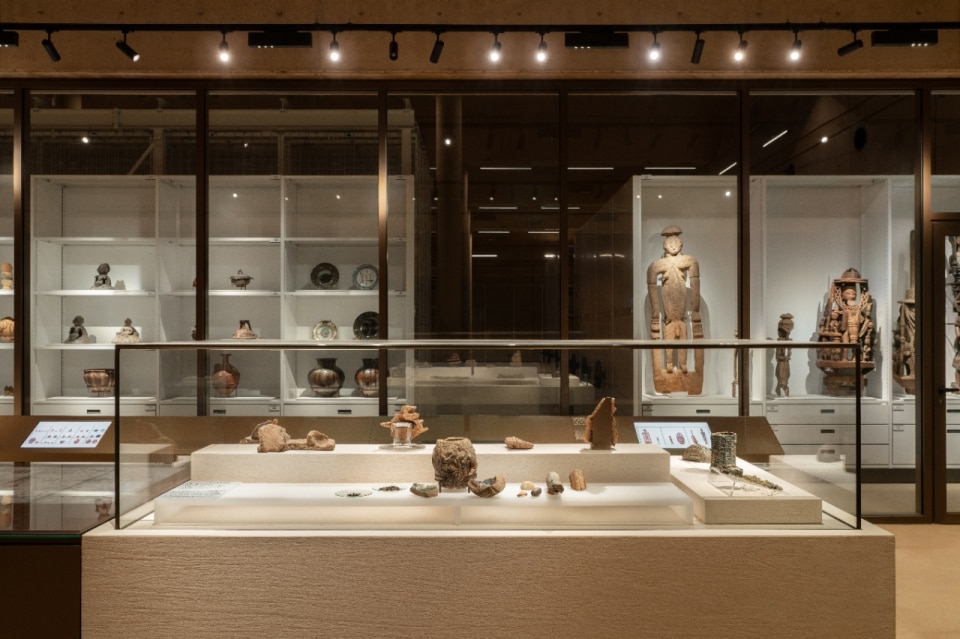
Originally named the Edo Museum of West African Art, MOWAA was conceived with conservation laboratories and storage facilities capable of caring for restituted objects alongside archaeological discoveries. In 2023, the Nigerian government formally recognised the Benin Bronzes as the property of the Oba rather than the state. Tensions escalated further when the Edo State government revoked the land on which MOWAA was constructed.
In the absence of the bronzes, the museum has repositioned itself as a broader platform for historical and contemporary West African art, research and education.
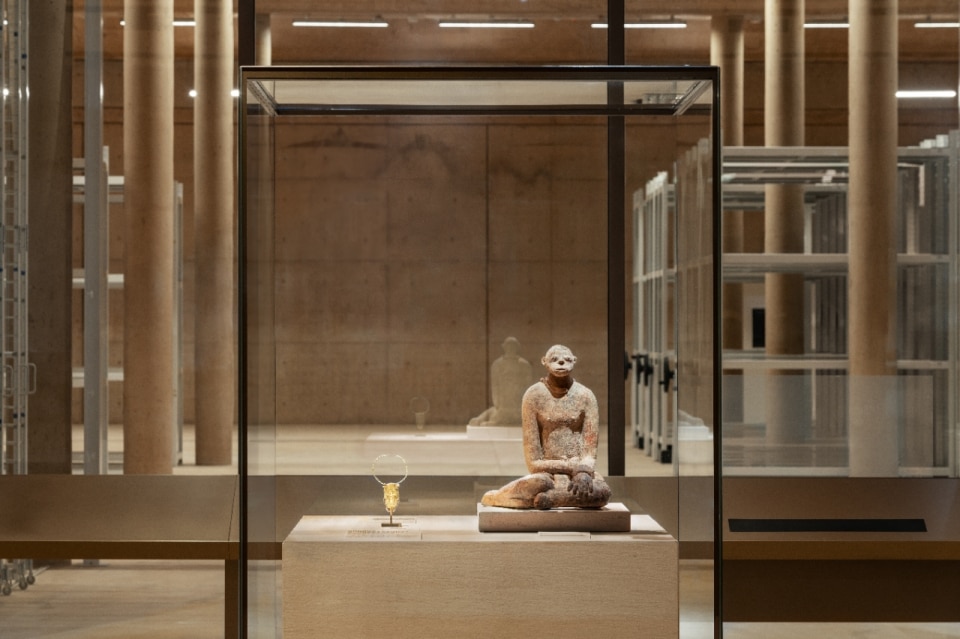
In a statement dated November 15, 2025, announcing the indefinite postponement of its public opening and the delay of its flagship exhibition Nigeria Imaginary: Homecoming — first presented as the Nigerian Pavilion at the 2024 Venice Biennale — the institution cited what it described as “misconceptions about MOWAA’s vision and role within Benin City’s cultural landscape.” The statement reaffirmed the museum’s long-term commitment to “inspiring and empowering the next generation of creatives, artists and cultural thought leaders in Benin City, Nigeria and across West Africa.”
Ore Disu, Director of the MOWAA Institute, emphasised the museum’s intention to deepen collaboration with the local community: “Over the last four years we have sought to build inclusive practices that bring benefit to the city, its schools, universities and families. We wish to deepen and improve on this, as we work towards welcoming others through our doors.”
A campus that reclaims West African Modernism
While no new opening date has been announced, the architecture itself remains a visible statement of the museum’s ambitions.
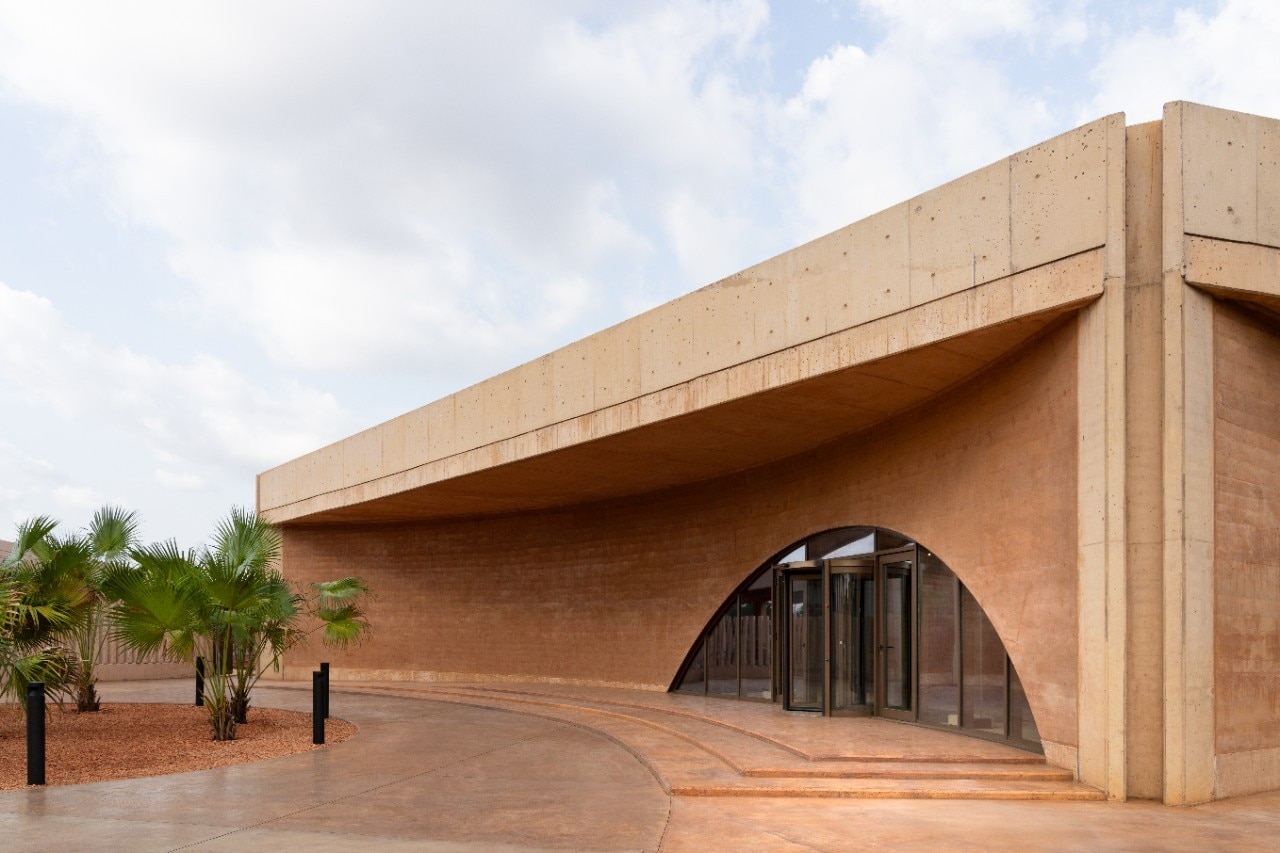
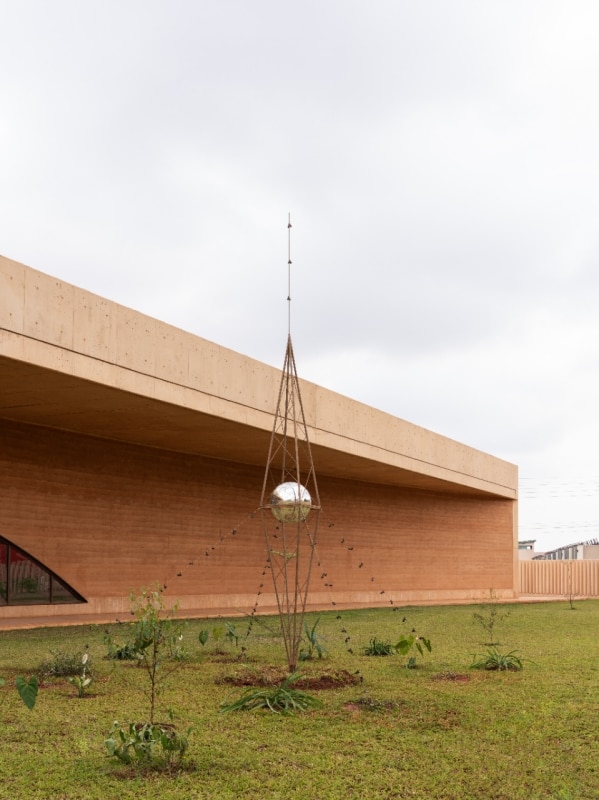
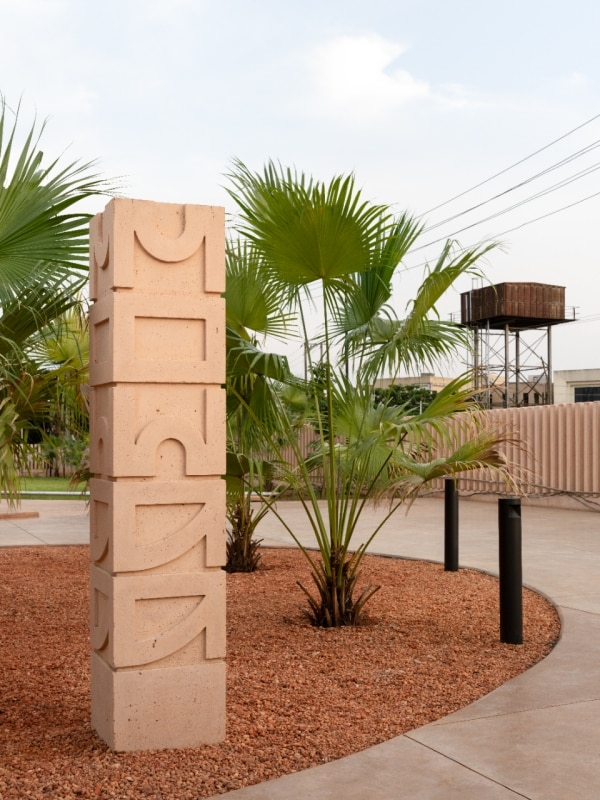
Rather than a single building, MOWAA is conceived as a six-hectare campus composed of multiple structures that reinterpret West African vernacular forms through contemporary construction. Inspired by the historic spatial organisation of Benin City and its defensive earthworks, the project integrates gardens, elevated galleries, performance spaces, artist studios and public areas alongside the research-focused MOWAA Institute.
Museum of West African Art (MOWAA) © Marco Cappelletti Marco Cappelletti Studio
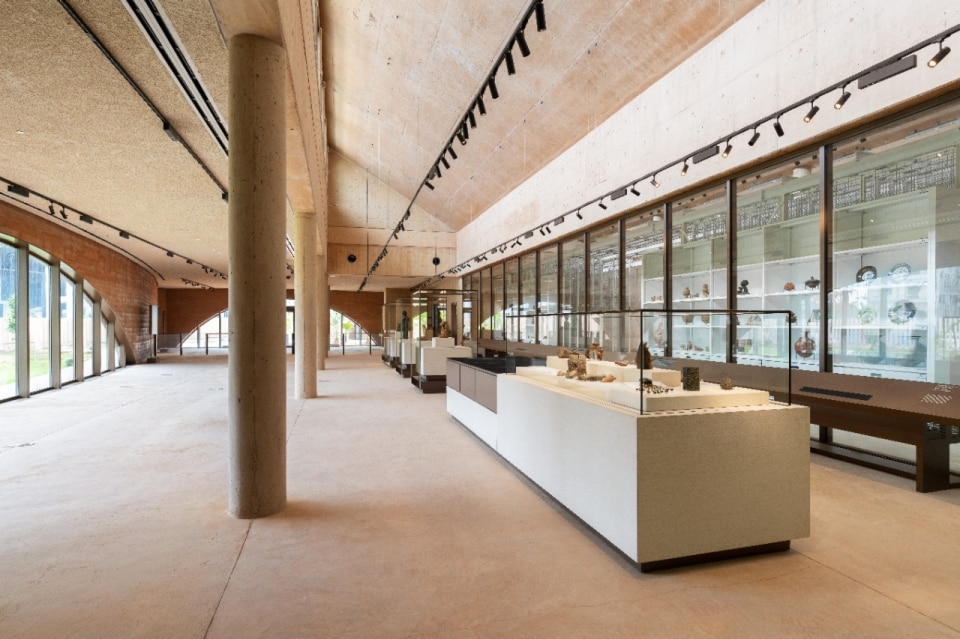
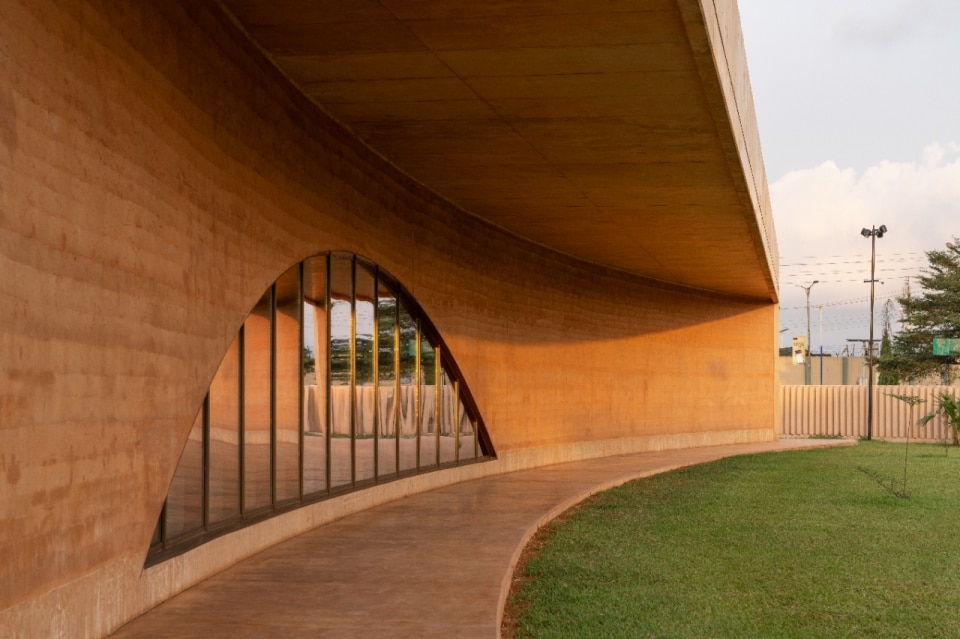
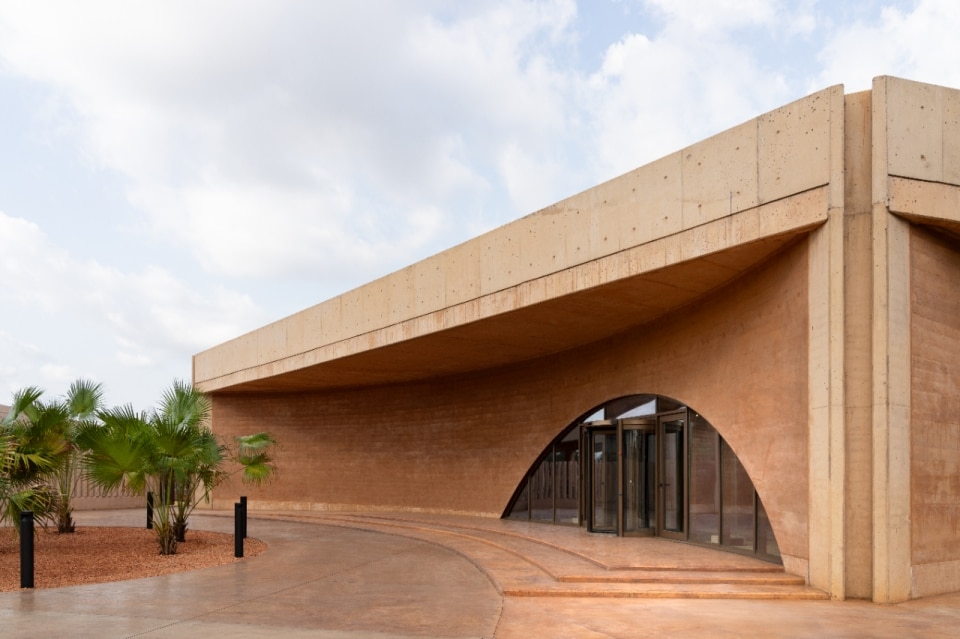
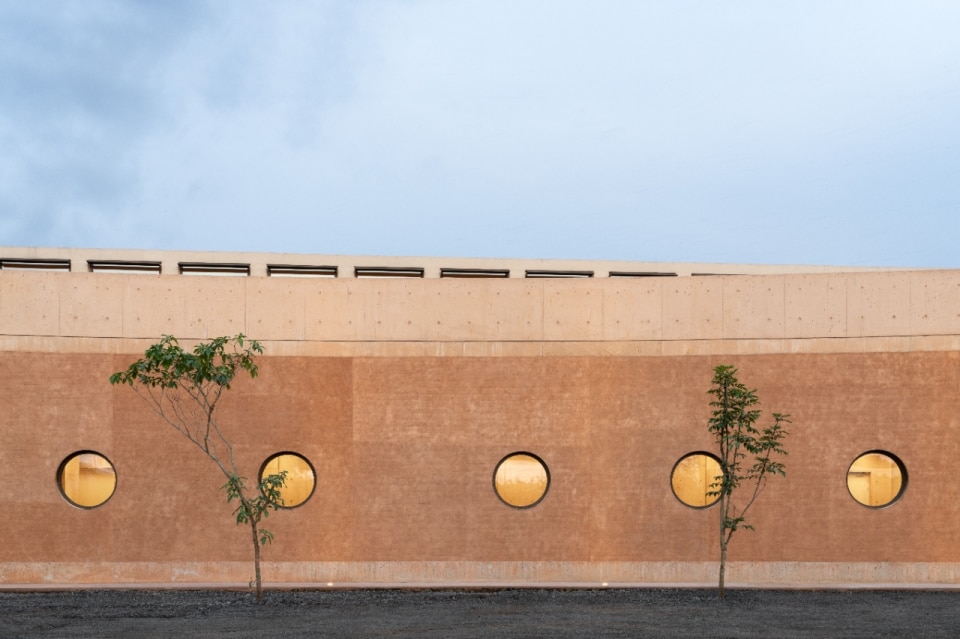
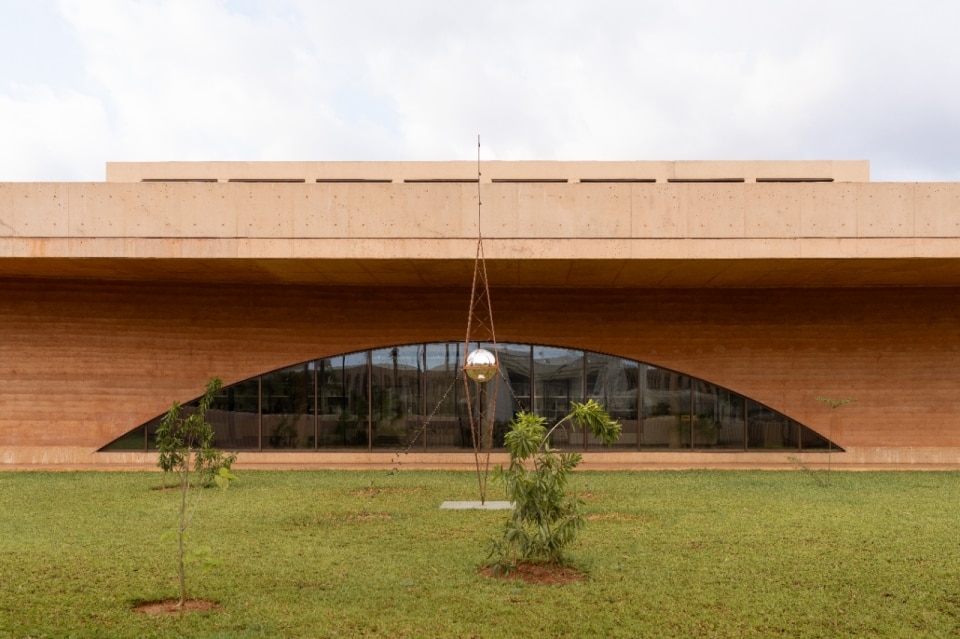
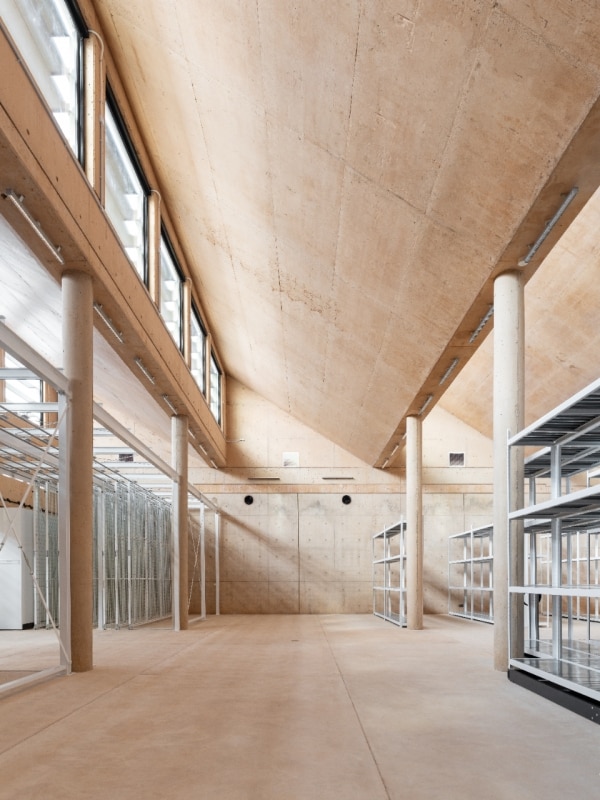
The postponed opening was intended to inaugurate the MOWAA Institute, a 4,500-square-metre, single-storey building constructed largely from locally sourced rammed earth, with an in-situ concrete roof. The use of earth-based construction provides thermal mass and reduces reliance on mechanical climate control, while establishing a material continuity with the site itself.
“It offers low-carbon concrete structures,” Adjaye explained. “It references the Benin Walls, which were famous before they were burned down by the British in 1897. I wanted to go back to this idea of rammed-earth walls that once surrounded the city.”
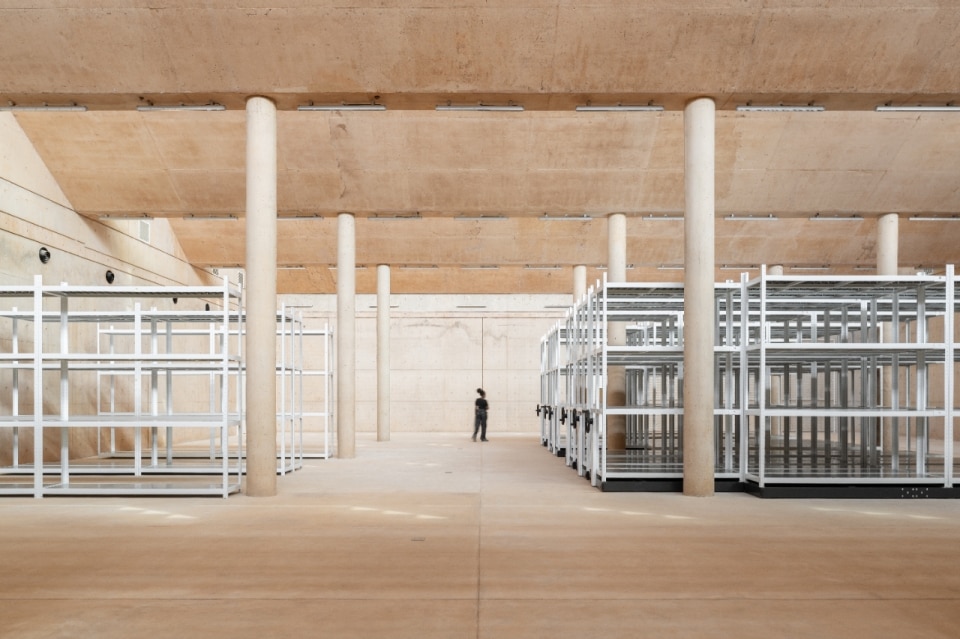
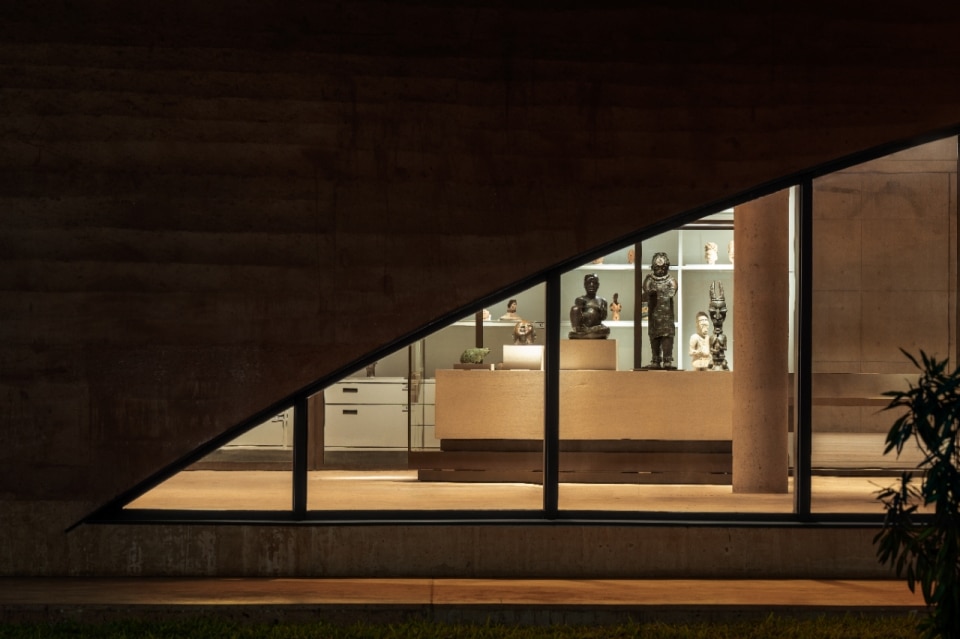
Conceived as a box within a box, the MOWAA Institute allows views into its interior spaces from the perimeter. The building houses secure storage for restituted objects, laboratories for archaeological research, a visitor centre for local engagement and administrative offices — functions that might elsewhere be relegated to anonymous warehouse-like structures.
I see it as an awakening. An awakening of the arts in the Nigerian psyche.
David Adjaye, architect of MOWAA
“What I’m doing is thinking about the material technology of Nigerian architecture and applying it to new typologies emerging in the 21st century,” Adjaye said. “What could have been a warehouse of tin and steel is instead a low-carbon structure, UV-protected, mass-insulated by earth taken directly from the site. The carbon footprint is practically negligible, yet it is a state-of-the-art building.”
In this sense, MOWAA’s architecture articulates its mission even in the absence of exhibitions. It demonstrates that world-class conservation, research and exhibition facilities can be conceived, built and authored locally — not as replicas of Western models, but as contemporary expressions of African architectural knowledge.
“We set out to show that African stories can be told on our own terms,” Disu added. “This is a gift for Black and African people everywhere, for people today and for future generations. We have deep respect for the monarch and the people of Benin City.”
All images: Museum of West African Art (MOWAA) © Marco Cappelletti / Marco Cappelletti Studio