


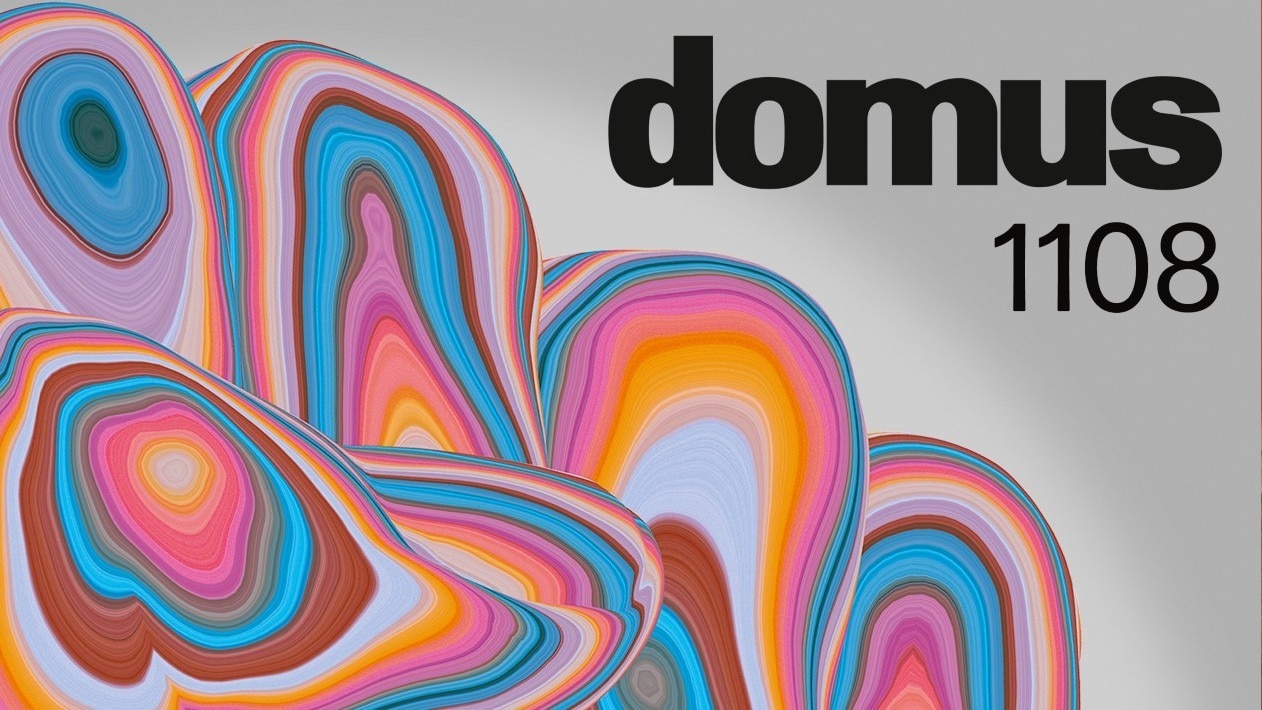
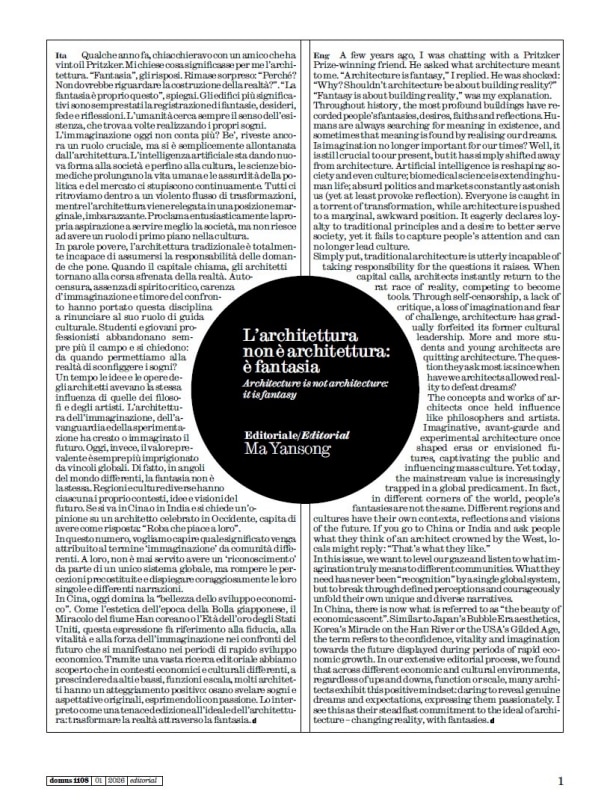
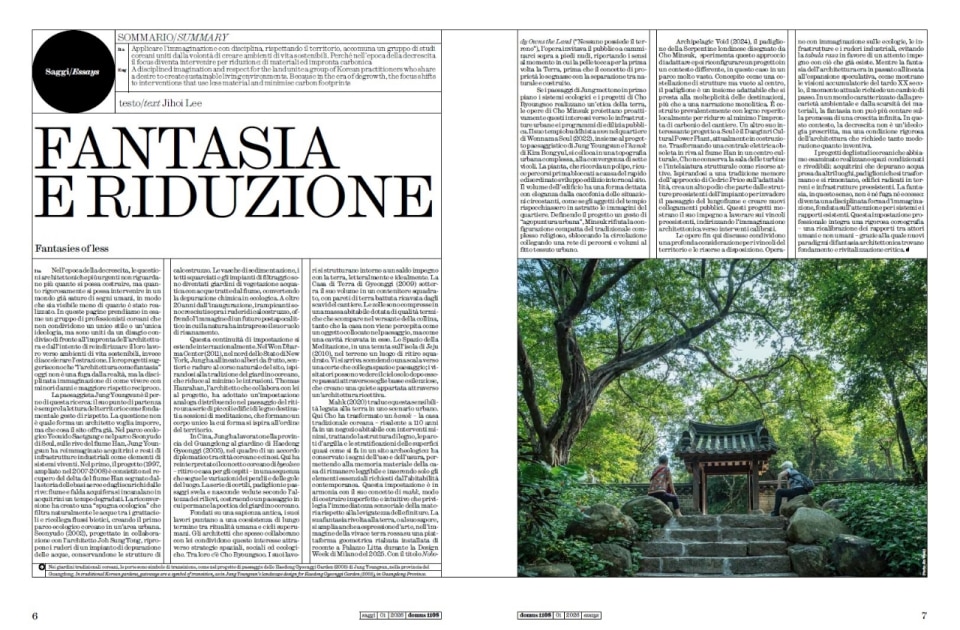
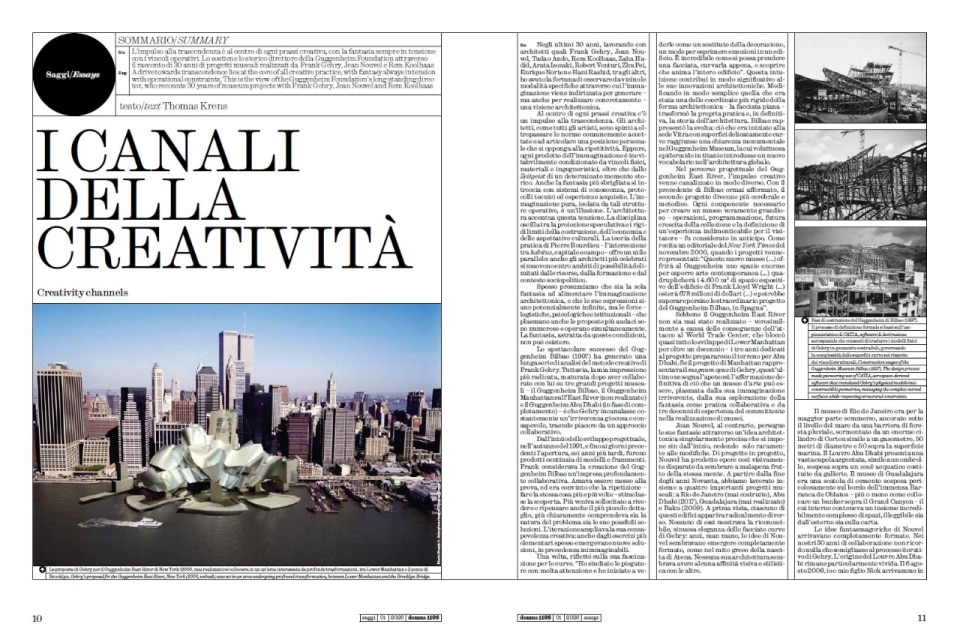
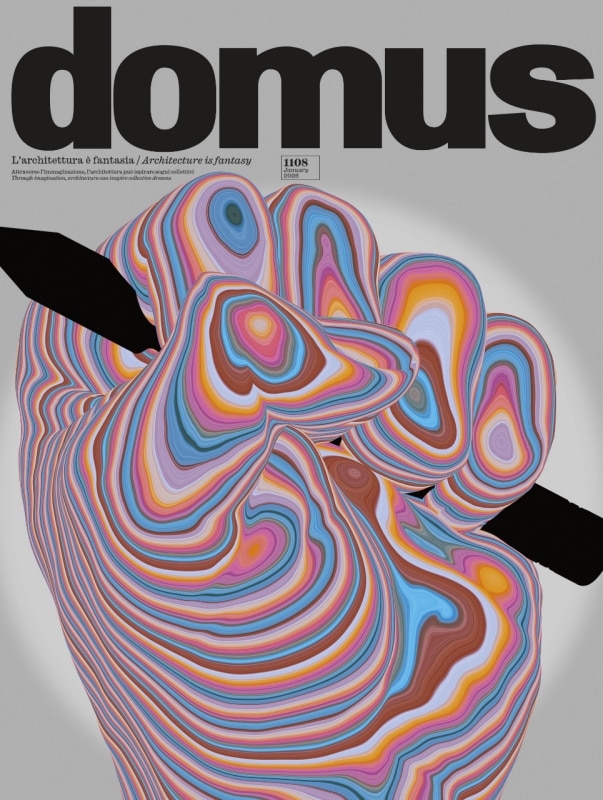
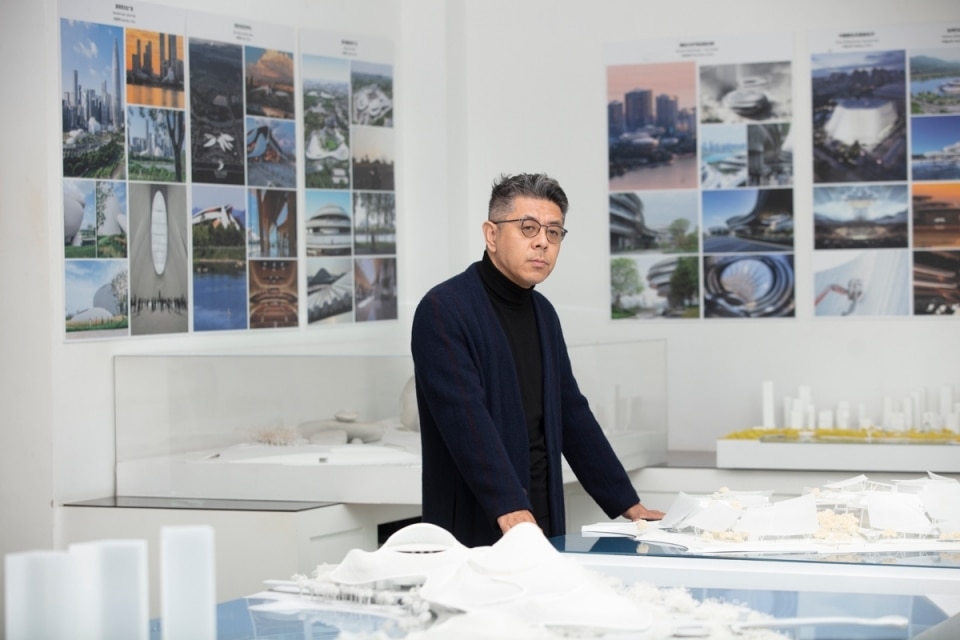
In this January issue, marking the dawn of 2026, Domus explores the art of inhabiting the present. Under the stewardship of Ma Yansong—the latest Guest Editor of our magazine for 2026—the editorial program morphs into a collective dream: a radical inquiry into that primordial force we call fantasy. This is no flight of fancy, but a conscious act of resistance. In a fragmented era, ruled by algorithms and the "dictatorship of capital," architecture reclaims its role as the essential mirror of our boldest desires.
Ma Yansong greets us with a provocation that is, at its heart, a liberation: architecture is not architecture; it is fantasy.He invites us to peer beyond the veil of economic development—the very phenomenon he observes in his native China—to find not just metrics, but the beauty of a possible originality. This yearning for imagination intersects with the reflections of Jihoi Lee, who explores the Korean scene through a "fantasy of reduction." Here, the dream is not about accumulation but masterful subtraction. The work of Jung Youngsun on living systems and the subterranean stillness of Cho Byoungsoo remind us that to imagine also means knowing when to stay silent, making room for nature.
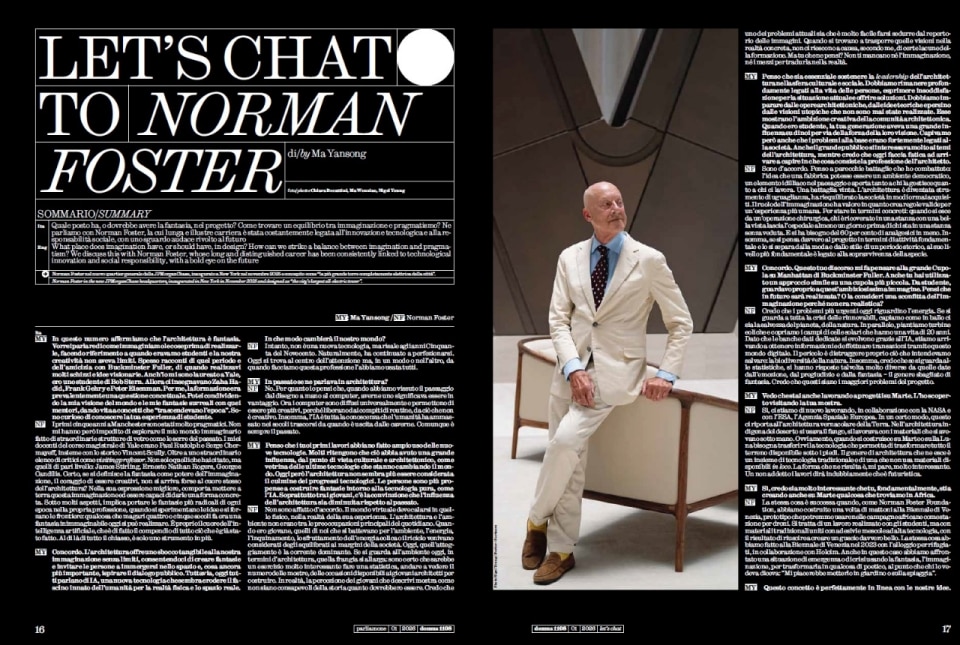
The conversation turns historical and monumental with Thomas Krens, who traces the currents of creativity through thirty years of iconic museums. From Gehry to Nouvel and Koolhaas, a constant tension emerges between the flight of transcendence and the iron grip of the Zeitgeist. This same tension vibrates in the dialogue between Ma Yansong and Norman Foster, where design is stripped back to its essence: a tool for the survival of the species. Foster reminds us that, even amidst global crises or digital shifts, technology must remain handmaid to a poetic vision capable of shaping a future we do not yet dare to inhabit.
In a fragmented age dominated by the algorithm and the dictatorship of capital, architecture once again becomes the necessary mirror of our boldest desires.
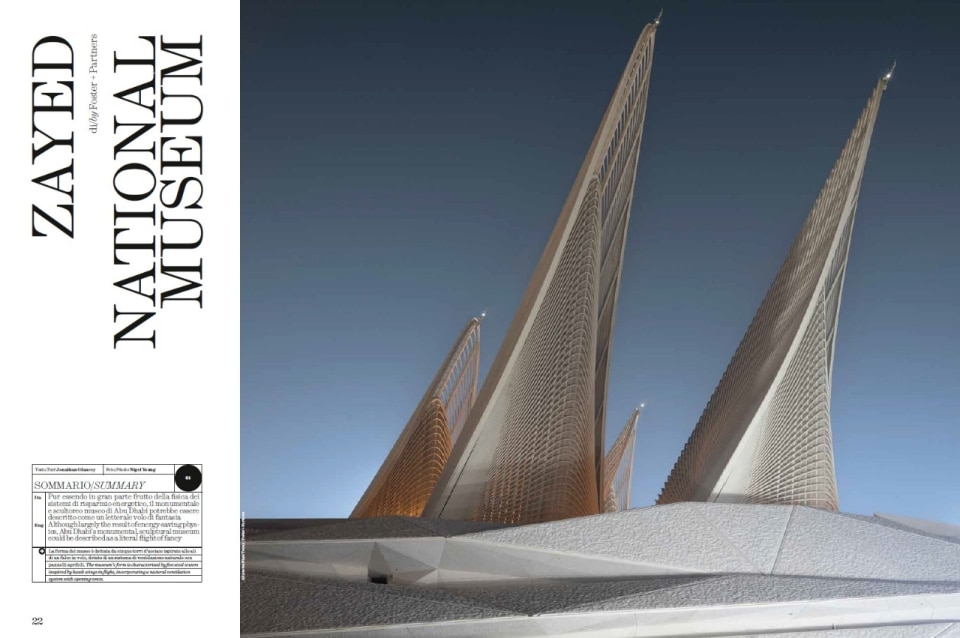
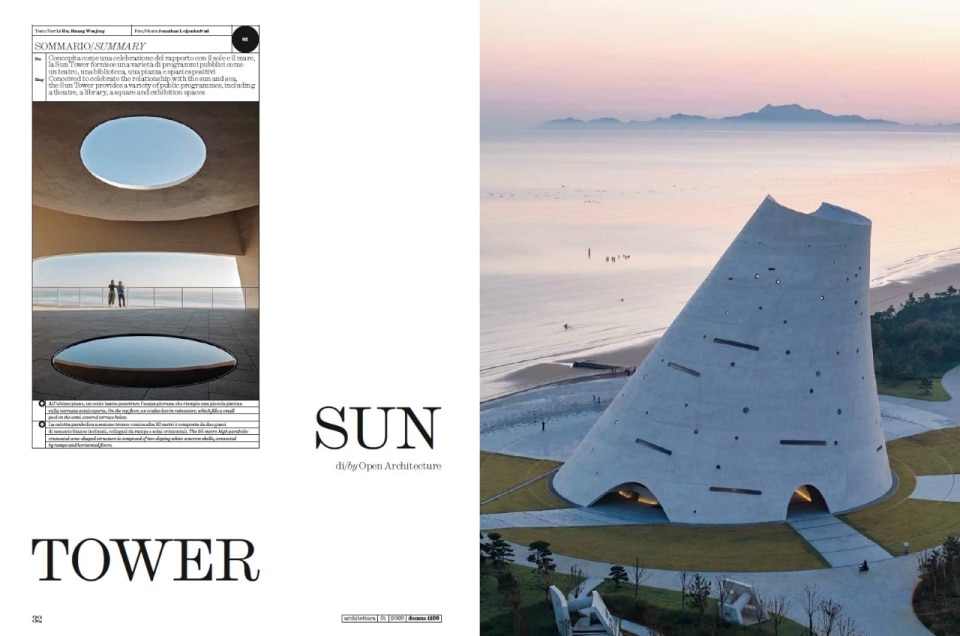
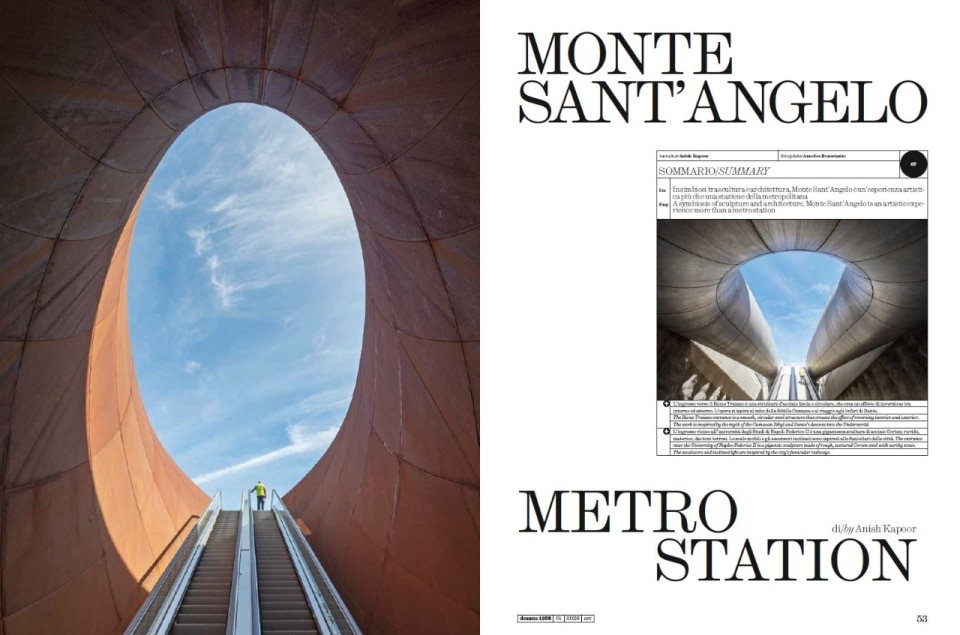
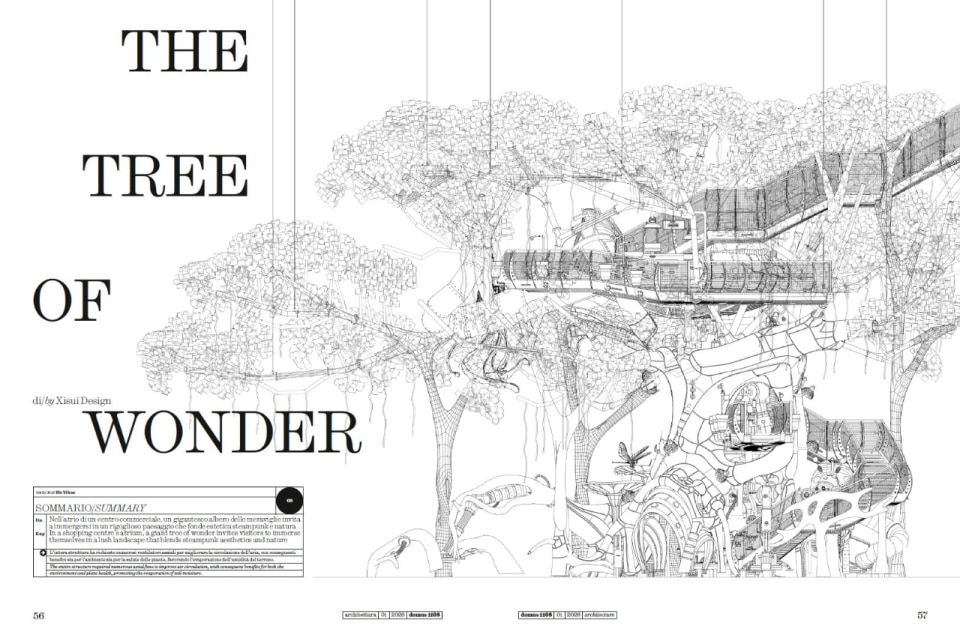
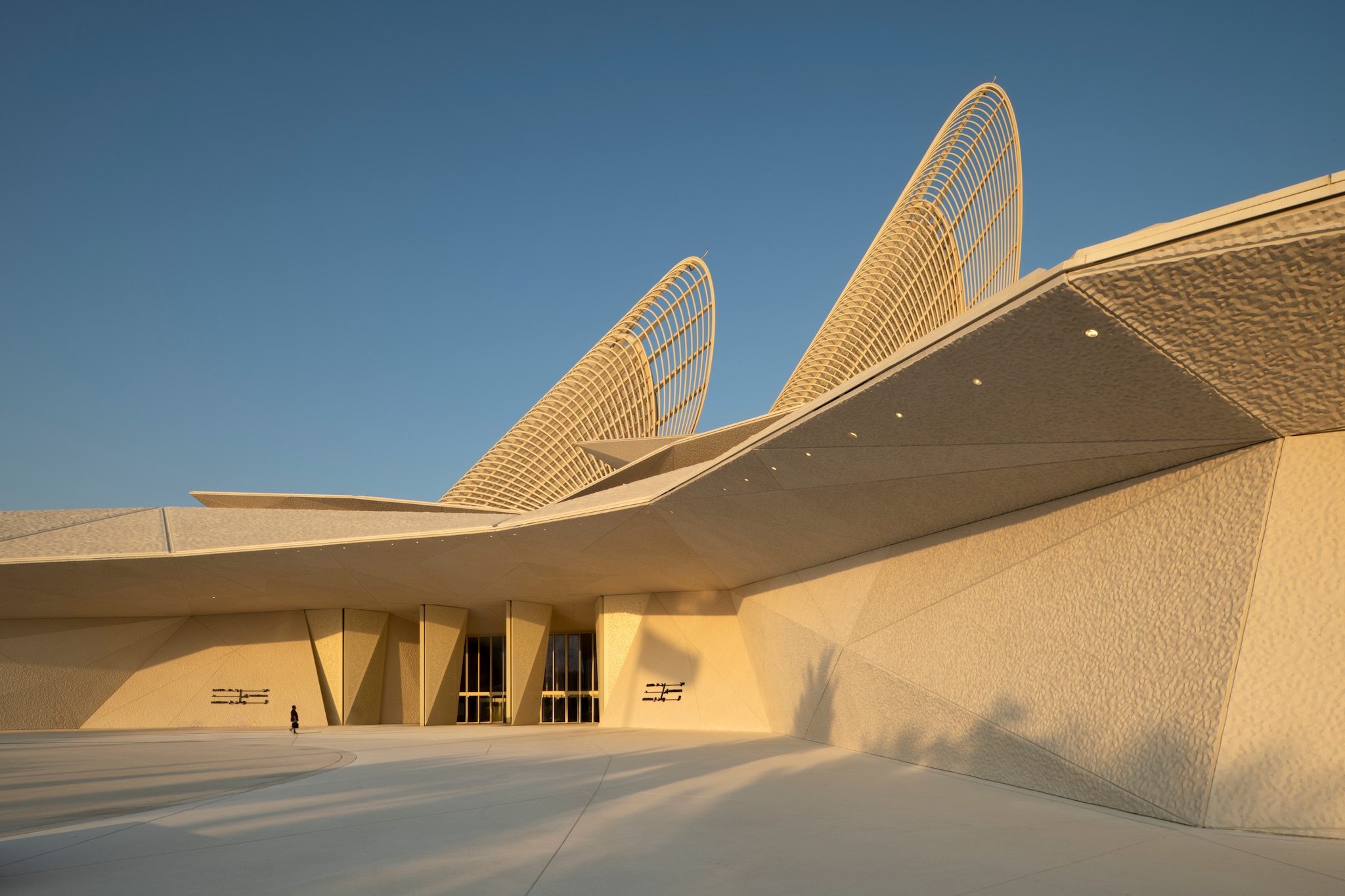
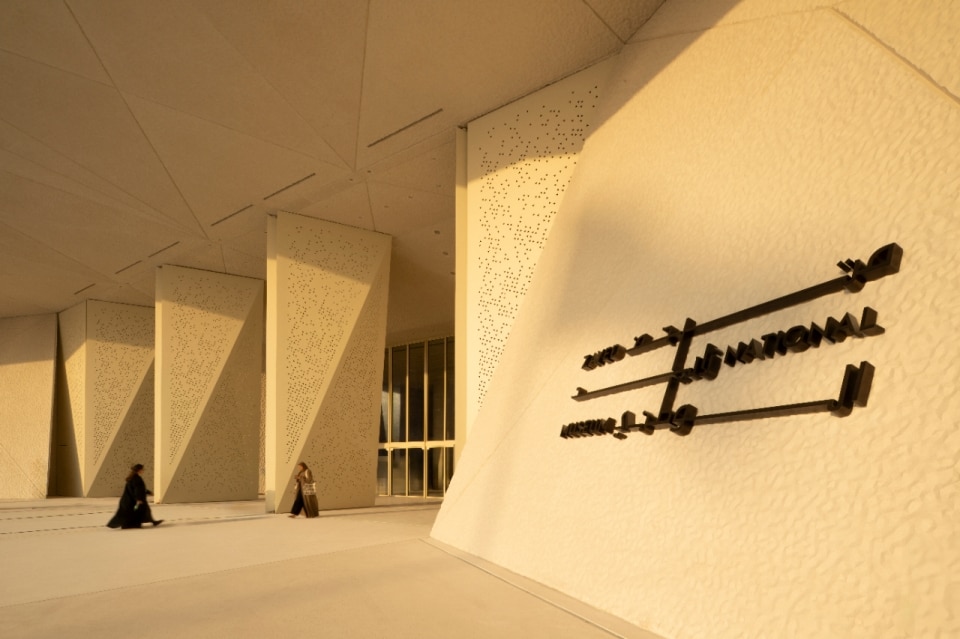
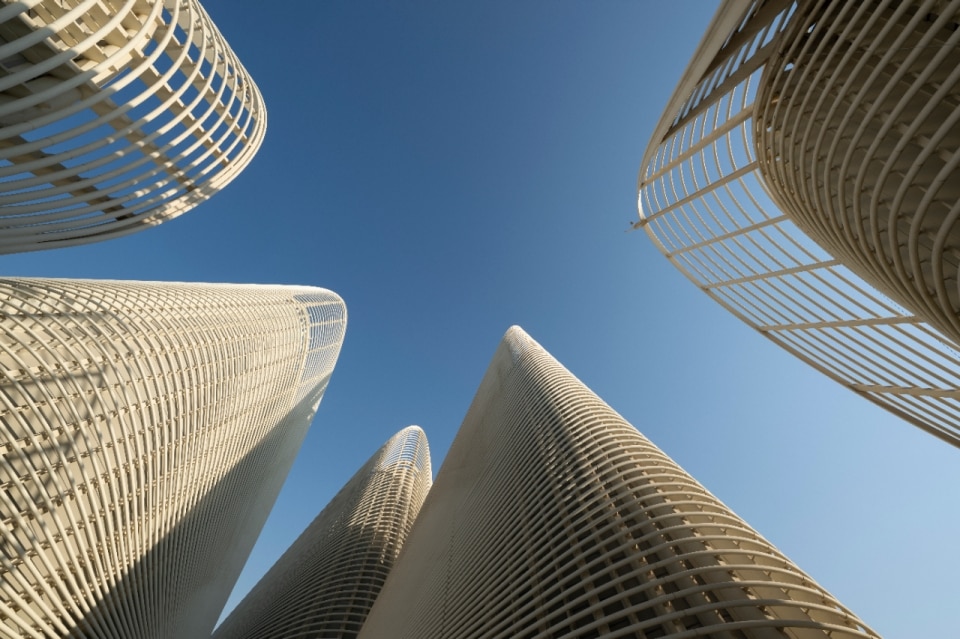
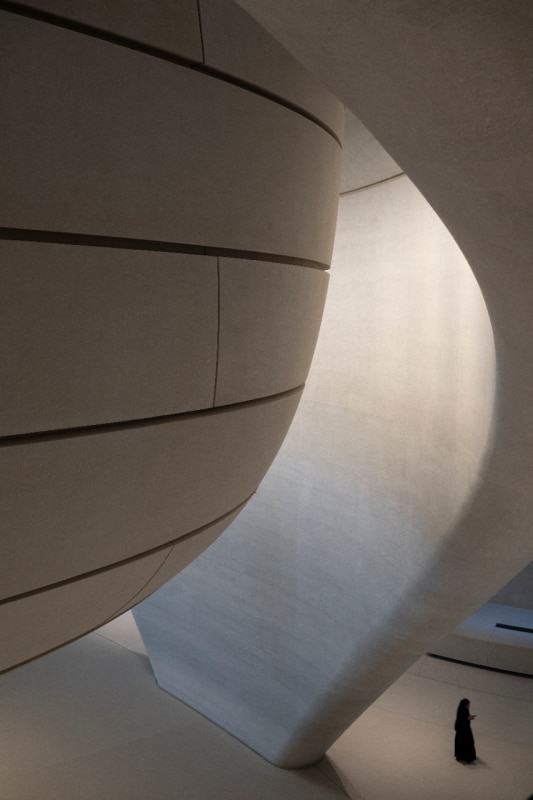
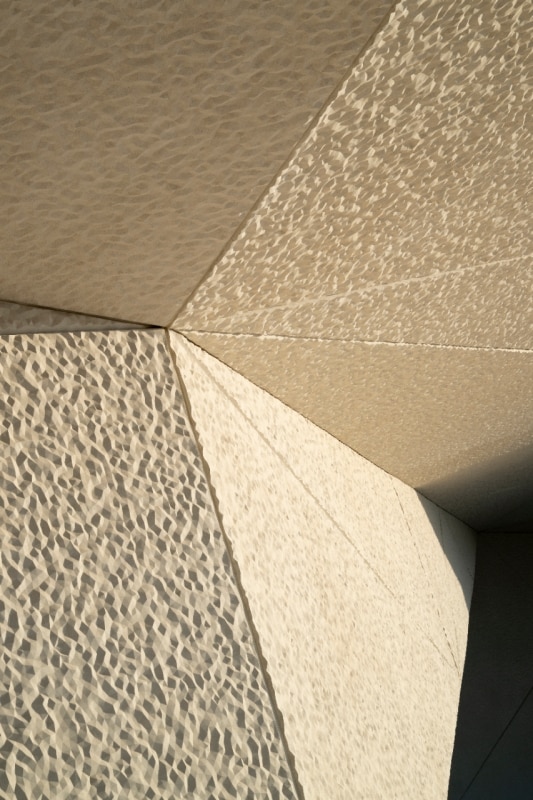
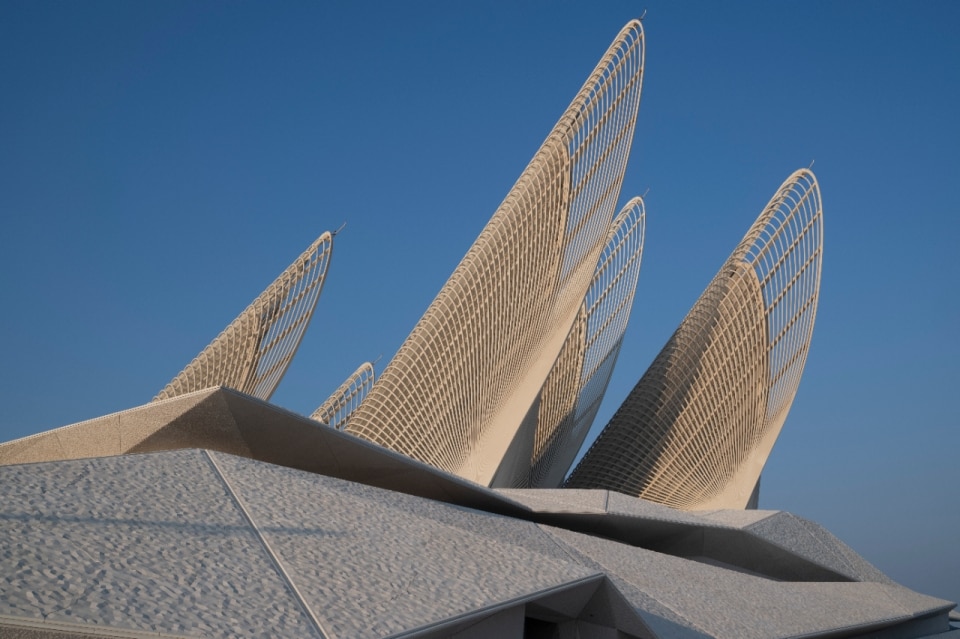
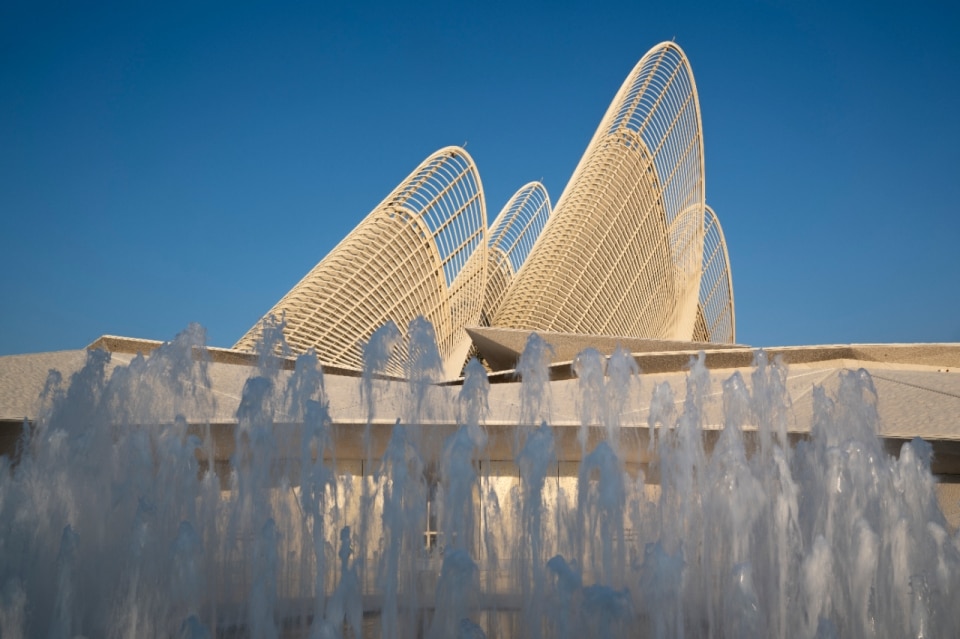
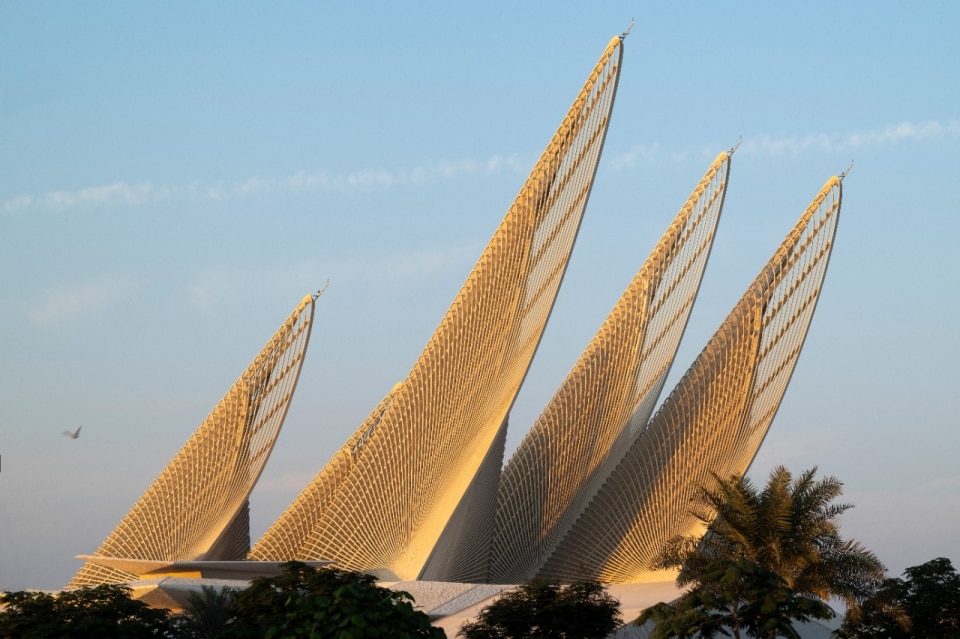
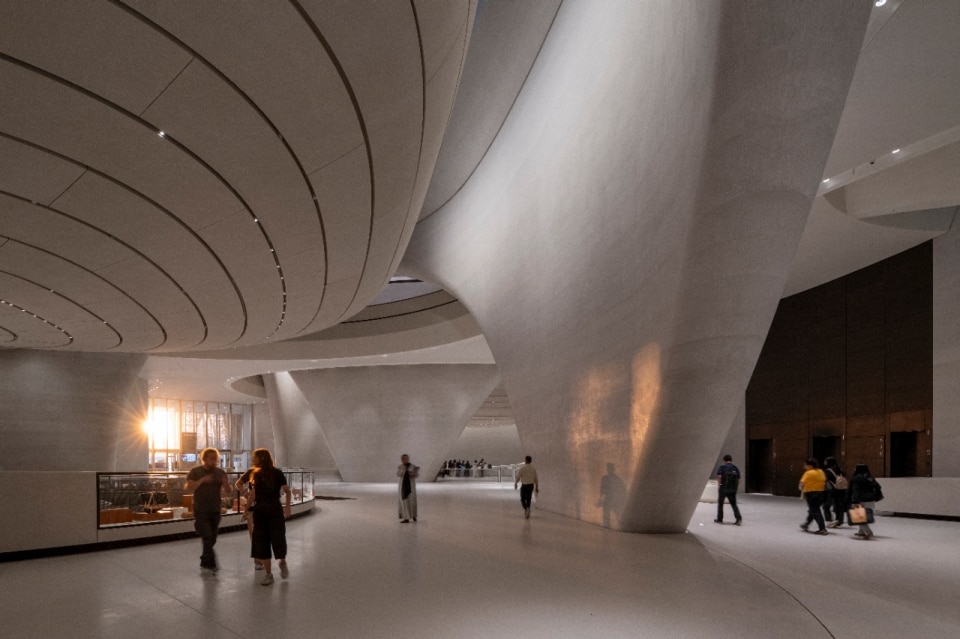
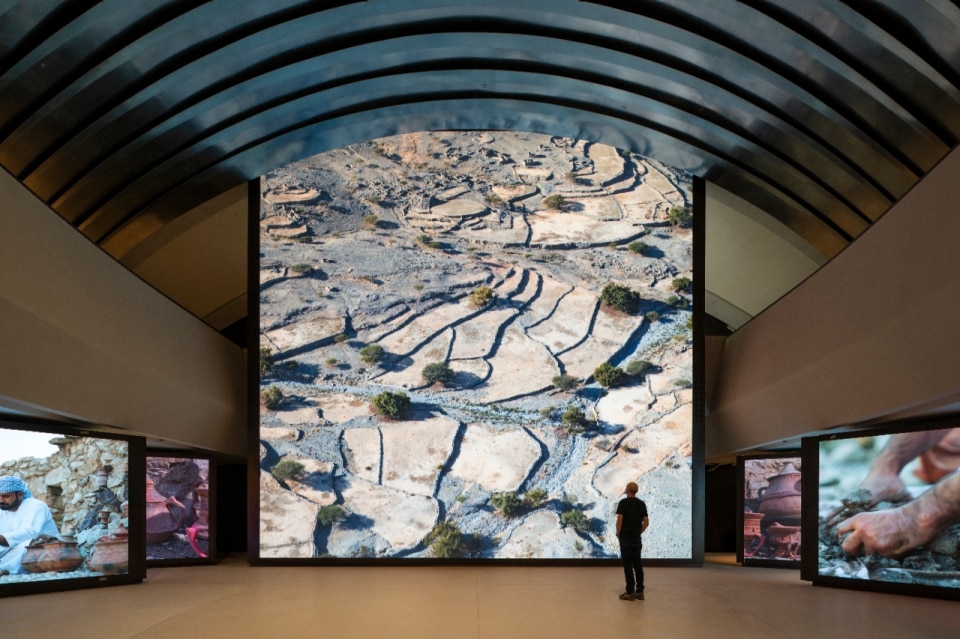
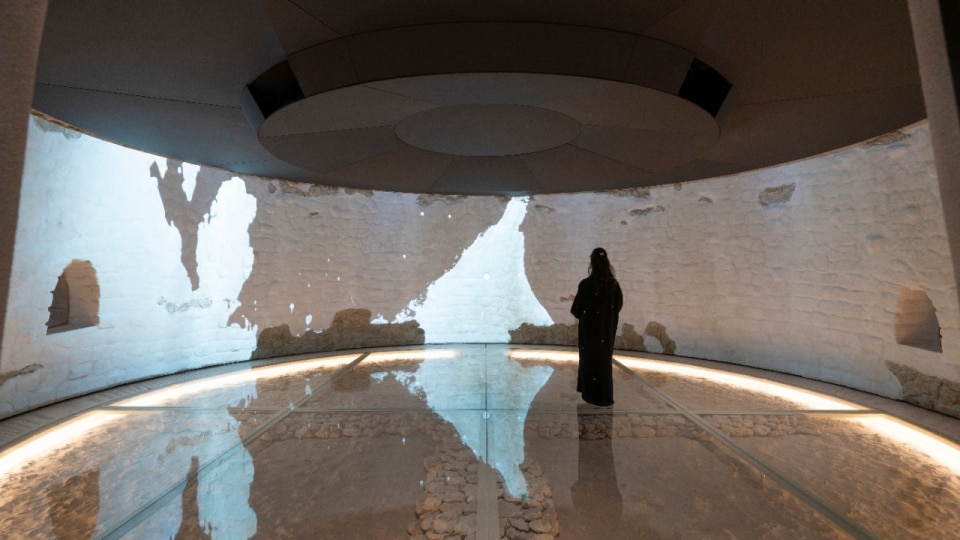
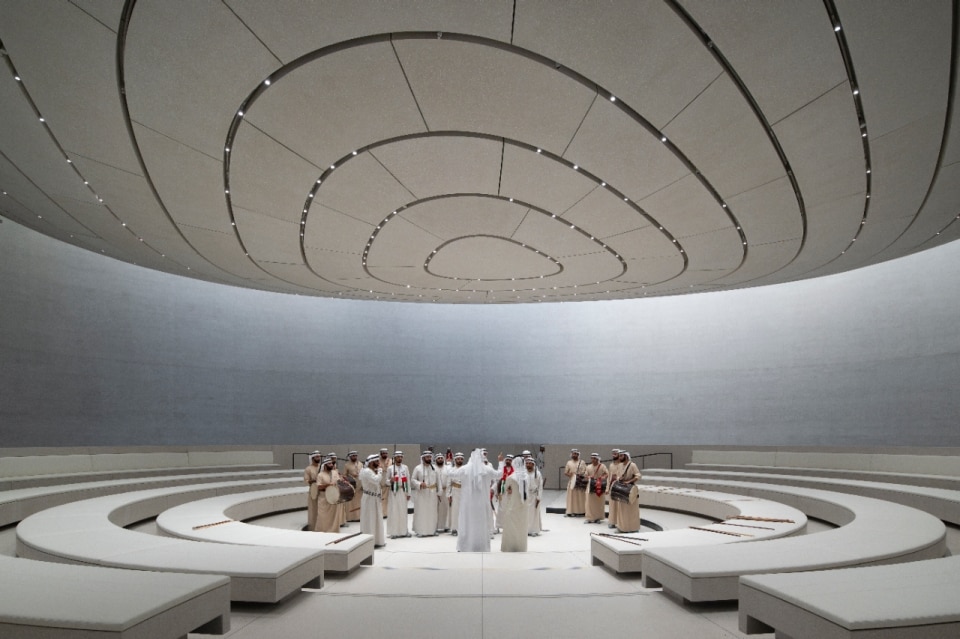
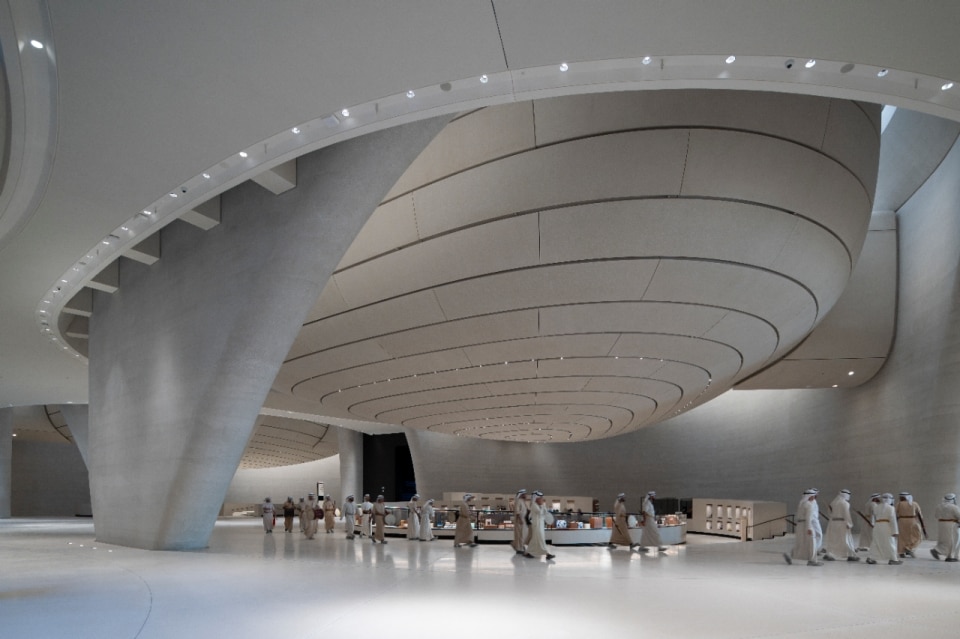
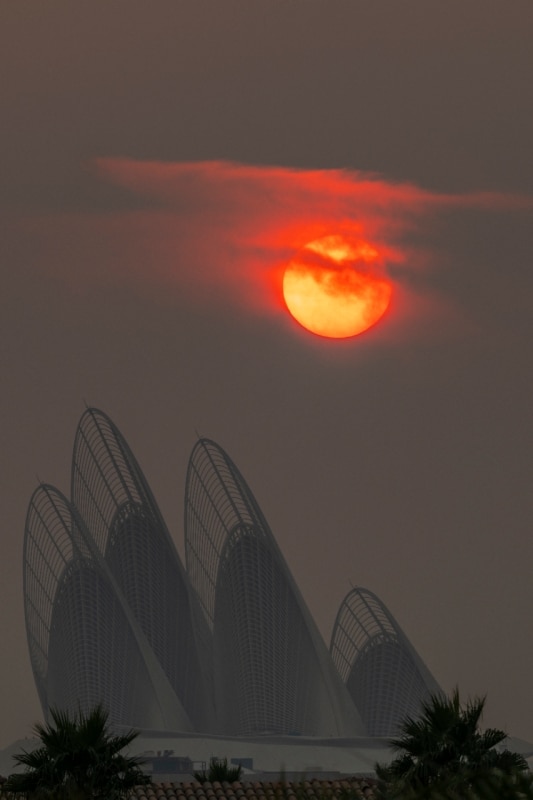
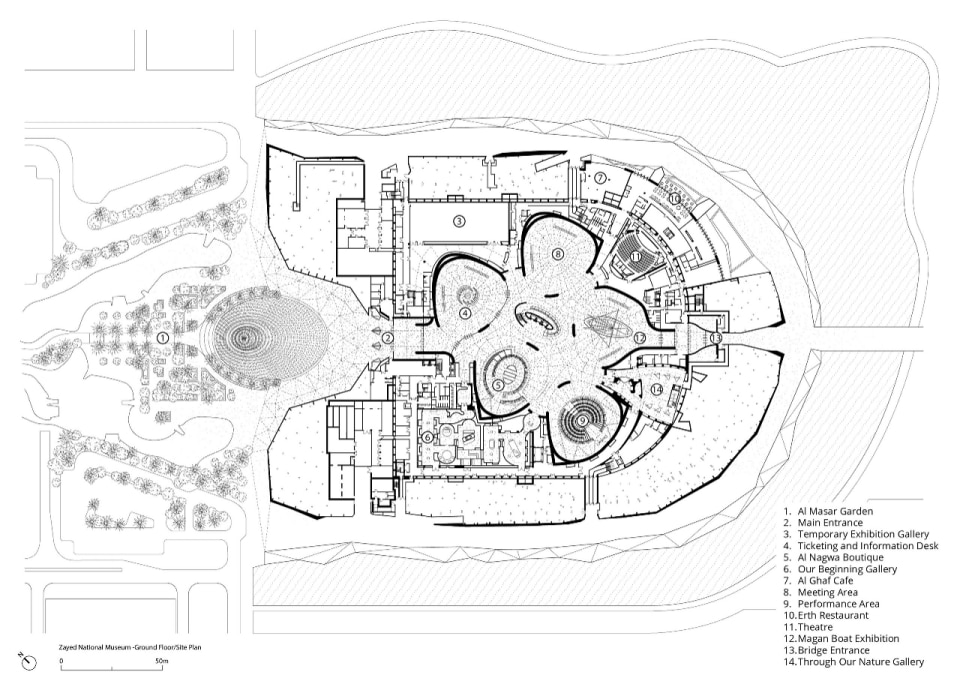
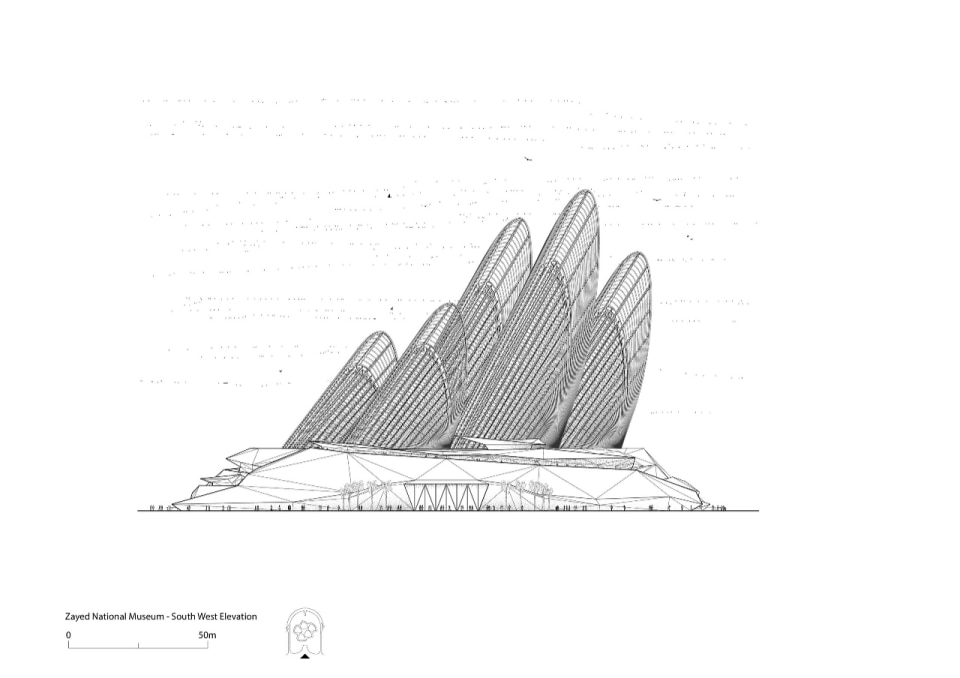
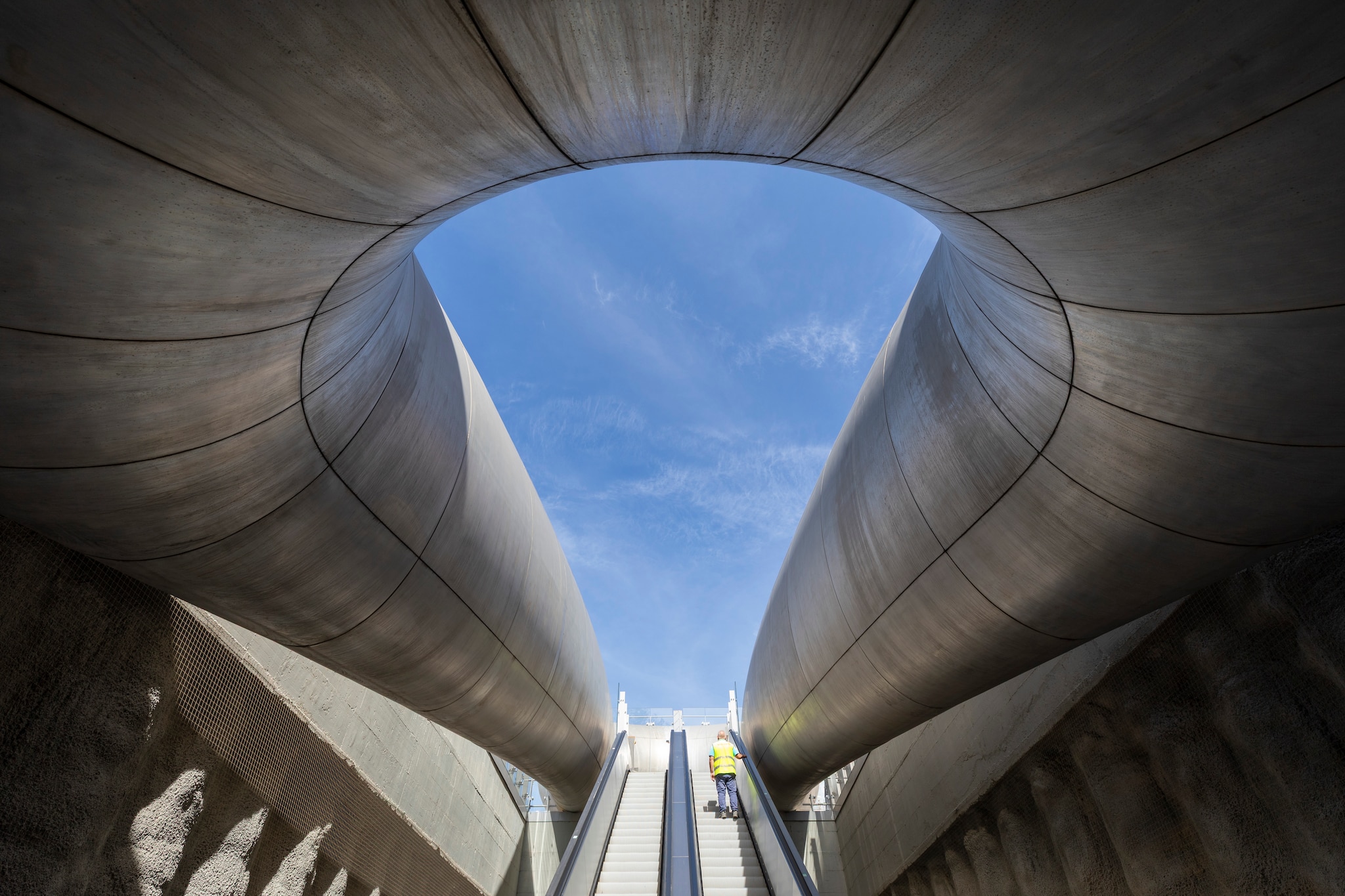
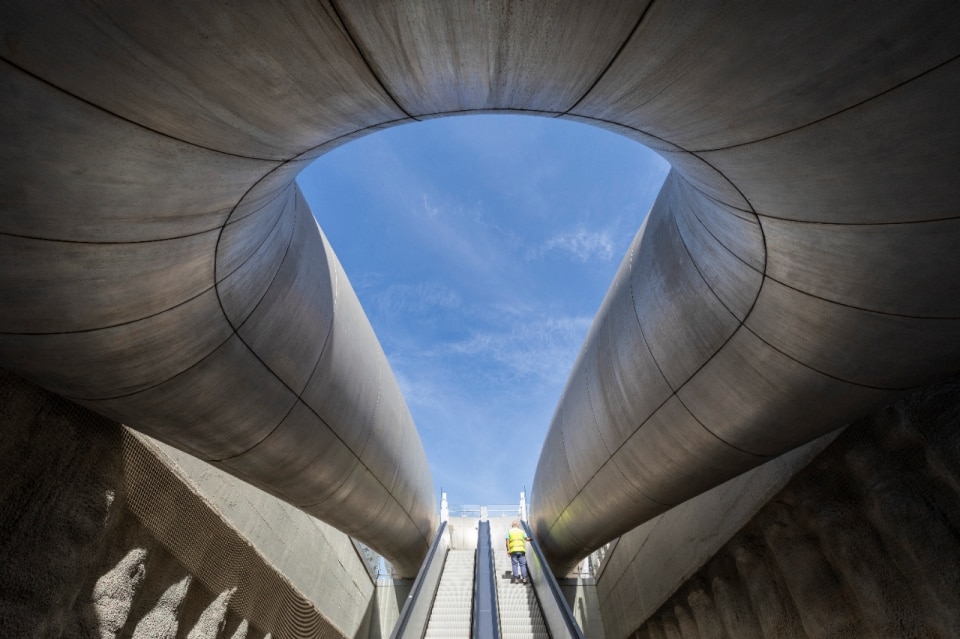
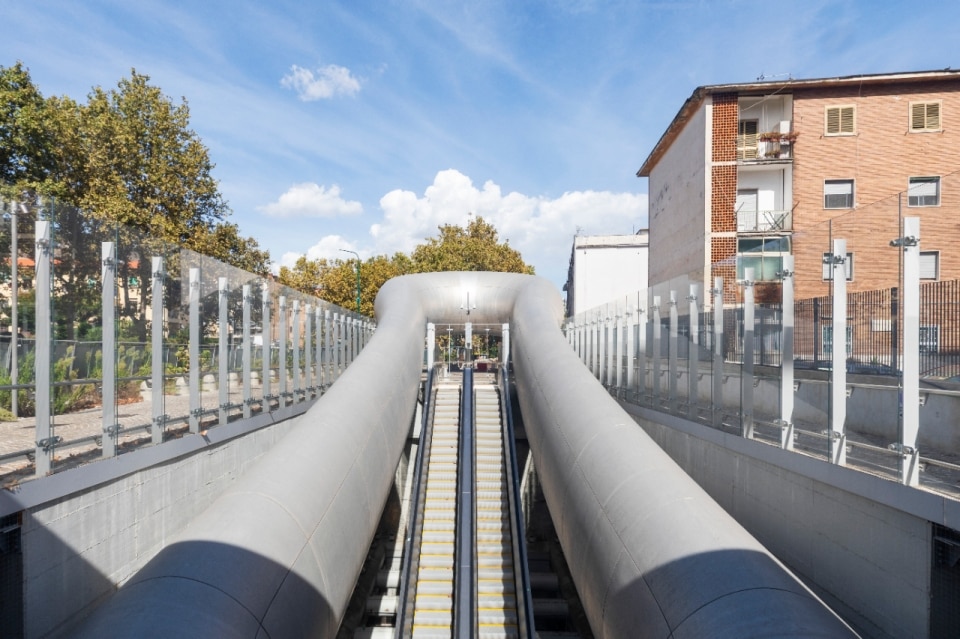
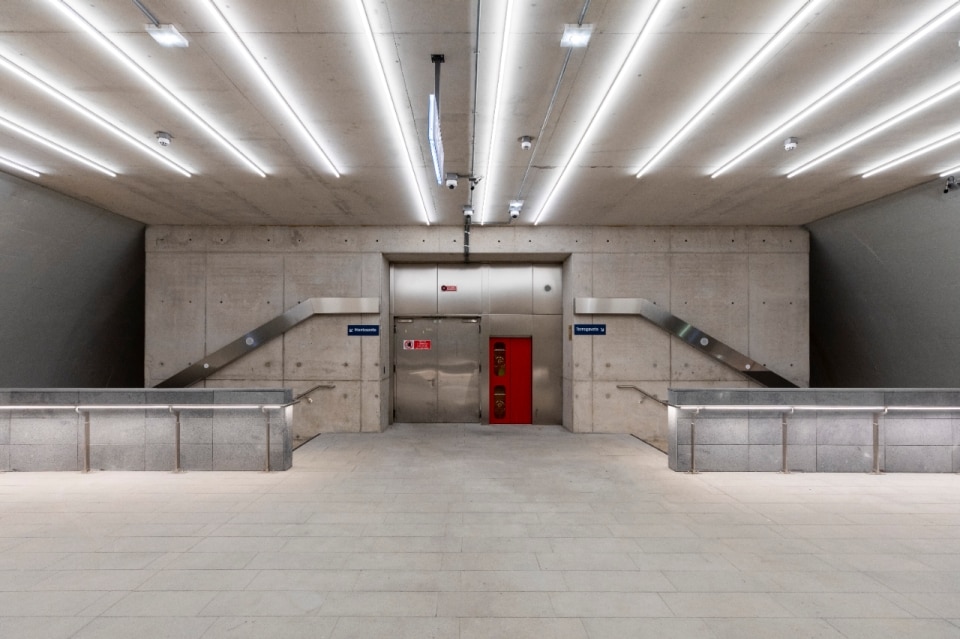
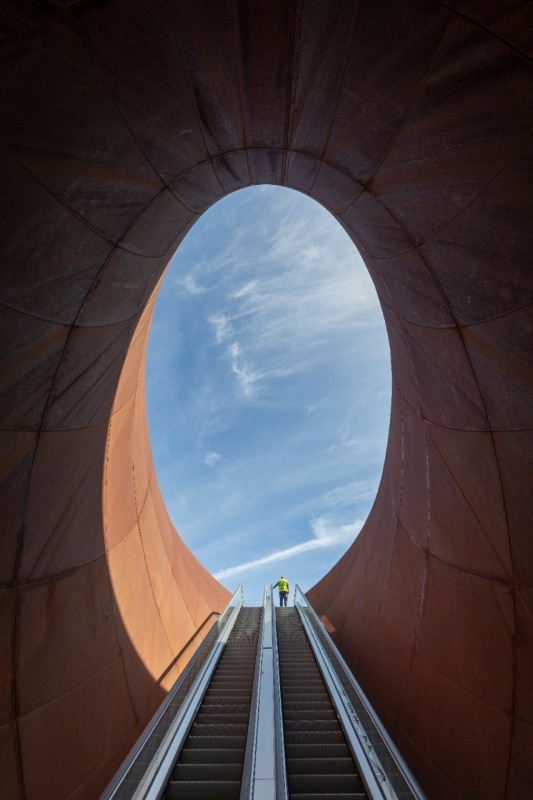
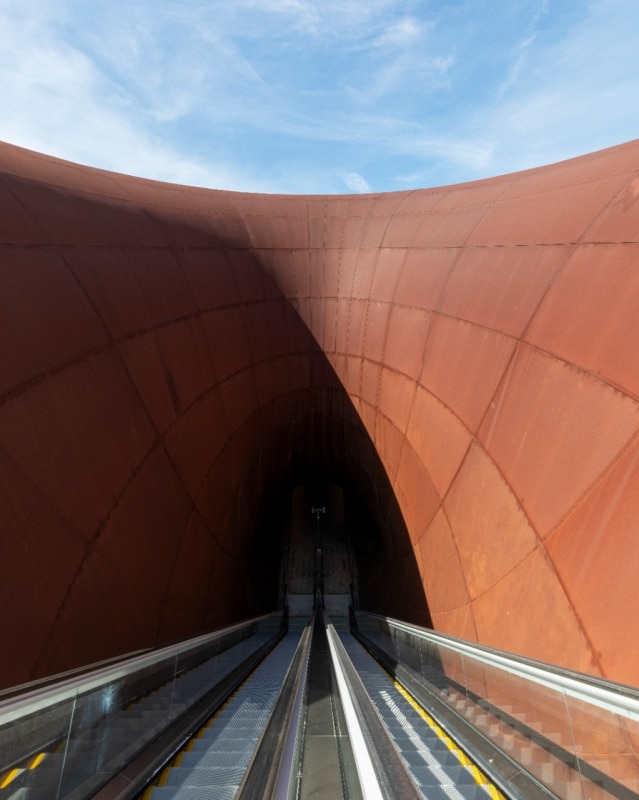
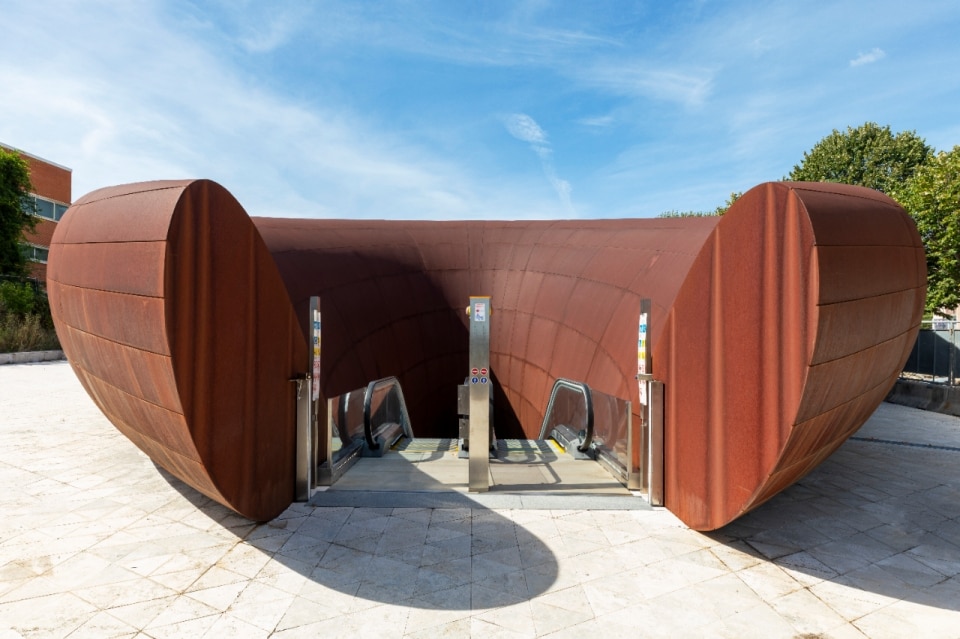
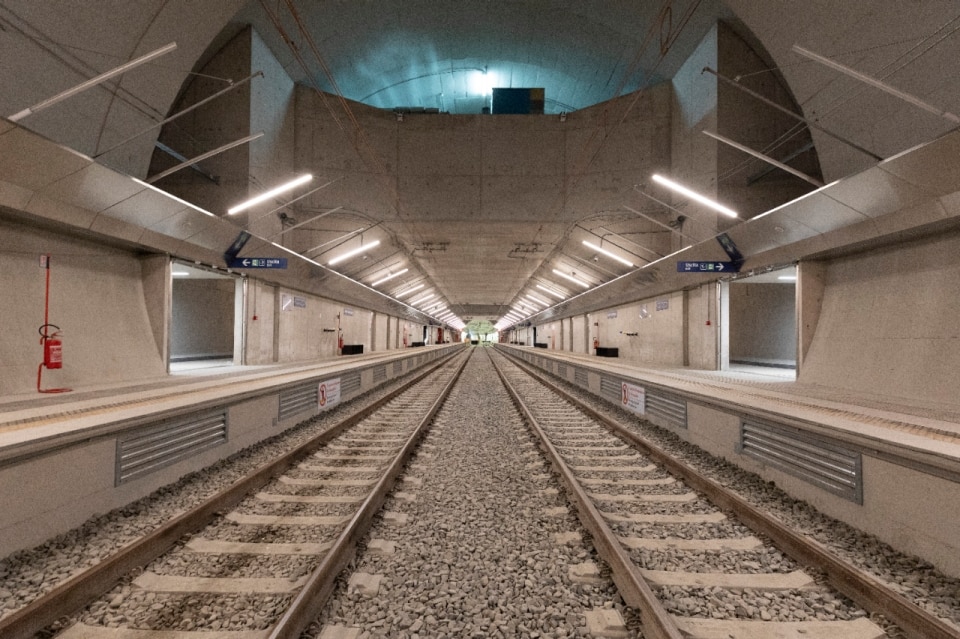
This constellation of visions takes flight in works that defy the gravity of the everyday. Jonathan Glancey depicts Foster’s Zayed National Museum as a "steel wingbeat in the desert," while Open Architecture’s Sun Tower in Yantai rises like a giant sundial, a bridge between humanity and celestial rhythms. Architecture becomes visceral in Anish Kapoor’s Naples station and explores the virtual frontier through the sensibilities of Matt Shaw and emerging practices like Space Popular and Pills.
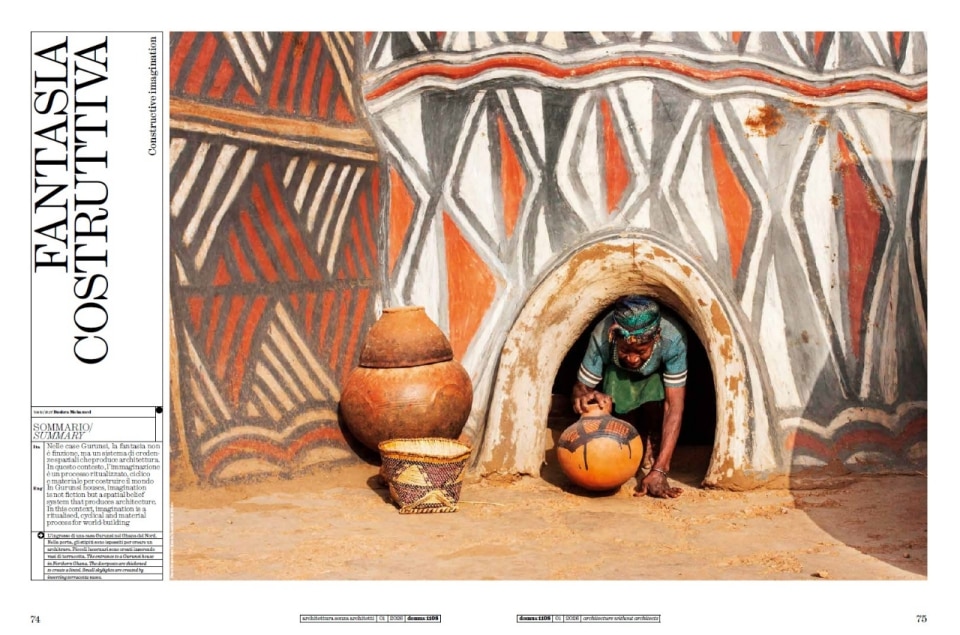
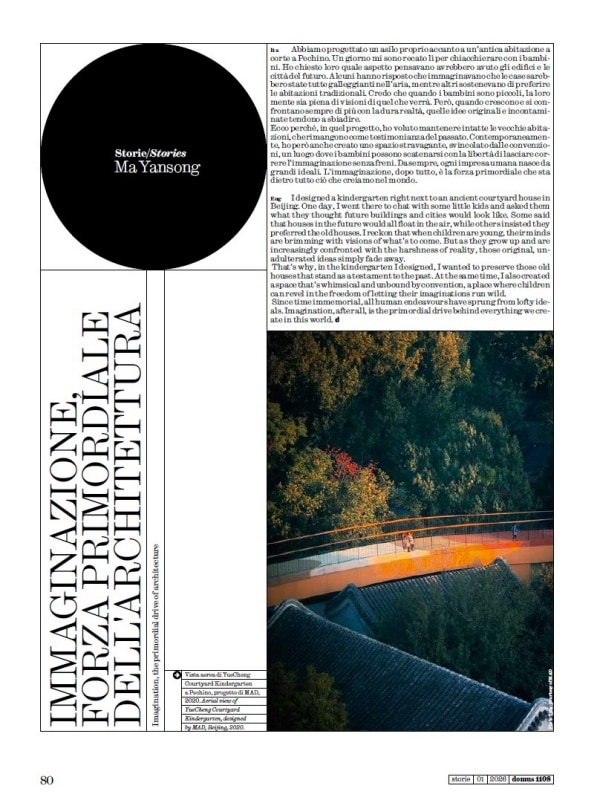
Yet, this push toward the "elsewhere" always finds its way back to the roots, as seen in the Gurunsi houses in Ghana documented by Bushra Mohamed, where fantasy is a cyclical ritual of belonging. The issue closes, fittingly, within the walls of a Beijing kindergarten, where Yansong has crafted a whimsical space free from convention. It is a reminder to us all: the human endeavor is always born of a high ideal. Architecture, after all, is but the noble and fragile attempt to give our dreams a roof before the harshness of reality makes them vanish.
 View gallery


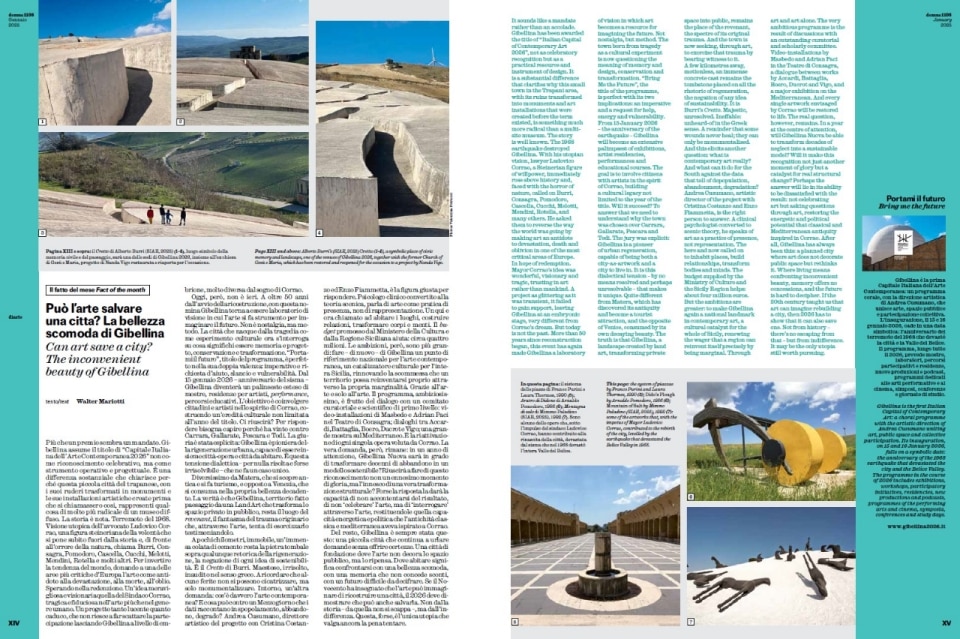
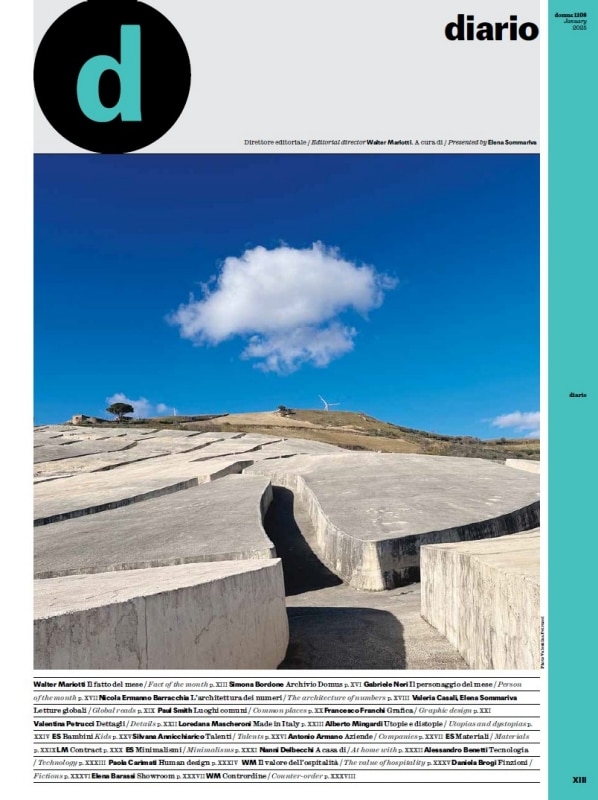
In our Diario section, the story begins where the earth once shook: Gibellina. Recently named the Italian Capital of Contemporary Art 2026, this Sicilian town has been given a mandate: to transform the trauma of 1968 into a design methodology. Editorial Director Walter Mariotti walks us through this utopian vision.
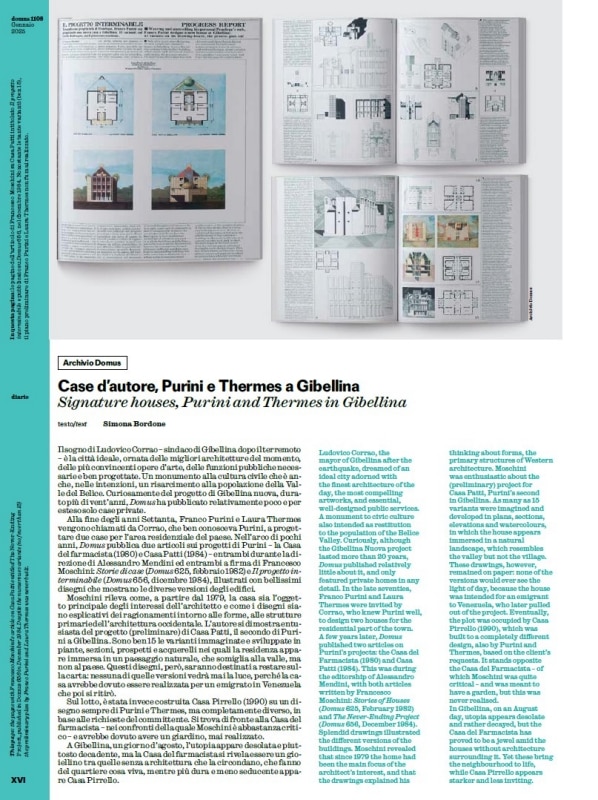
While Burri’s Cretto remains a monumentalized wound—an unprecedented silence in concrete—the city prepares for the future, betting on its own marginality as an antidote to oblivion. Also in Gibellina, Simona Bordone revisits the archives of Franco Purini and Laura Thermes’ "endless project." Through the historical chronicles of Francesco Moschini, we rediscover the Pharmacist’s House and the unbuilt Casa Patti: dreams on paper that force us to ask what it means to inhabit a memory that offers no discounts.
 View gallery
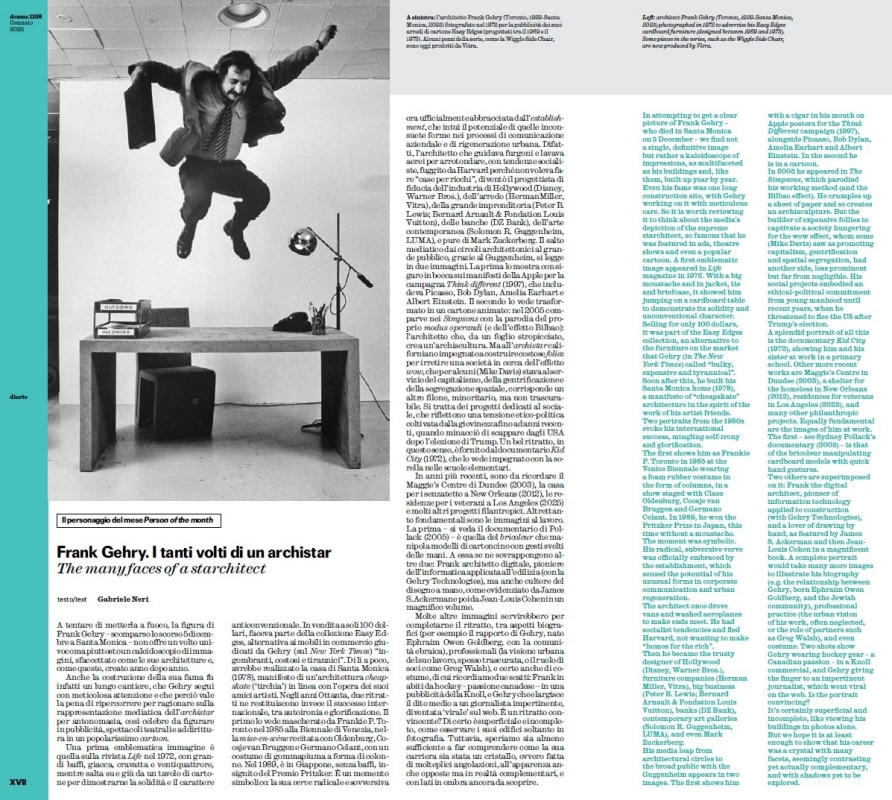
If architecture is a "crystal," as Gabriele Neri suggests regarding Frank Gehry, then every facet reflects a different truth. From his 1972 Easy Edges cardboard furniture to his cameo on The Simpsons, Gehry has balanced the "wow factor" of Bilbao with a quiet socio-political ethic, designing homes for veterans and centers for the homeless. In our Detailscolumn, Valentina Petrucci interviews Francesco Siciliano, President of the Teatro di Roma. For him, art is "violent seduction." From the chromatic explosions of the Turner Collection to the mysterious sensuality of Antonello da Messina’s Annunciata, Siciliano reminds us that color is pure emotion—a "here and now" that inhabits spaces and transforms bodies.
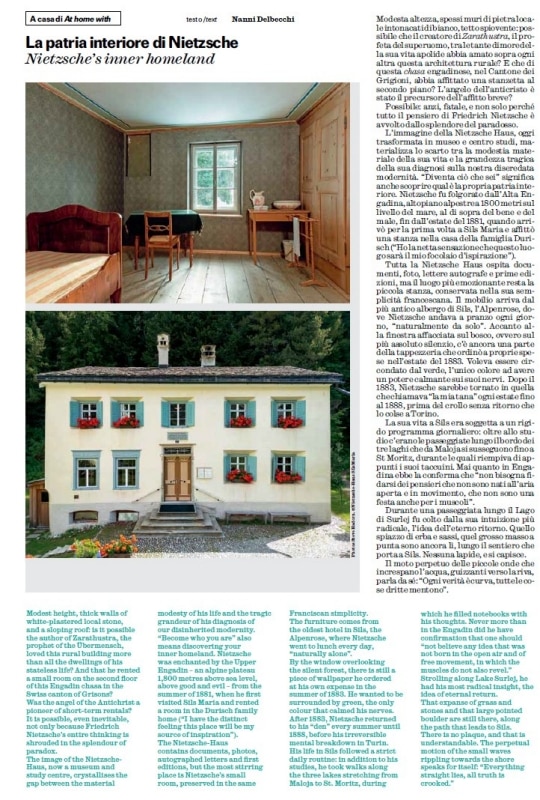
Leaving Sicily behind, Nanni Delbecchi takes us to Sils Maria, the "spiritual homeland" of Friedrich Nietzsche. In a modest room in the Engadine, between white walls and green wallpaper chosen to soothe his nerves, the philosopher conceived the Eternal Return, teaching us that thoughts born in the open air have the vigor of a "feast for the muscles." Nicola Ermanno Barracchia then reveals how Pythagorean numerology serves as a lens to decode the "golden ratio" of our soul: in a digitized world, everything is a number, and every digit hides a message already written within us.
Design emerges as a tool for empowerment. Elena Sommariva explores the "new wood" designed by Nendo (Oki Sato)for Vittorio Alpi, where Kasumi and Futae blur the line between nature and artifice. Design is also movement: Silvana Annicchiarico presents the work of Lisa Stolz (MOWO), who replaces the inertia of sitting with the elasticity of birch and beech—a "gentle revolution" against daily immobility. While Loredana Mascheroni analyzes the "lyricism of writing" in Francesco Librizzi’s Scarlatta bookcase and the French lightness of Ambroise Maggiar for Infiniti, Francesco Franchi shifts the focus to graphics as infrastructure: the Made in Europe trademark by Dada Projects turns regulations into a design language, making European trust visible.
The issue closes ideally within the walls of a kindergarten in Beijing, where Yansong has created an extravagant space free from convention. It is a reminder to all of us: human endeavor always stems from a lofty ideal.
The architecture of responsibility knows no borders. Alessandro Benetti takes us to Toronto to admire Limberlost Place, a net-zero timber giant by Moriyama Teshima and Acton Ostry Architects, while Antonio Armano recounts the energy of Energieker, where CEO Riccardo Monti translates ceramic matter into a contemporary language.
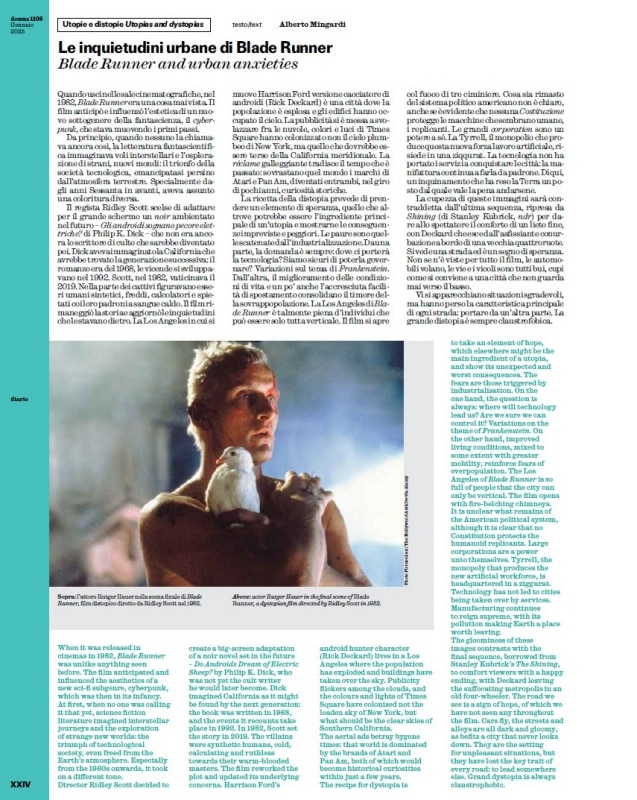
The diary concludes at the intersection of utopia and reality. Alberto Mingardi revisits the claustrophobia of Blade Runner, Paul Smith surprises us with the history of 1900s mail-order houses, and Daniela Brogi analyzes the Hotel Saltus and the cinematic fictions of Park Chan-wook—tales of houses as tragic symbioses and acts of care. Finally, Paola Carimati urges us to "use our brains" through the maxims of Paolo Borzacchiello, and the studio TAKK gives children "rooms on wheels"—pockets of intimacy within industrial spaces.
In this landscape, the workspace undergoes a radical metamorphosis, moving from the Fordist model of repetition to an identitarian dimension. As Stefania Boschetti and the EY dossier highlight, today’s office must nourish "carbon networks"—human relationships—against the abstraction of silicon networks. Piuarch’s project for EY transforms space into a living organism that breathes through its people. Here, beauty is not decoration, but a form of energy that generates desire and belonging. This issue interrogates architecture not to save us from history, but from the indifference of a world that has stopped questioning its own beauty.
Happy 2026, and enjoy the read.