


Lina Ghotmeh builds her work on a deep relationship with materials, places, and the people who inhabit them. Her architecture unfolds as a layered investigation in which memory, context and construction become tools to read — and sometimes recompose — complex cultural landscapes. We meet in Venice during the Holcim Foundation Awards 2025, where Ghotmeh chaired the jury for the Middle East and Africa regions: a privileged observatory from which to once again reflect on contemporary ways of building in contexts marked by unequal resources, extreme climates and political instability.
When asked where this material- and making-oriented vision of architecture begins, Ghotmeh returns to a vivid memory rooted in her childhood in Lebanon. “When you close your eyes, you really look deep inside you, and you almost become a child again. For me, I remember being in the mountains of Lebanon and looking at stone construction. I remember workers building walls in the villages, cutting and chiseling the stone. It was almost magical… this process of using raw natural material and, with their hands, allowing an architecture that surpasses the human scale.” In that process, what emerges is not only an interest in architecture but a precise idea of design as practice: “This process influenced me in the love of architecture, but also the love of making by hand.” If the mountains restore the craft dimension, Beirut inevitably introduces the political dimension of building: “Growing up in Beirut… you are always faced with demolished buildings. The question of building, rebuilding and resilience definitely influenced the way I perceive built space and what I want to do in architecture.”
When you close your eyes, you really look deep inside you, and you almost become a child again… It was almost magical… allowing an architecture that surpasses the human scale.
Lina Ghotmeh
This dual origin — manual craft and wounded city — also translates into the way Ghotmeh considers roles and identities within the discipline.
“I never think about myself as… a woman designing. It’s very difficult to gender yourself,” she says, rejecting a reductive reading. At the same time, she claims the need to broaden the field: “Sometimes our built environment… is not human enough. It lacks relationship to nature, to the relational quality of humans, and to inventiveness.” Hence her search for spaces that escape canonical categories: “I always seek those new spaces you can discover in cities — where it’s not about a library, not about a school, but what is in between.”
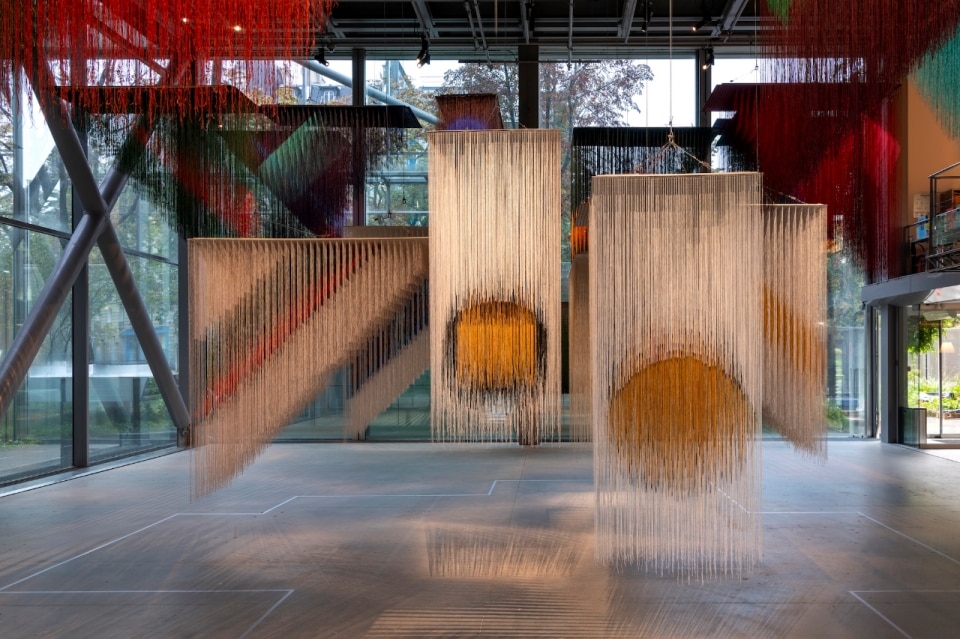
This sensitivity strongly re-emerged in her jury work at the Holcim Awards, where context became a central criterion of evaluation.
“I was presiding over the Middle East and Africa, and they are very different regions with very different climates… there are regions you cannot really compare — Palestinian territories, Congo, Nigeria.” Precisely this heterogeneity, more than a limitation, opens a field of discussion: “We were questioning what architecture is today — what is good architecture. Of course it has to respond to sustainability and climate, but it also has to bring aesthetic value and a sense of beauty to the environment.” In other words, sustainability is never separated from spatial experience nor from the cultural responsibility of design.
Within the selection, Ghotmeh points to projects in which architecture takes on a value that exceeds construction.
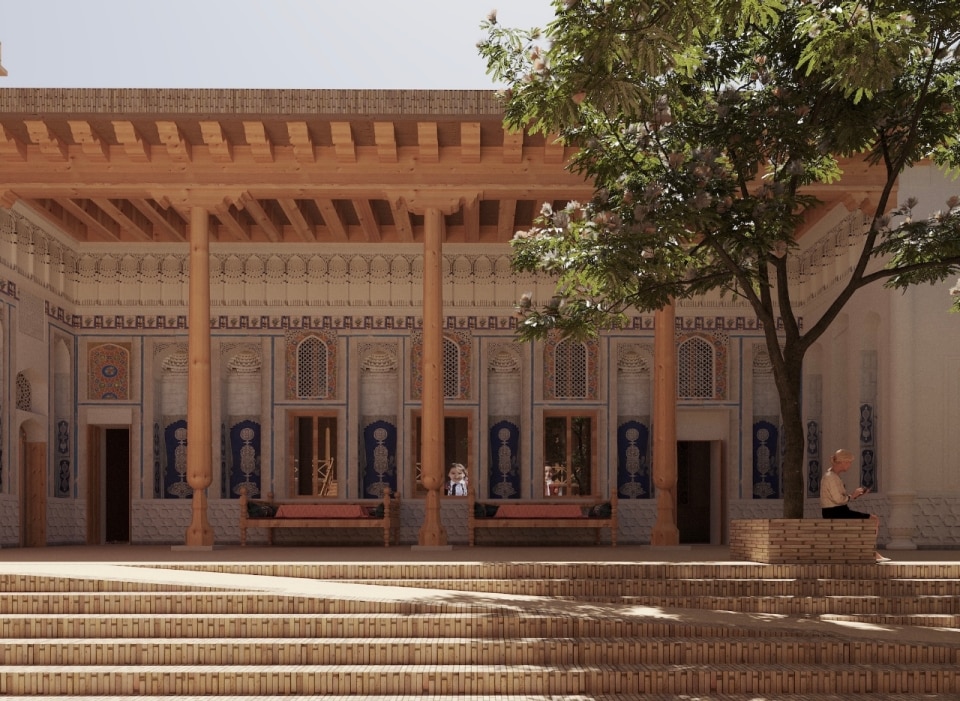
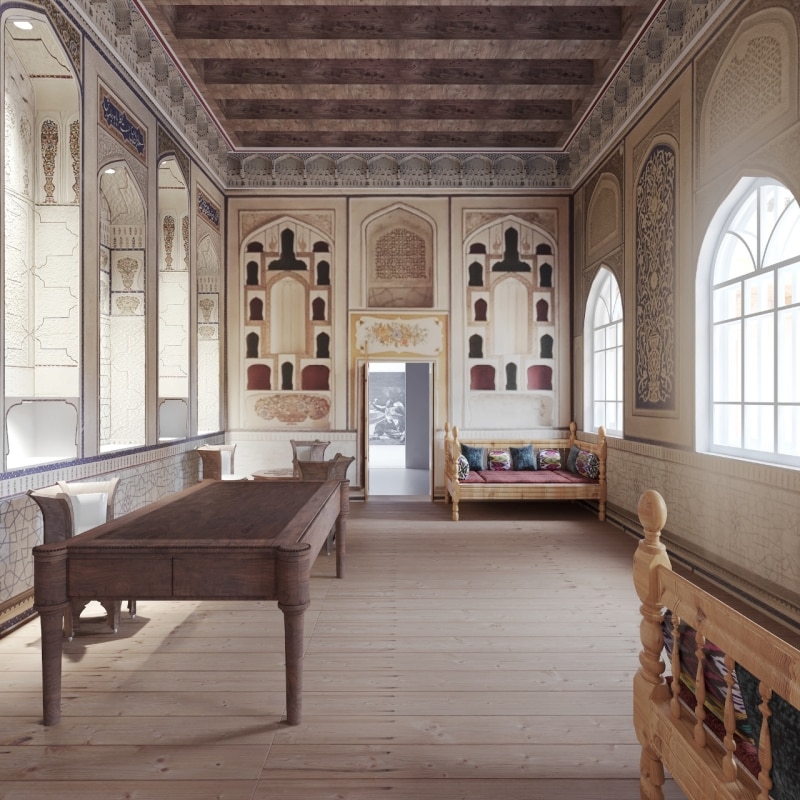
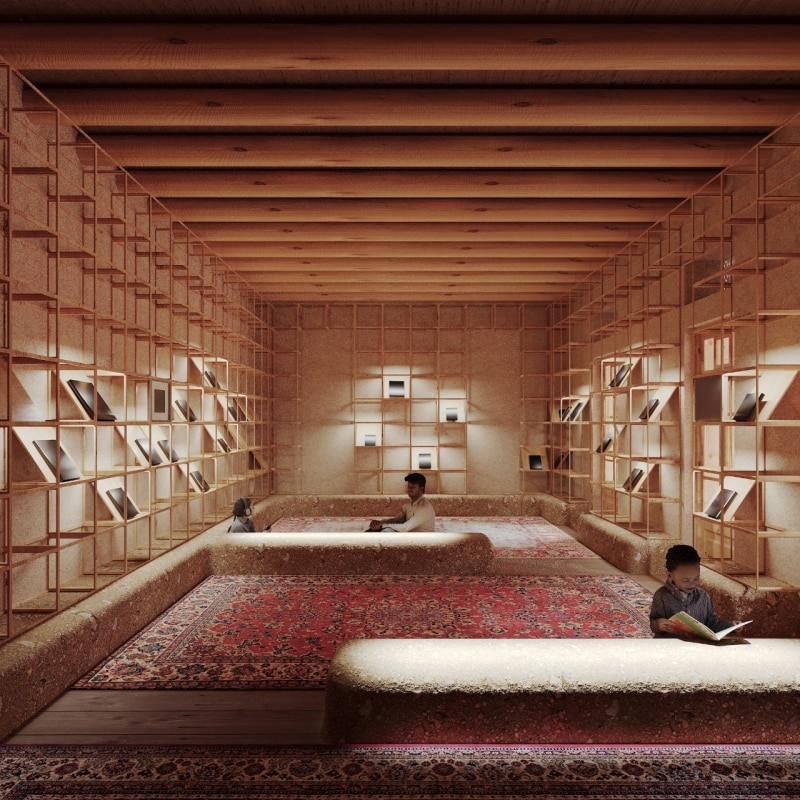
“The Qalandia village project was very touching… it is really an architecture of healing with strong social impact — especially for me, coming from a context like Lebanon where architecture has to have power beyond building.” Similarly, the Kinshasa market reveals another, more tactile and urban quality: “It’s a very interesting example of how you build on capacity and grow an informal marketplace without sidelining its informality… so it keeps this flowing condition.” In both cases, the idea of design coincides with a form of mediation: between needs and desires, infrastructure and everyday life, rules and informal practices.
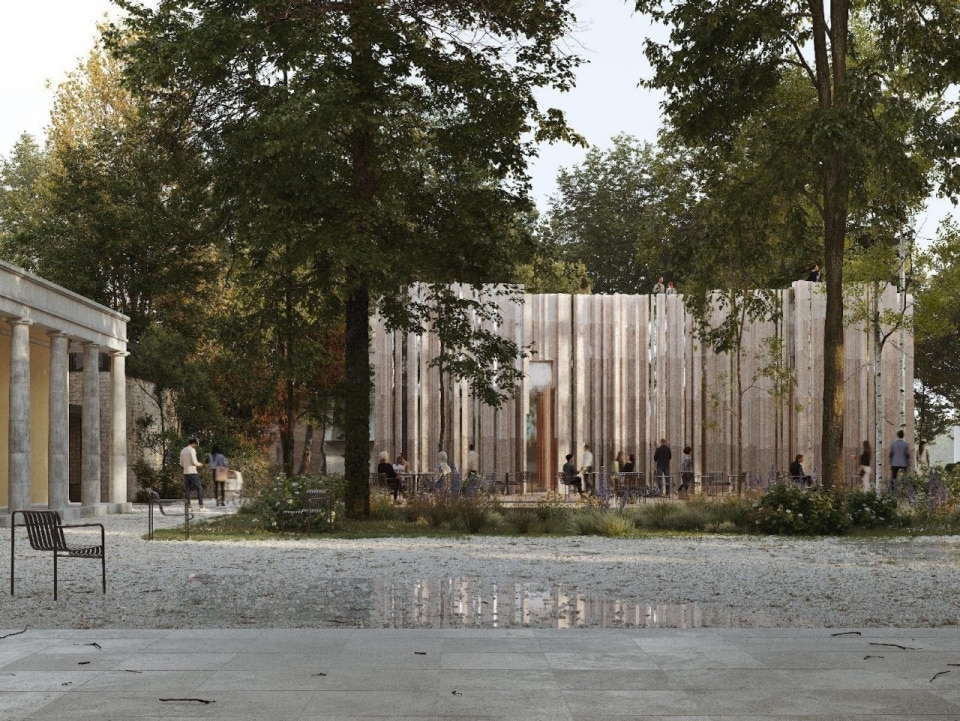
This attitude is also reflected in the studio’s work.
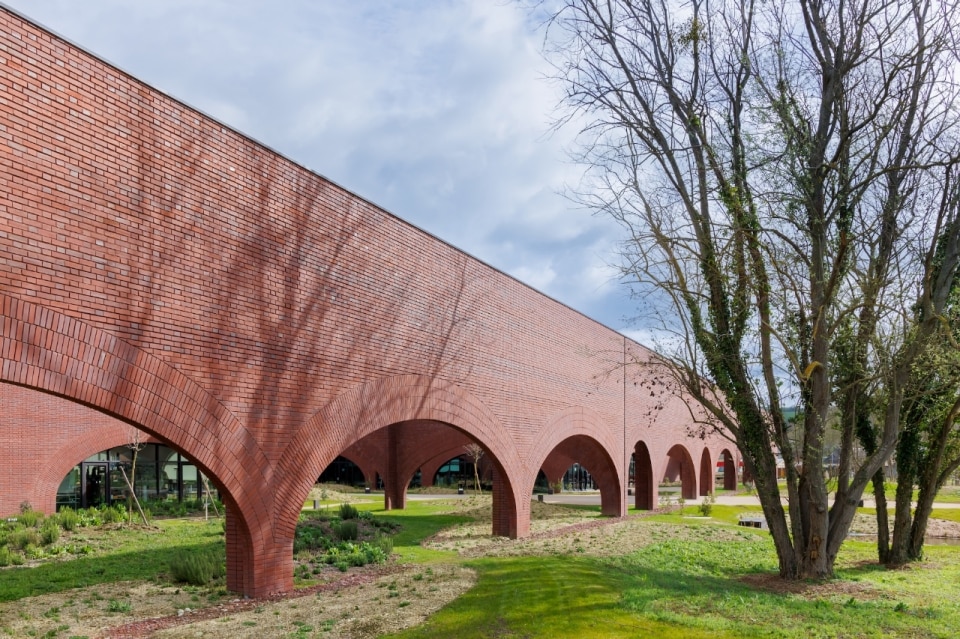
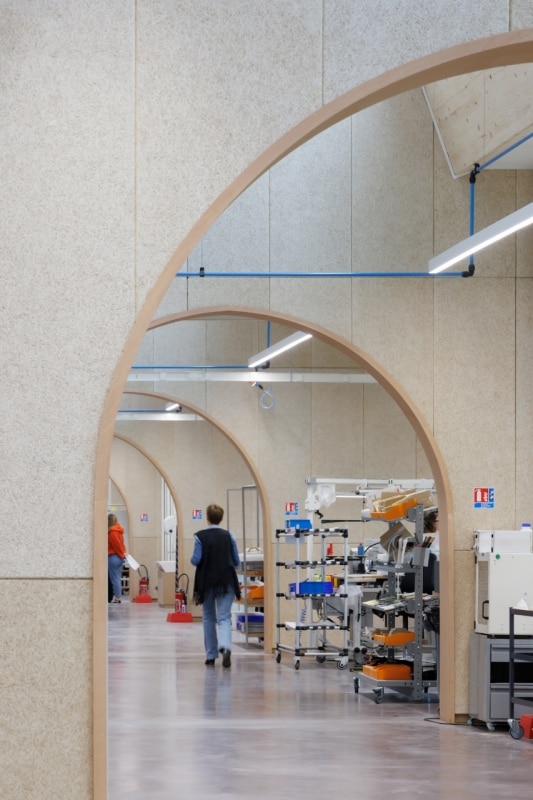
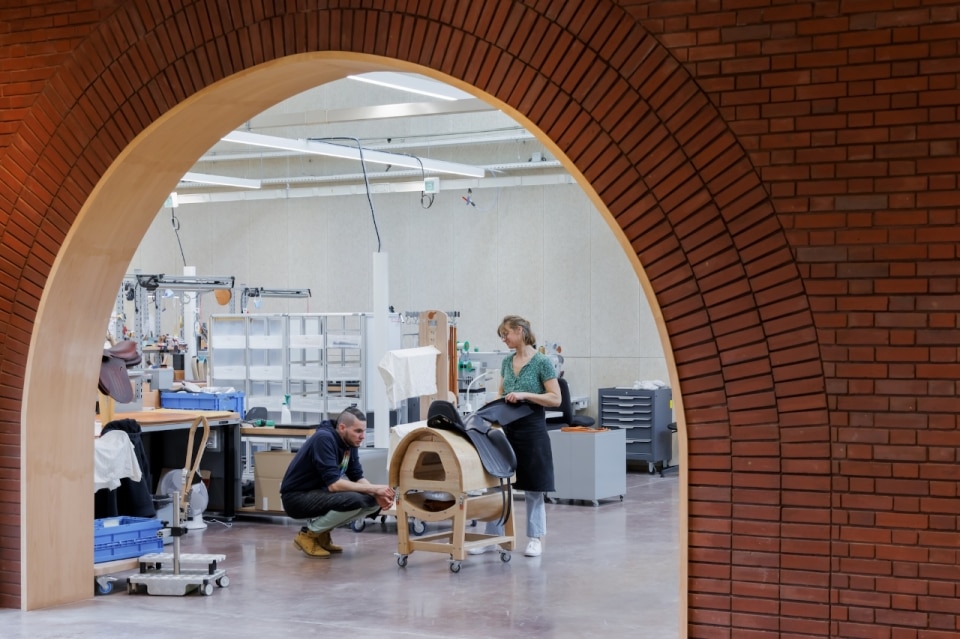
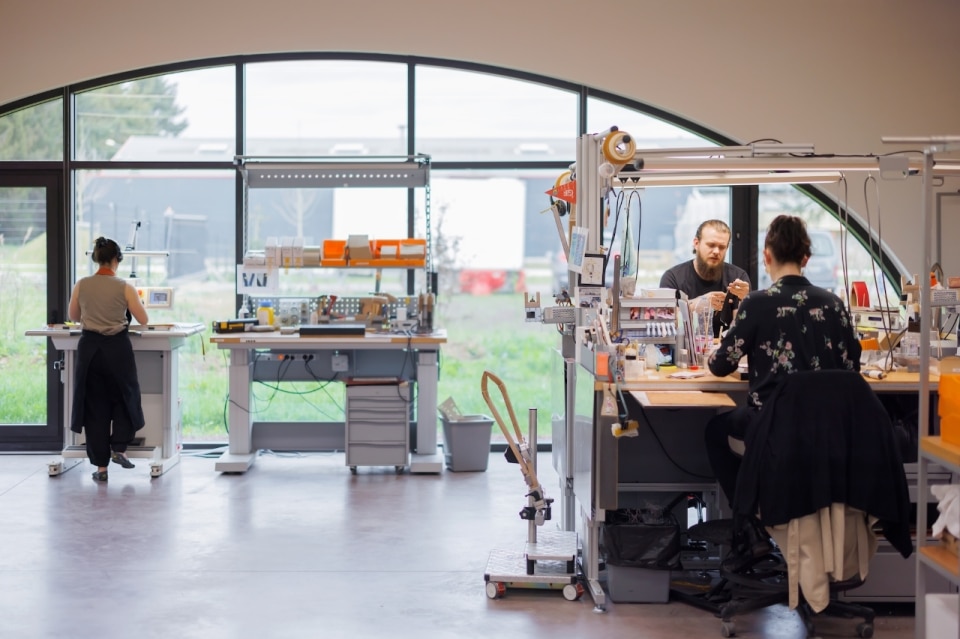
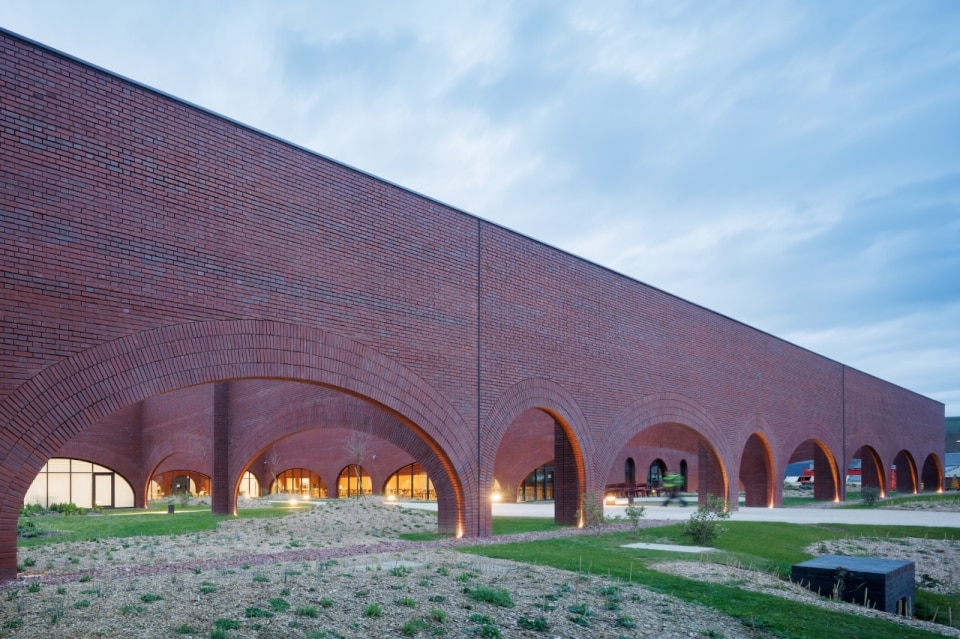
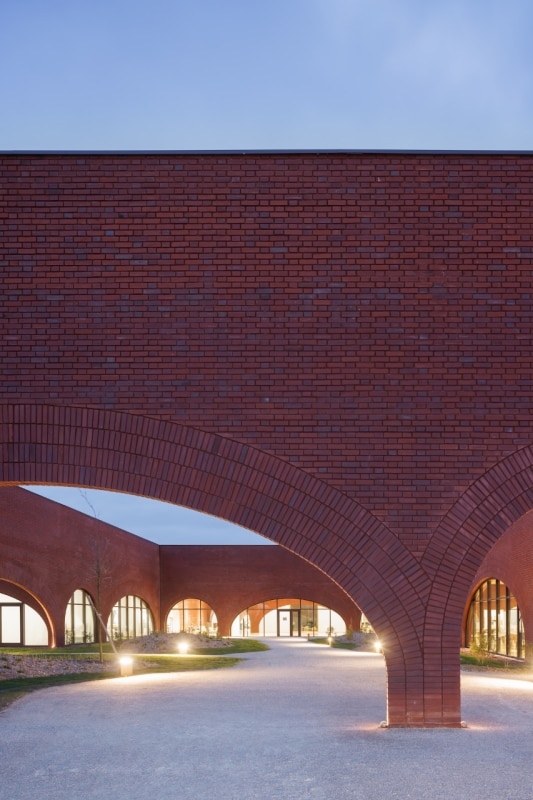
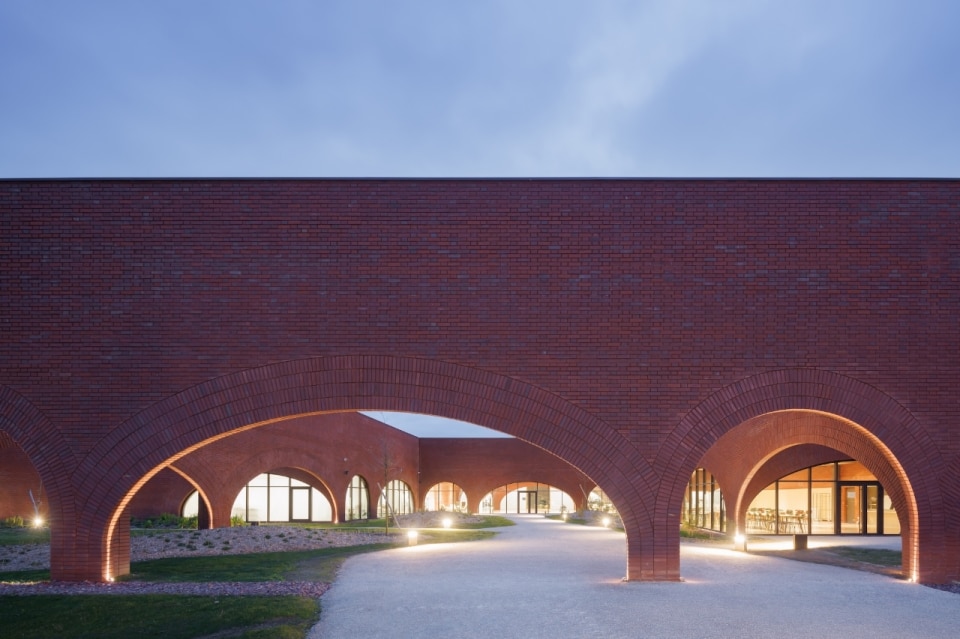
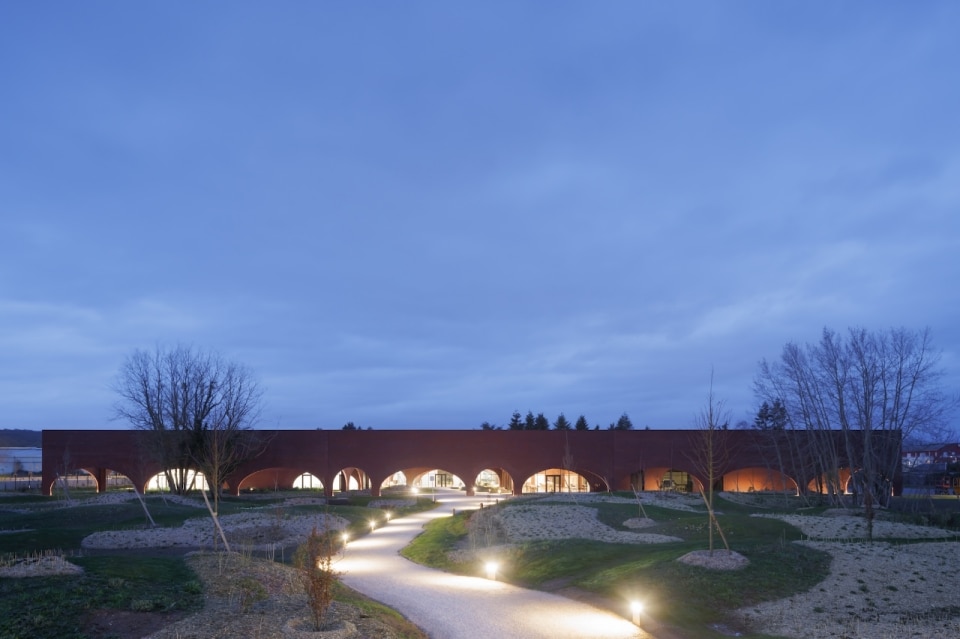
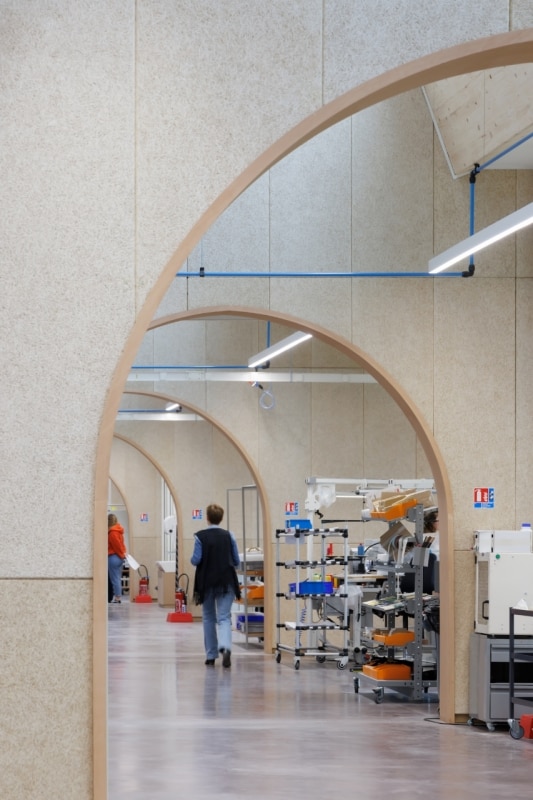
“The process in my studio is very iterative and never linear,” she states. “Architecture is not linear — it’s a network of questions and complexities that you put together to produce space.” Hence the habit of starting from essential questions that challenge typologies: “What are we going to build? What is a school? What’s the history of the school typology? Why do we study in enclosed classrooms? What if we studied outside in nature?” At the same time, material enters the process from the very beginning, not as a final choice but as a driver. “When I was designing the manufacturing building in Normandy… brick and earth were the resources on site. So brick became the best material, and it influenced the shape and the arches of the building.”
Within this vision, sustainability cannot be an add-on chapter.
“I hate to say that sustainability is a trend — it cannot be a trend. It’s the core,” she says, bringing it back to a structural condition rather than a label. It is a conviction that links biography and knowledge: “Maybe it’s because I grew up in Beirut and was sensitive to nature… we are microbes, we are nature. We need nature to survive — it’s not that the Earth needs us.” For this reason, vernacular architecture remains an operational reference: “If you look at traditional stone houses in Lebanon — the measured windows, the thick walls — in a Mediterranean climate you directly create comfort through natural materials and common-sense ways of building.” More than nostalgia, it is a grammar of relationships between climate, resources and comfort.
I hate to say that sustainability is a trend — it cannot be a trend. It’s the core.
Lina Ghotmeh
If sustainability is central, technology — including artificial intelligence — can be useful only as a tool consistent with that core. Ghotmeh sees it as support for reading contexts and bioclimatic simulations, but rejects the idea of replacing design as a cultural practice: “I don’t believe it can replace us as humans. The process of architecture is not mechanical… the discussions and even the fights are part of the process. That’s what makes what we do deeply human.”
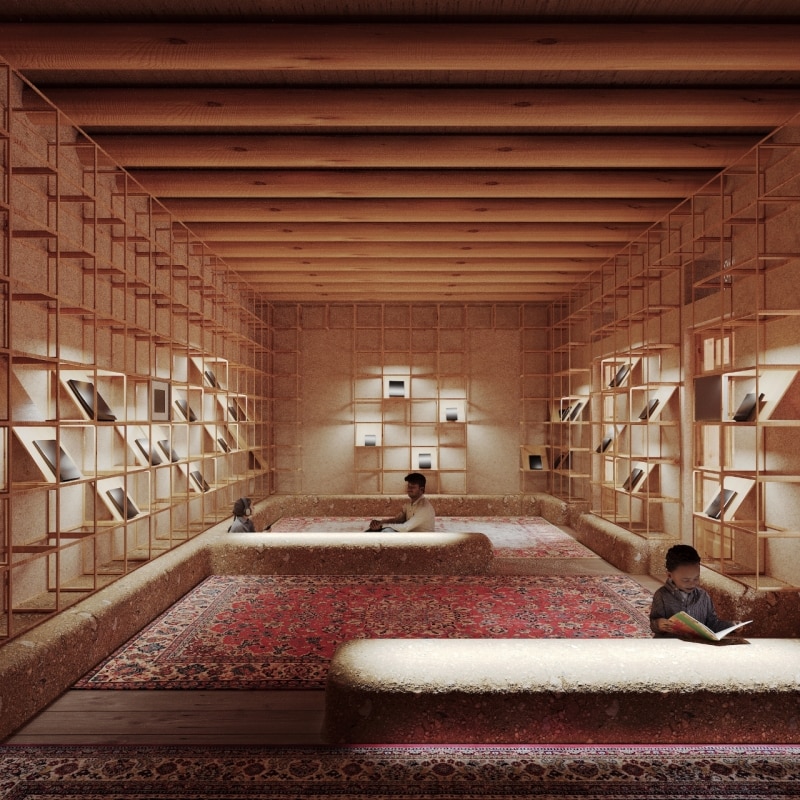
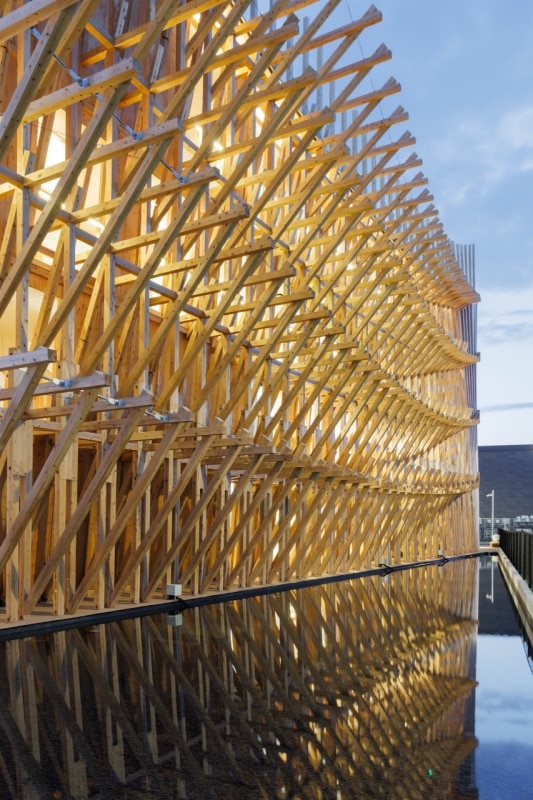
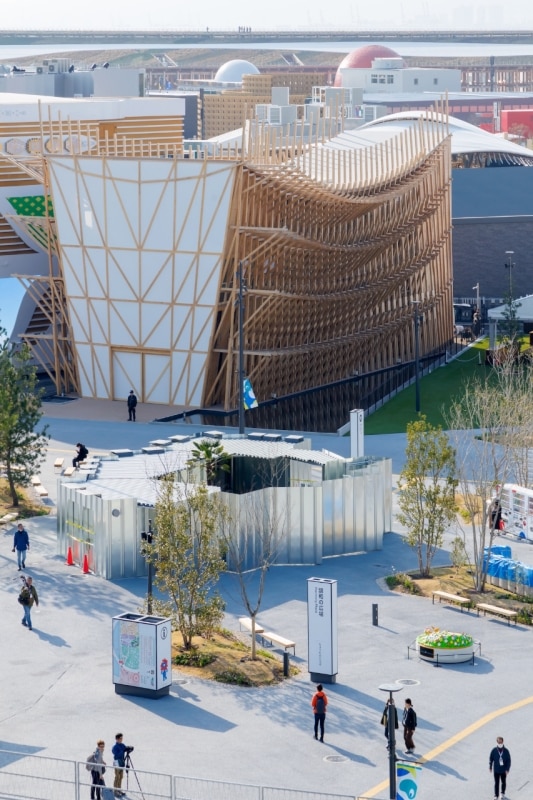
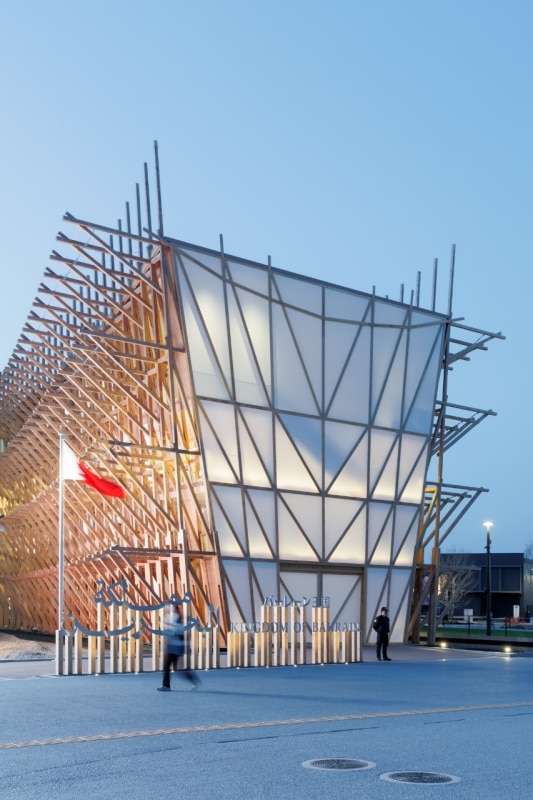
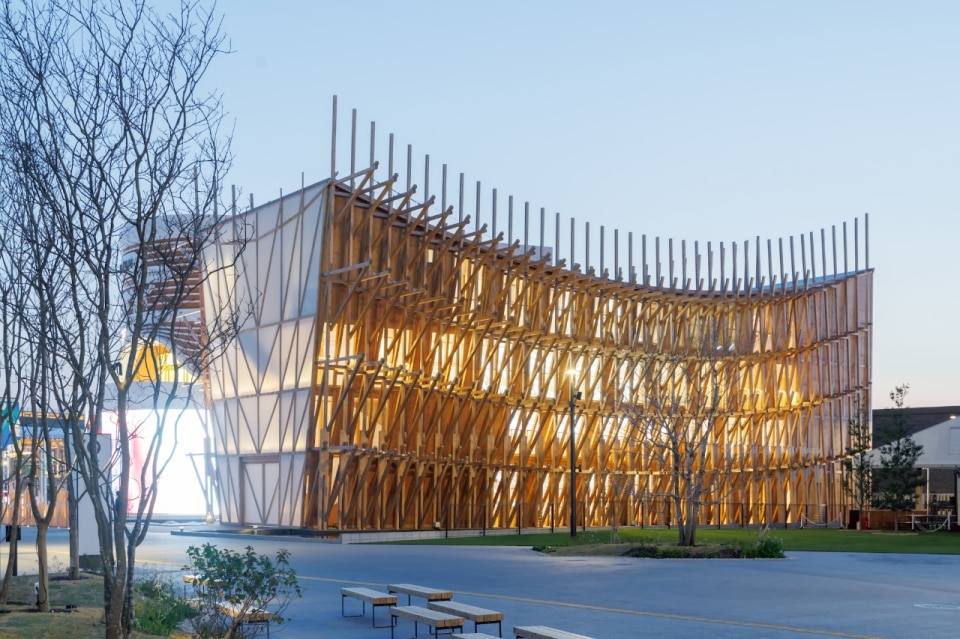
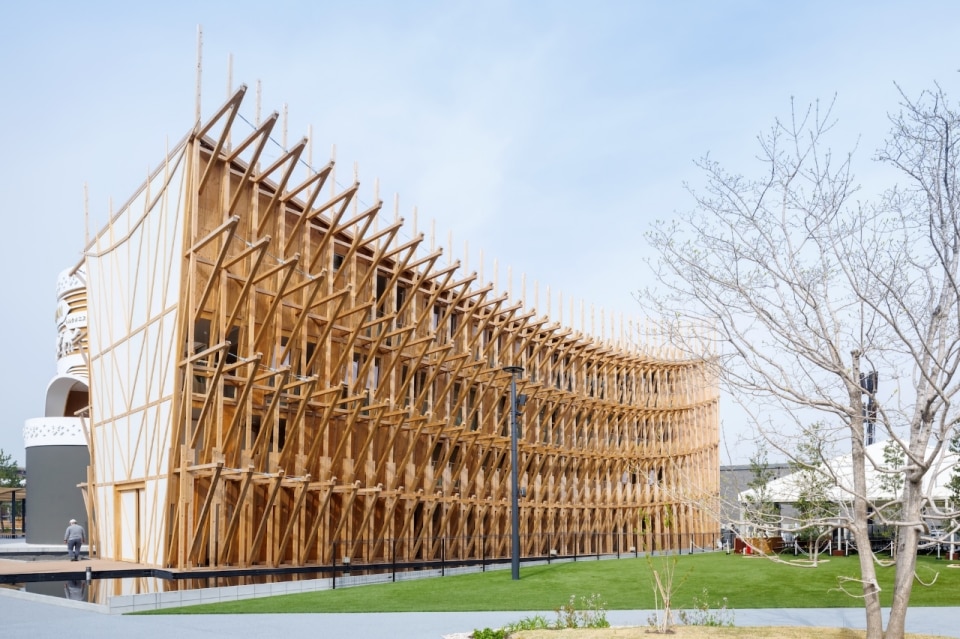
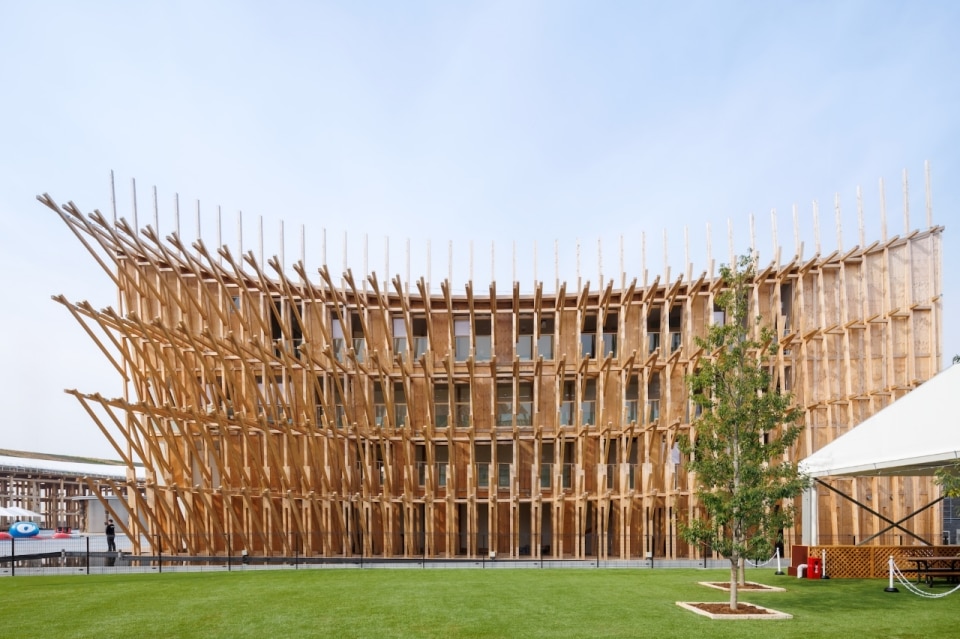
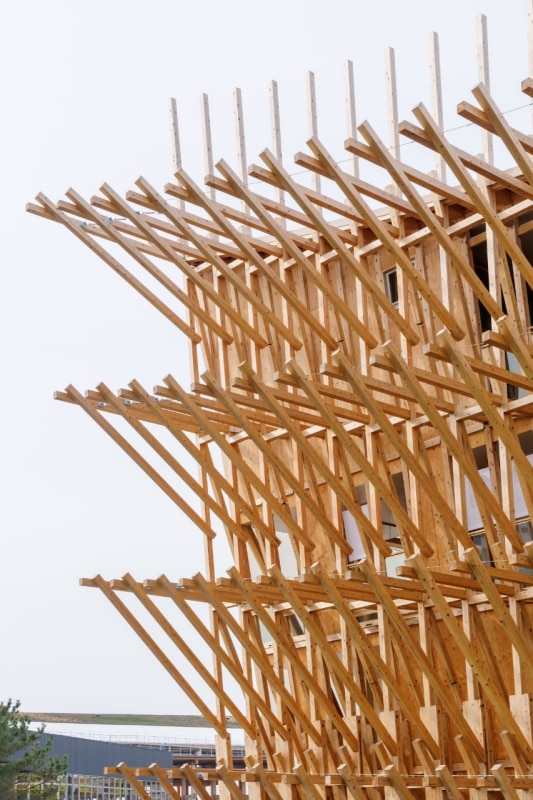
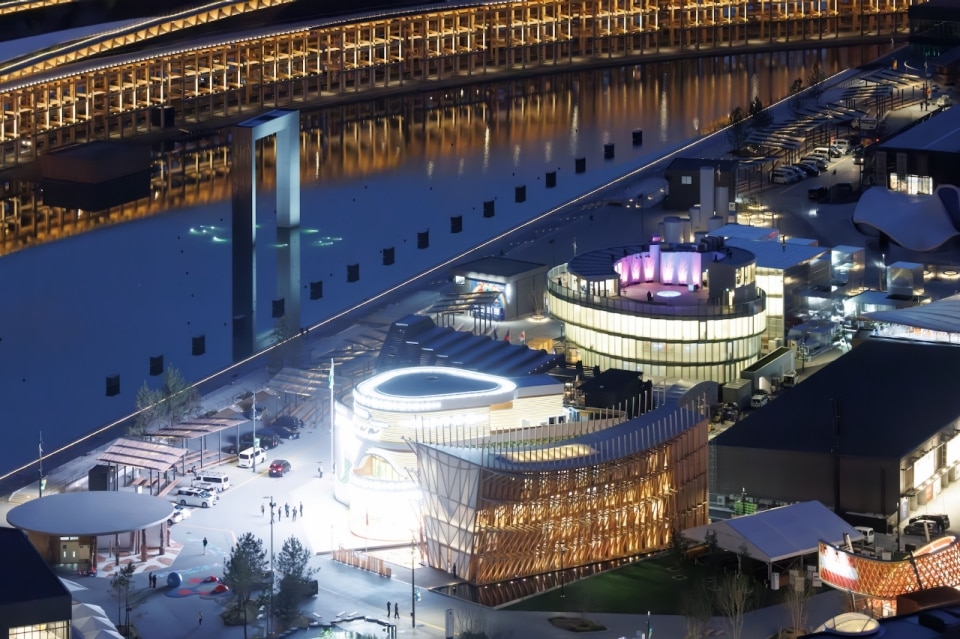
Technology, therefore, not as a formal shortcut but as a means to manage complexity and reduce waste without erasing the collective dimension of the work. Here the theme of inclusion naturally returns — not as a slogan, but as a quality of the construction process. “A good detail is about understanding the materials you are building with and how things come together… sometimes you have to go behind the drawing — go to the industries, see the craftspeople, and learn from their knowledge.” In the projects she mentions — from the Beirut tower to the Bahrain Pavilion at Expo Osaka — material becomes a vehicle of relationships: “Using unengineered wood allowed us to involve craftspeople in Japan… the whole process of making became a process of pride. It was so much a human venture — suddenly, even if you don’t speak the language, architecture makes you speak the same language.” Within this framework, the detail is not merely a technical point but a place where skills, economies and identities converge.
Looking at younger generations, Ghotmeh insists on one thing above all: do not give in to cynicism. “As an architect you should continue to dream… Architecture is about people first.” Continuing to dream, she concludes, is not about removing difficulties but about remaining within complexity without reducing it: holding together responsibility, imagination and a design practice understood as a shared act.
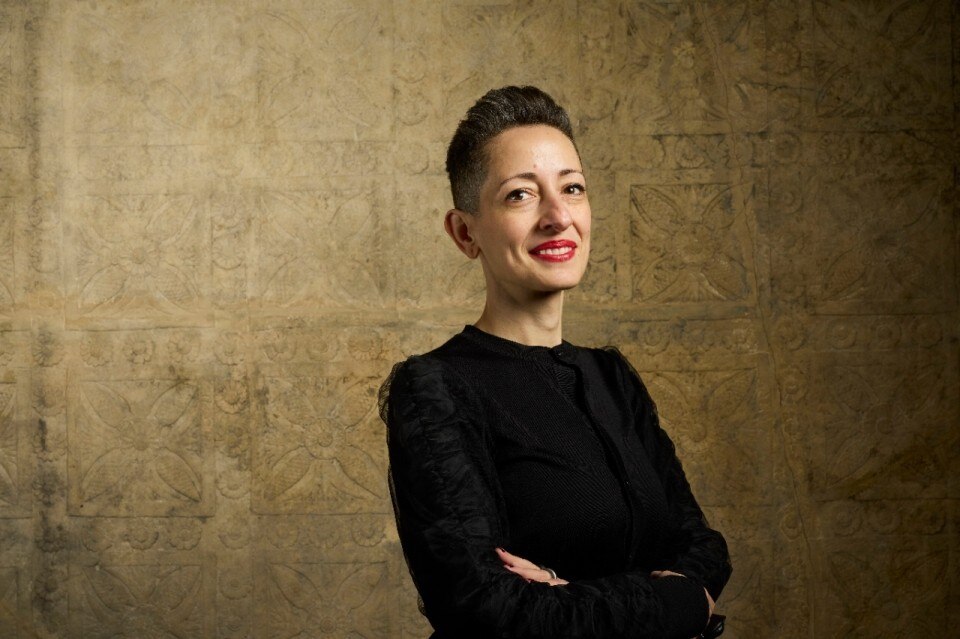
Opening image: Lina Ghotmeh. Photo David Levene