


Vietnam is one of the most vulnerable countries to climate change, with an estimated more than 70 percent of its population in areas prone to typhoons and flooding. With more than 2,000 kilometers of coastline and vast river deltas, it is estimated that by 2100 much of the Mekong Delta could be submerged. At the same time, Vietnamese cities are growing rapidly in density and height, often without regard for critical environmental concerns. Modern buildings with glass facades and air-conditioned interiors are proliferating in many urban areas, a model that many planners consider unsuitable for the local tropical climate.
In response, some studies propose solutions inspired by vernacular traditions and climatic conditions, with the aim of reducing the vulnerability of urban settlements to extreme weather events.
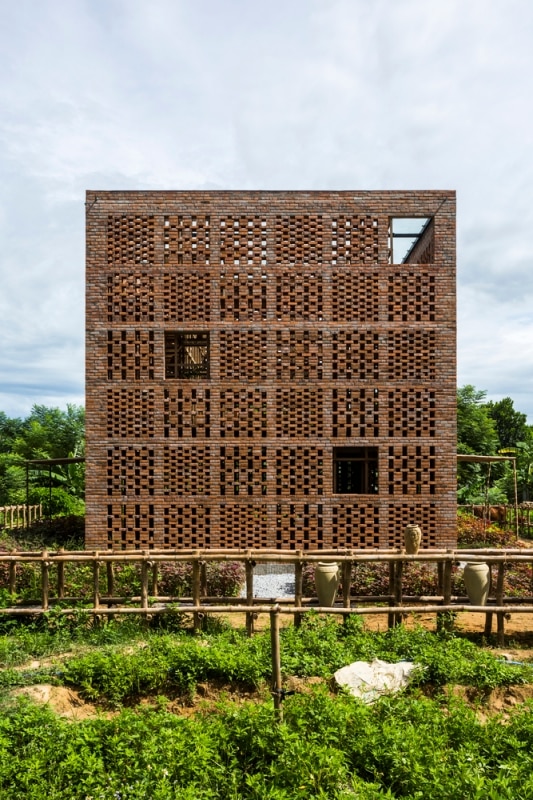
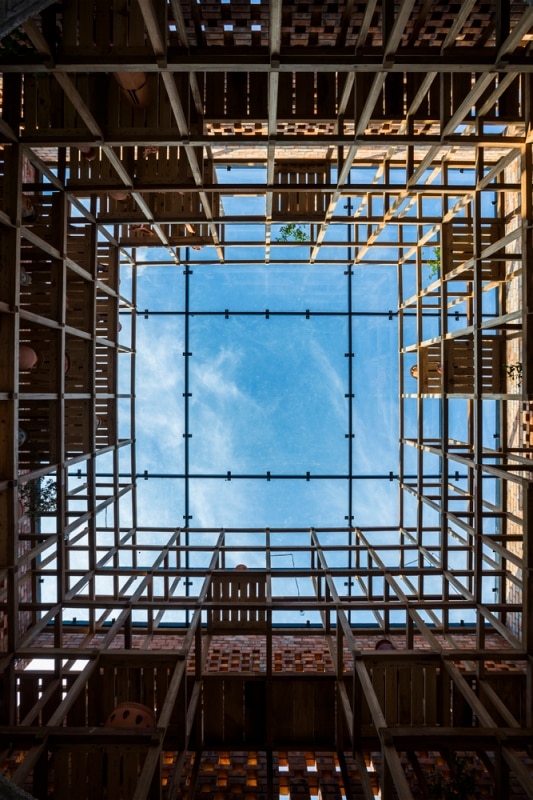
Fostering natural ventilation is one of the main strategies to curb the use of air conditioning. In high-density settings, architects introduce interior courtyards, skylights, and perforated facades that promote air circulation, reducing reliance on air conditioners. In Ho Chi Minh City, buildings with perforated brick walls maximize natural light and ventilation, offering a low-impact alternative to mechanical cooling systems. These solutions are complemented by screens such as sunshades, ventilated roofs and integrated greenery, which help keep interiors cooler.
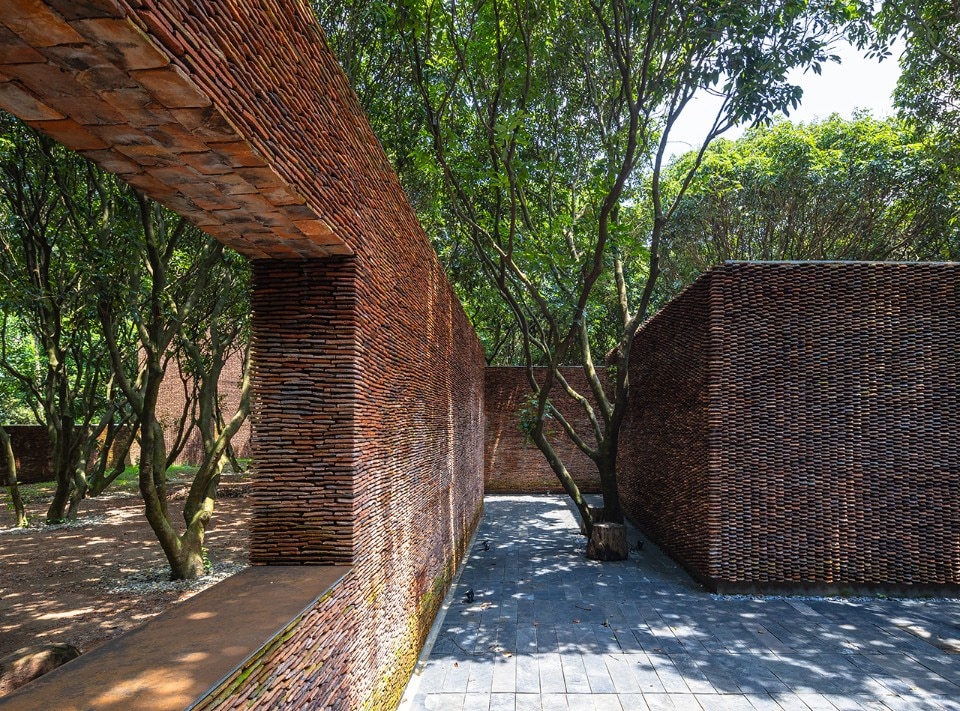
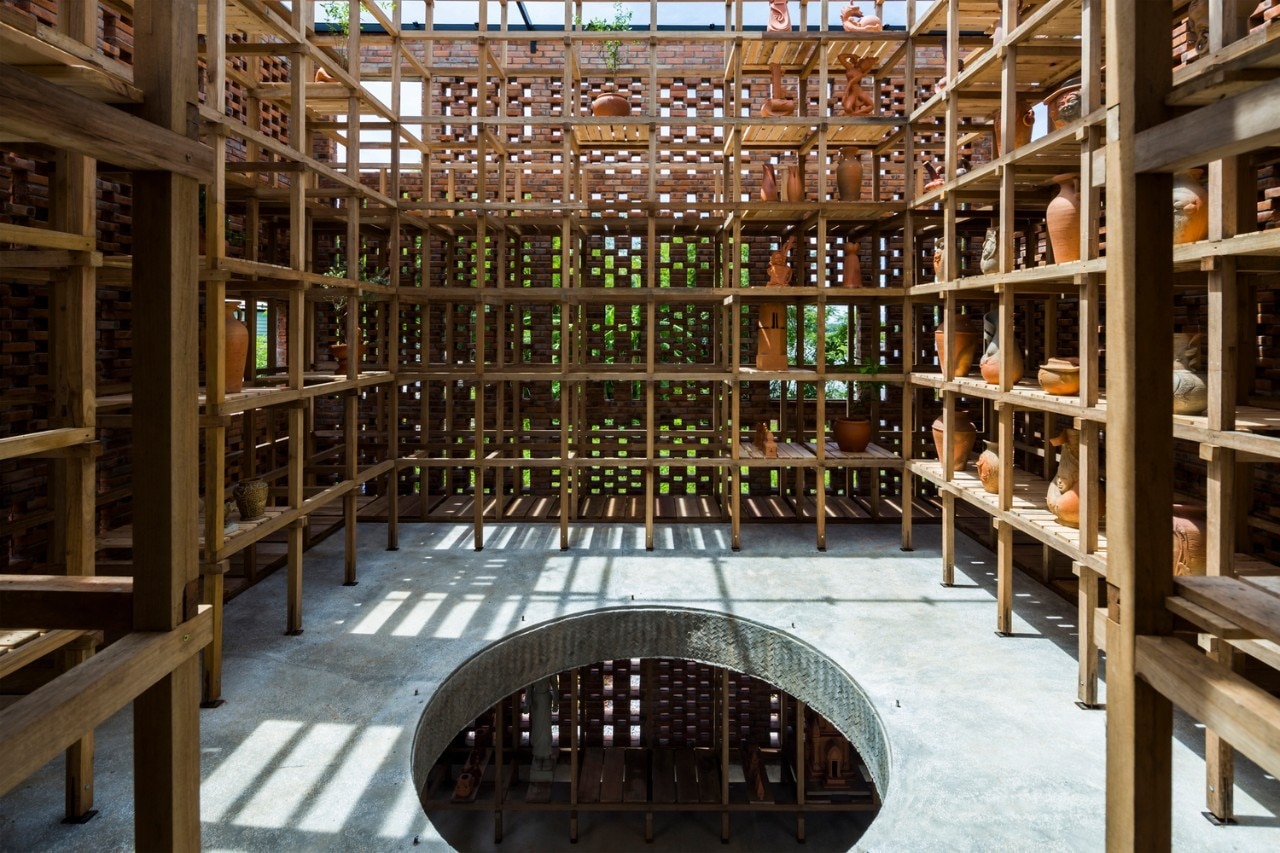
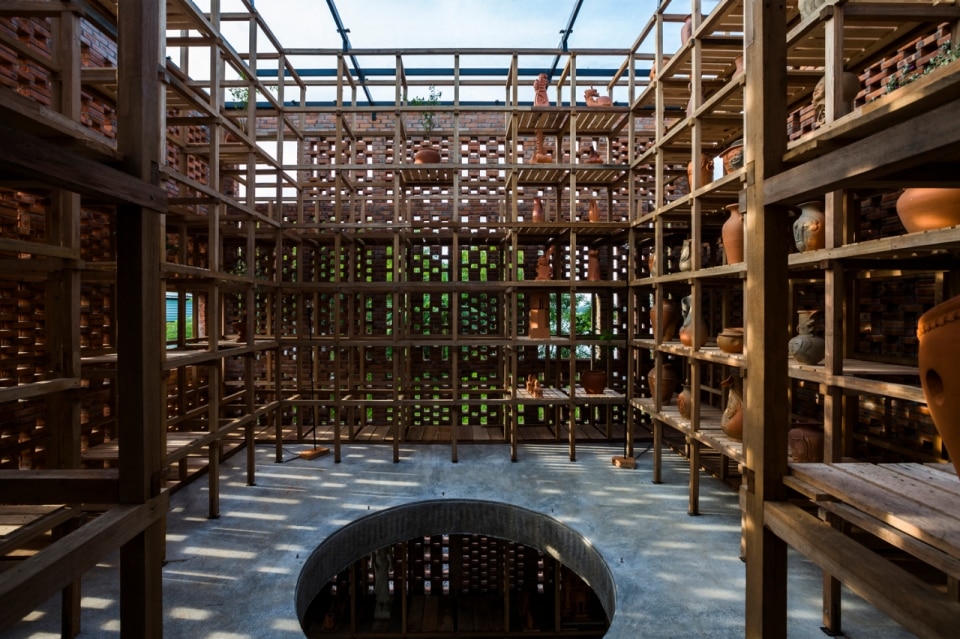
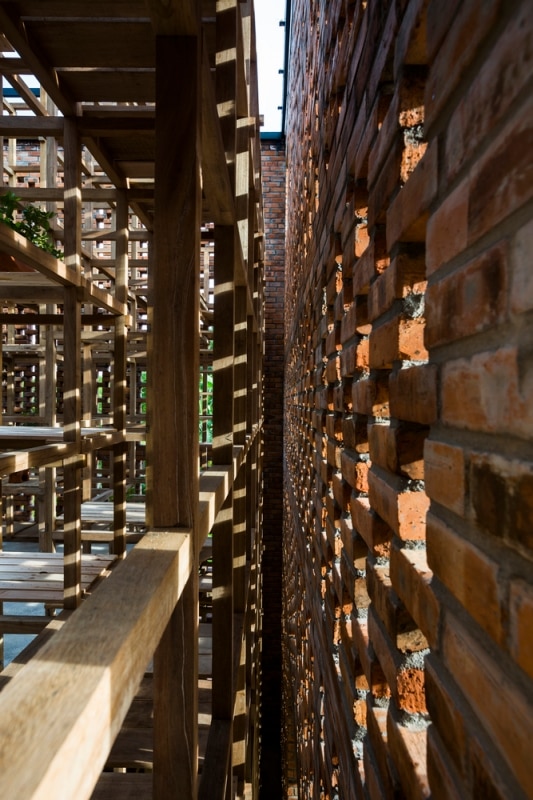
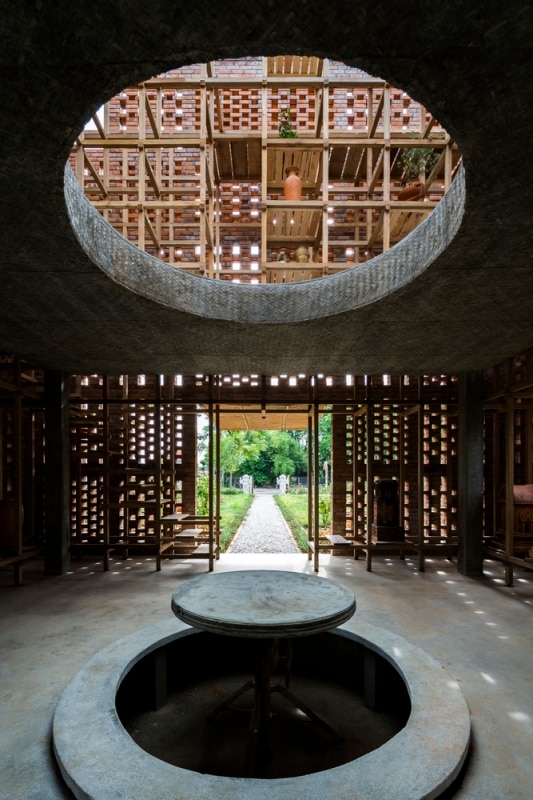
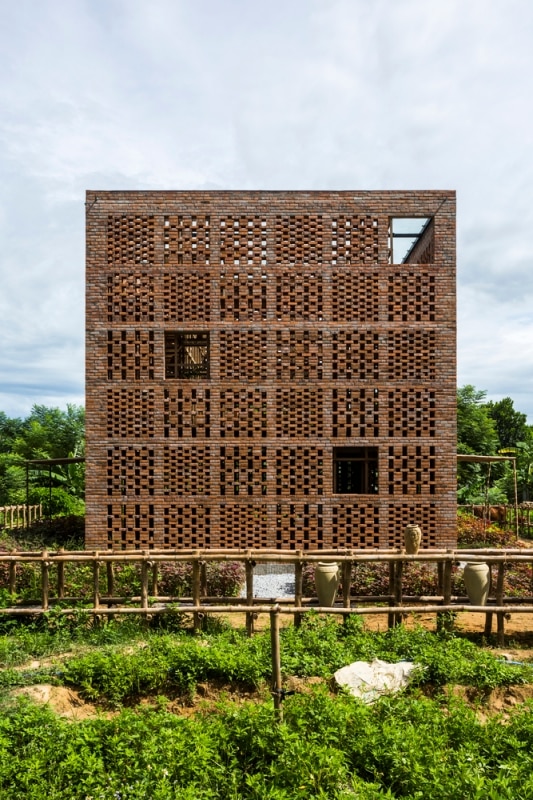
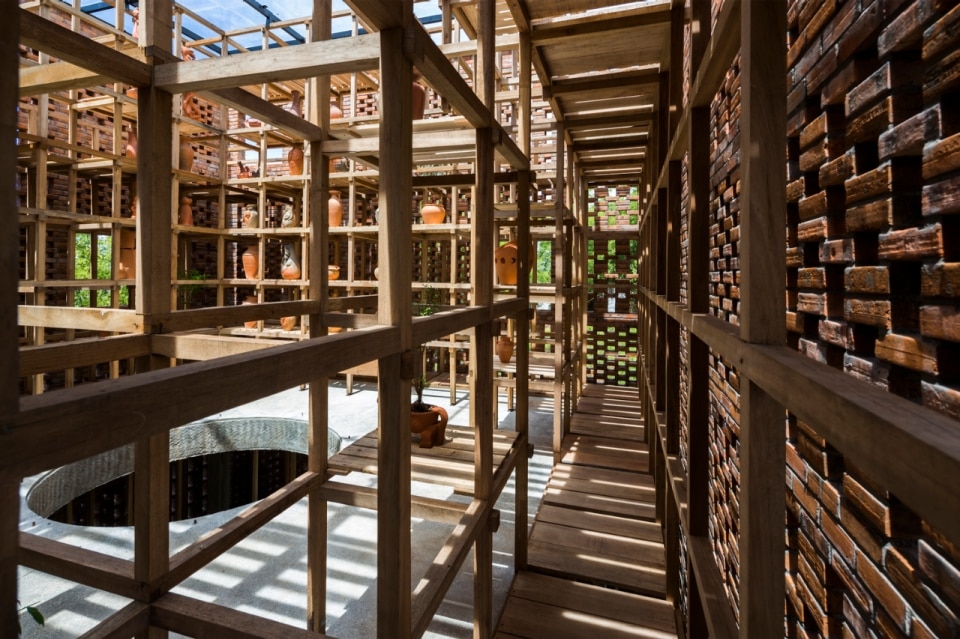
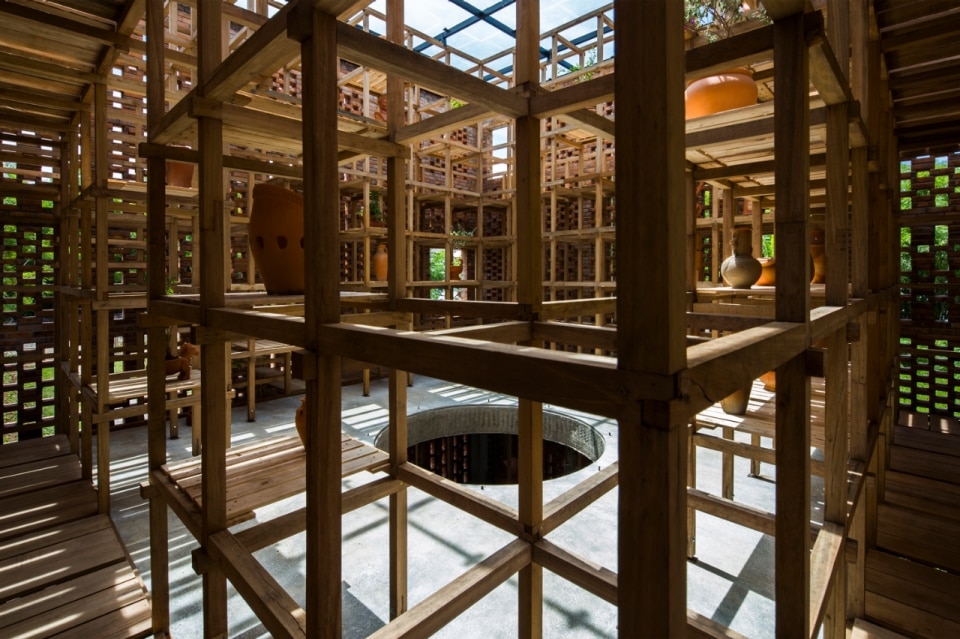
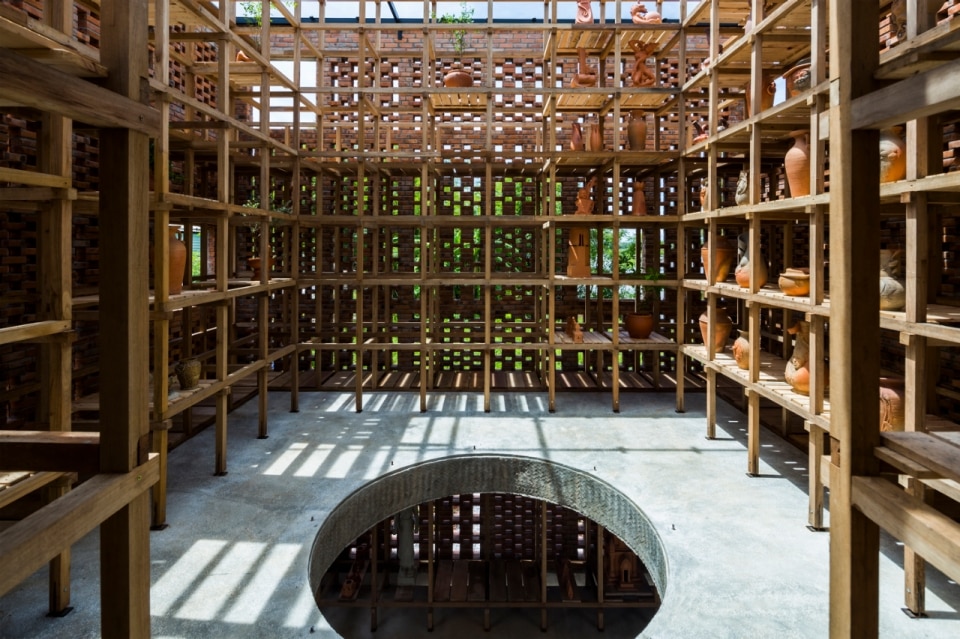
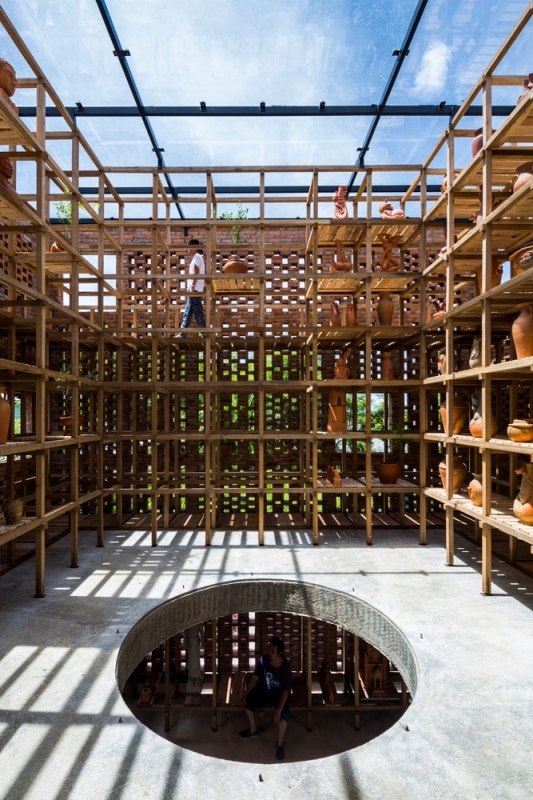
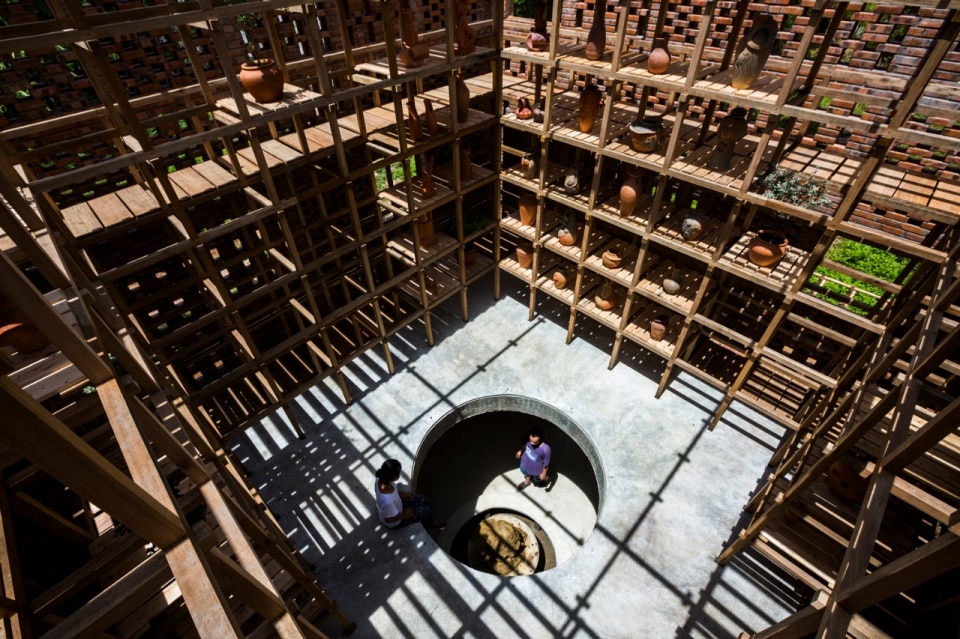
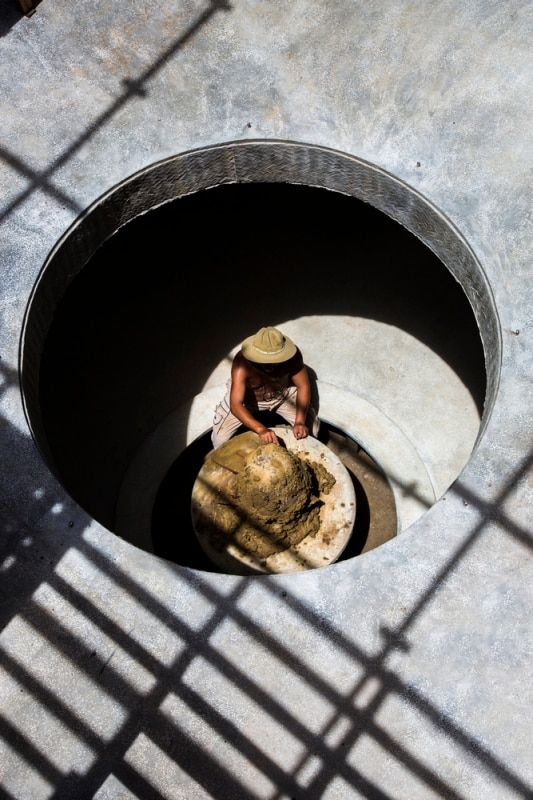
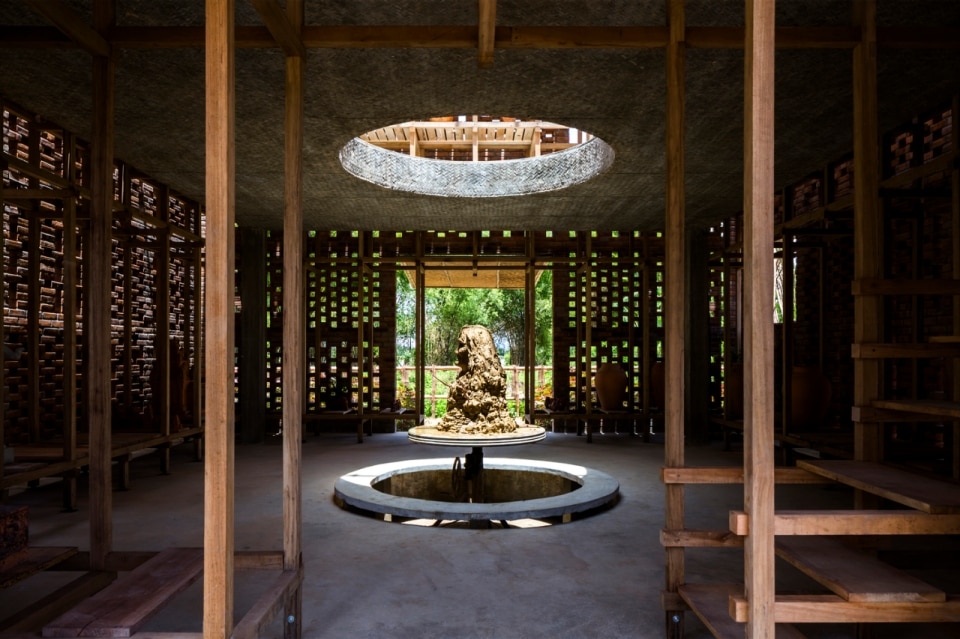
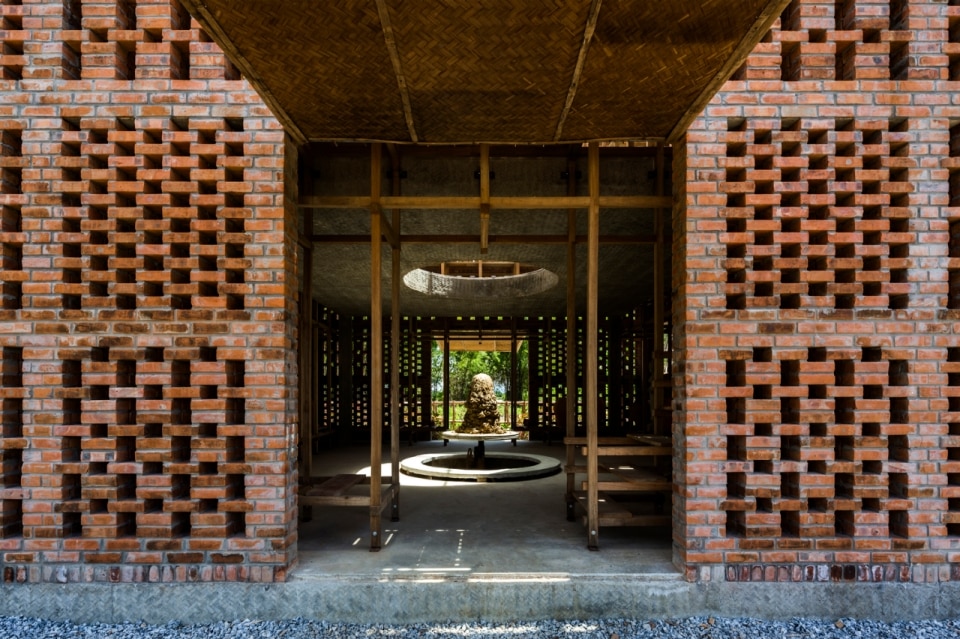
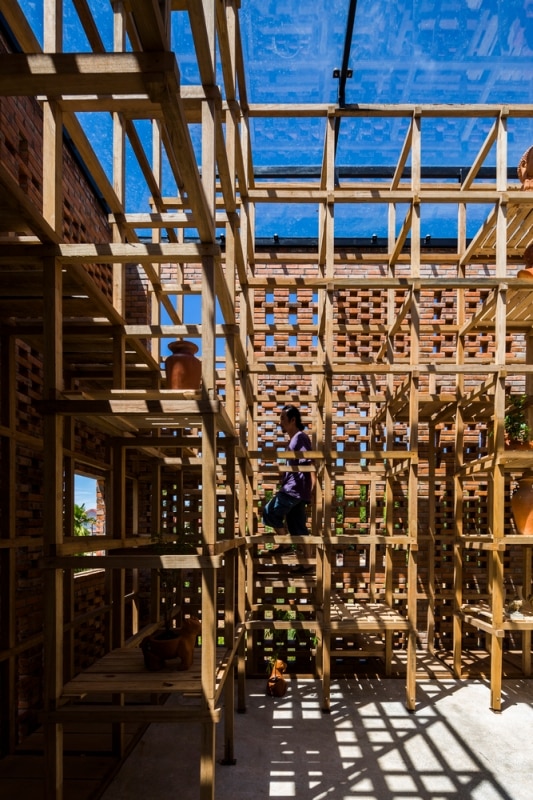
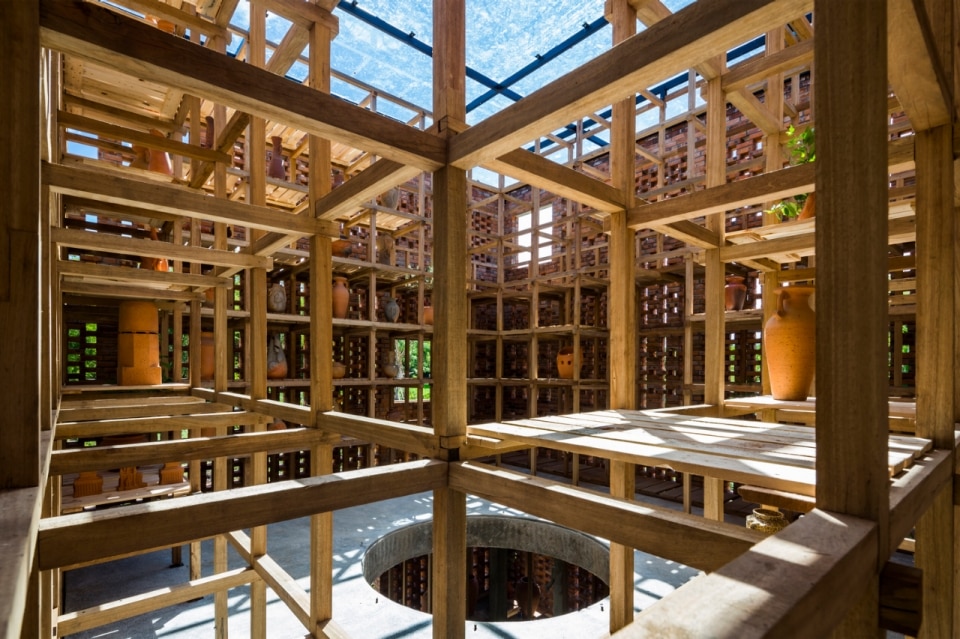
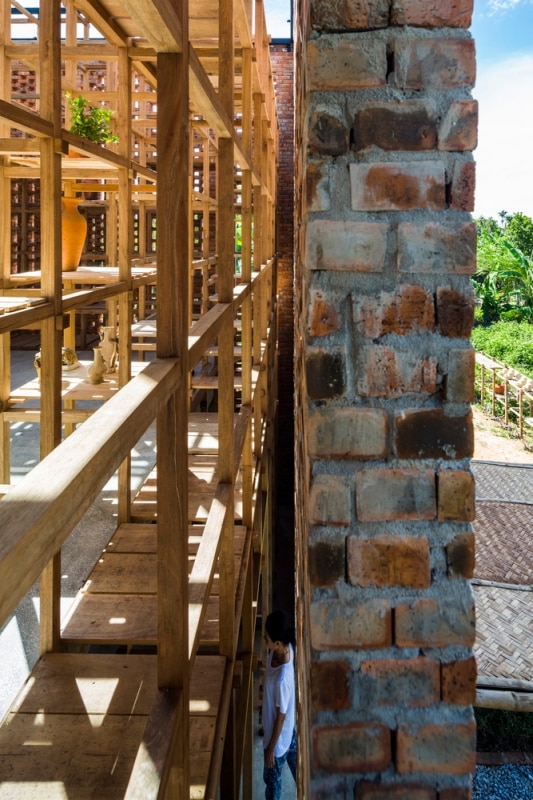
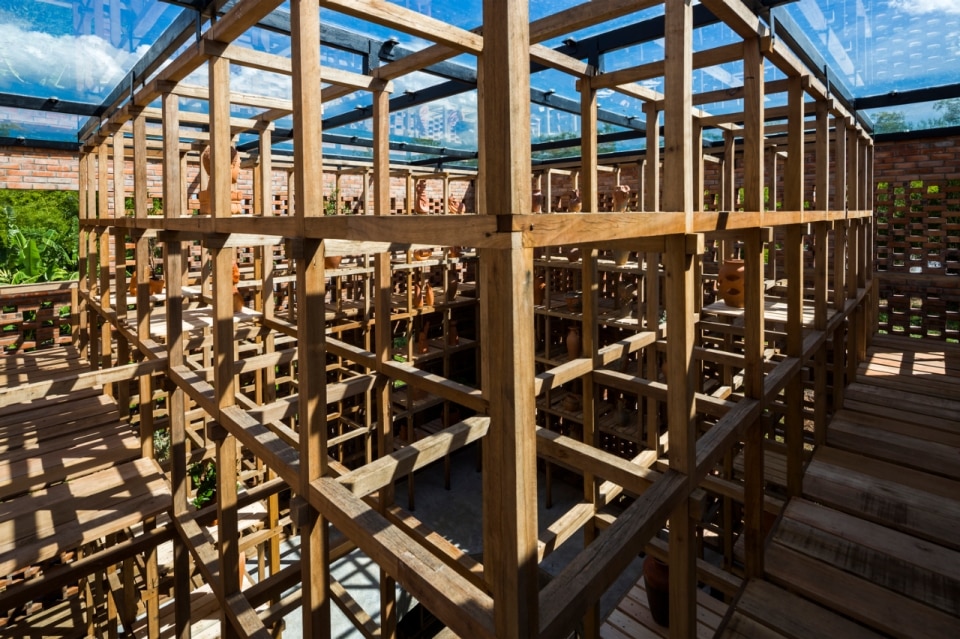
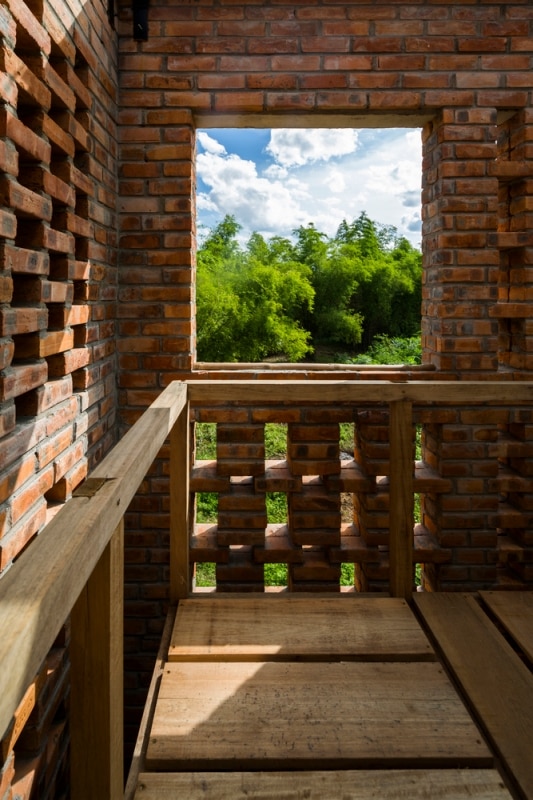
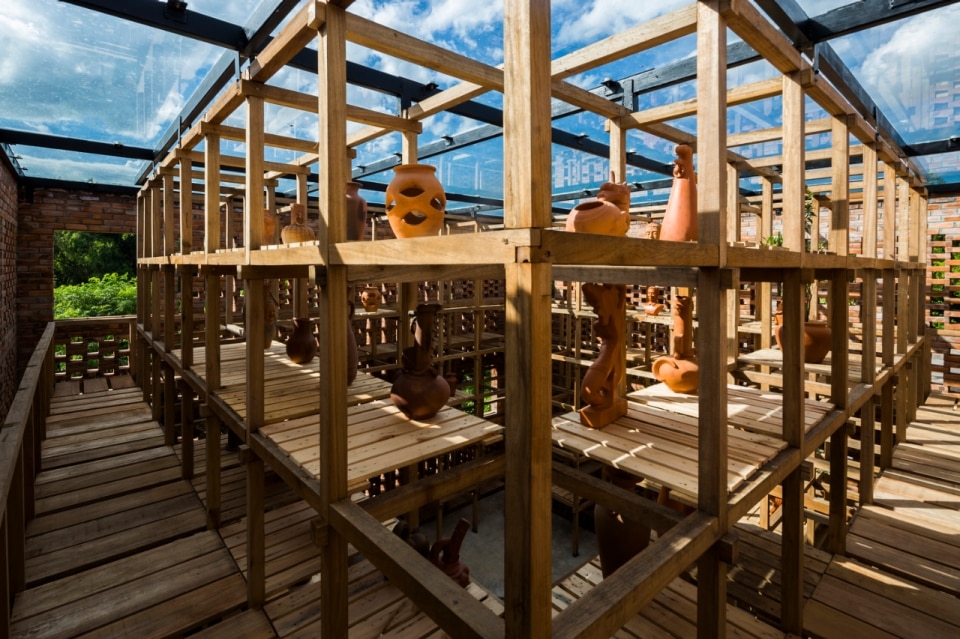
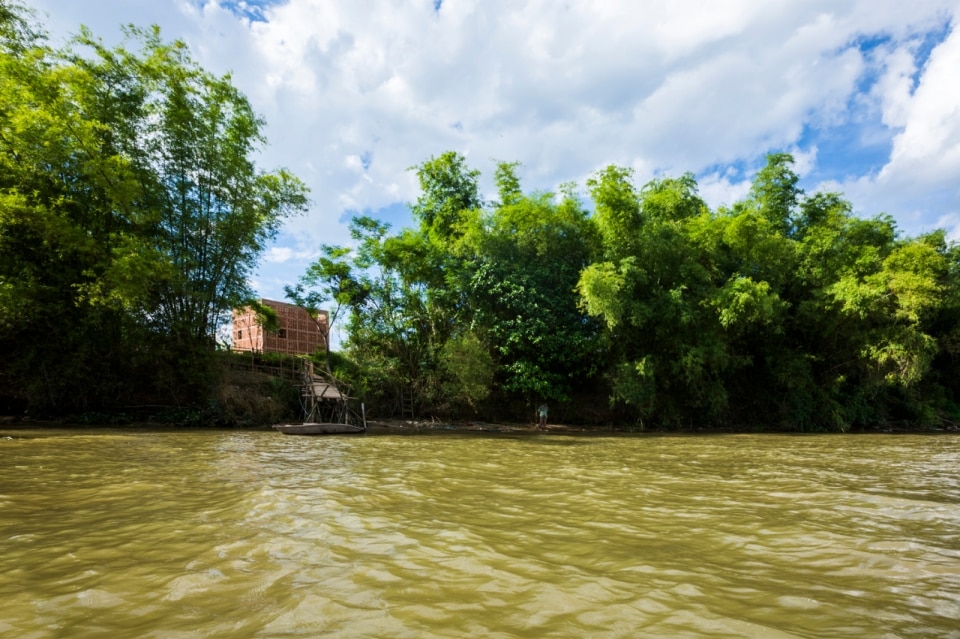
At the same time, traditional building materials and techniques are recovered, which are deemed more suitable for resilient architecture. Hollow bricks, wood and especially bamboo - a widespread renewable resource - characterize several recent projects. In central Vietnam, Tropical Space studio has built Terra Cotta Studio, a potters' workshop built with perforated brick: during river floods, water can pass through the structure without damaging it, while the porosity of the walls ensures ventilation and natural lighting even in the hottest months.
Vietnam is one of the most vulnerable countries to climate change (...) At the same time, Vietnamese cities are growing rapidly in density and height, often without regard for critical environmental concerns.
The architecture, located on the banks of the Thu Bon River, develops as a simple parallelepiped crossed by brick walls and partitions that organize the interior space in fluid sequences. These elements create a succession of open and semi-enclosed spaces that promote the circulation of air and light, responding to climatic conditions without resorting to mechanical systems.
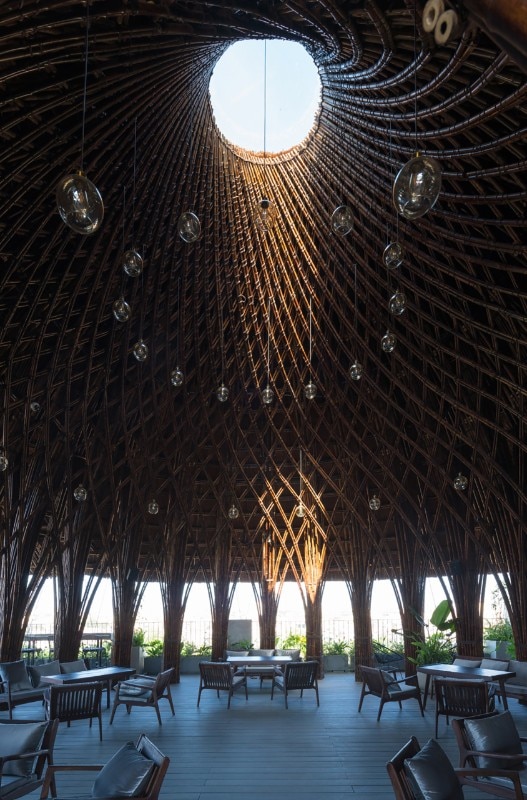
In Hanoi, meanwhile, H&P Architects has developed prototype bamboo floating houses for flood-prone communities in the Mekong Delta. These are lightweight modular units mounted on floating platforms with reinforced bamboo frames that can be assembled in a few weeks and can withstand several meters of water. These examples show how energy consumption can be reduced compared to conventional construction by adapting housing to the climate context.
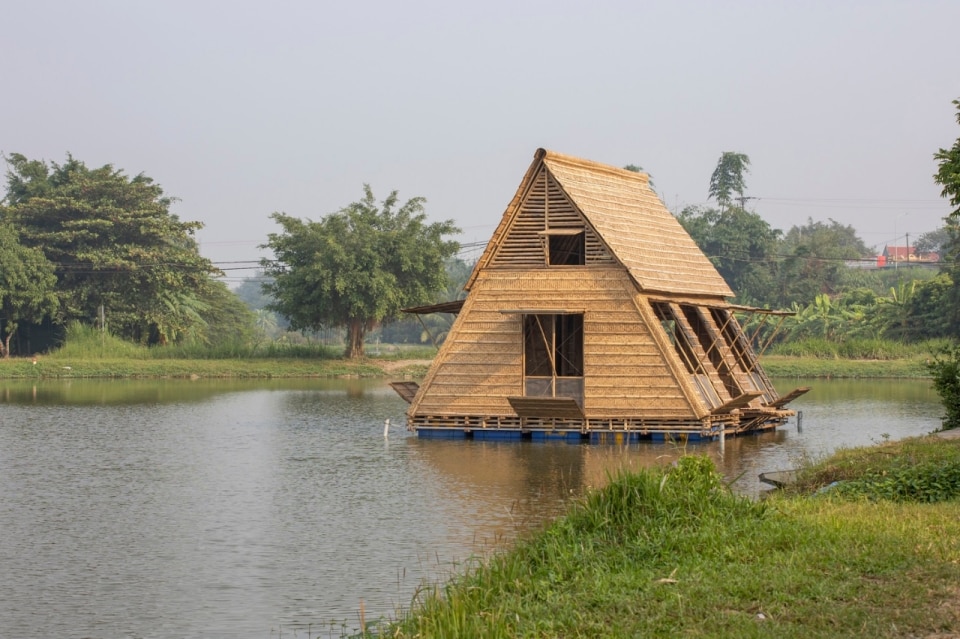
As CNN also reports, however, the spread of such practices faces regulatory obstacles. In Vietnam, bamboo is not recognized as a permanent building material and there are no specific regulations for building floating structures, factors that make approval of experimental projects complex. In cities, moreover, small and expensive lots induce building on the entire available surface area, sacrificing courtyards and crawl spaces useful for ventilation and passive cooling.
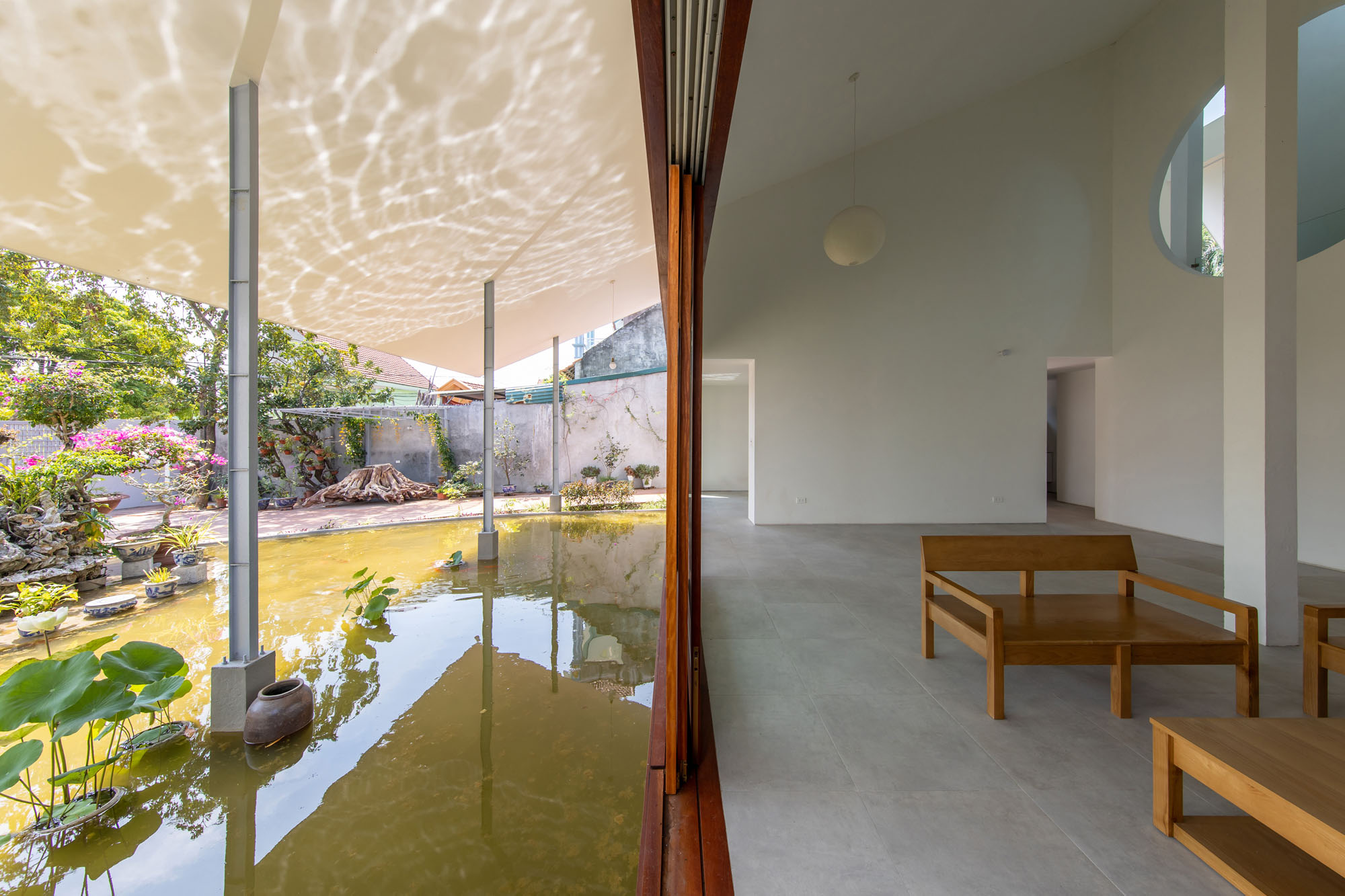
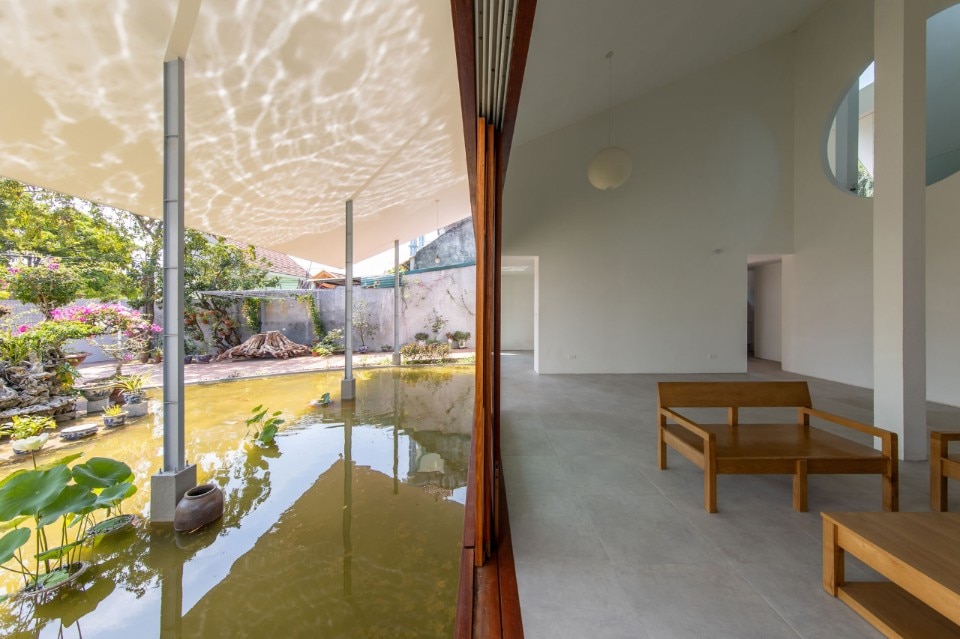


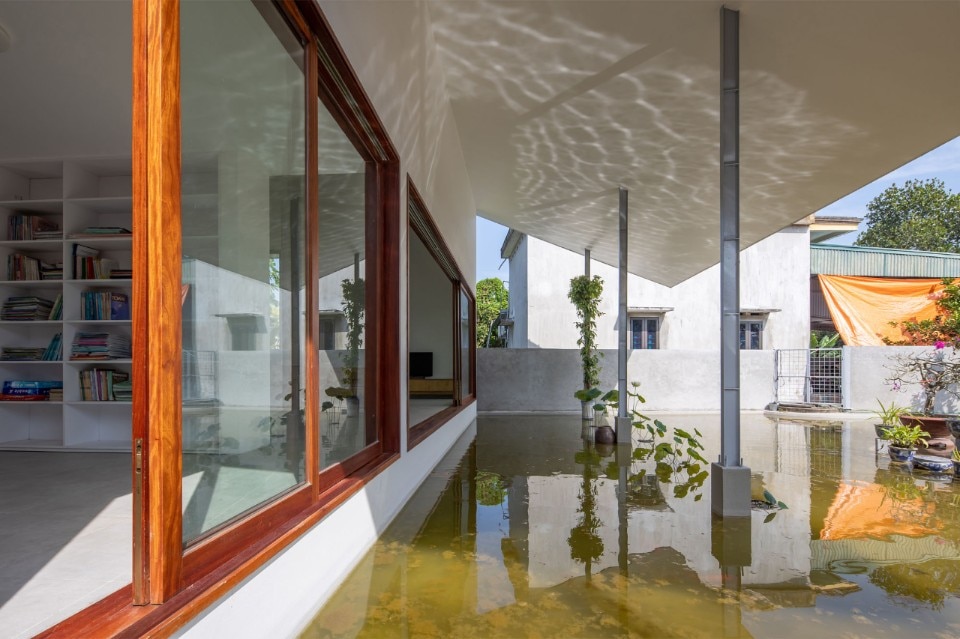
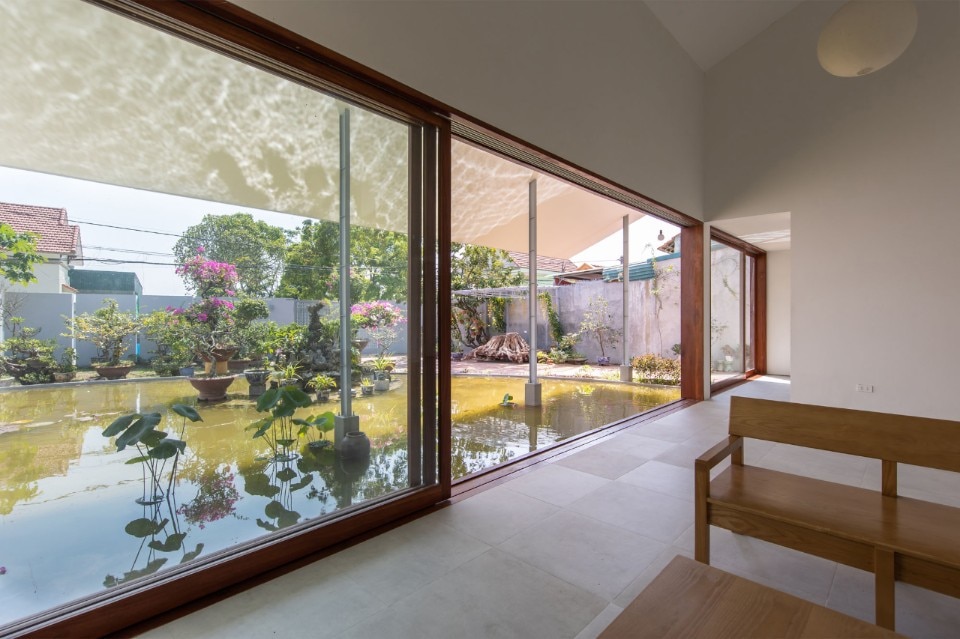
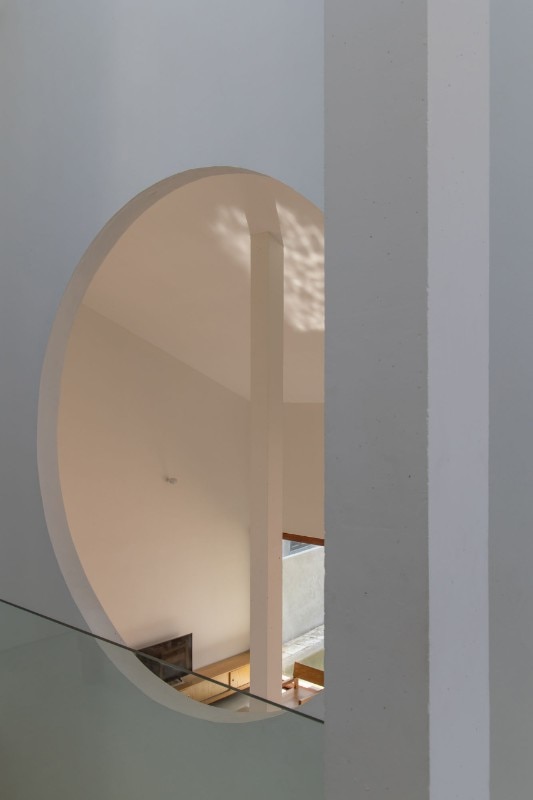
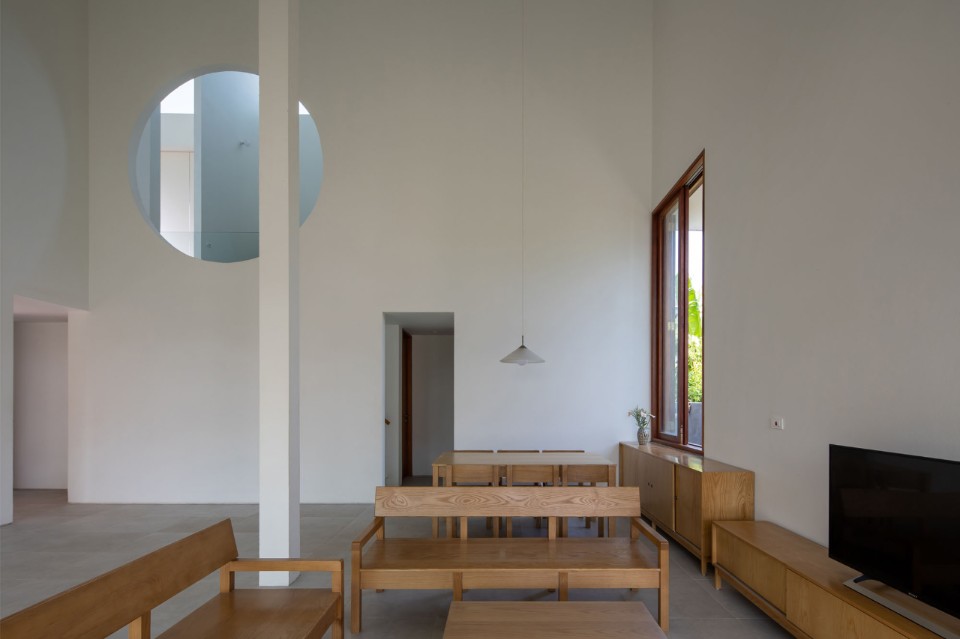
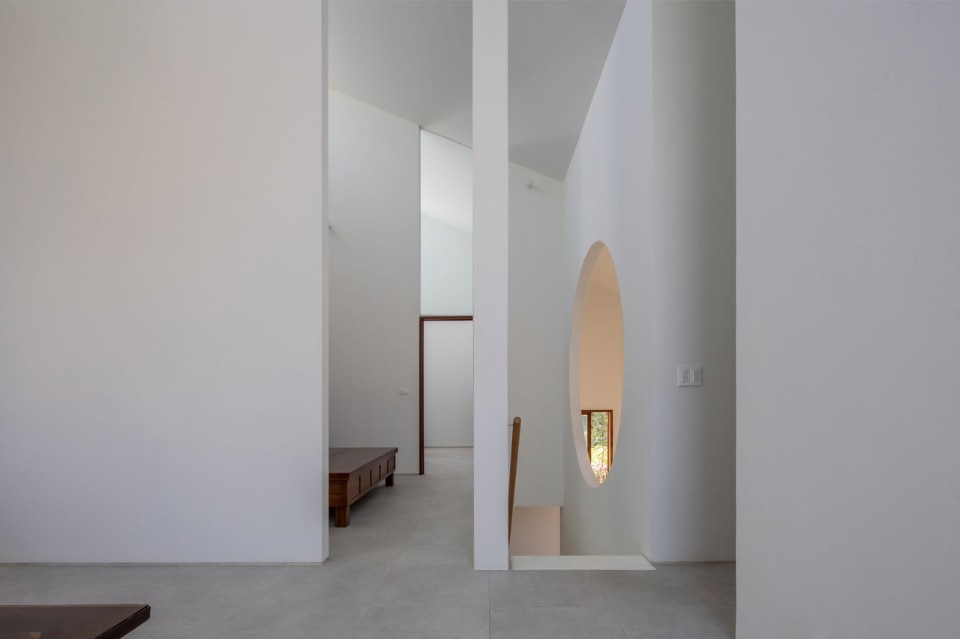
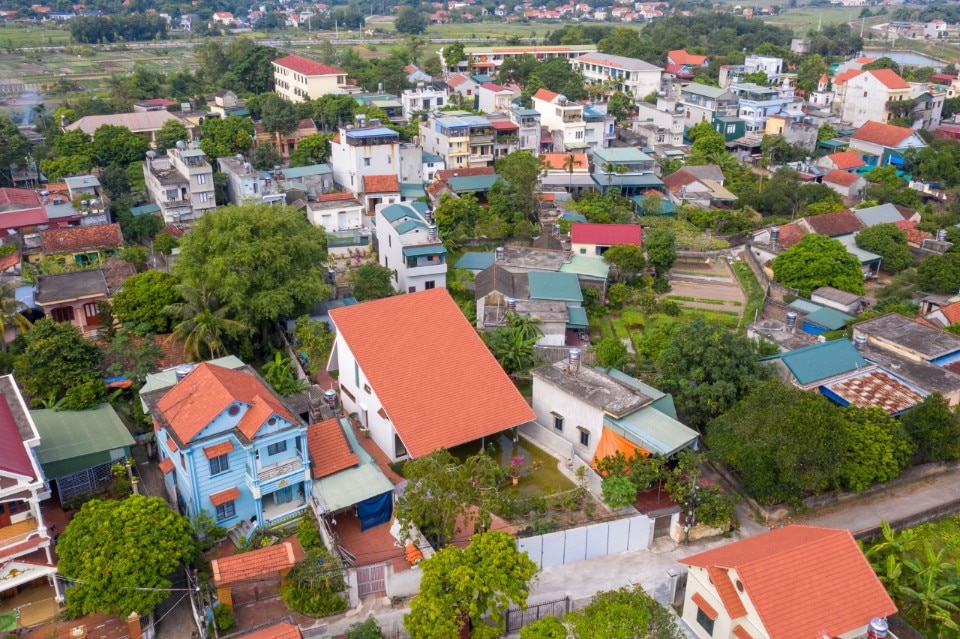
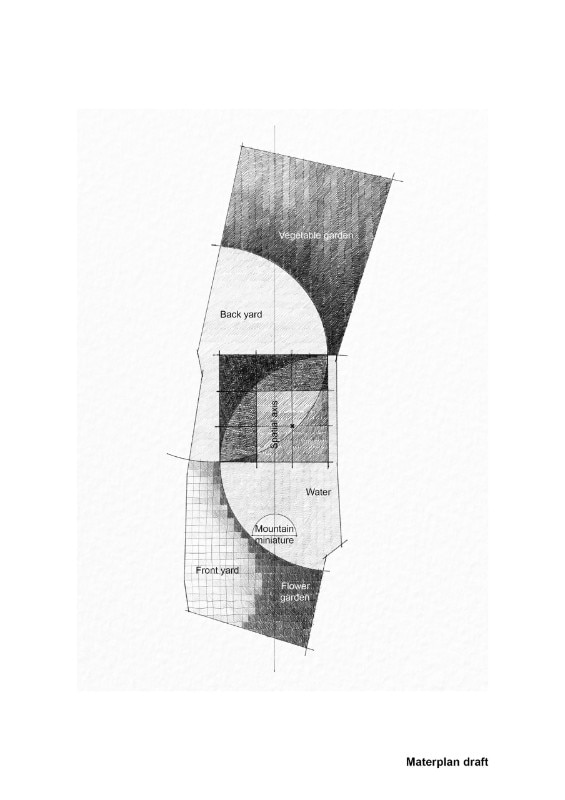
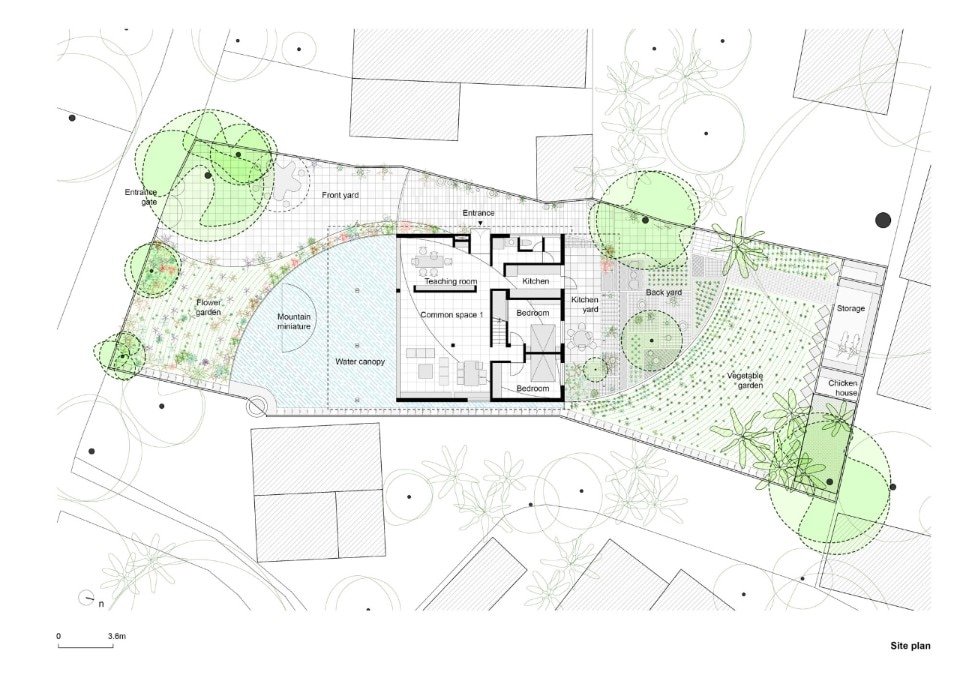
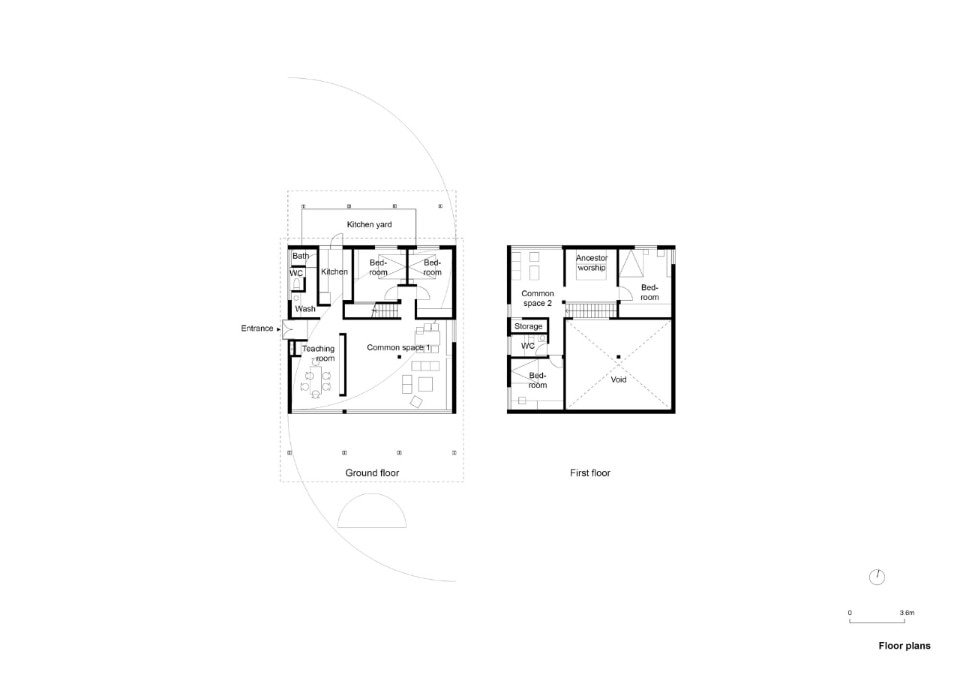
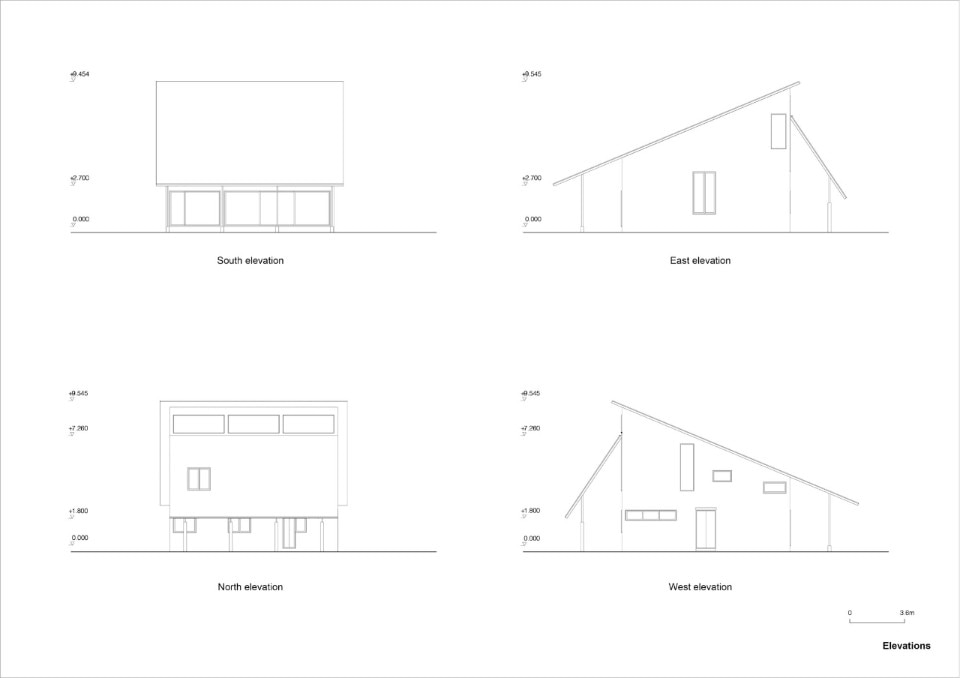
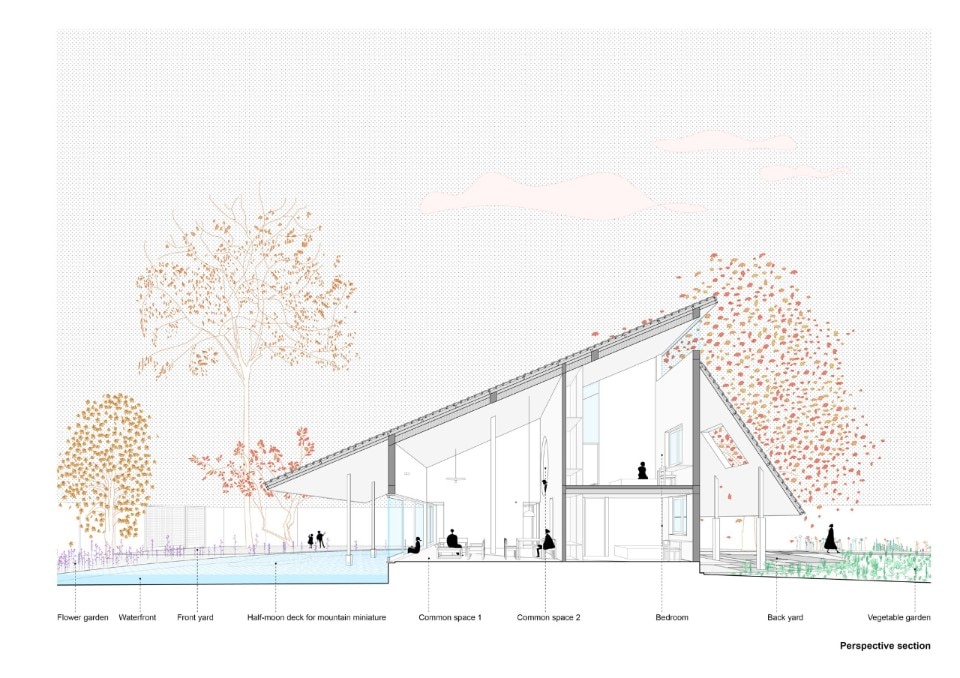
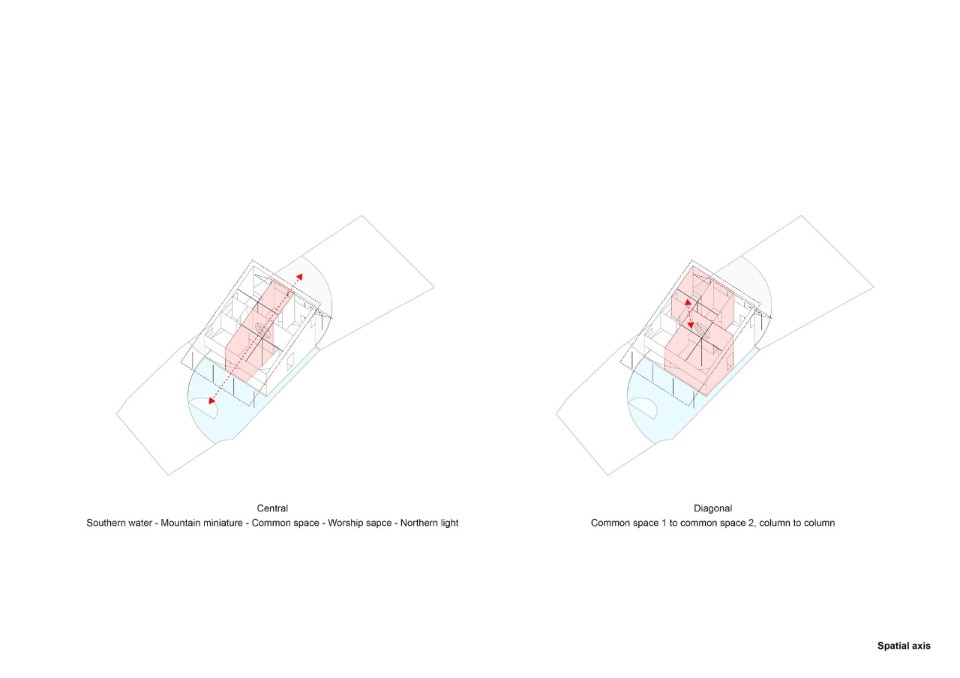
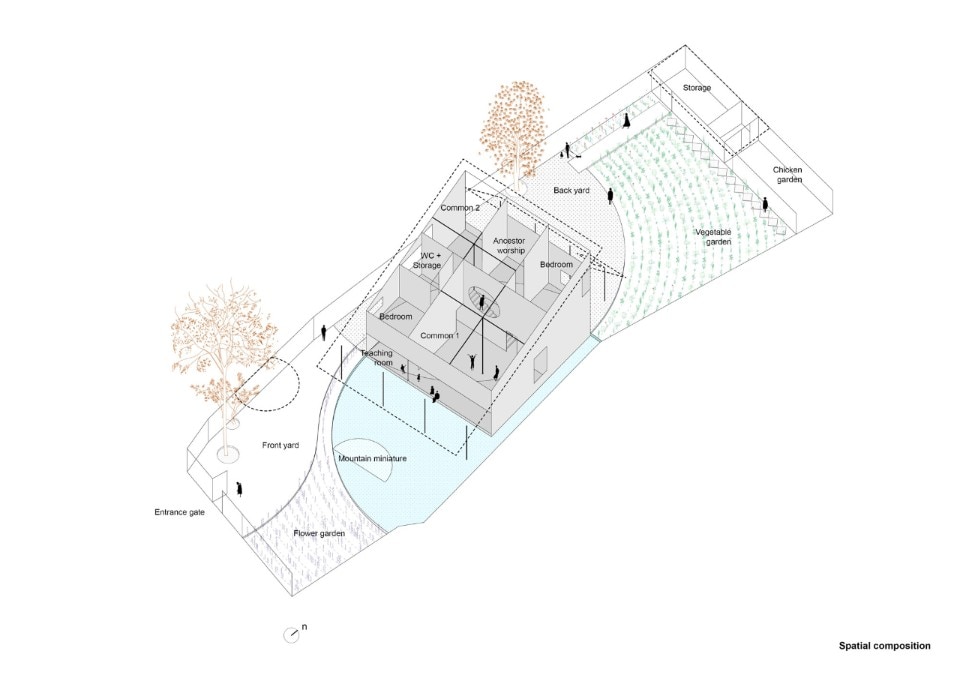
The experience of local studies, however, shows that by combining innovation and tradition, it is possible to create buildings better suited to Vietnam's tropical climate: a concrete alternative to sealed and air-conditioned skyscrapers, capable of improving the safety and quality of urban life without disrupting the relationship with the environment.