

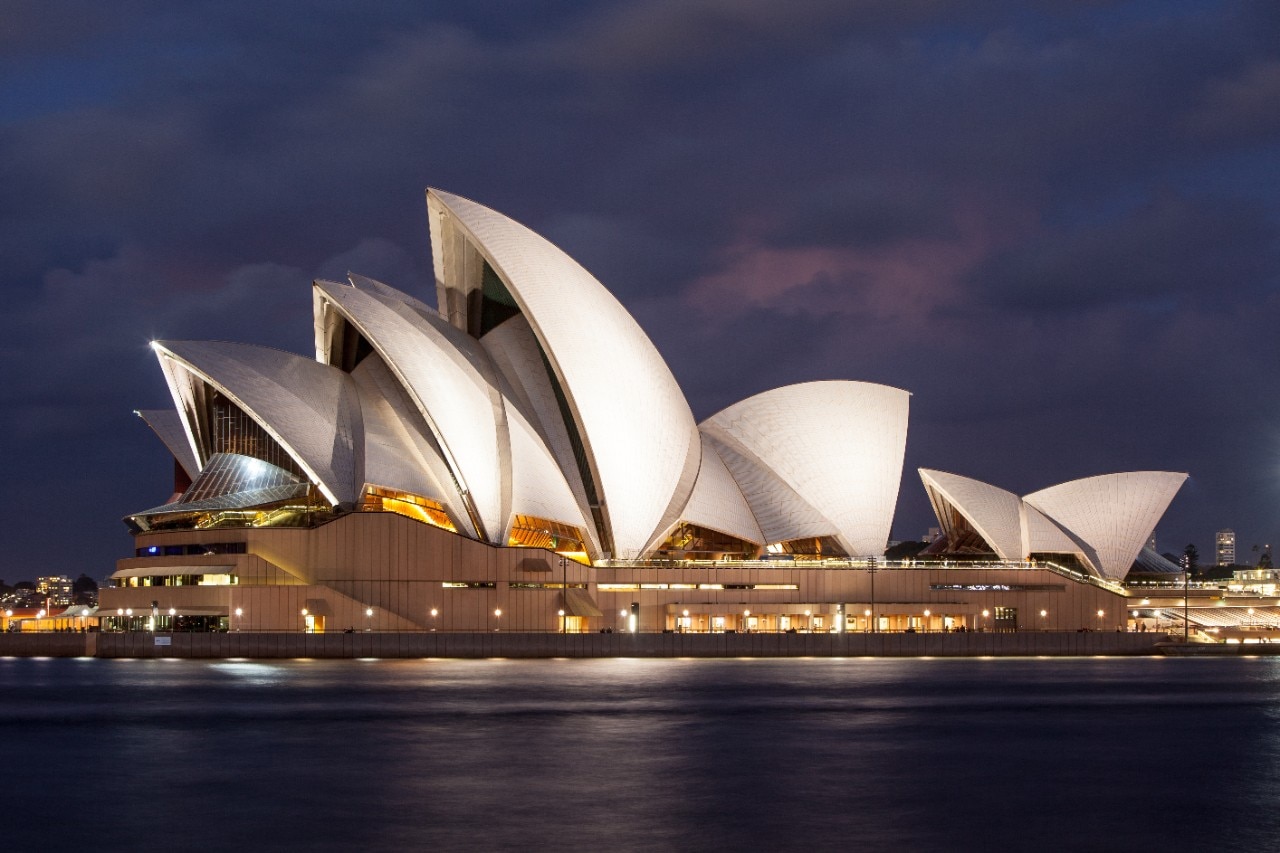

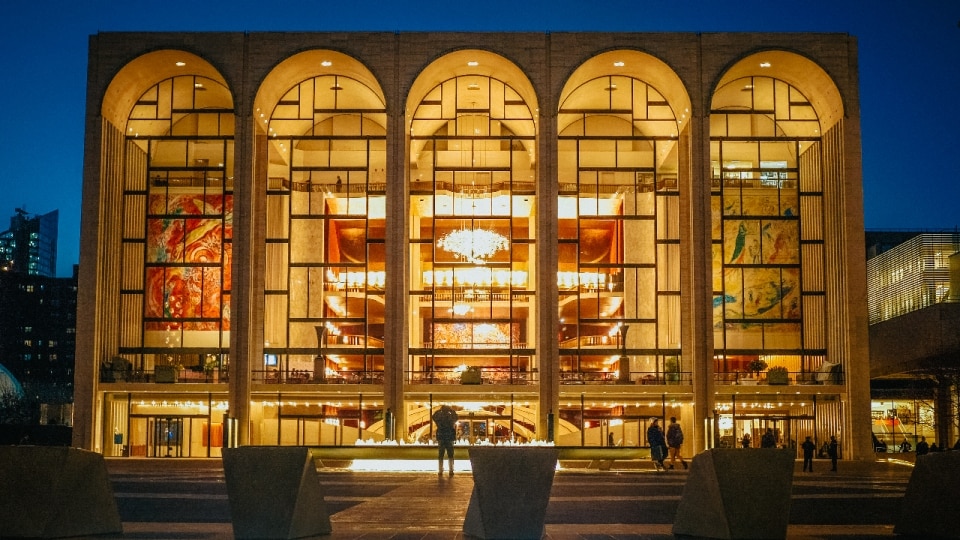
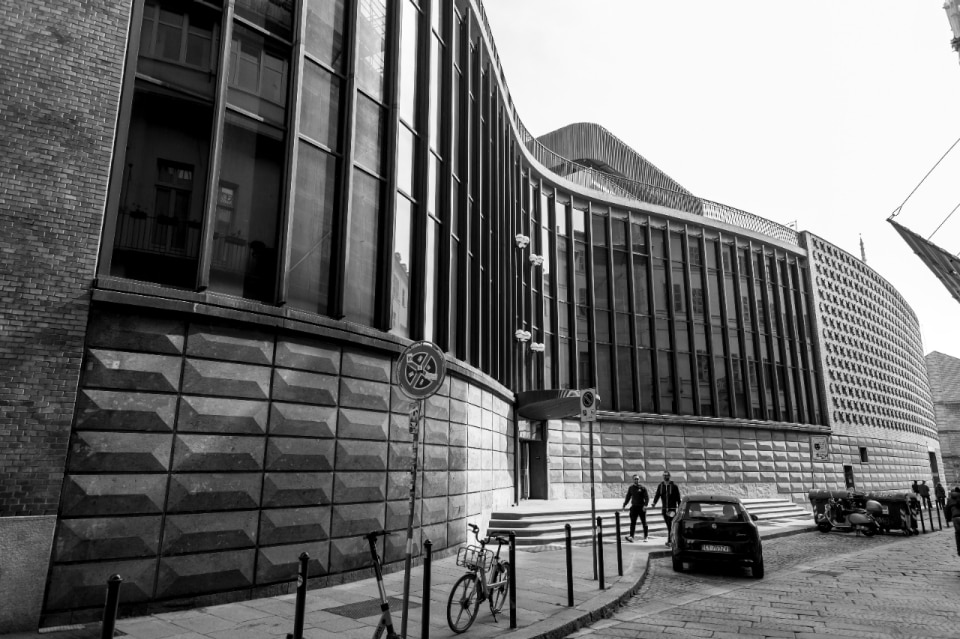
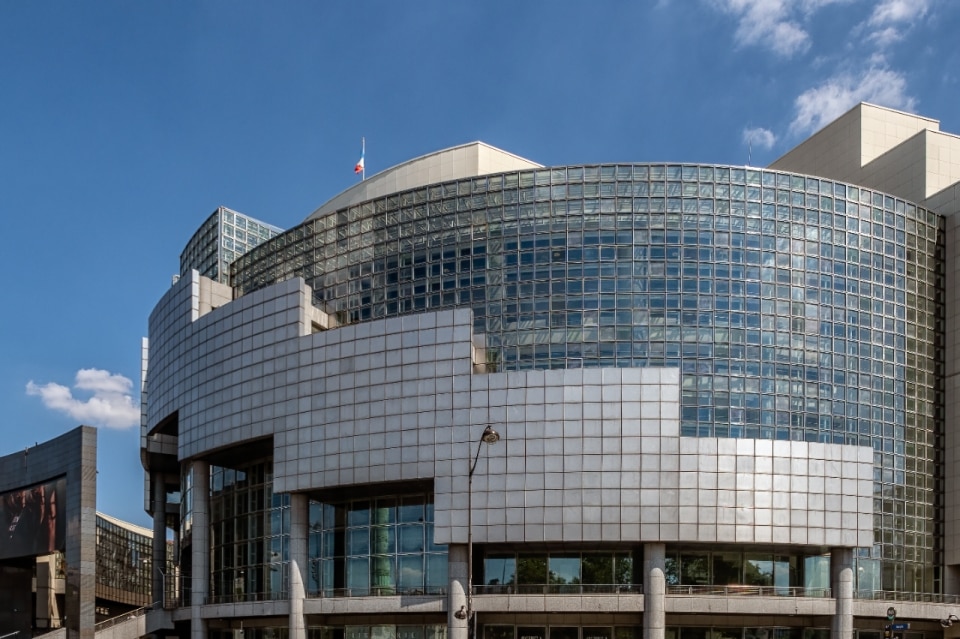
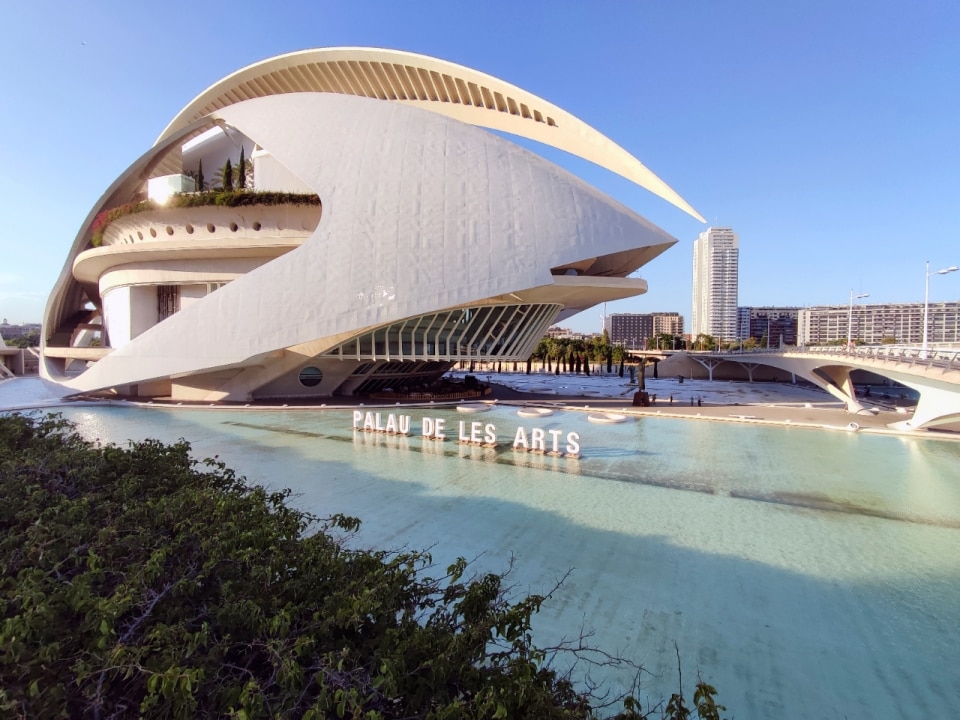
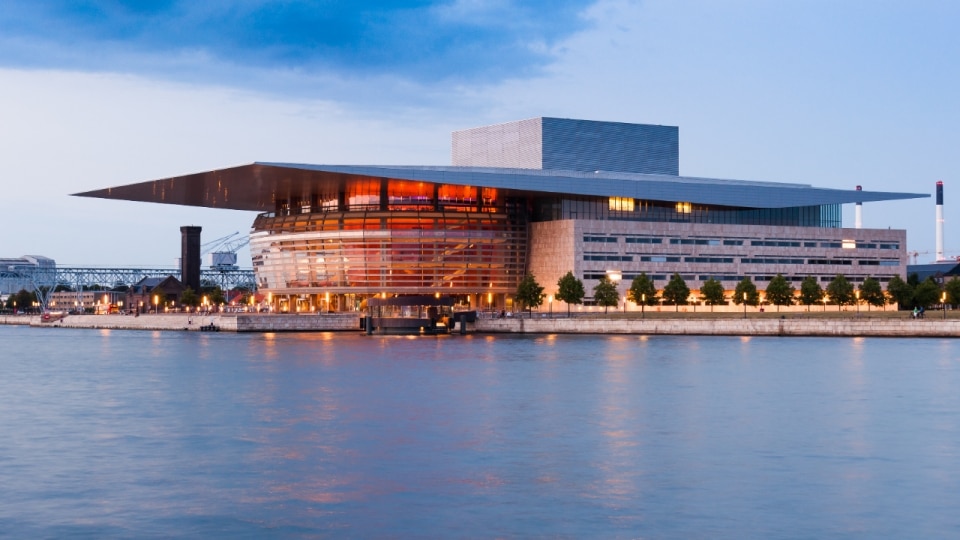
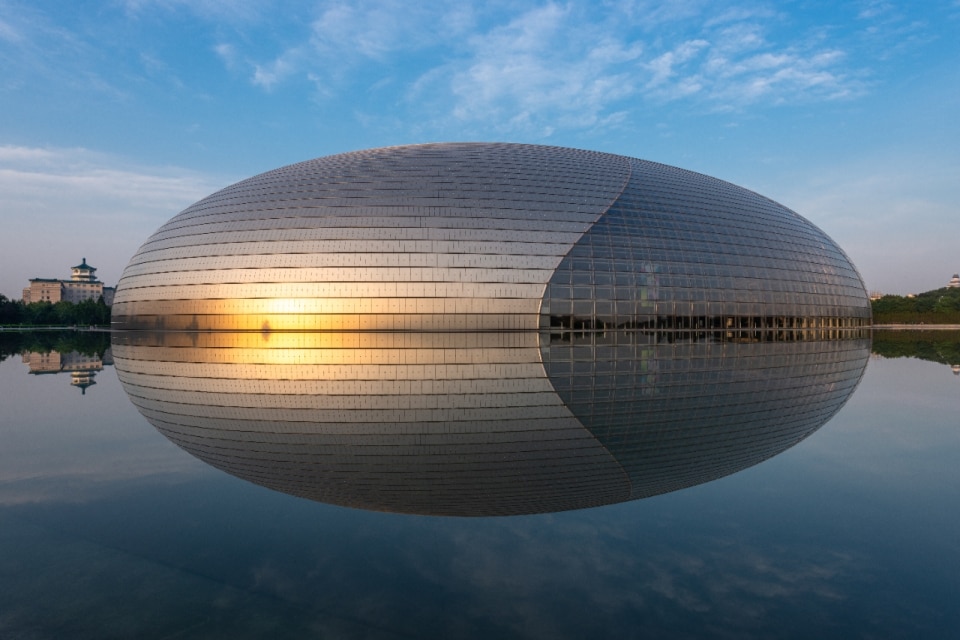
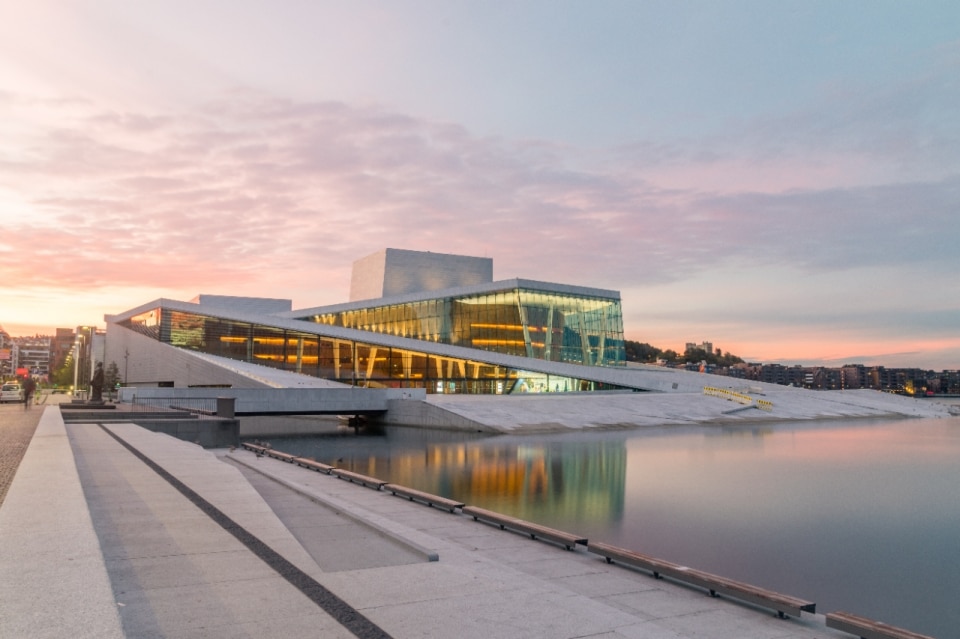
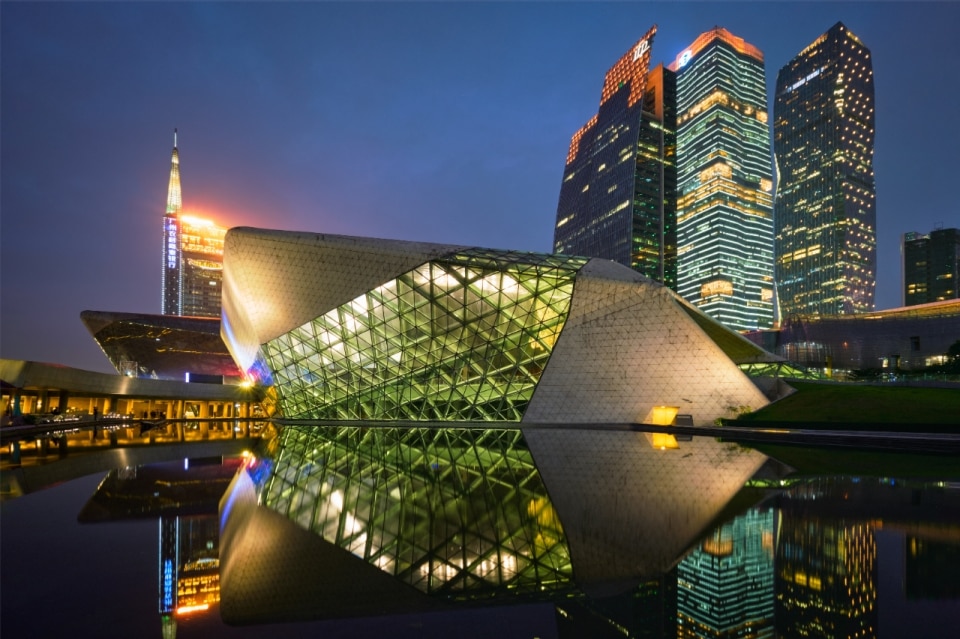
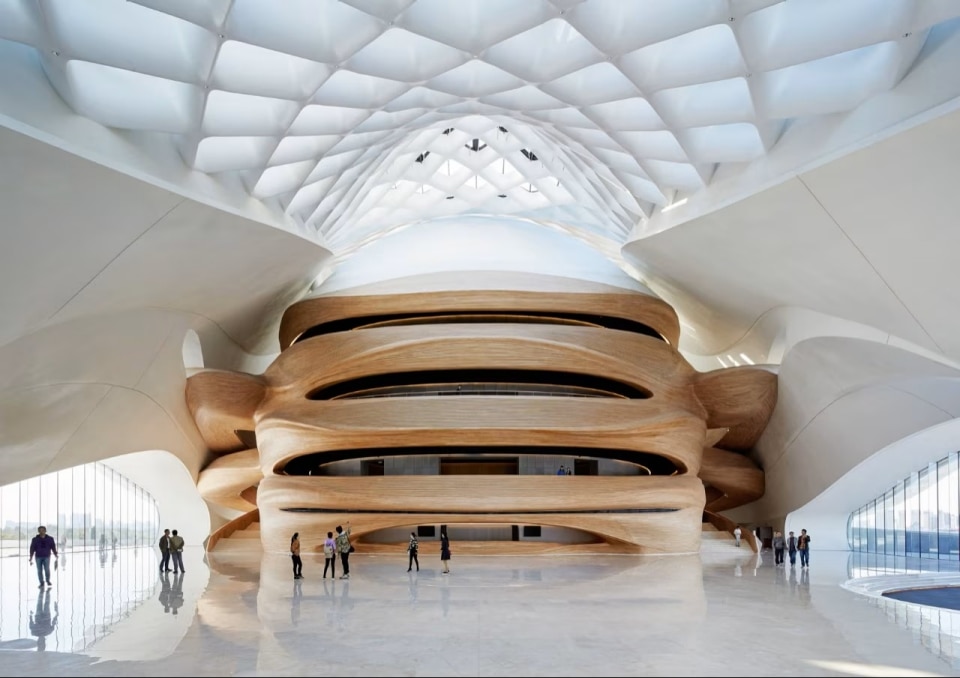
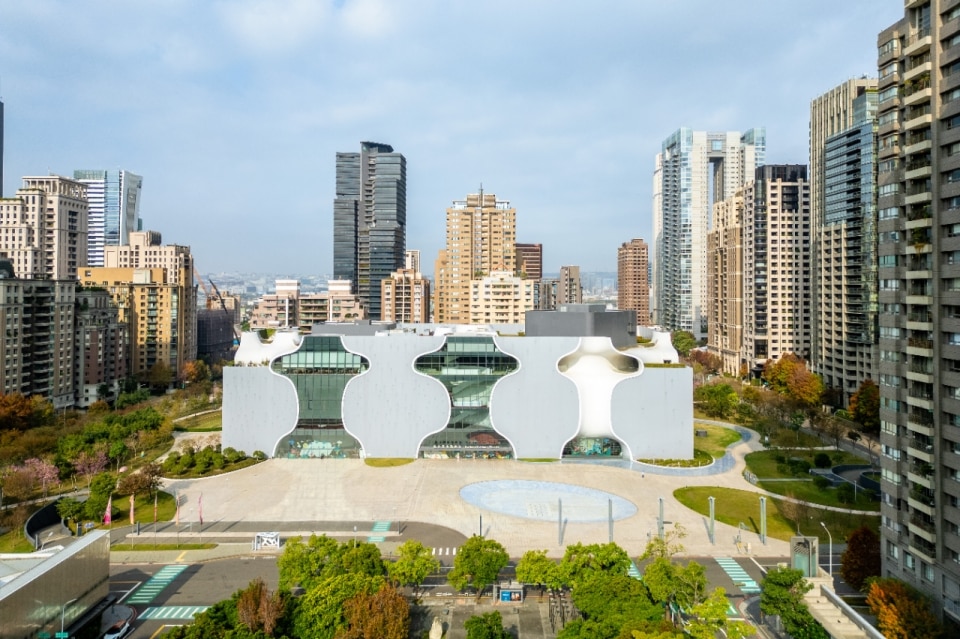
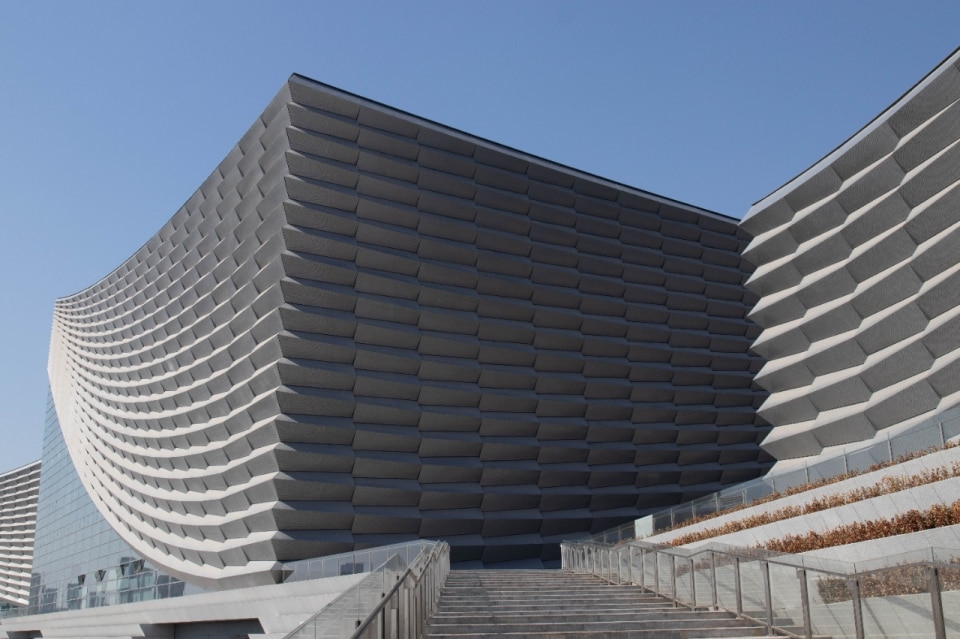
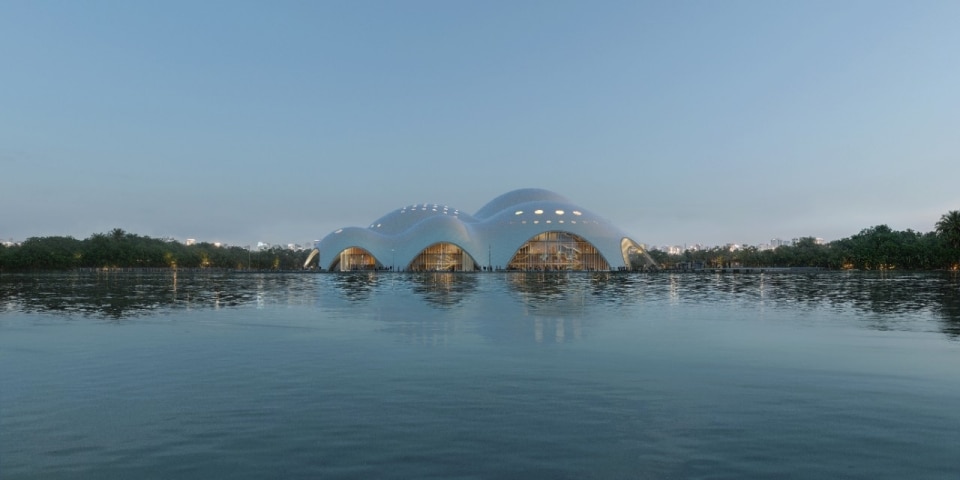
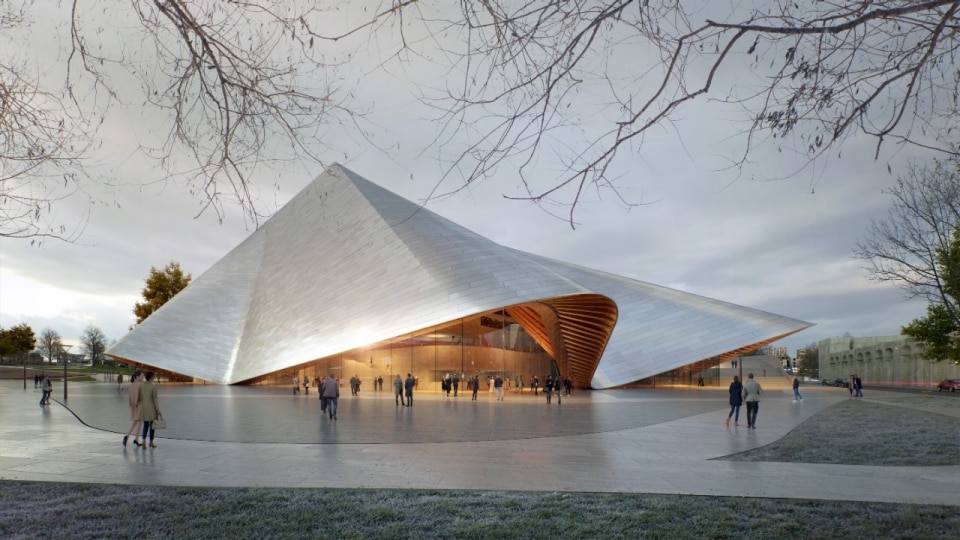
In the collective imagination, opera houses are conventionally linked to an elite form of culture—a place where society displays itself beneath the foyer’s chandeliers, rather than chasing the (better) acoustics up in the shadowed upper tiers. In the modern era, however, new patrons, evolving public expectations, and more complex cultural agendas have gradually pushed this typology to shed the aura of sacred enclosure that once defined the Grand Monde. The opera house is increasingly reconceived as a regenerative civic infrastructure, channeling and generating new forms of urban energy.
Still spectacular in spirit, they reinterpret the theater as a place of life—on, above, and beyond the stage.
It’s a metamorphosis that is both urban and semantic. The classical opera house—developed in the modern age and traditionally embedded in the surrounding streetscape—mirrored a precise social hierarchy and a formal institutional role for culture. But from the second half of the twentieth century onward, the typology shifts toward the “stand-alone” architectural gesture: freed from its context and claiming the visibility of a strategic landmark. This new generation of opera houses plays a dual role—at once a powerful driver of territorial branding capable of reshaping cityscapes and boosting attractiveness, and a civic device that triggers new relational dynamics. “Democratically” open to broader and more diverse audiences, they are meant to be experienced in everyday life—not only during a performance.
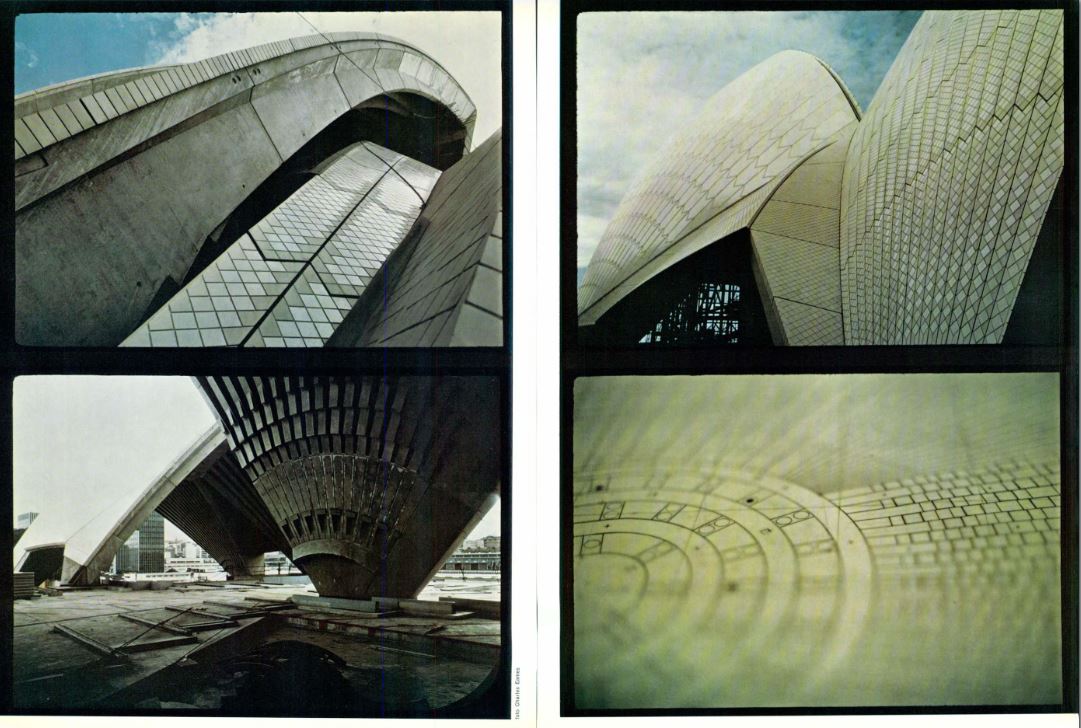
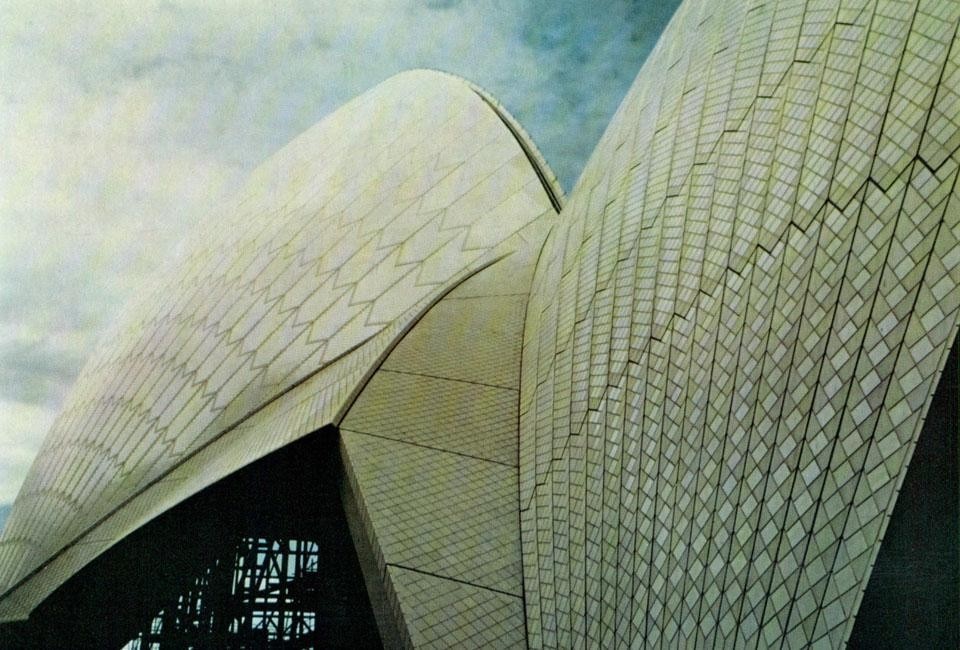


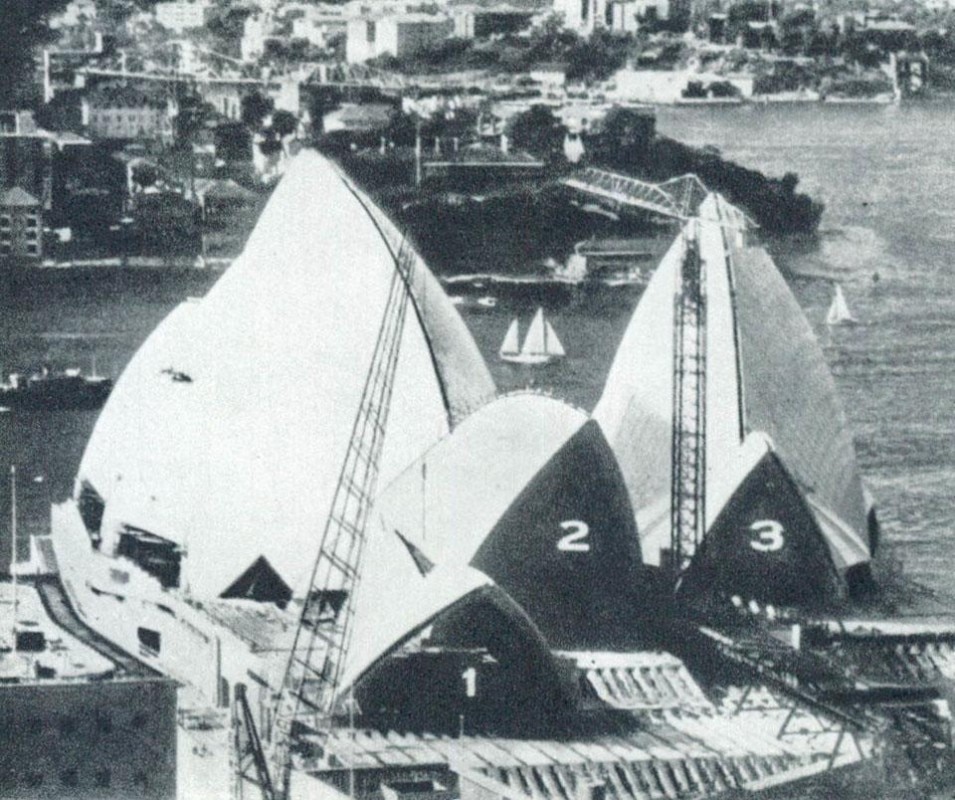
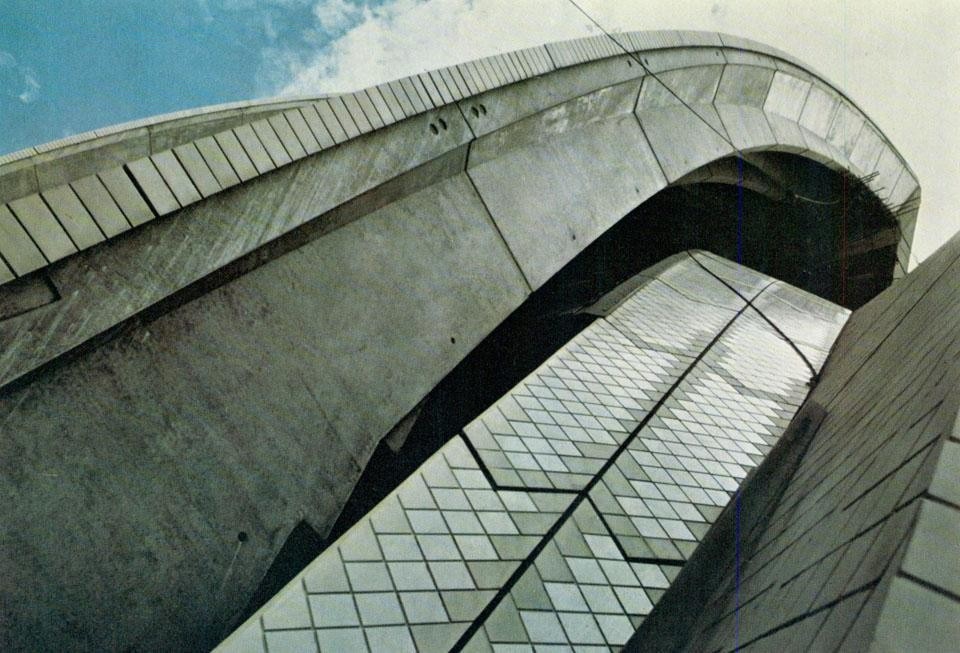
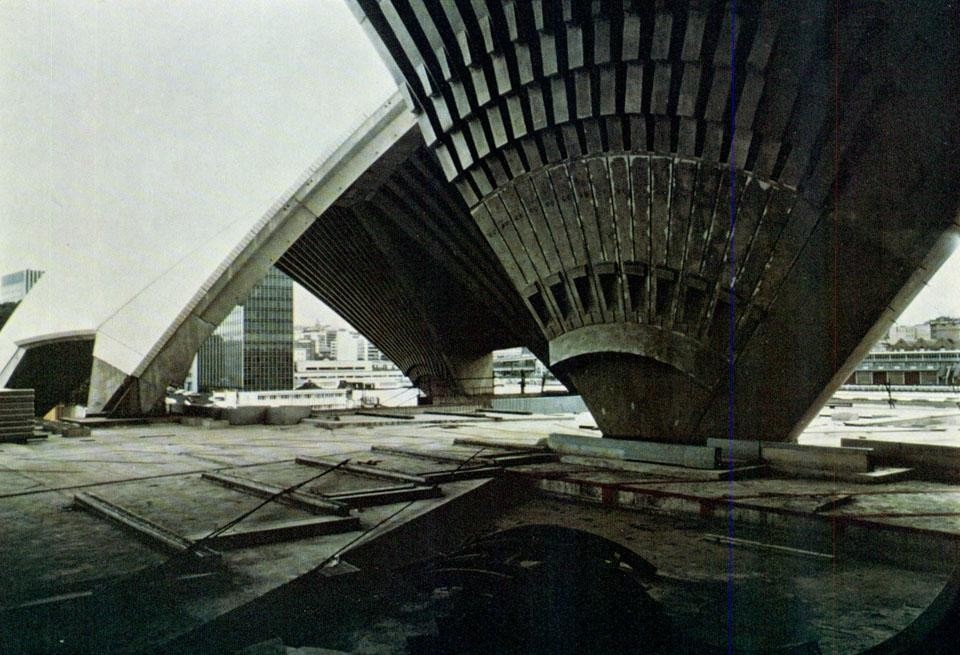
Despite their integration into today’s complex urban fabric, contemporary opera houses continue to spark that unmistakable wow effect once produced by the pomp and grandeur of earlier eras—albeit in a different form. These are large-scale urban sculptures, often set along waterfronts or on post-industrial sites, where form and program are tightly intertwined through compositional and technological experimentation. Their envelopes grow increasingly permeable—sometimes literally walkable—becoming fragments of public space in which thresholds, pathways, and functions multiply while interior environments embrace flexibility and adaptability for varied performance and community uses.
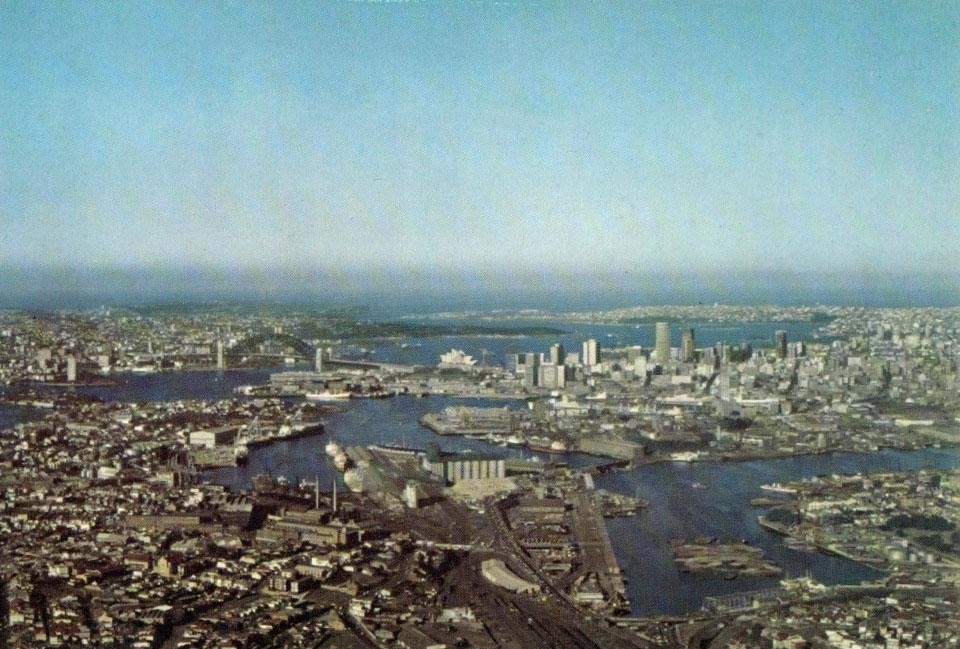
From the pioneering Metropolitan Opera House in New York—one of the first to open physically and symbolically onto the city in the mid-1960s—to the Opéra Bastille, which radicalized the idea of culture accessible to all, and to Sydney’s opera house, now the defining symbol of its city, we highlight a selection of recent and upcoming projects by major figures: from Santiago Calatrava to Zaha Hadid, Snøhetta to Renzo Piano, MAD to BIG. Still spectacular in spirit, they reinterpret the theater as a place of life—on, above, and beyond the stage.