

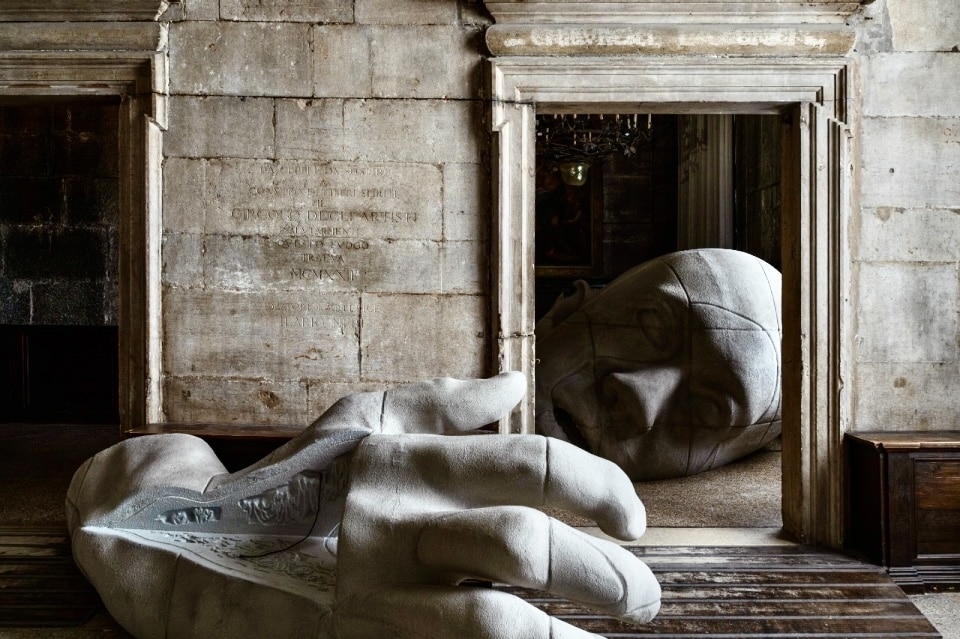
Venice, May 5, 2026. Opening day of the 2026 Biennale. Clear skies, with a hint of uncertainty. Before journalists even step inside the pavilions, the debate has already devoured all available space. The background noise that has always accompanied Venetian openings first became a roar, then unbearable chaos, while the enormous yachts anchored off the Giardini silently declare who really holds power in the contemporary art world.
Walking toward the theater where President Pietrangelo Buttafuoco is about to deliver his inaugural speech, the other “conversation about the 2026 Biennale” begins to rewind itself before our eyes: the Russian Pavilion; Europe cutting funding; the Israeli artist allegedly “discriminated against”; the jury resignations; Culture Minister Giuli forced to send in inspectors; the Prime Minister saying she would not have made the same choices as the President while praising his resolve; the Minister again confirming that the Biennale presidency “is autonomous—and makes its own mistakes autonomously”; a young man hurling parmesan cheese; Pussy Riot; the United Democratic Front rallying behind the President; Salvini touring the Russian Pavilion.



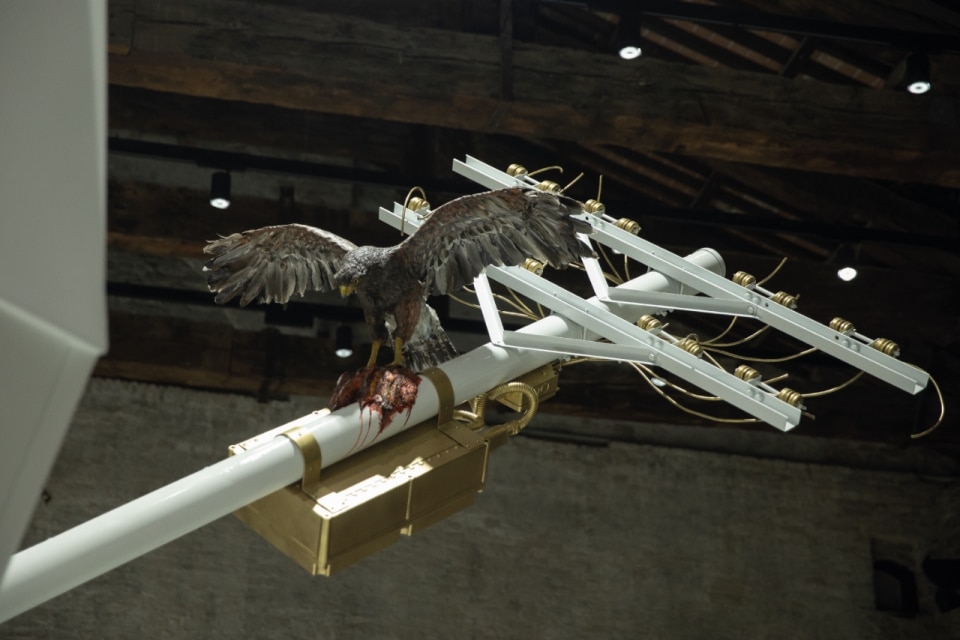
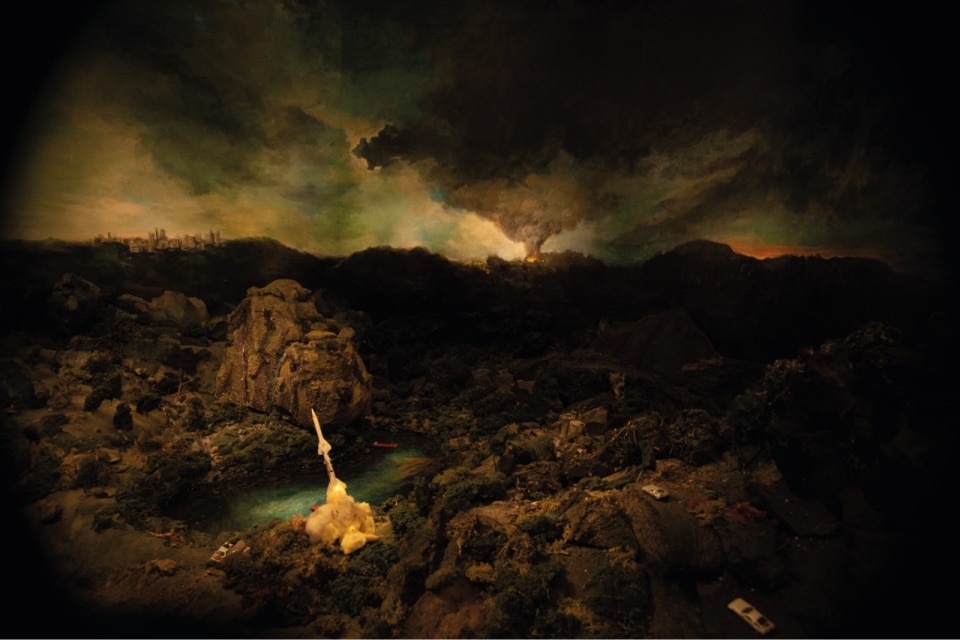
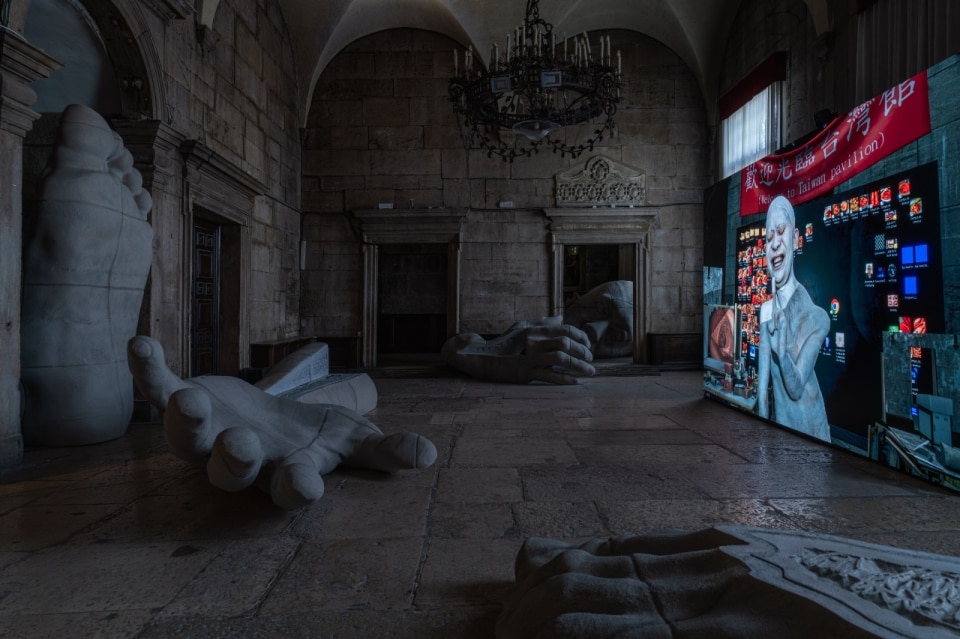
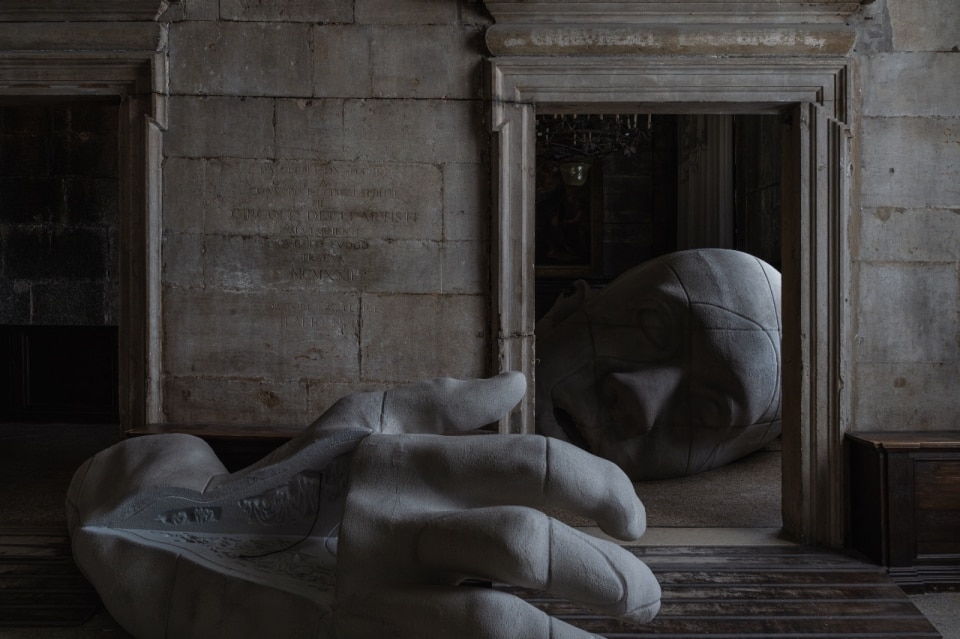
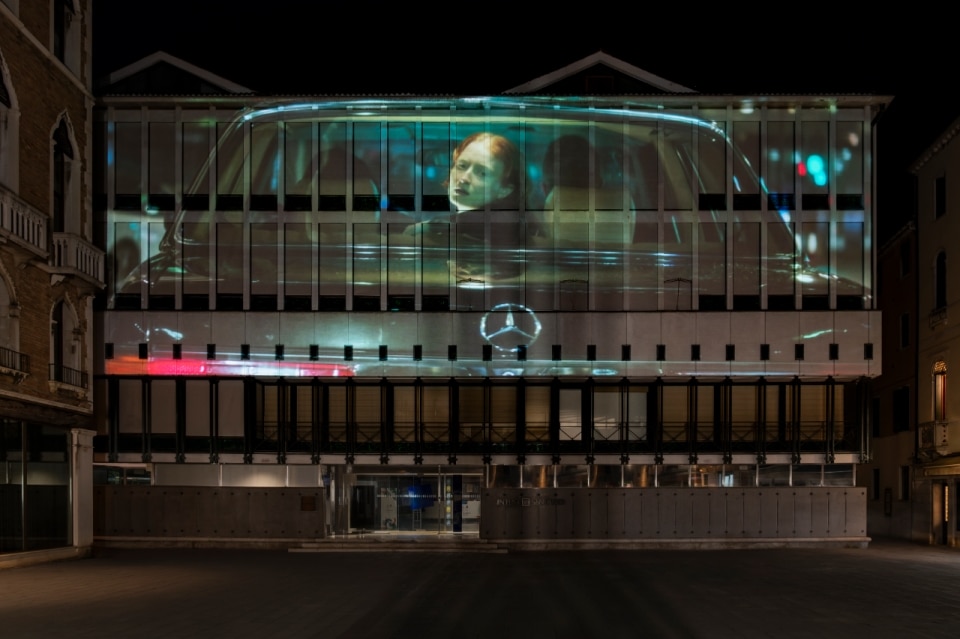
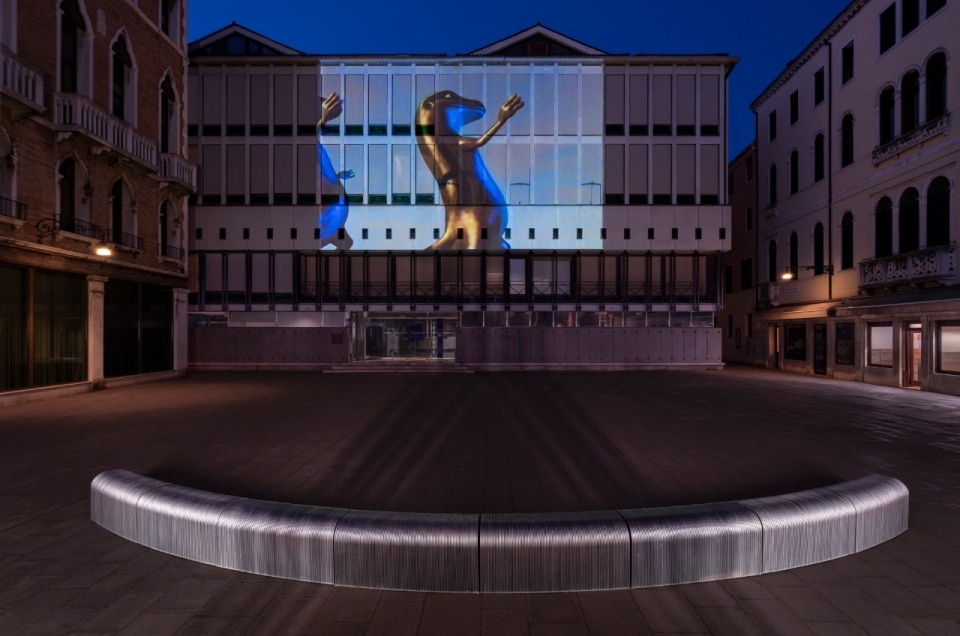
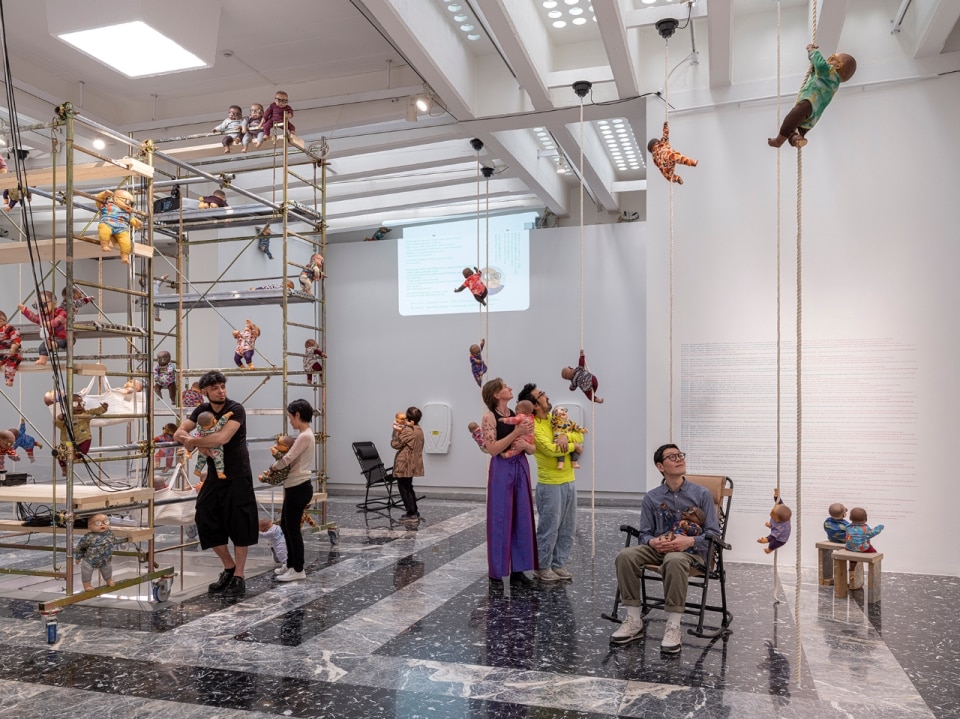
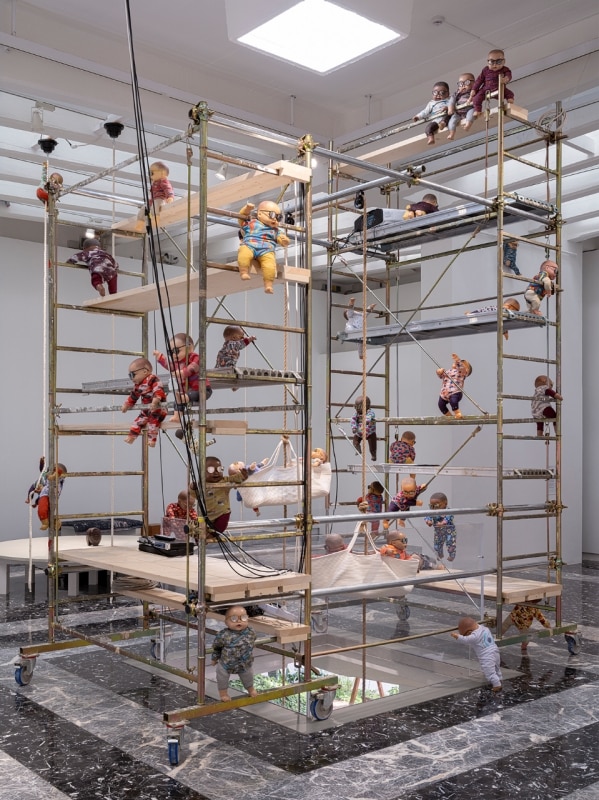
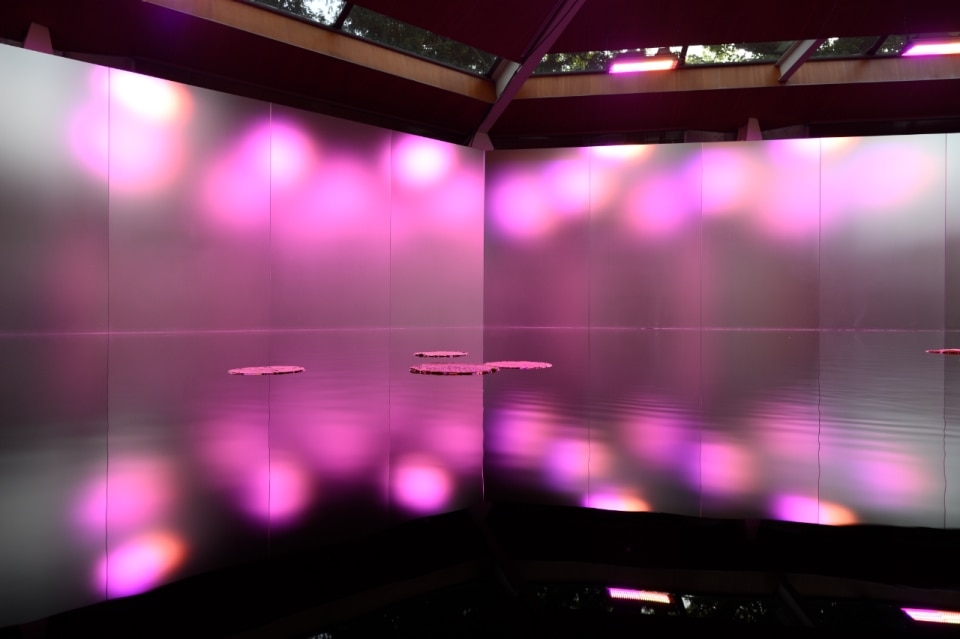
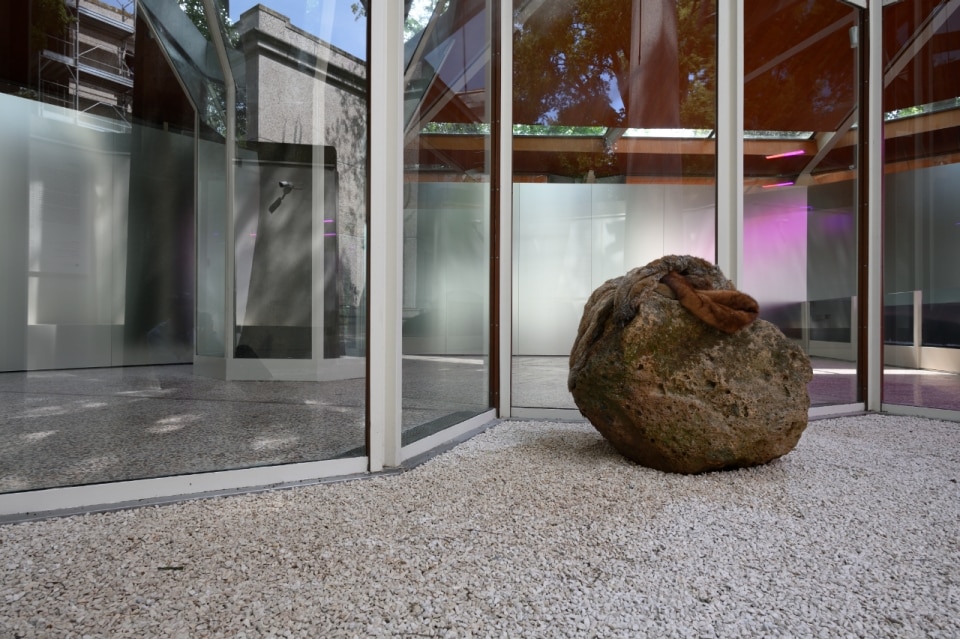
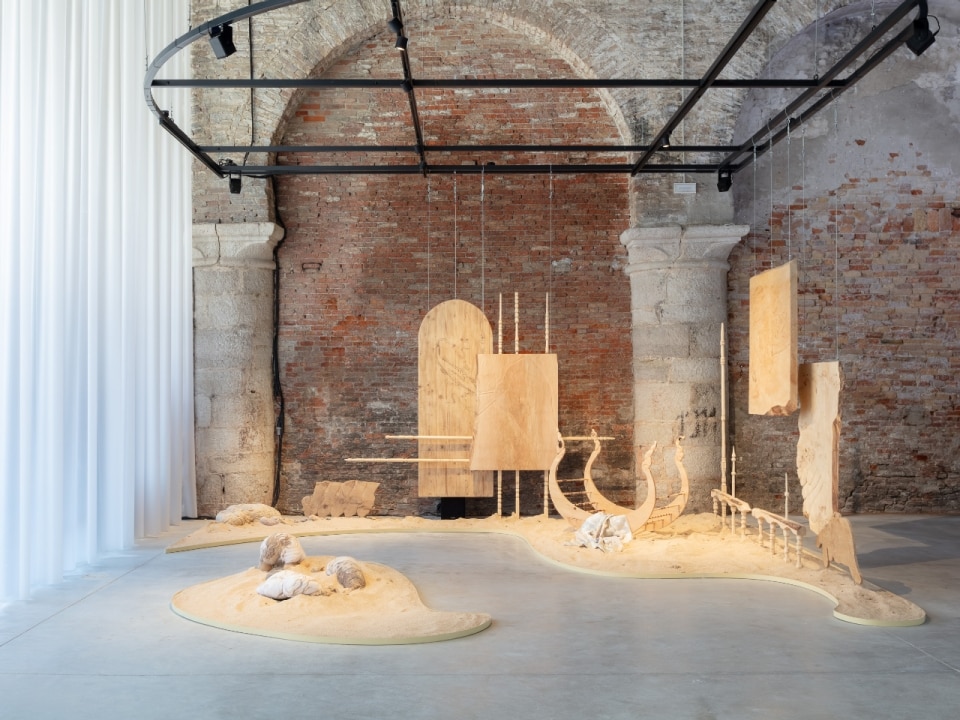
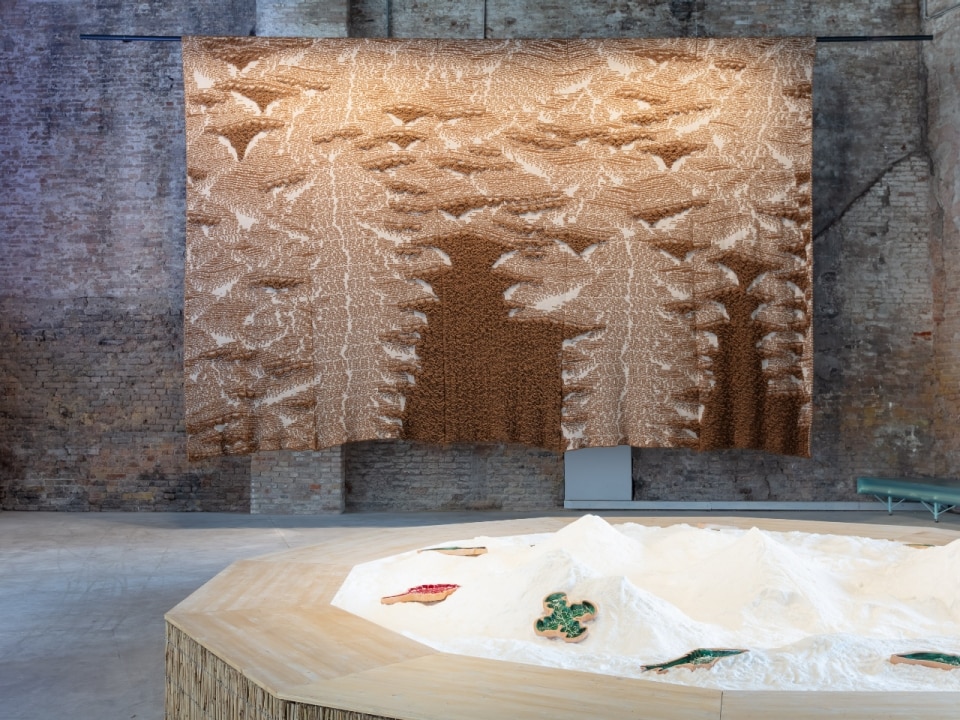
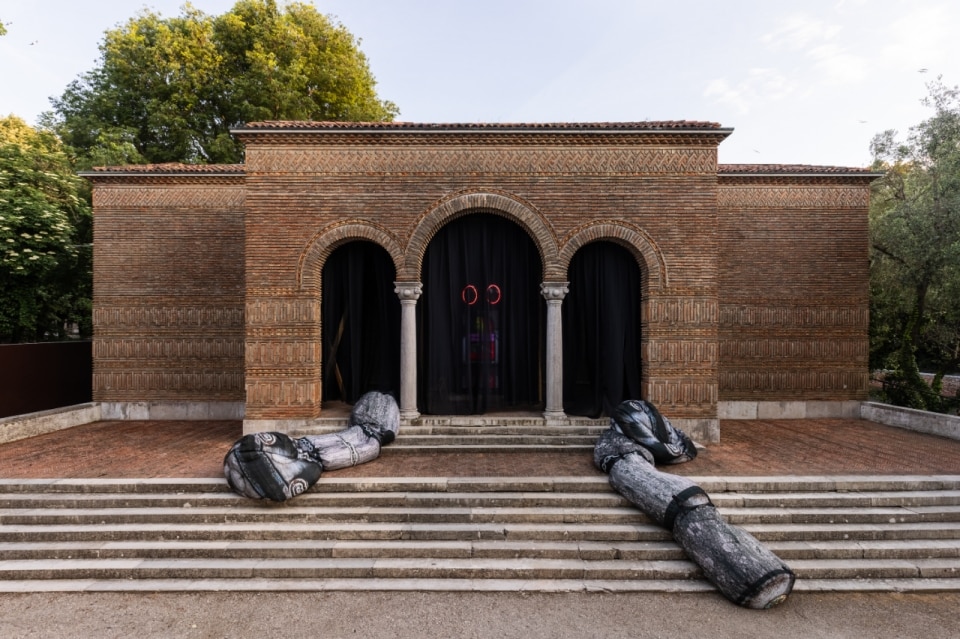
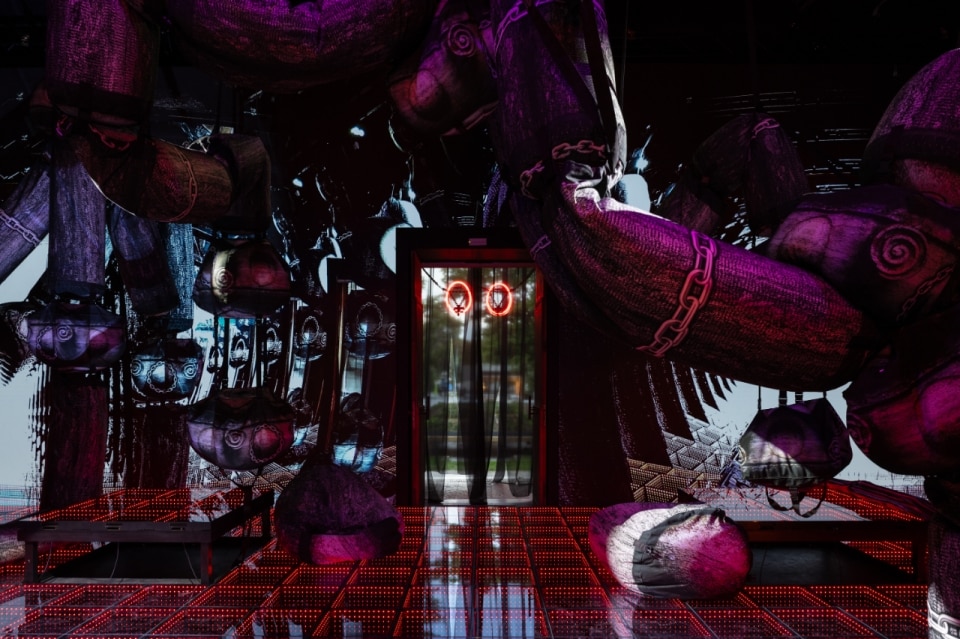
In this Venetian circus, where everyone attacks everyone else and no one truly covers for anyone, the most obvious question remains unanswered: what is the exhibition actually like?
The answer is difficult, because “In Minor Keys” was born under an unlucky star and soon became doubly orphaned. Koyo Kouoh, the first African curator in the Biennale’s history, died in May 2025 at the age of 57, before seeing the project realized. Executive Director of the Zeitz Museum of Contemporary Art Africa in Cape Town and a central figure in the global dialogue around contemporary African art, Kouoh had spent years working on diaspora, feminism, cultural archives, and artistic practices tied to social justice.
That is precisely why her appointment had come as a surprise to those who imagined the new President as an expression of government “sovereignism,” an emissary of fury dispatched to the Lagoon to avenge the left’s old cultural arrogance. Instead, the project selected by Buttafuoco speaks of marginalized voices, the fragility of the present, collective memory, and the equal dignity of cultures and histories. It stands at the opposite pole of any populist, nationalist, or identitarian hypothesis. Almost woke, one might say.
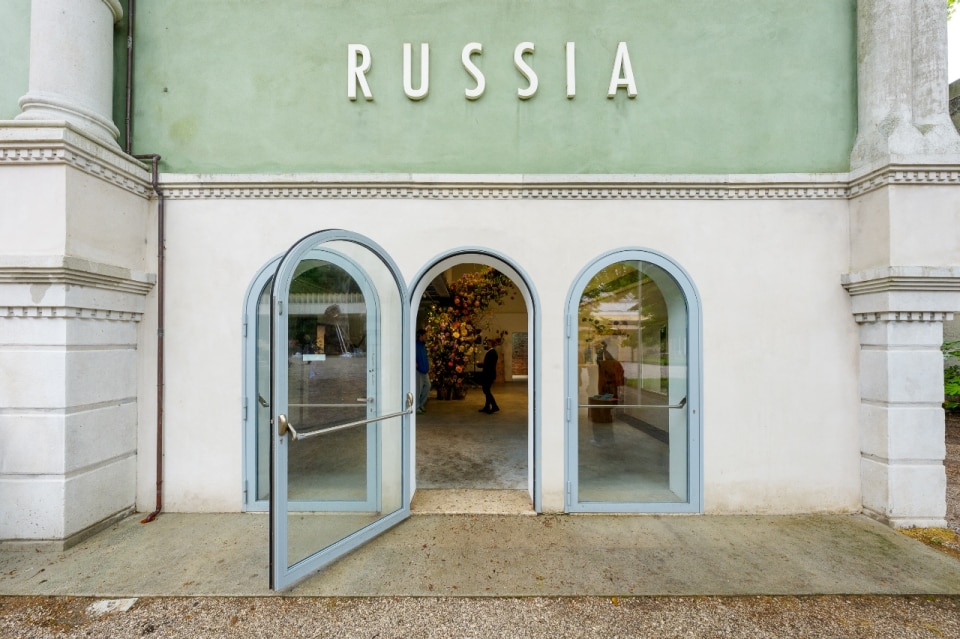
After Kouoh’s death, a second seismic fault line pushed Venice even further from Rome. The Biennale President did not seek a curator more closely aligned with Via del Collegio Romano or the Prime Minister’s office. Instead, he entrusted the curatorial team chosen by Kouoh herself—Gabe Beckhurst Feijoo, Marie Hélène Pereira, Rasha Salti, and Siddhartha Mitter—with completing the work exactly as she had delivered it to the Foundation in April 2025.
The entire project: theoretical framework, artist selection, spatial architecture, and visual identity inspired by komorebi, the Japanese word for sunlight filtering through leaves.
This fidelity was at once an act of respect and a constraint. It was also the clearest possible sign of Buttafuoco’s own vision.
Whatever happens now, the Biennale will never be the same.
“In Minor Keys” takes its title from Erin Manning, the philosopher deeply shaped by Deleuze and Guattari—a lineage few intellectuals still frequent, let alone politicians. Minor tonalities as spaces of resistance and inward listening. Peripheral voices as forms of knowledge. Subtraction as method. The show brings together 110 artists from five continents, selected for affinities of inquiry rather than geography or fame: from El Salvador, Dakar, San Juan, Beirut, Nashville, Paris. A relational utopia grounded in a robust theoretical apparatus. The problem is that the exhibition it produces is one of the thinnest in recent years. Why?
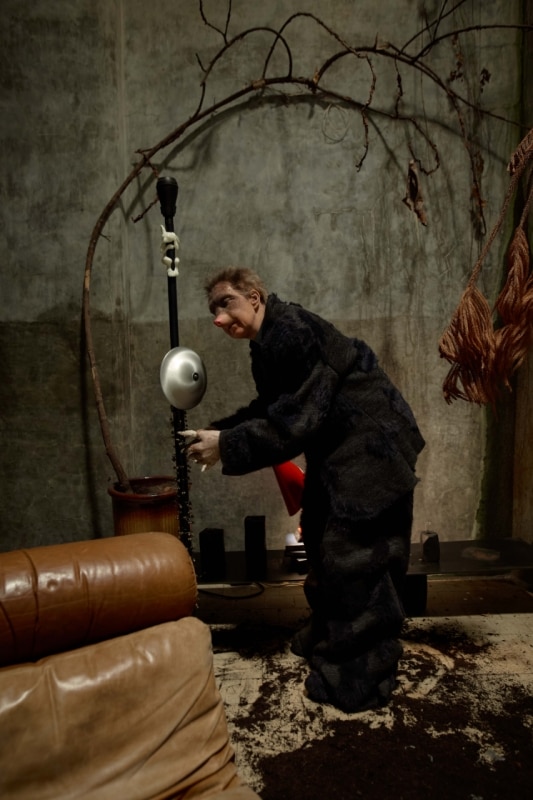
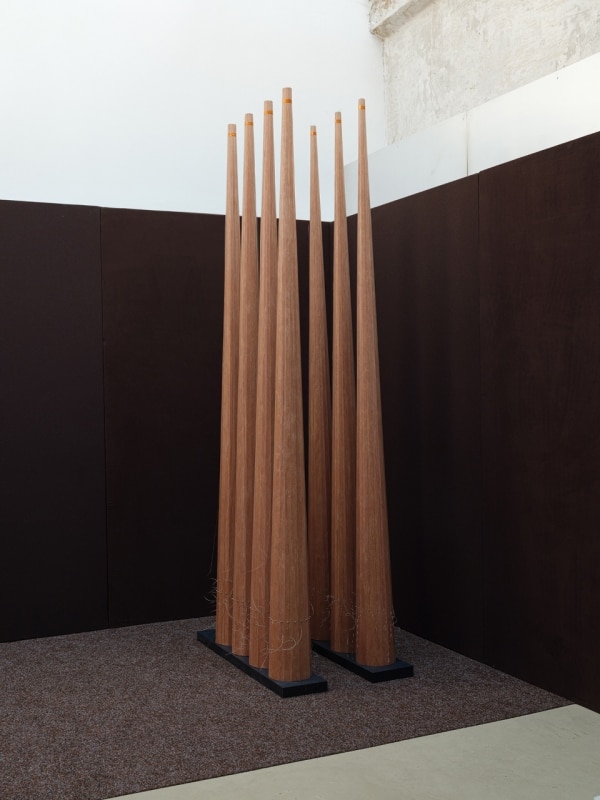
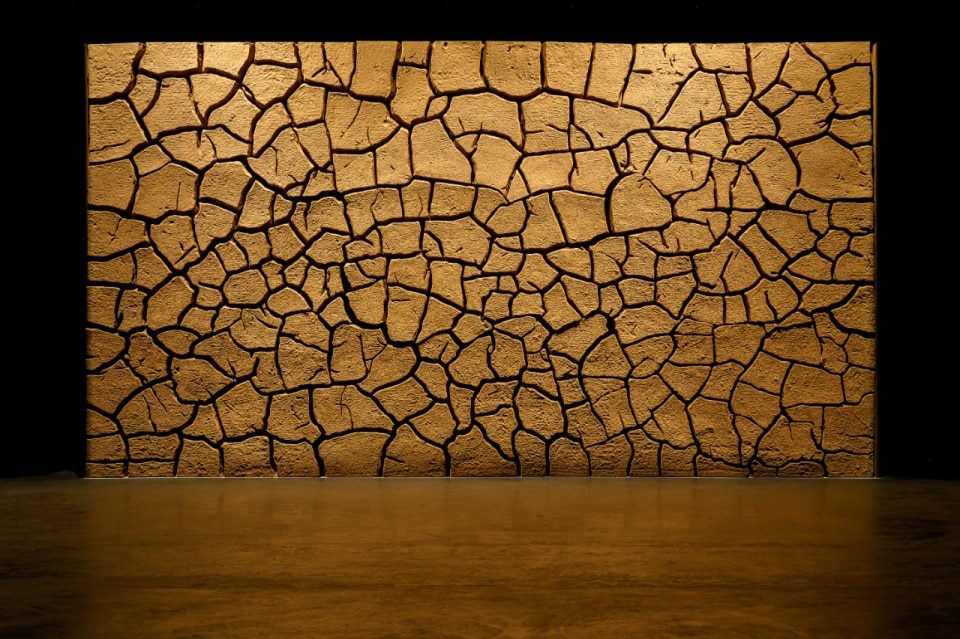
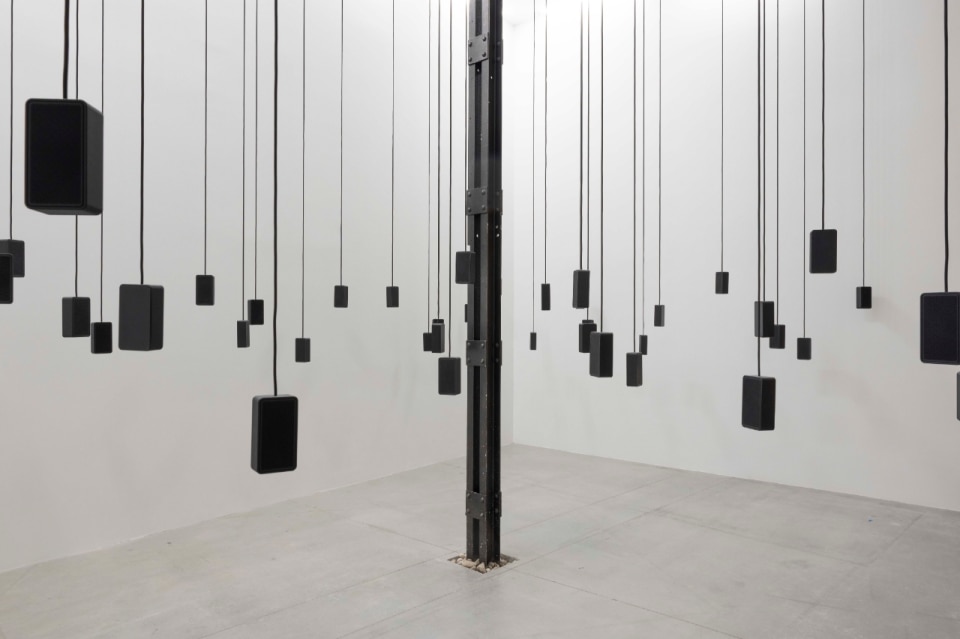
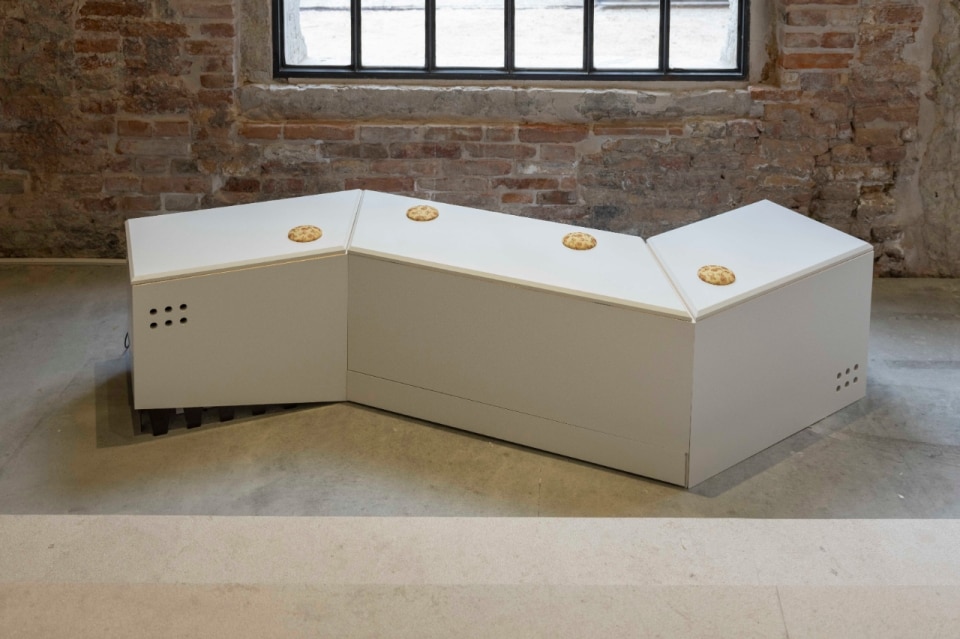
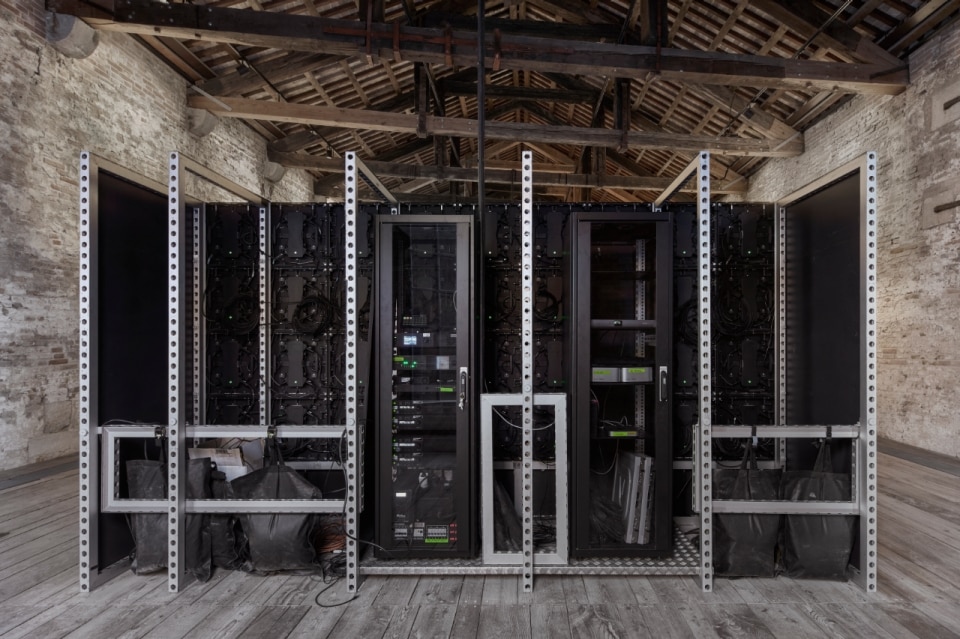
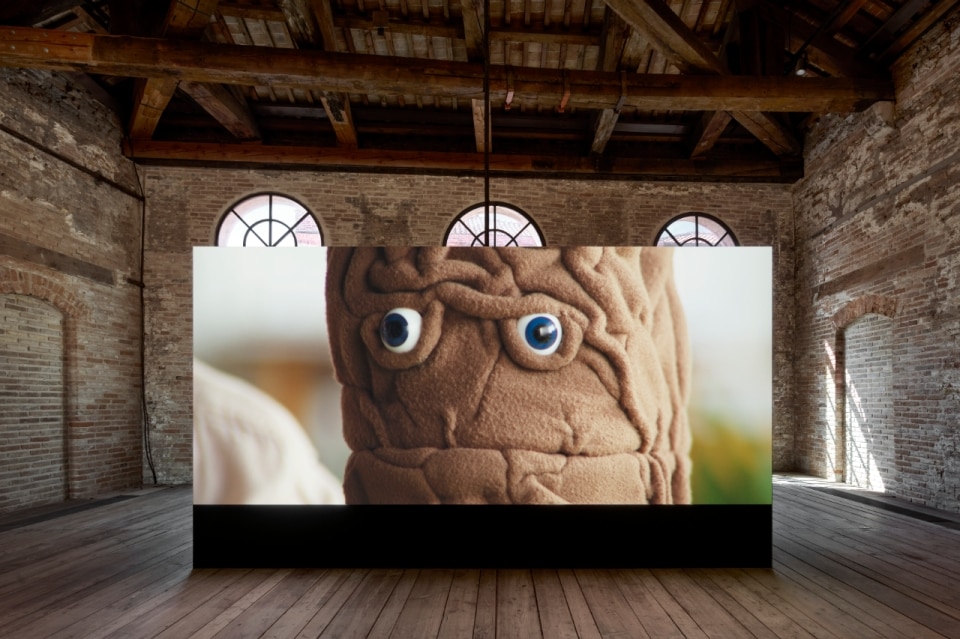
Not because it lacks quality works. At the Giardini, Big Chief Demond Melancon opens the journey with carnival as a memory of resistance. Alexa Kumiko Hatanaka’s flags celebrate life and continuity. Maria Magdalena Campos-Pons enters into dialogue with Kamaal Malak across time and space. Hala Schoukair evokes lost affections. Philip Aguirre y Otegui’s fourteen clay tablets narrate the present through ancient techniques. Mohammed Z. Rahman weaves together nature, craft, and memory.
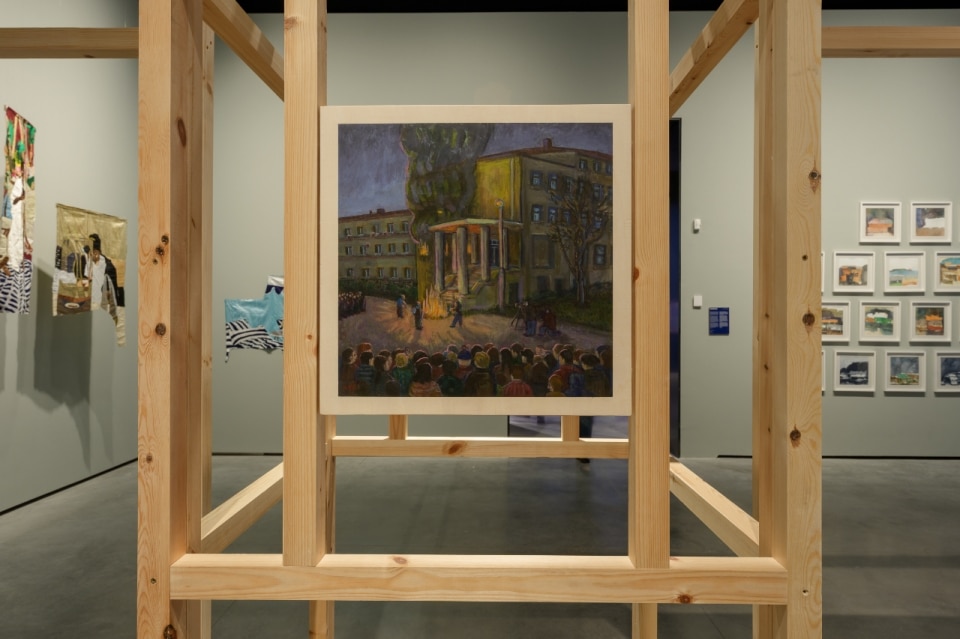
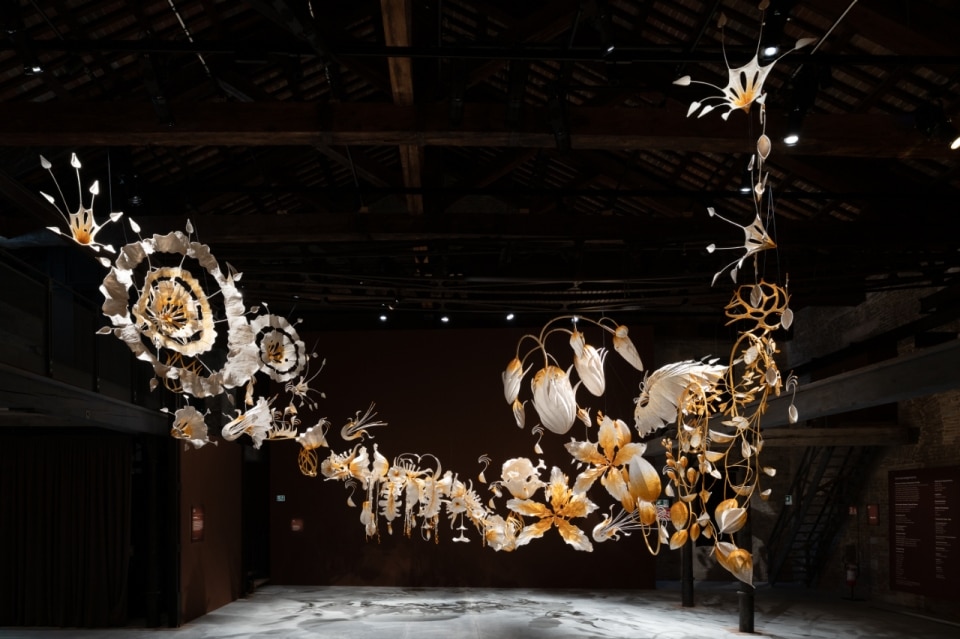
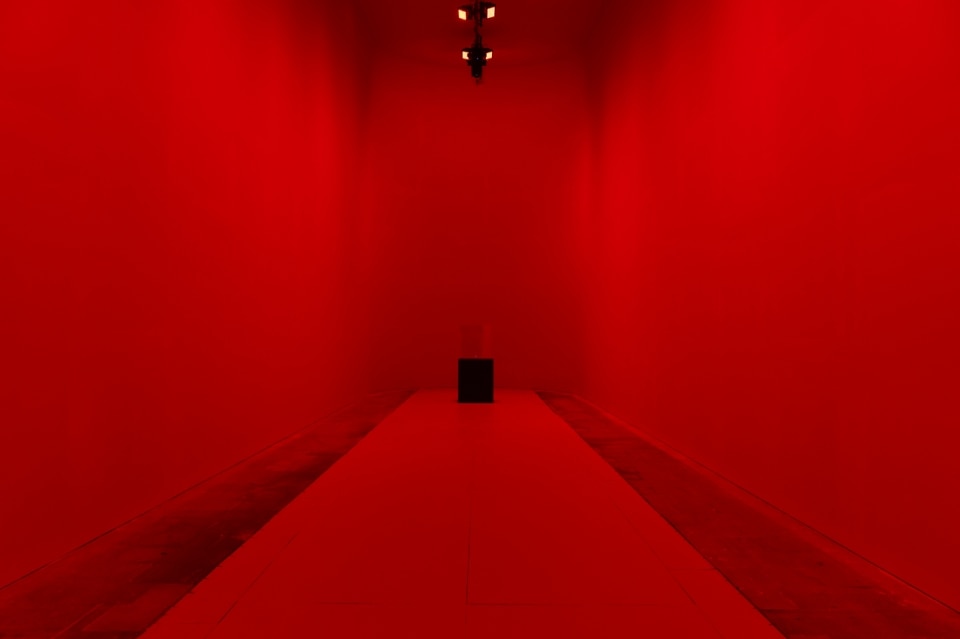
At the Corderie, the rhythm shifts and the route sharpens. It begins with a tribute to the friendship between Issa Samb and Khaled Sabsabi. Then come Dan Lie’s mourning flowers, Alfredo Jaar’s red room, Michael Joo’s marine abysses, Dawn Dedeaux’s planetary installation uniting meteorites and archaeology. Cauleen Smith’s immersive environment creates a participatory space. The pavilions of India, Oman, and Uzbekistan are among the few works that genuinely question, resist, and astonish. The Vatican Pavilion, relocated off-site, is exquisite. So what’s missing?
What is missing is tension—internal tension, sparks, moments of illumination. Subtraction elevated to method too often becomes the absence of friction, violating one of thermodynamics’ first principles and, by extension, one of life’s own. The works converse only through affinity, never through contrast. Even the installation design avoids imposing a strict route: chairs, poufs, rest areas, an explicit invitation to meditation that feels unmistakably woke. The result is that urgency dissipates. Intention dulls. Energy vanishes. At the 2026 Biennale, one breathes, walks, observes, rests. No jolts. No passion.
The most striking feature is the almost total absence of reflection on artificial intelligence. In 2026, when the struggle over AI is reshaping not only surveillance capitalism and global geopolitics but intimacy itself and individual psychology, this absence says something very precise. The most contentious dimension of the present is simply sidestepped, exactly as it is in politics. The 2026 Biennale speaks of a world just gone by, while the real one is transforming elsewhere, rapidly, without asking permission.
The original sin was there from the beginning. This team was completing someone else’s work. It was not the moment for a gamble, but a time for respect. Yet in art, as in life, while respect is always commendable, it always comes at a steep price. The exhibition takes the shape of a tribute, not an event—still less a provocation.
The comparison with previous editions is immediate and merciless. Cecilia Alemani’s 2022 Biennale built a coherent and visionary universe, with a strong thesis and a recognizable gaze from beginning to end. Adriano Pedrosa’s 2024 edition had the courage of a sharply defined curatorial hypothesis, even at the cost of deep and irreparable divisions. “In Minor Keys” chooses another route: it chooses not to choose. It pursues elective affinities, proceeds through resonances, rejects short circuits. It does not decide, does not risk, does not wager. By the end of the journey, this curatorial timidity mirrors the surrounding political uproar—and vice versa. Neither emerges looking good.
No analysis of the 2026 Biennale, however, can be complete without speaking of Pietrangelo Buttafuoco, its President. The man who conceived it, defended it, and inaugurated it against his own backers and against Europe, denouncing the risk of fureria: selecting passports rather than artists, stopping at the finger and missing the moon.
Buttafuoco is absolutely right when he says that the only true veto in art is prohibition itself. This is why, in the farce that became the “conversation about the 2026 Biennale,” with every seat of reason already occupied, he had little trouble taking his place in the chair of wrongness. And this is where things become interesting. Because it is yet another demonstration that trying to pigeonhole Buttafuoco is a mistake—just as grave when the left used to do it as it is now when the right does, after first appointing him and now dismissing him as a narcissistic fantasist, a wayward pro-Russian and pro-Iranian, or simply a smooth operator spinning the roulette wheel of the next government.
Subtraction elevated to method too often becomes the absence of friction, violating one of thermodynamics’ first principles and, by extension, one of life’s own
The truth is that Buttafuoco has always been Buttafuoco. From “Addio alla fica,” the legendary final headline of his Italia Settimanale, to the “Praise of the Unviolated” inspired by the Islamic conversion of Battiato and Guénon—a theological and biographical choice rooted deep in his past. From Sali & tabacchi, his third-way journey through Italy with his opposite counterpart Stefano Di Michele, to “Riempitivo,” the micro-column that was the true unmoved mover of Il Foglio.
From the old-school fascist aesthetic of “Pietrangelo Buttafuoco Editore,” which had him received by Norberto Bobbio and courted by radical chic salons, to his scientific direction of Civiltà delle Macchine, Leonardo Foundation’s laboratory of Mediterranean inclusion. Not to mention Le uova del Drago, a dystopian account of a possible second world war; Fimmini, a politically incorrect grammatology of the other half of the sky; or Buttanissima Sicilia, his dark homage to his homeland, poised somewhere between Bufalino and Sciascia.
Buttafuoco’s horizon has always been the same. Not the Tuscan Renaissance, but Sicilian Baroque, finding in the Saracen the quintessence of Mediterranean melting-pot culture. Not internationalism, but universalism. Not contemporaneity, but millenarianism. Not the geopolitics of the UN, but that of ISMEO. Not the Revolution of Robespierre and the nation-state, but the Indo-European syncretism of Giuseppe Tucci and Rabindranath Tagore, the spiritual breath supposedly uniting peoples from Gibraltar to the Great Wall.
It is this vision that, long before his conversion, led him to call Venice al-Bunduqiyya, the city of impermanence, and to recognize it as the fourth of the three great capitals: Rome, Jerusalem, and Mecca. Exactly as Arnaldo Momigliano once imagined.
Pietrangelo Buttafuoco is a melancholic and ironic soul—deeply Sicilian and deeply Italian, immensely learned and gentle. For this alone he may yet enter that Kingdom of Heaven of the religion he claims to have abandoned. But above all, amid the embarrassing cacophony surrounding this government, he is the only one in possession of an actual vision—and capable of imposing it by weaving relationships as paradoxical as they are strong.
Capable, above all, of holding in balance country traditionalists and urban sophisticates, apocalyptic thinkers and the integrated, beautiful souls and hard hearts, women of dubious virtue and worldly men willing to distinguish Russia’s finger from Israel’s as if the bodies of Palestinian children somehow mattered less than those of Ukrainian ones. Whatever happens now, the Biennale will never be the same. Because the “conversation about the Biennale”—the finger—has overwhelmed the Biennale exhibition itself—the moon. It has occupied all available space and consumed all available time, which for men and women is finite by definition.
This, after all, was what the Islamic President in Italy’s most eastern city sought to denounce: contaminating Ca’ Giustinian with a universe incompatible with the electoral consensus that first champions and then dismisses conductors, with Rome’s balancing acts over the Film Festival, with supranational absurdities that rage against one aggressor state while sparing all the others who behave the same way.
Whether it was a noble gesture or mere personal branding within the symbolic economy of the Biennale hardly matters. The path traced by Buttafuoco—returning to the question of universals, refusing to turn stones into bread, practicing detachment as a condition of truth—is irreversible.
Yet aware that certainties belong to the devil, the President entrusted himself to Meister Eckhart’s kenosis and to Confucius’ wisdom: “It is the wind that makes the sky.” A pity that, despite all efforts, Venice’s sky obscured the Biennale’s moon, increasingly covered by a bordello—in the Sicilian sense of the word—that seems to foreshadow Armageddon.
The final reckoning, of which the dismissal of senior Ministry of Culture officials offers only the first warning signs.
Iopening image: Photo Marco Zorzanello