

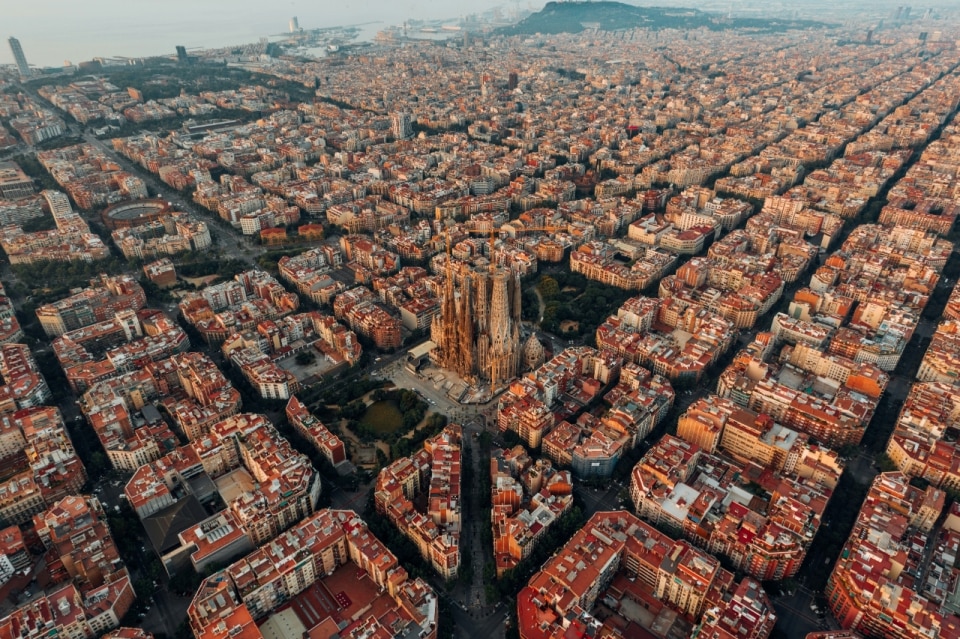
In the international calendar of 2026, Barcelona establishes itself as an almost essential stop for anyone looking at architecture as a tool of public policy and a key to interpreting the present. Cradle of Catalan Modernism and one of Europe’s most closely observed urban laboratories, the city brings together this year a season of celebrations aimed at reaffirming—and at the same time redefining—its global centrality: the centenary of the death of architect Antoni Gaudí, the 150th anniversary of the death of Ildefons Cerdà and, above all, its nomination as World Architecture Capital 2026.
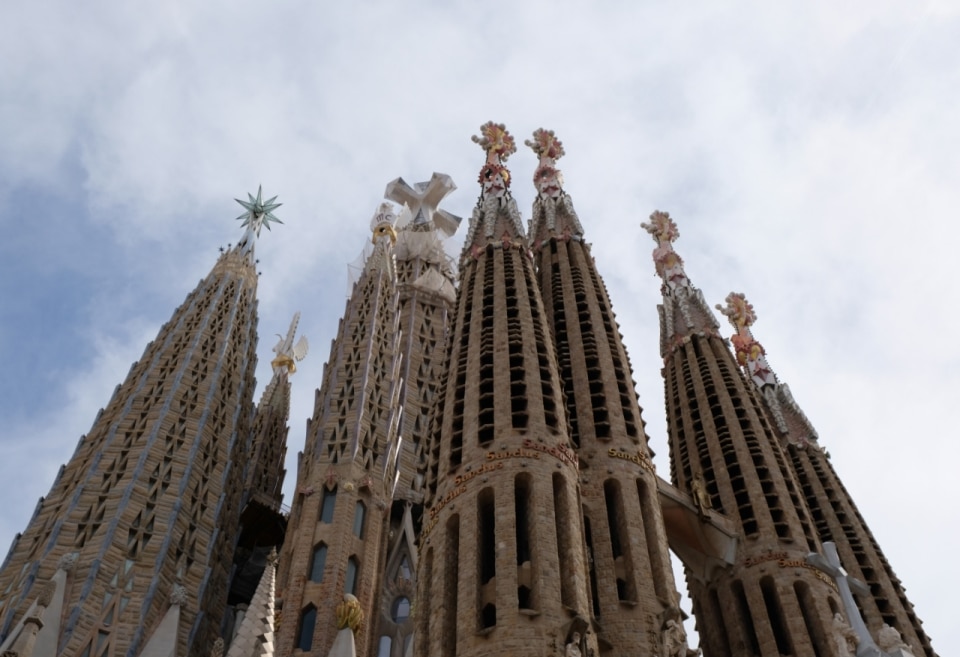
While this recognition becomes the pretext for a broad reflection on the role of the built environment in contemporary urban life, the Year of Gaudí brings the focus back to one of its most recognisable cores: the Sagrada Família, still an open construction site, the perfect symbol of an architecture that never coincides with its own time.
The 2026 program is therefore extensive and wide-ranging: over 1,500 events across the city from January to December, including exhibitions, installations, urban itineraries (the Open Barri), guided tours, festivals, celebrations, and conferences. What emerges is a commitment to presenting architecture as a public and democratic matter, not as a discipline for specialists, expanding the discussion on heritage, sustainability, and the quality of collective space to the real city, its neighbourhoods, and their everyday frictions.
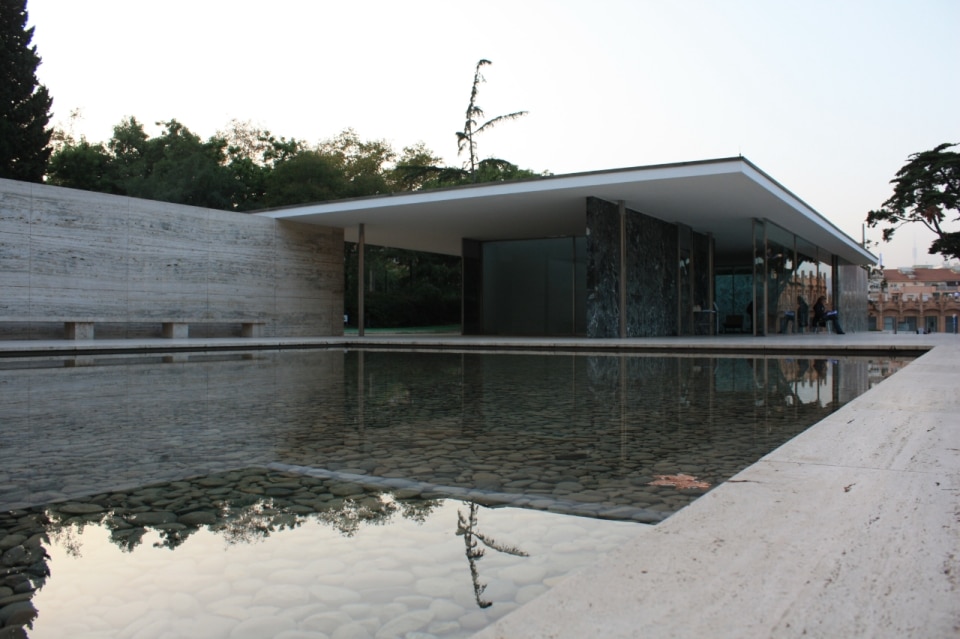
Few European cities have managed to turn architecture into such a recognizable civic language, or into an ever-evolving urban tool capable of driving social, political, economic, and cultural change. Barcelona, after all, has inseparably linked its identity to this dimension. Modernism remains its most recognizable hallmark, with a constellation of buildings now listed as UNESCO World Heritage Sites, but alongside this legacy coexist other layers of interpretation—urban planning, landscape design, interior design—in a dynamic interplay of approaches and visions that have reshaped both the city center and its extensions.
In recent years, this process has become particularly visible through several redevelopment initiatives, from the transformation of Poblenou—now a hub of the city’s creative production—to the redefinition of Glòries as a major green and civic node, and up to the more recent Superblock urban project. These operations differ in scale and intent but share an incremental, often experimental approach that has allowed Barcelona to continuously question the relationship between historical heritage and contemporaneity. Along these lines came the international competition “10 Blind Walls,” promoted in 2024 with the Mies van der Rohe Foundation to redesign ten blind fronts of ten buildings, one per neighborhood, and the “10 months, 10 districts, 10 headquarters” of Barcelona World Capital of Architecture 2026, conceived to highlight the city’s architectural richness, including its more marginalized areas.
This has not been a linear evolution nor one without contradictions, but it is precisely this ongoing tension – between tourist pressure, right to the city and research – that has made the Catalan capital a credible "global laboratory." To be able to look at Barcelona with new perspectives, Domus has gathered and selected the most significant events—those that have accompanied and will accompany Barcelona throughout this year, in which architecture once again becomes, explicitly, its centre of gravity
What happened so far
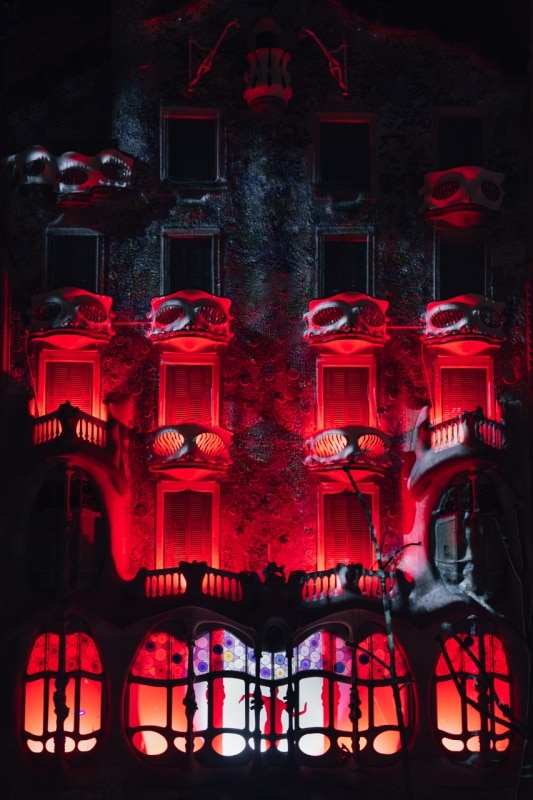
The Gaudi Year 2026 was officially inaugurated on January 31 with a videomapping intervention Hidden Order on the façade of Casa Batlló, on the occasion of the new edition of Casa Batlló Contemporary. For three days, artist Matt Clark (United Visual Artists) transformed the modernist façade with a free audiovisual work of great impact, a prologue to the site-specific exhibition "Beyond the Façade" set up in the new space dedicated to contemporary art in the restored apartments on the second floor.
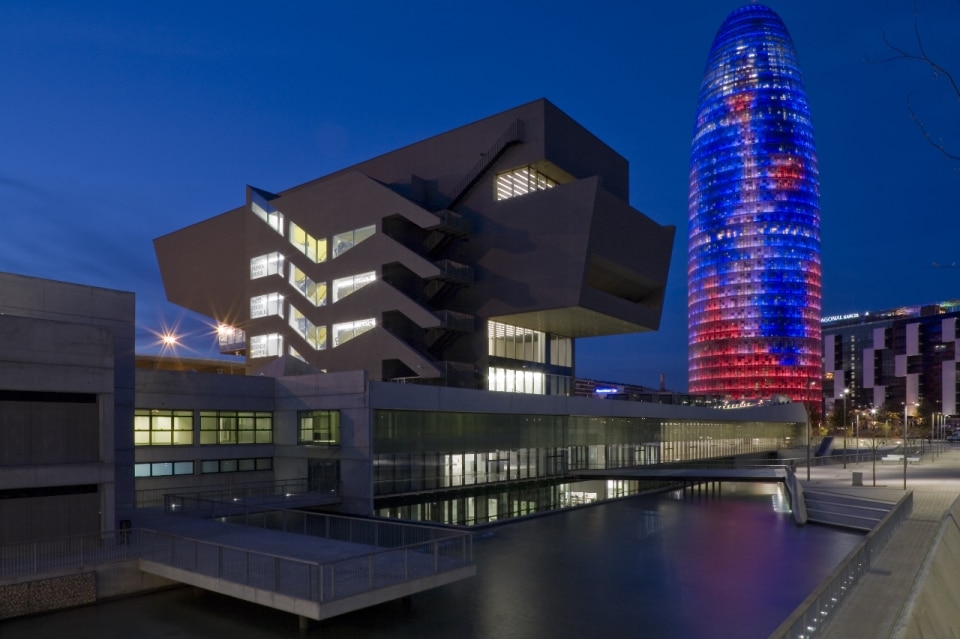
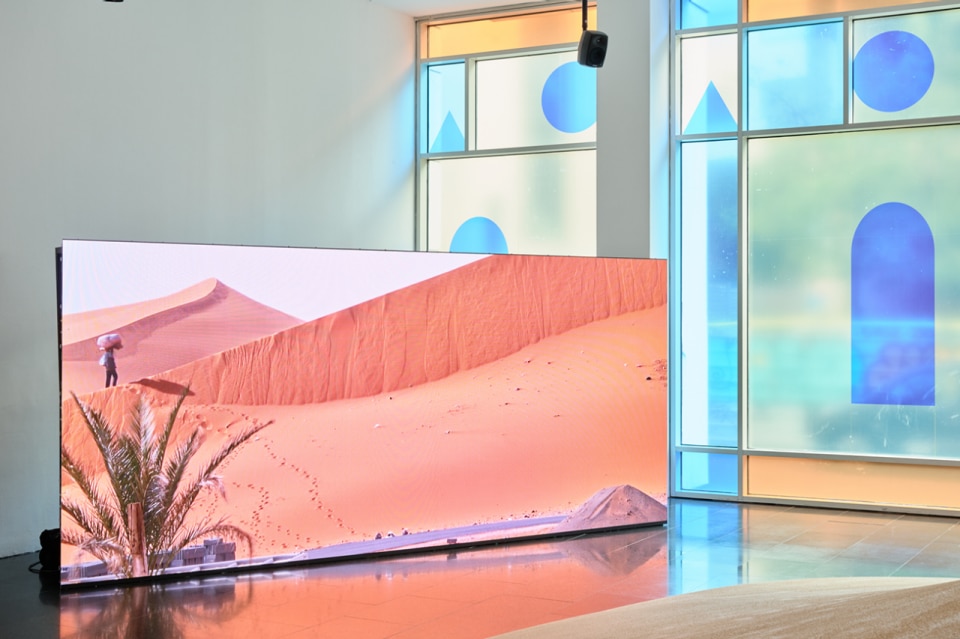
February opened with the 15th edition of the Llum BCN Festival, in which the Torre Glòries, by the Guest Editor of Domus 2022 Jean Nouvel, was featured. As part of Barcelona 2026 World Architecture Capital and in conjunction with the museum's 30th anniversary, Macba has launched a series of activities and exhibitions that will explode the relationship between architecture and contemporary art, starting with "Anna Moreno: The Third Twist," dedicated to Moreno's reflection on the unfinished projects of the architect's Ricardo Bofill utopian period in Algeria. Finally, the exterior of the Sagrada Familia's Tower of Jesus was completed on February 20, with the laying of the upper arm of the cross that will house the Agnus Dei sculpture by artist Andrea Mastrovito.
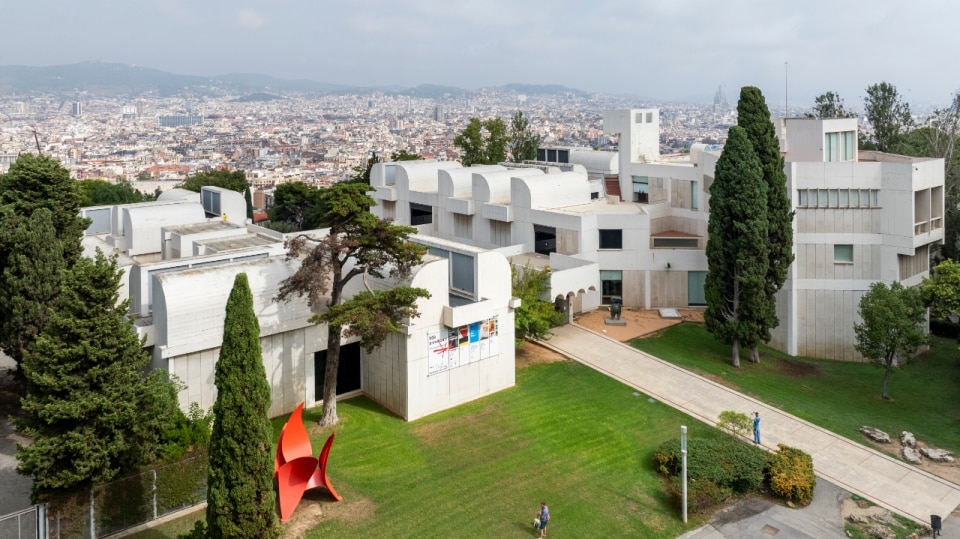
After an initial visit by BIG - Bjarke Ingels Group studio, Guest Editor of Domus 2025, the Architecture Studio Sessions series organized by World-Architects proceeds, opening 10 architectural studios in Barcelona to the public to offer citizens moments of direct discussion with designers. As part of the Gaudí Year, a number of guided tours and thematic exhibitions trace the stages of urban evolution alongside the construction of the Temple. Also prominent in the March program is the rearrangement of the collection of the Fundació Joan Miró, reinterpreted precisely from its relationship with the museum, conceived by architect Josep Lluís Sert in the 1970s.
April
With spring and the return of the Open Barri spring edition, Barcelona slows its pace and shifts to a more reflective dimension. April is marked by exhibitions and research programs dedicated to contemporary architecture, often hosted in museums and independent spaces. Among the more focused initiatives is Barcelona Open Wood, the first of six guided routes dedicated to timber architecture, highlighting sustainable construction practices and intelligent reuse.
June
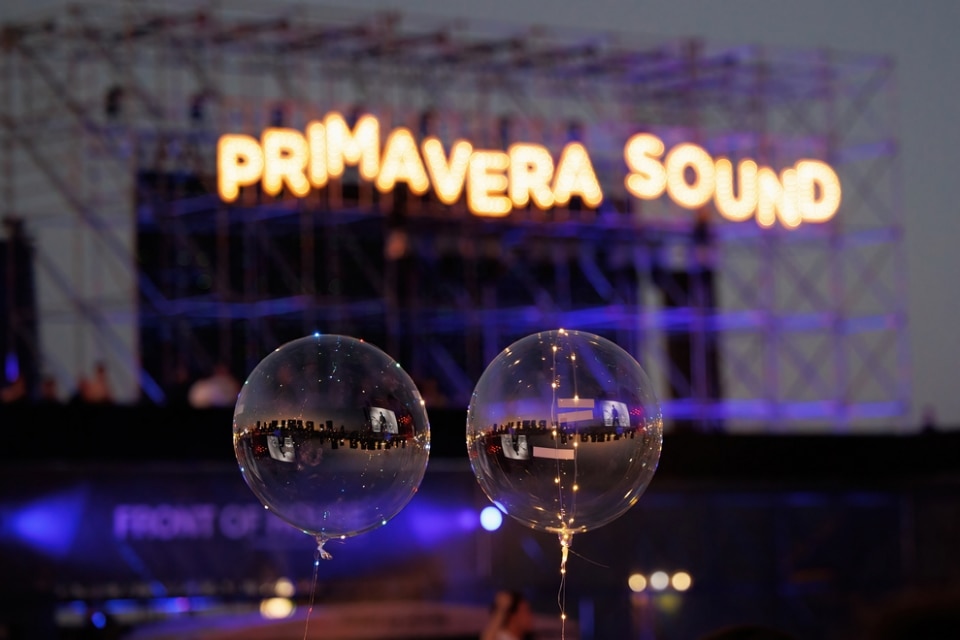
Primavera Sound, Sónar, and the UIA World Congress of Architects represent the peak intensity of the year. Alongside the music dimension, Sónar+D will occupy the neoclassical Llotja de Mar building in 2026 to explore the relationship between creativity and technology: a hybrid, multidisciplinary environment where talks, performances, and workshops will address themes such as artificial intelligence and music, the return to the physicality of the digital, and new network ecologies. However, the UIA World Congress of Architects represents, along with the symbolic inauguration of the Torre of Jesus Christ on June 10, the true centre of gravity of this 2026. From June 28 to July 2, Barcelona will become for the second time after the 1996 edition a global platform for discussion on architecture, bringing together more than 10,000 participants and 250 speakers from around the world. Accessible only to architecture professionals and scholars, Becoming. Architecture for a Planet in Transition will orient the debate toward the major transformations of our time, articulating around six lines of research that can explore new and transformative spatial practices.
July
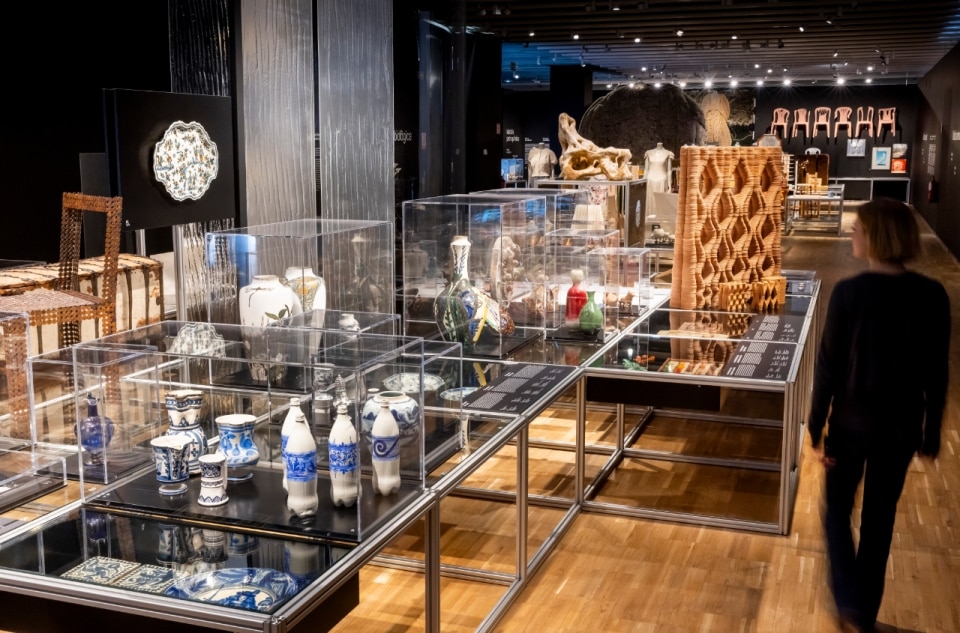
"Charlotte Perriand" is the main anthological exhibition that the Fundació Joan Miró will present in the summer, taking visitors through the formative years of the French architect and designer up to her work at Atelier Le Corbusier. Focusing on the emotional and professional ties that bound her to Sert, the exhibition thus fits in continuity with the new curatorial line adopted by the Foundation, devoted to the affirmation of architectural language as a living space and positioning in the world.
October - November
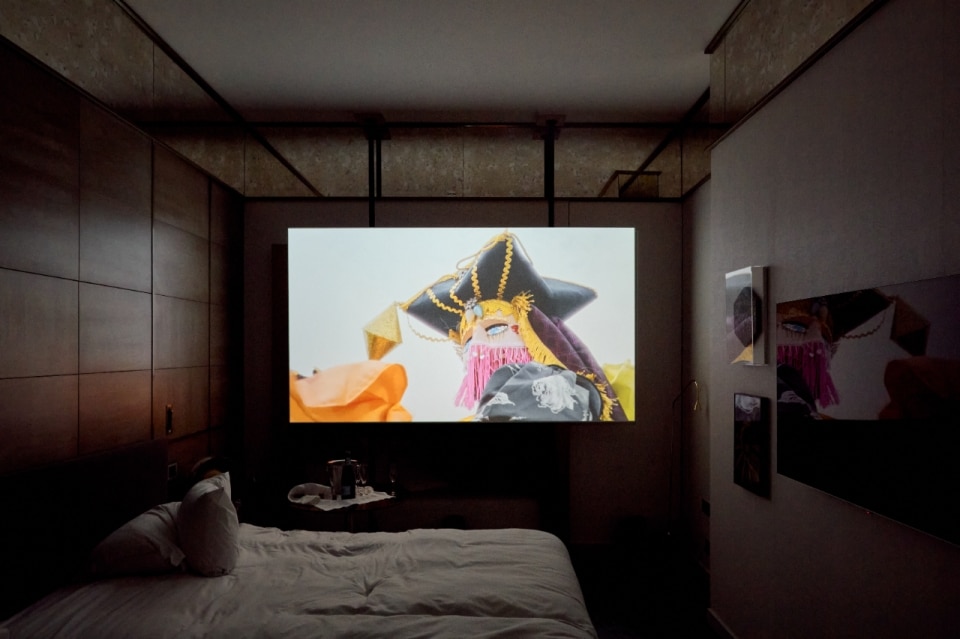
After a summer of events and exhibitions addressing topics such as instinct in architecture ("The Instinct of Architecture. The Origin and Evolution of Human Architecture"), adaptive reuse, and invisible urban landscapes related to networks, subsoil and energy systems (in the cycle "RRReparem el futur"), a new edition of the Loop Festival arrives in November entitled "Xiu Xiu", which will connect moving-image practices with the city’s marginal and hidden spaces. Its hybrid format—including a fair and a two-day symposium—will grant access to unconventional venues and allow visitors to explore Barcelona through a map of screenings, installations, and site-specific interventions. Finally, the Smart City Expo on smart cities and urban innovation will return the discussion to a systemic scale involving data, governance, and infrastructure, offering a perspective on cities through the technological and social complexity of the present.
Opening image: view of Barcelona from above, photo Logan Armstrong from Flickr