

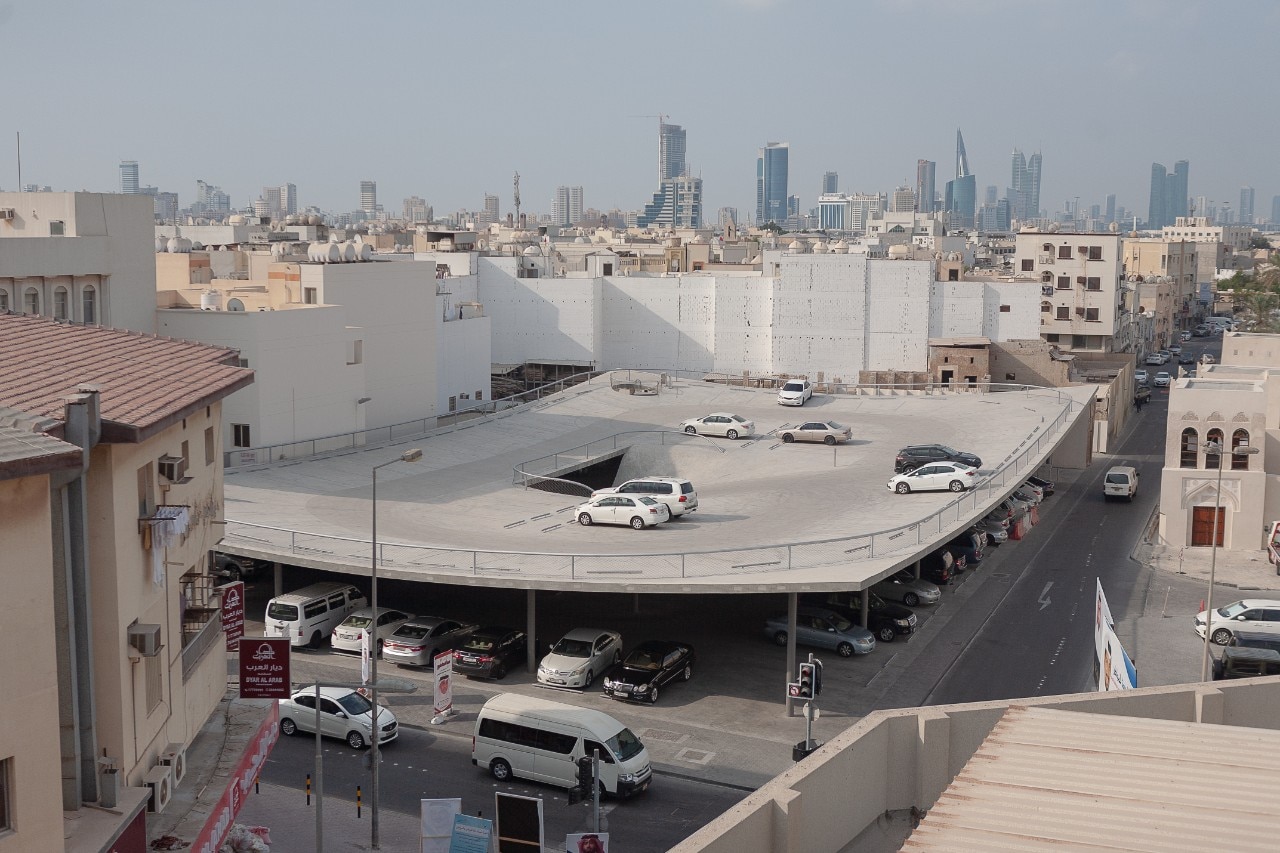
In recent weeks, conflicting images and reconstructions have circulated online about the demolition of one of the four car parks designed by Swiss architect Christian Kerez in Muharraq, Bahrain. Alongside AI-generated content, real but fragmentary news also spread, often contradictory. It is not the demolition itself that is false, but the way it has been narrated: more than a single piece of fake news, it is a distorted story, built on false images and partial information, that turned a complex affair into an apparently straightforward one. Built just two years ago, the first demolished car park had travelled the world, appearing in the pages of the leading architecture magazines. To understand what was really happening, we decided to go to the source: we interviewed Kerez, and here is everything we know today about the state of the four car parks in Muharraq. The story begins fifteen years ago.
Muharraq is a historic city in Bahrain, of which it was the capital until 1923. For centuries its economy and identity have been defined by pearl fishing, an industry that has left visible traces everywhere in the urban fabric: in fishermen's houses, markets, and warehouses. Since 2011, the Ministry of Culture (Bahrain Authority for Culture and Antiquities) has decided to enhance all this through the Pearling Path, a route that connects sites linked to that history by filling in some of the urban voids in the historic center. To do so, it called leading international architects to work in the dense medieval fabric of the old city: Valerio Olgiati, Anne Holtrop, Noura Al Sayeh and Leopold Banchini, SeARCH. And Christian Kerez, commissioned to design four multi-story concrete parking lots.
 View gallery
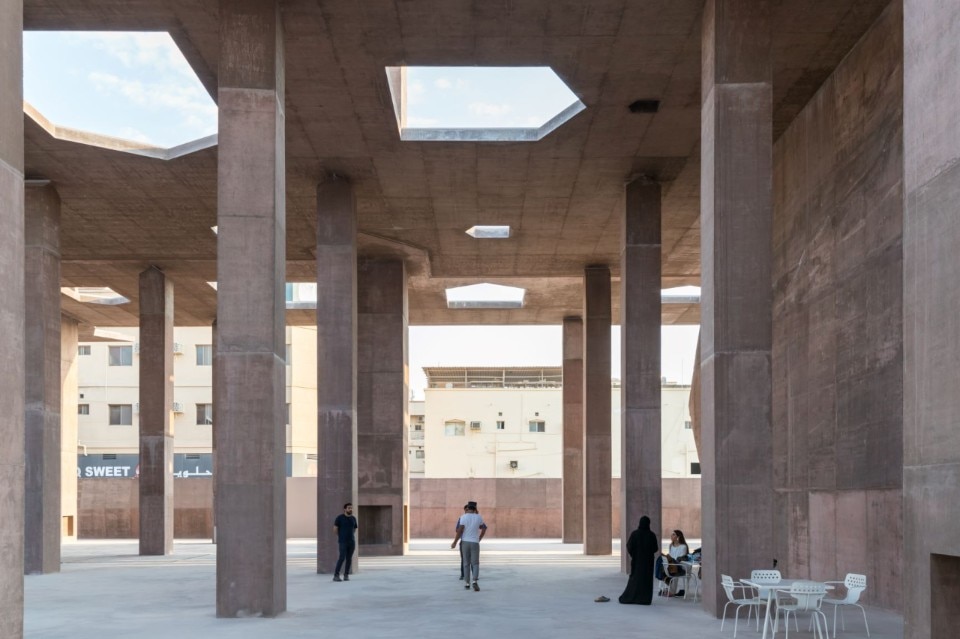


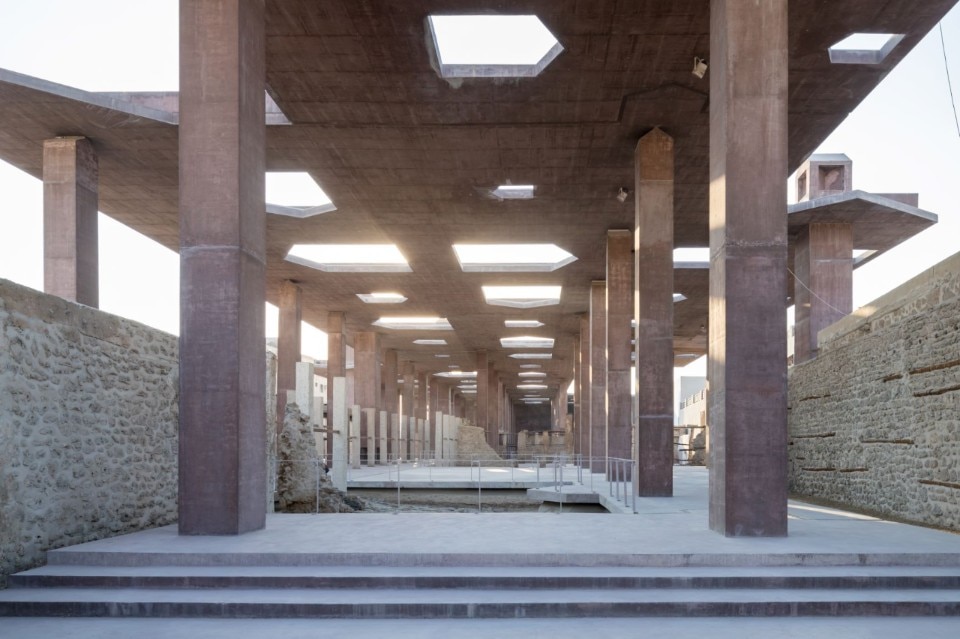
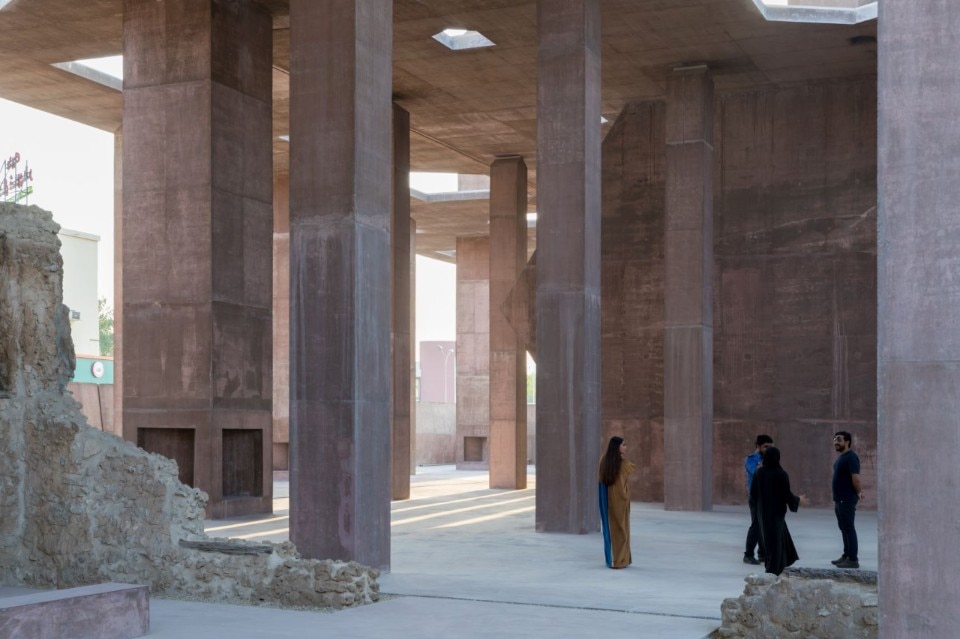
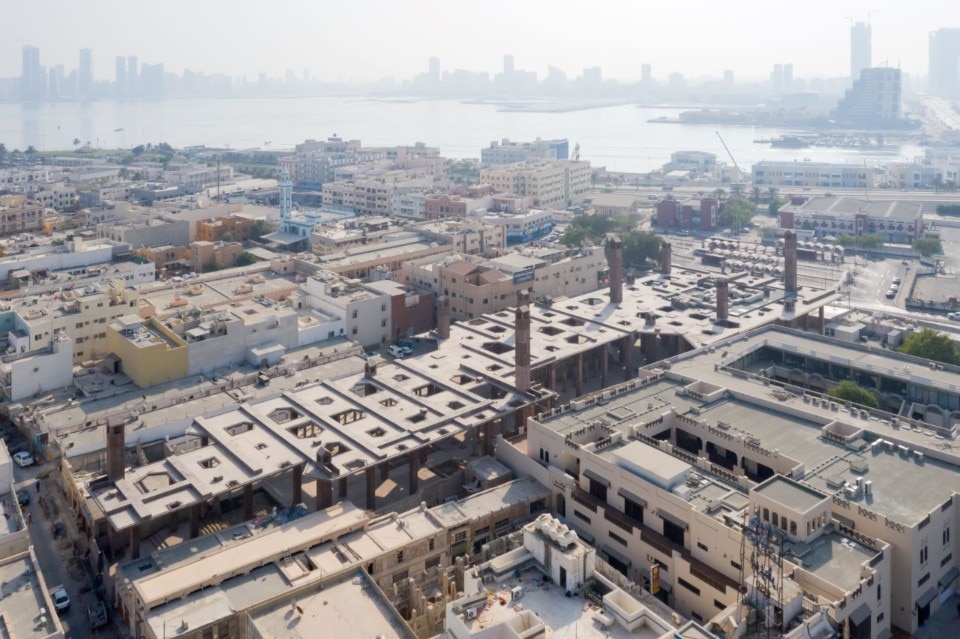
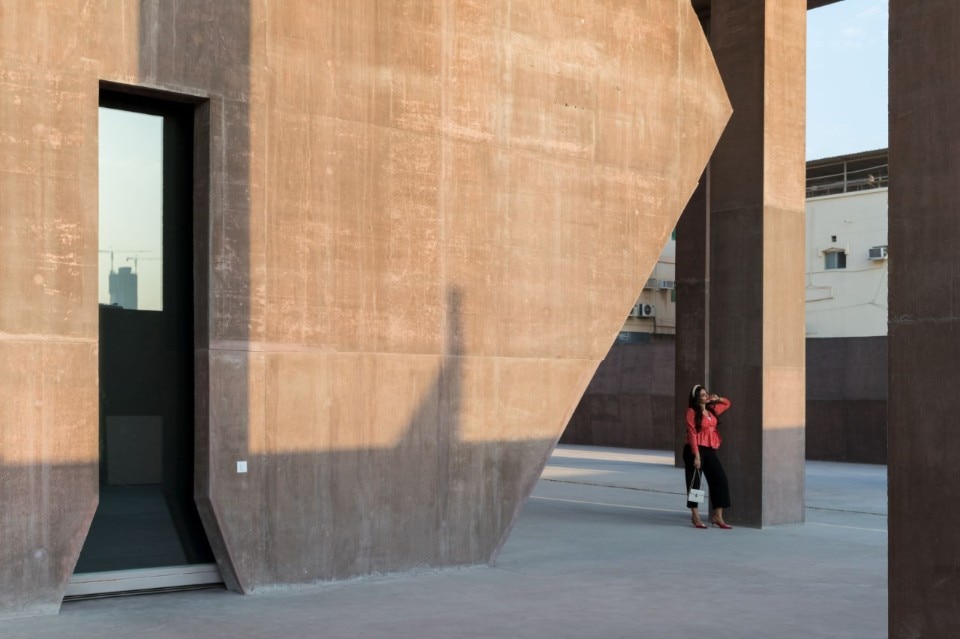
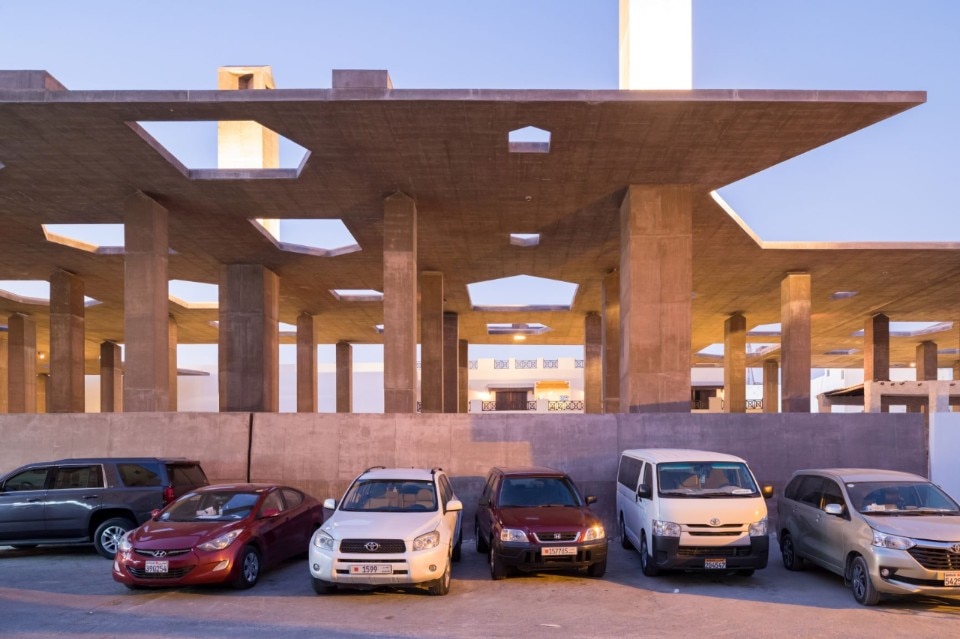
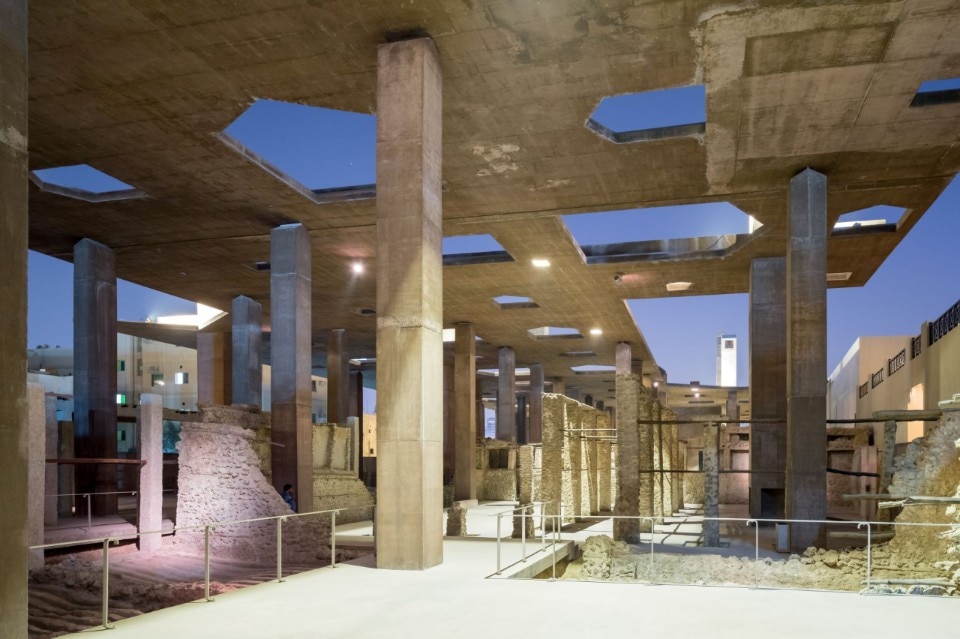
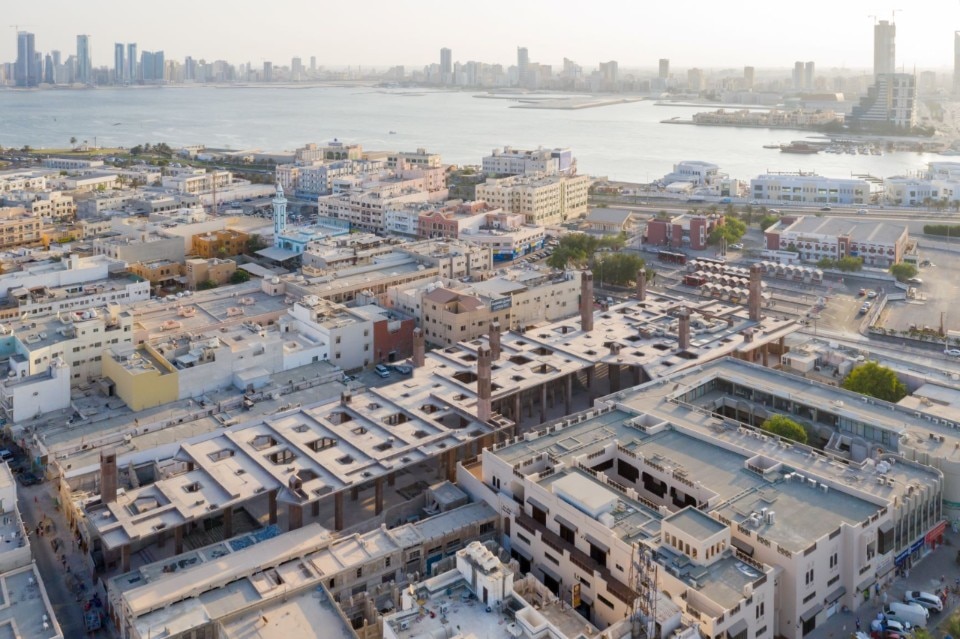
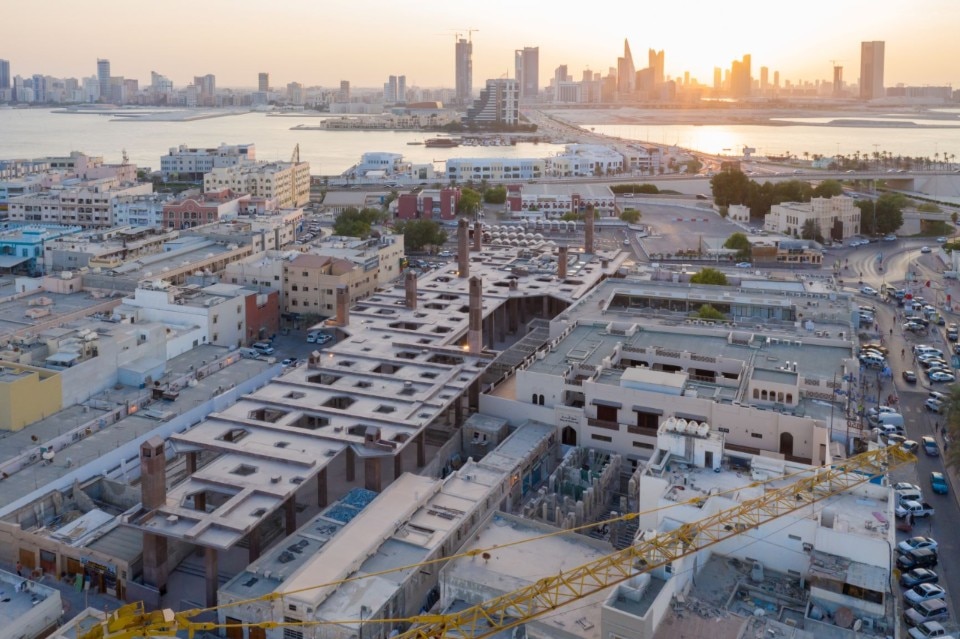
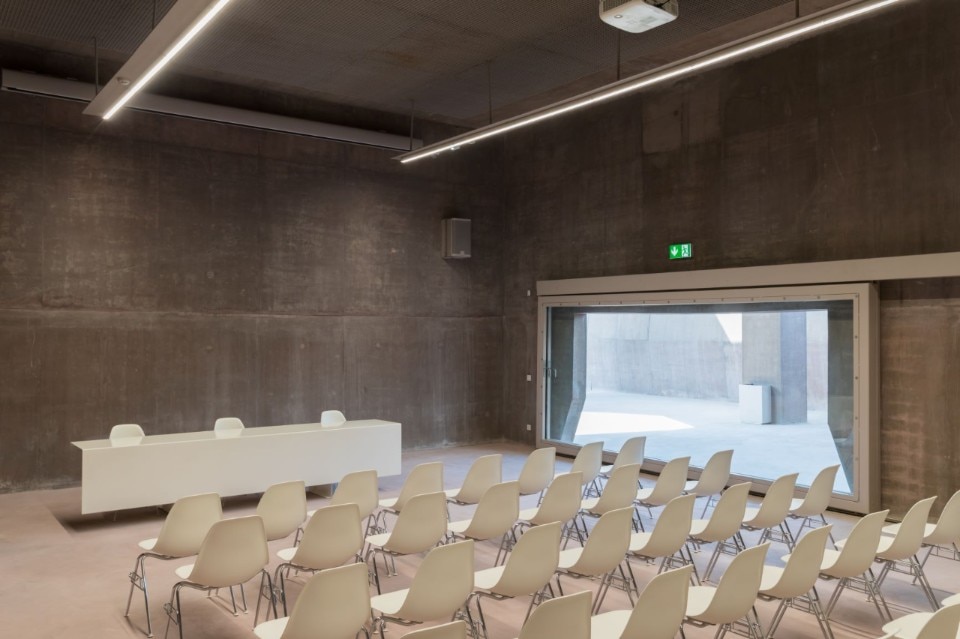
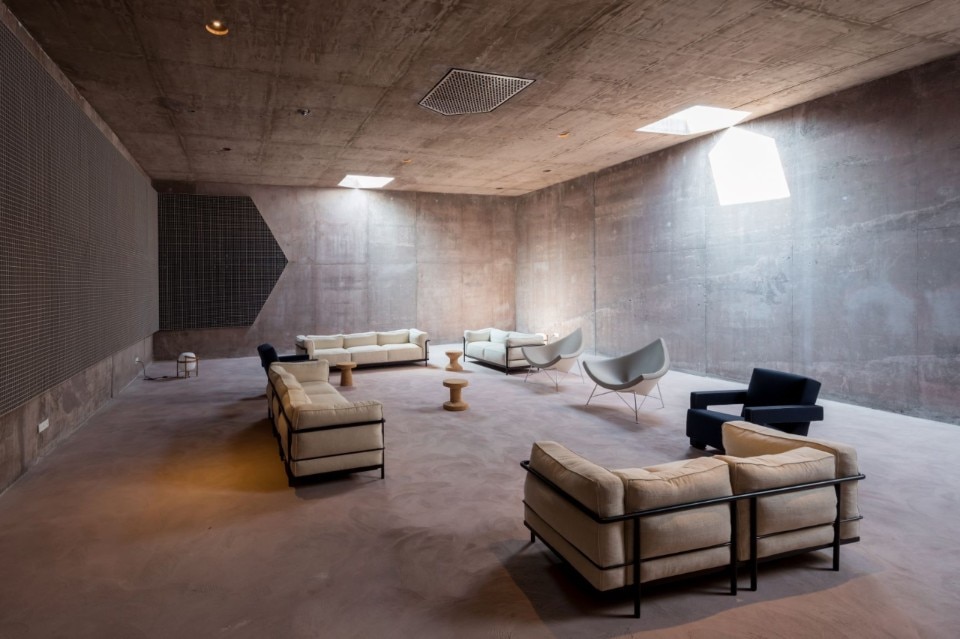
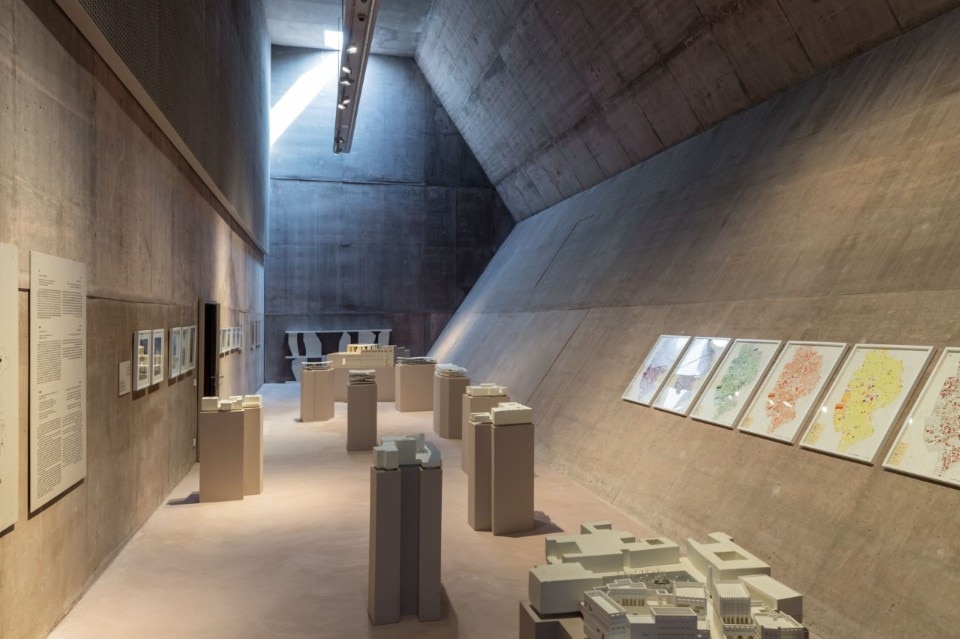
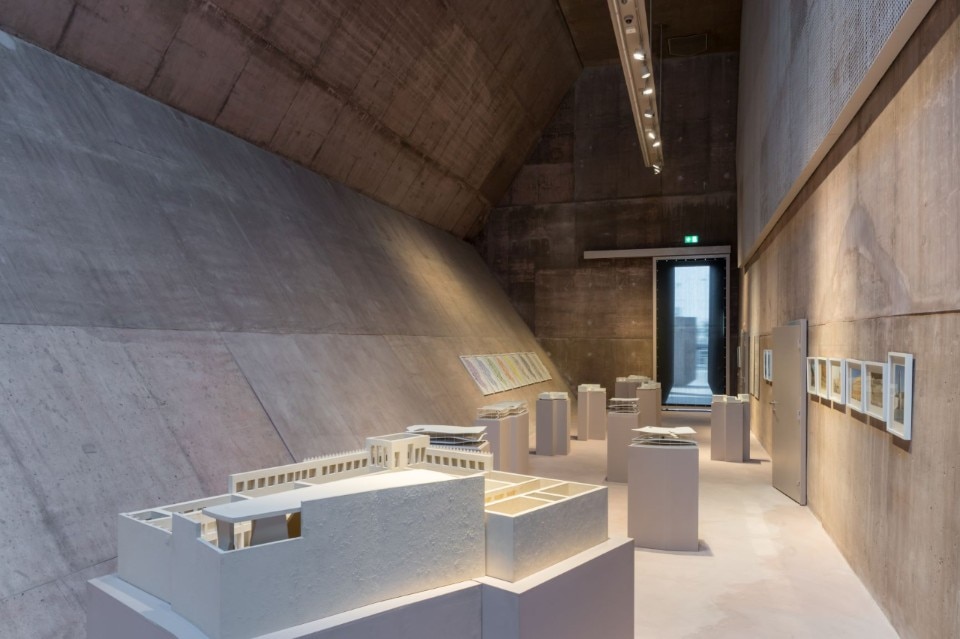
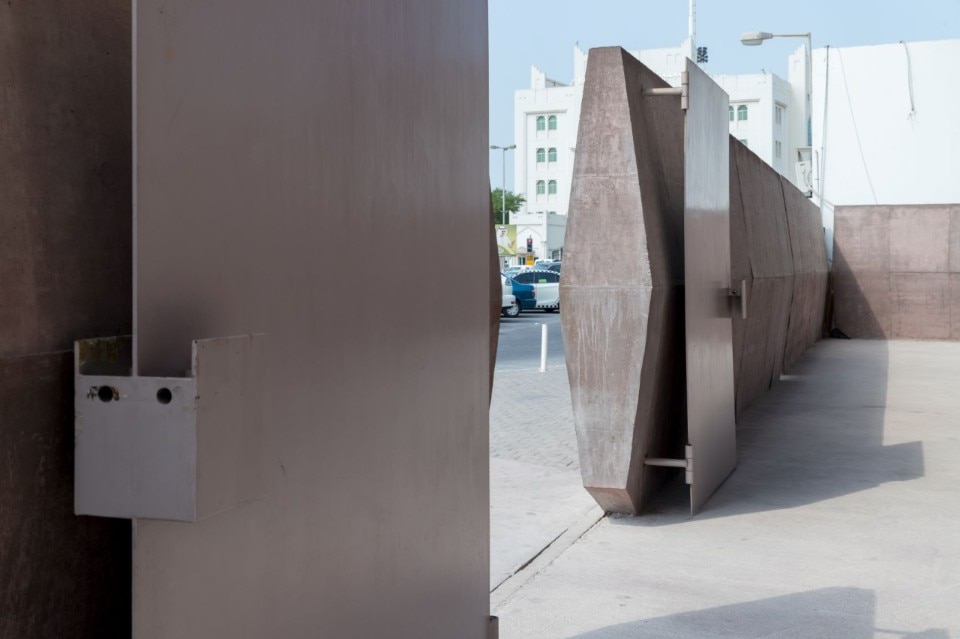
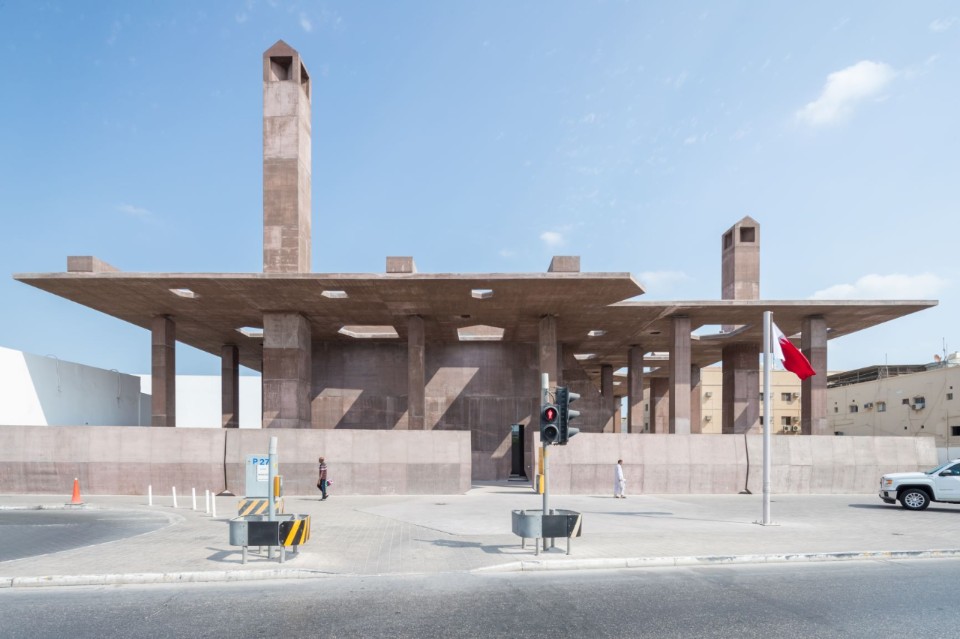
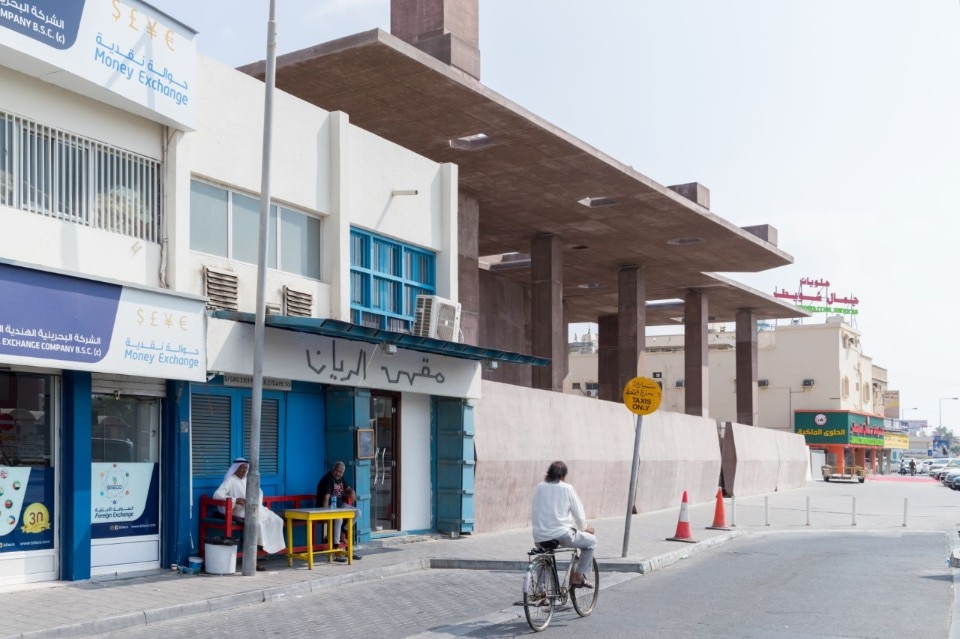
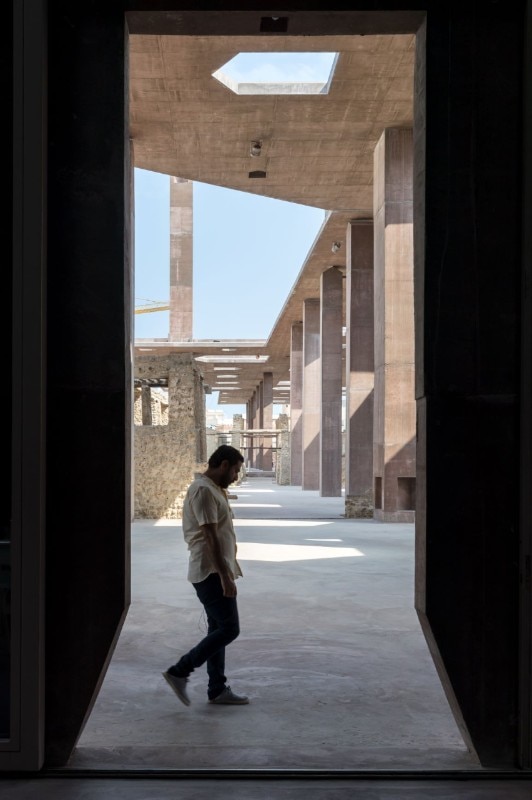
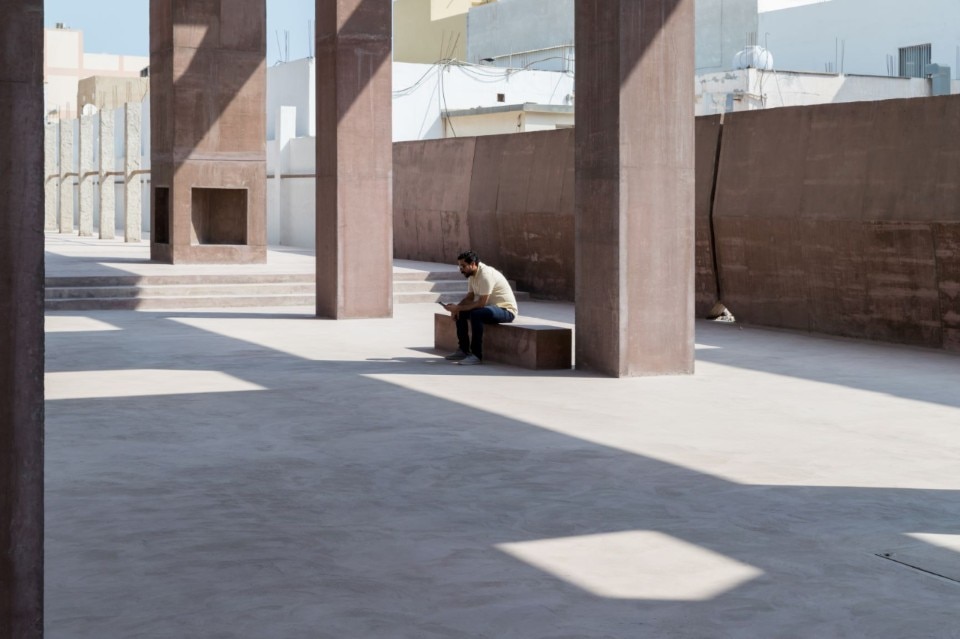
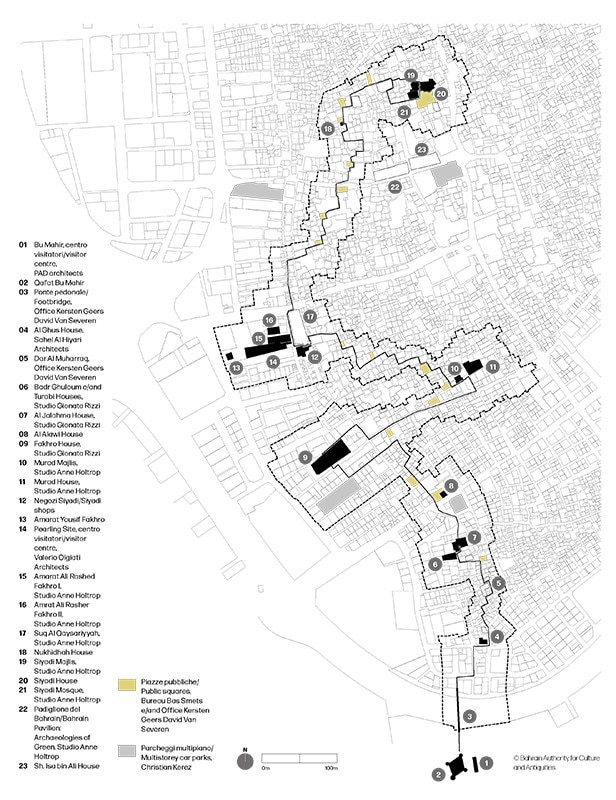
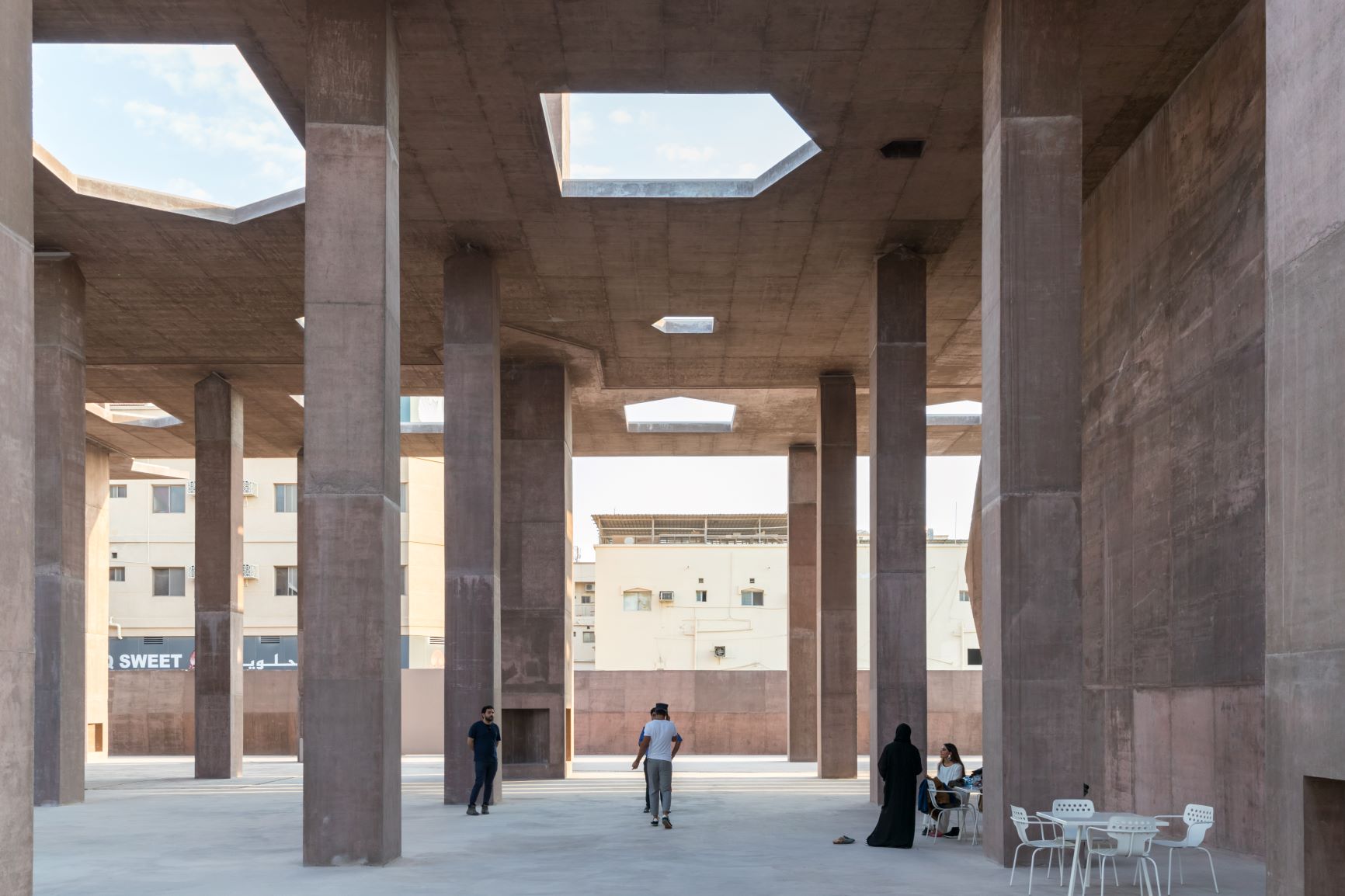
"What is extraordinary about this project," Kerez tells us about Pearling Path, "is the way it combines architectural heritage with contemporary buildings. There are small plazas, tourist centers, museums, auditoriums." An urban ecosystem built in stages, in which restoration and contemporary intervention coexist without apparent hierarchies and of which Kerez's parking lots are a structural part.
An infrastructure designed as a public space
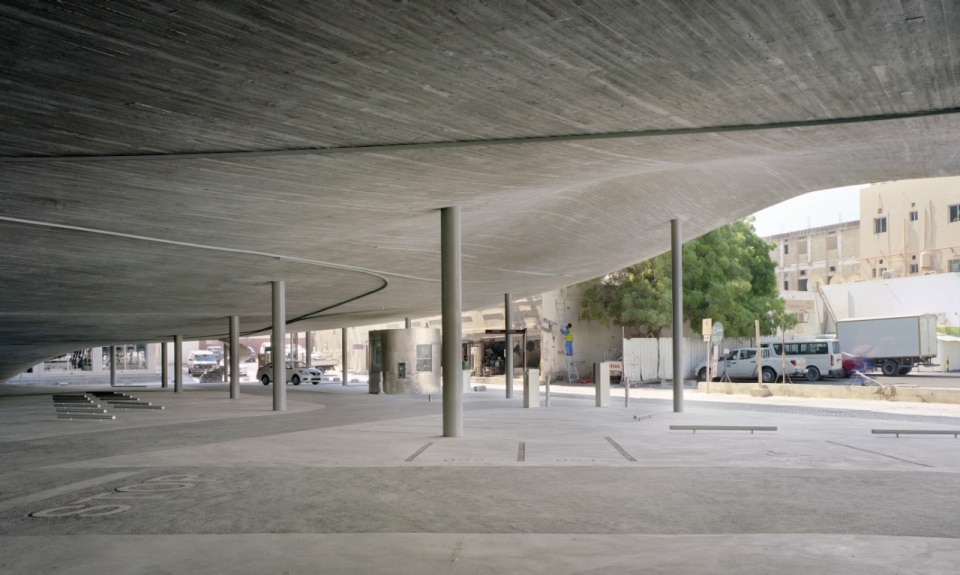
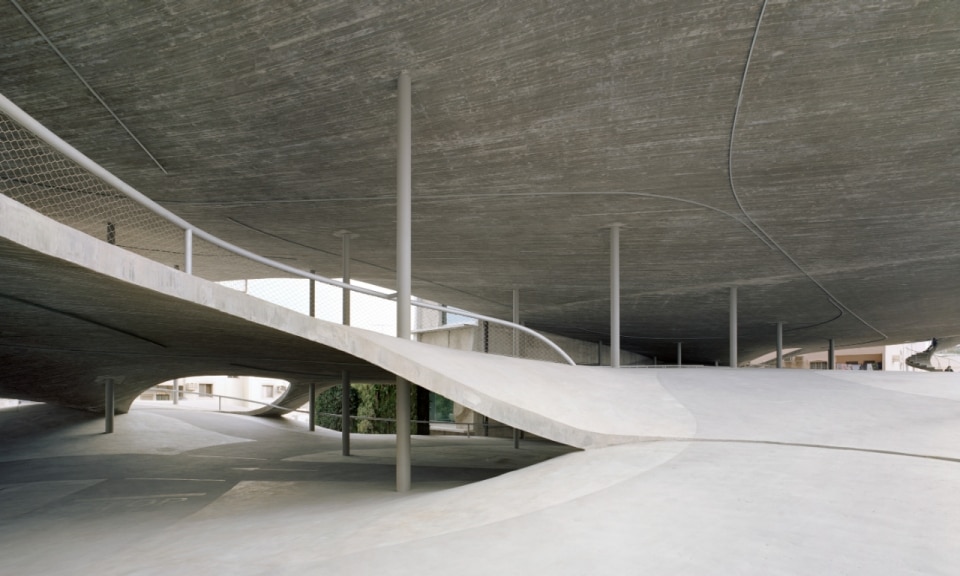
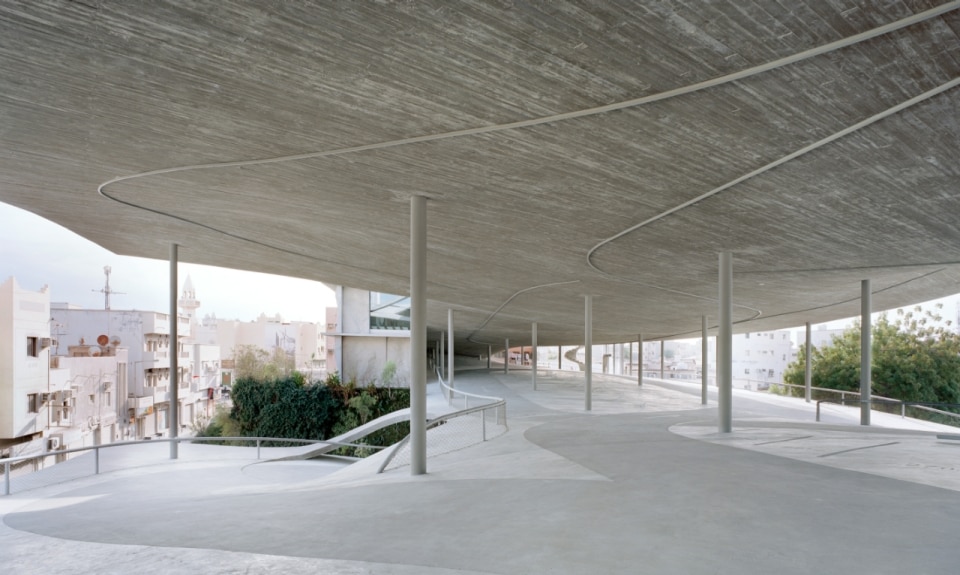
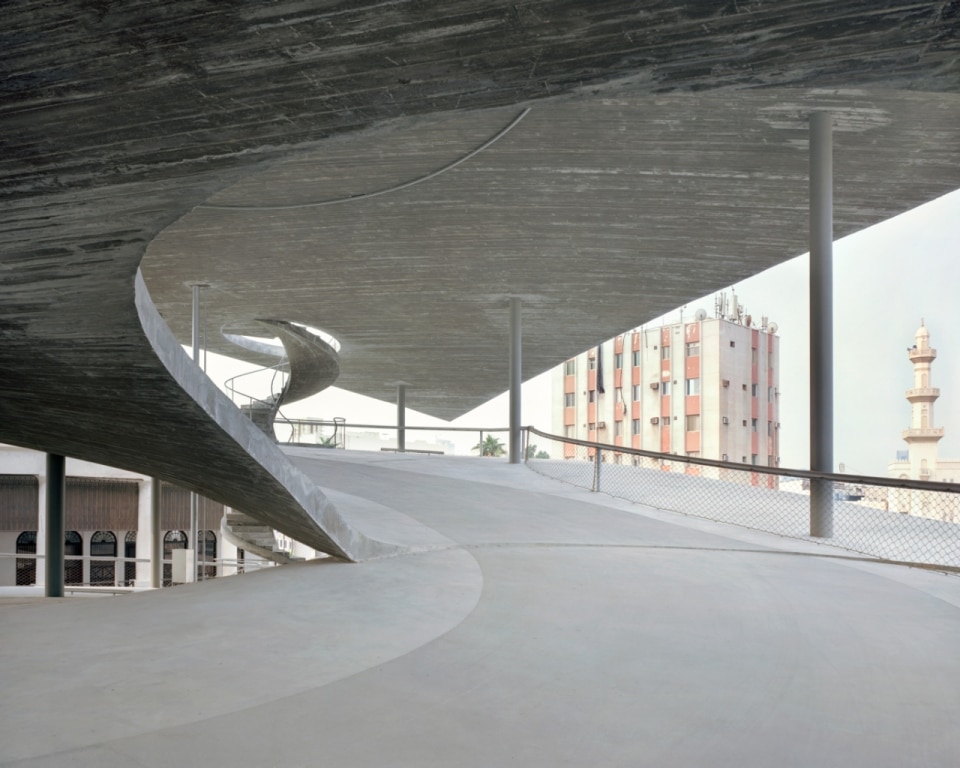
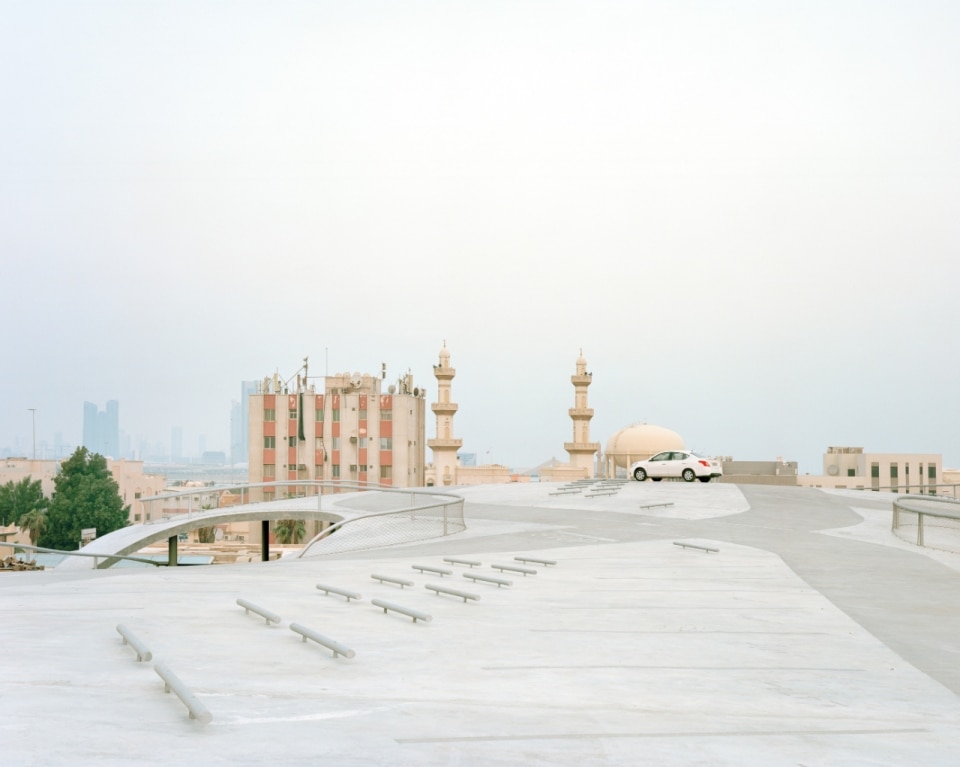
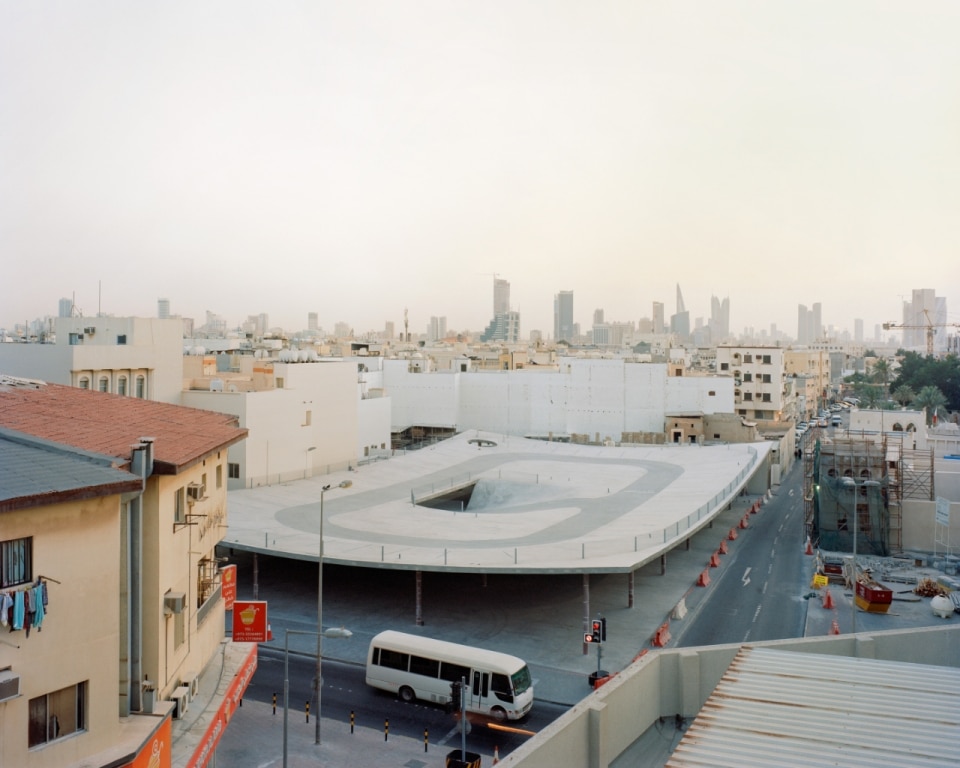
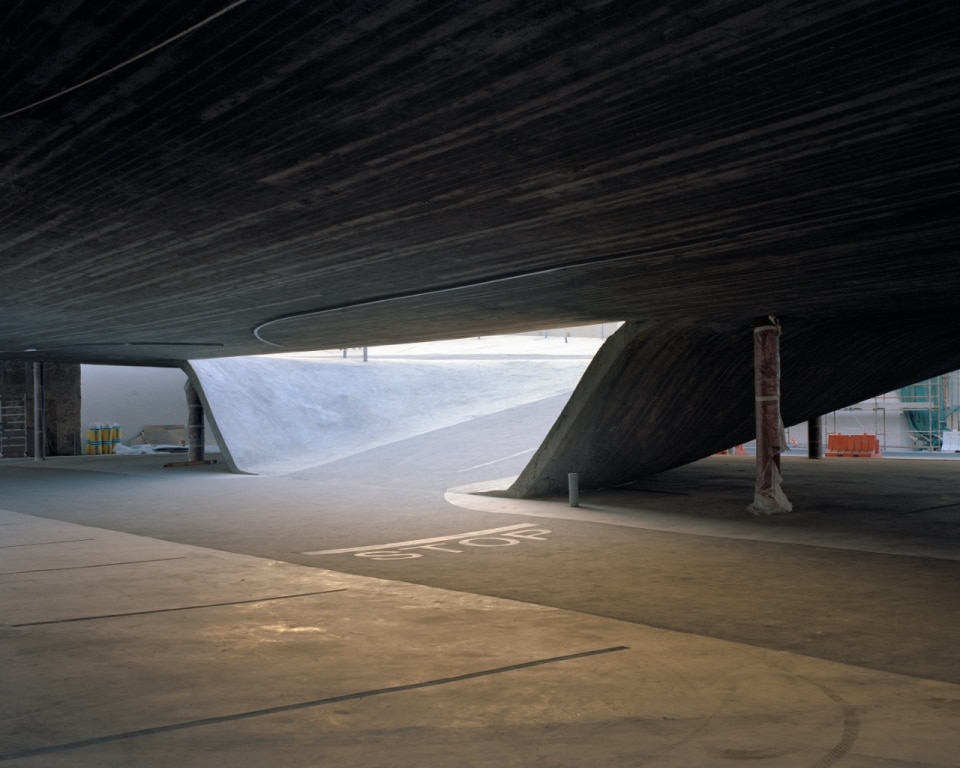
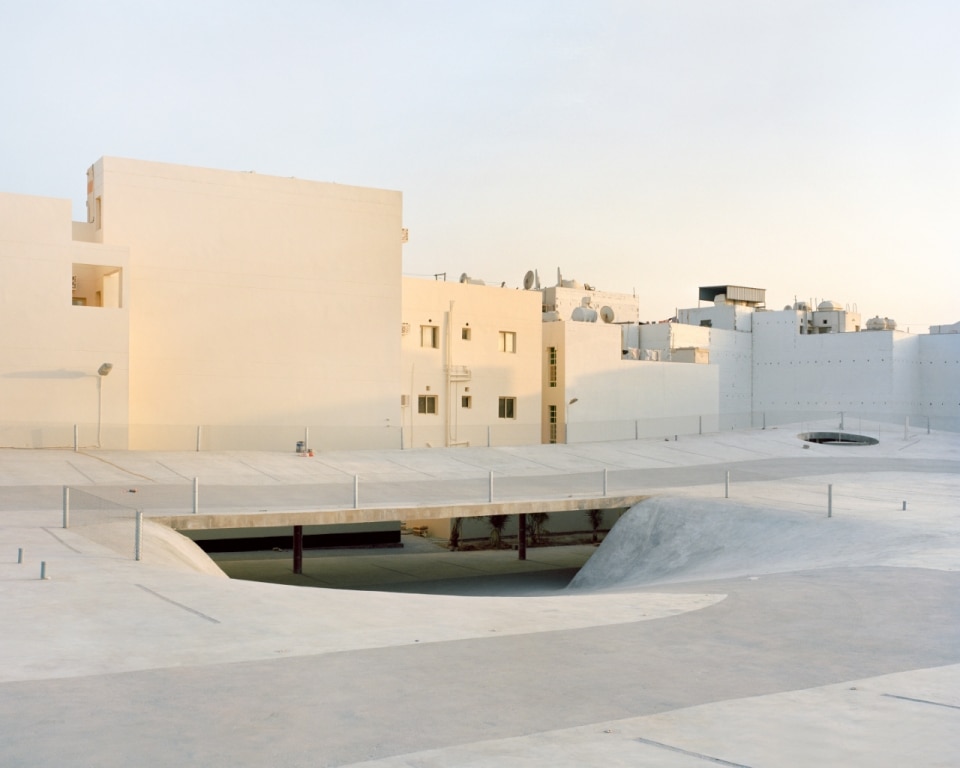
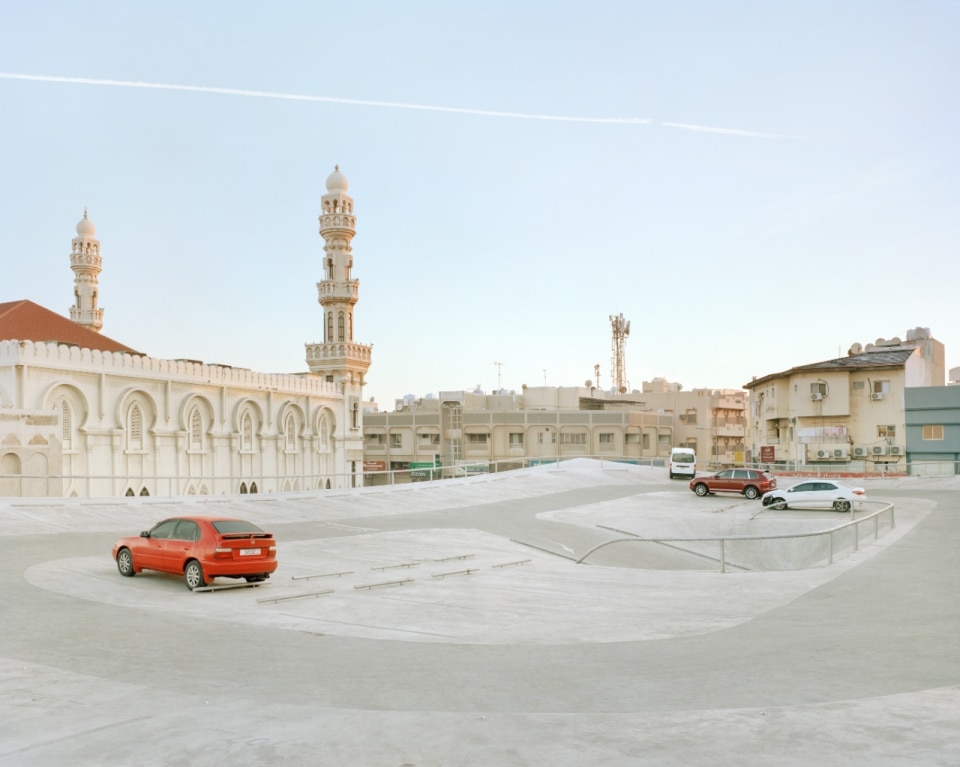
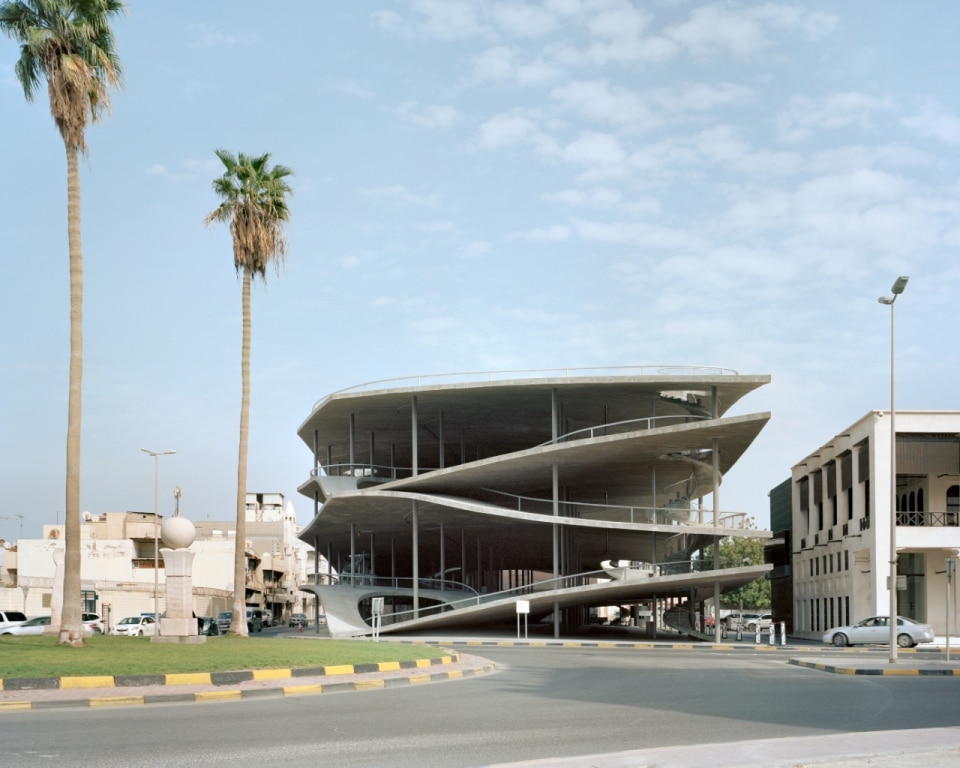
Forty-five thousand square meters of concrete, spread over four different lots in the old city. Kerez designed the parking lots around a principle that runs through all his research: the free section. The slabs curve and tilt, merging until they themselves become the access ramps between floors. Instead, a certain dynamism is revealed in what should be a space for stasis, translated into a structure conceived as a pathway rather than just a parking area.
They have hosted markets, music festivals, skate sessions, and children's playgrounds.
Christian Kerez
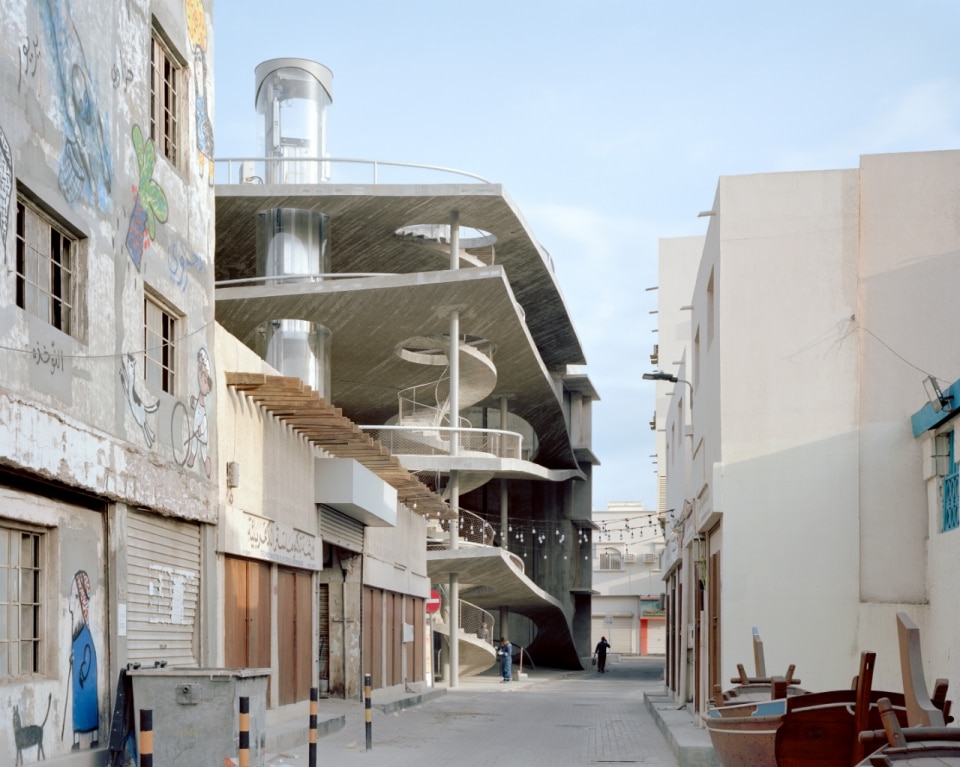
The brutal character bares the structure without adding to it. A bold, radical, almost overbearing gesture, but it is precisely this nakedness that makes architecture an open space, not jealous of itself. "The word parking shares with park the root," Kerez observes. And that is exactly how Muharraq experienced these buildings: transparent, integrated with the master plan's plazas and pedestrian paths, conceived as an expansion of the urban center. "They hosted markets, music festivals, skate sessions, children's playgrounds." A version that not all publications agree with: some articles published in recent weeks describe those same parking lots as mostly deserted and unused. More than a remotely verifiable contradiction, it is a gap in narrative, and it is also on these narratives that the fate of architecture is often played out.
Two demolitions, no explanation
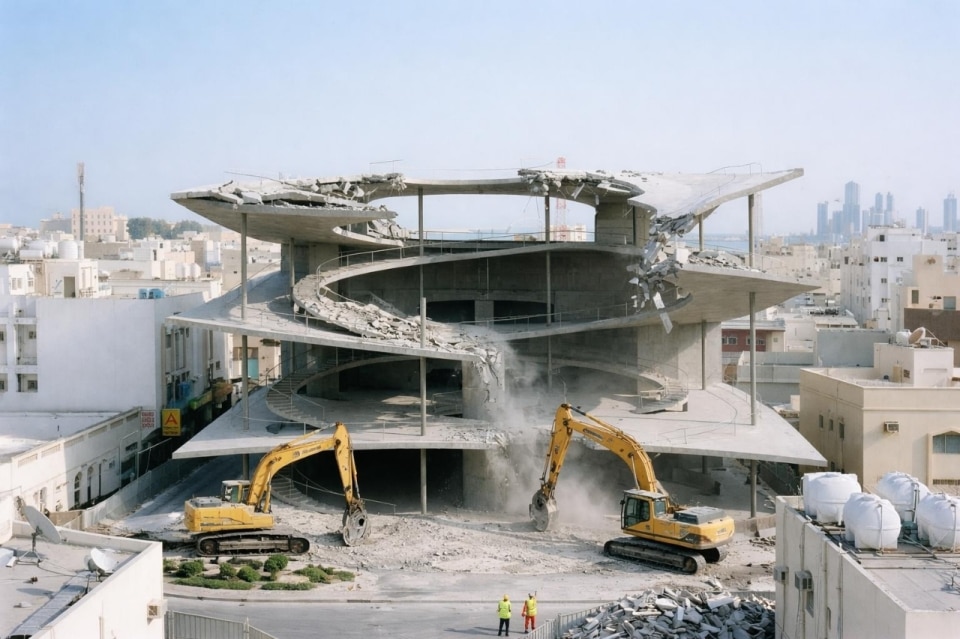
Three weeks ago, without official announcement and without any alternative design being made public, demolition work on two of the four parking lots began.
The first to fall was Parking C, the one built in front of the palace of Sheikh Isa bin Ali, monarch of Bahrain until his death in 1932. The parking lot was a one-level structure designed specifically not to compete with the palace's historic presence and had been used for the last four years. On this first demolition Kerez is comprehensive: he recounts how impressed he himself had been by the beauty of the palace, explains the symbolic importance of the place, and comes to understand the reasons for the demolition, although the question of what will replace it remains open.
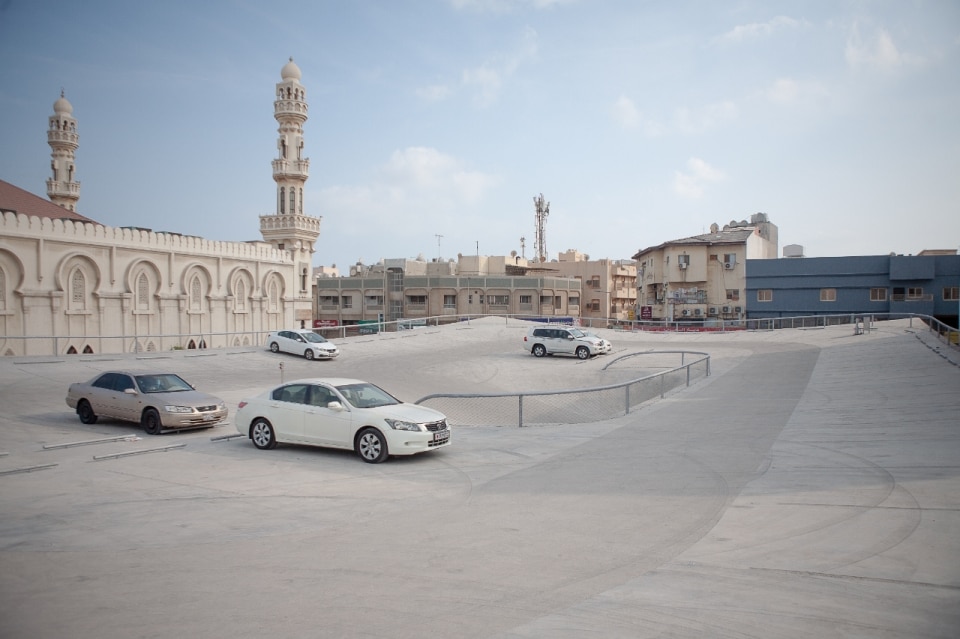
The second demolition, that of parking lot "A," was more difficult to accept. Kerez initially chose silence: at this moment in history, in a war-scarred region of the planet, the parking lot affair did not seem the most important to him. "This was a more painful shock for me, but initially I decided not to say anything. Then false and extremely disrespectful articles and posts started circulating, and I decided to fight back by simply speaking out, telling the truth, and posting some content on my social profiles." As far as we know, Parking A is still being demolished. There is no official communication. There is no publicly disclosed plan of what will take its place.
What we do know is that the demolitions are part of a new master plan desired by the king, geared, according to Abdulaziz Al-Najjar, chairman of the Muharraq Municipal Council, toward a more celebratory enjoyment of historic monuments. A decision dropped from above on buildings commissioned by the same ministry that is now tearing them down-a contradiction that speaks well of the fragility of contemporary architecture when confronted with power. Kerez does not shy away from this tension, but he frames it lucidly: "it's the king's decision, I don't want to criticize it: if you agree to work in a monarchy you accept its power." His interlocutors these months are not the authorities but the residents he has known over the years, although he reiterates, "what worries me most is the war. It seems to me that that situation is more serious."
The other two parking lots, B and D, seem for now to be outside the regeneration plan, less central and less visible. Perhaps they are saved. In the meantime, at the upcoming Fuorisalone, an exhibition set up at Dropcity will trace the history of the parking lots through archival materials and film footage, telling mostly about the way residents and tourists had known how to inhabit them-while, elsewhere, these same spaces are already becoming memory.