



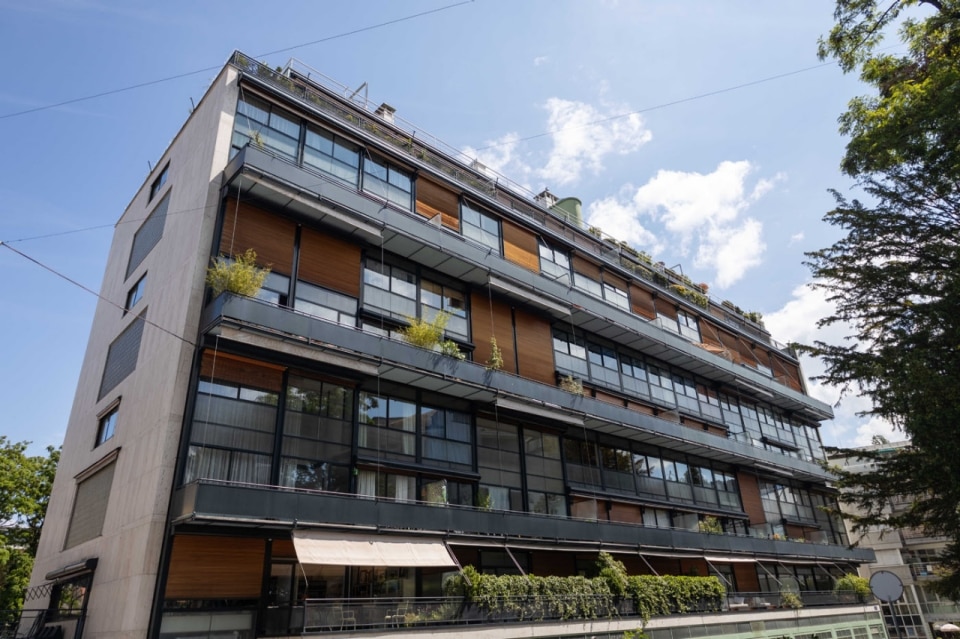
Living in a home designed by Le Corbusier and Pierre Jeanneret in Geneva. For those with €6.255 million to invest, a two-level apartment in the Immeuble Clarté is now on the market—listed by Architecture de Collection, the real estate agency specializing in the preservation and promotion of remarkable 20th- and 21st-century architecture. Built in 1932 by assembling prefabricated elements manufactured off-site—iron beams and columns, Saint-Gobain glass surfaces, and “Éclair” up-and-over doors—the building translated the idea of modern, industrial, and transparent housing into a metal structure at the height of the interwar period.
In the Villereuse district, just outside central Geneva, the building appears as a large urban lantern that dissolves the boundaries of residential architecture by opening itself to the street and the city. Commissioned by entrepreneur and metalworker Edmond Wanner, the project was radical both in its architectural vision and construction methods. The building anticipates the concept of the “immeuble-villa,” the possibility of concentrating the spatial quality of a single-family house within a collective organism. For each of the 48 apartments—from studios to duplexes such as the one now for sale—the two architects designed standardized kitchen and bathroom fittings, following a logic of domestic rationalization consistent with their vision of living.
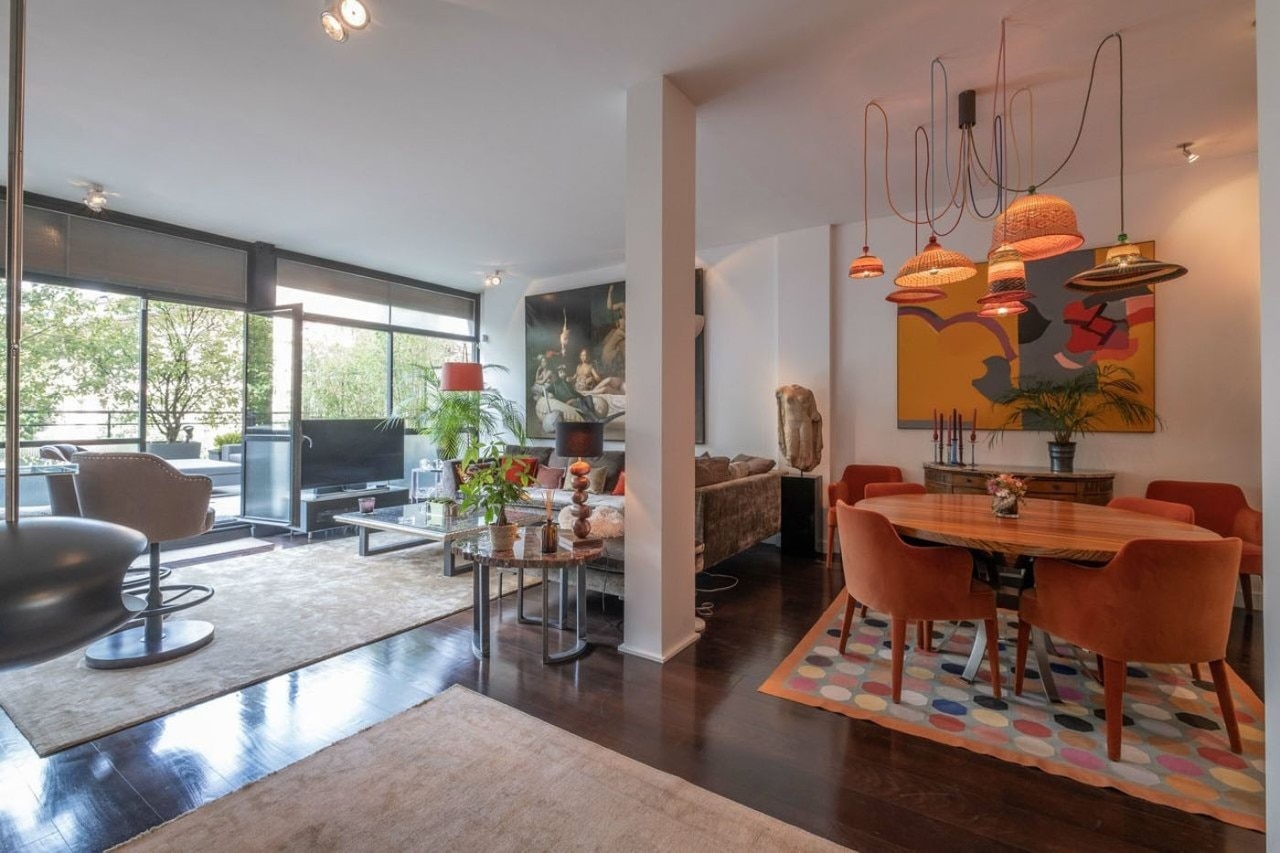
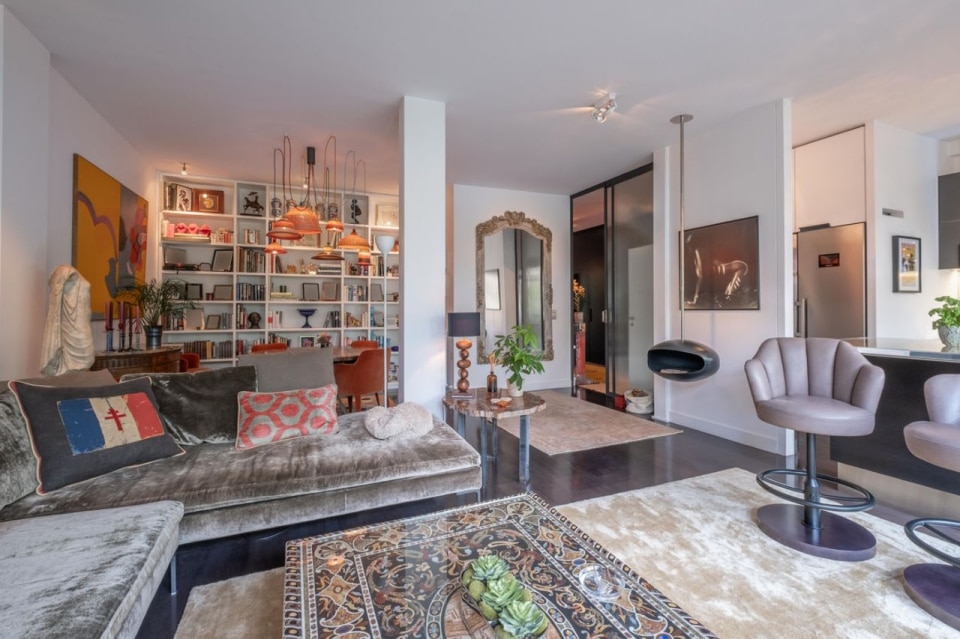
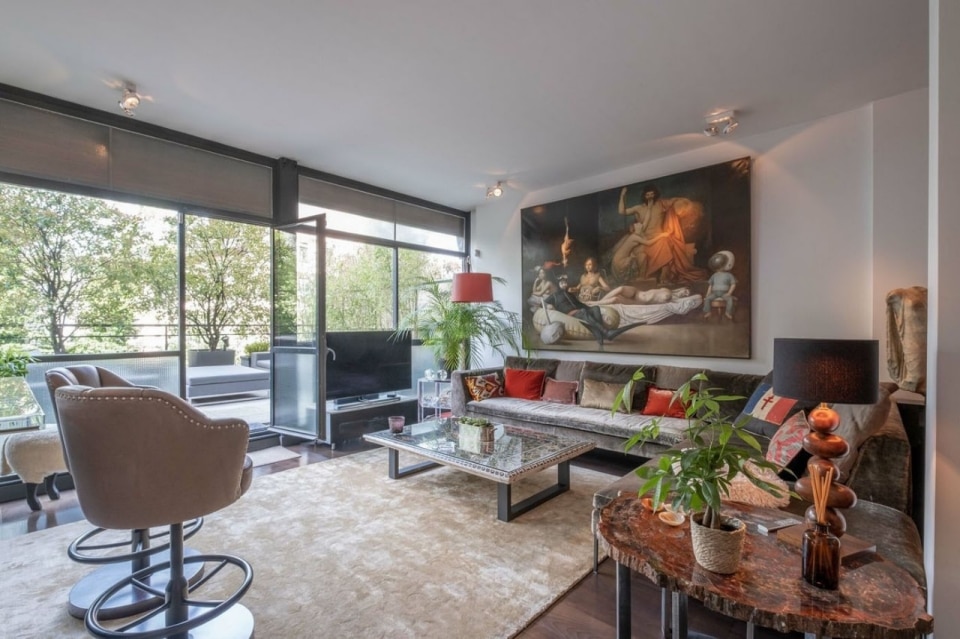
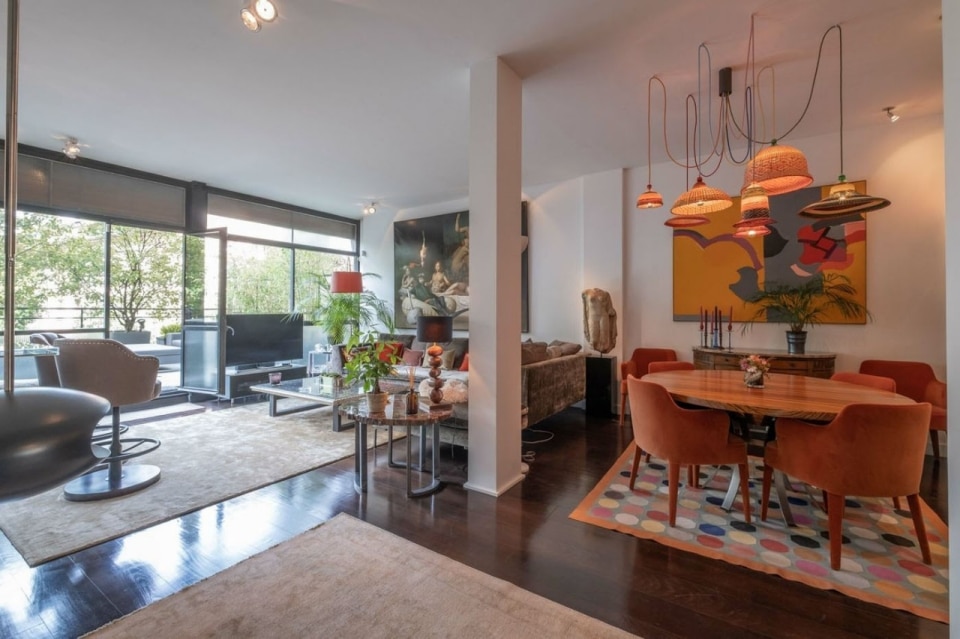
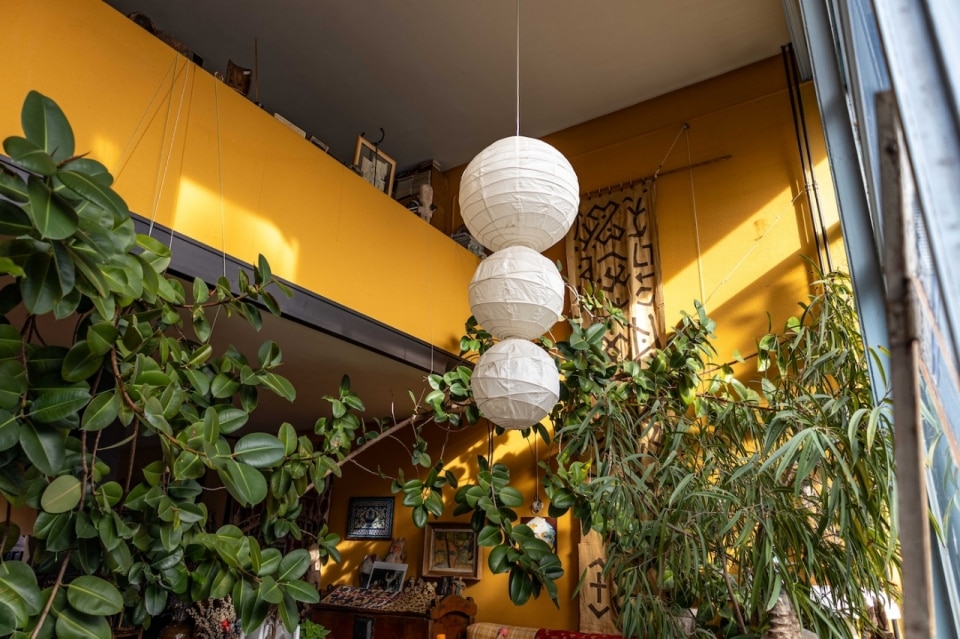
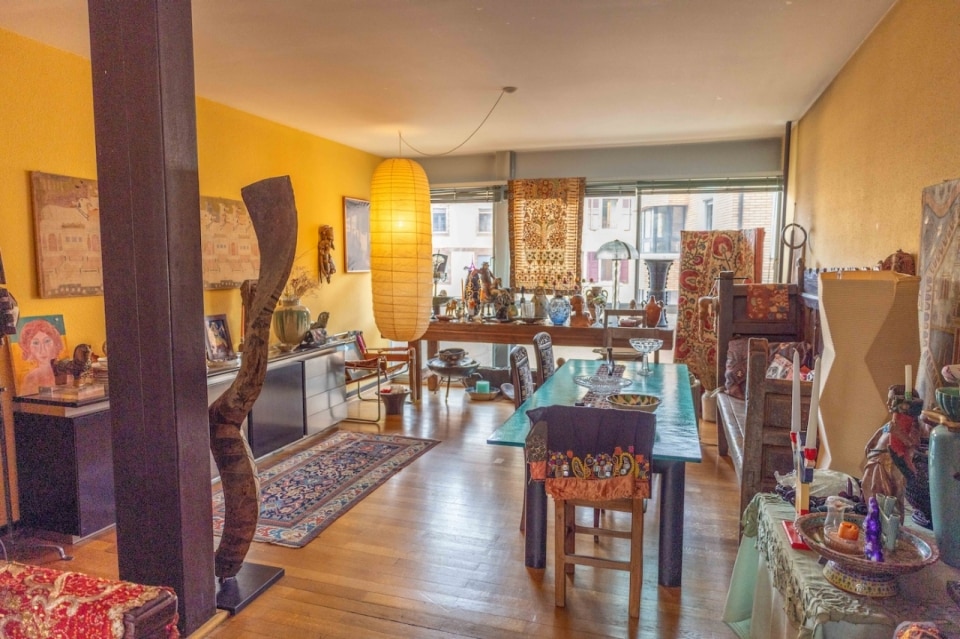
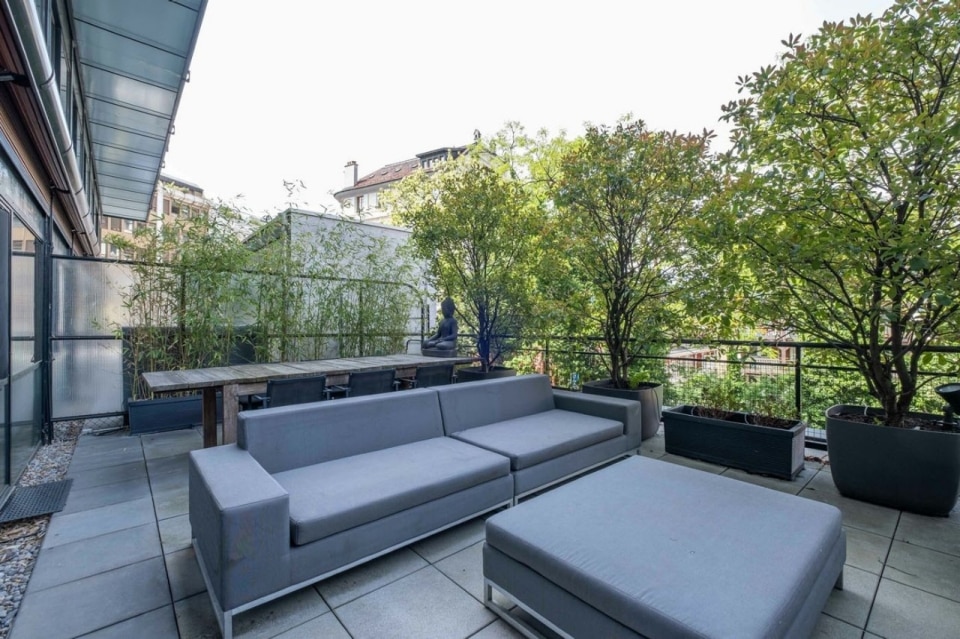
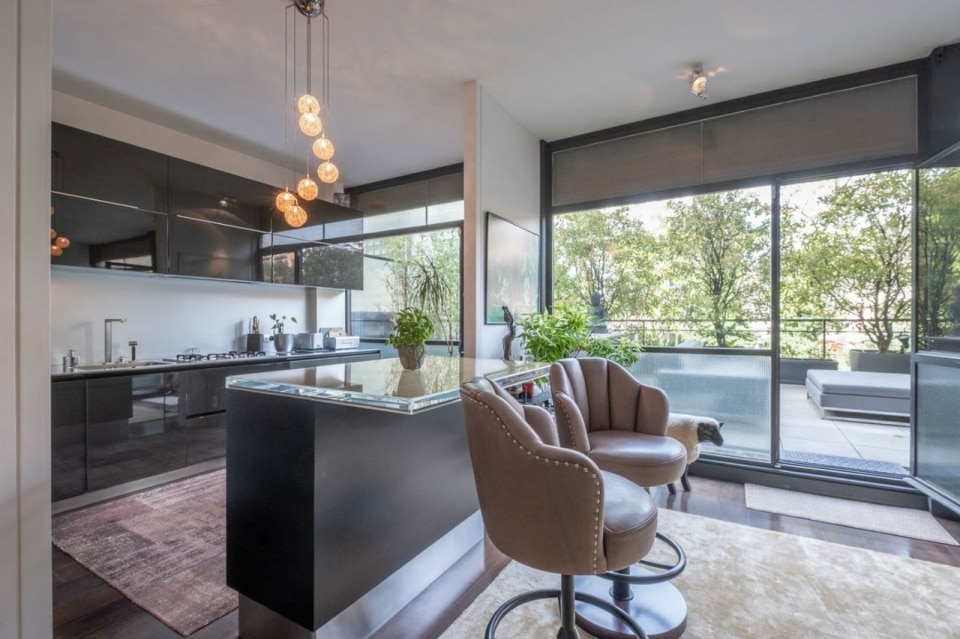
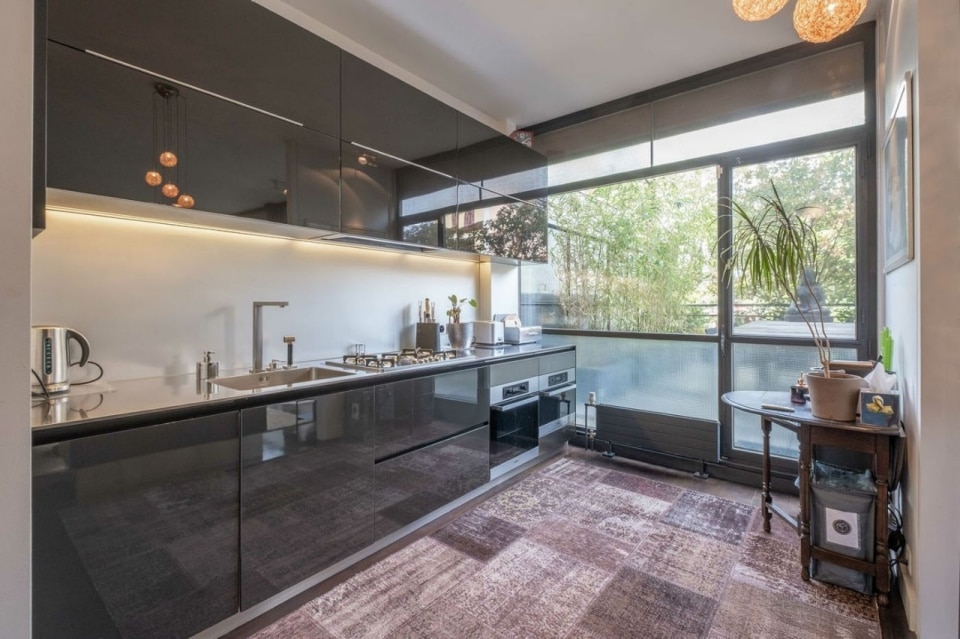
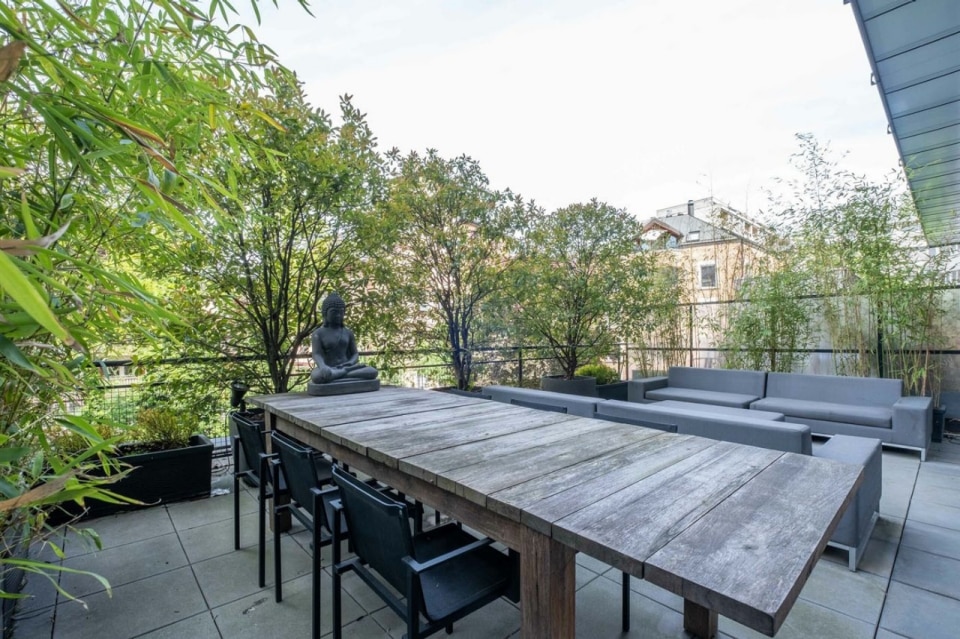
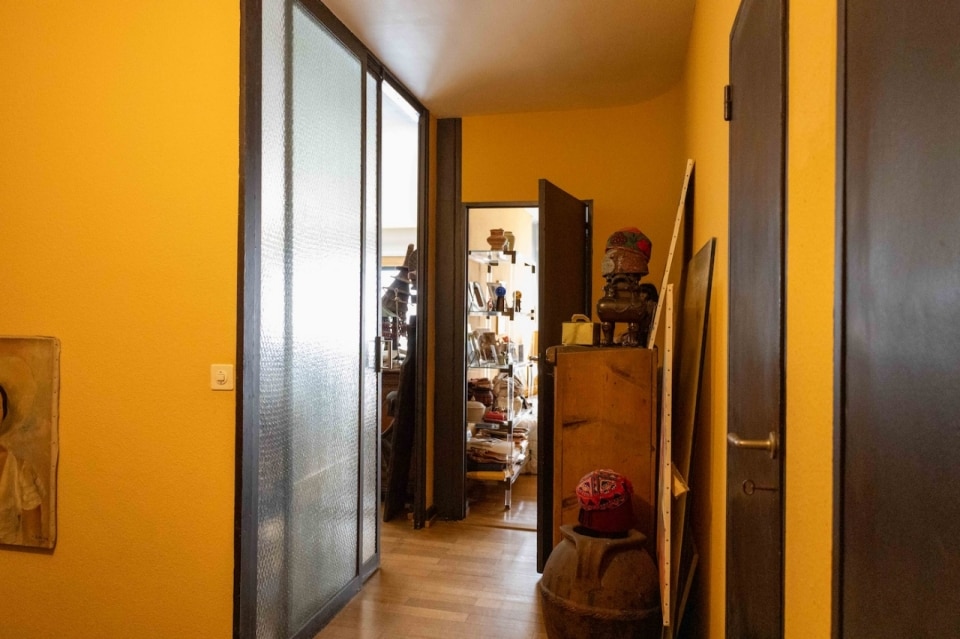
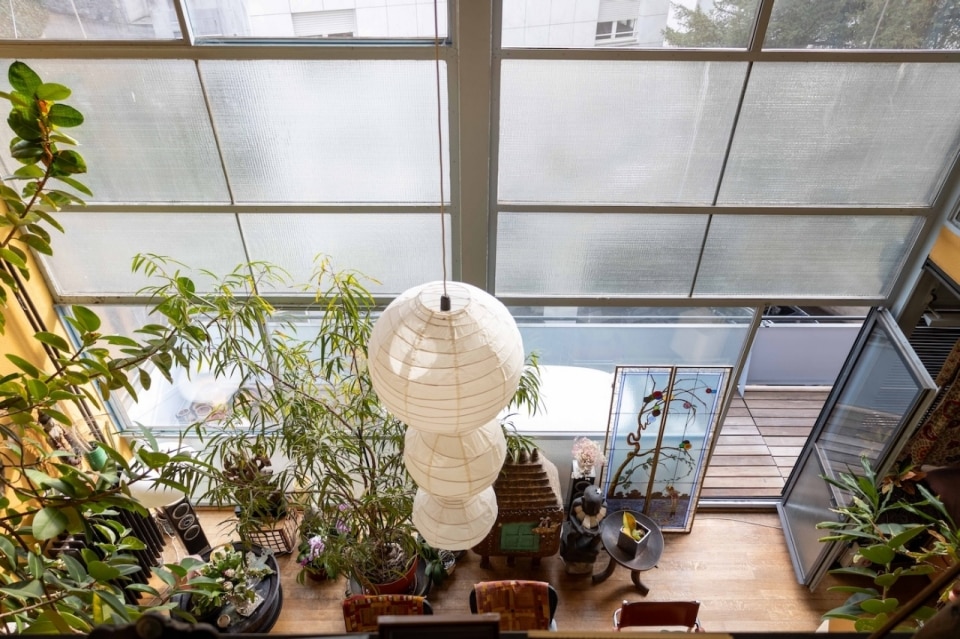
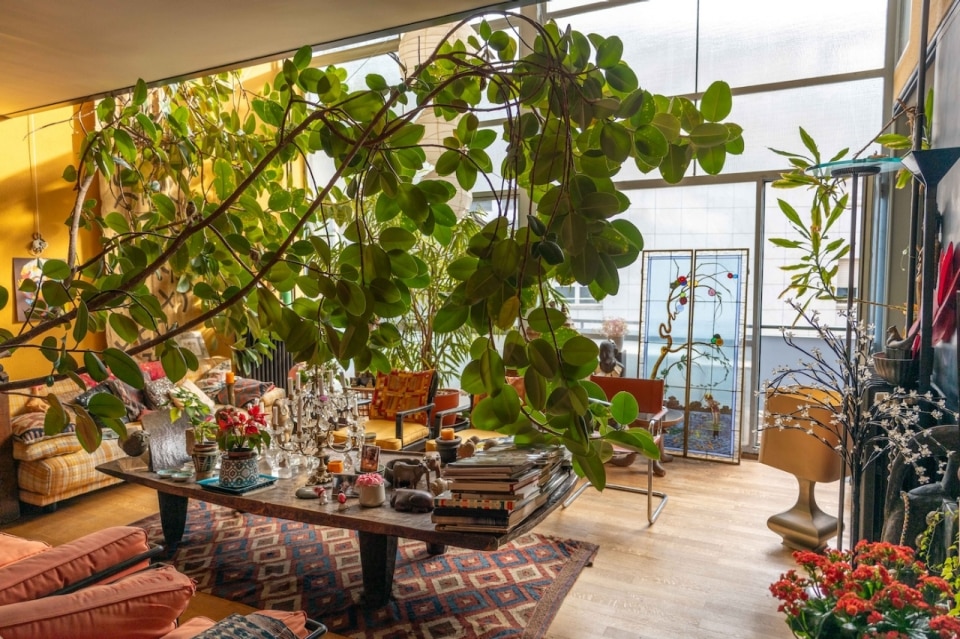
The duplex layout is open and spans 277 square metres. At the entrance, the double-height living room, flooded with natural light, opens onto the fumoir, dining room, kitchen, study, and a continuous 13-square-metre balcony. A staircase with tubular metal handrail connects this level to the upper floor, where a mezzanine study overlooks the living room alongside three bedrooms. A second balcony occupies the same position on the upper level and extends across the same surface area as the one adjoining the living space.
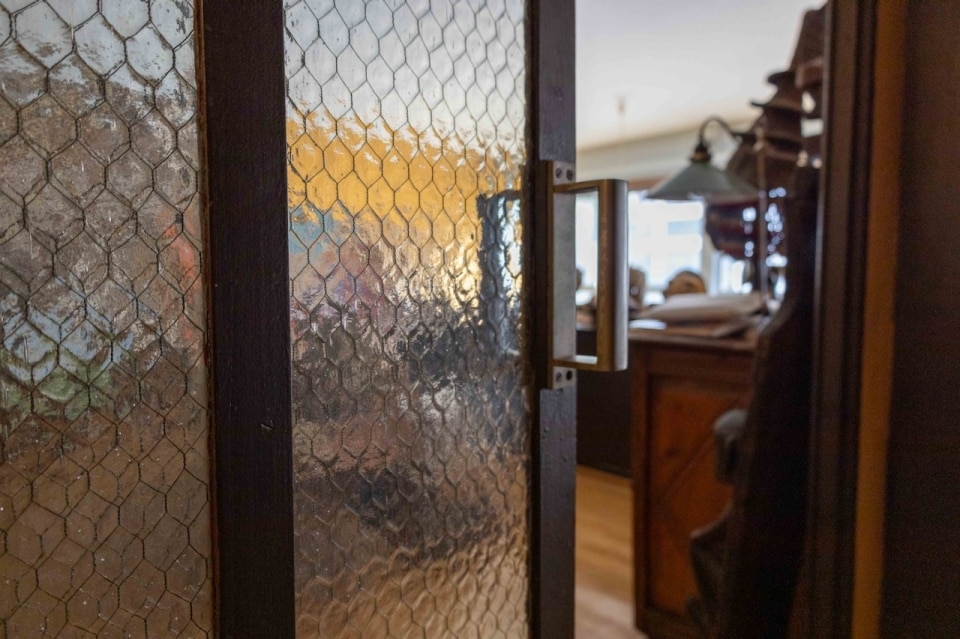
In every space—from the layout to the construction details and built-in furnishings—the signature of Le Corbusier and Pierre Jeanneret is clearly recognizable: a vision of dwelling conceived to redefine the rules of modern residential architecture through industrialization, standardization, and light. The apartment preserves its original systems, custom-built furniture, and finishes—with the exception of the kitchen tiles—and has never undergone renovation or structural alteration, a rare condition for a building of this kind.
Today, the Immeuble Clarté stands as a crucial testament to the Swiss architect’s design thinking. Having survived demolition threats in 1968 and again in the 1980s, the building is now inscribed on the UNESCO World Heritage List. Since its construction, the building has undergone three major restoration campaigns. The first two, in the 1950s and between 1975 and 1977, were directed by Swiss architect Pascal Häusermann—the second together with Bruno Camoletti—when technical upgrades were carried out, the staircase glazing was replaced, and the top-floor apartment was divided into two units. The third restoration, affecting common areas, façades, and metal structures, was completed between 2007 and 2010.