


This article was previously published on Domus 1108, January 2026.
It sounds like a mandate rather than an accolade. Gibellina has been awarded the title of “Italian Capital of Contemporary Art 2026”, not as celebratory recognition but as a practical resource and instrument of design. It is a substantial difference that clarifies why this small town in the Trapani area, with its ruins transformed into monuments and art installations that were created before the term existed, is something much more radical than a multisite museum.
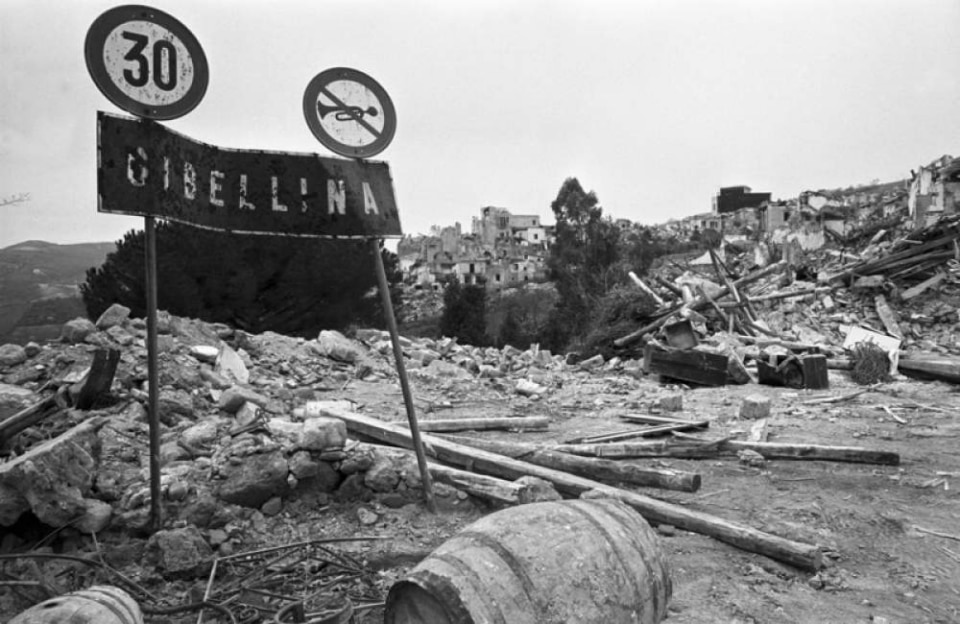
The story is well known. The 1968 earthquake destroyed Gibellina. With his utopian vision, lawyer Ludovico Corrao, a Steinerian figure of willpower, immediately rose above history and, faced with the horror of nature, called on Burri, Consagra, Pomodoro, Cascella, Cucchi, Melotti, Mendini, Rotella, and many others. He asked them to reverse the way the world was going by making art an antidote to devastation, death and oblivion in one of the most critical areas of Europe.
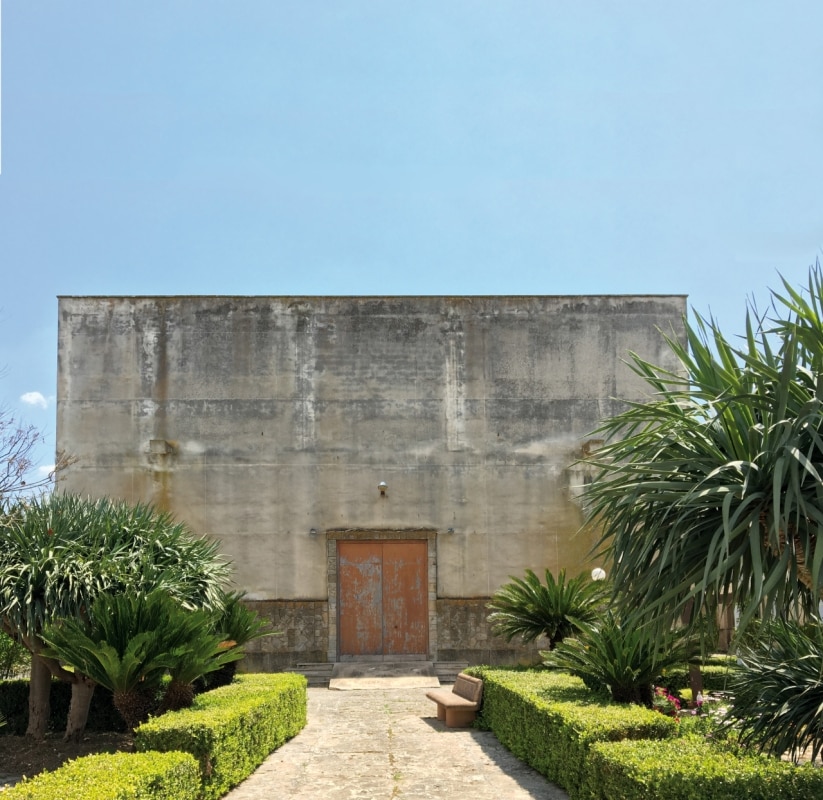
In hope of redemption. Mayor Corrao’s idea was wonderful, visionary and tragic, trusting in art rather than mankind. A project as glittering as it was transient, it failed to gain support, leaving Gibellina at an embryonic stage, very different from Corrao’s dream.
But today is not the past. More than 50 years since reconstruction began, this event has again made Gibellina a laboratory of vision in which art becomes a resource for imagining the future. Not nostalgia, but method. The town born from tragedy as a cultural experiment is now questioning the meaning of memory and design, conservation and transformation. “Bring Me the Future”, the title of the programme, is perfect with its two implications: an imperativeand a request for help, energy and vulnerability.
If the 20th century taught us that art can imagine rebuilding a city, then 2026 has to show that it can also save one.
From 15 January 2026 – the anniversary of the earthquake – Gibellina will become an extensive palimpsest of exhibitions, artist residencies, performances and educational courses. The goal is to involve citizens with artists in the spirit of Corrao, building a cultural legacy not limited to the year of the title. Will it succeed? To answer that we need to understand why the town was chosen over Carrara, Gallarate, Pescara and Todi.
The jury was explicit: Gibellina is a pioneer of urban regeneration, capable of being both a city‑as‑artwork and a city to live in. It is this dialectical tension – by no means resolved and perhaps unresolvable – that makes it unique. Quite different from Matera, which has discovered its antiquity and become a tourist attraction, and the opposite of Venice, consumed by its own decaying beauty. The truth is that Gibellina, a landscape created by land art, transforming private space into public, remains the place of the revenant, the spectre of its original trauma. And the town is now seeking, through art, to exorcise that trauma by bearing witness to it.
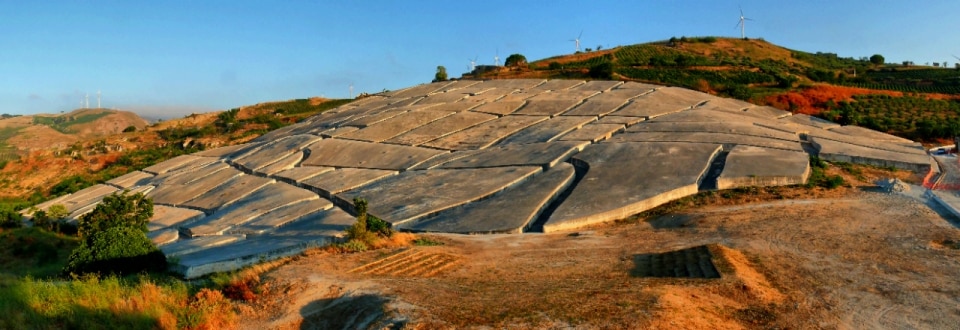
A few kilometres away, motionless, an immense concrete cast remains the tombstone placed on all the rhetoric of regeneration, the negation of any idea of sustainability. It is Burri’s Cretto. Majestic, unresolved. Ineffable: unheard-of in the Greek sense. A reminder that some wounds never heal; they can only be monumentalised. And this elicits another question: what is contemporary art really? And what can it do for the South against the data that tell of depopulation, abandonment, degradation?
Andrea Cusumano, artistic director of the project with Cristina Costanzo and Enzo Fiammetta, is the right person to answer. A clinical psychologist converted to scenic theory, he speaks of art as a practice of presence, not representation. The here and now called on to inhabit places, build relationships, transform bodies and minds. The budget supplied by the Ministry of Culture and the Sicily Region helps: about four million euros. But the ambitions are greater: to make Gibellina again a national landmark in contemporary art, a cultural catalyst for the whole of Sicily, renewing the wager that a region can reinvent itself precisely by being marginal. Through art and art alone.
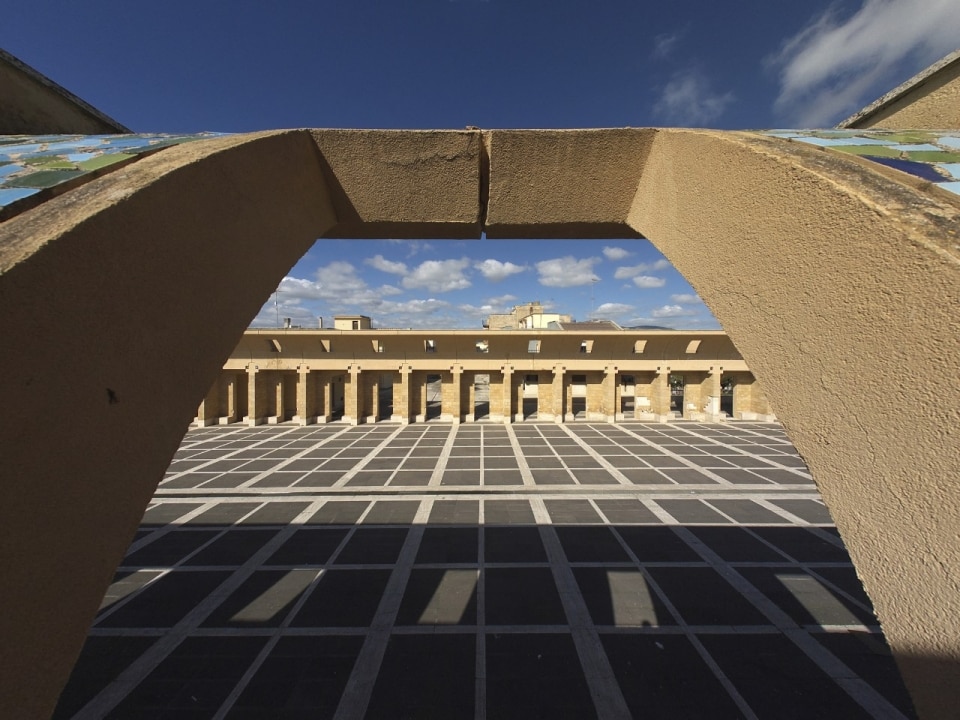
The very ambitious programme is the result of discussions with an outstanding curatorial and scholarly committee. Video-installations by Masbedo and Adrian Paci in the Teatro di Consagra, a dialogue between works by Accardi, Battaglia, Boero, Ducrot and Vigo, and a major exhibition on the Mediterranean. And every single artwork envisaged by Corrao will be restored to life. The real question, however, remains. In a year at the centre of attention, will Gibellina Nuova be able to transform decades of neglect into a sustainable model? Will it make this recognition not just another moment of glory but a catalyst for real structural change?
Perhaps the answer will lie in its ability to be dissatisfied with the result: not celebrating art but asking questions through art, restoring the energetic and political potential that classical and Mediterranean antiquity inspired in Corrao. After all, Gibellina has always been this: a planned city where art does not decorate public space but rethinks it. Where living means confronting inconvenient beauty, memory offers no concessions, and the future is hard to decipher.
If the 20th century taught us that art can imagine rebuilding a city, then 2026 has to show that it can also save one. Not from history – there’s no escaping from that – but from indifference. It may be the only utopia still worth pursuing.
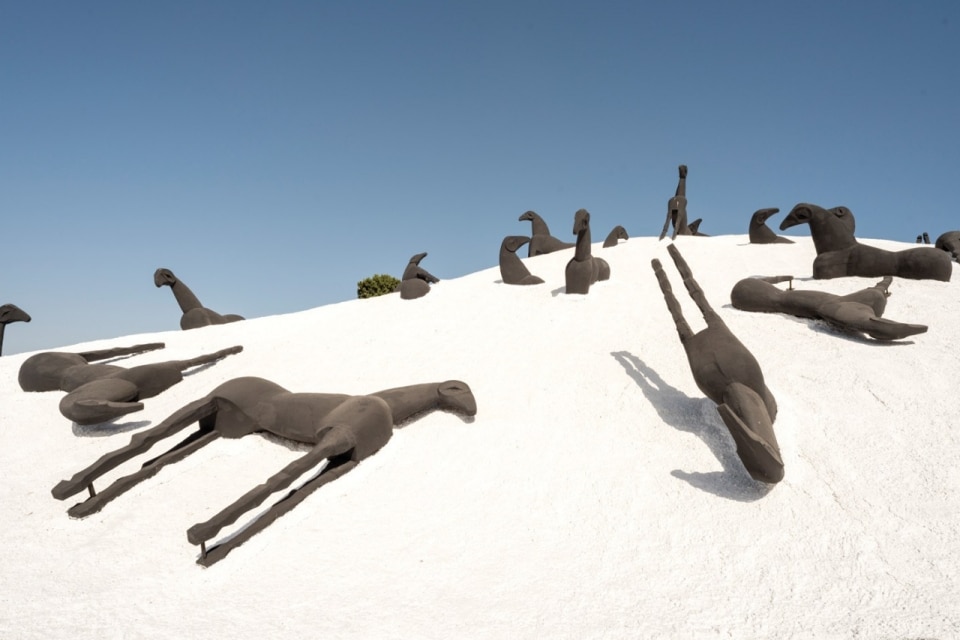
Opening image: Mimmo Paladino, Mountain of Salt, 1992, Gibellina, Trapani, SIAE 2025