


It was 1966 when, in the farm fields of California’s Central Valley, thousands of farmworkers of Mexican descent went on strike to demand fairer wages and dignified working conditions.
In the hands of older protesters are signs, banners, and symbols of protest; in those of younger ones, 35 mm cameras.
They document picket lines, marches, and assemblies, recording from within the birth of a movement—and with it, a new collective consciousness.
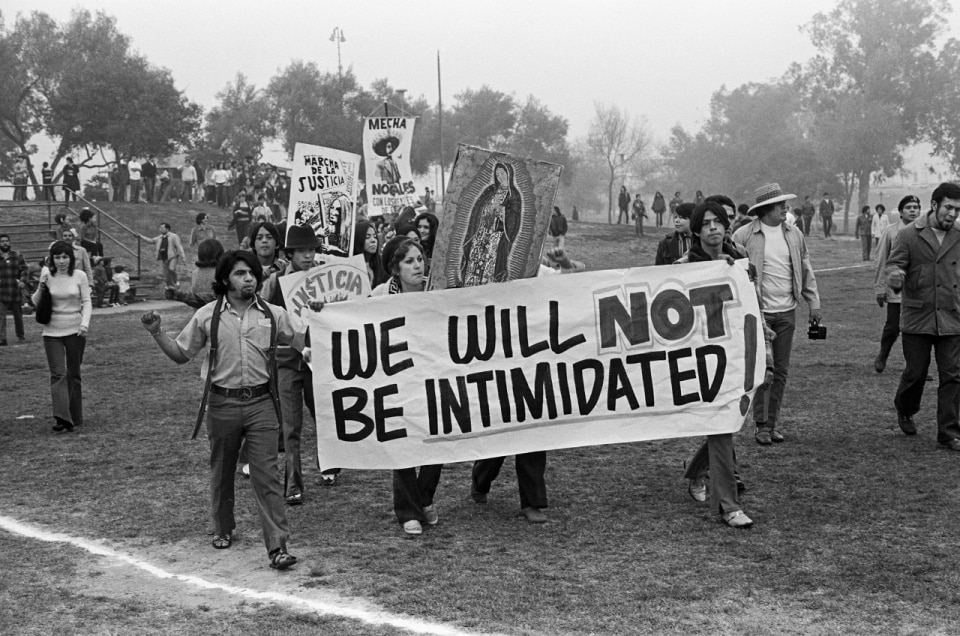
"They did not see themselves as artists. They were documentarians, producing images in service to a cause," explains Elizabeth Ferrer, curator of the exhibition “Chicano Camera Culture: A Photographic History, 1966–2026”, on view from February 7 through September 6, 2026 at the Cheech Marin Center for Chicano Art & Culture in Riverside.
And yet, through those very photographs, "they were playing a crucial role in envisioning what it meant to be Chicano. For the first time, Chicanos were representing other Chicanos."
For the first time, Chicanos were representing other Chicanos.
Elizabeth Ferrer
From this initial gesture—to photograph in order to exist publicly—the genealogy reconstructed by the exhibition takes shape: the first major survey dedicated to Chicana/o/x photography, spanning more than sixty years.
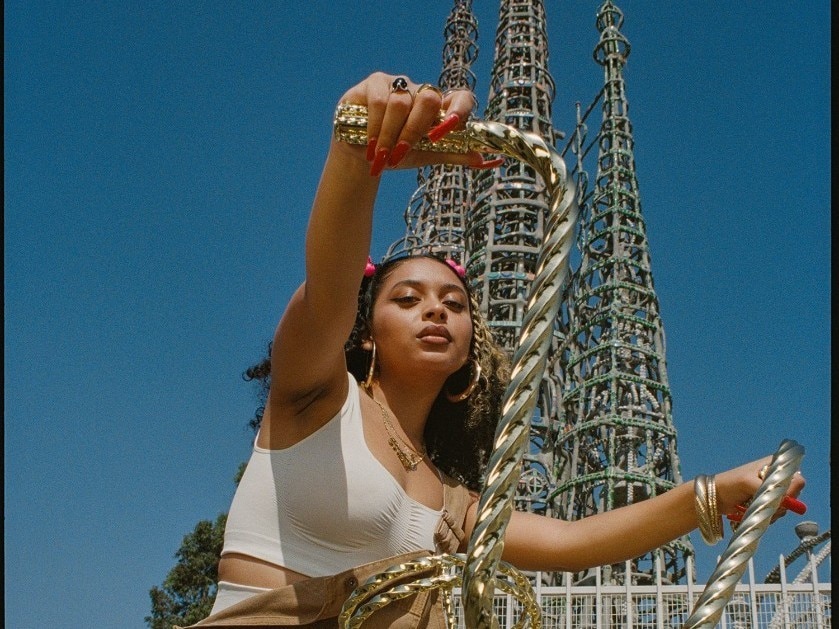
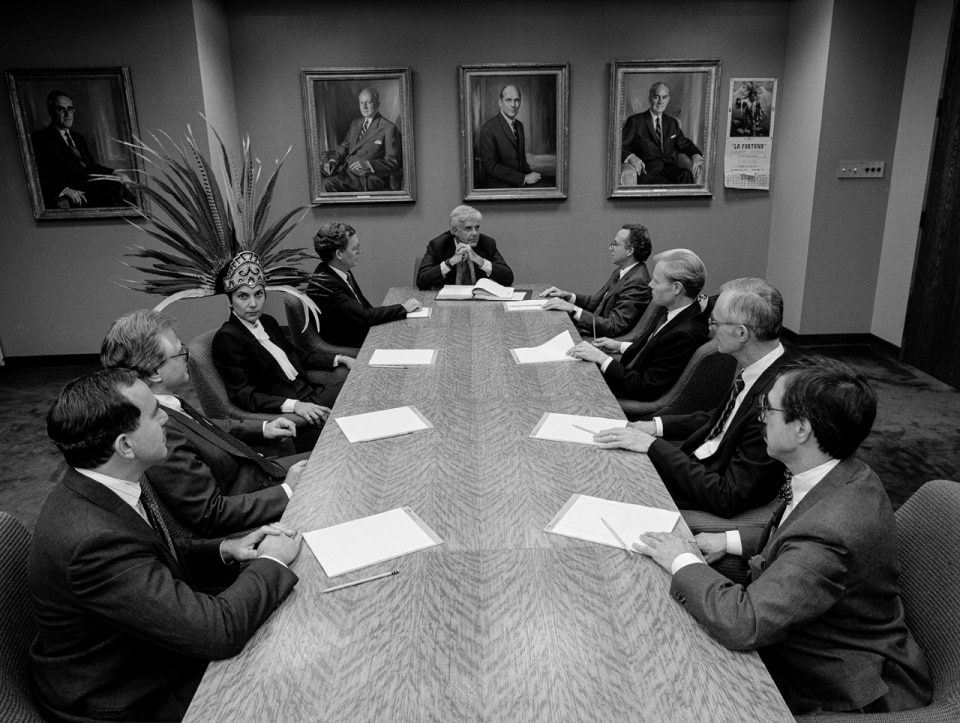
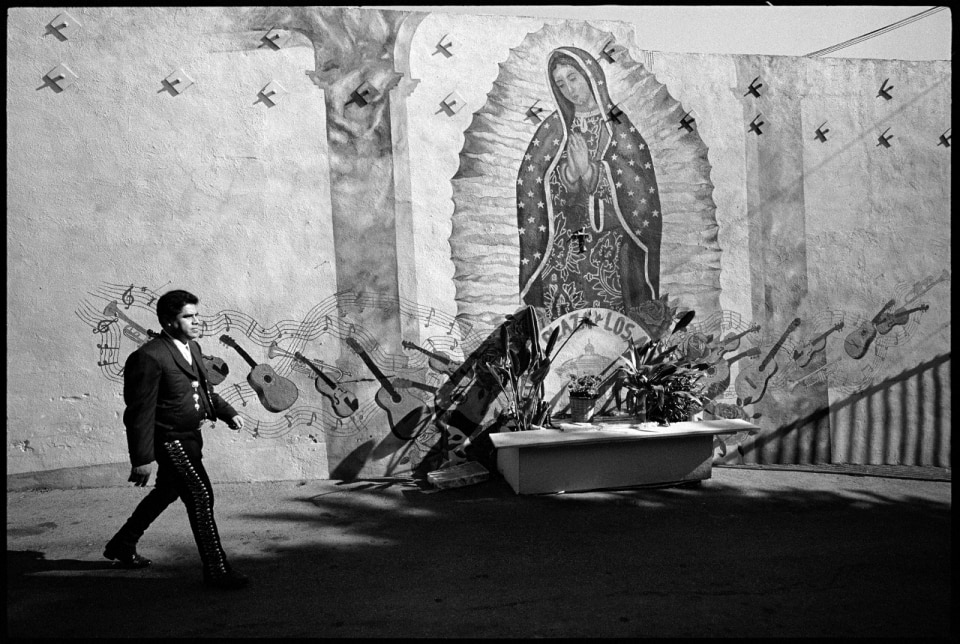
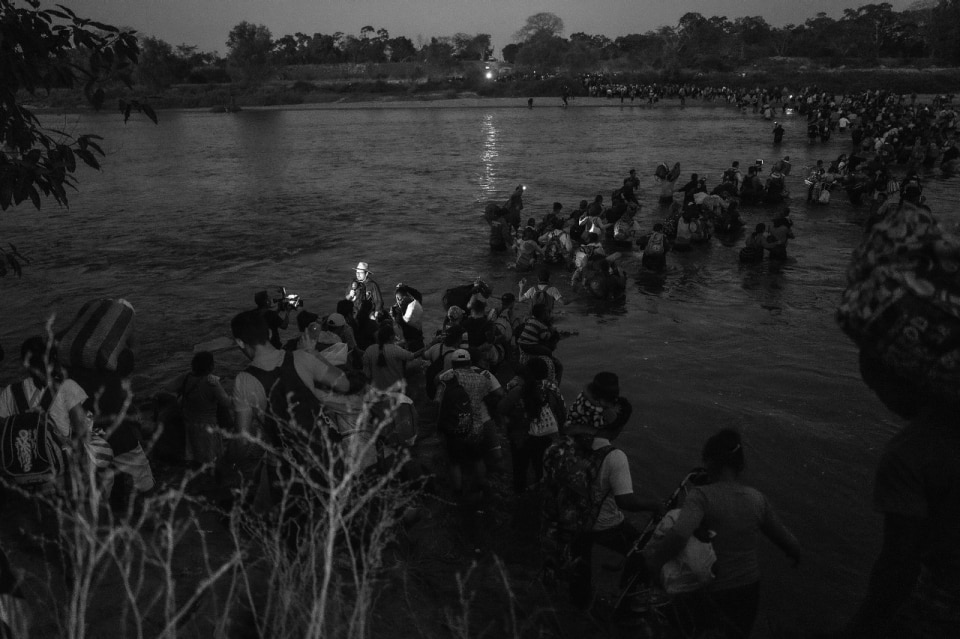
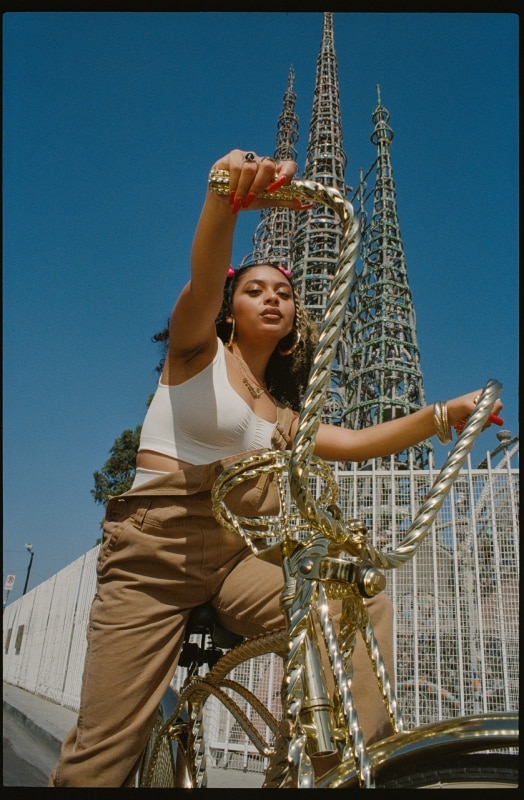
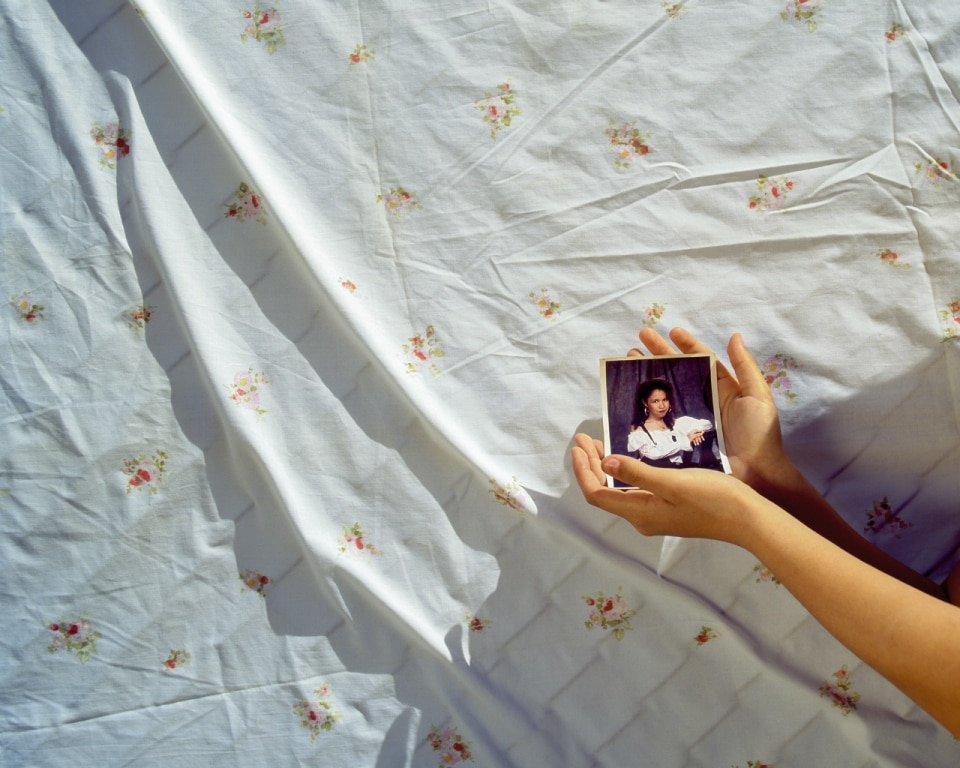
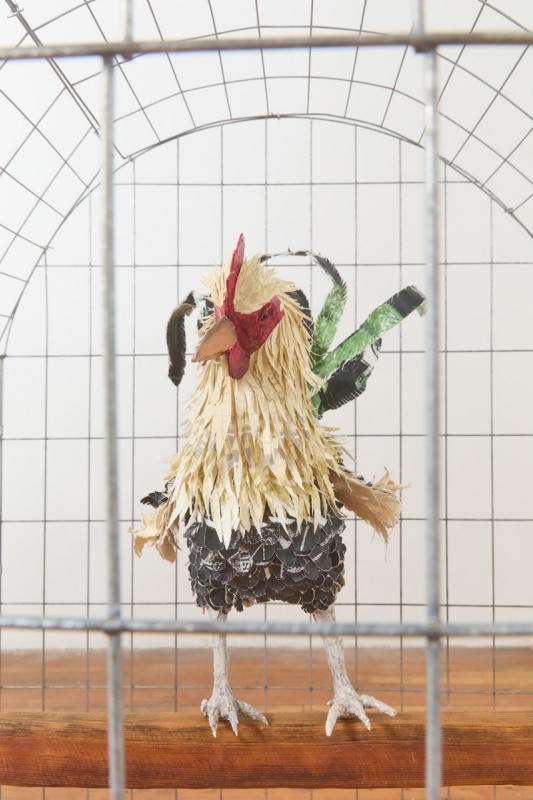
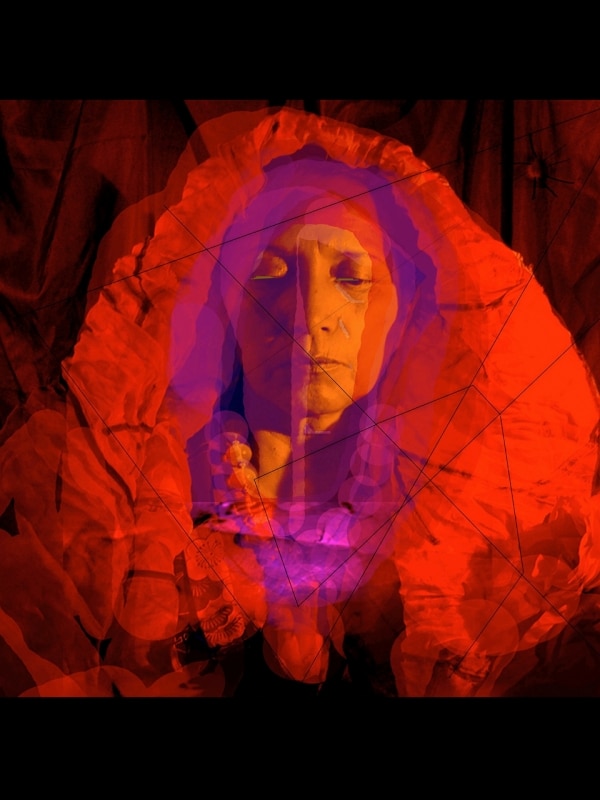
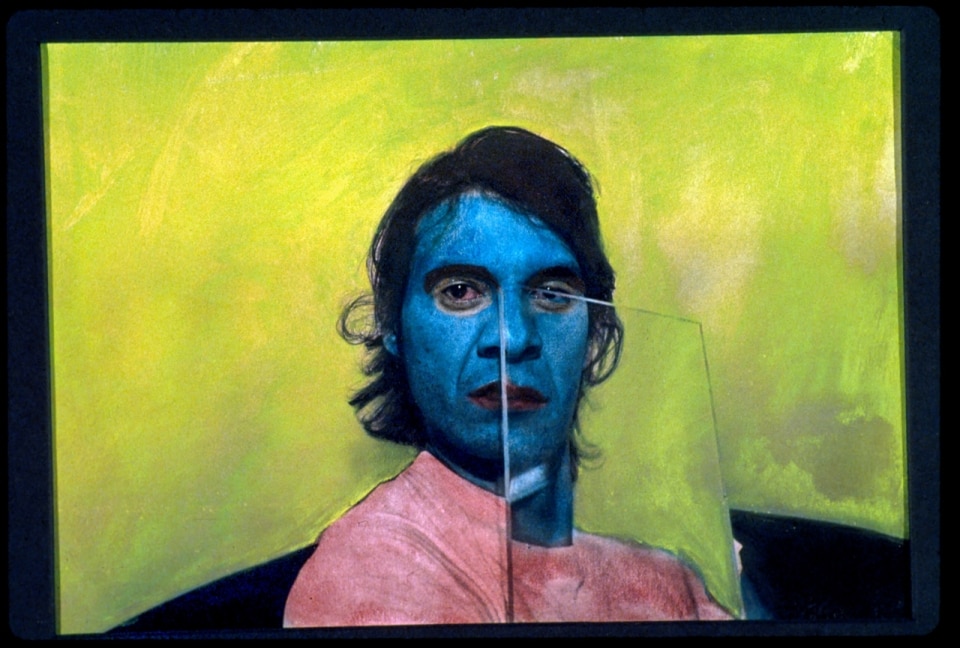
Some 150 works by nearly fifty artists traverse documentary, experimental, and conceptual practices, revealing how photography has accompanied—and often anticipated—the political, cultural, and identity transformations of the community.
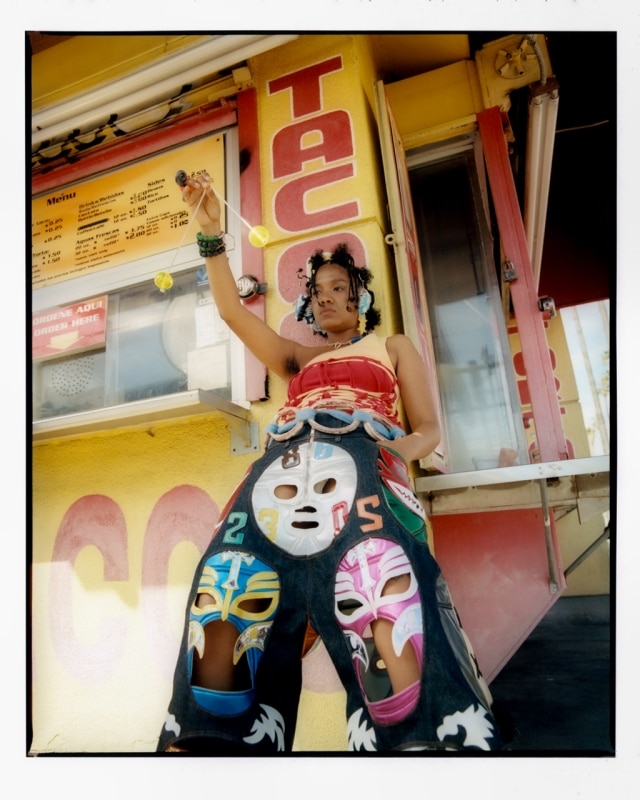
"My goal was to present the entire arc of this history. I wanted to show that this history is a continuum, spanning generations and geographic regions."
From pioneering figures active in the 1960s and 1970s, including Maria Varela, Luis Garza, and George Rodriguez, to the work of contemporary artists, the exhibition traces a visual tradition that continues to evolve and renew itself.
Photography proved to be an ideal tool for reflecting on issues of identity, agency, and cultural autonomy.
Elizabeth Ferrer
While in early images photography functions primarily as political testimony, over time it becomes an increasingly complex and layered space of identity construction. The accumulation of lived experience and the growing historical awareness of the images produced transform the medium from a tool of recording into a terrain of experimentation. Artists begin to employ staging, manipulation, and the combination of text and image to articulate both personal and collective narratives.
As Ferrer explains, "Photography proved to be an ideal tool for self representation, and for reflecting on issues of identity, agency, and cultural autonomy."
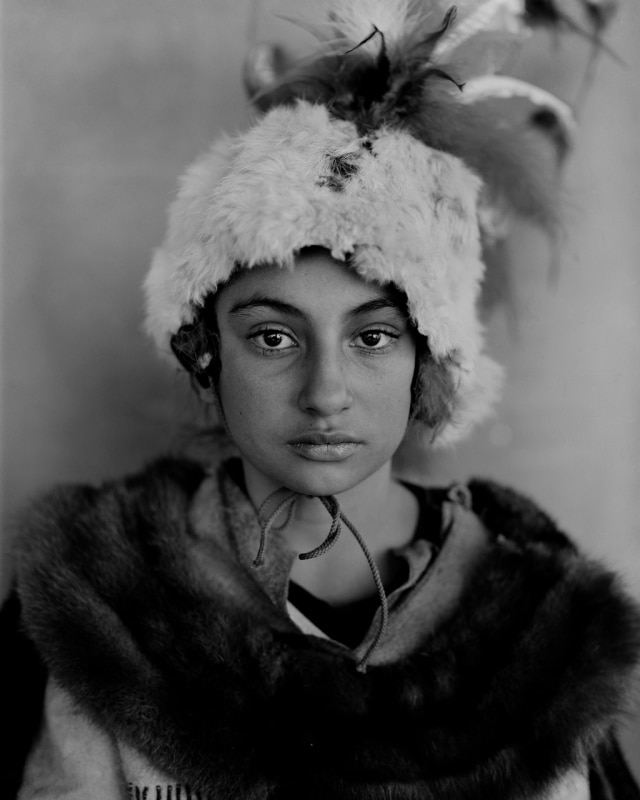
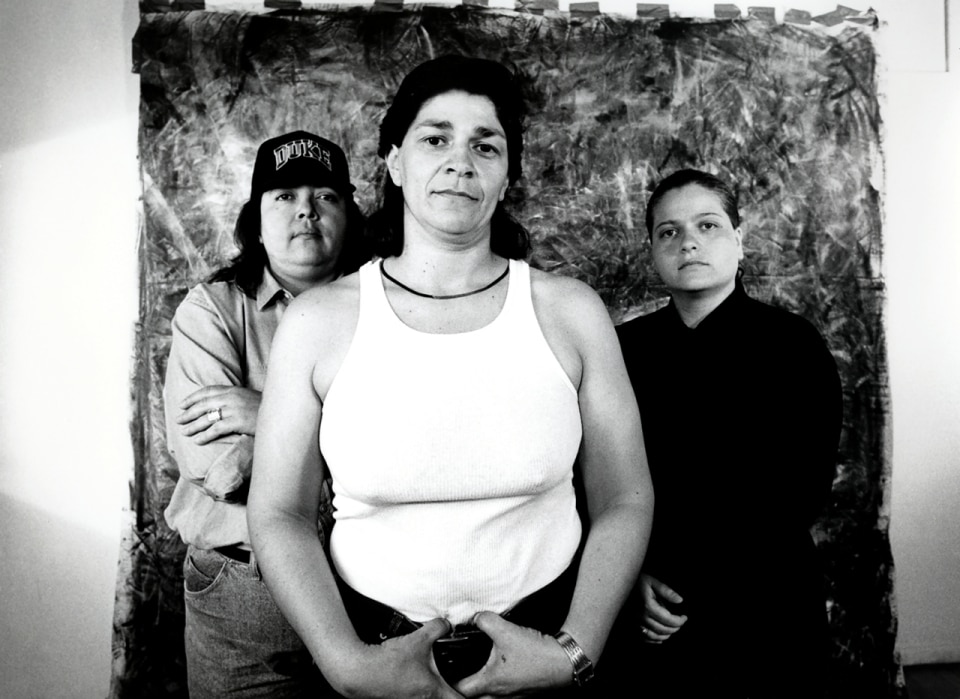
Two works in the exhibition demonstrate this shift with particular clarity. A 1969 portrait by George Rodriguez of a young member of the Brown Berets reveals photography as an act of affirmation: her direct gaze and frontal stance transform the image from document into a gesture of visual self-determination. In the series Latina Lesbian (1987), Laura Aguilar portrays queer women accompanied by their own written statements, turning photography into an explicit space of self-representation and empowerment.
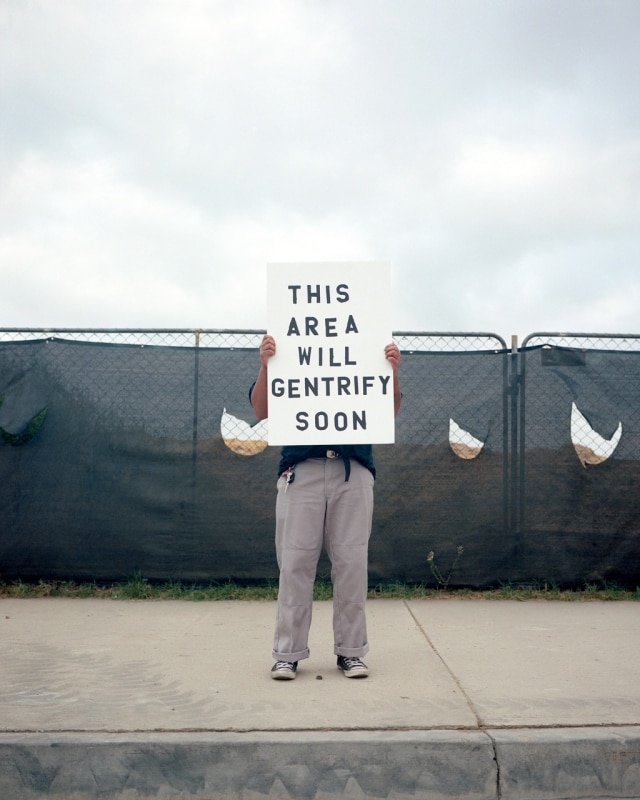
This evolution marks the shift from photography as a tool of activism to its gradual legitimization as an autonomous artistic practice. Figures such as Louis Carlos Bernal, active in the 1970s and 1980s and among the first to approach Chicano photography as a consciously artistic language, paved the way for subsequent generations who expanded the medium into installation, archival, and conceptual practices.
And yet, for decades, these images remained outside the American photographic canon. As Ferrer notes, "Chicanos have had a significant role within the photographic medium, and yet, this work has been largely overlooked by the photo world at large."
In recent years, some of these works have entered the collections of major institutions such as the Getty, MoMA, and the Whitney, but their presence in dominant historical narratives remains limited.
The exhibition was conceived in part to address this absence, "by creating a foundation for greater recognition and future study."
- Exhibition:
- “Chicano Camera Culture: A Photographic History, 1966–2026”
- Where:
- The Cheech Marin Center for Chicano Art & Culture, Riverside, California, USA
- Dates:
- February 7-September 6, 2026