













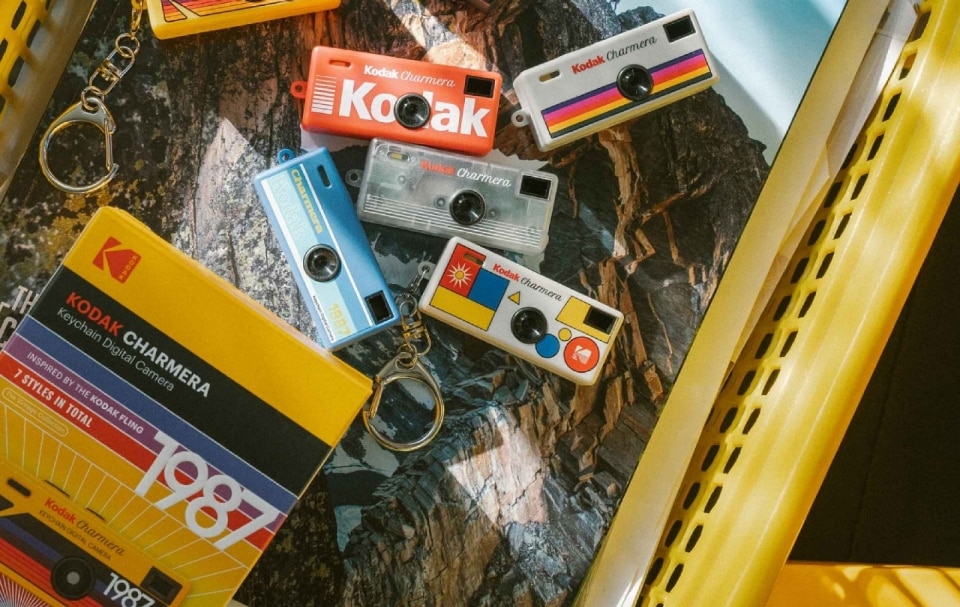
There is a precise moment when an object stops being merely curious and becomes desirable. The Kodak Charmera seems to have arrived exactly there: sold out, hard to find, already recognizable as one of those gadgets destined to mark the end of the year. Not so much for what it promises to do, but for what it represents — a tiny keychain camera that doesn’t try to compete with anything, and for that very reason manages to stand out.
The Charmera is truly small, almost disarming. It fits in the palm of your hand, weighs next to nothing, and once attached to a set of keys or a bag it tends to disappear. More than a camera you “carry with you,” it’s a camera you forget you’re carrying — ready to be used precisely because it doesn’t demand attention. It’s an object that works even before it’s switched on.

An object before a camera
Photographer Gabriele Giussani, who tested the camera for Domus, immediately picked up on this aspect: “It’s really tiny, you can take it anywhere, and it becomes almost unconscious — at some point you actually risk losing it.” This is likely why the carabiner isn’t a decorative detail but an essential part of the experience. The Charmera is designed to hang from something, like a charm, like an accessory.
Shooting without expectations
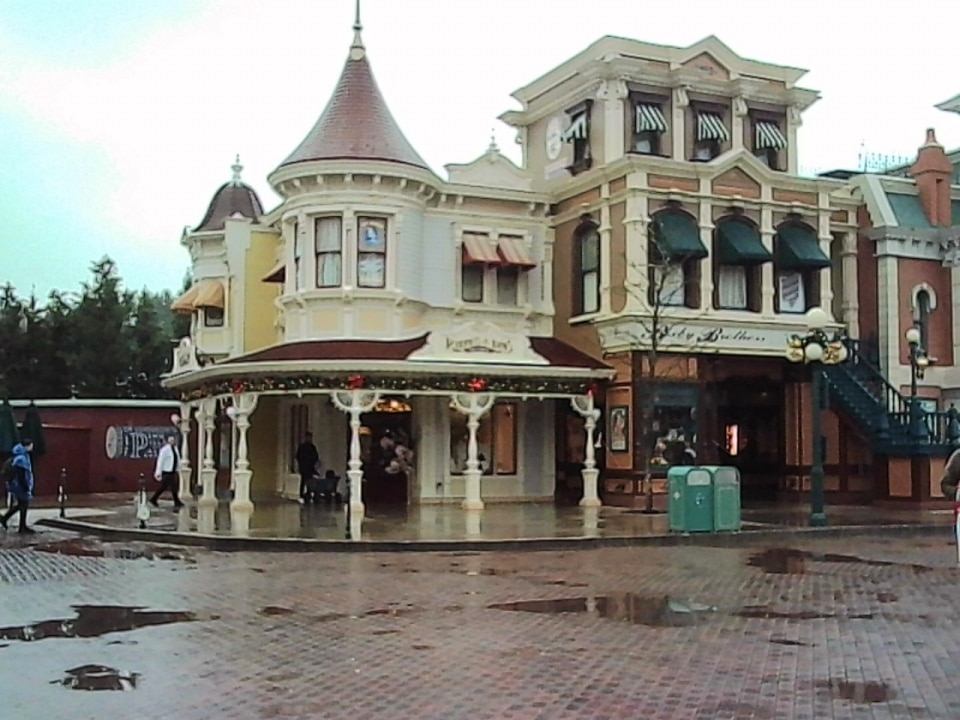
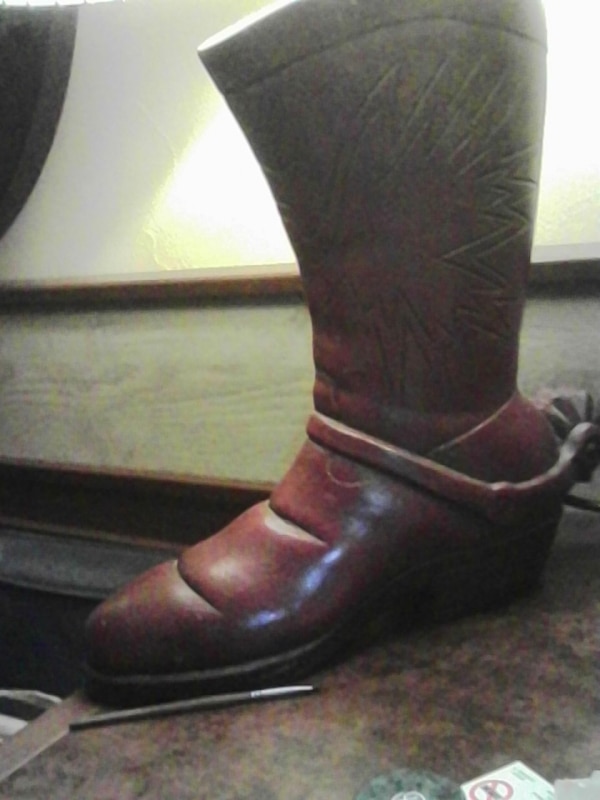
Using it is surprisingly fun. Not because it offers great technical possibilities, but because it removes all expectations. You just shoot. The images are immediately "finished," with no room for later intervention. "The photos are decent, but if you open them in software you can't do much with them," Giussani notes. "As soon as you touch something, the photo is ruined. It does have its beauty, though: you have a ready-made, already-baked report." The photographer used it precisely to document a weekend in Paris: these are the photos you see in this article.

Very pure, very immediate images with a strong personality — enough to convince Giussani, who’s used to shooting on film and is therefore closely tied to the Kodak brand. “But I’m afraid that in the long run this tiny camera might become cloying and a bit boring.” This is a central part of the Charmera experience: a camera that doesn’t invite post-production, but rather immediate acceptance of a given aesthetic.
Filters: between lo-fi and play
The result is a highly recognizable lo-fi look, deliberately imperfect, recalling early digital devices from the early 2000s. In this sense, the filters matter more than one might expect. They don’t just decorate the image; they clearly define the kind of image the Charmera is meant to produce.
On one side, there are filters that work on color or transform the image into a kind of two-tone effect — a “colored” black and white in yellow, blue, or red. These are bold, instantly legible effects that reinforce the camera’s toy-like nature. On the other side, there are openly kawaii filters and frames, more ornamental and at times superfluous if the goal is traditional photography, but perfectly aligned with the project’s playful dimension. Giussani draws a clear distinction: “The more basic ones are more interesting; the overly decorated ones are a bit pointless.”

An old-style interface
In terms of interaction, the Charmera feels surprisingly “old school.” There are many buttons — perhaps too many for such a small object — which gives it a vaguely nostalgic feel but can also be confusing. It’s a camera that seems to want to be more complex than it actually is.
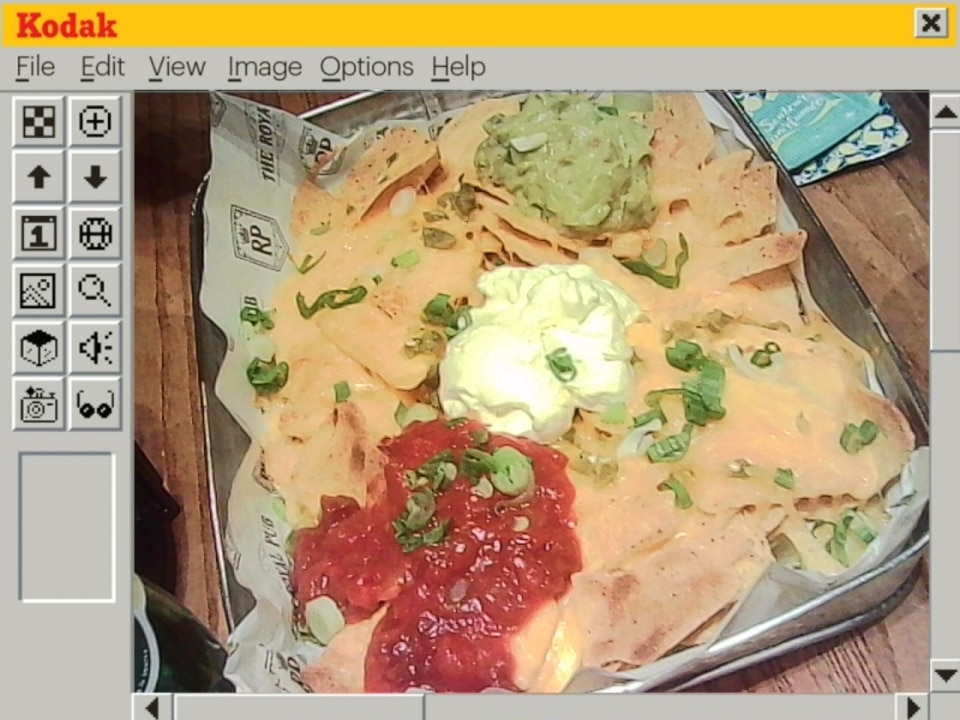
There’s also a menu that appears every time the camera is turned on, asking you to choose the operating mode — a small but repeated friction point that interrupts the immediacy that is otherwise one of its strengths. It’s not a major flaw, but it stands out precisely because the experience is meant to be fast and instinctive.
A flash that only works up close
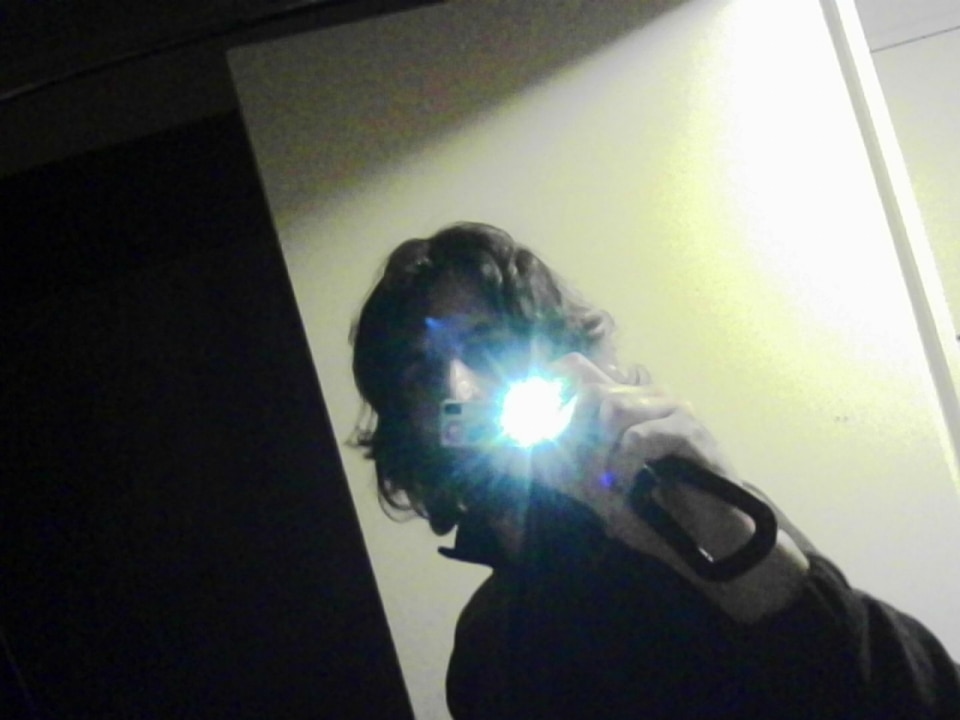
Then there’s the flash — or rather, a small LED light — which, despite its limitations, adds something to everyday use. It won’t light complex scenes or perform miracles, but at close range it works. Giussani simply calls it “nice,” specifying that “to really use it, you have to be very close to the subject.” A simple rule that clearly defines the playing field.
Inside Kodak’s return
Seen in this context, the Charmera also says something about Kodak’s recent phase. In recent years, the brand has re-emerged with products that don’t try to chase hyper-technology, but instead reinterpret its historical imagery. The recent announcement of a new film stock points in the same direction: not nostalgia for its own sake, but an attempt to occupy a cultural space defined by ritual, slowness, and physicality.

The Charmera sits at the opposite end of the spectrum from film, yet shares the same attitude: bringing photography back to a simple, everyday, almost automatic gesture.
A camera that adds, not replaces
The Kodak Charmera replaces nothing. It isn’t meant for work, serious documentation, or producing “good” images in a technical sense. It’s a camera that adds itself to what you already have. It lives on your keys, in your bag, hanging from a belt — and every now and then it comes into play with a sense of surprise and lightness.

Perhaps that’s precisely why it has become so desirable: because it doesn’t ask to be taken seriously, yet somehow ends up being taken seriously anyway.
All photos: @gabrielegiussani