







Christmas is approaching and, right on cue, the annual gift dilemma arrives with it. Every year we promise ourselves we’ll be more organised, yet we always seem to end up with the usual pajamas, socks, or — for that very special person — an alpaca sweater cultivated from hand-selected blades of grass. And as the unlucky recipient unwraps it, we feel compelled to launch into the story of the ultra-rare fibre and the high-altitude grazing, sealing its fate: it will remain in the closet forever.
We’ve all been there. With that much effort, we could have chosen something that truly made sense — something thoughtful, personal, and perhaps even culturally meaningful. For example, a work of art, which is also a way to support those who create it and those who make it possible.
This Christmas, we decided to set aside the idea that art automatically means astronomical prices, a myth reinforced by headlines that focus solely on auction records. We’ve gathered a selection of works under — or at most just over — one thousand euros.
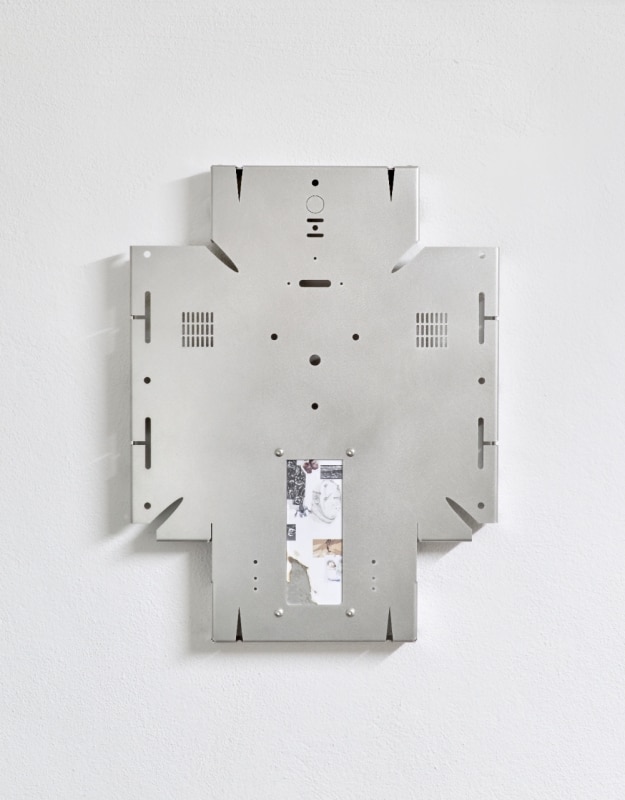
An invitation to discover, to learn, to collect. And perhaps to give something that won’t end up forgotten in a closet, but will open up a new perspective. The full selection is in the gallery.
Photography
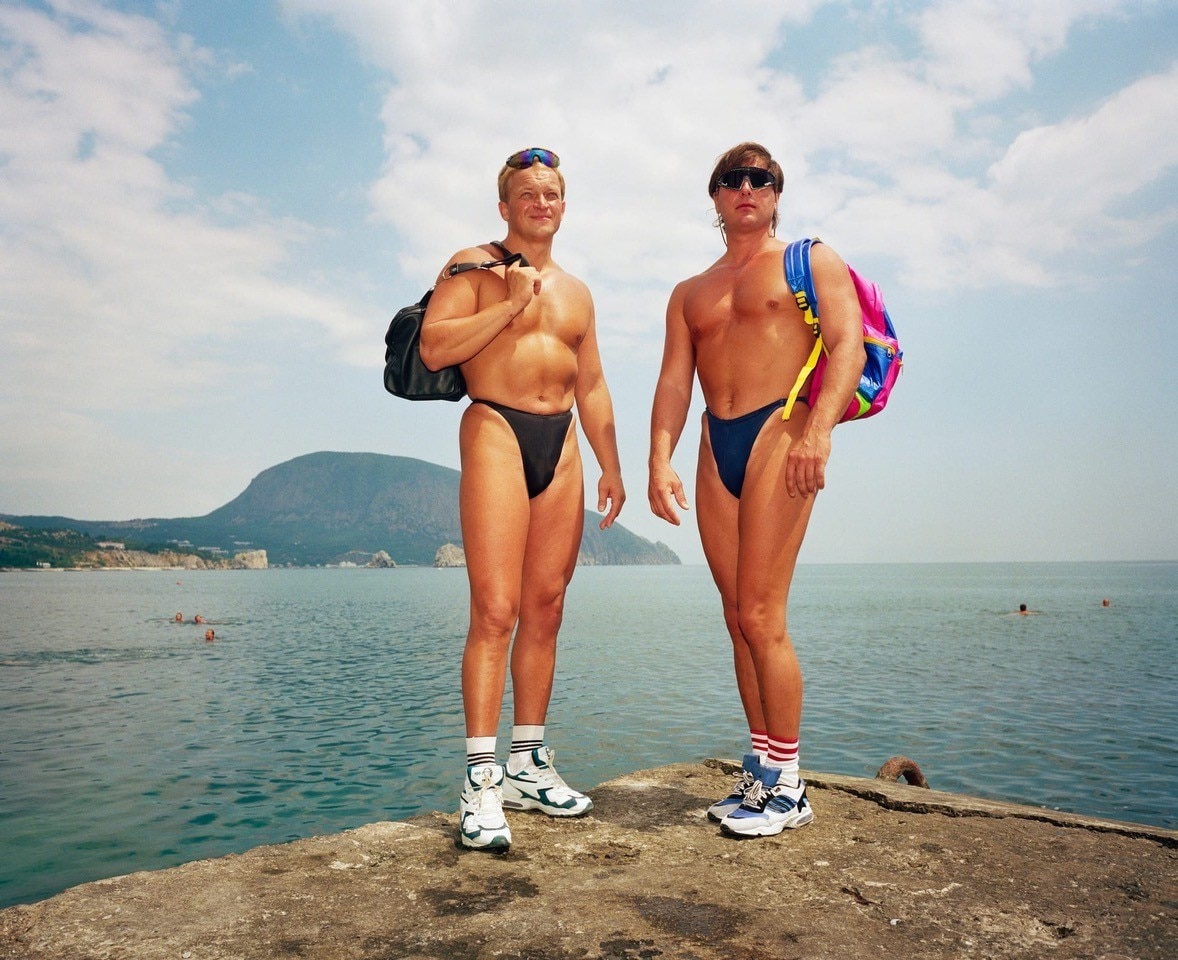
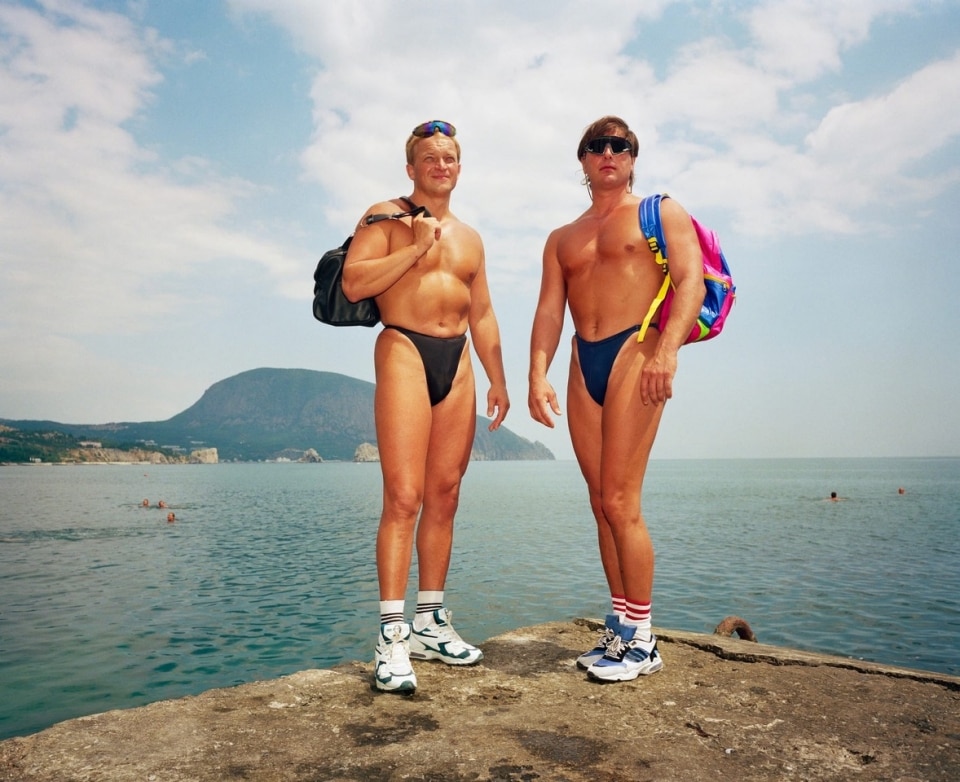
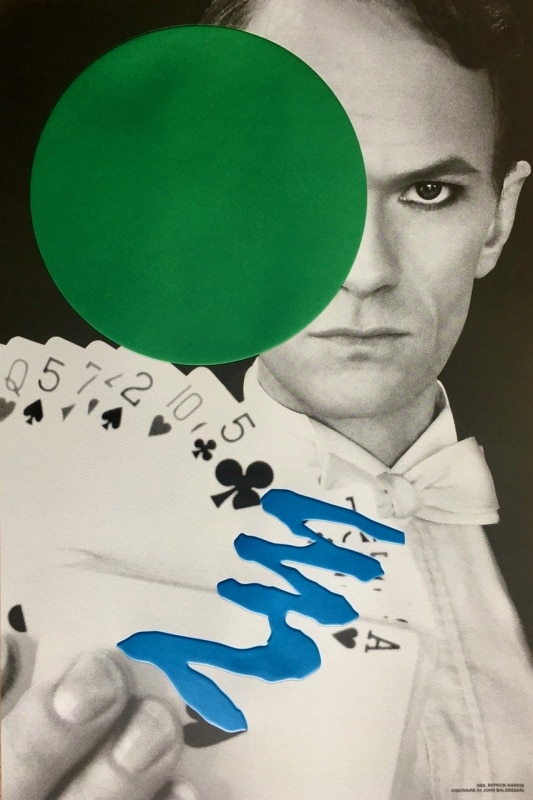
Photography remains one of the most accessible ways to approach contemporary art: a medium that allows us to enter the world of major artists without crossing into prohibitive price ranges. Edition prints, Polaroids, signed posters and photographic multiples preserve the full value of the artist’s gaze while remaining within the reach of many collectors.
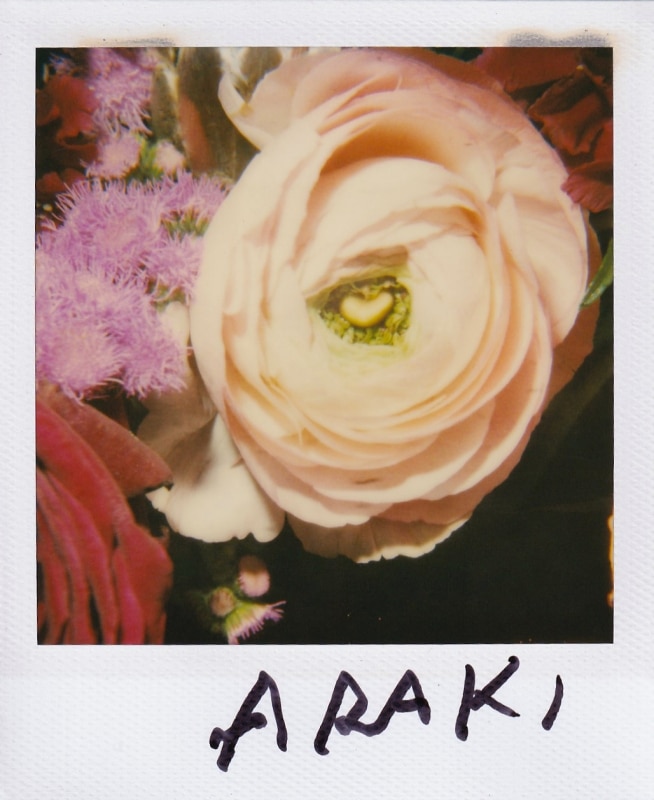
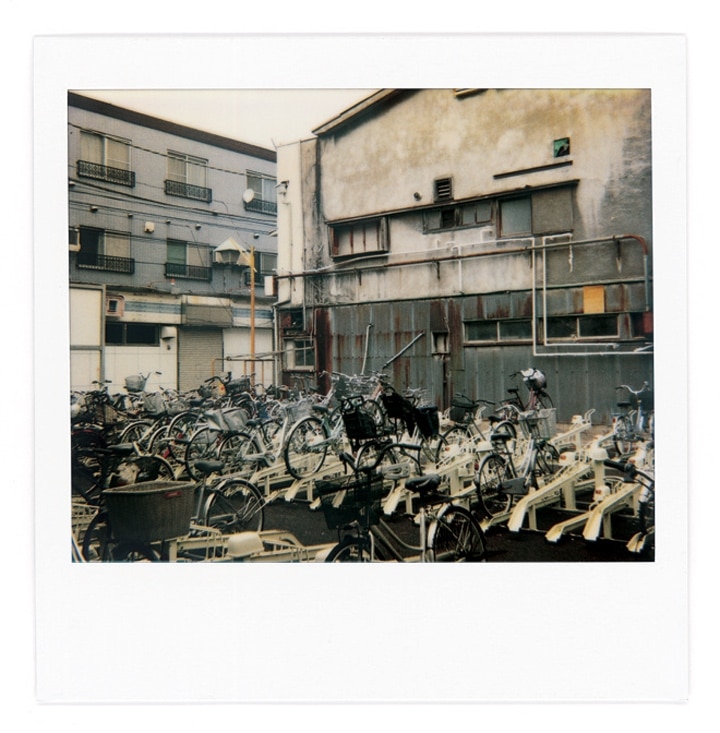
This is the case with two giants such as Nobuyoshi Araki and Daidō Moriyama, whose Polaroids—intimate, immediate, often experimental—offer a surprisingly accessible entry point into their visual universe. Likewise, several historic photographers make it possible to approach an iconic legacy without exceeding one’s budget: Duane Michals, with his poetic and conceptual sequences often available in signed editions, or Joel Meyerowitz, one of the pioneers of contemporary colour photography, with large yet accessible prints.
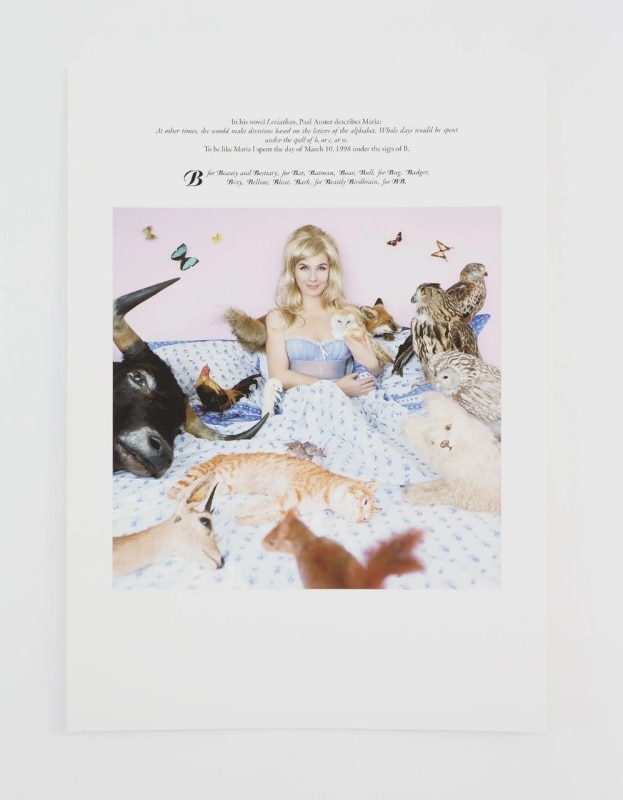
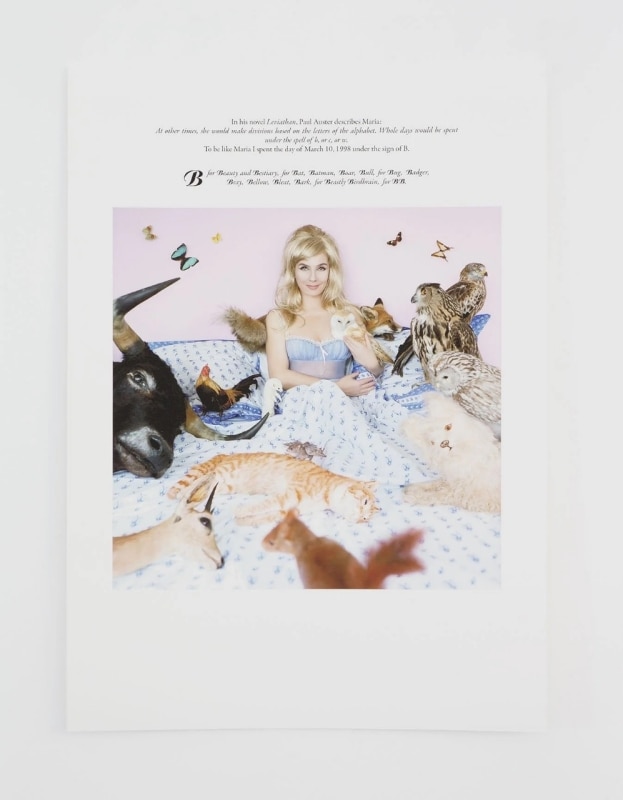
Contemporary artists of international renown also maintain a strong presence in the editions market: Wolfgang Tillmans, with his highly collected posters and open editions, or Sophie Calle, who through her narrative works offers small editions and artist’s materials that open the door to her conceptual practice without requiring major investment.
In Italy, Maurizio Galimberti’s Polaroids remain a classic: immediate, recognisable works capable of transforming a face or a city into a dynamic mosaic. Alongside him, an intermediate generation of artists with significant international recognition — such as Paola Di Bello, who has long explored the relationship between communities and architecture as a mirror of urban life — offers rigorous, collectible works that are still accessible in their edition formats.

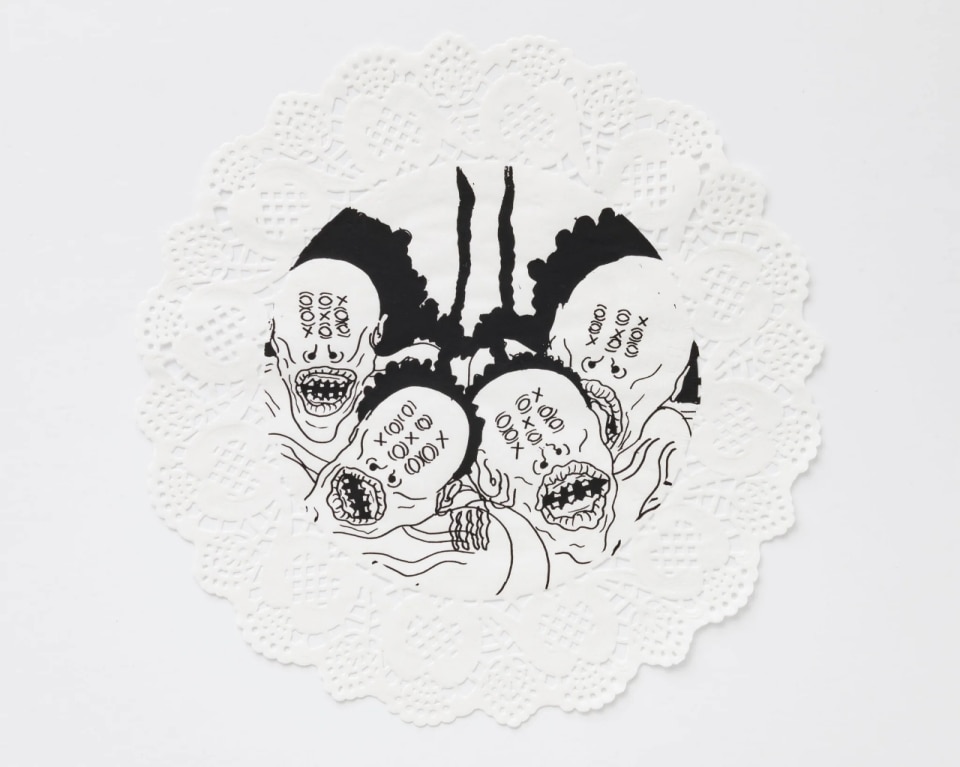
It is also worth looking to younger photographers, who often present limited-edition prints and artist’s editorial projects: a fertile ground for anyone wishing to start a small collection, support new research, and discover perspectives still in the making.
Prints and multiples
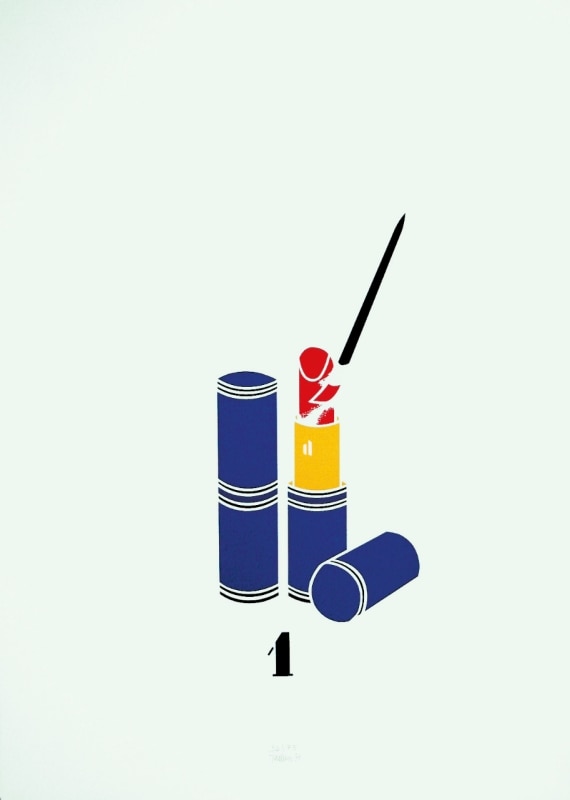
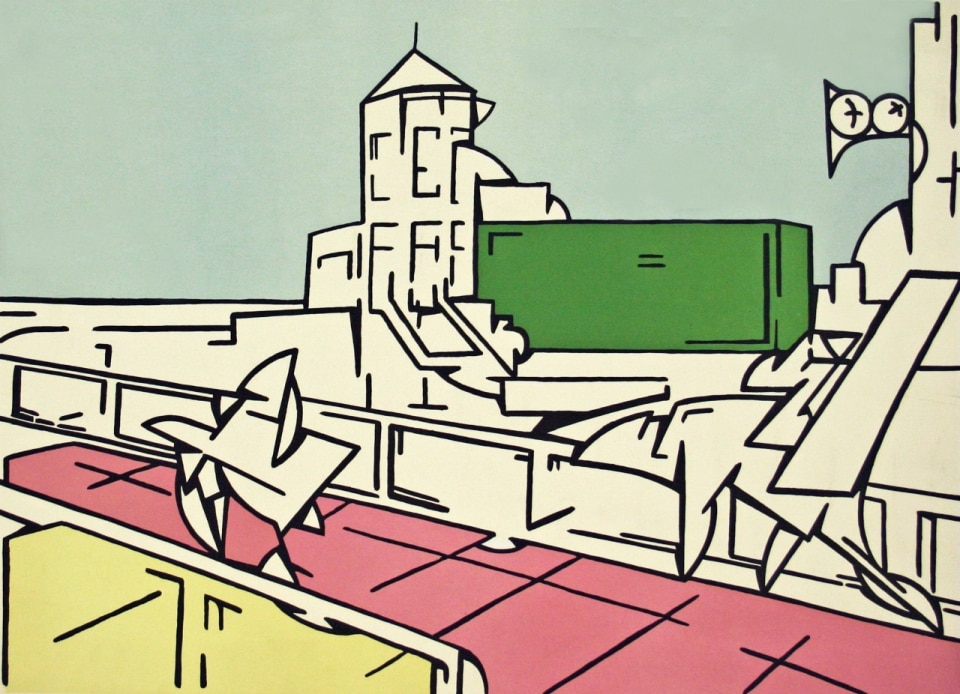
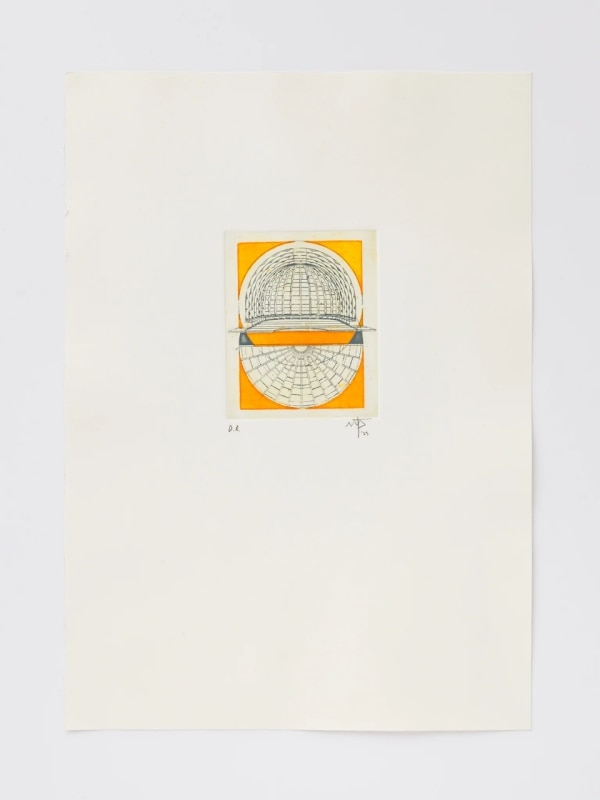
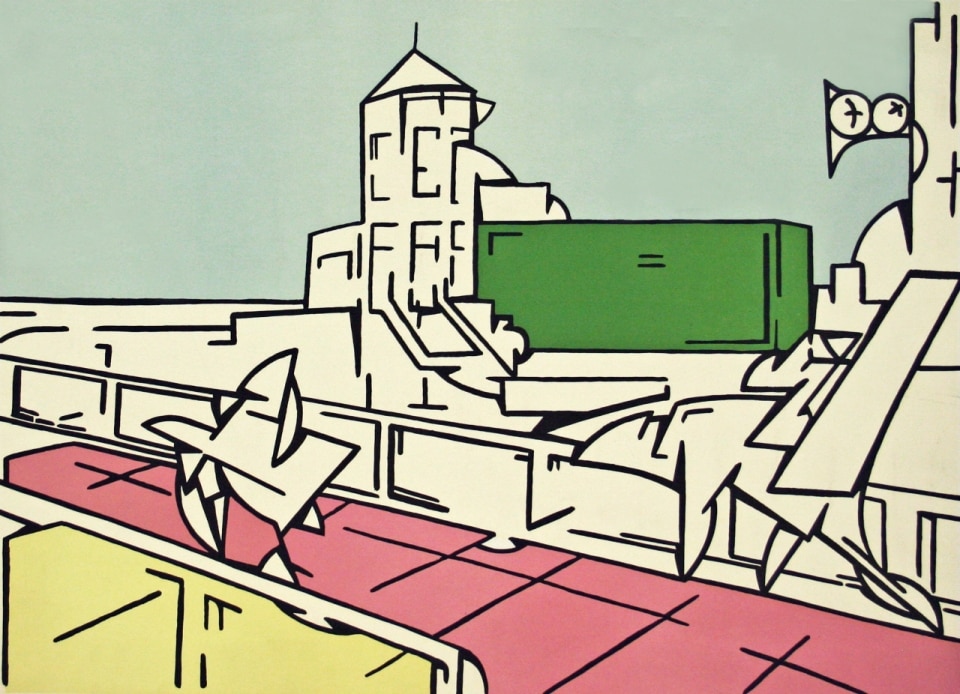
In the field of artist’s prints, the Italian postwar period offers a particularly rich repertoire for those looking to collect on a moderate budget. The generation active between the 1960s and the 1980s — from Emilio Tadini to Valerio Adami, Enrico Baj, Lucio Del Pezzo, Bruno Di Bello, Piero Dorazio and Gianfranco Pardi — regarded printmaking as a natural extension of their practice.
At the time, the widespread presence of specialised workshops and the absence of digital techniques meant that lithography, screenprint and etching were not simple reproductions, but fully fledged creative processes: works conceived specifically for print, in which the artist intervened directly on the plates, the colour overlays and the tactile quality of the surface.
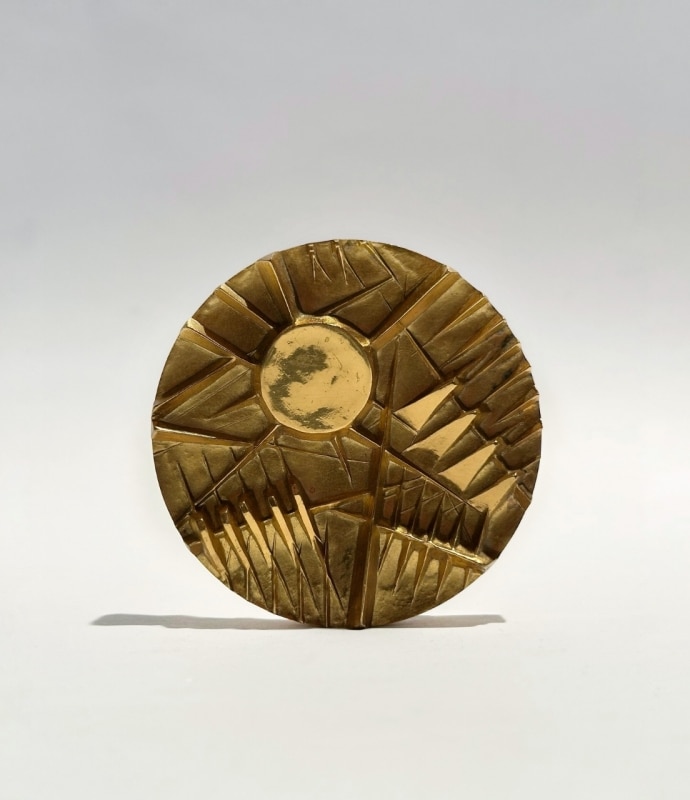
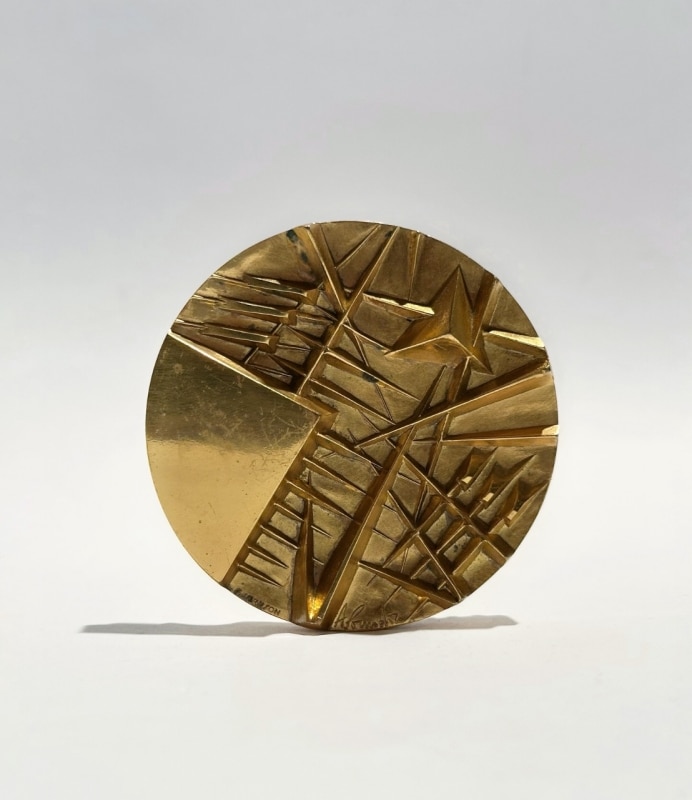
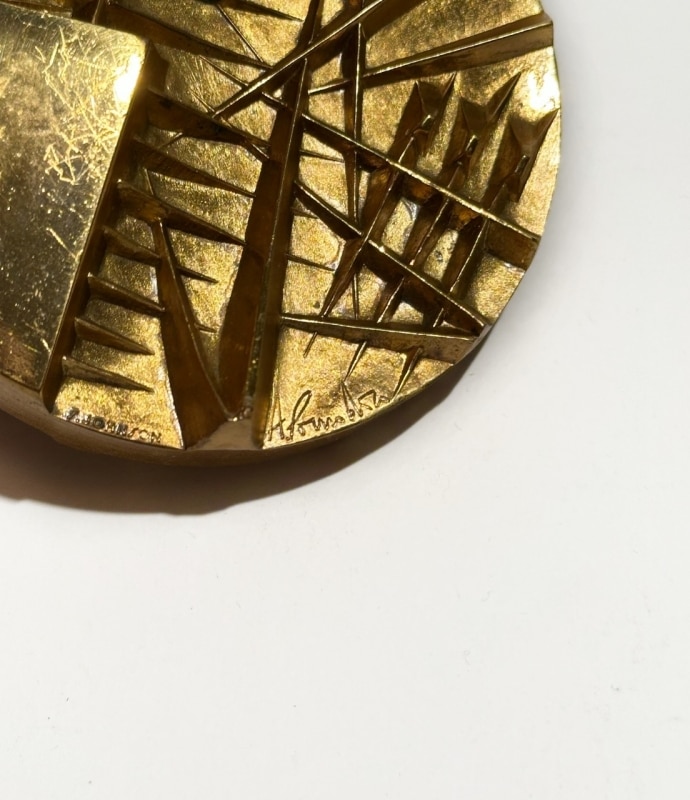
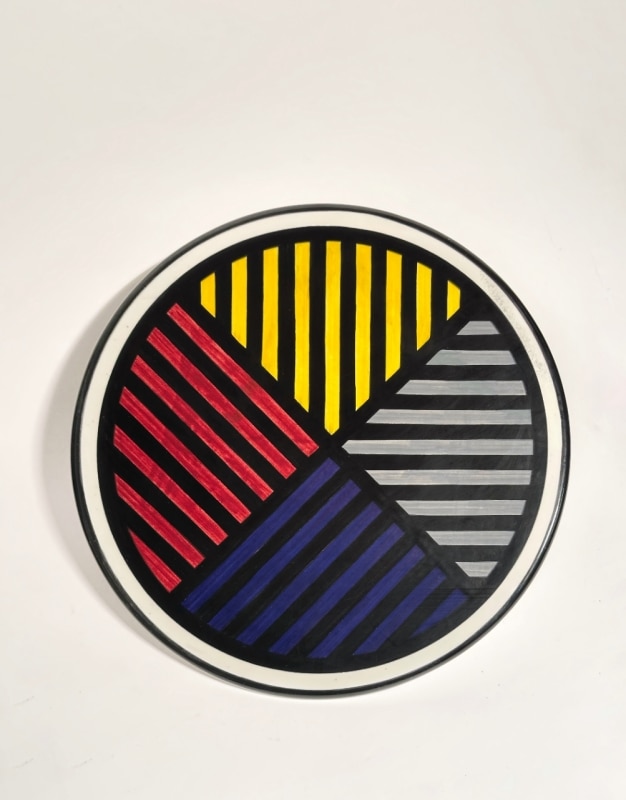
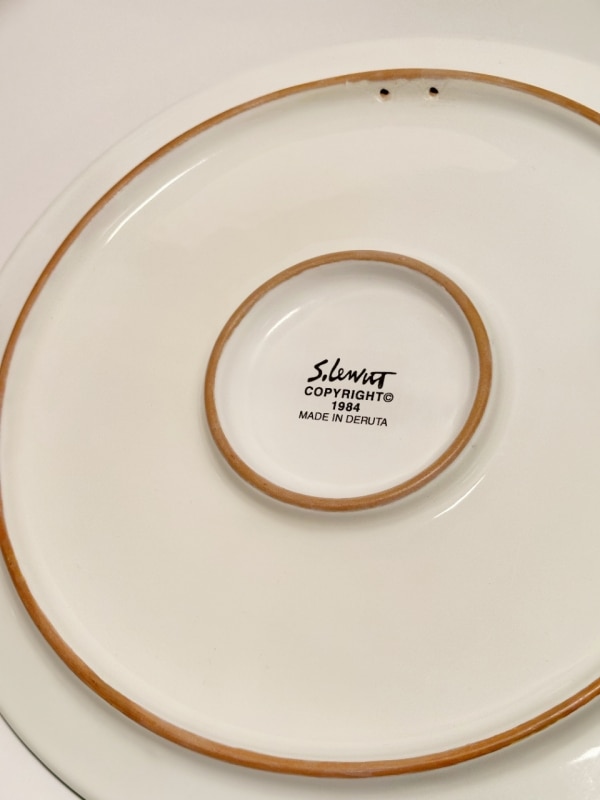
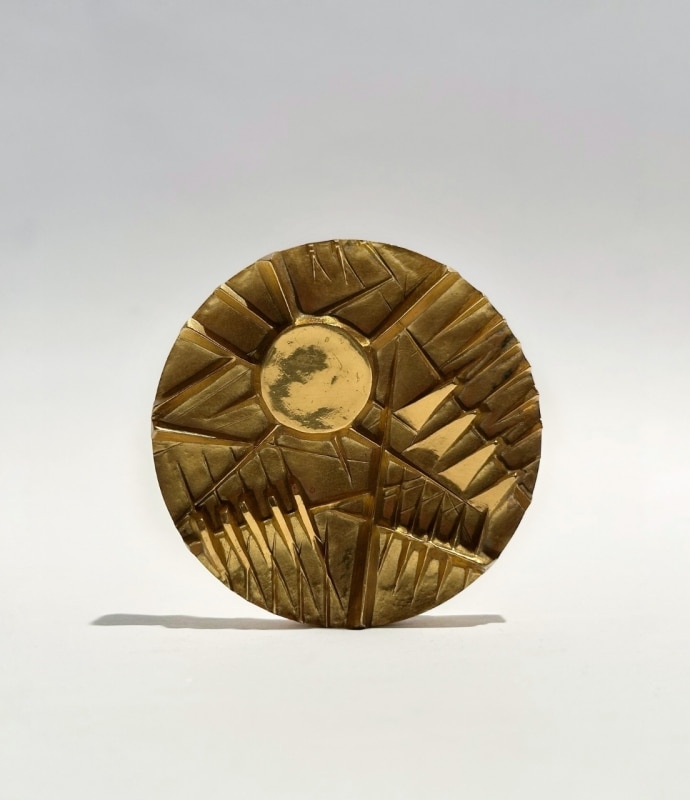
The conversation expands further with multiples, which make it possible to approach sculpture in smaller formats. Small works by Arnaldo Pomodoro retain the same formal tension as his monumental pieces, translating his sculptural research into serial objects with a striking material definition. The same applies to Sol LeWitt, whose modular practice lends itself to numbered editions and ceramics that bring his conceptual language into a pared-down, three-dimensional form.
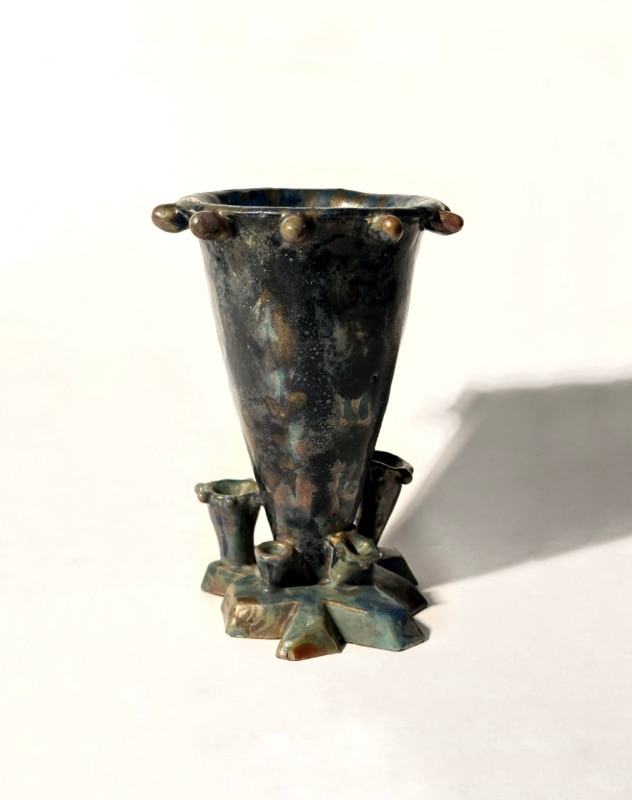
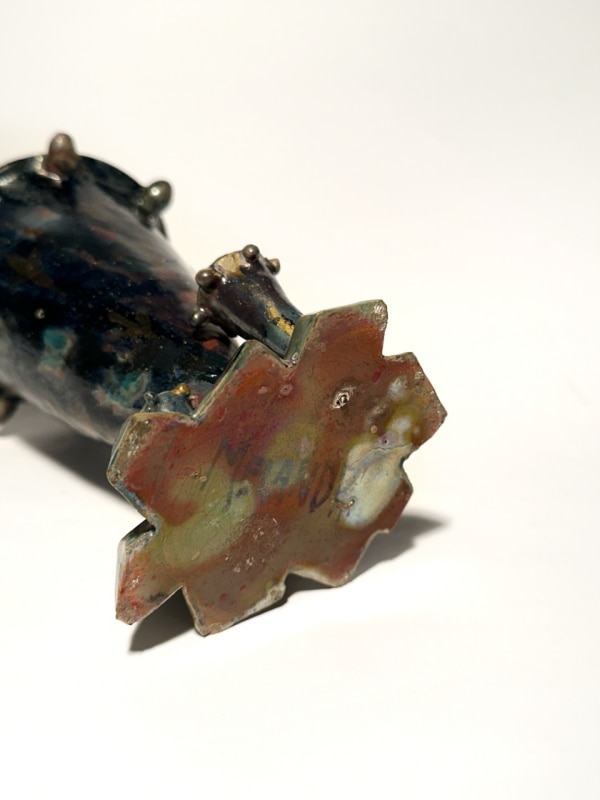
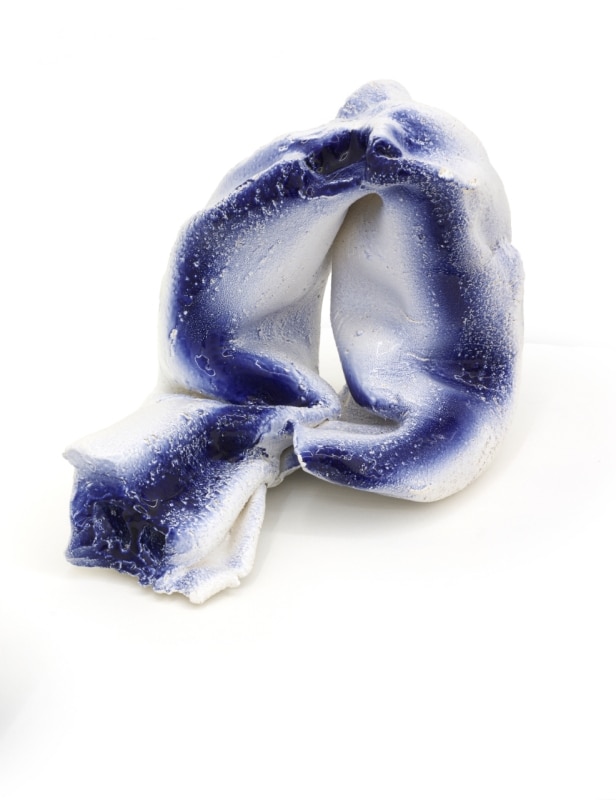
Artist’s ceramics are indeed an area of growing interest, where the handmade component becomes an integral part of the work’s value. Historical figures such as Pietro Melandri (1885–1976), a key figure of the modernist season in Faenza, developed hand-modelled and glazed objects that merge craftsmanship with formal experimentation. Today, they offer a tangible and accessible collecting alternative — one that moves away from the reproducibility of the image and toward the sensory dimension of making.
Early career
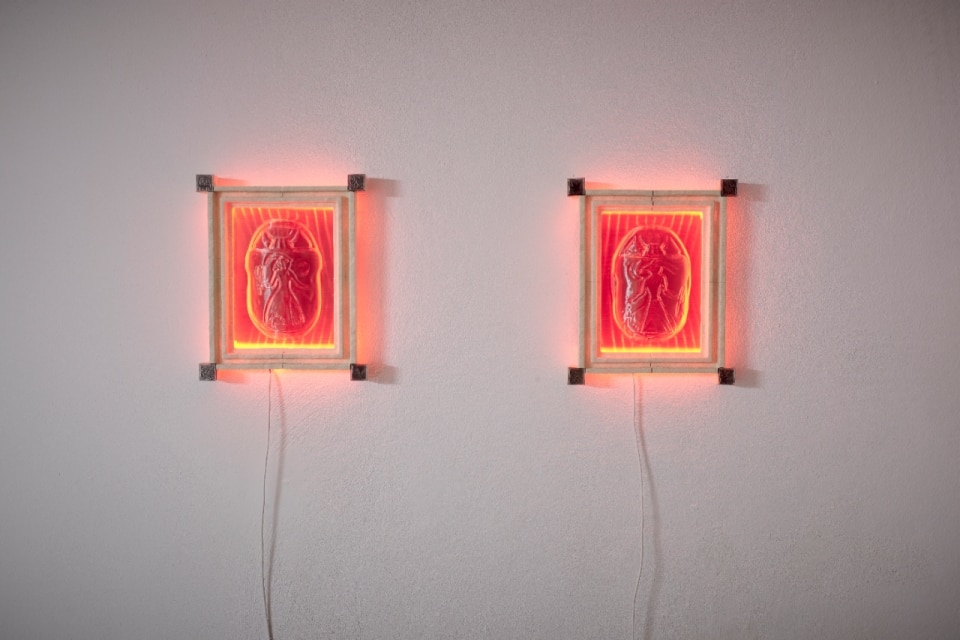
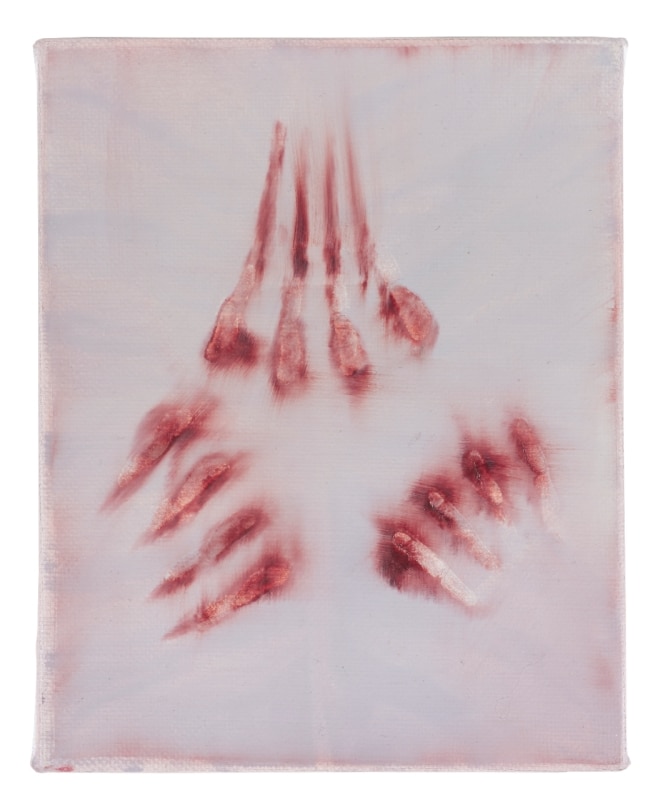
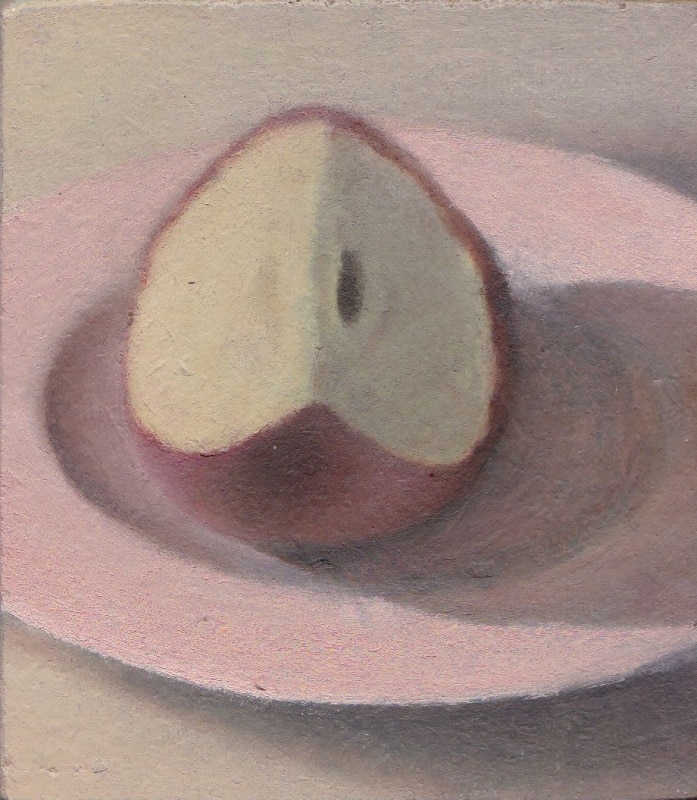
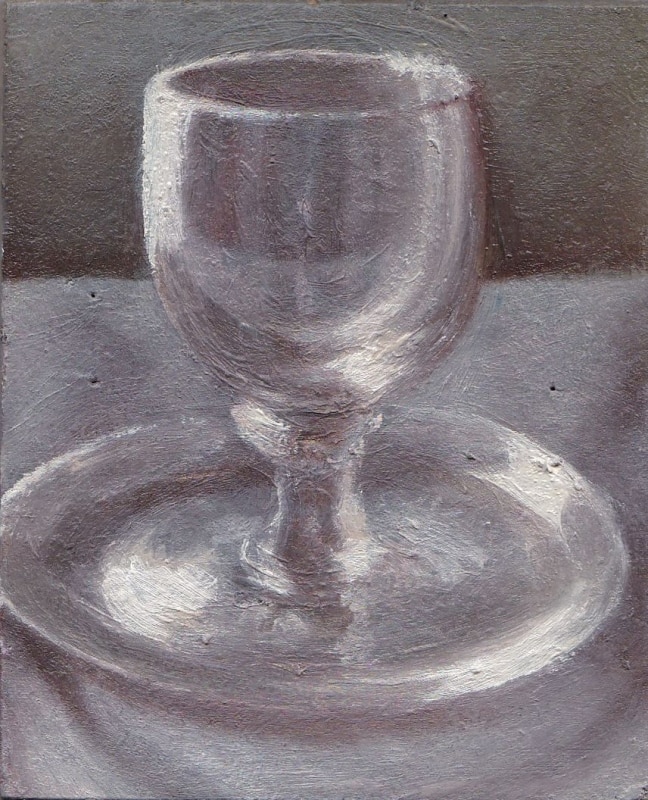
There is also the path of early-career artists — very young practitioners whose work is still in its formative phase. In this case, we are not speaking of prints or multiples, but of original works, often among the first they have created, in which their artistic language is beginning to take shape. Choosing a work from this stage means investing in the future potential of a practice and supporting those who have just embarked on a professional journey that requires determination, consistency and, why not, a good measure of courage. Gifting a work by a young artist can therefore take on a symbolic dimension: a gesture that acknowledges the commitment of someone building their own path and encourages those who feel the duty — or the need — to make their voice heard.