



Once again this year, the FAI confirms its autumn event, which reopens the doors of some gems of Italy’s built heritage and allows visitors to explore places that tell the story of local culture and memory through the country’s architectural history. This year’s edition, taking place on October 11 and 12, offers a wealth of sites to discover: from Milanese Rationalism to masterpieces of international Modernism, and from spaces of civic memory to sites of labor and culture.
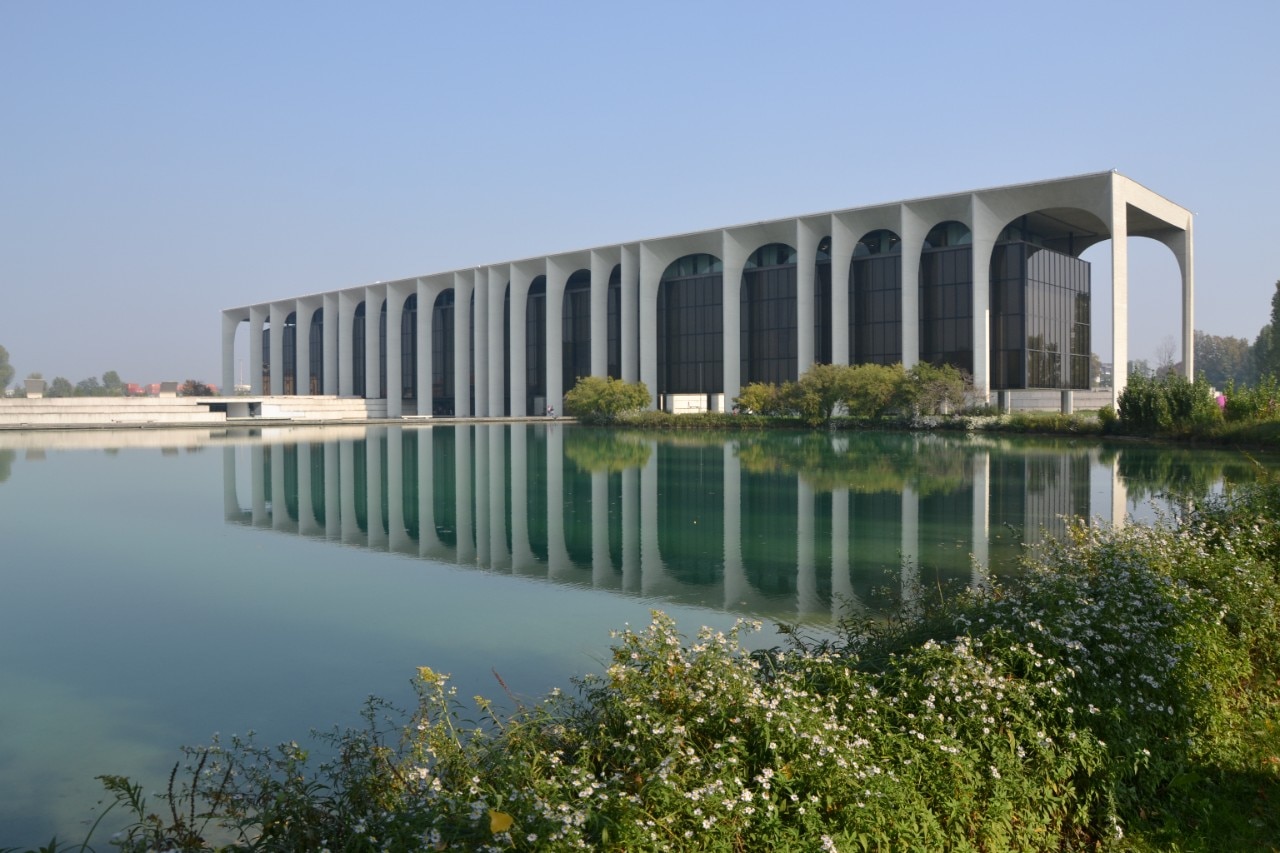
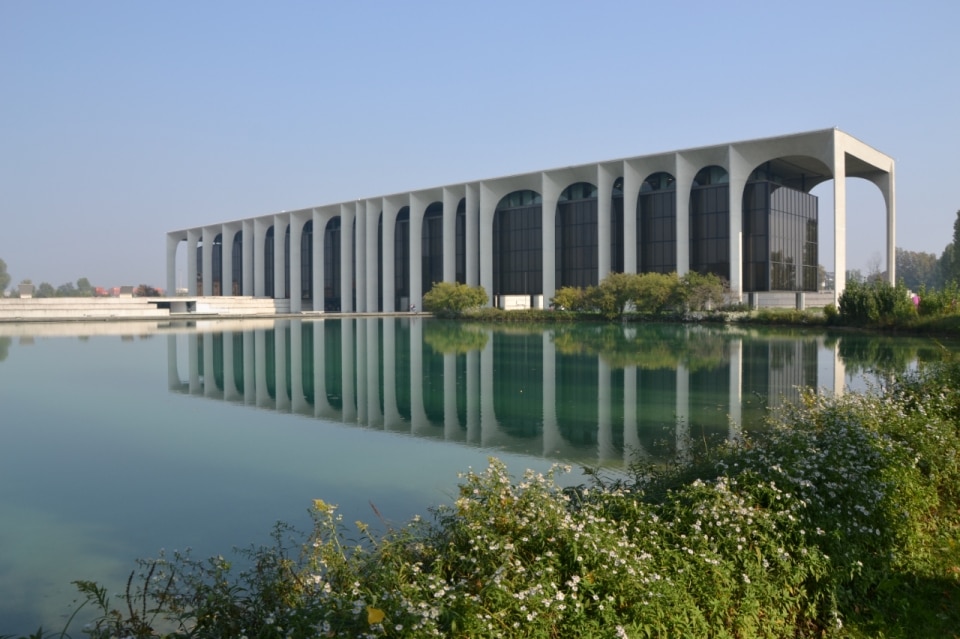
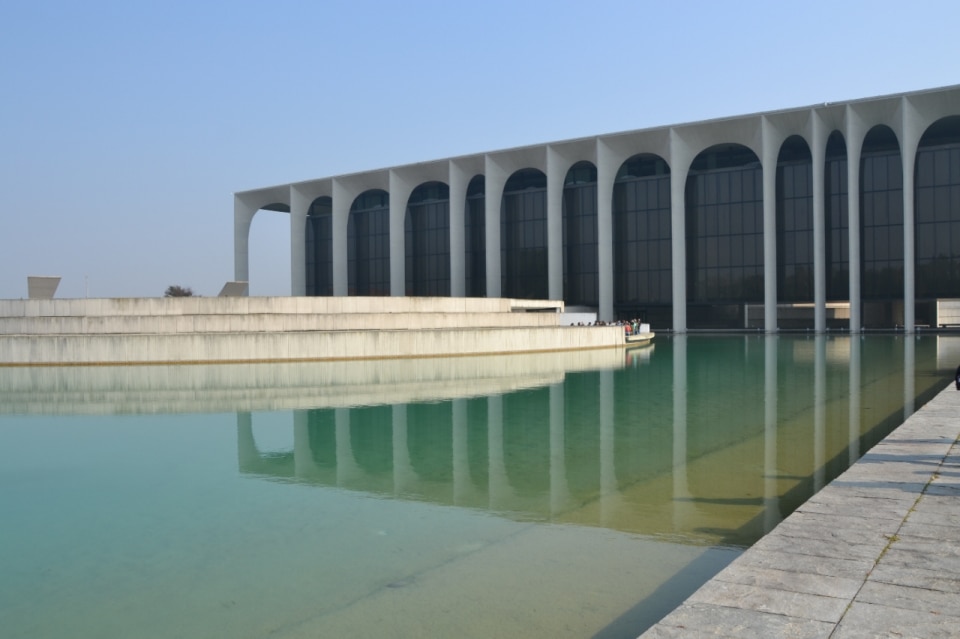
One of this year’s highlights — unfortunately already sold out — is the Mondadori Headquarters in Segrate, about nine kilometers from Milan, designed by Oscar Niemeyer between the late 1960s and early 1970s. It is a manifesto of architecture as an artificial landscape, suspended between concrete arches and reflecting pools, set within a park designed by Pietro Porcinai.
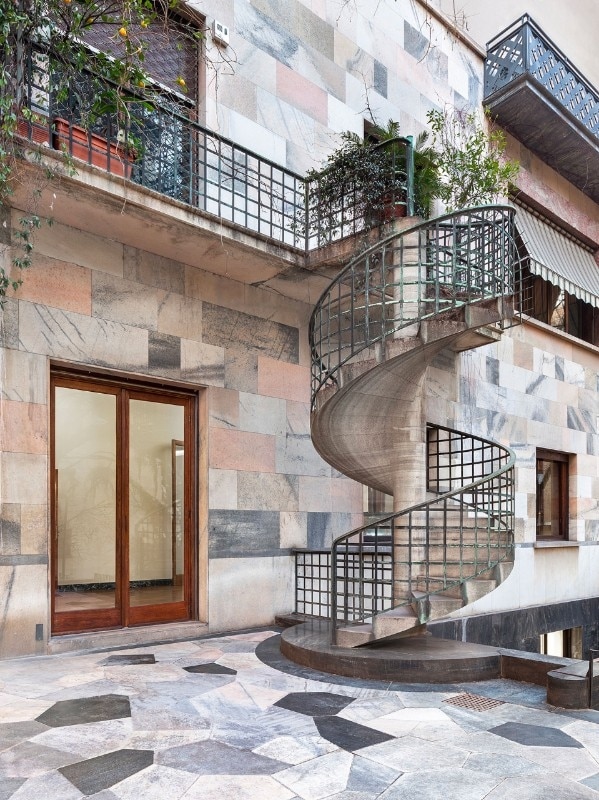
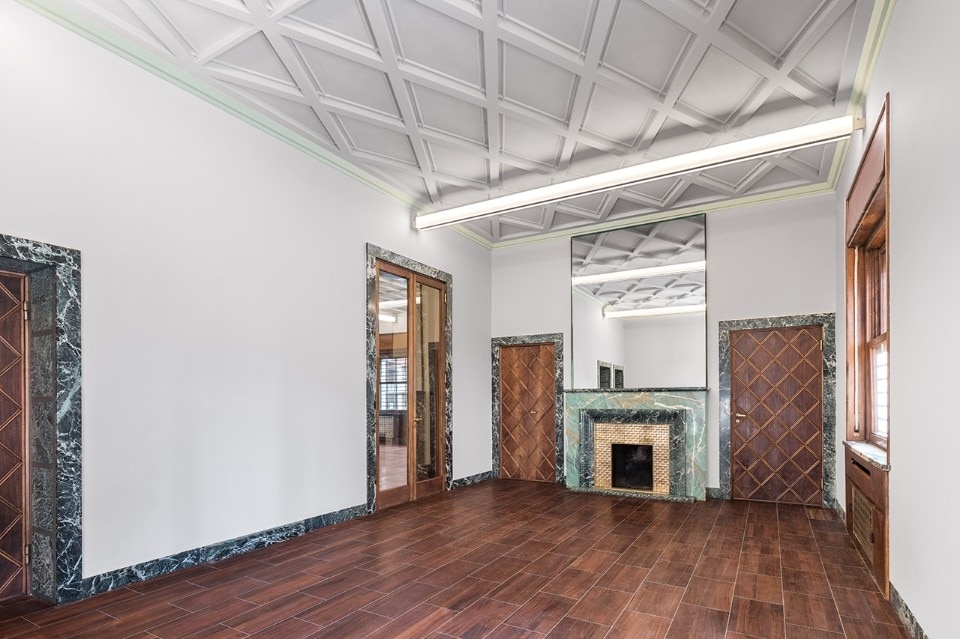
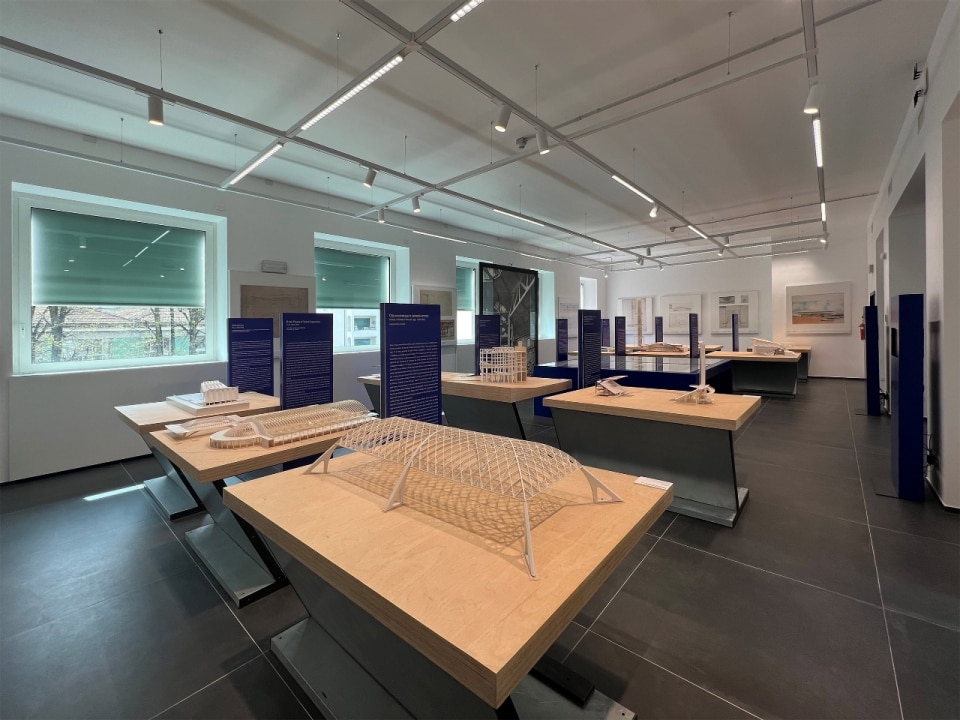
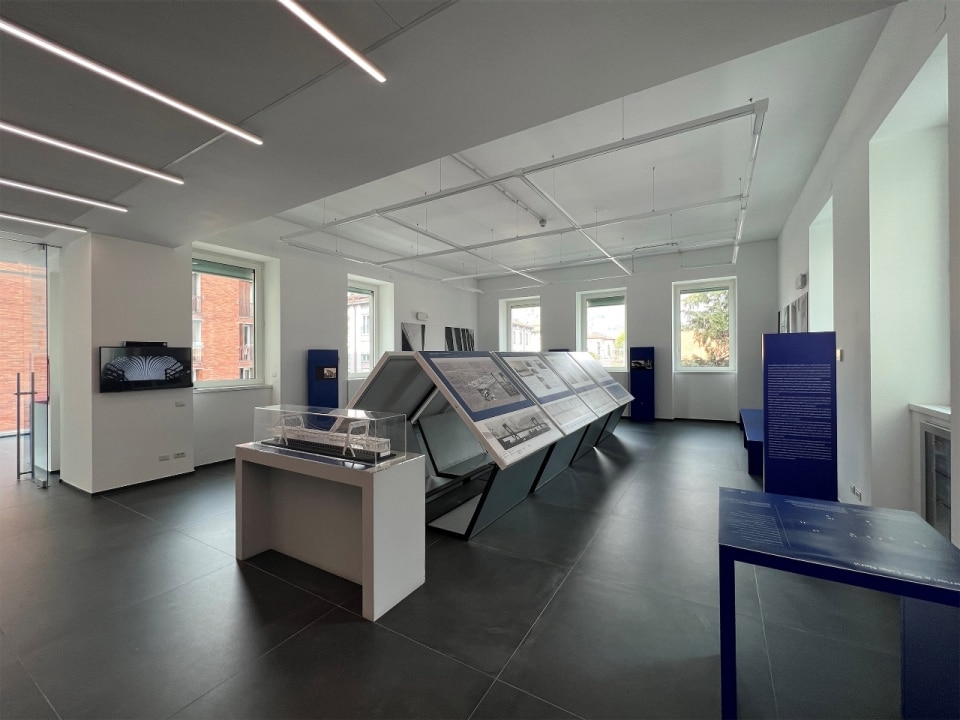
Moving to the city center, the FAI has organized guided tours of architectural works by Piero Portaluppi, including the celebrated Casa Corbellini-Wassermann from the 1930s, a testament to the bourgeois elegance of Lombard Rationalism. Still in Lombardy, Pier Luigi Nervi’s Laboratory at the Politecnico di Lecco reveals the experimental power of reinforced concrete and the tension between structure and architectural design that defined an era.
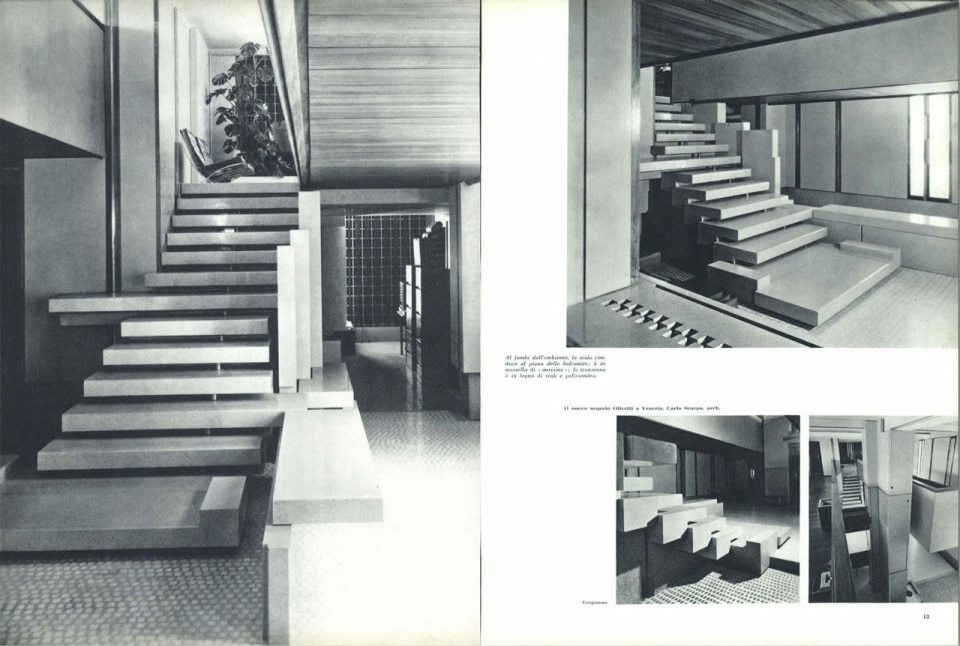
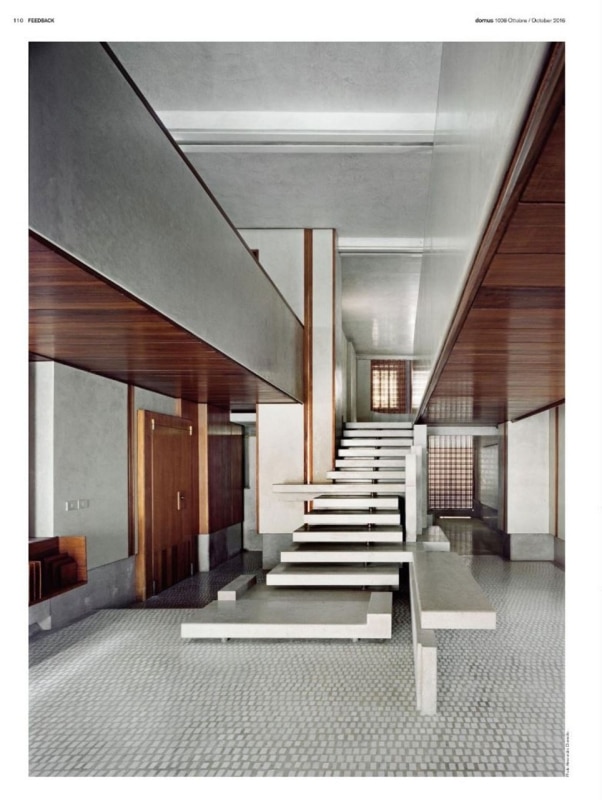
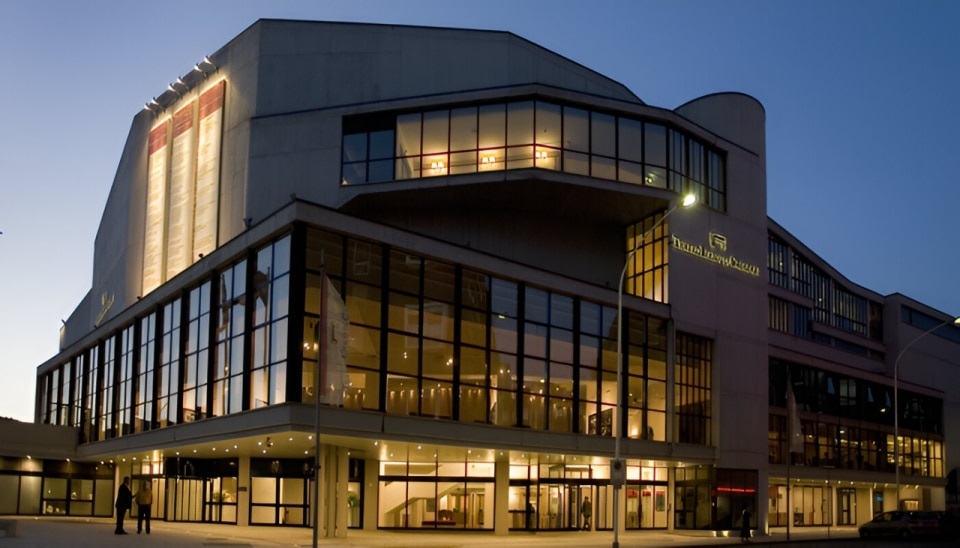
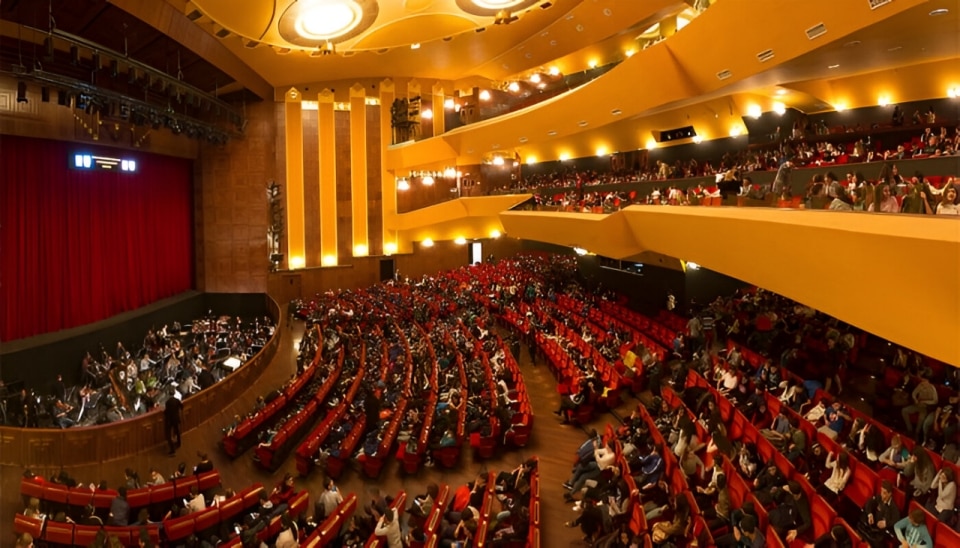
Among the must-see sites is a small gem hidden under the Procuratie Vecchie arcades in Venice: the Olivetti Store, designed by Carlo Scarpa, a true masterclass in interior architecture contained within just a few square meters. There are also examples of Italian Brutalism, such as the Teatro Lirico in Cagliari—designed by Luciano Galmozzi, Francesco Ginoulhiac, and Teresa Ginoulhiac Arslan—where visitors will be able to access areas that are usually closed to the public.
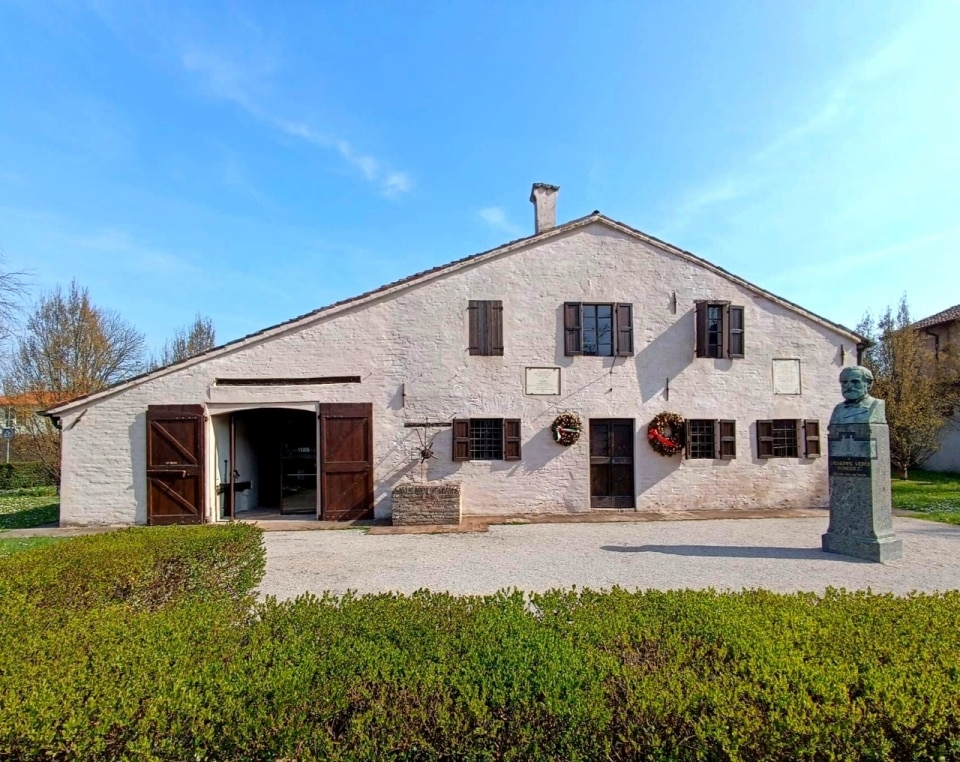
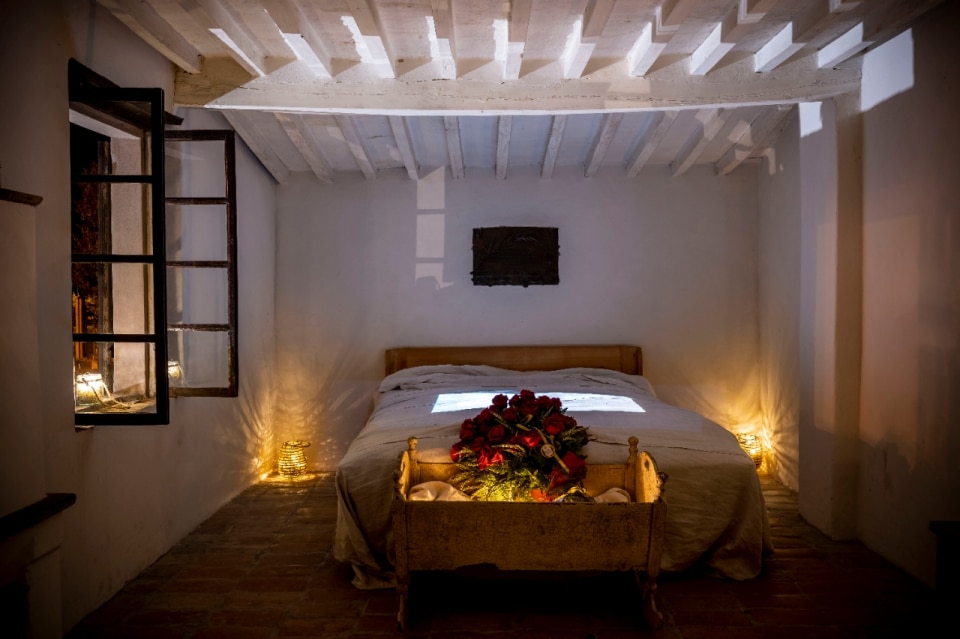
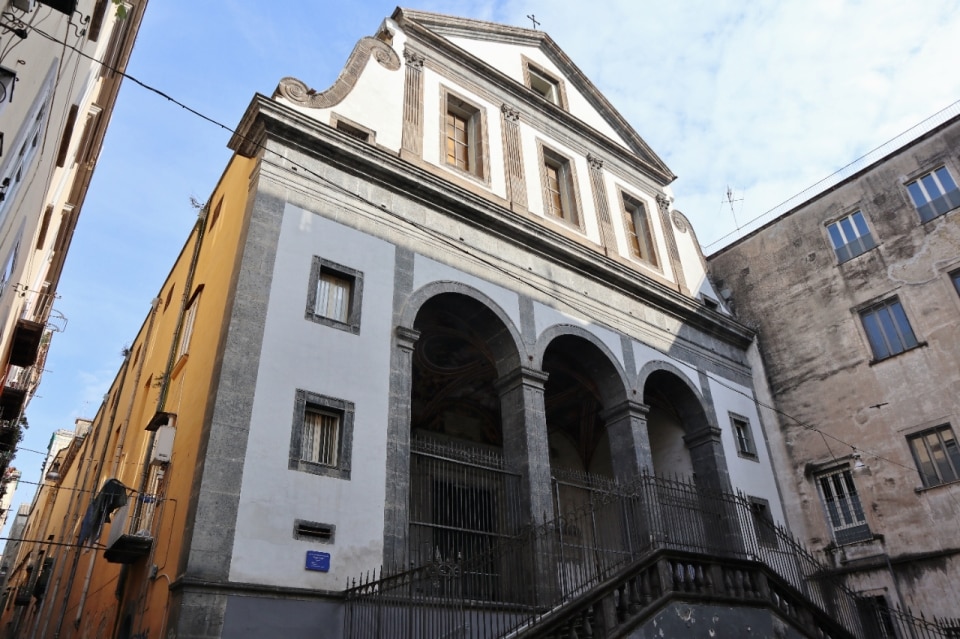
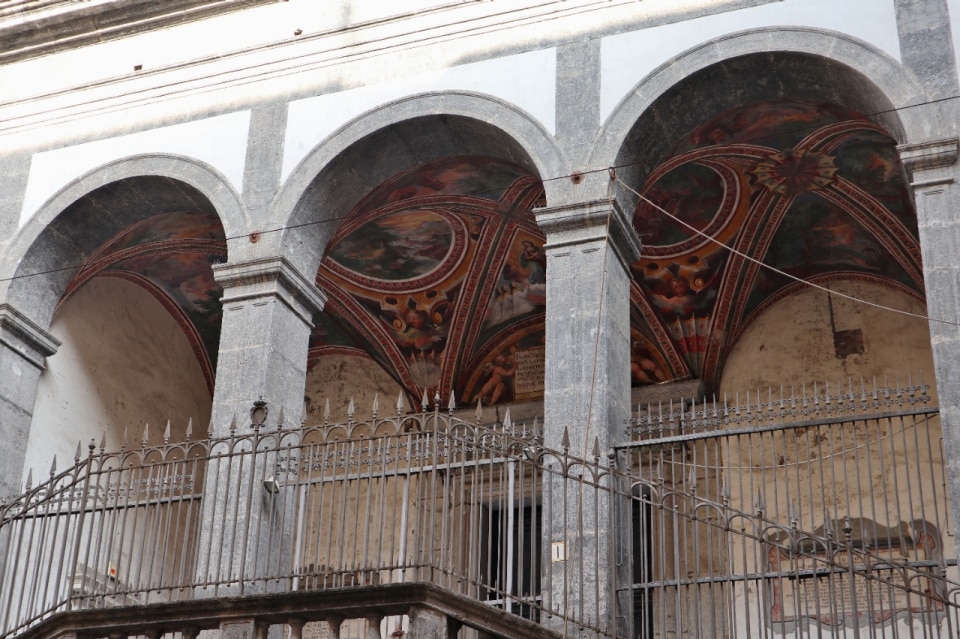
Many 19th-century villas will also be open for the occasion, such as Villa Verdi in Sant’Agata (Piacenza), which conveys the intimacy of the composer’s domestic space as an extension of his creative world. Religious sites are also included, such as the Monastery of Regina Coeli in Naples, an intertwining of convent architecture and Baroque art.
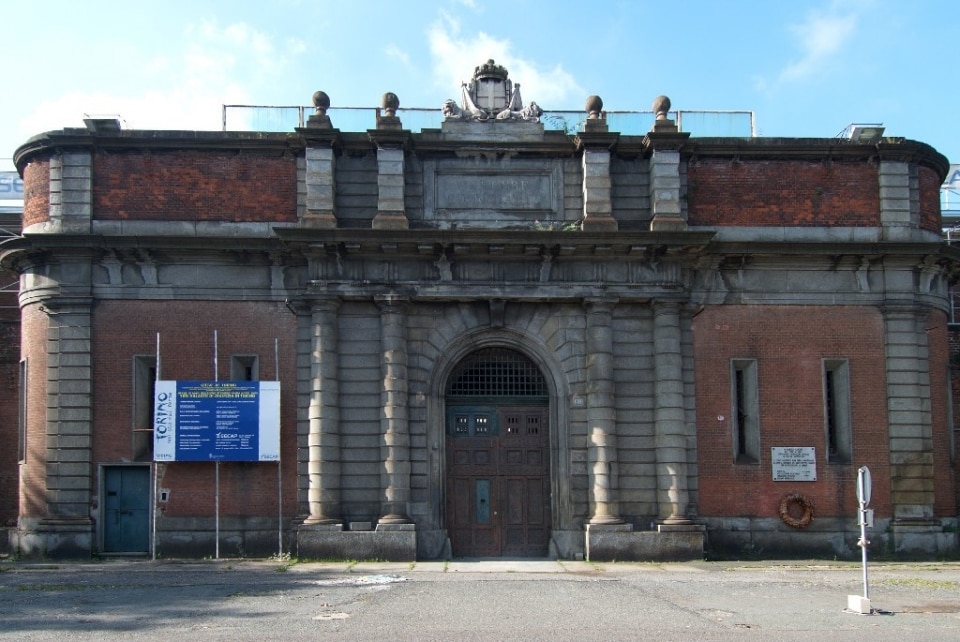
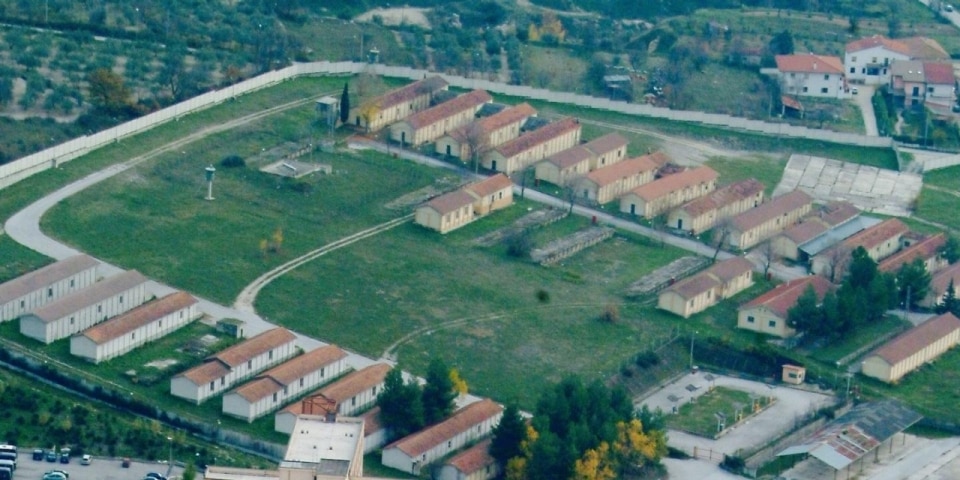
Finally, there is room for places of collective memory, including the former Le Nuove Prison in Turin, which in recent years has been repurposed for cultural and exhibition activities, and Camp No. 78 in Sulmona, near L’Aquila—originally built for prisoners of World War I and later used for Anglo-American POWs between 1940 and 1943.