

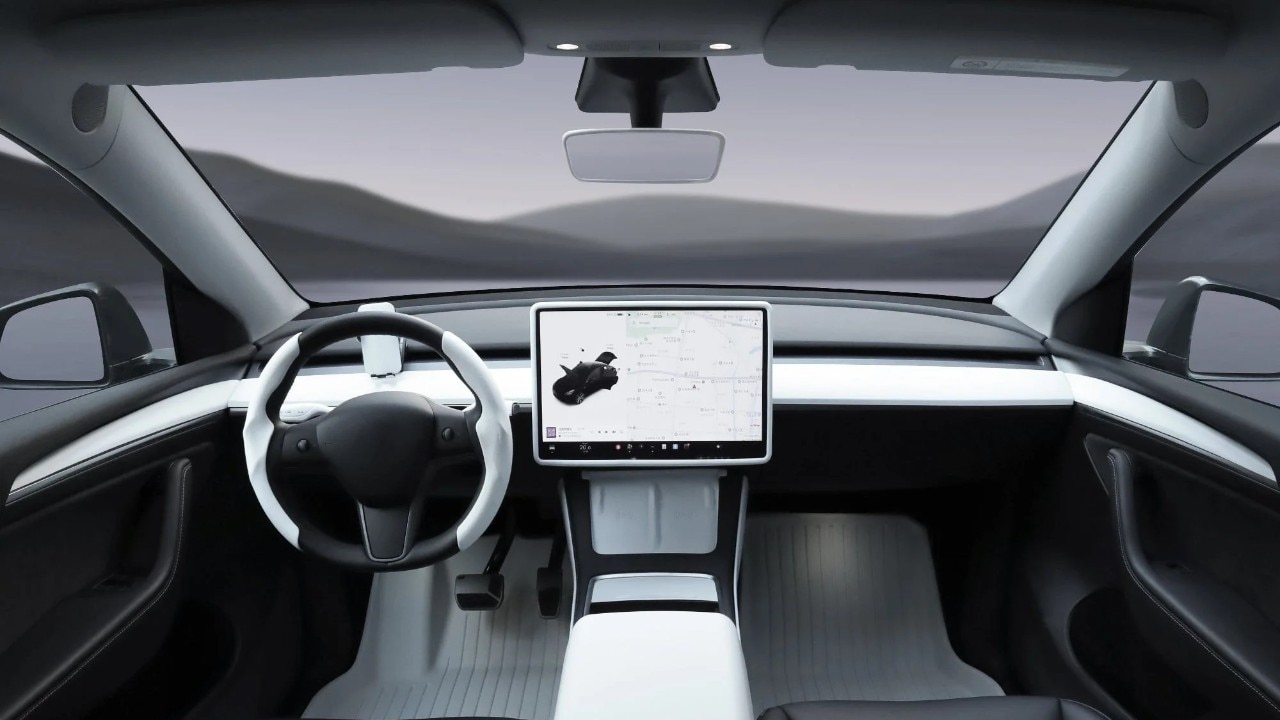

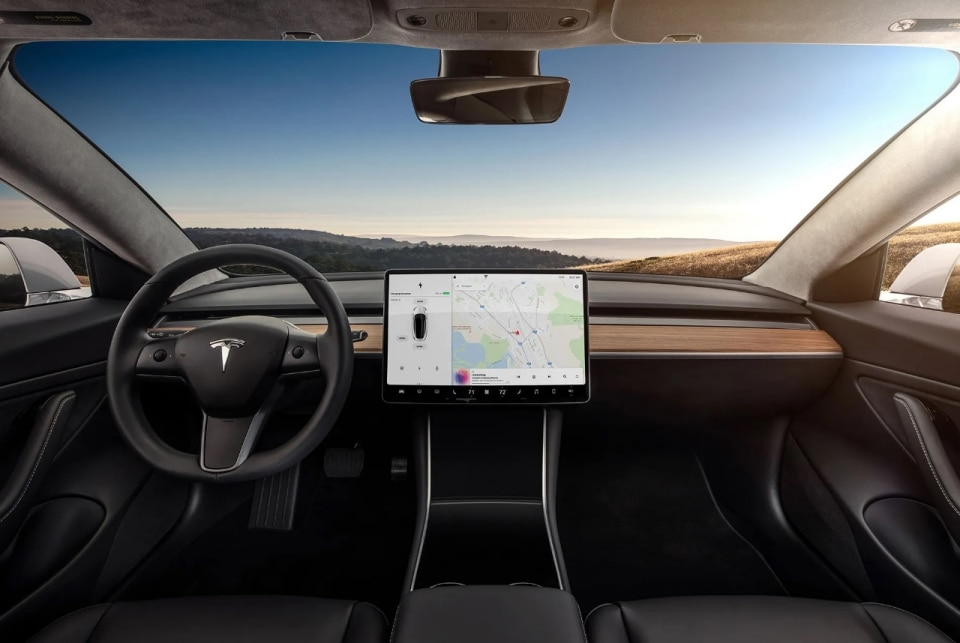
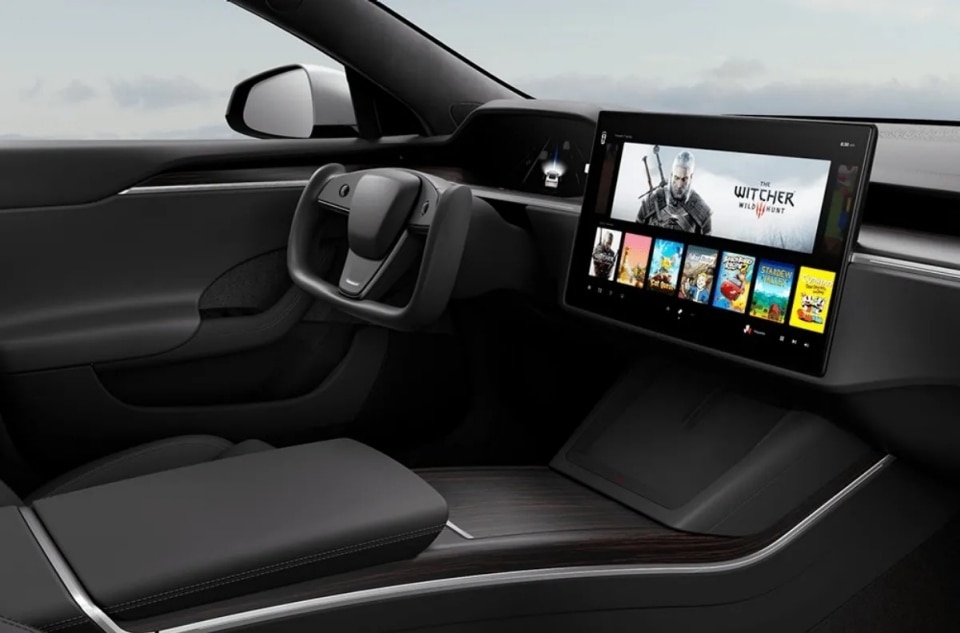
China is introducing new regulations that will mandate the inclusion of physical buttons and switches for essential car functions, moving away from the minimalist, touchscreen-heavy interior designs popularized by automakers like Tesla. The new rules devised by the Ministry of Industry and Information Technology might come into effect next year and aim to reduce driver distraction by ensuring that critical controls are "blind-operable," meaning they can be used easily without a driver taking their eyes off the road.
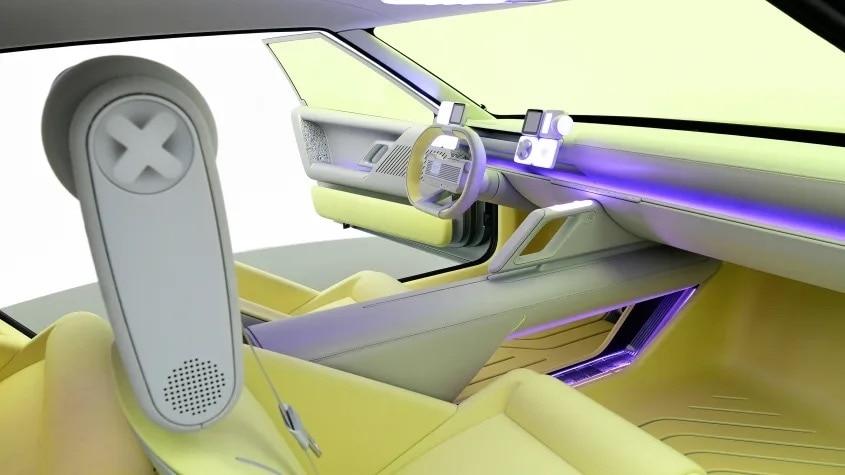
That is clearly not the case for touchscreen-based functions, which require the driver to focus, even if briefly, on the visual cues of the screen. Touchscreens can easily be shaped to look sleek and futuristic, and interior designers have embraced them enthusiastically in recent years as a quintessential visual cue for progress and innovation.



At the same time, the shift from physical commands to touchscreens has led to significant customer dissatisfaction and usability issues.
According to a 2024 Hyundai survey, drivers have reported feeling "stressed and annoyed" when struggling to operate essential functions through digital menus. The Korean manufacturer has therefore committed to using physical knobs for features people use the most.
The German automobile association ADAC's findings echo Hyundai's stance on car usability. A 2025 test conducted by the association gave vehicles an average operability score of 2.7, with some models rising to 4.0. The trend has been moving in the wrong direction for years, up from 2.3 in 2019 to 2.6 in 2022.
Euro NCAP is also stepping in: from January 2026, usability will count toward safety ratings, and cars that rely only on touchscreens for functions like turn signals or windshield wipers will be marked down.
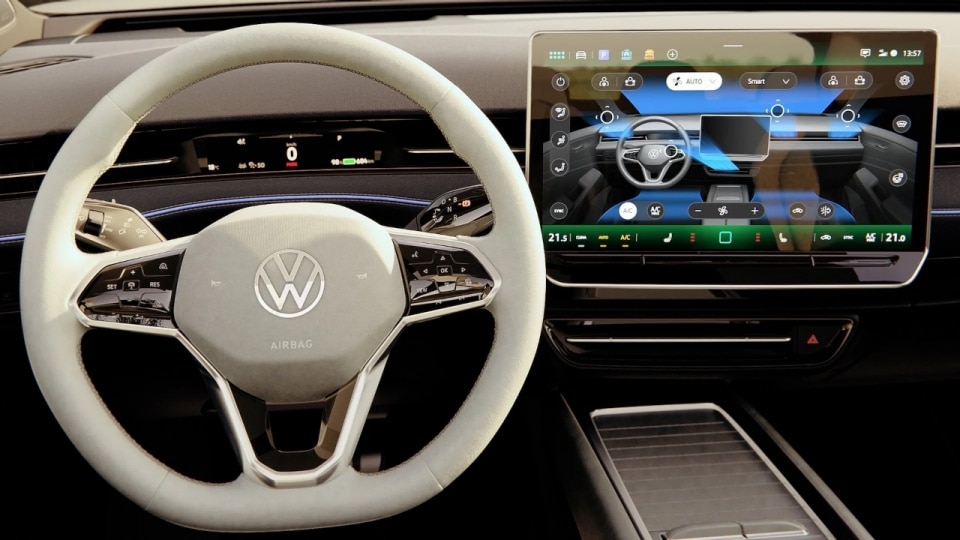
Due to these concerns and additional internal tests, several European carmakers like Volkswagen have already reintroduced physical buttons for climate and audio controls after admitting that too many touch inputs made driving more difficult. Mercedes-Benz has also replaced touch sliders on steering wheels with traditional switches.
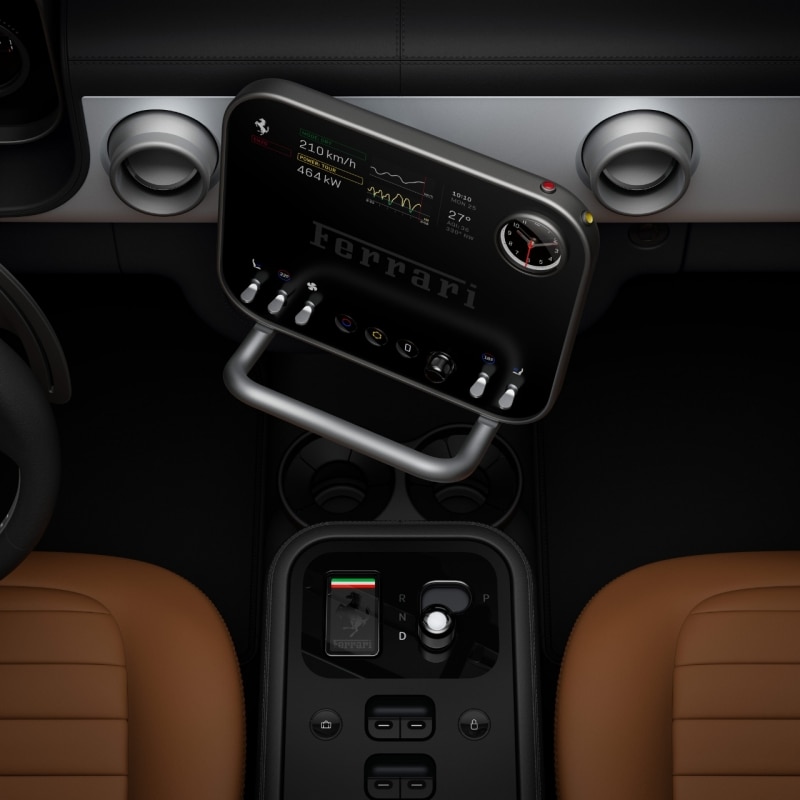
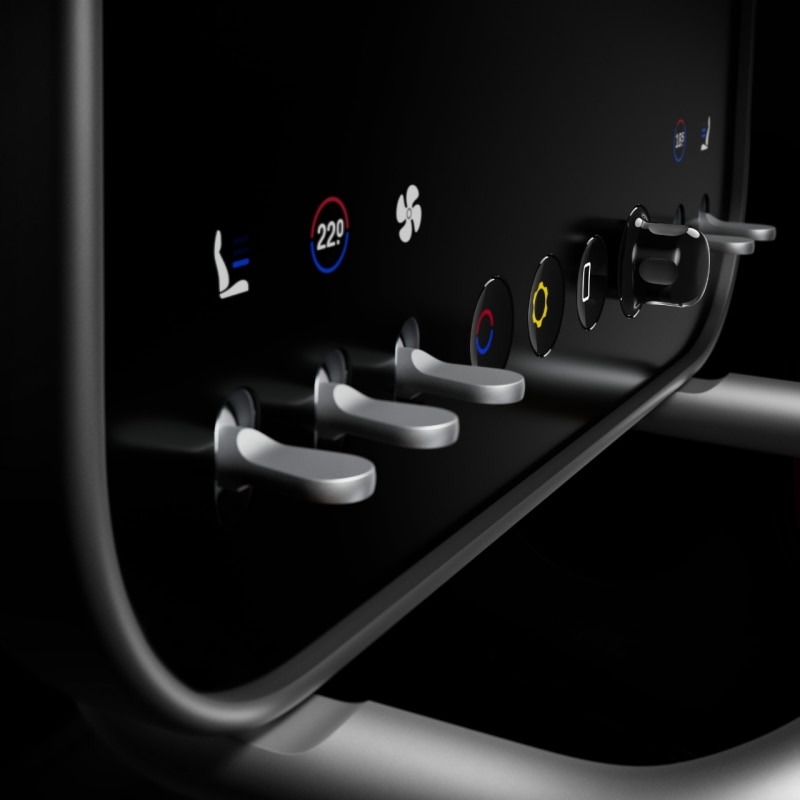
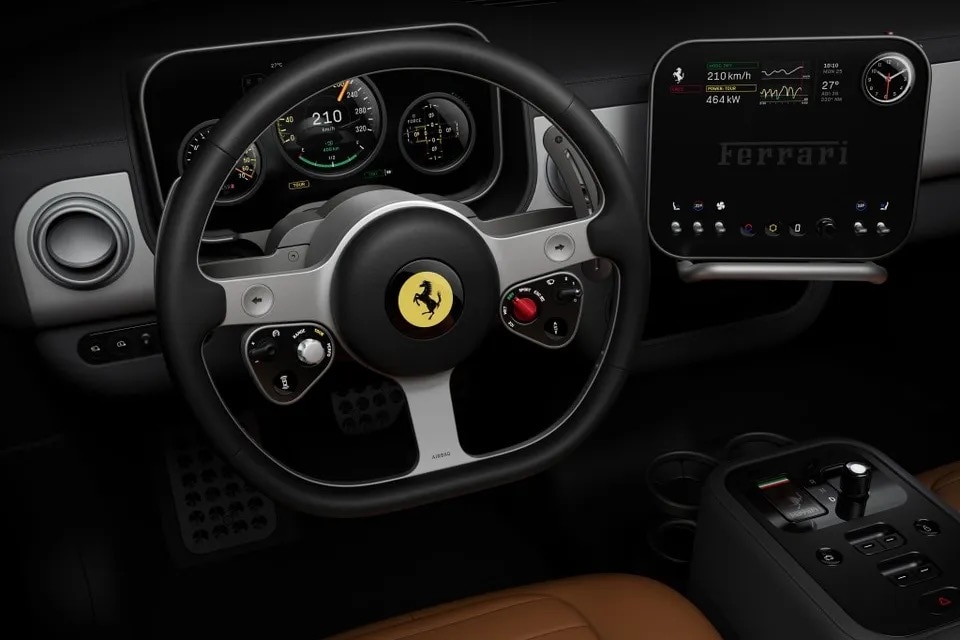
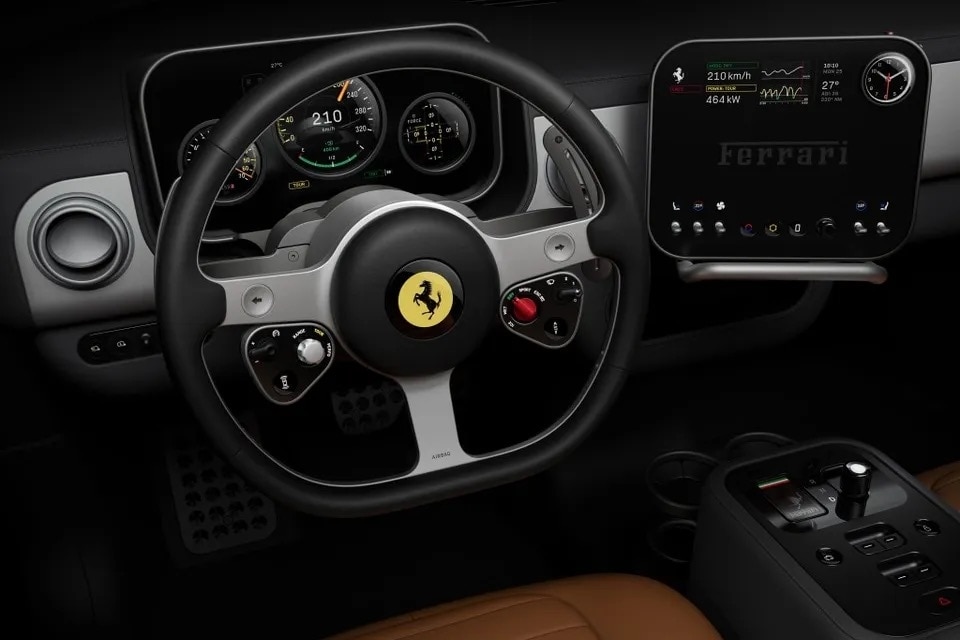
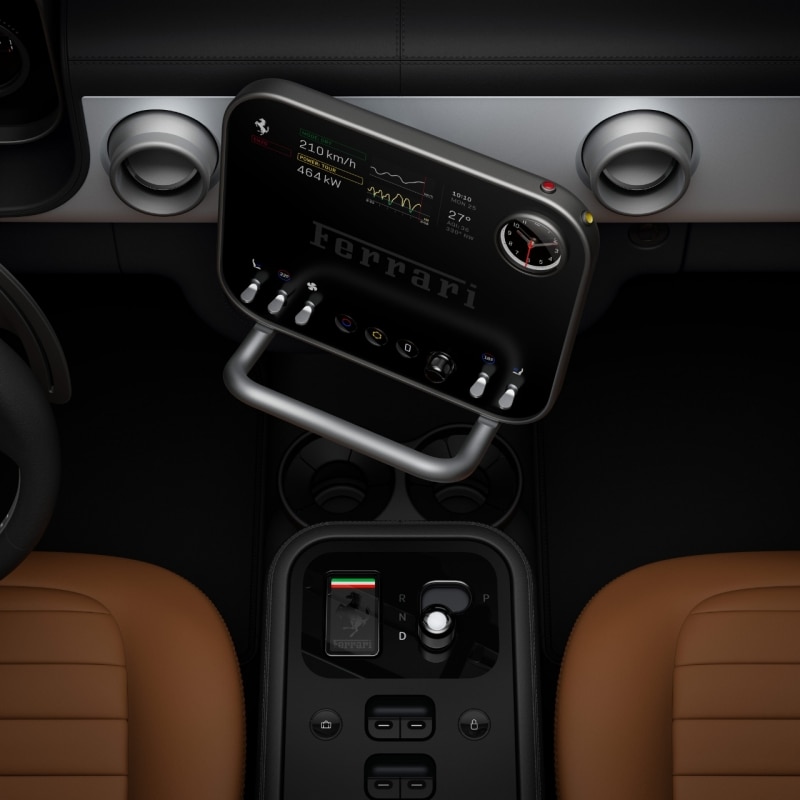
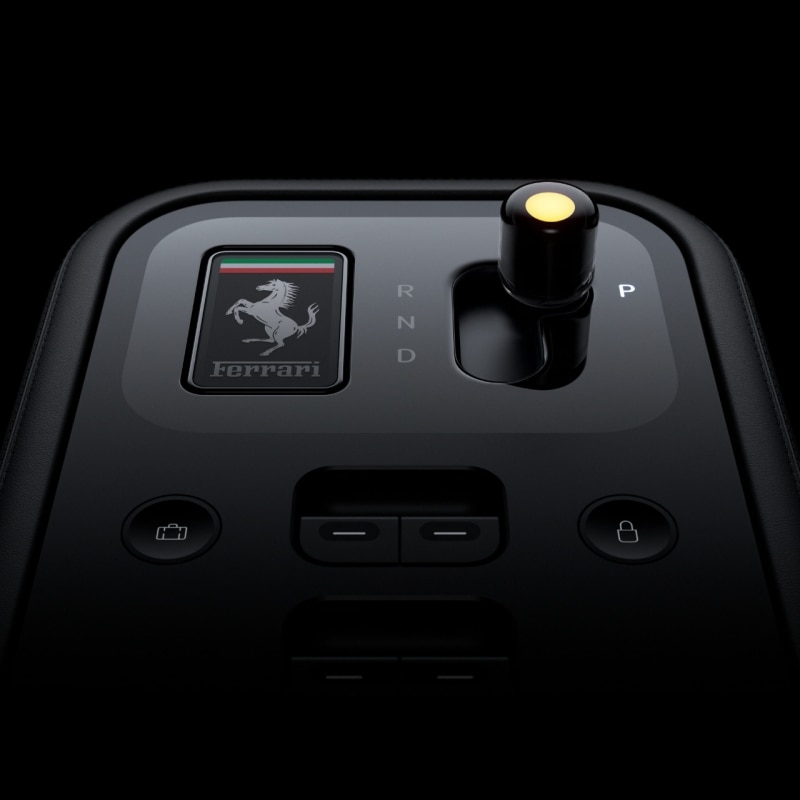
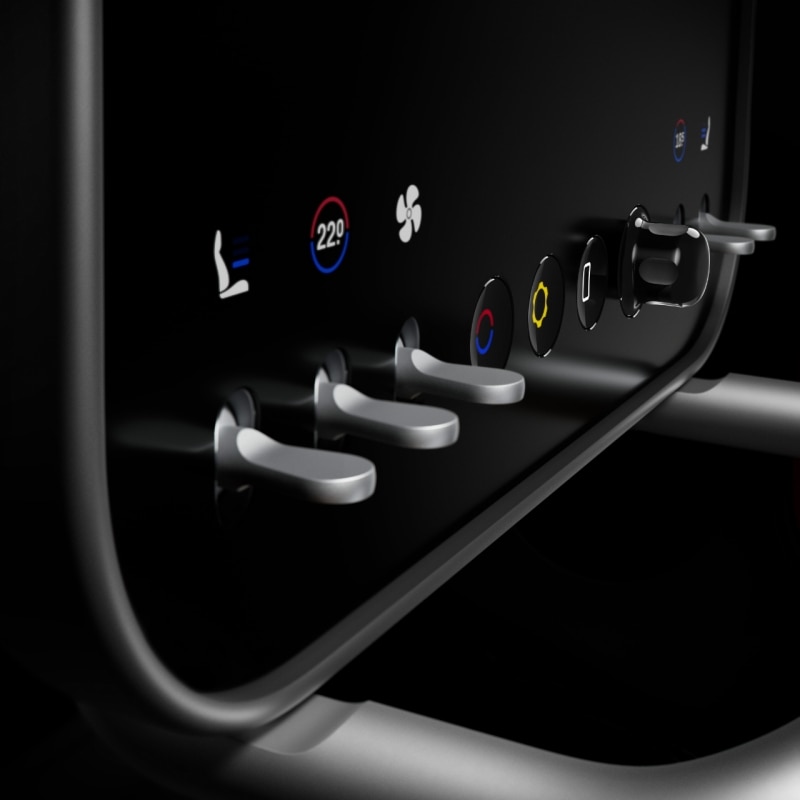
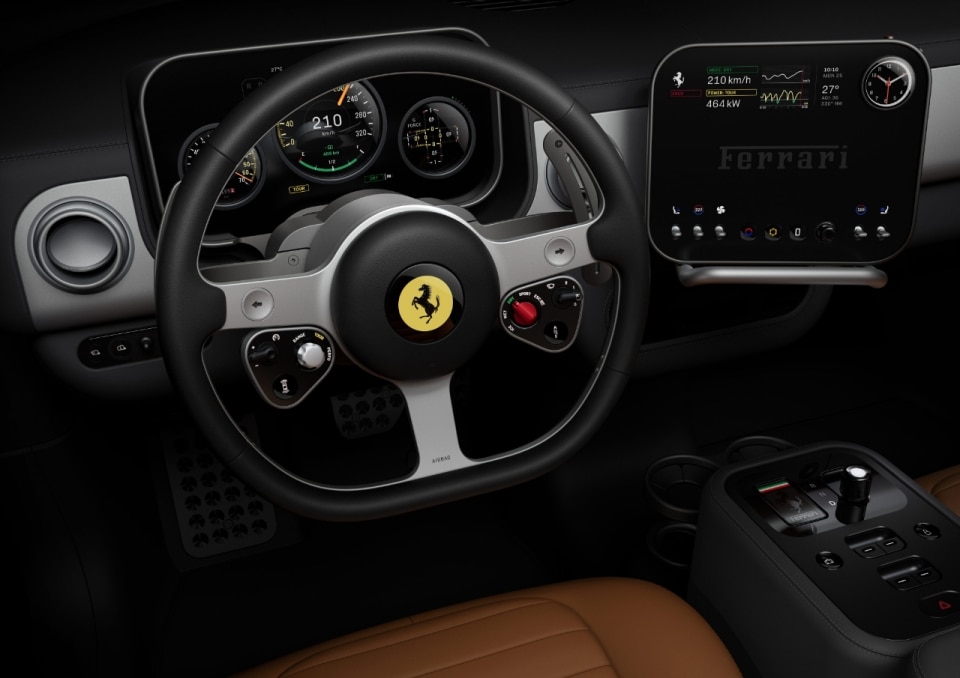
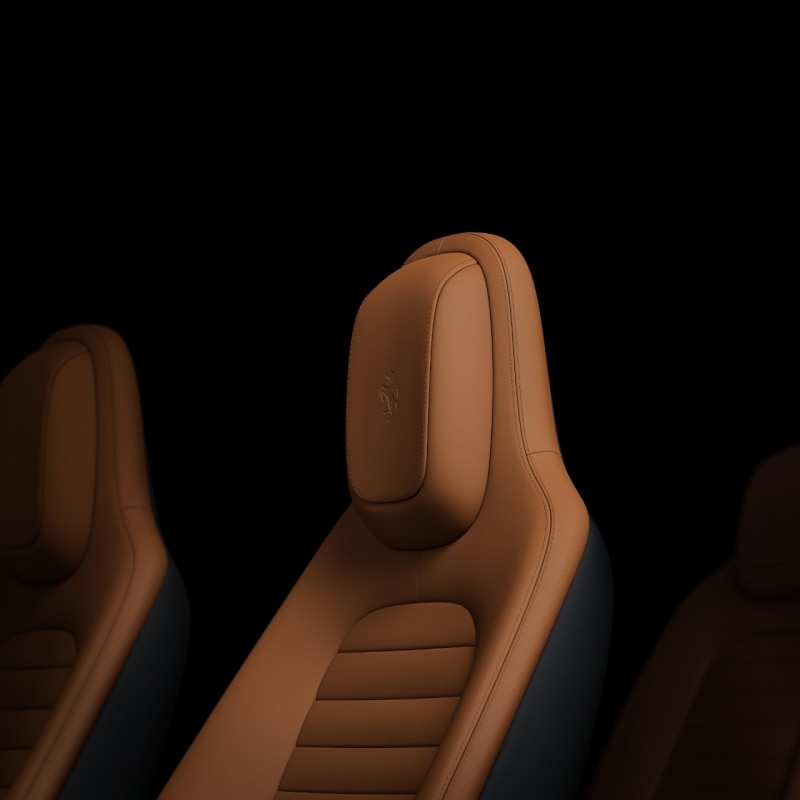
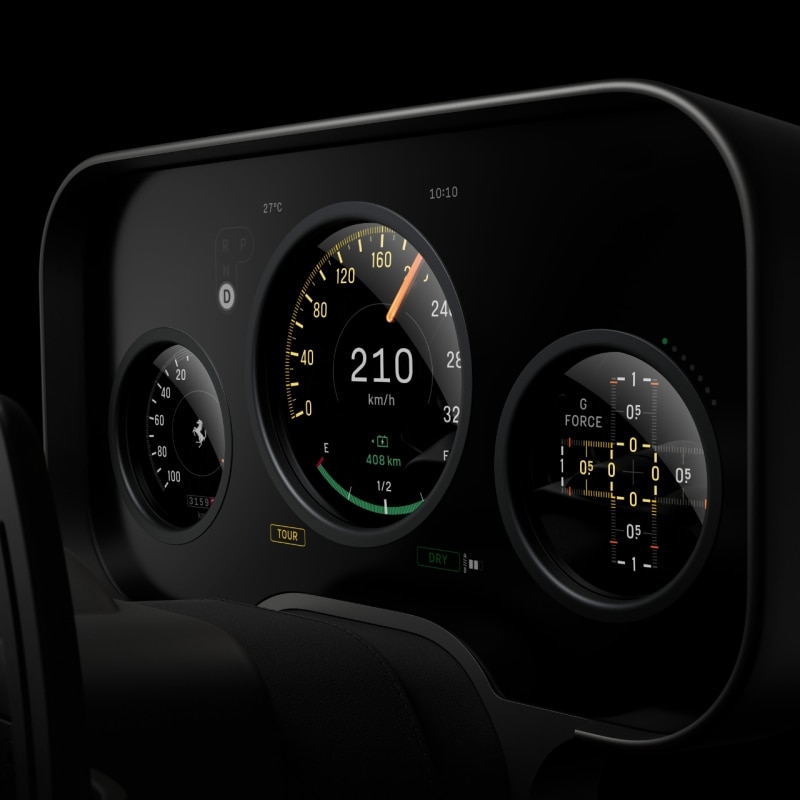
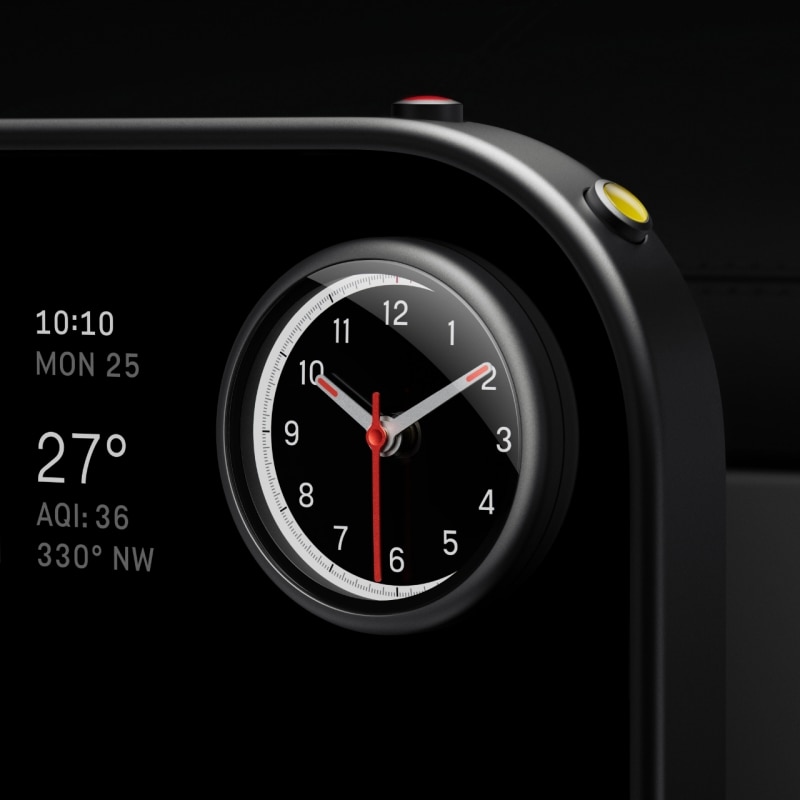
The return to physical commands is a clear trend even for new high-end projects, like the interior of the new Ferrari Luce designed by Jony Ive and Mark Newson. The designers limited the size of the central info-screen and resorted to physical knobs and switches for most of the main car functions.
China's new regulations, together with similar ones that are being enacted in Europe, therefore seem to be interpreting and codifying a new global trend that most manufacturers are ready to adopt.
It will now be interesting to see how manufacturers will also adapt their concepts and forward-looking design to acknowledge that most drivers actually dislike touchscreens in cars. From a user perspective, it is in fact refreshing to see that some sanity is being pumped back into EV design. Boring safety and usability constraints will now start to inform efficient and functional design again, as they should, with form taking a backseat to function after many years of wild experimentation at the expense of the actual driving experience.