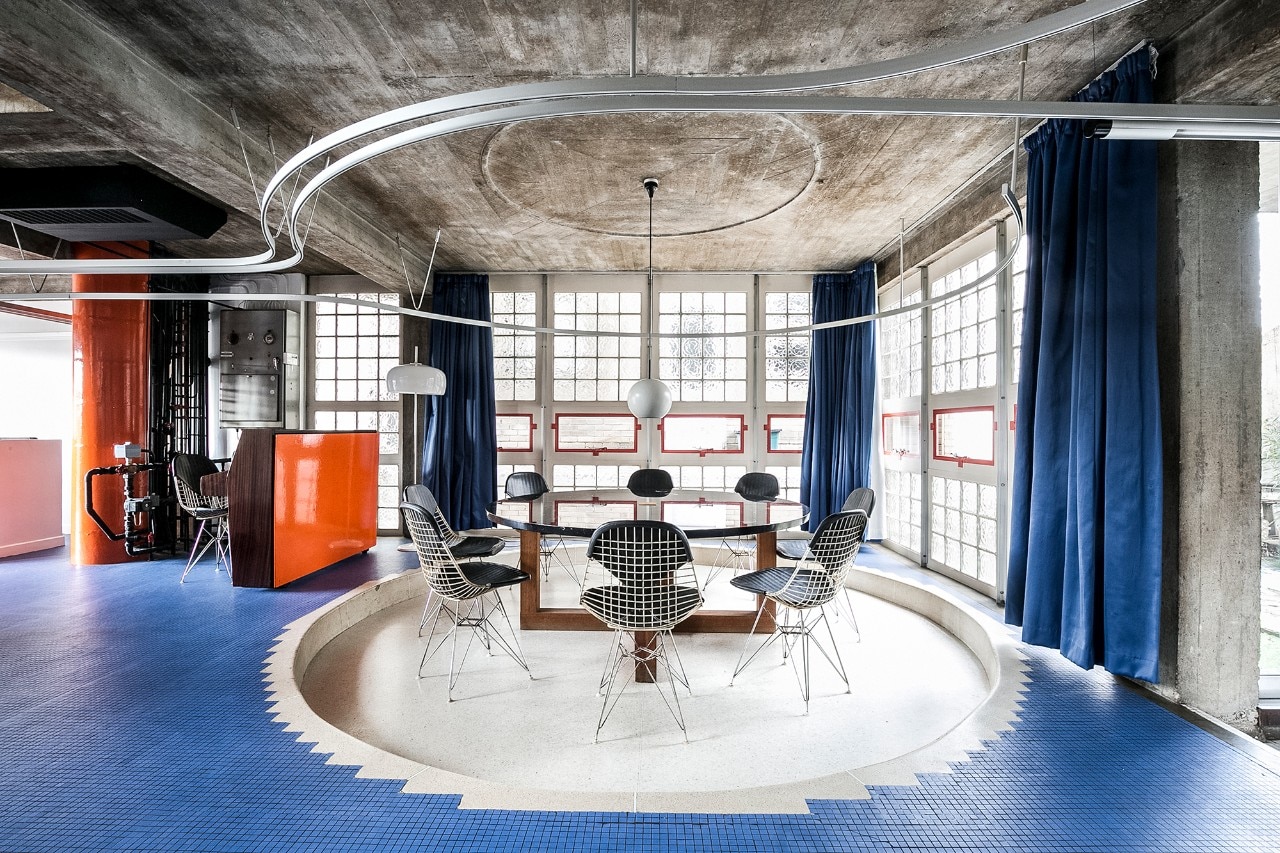

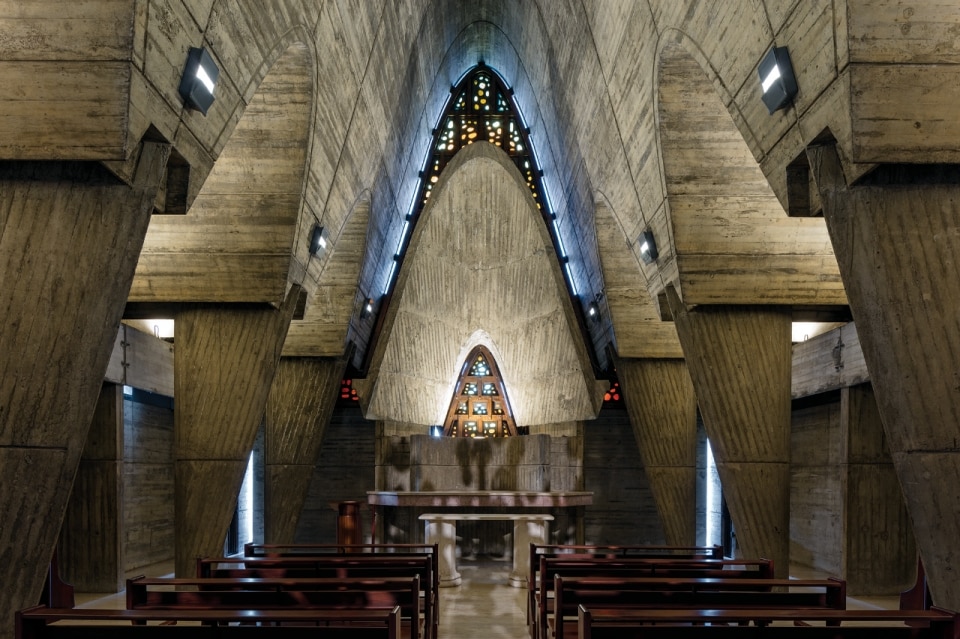
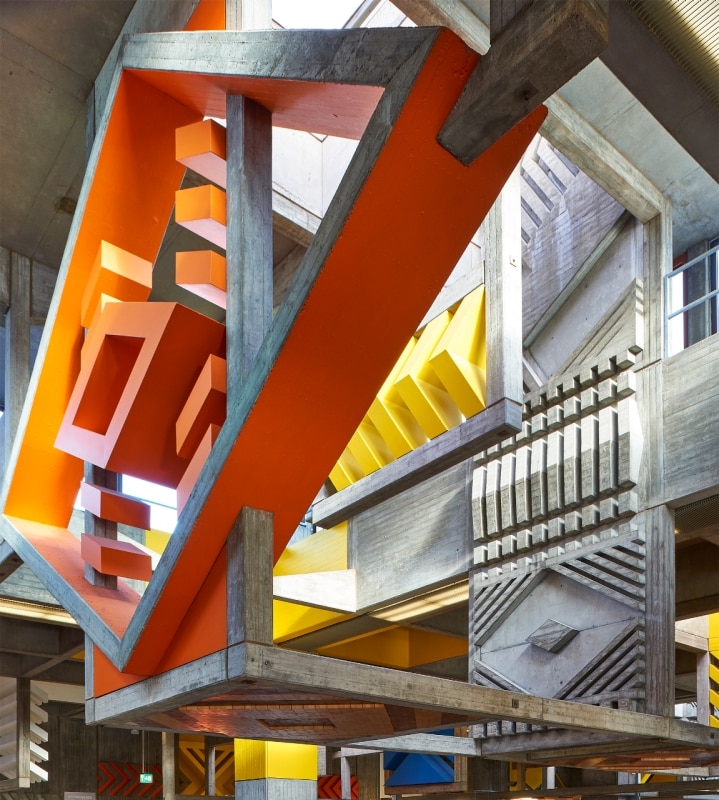
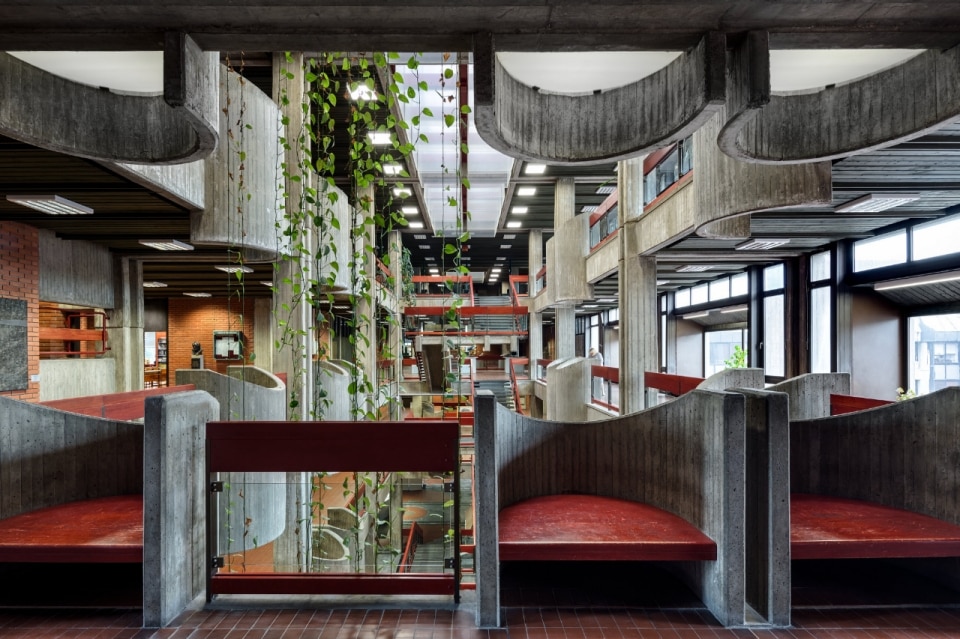
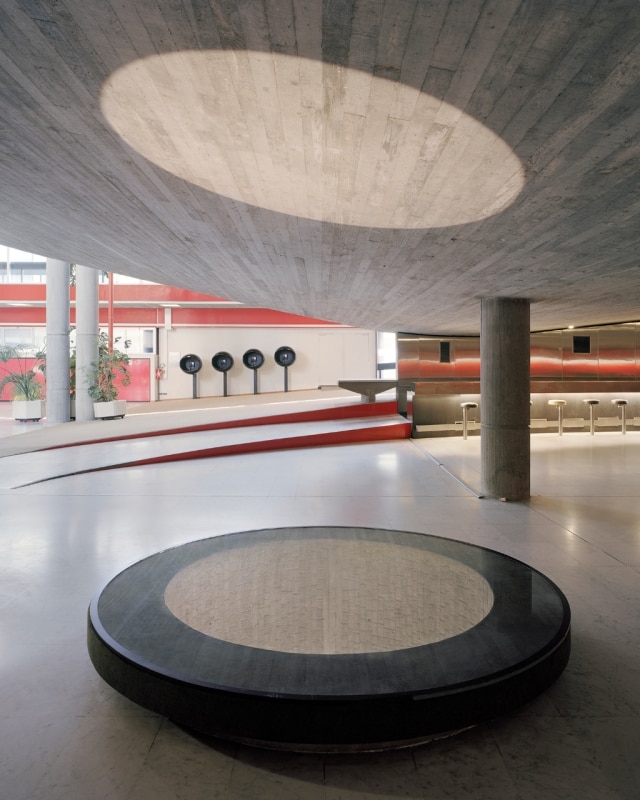
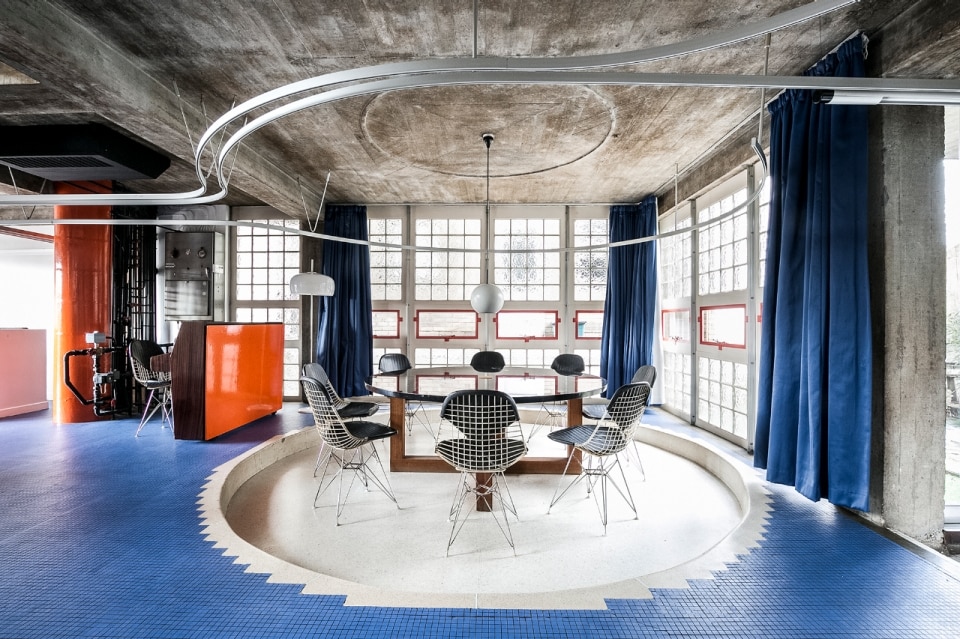
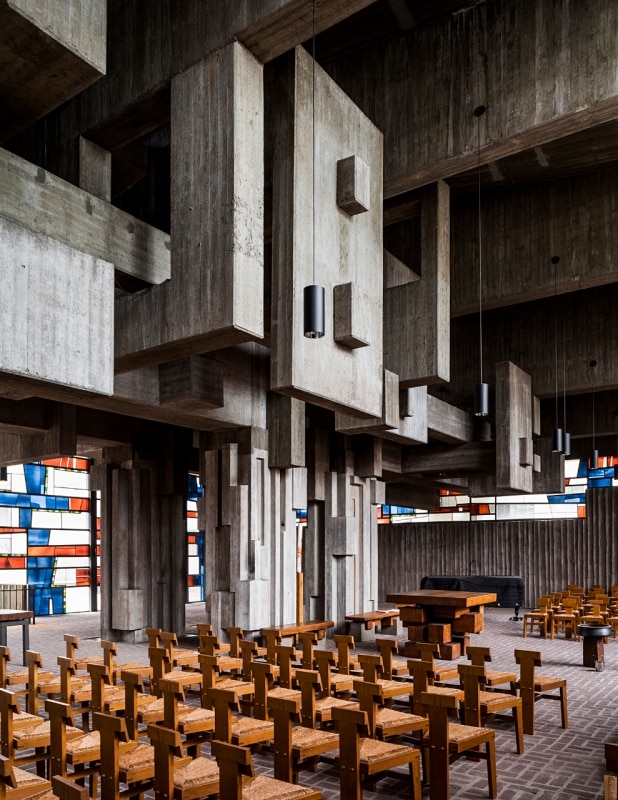
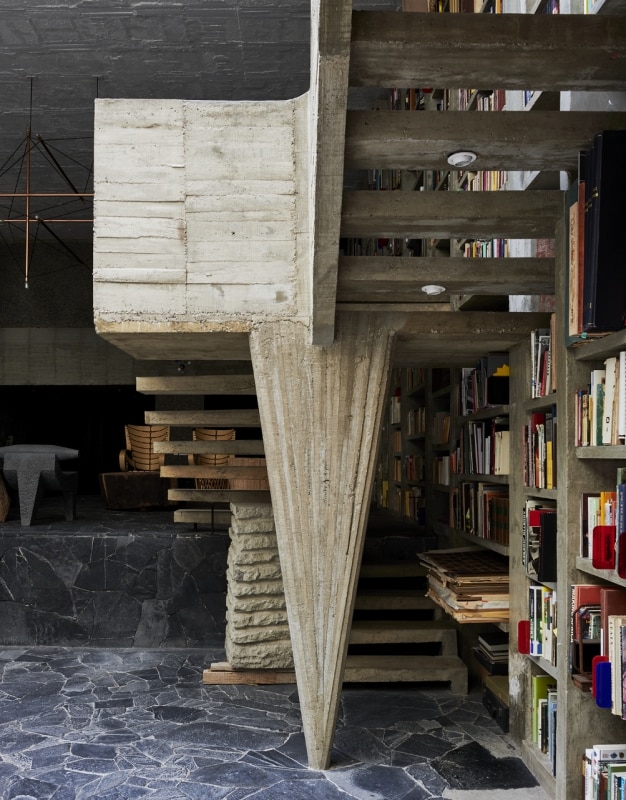
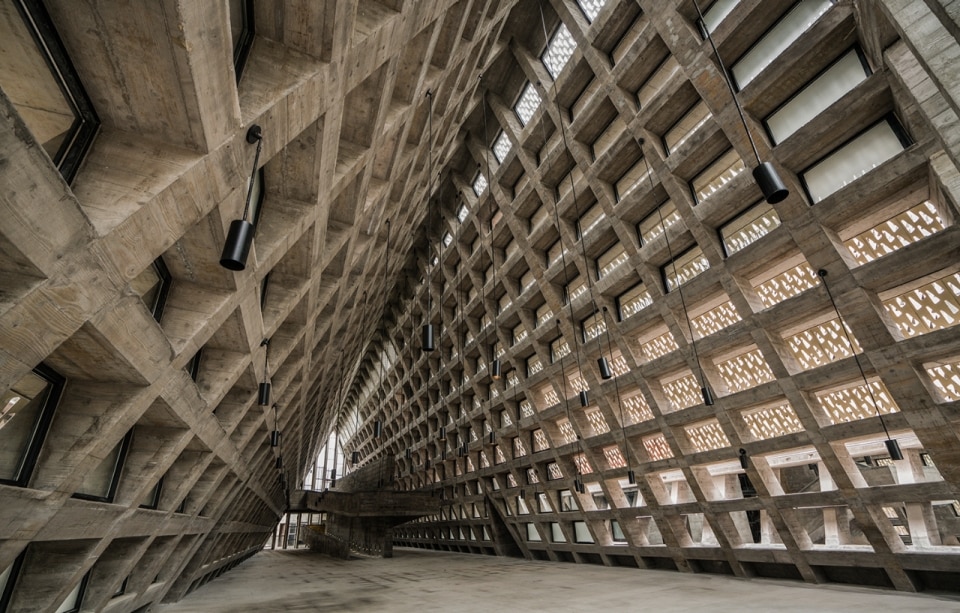
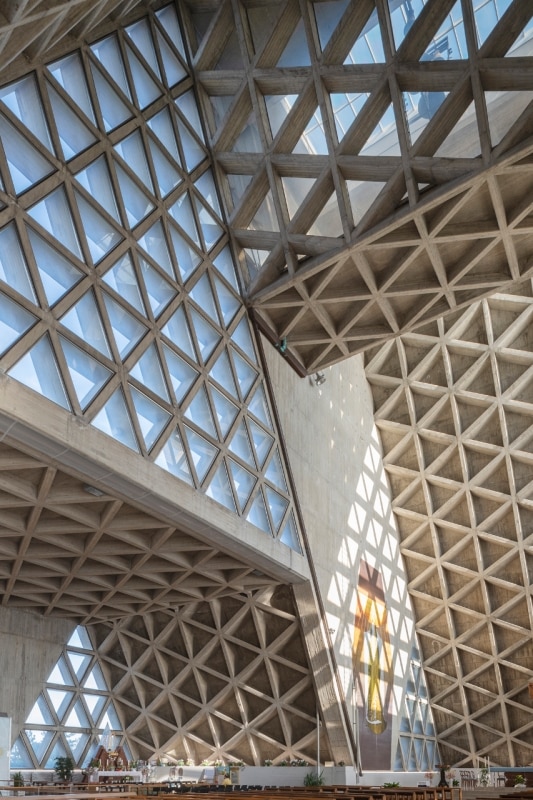
About which buildings can actually be called "Brutalist" there has always been some general confusion, especially since Brutalism, moving away from the architectural current that arose in the 1950s to subvert the Modern Movement, has ended up becoming synonymous with an aesthetic exhibited on social media. But regardless of trends and the collective imagination, one thing is certain: Brutalism is not just gray and not just made of concrete.
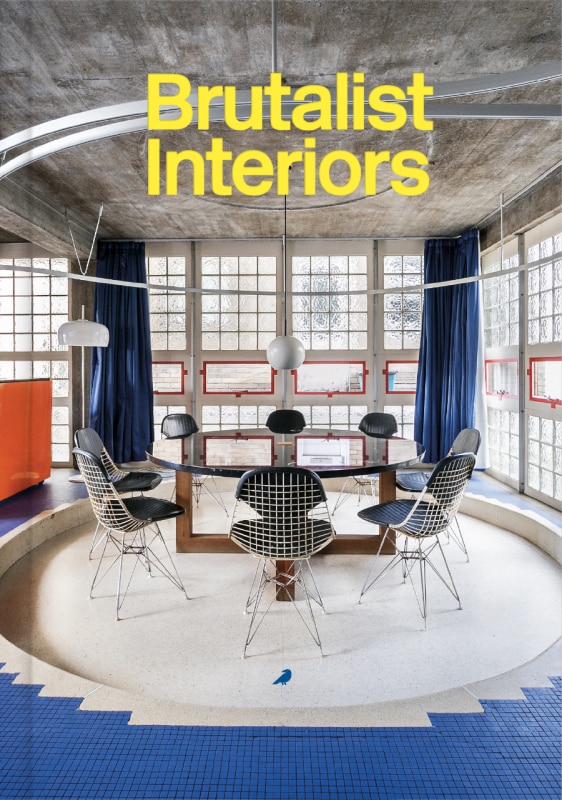
The latest photo book produced by Blue Crow Media, the independent publishing house known for its thematic maps in cities around the world, such as those of Vienna or Paris, shows this openly, collecting more than 100 interiors of Brutalist architecture in 30 countries. The images contained in Brutalist Interiors are by Iwan Baan, Roberto Conte, Stefano Perego and other international photographers who have captured the essence of these buildings, going beyond the outer shell.
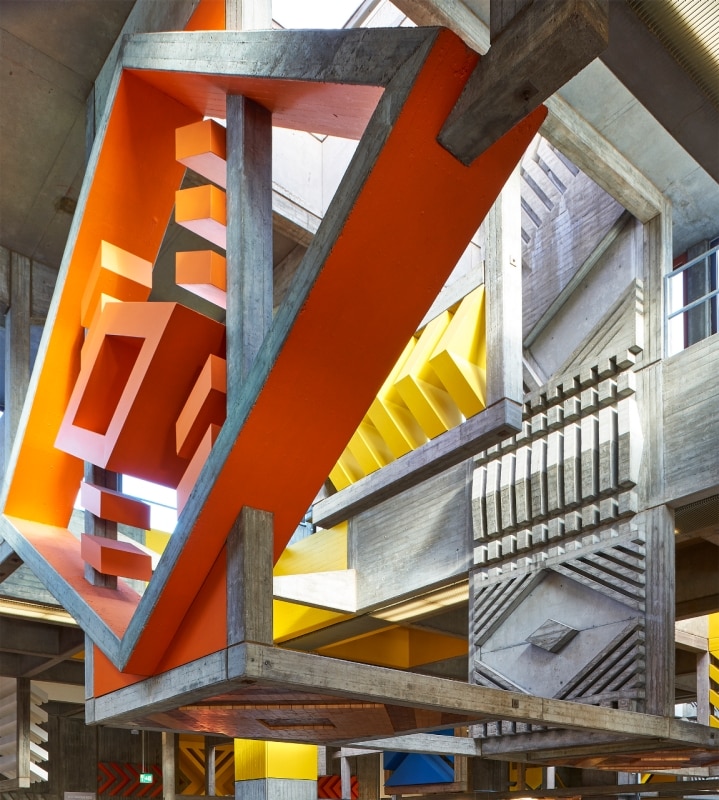
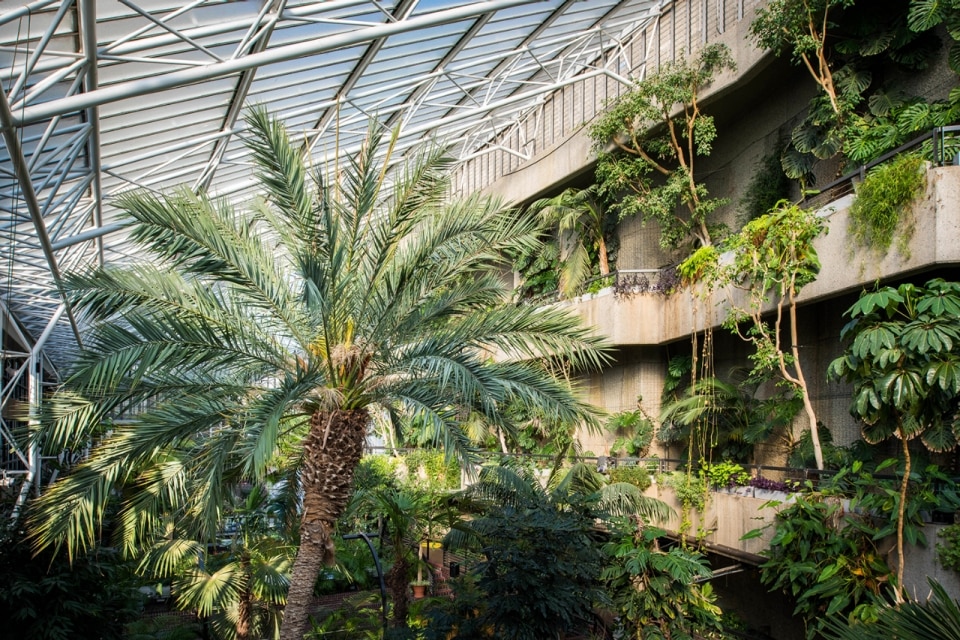
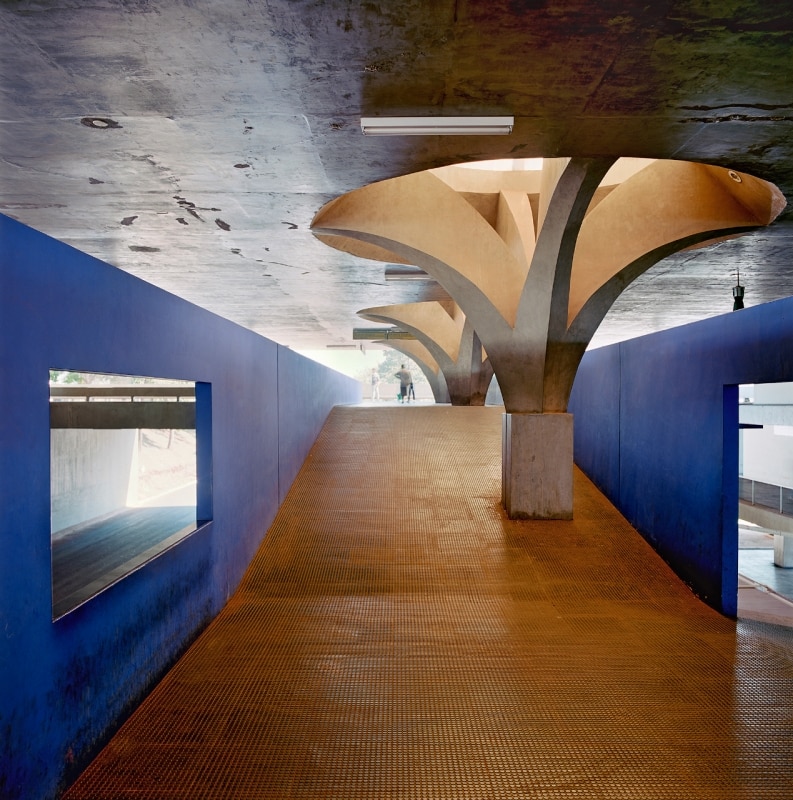
There are the interiors of Moshe Safdie's Habitat 67 in Montreal, the Faculty of Philosophy in Novi Sad, Serbia, the immaculate interiors of Tadao Ando's Japanese architecture, and the incredible greenhouse of the Barbican Centre in London. Many projects show spaces strongly characterized by bright colors, such as the Saarland University Canteen in Saarland, Germany, or the Jaú Bus Station in Brazil.
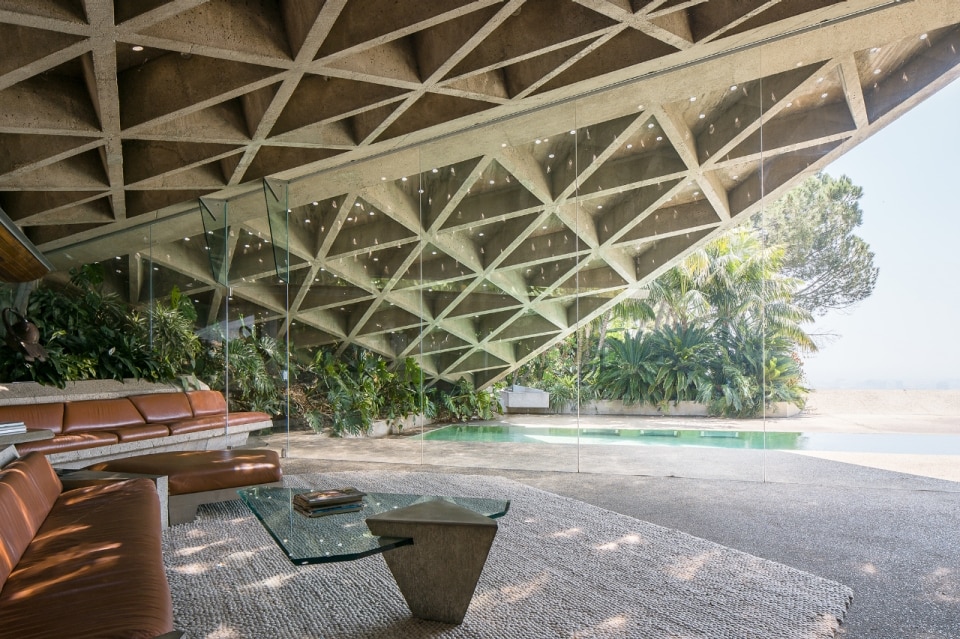
There then appear interiors in which, alongside concrete, there are brick walls, wooden elements and micro-tile floors, as in the case of Housden House, the London dwelling designed by the architect for himself, or in which the use of glass allows for a greater enhancement of concrete, as in the Sheats Goldstein Residence by John Lautner.
Many of these sites are to this day inaccessible for different reasons, which makes the book a chance-perhaps unique-to preserve an intellectual record of them, thanks to the textual contributions of architectural historians and critics, but above all a visual demonstration that attempts to refocus Brutalism, inviting us to take a better look at what we thought we knew.