

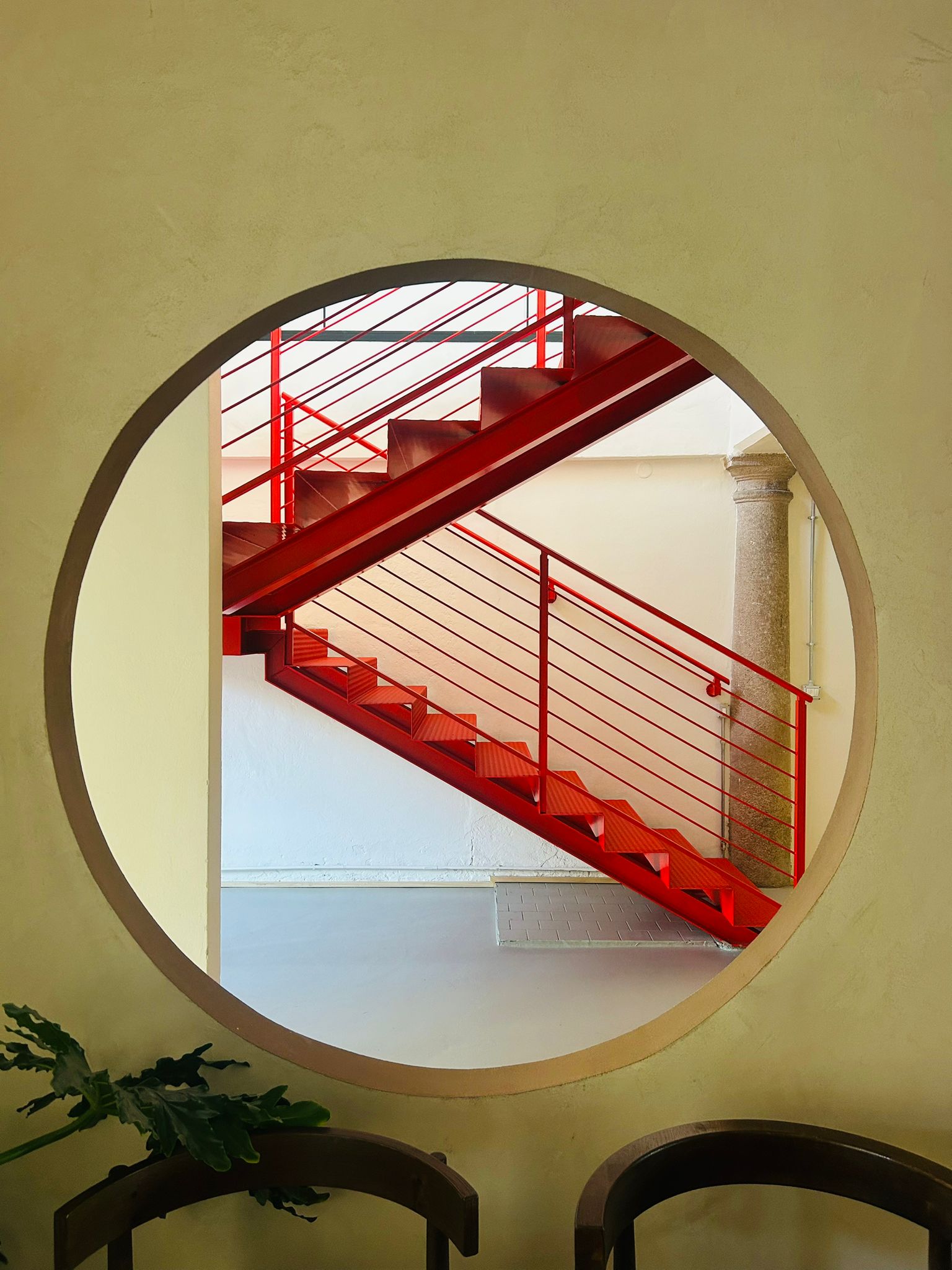
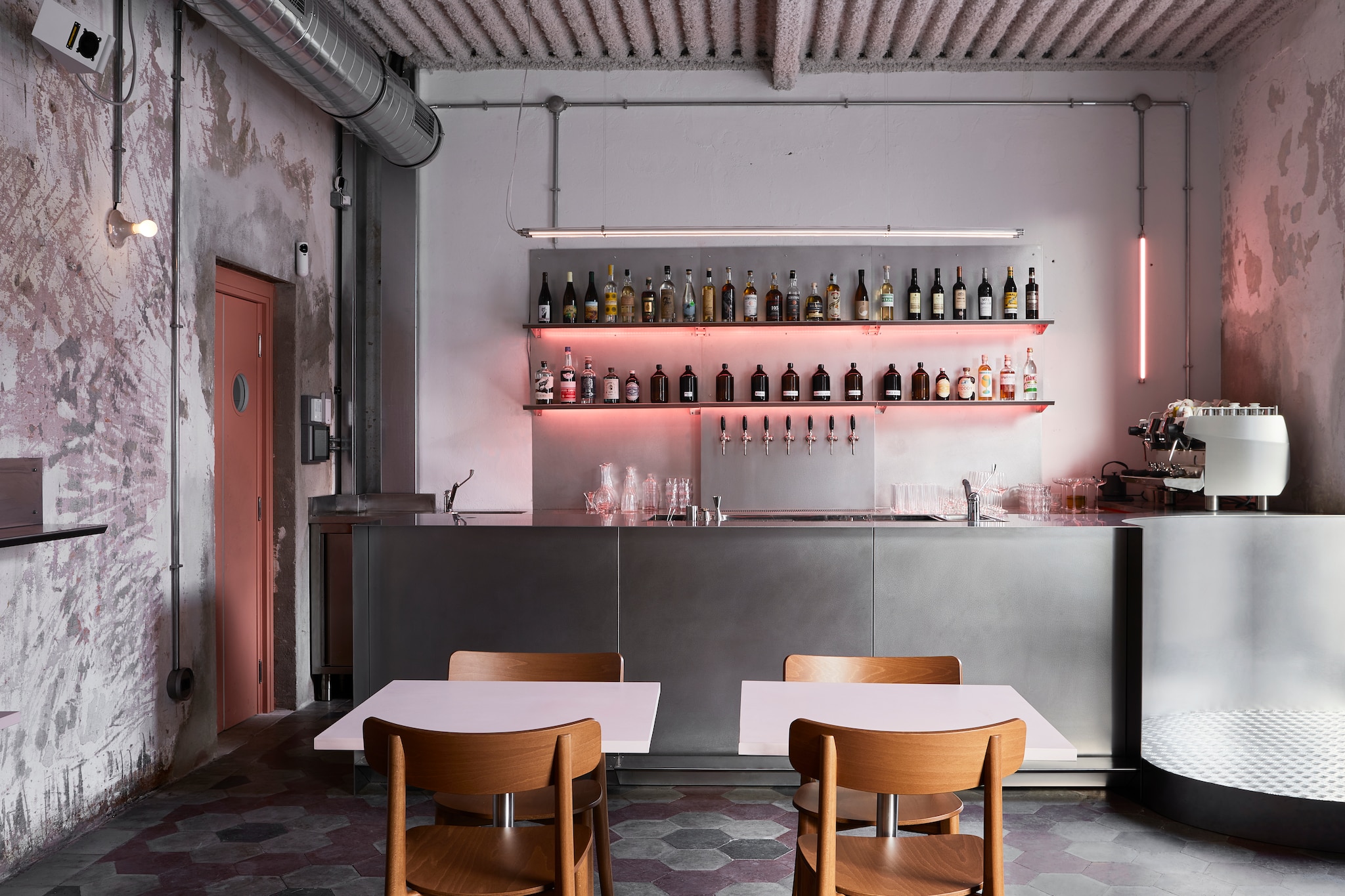
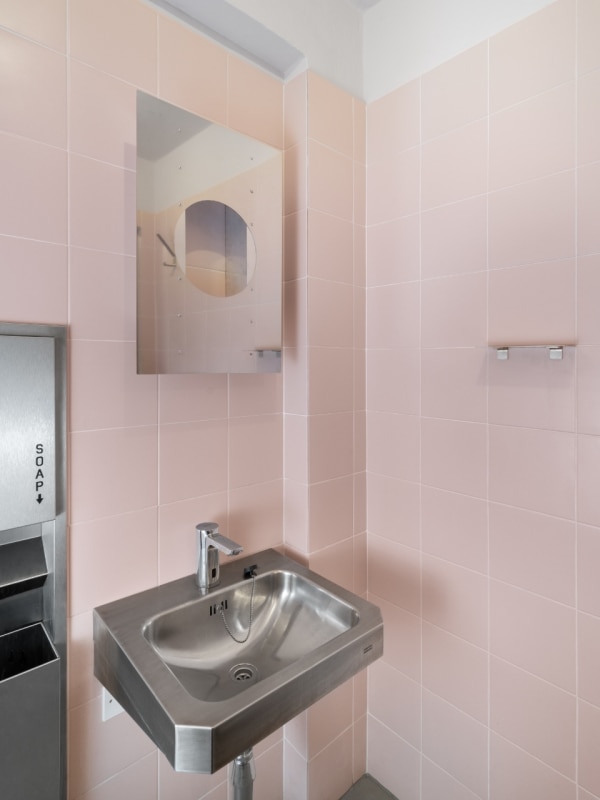
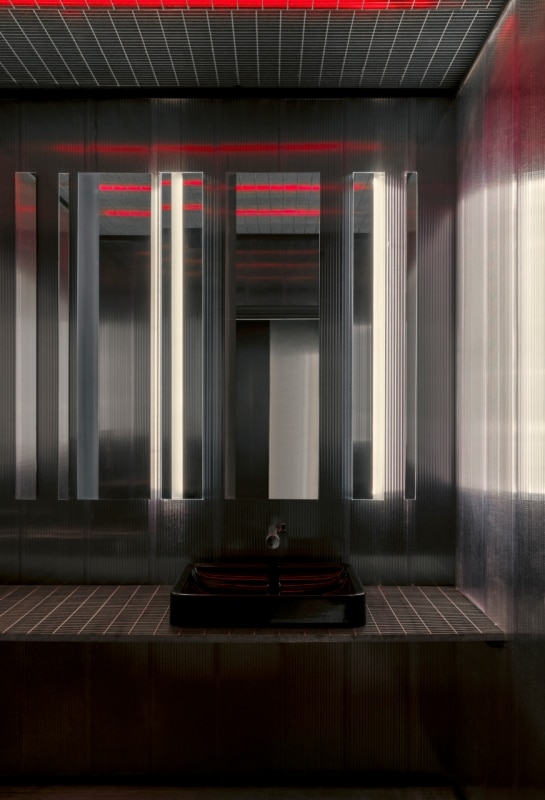
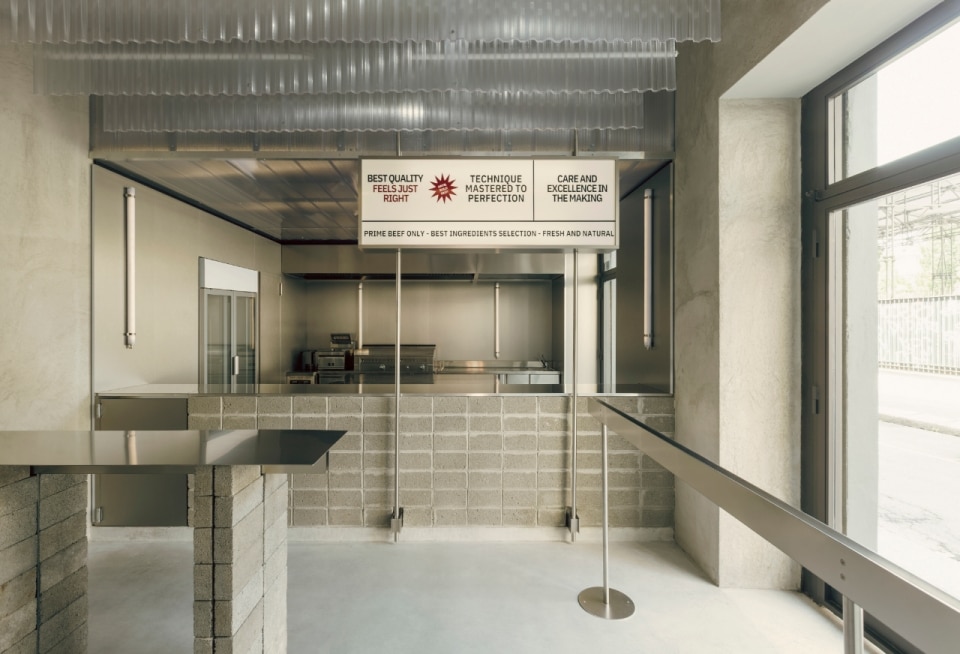
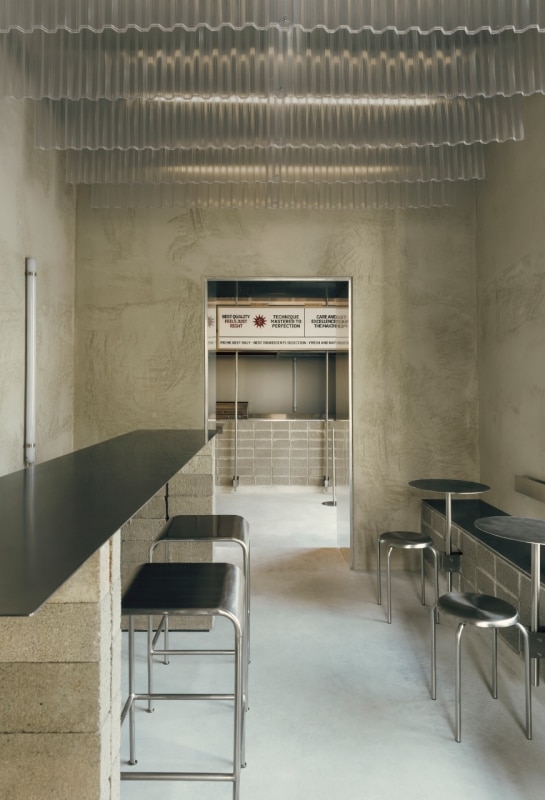
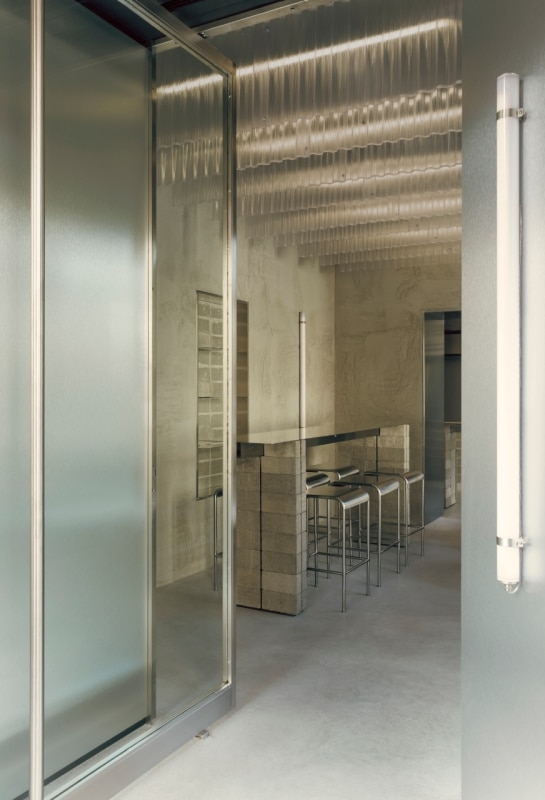
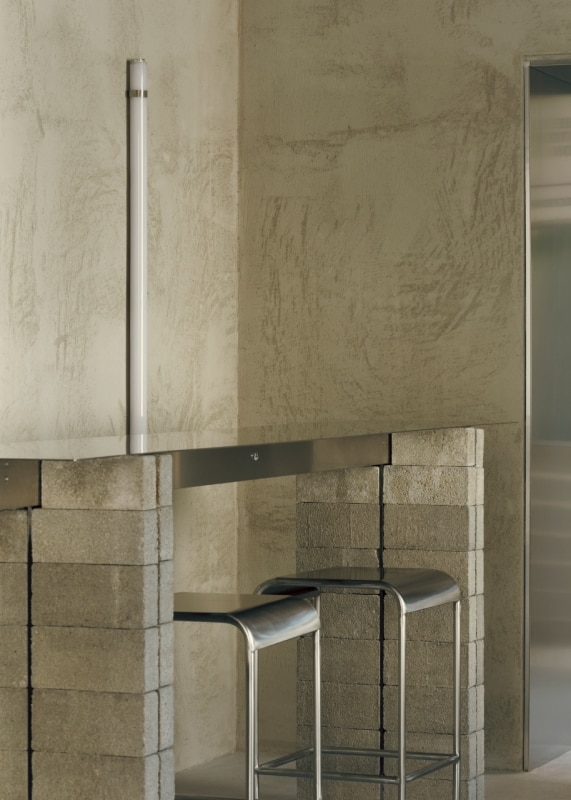
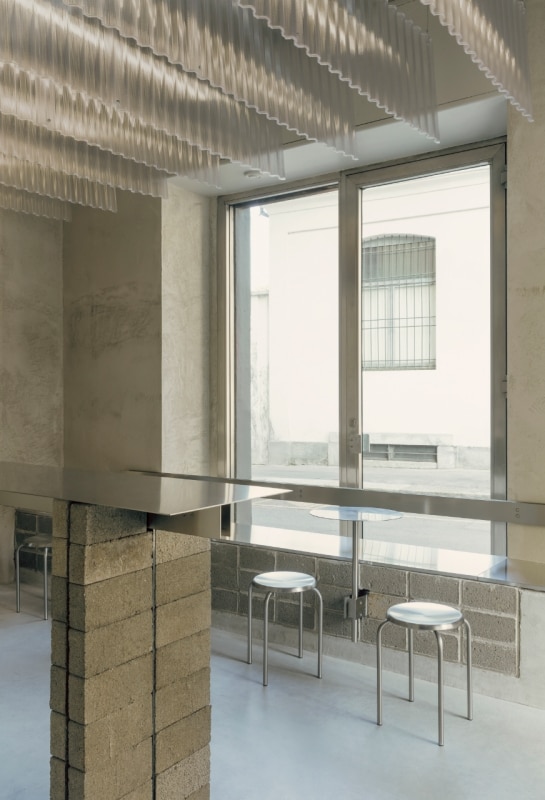
Ufo occupies over 1,500 square meters inside a former industrial building in a district some now call “SouPra,” home to the Olympic Village by SOM, numerous offices, and the Prada Foundation designed by OMA—Milan’s epicenter for contemporary art and elegant weekend selfies. SouPra stands for “South of Prada”: a previously “empty” neighborhood now in need of gathering places. And finally, the space to host them.
More than a bar or restaurant, Ufo—Unconventional Form of Opportunities—is an ecosystem: a bistro, event space, creative offices, publishing, and music production all coexist in a project by designer Claudio Larcher, together with Fabio Lucarelli and a network of Milan-based creative practices.
Ufo is one of the newest arrivals in Milan just weeks before Design Week—and one of the places that best captures what is happening in the city today, and beyond.
 View gallery


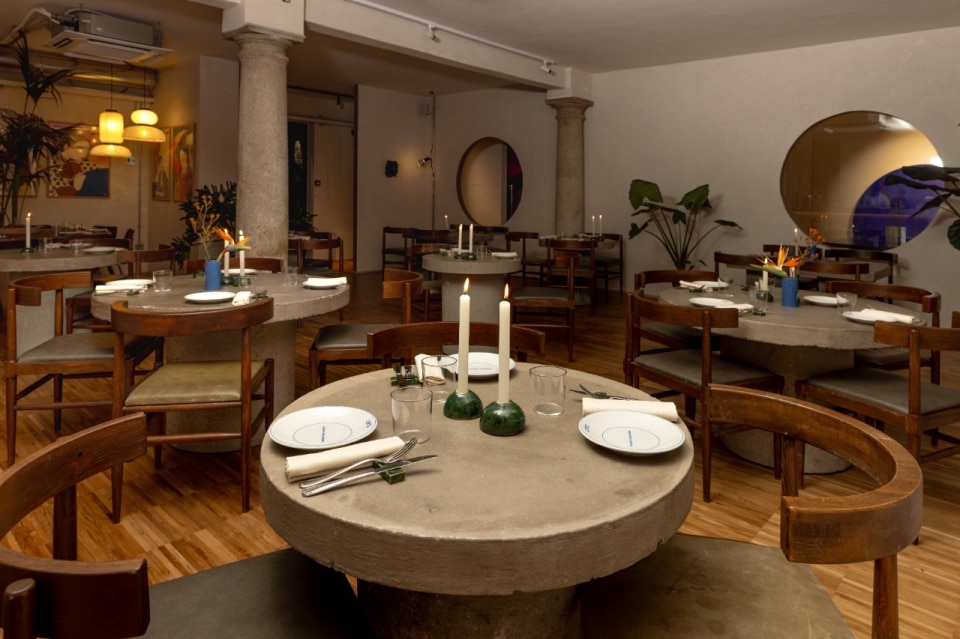
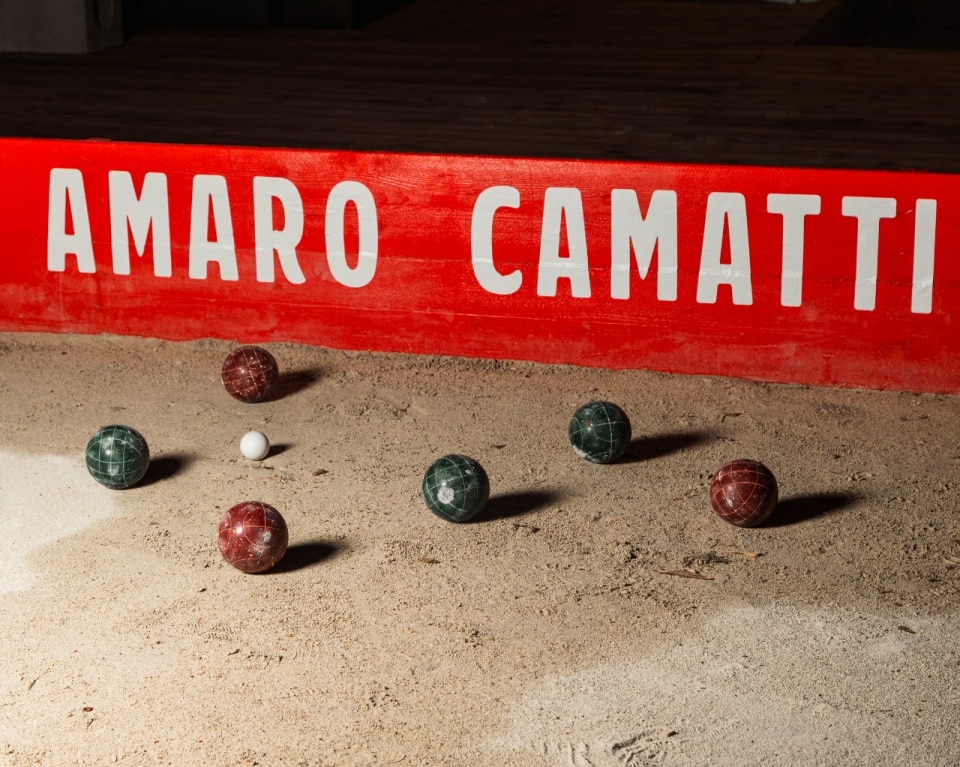
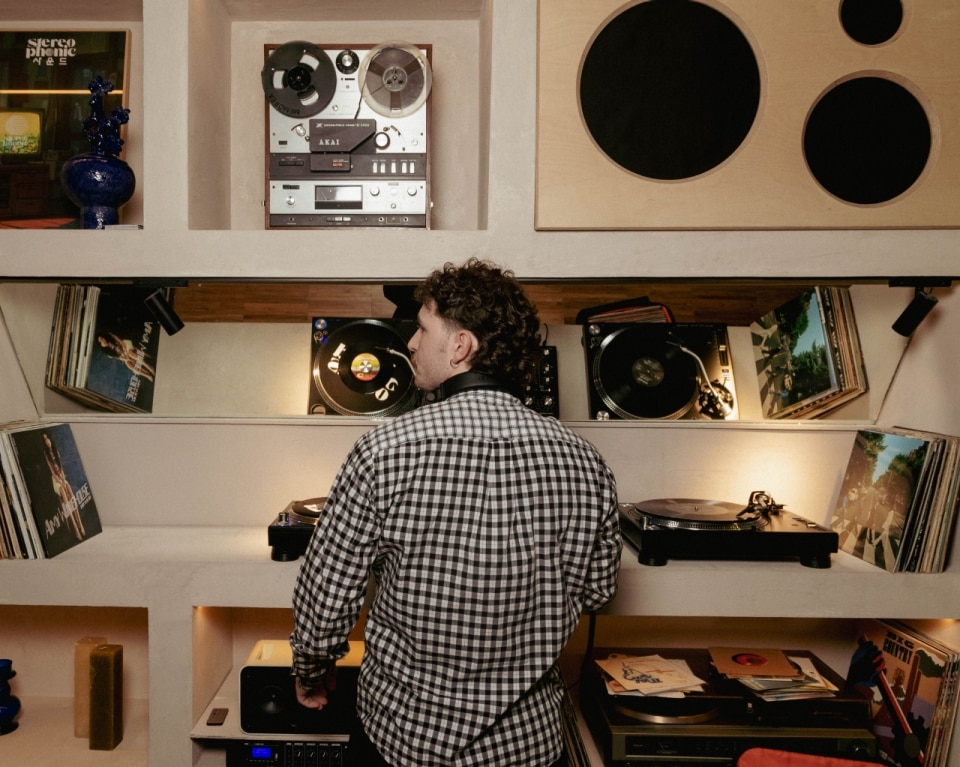
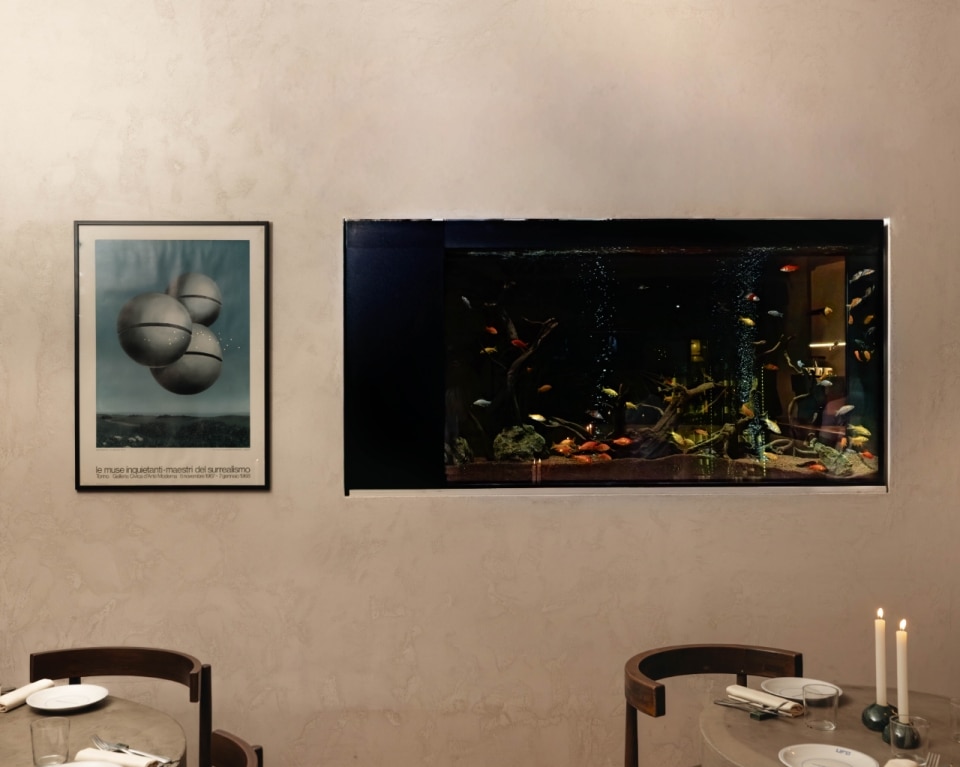
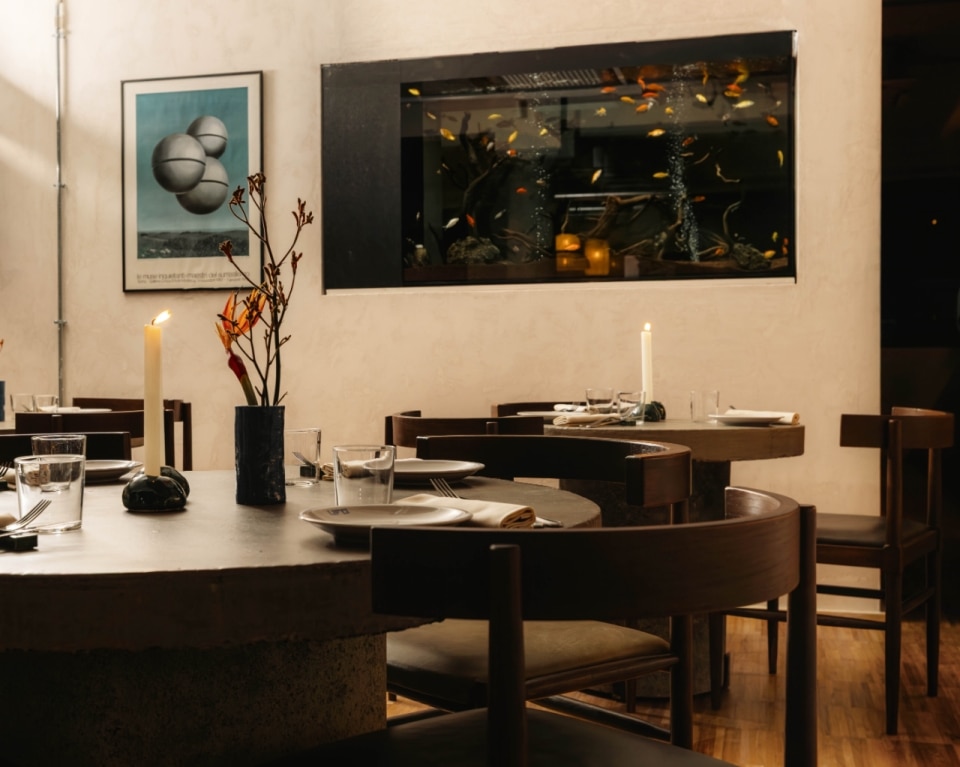
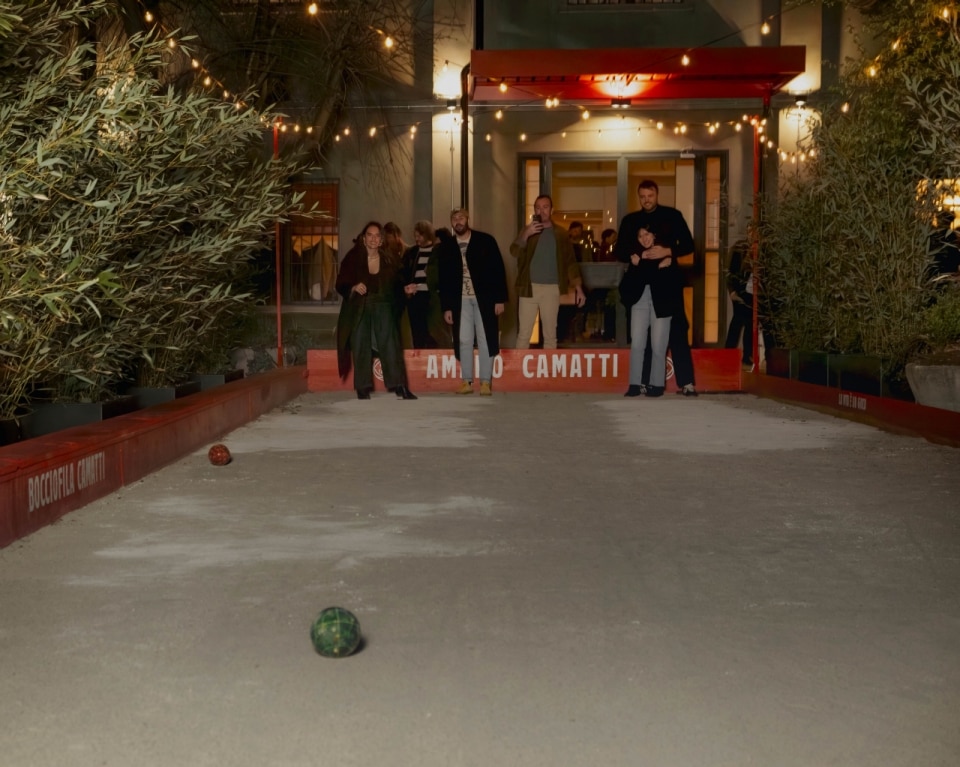
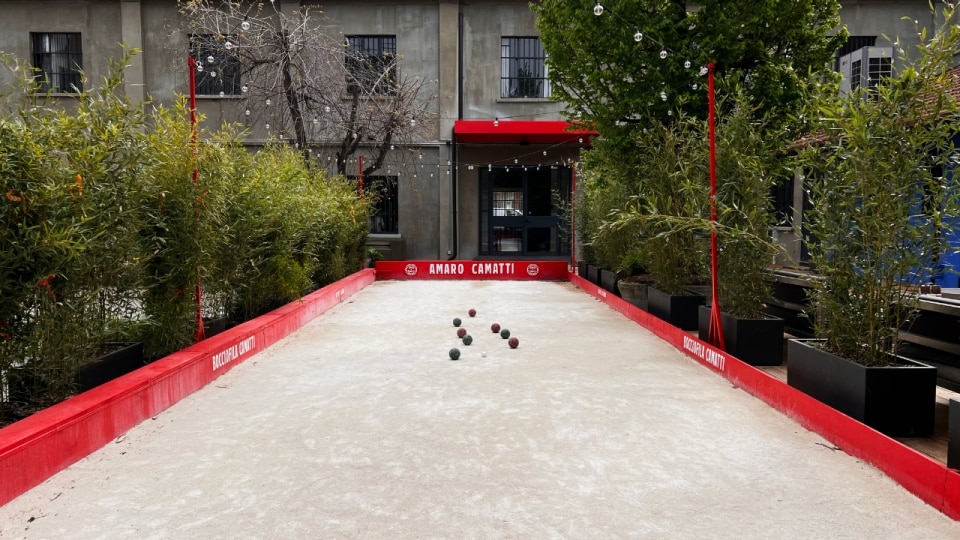
“We tried to create an ecosystem of creative realities that can collaborate with each other. A space that isn’t just about food or just about events, but where things overlap and something is always happening,” Larcher told Domus.
A broader global shift is underway, and spaces for social life are changing. In major cities worldwide, soft-clubbing—a more moderate, daytime form of dancing—is on the rise, while historic nightclubs are closing from New York to Berlin. Milan has recently seen the closure of two of its most iconic venues, both born from marginal scenes before becoming mainstream: Leoncavallo and Plastic. Loved and criticized, never for everyone, yet as symbolic of the city as panettone, they anticipated trends that now feel ubiquitous and reappear across many new venues. The latest location of Plastic stood just a few dozen meters from where Ufo now rises—almost like a passing of the torch.
Design continues to shape the dreams of the city, especially now that it sleeps a little more.
And yet, life goes on. In the post-Covid years, Milan has seen a wave of openings—especially between 2024 and 2025.
In Milan, design seems to have gradually replaced nightlife, becoming the framework through which these experiences are organized.
Many of the city’s new venues don’t have a single defined function. Instead, they are environments that bring together different uses and audiences throughout the day—light infrastructures of urban social life.
 View gallery
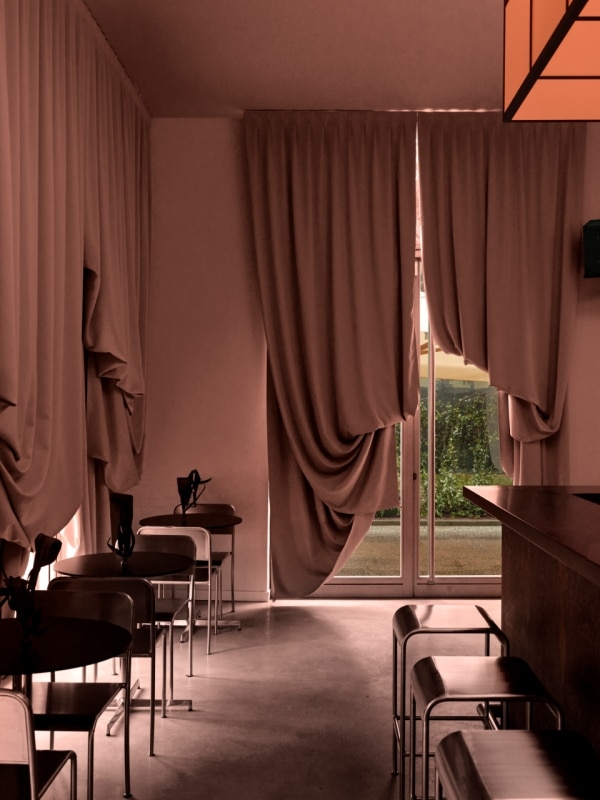
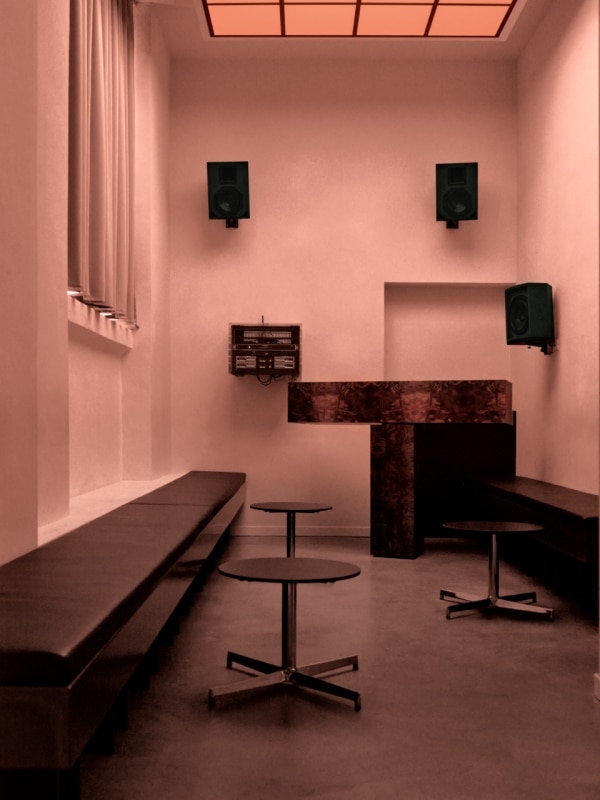
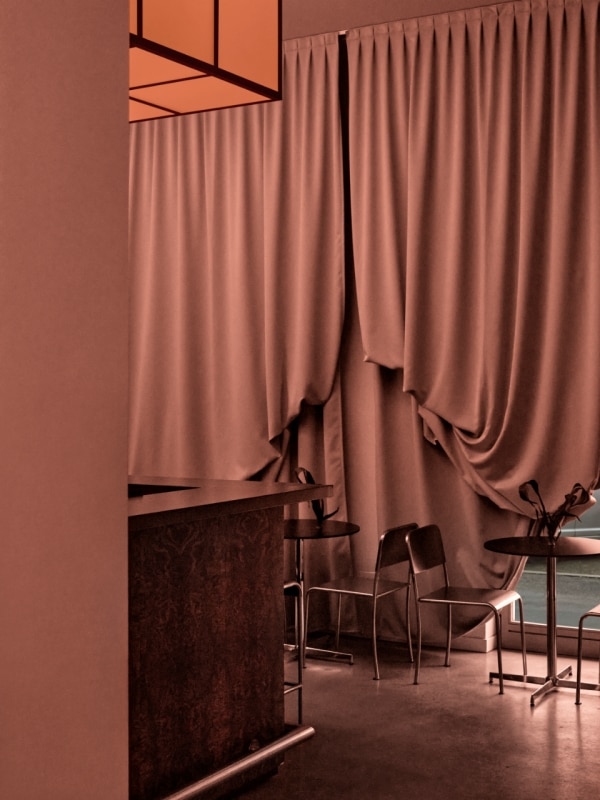
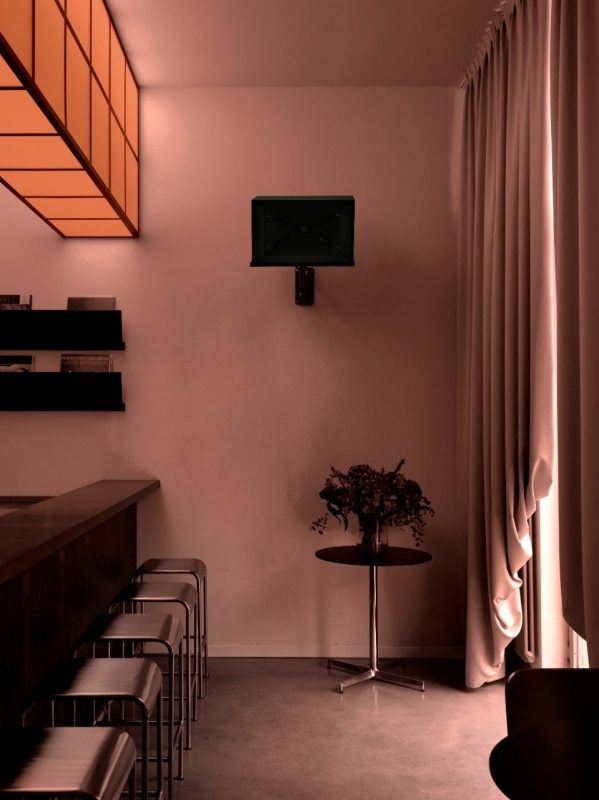
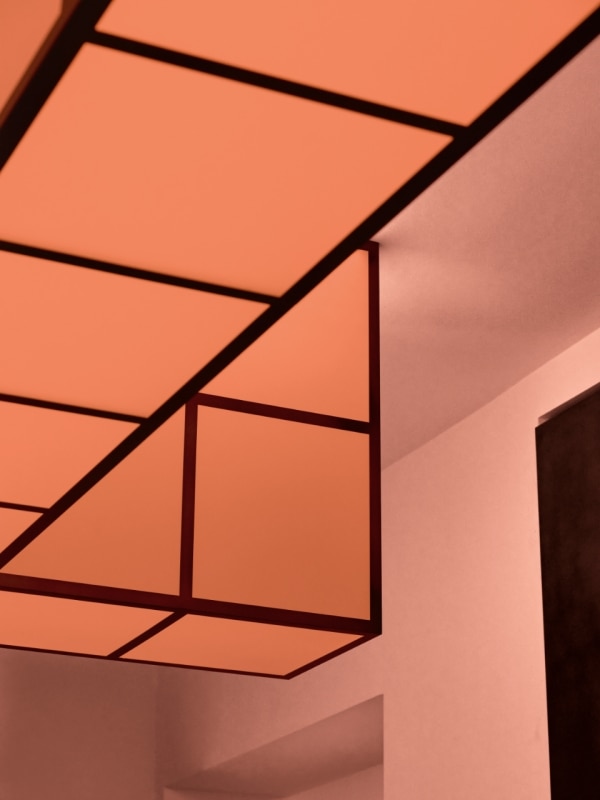
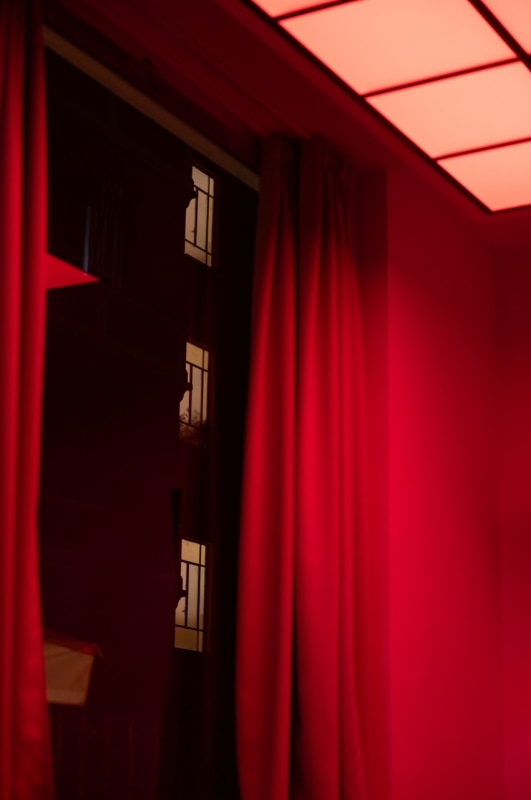
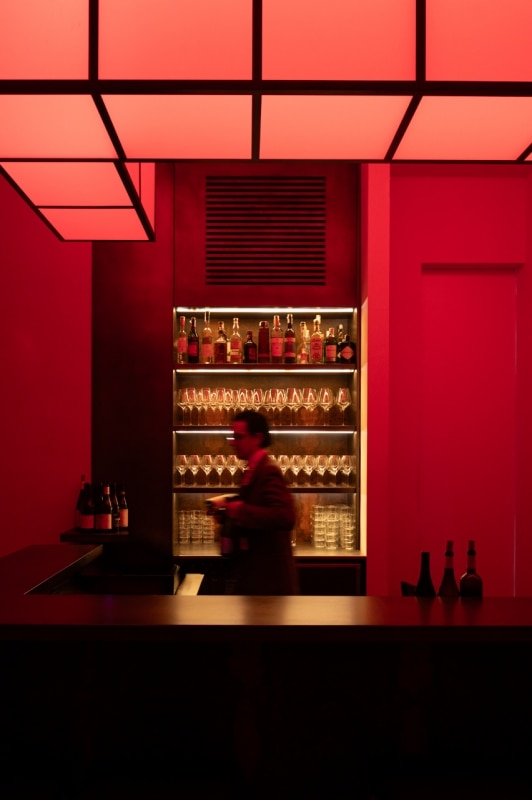
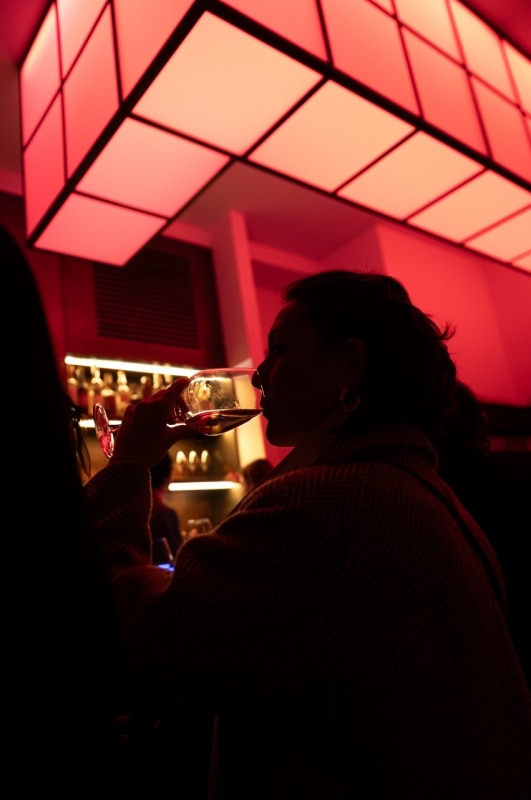
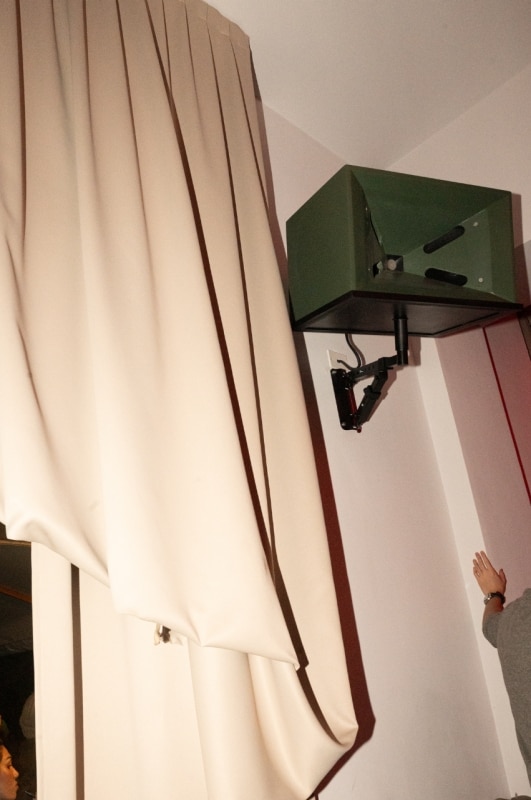
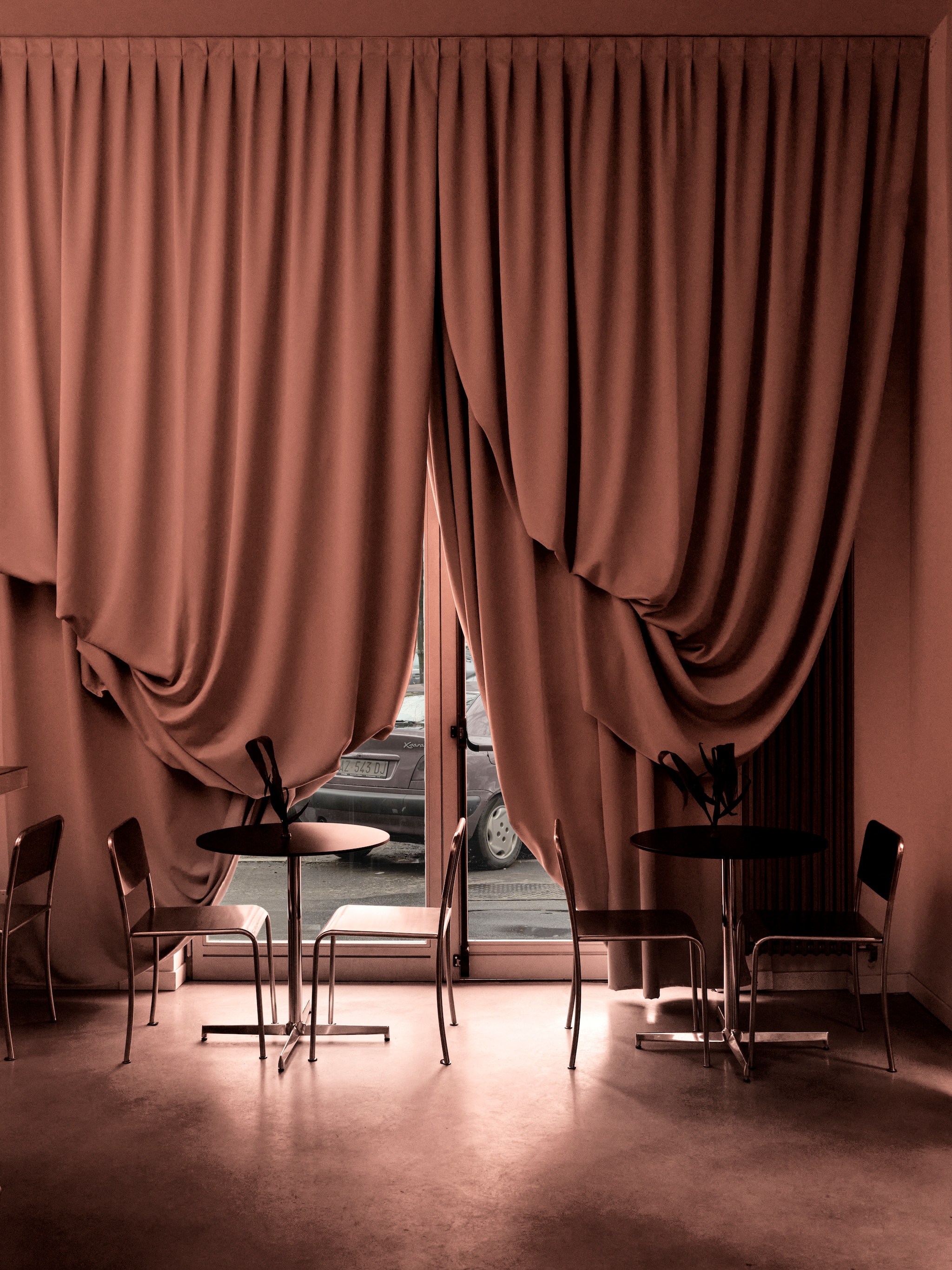
From slow-breakfast bakeries like Rito on Via Maiocchi, to sushi bars with small sharing plates like Bluesquare in the Tortona district, to restaurants that feel like full-scale photo sets—such as Fiorin Fiorello Fiore on Corso Ventidue Marzo, designed by Parasite 2.0—where natural light is filtered through drapery and replaced by large luminous grids above the counter and DJ console.
Within this logic, Ufo works first and foremost on context. “There’s no real neighborhood here, nothing that truly creates a sense of community,” Larcher explains, describing an area of the city still lacking places to meet.
The rise of the cultural hub
In rapidly developing districts, these new spaces take on a specific role: rebuilding forms of social life that nightlife alone can no longer sustain.
This is the case with Club Giovanile, a listening bar created through the renovation—by co.arch—of an early 20th-century villa in the transforming Certosa district. Here, original tiles, stucco, and vintage signage are preserved and intersected with exposed steel conduits: the project doesn’t erase, but grafts, building new uses onto what already exists.
Or Arca, a daytime club on the ground floor of a building on Via Rimini, between Romolo and Famagosta, conceived as a 360-degree entertainment space with an art gallery and a DJ console at the center of the bar.
 View gallery
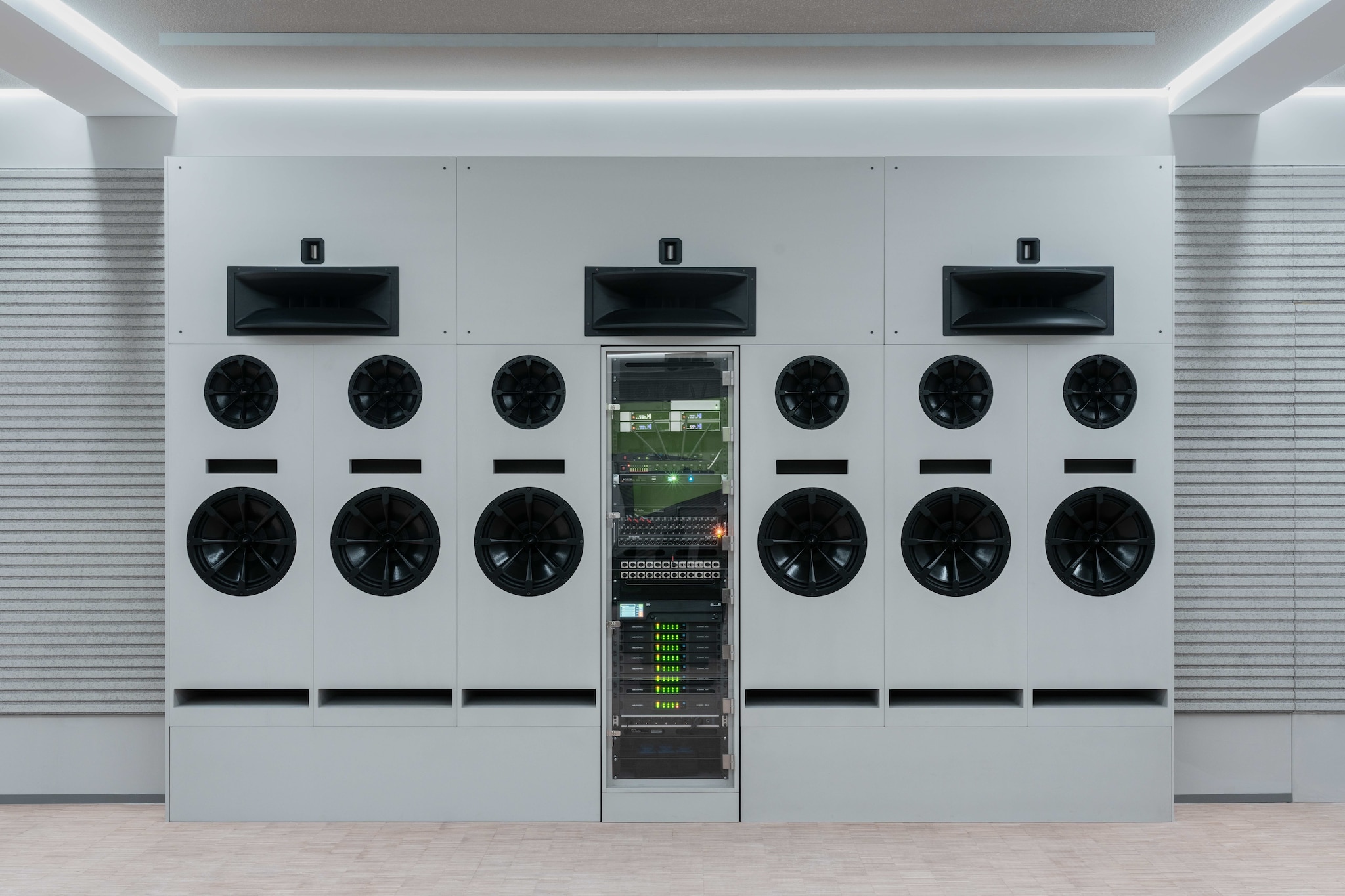
The same dynamic plays out at a different scale in institutional contexts like Voce, the new sound space at the Triennale, where over 25,000 light points by Anonima Luci transform Giovanni Muzio’s rationalist architecture into a responsive performance environment. It also happens in smaller art galleries, such as Ionoi, designed by Fabio Novembre as a compact, shelf-based shop aimed at making art more accessible to those typically excluded from the market.
 View gallery
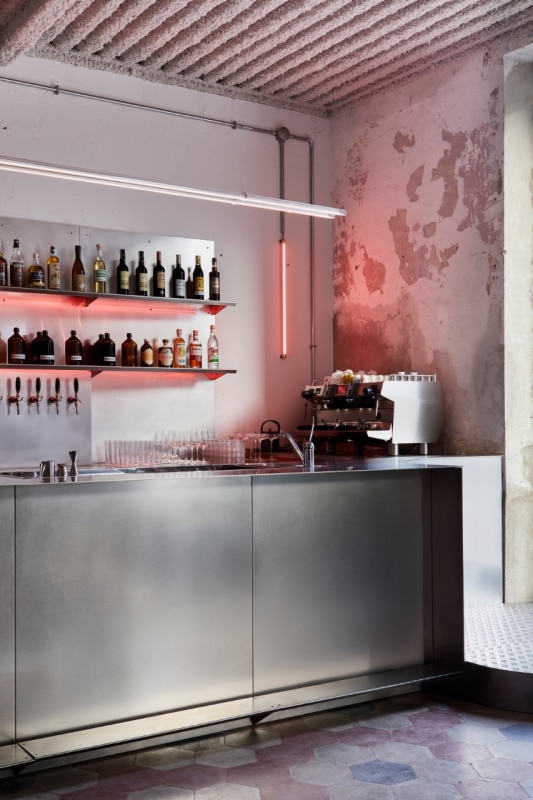
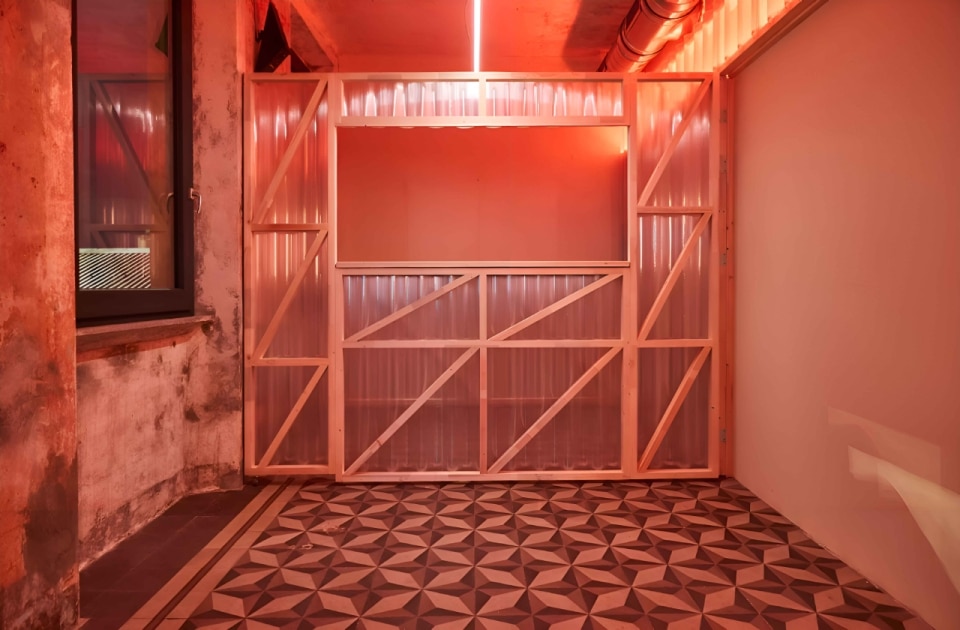
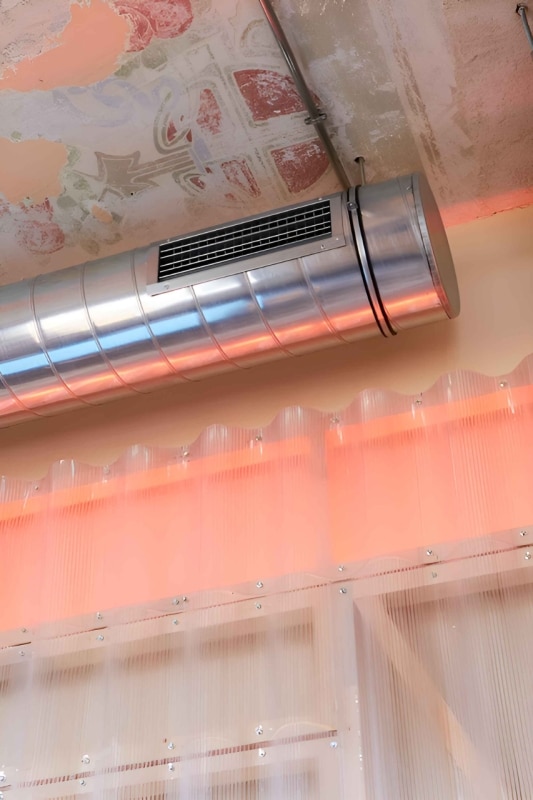
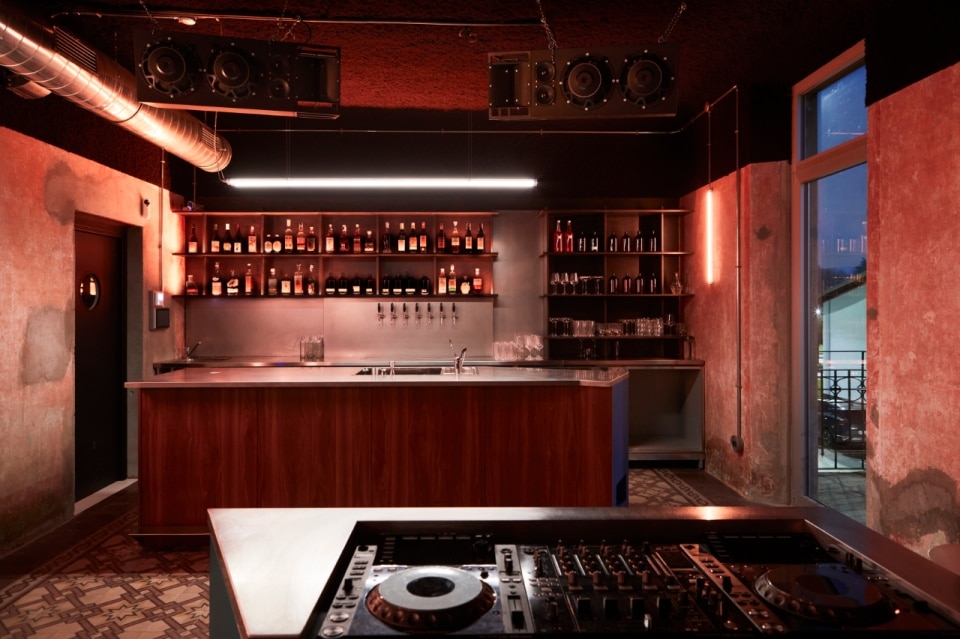
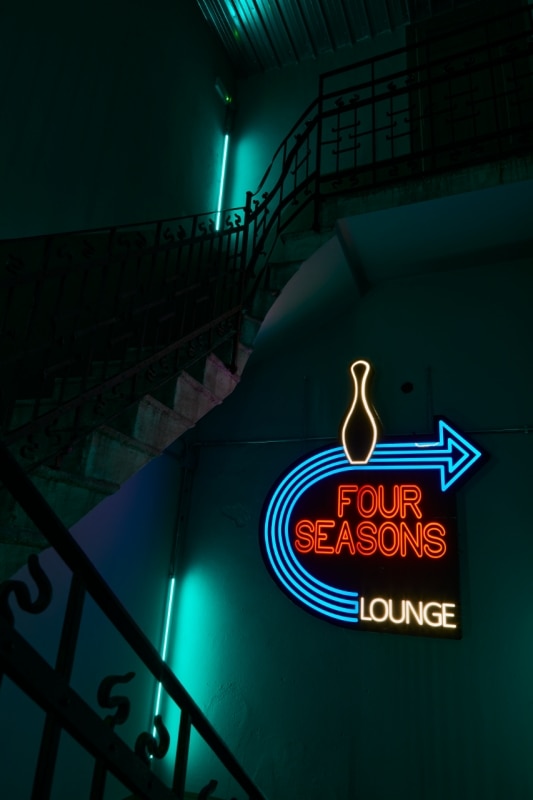
In terms of design language, the references are clear: a project culture that blends modernist cues—circular portholes, spatial centrality—with more contemporary influences drawn from Asian models (between Korea and Japan) and Scandinavian design, where cafés, listening, and social life coexist in hybrid environments.
But above all, one recurring element stands out across all these spaces: the metal counter.
Metal, metal, metal
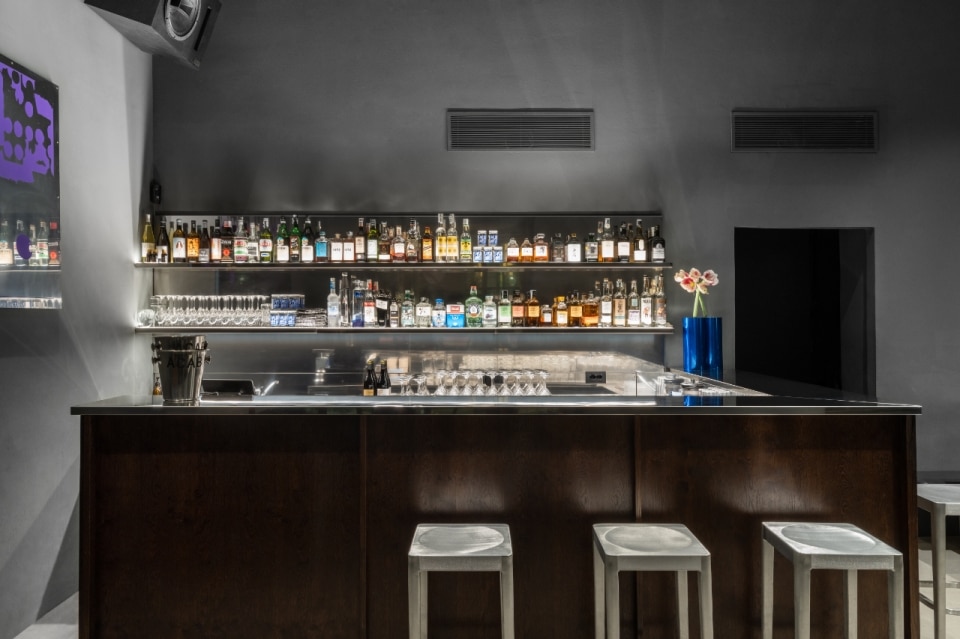
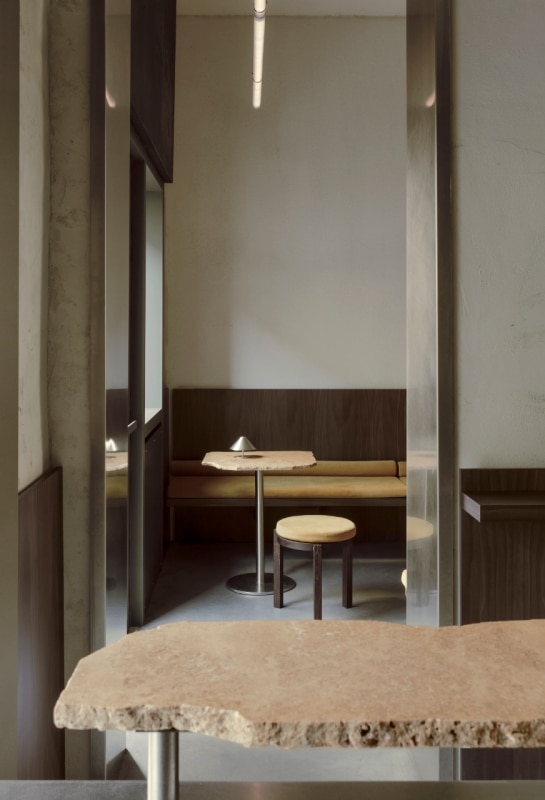
Steel, reflective surfaces, exposed technical details: the context may change, but the material remains. In listening bars, bistros, and restaurants, the counter has become the device around which space is organized.
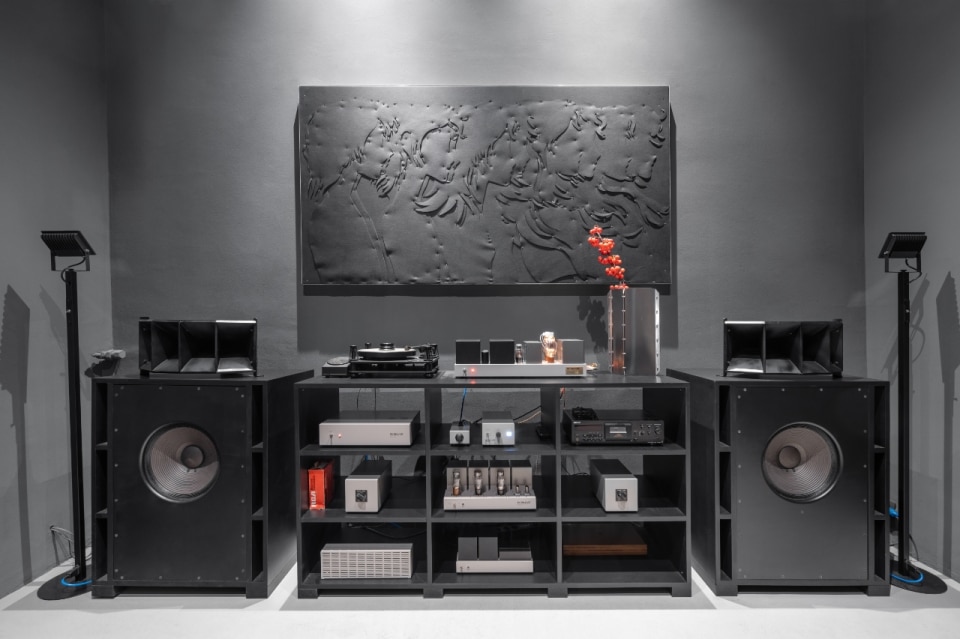
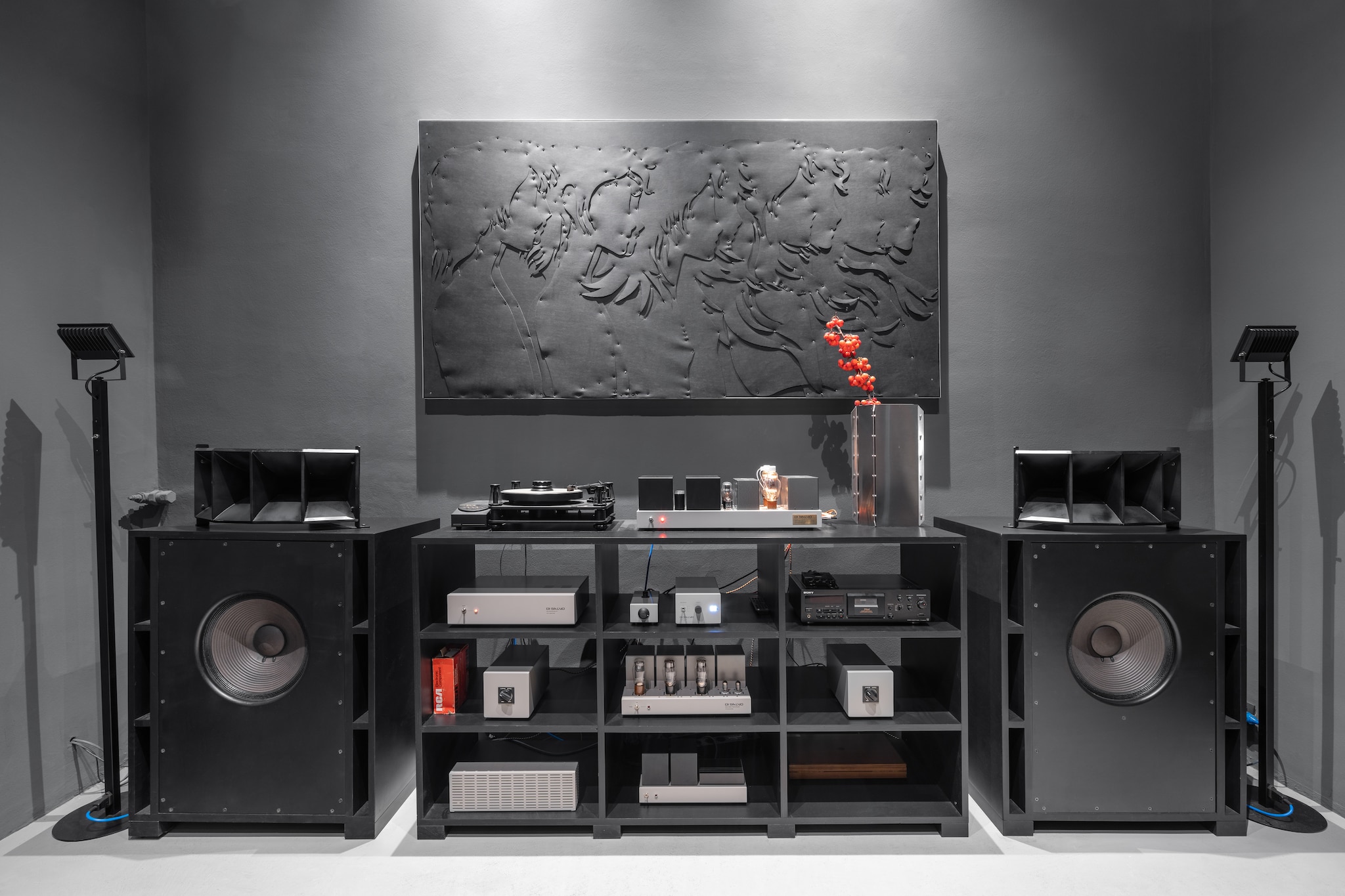
One of the earliest signals came from Bene Bene Bar, featuring furniture by NM3 and other deeply Milanese designers in the Lima area, where metal is not just a detail but a full design language. Even early on, its counter embodied the relationship between sound and space that has now become central—reappearing in projects that explicitly explore the link between design and sound systems.
 View gallery
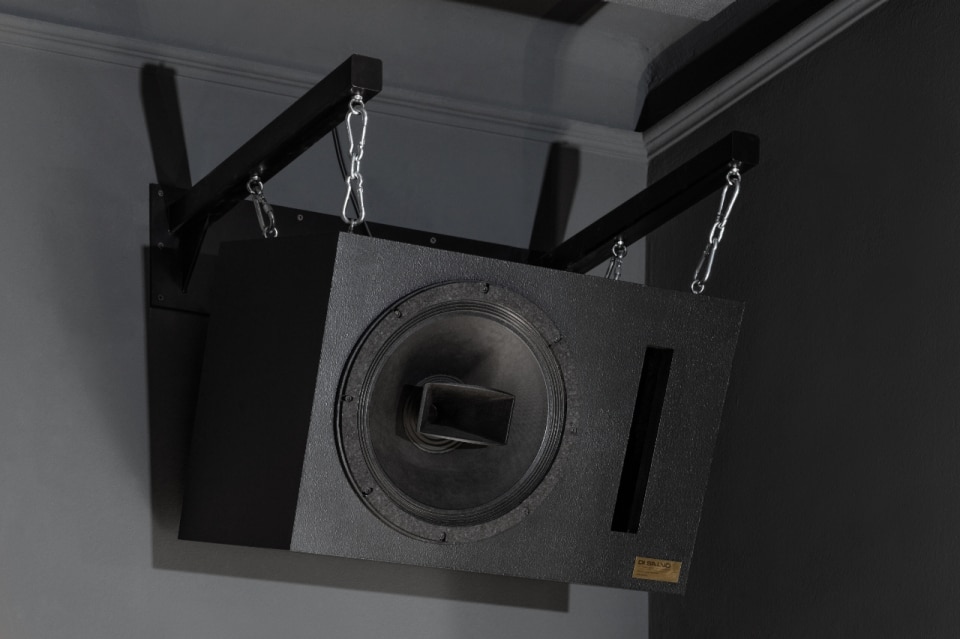
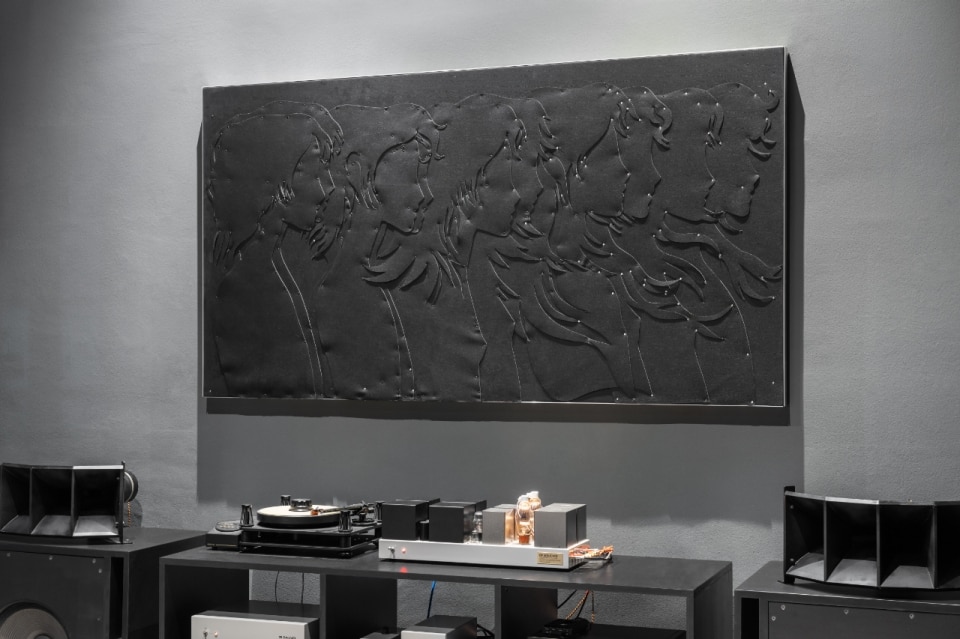
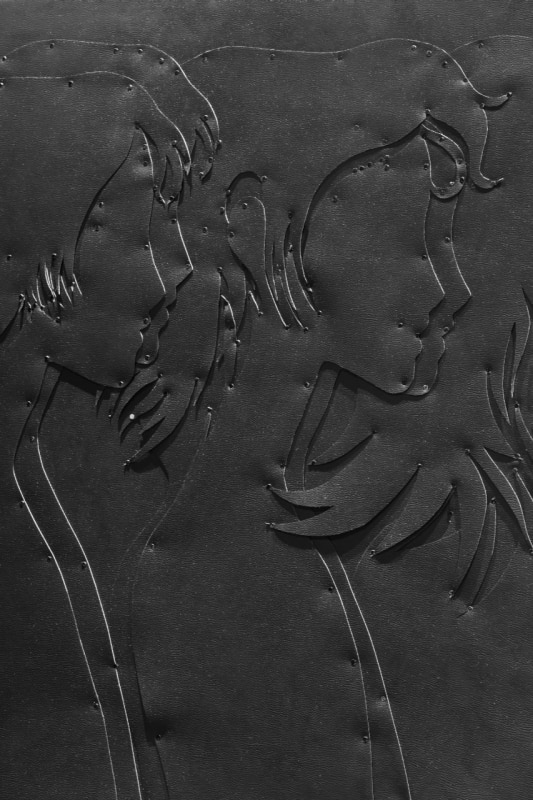
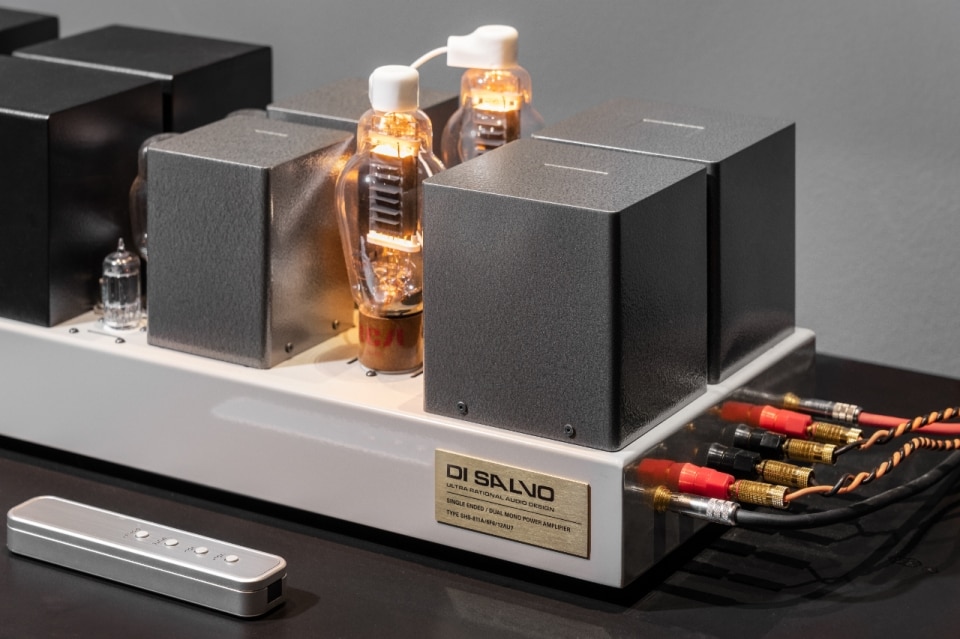
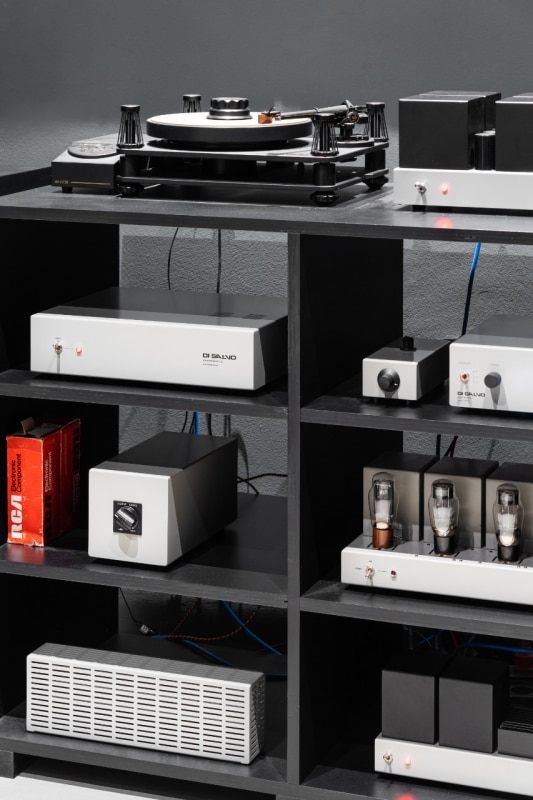
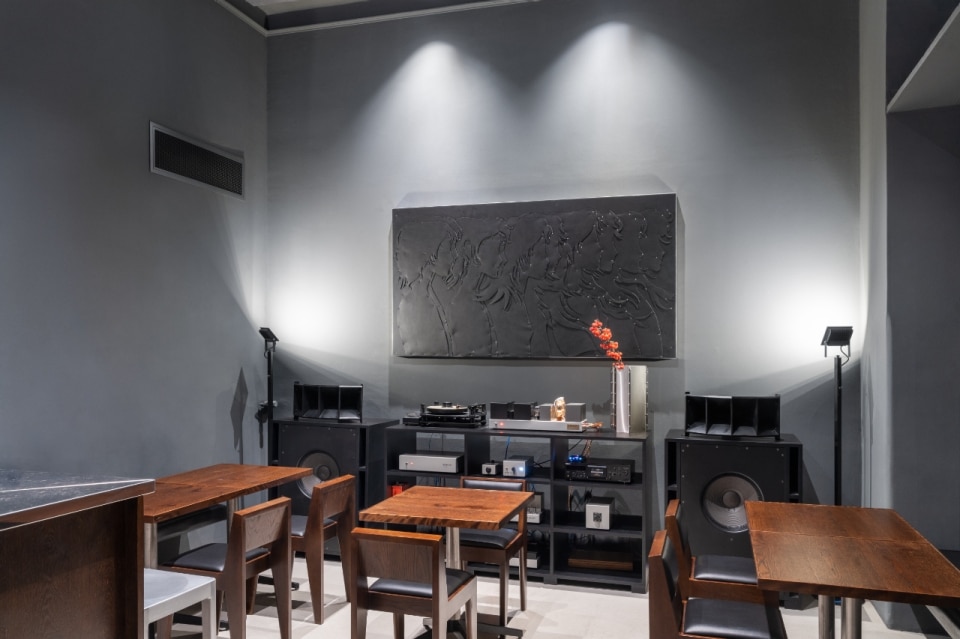
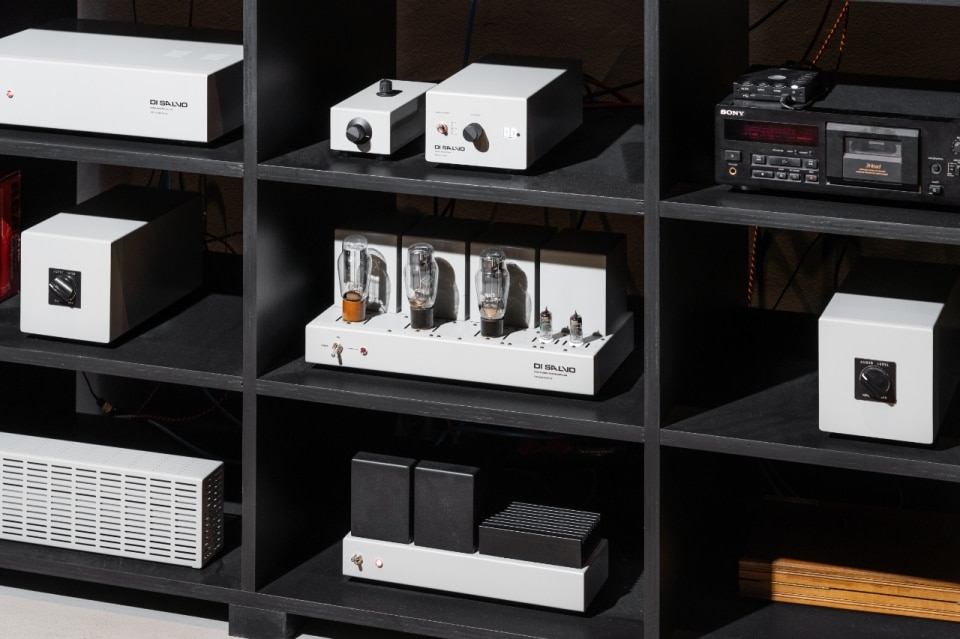
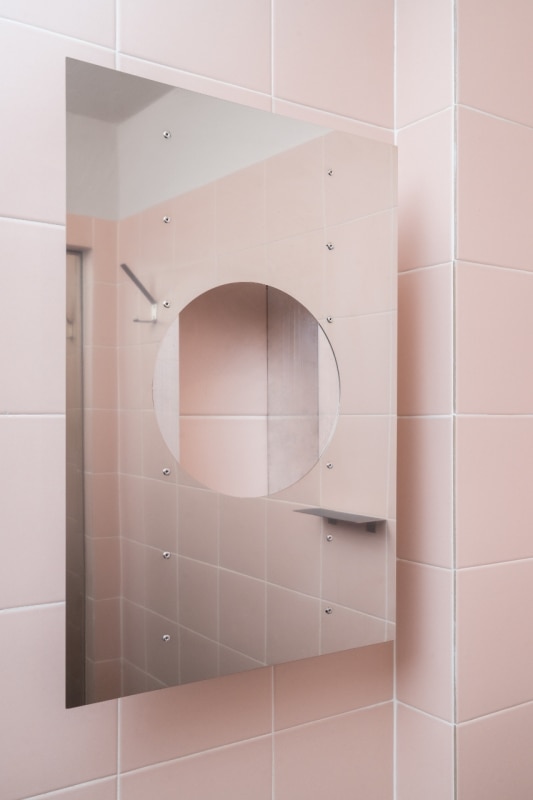
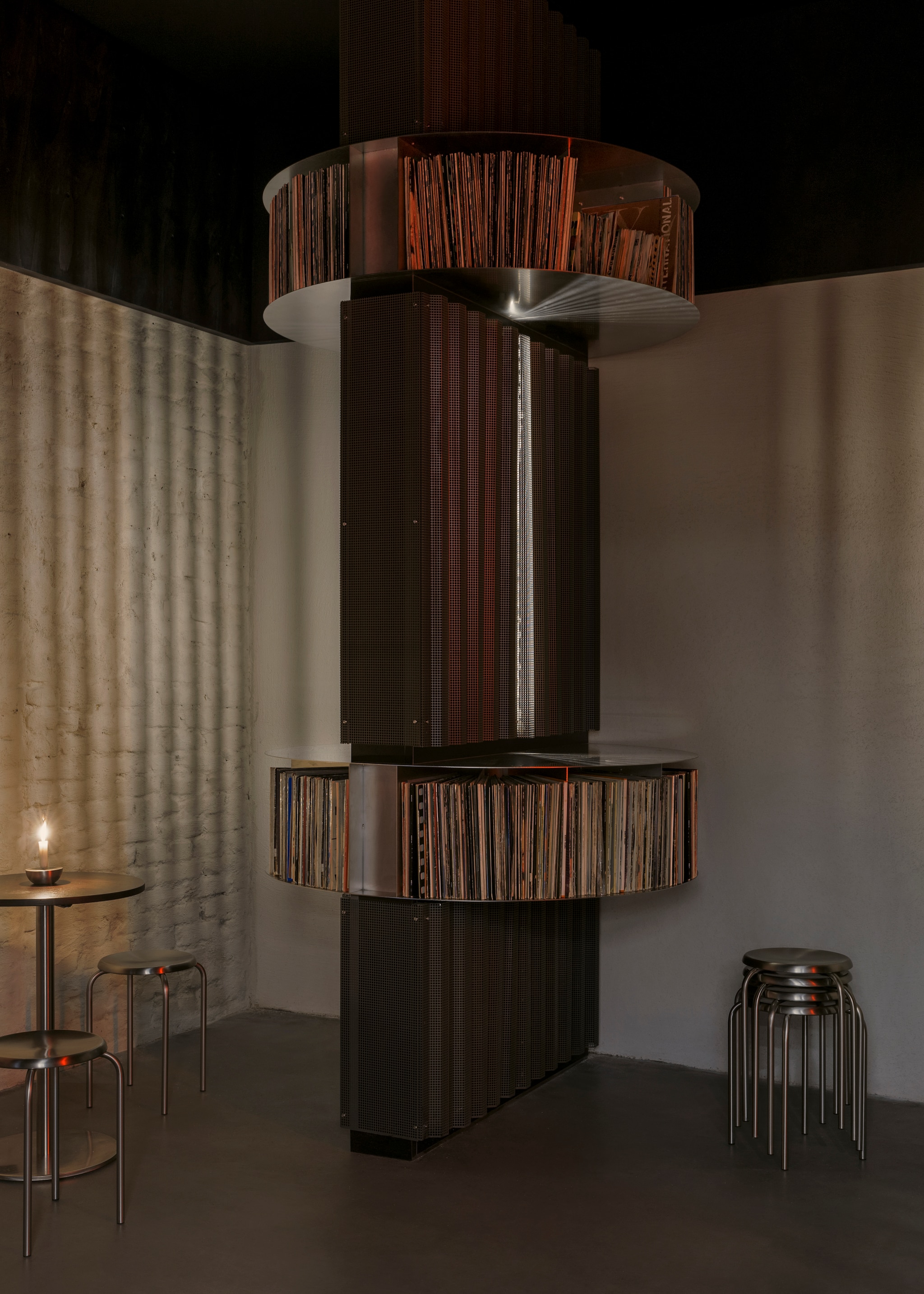
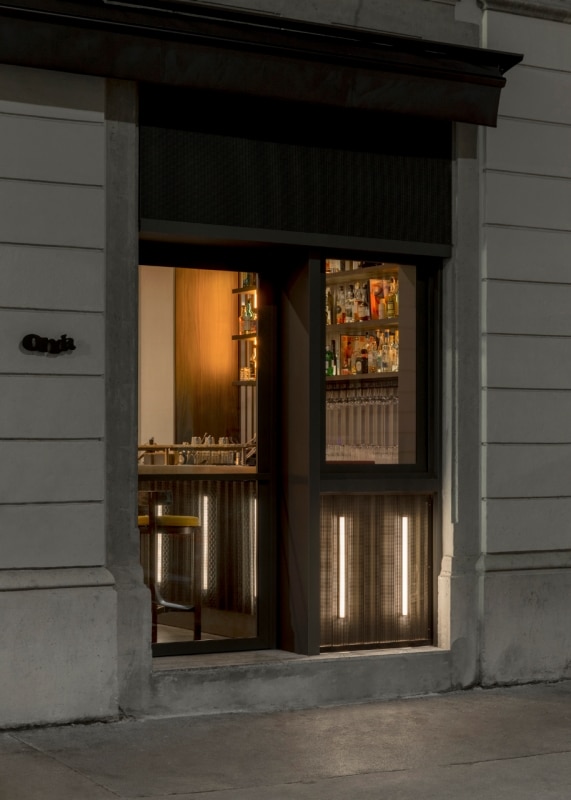
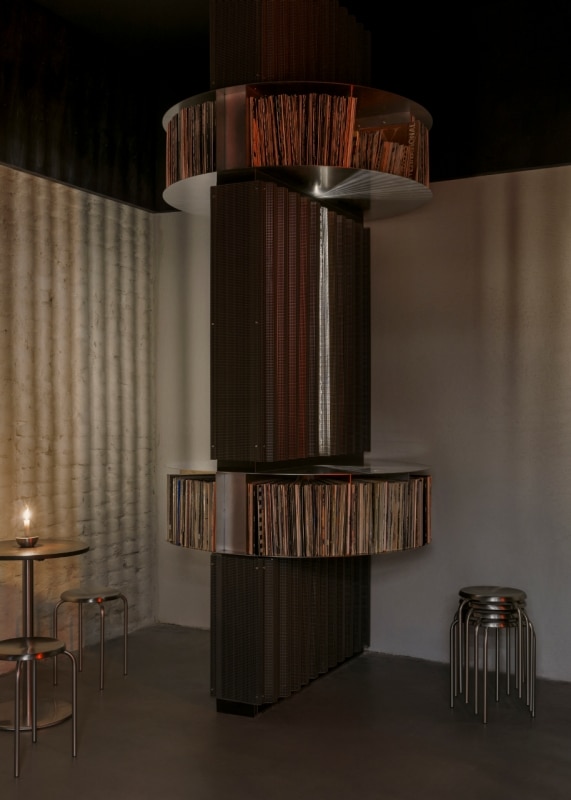
Onda, a cocktail bar in Città Studi designed by Solum, builds its space around a few sonic elements: a steel vinyl totem hooked onto existing pipes, a custom console, and vintage Altec speakers from the 1970s. Industrial lighting and stainless steel define the atmosphere more than anything else.
Bar Nico, in the Acquabella district—once a tire shop—designed by Sagoma Studio, revolves entirely around a single counter: a monolithic block of concrete and steel that resembles a surgical table.
 View gallery
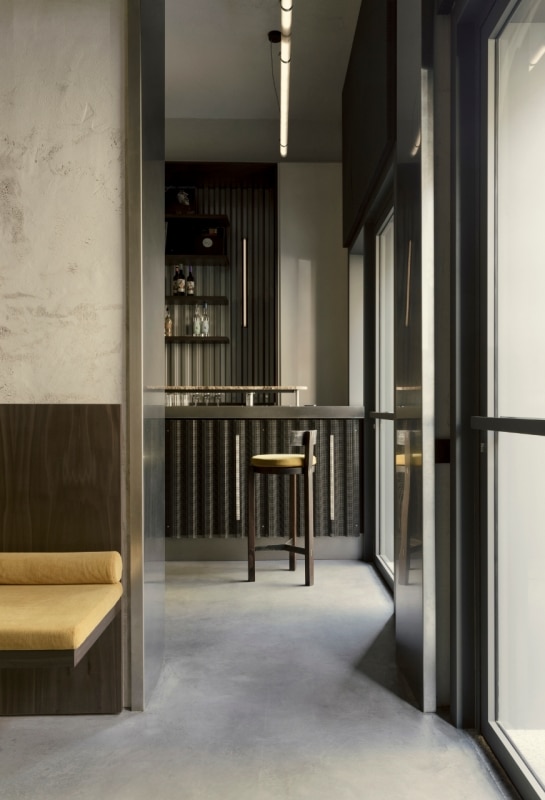
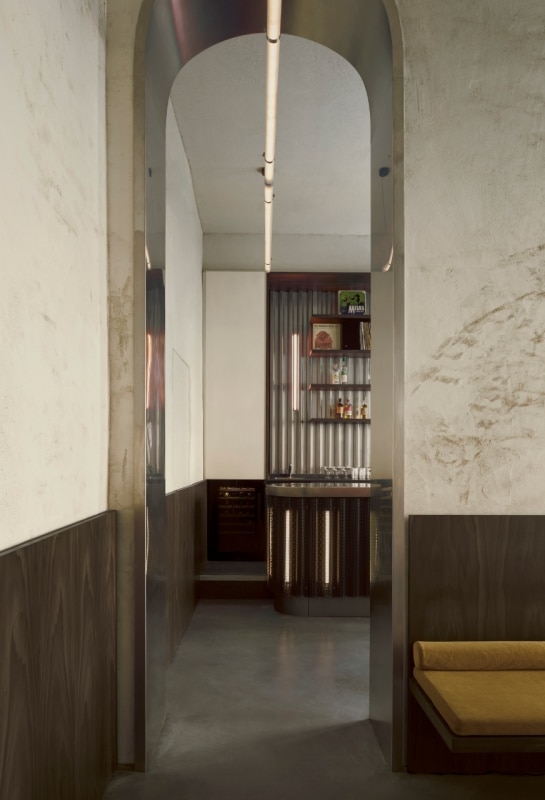
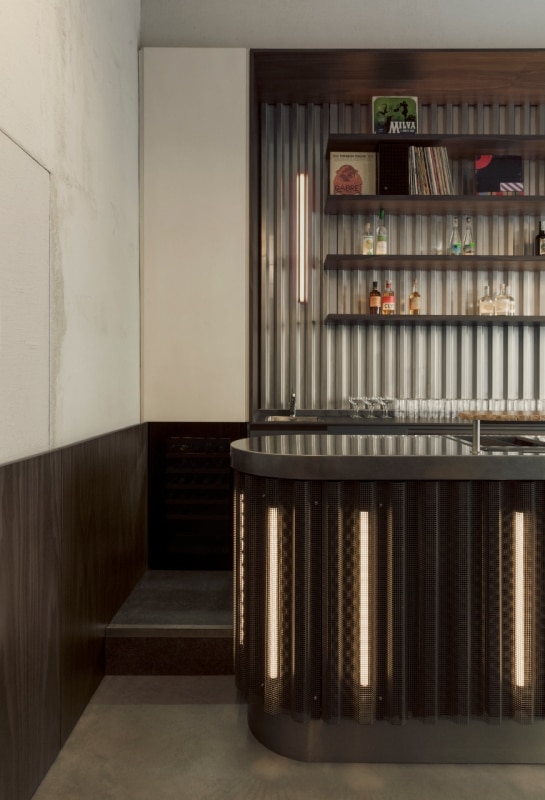
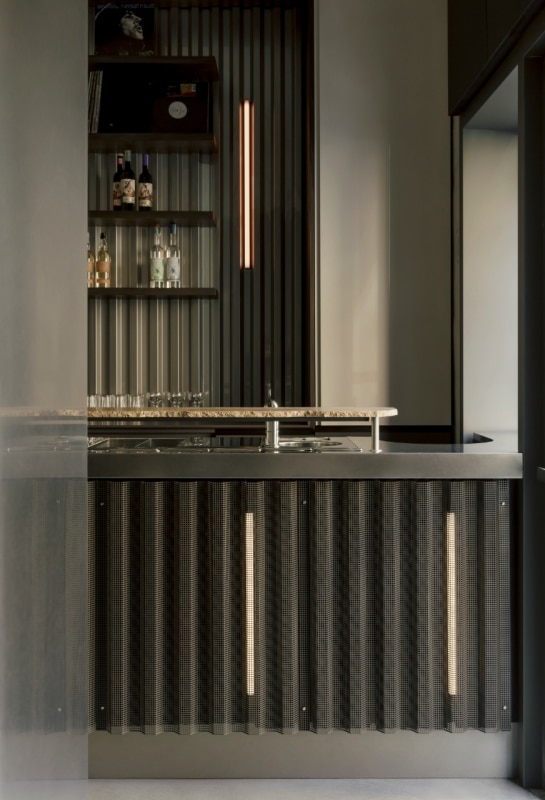
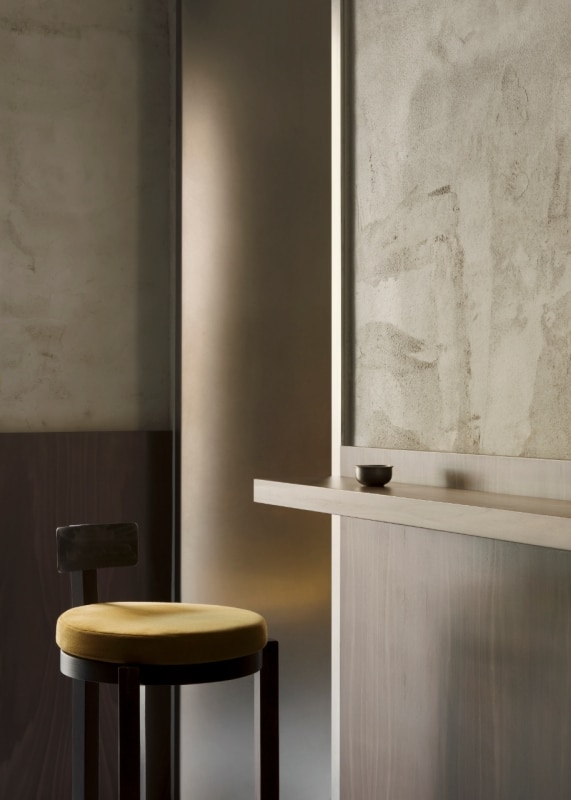
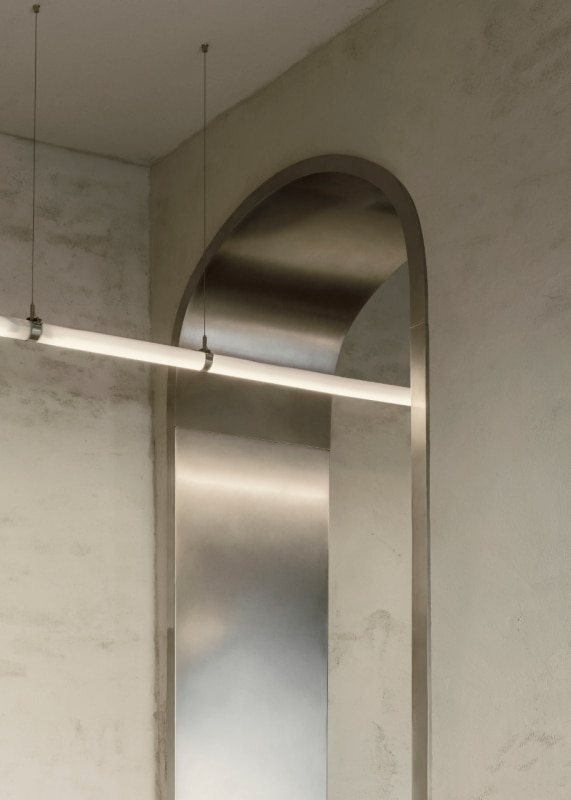
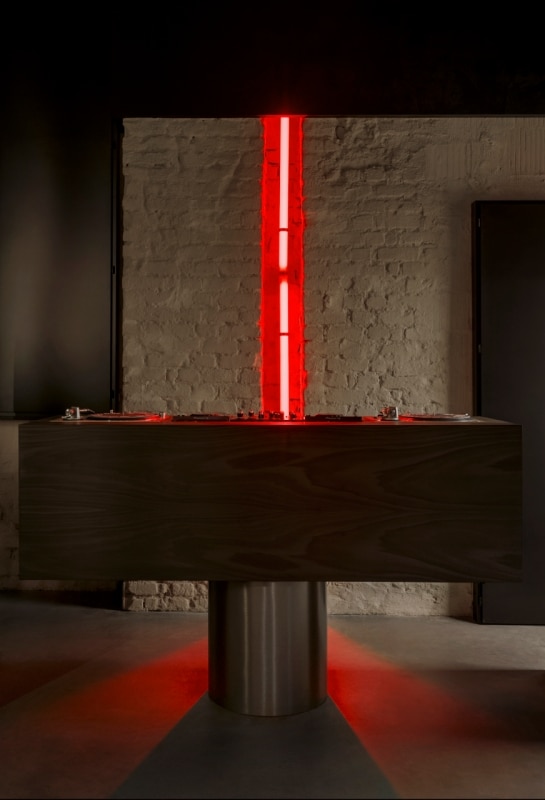
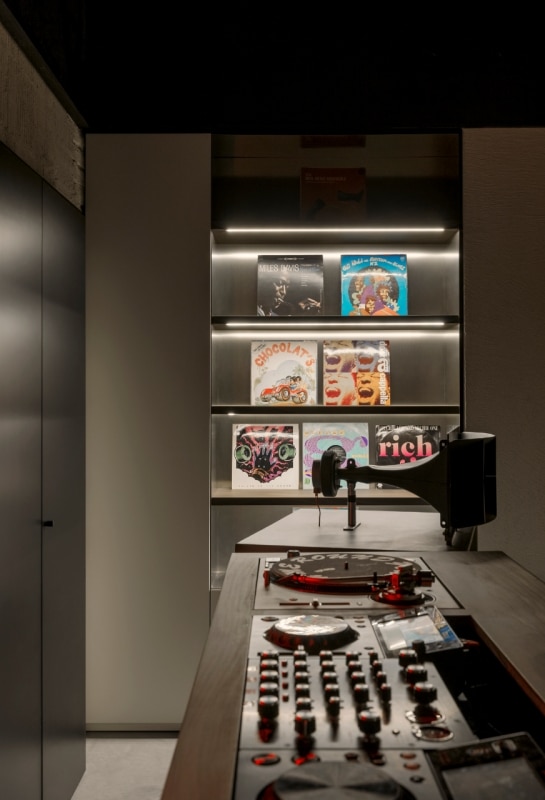
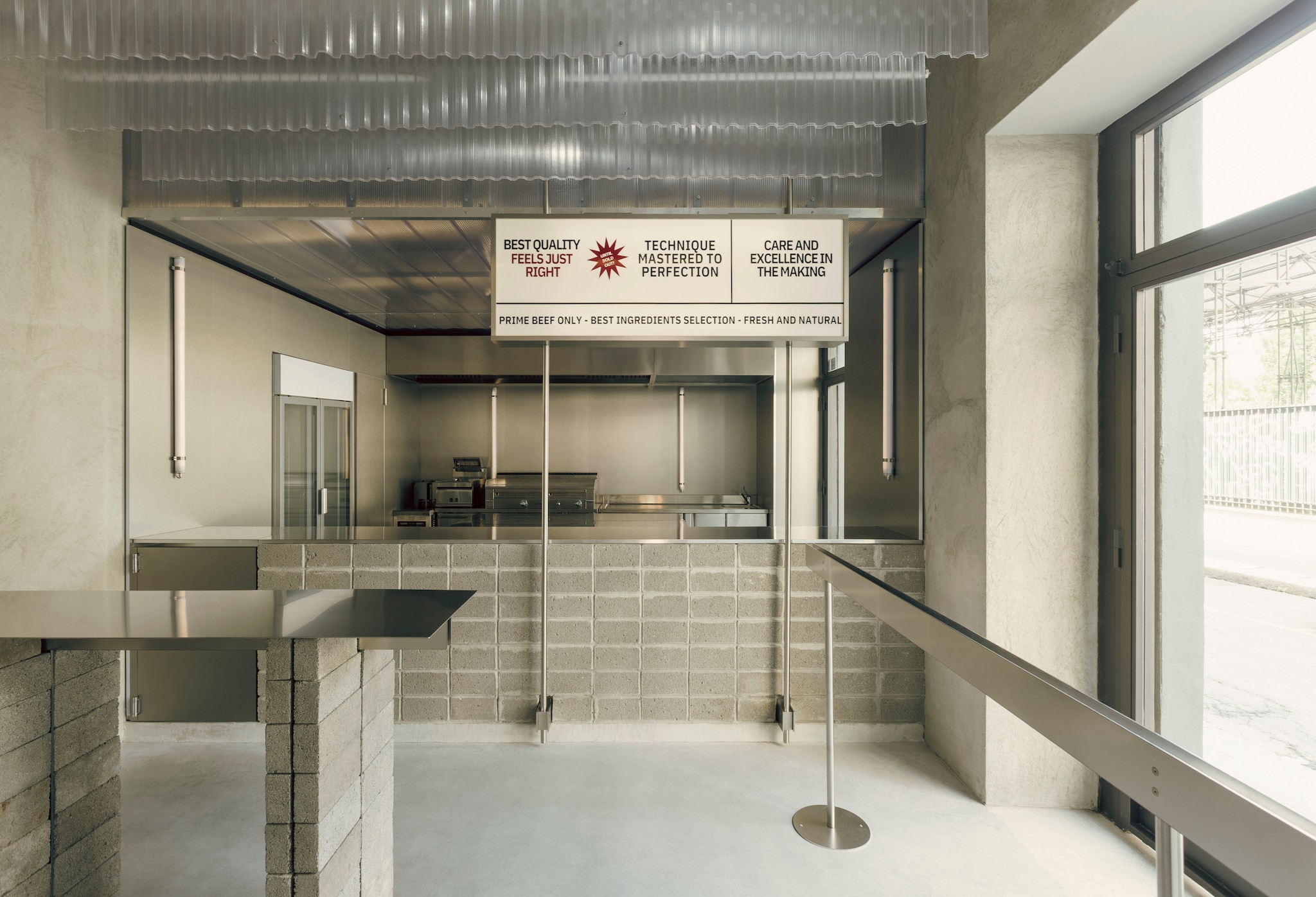
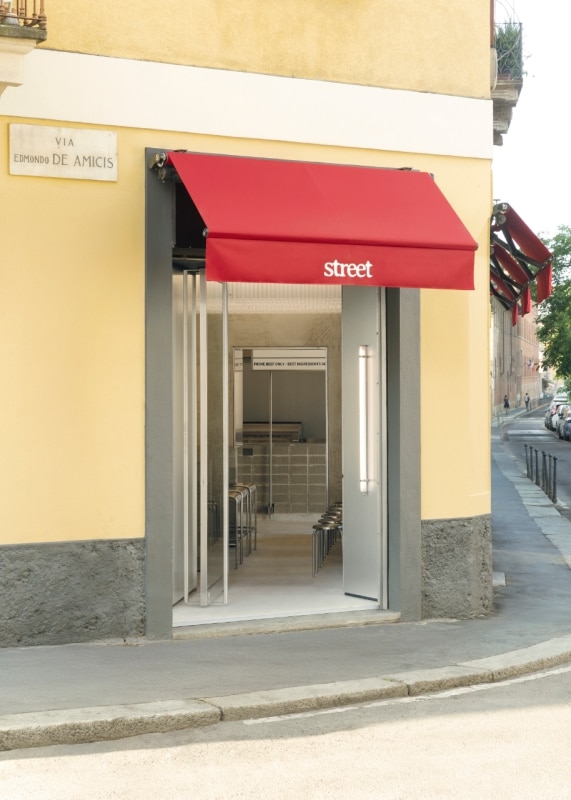
But metal is not confined to listening bars. On Via De Amicis, Street Smash Burgers—another Solum project—creates a seamless threshold between interior and exterior, with steel and technical surfaces shaping a compact, reflective environment. Balay, a Filipino restaurant on Via Maiocchi, works through insertions, retaining existing floors and walls while introducing metal and dark wood elements. And Sunnei’s flagship store, opened in 2025 in the Susa/Argonne area—only recently connected by metro—continues along Ufo’s line of urban regeneration, though as an anti–concept store defined by sterile white interiors and geometric metal furnishings.
 View gallery
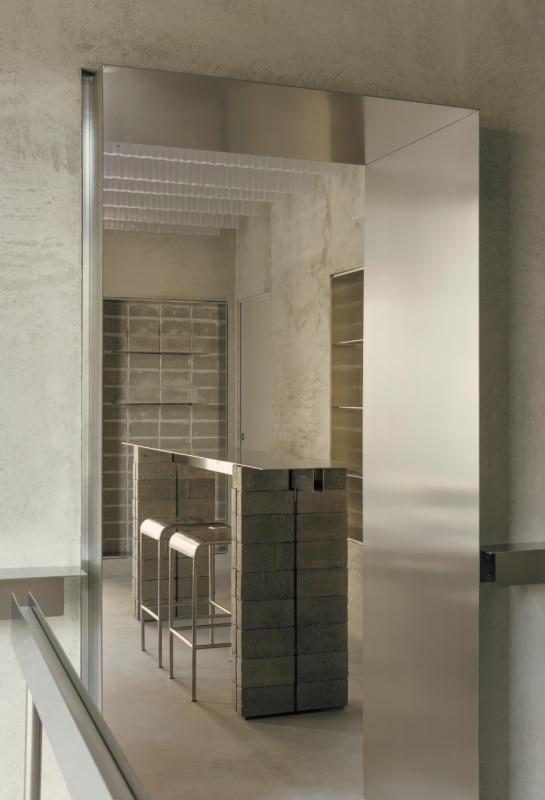
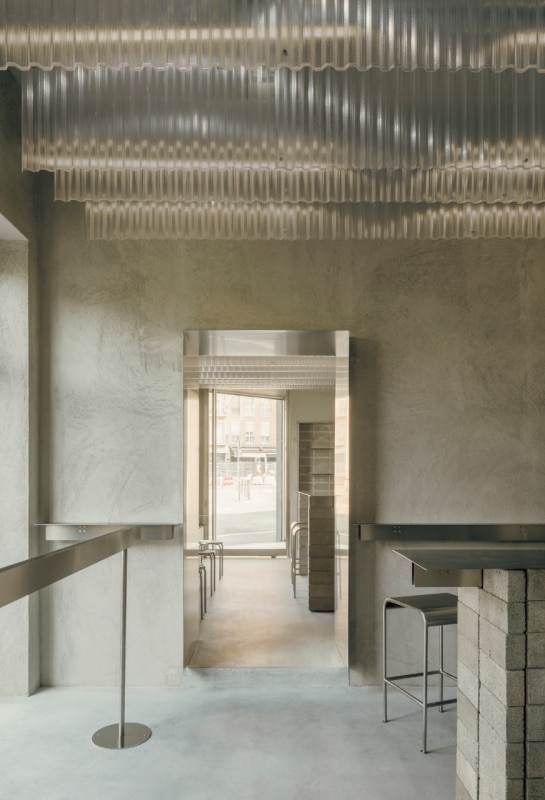
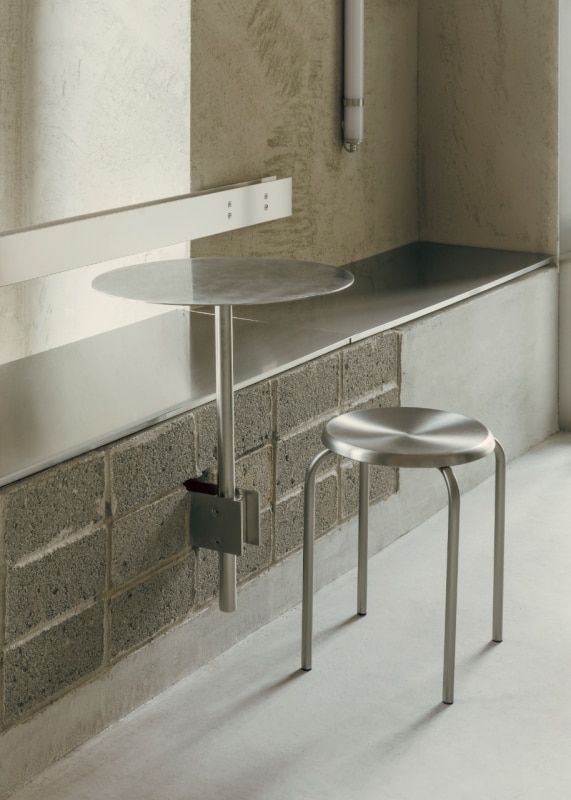
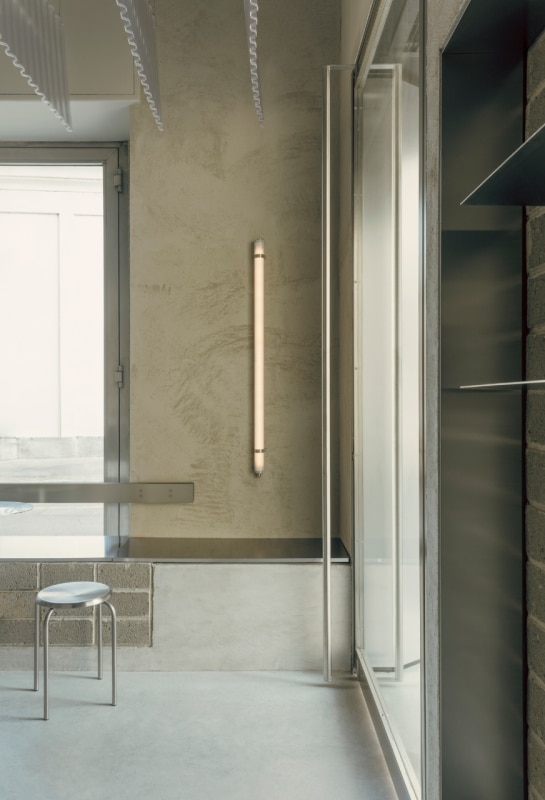
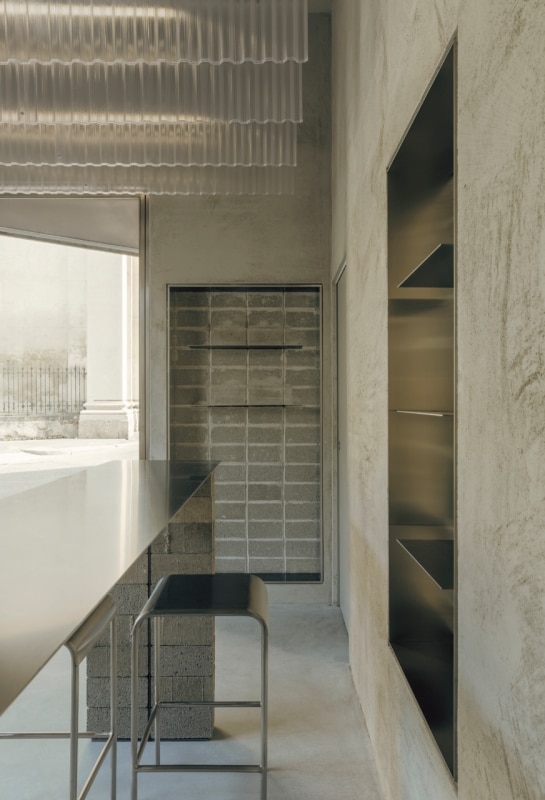
Across all these places, a recognizable grammar emerges, spanning different typologies and weaving together global references—from Japan to Berlin to Athens—translated into a distinctly local language.
The classic Milanese bar
“The Bar Basso is my evening office,” a well-known Milanese designer once said.
There is still an aura around this place that’s hard to explain—not only for its history, but for the form it embodies. Red awnings, neon signage, interiors layered with Art Deco, mirrors, and objects accumulated over time: Bar Basso remains the ultimate symbol of the Milanese bar. A design that was never declared as such, yet continues to work precisely because of its ability to evolve through layering.
Today, that model is not simply preserved, but reinterpreted.
Polly’s Bar, on Via Poliziano, embraces accumulation: its counter comes from an old hotel in Normandy, Art Deco chandeliers evoke Parisian cafés, while photographs, posters, and eclectic furnishings create a deliberately incoherent interior.
Palinuro Bar, on Via Paisiello, instead organizes a minimal space around an 1980s coffee counter, which becomes the focal point, surrounded by natural wine and magazines.
Sandi, a project by Parasite 2.0, explores a dimension even more rooted in Milan’s history: half-curtains on windows, warm lighting, and a reworked bourgeois domesticity shaped through a precise selection of furnishings and iconic Italian design pieces.


And at Rita, the cocktail bar on the Navigli, design extends to the menu itself, with drinks dedicated to Milanese design masters and their iconic objects—from the Arco lamp by the Castiglioni brothers to Ettore Sottsass’s Ultrafragola mirror.
Even when nightlife in Milan seems to be fading for good, design—the city’s true cultural language, shaped by figures like BBPR, Gio Ponti, Alessandro Mendini, and Vico Magistretti—continues to shape its dreams, especially now that the city sleeps a little more.