


Once niche and fringe experiences, sound systems and listening experiences have gradually infiltrated and conquered institutional artistic discourse, dialoguing with design, fashion, and architecture. Subcultural redemption or objectification? We tried to figure it out.
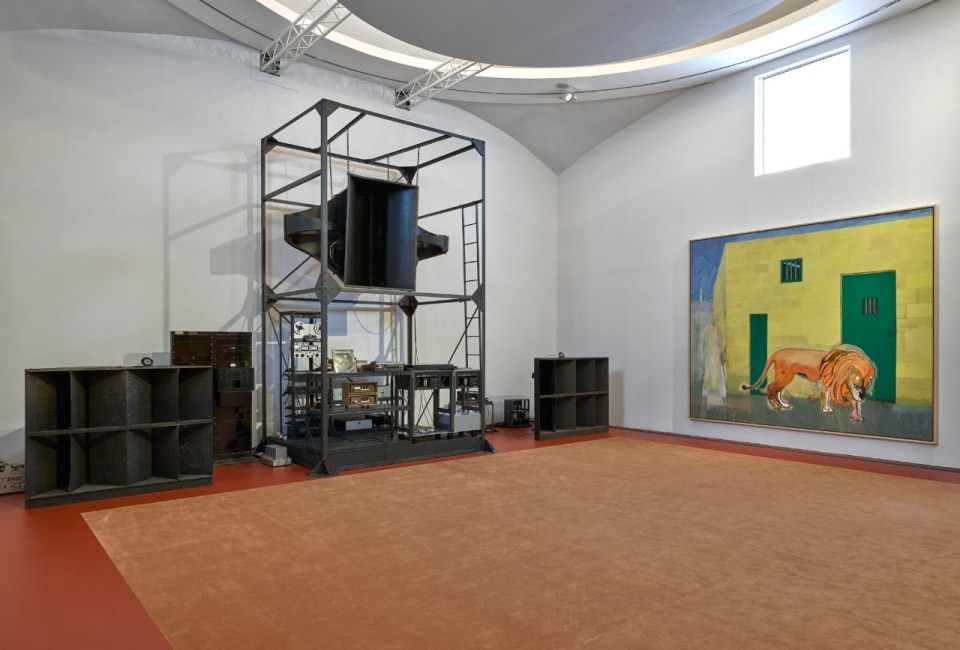
When House of Music opened at the Serpentine Galleries in October 2025, the exhibition did not merely present a new body of paintings by British artist Peter Doig. Rather, it marked a decisive step toward the institutionalization of sound system culture and deep listening aesthetics.
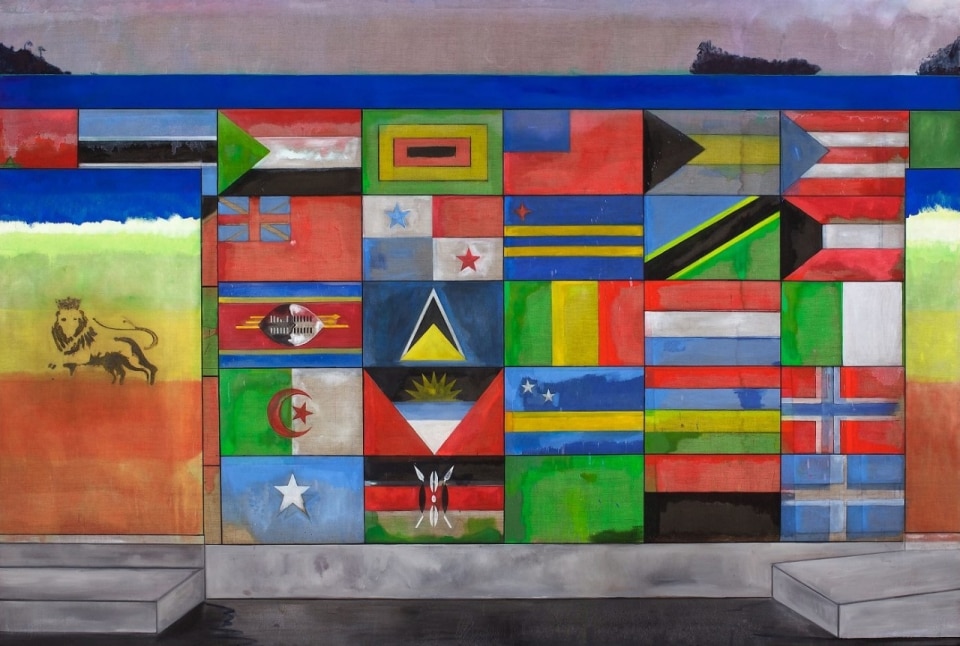
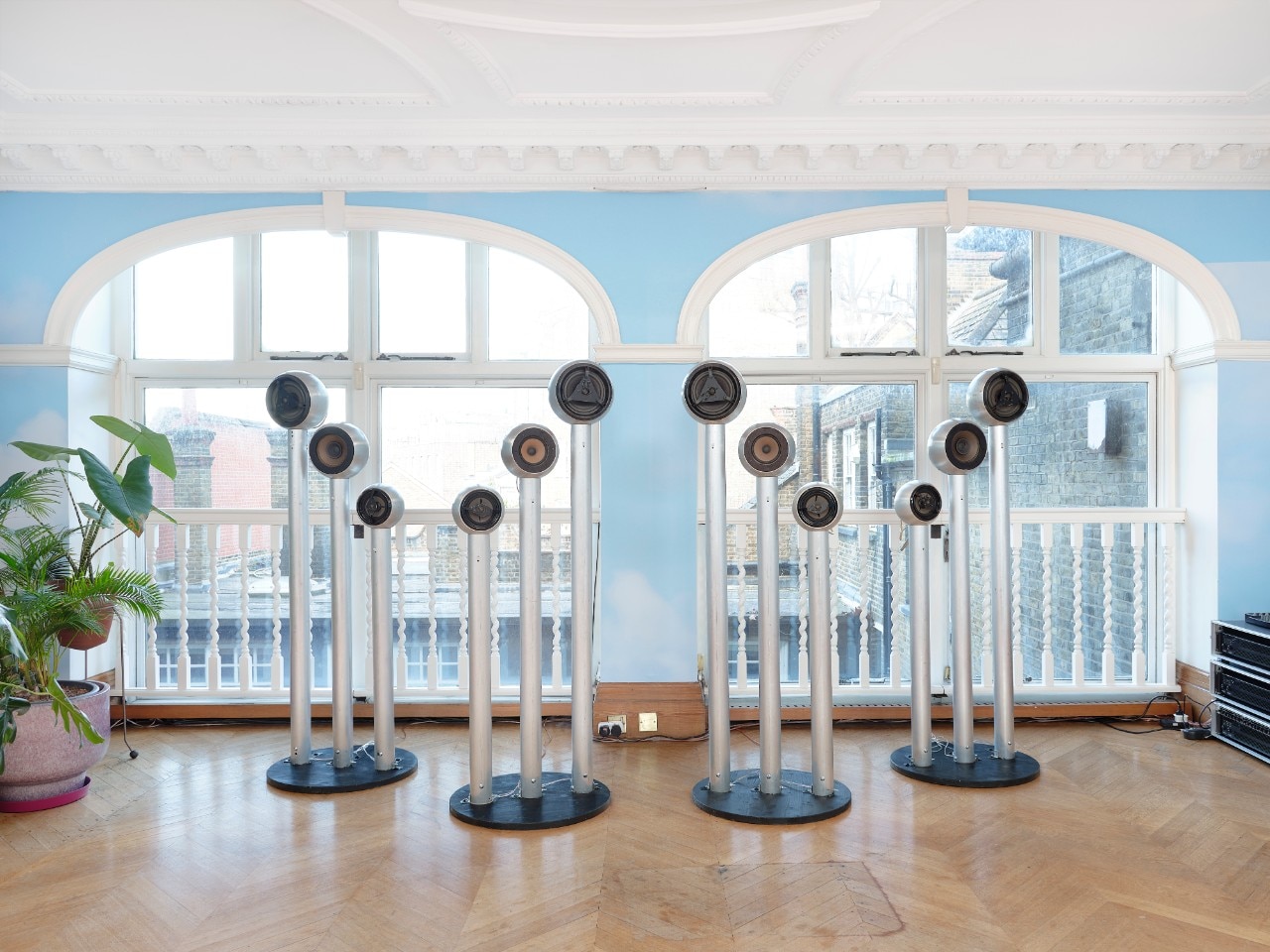
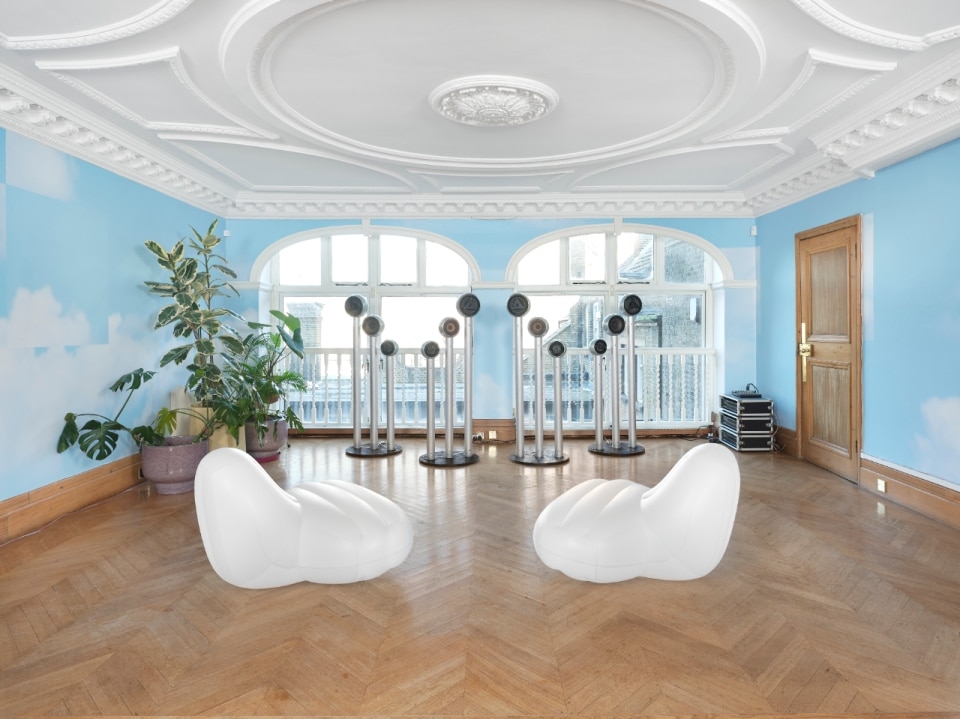
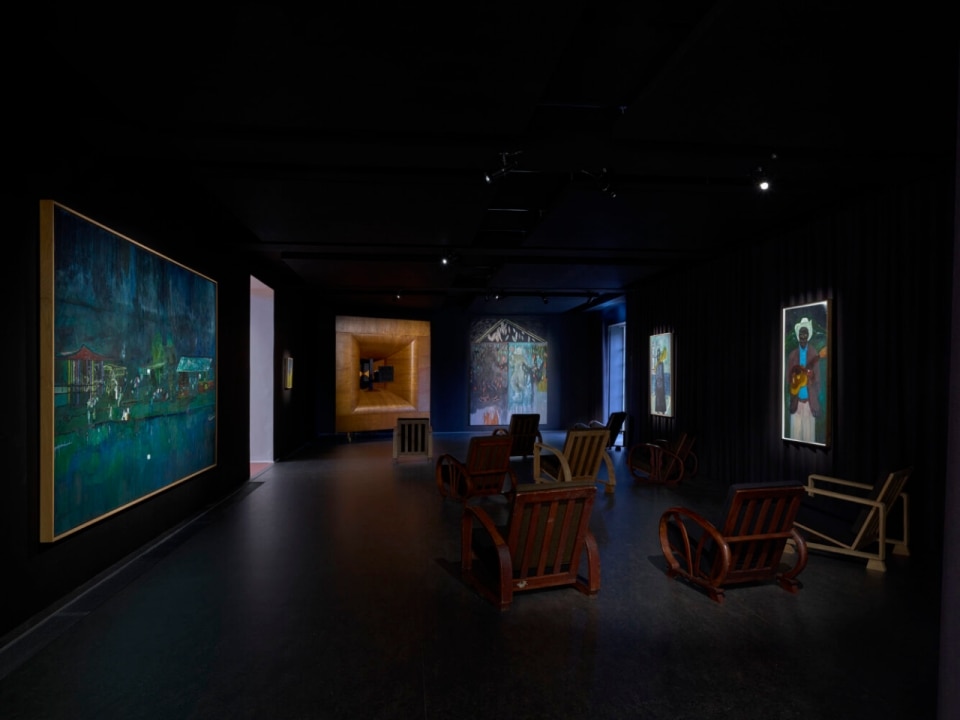
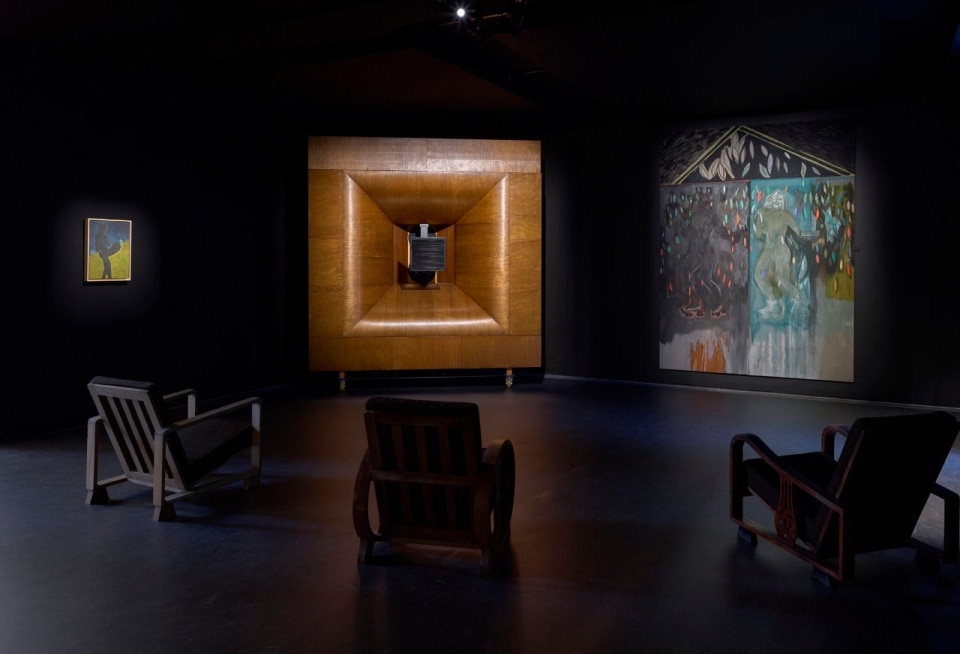
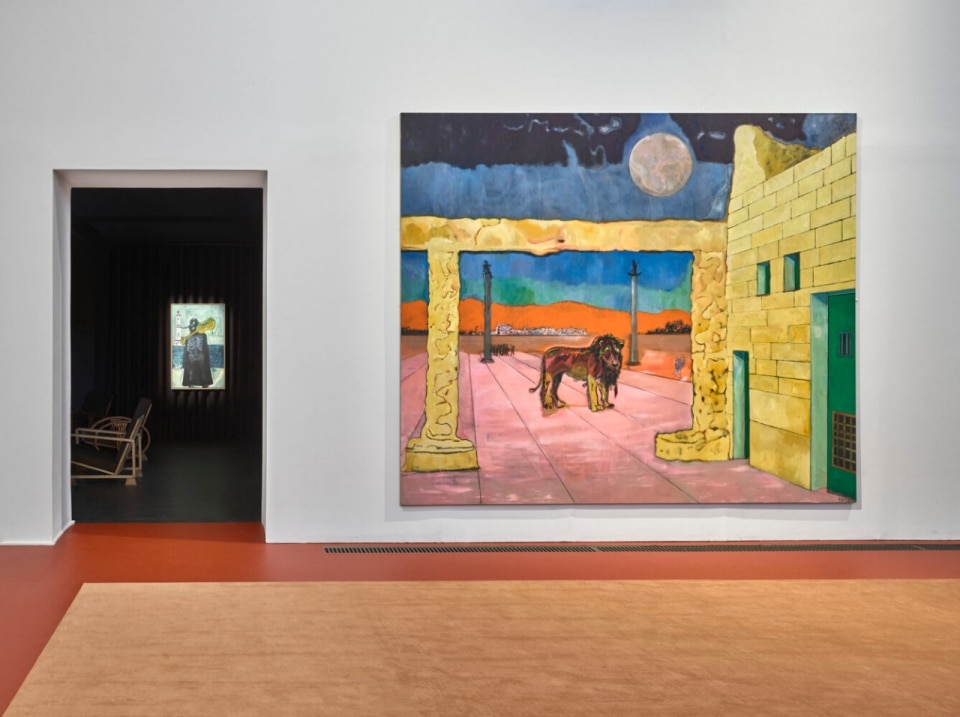
Conceived as an immersive and encounter environment, the exhibition brought together Doig's Caribbean-influenced canvases-many conceived during his years in Trinidad-with a monumental sound system curated by Laurence Passera-a sound researcher with a background as a fashion photographer and assistant to Ray Petri from Buffalo.
Two pairs of rare wooden Klangfilm Euronor speakers from the 1950s, restored and acquired by Florian Schneider of Kraftwerk-originally designed for cinemas and large auditoriums-welcomed the audience. "The themes related to music and community moments present in Peter's paintings were amplified and brought to life using music with a permanent and inclusive background," Passera explains.
Doig's initial fear-that the public might not understand the need for music as a backdrop to a figurative exhibition-soon vanished. Week after week, House of Music: Sound Service, the listening session program that accompanied the exhibition sold out, thanks in part to special guests: from Brian Eno to David Byrne's cassette collection.
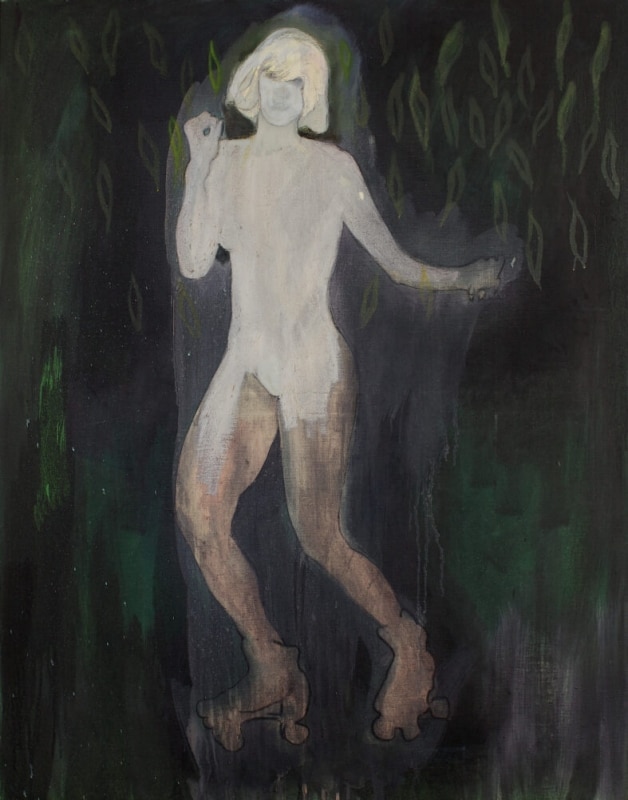
For Passera, the idea of recontextualizing high-quality sound presentations is itself an art form that should be made more accessible to all. "Since most people have never experienced anything like the feeling that enhanced audio listening can elicit, exposing them to Class A tube technology from the 1930s is a real experience within another experience."
Once niche and fringe experiences, sound systems and listening experiences have gradually infiltrated and conquered institutional artistic discourse, dialoguing with design, fashion and architecture.
It is no coincidence that all this happened precisely at the Serpentine, under the aegis of artistic director Hans Ulrich Obrist, among the keenest observers of the transformations of the cultural system; nor that the initiative enjoyed the patronage of the Nicoletta Fiorucci Foundation.
The Serpentine is the venue for the exhibition.
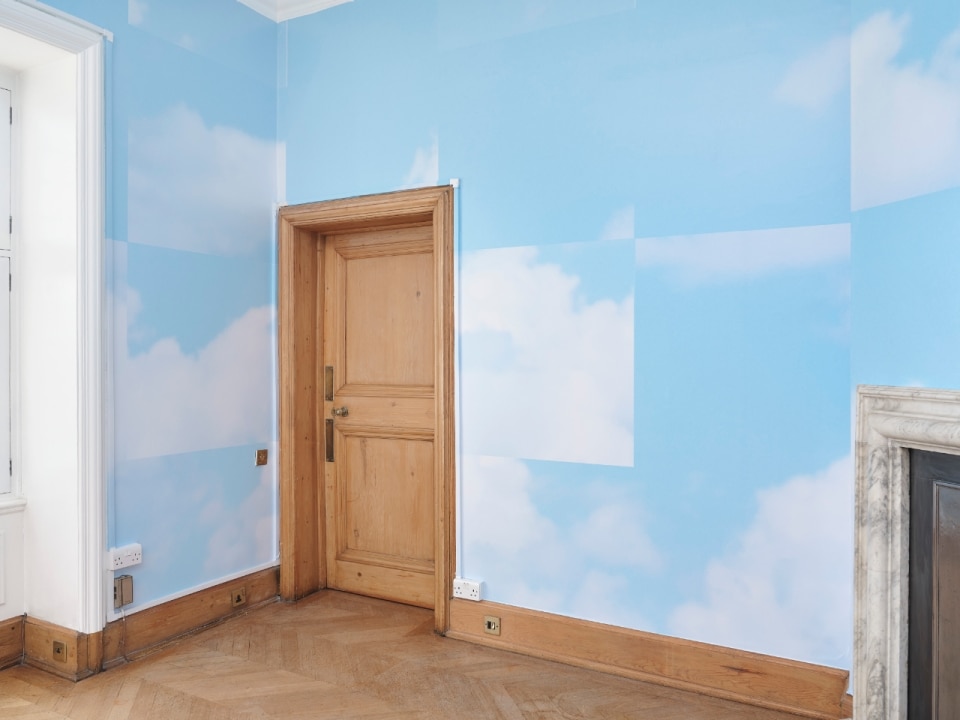
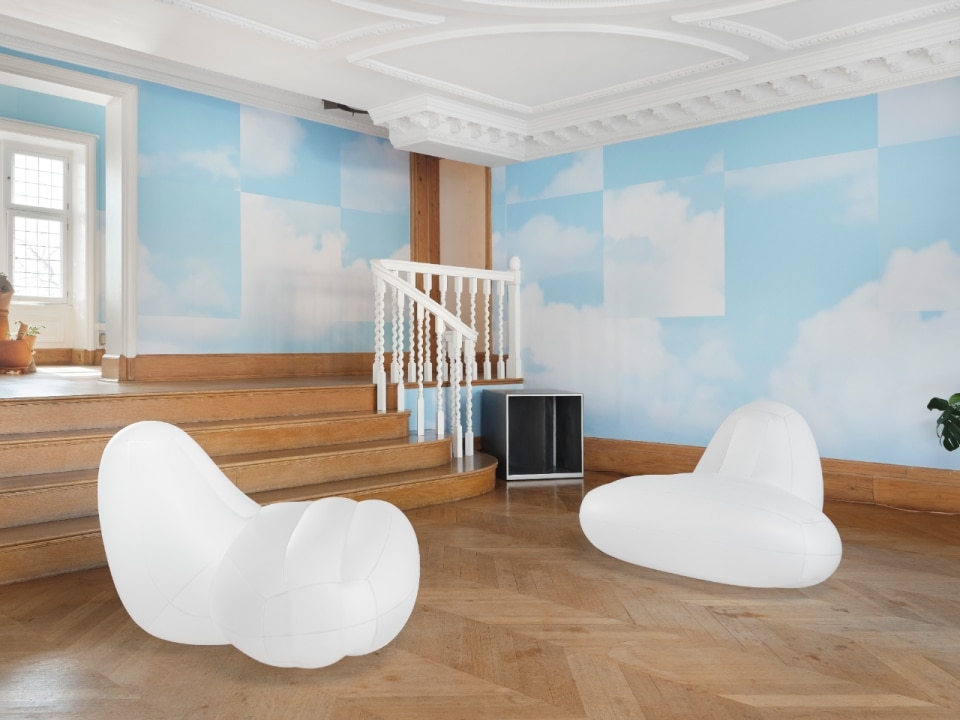
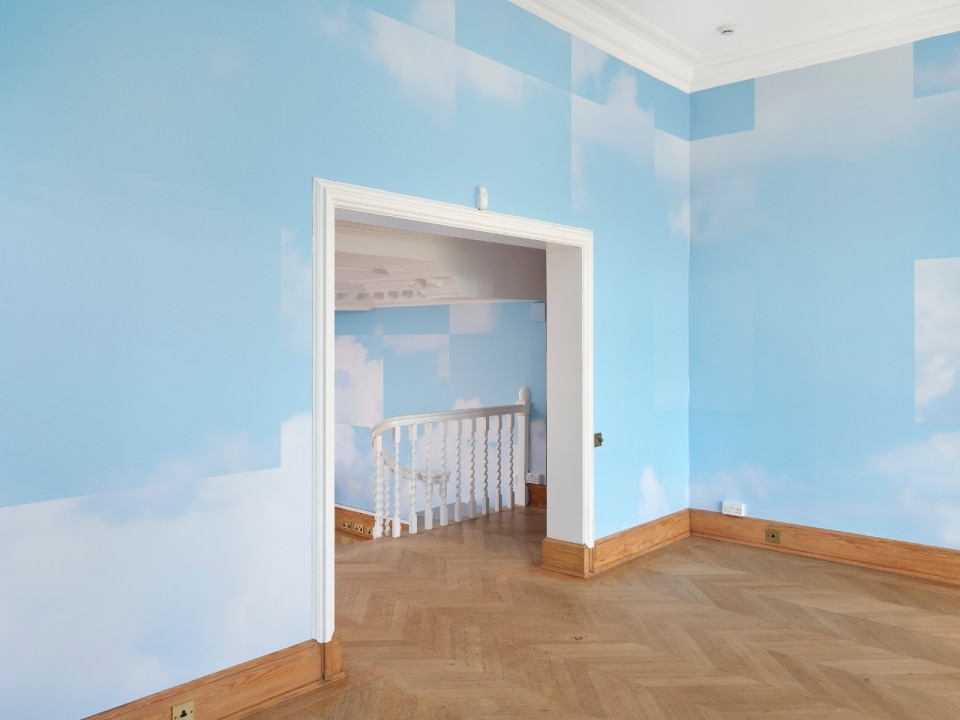
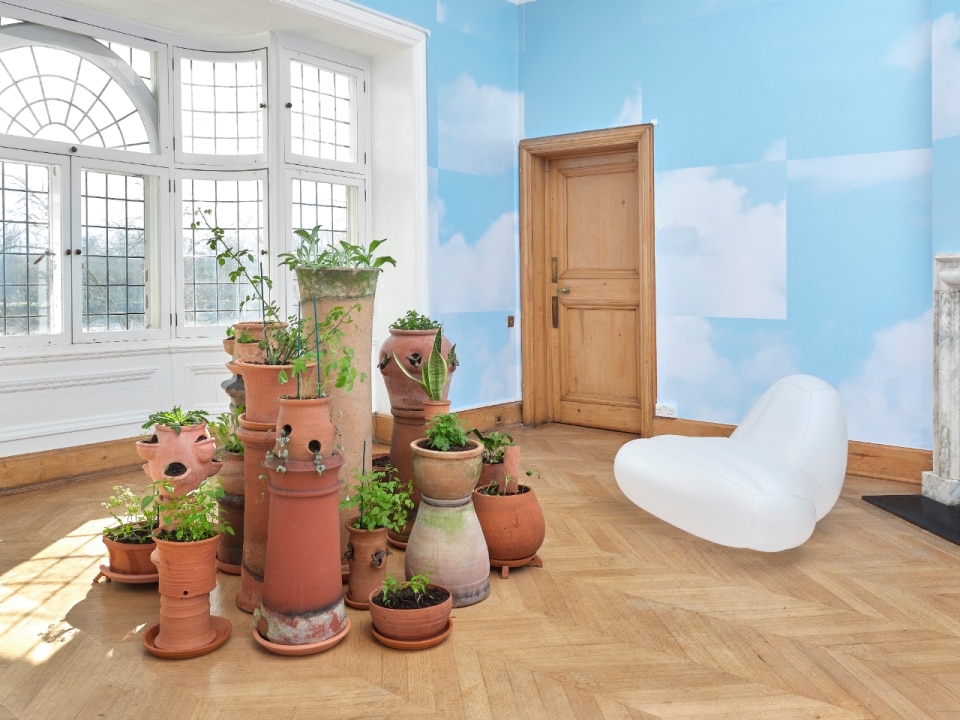
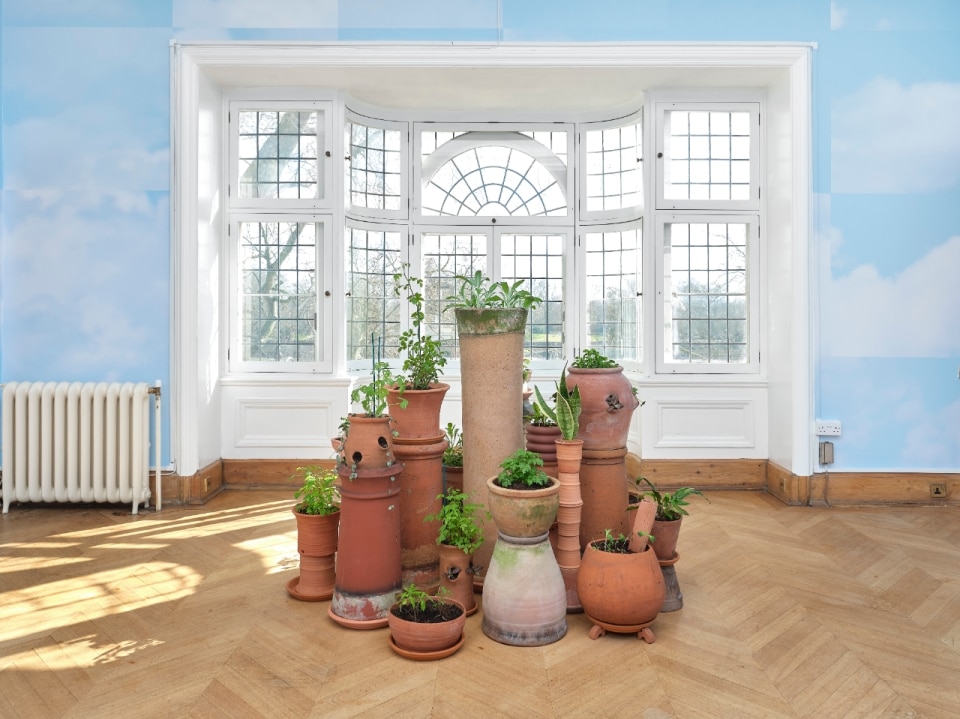
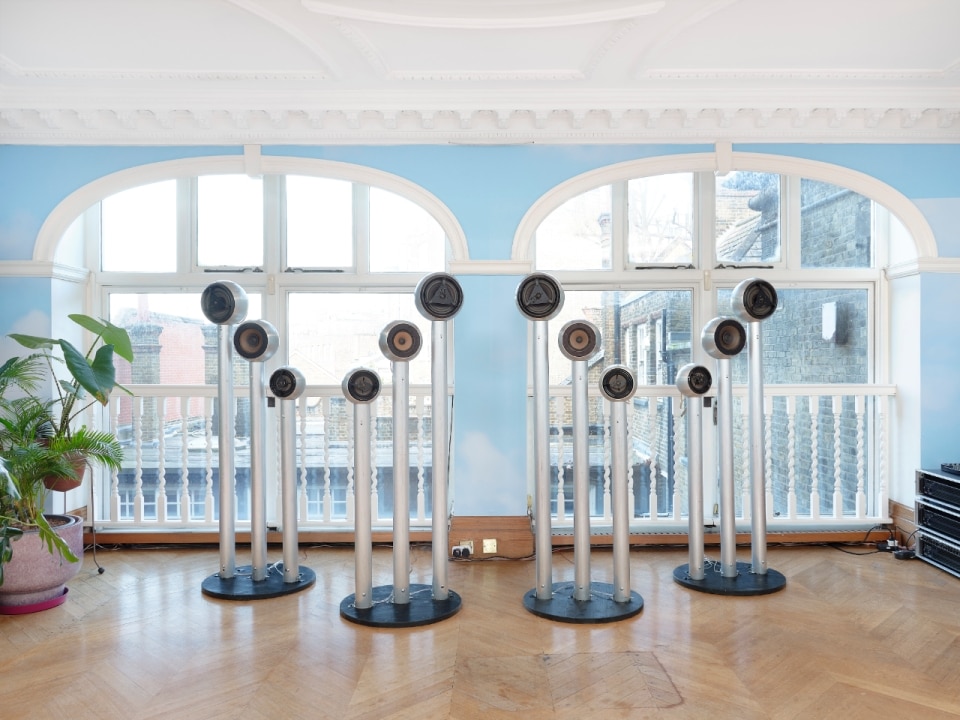
In fact, it was the foundation itself that hosted Ellipse and Ellipsis, curated by Vittoria de Franchis, in London in the spring of 2025. The exhibition presented listening as a sculptural, spatial and participatory practice through the Acousmonium ODAE system built by musician Neuf Voix. Consisting of ten calibrated elements, it was first introduced in the UK as a real artwork, activating it with commissioned works by Jasper Marsalis, Sandra Mujinga and Jota Mombaça - three artists known for integrating sound into their respective practices. The point was clear: sound is not ancillary to space, but a constitutive part of it.
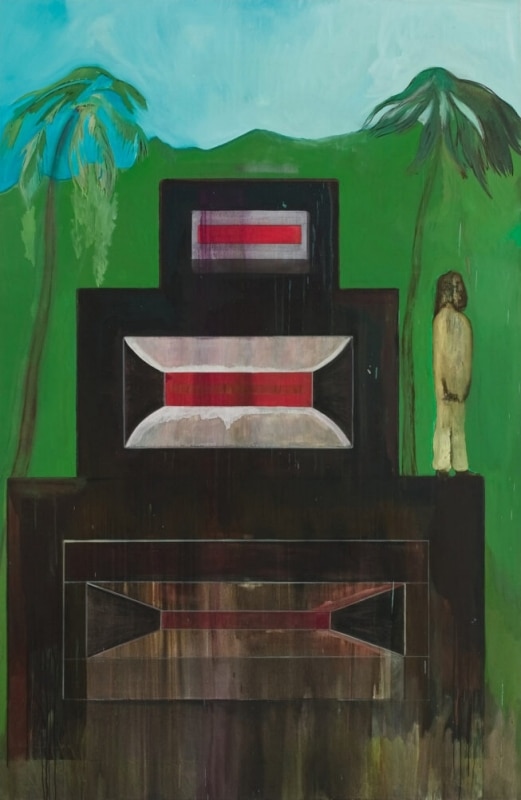
After all, one can find this principle already at the roots of the history of sound systems, whose genealogy can be traced back to mid-twentieth-century Jamaica. There, selectors such as Coxsone Dodd and Duke Reid transformed yards and public spaces into arenas of sonic performativity through towering mobile towers of speakers, amplifiers and turntables.
The sound system is not just a sound system.
Sound systems, in fact, were never simply equipment, but forms of vernacular architecture, social infrastructures with strong political connotations in which the postcolonial identity of the Caribbean islands was negotiated-an aspect also clearly visible in Doig's paintings.
And yet, even far from the Jamaican beaches, as early as the 1930s in the backyards of the most rural Romagna, dance music orchestras moved from farmstead to farmstead in ramshackle vans as nomadic sound systems, rallying communities to the sound of what would later be codified as liscio.
Another listening culture, very different but equally rigorous, is that of Japanese jazz kissa. Places that formalized listening as an act of concentration and respect, in antithesis to Caribbean sound systems that have always favored collective energy and physical immersion.
In recent years these two approaches to music reproduction have begun to converge, establishing an increasingly prolific dialogue with art, design, and fashion. Few embody this attitude better than Devon Turnbull, whose OJAS practice has redefined high fidelity as a form of art and spiritual minimalism.
These two approaches have converged in recent years, establishing an increasingly prolific dialogue with art, design, and fashion.
The point was clear: sound is not ancillary to space, but is a constitutive part of it.
Turnbull's installations look more like temporary shrines set up with ascetic precision than mere product displays for audiophiles. After making a name for himself by designing the sound system at New York's Ace Hotel in the mid-2000s, Turnbull became Supreme's go-to man, bringing his OJAS speakers to all the famous streetwear brand's stores.
In 2019 comes his entry into exhibition spaces, when he collaborates with Virgil Abloh on the Figures of Speech exhibition at the Museum of Contemporary Art in Chicago. A few years later, with HiFi Listening Room Dream No. 1 at the Lisson Gallery in London, comes his first solo exhibition, which establishes his role as a spokesperson for the art world's renewed attention to sound system culture.
At the same time it was Peter Doig himself who had collaborated with designer Kim Jones-both former students at Central Saint Martins-on the Dior Spring-Summer 2021 fashion show, a collection inspired by Caribbean sound system culture, with speaker towers punctuating the models' pacing.
Today, these approaches converge in the fields of art, design, and fashion. One example is Devon Turnbull's OJAS, which has reformulated high-fidelity audio as a form of spiritual minimalism, from the Ace Hotel to Supreme stores to collaborations with Virgil Abloh. As early as 2023, with the solo exhibition HiFi Listening Room Dream No. 1 at the Lisson Gallery in London, Turnbull established himself as a key figure in the art world's renewed interest in sound systems.
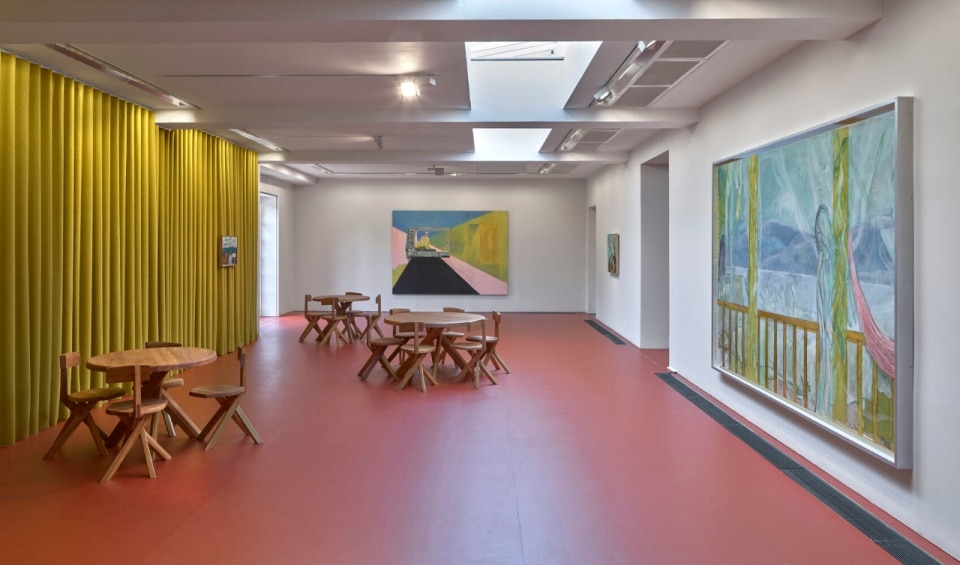
Fashion has also progressively absorbed this language, as evidenced by Dior's Spring/Summer 2021 fashion show designed by Kim Jones, developed in collaboration with Doig himself. Together, these experiences signal a shift: sound systems are gradually moving from underground scenes to institutional settings, while subcultures infiltrate and shape official discourse. Listening sessions and raves - once realities on the margins - are now becoming curated experiences.
As Passera notes, "sound is not just sound [...] institutions have often treated it as a secondary element." For Vittoria de Franchis, curator at the Nicoletta Fiorucci Foundation, this growing presence reflects a broader openness to practices long excluded from institutional recognition.
In the aftermath of the pandemic, collective listening has regained centrality in social practices.
Milan Design Week also welcomed the phenomenon: Capsule Plaza presented works by OJAS, while Stone Island collaborated with Friendly Pressure, an independent London-based reality active in the field of sound systems. On the other hand, Triennale Milano inaugurated Voce, a new space entirely dedicated to immersive listening.
Bringing together and glamorizing the lessons of Japanese jazz kissa and sound system culture with natural wines, cocktails and small-plate cuisine, listening bars are among the other key players in this trend. From Tramps Bar, linked to the London gallery of the same name, to Milanese venues such as Bene Bene and Bar Fiore - with interiors designed by Parasite 2.0 - these spaces translate sound culture into architectural and social environments, blending listening, design and hospitality.
In the aftermath of the pandemic, collective listening has regained centrality in social practices. Younger generations show a renewed interest in shared sound experiences, partly as a reaction to digital saturation. Sound systems, with their visible structure and materiality, are part of a broader cultural return to craft making.
The risk of commercial drift remains, however. Turntables become first and foremost fetishes for Instagram, listening bars dampen the disruptive power of listening practices, and sound systems become mere furnishing accessories. As de Franchis points out, it is up to the curators to prevent these practices from being deprived of their context.
House of Music worked precisely because it managed to avoid this empasse. Doig's paintings were able to dialogue organically with the sound architecture installed around them. Thanks in part to the exhibition context, the exhibition marked a turning point, allowing a mainstream audience to engage with and understand the hybridization of art and sound design, beyond just the niche of adepts.
To paraphrase Turner Prize winner Jeremy Deller: Bless this (Acid) House of Music.