by Francesca Critelli
Milan Design Week 2026 hasn’t even started yet, and many of you already know what to see, where to go, and which installations and performances are supposedly “unmissable.” Some of you will be first-timers (for you, we recommend starting with the basics), while others will move through this maze of projects with experience already under their belt, whether through passion or profession.
And then there’s us: the people who experience design week from the inside and report on it in real time. For us, this is one of the most important moments of the year.
We’ve already covered the most relevant previews of Fuorisalone — such as the digital passport that grants access to many events through a single registration at the beginning of the week, saving valuable time — as well as Salone del Mobile, which this year is returning its focus primarily to the fair itself.
Now that Milan’s most frenetic week is just around the corner, it’s worth taking stock and answering the question we’re all asking: what is really changing this year?
Although press previews have already been underway since the beginning of the month, experience tells us that much will only be revealed during the week itself, scattered through the city streets like a kind of treasure hunt. Some of the most interesting addresses are outside the city center — even beyond Milan itself.
In the meantime, here are a few useful insights into what is truly worth keeping an eye on.
Alcova is still where everyone wants to go — and the formula hasn’t changed: villas and abandoned spaces
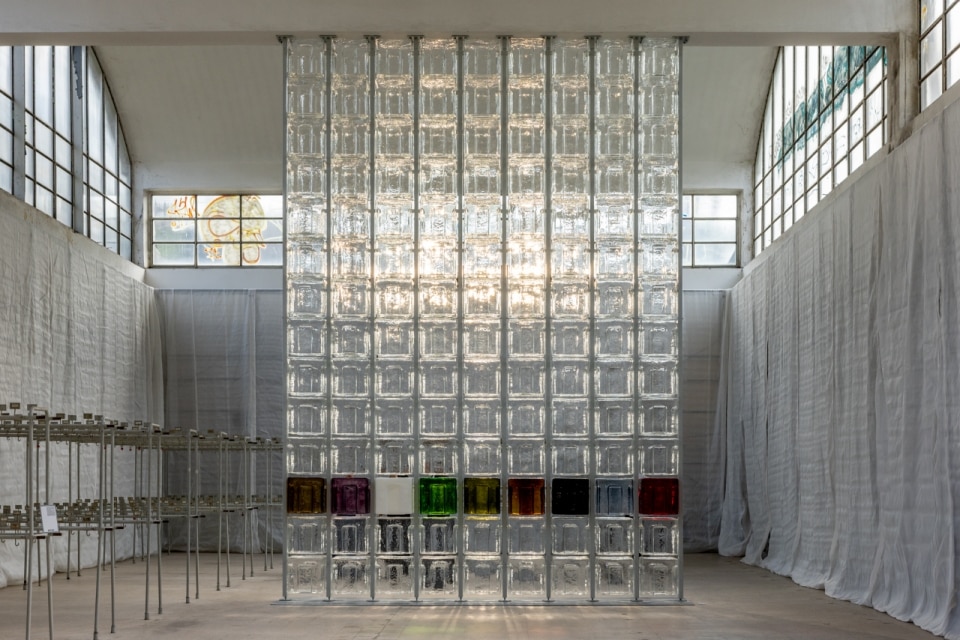
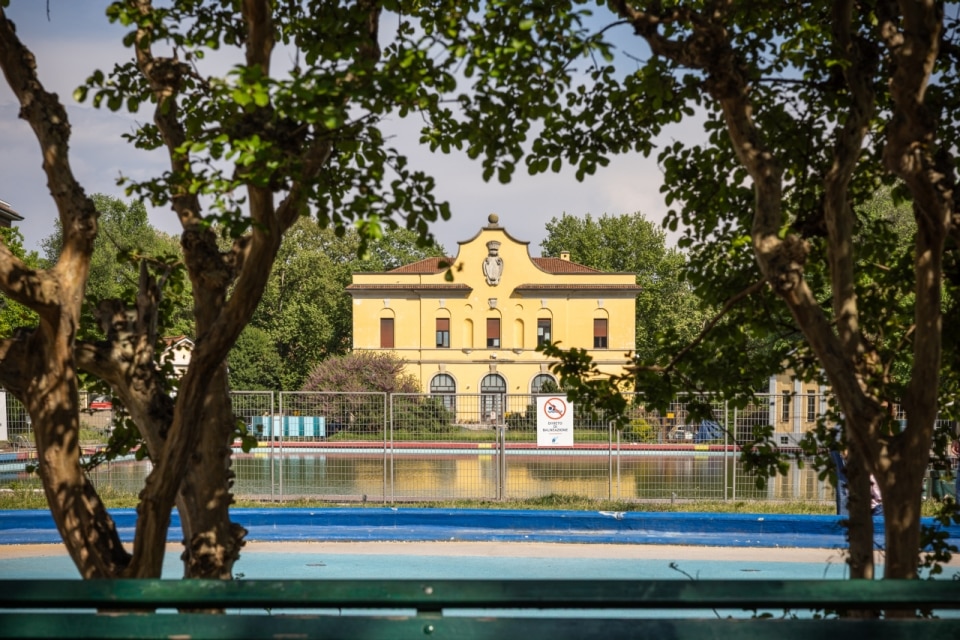
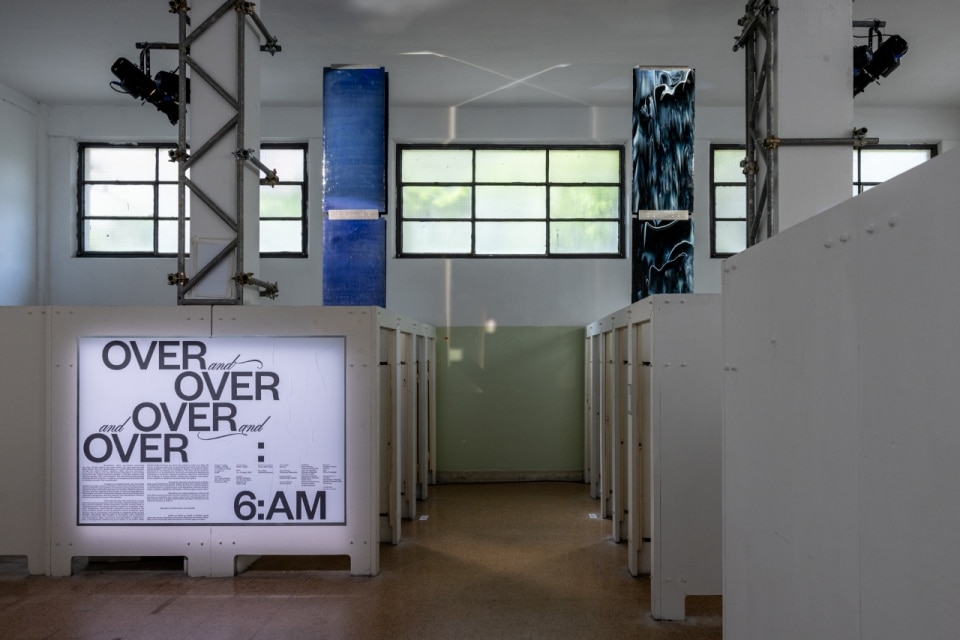
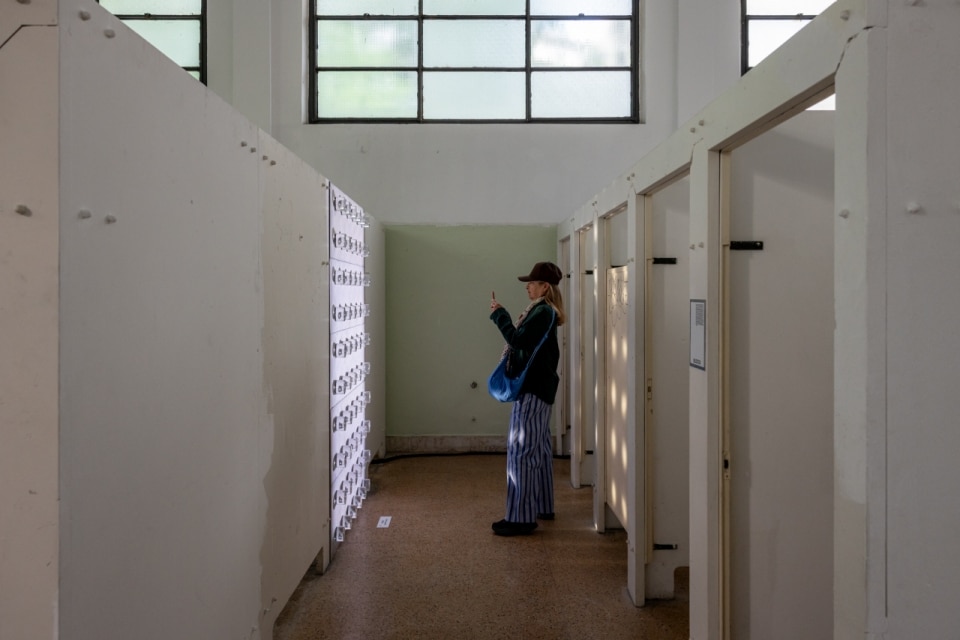
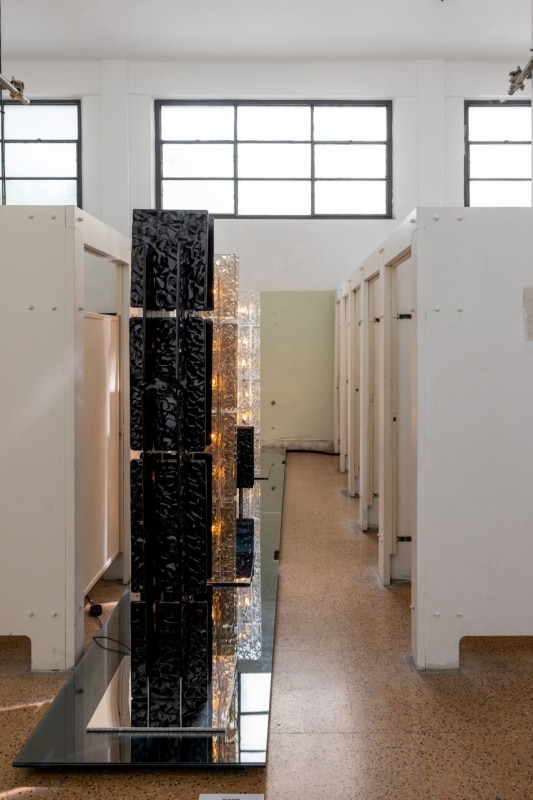
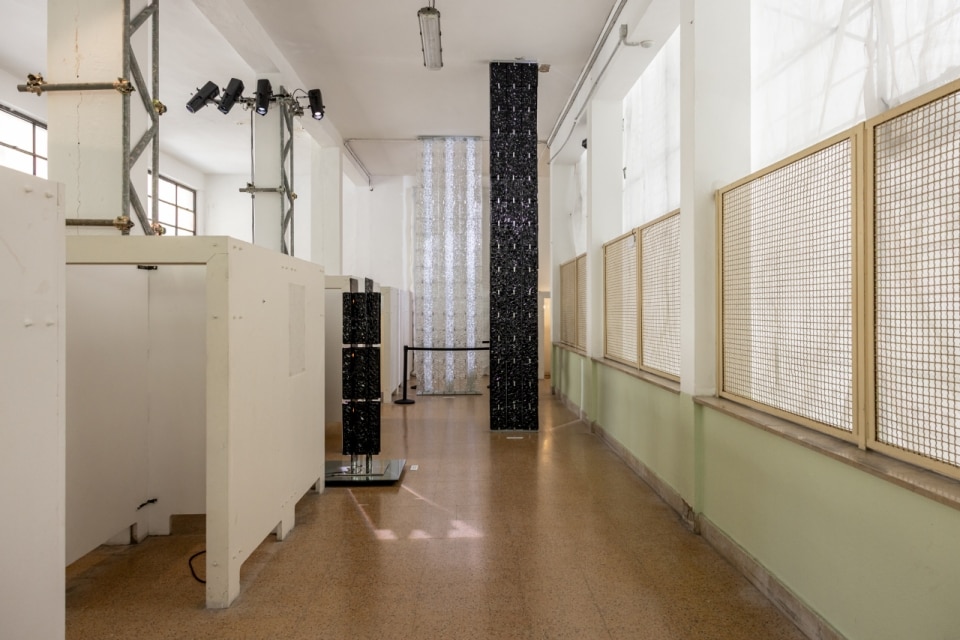
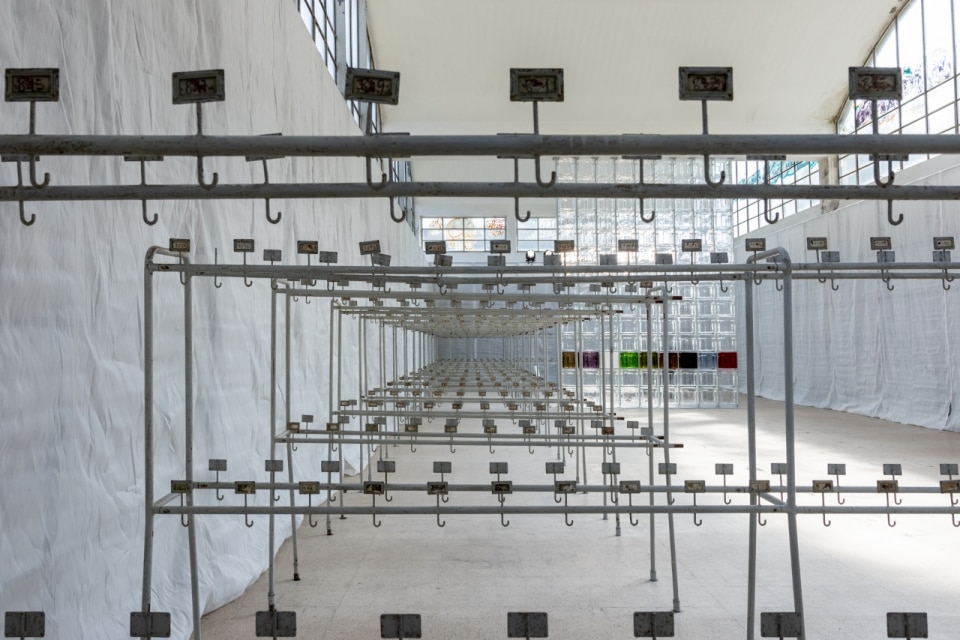
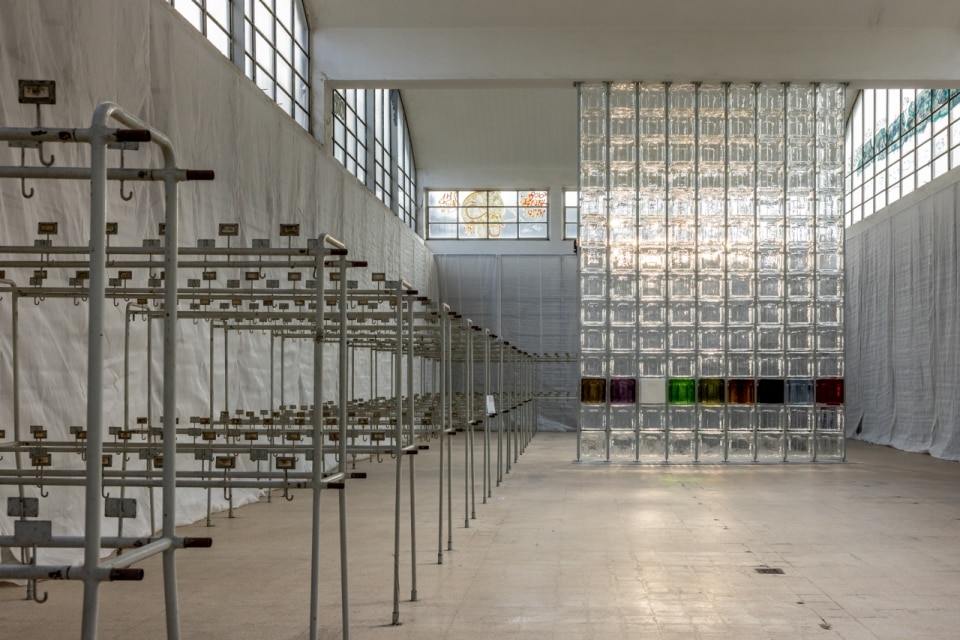
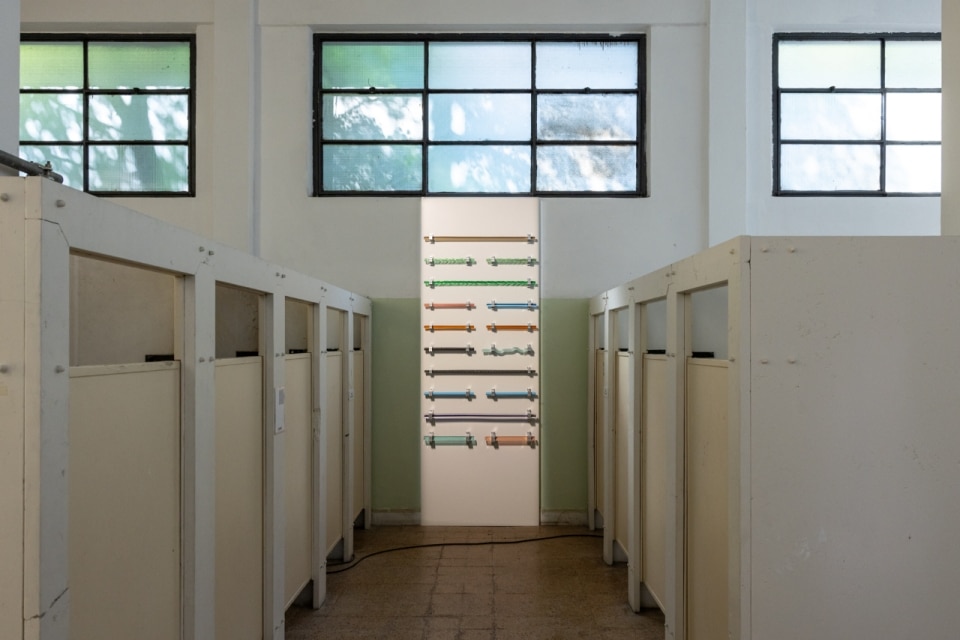
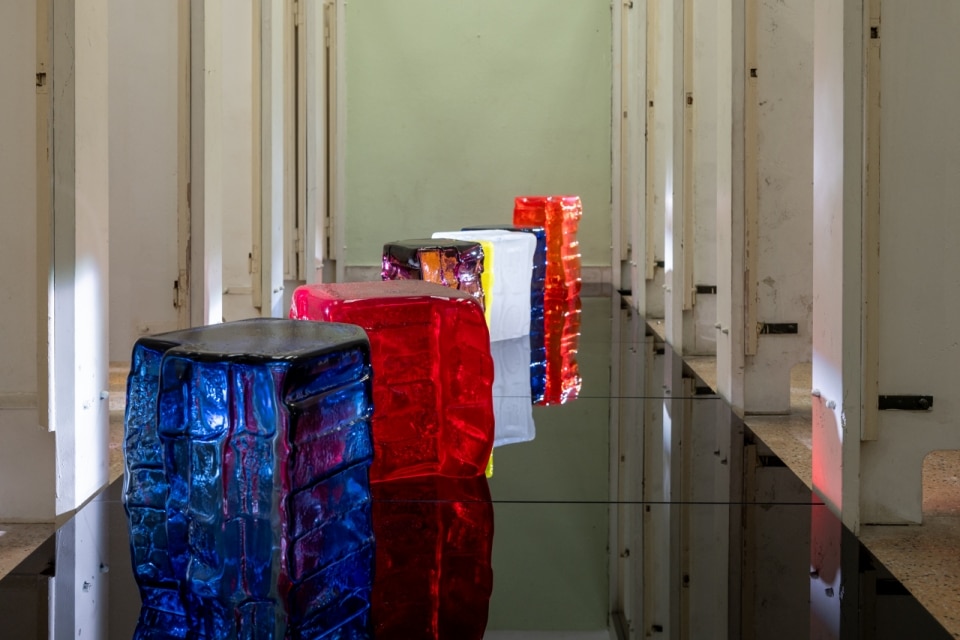
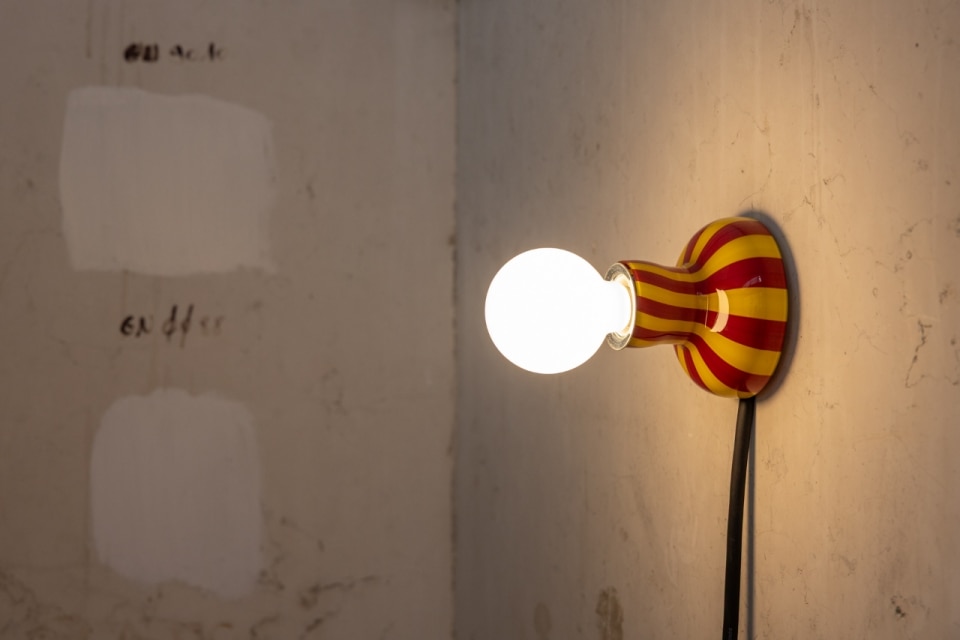
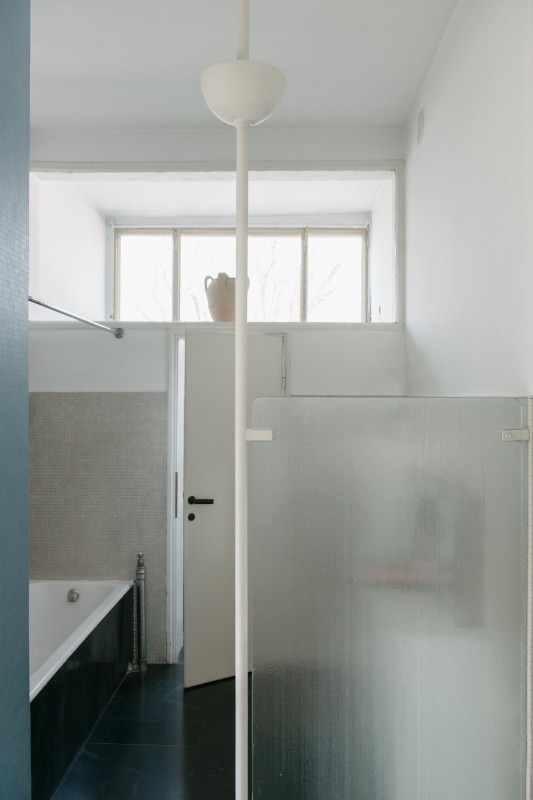
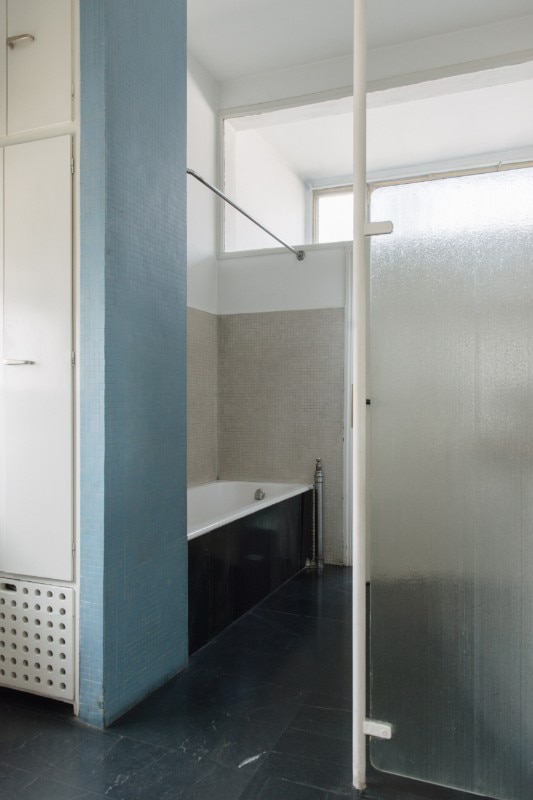
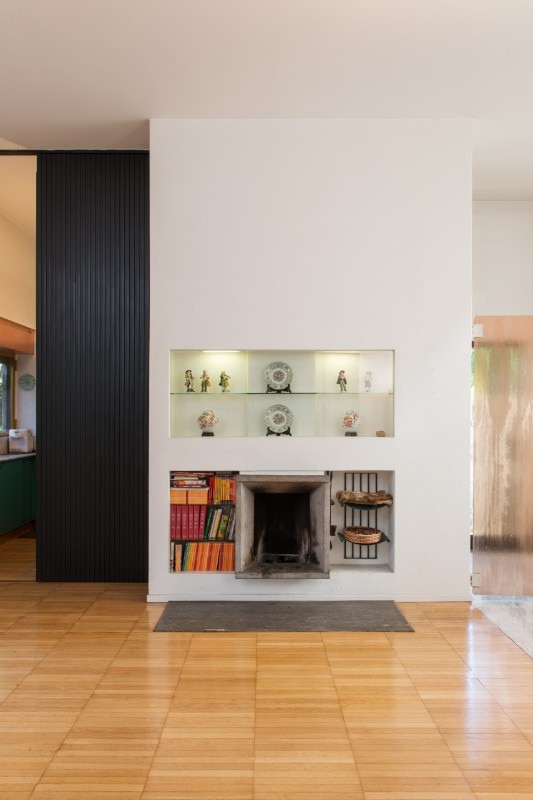
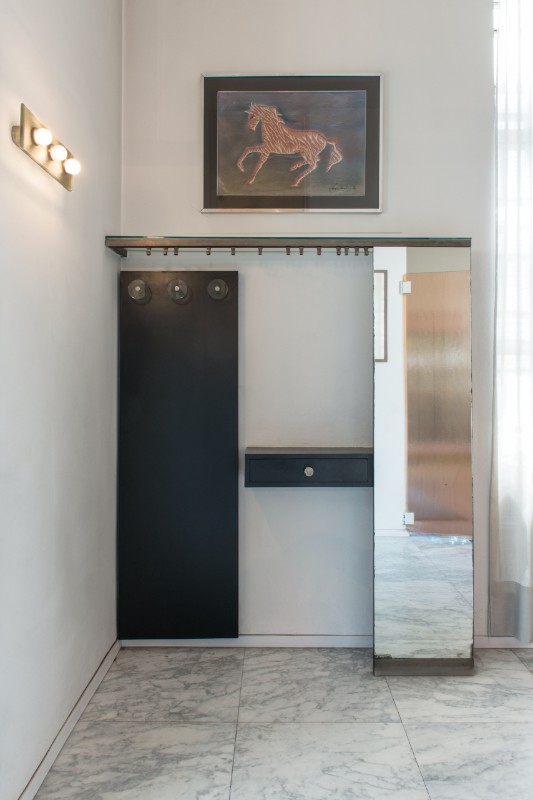
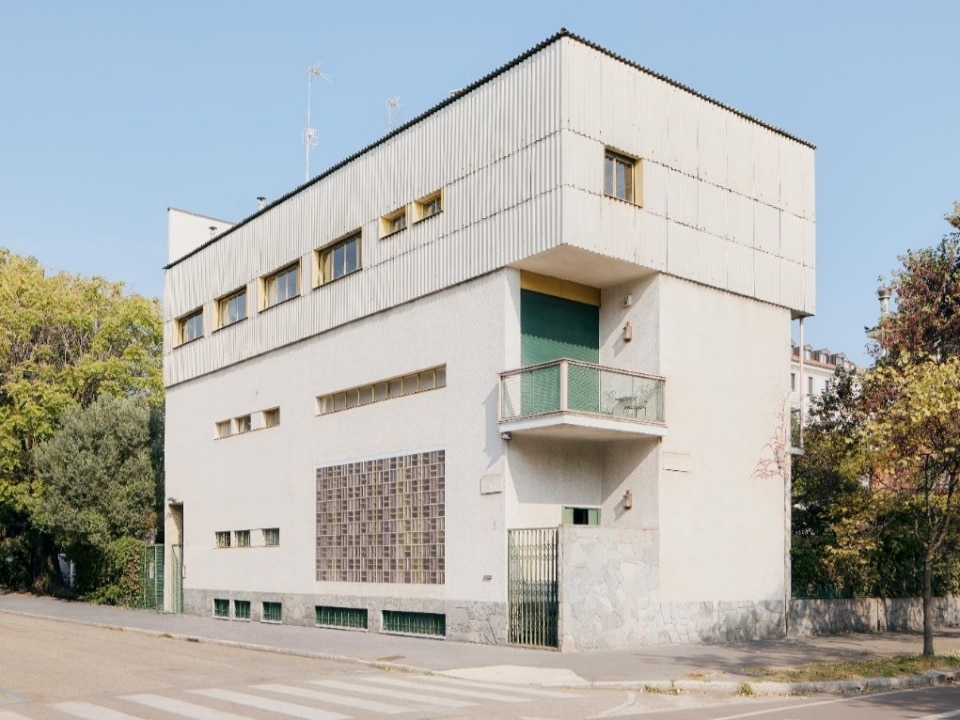
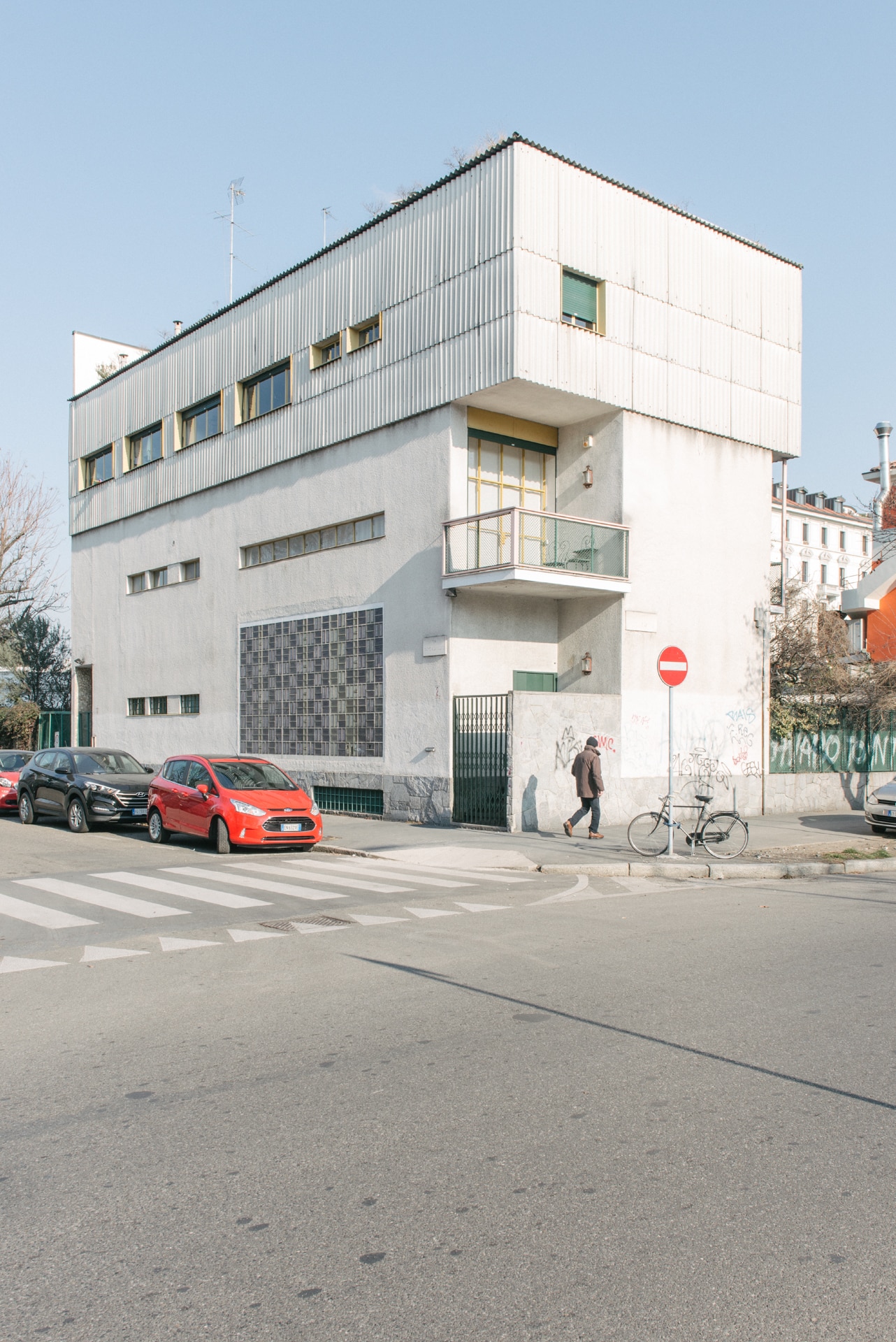
This year, Alcova unfolds between the former Baggio Military Hospital on Milan’s western outskirts — a location already used in 2021 and 2022 — and the newly introduced Villa Pestarini, designed by Franco Albini, not too far away but decidedly more central, in the Washington district.
View gallery
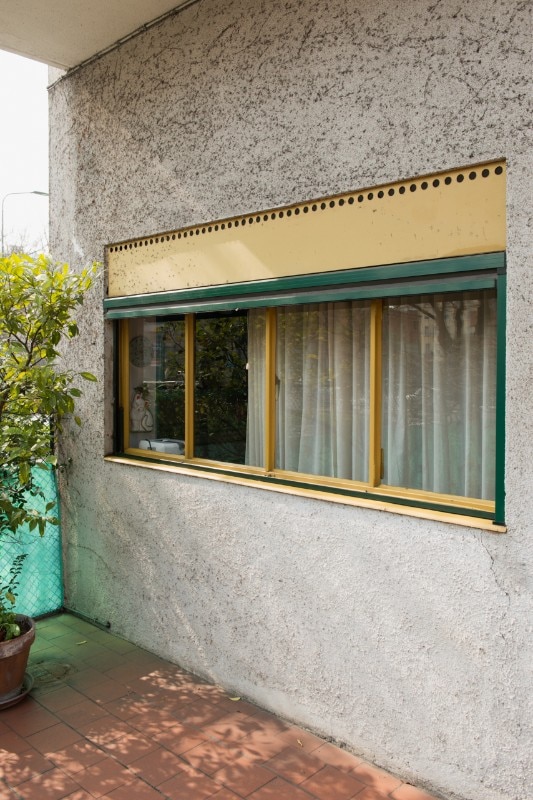
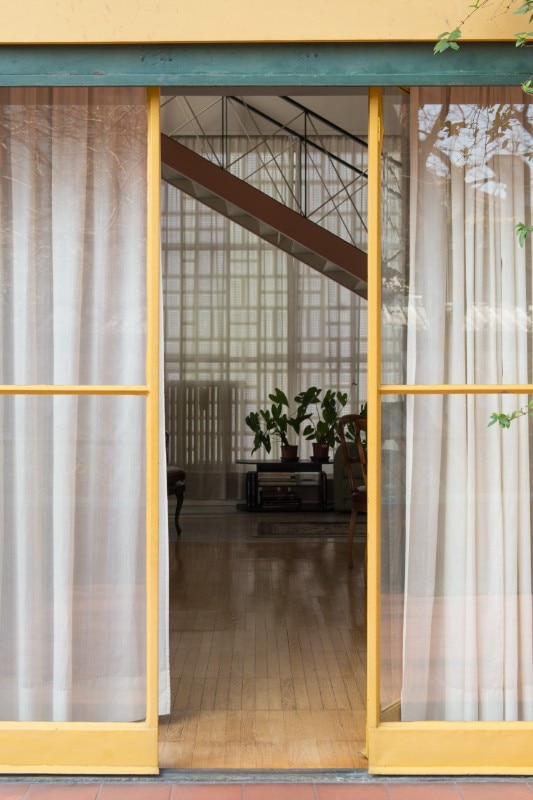
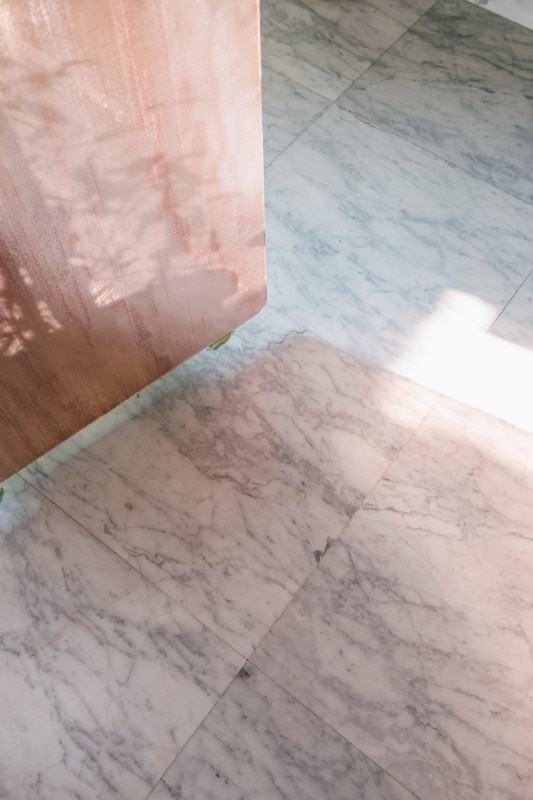
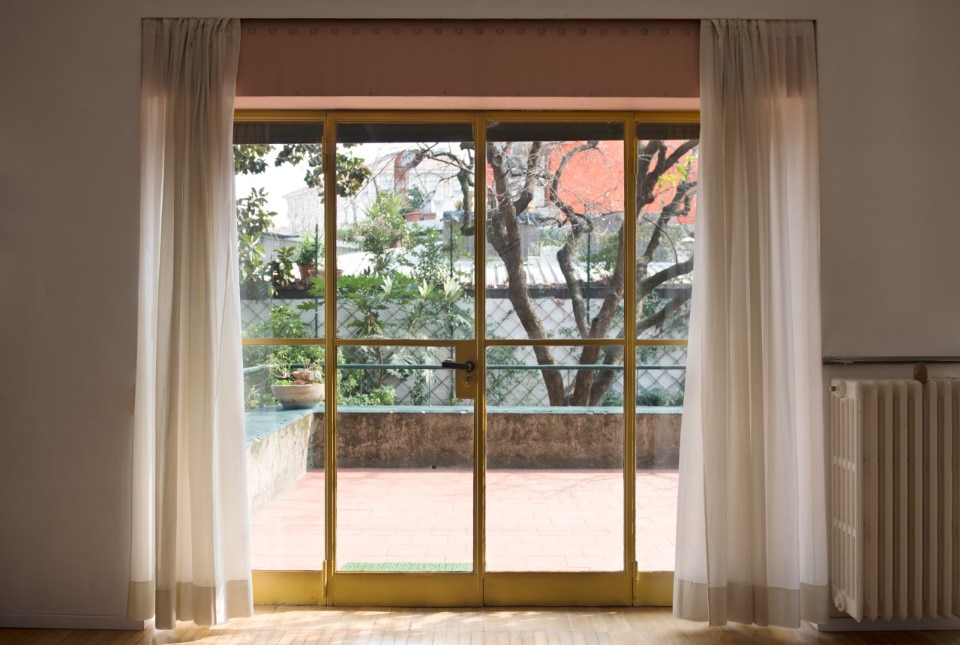
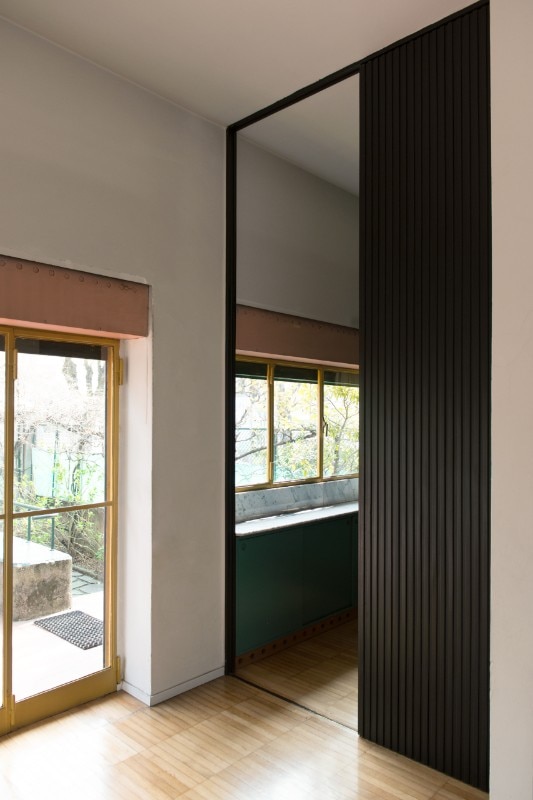
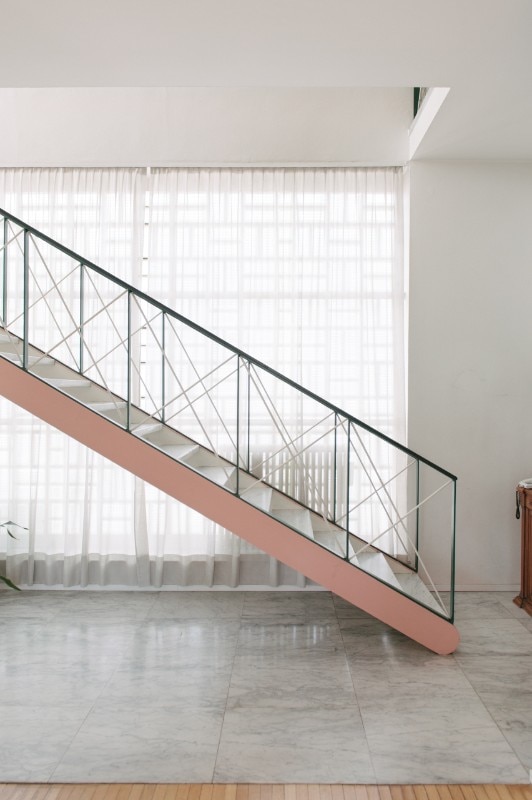
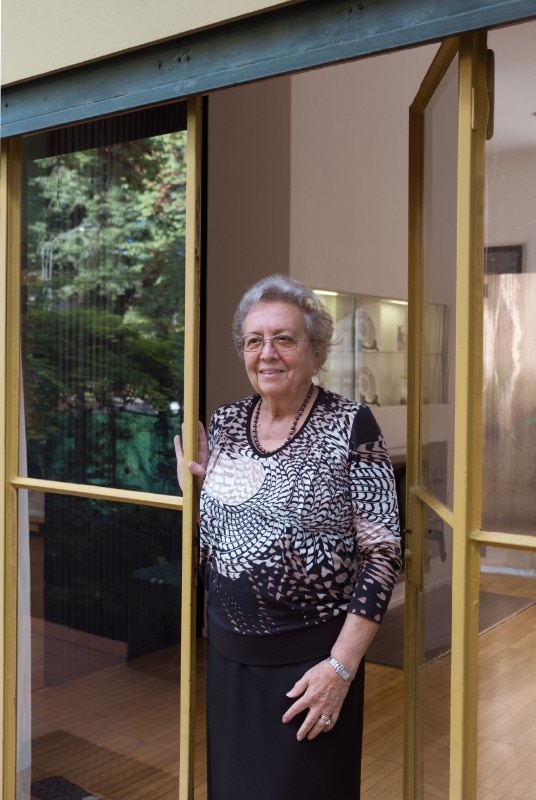
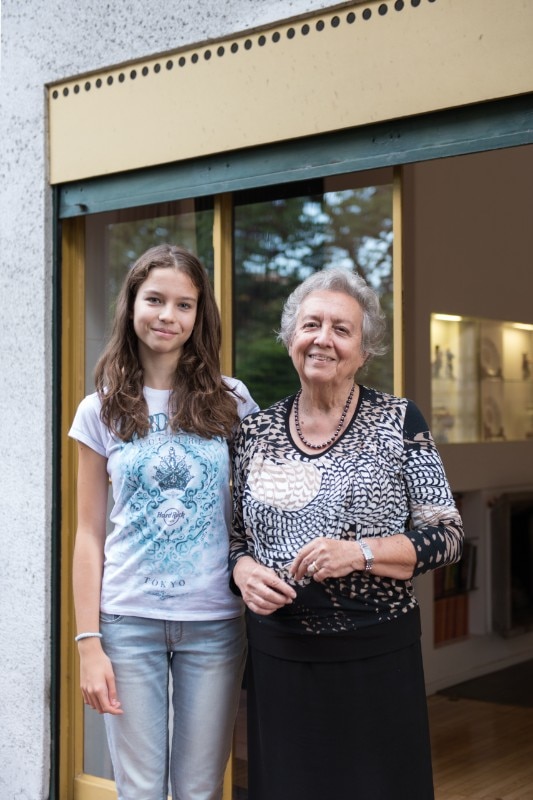
Villa Pestarini by Franco Albini
In 1939, in Domus issue 144, Gio Ponti published Villa Pestarini by Franco Albini. The rationalist house built 80 years ago has since been enjoyed by 5 generations, making it more alive and modern than ever. The original interiors and many pieces of custom-made furniture are a refreshing mix of functionality and aesthetics seen in a wealth of meticulously studied details.
Villa Pestarini by Franco Albini
In 1939, in Domus issue 144, Gio Ponti published Villa Pestarini by Franco Albini. The rationalist house built 80 years ago has since been enjoyed by 5 generations, making it more alive and modern than ever. The original interiors and many pieces of custom-made furniture are a refreshing mix of functionality and aesthetics seen in a wealth of meticulously studied details.
Villa Pestarini by Franco Albini
In 1939, in Domus issue 144, Gio Ponti published Villa Pestarini by Franco Albini. The rationalist house built 80 years ago has since been enjoyed by 5 generations, making it more alive and modern than ever. The original interiors and many pieces of custom-made furniture are a refreshing mix of functionality and aesthetics seen in a wealth of meticulously studied details.
Villa Pestarini by Franco Albini
In 1939, in Domus issue 144, Gio Ponti published Villa Pestarini by Franco Albini. The rationalist house built 80 years ago has since been enjoyed by 5 generations, making it more alive and modern than ever. The original interiors and many pieces of custom-made furniture are a refreshing mix of functionality and aesthetics seen in a wealth of meticulously studied details.
Villa Pestarini by Franco Albini
In 1939, in Domus issue 144, Gio Ponti published Villa Pestarini by Franco Albini. The rationalist house built 80 years ago has since been enjoyed by 5 generations, making it more alive and modern than ever. The original interiors and many pieces of custom-made furniture are a refreshing mix of functionality and aesthetics seen in a wealth of meticulously studied details.
Villa Pestarini by Franco Albini
In 1939, in Domus issue 144, Gio Ponti published Villa Pestarini by Franco Albini. The rationalist house built 80 years ago has since been enjoyed by 5 generations, making it more alive and modern than ever. The original interiors and many pieces of custom-made furniture are a refreshing mix of functionality and aesthetics seen in a wealth of meticulously studied details.
Villa Pestarini by Franco Albini
In 1939, in Domus issue 144, Gio Ponti published Villa Pestarini by Franco Albini. The rationalist house built 80 years ago has since been enjoyed by 5 generations, making it more alive and modern than ever. The original interiors and many pieces of custom-made furniture are a refreshing mix of functionality and aesthetics seen in a wealth of meticulously studied details.
Villa Pestarini by Franco Albini
In 1939, in Domus issue 144, Gio Ponti published Villa Pestarini by Franco Albini. The rationalist house built 80 years ago has since been enjoyed by 5 generations, making it more alive and modern than ever. The original interiors and many pieces of custom-made furniture are a refreshing mix of functionality and aesthetics seen in a wealth of meticulously studied details.
Villa Pestarini by Franco Albini
In 1939, in Domus issue 144, Gio Ponti published Villa Pestarini by Franco Albini. The rationalist house built 80 years ago has since been enjoyed by 5 generations, making it more alive and modern than ever. The original interiors and many pieces of custom-made furniture are a refreshing mix of functionality and aesthetics seen in a wealth of meticulously studied details.
Villa Pestarini by Franco Albini
In 1939, in Domus issue 144, Gio Ponti published Villa Pestarini by Franco Albini. The rationalist house built 80 years ago has since been enjoyed by 5 generations, making it more alive and modern than ever. The original interiors and many pieces of custom-made furniture are a refreshing mix of functionality and aesthetics seen in a wealth of meticulously studied details.
Villa Pestarini by Franco Albini
In 1939, in Domus issue 144, Gio Ponti published Villa Pestarini by Franco Albini. The rationalist house built 80 years ago has since been enjoyed by 5 generations, making it more alive and modern than ever. The original interiors and many pieces of custom-made furniture are a refreshing mix of functionality and aesthetics seen in a wealth of meticulously studied details.
Villa Pestarini by Franco Albini
In 1939, in Domus issue 144, Gio Ponti published Villa Pestarini by Franco Albini. The rationalist house built 80 years ago has since been enjoyed by 5 generations, making it more alive and modern than ever. The original interiors and many pieces of custom-made furniture are a refreshing mix of functionality and aesthetics seen in a wealth of meticulously studied details.
Villa Pestarini by Franco Albini
In 1939, in Domus issue 144, Gio Ponti published Villa Pestarini by Franco Albini. The rationalist house built 80 years ago has since been enjoyed by 5 generations, making it more alive and modern than ever. The original interiors and many pieces of custom-made furniture are a refreshing mix of functionality and aesthetics seen in a wealth of meticulously studied details.
Villa Pestarini by Franco Albini
In 1939, in Domus issue 144, Gio Ponti published Villa Pestarini by Franco Albini. The rationalist house built 80 years ago has since been enjoyed by 5 generations, making it more alive and modern than ever. The original interiors and many pieces of custom-made furniture are a refreshing mix of functionality and aesthetics seen in a wealth of meticulously studied details.
Villa Pestarini by Franco Albini
In 1939, in Domus issue 144, Gio Ponti published Villa Pestarini by Franco Albini. The rationalist house built 80 years ago has since been enjoyed by 5 generations, making it more alive and modern than ever. The original interiors and many pieces of custom-made furniture are a refreshing mix of functionality and aesthetics seen in a wealth of meticulously studied details.
Villa Pestarini by Franco Albini
In 1939, in Domus issue 144, Gio Ponti published Villa Pestarini by Franco Albini. The rationalist house built 80 years ago has since been enjoyed by 5 generations, making it more alive and modern than ever. The original interiors and many pieces of custom-made furniture are a refreshing mix of functionality and aesthetics seen in a wealth of meticulously studied details.
Villa Pestarini by Franco Albini
In 1939, in Domus issue 144, Gio Ponti published Villa Pestarini by Franco Albini. The rationalist house built 80 years ago has since been enjoyed by 5 generations, making it more alive and modern than ever. The original interiors and many pieces of custom-made furniture are a refreshing mix of functionality and aesthetics seen in a wealth of meticulously studied details.
Villa Pestarini by Franco Albini
In 1939, in Domus issue 144, Gio Ponti published Villa Pestarini by Franco Albini. The rationalist house built 80 years ago has since been enjoyed by 5 generations, making it more alive and modern than ever. The original interiors and many pieces of custom-made furniture are a refreshing mix of functionality and aesthetics seen in a wealth of meticulously studied details.
Villa Pestarini by Franco Albini
In 1939, in Domus issue 144, Gio Ponti published Villa Pestarini by Franco Albini. The rationalist house built 80 years ago has since been enjoyed by 5 generations, making it more alive and modern than ever. The original interiors and many pieces of custom-made furniture are a refreshing mix of functionality and aesthetics seen in a wealth of meticulously studied details.
Villa Pestarini by Franco Albini
In 1939, in Domus issue 144, Gio Ponti published Villa Pestarini by Franco Albini. The rationalist house built 80 years ago has since been enjoyed by 5 generations, making it more alive and modern than ever. The original interiors and many pieces of custom-made furniture are a refreshing mix of functionality and aesthetics seen in a wealth of meticulously studied details.
Villa Pestarini by Franco Albini
In 1939, in Domus issue 144, Gio Ponti published Villa Pestarini by Franco Albini. The rationalist house built 80 years ago has since been enjoyed by 5 generations, making it more alive and modern than ever. The original interiors and many pieces of custom-made furniture are a refreshing mix of functionality and aesthetics seen in a wealth of meticulously studied details.
Villa Pestarini by Franco Albini
In 1939, in Domus issue 144, Gio Ponti published Villa Pestarini by Franco Albini. The rationalist house built 80 years ago has since been enjoyed by 5 generations, making it more alive and modern than ever. The original interiors and many pieces of custom-made furniture are a refreshing mix of functionality and aesthetics seen in a wealth of meticulously studied details.
Villa Pestarini by Franco Albini
In 1939, in Domus issue 144, Gio Ponti published Villa Pestarini by Franco Albini. The rationalist house built 80 years ago has since been enjoyed by 5 generations, making it more alive and modern than ever. The original interiors and many pieces of custom-made furniture are a refreshing mix of functionality and aesthetics seen in a wealth of meticulously studied details.
Villa Pestarini by Franco Albini
In 1939, in Domus issue 144, Gio Ponti published Villa Pestarini by Franco Albini. The rationalist house built 80 years ago has since been enjoyed by 5 generations, making it more alive and modern than ever. The original interiors and many pieces of custom-made furniture are a refreshing mix of functionality and aesthetics seen in a wealth of meticulously studied details.
Villa Pestarini by Franco Albini
In 1939, in Domus issue 144, Gio Ponti published Villa Pestarini by Franco Albini. The rationalist house built 80 years ago has since been enjoyed by 5 generations, making it more alive and modern than ever. The original interiors and many pieces of custom-made furniture are a refreshing mix of functionality and aesthetics seen in a wealth of meticulously studied details.
Villa Pestarini by Franco Albini
In 1939, in Domus issue 144, Gio Ponti published Villa Pestarini by Franco Albini. The rationalist house built 80 years ago has since been enjoyed by 5 generations, making it more alive and modern than ever. The original interiors and many pieces of custom-made furniture are a refreshing mix of functionality and aesthetics seen in a wealth of meticulously studied details.
So while Alcova changes locations, it continues to embrace the same duality: villas on one side — you may remember Villa Borsani and Villa Bagatti Valsecchi from previous editions — and large disused industrial or civic complexes on the other.
In short: spaces that are normally inaccessible because they are abandoned, unknown, or outside the city’s central circuits, reopened to the public for just a few days. On paper alone, that already makes them unmissable.
And while the curatorial vision of Joseph Grima and Valentina Ciuffi goes far beyond the choice of locations — with a focus on collectible design that this year already seems to have captured everyone’s attention — one thing remains certain: architecture plays a huge role. Especially for those who are interested less in design itself and more in a kind of “domesticated urban exploration” experience.
It is therefore no surprise that repeated overcrowding and kilometer-long queues led — as the curators themselves explained — to the introduction of an entry ticket starting in 2025, a system confirmed again this year.
The Alcova experience will once again be paid access, and the paradox is clear: access to hidden places has, in effect, once again become something reserved for the few.
Alongside the big returns, a few plot twists
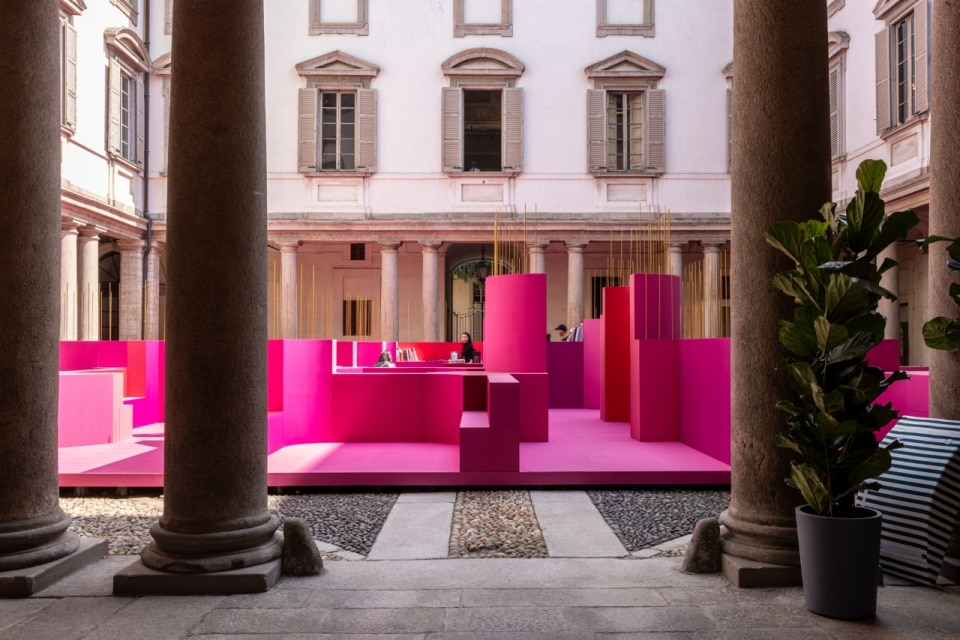
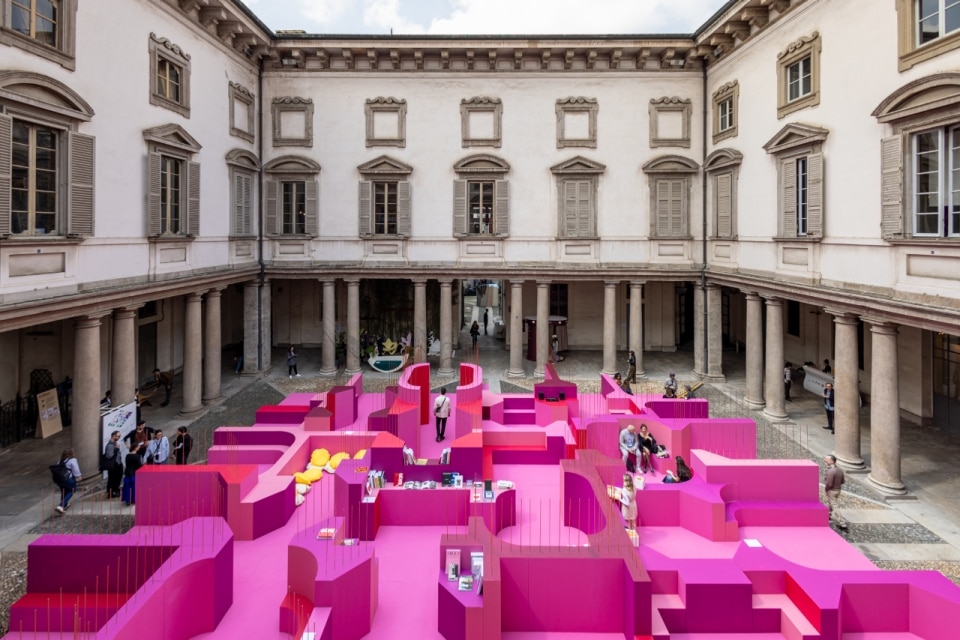
Among the welcome returns, it’s not just the former Baggio hospital. Some places are inseparably tied to the Fuorisalone tradition, such as the Tortona district in southern Milan, home to major anchors like Superstudio — which this year brings the first major surprise. For the first time, it will expand beyond Tortona with two additional venues located in peripheral neighborhoods: in Barona with Supercity, centered on the idea of an ideal city, and in Bovisa, beside one of Milan’s major design university hubs, where a former factory becomes Superstudio Village.
The major absence in Tortona will be IKEA. This year the brand will not be at Padiglione Visconti or within the spaces of Tenoha, the concept store that permanently closed in 2025. Instead, it moves to Spazio Maiocchi in Porta Venezia, helping reinforce a district that — much like Isola — is increasingly positioning itself as a must-visit during the week.
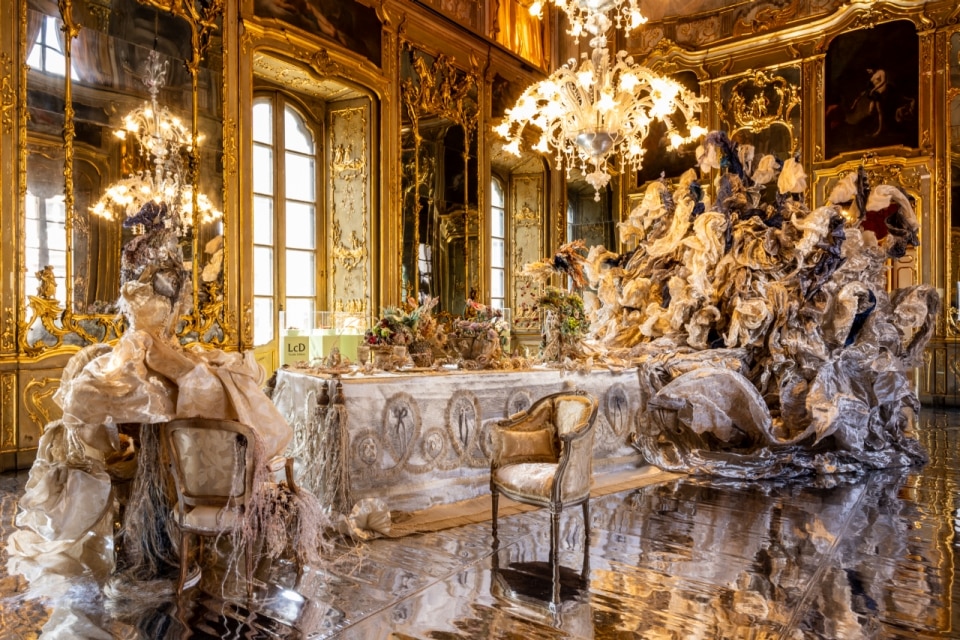
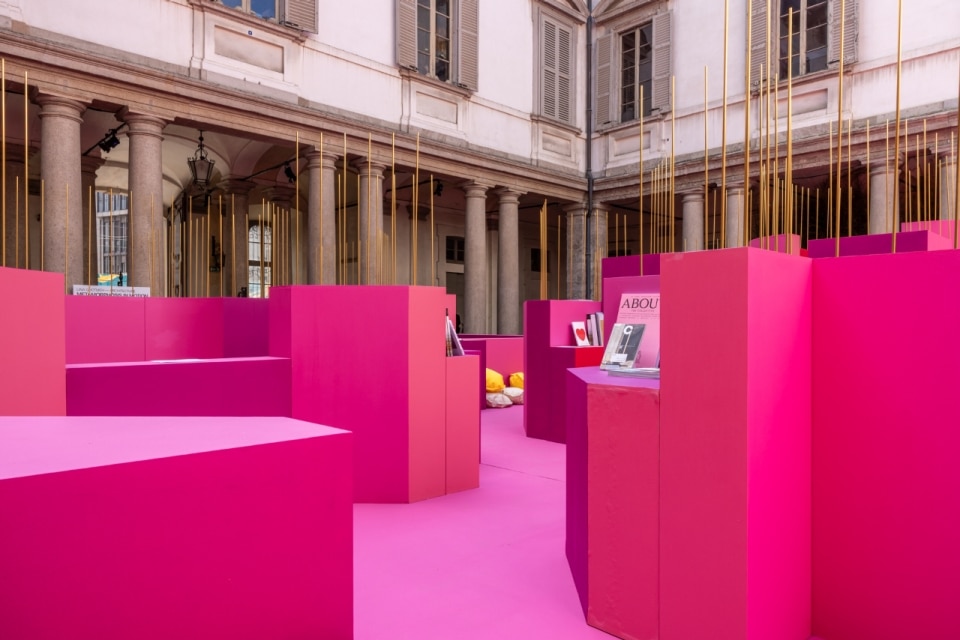
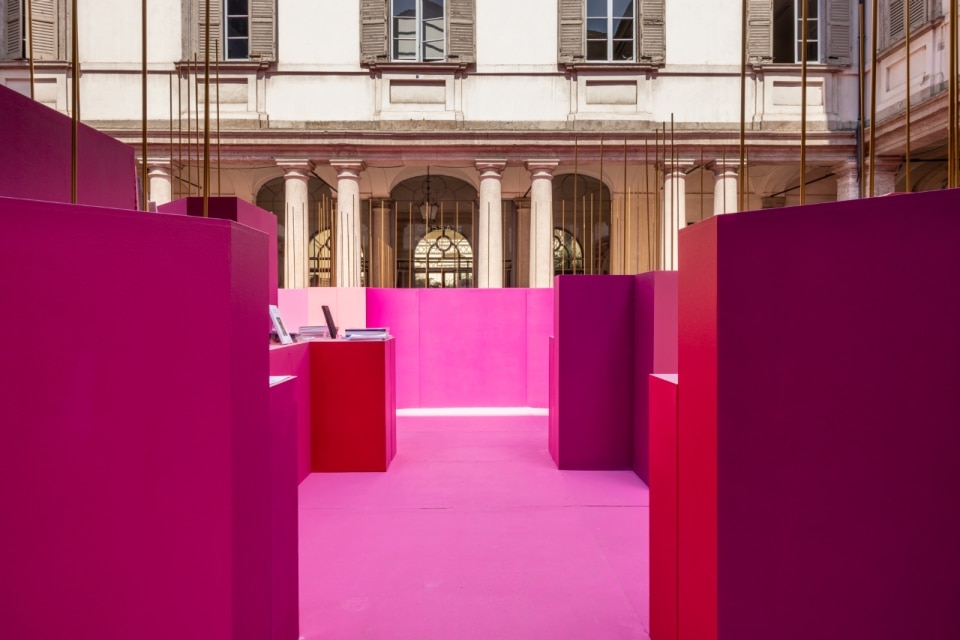
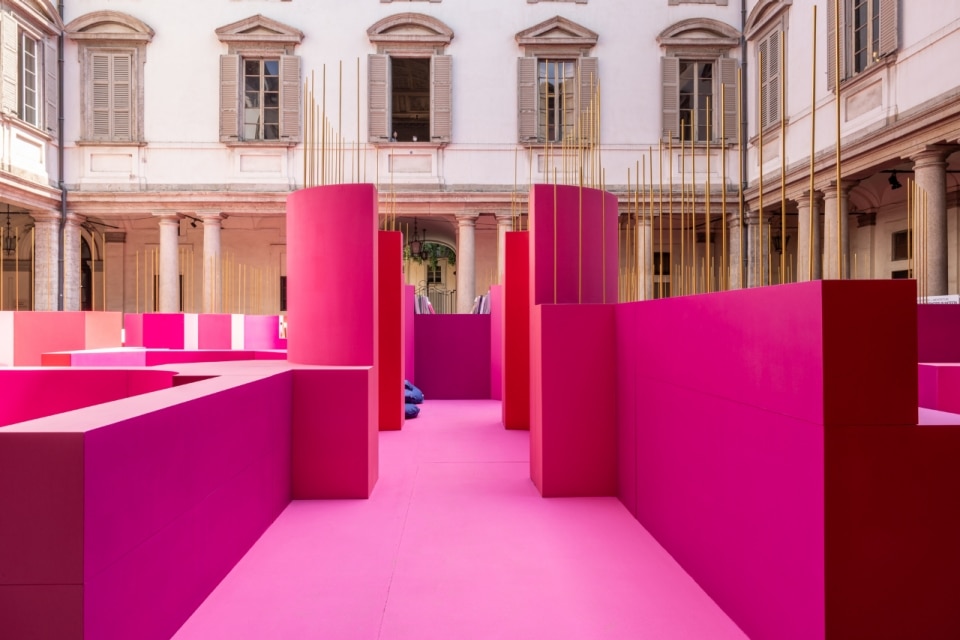
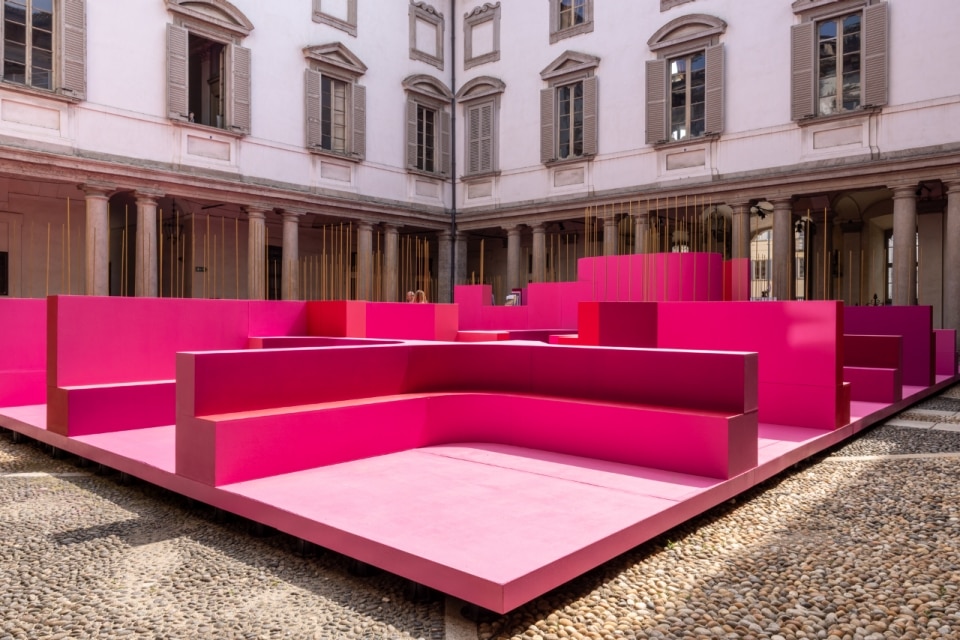
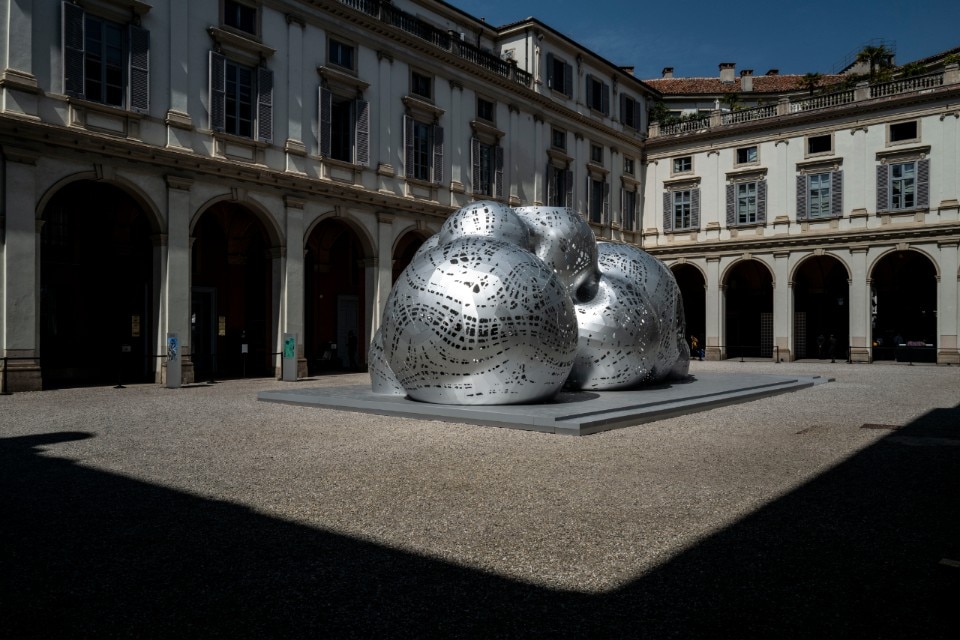
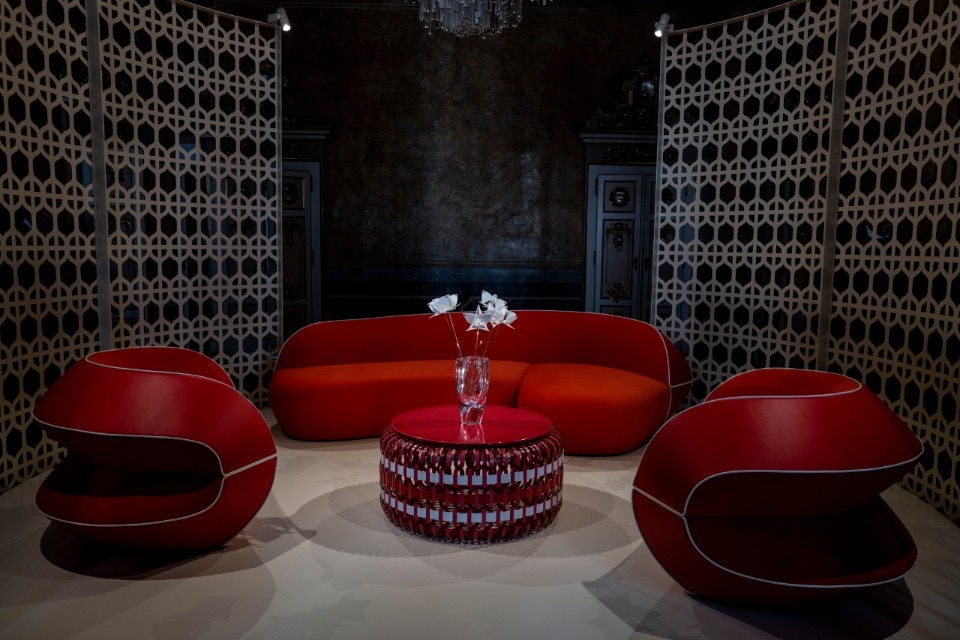
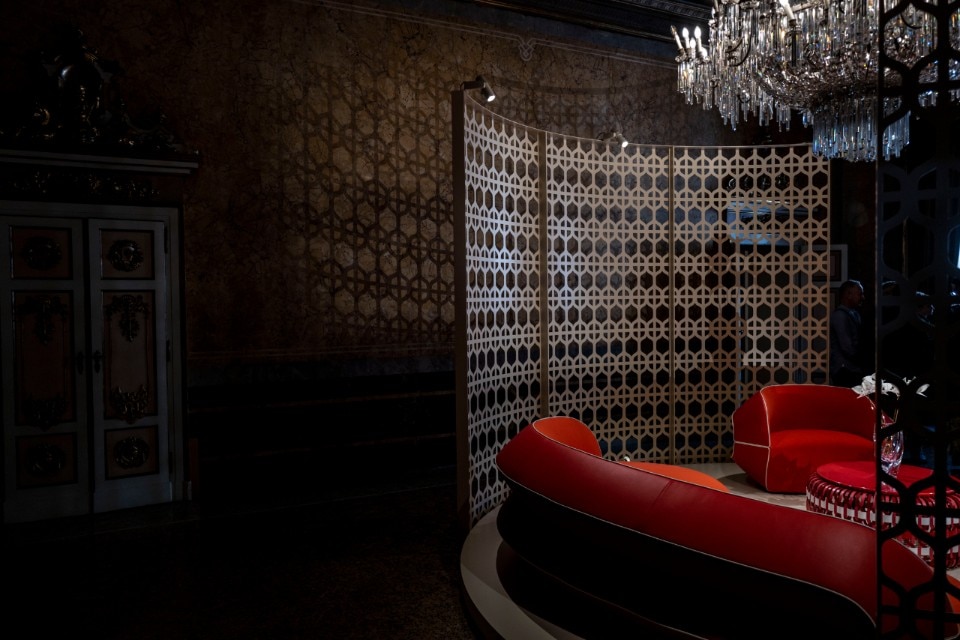
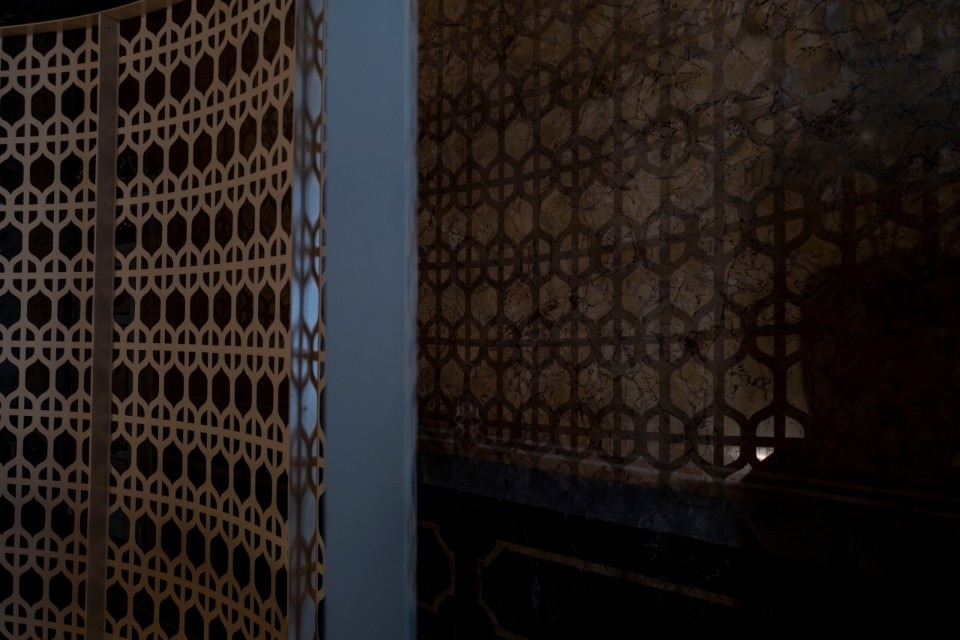
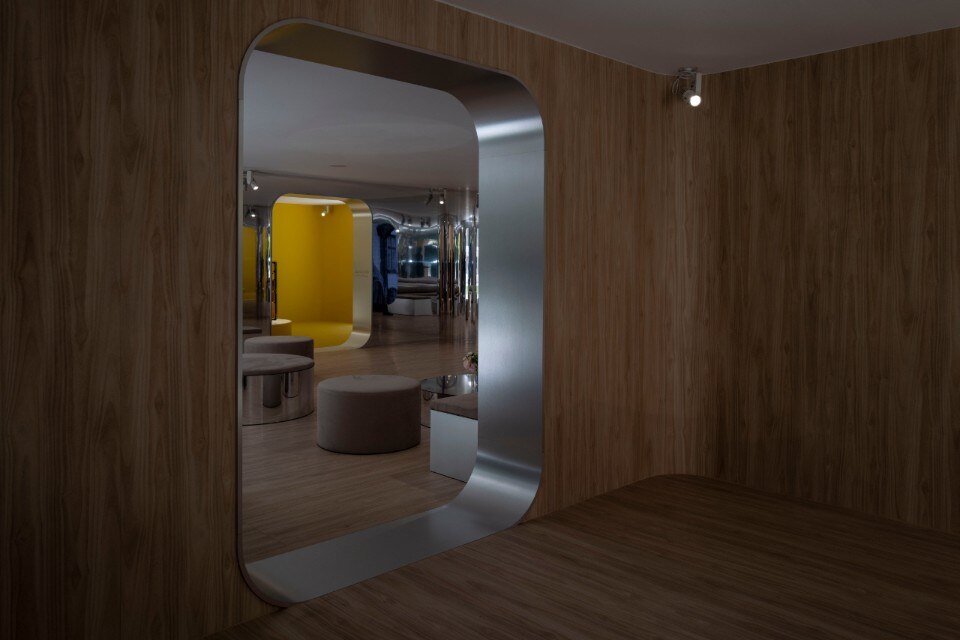
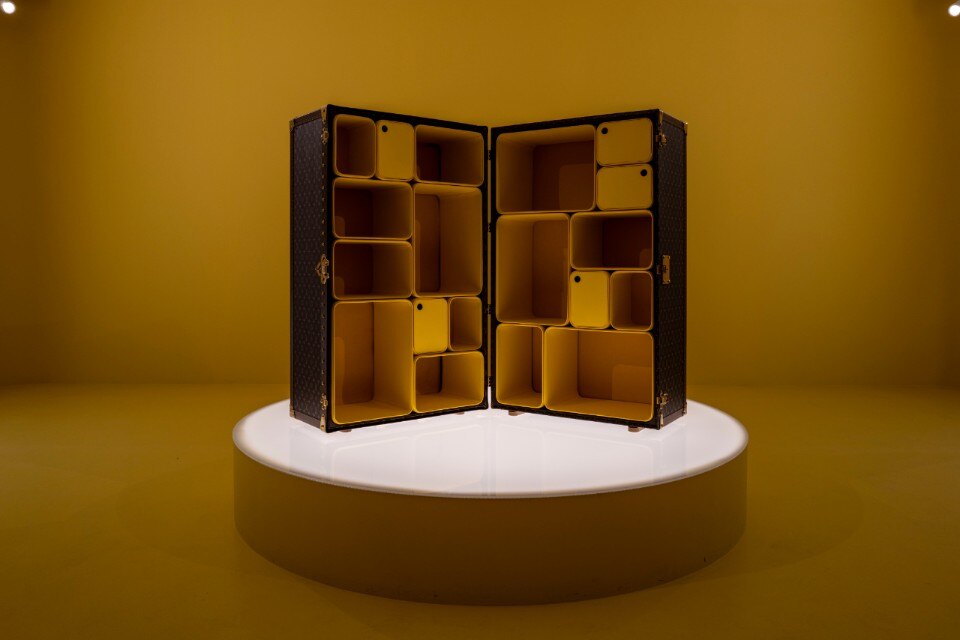
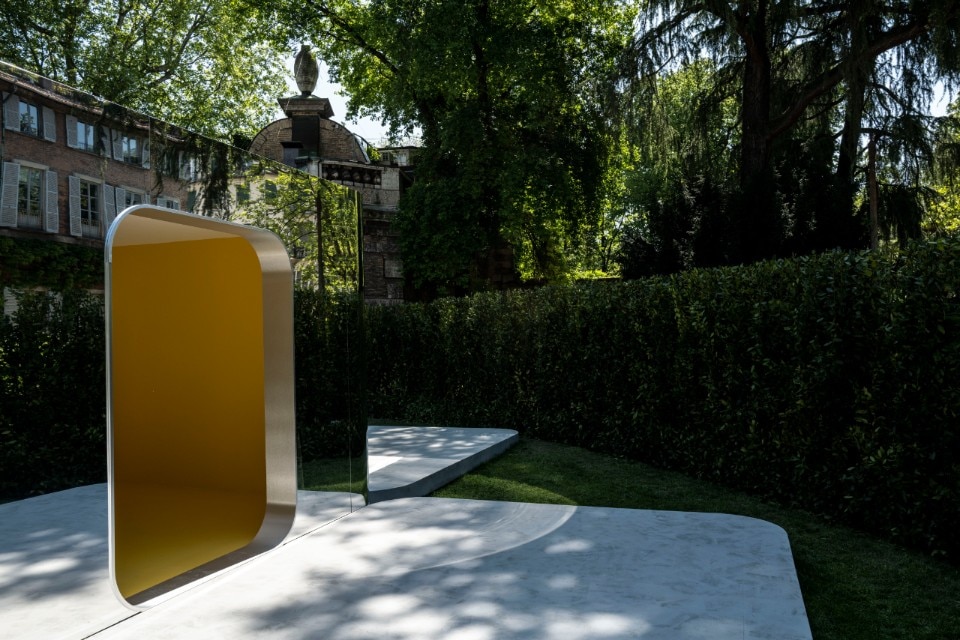
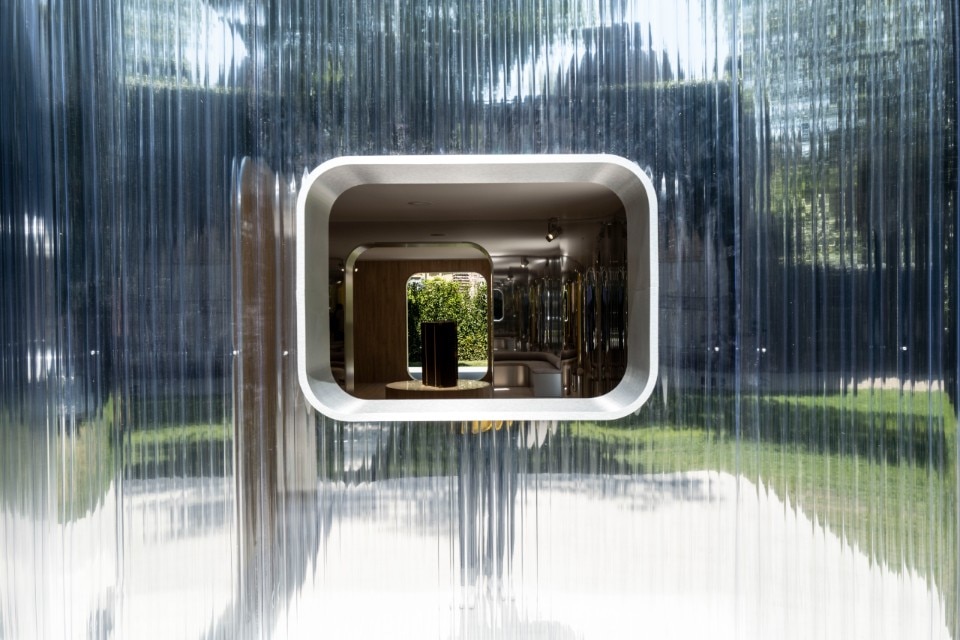
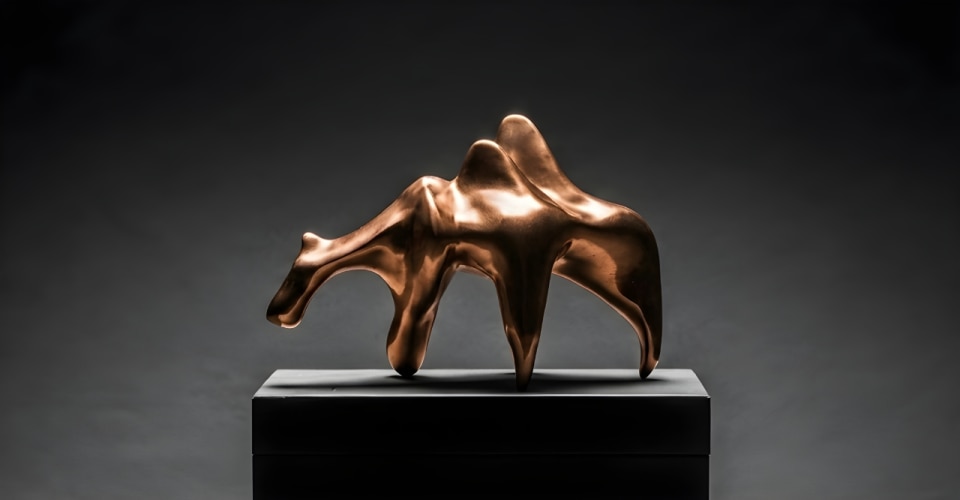
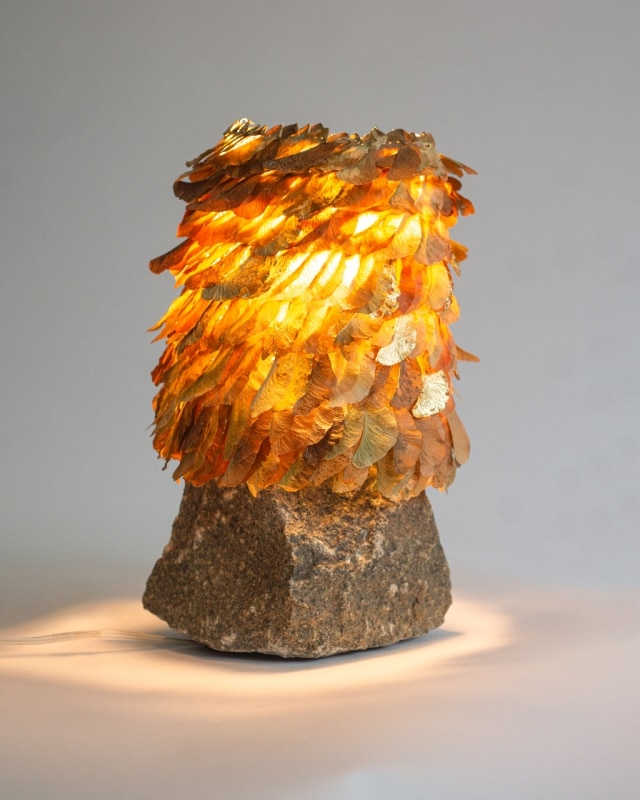
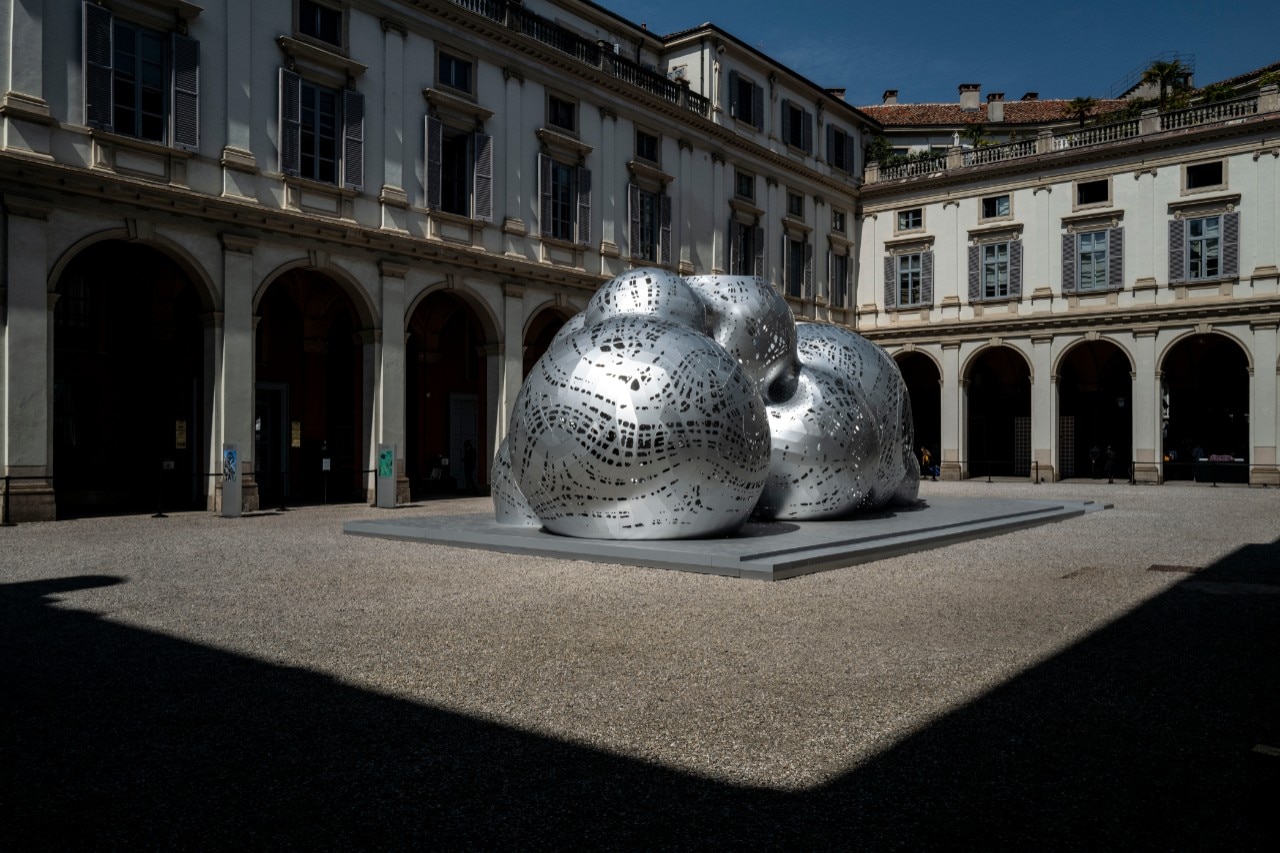
Meanwhile, within the dense map of the Brera Design District, a cornerstone among Design Week’s districts, countless brands will once again open the doors of their showrooms, joined by historic palazzi such as Palazzo Litta, hosting an installation by Lina Ghotmeh, and Palazzo Serbelloni, which once again welcomes Louis Vuitton and the Objets Nomades collection.
View gallery
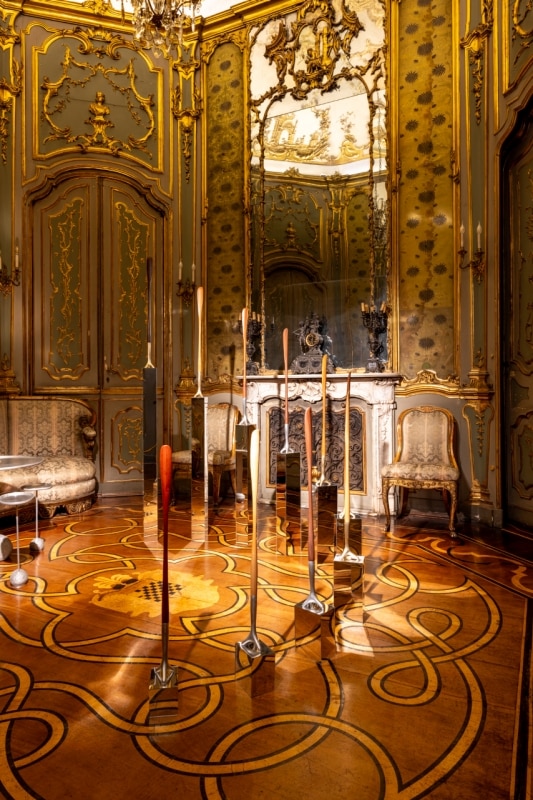
Objets Nomades di Louis Vuitton
Palazzo Serbelloni
Corso Venezia, 16
April 19-23 h. 10 am-8 pm
Photo Daniele Ratti
Objets Nomades di Louis Vuitton
Palazzo Serbelloni
Corso Venezia, 16
April 19-23 h. 10 am-8 pm
Photo Daniele Ratti
Objets Nomades di Louis Vuitton
Palazzo Serbelloni
Corso Venezia, 16
April 19-23 h. 10 am-8 pm
Photo Daniele Ratti
Objets Nomades di Louis Vuitton
Palazzo Serbelloni
Corso Venezia, 16
April 19-23 h. 10 am-8 pm
Photo Daniele Ratti
Objets Nomades di Louis Vuitton
Palazzo Serbelloni
Corso Venezia, 16
April 19-23 h. 10 am-8 pm
Photo Daniele Ratti
Objets Nomades di Louis Vuitton
Palazzo Serbelloni
Corso Venezia, 16
April 19-23 h. 10 am-8 pm
Photo Daniele Ratti
Objets Nomades di Louis Vuitton
Palazzo Serbelloni
Corso Venezia, 16
April 19-23 h. 10 am-8 pm
Photo Daniele Ratti
Objets Nomades di Louis Vuitton
Palazzo Serbelloni
Corso Venezia, 16
April 19-23 h. 10 am-8 pm
Photo Daniele Ratti
Objets Nomades di Louis Vuitton
Palazzo Serbelloni
Corso Venezia, 16
April 19-23 h. 10 am-8 pm
Photo Daniele Ratti
Objets Nomades di Louis Vuitton
Palazzo Serbelloni
Corso Venezia, 16
April 19-23 h. 10 am-8 pm
Photo Daniele Ratti
Objets Nomades di Louis Vuitton
Palazzo Serbelloni
Corso Venezia, 16
April 19-23 h. 10 am-8 pm
Photo Daniele Ratti
Objets Nomades di Louis Vuitton
Palazzo Serbelloni
Corso Venezia, 16
April 19-23 h. 10 am-8 pm
Photo Daniele Ratti
Objets Nomades di Louis Vuitton
Palazzo Serbelloni
Corso Venezia, 16
April 19-23 h. 10 am-8 pm
Photo Daniele Ratti
Objets Nomades di Louis Vuitton
Palazzo Serbelloni
Corso Venezia, 16
April 19-23 h. 10 am-8 pm
Photo Daniele Ratti
Objets Nomades di Louis Vuitton
Palazzo Serbelloni
Corso Venezia, 16
April 19-23 h. 10 am-8 pm
Photo Daniele Ratti
Objets Nomades di Louis Vuitton
Palazzo Serbelloni
Corso Venezia, 16
April 19-23 h. 10 am-8 pm
Photo Daniele Ratti
Objets Nomades di Louis Vuitton
Palazzo Serbelloni
Corso Venezia, 16
April 19-23 h. 10 am-8 pm
Photo Daniele Ratti
Objets Nomades di Louis Vuitton
Palazzo Serbelloni
Corso Venezia, 16
April 19-23 h. 10 am-8 pm
Photo Daniele Ratti
Speaking of fashion, the major names are all present and continue to confirm their status as a true — perhaps parallel — pillar of Design Week. Hermès continues to occupy La Pelota on Via Palermo, Gucci returns to the Chiostri di San Simpliciano, and Prada continues its collaboration with Formafantasma. And while Vans leaves Triennale after the powerful installation of the 2025 edition, Asics arrives as a new entry to take over the spot that until last year belonged to Google: Garage 21 on Via Archimede, a venue known over the years for especially long weekend queues. Then there’s Nike, which looks particularly promising. The brand will occupy an area that until now has been completely inaccessible to the public, enabling the opening of Dropcity’s newly renovated tunnels on Via Sammartini beneath Centrale station.
And the Salone? It goes back to being the Salone
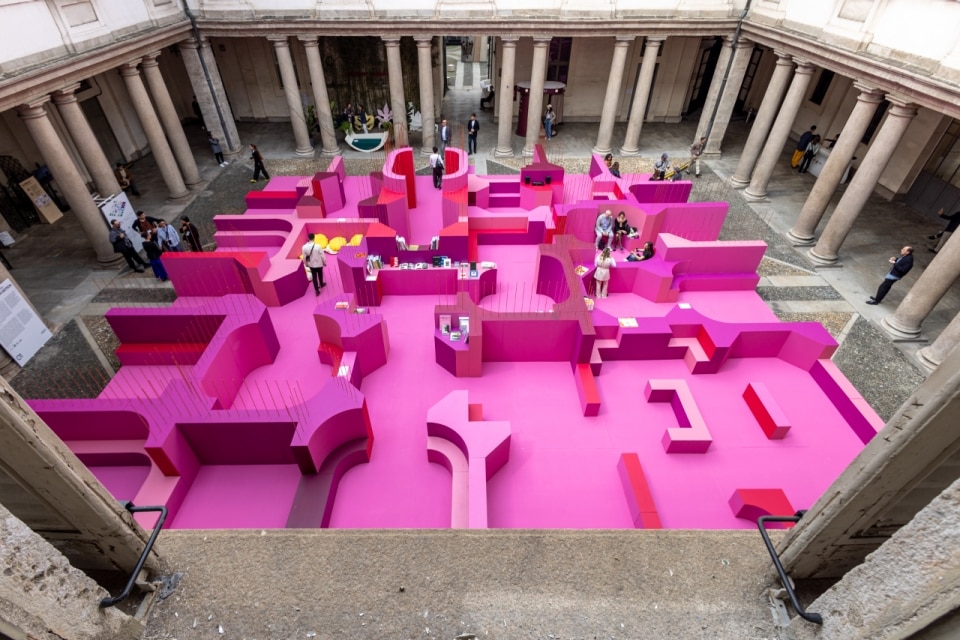
If in previous years we saw Salone “show up” around the city with notable installations and performances — such as Bob Wilson’s project at Castello Sforzesco — this year Salone del Mobile.Milano seems ready to shift direction. There will be a lecture by Rem Koolhaas, but no major star names designed to dominate attention. In the city, the presence is reduced to Design Kiosk, the iconic newsstand in Piazza della Scala, the coordination of special openings for some of Milan’s best-known archives, and a project with Forgotten Architecture.
At a moment when everything else is dispersing across the city, Salone is doing the opposite: it is consolidating and reclaiming the spotlight by doubling down on the fair itself.
But this is not only about geography. It is also a shift in content.
View gallery
Salone Raritas
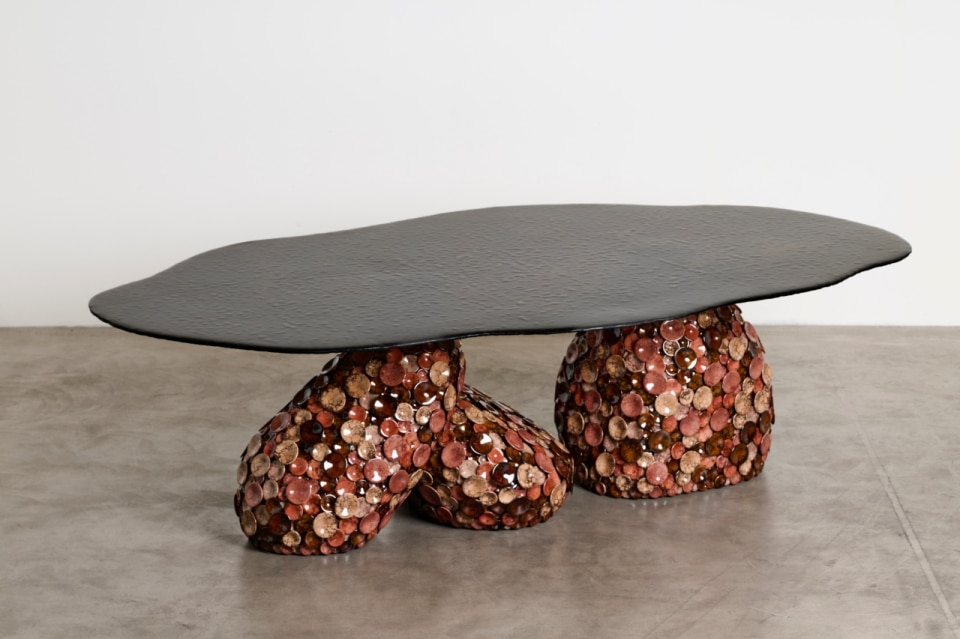
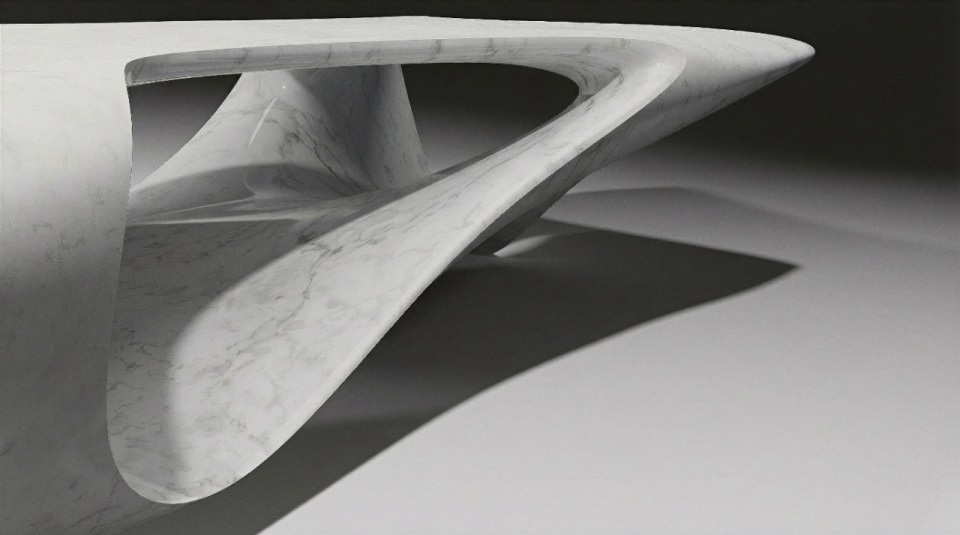
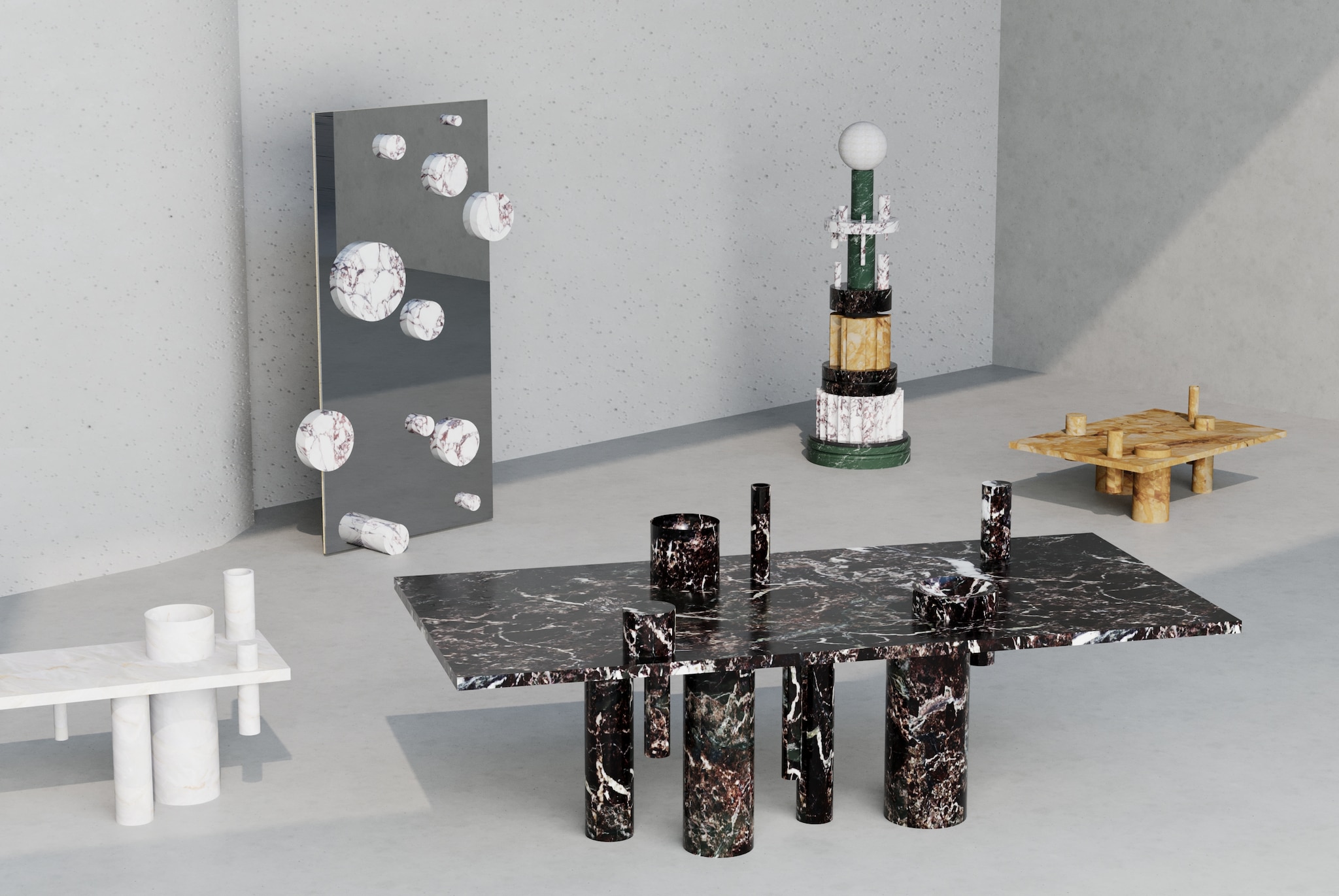
Salone Raritas, Nilufar, Andrea Mancuso, Dining Table Terrario Oval, © Photo Filippo Pincolini
Salone Raritas
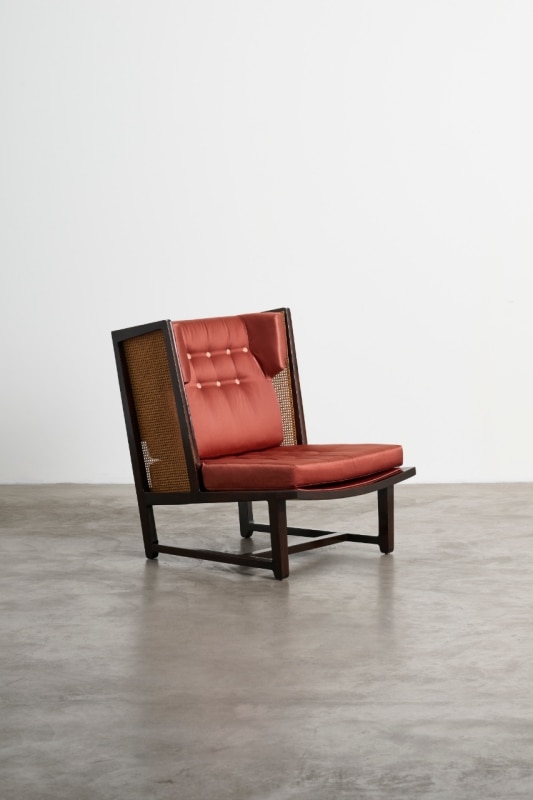
Salone Raritas, Nilufar, Edward J Wormley, Armchair © Photo Filippo Pincolini
Salone Raritas
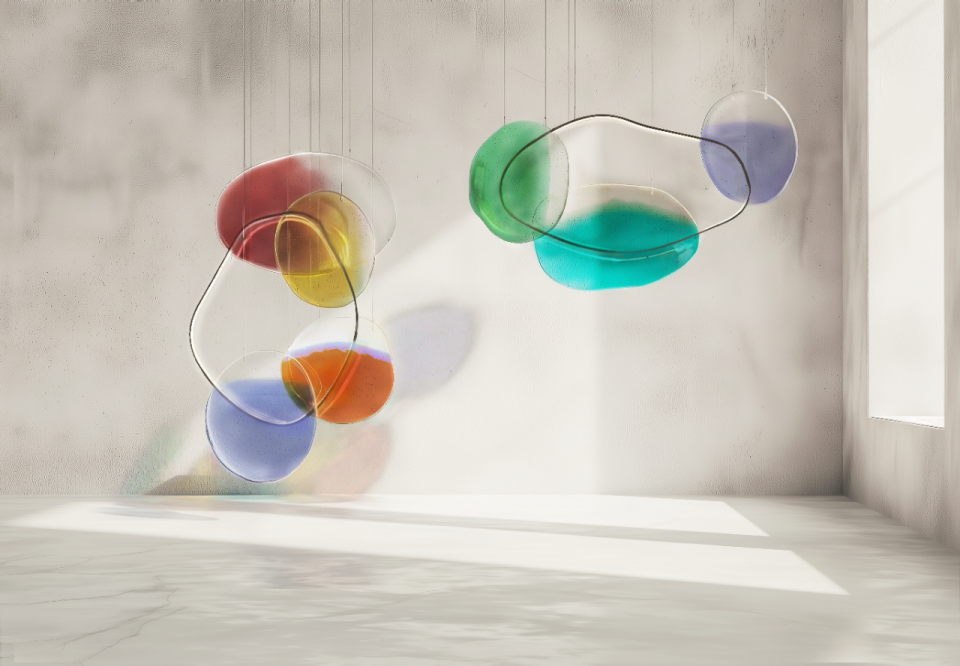
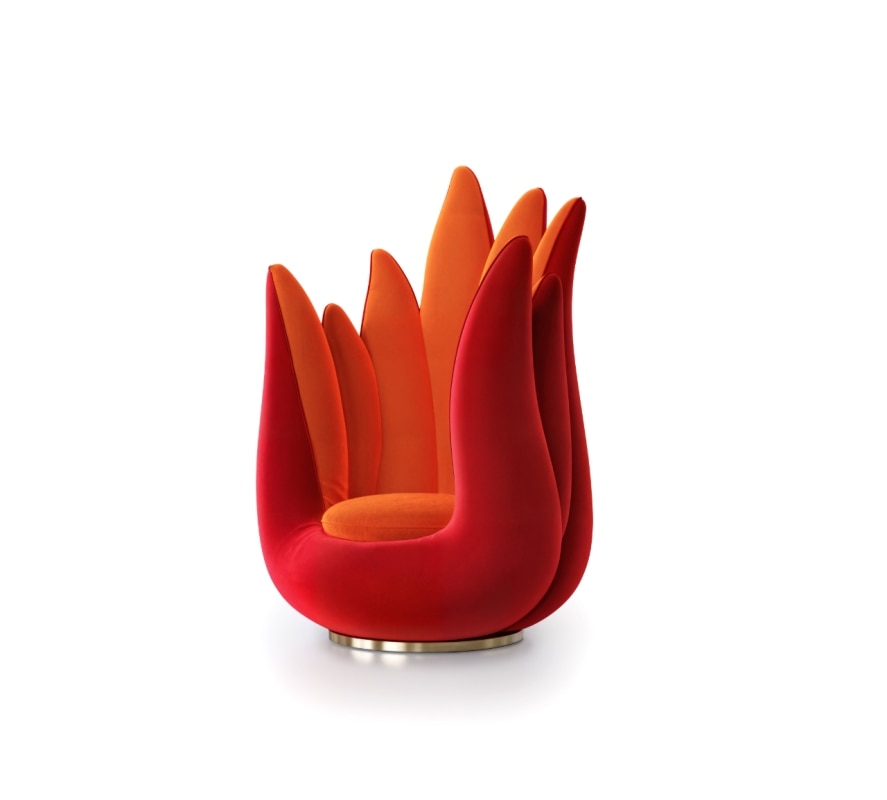
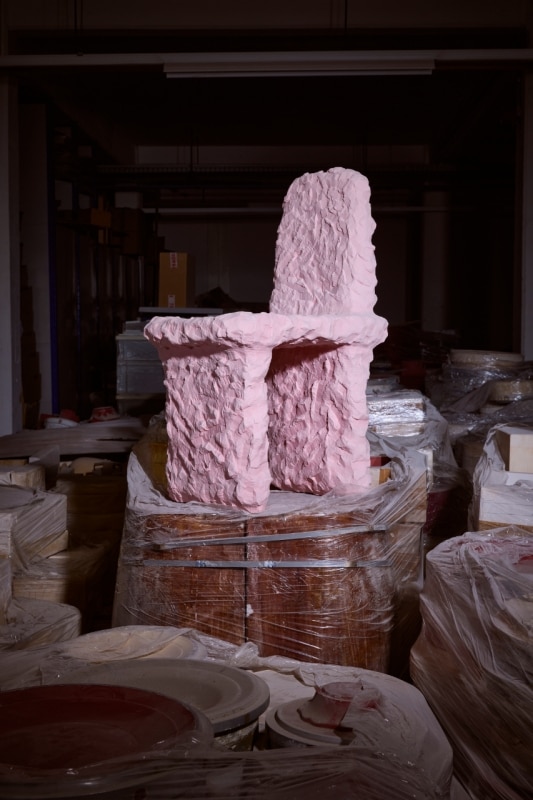
Salone Raritas, Mouromtsev Design Editions, Job Smeets, Soft Parade, Render, On Fire
Salone Raritas
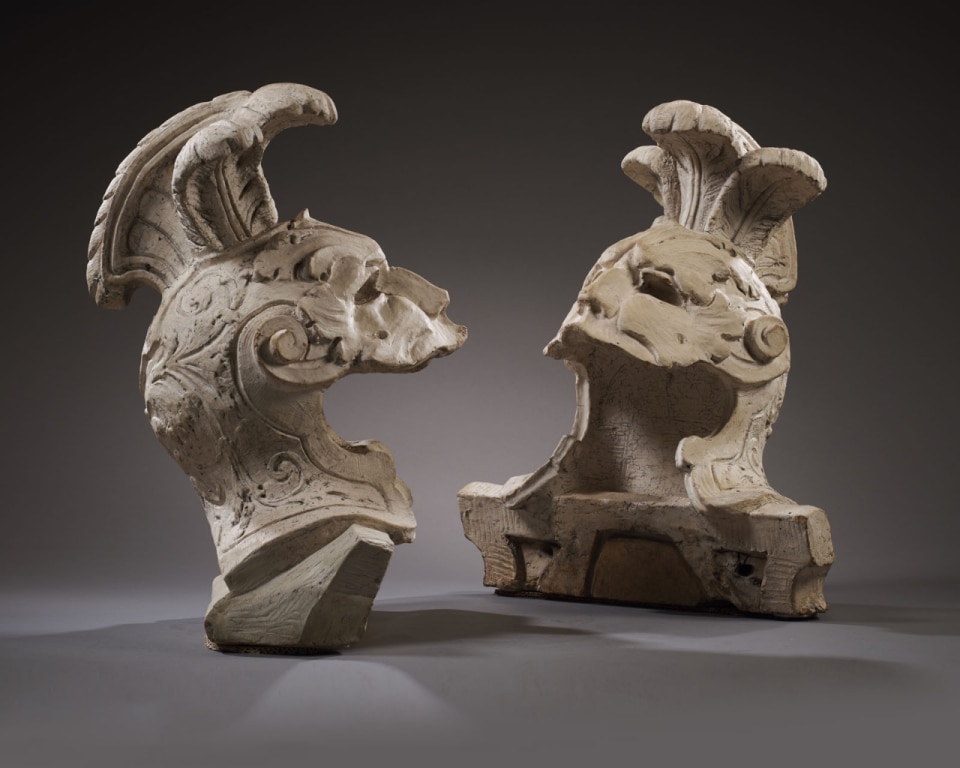
Salone Raritas, Botticelli Antichità & Alessandra Di Castro, Manifattura Coade, Coppia di elmi, Pietra di Coade
Salone Raritas
Salone Raritas, Nilufar, Andrea Mancuso, Dining Table Terrario Oval, © Photo Filippo Pincolini
Salone Raritas
Salone Raritas, Nilufar, Edward J Wormley, Armchair © Photo Filippo Pincolini
Salone Raritas
Salone Raritas, Mouromtsev Design Editions, Job Smeets, Soft Parade, Render, On Fire
Salone Raritas
Salone Raritas, Botticelli Antichità & Alessandra Di Castro, Manifattura Coade, Coppia di elmi, Pietra di Coade
Alongside the industrial system, Salone is introducing a new focus on collectible design through a dedicated platform, Salone Raritas, bringing unique pieces, limited editions, and high craftsmanship into the fair — moving closer to a language that until now has been more typical of Fuorisalone.
It is an interesting move: on one hand, it reasserts the central role of the fair; on the other, it attempts to absorb some of the dynamics that in recent years have developed outside it, particularly around collectible design. It works.
But perhaps, today, simply working is no longer enough.
Can we imagine a Fuorisalone beyond the city center?
Throughout the history of Design Week, attempts to expand Fuorisalone’s geography have been constant.One of the most emblematic cases remains Lambrate, which from 2010 for an entire decade hosted exhibitions and events in the abandoned industrial spaces that once filled the neighborhood. Its success, however, drove up rental prices for those very same spaces, making the area increasingly inaccessible, until the pandemic ultimately led to its definitive closure.
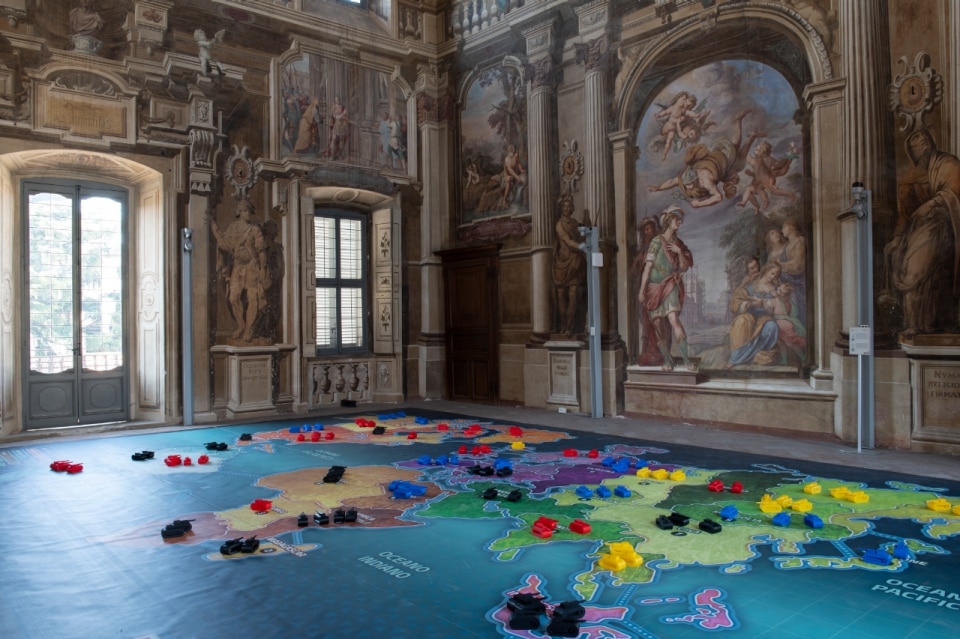
At the same time, brands and institutions have spent years trying to push the boundaries of Design Week beyond Milan itself. This year, in Cesano Maderno, an exhibition titled 0–99. Design for Play, open from April 10 at Palazzo Arese Borromeo, recreates Risk at human scale and displays design icons such as Gianfranco Frattini’s chessboards. In Parabiago, the Crespi Design Museum hosts from April 21 to 24 a selection of textiles created by Kengo Kuma. Even Piacenza joins in, with a monographic exhibition dedicated to lighting designer Davide Groppi.
Overall, the feeling is that Milan Design Week continues to grow year after year, but rather than expanding within the already saturated central districts, it is attempting to spread elsewhere without a precise structure. Over time, efforts to create truly decentralized districts like Lambrate have ultimately failed to take root.
The result is that today Design Week expands, fragments, moves further away from the center, and multiplies its audience, while at the same time introducing filters, selections, and new levels of access. It has become such a stratified system that truly navigating it is increasingly difficult. Looking at this edition even before it begins, our advice is simple: have a clear idea of what you want to see — and then deliberately allow yourself to get lost.
Being ready to change your plans at the last minute is part of the experience.