

by La redazione di Domus
Every April, Milan changes its nature. For one week, showrooms, courtyards, universities, foundations, and even private apartments turn into exhibition spaces. The city fills with installations, queues, digital maps, and parties. This is Milan Design Week, one of the most visited events in the world of design.
But for first-time visitors, navigating it isn’t straightforward. Because—contrary to what you might expect—Design Week is not a single event, nor a fully organized system. It is a layered overlap of different realities, some official, others spontaneous.
And above all: it’s not just about design.
What is Milan Design Week?
The term Milan Design Week refers to two distinct but complementary events: the Salone del Mobile and the Fuorisalone.
The former is the original core. Founded in 1961 as a furniture fair during Italy’s postwar industrial boom, the Salone aimed to promote national production and build an international platform for companies and buyers. From the start, Milan established itself as the center of this system.
 View gallery


Alongside the fair, however, the city quickly reacted. From the late 1970s—and especially throughout the 1980s and 1990s—showrooms, galleries, and studios began organizing parallel events, tapping into the growing flow of visitors and expanding the audience beyond industry professionals.
These initiatives were not coordinated. They were scattered, independent, often improvised. Precisely for this reason, they occupied different spaces—both physical and cultural—compared to the fair.
It was in this context that the term “Fuorisalone” emerged in the 1990s, describing this heterogeneous set of unofficial events.
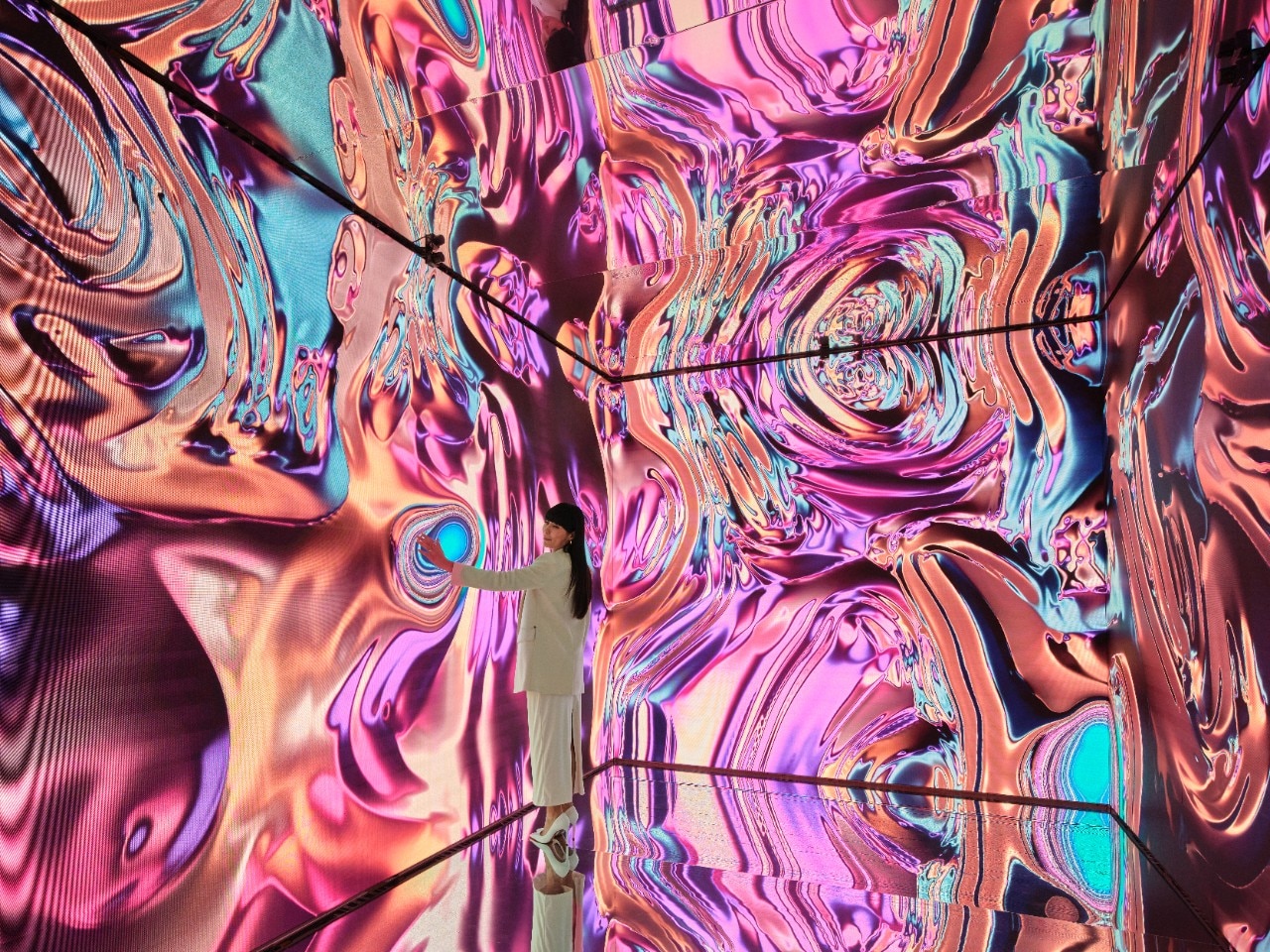
Since then, Design Week has been defined by a dual nature: on one side, a highly organized and commercial fair; on the other, a fluid, accessible, and often experimental urban network.
What is the Salone del Mobile and how it works: pavilions and thematic sections
The Salone del Mobile takes place every year at Rho Fiera Milano, designed by Massimiliano Fuksas.
Located outside the city center, the exhibition grounds are easily accessible via the M1 metro line (Rho Fiera stop), which becomes one of the main mobility axes during the week.
Unlike the Fuorisalone, the Salone is a controlled and structured environment. Entry is paid (tickets range from €38 to €53), and during the first days access is restricted to industry professionals, while the weekend is open to the general public. Here, companies, brands, and manufacturers from around the world exhibit within a system of pavilions that offers a precise—and commercial—map of contemporary design.
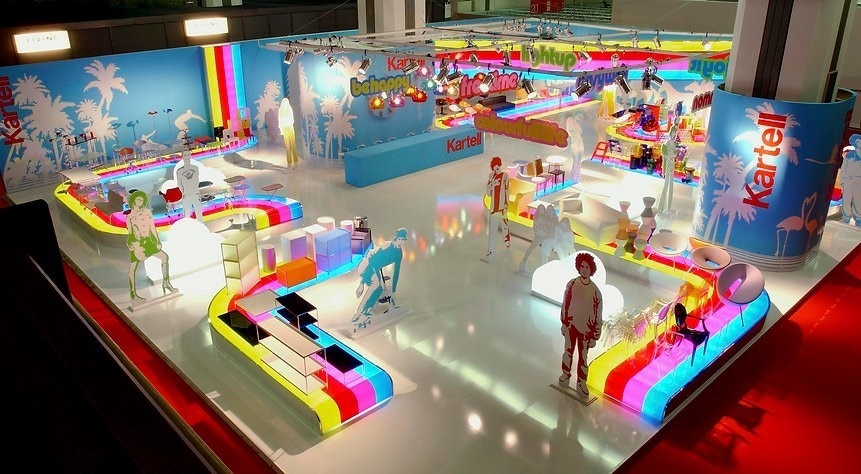
Visiting the Salone means moving through a sequence of stands, installations and environments designed to present products, materials and scenarios of living. A very different experience from the urban one of the Fuorisalone: more concentrated, more intense, and not always easy to read for non-professionals.
The thematic pavilions mark the different sectors of furniture design, with stands conceived by companies as real architectural devices. Alongside these are the biennials that structure the Salone calendar: EuroCucina, dedicated to kitchen systems and environments, and Euroluce, focused on lighting design, which alternate from year to year. This year it is the former.
What is the Fuorisalone and how it works
Alongside the Salone del Mobile, the Fuorisalone represents the distributed and urban dimension of Milan Design Week. It is not an official or centralized event, but a set of exhibitions, installations, talks and events that take place throughout the city.
Unlike the fair, it is mostly free and accessible, although many events require registration. The formats are heterogeneous: showrooms open to the public, temporary exhibitions, immersive installations, but also performances, presentations and more informal moments such as parties and gatherings.
It is an increasingly hybrid space, where design intersects with architecture, art, music and fashion. Many brands use the week to present themselves in a less institutional way compared to the Salone, through narrative environments and experiential formats, often halfway between project and entertainment.
Design Week is not a single event, nor a fully ordered system. And above all: it’s not just about design.
Most events are collected and available online under a single “umbrella”, which attempts to provide an overall map of the week. At the same time, to really navigate the city, there are many guides and editorial selections — including that of Domus — that help build more targeted routes.
In recent years, however, the growth of events has made issues of access and fragmentation more evident. For this reason, the novelty of this edition is the Fuorisalone Passport, an experimental app for centralized access to events based on a single personal QR code.
 View gallery
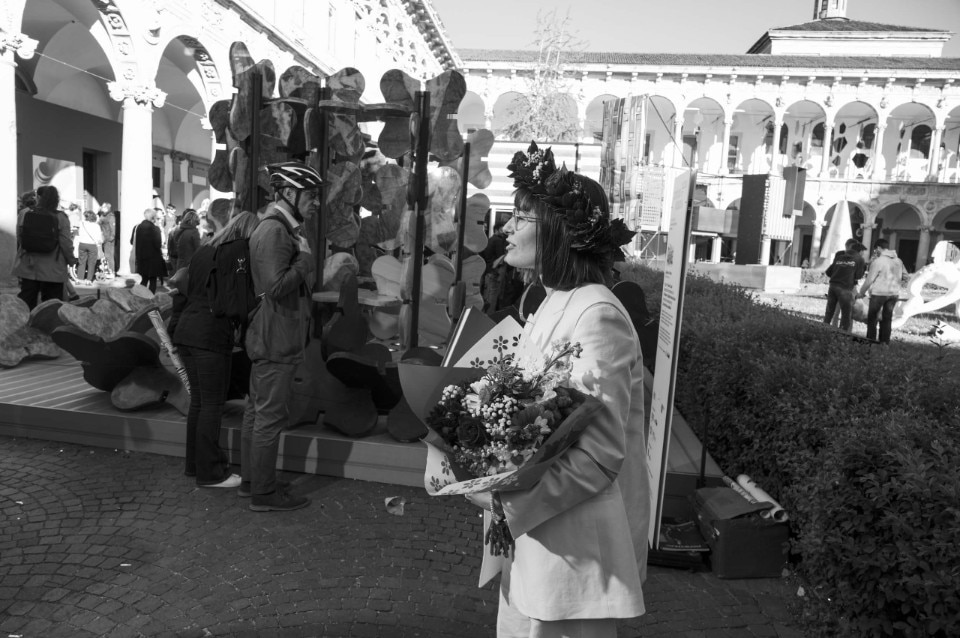
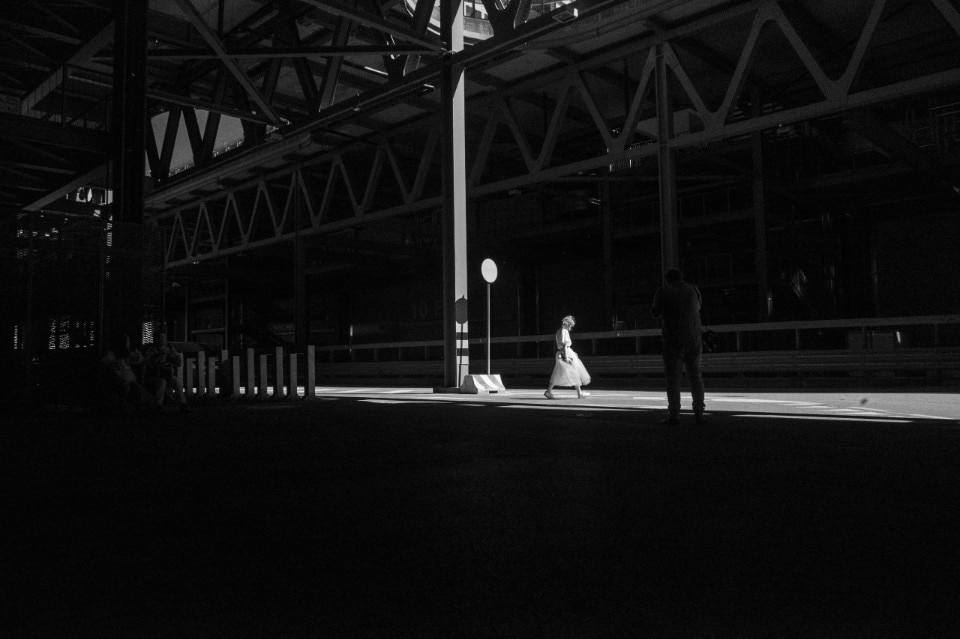
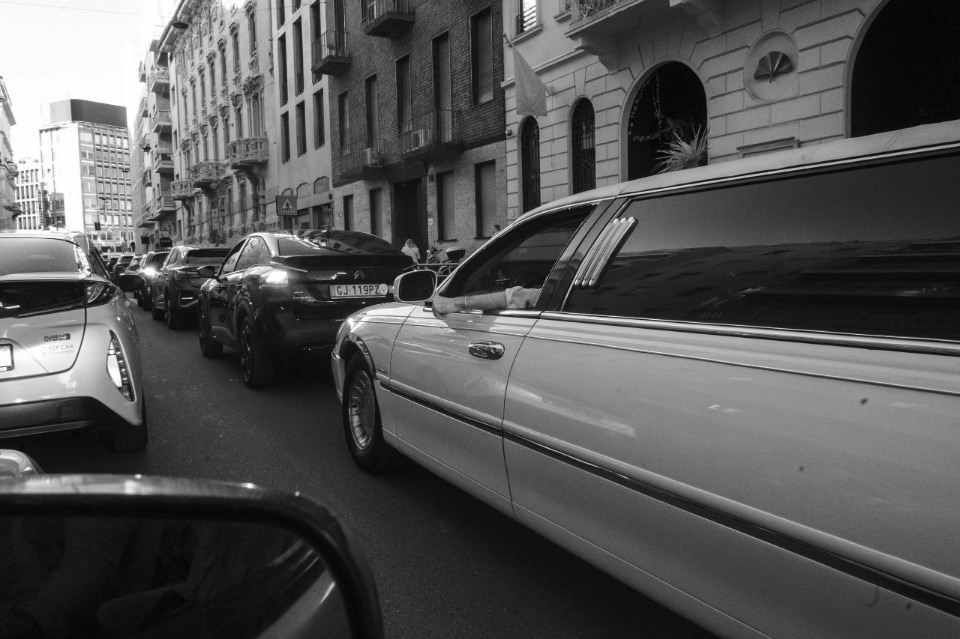
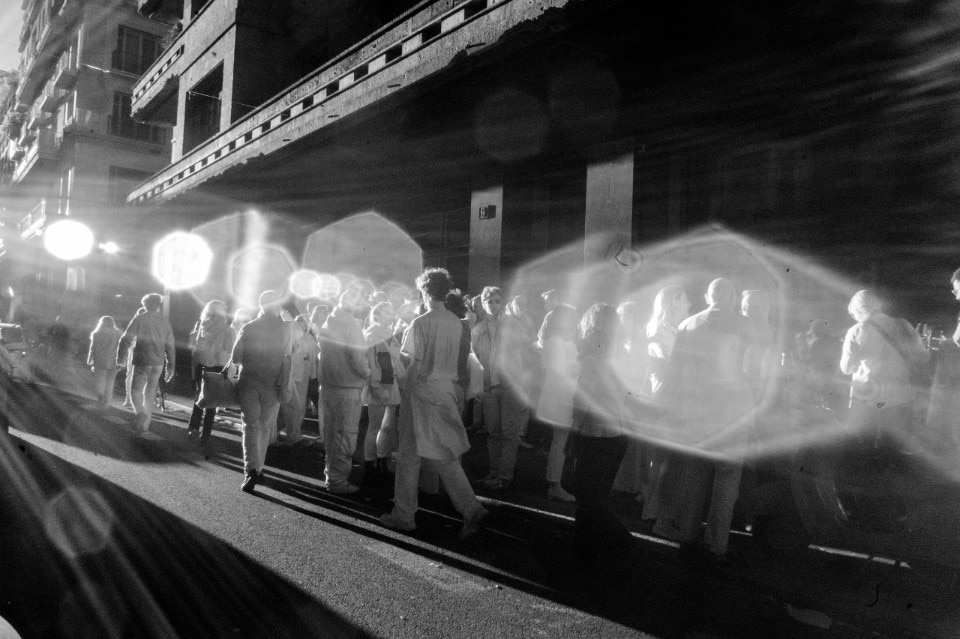
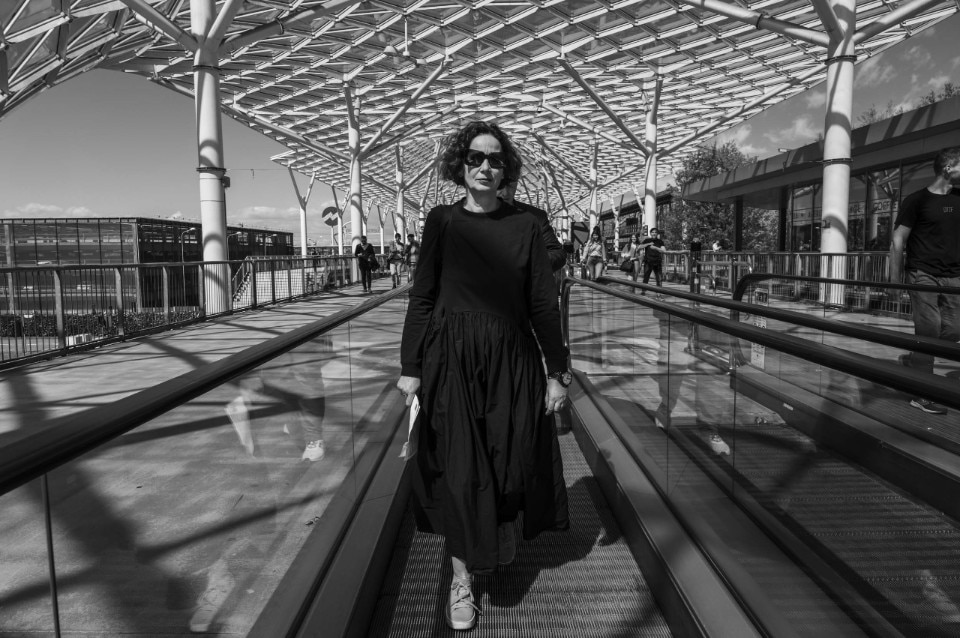
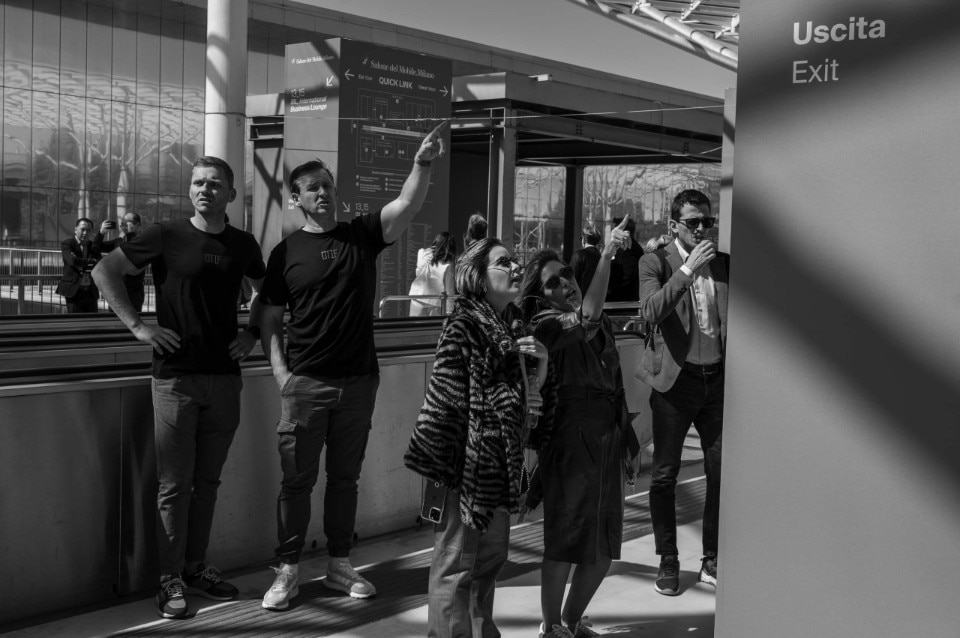
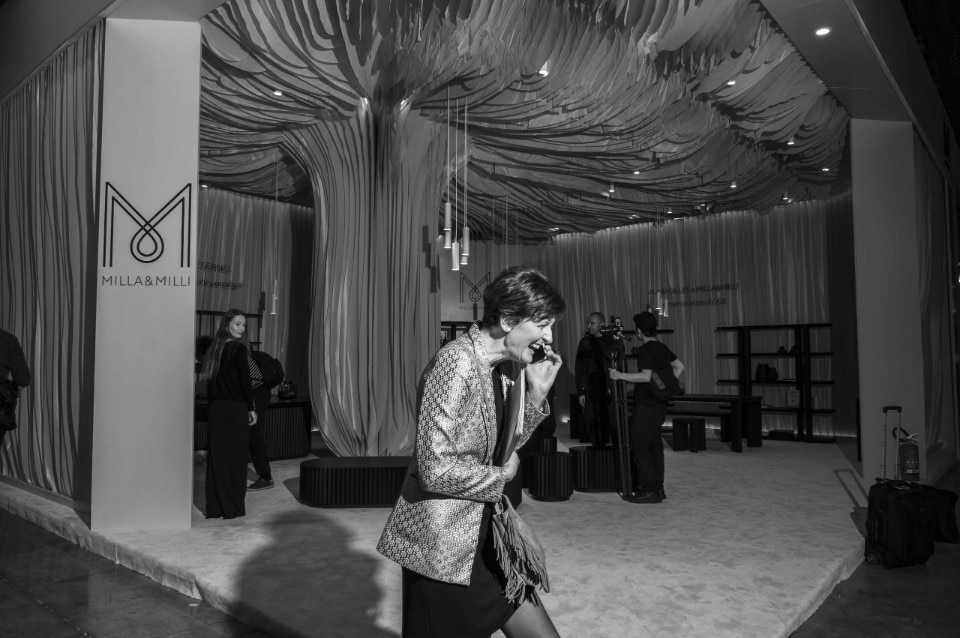
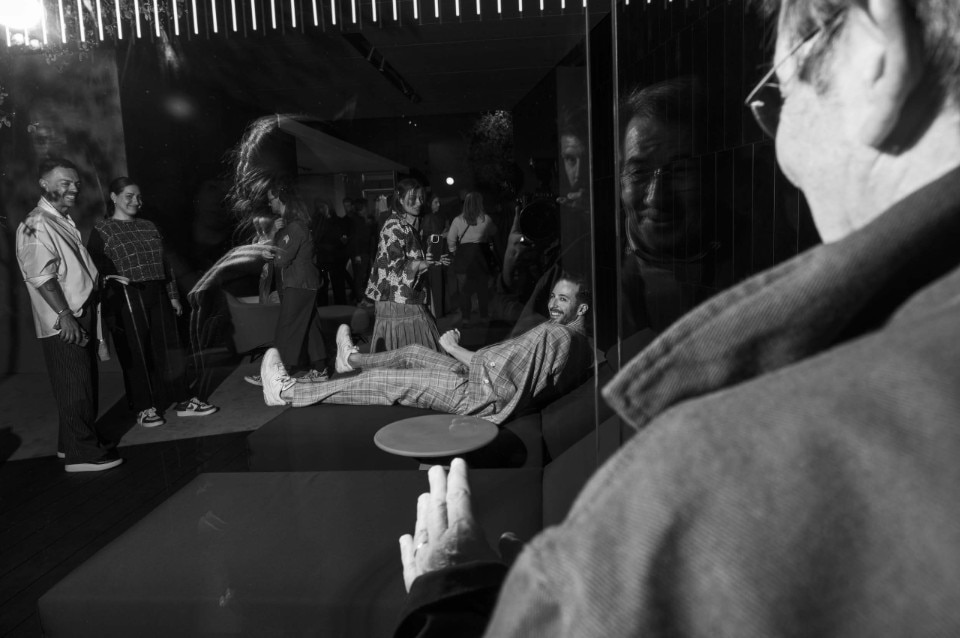
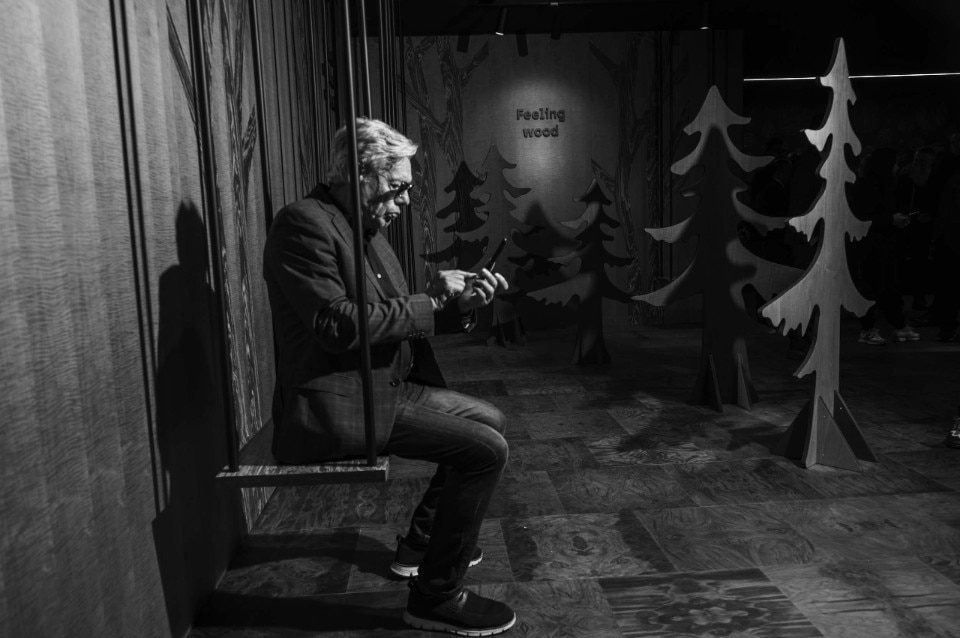
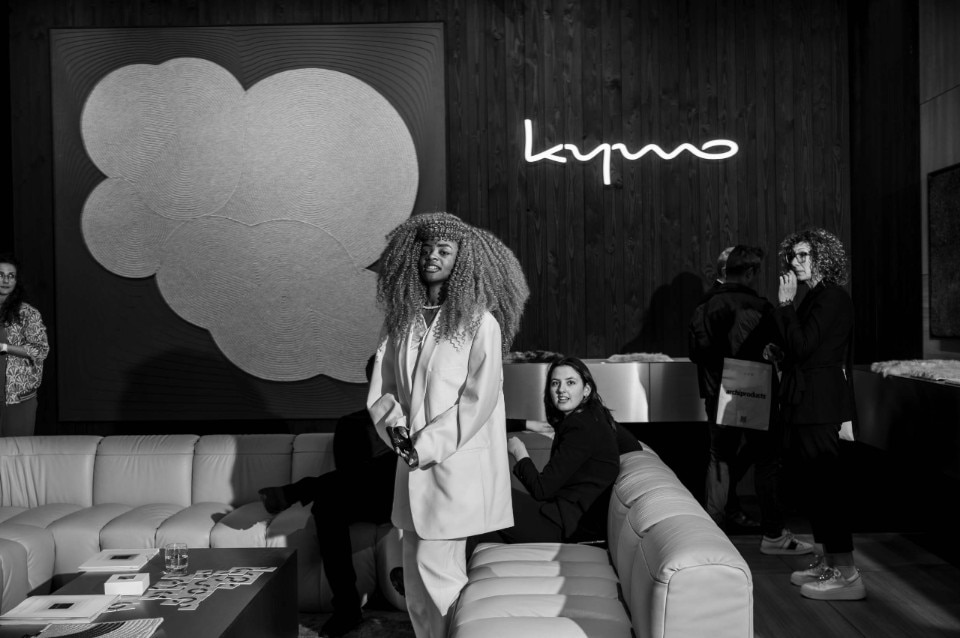
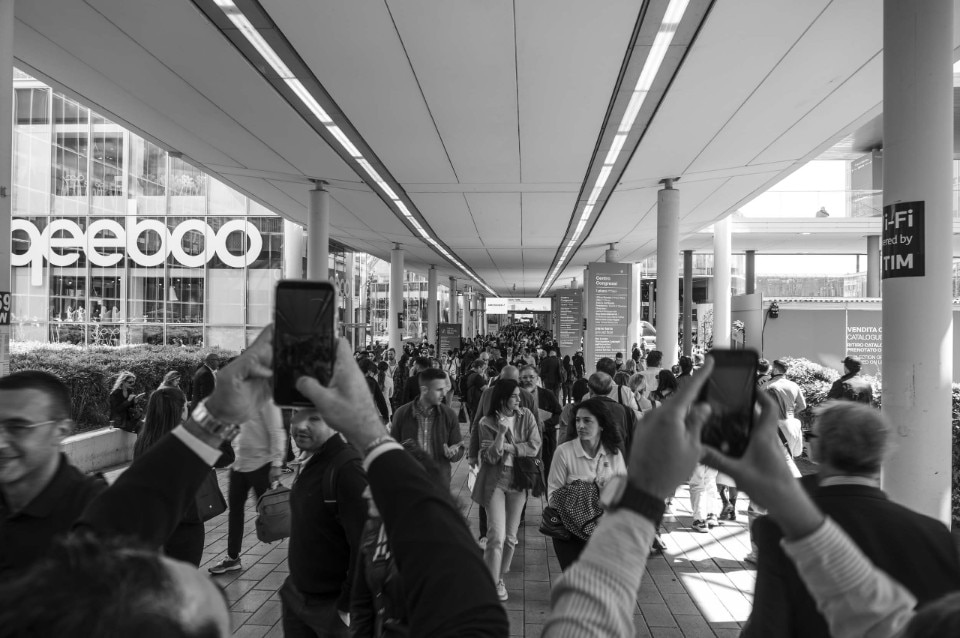
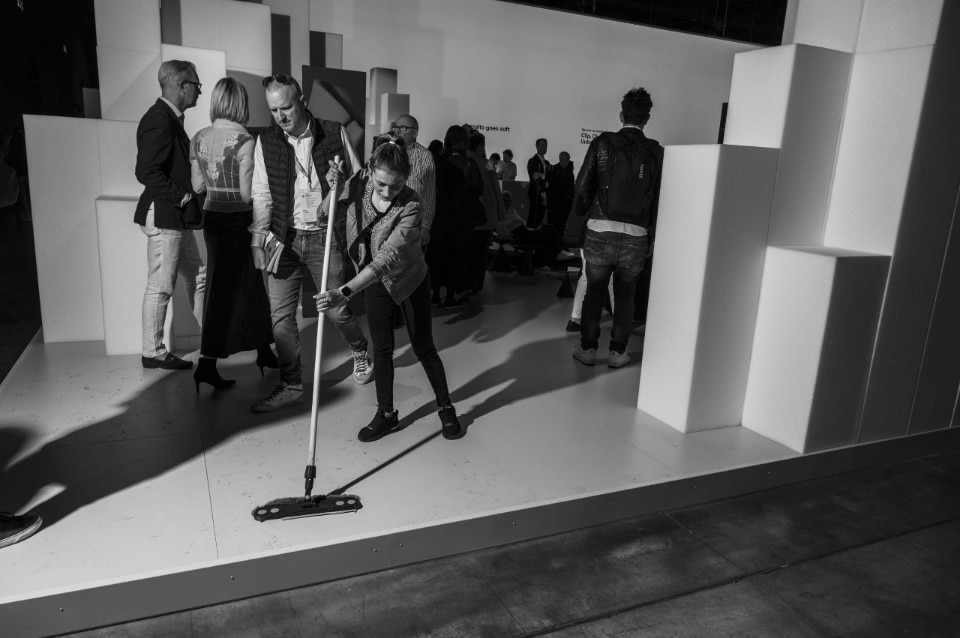
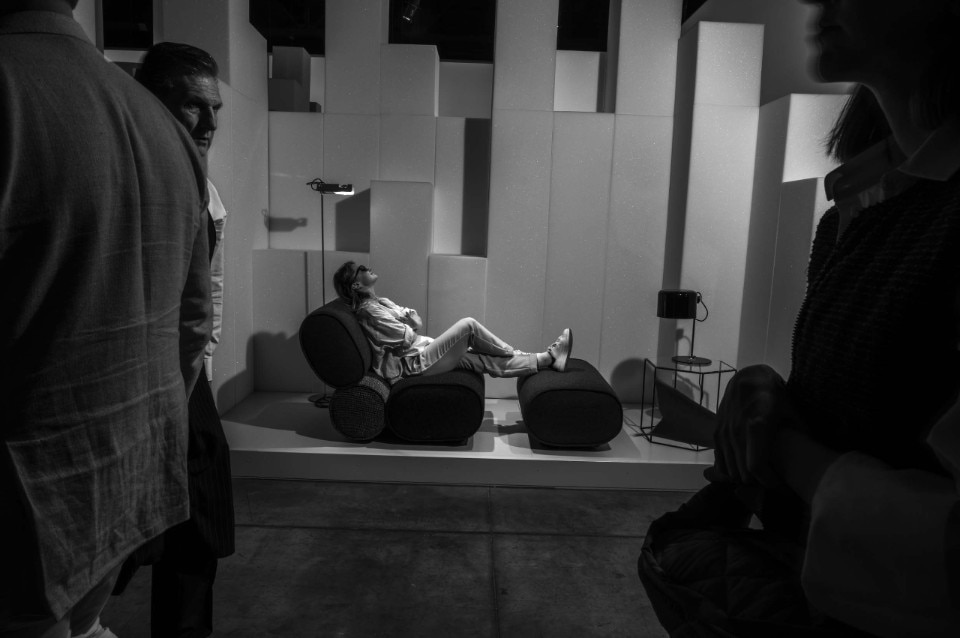
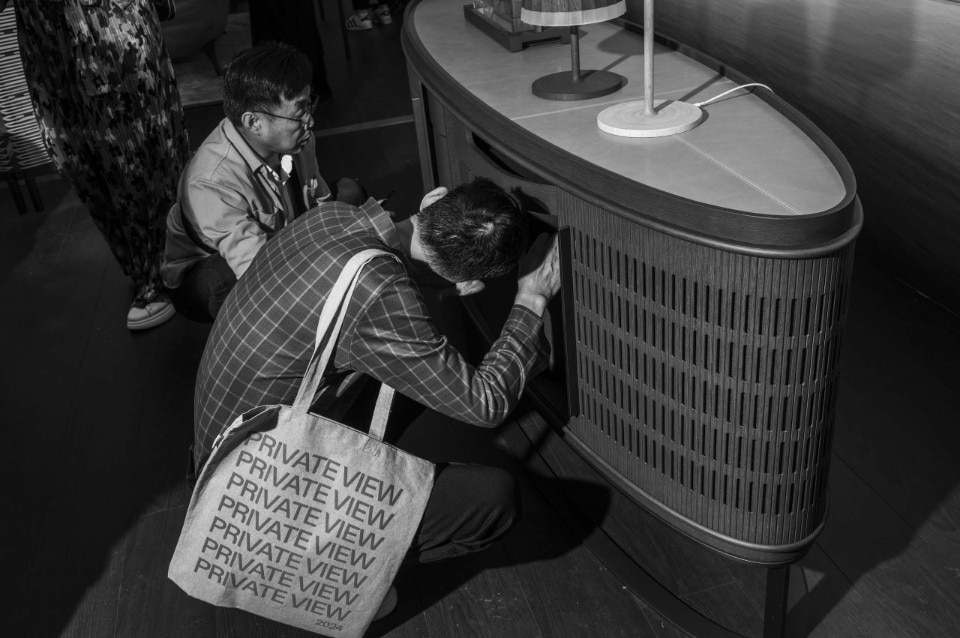
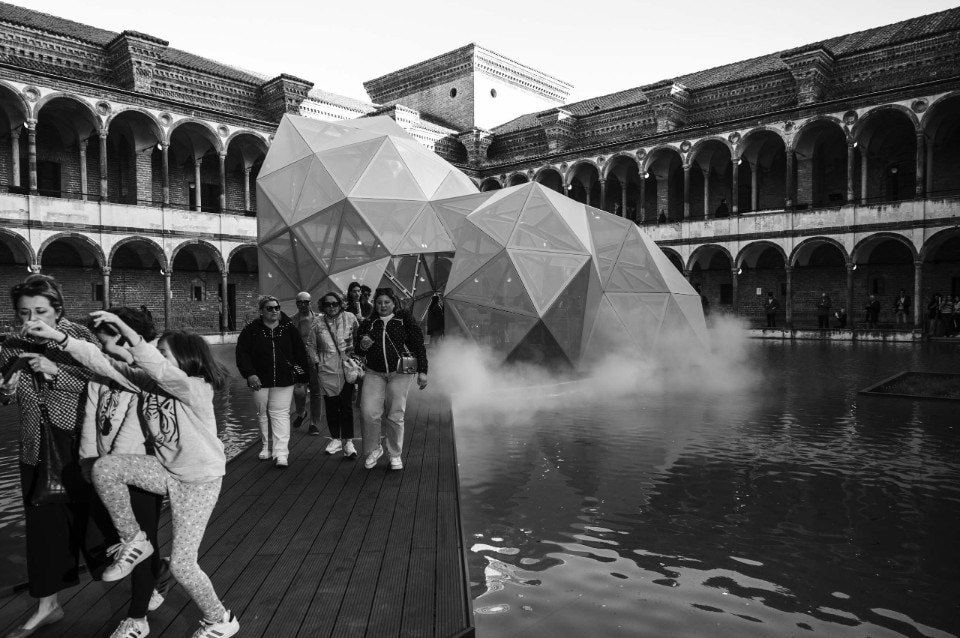
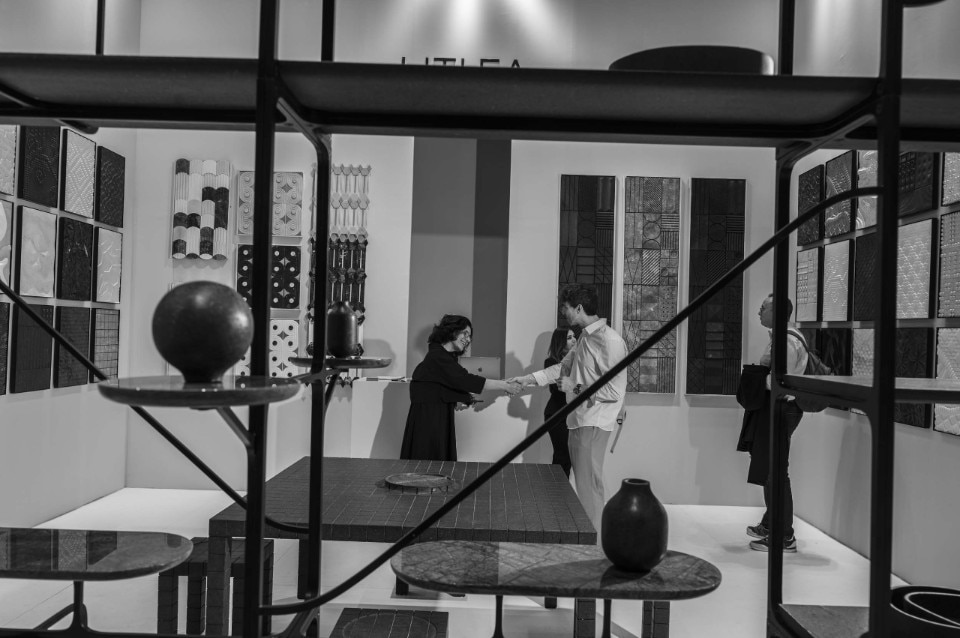
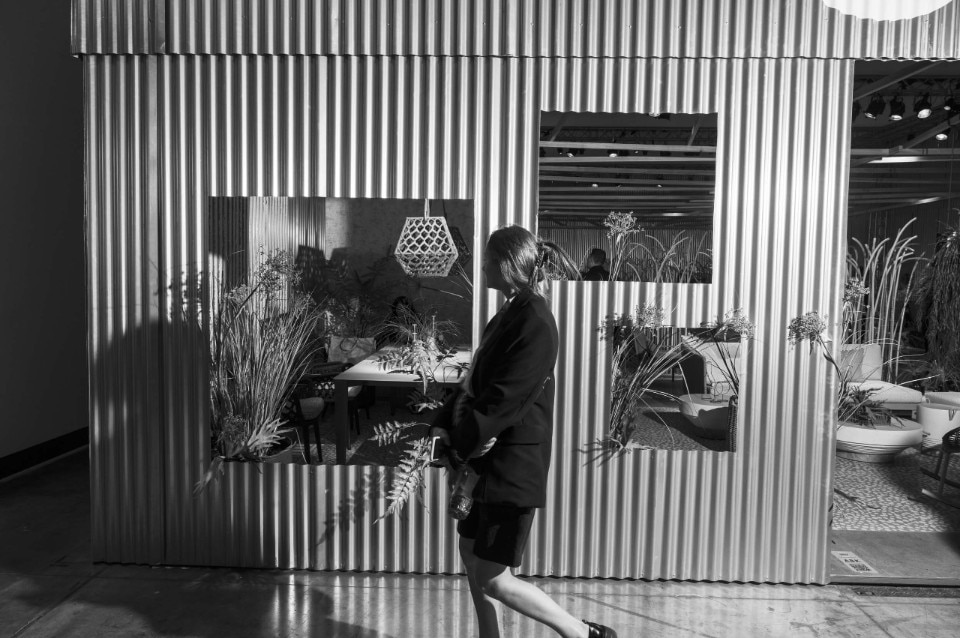
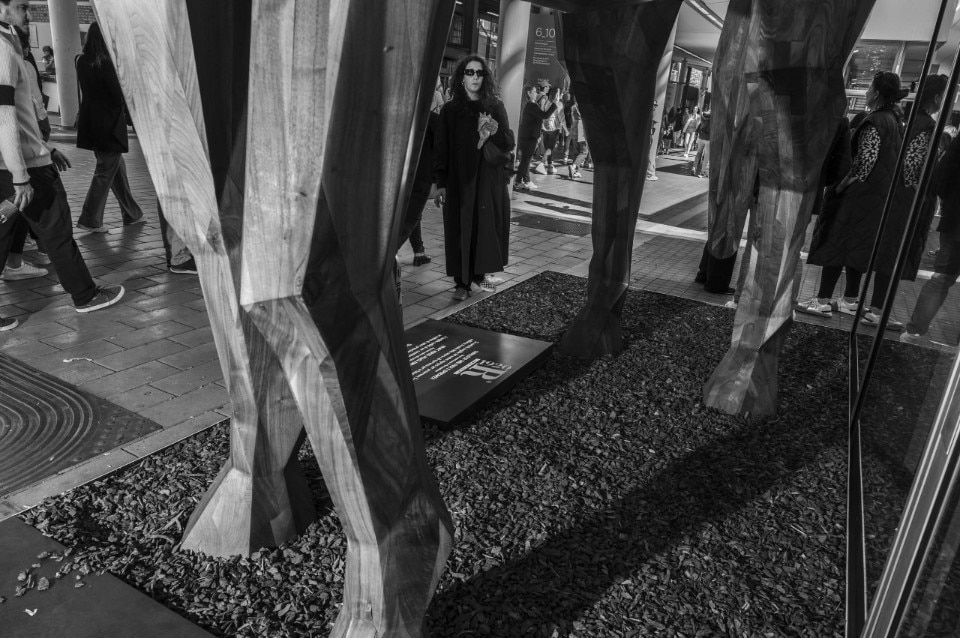
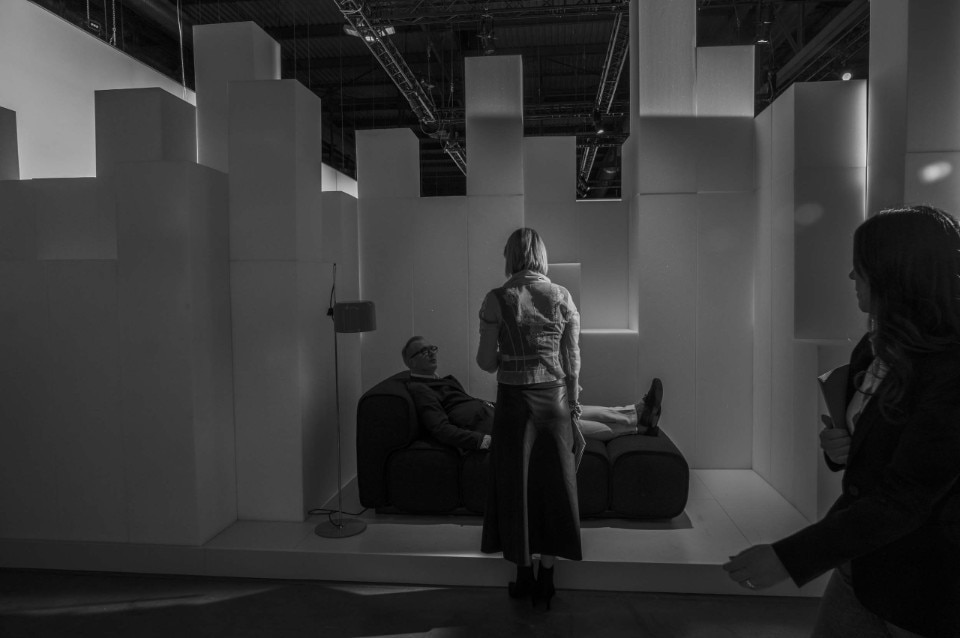
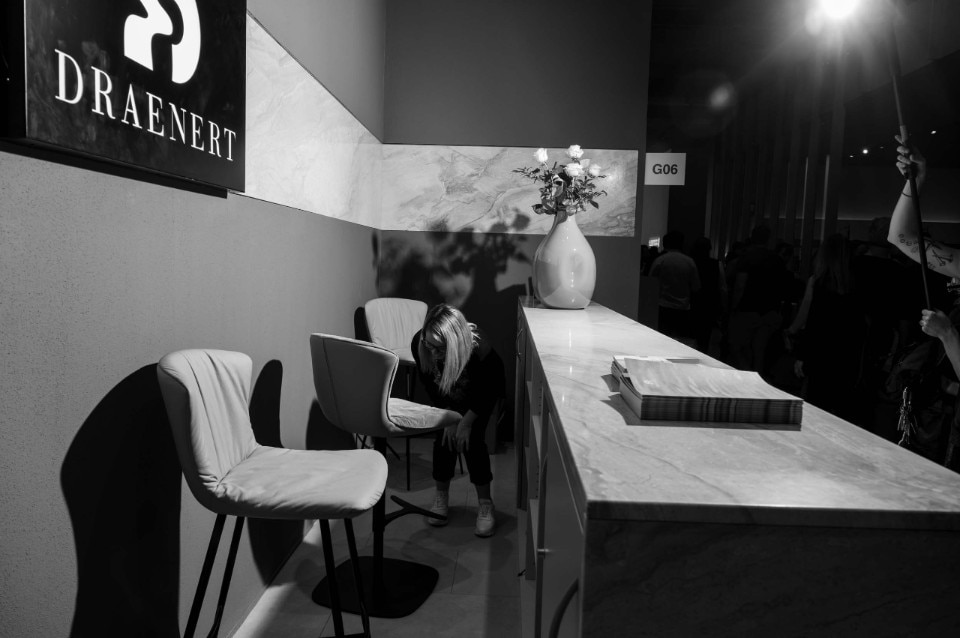
This is an initial phase, active in beta version in the Brera Design District, which allows users to register once for multiple participating events. It is not a “skip-the-line” system, but a first attempt to make a system that remains, by nature, distributed and fragmented more readable.
What are the Fuorisalone districts (and how they formed)
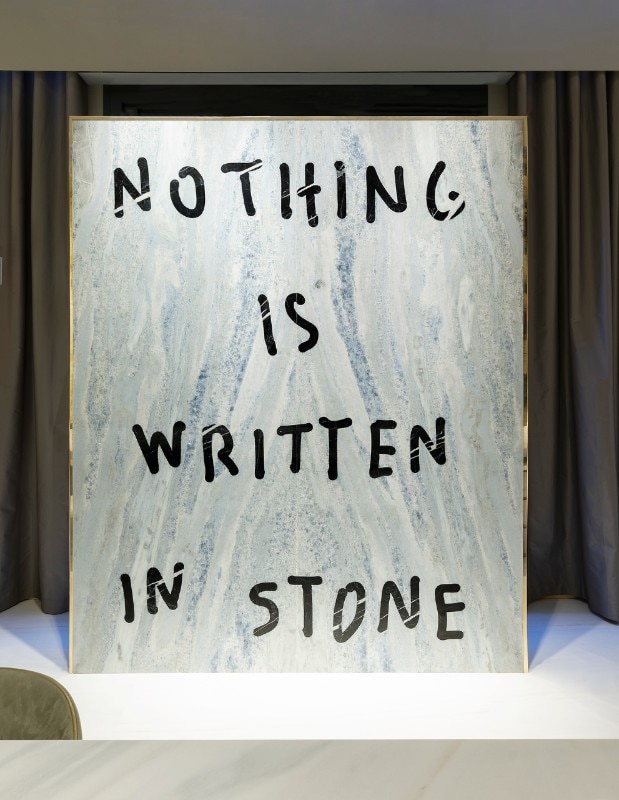
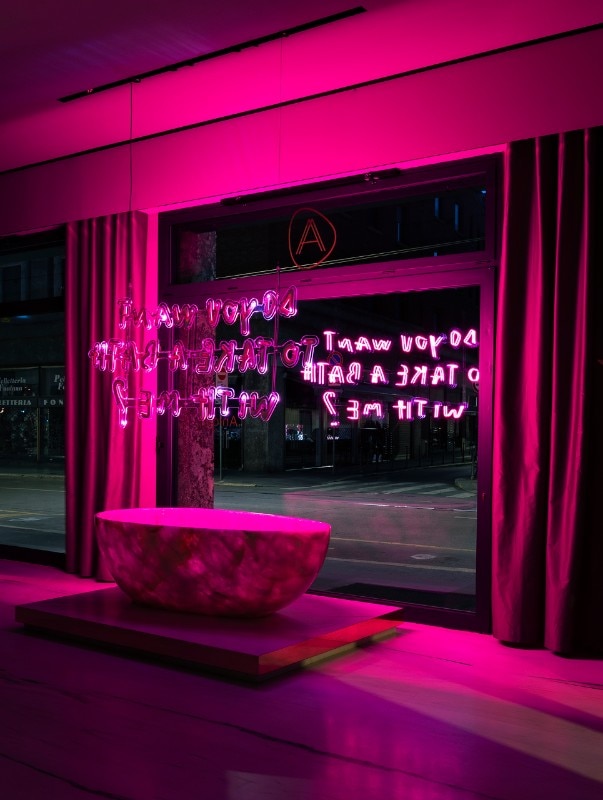
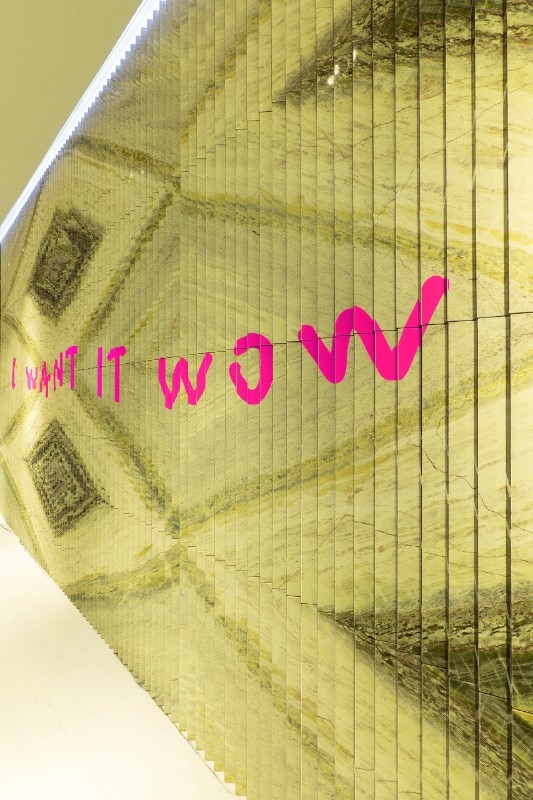
The “official” core of Design Week is made up of districts: informal geographies that over time have built a second map of the city.
The first to emerge, between the late 1990s and early 2000s, are Zona Tortona and the circuit of showrooms in the center, now known as the Brera Design District.
The Tortona district was born from post-industrial reconversion in the area southwest of Porta Genova station: warehouses, workshops and production spaces transformed into exhibition venues. It is here that the Fuorisalone first takes on a recognizable form, driven by Superstudio Più, the exhibition space on via Tortona 27 founded in the early 2000s by Gisella Borioli, among the first hubs to concentrate the design public in a collective exhibition, and by the spaces of the former Ansaldo, now home to BASE Milano and the Mudec.
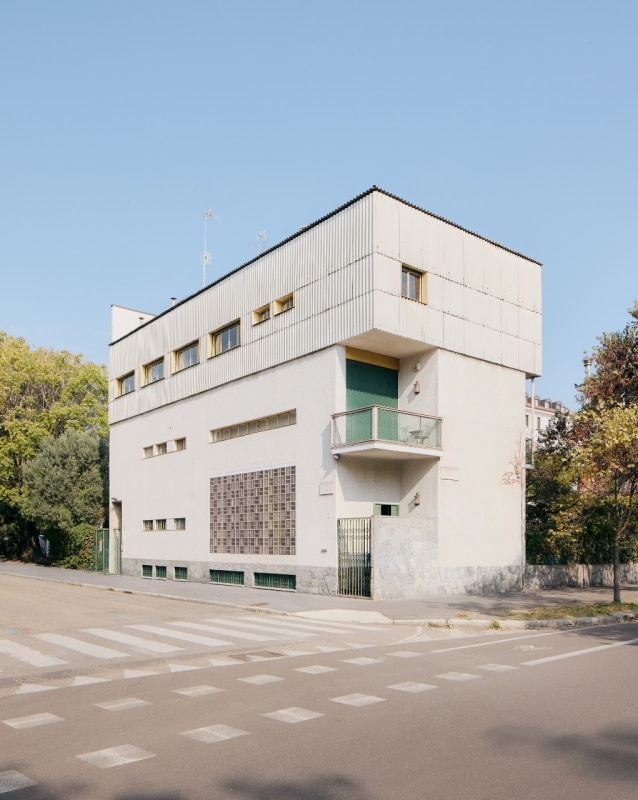
Brera, on the contrary, grows through layering. From a bohemian neighborhood linked to the Academy of Fine Arts, it gradually transforms into a system of showrooms, galleries and shops, becoming during Design Week a globally recognized brand, also thanks to realities such as Nilufar, which since the 1990s has transformed the gallery into a research space, contributing to the construction of a design market increasingly close to art.
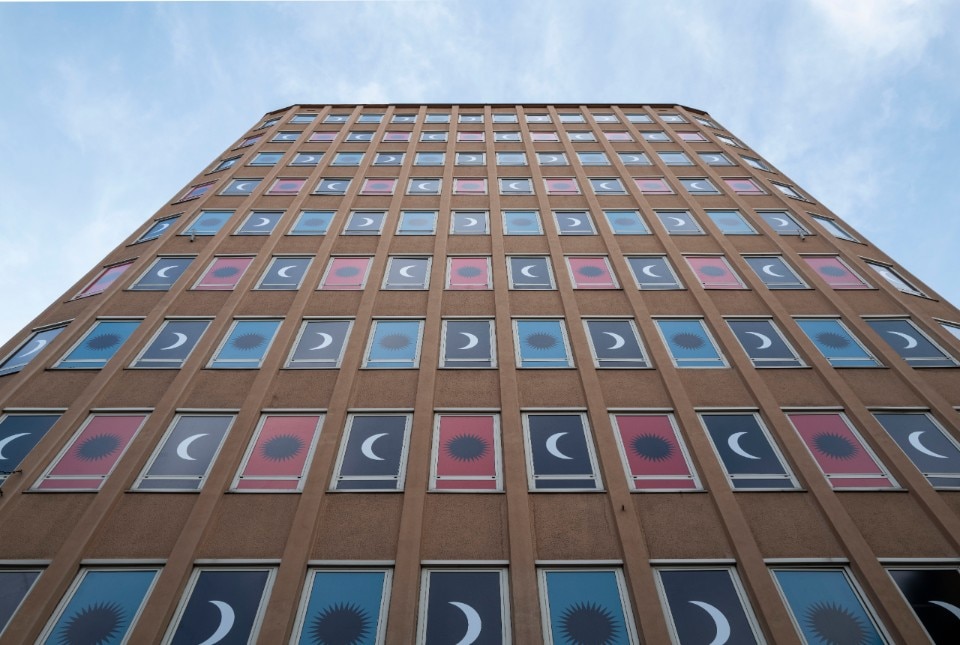
To these, in the 2010s, other areas are added — such as 5Vie, Isola, Porta Venezia, Porta Nuova and Sarpi — each with its own identity and a different balance between research, production and communication.
 View gallery
.jpg.foto.rmedium.png)
.jpg.foto.rmedium.png)
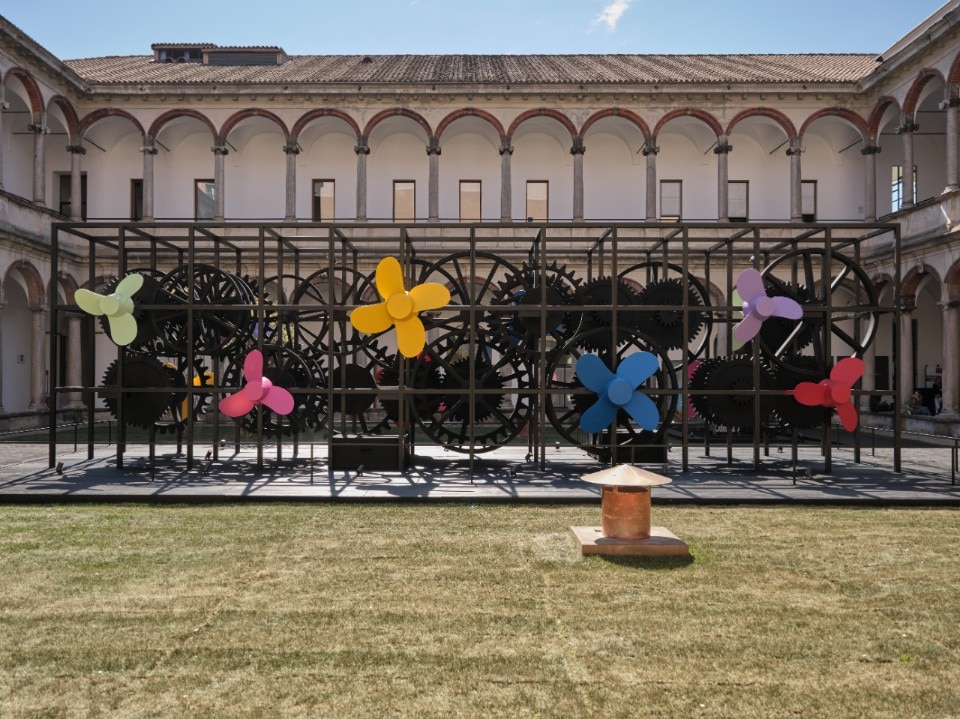
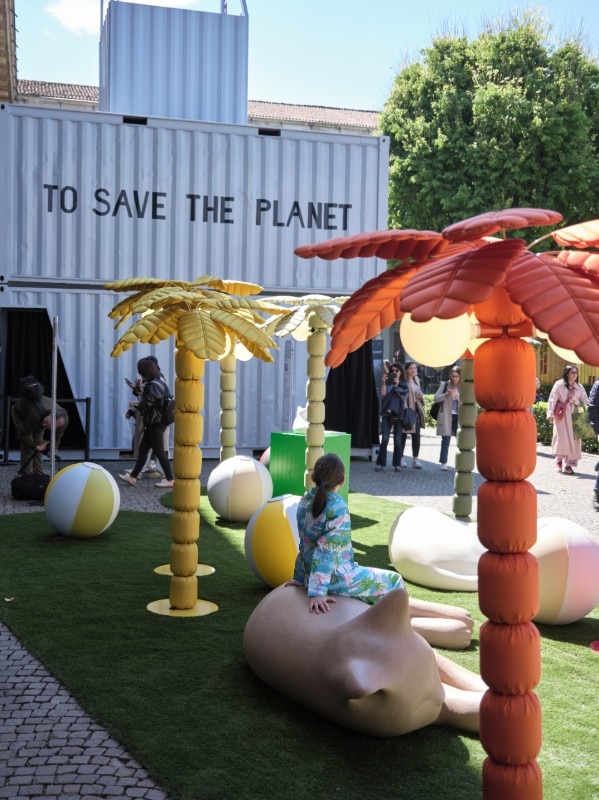
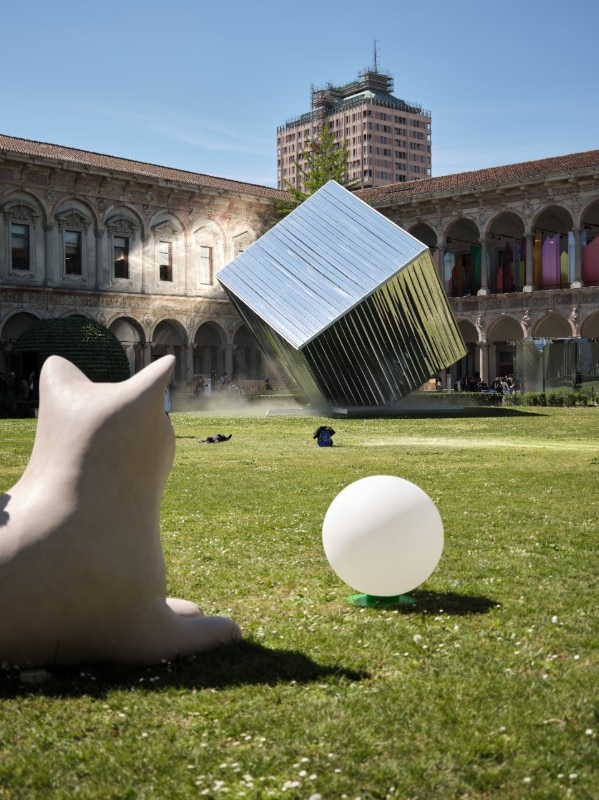
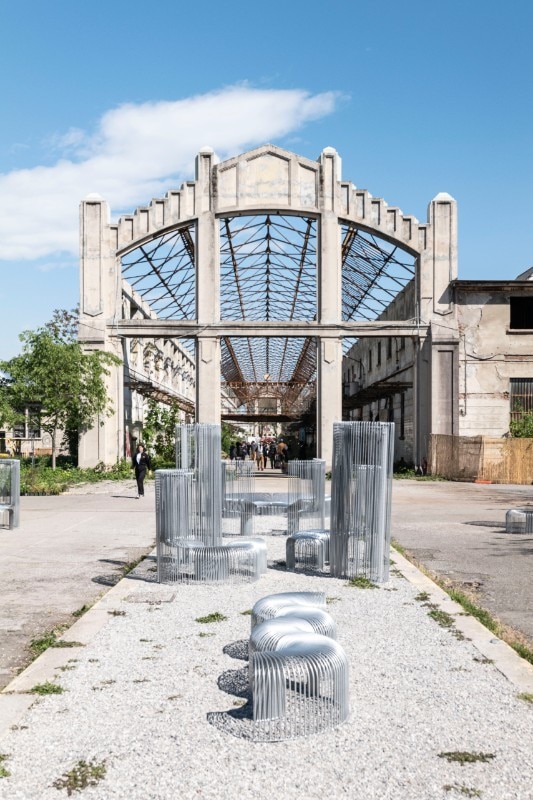
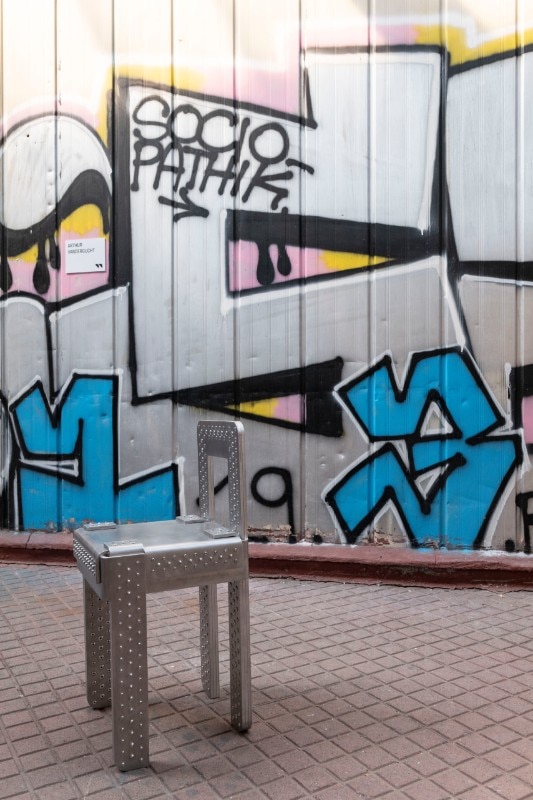
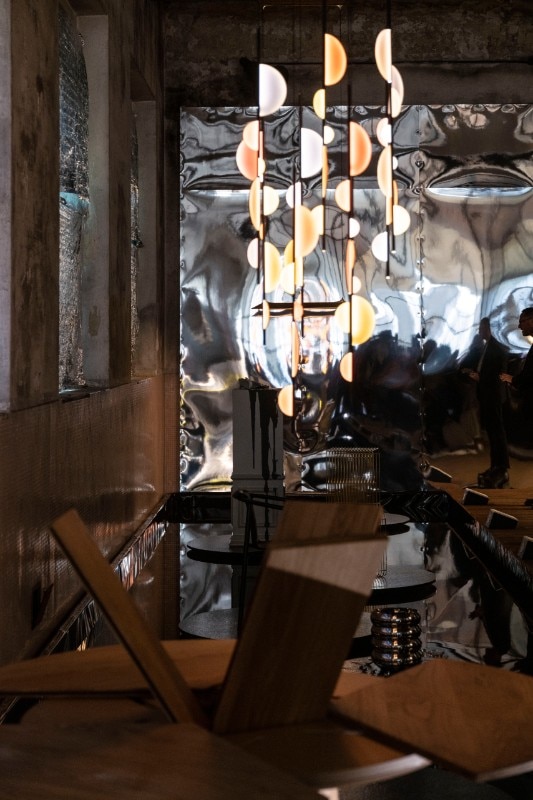
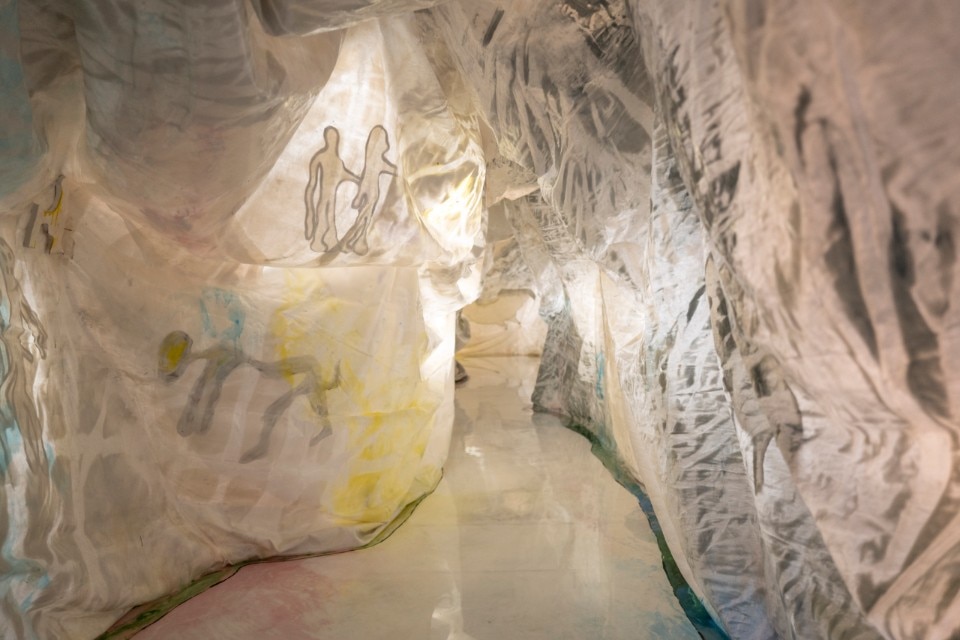
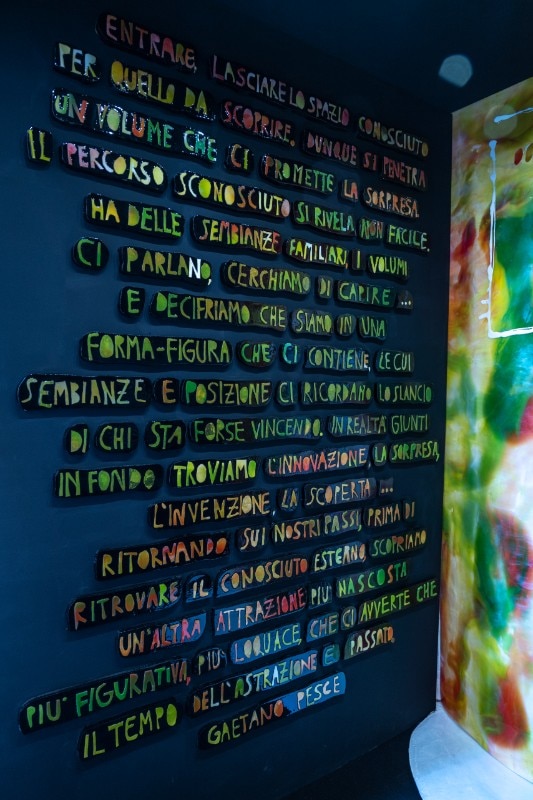
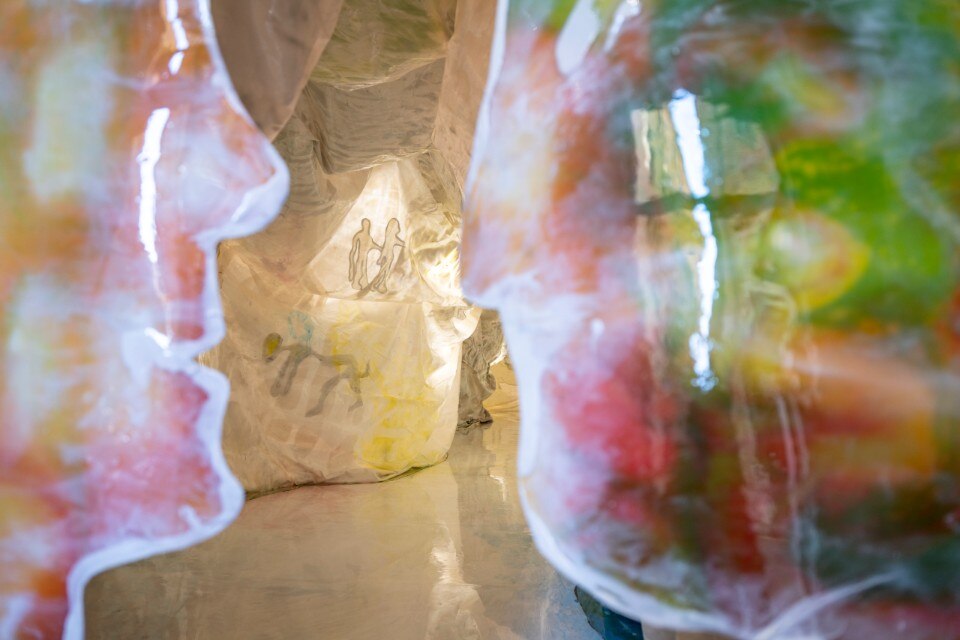
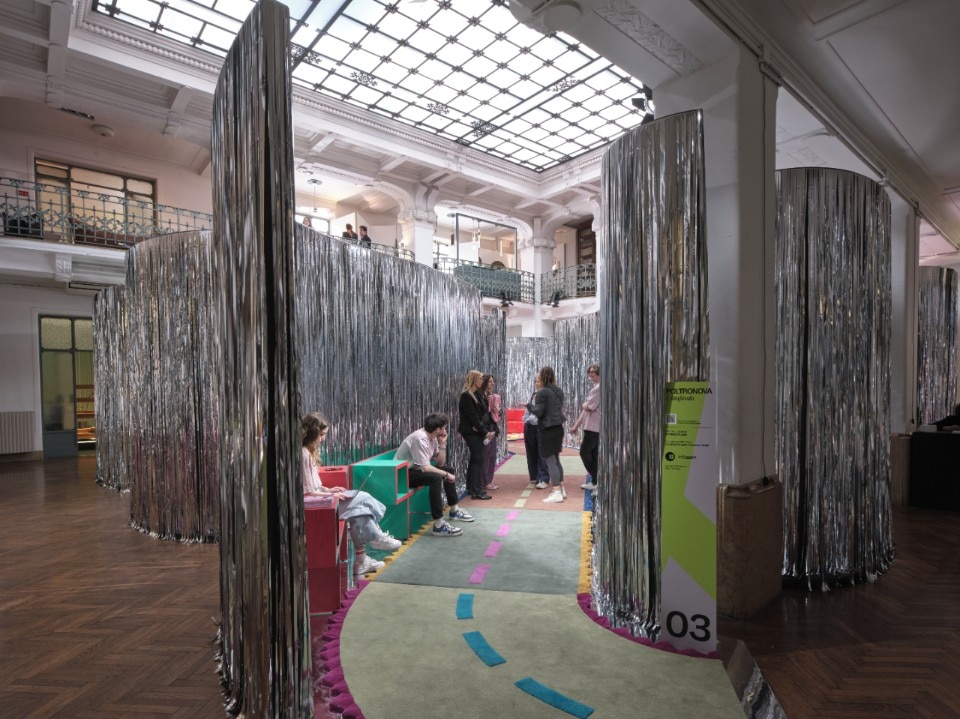
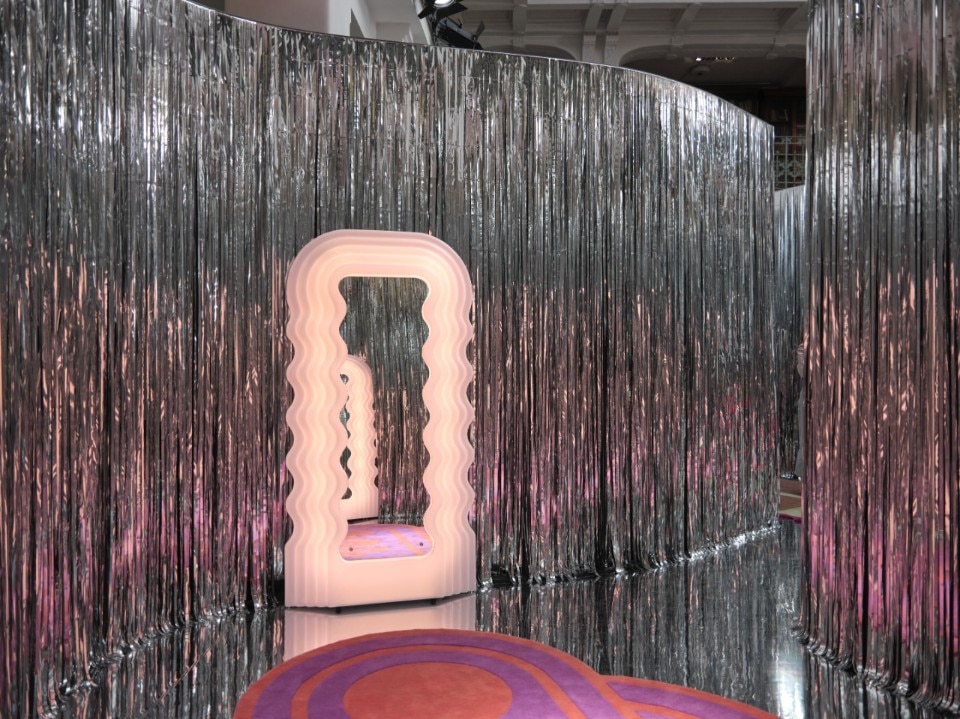
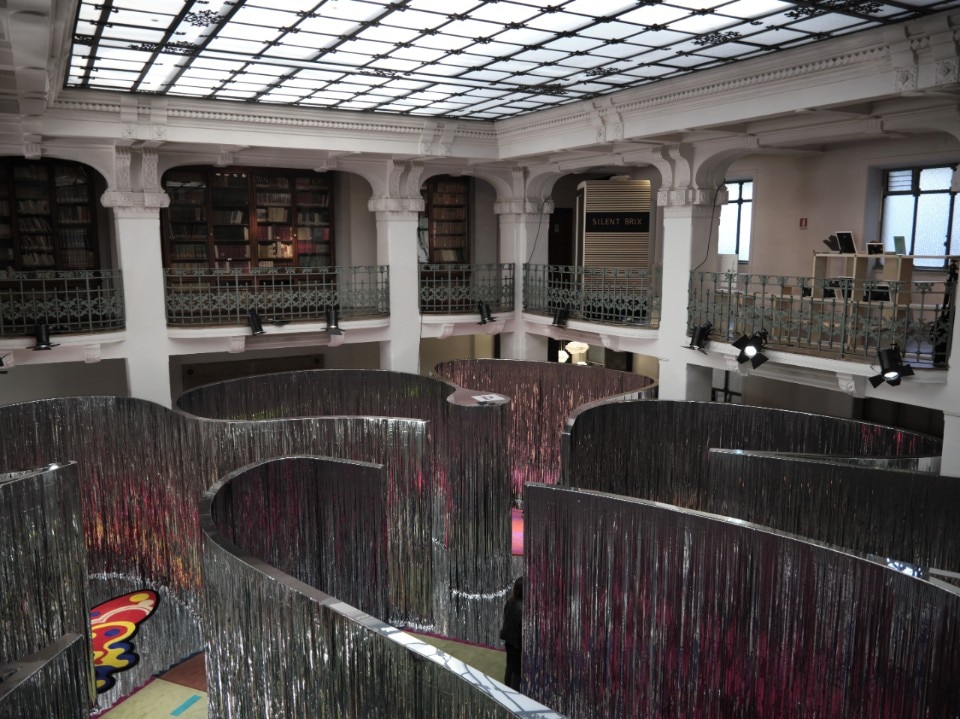
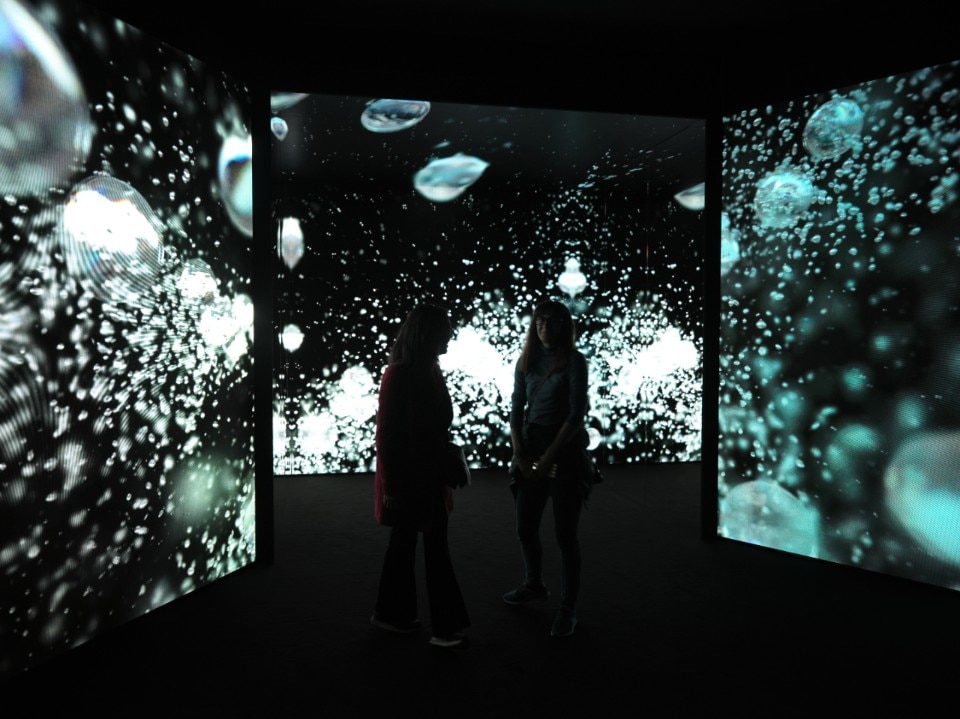
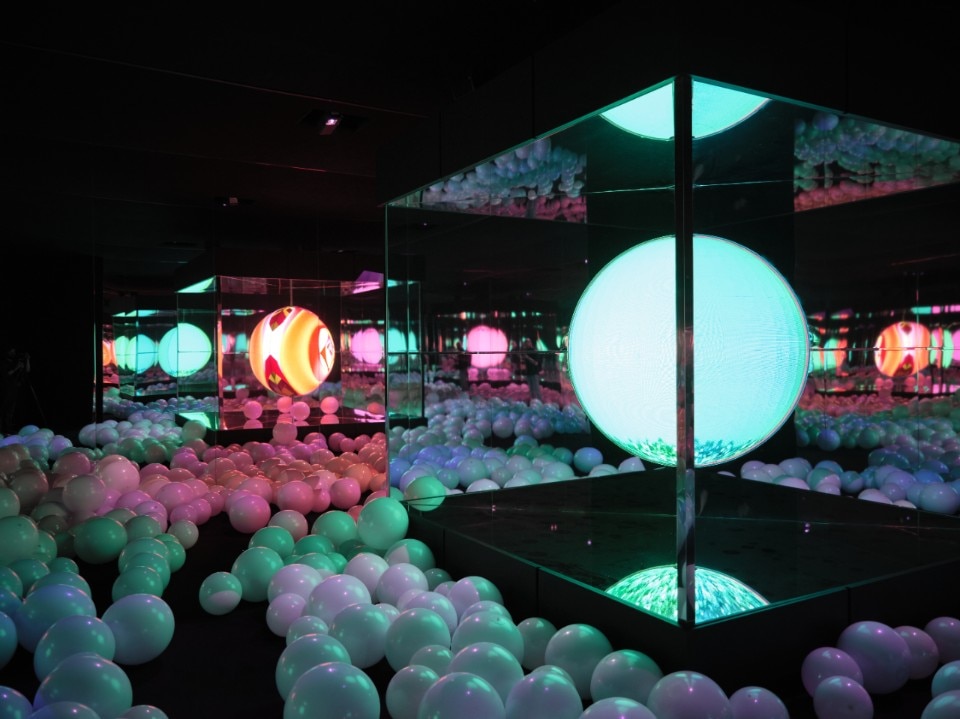
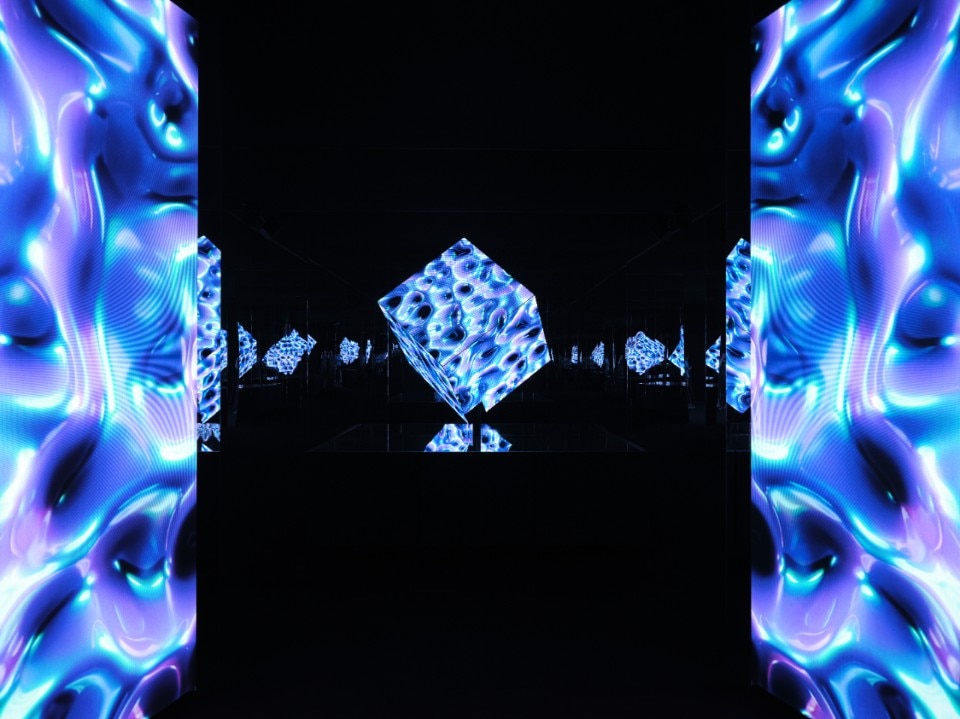
Then the boundaries begin to blur. Events multiply, the map expands, and at a certain point the whole of Milan becomes a district.
It is in this context that curatorial platforms emerge — such as Alcova, Dropcity and Capsule Plaza — which in recent years have redefined the meaning of the Fuorisalone, shifting attention from geography to curation.
Why everyone talks about locations: from the Università Statale to the Pinacoteca di Brera
If districts help with orientation, it is the locations that truly define the Design Week experience.
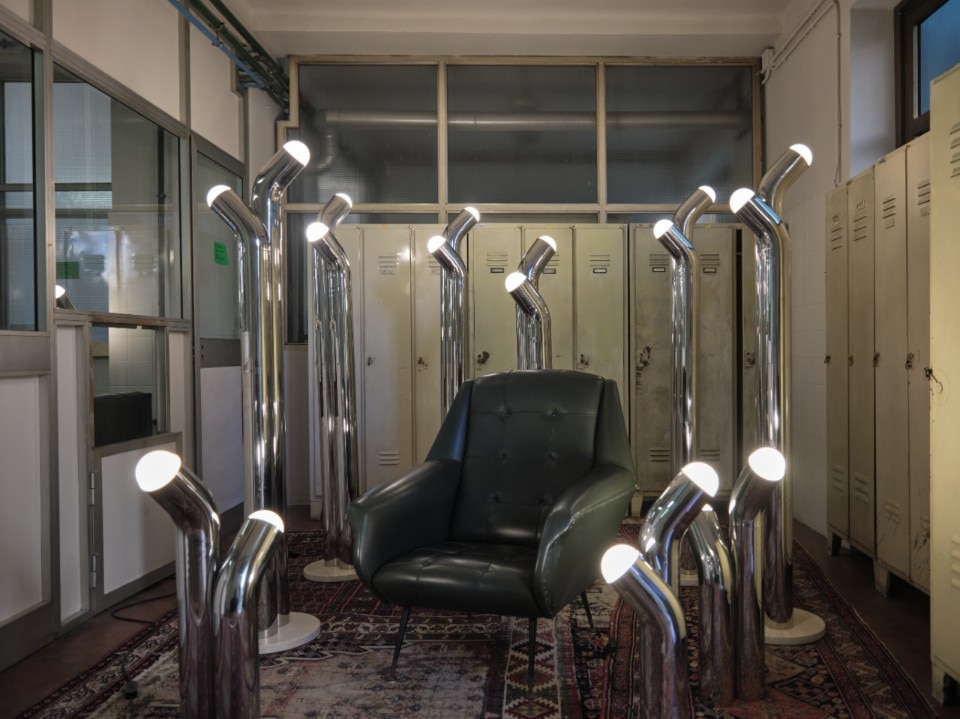
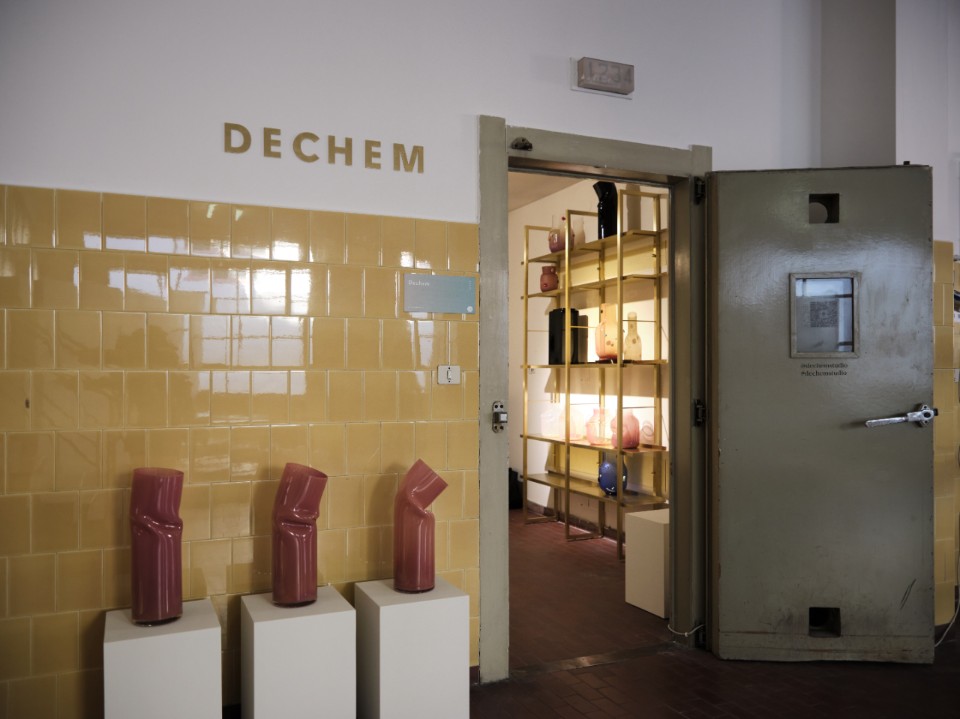
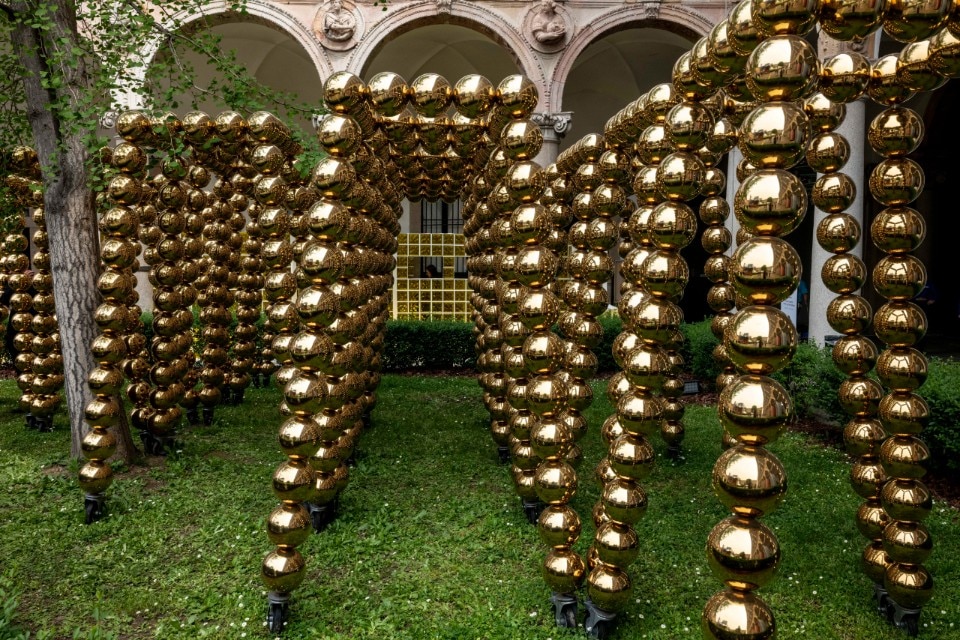
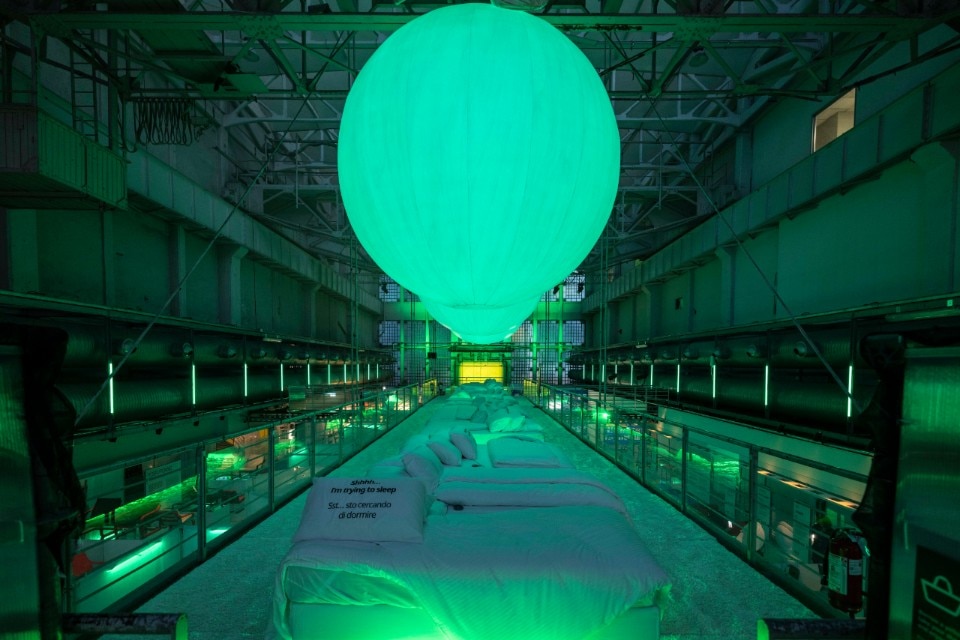
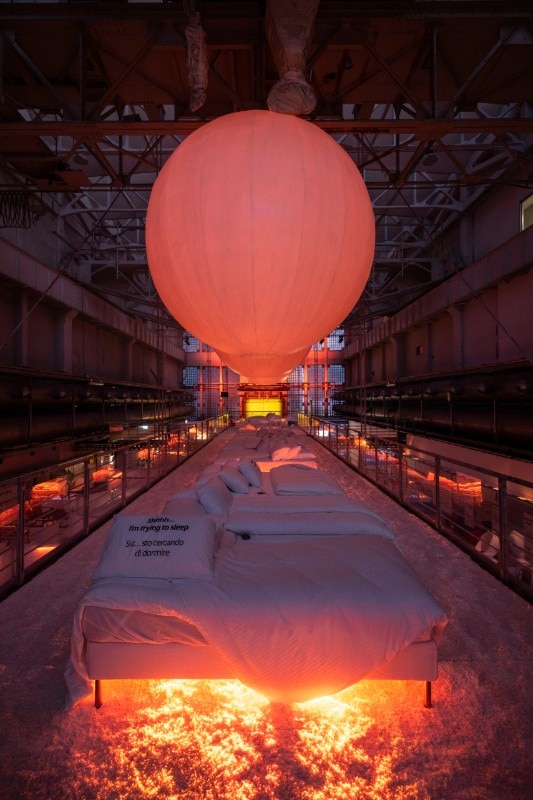
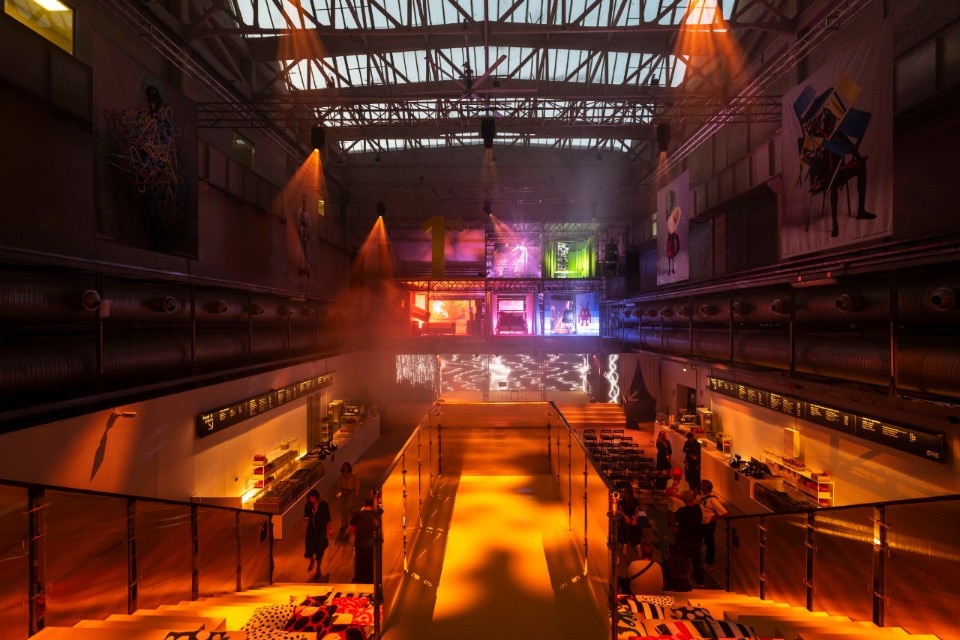
Former factories, historic palaces, hidden courtyards, industrial spaces: during design week, Milan opens up and puts itself on display, with large-scale spectacular installations. And in many cases, the context matters as much as — if not more than — the objects on show.
The project is not only what you see, but where. This is also why a significant portion of visitors come for reasons that have little to do with design in the strict sense: exploring Milan, accessing historic buildings that are normally closed, moving through a city that changes function for one week.
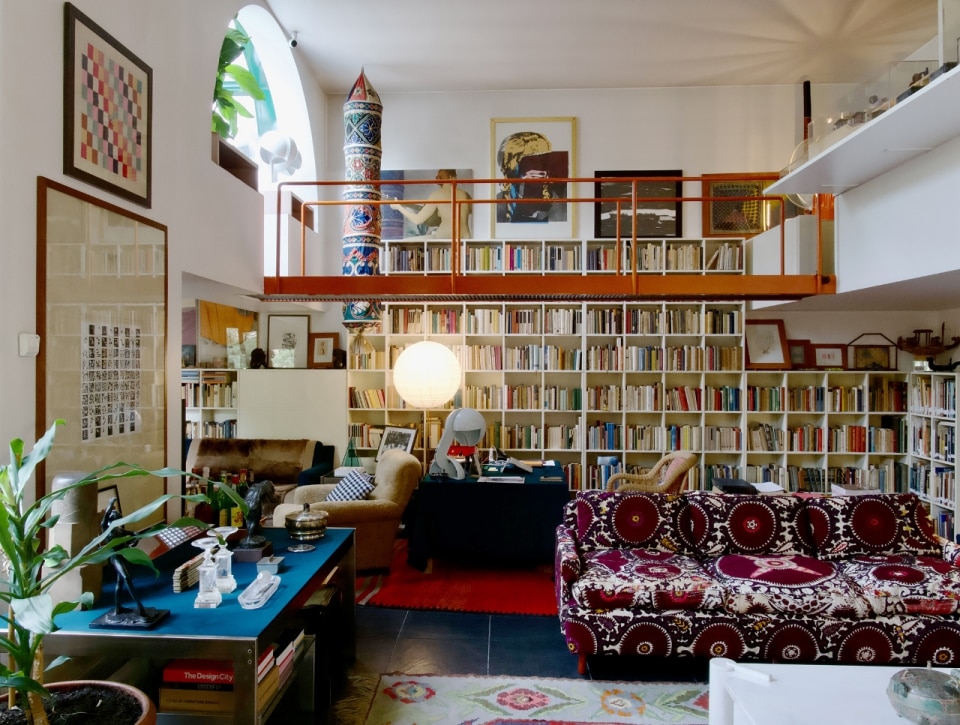
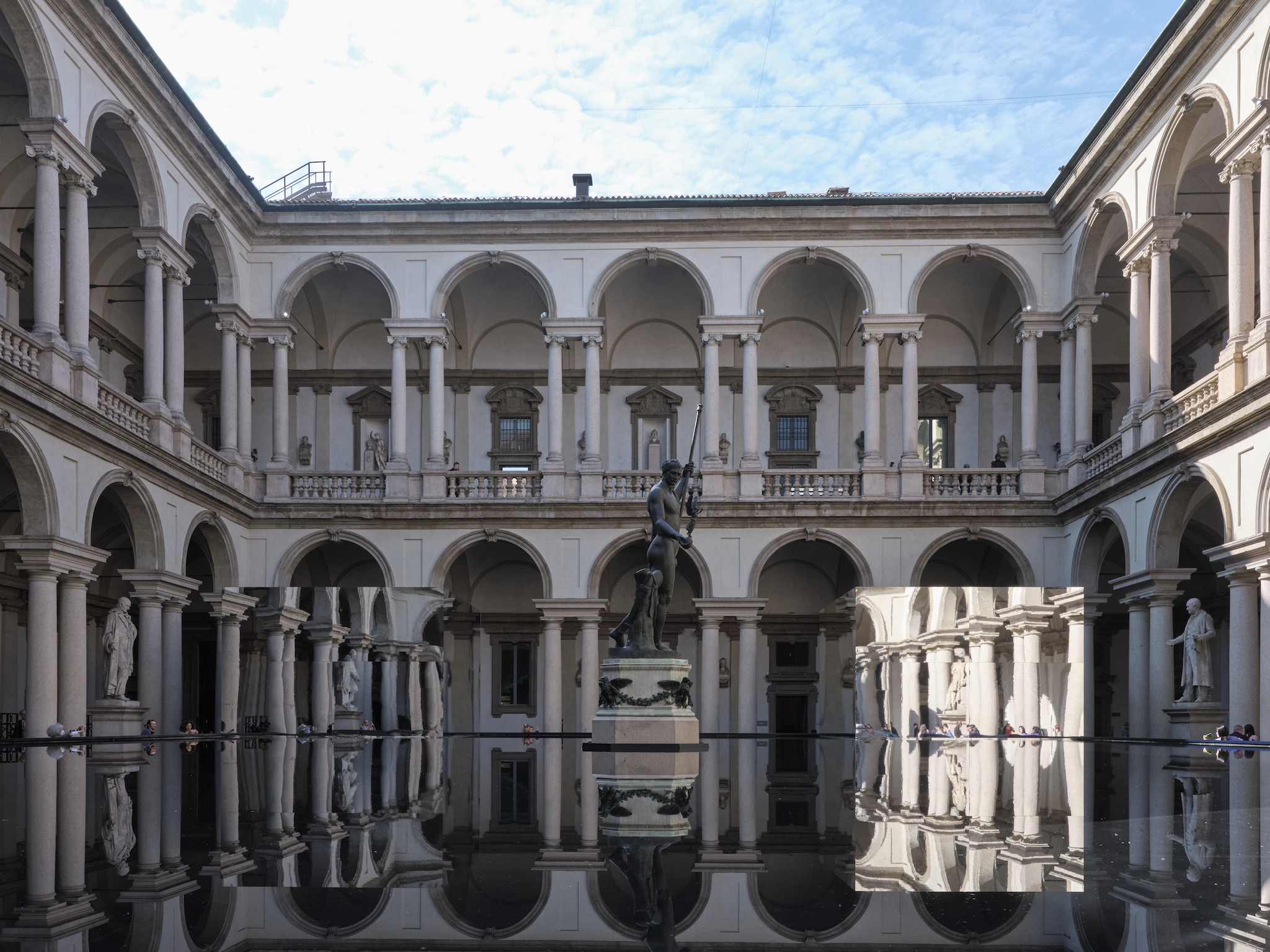
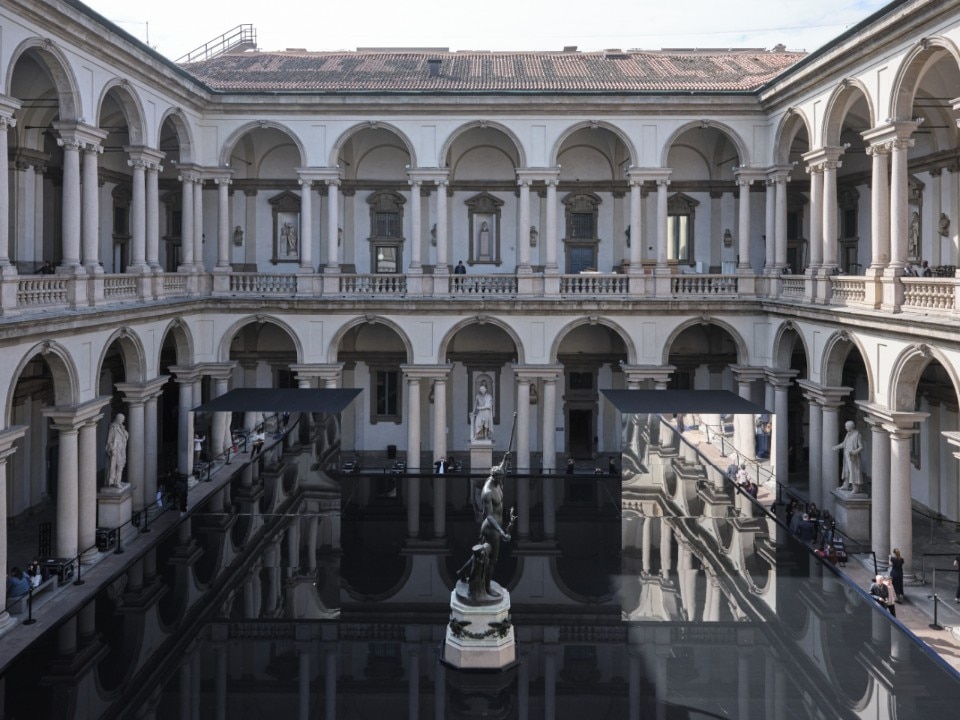
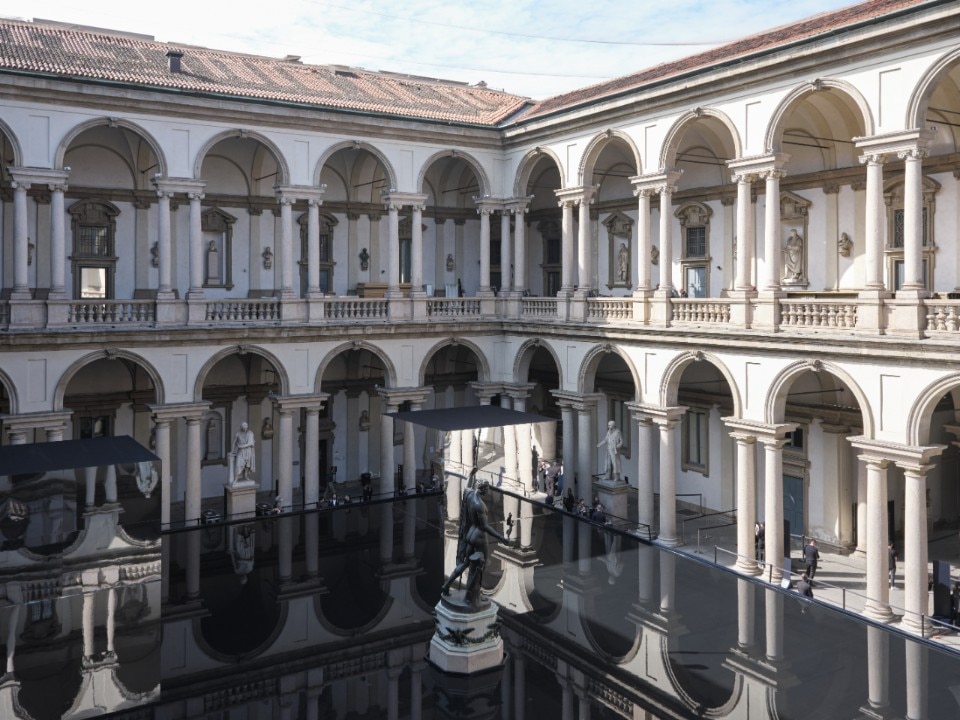
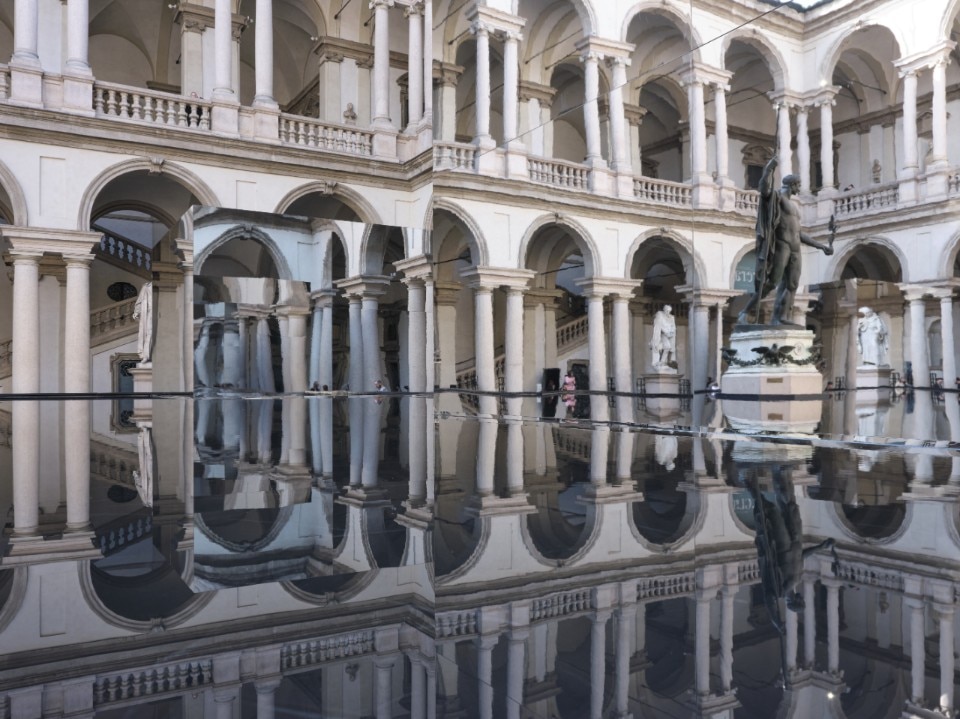
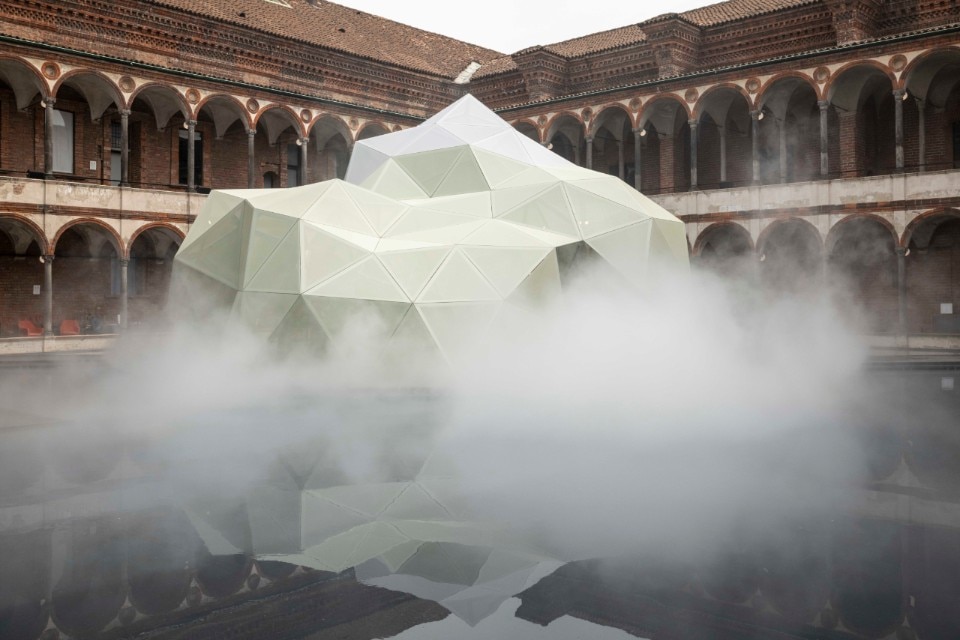
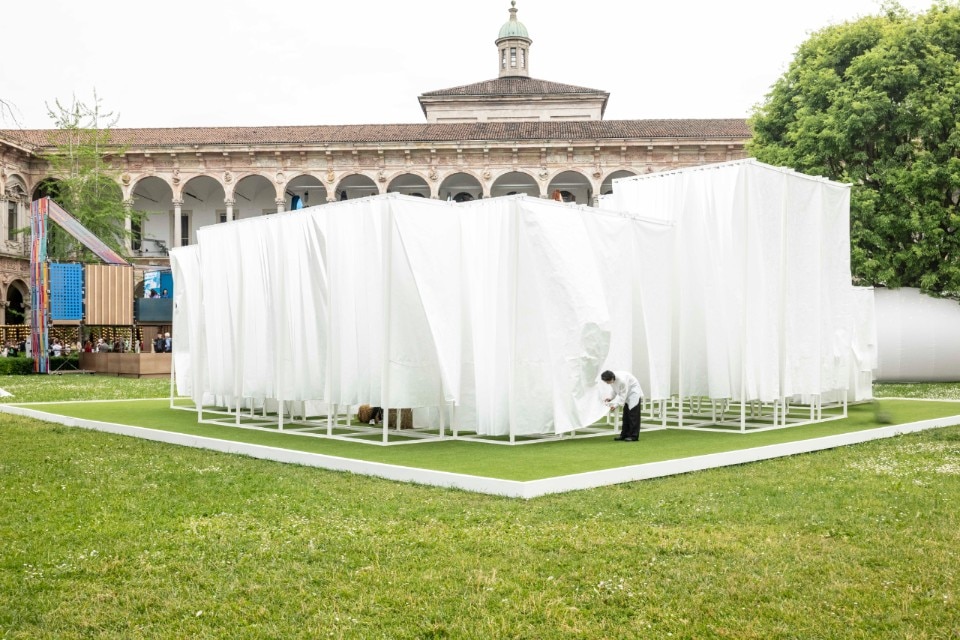
Among these, every year some certainties return: the University of Milan, which since 2006 has hosted Interni exhibitions transforming its courtyards into a route of large-scale installations; Palazzo Litta, animated by MoscaPartners with site-specific projects by major international architects — this year featuring Lina Ghotmeh; the loggia of the Pinacoteca di Brera, often the stage for monumental interventions in the heart of the city center; and Palazzo Serbelloni, reactivated in recent years by brands such as Louis Vuitton as a temporary exhibition space.
Key places: Triennale Milano, BASE, the ADI Design Museum
Triennale Milano, founded in 1923 and overlooking Parco Sempione, remains one of the central institutions of Italian design: during Design Week it combines monographic exhibitions on major masters with a program of talks, installations and special projects, maintaining a critical dimension within a week that is increasingly experience-driven.
BASE Milano, in the spaces of the former Ansaldo, is one of the clearest examples of a hybrid space: a cultural center active all year round, during the Fuorisalone — with We Will Design — it transforms into a platform for research and production dedicated especially to emerging designers.
The ADI Design Museum, home of the Compasso d’Oro, represents the point of contact between historical and contemporary design: here the permanent collection of the award is preserved, gathering some of the most significant projects of Italian design from the postwar period to today. During Design Week, this archival dimension is complemented by exhibitions and new installations, making it one of the few places where design is still told as a history as well as an event.
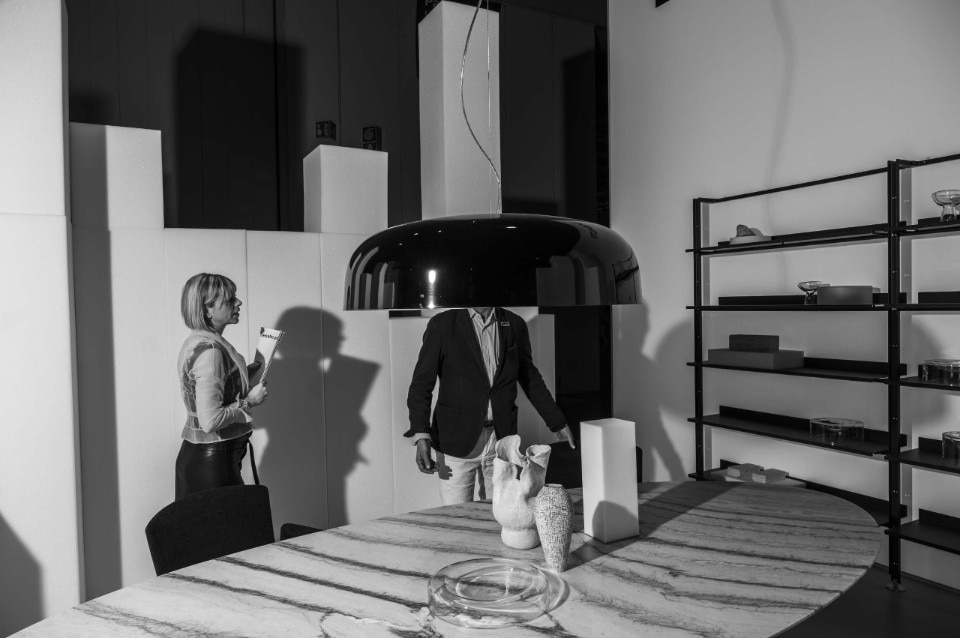
In recent years, new hubs have been added such as Park Hub, the exhibition space of the architecture studio Park Associati, reflecting a shift toward formats increasingly linked to cultural production led directly by the protagonists of Design Week: designers and architects.
In 2026, new locations are also emerging that are set to become central, such as the Covey Building and Mulino Factory: former production spaces and converted complexes that confirm a now consolidated trend — using Design Week as a device to test new uses of the city.
The meeting spots: where to gather (and why it matters)
Alongside exhibition spaces, Milan Design Week is also a system of informal places where an important part of the experience takes shape. This is where meetings, conversations and professional relationships happen.
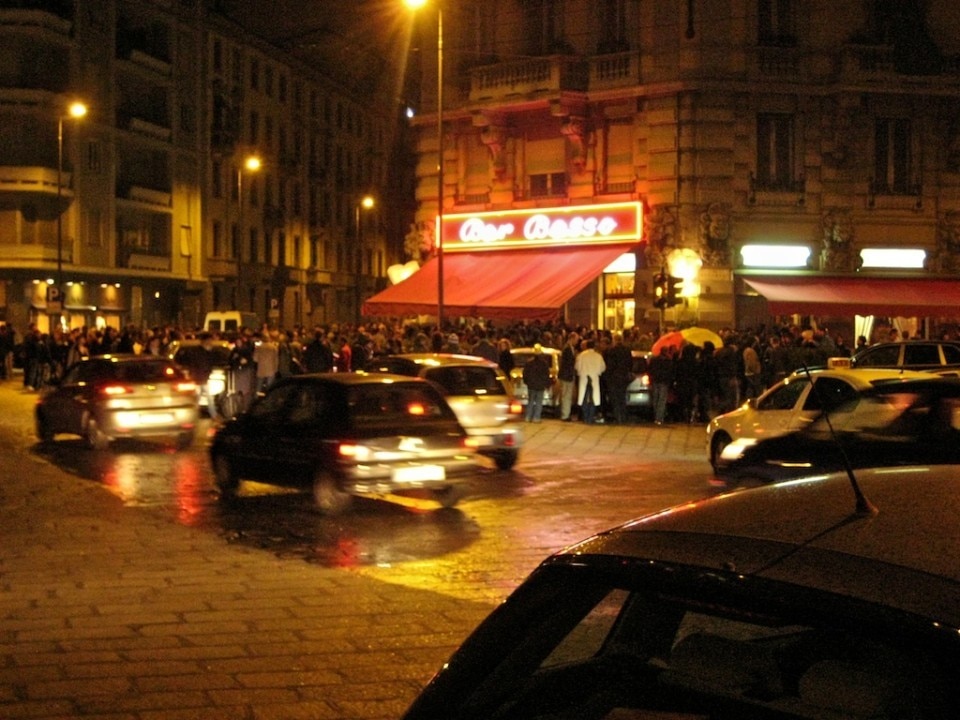
Among these, some areas function as real gathering points: Brera, due to its density and centrality, remains one of the most frequented places, while Bar Basso, a historic venue linked to Milanese design, is one of the most recognizable meeting spots, especially in the evening. James Irvine, Mark Newson, Jasper Morrison, Konstantin Grcic, Thomas Eriksson and Emmanuel Babled are just some of the designers who, in the 1980s, gathered to chat in this memorable neighborhood bar.
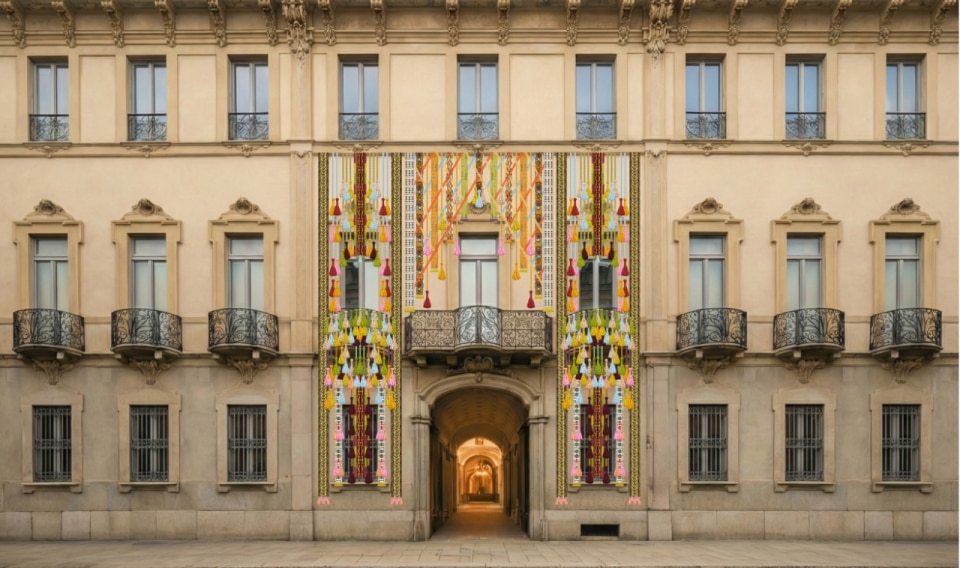
Listening bars are the new arrivals in this circuit: highly curated cultural hubs defined by their sound systems, which this year have become something like the new fetishes of Milanese design. And then there are all those spaces — from restaurants to fashion showrooms — that strategically open during design week and that we cover every year on Domus.
Alcova and the new curatorial platforms: Dropcity and Capsule Plaza
Among the projects that have most influenced the recent transformation of Design Week is Alcova, the independent curatorial platform founded in 2018 by Valentina Ciuffi and Joseph Grima.
The first edition takes place in a former industrial bakery on via Popoli Uniti, in the northern outskirts of Milan: a raw and unfinished space that immediately becomes an integral part of the exhibition project. From the beginning, Alcova positions itself outside both the logic of the fair and that of the district: it is not a stable geography, but a curatorial device that moves across the city.
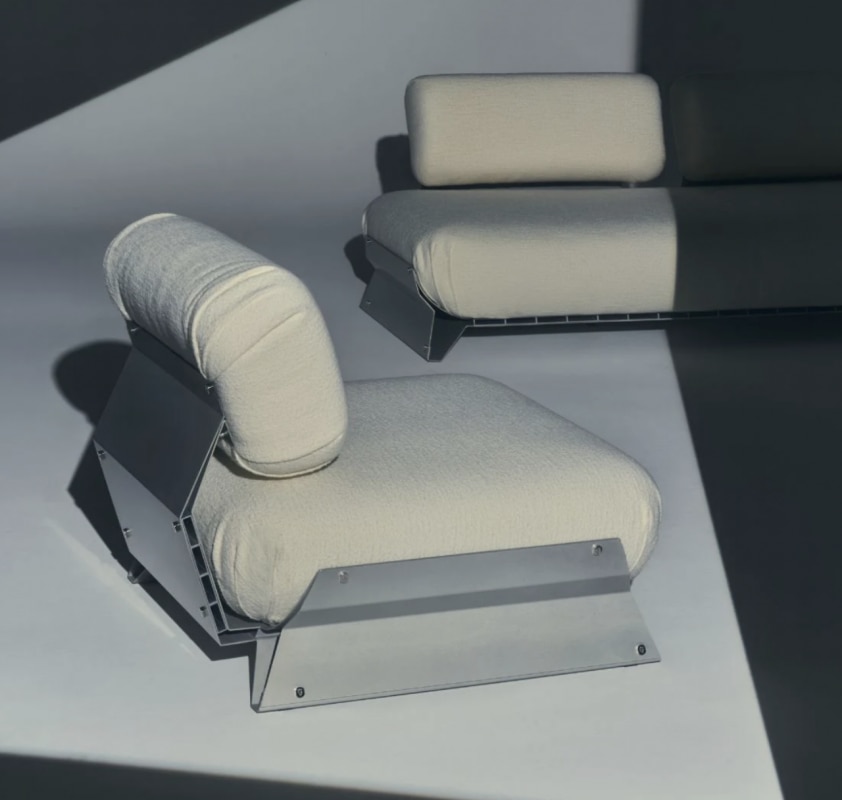
In the following years, the project develops through a sequence of increasingly complex and layered locations — between abandoned factories, industrial spaces and modernist architecture — up to occupying entire complexes such as Villa Borsani in Varedo and transforming urban areas like the former Porta Vittoria slaughterhouse. In 2026, the program expands further between Villa Pestarini, designed by Franco Albini, and the former Military Hospital of Baggio, confirming an increasingly distributed and site-specific dimension.
Here design is not yet product: it is prototype, installation, material research. It is also one of the places where the growth of collectible design has consolidated — unique pieces and limited-edition productions — a trend that today also finds space within the Salone del Mobile with “Salone Raritas”.
Following Alcova, other curatorial platforms have established themselves in recent years.
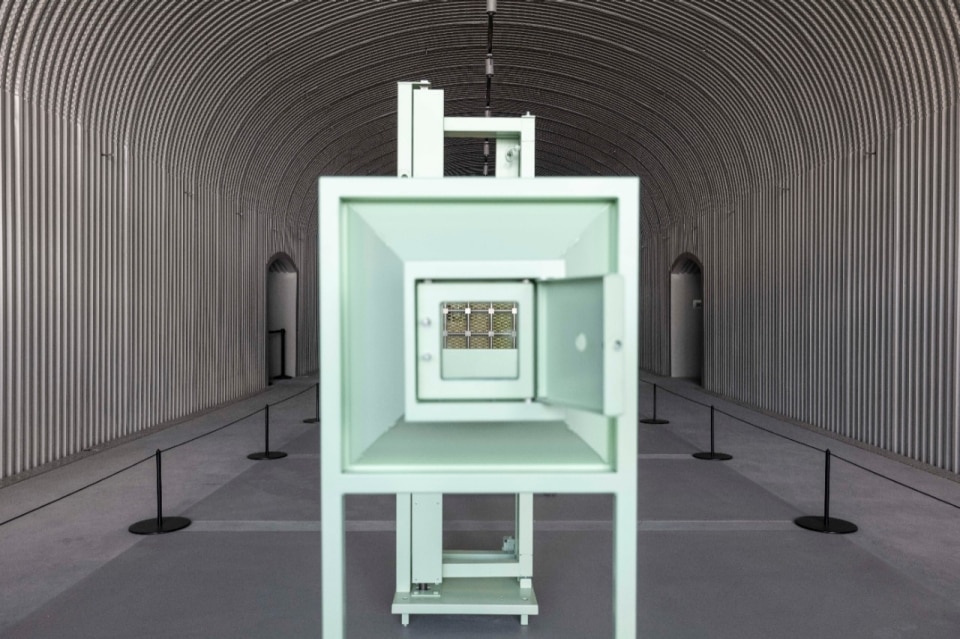
In 2023 Dropcity was born, in the railway tunnels beneath Central Station: not just an exhibition, but a permanent research infrastructure, combining exhibitions with workshops, residencies and production activities, shifting attention from the result to the design process.
After Covid, Capsule Plaza also emerged, a project linked to Kaleidoscope magazine and Spazio Maiocchi, introducing a more hybrid dimension between design, fashion and publishing. Here curation intertwines with the construction of an international network, involving designers, brands and audiences in a format that is at once an exhibition and an ultra-mediatic platform.
These realities mark an important shift: from a Design Week organized by districts to an ecosystem increasingly driven by curatorial projects. It is no longer only a matter of where to go, but of storytelling and niches connected to design.
How to navigate Milan Design Week
Navigating Milan Design Week does not mean seeing everything, but choosing well. The city is too large and the events too numerous: the first piece of advice is to build an itinerary, focusing on one or two districts per day.
It helps to alternate different moments: the fair in the morning, when it is more readable and less crowded, and the Fuorisalone in the afternoon, when the city really comes alive. Moving on foot remains the best way to explore the densest areas, while the metro is useful for connecting more distant zones.
Design Week has functioned as an urban laboratory. Many processes that are now central — and often controversial — in Milan pass through here.
Queues are part of the experience, but they can be avoided by choosing less central times or booking when possible. At the same time, it is worth leaving room for the unexpected: many of the most interesting discoveries happen outside the plan.
Finally, not everything revolves around objects. An important part of Design Week is made of places, encounters and atmospheres: taking the time to move through it, rather than consume it, is often the best way to understand it.
If you need more information, on Domus you can also find a beginner’s guide.
How Design Week has changed Milan
If today Milan Design Week is a global event, it is also because over time it has profoundly transformed the city that hosts it.
More than a simple appointment, it has become a model: a temporary platform capable of activating spaces, audiences and networks. A model that Milan has progressively extended to other events, from Expo 2015 to the Milan-Cortina 2026 Winter Olympics.
Over time, this system has also generated a proliferation effect. Other themed weeks have emerged, such as Milan Art Week, while international players like the Paris art fair Paris Internationale have integrated into the Milan calendar, helping to turn the city into an increasingly transnational cultural platform.
In the same way, Design Week has functioned as an urban laboratory. Many processes that are now central — and often controversial — in Milan, from the reactivation of postwar buildings to the reconversion of disused industrial areas, pass through here: spaces temporarily activated that end up producing permanent effects.
But this growth has also made some tensions evident: rising costs, the increasing spectacularization of events, and the difficulty of maintaining a truly experimental and independent dimension from major brands.
In this sense, Milan Design Week is not just an event to visit, but a device that produces the city — and that continues to redefine, year after year, its balances, hierarchies and contradictions.
Milan Design Week 2026 in Domus guides
Milan Design Week cannot be read once and for all: it changes every year, expands, shifts, and constantly rewrites its geography and meanings.
For this reason, more than a definitive guide, what is needed each time is an updated perspective. To navigate the current edition — among new districts, platforms and projects — it is also useful to consult the in-depth feature dedicated to Milan Design Week 2026.
FAQ: the most common questions about Milan Design Week
Is Milan Design Week free?
The Fuorisalone is largely free, although some events require registration. The Salone del Mobile, on the other hand, is ticketed.
What is the difference between Salone del Mobile and Fuorisalone?
The Salone is an official and commercial fair, while the Fuorisalone is a distributed set of independent events across the city.
Do you need to book to attend events?
It depends: many installations and exhibitions are freely accessible, but for some online booking is required.
What are the main districts of Milan Design Week?
The main ones are Brera, Tortona, 5Vie, Isola, Porta Venezia and Porta Nuova, each with its own identity.
How do you get around during Design Week?
Mainly on foot and by public transport, especially the metro. Some areas are very dense and easily walkable.
Does Alcova change location every year?
Yes, Alcova is a curatorial platform that moves each year to different locations, often disused or hard-to-access buildings.
Is Milan Design Week suitable for non-experts?
Yes, it is open to everyone. Even without specific expertise, it is possible to visit installations and exhibitions and experience the city in a different way.
Useful resources and guides
Milan Design Week 2026
Discover events, districts, news, maps and installations of MDW 2026.
Previous editions of Milan Design Week
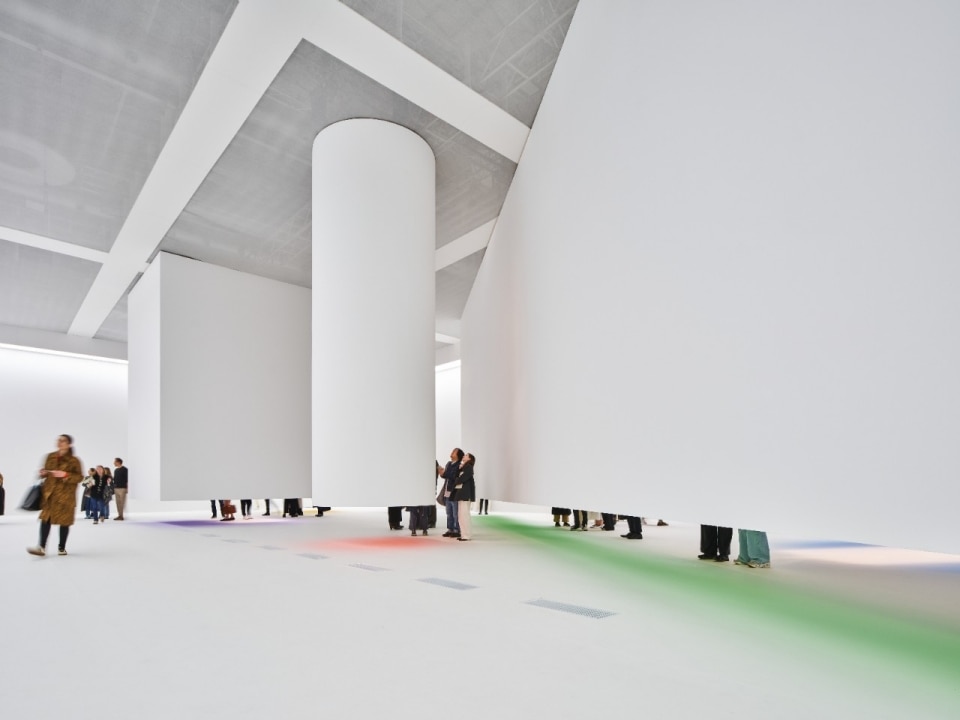
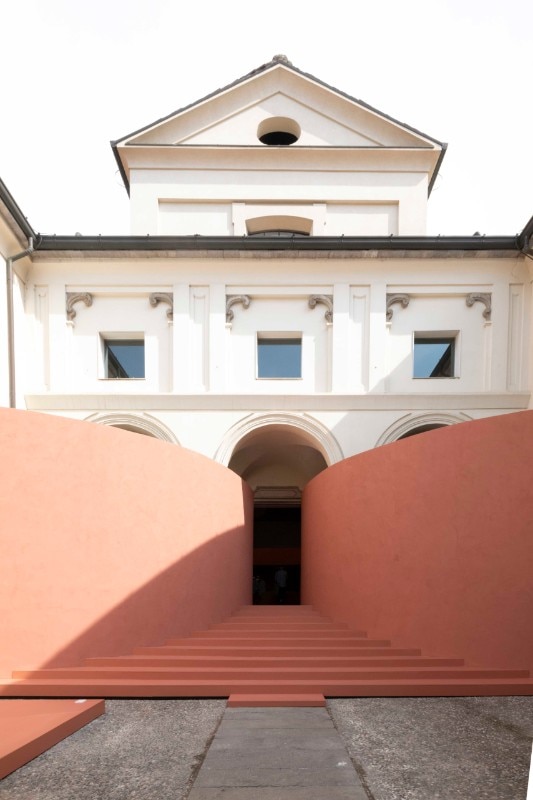
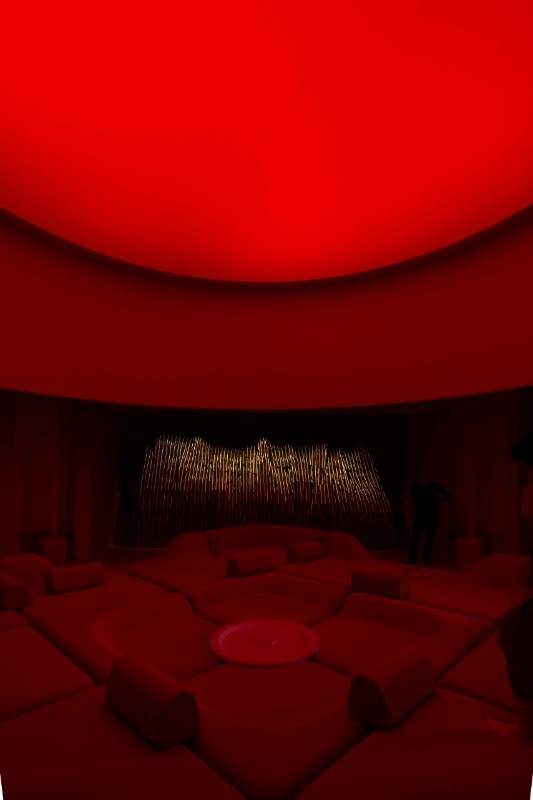
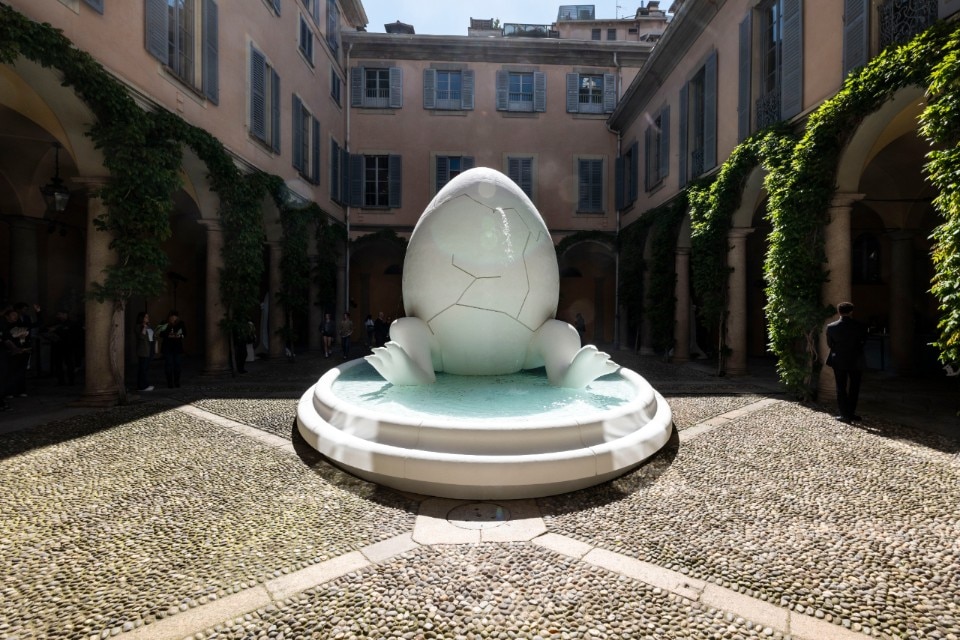
Opening image: Hermès at La Pelota, Milan Design Week 2025. Photo Francesco Secchi