


Each new year opens onto a fresh season of exhibitions: some revisit the past, others look squarely at the present, and many weave the two together in unexpected ways.
Within this range—between historical reinterpretations, long-awaited monographs, and ambitious site-specific projects—emerges the map of the most compelling shows of the year ahead.
To navigate an increasingly global landscape, we’ve selected a series of exhibitions that may not all be within reach, but certainly deserve a place in your calendar.
From Europe to the Americas to Asia, we outline an itinerary that allows you to imagine, already now, the art year to come.
Winter 2025/2026
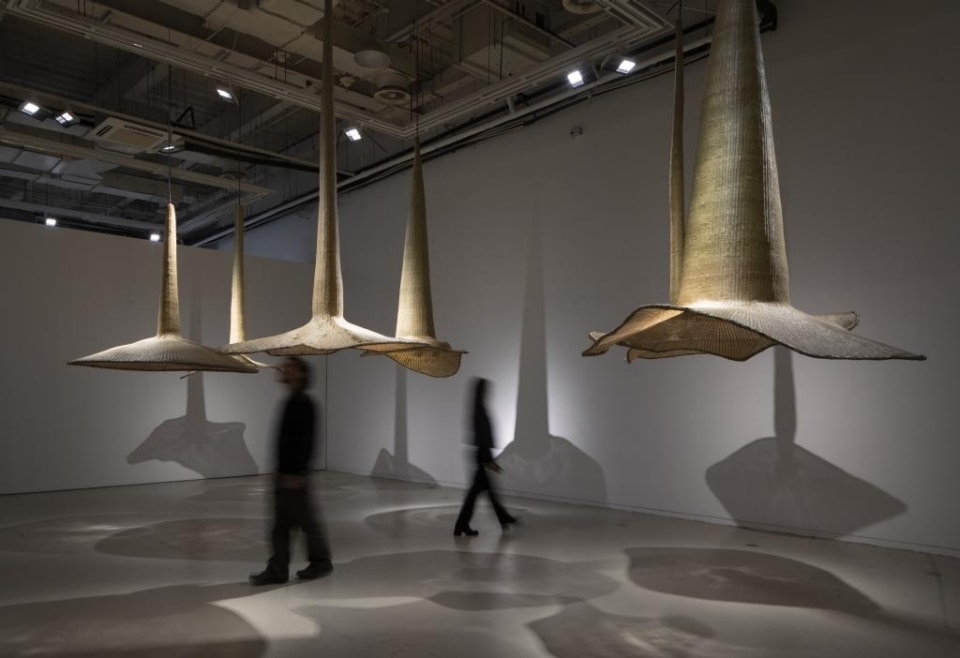
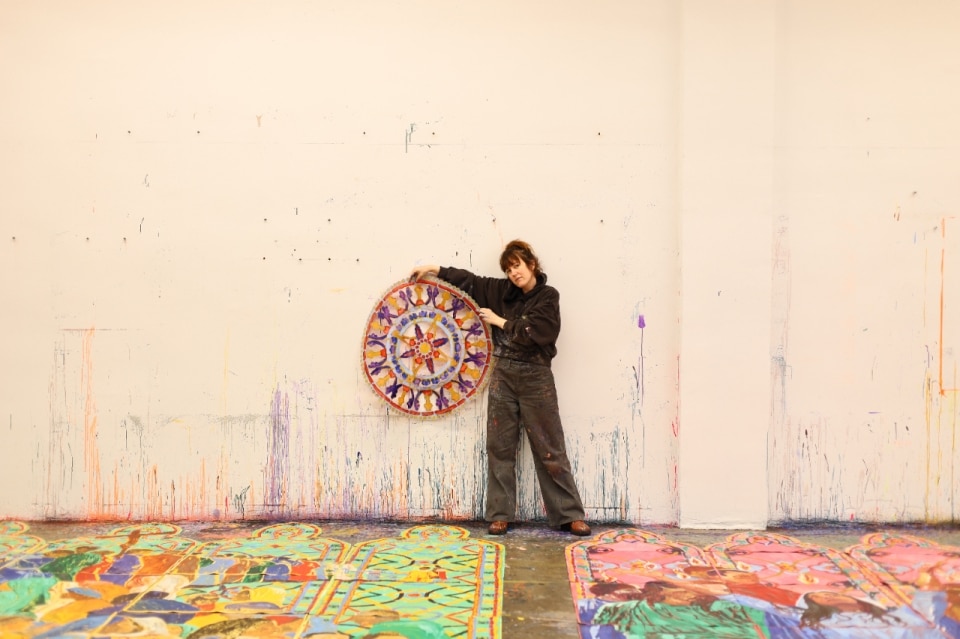
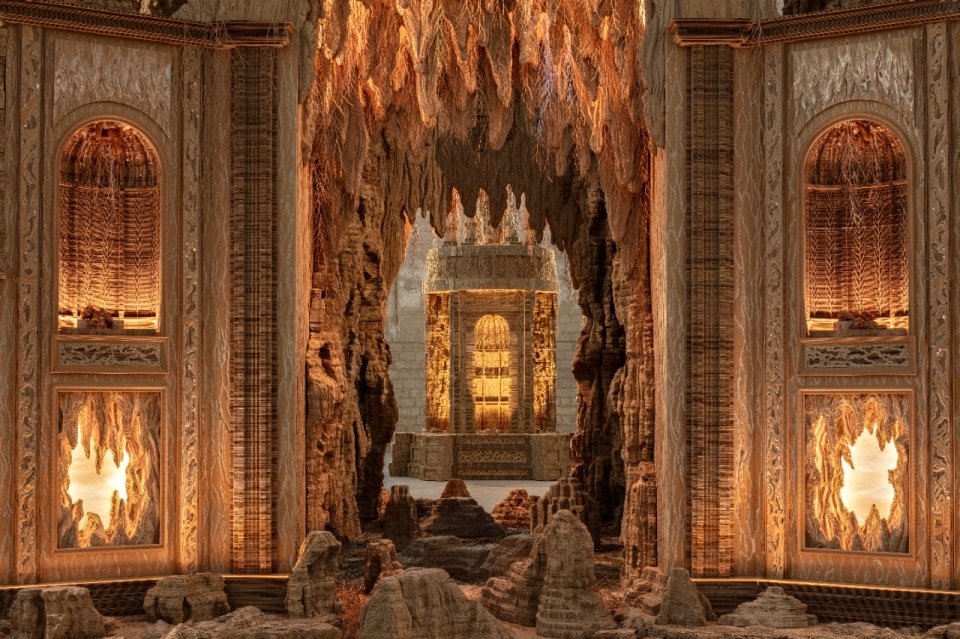
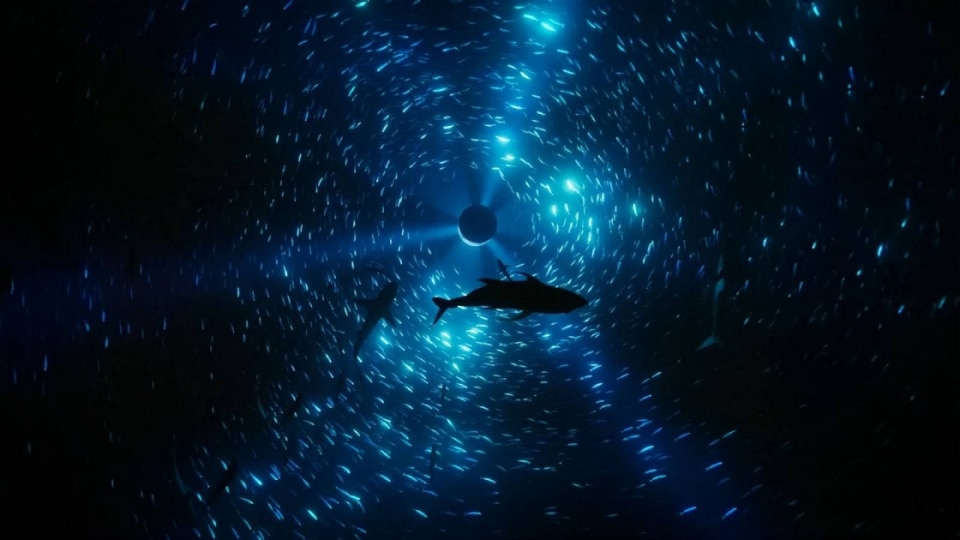
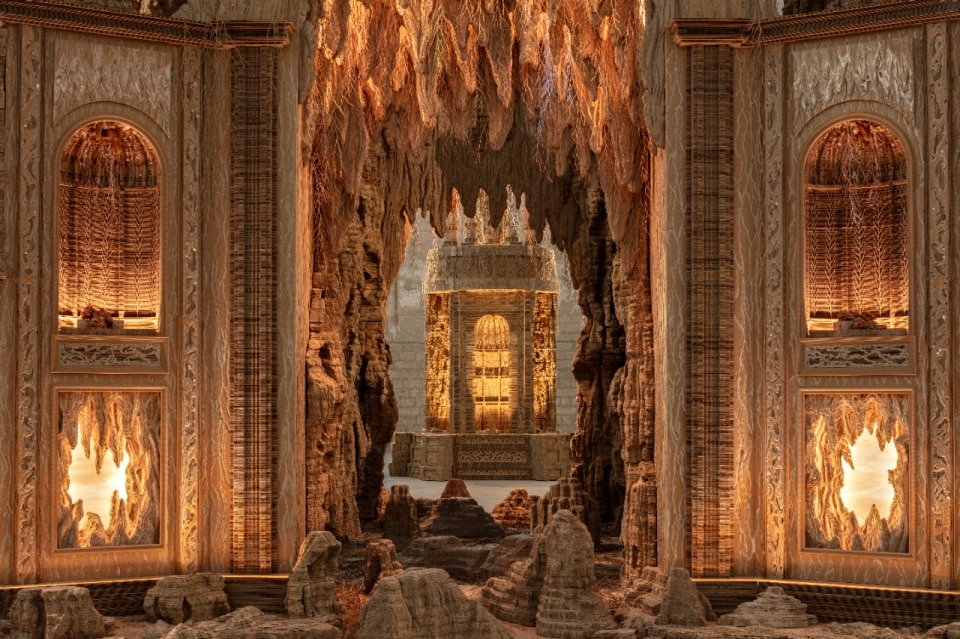
The year 2026 opens under the sign of major exhibitions already underway at the end of 2025. In China, the Shanghai Biennale continues, while in Italy Fondazione Prada presents the first solo show in the country dedicated to Hito Steyerl, a project that weaves together quantum physics, science fiction and politics to probe the vulnerabilities of the present. In France, the Grand Palais hosts the solo exhibitions of Claire Tabouret, who unveils life-size studies for the new stained-glass windows of Notre-Dame, and Eva Jospin, who transforms the galleries into a landscape of grottoes, roots and dreamlike forests. These exhibitions—already central at the close of the previous year—set the tone for a season defined by hybrid practices, reflections on memory and a renewed attention to material and landscape.
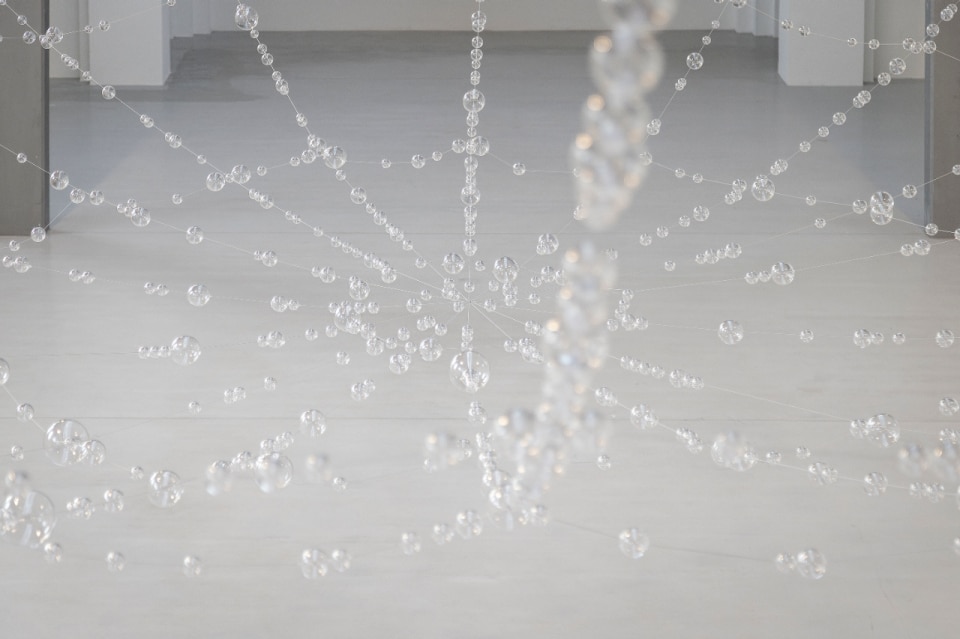
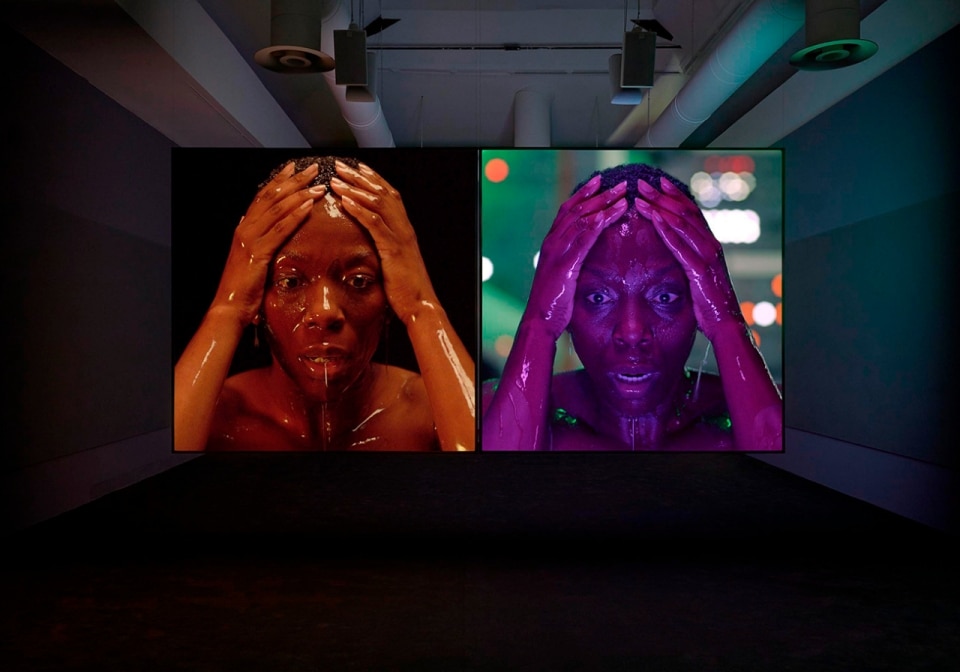
In Milan, Fondazione Prada opens the season with a major solo exhibition by Mona Hatoum, a three-part exploration of fragility, exposure and spatial instability, while Pirelli HangarBicocca presents an immersive project by Benni Bosetto, who brings rituality, corporeality and domestic imagination to the museum. In Los Angeles, a large retrospective dedicated to Bruce Conner retraces the birth of found footage and montage as a critical language, underlining its unexpected resonance in the algorithmic present.
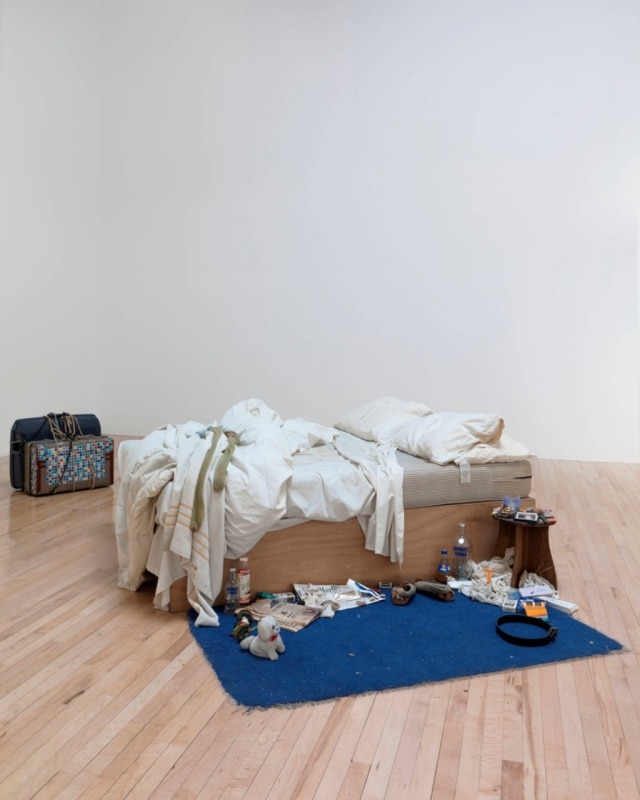
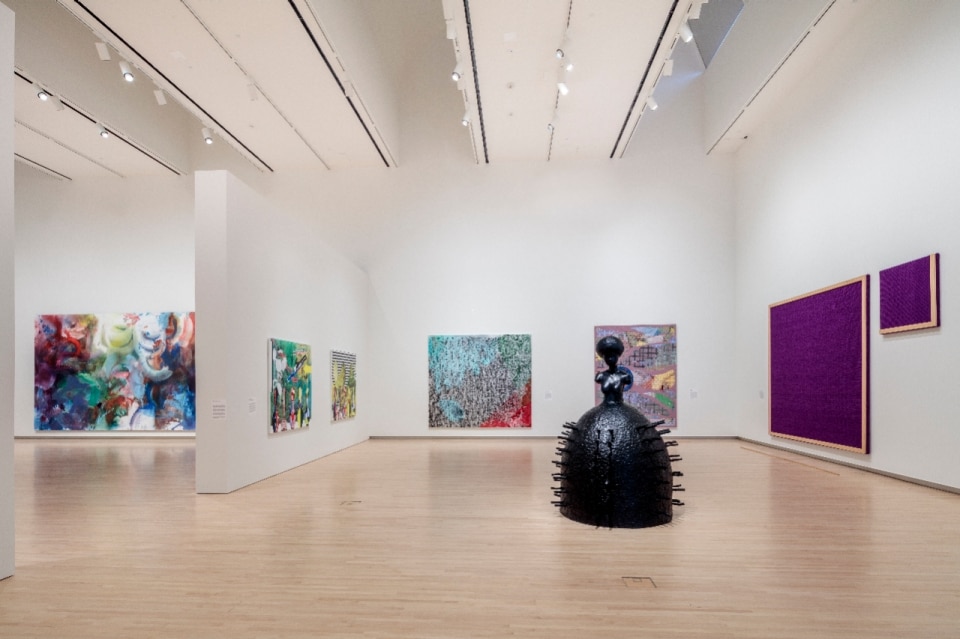
In London, Tate Modern dedicates a sweeping exhibition to Tracey Emin, spanning forty years of practice and reaffirming the centrality of painting in her work. Meanwhile in Washington, the National Museum of Women in the Arts presents Making Their Mark, one of the most extensive surveys of women artists working in abstraction from the postwar period to today.
Spring
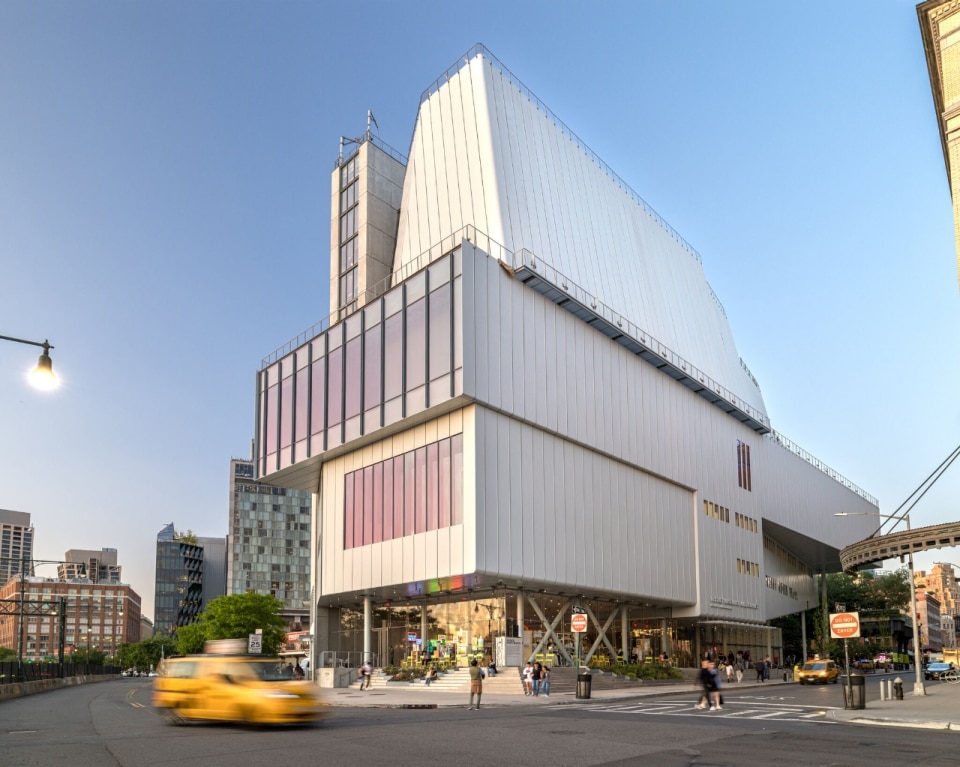
Spring is shaping up to be an exceptionally dense season, marked by one of the most anticipated events of 2026: the reopening of the New Museum in New York. The institution will unveil its expansion with a major group exhibition exploring the relationship between technology and the human condition. The exact opening date has not yet been announced, but the event is set to become a defining moment for the international art scene.
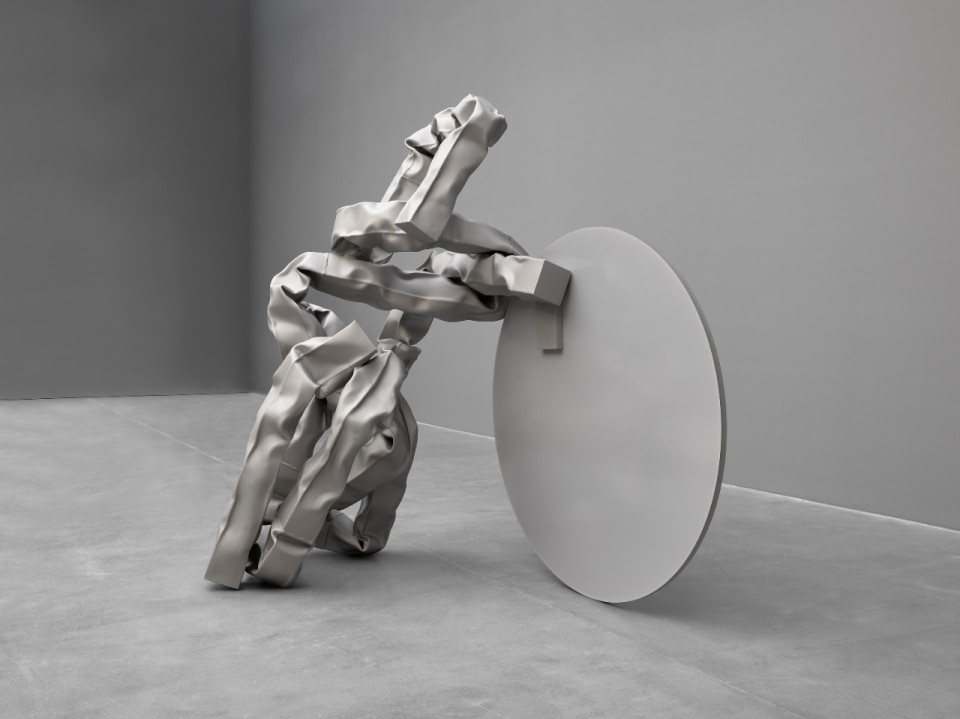
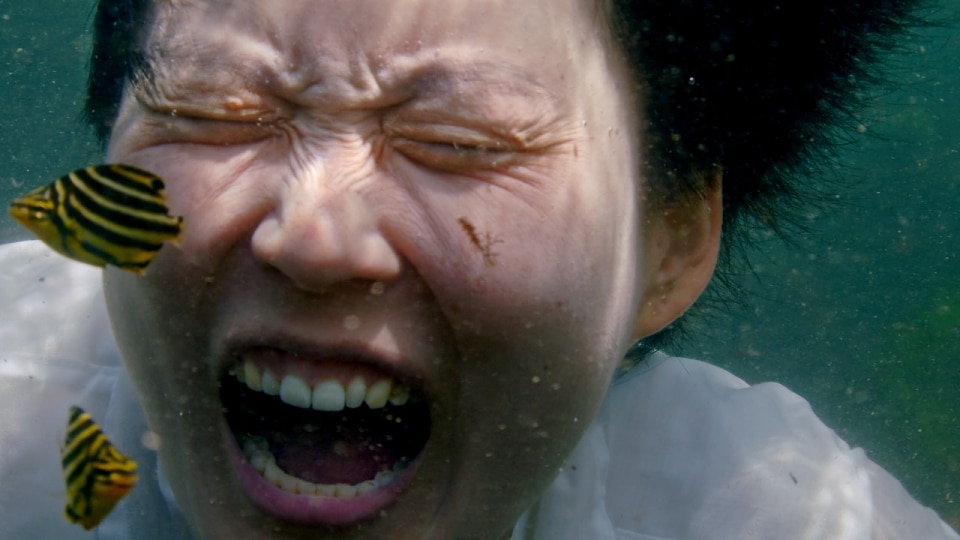
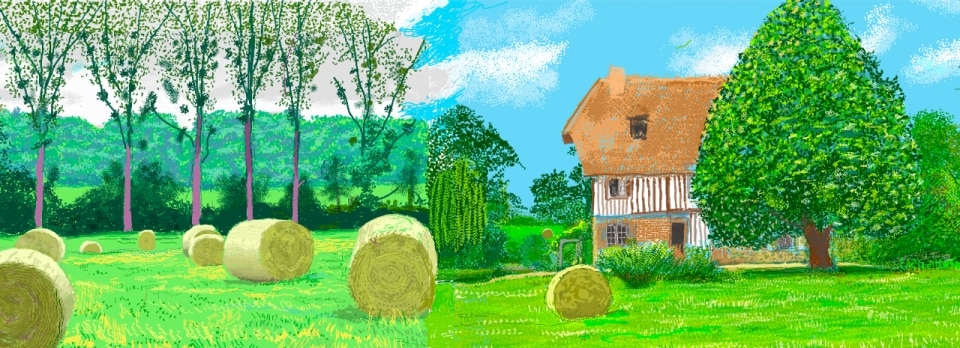
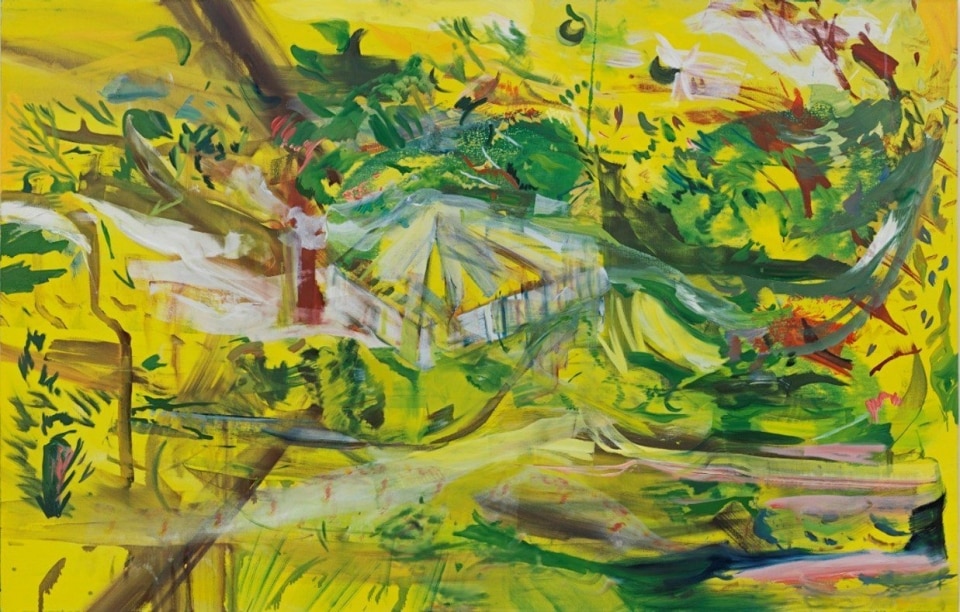
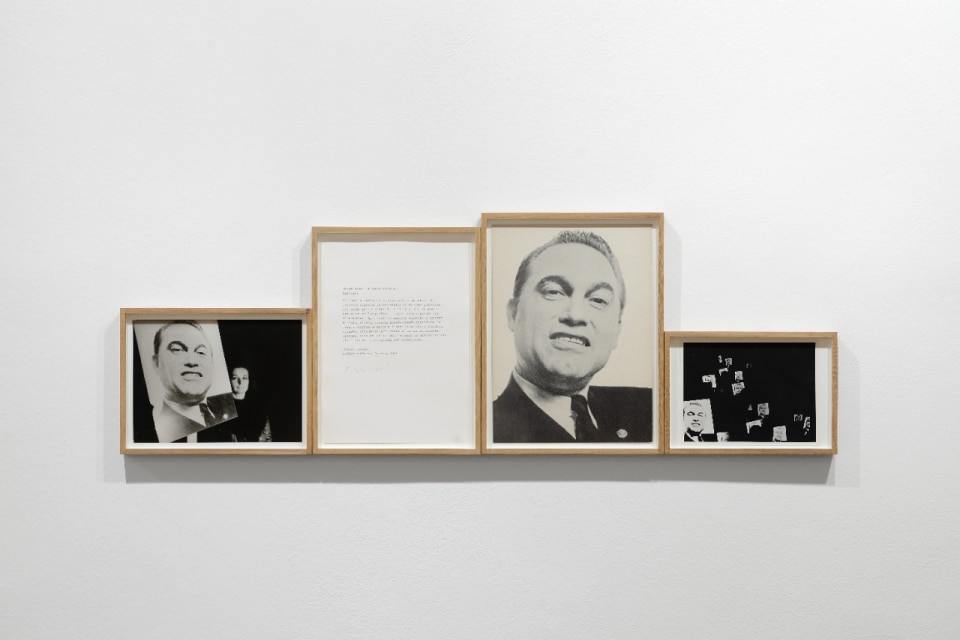
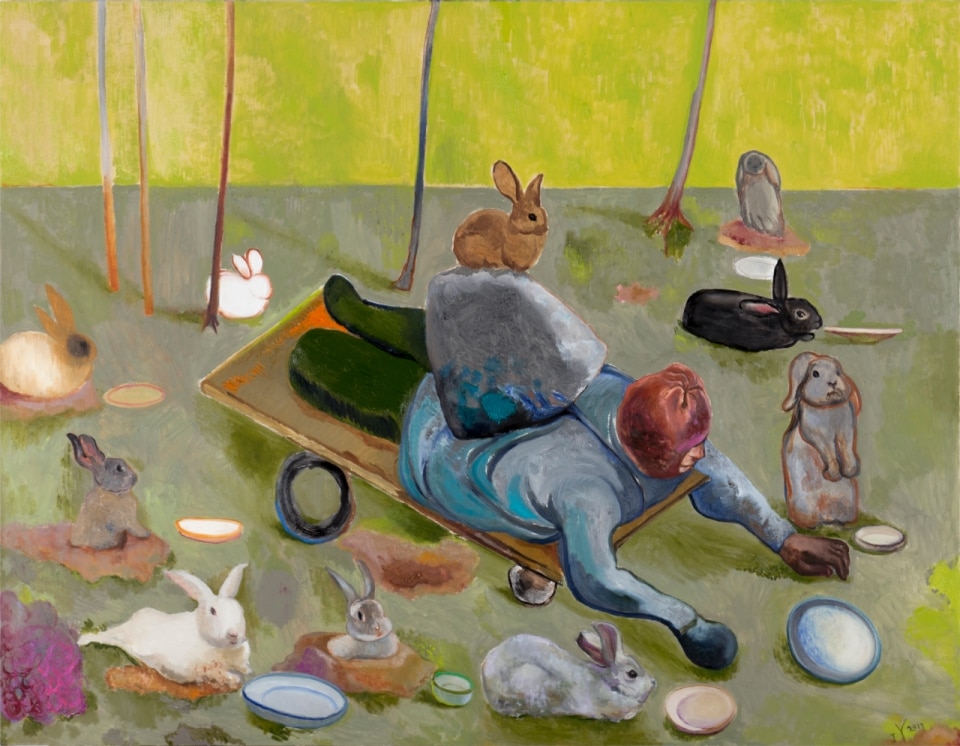
Meanwhile in Paris, the Bourse de Commerce opens Clair Obscur, and in New York the Solomon R. Guggenheim Museum hosts a new solo show by Carol Bove. Across Europe, programming intensifies: Lugano dedicates a group exhibition to Korean video art; the Serpentine in London presents complementary shows by David Hockney and Cecily Brown, both centered on landscape as an emotional archive; the Mudam in Luxembourg hosts a major monograph on Simon Fujiwara; and at Museion in Bolzano a large exhibition on the “environments” of Franco Vaccari revisits his pioneering participatory practice.
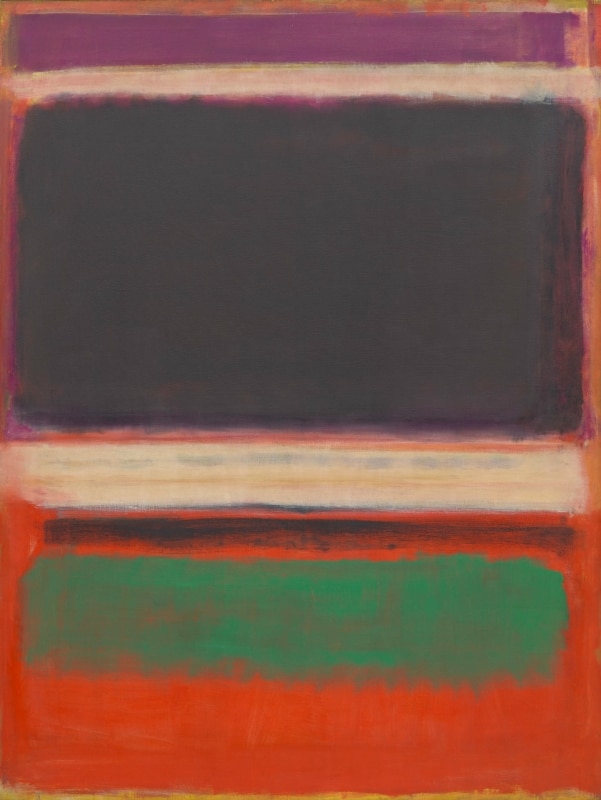
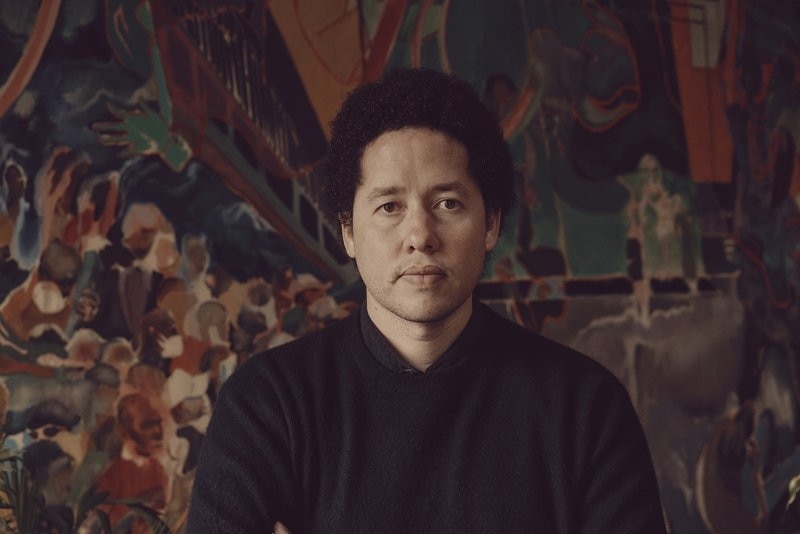
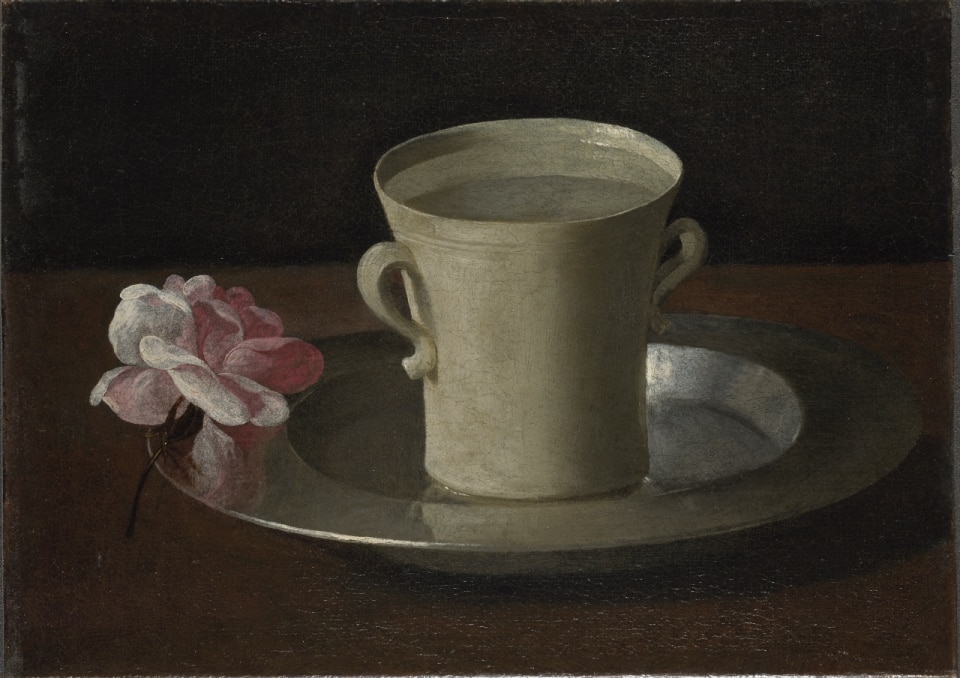
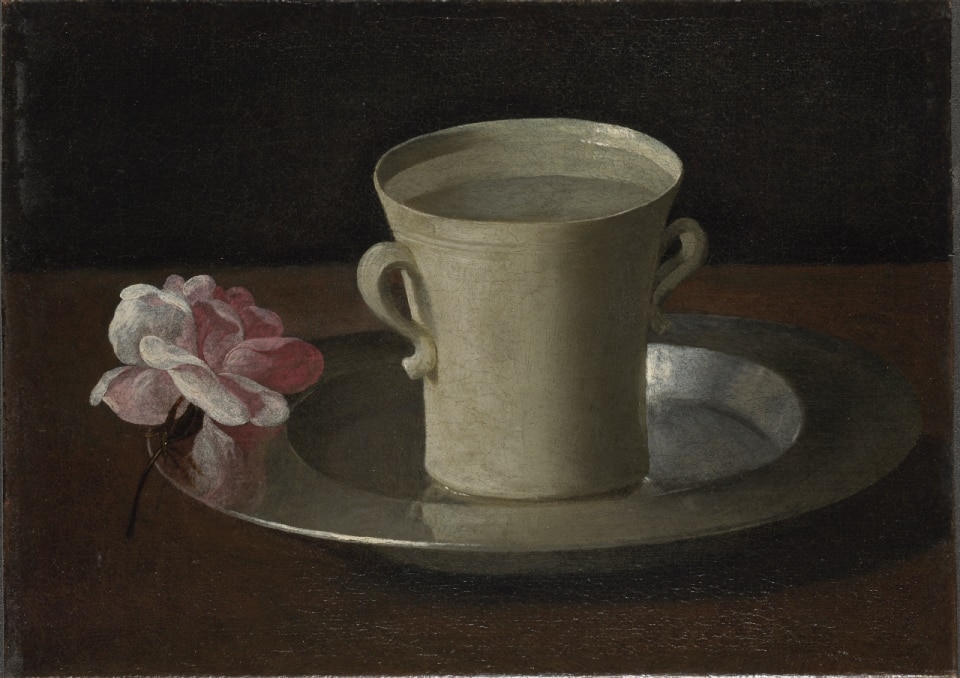
In Italy, Palazzo Strozzi inaugurates one of the most awaited exhibitions of the year: a retrospective devoted to Mark Rothko, conceived in dialogue with Florence’s artistic heritage. In Venice, on the threshold of the Biennale, Palazzo Grassi presents the solo show of Michael Armitage, whose work fuses East African narratives, European art history and contemporary mythologies. In London, the National Gallery dedicates an exhibition to Francisco de Zurbarán, exploring his extraordinary ability to translate the sacred into intimate vision.
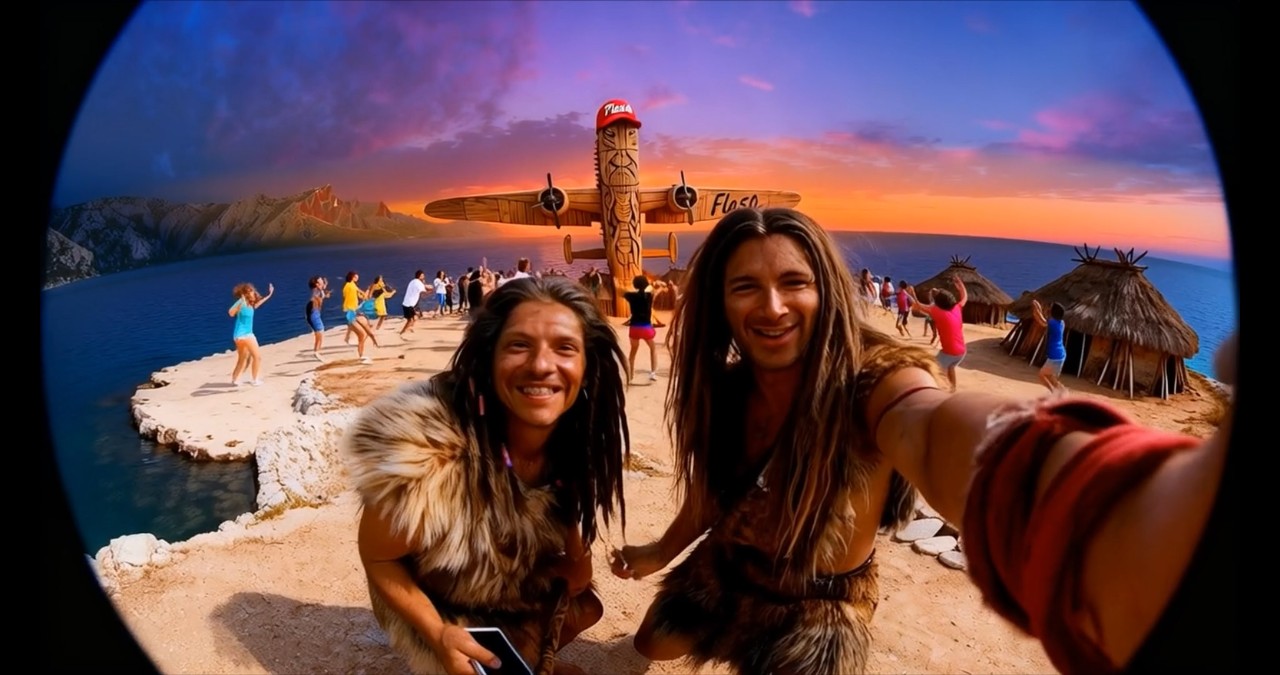
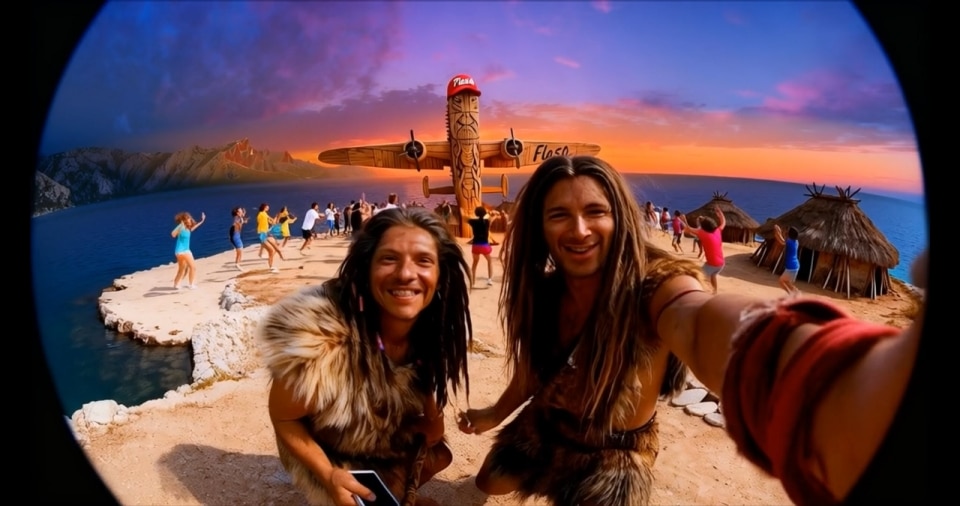
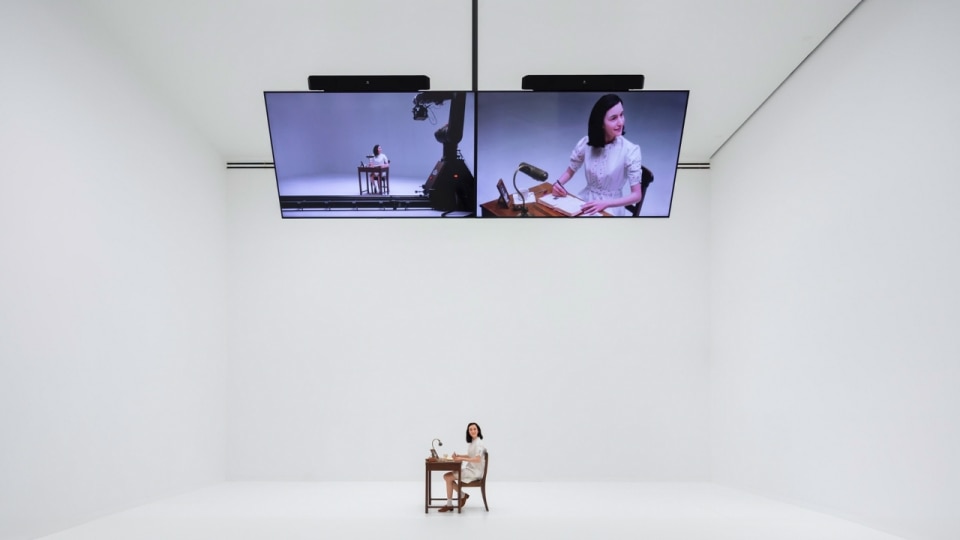
April marks the return to Italy of Diego Marcon, among the most closely watched Italian artists internationally. At the Fondazione Sandretto Re Rebaudengo, he presents Krapfen, a major new exhibition produced in collaboration with the New Museum in New York, The Renaissance Society in Chicago, The Vega Foundation, and Lafayette Anticipations in Paris, which will also dedicate a solo project to him later in the year. Part of Biennale Tecnologia in partnership with the Polytechnic University of Turin, the exhibition investigates the ambiguities of the moving image and the tension between the artificial and the human—central themes in Marcon’s practice.
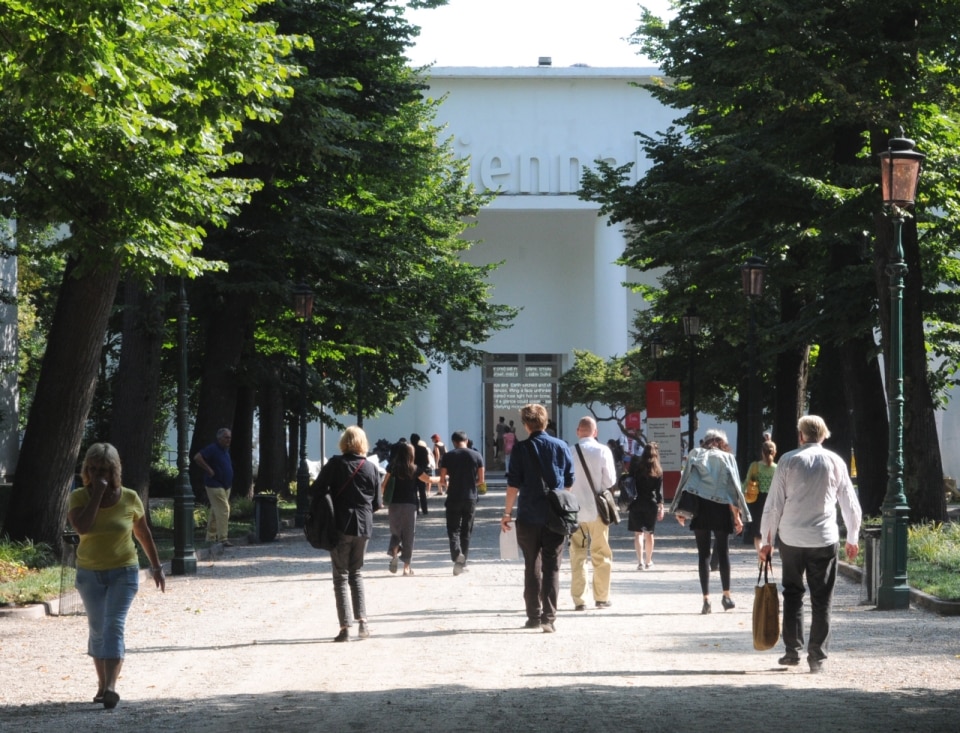
Late spring sees the opening of the Biennale Arte, titled In Minor Keys. While the participating artists of the national pavilions have already been announced, expectations remain high for the projects that will animate the Giardini, the Arsenale and the city at large.
Summer
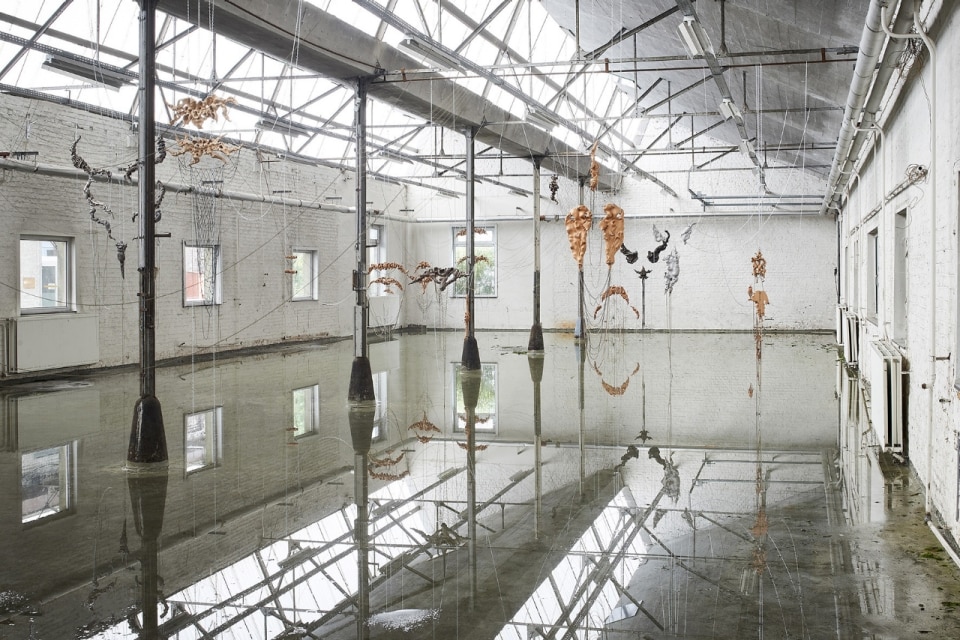
Summer opens new trajectories. At MACBA in Barcelona, the retrospective dedicated to Stan Douglas reactivates his exploration of unstable histories, alternative narratives and those critical moments in which events could have led to entirely different futures. In Los Angeles, MOCA presents the two winning projects of the Eric and Wendy Schmidt Environment and Art Prize: Julian Charrière, who plunges viewers into the depths of planetary water systems, and Cecilia Vicuña, who interlaces water, ritual and activism into a collective quipu spanning Chile and California.
In Switzerland, the Fondation Beyeler dedicates a major solo exhibition to Pierre Huyghe, who continues to expand the territory between the organic, the digital and the biotechnological, constructing evolving ecologies in which perception becomes a living system.
Fall
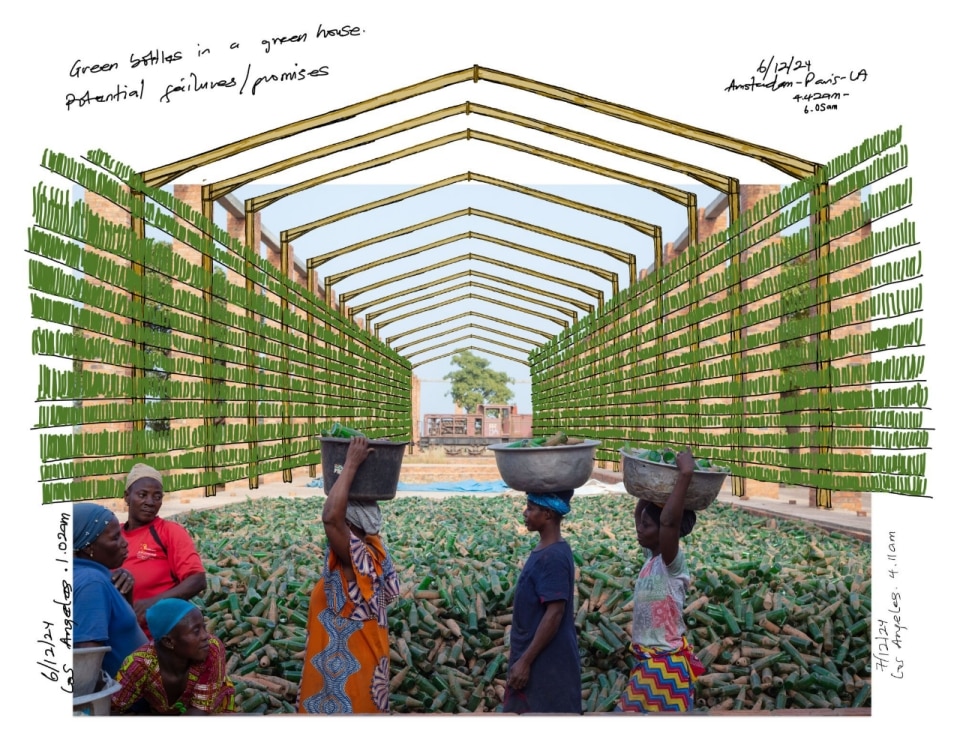
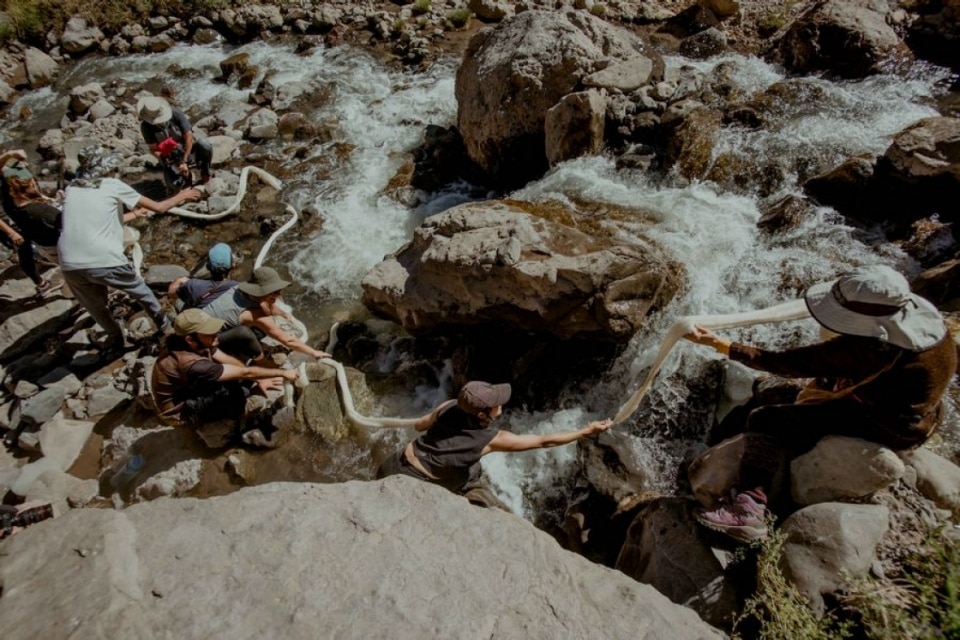
In October, Fondation Cartier in Paris hosts Ibrahim Mahama, who—as is characteristic of his practice—transforms the occasion of a solo exhibition into a collective platform, inviting artists and architects to participate and expanding the show into a shared, collaborative device.
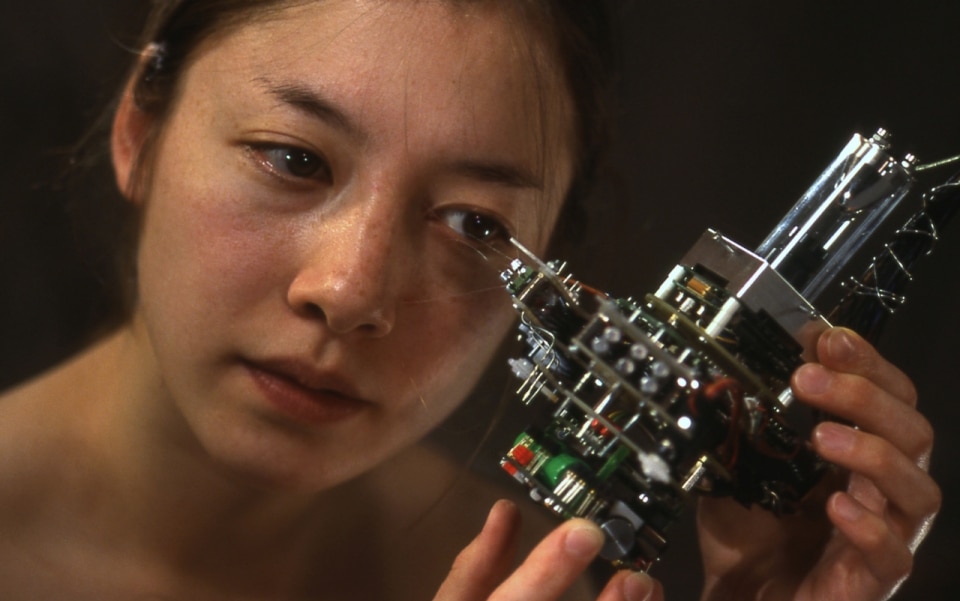
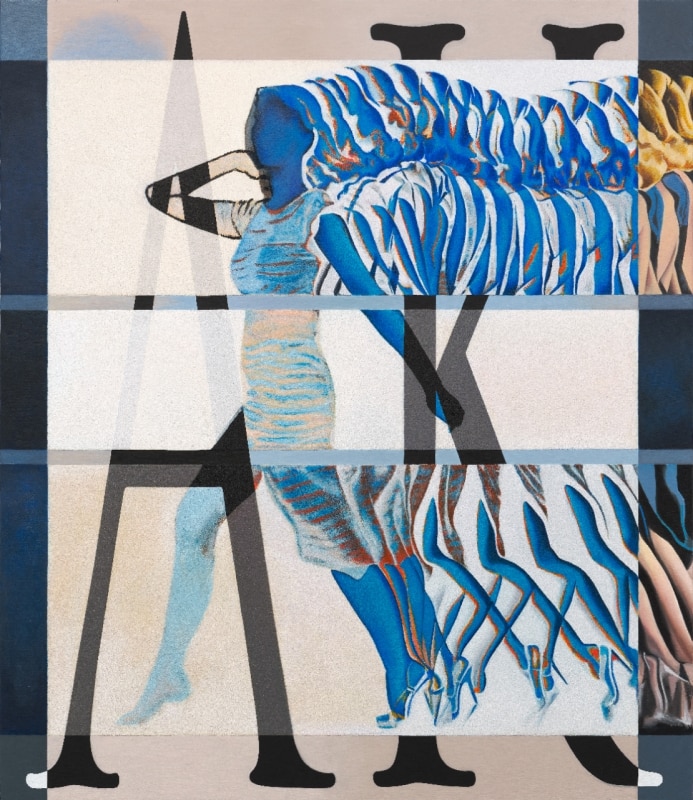
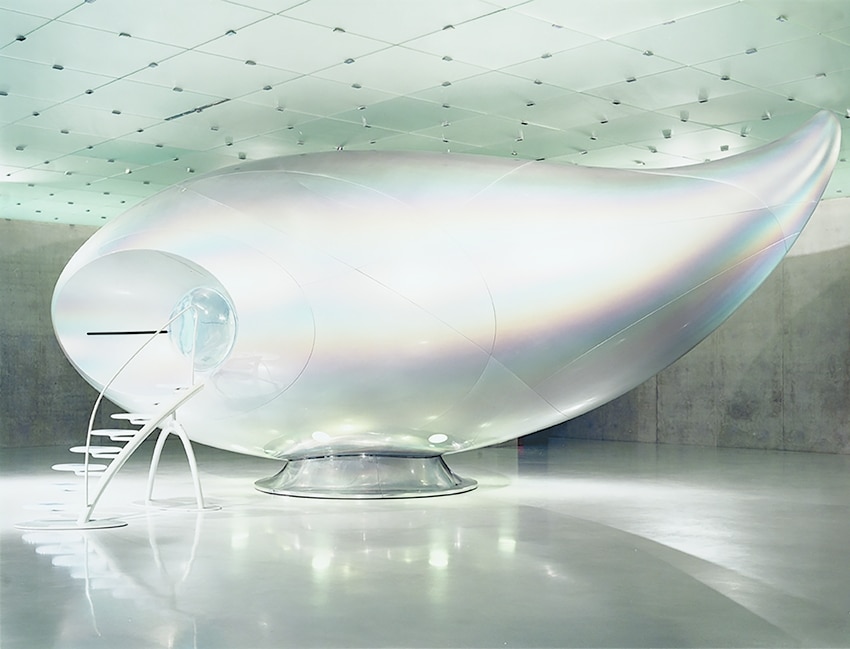
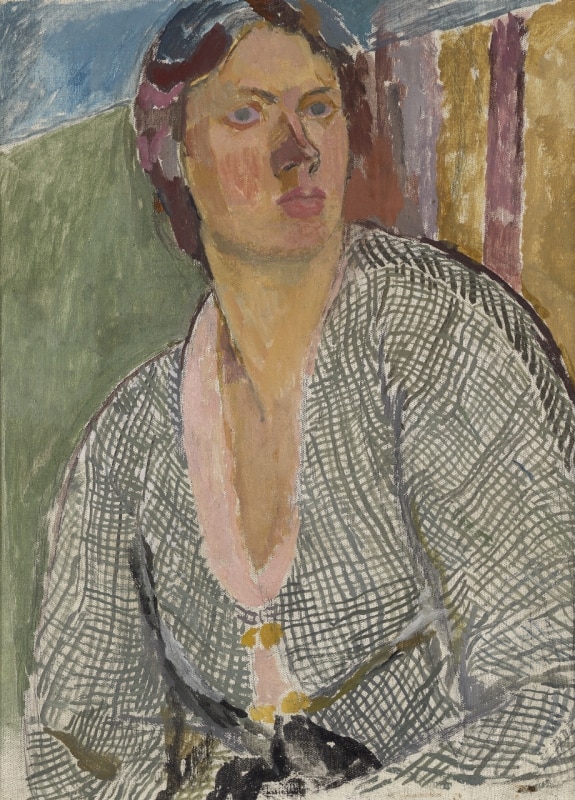
In Montréal, the MMFA celebrates Allison Katz, whose elusive and layered pictorial language reinterprets themes of identity, psyche and memory. In Tokyo, the Mori Art Museum presents a major retrospective of Mariko Mori, underscoring the extraordinary relevance of an artist who, as early as the 1990s, merged science, cosmology and technology to rethink notions of interconnected life and “oneness.” Meanwhile in London, Tate Britain dedicates a large exhibition to Vanessa Bell & Duncan Grant, restoring the legacy of one of the most influential artistic partnerships in British modernism.
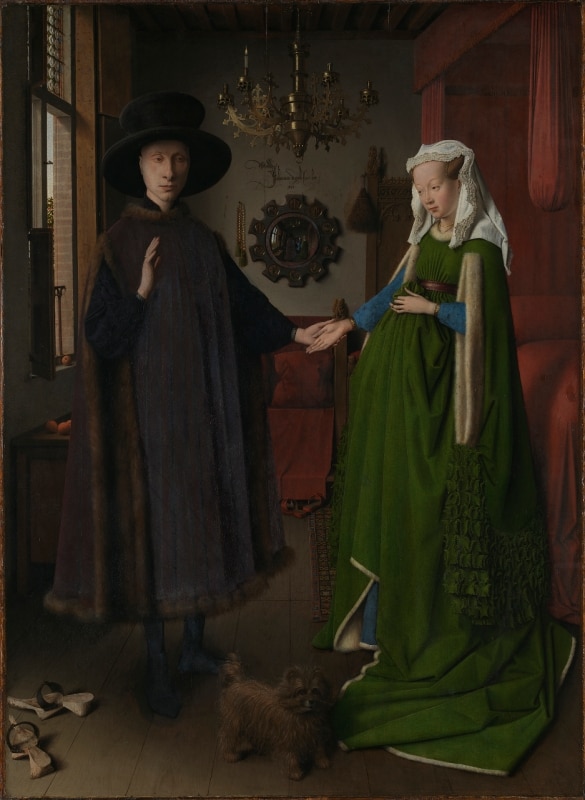
Autumn culminates with one of the year’s most important museum events: the National Gallery in London brings together for the first time all the portraits attributed to Jan van Eyck—a once-in-a-lifetime opportunity to rediscover the revolutionary naturalism introduced by the Flemish master.
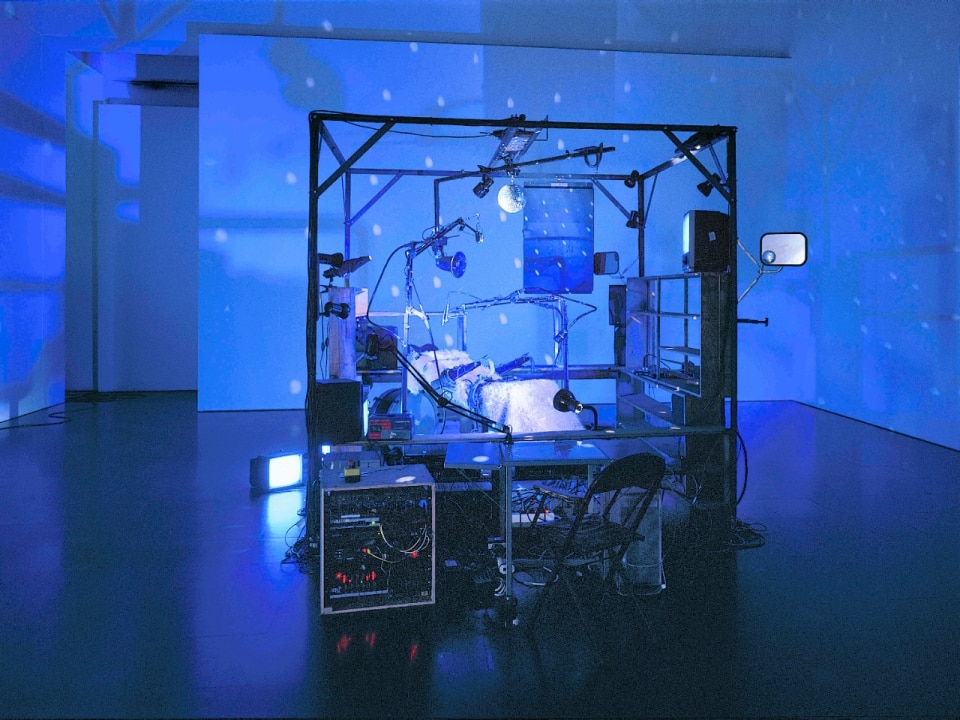
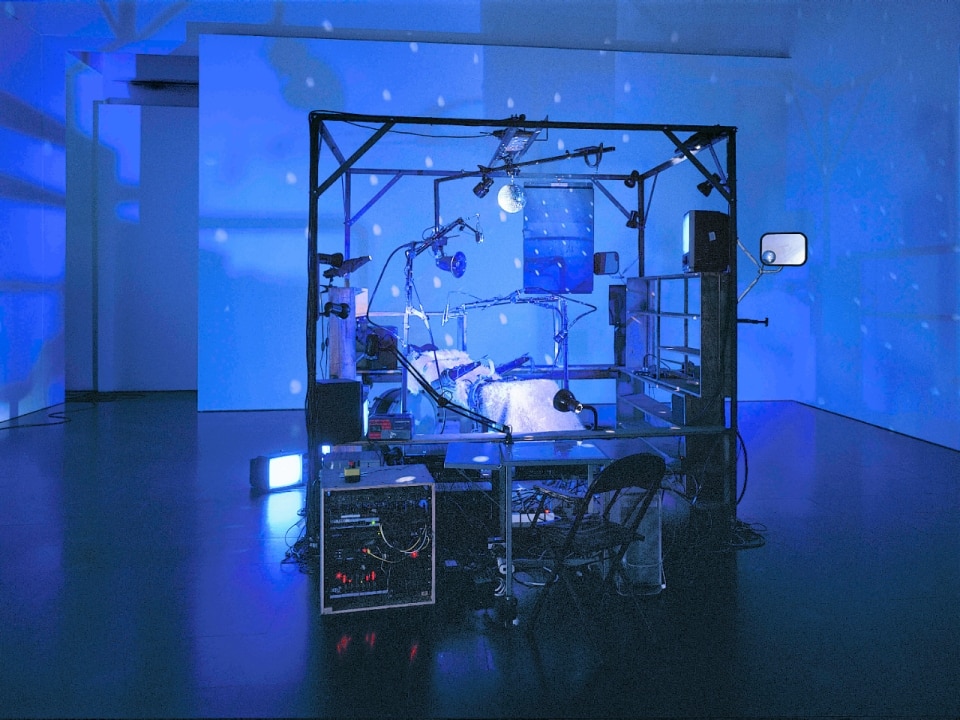
As the year draws to a close, attention is already turning to 2027: Cardiff & Miller will arrive in Milan with their immersive environments, where sound constructs worlds made of memory, perception and presence.
The complete list of exhibitions with dates, venues and full details, is available in the gallery.