









The announcement of Pirelli Hangar Bicocca’s 2026-2027 biennial program goes beyond a mere curatorial schedule, presenting itself as a structural inquiry into the condition of humanity in hypermodernity. The sequence of eight solo exhibitions transforms from a calendar into a deliberate attempt to map the contemporary era through artistic experience.
Situated in a former industrial architectural matrix, the institution meticulously deconstructs its own function, transforming from a site of preservation into one of intensive hybridization—a hyper-functional non-museum space that demands not contemplation from the visitor, but activation.
The rhetoric of an “organic vision” and a “fully accessible experience,” promoted by President Marco Tronchetti Provera and Artistic Director Vincent Todolí, can also be read as a socio-cultural compensatory operation. Implicitly acknowledging the disconnection between the institution and the broader community, it seeks to mend the social fabric through performative and relational art, using accessibility as a vector for democratic legitimation.
Here, art becomes a civic act—a tool to reassign meaning to spaces otherwise emptied by disused productive function. The Nave and the Shed, once industrial sites, are reconfigured into temporary heterotopias, resting and transit fields for critical narratives of the contemporary.
The curatorial selection follows a dual analytical trajectory: a critique of relational bodies and a critique of the space of power.
Here, art becomes a civic act—a tool to reassign meaning to spaces otherwise emptied by disused productive function.
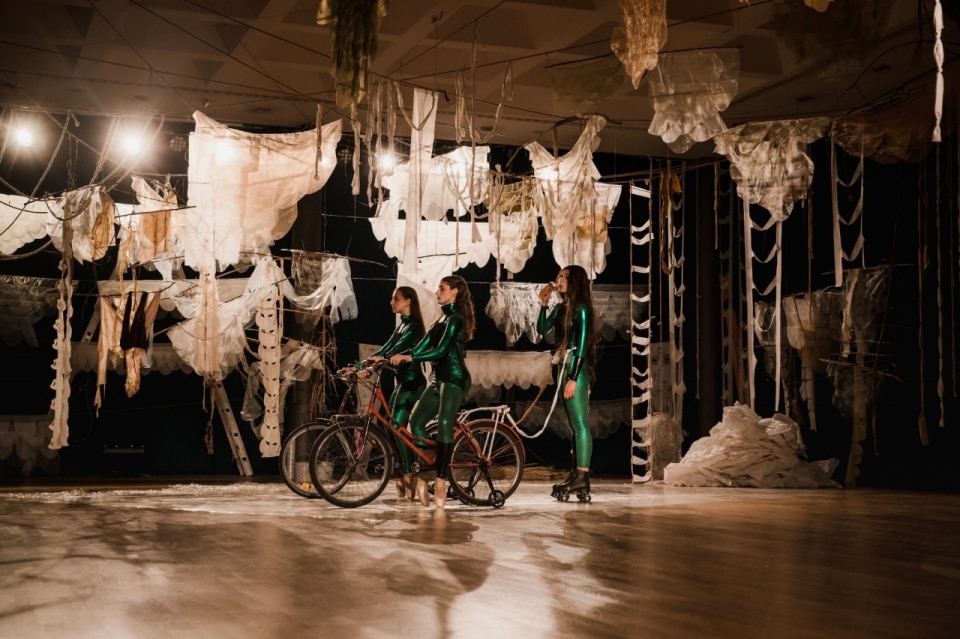
The early segment of 2026 focuses on the deconstruction of social bonds and bodily intimacy in the civilization of controlled isolation. Benni Bosetto examines domestic architecture not as refuge—the quintessential identity space—but as an “unsettled home,” a membrane between interior and exterior, where rest and intimacy function as acts of non-productive resistance.
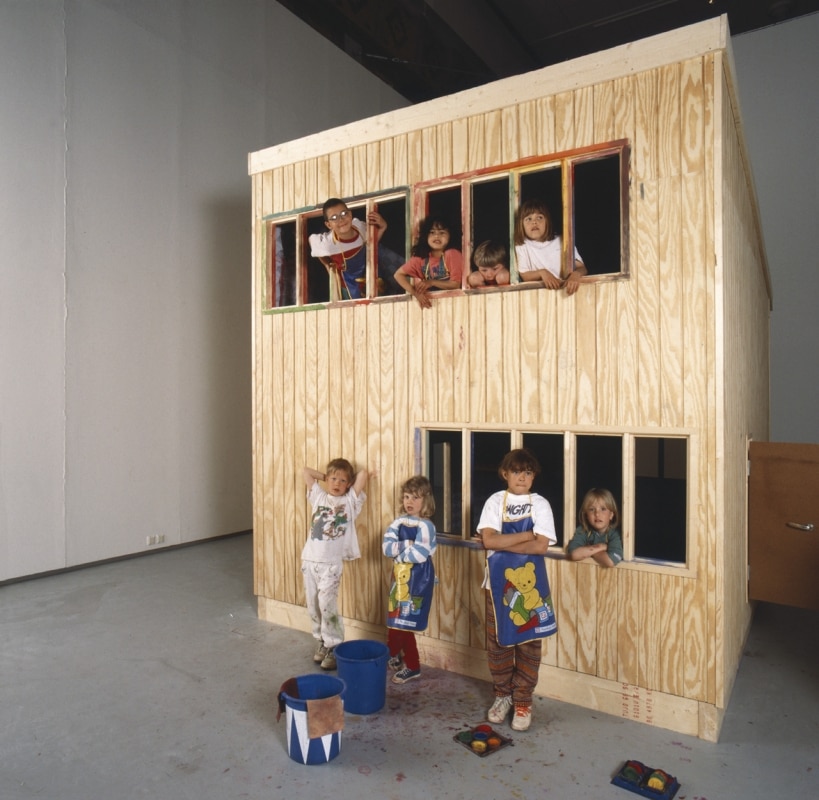
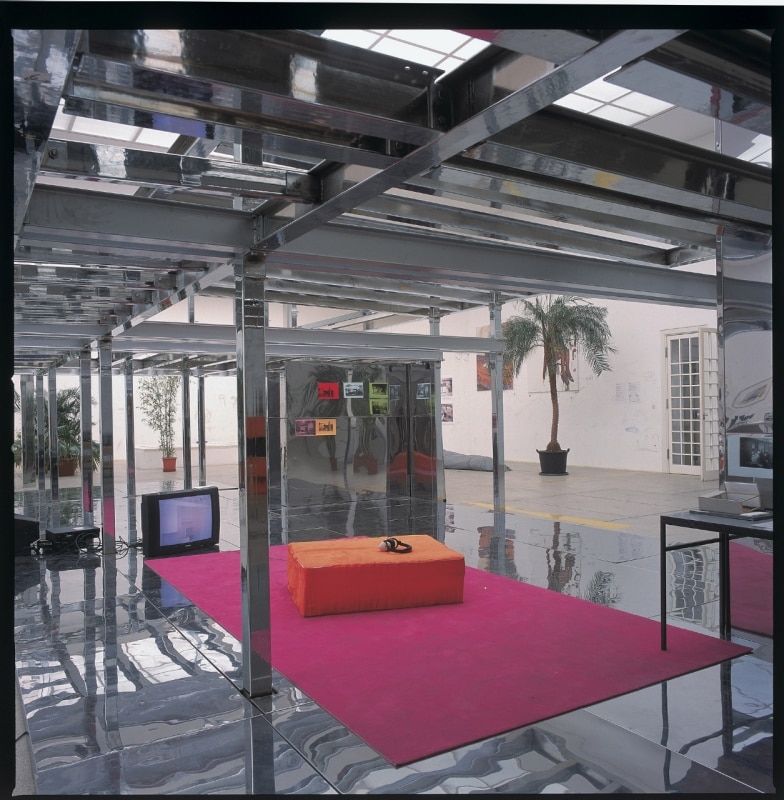
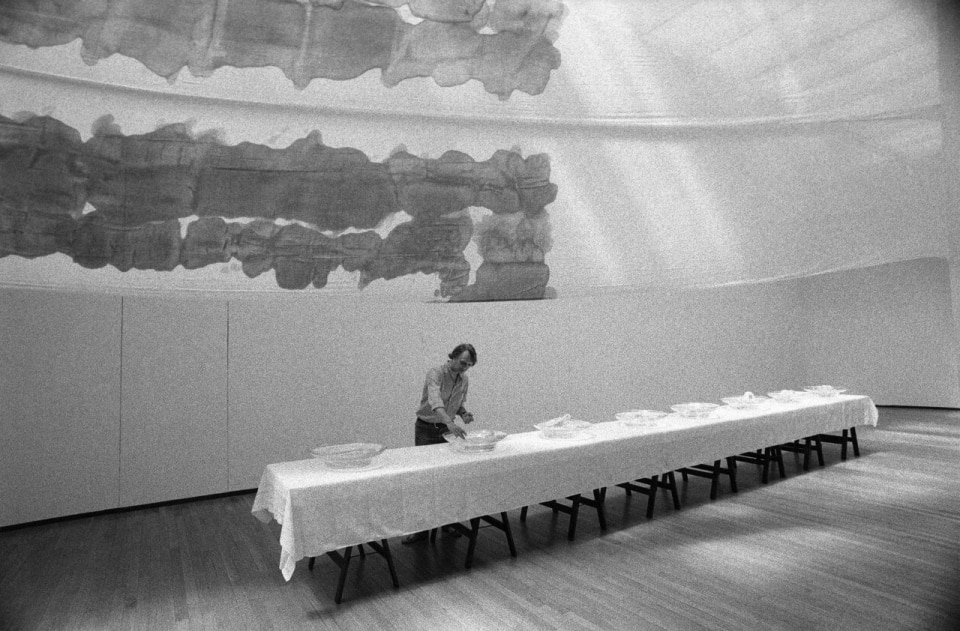
It is the temporal suspension of everyday gestures that becomes critical. This suspension finds its fullest expression in the work of Rirkrit Tiravanija. His relational practice, through cooking and shared spaces of rest, operates as a microsociology of forced encounter, transforming the exhibition space into a site of intersubjective transit. Installations that mimic modernist architecture are not stylistic quotations but commentaries on the utopian futility of twentieth-century housing projects in the face of the fundamental need to “do together.”
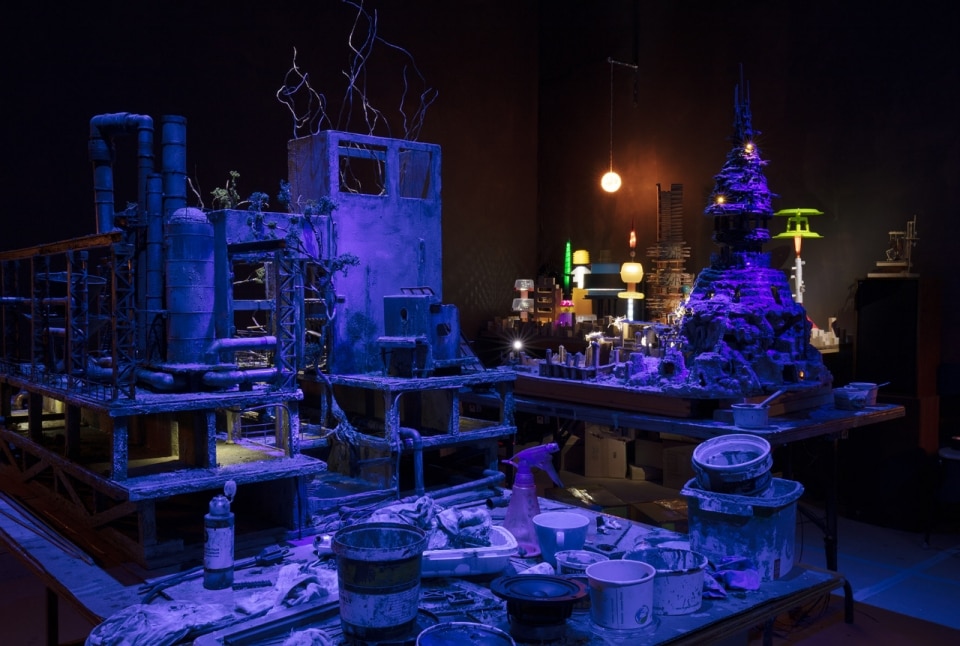
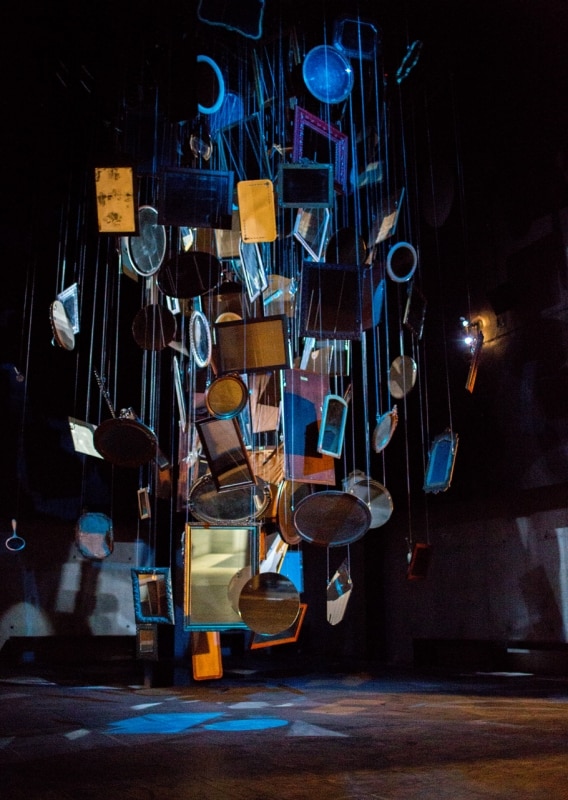
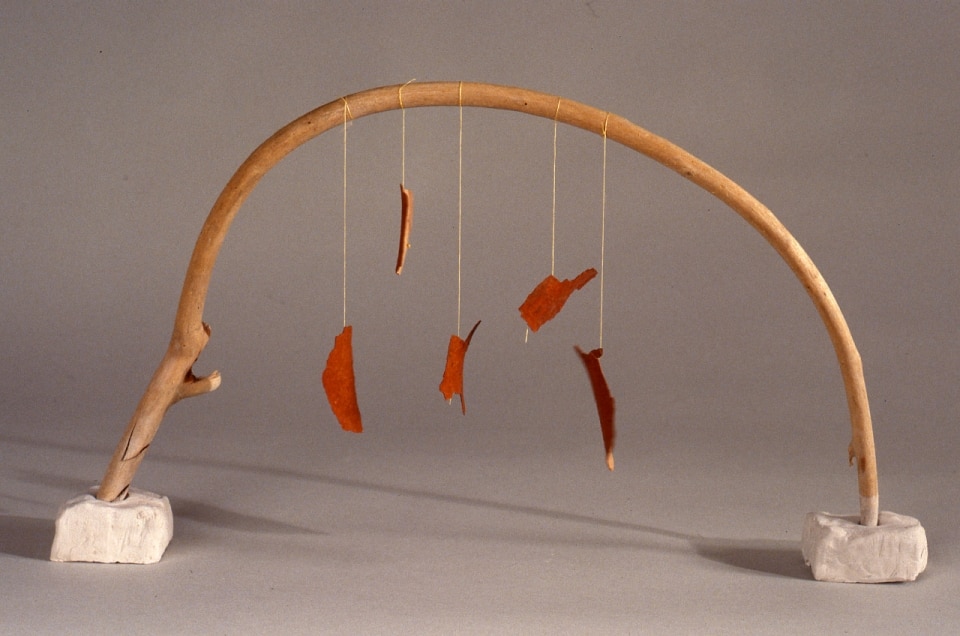
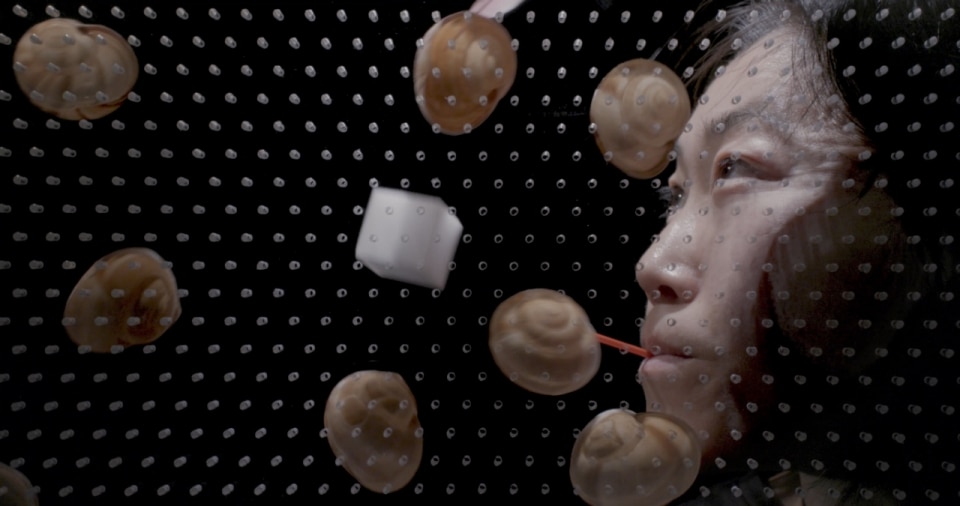
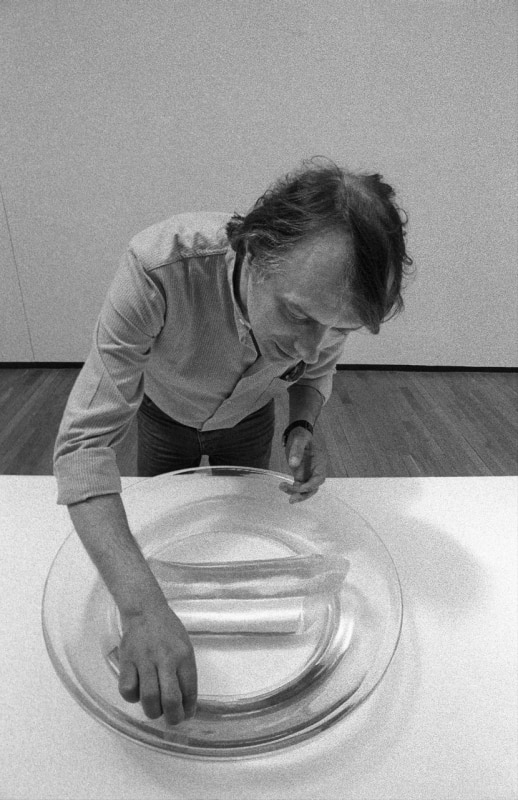
Aki Sasamoto completes the inquiry by dissecting human behaviors as a “constellation of obsessions and contradictions,” highlighting the ritual fragility underlying sociality in the non-urban, non-place context. The exhibition dedicated to Luciano Fabro acts as a reconnection, anchoring the institution to the genealogy of Arte Povera, the movement that first thematized the dialectical relationship between sculptural object, exhibition space, and precarious materiality.
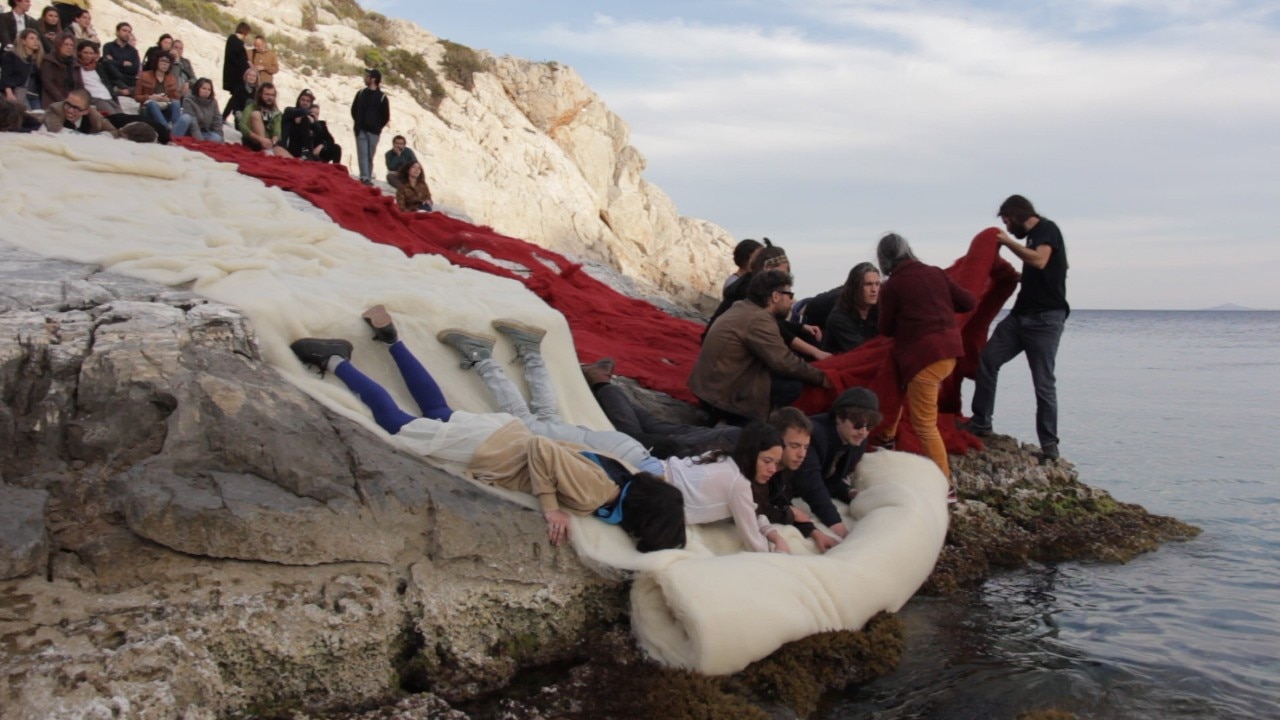
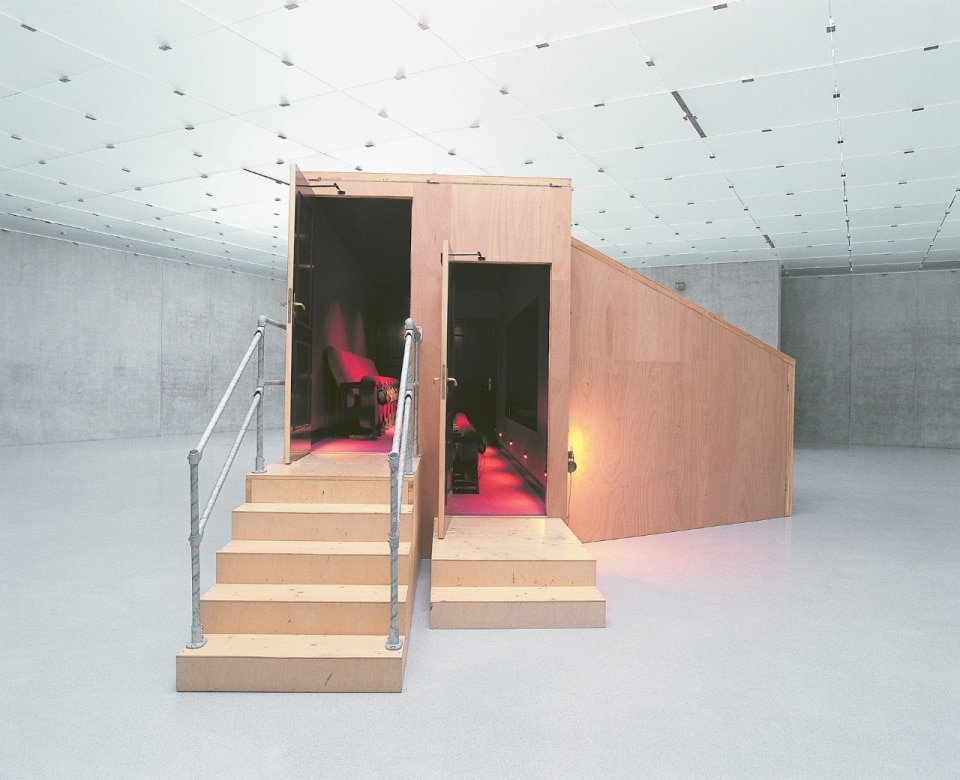
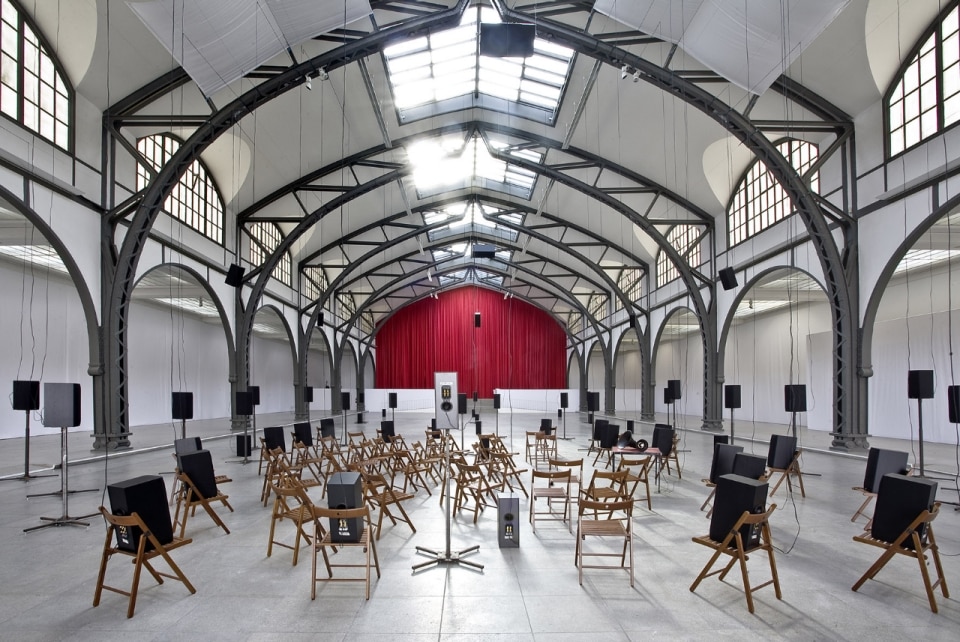
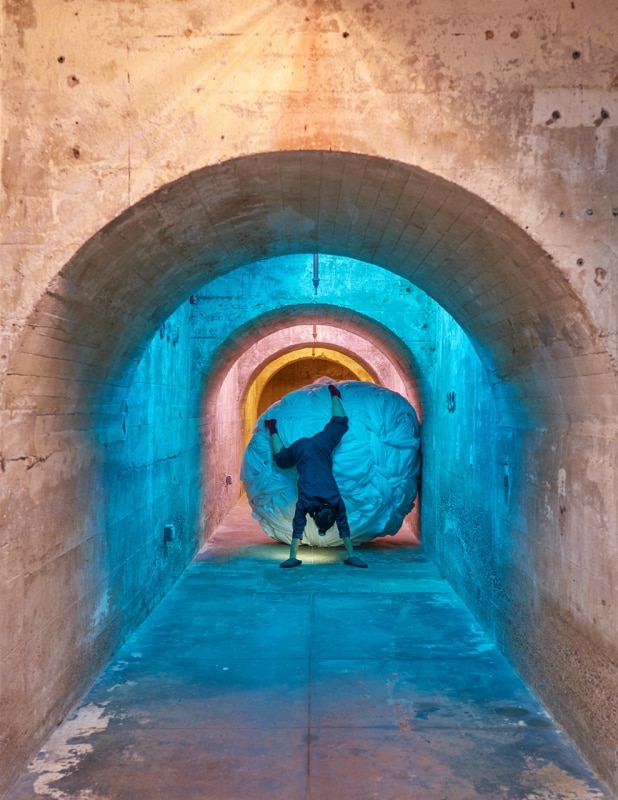
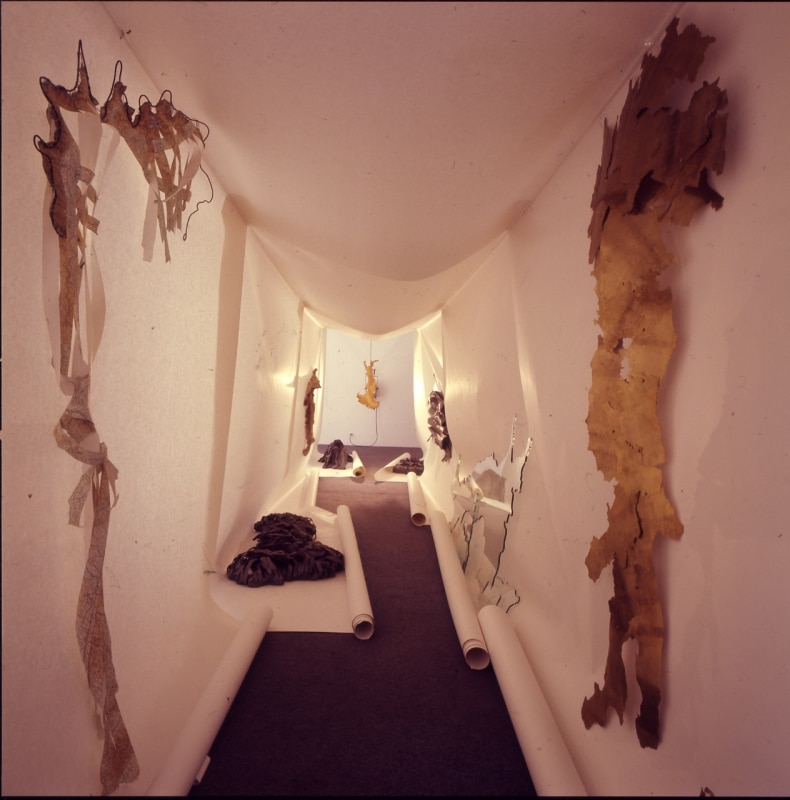
The 2027 program projects the inquiry onto the plane of political ecology and de-hierarchized sensoriality. Carlos Bunga uses material precarity—cardboard, fabrics—to confront architecture as a structure of power. His work is an act of deconstruction of the Shed, making tangible the ephemerality and instability defining marginal existences. Architecture is reduced to its structural vulnerability, a commentary on the dysfunction of urban control. Janet Cardiff & George Bures Miller, an established artistic duo, enact a fundamental sensory shift: they replace the hegemony of vision with that of listening.
The early segment of 2026 focuses on the deconstruction of social bonds and bodily intimacy in the civilization of controlled isolation. The 2027 program projects the inquiry onto the plane of political ecology and de-hierarchized sensoriality.
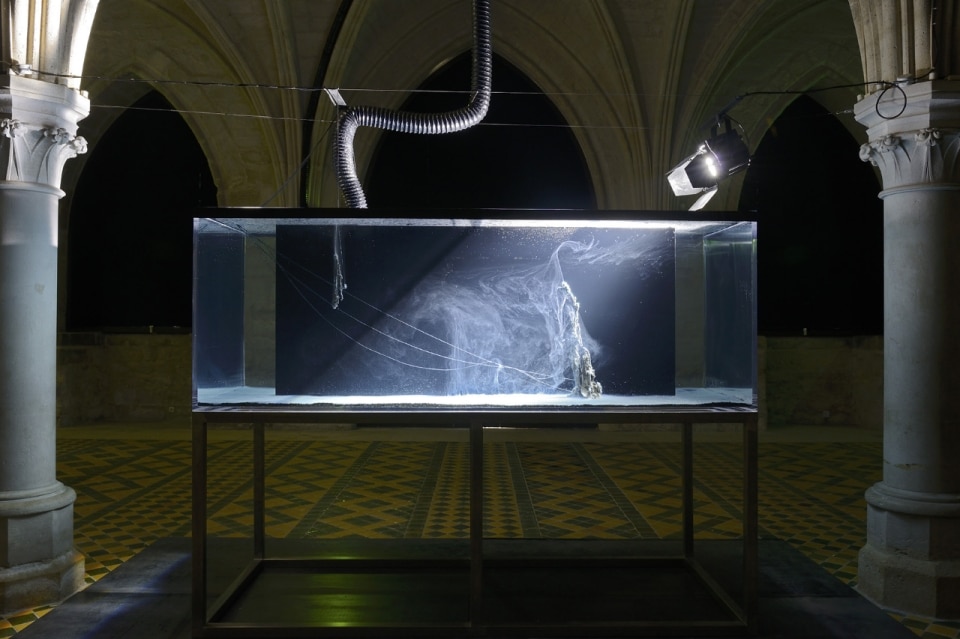
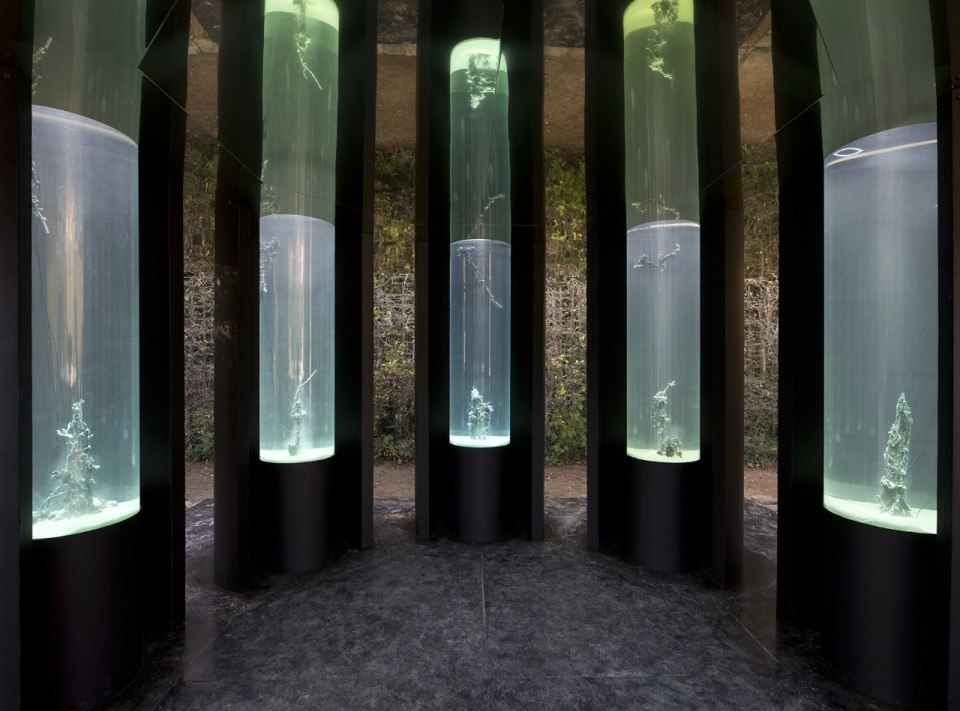
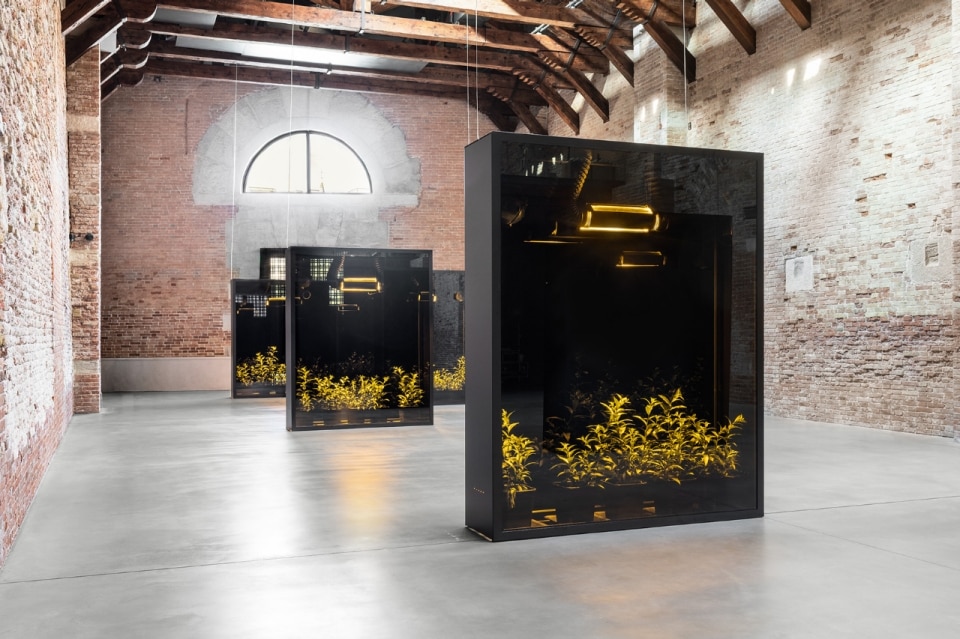
Their “sound walks” transform visitors into acoustic explorers, reconstructing reality through layers of personal and collective memory. It is the creation of augmented reality through the immaterial medium of sound. The section concludes with an exploration of primordial materiality and ancestral resistance. Hicham Berrada turns the Shed into a laboratory of natural processes, where magnetism and chemical reactions become autonomous performances, investigating the landscape as an entity in perpetual transformation.
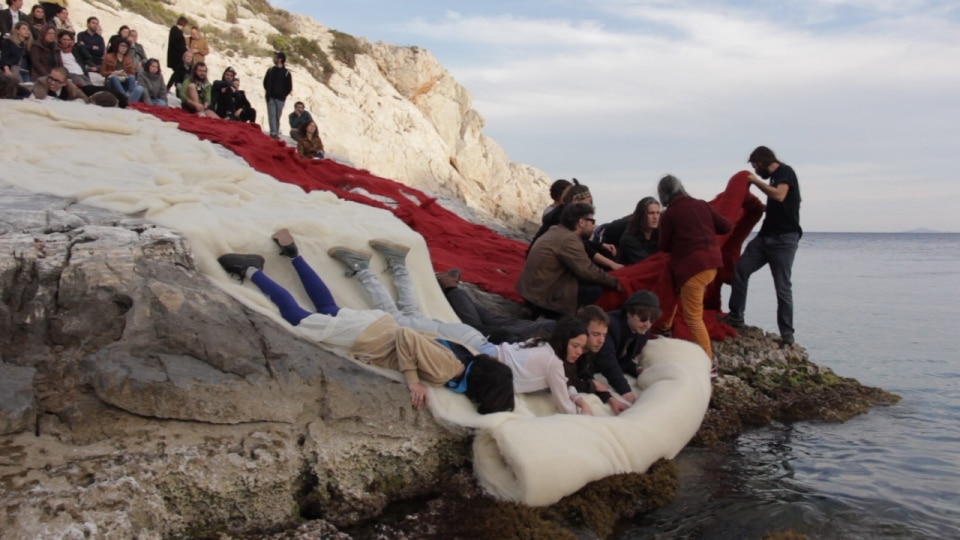
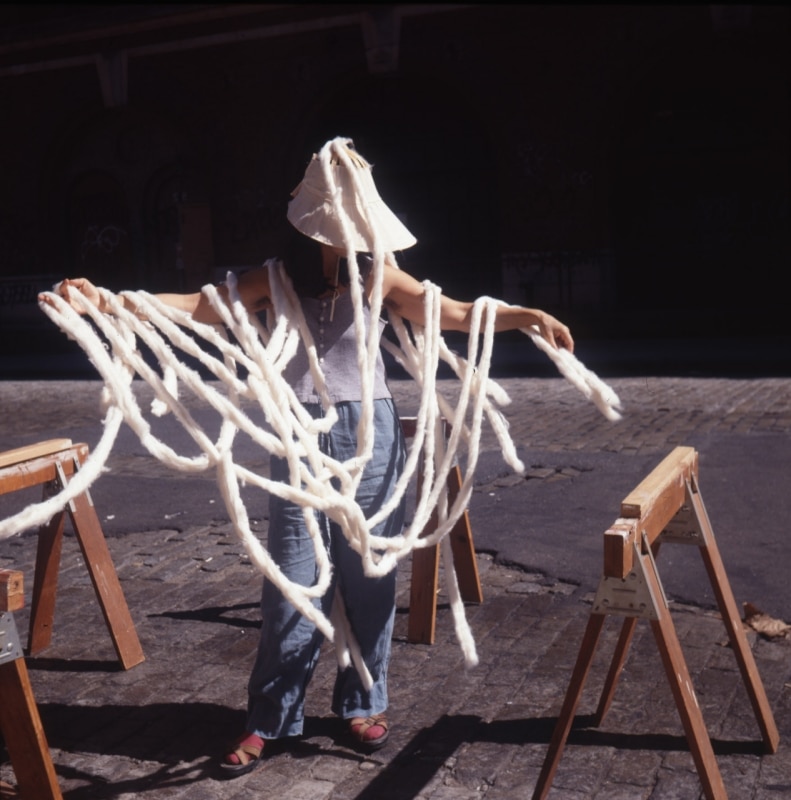
Finally, Cecilia Vicuña counters the structural violence of supermodernity with ancestral knowledge and humble materials—wool, quipu. Her art is a political act of ecological memory, transforming the exhibition space into a living archive that resists oblivion and commodification.
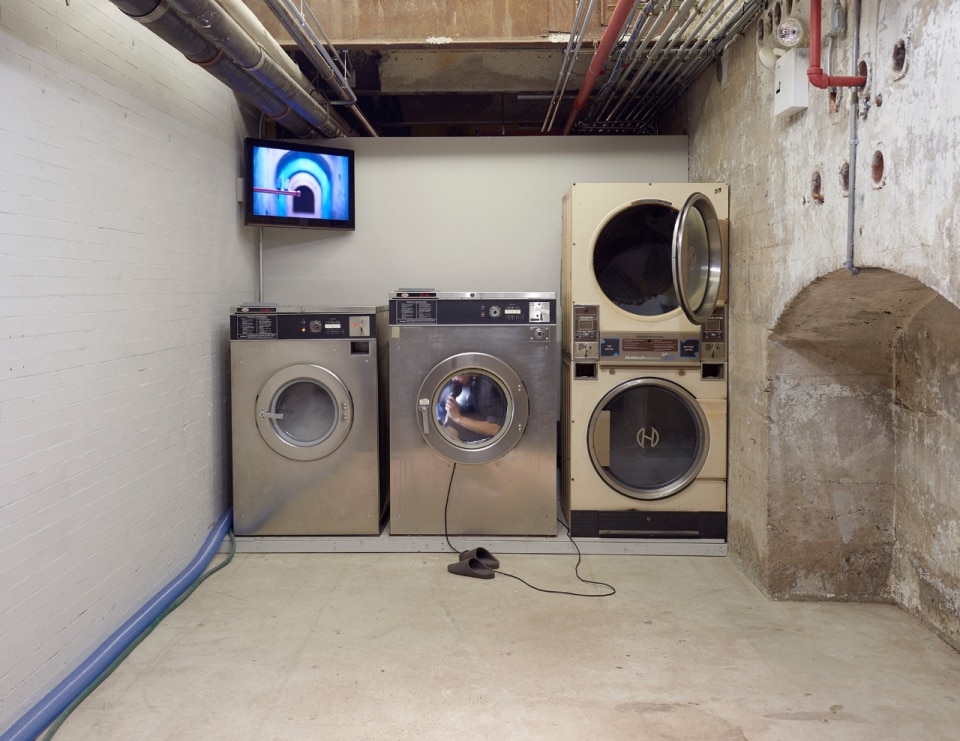
Pirelli Hangar Bicocca’s 2026-2027 program can be seen as a critical pathway using art to explore the frictions of the small world—intimacy, body, relationships—and the large world—architecture, power, ecology. The institution itself becomes a social accelerator, generating temporary sites of intense identity, relationality, and critical history, ensuring its relevance through the promise of inclusion (as evidenced by its Public Program and accessibility protocols), which underpins its ethical and social legitimacy.