


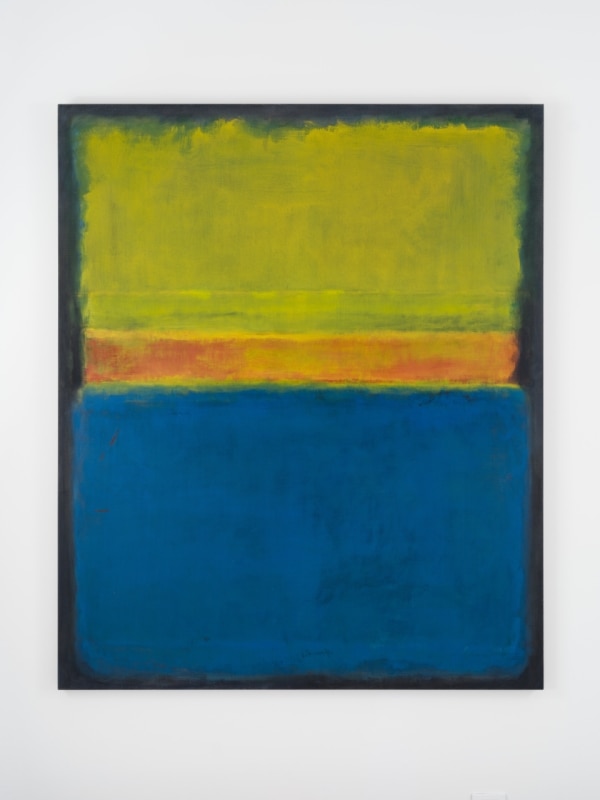
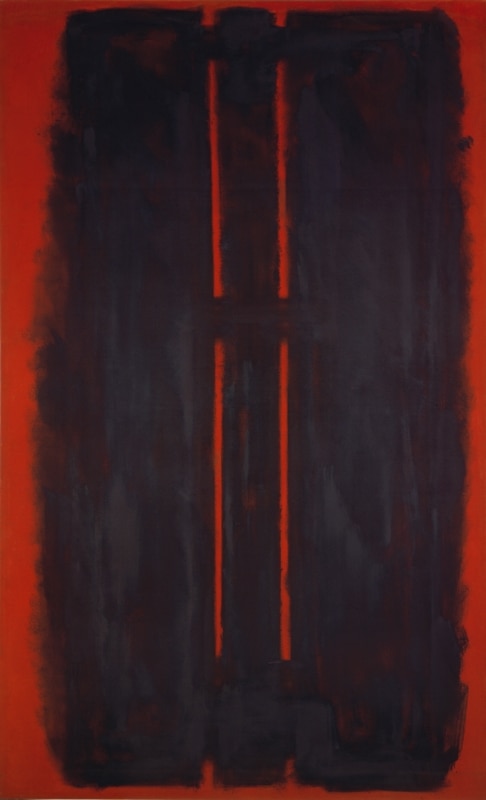
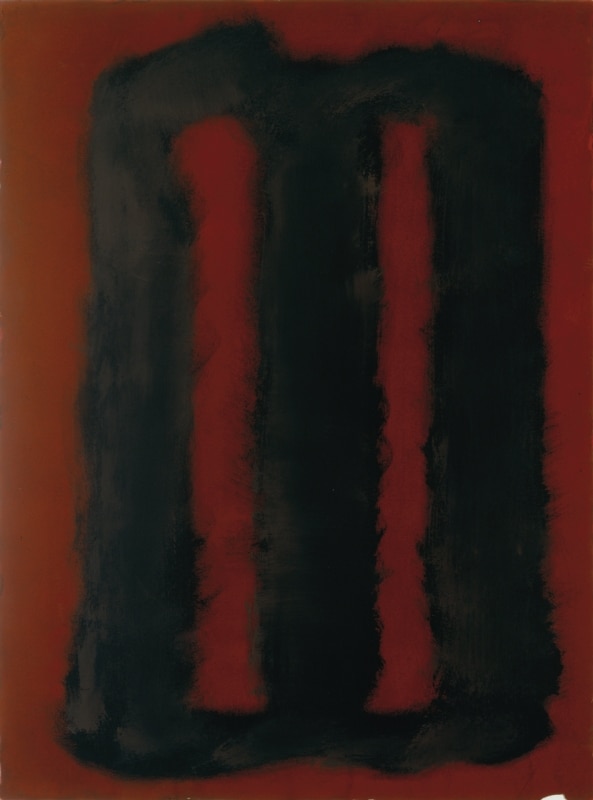
Natural light entering through the windows open onto the city gently touches the warm tones of Mark Rothko’s works, which emerge from the austere walls of the Renaissance architecture of Palazzo Strozzi like powerful spiritual devices.
The exhibition Mark Rothko in Florence, on view at Palazzo Strozzi from 14 March to 23 August 2026 and curated by Christopher Rothko and Elena Geuna, is a historic event. The project brings together more than 70 works, many of them never before shown in Italy, in a chronological journey capable of reconstructing every phase of the artist’s research, also in relation to his encounters with Italy and with Florence, to which he devoted passionate attention throughout his long career. It is precisely his encounter with Florence and its enduring spiritual tension that, as Geuna explains, “reveals to Rothko a tradition in which painting and architecture converge in a contemplative dimension,” echoing his “search for a painting capable of expressing the deepest states of human emotion.”
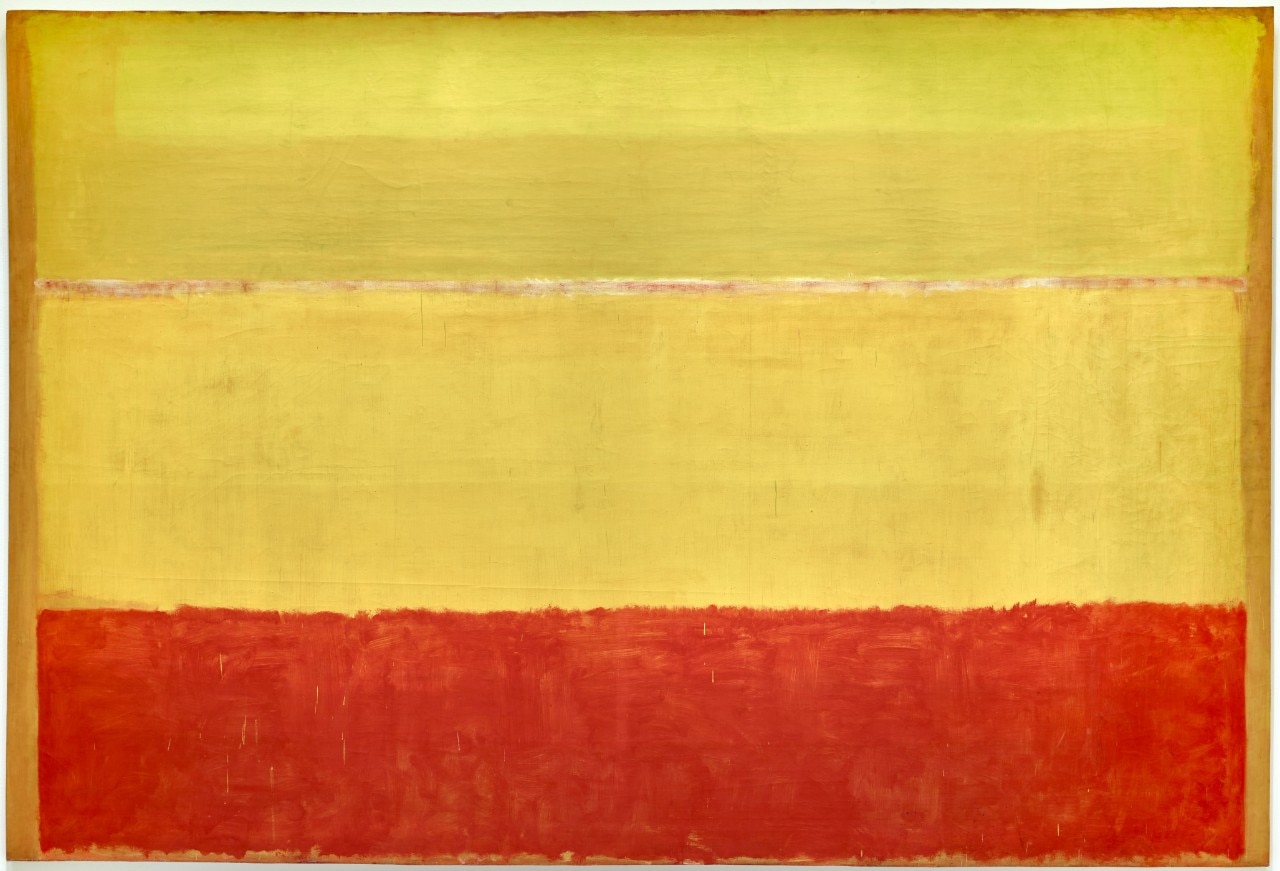
His painting becomes an accumulation of thin layers, and becomes atmospheric, transcendent.
From Figuration to the Multiforms
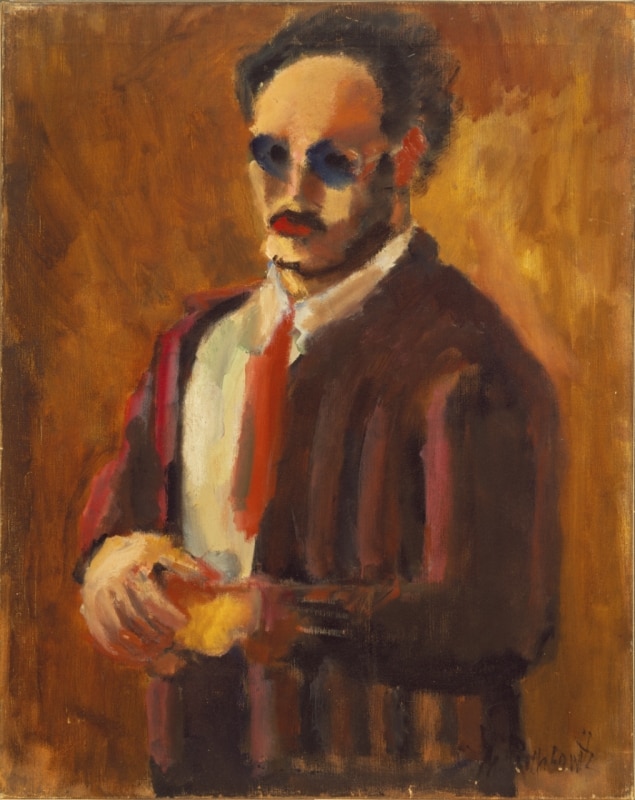
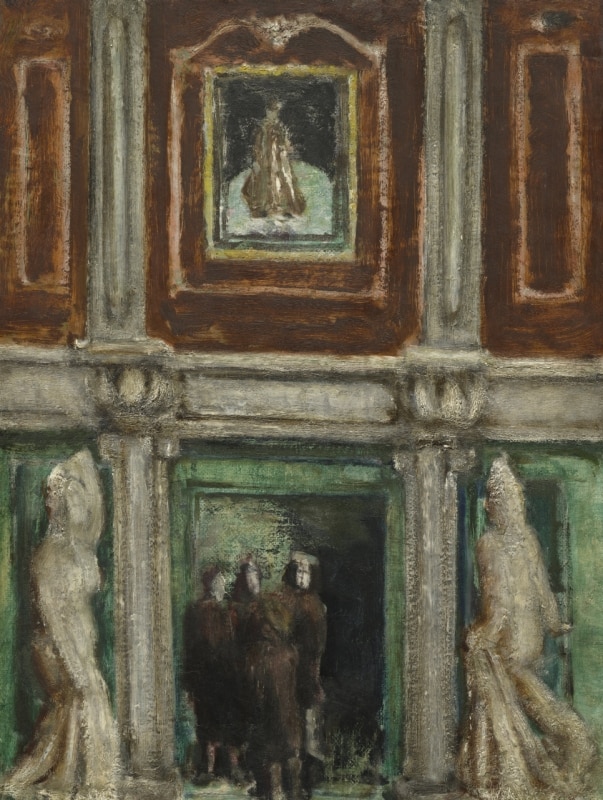
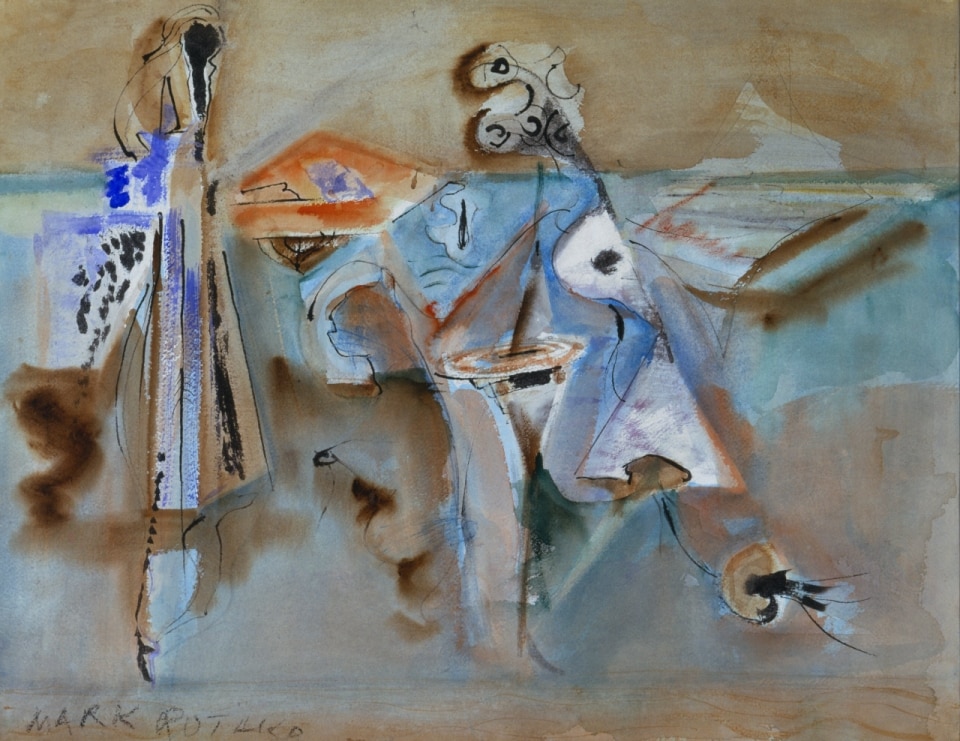
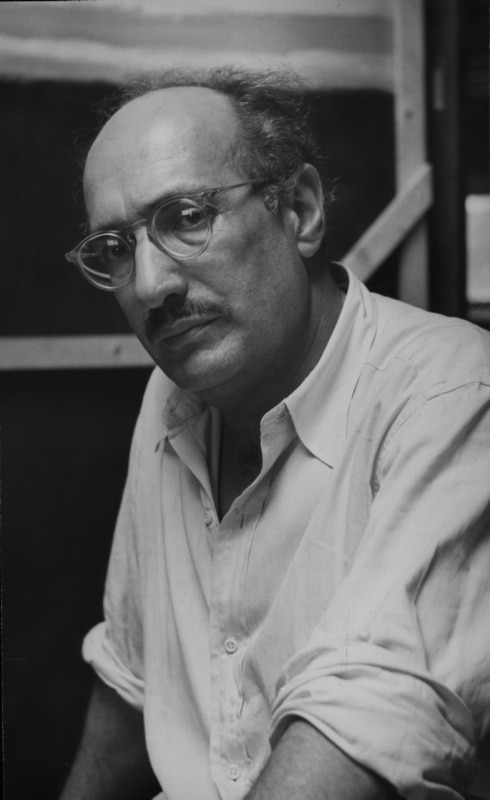
Mark Rothko was born in Dvinsk, Russia, in 1903 and moved to Portland in the United States at the age of ten. He began painting relatively late, around the age of twenty-five, as a self-taught artist. Like many artists of his generation he was initially interested in figurative painting, which is well represented in the first room of the exhibition. The path continues with the surrealist phase of the 1940s, still part of a linguistic evolution that the exhibition carefully guides visitors through, with rigorous curatorial work and important loans. Soon after the Second World War the first Multiforms appear, where figures rapidly disappear to make way for intense and strongly contrasting colour fields. From the 1950s onward the spiritual monumentality of his canvases emerges: his painting becomes an accumulation of thin layers, turning atmospheric and transcendent.
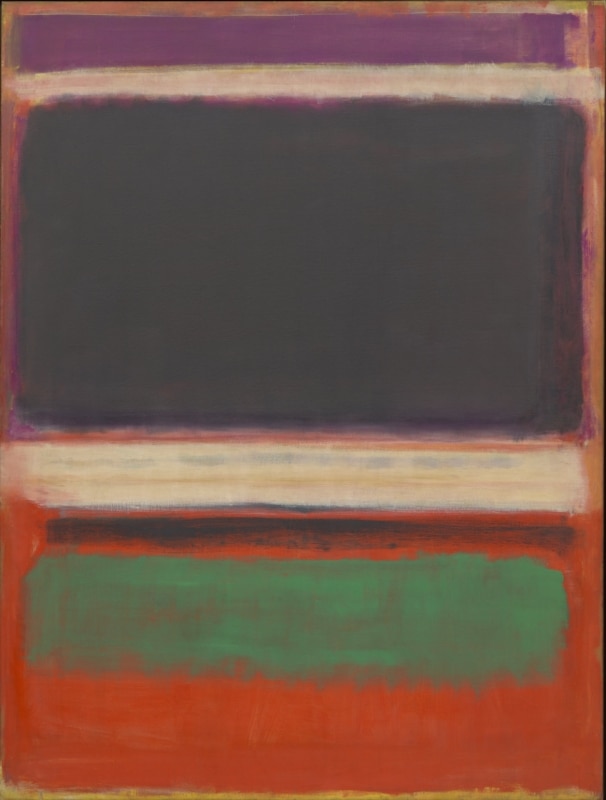
When painting constructs space
From the late 1950s, with the public commissions for the Four Seasons restaurant in the Seagram Building in New York, designed by Philip Johnson and Mies van der Rohe, painting effectively becomes architecture, constructing a space that envelops the viewer. In the exhibition the works glow with deep maroon tones emerging from dark reds and blacks with a unique emotional tension. As is well known, the cycle of the Seagram Murals was never installed in the restaurant and was later donated to the Tate, where it is displayed as a single indivisible ensemble. The exhibition presents exceptional preparatory drawings, rarely seen, displayed here in the two small rooms that Palazzo Strozzi traditionally dedicates to a more intimate encounter with the works.
The collectors Dominique and John de Menil later commissioned Rothko to create one of his most ambitious projects, the famous Rothko Chapel, on which he worked in the mid-1960s. As Christopher Rothko writes in the exhibition catalogue: “At once artist and interior designer, my father creates a choir of fourteen paintings that sing in unison. In fact Rothko reduces painting to architecture. The chapel is a holistic work, a single statement.” The exhibition includes exceptional canvases from the same period as the Black and Grey cycle and concludes with a number of late works on paper that invite viewers into an even more intimate dimension of the artist’s practice, quieter, filling the gaze and illuminating thought.
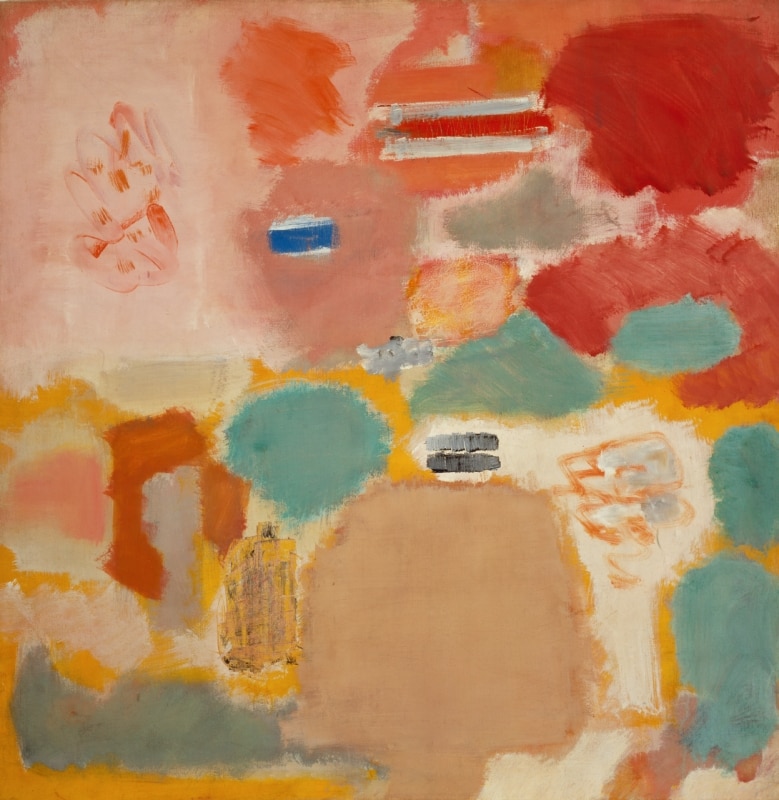
Rothko and Florence
Mark Rothko in Florence does not end within the austere Renaissance spaces of Palazzo Strozzi but extends to two places of particular importance for the artist and his work: the Museo di San Marco, where five of his works are displayed in the Beato Angelico room, and the vestibule of the Biblioteca Medicea Laurenziana, where two additional works enter into dialogue with the architecture designed by Michelangelo, which Rothko deeply admired.
With this compelling exhibition, the institution directed by Arturo Galansino once again stands out for the scholarly quality of its programme and for its ability to translate the language of some of the most important artists in history for a wider audience, creating a cultural territory that is truly open to all.
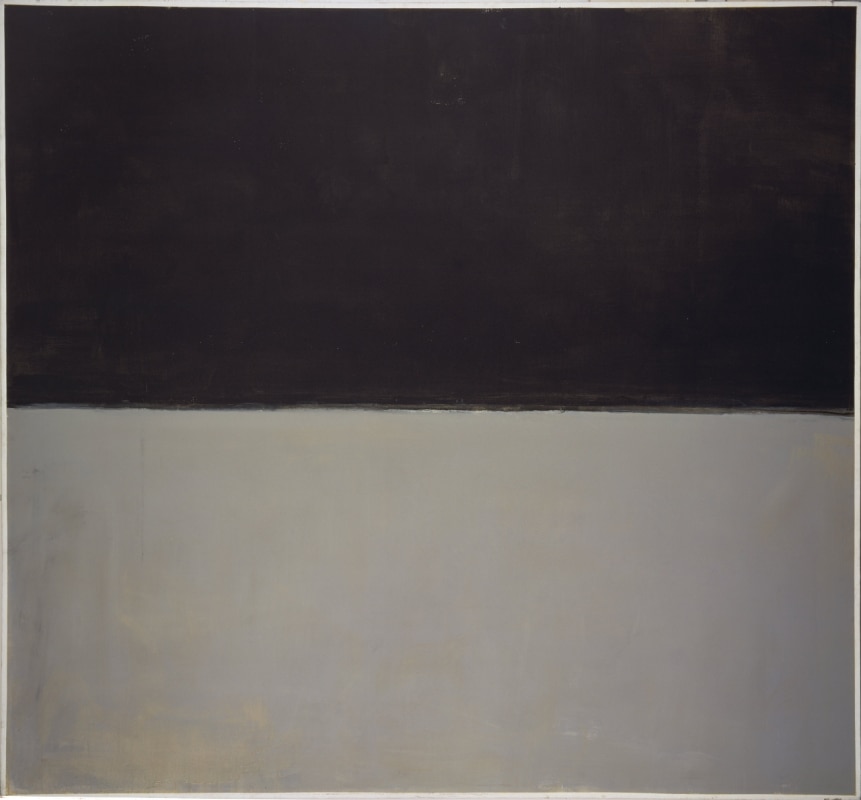
Opening image: Mark Rothko, No. 13, 1949
- Exhibition:
- Rothko in Florence
- Curated by:
- Christopher Rothko and Elena Geuna
- Location:
- Strozzi Palace, Florence
- Dates:
- March 14 to August 23, 2026