


At Renzo Piano's Istanbul Modern, on the occasion of the 19th edition of the Global Award for Sustainable Architecture, entitled “Architecture is Transformation”, Domus met Andreas Kipar, founder of the LAND studio and one of this year’s winners, to hear about his project for the Biodiversity Corridor in Saint-Laurent, Montréal, and his vision of sustainability, which conceives nature as a living infrastructure capable of reshaping the urban landscape.
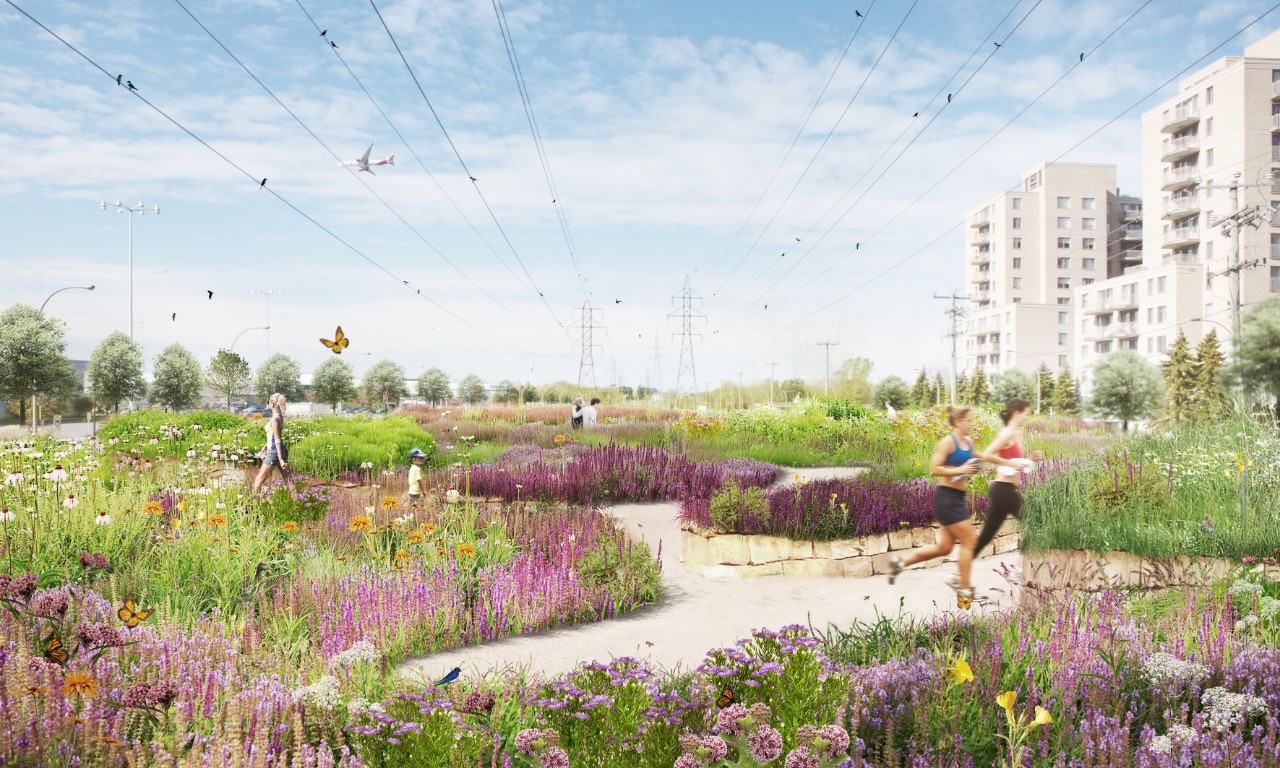
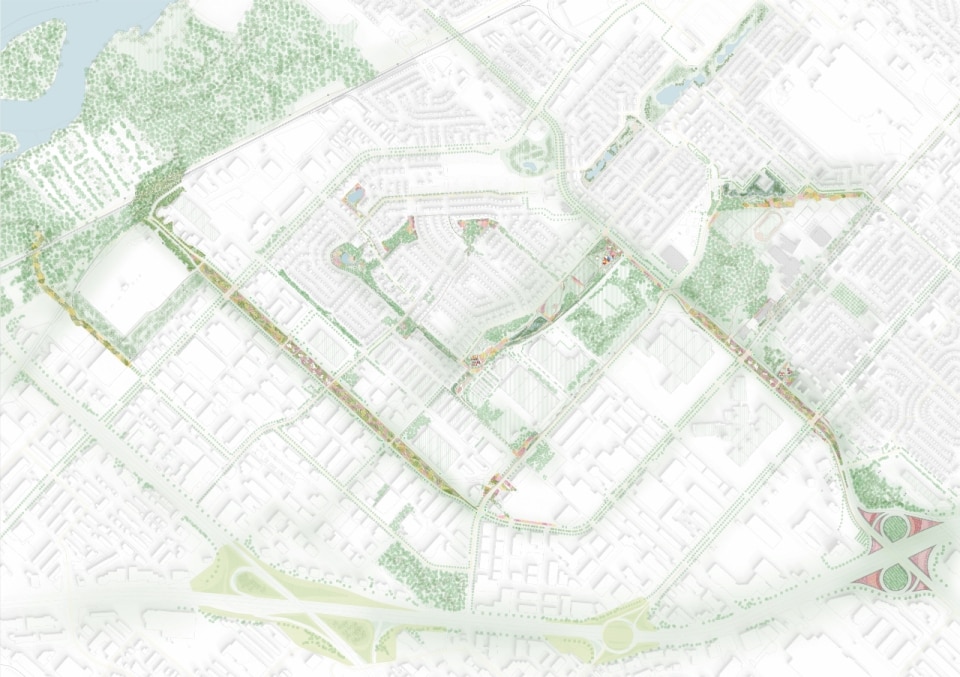
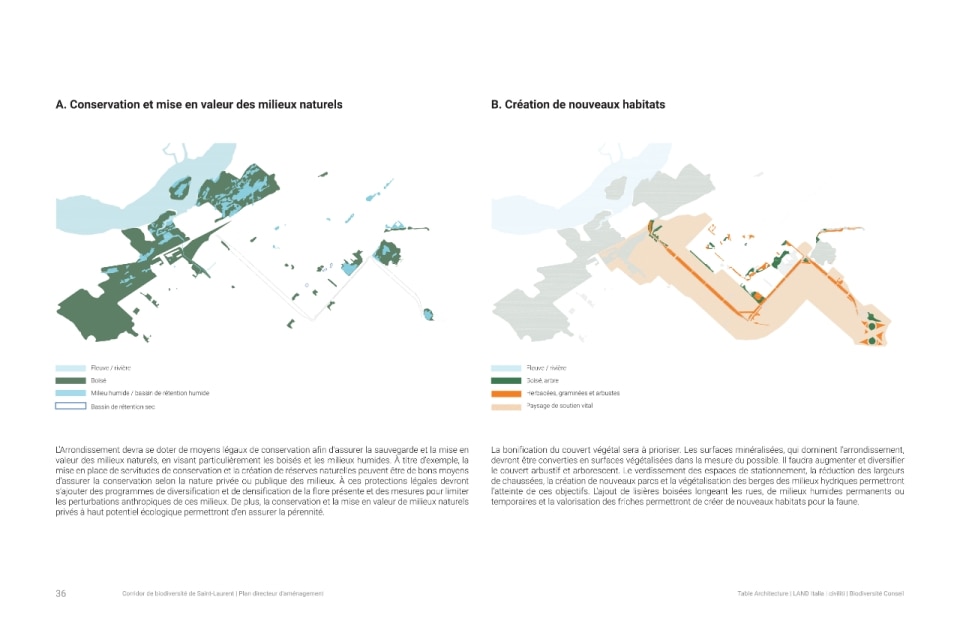
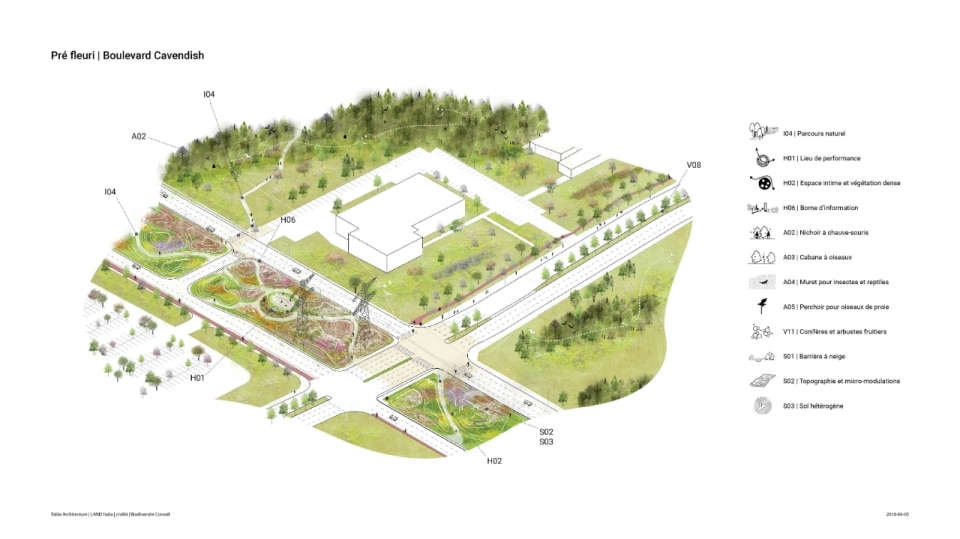
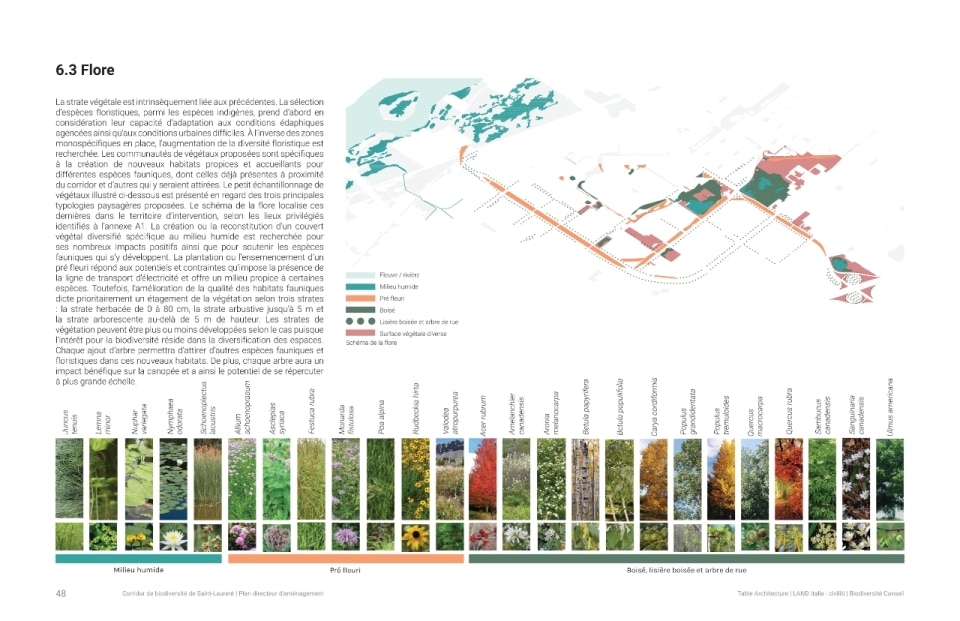
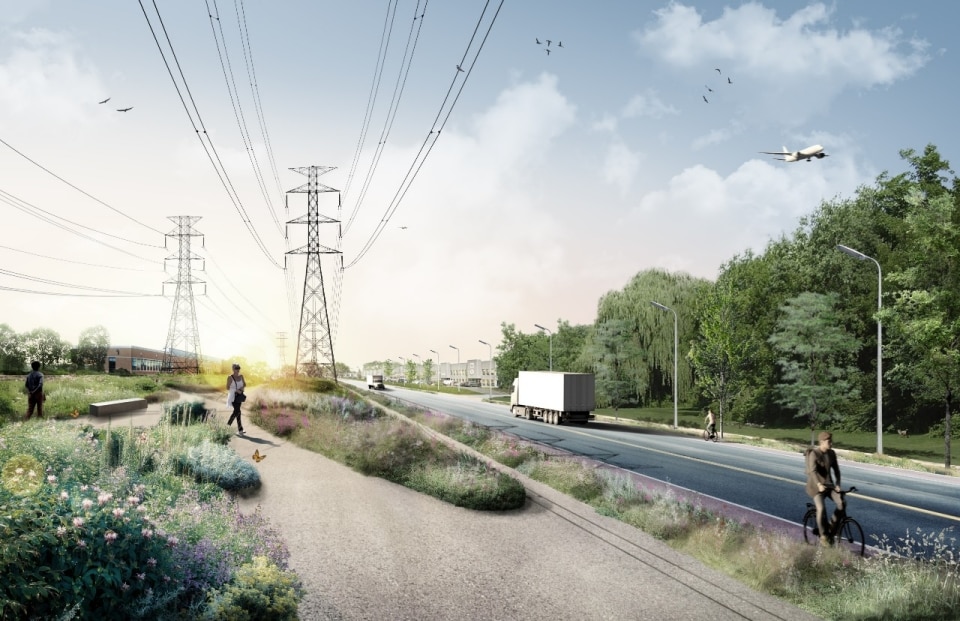
The project, which covers an area of approximately 450 hectares, aims to return ecological continuity and quality of life to a district that is “fragmented and inhospitable for both people and animals”, as Kipar states, where the disappearance of vegetation, suffocated by industrial, commercial and residential developments, has disconnected the neighbourhood from the rhythms of nature.
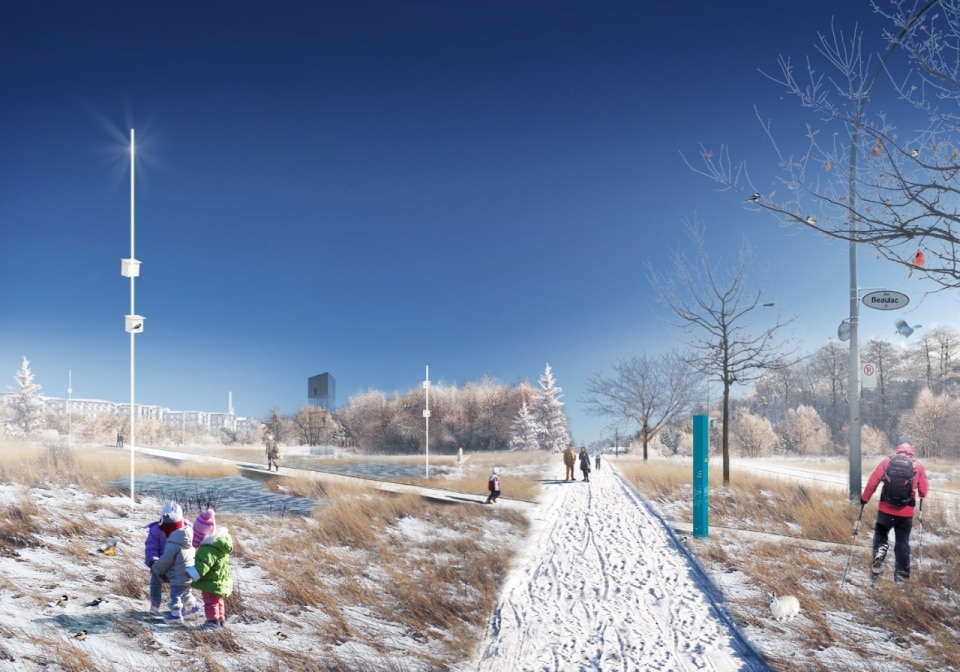
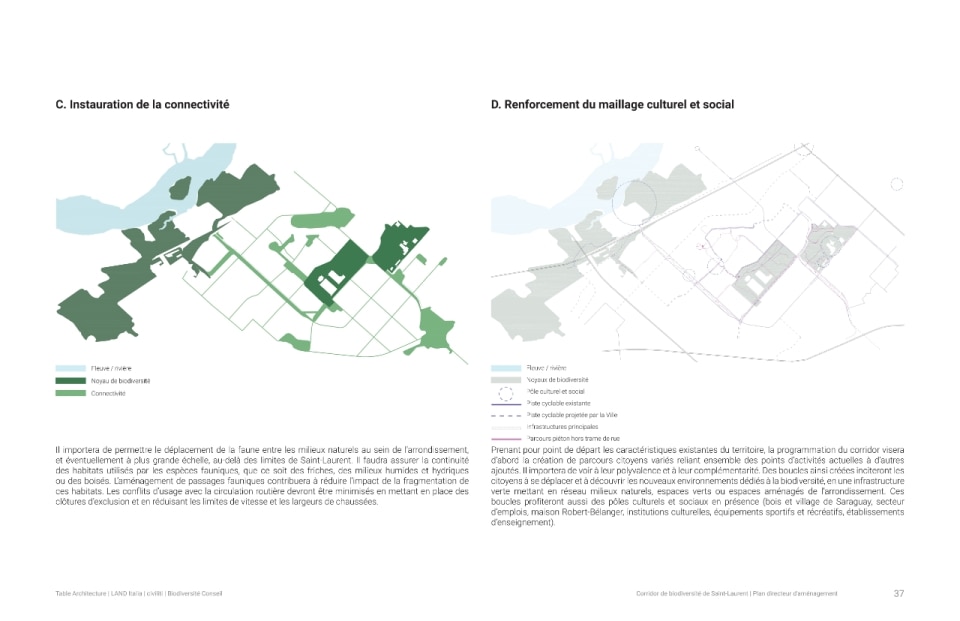
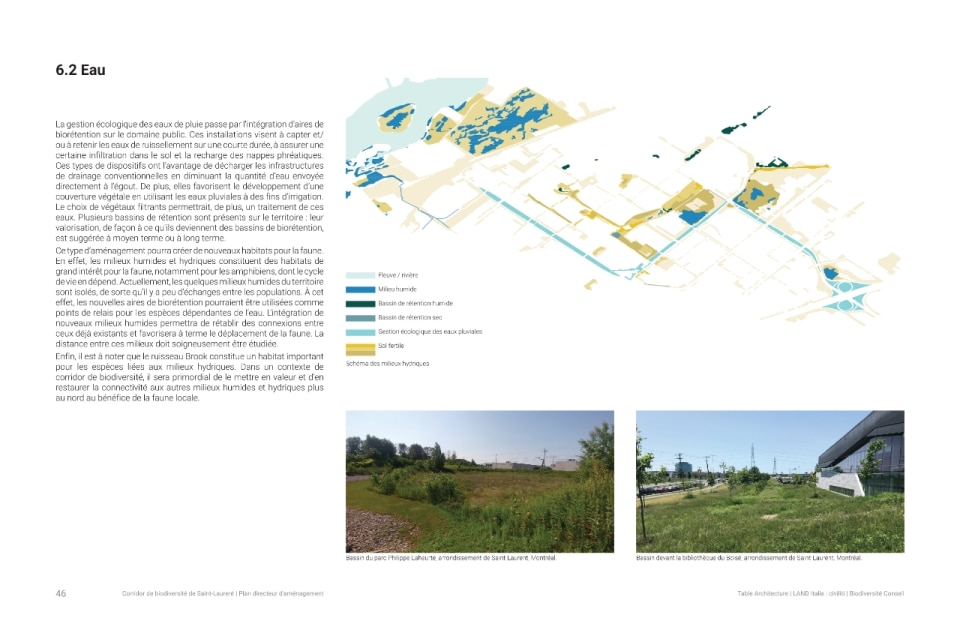
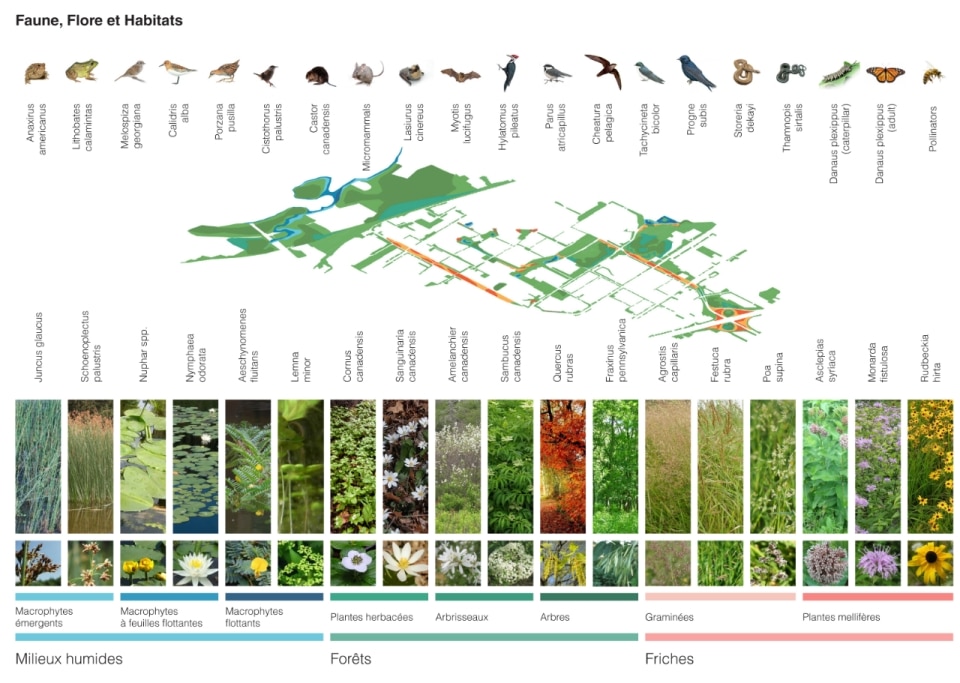
Moving beyond the rigid “biodiversity islands” paradigm of the 1980s, the project introduces a continuous network of green and blue infrastructure that weaves its way through the built environment, bringing biodiversity back into the city through a “systemic”’ and widespread logic. As Kipar explains: “Planning seeks spaces for biodiversity which, however, in an urban context is often marginalised into ‘hotspots’, whereas the ‘corridor’ is a more effective manifestation of it. The aim of this project was to make visible what is often invisible: biodiversity, its variability across the seasons or throughout the day, its capacity for adaptation and even its vulnerability, and to integrate it deeply into the daily life of the neighbourhood”.
the project is envisaged over time as a living laboratory.
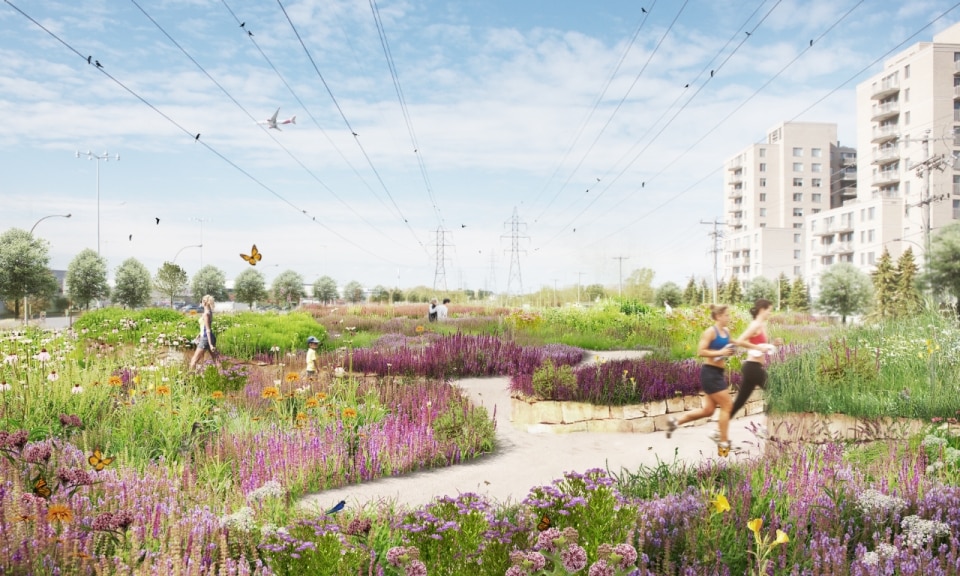
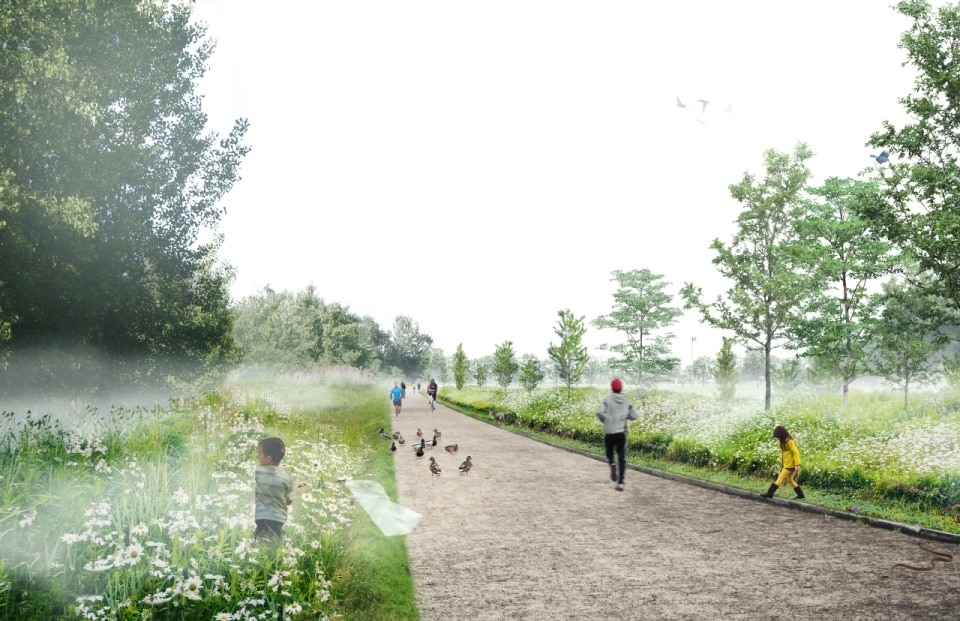
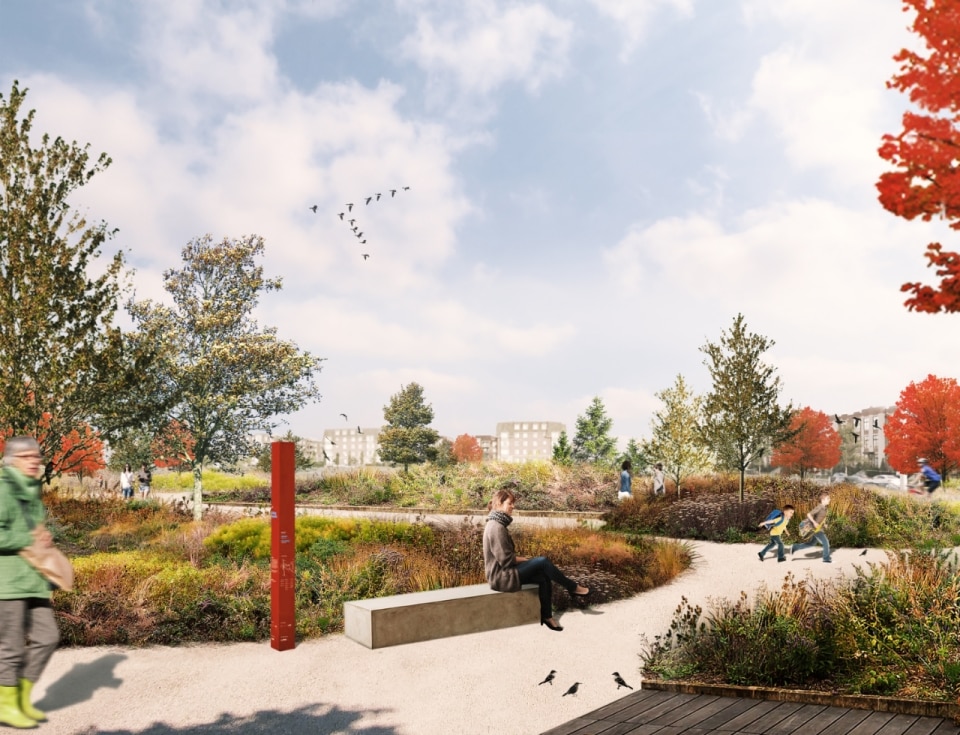
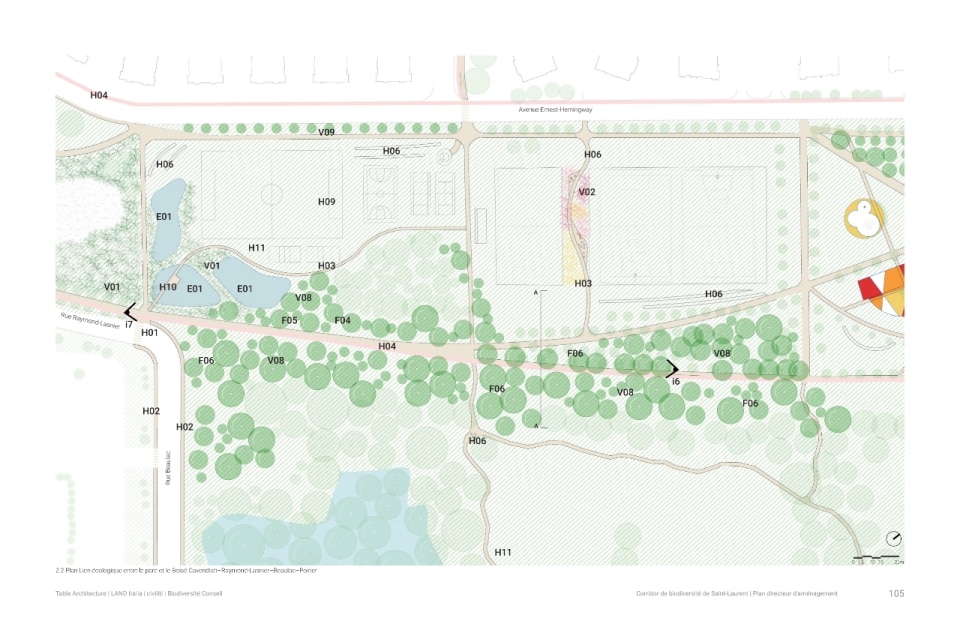
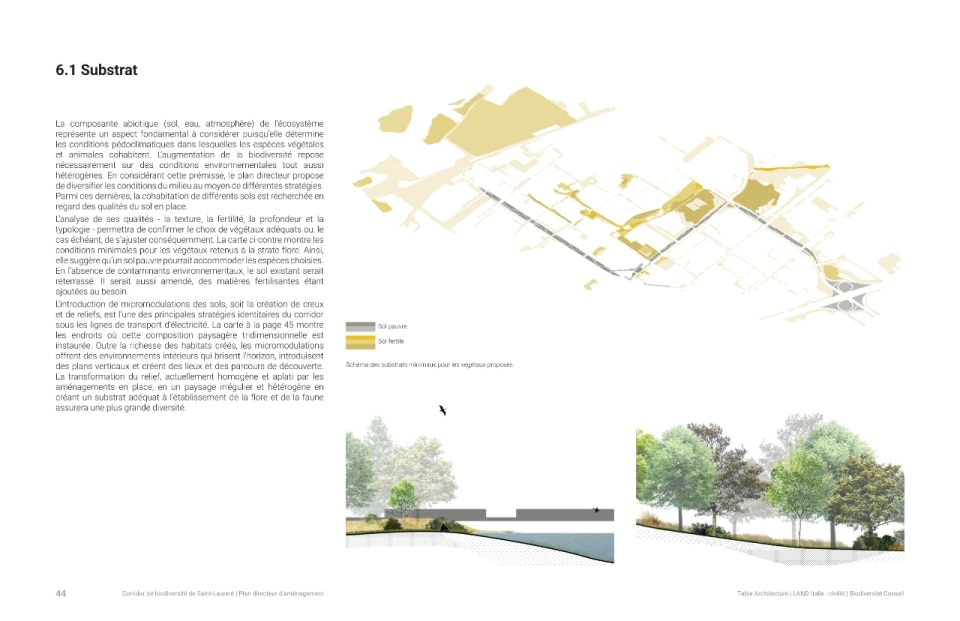
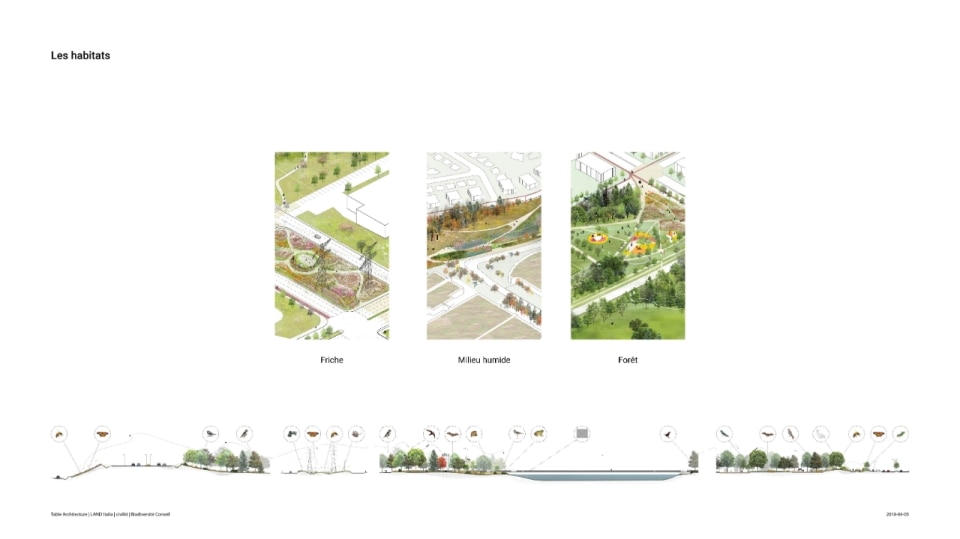
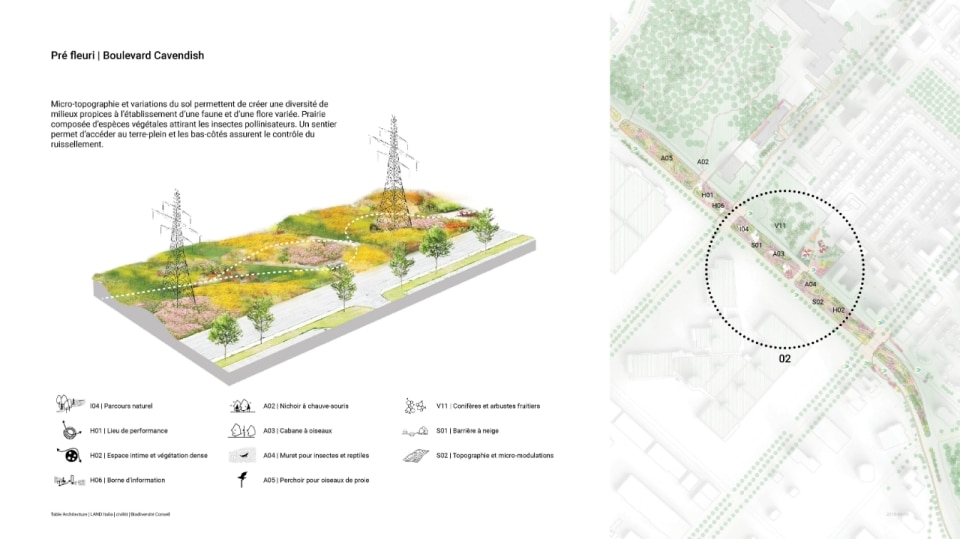
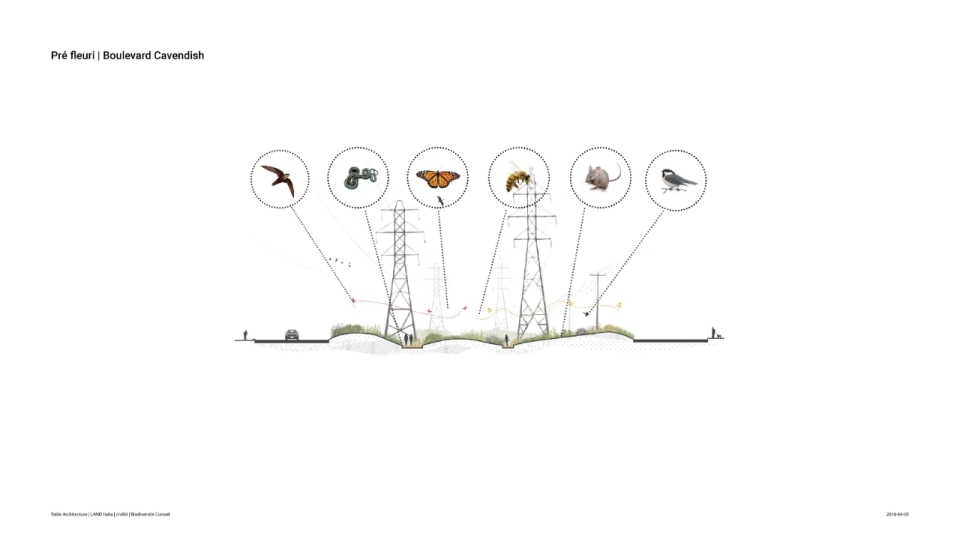
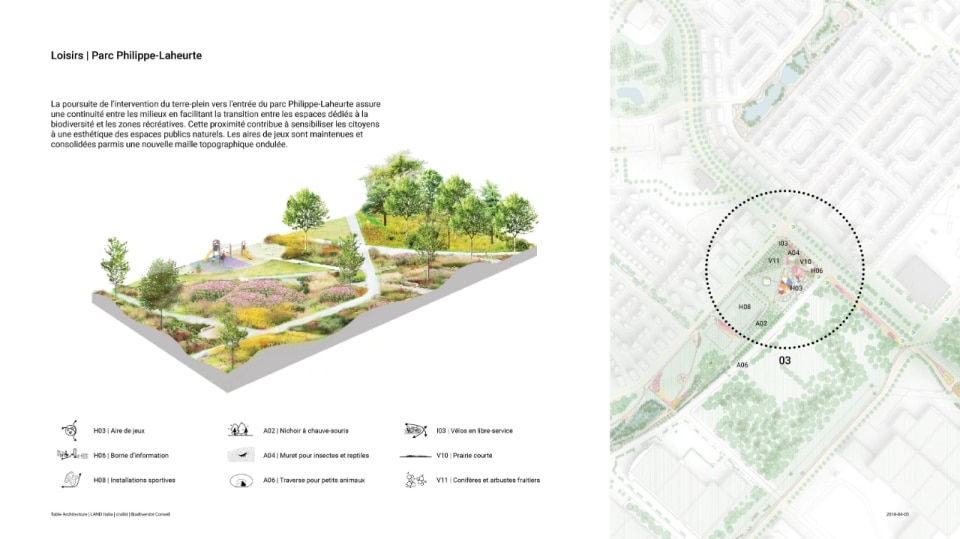
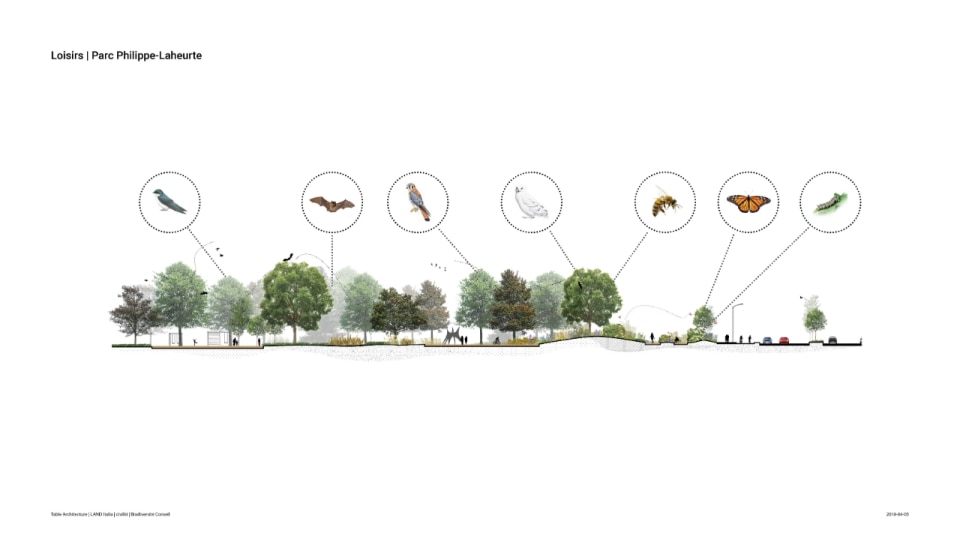
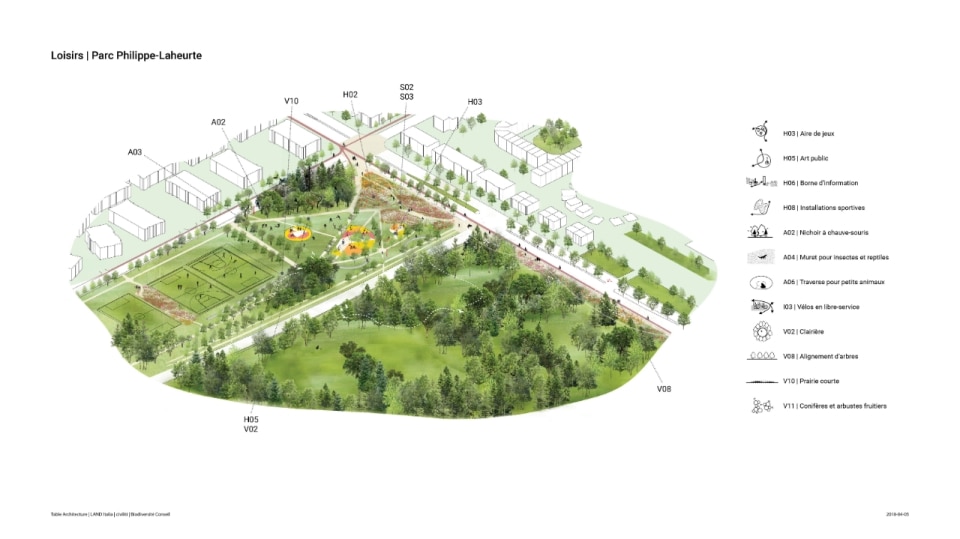
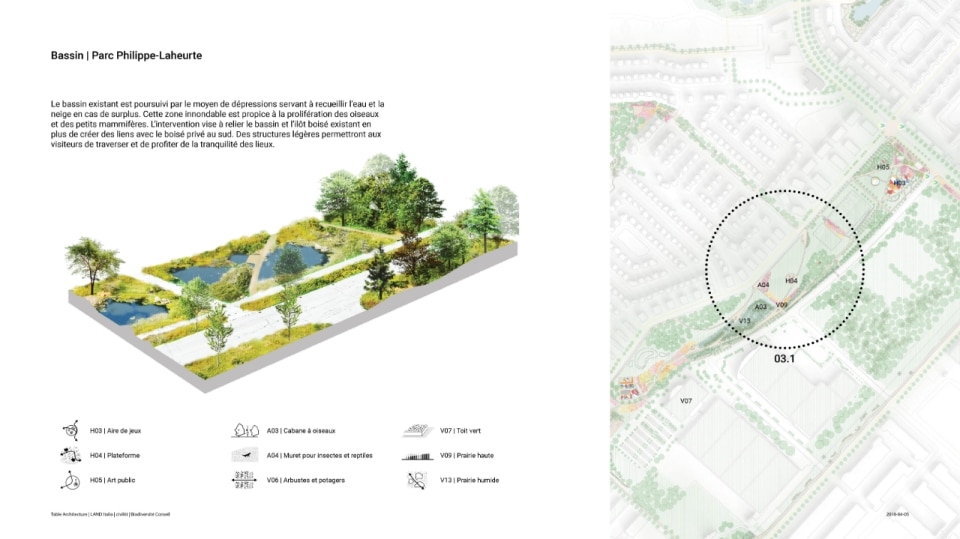
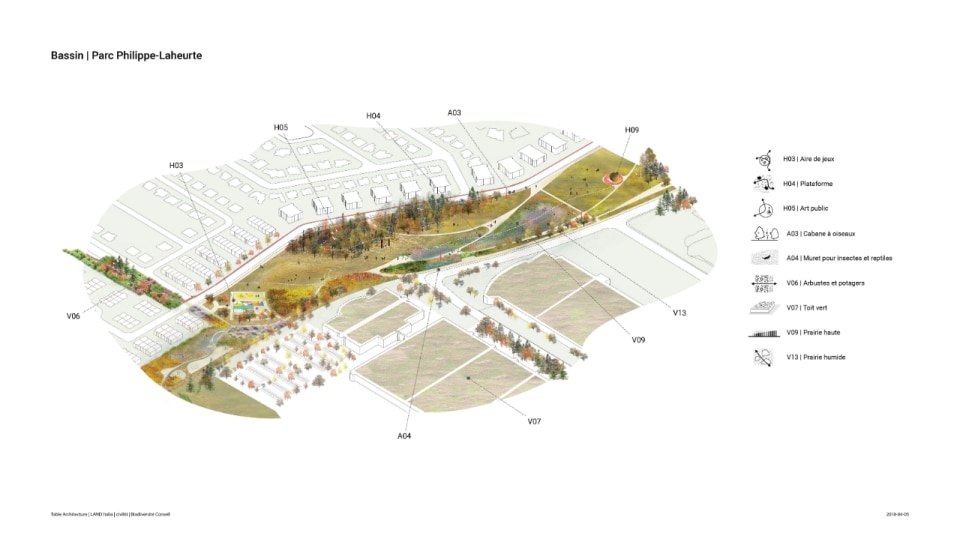
The project involved the creation of a system of green and blue infrastructure that acts as the backbone of a new ecosystem. In addition to the ecological function of strengthening biodiversity and re-establishing continuity between the area’s natural focal points (the wooded areas of Marcel-Laurin Park and Cavendish-Raymond-Lasnier-Beaulac-Poirier, the Bois-de-Liesse and Bois-de-Saraguay nature parks, and the Brook Cree stream), the project is envisaged over time as a ‘living laboratory’, as Kipar puts it, to test new and replicable synergies between nature and the built environment. Interpretive trails, rest areas and educational displays, flower-filled meadows for pollinating insects and small animals, and a topography characterised by undulating terrain define the layout of an area where the flows of the various existing biotopes are interwoven. The result is a unified ecological corridor, capable of restoring lost habitat to wildlife and vegetation whilst, at the same time, reactivating a more conscious and direct relationship with nature for local residents.
A gardener even before being a landscape architect and urban planner, Kipar claims a background rooted in direct experience of the soil: rather than a designer, he describes himself as a “cultivator”, whose buildings are the trees he plants (sometimes even personally). In this vision, the city is a living organism, irreducible to a static form, shaped over time by habits, memories and relationships: an intrinsically indeterminate system that evokes Aldo Rossi’s concept of the “analogue city” and Umberto Eco’s “open work”, as architect and academic Jana Revedin observes. “It is actually what I call the ‘invisible city’” – Kipar points out – “the one we cannot decipher, which we ‘feel’ but do not see. It is the soul of places, and is closely linked to empty, unbuilt space. Cities must be rediscovered starting from unbuilt space because that is where imagination is born. This is the dynamism of public space, which is not necessarily a void, even if most people perceive it as such, but a space of opportunity, which adapts and takes shape through use, through everyday life, and from which springs a new urban landscape based on relationships and the balance between the environment and the built environment”.
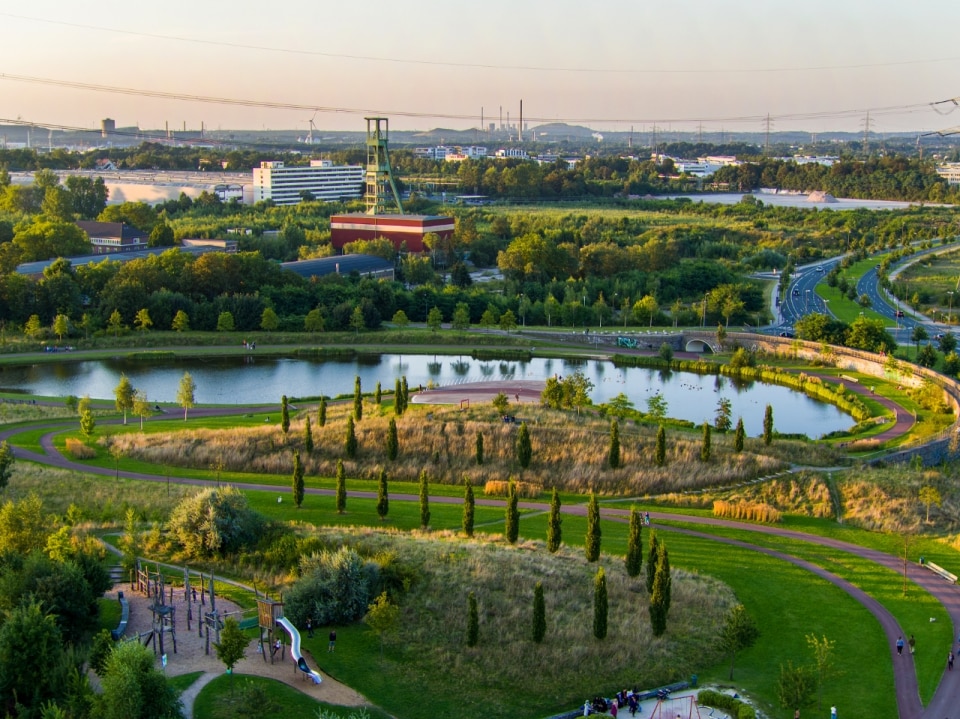
As in many of its past projects – from Krupp Park in Essen to Parco Rubattino in Milan – Kipar views nature as a productive as well as ecological infrastructure, a tool for territorial governance capable of generating measurable value, whilst also having an impact on the local economy: “a ‘positive nature’ rather than a compensatory one, which produces more than it requires – from biodiversity to climate regulation, from emissions absorption to physical and psychological well-being”, Kipar emphasises.
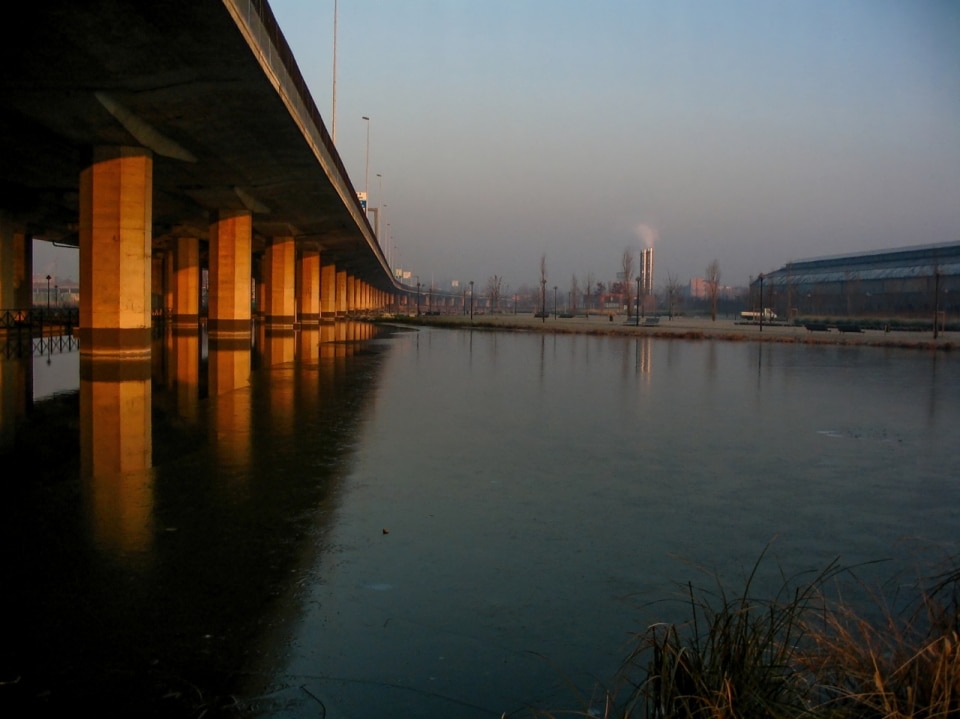
A pragmatism that nevertheless retains a poetic and emotional nuance, as already seen in the Parco del Portello project in Milan. “The emotional component is an integral part of the landscape design. People are always seeking immersion in a new reality, and contrast is important: vertical and horizontal landscapes, built and unbuilt, visible and invisible. It is contrast that makes the difference, and it is in contrast that beauty lies. In our projects, we always envisage wide open spaces to give the body and mind time to reset. In the city, we are always on high alert, and the urban landscape must help us practise relaxation”.
Kipar’s approach is fully in line with the objectives of the “Global Award for Sustainable Architecture”, of which Saint-Gobain is an official partner for the third consecutive year. Each year, the award selects five designers in a different city (past winners include Pritzker Prize laureates Alejandro Aravena, Diébédo Francis Kéré, Anne Lacaton and Jean-Philippe Vassal) who interpret sustainability not so much as a set of “eco-standards” but as an integrated cultural practice combining ecological, economic and social dynamics. Despite the diversity of scales, programmes and geographies, this year’s five laureates (in addition to Kipar, also Ye Man, Doan Than Ha, Taller Capital and Amelia Tavella) follow the guiding principles of “better with less” and “right tech”, promoted by the award’s founder Jana Revedin: a move away from hyper-technology in favour of “right tech”, locally rooted and capable of fostering new dynamics of social relations and the circular economy.
As Pascal Eveillard, Director of Sustainable Construction at Saint-Gobain, states: “sustainability is not just about reducing our ecological footprint, but also about tangibly improving people’s quality of life. And our role as partners in this award is geared towards this: dialogue between business, academia, designers and public institutions is key to fostering an integrated culture of sustainability and accelerating its development”. And he adds: “focusing solely on buildings is not enough for sustainable development; a balance between the built and unbuilt environments is necessary, and this is why the work of the landscape architect is crucial”.