


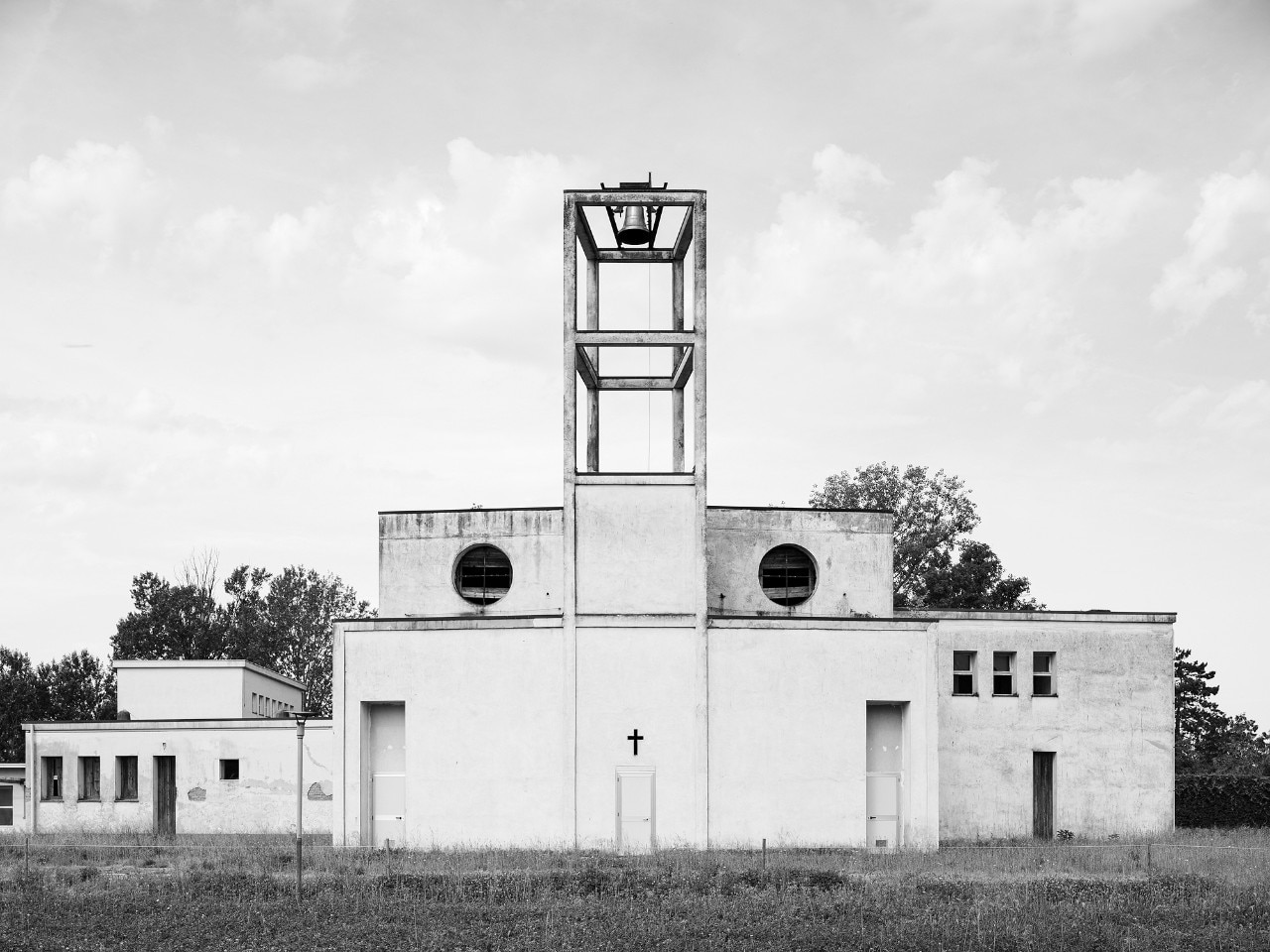

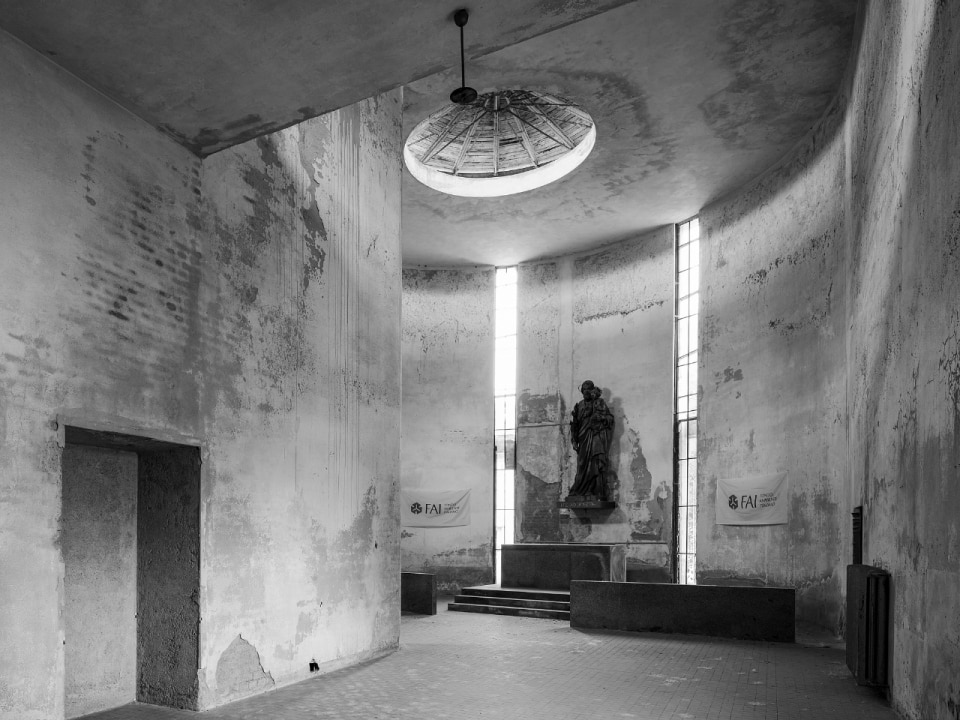
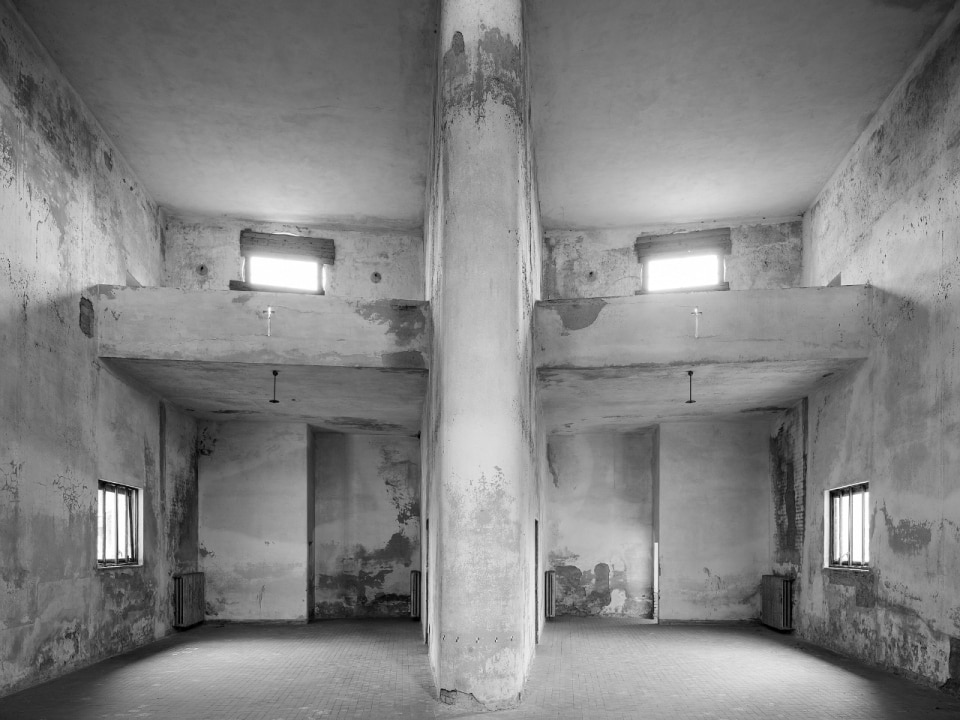
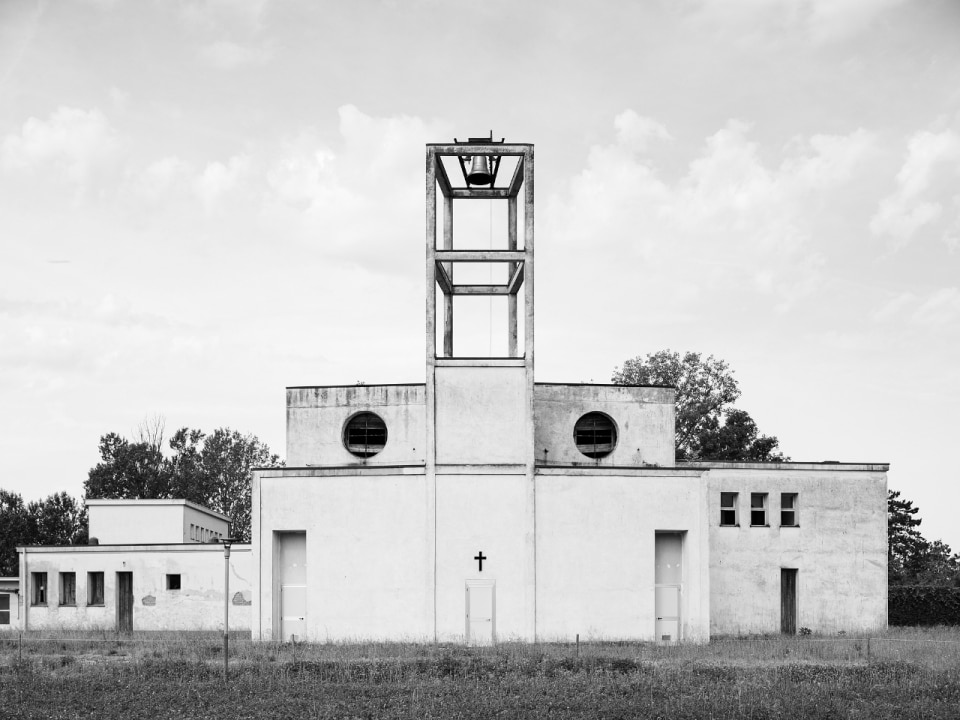
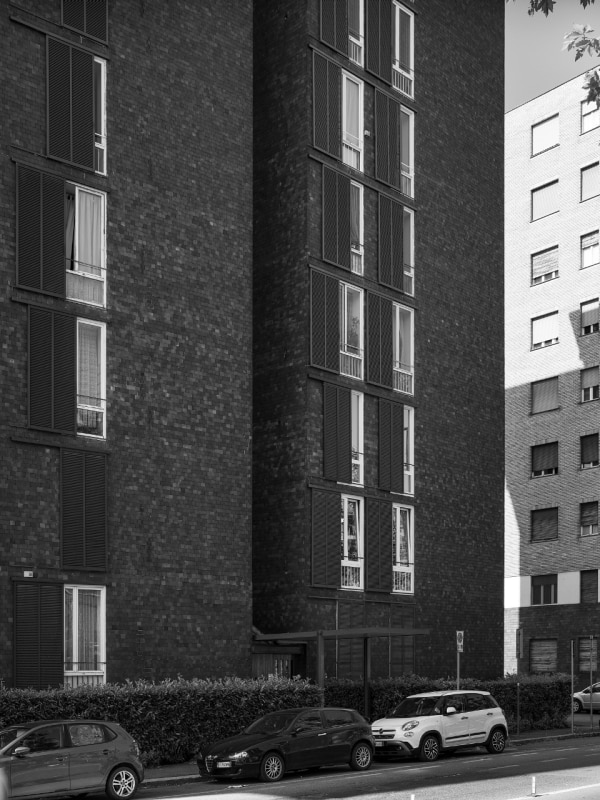
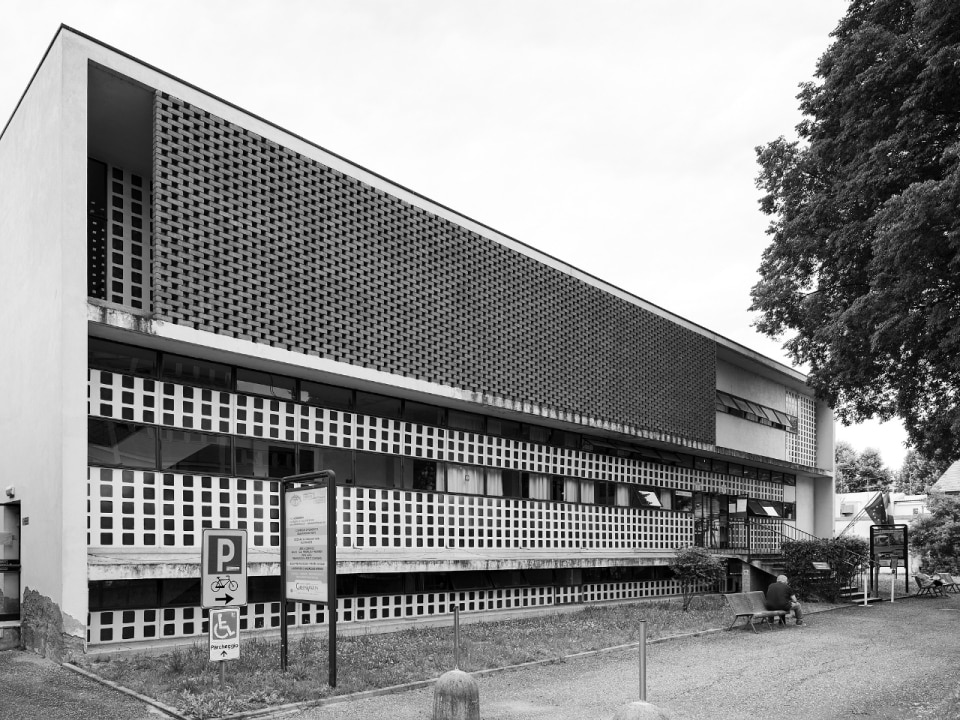
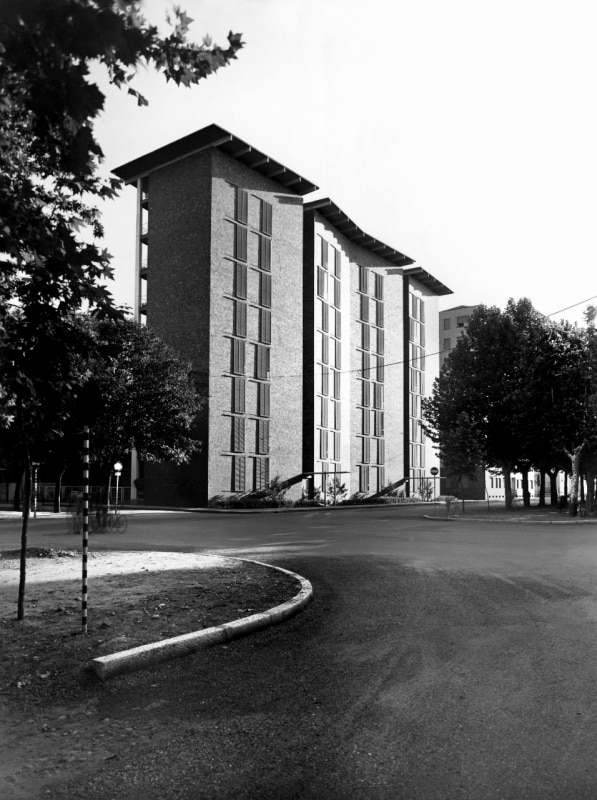
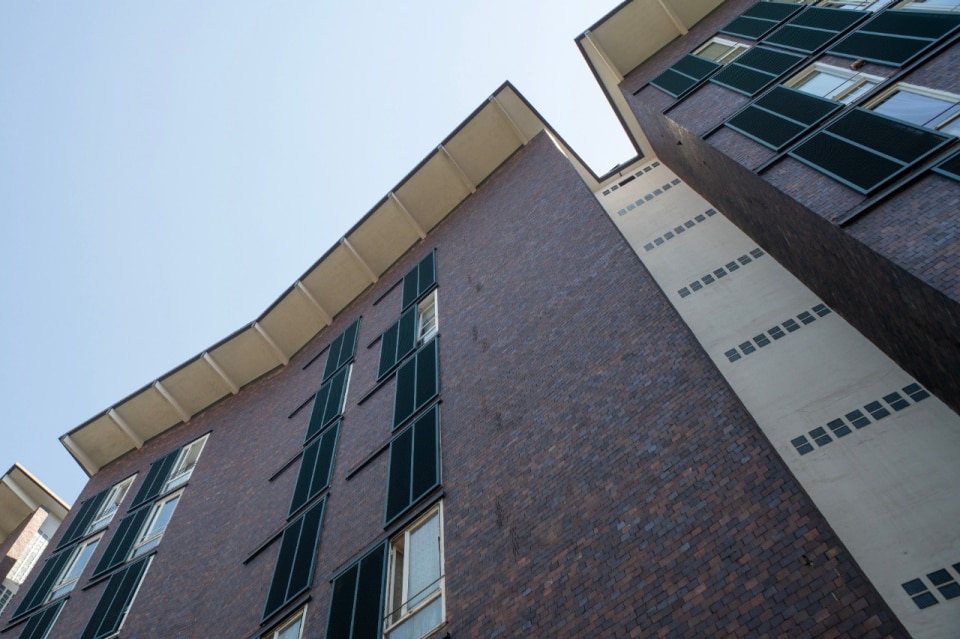
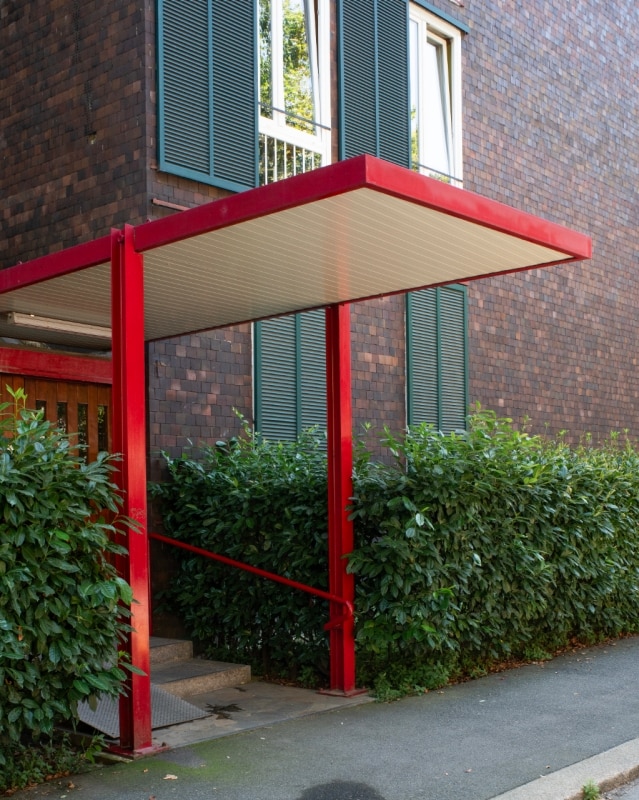
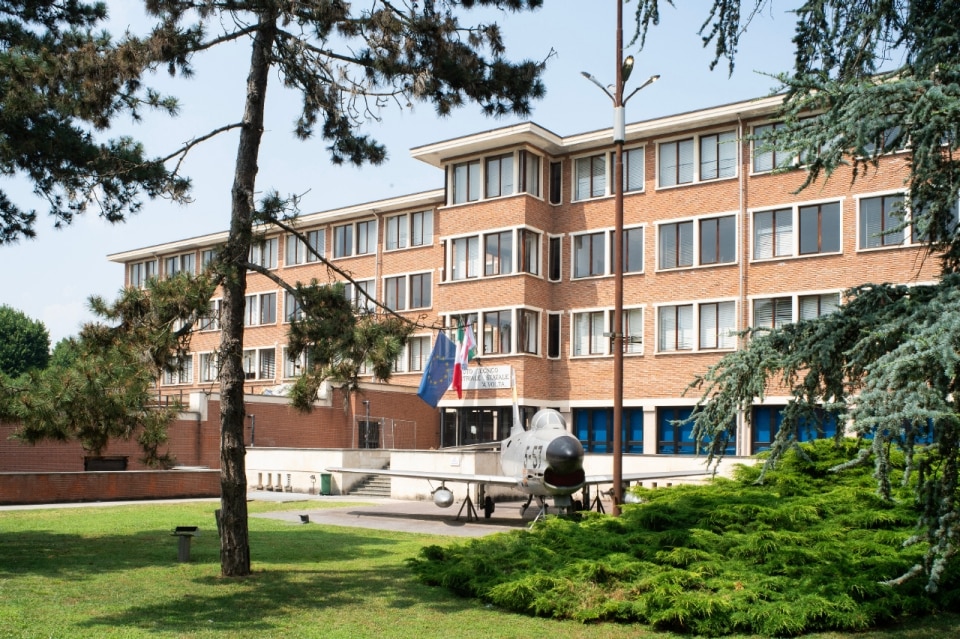
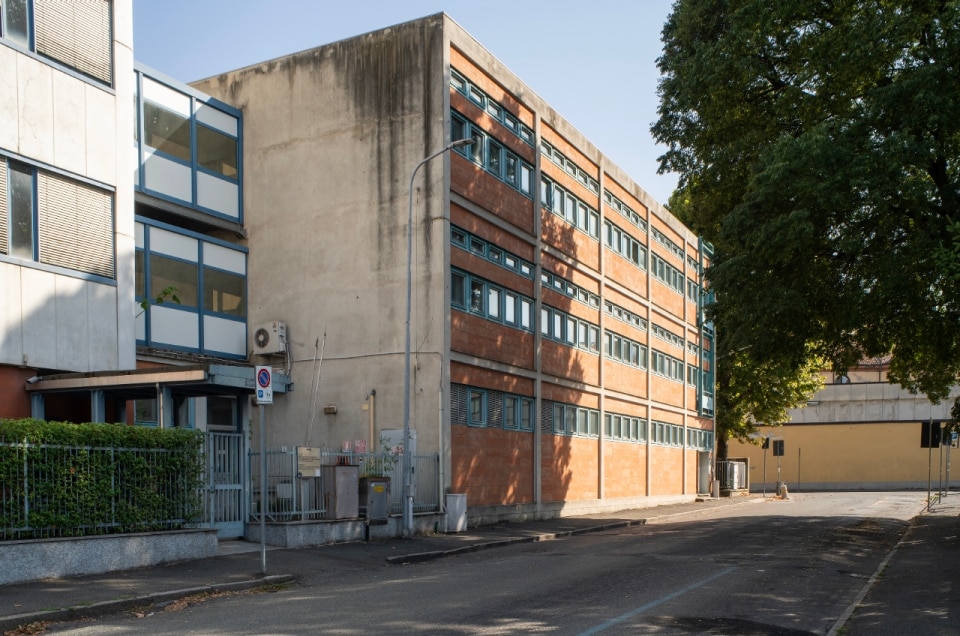
Ignazio Gardella was one of the foremost figures of twentieth-century Italian architecture. Trained as both an engineer and an architect, he represented a distinctly Italian form of rationalism—made of walls that became “diaphragms,” as Gio Ponti described them in Domus in 1951 when referring to the celebrated Casa al Parco (1947–1954). His work ranged from the exposed brick of the Antituberculosis Dispensary in Alessandria (1933–1938) to the masterfully designed roofs of the Borsalino Employees’ Housing (1948–1952), which today appears in every history of modern architecture.
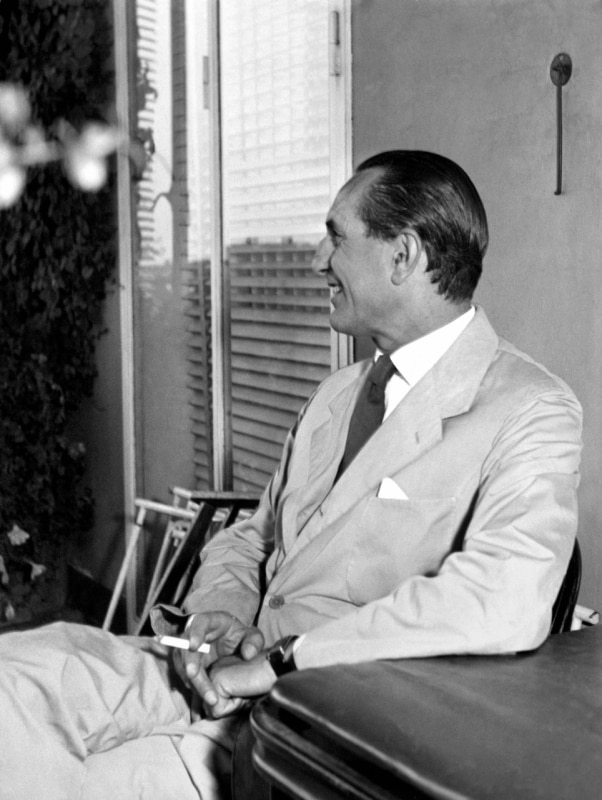
More than twenty years after his death, a new exhibition titled "Ignazio Gardella. Designing the City", curated by Emanuele Piccardo, is opening in Alessandria—the city where Gardella’s career began. The exhibition will be open to the public from 18 December 2025.
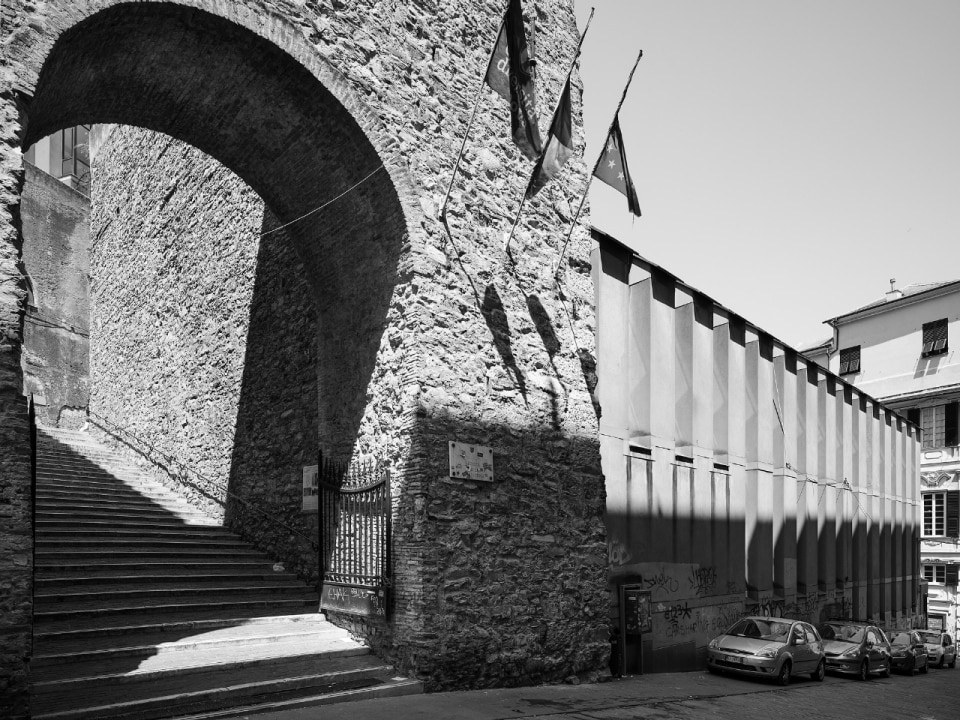
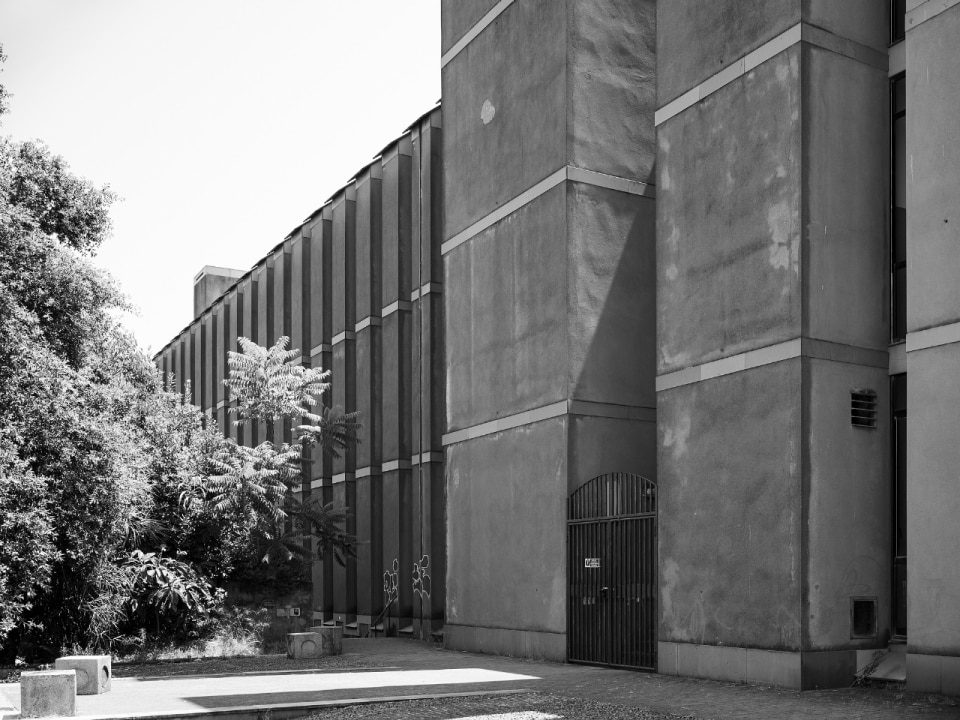
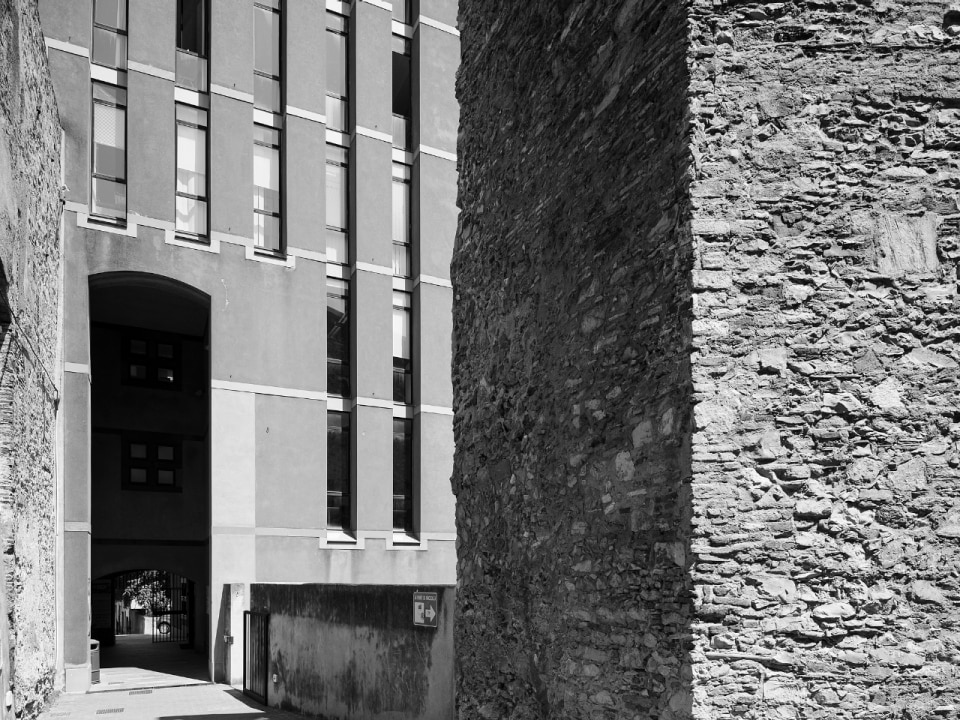
Through drawings, photographs, and archival documents, the show presents seventeen projects across Alessandria, Milan, Genoa, and Venice. It offers an interpretation built on archival materials and historical images, including photographs by Gabriele Basilico, combined with contemporary reflections on the idea of architecture as a fragment of the city, in constant dialogue with the urban landscape.
The first architectures in Alessandria
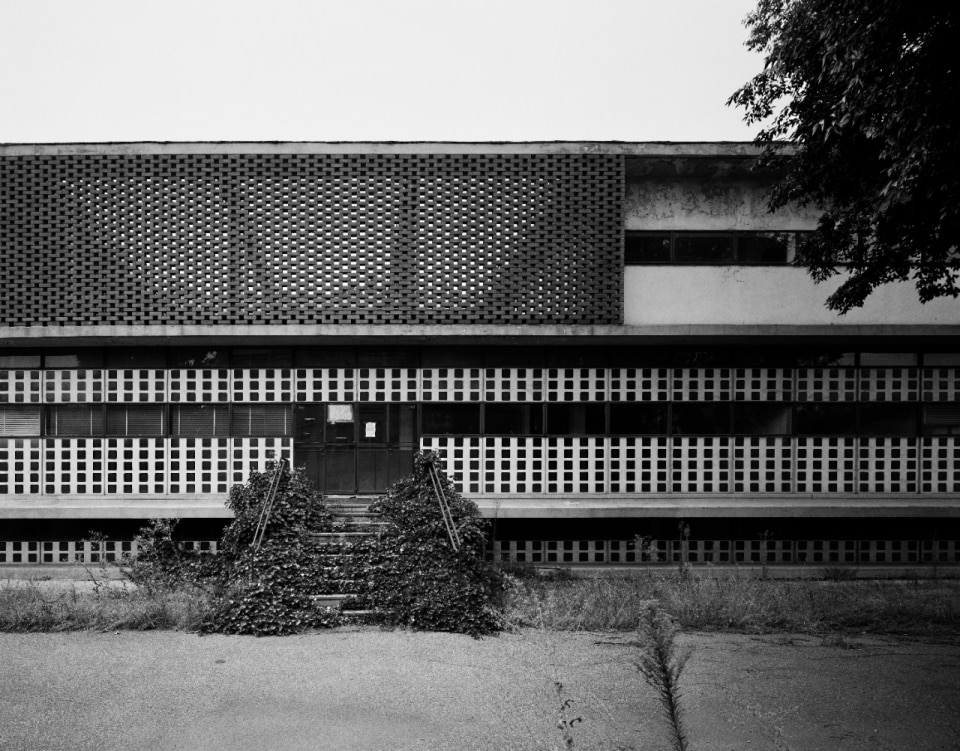
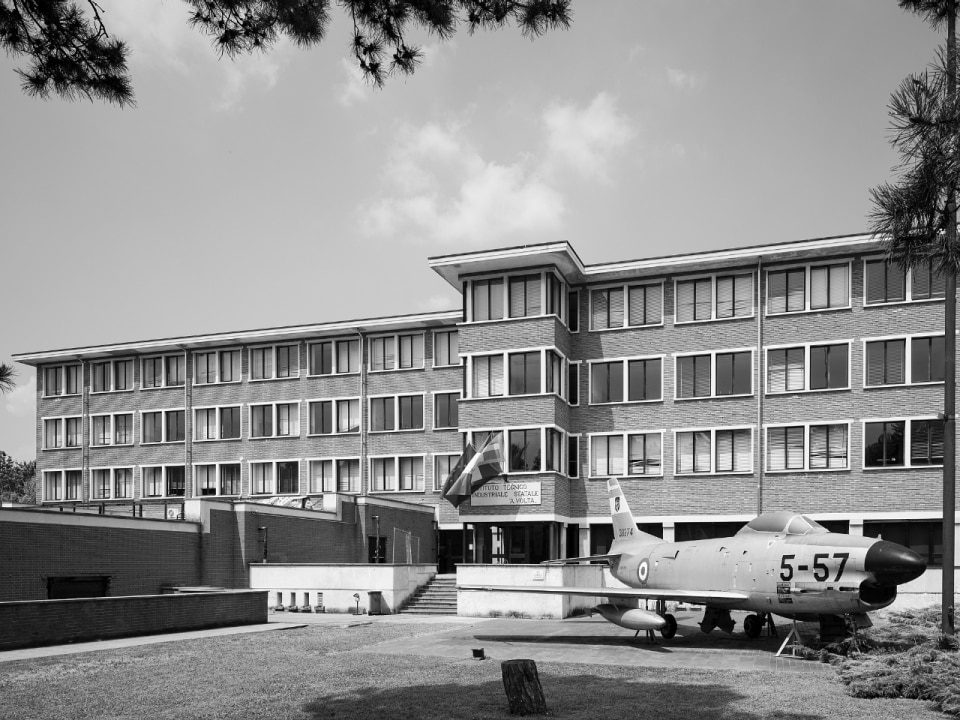
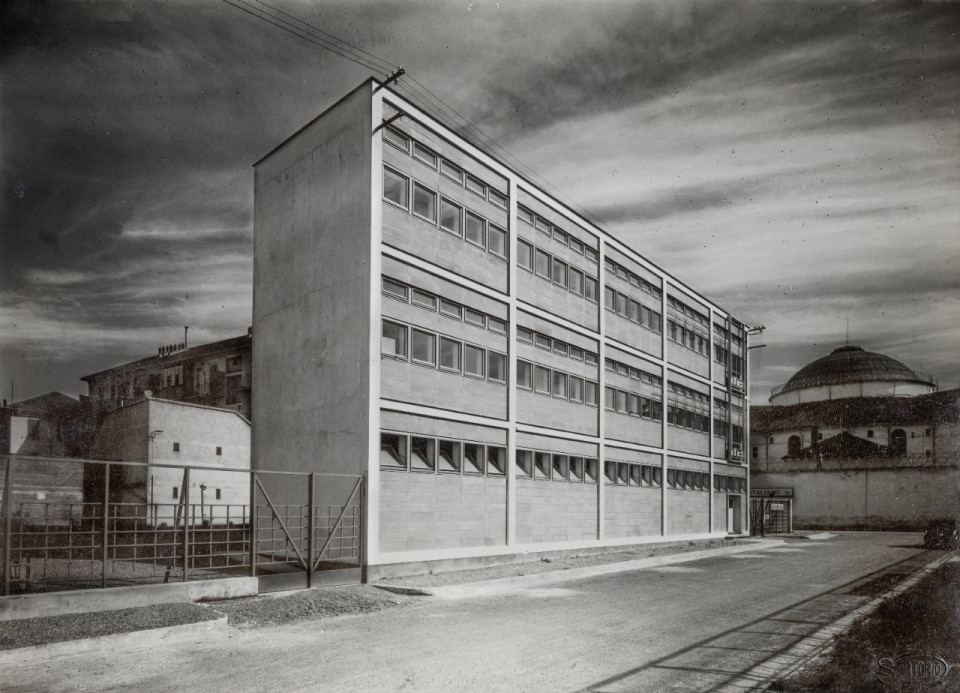
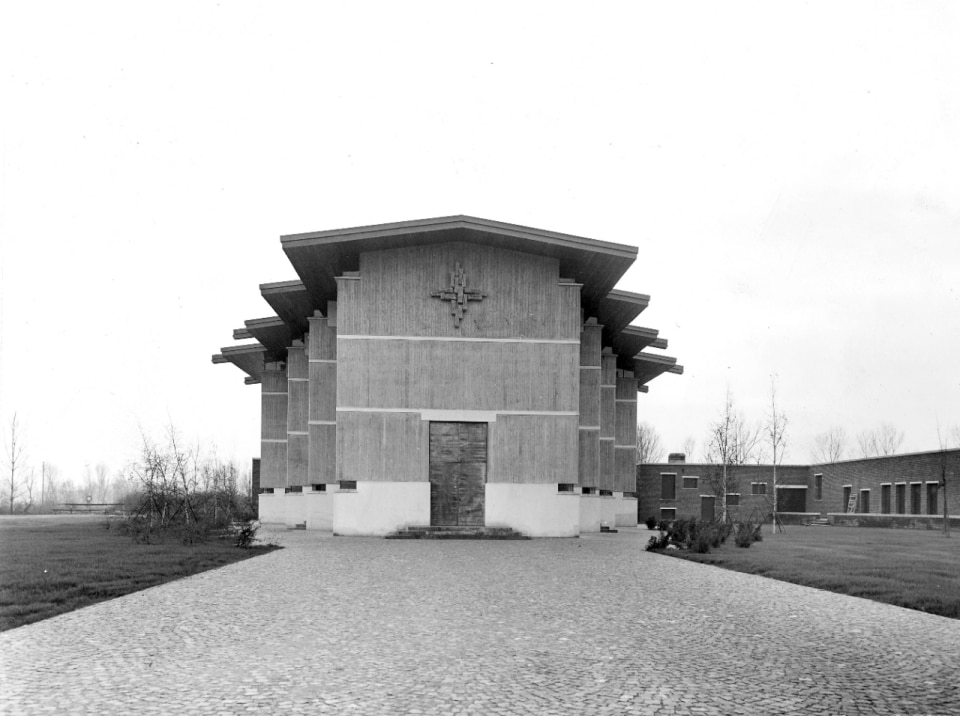
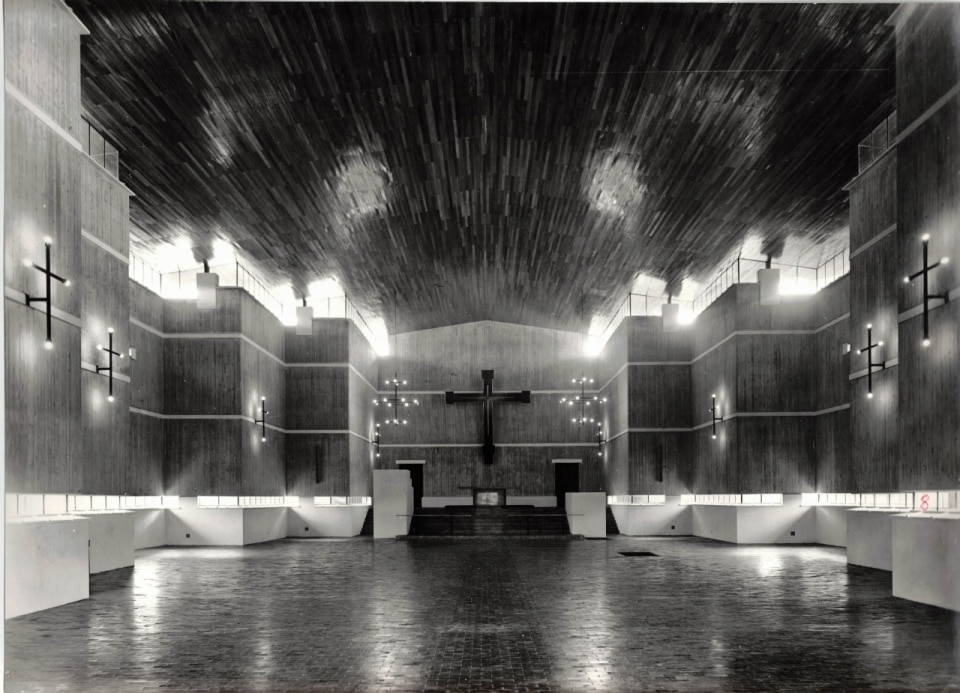
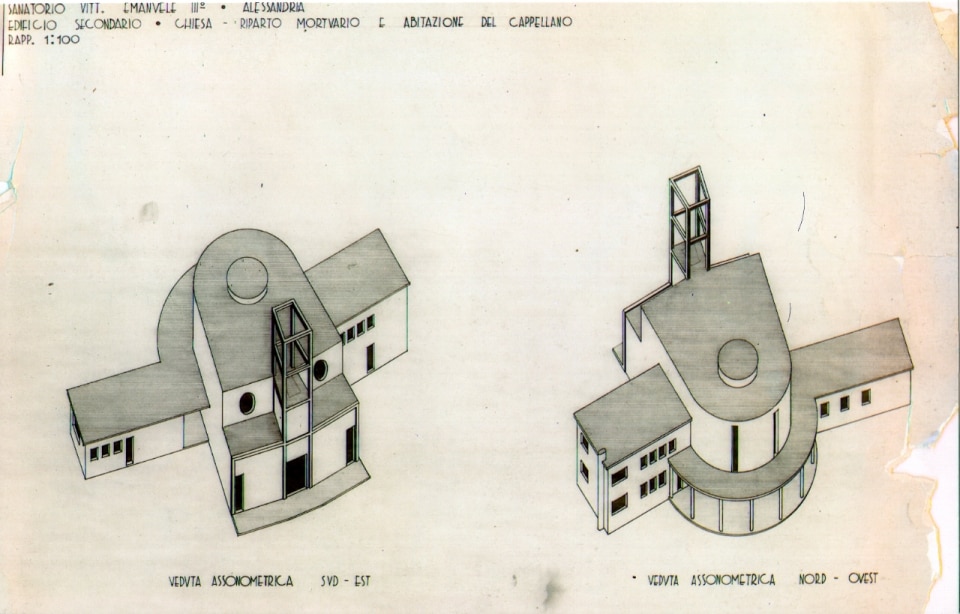
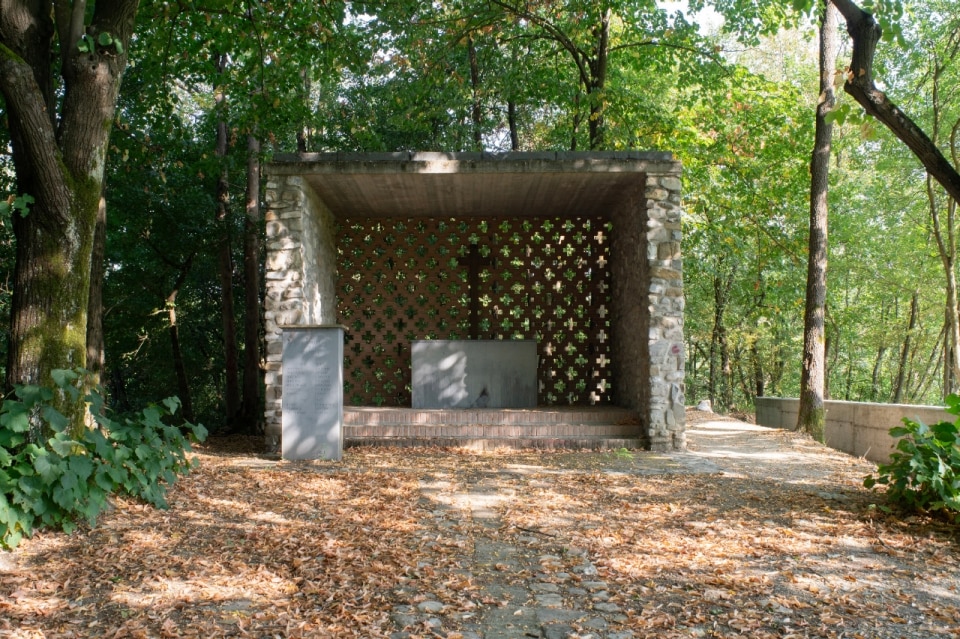
It was in Alessandria that the Milanese architect’s language began to take shape. Here, between the 1930s and 1950s, he created buildings that are considered true manifestos of Italian rationalism. In addition to the aforementioned Antituberculosis Dispensary (1933–1938)—featured in Gabriele Basilico’s 1990 photographs—and the Borsalino Employees’ Housing, the exhibition’s photographic section includes a selection of works that trace the evolution of Gardella’s career: from the Vittorio Emanuele III Sanatorium with its Church (1928–1934), to the Laboratory of Hygiene and Prophylaxis, and finally the Volta Technical Industrial Institute (1959–1967).
In each of these buildings, one finds both the precision of the engineer and the sensitivity of the architect. Alessandria thus becomes a laboratory where Gardella refined his concept of civic architecture—sober and rigorous, yet never lacking the “elegance” that Gio Ponti once again recognized in him in issue no. 263 of Domus.
Milan, Genoa, Venice: Gardella’s “mature” projects
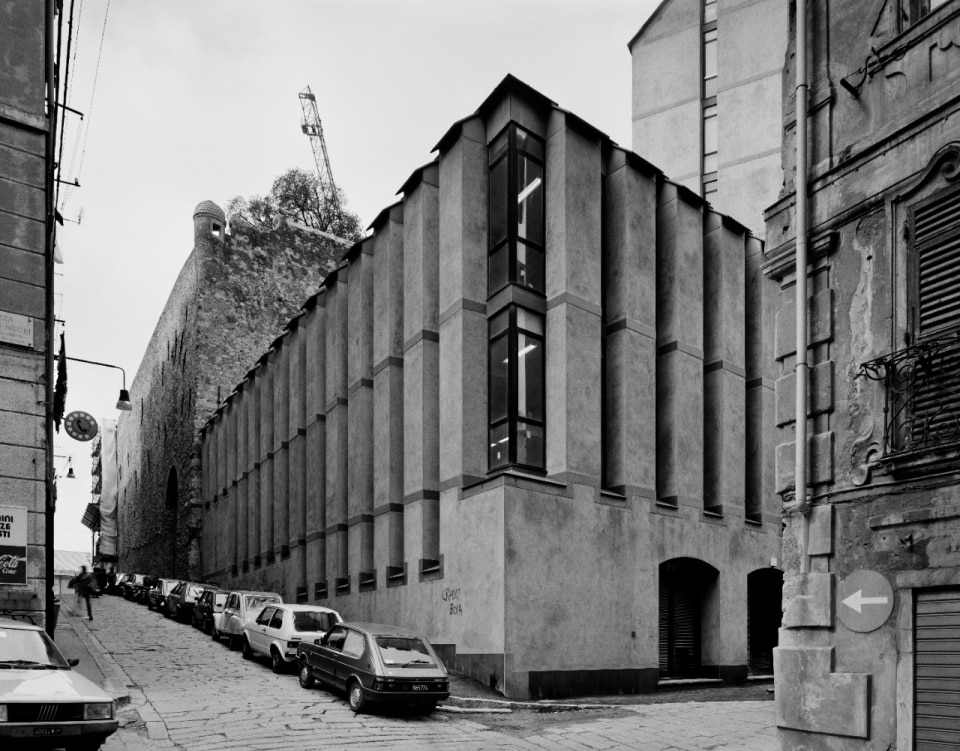
Although Gardella had begun designing much earlier in his native city—indeed, Milan’s Casa al Parco served as inspiration for Alessandria’s Casa Borsalino—the exhibition, by curatorial choice, skips over the first twenty years of his Milanese projects. It focuses instead on works completed from the 1950s onward: the INA-Casa complex (1951–1956) and the Church in Cesate (1954–1963), followed by the Church of Sant’Enrico in San Donato Milanese (1962–1966) and the House at the Gardens of Hercules (1949–1954), celebrated for its avant-garde plan flexibility and absence of a typical floor plan, reflected in the façade composition.
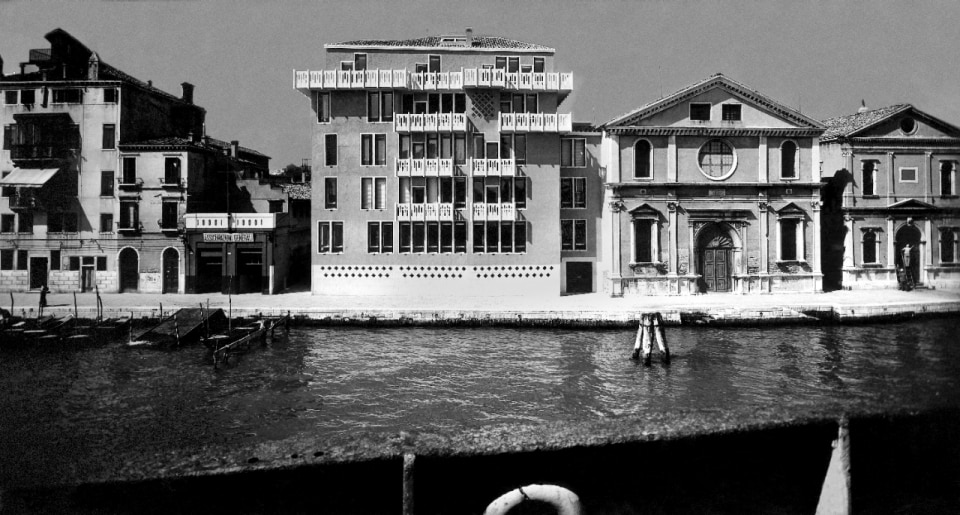
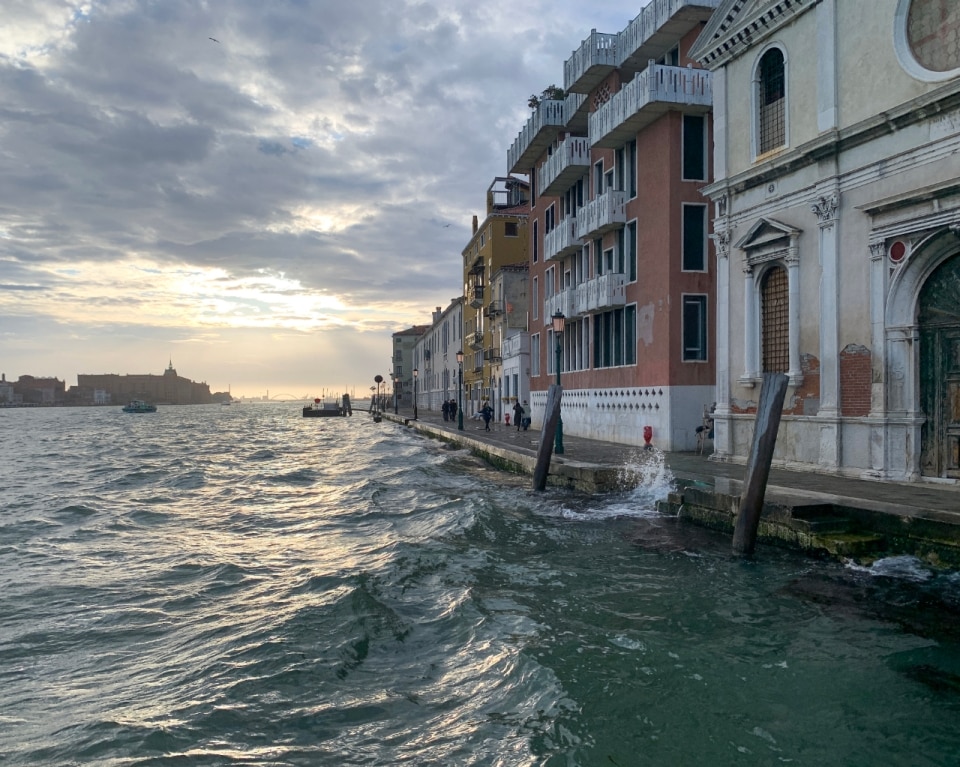
Moving beyond the Lombard capital, the second section of the exhibition concludes with two major works: the Casa alle Zattere in Venice (1953–1958) and the Faculty of Architecture in Genoa (1975–1989)—both manifestos of a design philosophy that continually explores the relationship between architecture and its surrounding landscape.
- Show:
- "Ignazio Gardella. Designing the City."
- Edited by:
- Emanuele Piccardo
- Where:
- Art Rooms Via Machiavelli 13, Alexandria
- Dates:
- December 18, 2025 - March 15, 2026