


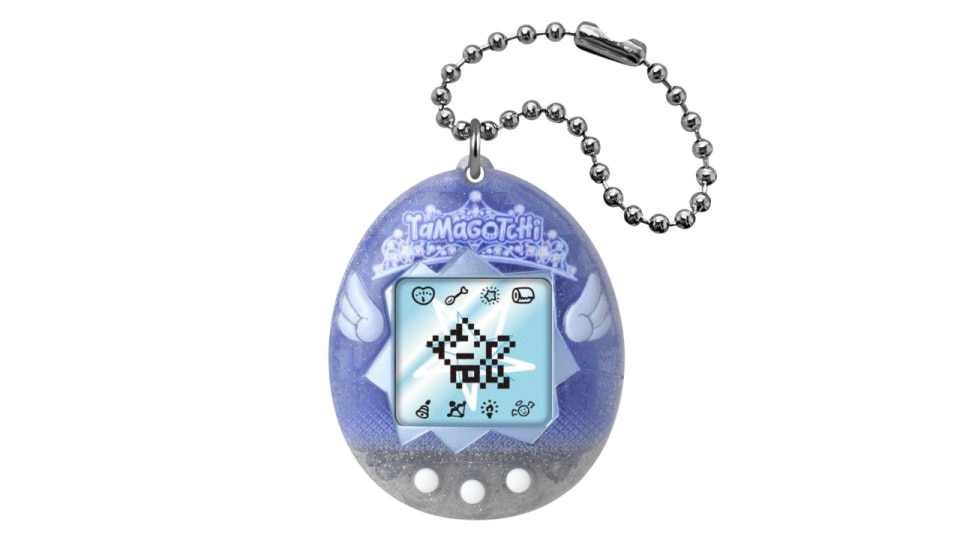
When the Tamagotchi went on sale in Japan on November 23, 1996, Bandai introduced an object that, in its apparent simplicity, intercepted a radical transformation in the relationship between subjects, technology, and affect.
Thirty years later, that small egg-shaped device stands as a privileged case study for a sociology of design capable of anticipating the dynamics we now describe as the attention economy, human–machine affective interaction, and digitally mediated care.
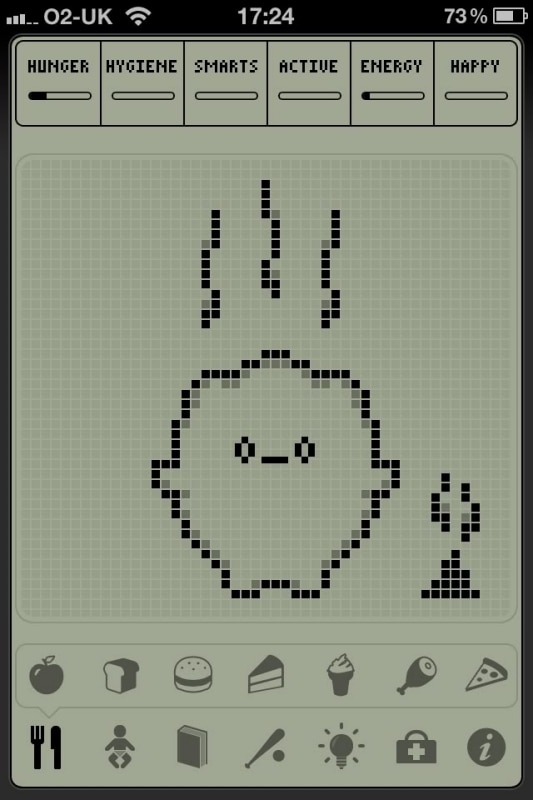
The Tamagotchi was conceived as an object explicitly aimed at a preadolescent female audience. This choice was not marginal: the gameplay revolves around practices of care — feeding, cleaning, comforting, watching over — that refer to an imaginary of care historically and culturally coded.
The Tamagotchi does not live without attention, but more importantly it dies for lack of it.
The device’s global diffusion, launched in the rest of the world on May 1, 1997, quickly challenged this segmentation. Its success cut across age and gender, a sign that the need it addressed was not contingent but structural: exercising a continuous responsibility, minimal yet incessant, toward a dependent entity.
Time, attention, dependence
The very name Tamagotchi condenses this logic. “Tamago” — egg in Japanese — and “watch” — wristwatch — form an object that is at once birth and time, vital potential and deadline. The Tamagotchi does not live without attention; above all, it dies from the lack of it. It is here that design performs its most radical gesture: turning care into a temporal function, marked by primitive notifications, sounds, and visual cues. A logic that, stripped of its playful form, would later become central to the ecosystem of smartphones, apps, and digital systems based on continuous interaction.
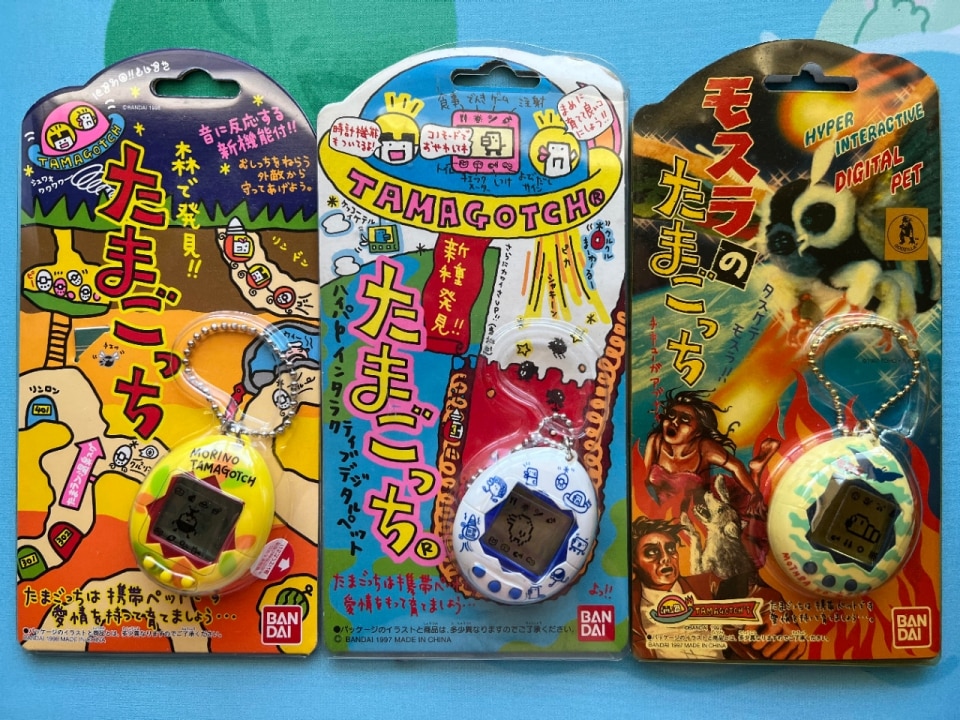
In its first two years, Bandai sold over 40 million units. From 2004 onward, with the second generation, the device incorporated infrared connectivity. Tamagotchis could meet, mate, and generate offspring. Between 2004 and 2007, 37 different editions were released. The object ceased to be monadic and became relational: a portable micro-society. This was a crucial shift, as it anticipated the transition from the virtual pet to the social platform.
From individual care to the platform
The emotional involvement produced by this interaction was far from negligible. During the peak of its popularity, between the late 1990s and the early 2000s, virtual cemeteries for Tamagotchis proliferated and, in some cases, real spaces were dedicated to their “burial.” Popular literature spoke of the “Tamagotchi effect” to describe the affective bond established between user and digital creature — a bond that, for many children, made the death of the avatar an experience of genuine mourning.
Unsurprisingly, the Tamagotchi was embroiled in controversy from the very beginning. The representation of death — a small ghost rising from the body and a gravestone on the screen — was deemed excessive for a child audience. The possibility of making the creature be reborn infinitely was also accused of trivialising loss.
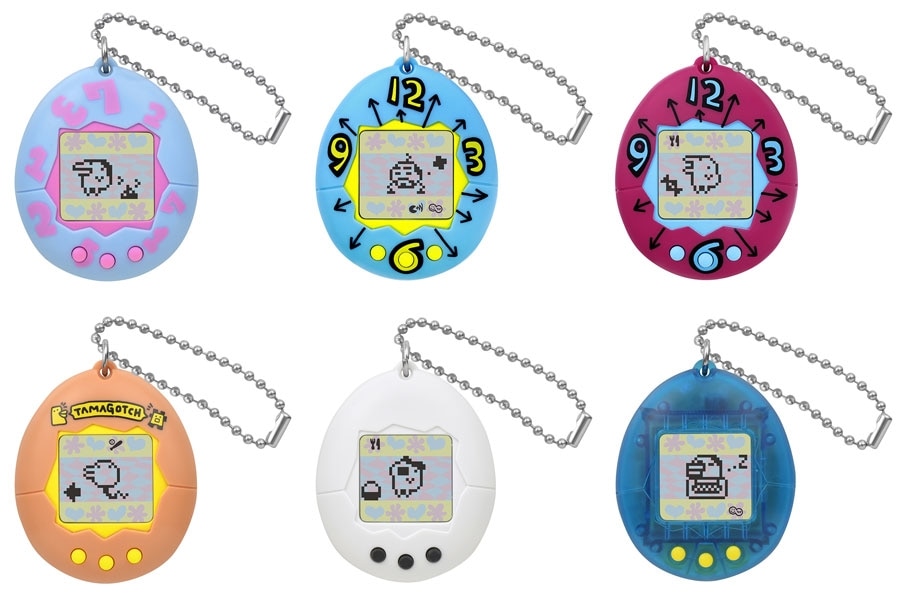
From 2008 onward, with the introduction of colour models and later smartphone apps (2013), the experience expanded but progressively lost its original roughness. The final phase, between 2018 and 2019, introduced complex ecosystems, more characters, and global connections. In parallel, the brand fragmented into collaborations and themed versions — from Star Wars to Evangelion, from Jurassic Park to other narrative universes — transforming a device founded on the urgency of care into a replicable narrative surface, where affection becomes style and responsibility an option.
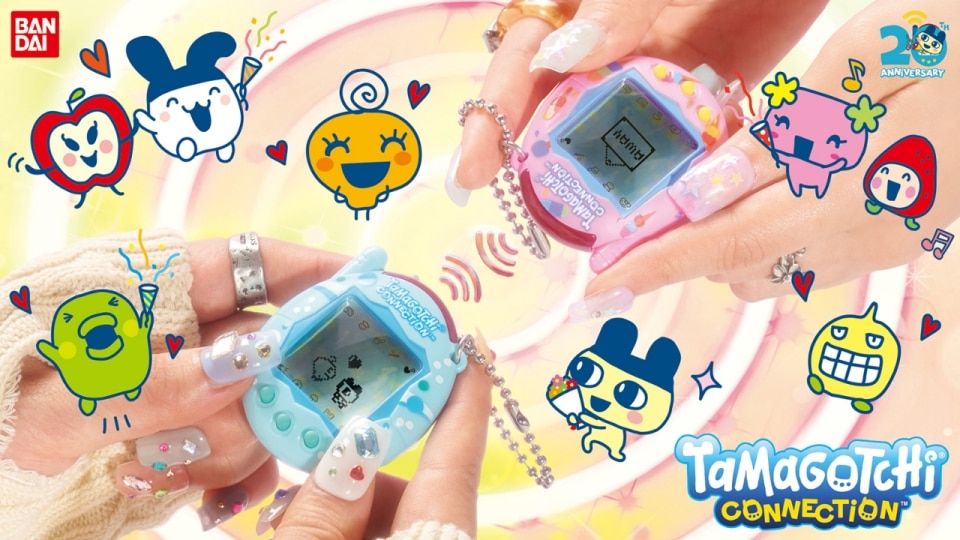
Today, the Tamagotchi is everywhere and, precisely for this reason, loses its character as an absolute object. Yet it is precisely this dispersion that makes it a decisive antecedent: no longer an artefact to be cared for, but a relational model that survives in contemporary digital systems, where care is not consumed in a single gesture but dissolves into a continuous, intermittent presence, never fully resolved.
All images: Courtesy Bandai