


Long before design spoke of emotional well-being or user experience, Kho Liang Ie designed furniture, kitchens, and airports with a focus on how they made people feel. A designer, architect, and for a period also the Dutch correspondent for Domus, Kho Ie received an affectionate telegram in the early 1960s from Lisa Ponti—daughter of Gio Ponti and historic editor of the magazine—who wrote to him: “Dear Ie, your work is beautiful / as always / we shall come and play cards with you / Love / Love / Love / Love your Domus Family”.
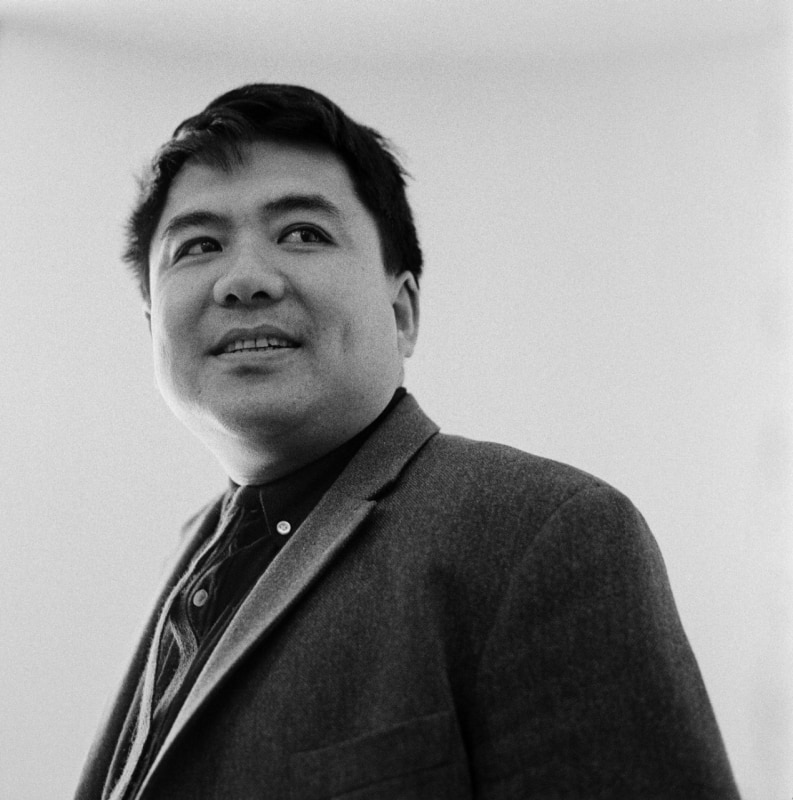
Yet, the recipient’s personality is difficult to confine within the signature at the bottom of his reviews published from the Netherlands in the early 1960s. Kho’s was, to borrow an English expression, a “larger than life” personality: industrial, graphic, and exhibition designer, illustrator, architect, and yes, also editor and author. He was a talent of the applied arts steeped in humanism, the bearer of a confluence of interests that, without dispersing, nourished one another in a vast design conversation spanning continents and protagonists of international art and design.
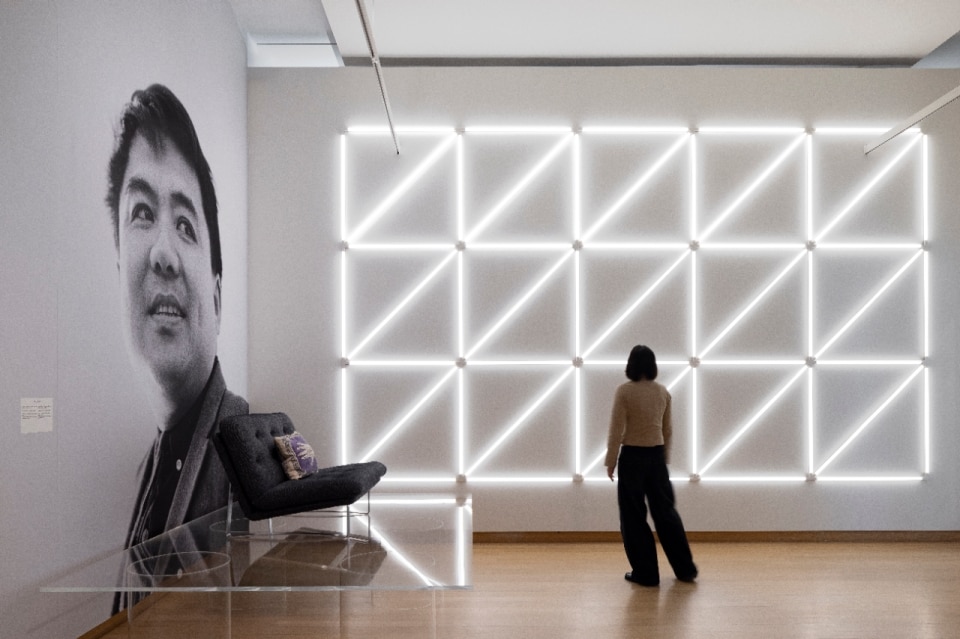
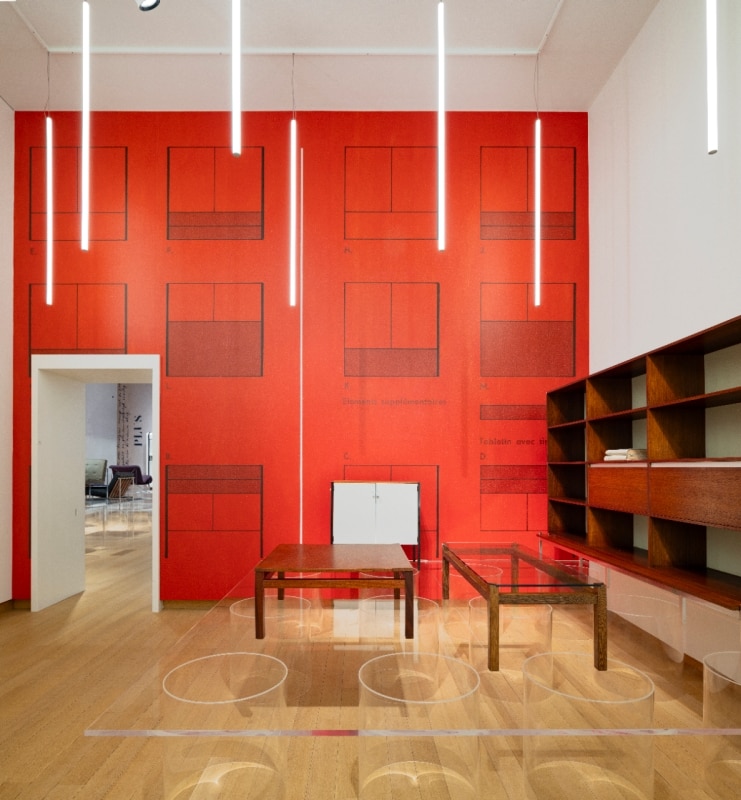
The untimely passing of Kho, who died in 1975 at the age of only forty-seven, partly obscured the awareness of his work. Yet, the designer remains familiar to the Dutch public to this day: many live surrounded by his furniture without focusing on its author. The Stedelijk Museum Amsterdam remedies this with the monographic exhibition “Kho Liang Ie. Mid-Century Modernist”, curated by Ingeborg de Roode and Eng Bo Kho, Kho Ie’s son and custodian of his archive.
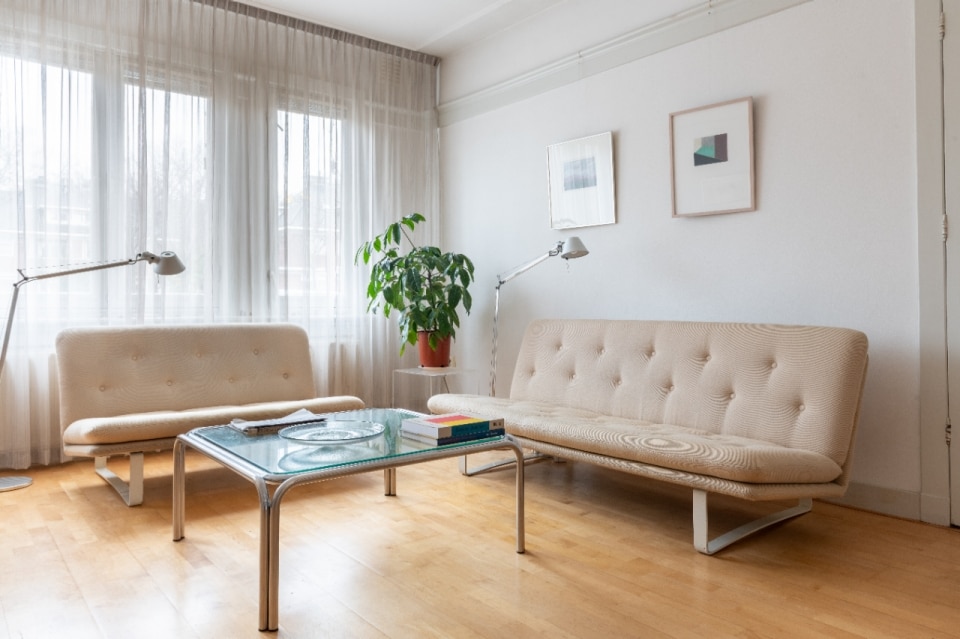
Kho Ie was born in Indonesia, then the Dutch East Indies, to a family of Chinese origins. Arriving in the Netherlands to study, he embraced that good design, the Goed Wonen, which distinguishes the country’s design culture. The Netherlands would remain his epicenter, and from there he would weave wide-ranging international connections, first and foremost with Italy, which soon recognized his talent, involving him in a lively relationship with industry.
You should not choose furniture that does not suit you.
Kho Liang Ie
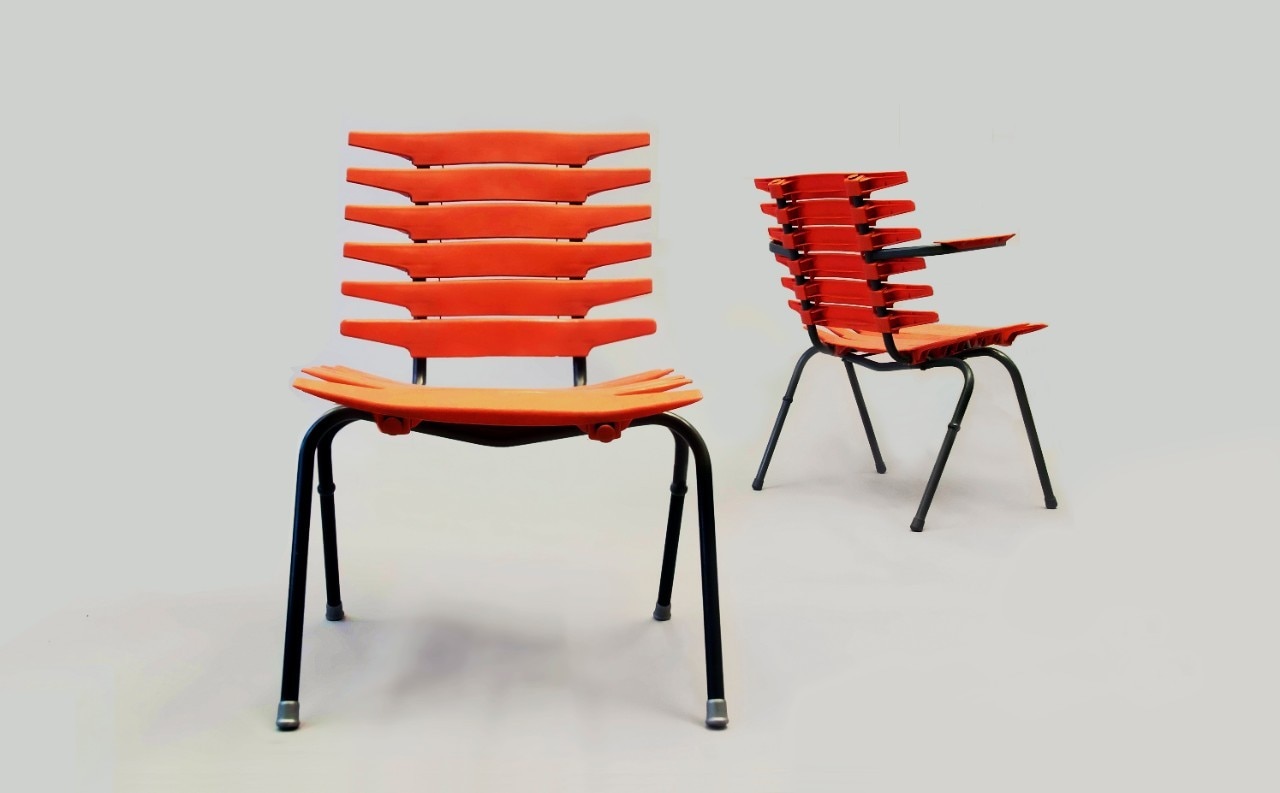
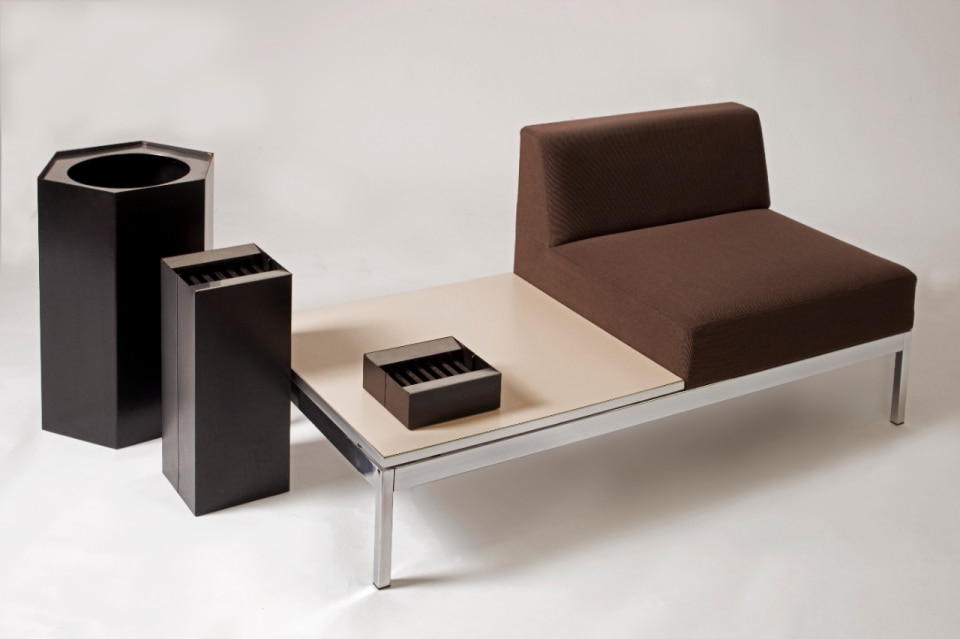
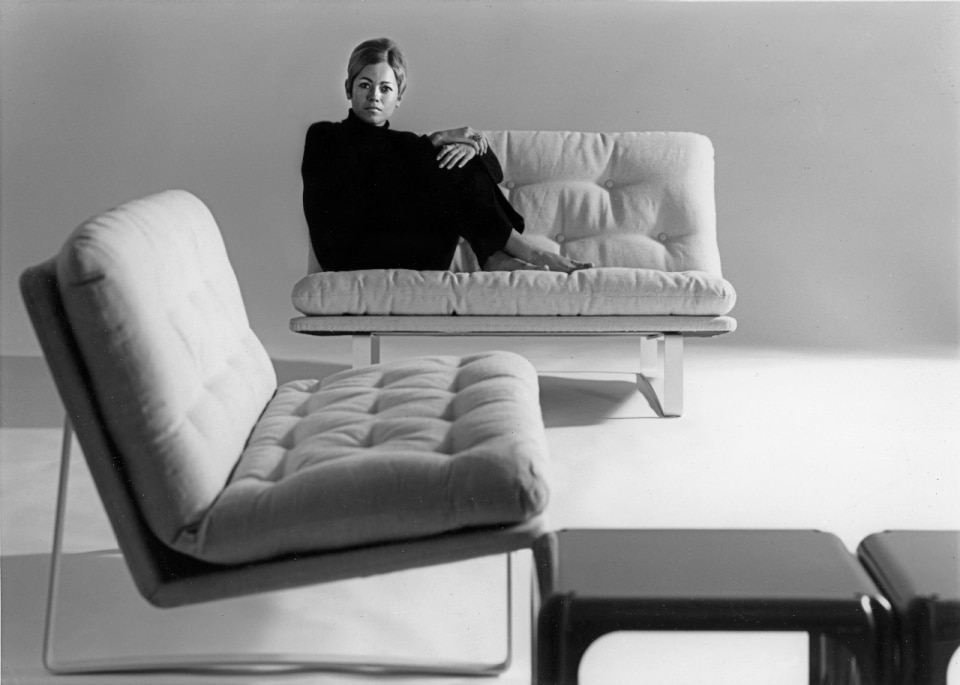
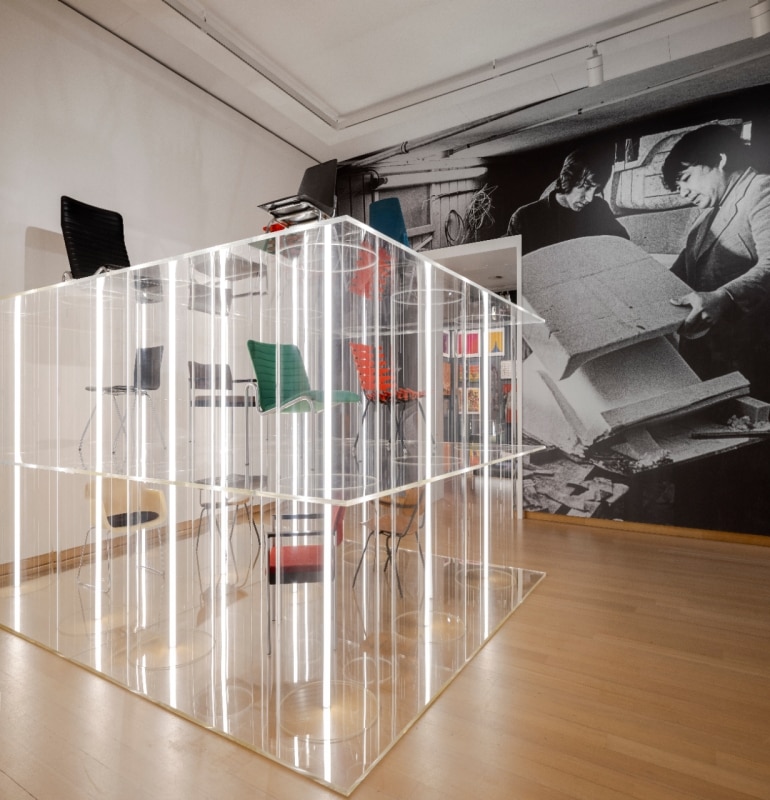
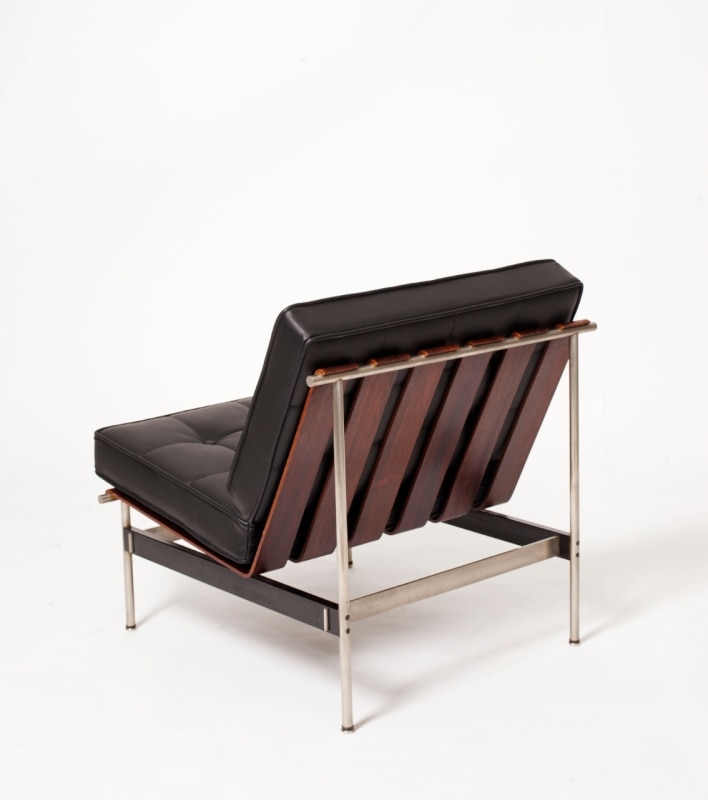
In 1957 Kho won first prize in the Cantù furniture competition. His line of seating in metal and leather, co-signed with Wim Crouwel and immediately noticed by Gio Ponti, was still a youthful project, but already capable of expressing a clear language: imbued with a linear mid-century style, intelligible in its structure, modular, ergonomic, and easily replicable at a production level. Yet, where an echo of Neoplasticism can be glimpsed, Kho’s structure and grid were not—and would not be in the future—a rigorist trap, but a mesh full of possibilities, capable of adapting to the needs of each individual.
“You should not choose furniture that does not suit you”, that “don’t suit you”, Kho says in a video in the exhibition. And again: “A building is made for people who, with their moods and feelings, should be able to feel comfortable within it”. Inside the grid, there is the possibility of accommodating individual desires, habits, and expectations.
People inside the grid
This was a vision that the aura and influence of pop art would help soften and make sleeker. In the 1960s, vivid color flooded surfaces and environments: from the furniture in the Artifort catalog—the historic Dutch brand for which he became art director, involving figures like Pierre Paulin and Geoffrey Harcourt—to interiors, graphics, and the collections of paintings and objects by many artist friends, from Ettore Sottsass to Sheila Hicks and Niki de Saint Phalle, which dotted his home and his exhibitions.
However, it is the specific solutions, the precise projects, that offer us the opportunity to grasp his most original reflections. Take the Aquila kitchen: suspended from the ground, it allows the height of the worktop to be adapted to that of the owner, as well as ensuring impeccable hygiene where traditional modular kitchens fail by imposing a plinth.
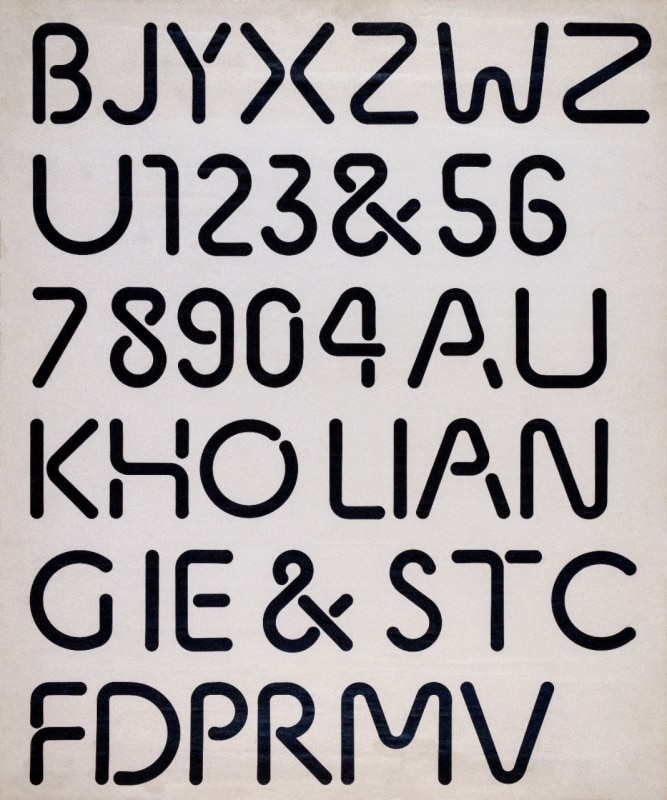
His interest in compact spaces, often presented through fluid open-space floor plans, already emerged early in his career with the design of small apartments intended for single women—presented in the developer’s promotional video as every secretary’s dream—or in the 1972 prototype for a storage solution equipped with sliding Venetian blinds and integrated modules, created for the plastics manufacturer KTS. Designed to be mounted on wheels, the container recalls the strokes of genius of Joe Colombo or of Ettore Sottsass himself, a great friend of Kho, who would dedicate a tribute room to him on the occasion of his first exhibition at the Stedelijk.
Schiphol and design against anxiety
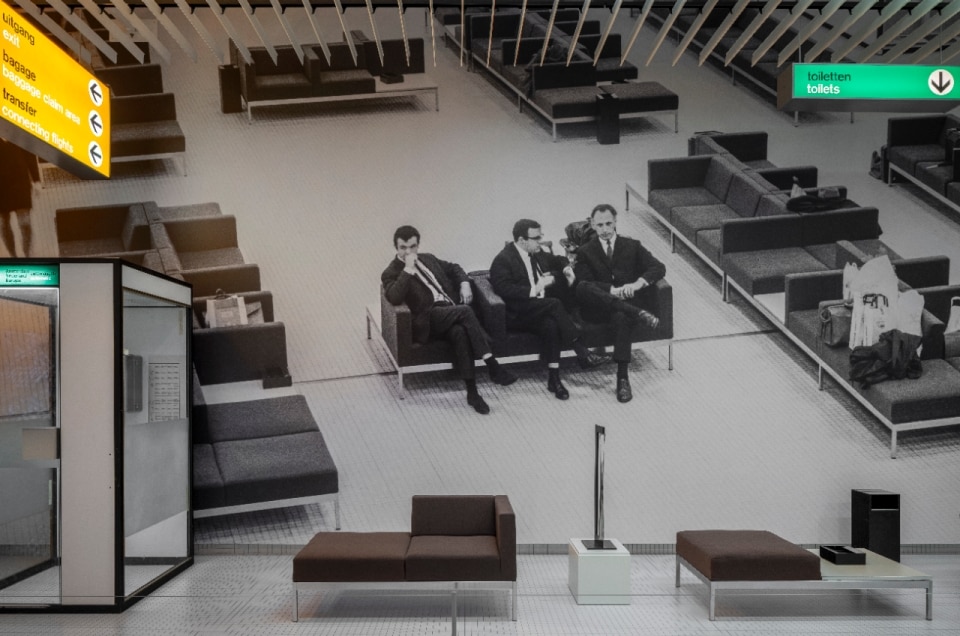
Kho’s systemic approach would face an even larger scale through the project that, more than the ceramics for Royal Mosa or the furniture for CAR, would contribute to establishing his fame: the interiors of Amsterdam Airport Schiphol.
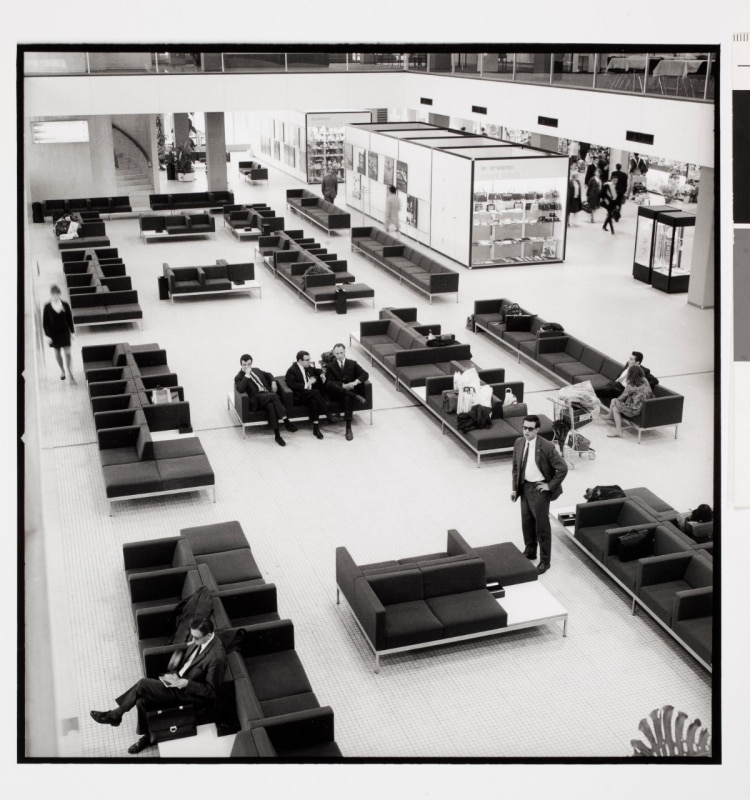
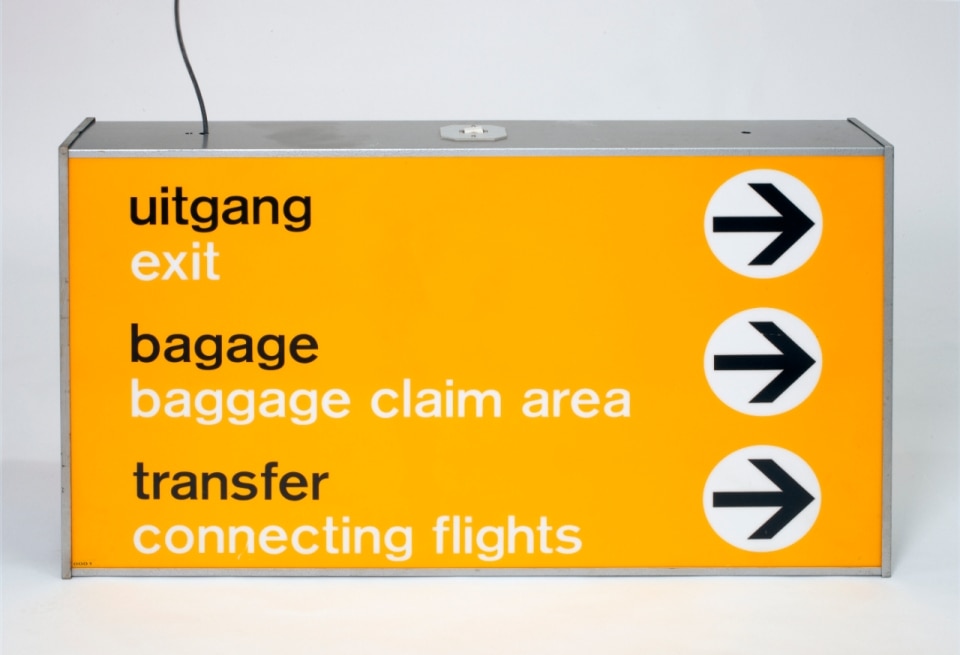
In the 300,000 cubic meters of the new terminal, Kho Ie imagined a neutral yet elegant architecture, where the absence of visual distractions—or even the positioning of steps—was designed to facilitate movement and soothe travelers’ anxiety. The design was truly integrated: from the layout to the furniture, from the accessories to the signage, such as the iconic arrow that guides the way and would later be adopted in other airports around the world.
This is a project that will be revived in the coming years by the Dutch airport itself: a way to return to the visual and sensory cleanliness of design as a premise for well-being and tangible comfort. And, without a doubt, a new tribute to the visionary quality that Kho Liang Ie was able to express.