


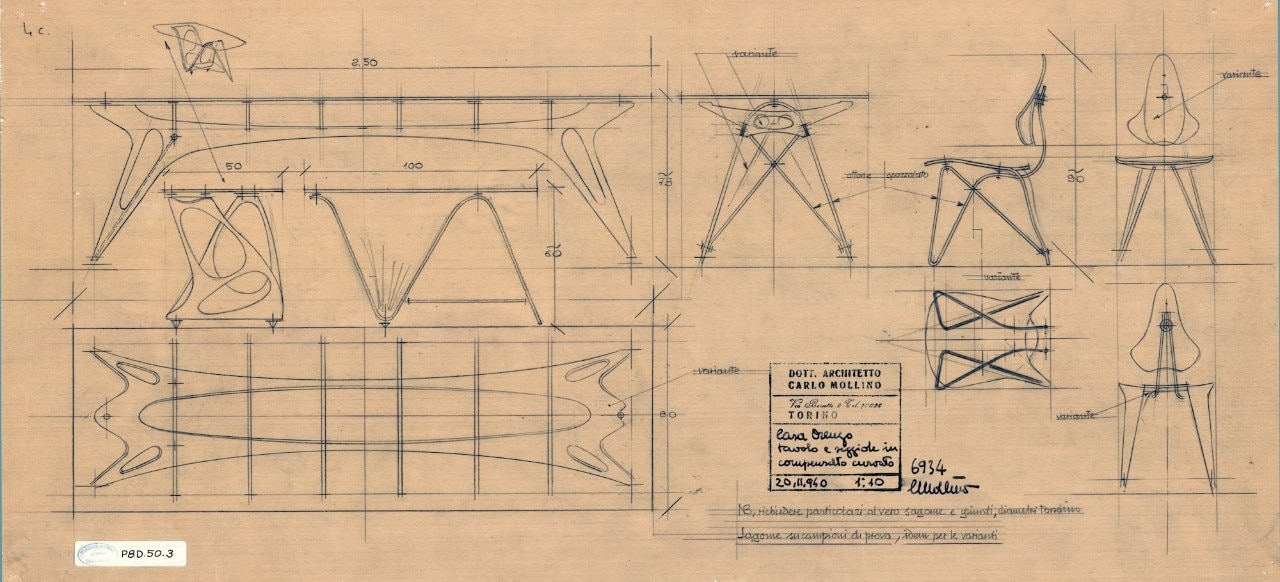

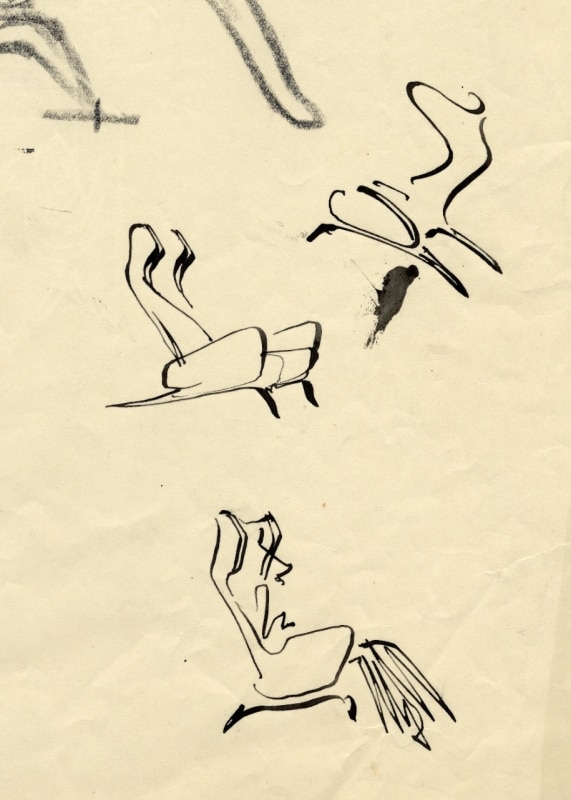
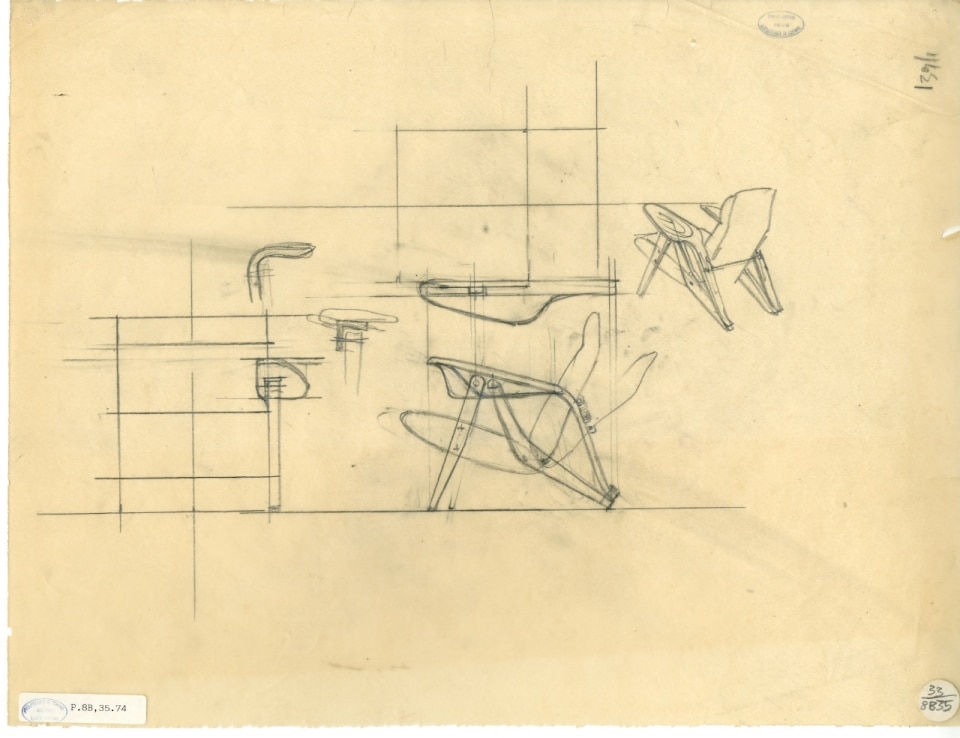
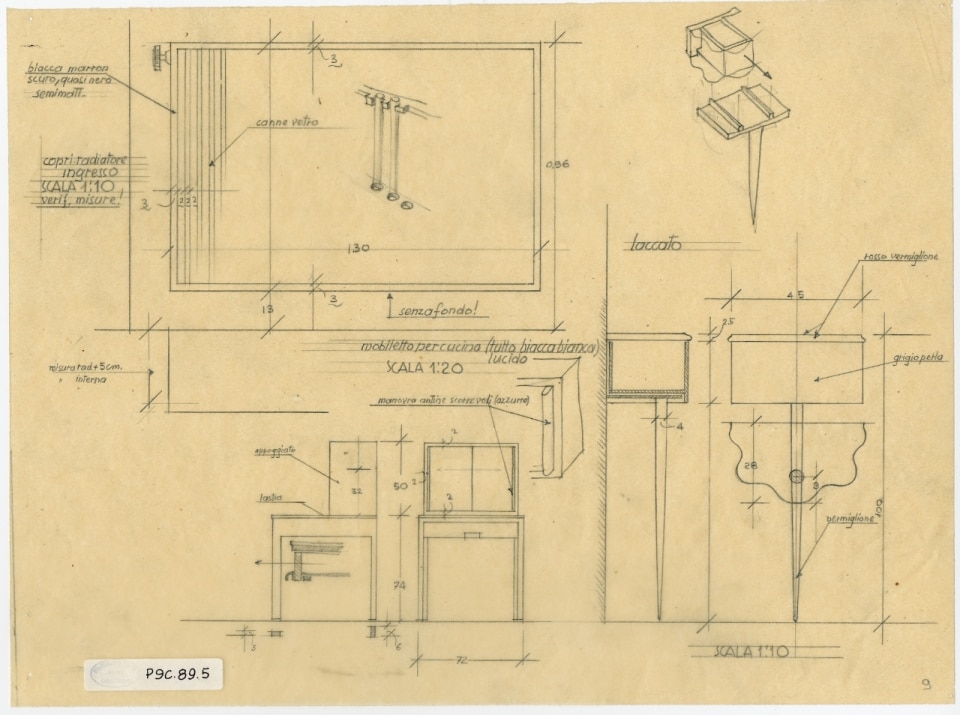
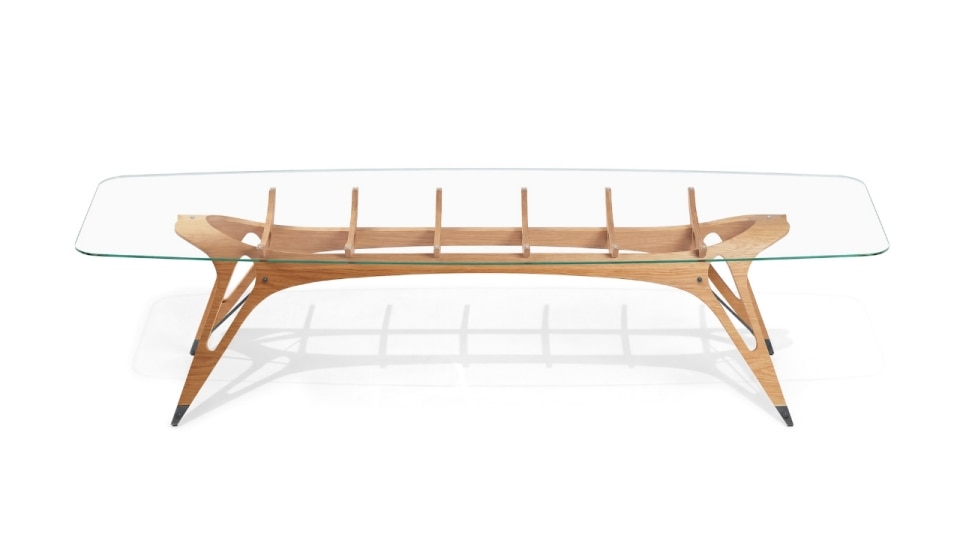
In the design world, the legacy of great names – especially those wrapped in singularity and the extraordinary, like Carlo Mollino, Turin’ s master behind the Teatro Regio – now carries as much weight as any new proposal. Zanotta has just added a new chapter to this conversation, acquiring an unprecedented body of Mollino’s work. The company has obtained from the Italian State, through a public tender, an exclusive licence to produce thirty of his projects, enriching its historical archive with original drawings and sketches: 7 pieces are already present in Zanotta's catalogue, produced over time as a "tribute to Carlo Mollino", while another 23 have been selected for future production, all of them unreissued since their original versions.
The collaboration with the Agenzia del Demanio opens an intriguing window onto the dialogue between public and private within the field of cultural heritage and design, grafting onto a path Zanotta has been tracing for decades. More recently, this has meant championing the work of twentieth-century pillars such as Giuseppe Terragni and Gabriele Mucchi, but as far back as the 1960s, the brand's attention was already fixed on those singular figures whose projects rewrote the rules and set new ones. Think of the inflatable Blow armchair by De Pas, D'Urbino and Lomazzi, Superstudio's Quaderna series, or the Sacco by Gatti, Paolini and Teodoro.
“The decision to focus on Mollino is tied to his extraordinary uniqueness”, Luca Fuso, Zanotta's CEO, told Domus. A relationship that spans forty years of history: "From the very beginning, Zanotta chose to produce some of Mollino's works as a tribute to a figure considered truly outside the mould."
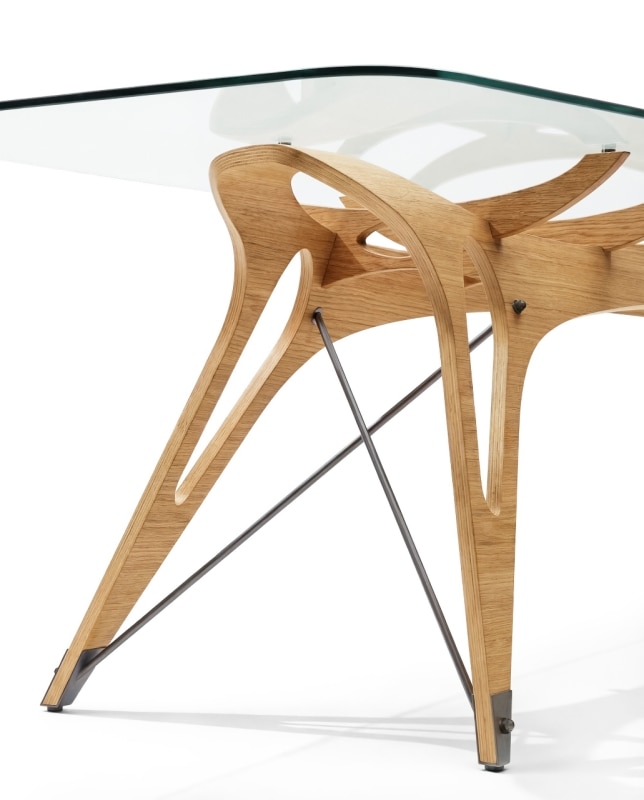
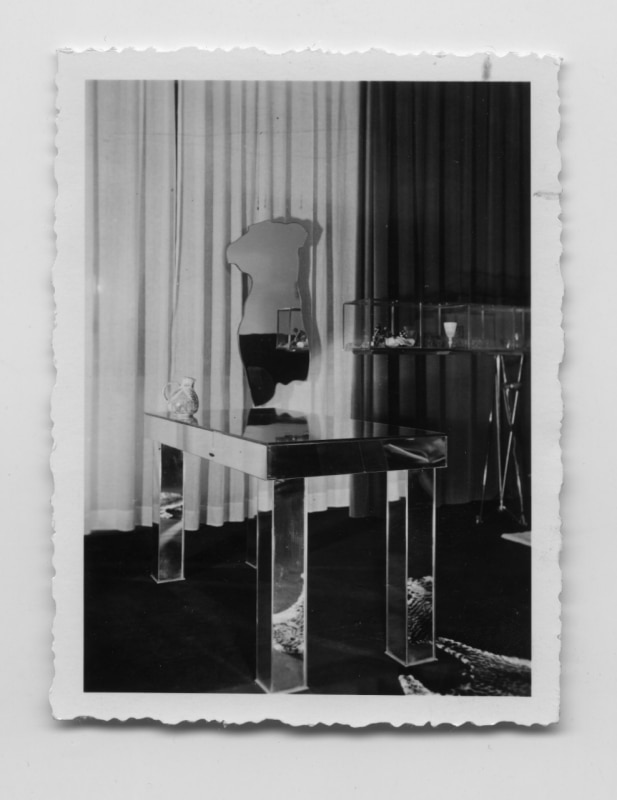
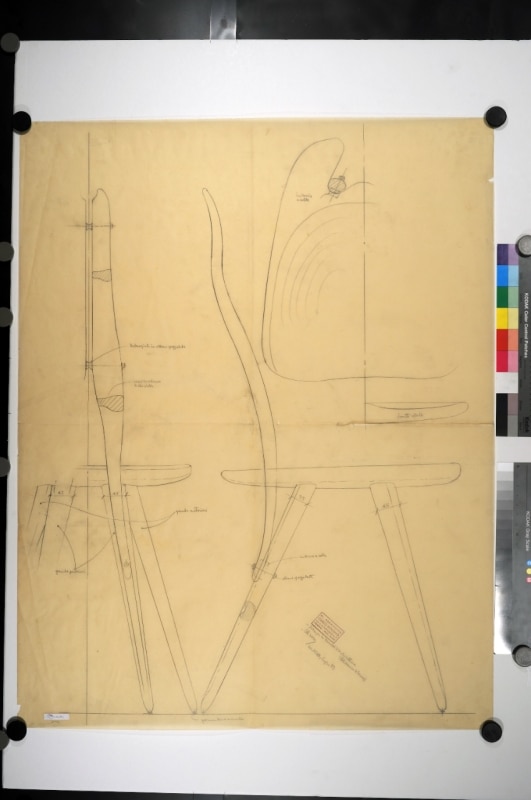
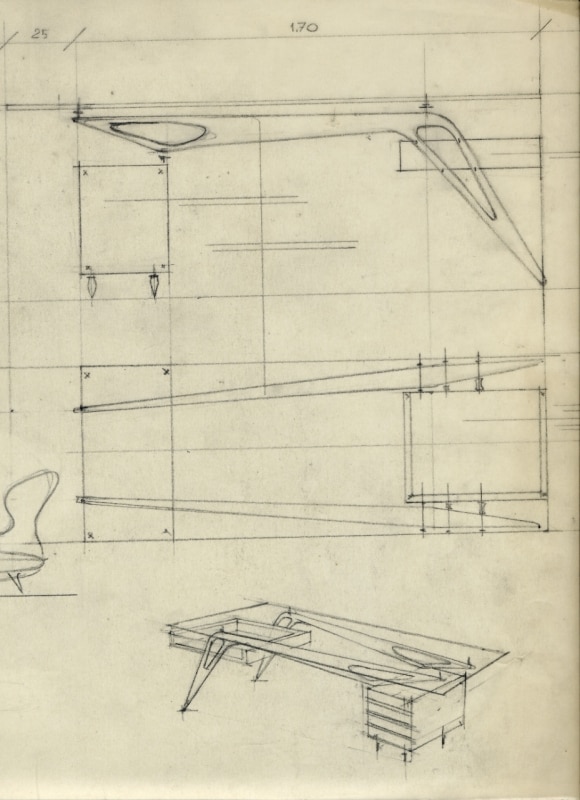
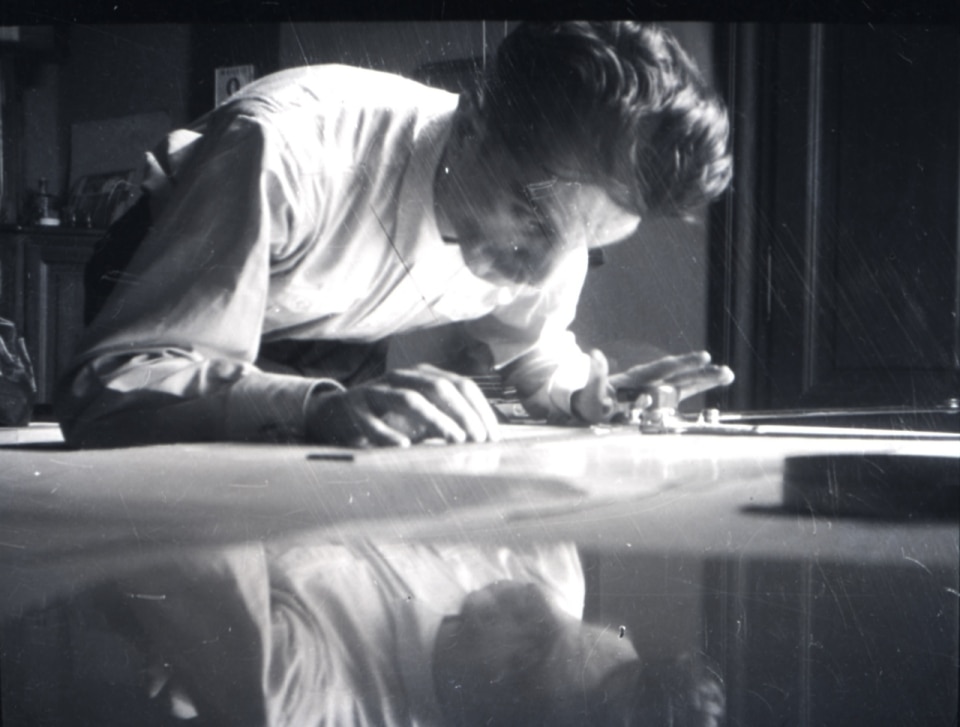
The full scope of that figure is told by the professional archive of the Fondo Carlo Mollino – held at the Politecnico di Torino, where the architect also taught – including nearly 17,000 graphic tables, working drawings and sketches, 15,000 photographs, and more than 70 folders of writings and correspondence: an eclectic author capable of moving across architecture, photography and design, building an entire language on experimentation and cross-pollination. “His furnishings”, said Fuso, “are not simply functional objects, but genuine narrative devices, and the Reale table is a prime example: an object made for Reale Mutua Assicurazioni, extremely versatile in use, conceived to adapt to different contexts, from a desk to a boardroom table”. This is why the Reale is already among the key “tributes” in production at Zanotta. And now, with the new licence, that conversation takes on an entirely new meaning.
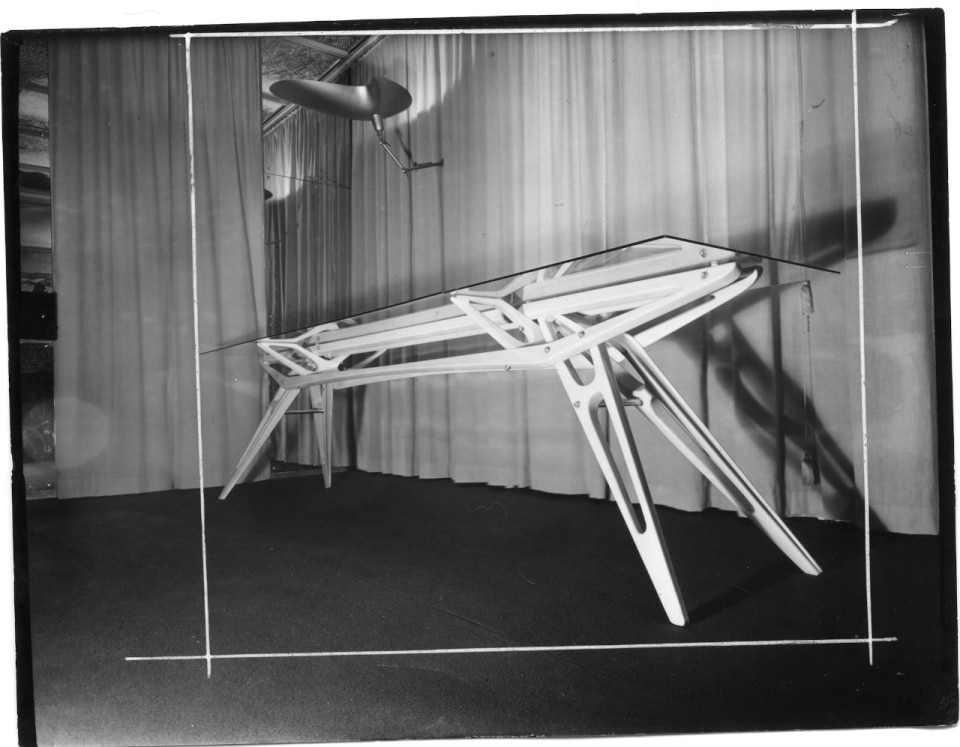
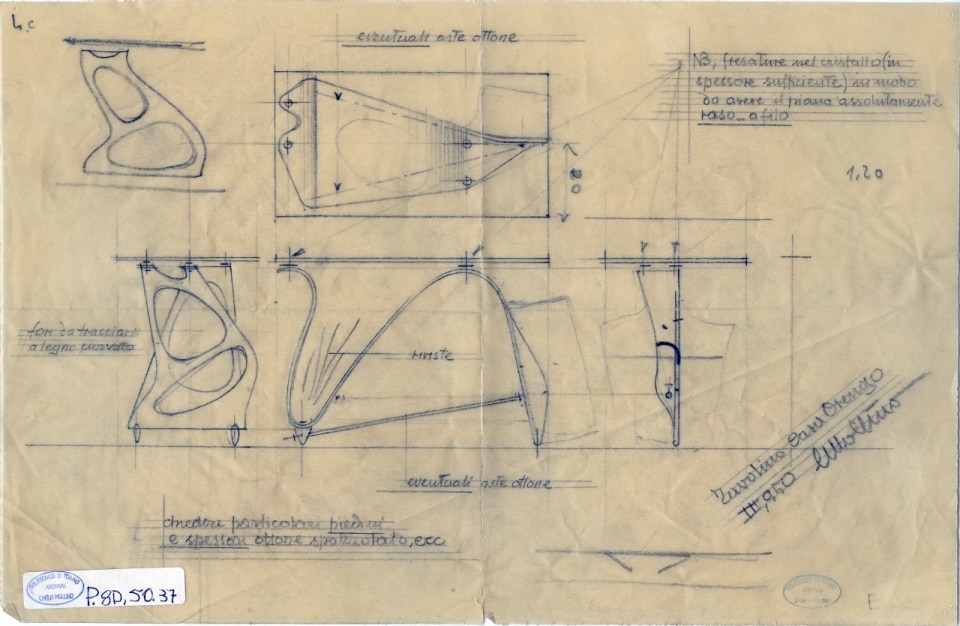
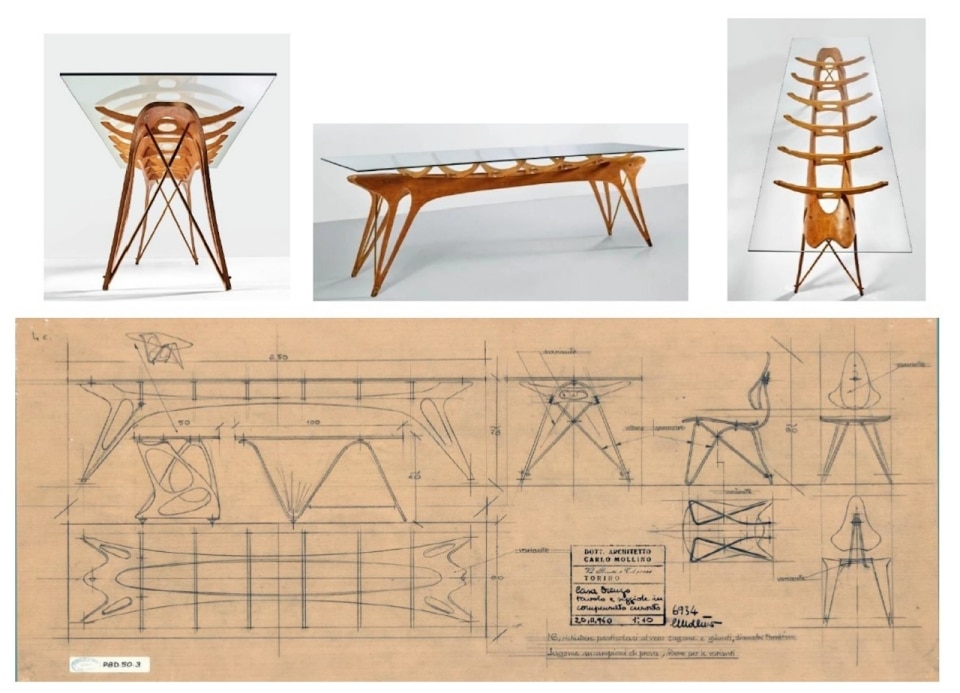
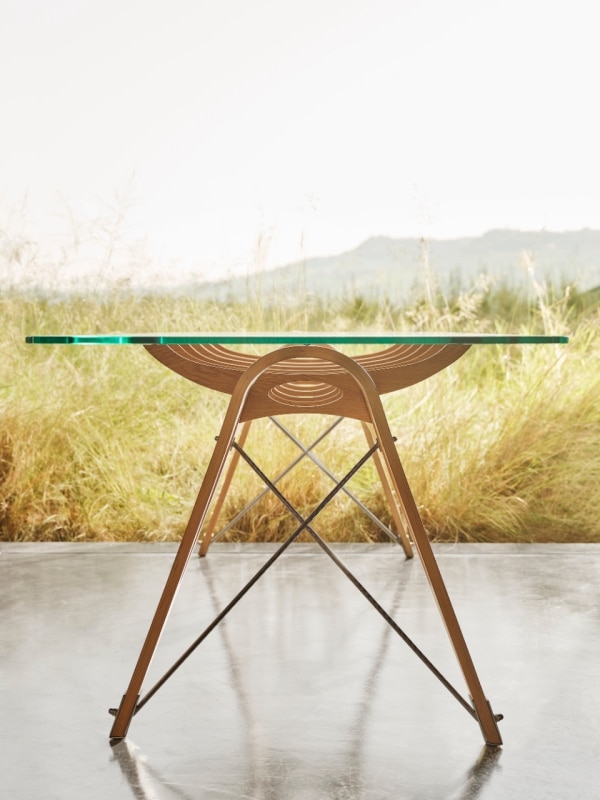
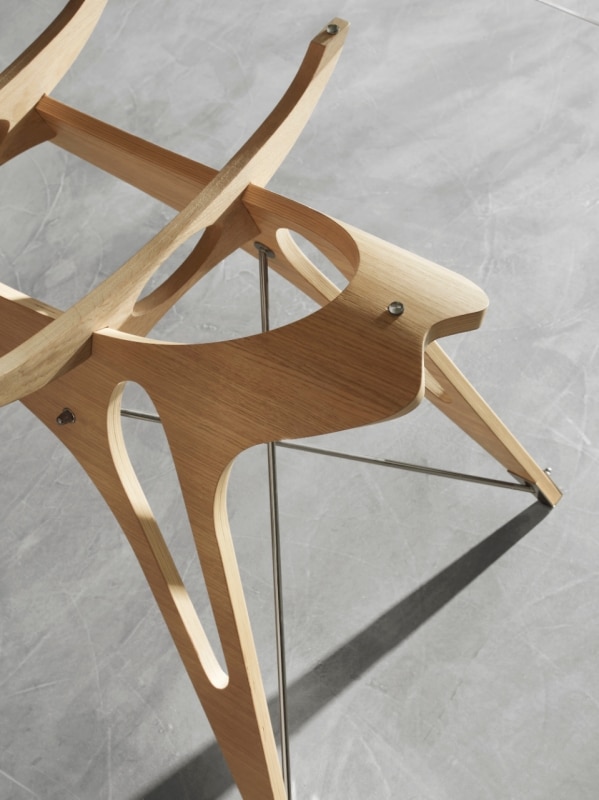
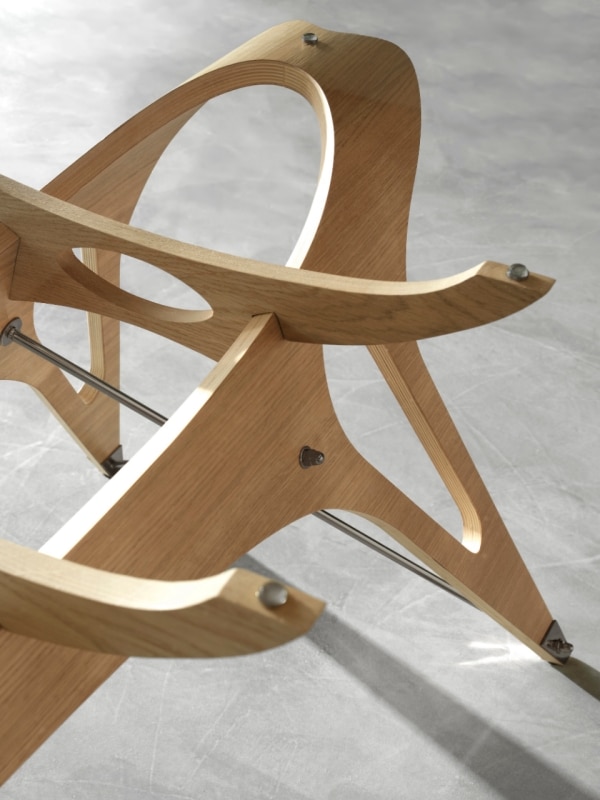
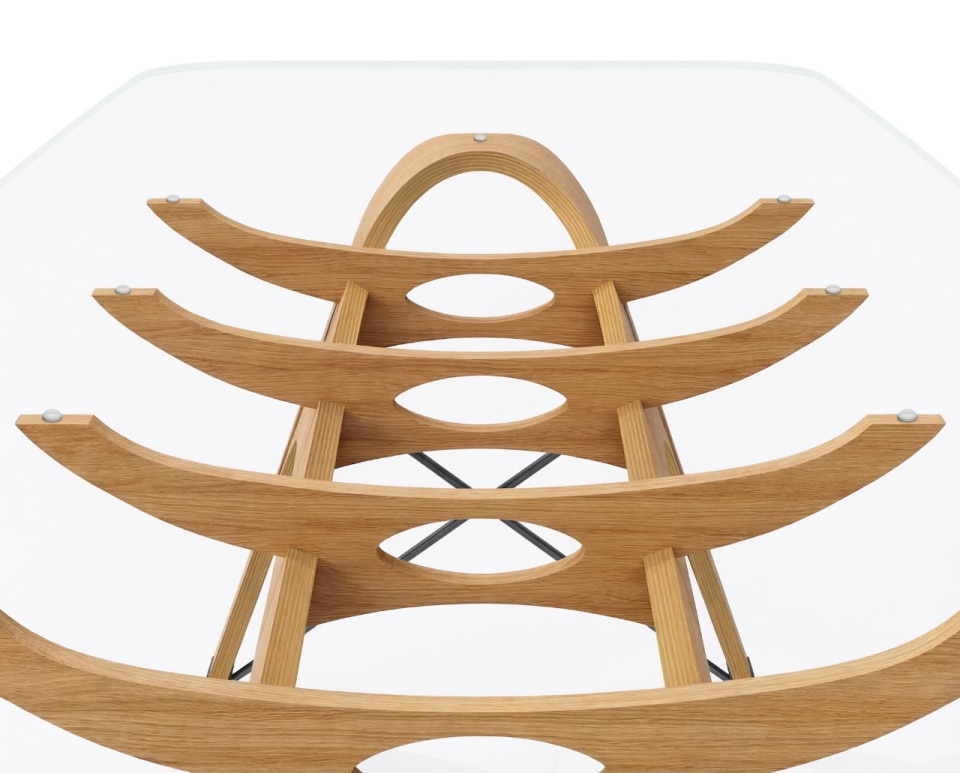
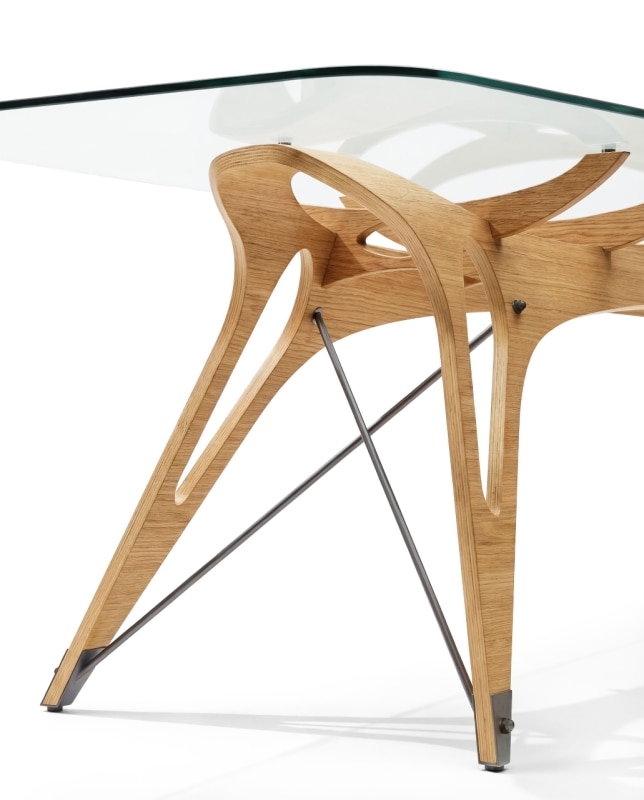
The first outcome was presented during Milan Design Week 2026, with the Vertebra table – never previously produced at industrial scale – giving form to an idea of furniture as anatomical extension, generated by organic and dynamic references. Those that follow will broaden what amounts to a genuine reflection on the relationship between one-off and industrialisation: “Many of these pieces had been conceived as commissions and conceived in the logic of the unique object, which made them difficult to reconcile with the demands of industrial production. Zanotta’s work therefore focuses on a careful selection, based not only on historical and design value, but also on productive and commercial potential, with the aim of translating these objects into contemporary products without compromising their identity”, Fuso confirmed.
New pieces on the way, then, along with the formal application of the Zanotta brand to works that until now existed as tributes, and accompanying them will be a full cultural programme: installations, narratives and in-depth explorations, set in future episodes to “give back to the public not only the products, but the entire design and intellectual universe that generated them”.
Opening image: Carlo Mollino, Vertebra. Courtesy Agenzia del Demanio and Politecnico di Torino