

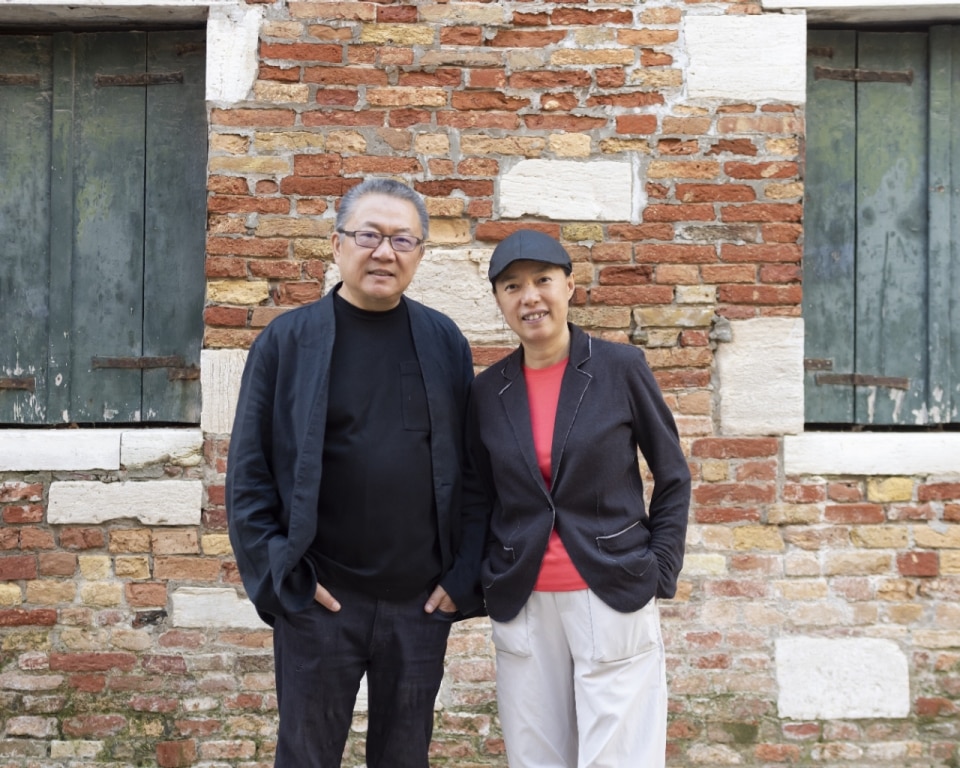
With "Do Architecture — The Possibility of Coexistence in Real Reality", the 20th International Architecture Exhibition of the Venice Biennale appears set to move beyond architecture as a predominantly theoretical, speculative, or spectacular exercise. Announced by Pietrangelo Buttafuoco alongside curators Wang Shu and Lu Wenyu, the title of the 2027 Architecture Biennale — scheduled to run from May 8 to November 21, 2027 — sounds like a clear statement of intent, one that aligns closely with the ethos Amateur Architecture Studio has pursued since its founding.
Wang Shu and Lu Wenyu's Biennale marks a return to the building site and to the world of materials and construction, where contradictions can be recognised and perhaps resolved.
 View gallery


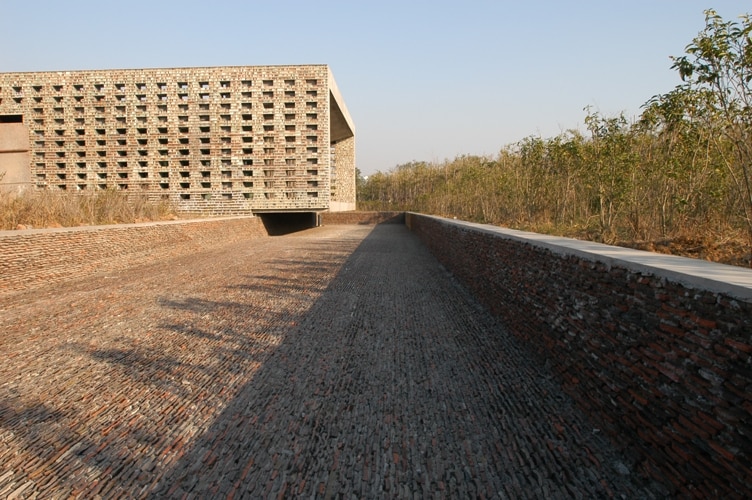
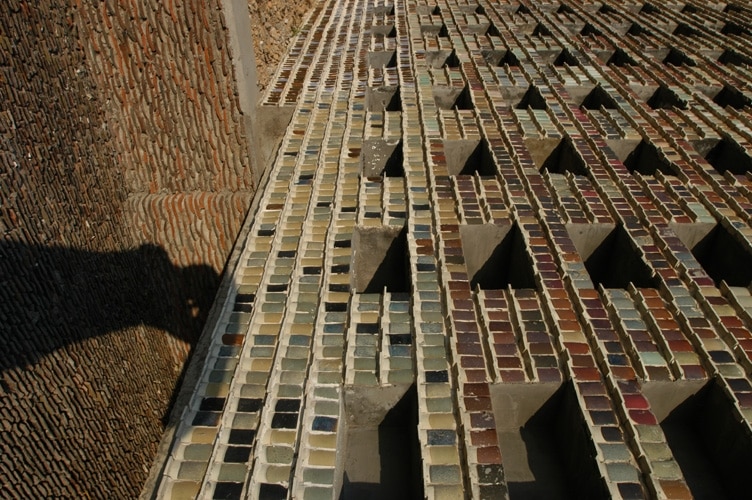
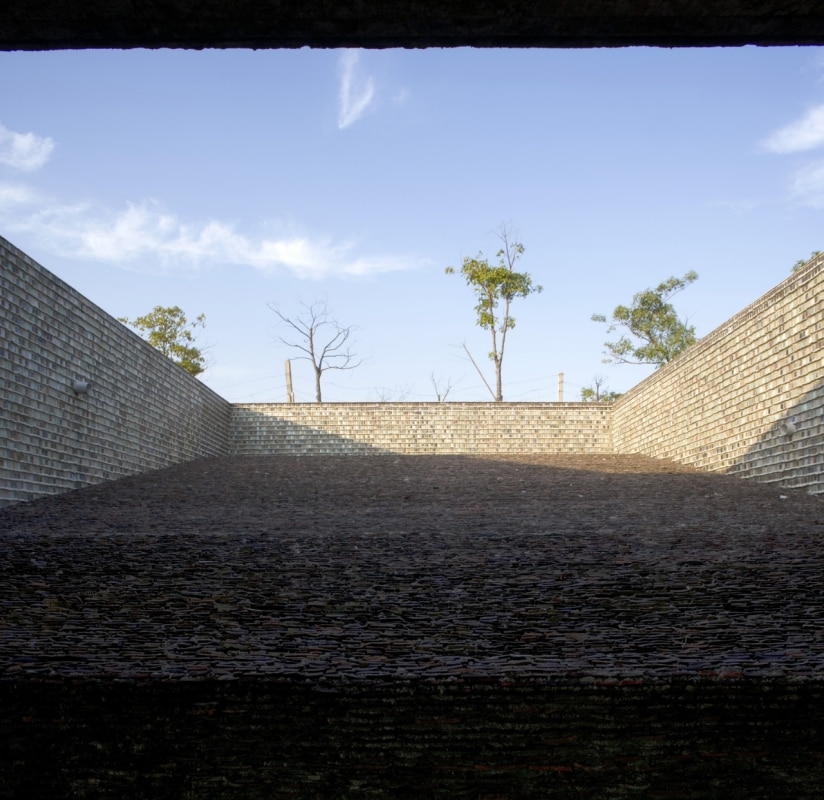
The questions posed by the curators are as fundamental as they are radical: “Can territory and architecture truly coexist? Can natural materials and local craft knowledge overcome conceptual and technical barriers to become essential components of contemporary design and construction? Can memory and innovation coexist dialectically? Can modern design and construction, driven by efficiency, coexist with a slower, deeper artisanal approach? And can the conflict between urban and rural development models be resolved?” ask Wang Shu and Lu Wenyu.
The coexistence evoked in the title is not presented as a conciliatory formula, but as a productive tension to be physically negotiated through design.
“Architecture is not only something to be discussed, but above all something to be done firsthand,” the curators state, reclaiming a “philosophy of making” capable of engaging with “real reality.” It is a deliberately anti-abstract formulation that seems to distance itself from a more ephemeral conception of architecture.
 View gallery
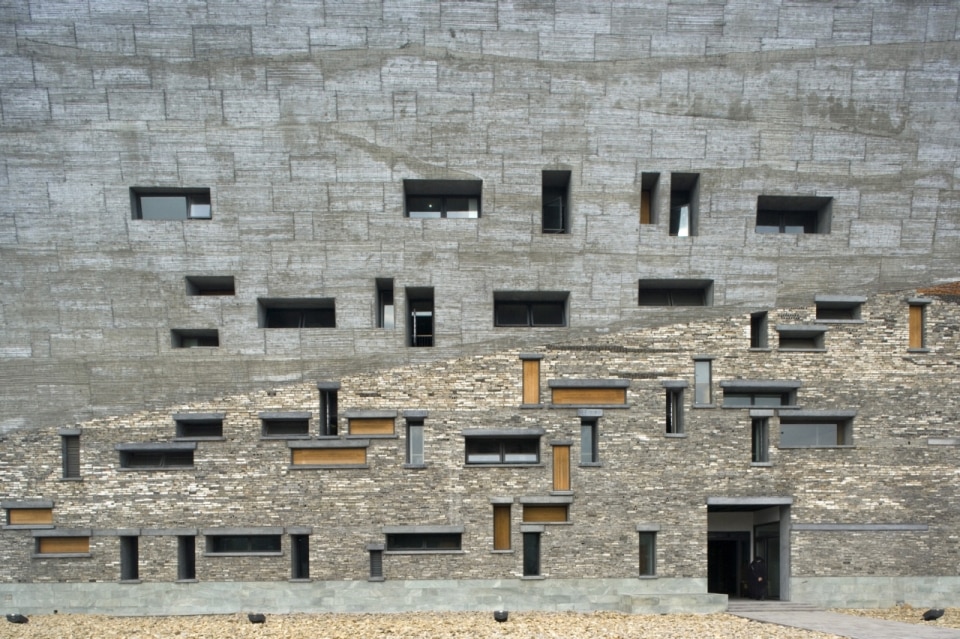
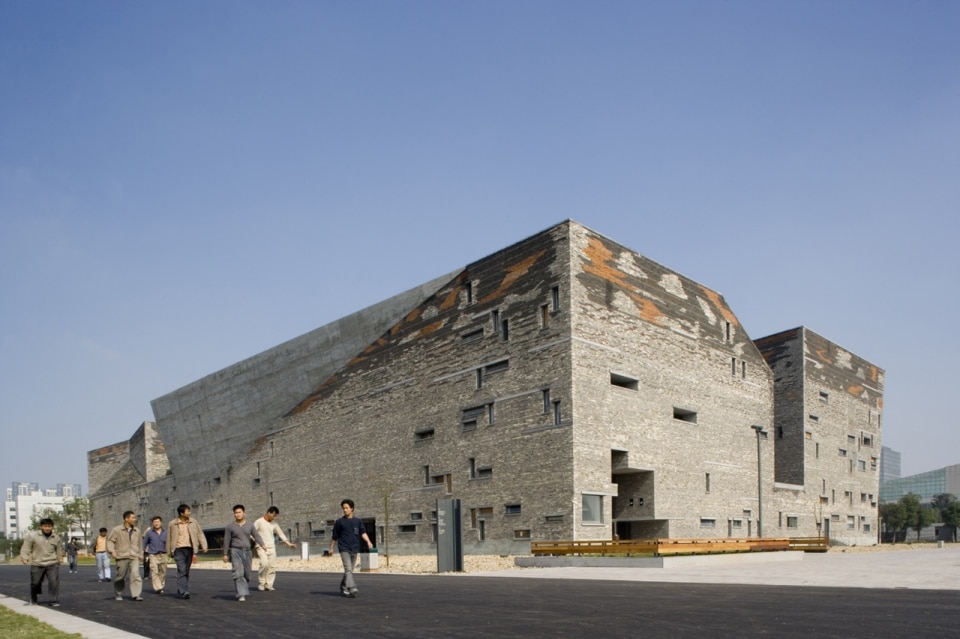
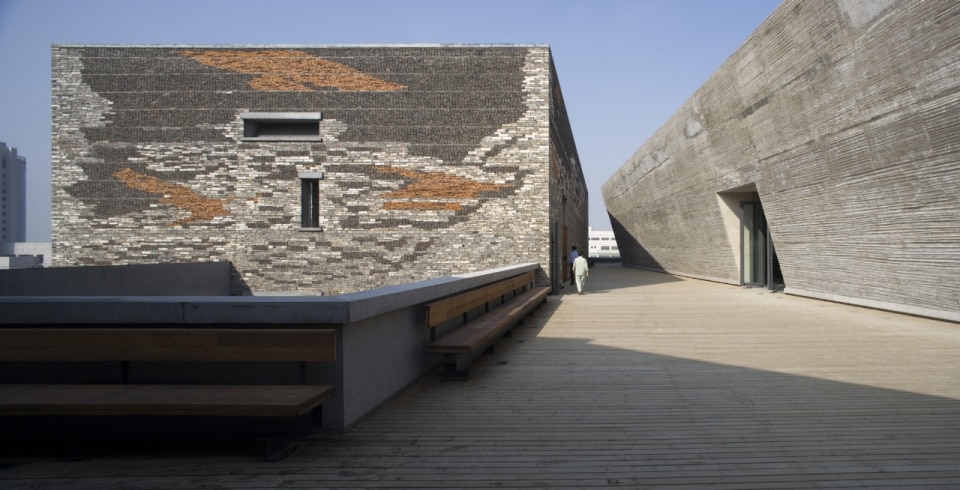
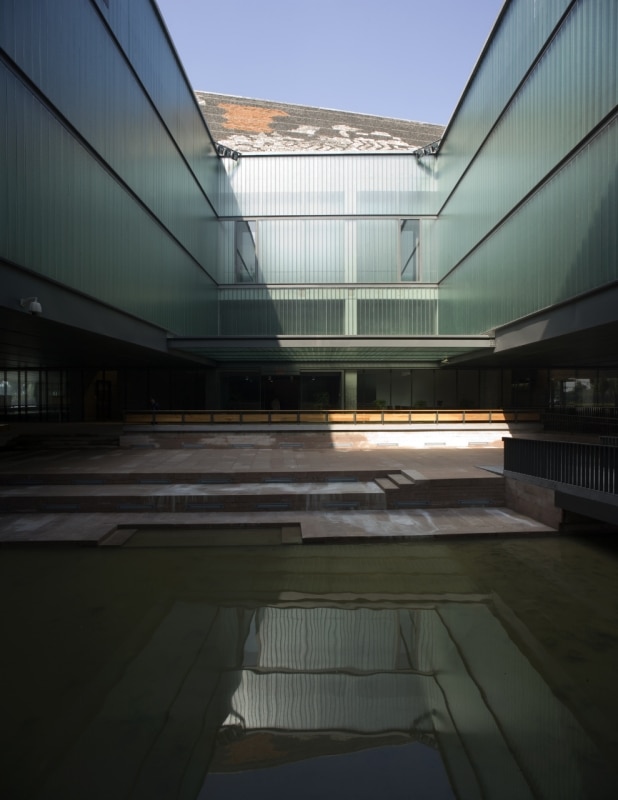
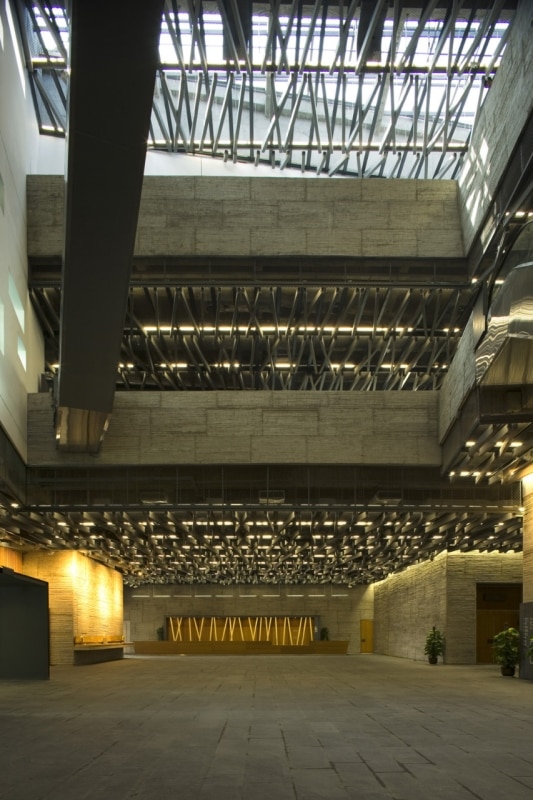
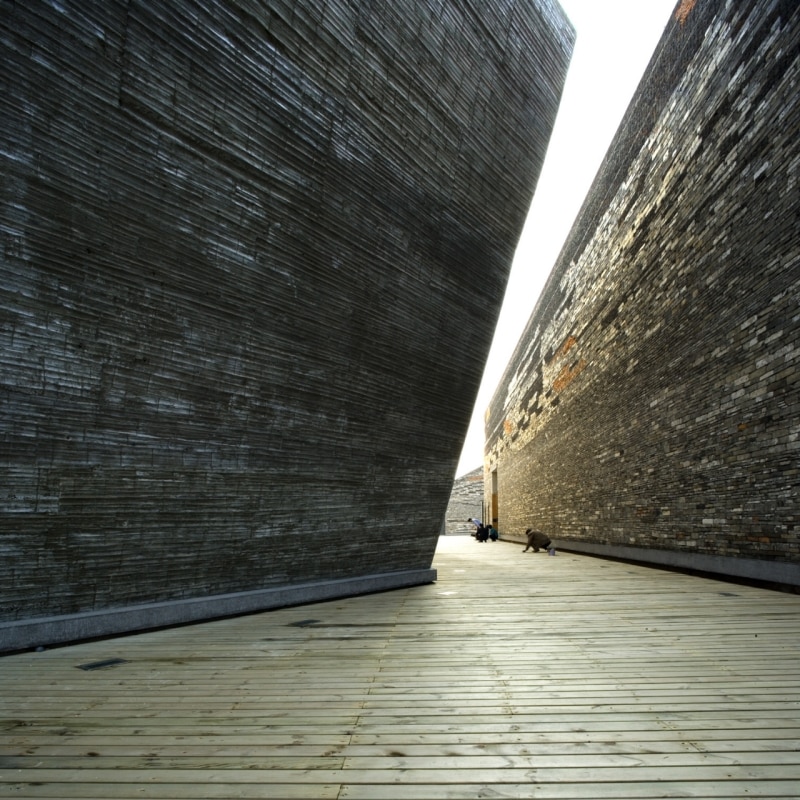
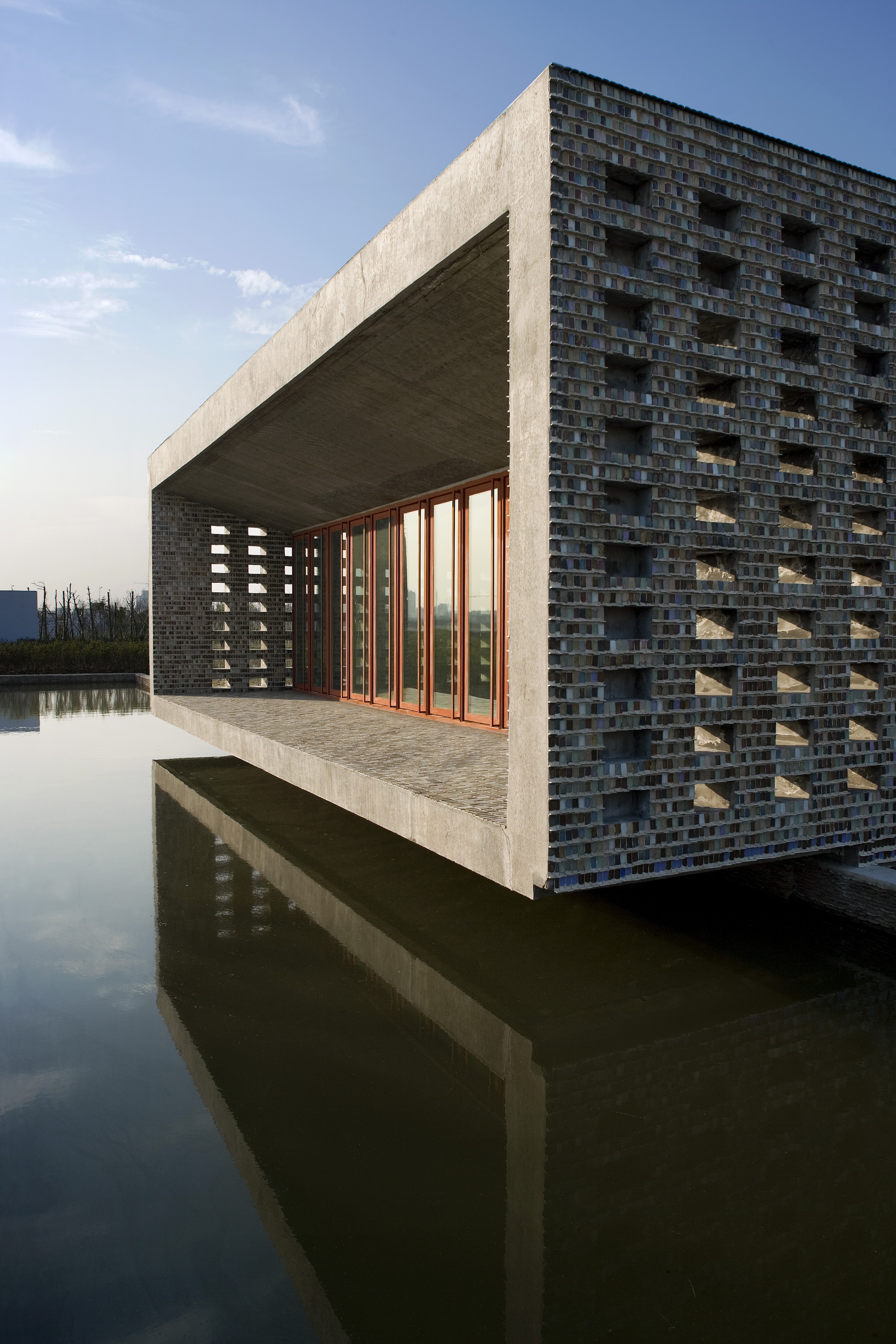
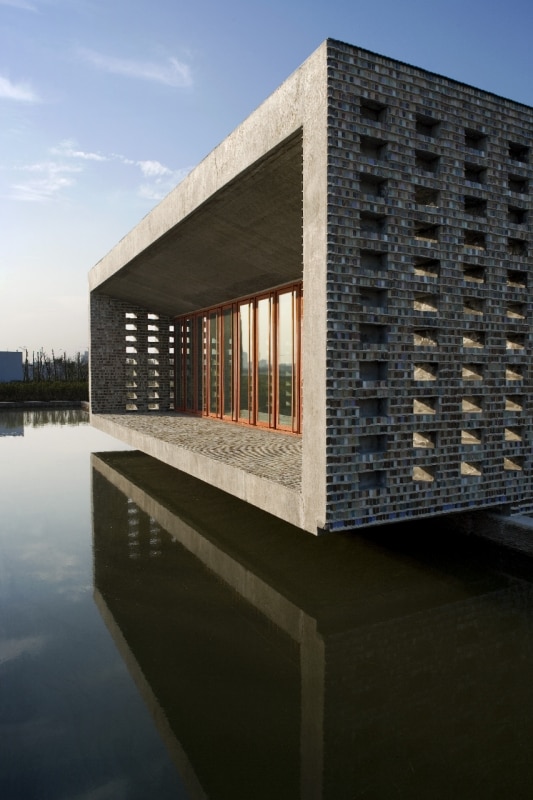
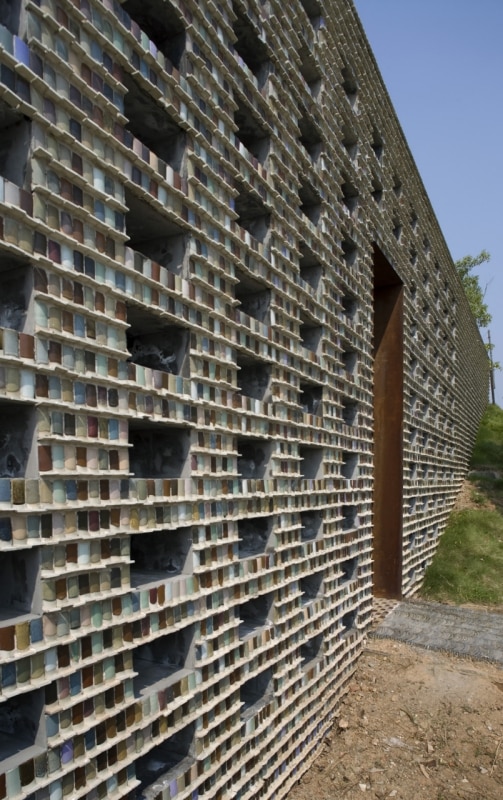
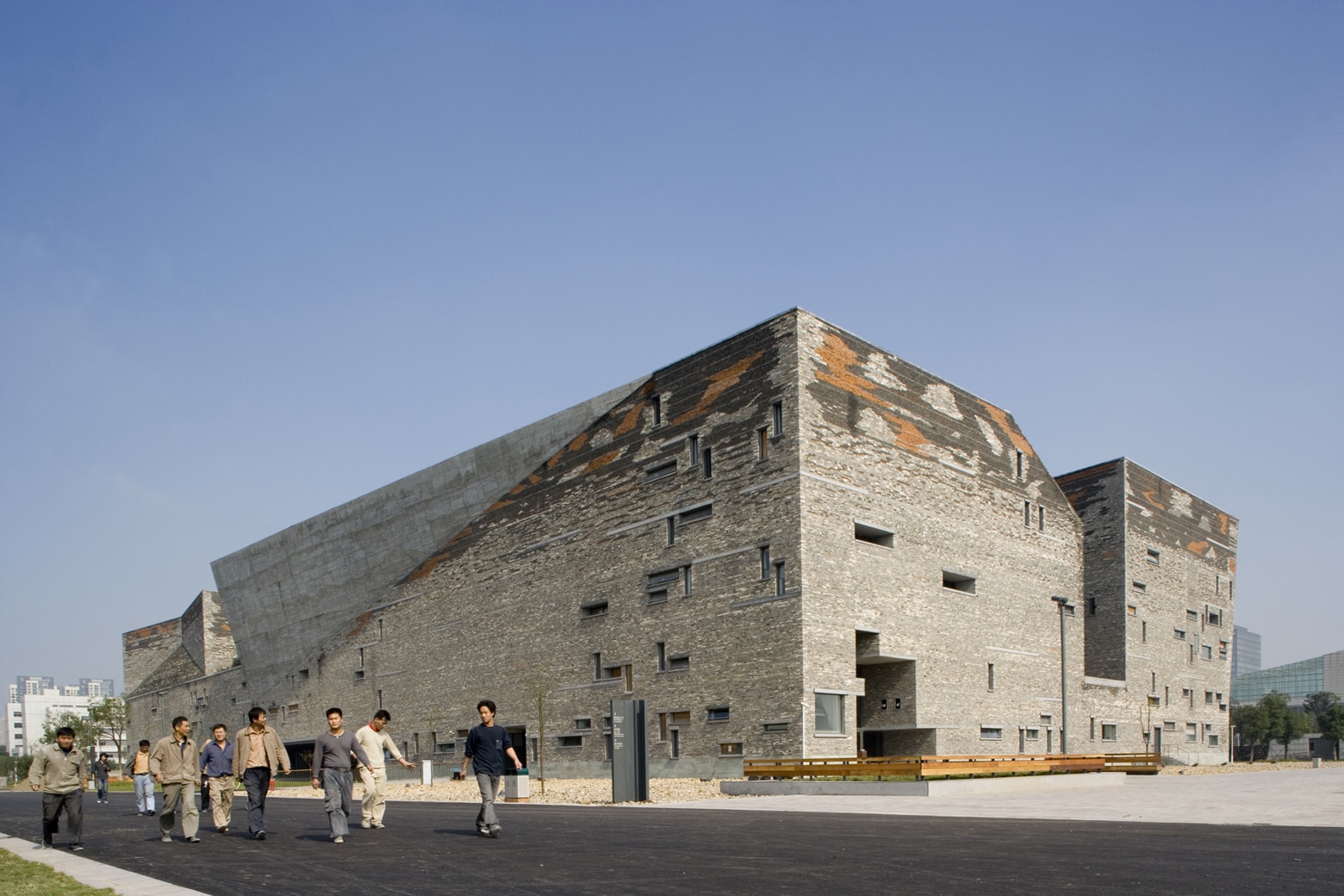
The choice is entirely consistent with the studio’s design research and with Wang Shu’s own trajectory. Fresh out of architecture school, the Pritzker Prize laureate chose to work directly on construction sites alongside builders and laborers, gaining the practical experience that would later shape projects such as the Ningbo History Museum and the China Academy of Art’s Xiangshan campus in Hangzhou.
In the duo’s work, memory is never invoked as a nostalgic repertoire. Instead, it is put back to work and transformed into operative material, using local Chinese building traditions and reclaimed materials in distinctly contemporary ways. Construction thus becomes the site where seemingly irreconcilable tensions are negotiated: craft and innovation, ruin and project, permanence and transformation.
After editions that have examined architecture through geopolitical, climatic, and speculative lenses, Do Architecture appears to bring the focus back to the elemental act of building. It marks a significant shift in tone: less manifesto, more practice; less systemic narrative, more friction with matter.
The question now is how this approach will translate into the exhibition spaces of Venice. If the challenge set out by the curators is taken seriously, the 2027 Biennale could become a testing ground for whether architectural culture is still capable of producing knowledge through making, rather than through narrative alone.
Opening image: Wang Shu Lu Wenyu © La Biennale di Venezia - photo ASAC- Matteo Losurdo