


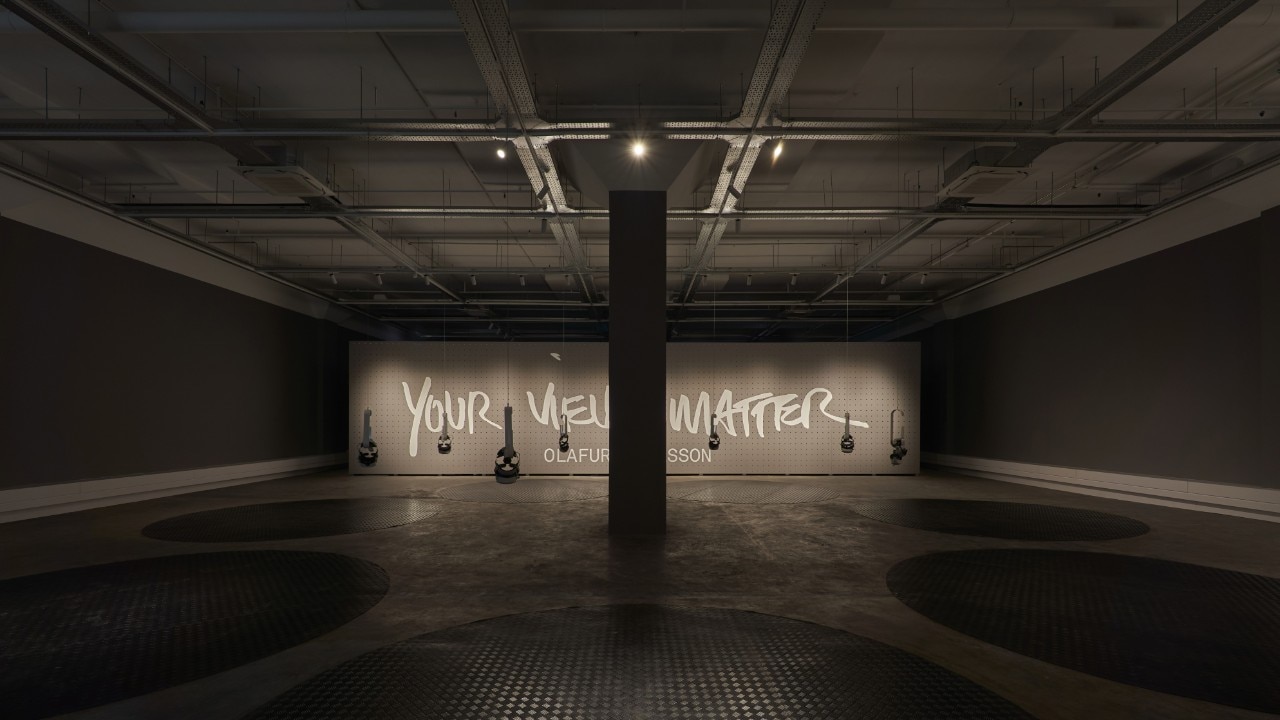

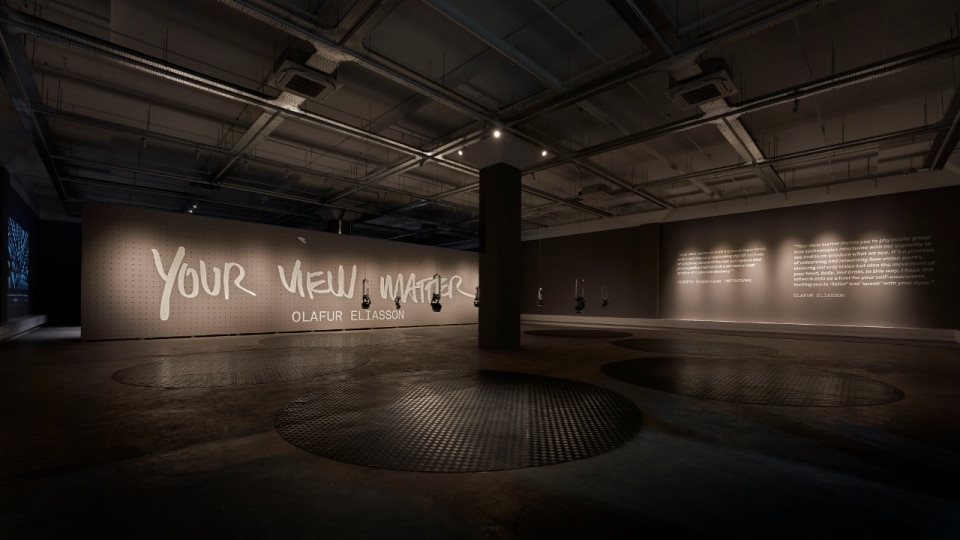
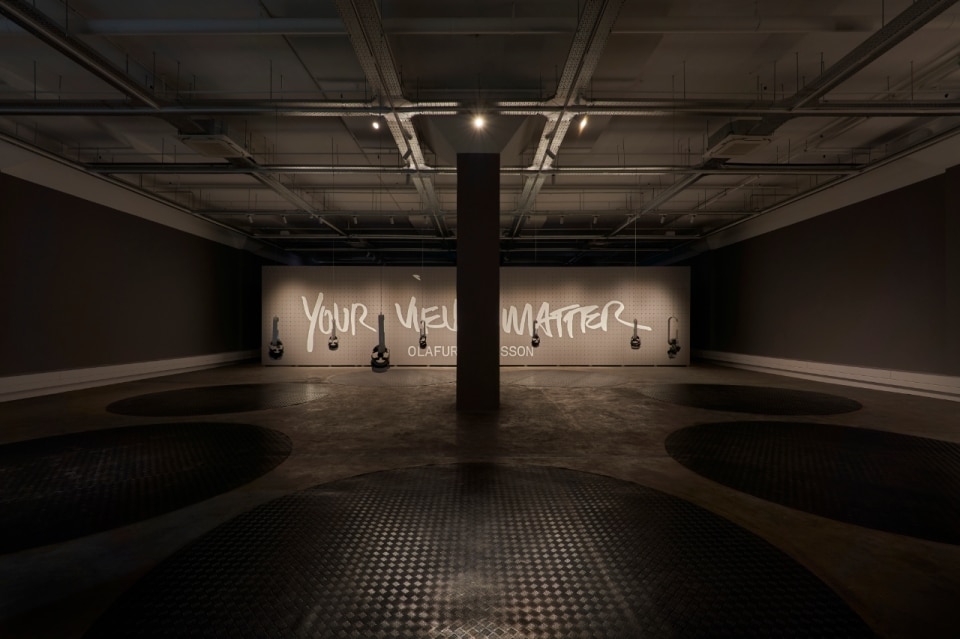
At the Tanjong Pagar Distripark, amid the industrial quiet of Singapore’s port district, a group of technicians tests the final VR headsets. Around them, the walls of the new Padimai Art & Tech Studio flicker with pulses of light – a preview of Your view matter, Olafur Eliasson’s immersive installation that inaugurates the city’s most ambitious cultural space. It is a scene that seems to capture the spirit of the age: the convergence of art and infrastructure, of perception and code.
Padimai was born from an idea by Vignesh Sundaresan, better known as Metakovan – blockchain entrepreneur, programmer, and visionary art collector – who had already gained international attention for purchasing the first NFT in history ever sold at an auction house. The work in question was Beeple’s Everydays: The First 5000 Days.
Auctioned by Christie’s in 2021, Sundaresan acquired it for $69.3 million, making it one of the most expensive works ever sold by a living artist and sparking an ongoing debate about the relationship between emerging technologies and art.
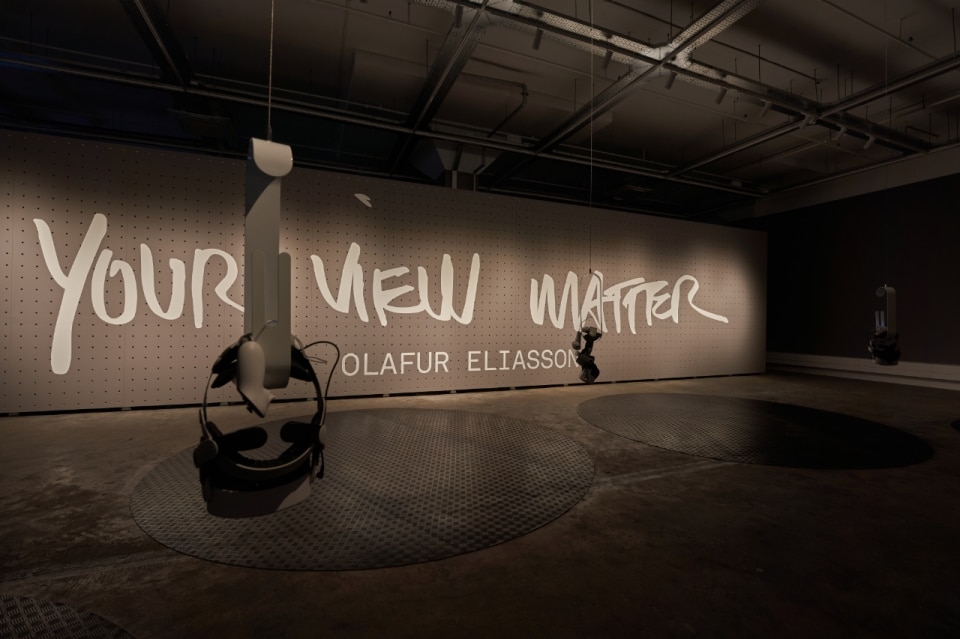
Four years later, with the Padimai Art & Tech Studio, Sundaresan continues to advance the institutionalization of digital art. Padimai emerges as an experimental platform for rethinking the role of art in the era of decentralization. The result is a laboratory that fuses the physicality of the exhibition space with the fluidity of digital systems.
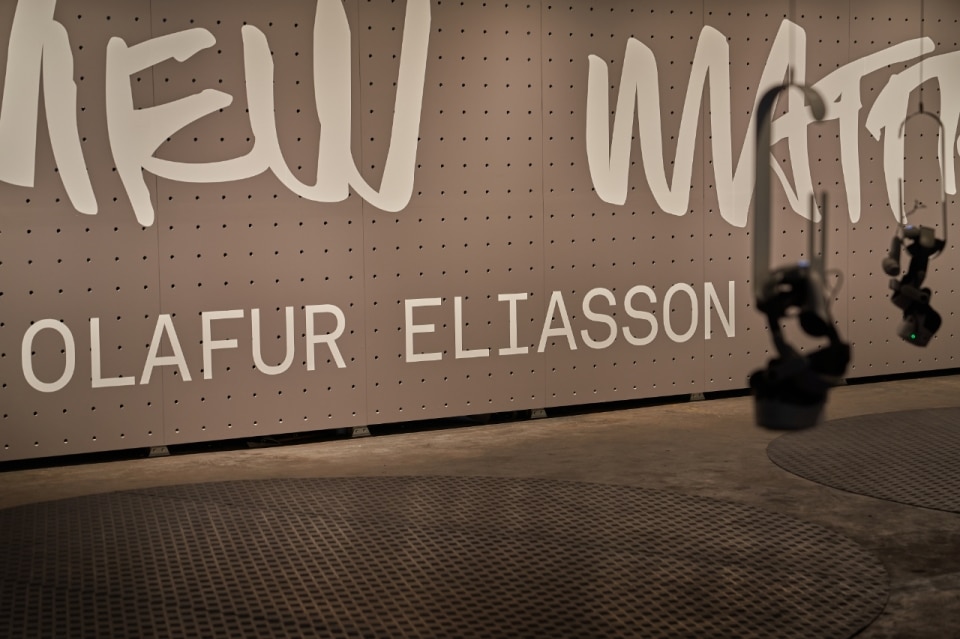
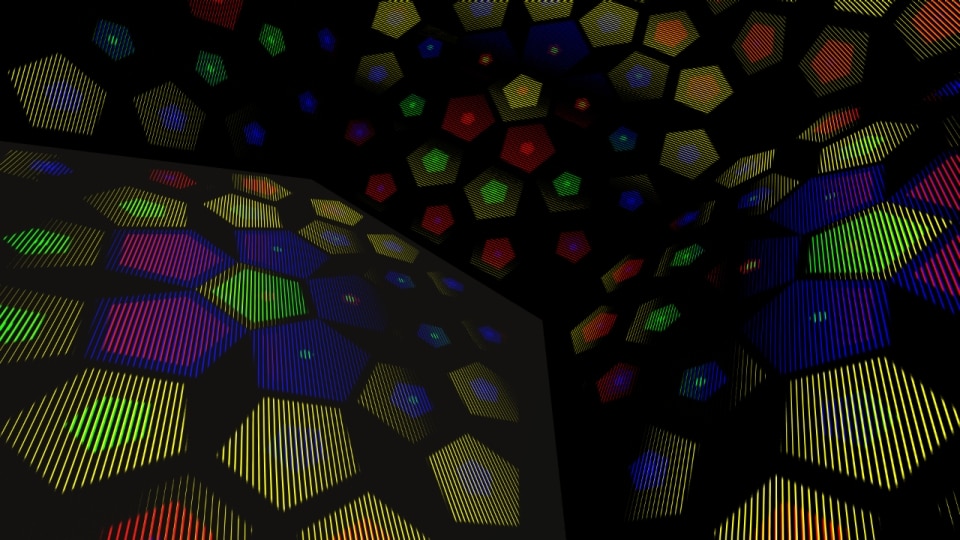
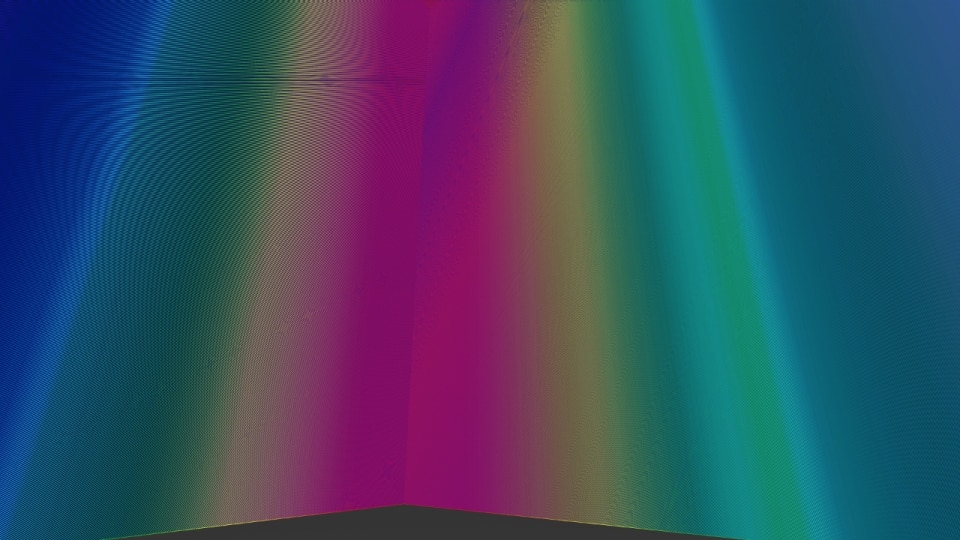
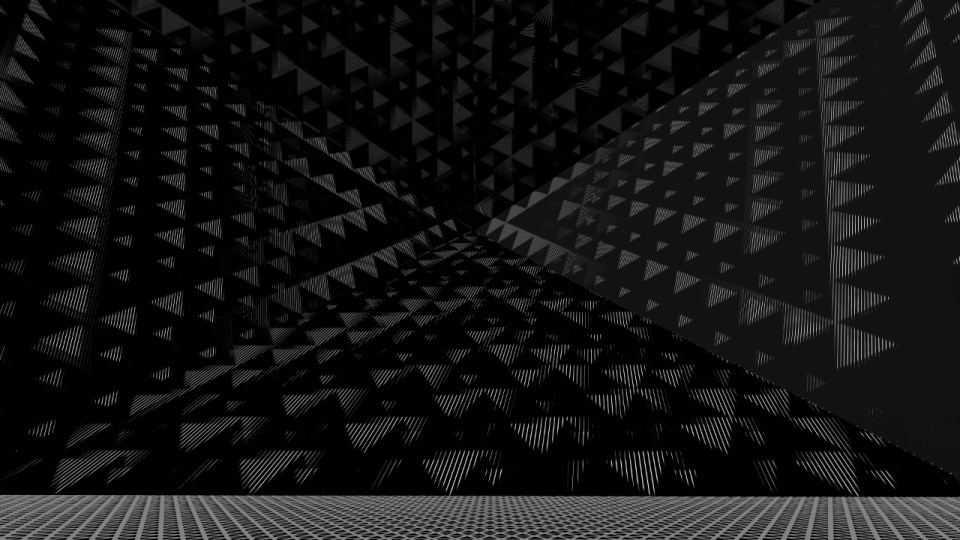
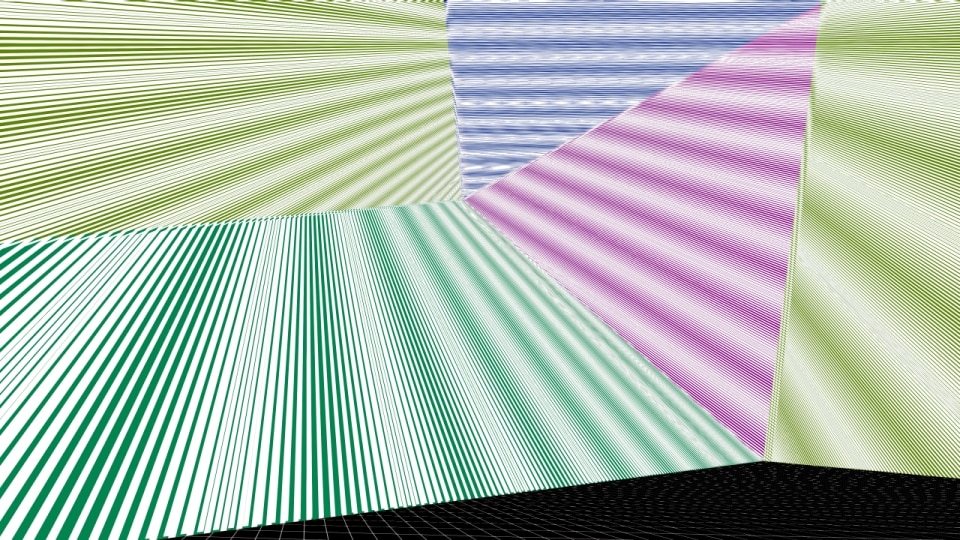
The opening is entrusted to an artist who has long explored the geometry of perception. In Your view matter, Eliasson invites visitors to move through six virtual environments modeled on the Platonic solids and a sphere. Each form is traversed by animated moiré patterns responsive to body and gaze, accompanied by a minimalist soundscape composed by the artist. The experience, calibrated for seven four-metre-wide VR setups, turns vision into a corporeal act – a sensorial dialogue between light, space, and movement.
Virtual reality becomes not an escape from the body but a return to it – a form of sensory self-awareness that overturns the paradigm of passive vision.
What distinguishes Your view matter is not only its perceptual precision but its infrastructural dimension. Each individual path through the work generates a unique data file, recording the visitor’s trajectory and interaction with virtual space. These data streams feed into a blockchain archive designed by Sundaresan – a decentralized system that can rewind or replay each experience, preserving it as part of a collective memory.
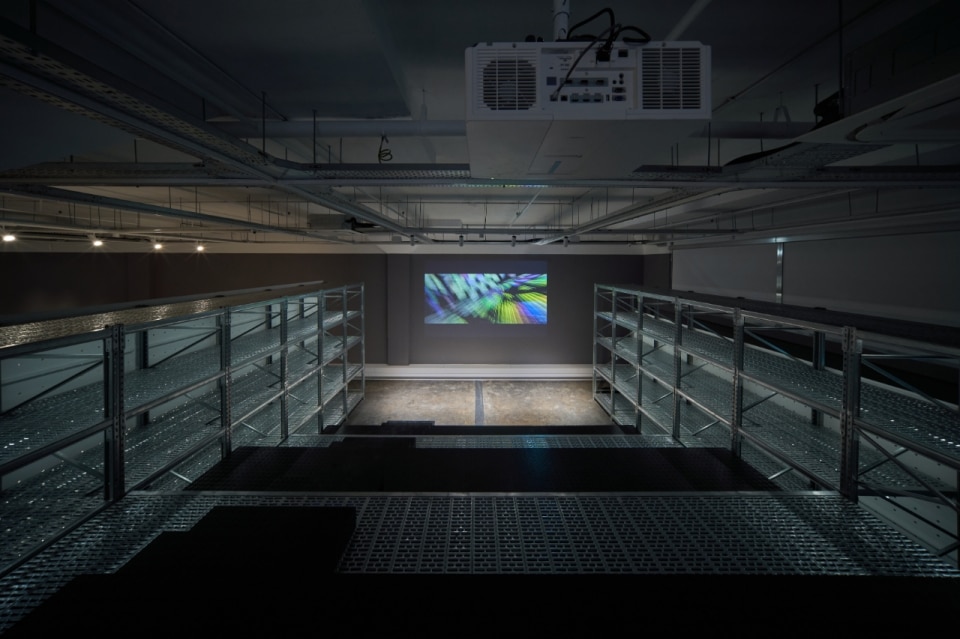
Eliasson describes the project as a “visual learning device,” an invitation to physically understand how technology shapes our ways of seeing. In this sense, virtual reality becomes not an escape from the body but a return to it – a form of sensory self-awareness that overturns the paradigm of passive vision. Your view matter thus extends a key line in Eliasson’s practice: the transformation of perception into political action. To look becomes a productive gesture, an act of writing within collective memory.
Padimai’s operation enters a wider debate on digital museology and the role of cultural institutions in the post-material era. If the modern museum was defined by ownership and preservation, Padimai proposes a model based on participation and distribution. Here, blockchain becomes an extension of the museum itself: a dynamic archive that holds not objects but relations. Each experience of Your view matter adds a new node to this network of memory, a fragment of perception that collectively builds the work.
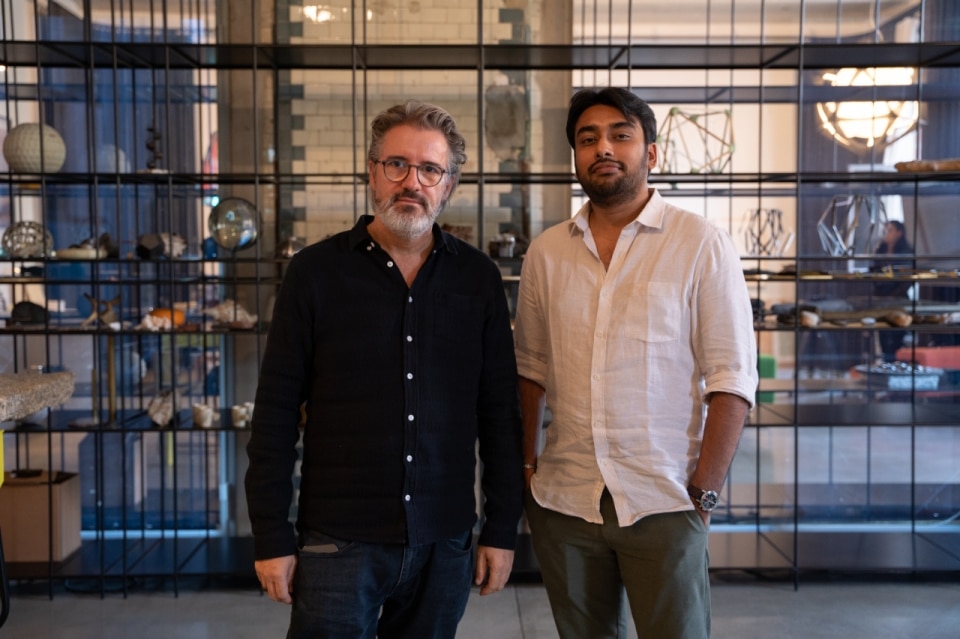
Sundaresan speaks of “a living archive of human perception,” underlining the need to rethink the sovereignty of artistic data. The idea that an artwork can exist as a decentralized, open, and reiterative process suggests a new economy of cultural memory – one based not on institutional authority but on transparency and cooperation.
In this sense, Padimai is less a place than a protocol of creative freedom. Its technological infrastructures – from decentralized storage systems to artist and developer residencies – are conceived with a political intent: to return to art the control over its own conditions of existence. Far from the rhetoric of “experience rooms” or immersive entertainment, the project by Sundaresan and Eliasson invites reflection on how technology can act as a critical instrument, not merely an aesthetic one.
If the modern museum was defined by ownership and preservation, Padimai proposes a model based on participation and distribution.
The dialogue between artist and collector is fertile: Sundaresan builds the conceptual architecture, Eliasson designs its perceptual grammar. Together, they articulate a vision of the museum as a cognitive ecosystem, where preservation merges with production and each experience generates knowledge.
Within Singapore’s cultural landscape – an urban laboratory where art, technology, and policy converge in a futurist vision of living – the project marks the beginning of a new phase. Padimai does not simply exhibit digital art: it thinks digitally. It is a process-museum, distributed, in which the visitor’s experience is not an ephemeral memory but a persistent trace in the network of time.
From 20 November 2025 to 31 March 2026, at the Padimai Art & Tech Studio, every gaze becomes a material of architecture, every step a fragment of decentralized memory.
- Show:
- Your view matters by Olafur Eliasson
- Where:
- Padimai Art & Tech Studio, Tanjong Pagar Distripark, Singapore
- Dates:
- November 20, 2025 - March 31, 2026