


At 2 Via Morgagni in Milan, everything appears to be in its place.
The façade is the same as ever: stone cornices, narrow windows, and the large black sign reading “Gino Barbiere” in orange and white cursive.
If you walk past absentmindedly, there is no reason to stop. On the surface, it looks like any other shop, one of those that still endure between Città Studi and Porta Venezia, where residential buildings coexist with small local businesses, even as new openings and rising rents slowly reshape the area.
Inside, the barbershop is still there.
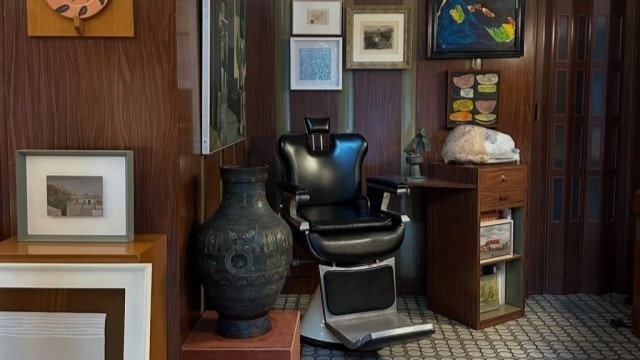
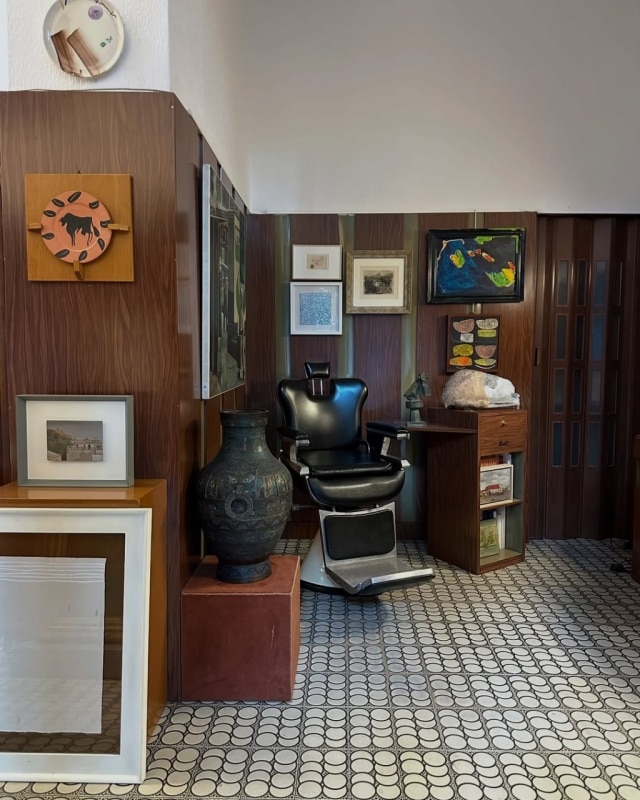
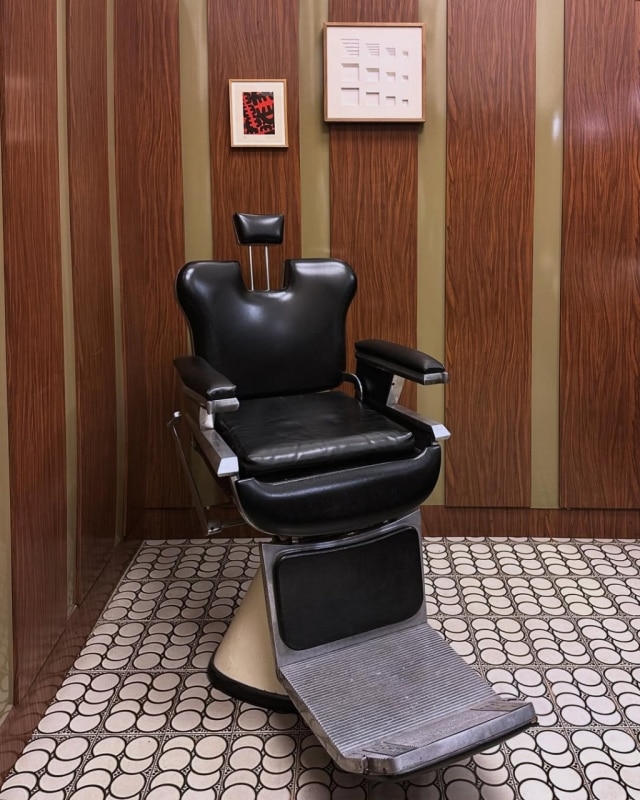
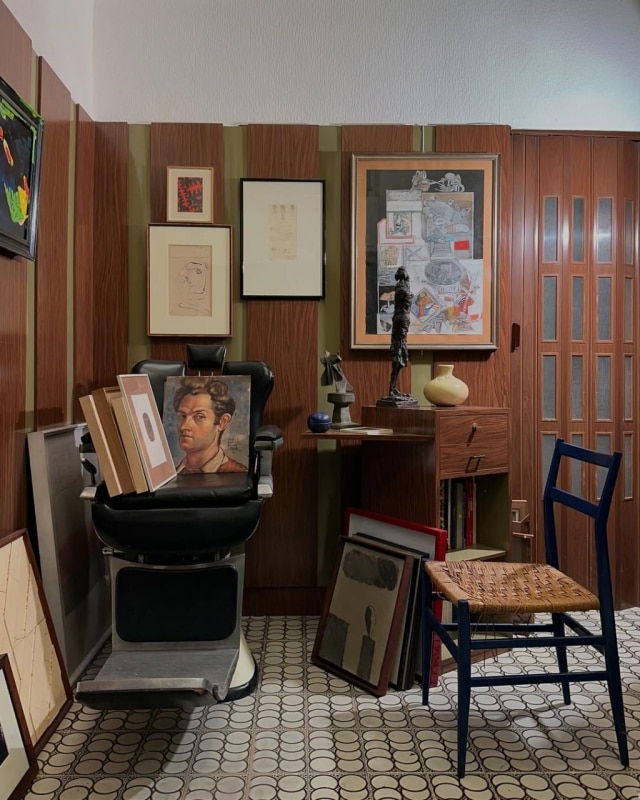
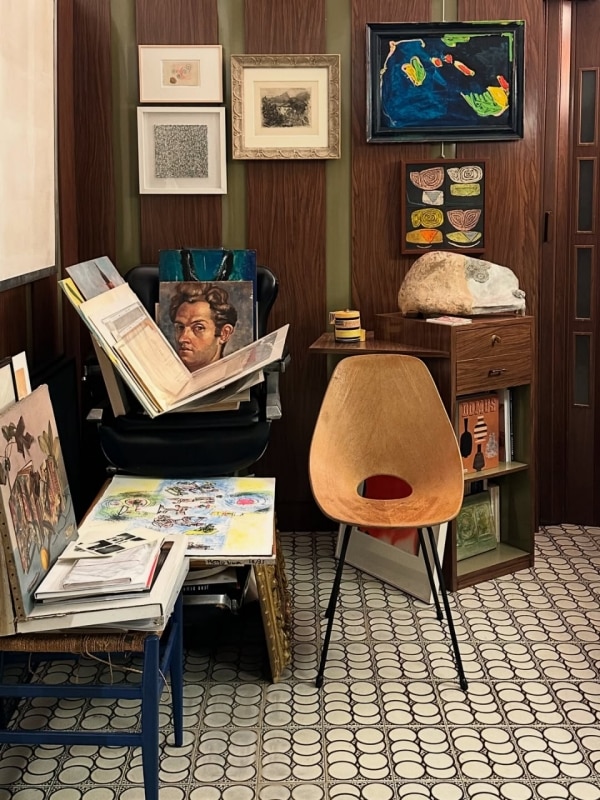
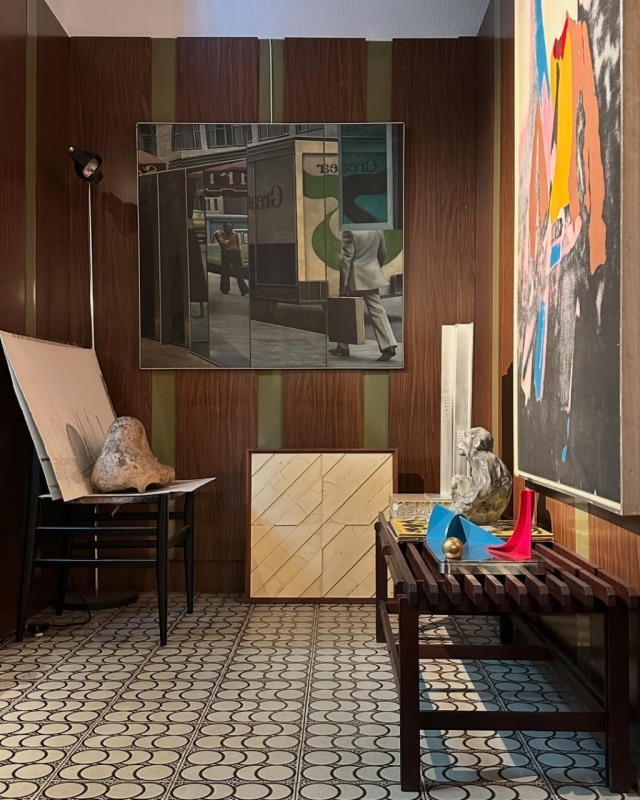
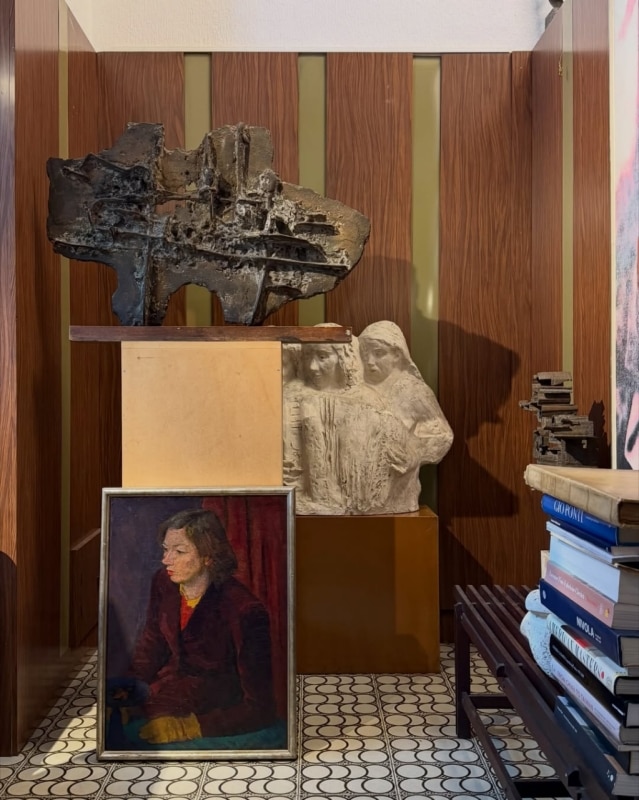
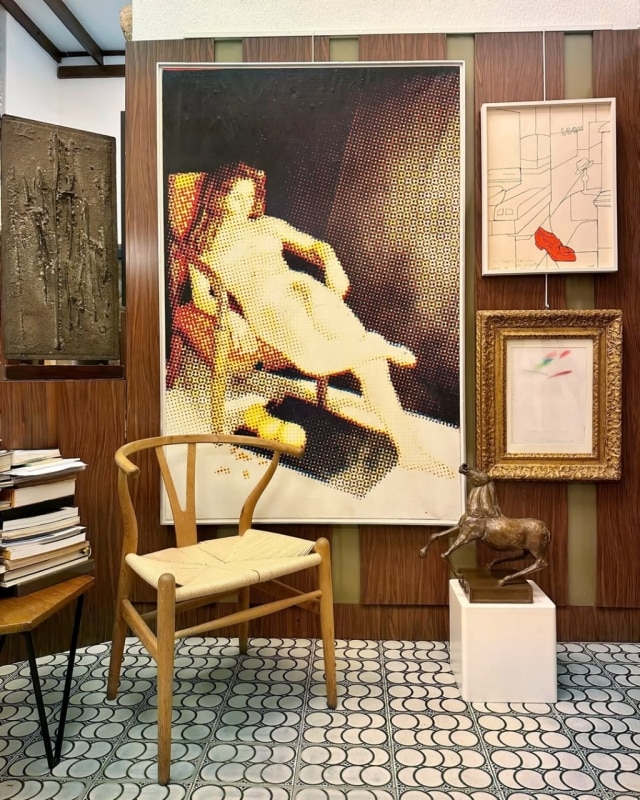
Inside, the barbershop is still there. The ceramic sinks, the black chairs with chrome bases, the black-and-white circular tiled floor, the dark wood paneling rising halfway up the walls. Even the small side booths remain, tucked behind sliding doors.
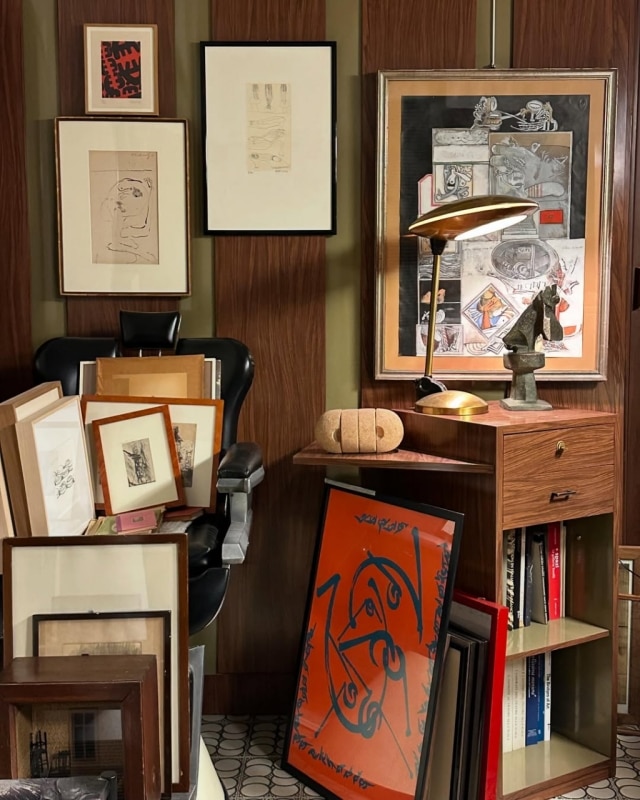
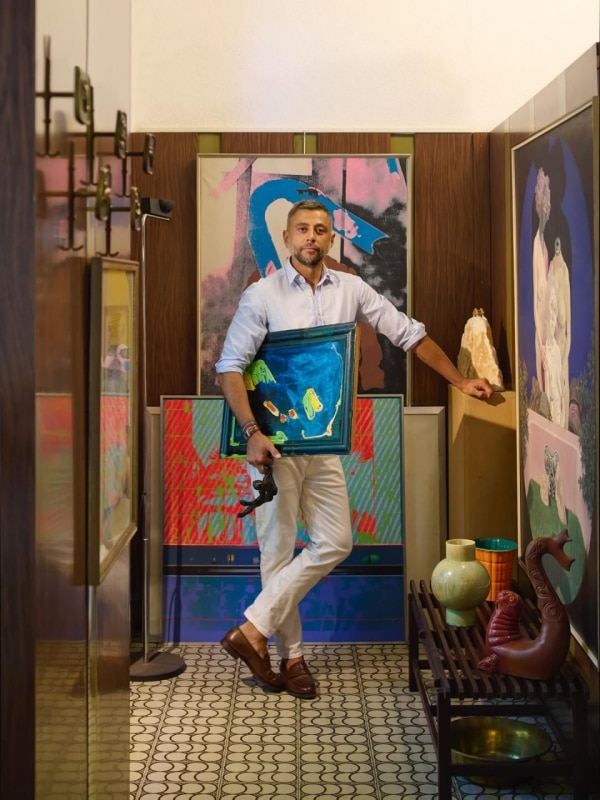
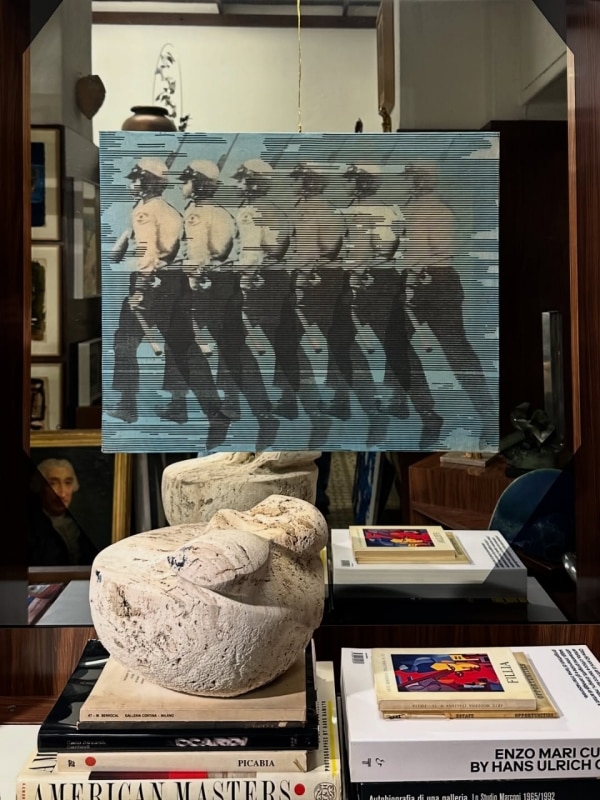
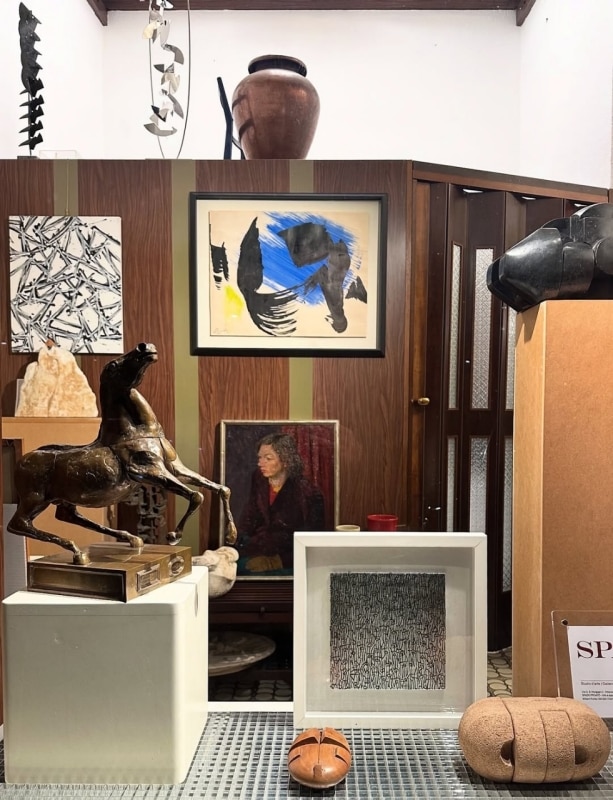
Only on closer inspection do you notice the myriad artworks scattered across the floor, in the corners, on the tables, and hanging on the walls.
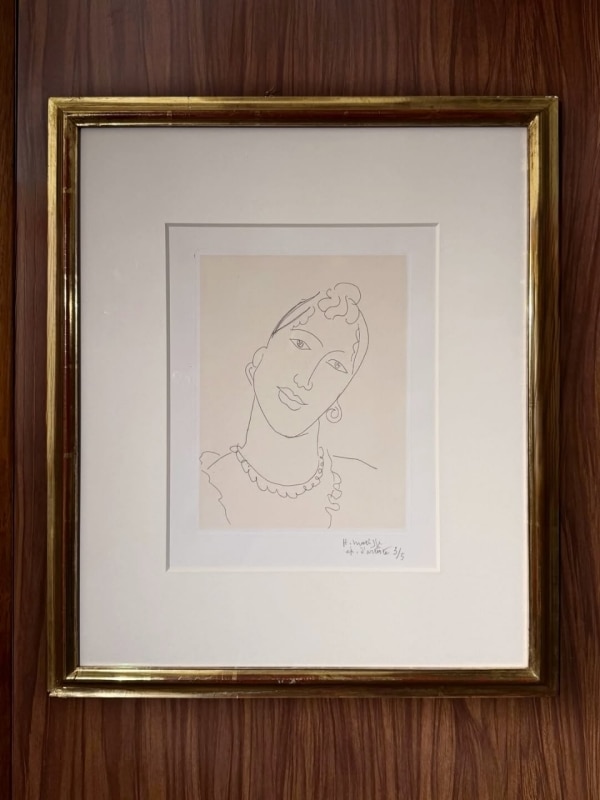
A drawing dedicated by Gio Ponti.
Vintage photographs by Lucien Hervé of Le Corbusier’s architecture.
The magical surrealism of Stanislao Lepri.
Multiples of Arnaldo Pomodoro’s spheres.
Utopian prints by Superstudio.
There are only two possibilities: either Gino is a barber with impeccable taste and a passion for collecting art — or this place is not what it seems.
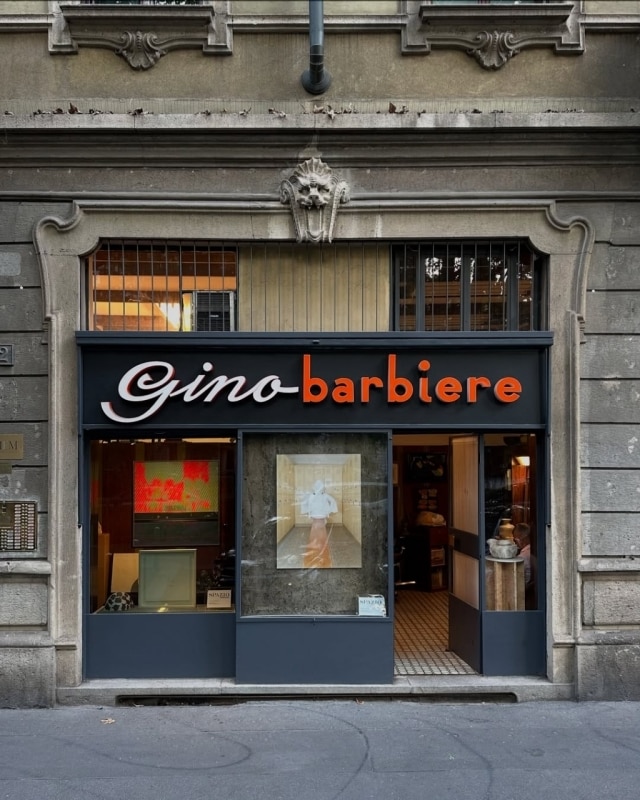
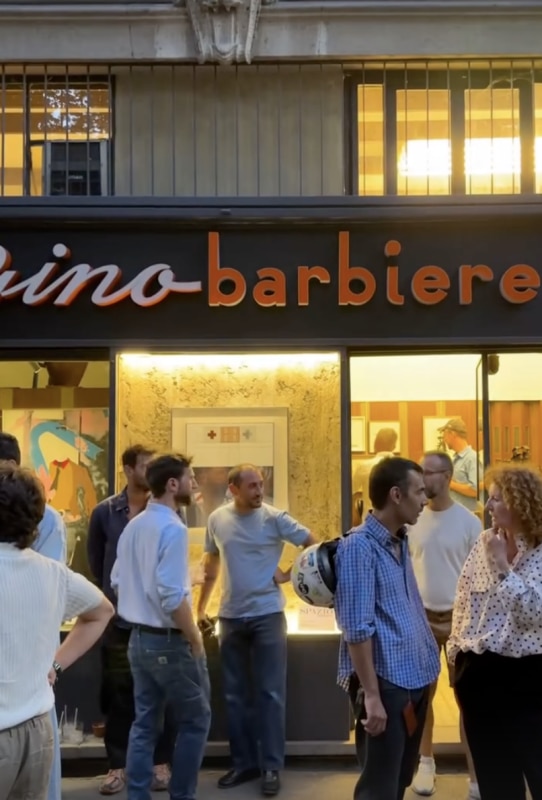
Spazio Morgagni opened in 2024 and is, in every respect, an art gallery — albeit one that operates on its own terms.
It was founded by William Purita, a Milan-based gallerist and art dealer with a passion for modern and contemporary art.
Ask him what his job is and he answers without hesitation: “Searching, digging, finding. The most beautiful job in the world.”
He speaks of objects as he does of encounters — negotiations, discoveries, unexpected opportunities. “Each piece has a precise provenance, a place, a story,” he explains, to which are added seemingly minor yet crucial anecdotes, essential to understanding its value and identity.
“A new chapter is added to their story when they are acquired,” he says, his gaze drifting between a large pointillist canvas, a bronze equestrian sculpture, and a gilded frame still waiting for its subject.
"More than a white cube, Spazio Morgagni is a gallery-bottega — a collective yet deeply personal archive in constant transformation."
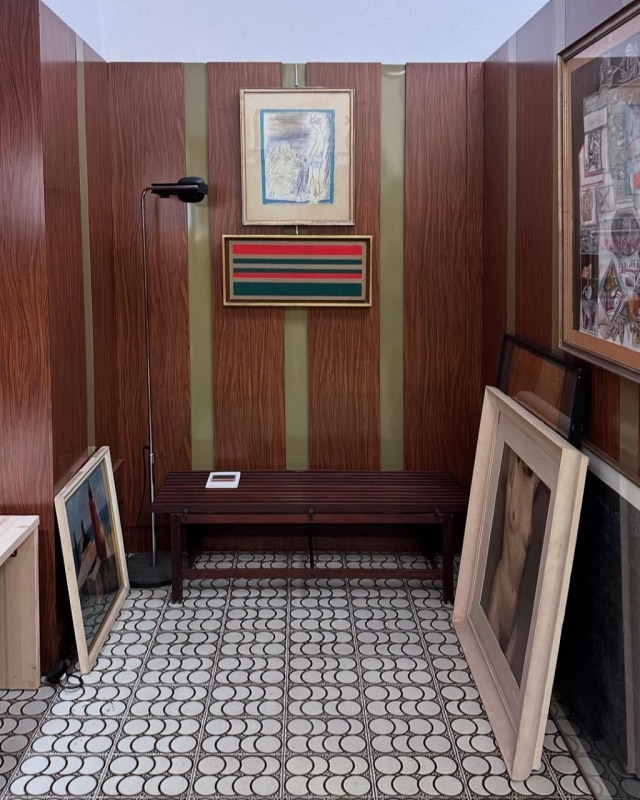
His story is etched into the walls.
“After Covid, Gino — now in his nineties — decided to close the barbershop. He lives nearby, and for a while he kept coming down, returning to the place where he had worked his entire life before heading back home.”
“Of course, after some time his children began insisting: ‘Enough, Dad. It’s time to sell.’”
“Gino was a daily presence in the neighborhood,” says William, who has lived just a few steps from Via Morgagni for nearly fifteen years. “Anyone who lived in the area would see him at work with a customer as they walked past, whether or not they ever went in for a haircut.”
One evening, on his way home, William walked past the storefront and, instead of Gino, found a “For Sale” sign.
“I sat down on the sofa and the first thing that came back to me was that poster with a John Lennon song he had put in the window — the idea of a porthole that allowed you to look inside without really entering. Then I thought of the view I had once noticed while waiting on his bench. Even then, I had a strange feeling, as if the whole city revolved around that place.”
The point, then, was to secure it before someone gutted it.
“I have too much respect for that man, who dedicated his entire life to this place… I could never have turned it into the usual white cube.”
“Via Morgagni has changed over time without making a spectacle of it.” Historic businesses endure, but not all find continuity in the generations that follow. And this is happening just as the imagery of “old Milan” is enjoying a renewed wave of popularity.
Just a few steps from Spazio Morgagni stands the historic Bar Basso. Established in the 1940s, it became famous for the Negroni Sbagliato in the 1970s and remained a neighborhood bar for decades.
Today it turns into an international hotspot during Fashion Week, thanks in part to collaborations with fashion brands. Photographed, shared, and celebrated as a symbol of Milanese authenticity, it still retains its neon sign, outdoor tables, and an interior that remains largely intact — part of a recognizable aesthetic where, however, no one plays cards anymore.
Just a few steps from Spazio Morgagni stands the historic Bar Basso. Established in the 1940s, it became famous for the Negroni Sbagliato in the 1970s and remained a neighborhood bar for decades.
Today it turns into an international hotspot during Fashion Week, thanks in part to collaborations with fashion brands. Photographed, shared, and celebrated as a symbol of Milanese authenticity, it still retains its neon sign, outdoor tables, and an interior that remains largely intact — part of a recognizable aesthetic where, however, no one plays cards anymore.