



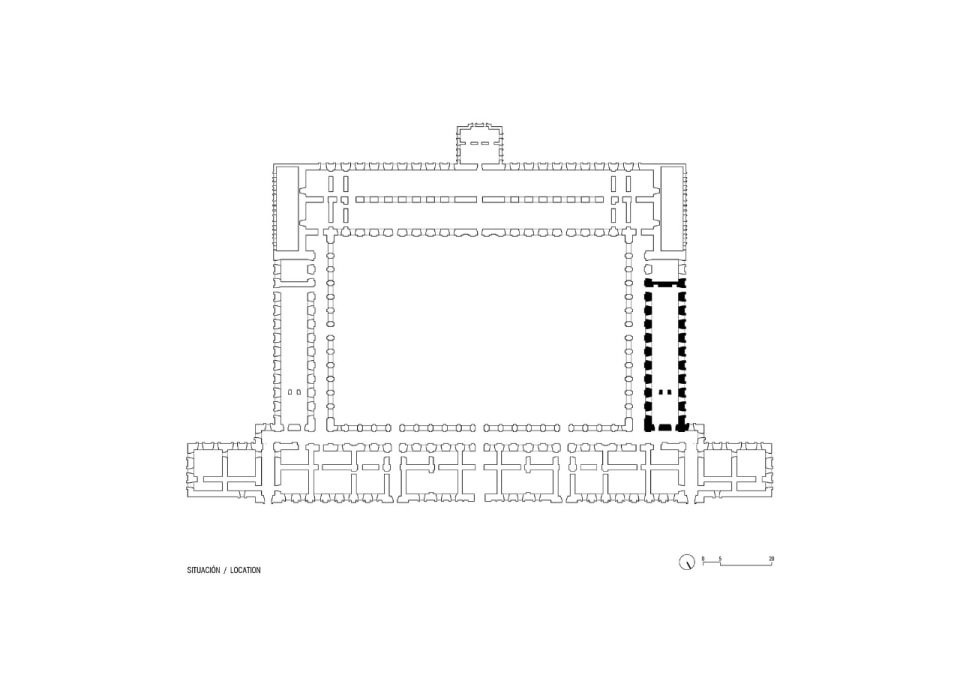
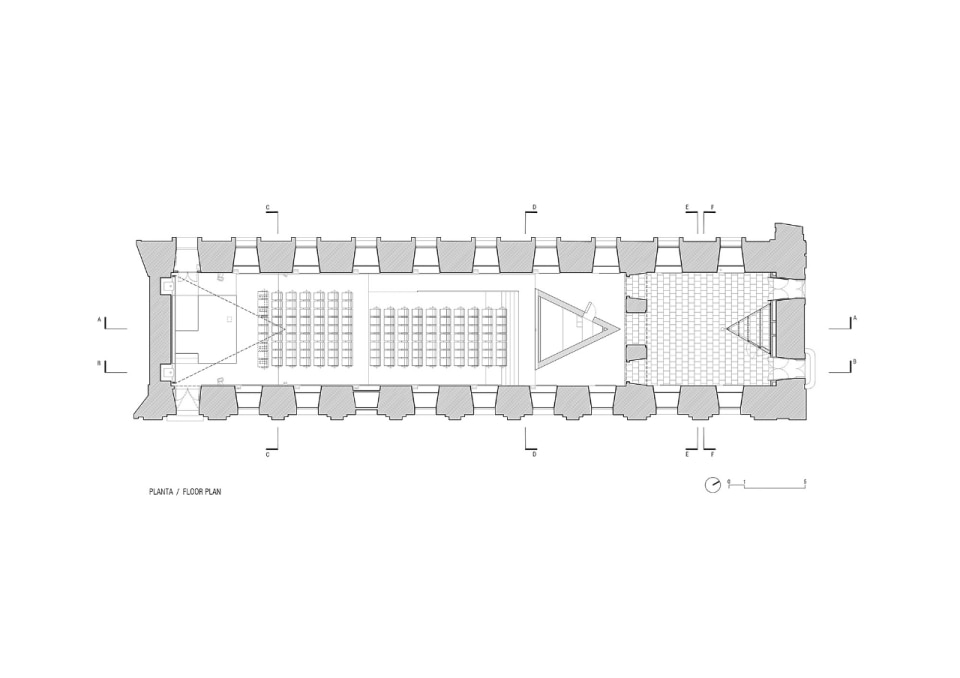
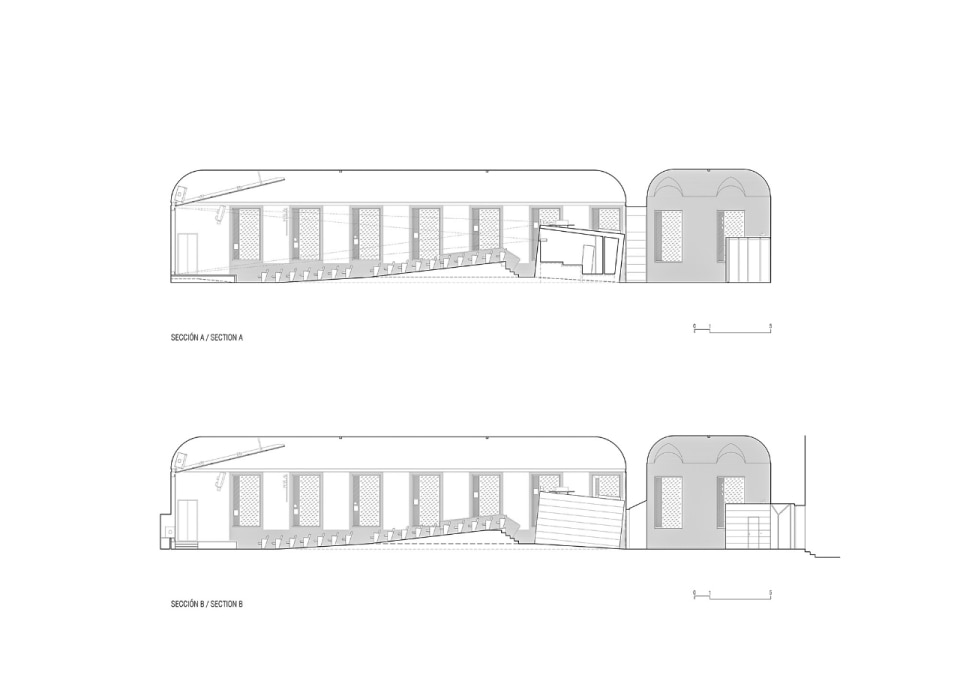
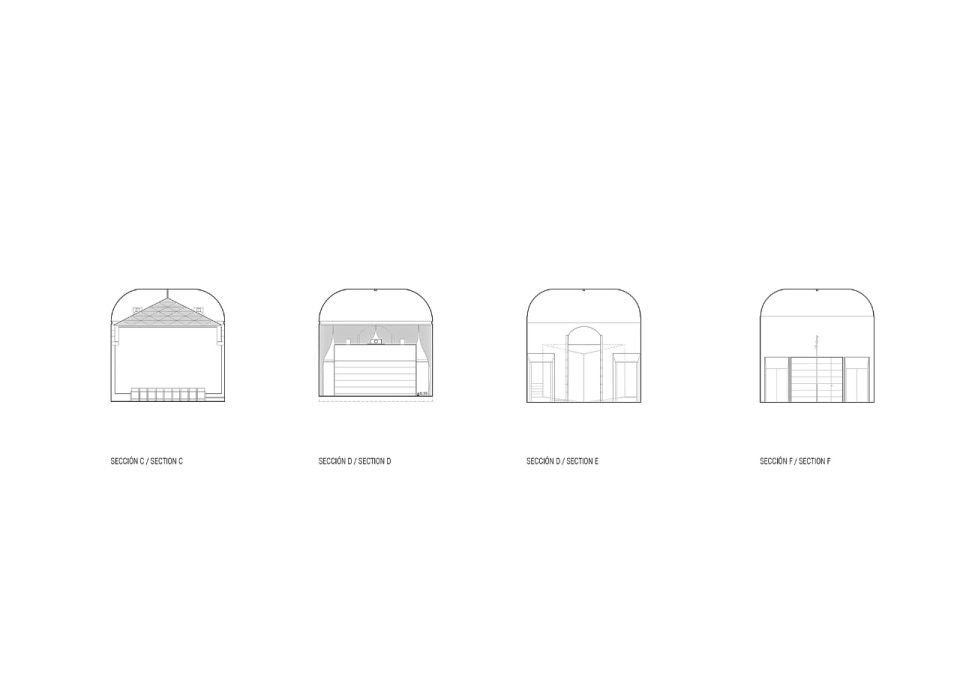
The very idea behind the Reina Sofía – the Madrid museum dedicated to modern and contemporary art, today home to Picasso’s Guernica – is rooted in adaptive reuse. The city’s former General Hospital, a 17th-18th-century project now known as the Sabatini Building, had been restored during the 1980s and re-opened as a museum by the Spanish royals in 1992.
The program was hybridized further in 2005 with the arrival of new forms and the iconic red-lacquered surfaces of the expansion by Jean Nouvel – Domus Guest Editor in 2022. As the institution enters a new phase aligned with twenty-first-century contemporary culture, it introduces a renewed discourse on cinema, and with it, a return to reuse and the rethinking of the existing.
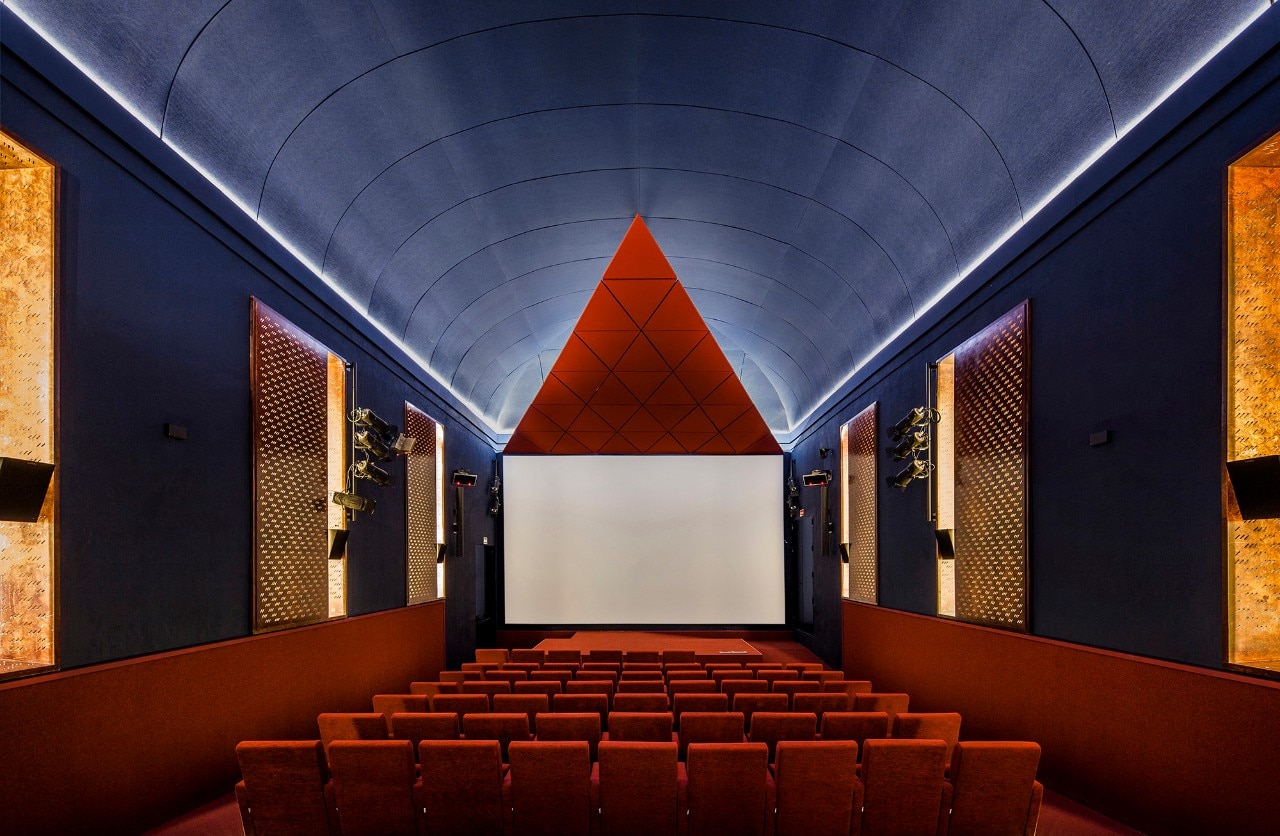
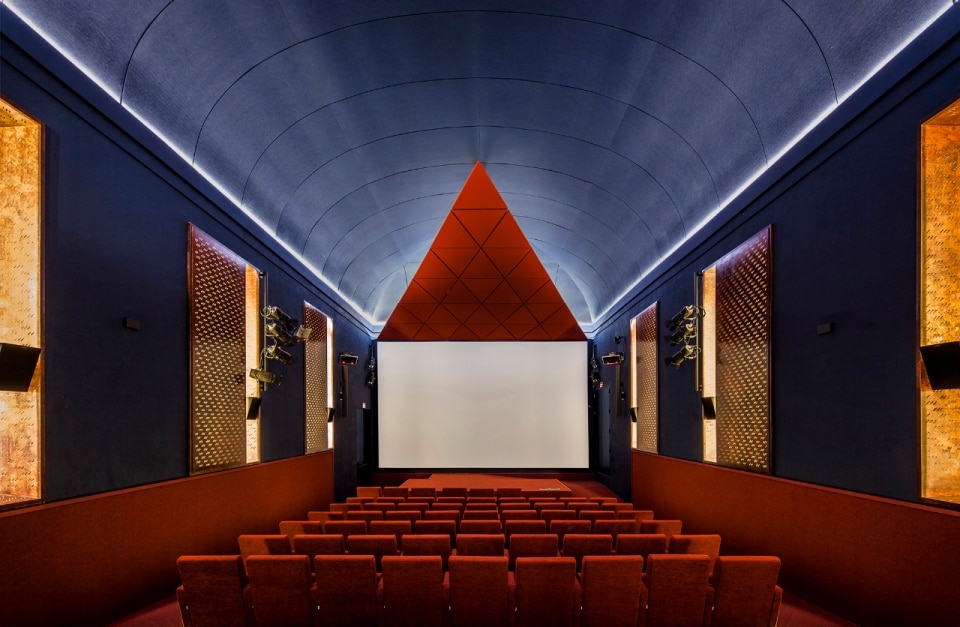
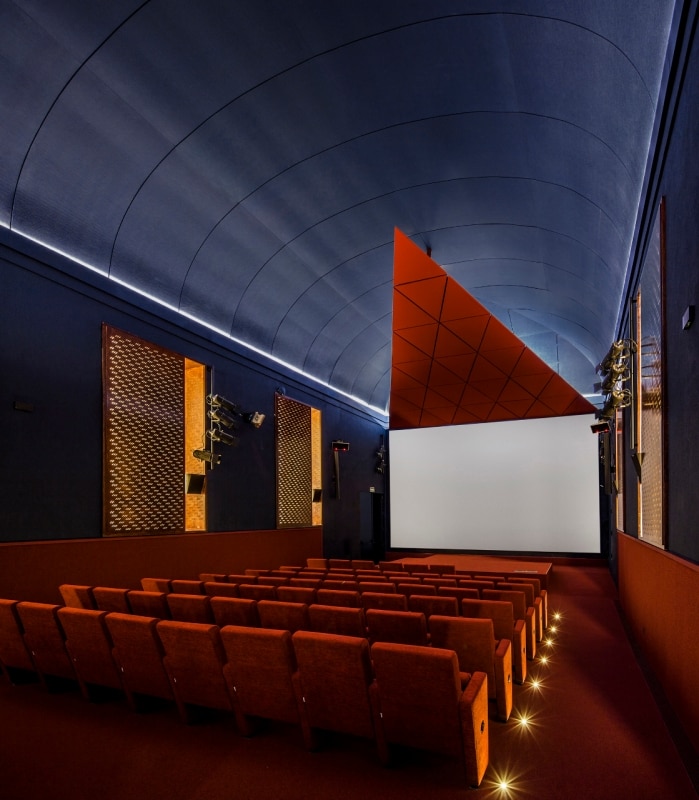
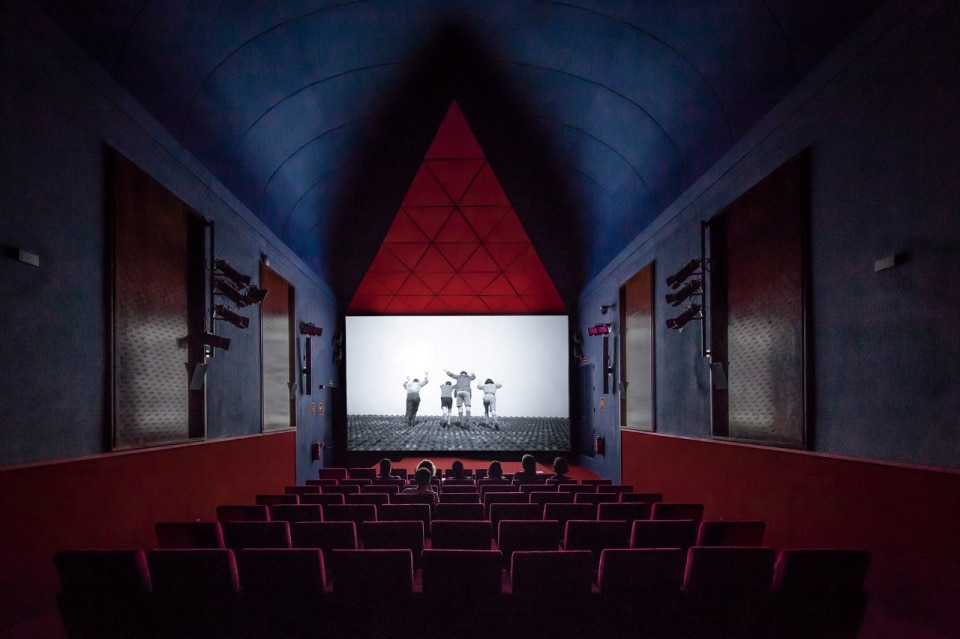
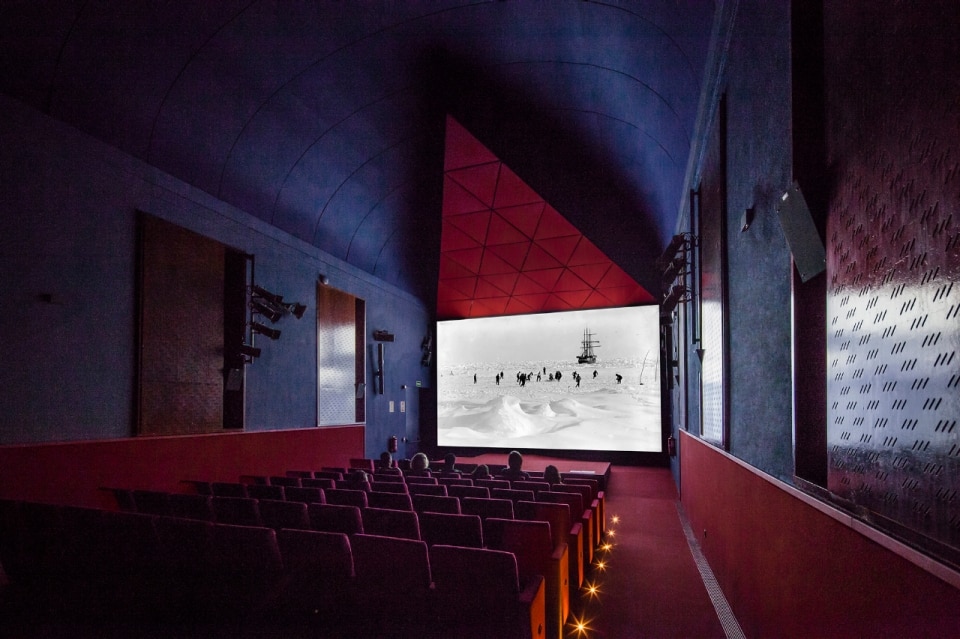
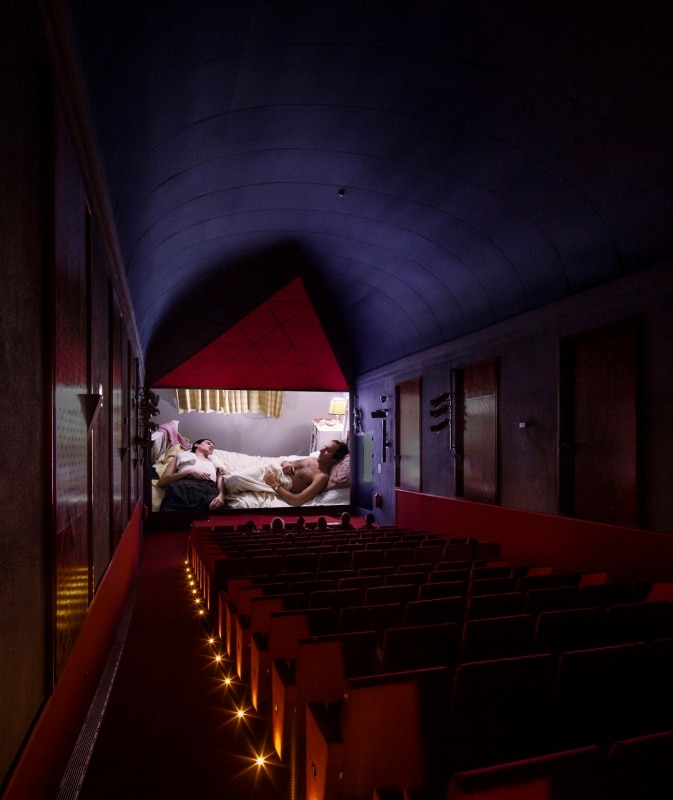
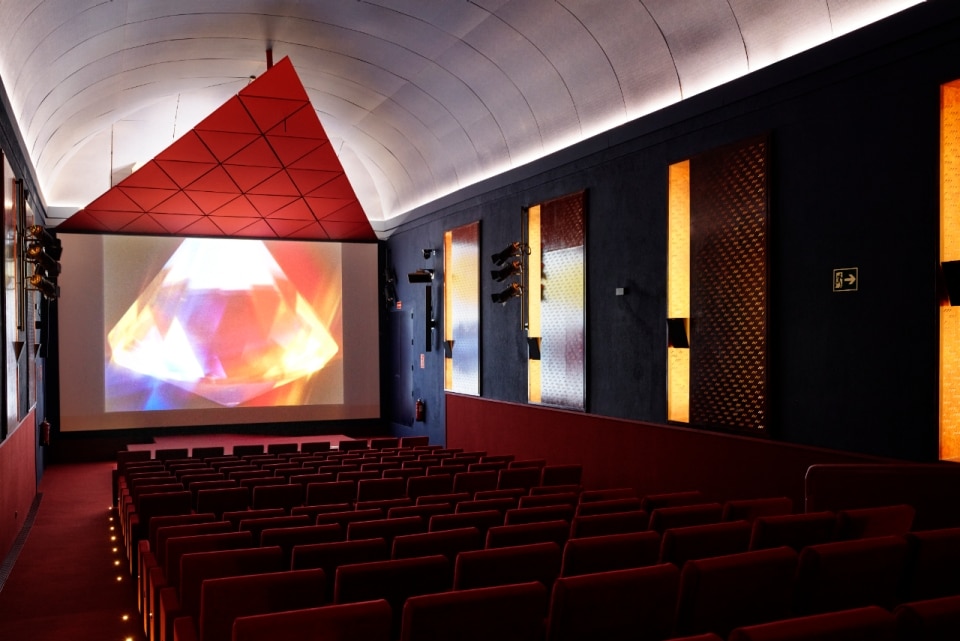
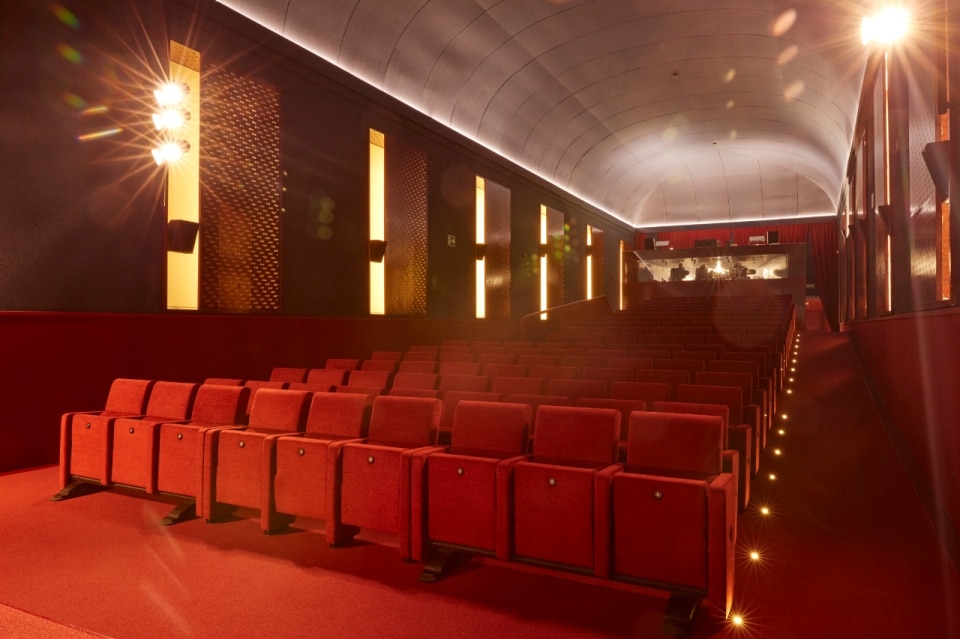
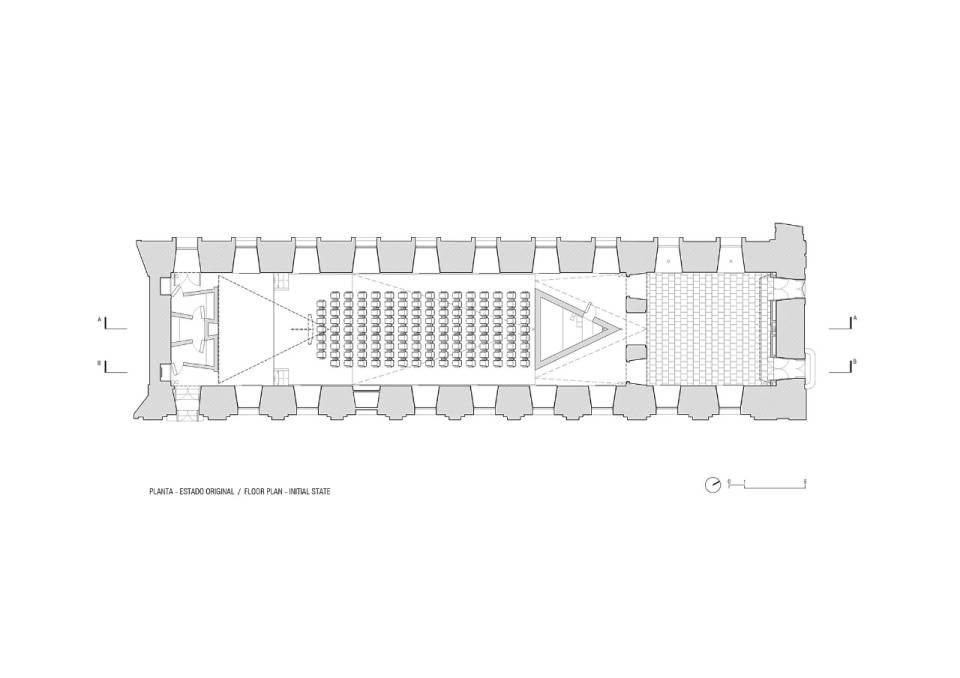
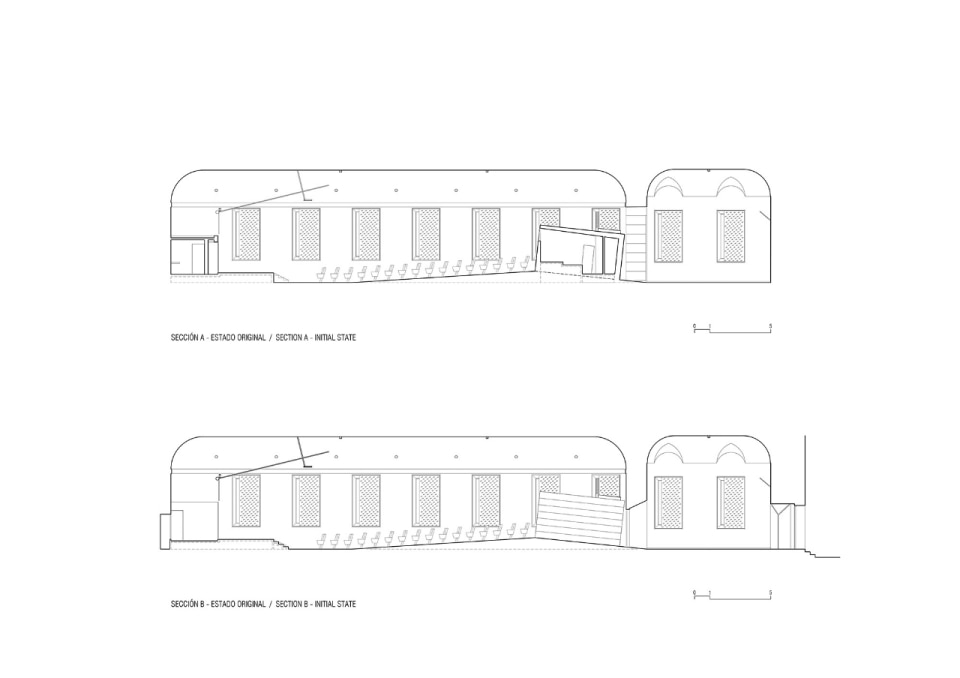
The auditorium designed in 1987 by Jaume Bach and Gabriel Mora, located in one wing of the Sabatini building, has now been transformed by the studio now named BACH / Jaume Bach and Anna & Eugeni Bach into a cinema that updates the space functionally while preserving the elements and spirit of the original design and integrating new features that are both evocative and contemporary.
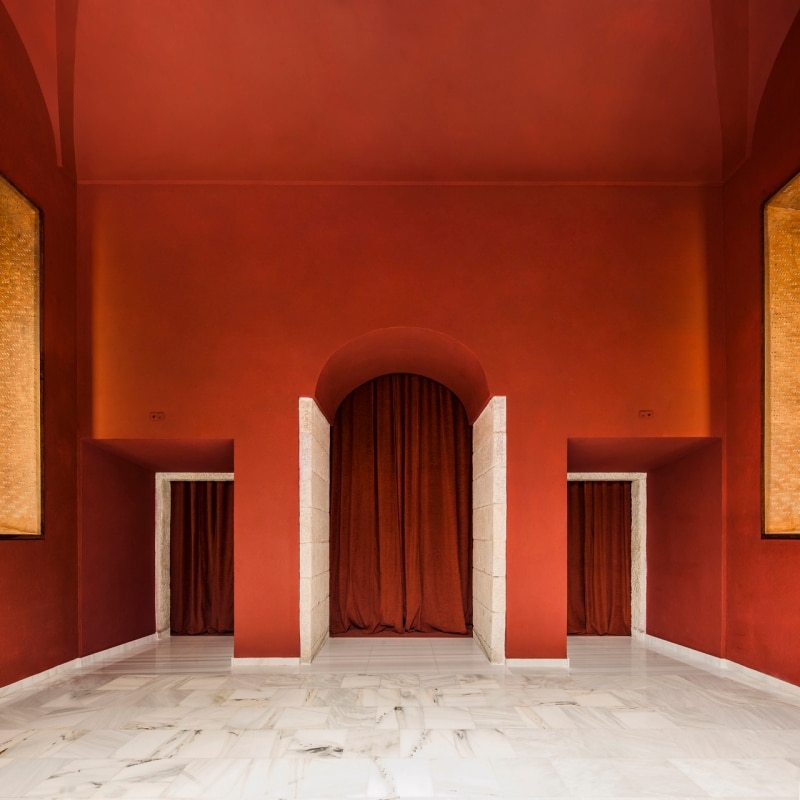
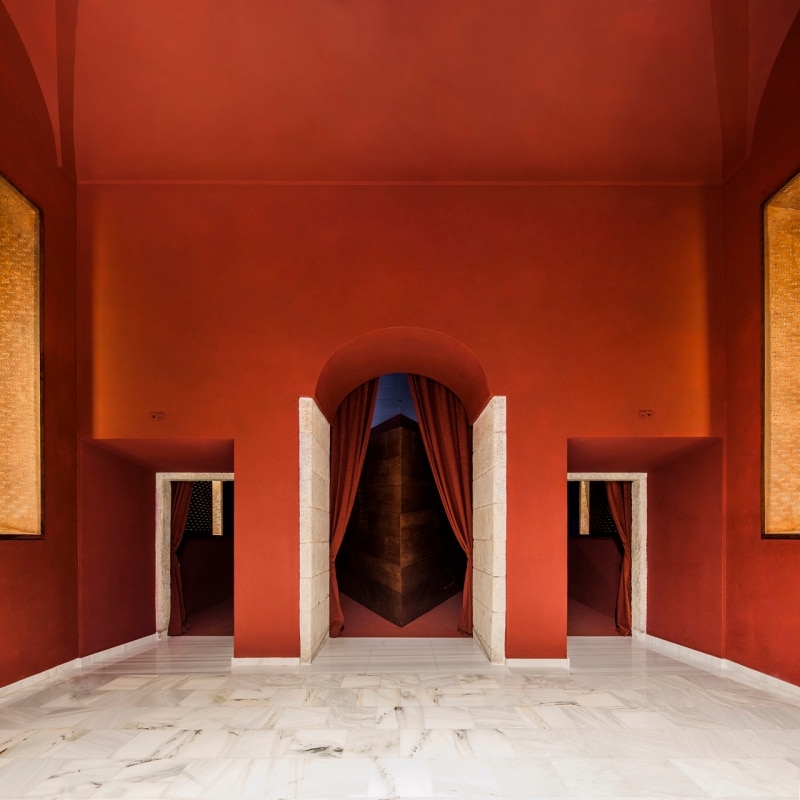
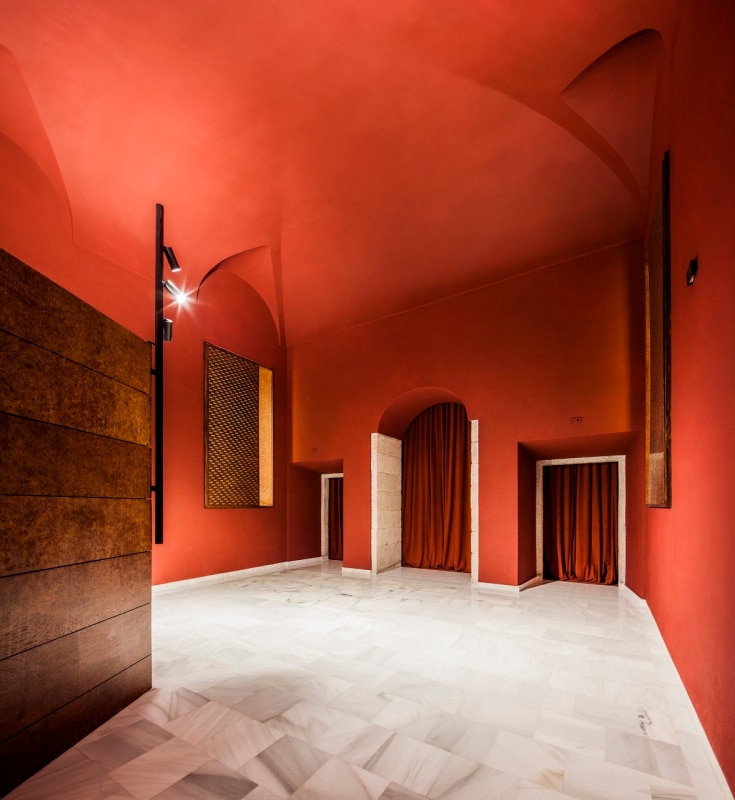
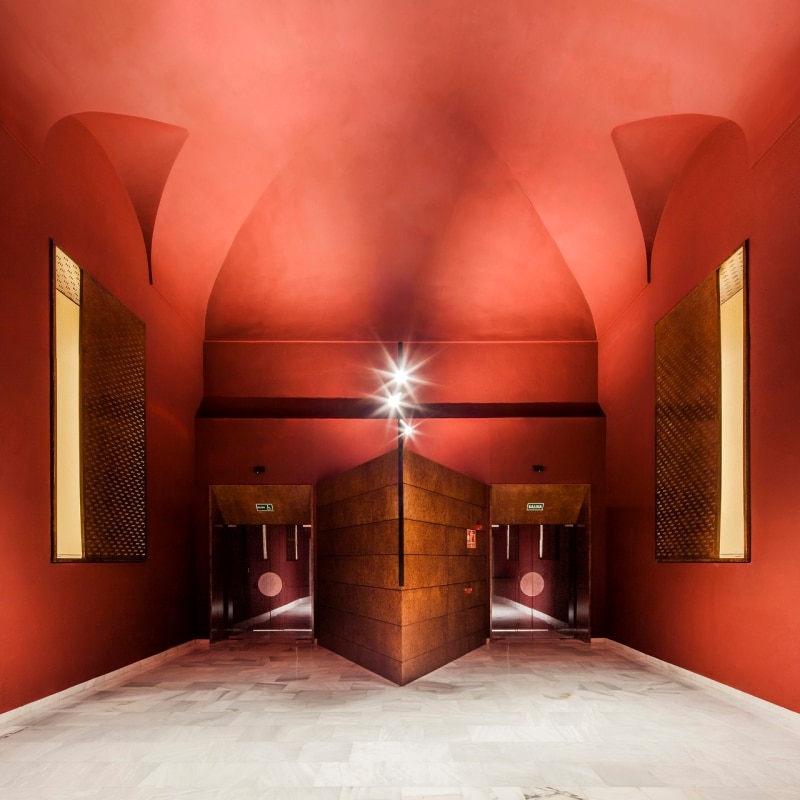
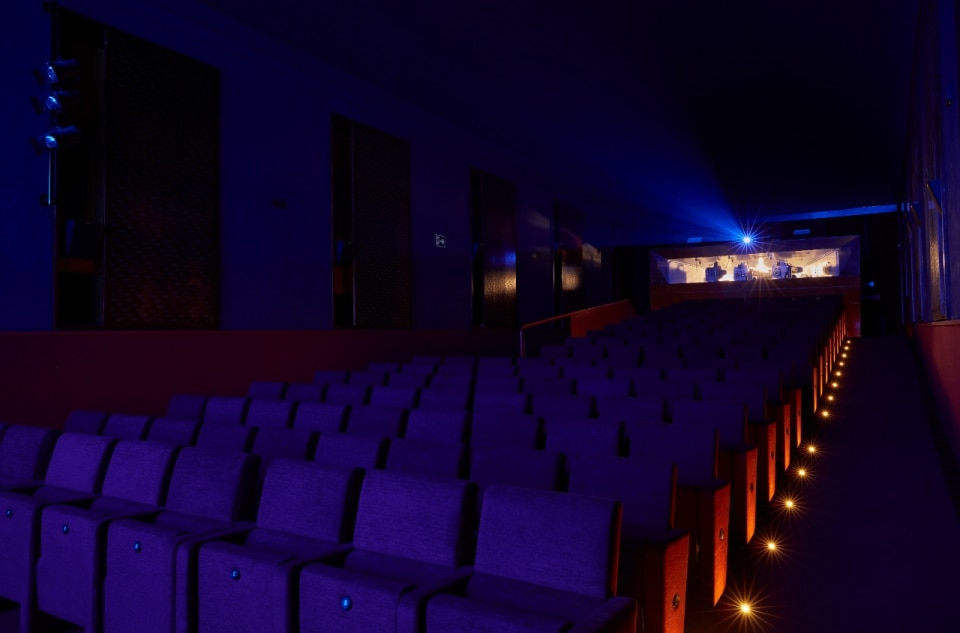
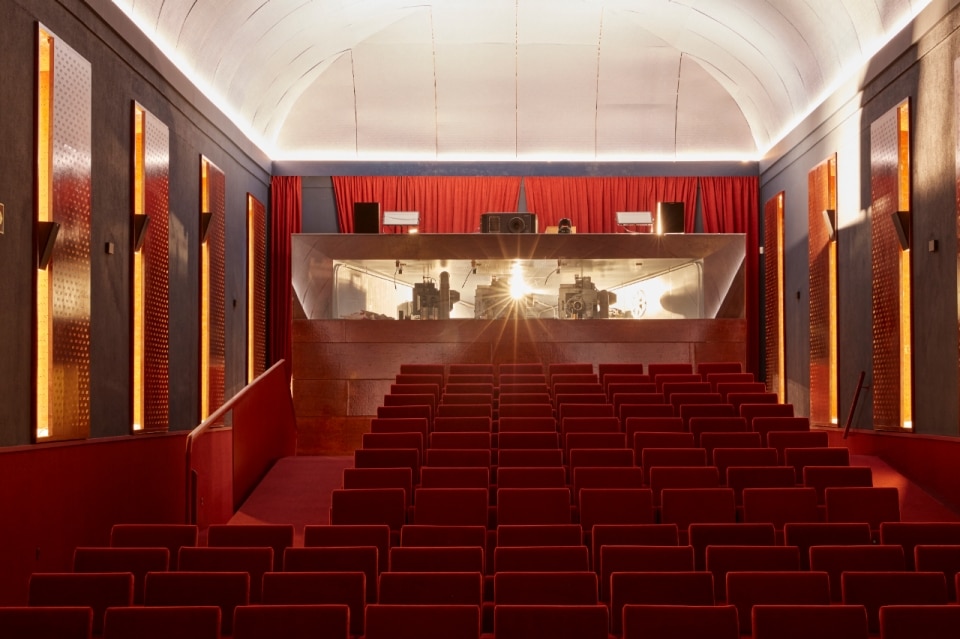
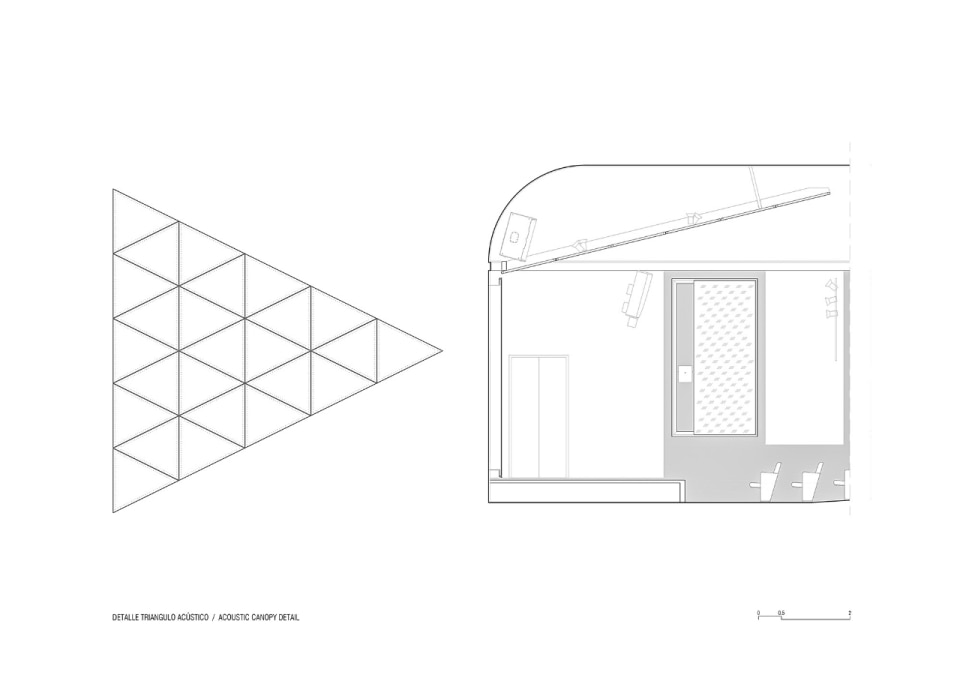
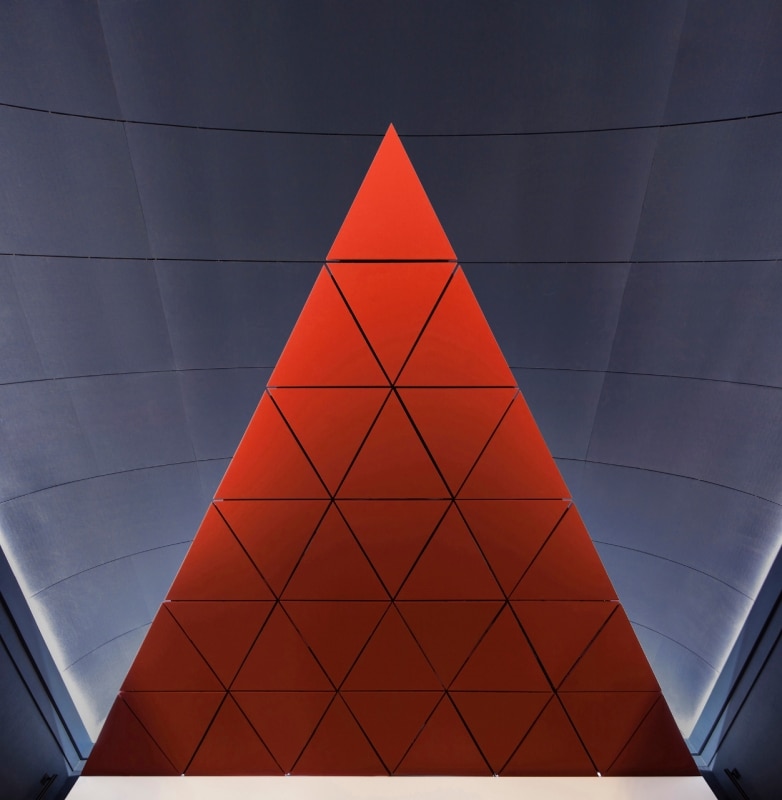
The transformation unfolds through infrastructural interventions, such as repositioning the seating to enhance the cinematic experience, and it dialogues with the composition of primary forms and colors that characterized the 1980s composition. The triangular shape returns, embodied both in the entrance volume containing the projection units and in the storage volume in the vestibule that mirrors it. Acoustics play a role in this recovery too: the other triangle completing the scheme – an abstract form once suspended above the stage – is now repurposed to house acoustic panels and central speakers.
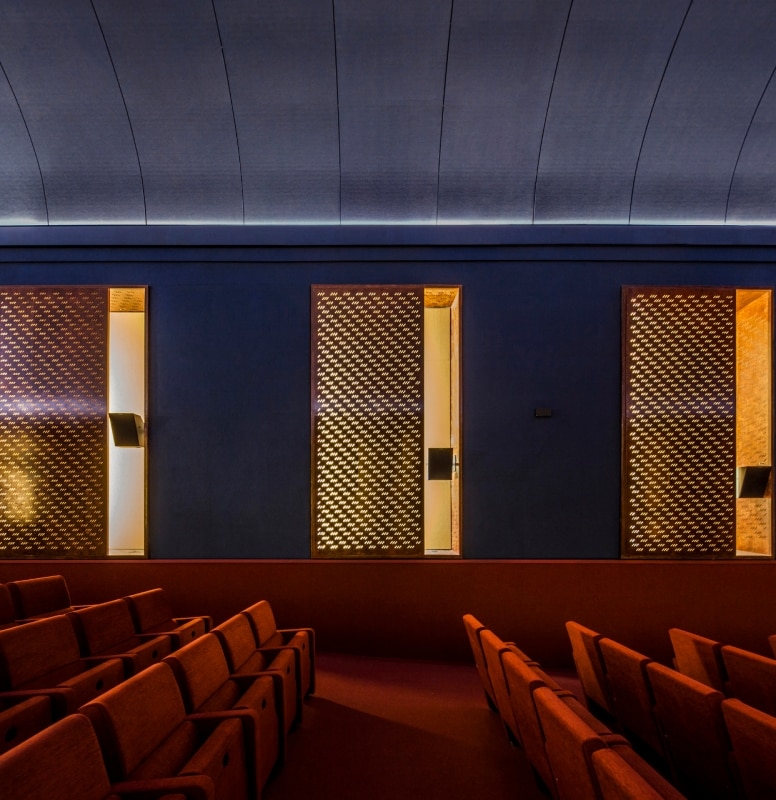
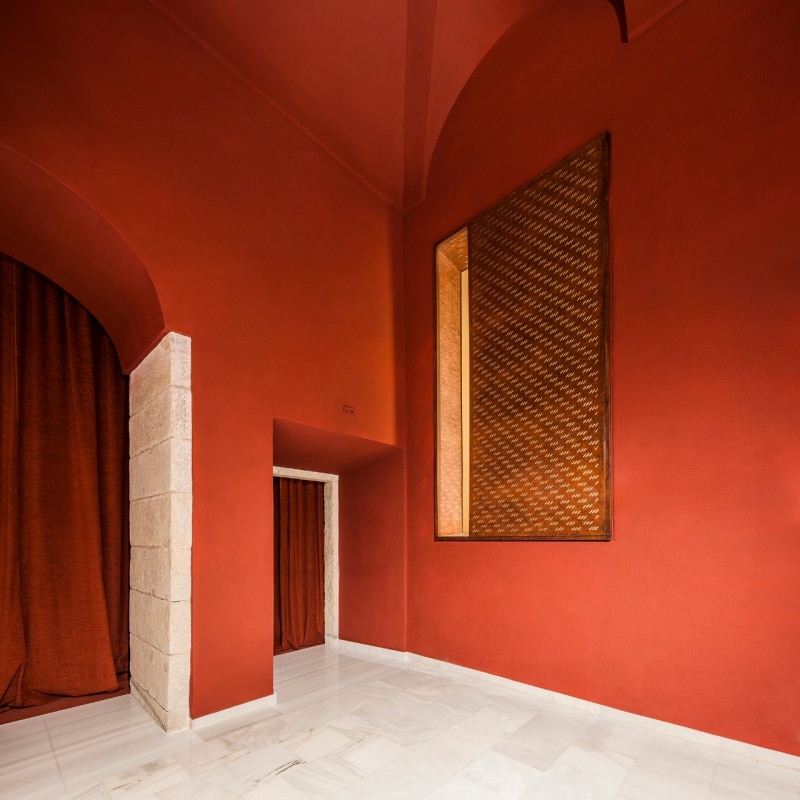
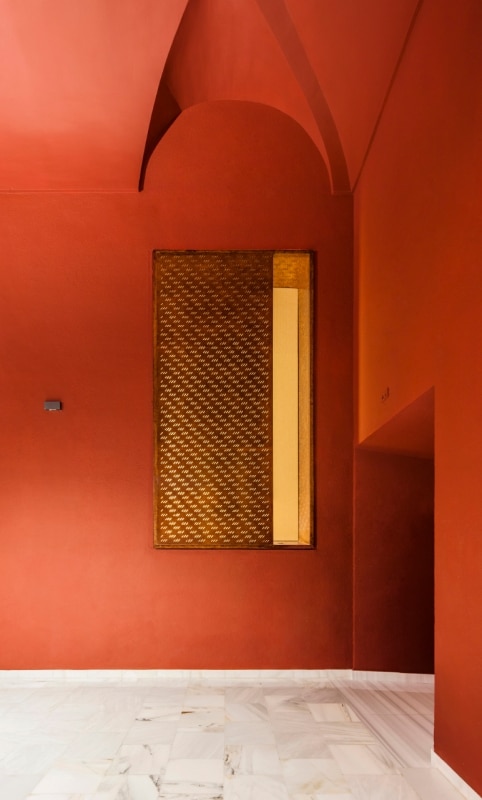
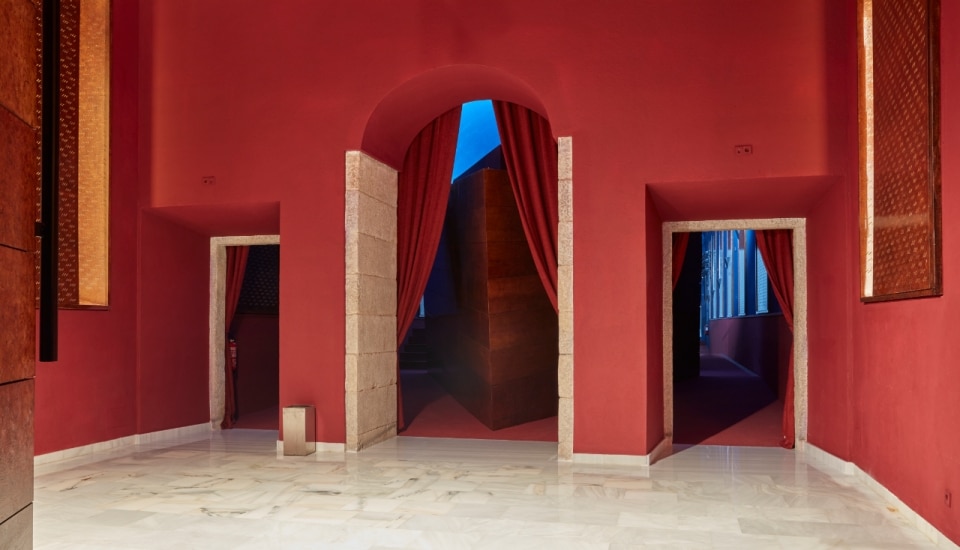
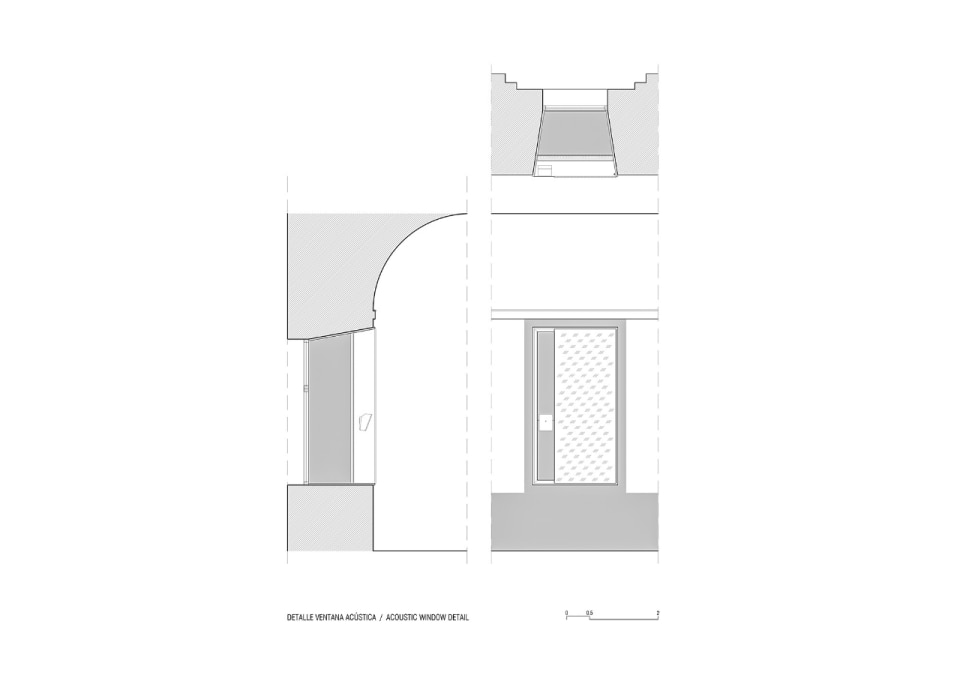
A midnight-blue ceiling dialogues with an omnipresent red – on the floor, the curtains, and the entrance wall, where it sets off the pale stones framing the Serliana arch. Combined with new perforated window screens, these tones amplify that sensation of an “outdoors indoors,” a hallmark of many postmodern works, such as Aldo Rossi’s Teatro Carlo Felice in Genoa. The designers cite references ranging from Gunnar Asplund’s Skandia Cinema in Stockholm to Madrid’s own Cine Doré, as well as cinematic imaginaries evoking Buñuel, Lynch, Almodóvar, and Kaurismäki.
The mission of this space – created with European funds from the Transformation, Recovery and Resilience Plan – is central to the museum’s new curatorial trajectory, which aims to give cinema the weight of an “image of our time.” In an era defined by hyper-individualized content consumption, cinema restores the collective dimension of the experience, rooted in physical presence and shared interaction. Opening this new chapter in the life of the Reina Sofía are works by Tsai Ming-Liang, Radu Jude, Ana Vaz, and Alice Rohrwacher.