


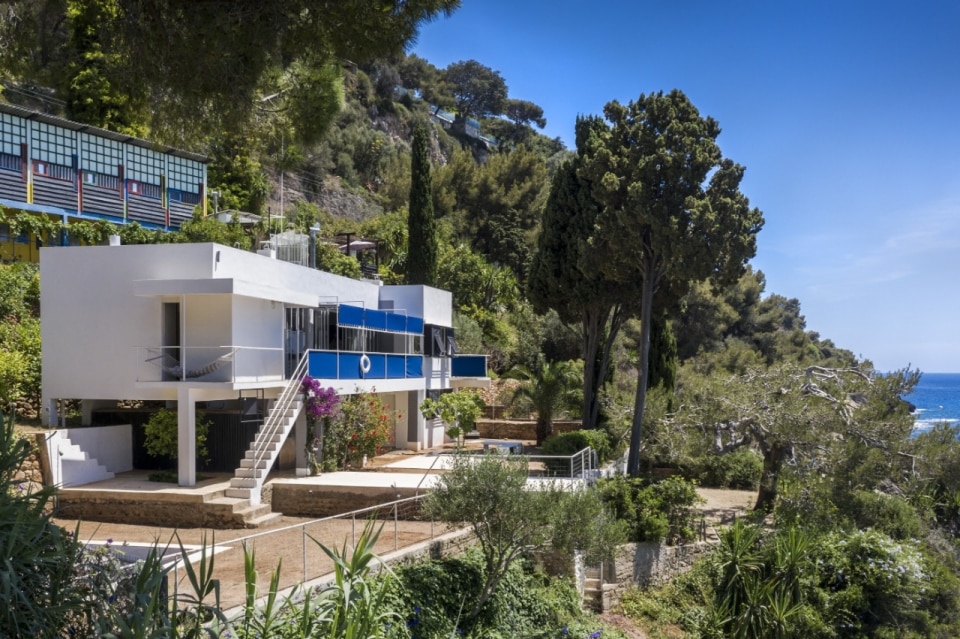
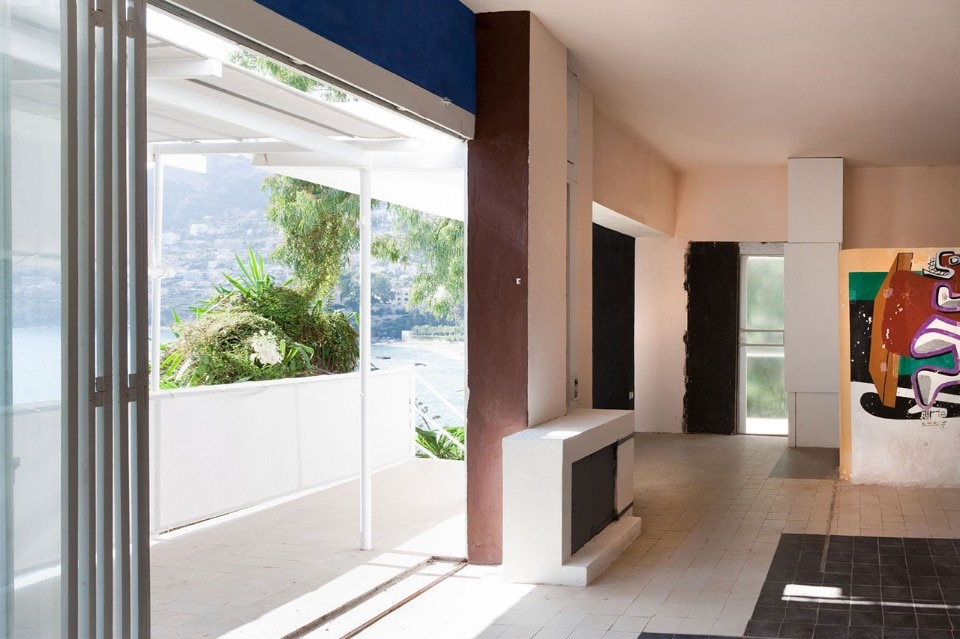
When artist Lorna Bauer stepped inside E-1027 for the first time in 2017, she found herself facing a paradox. One of the most important houses of the Modernist era was designed in the late 1920s by Eileen Gray, a woman. Yet its story is often narrated through the actions of the man who, a few years later, painted its walls without consulting her.
The Canadian artist, based in Montreal, works at the intersection of photography and sculpture, developing site-specific projects that explore how environments preserve and transform memory. Following her first visit, she created the exhibition “Maison en Bord de Mer”, which sees her return to the site of the eight murals painted by Le Corbusier in the famous Roquebrune-Cap-Martin villa.

 View gallery


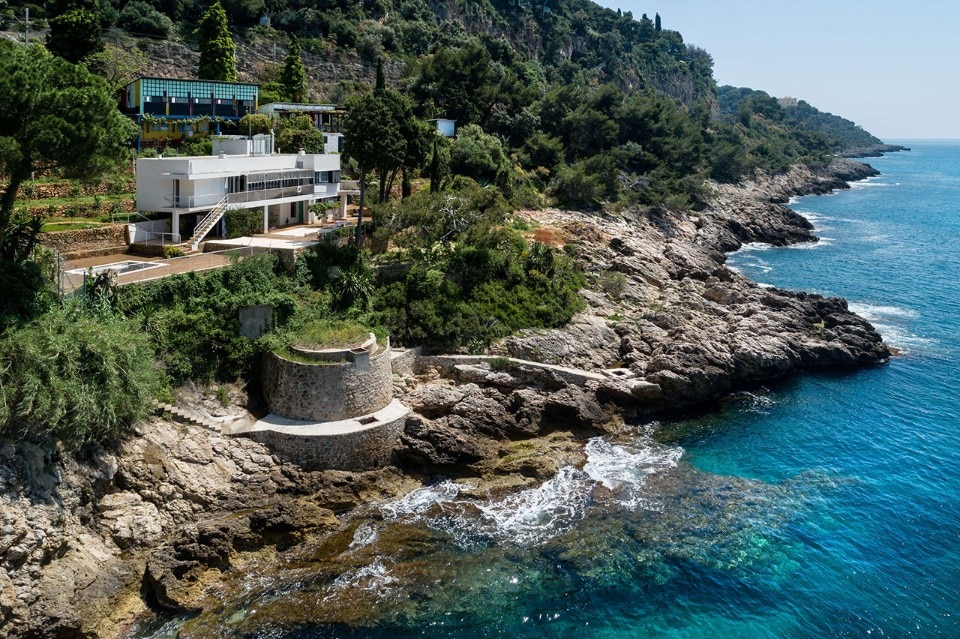
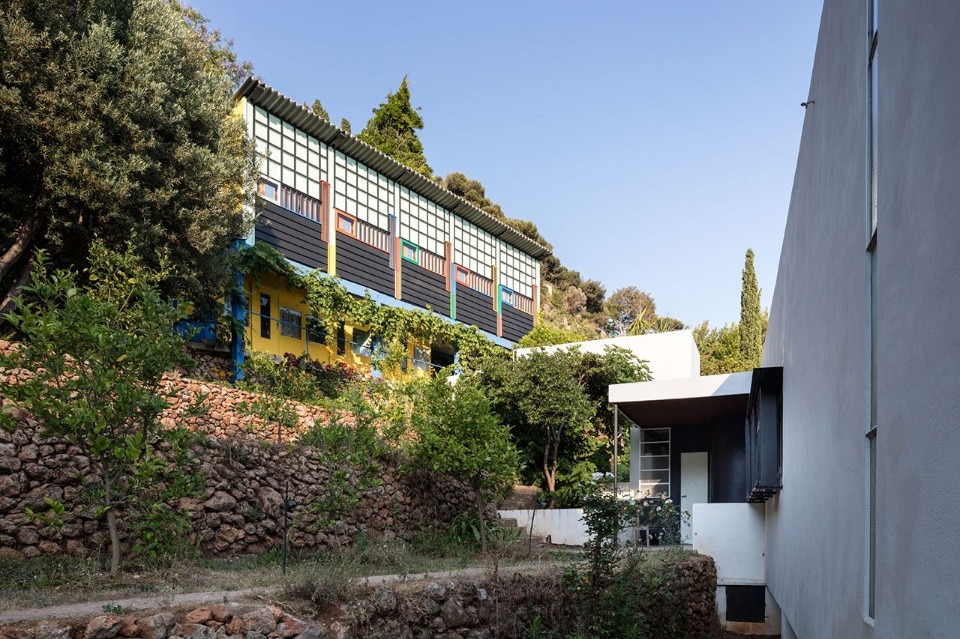
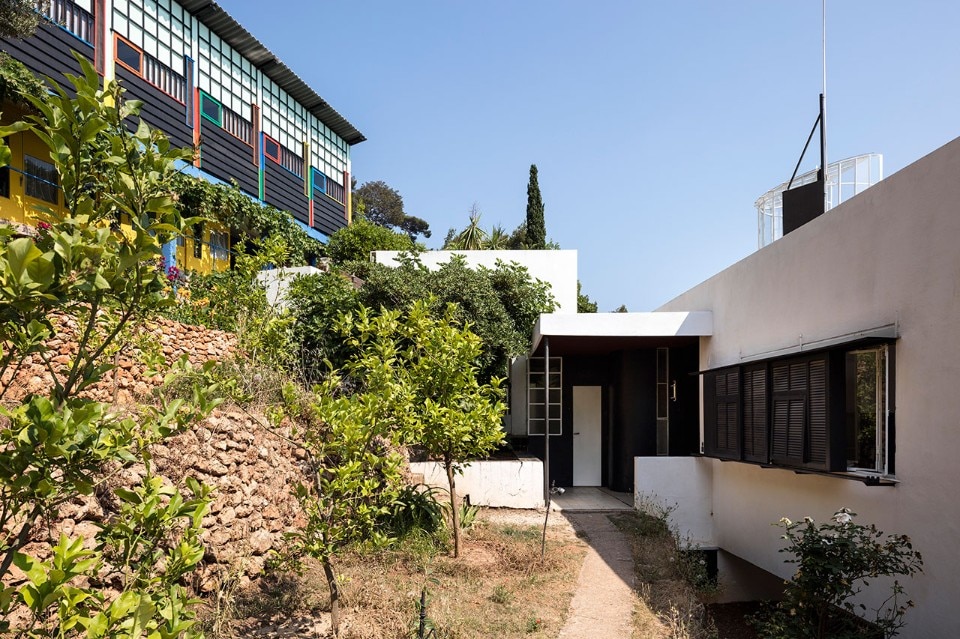
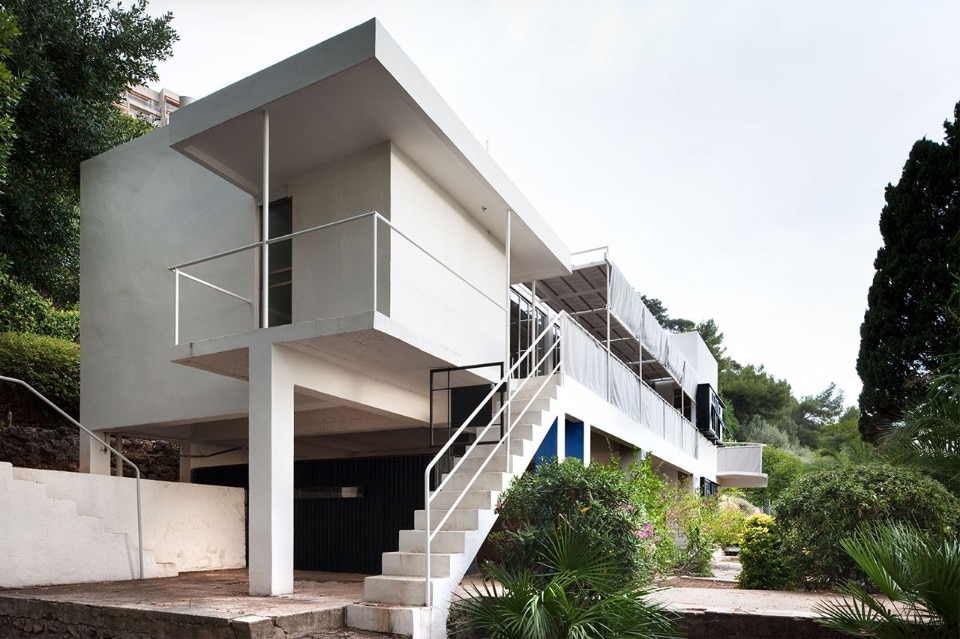
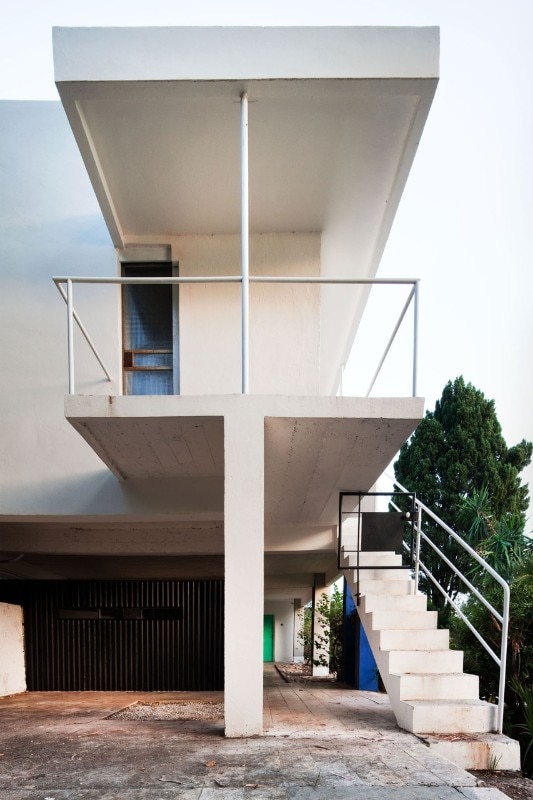
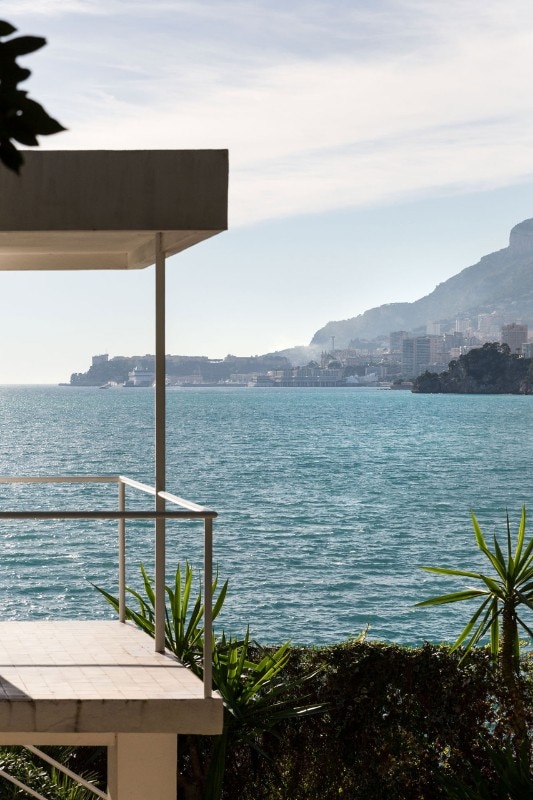
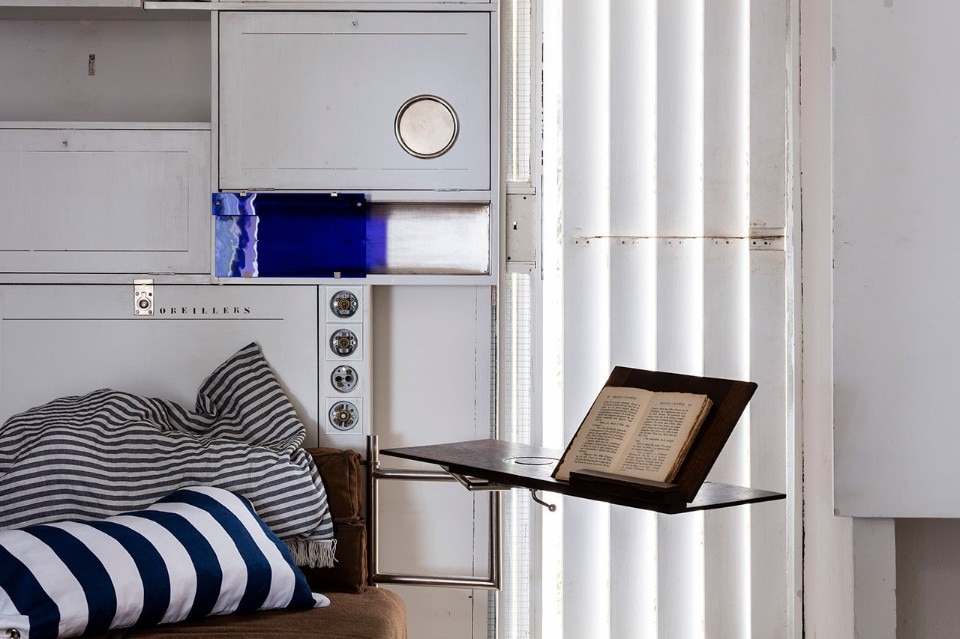
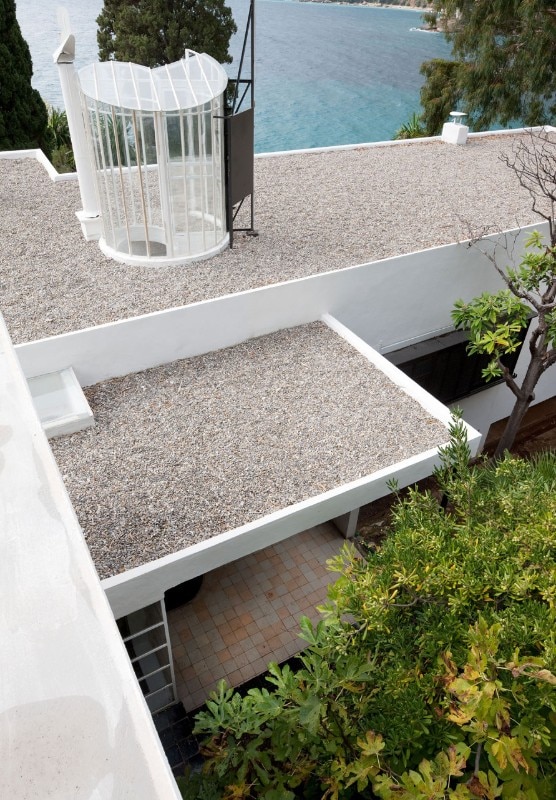
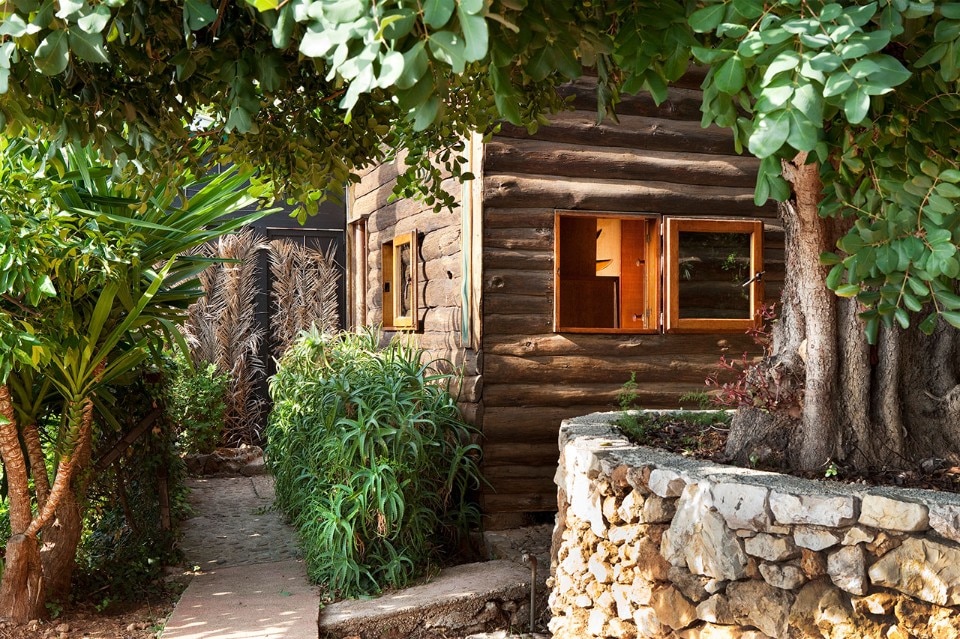
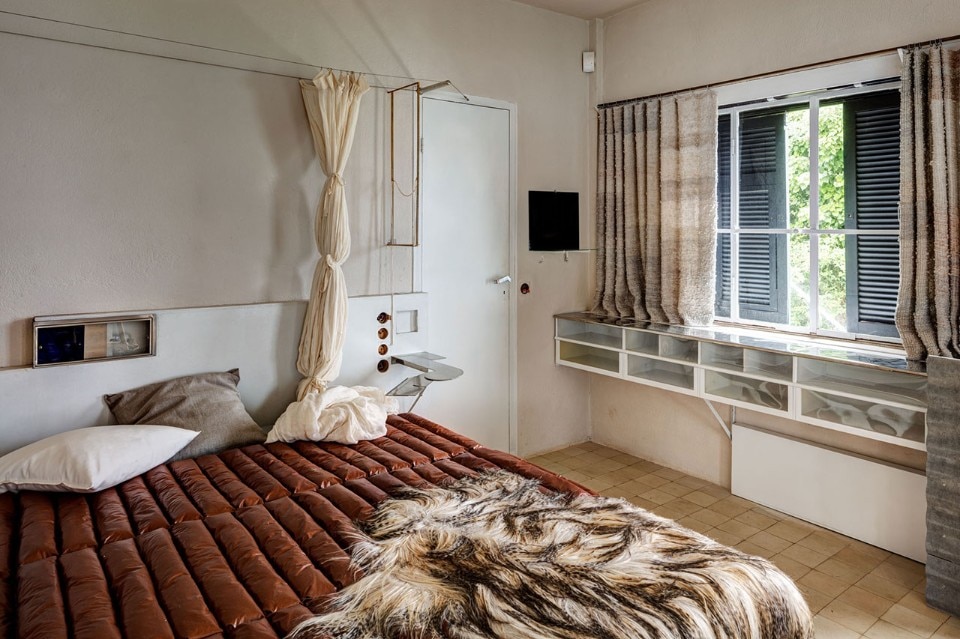
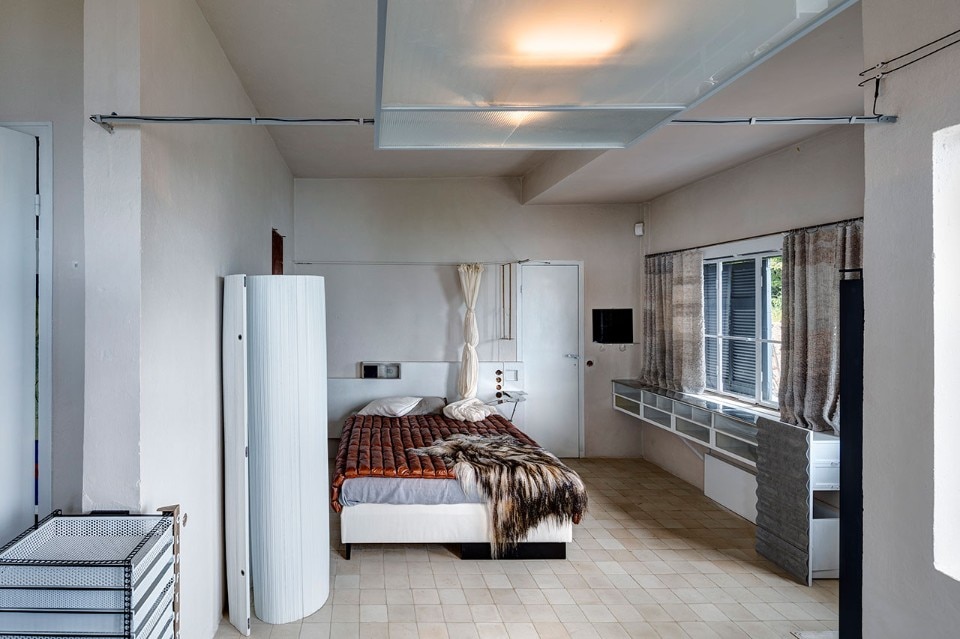
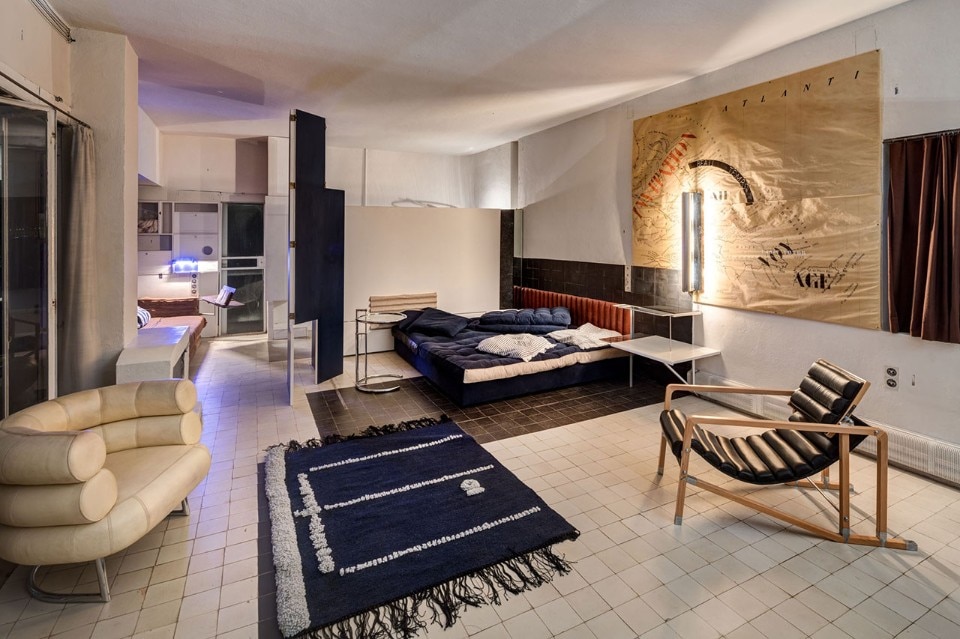
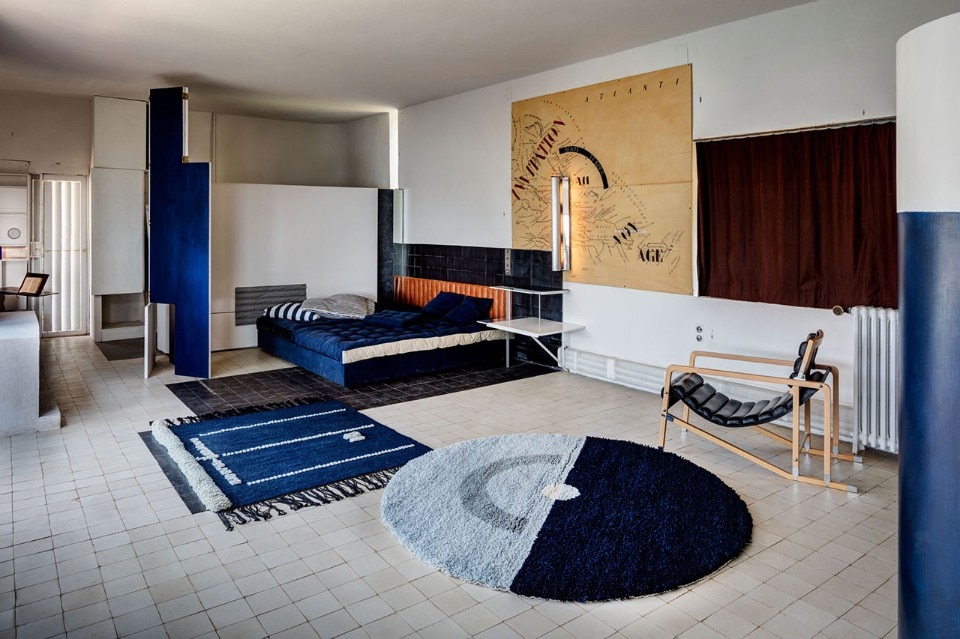
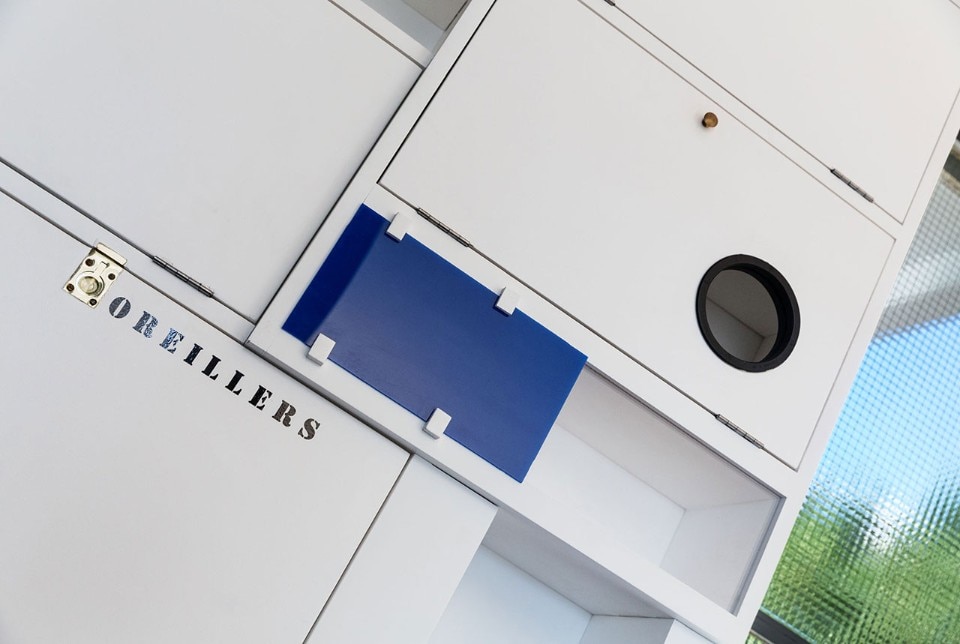
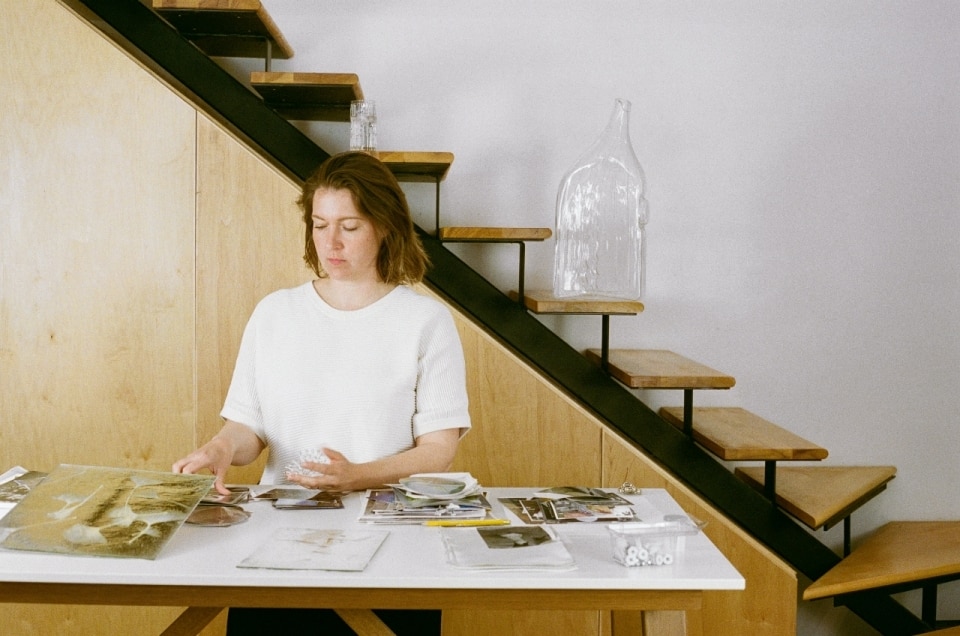
Taking shape from a series of analogue photographs taken by Bauer during that initial visit, the exhibition develops through works that engage with the forms and architecture of the villa. Reflective surfaces, glass reliefs, and furnishings inspired by Gray’s designs do not merely recreate the building or its atmosphere; they absorb and reflect its historical and symbolic complexity.
For Bauer, E-1027 is more than just a masterpiece of modern architecture. It is also a site crossed by competing and controversial narratives, through which its memory has been repeatedly interpreted and rewritten.
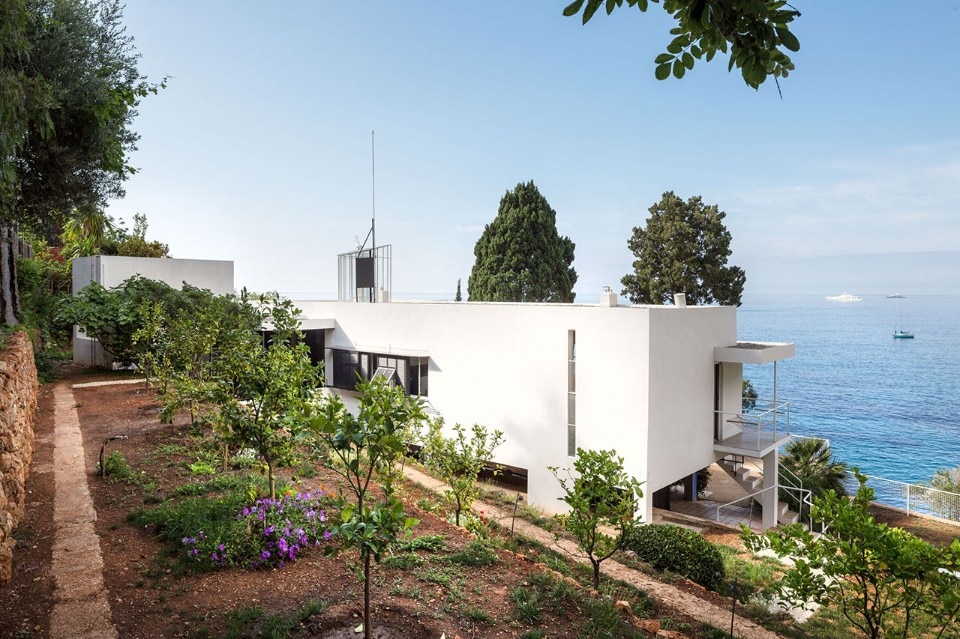
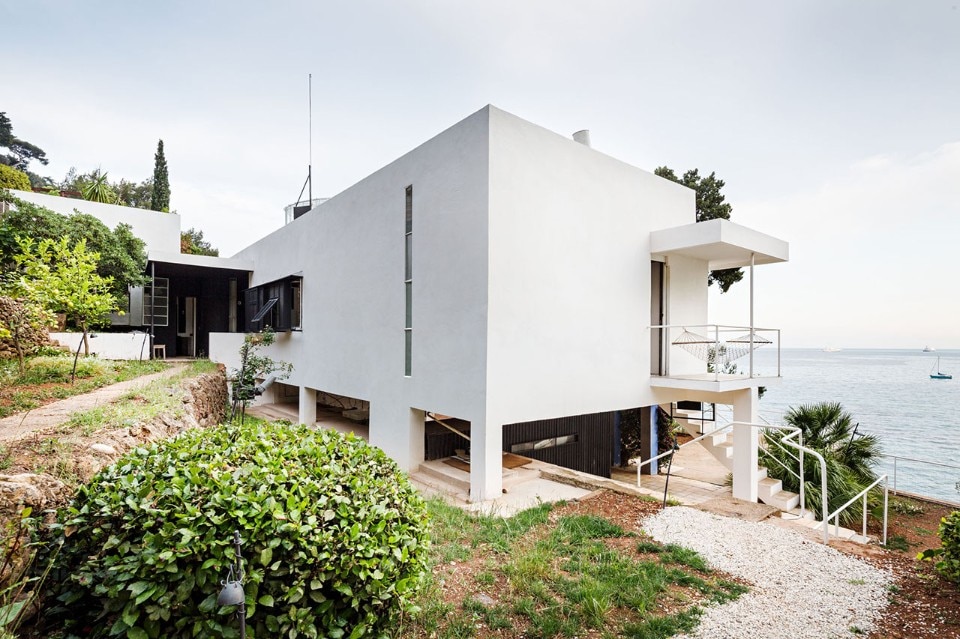
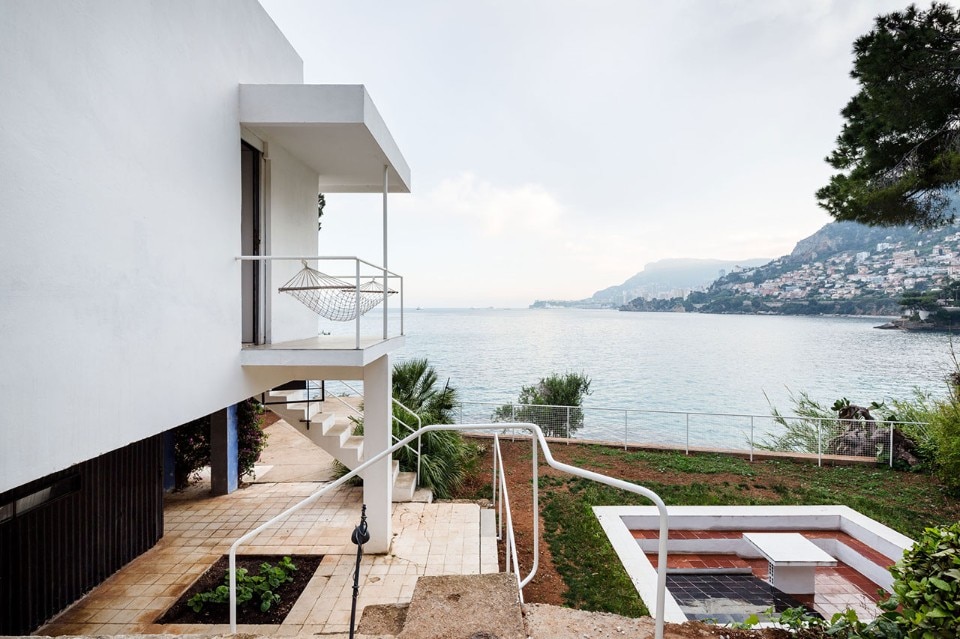
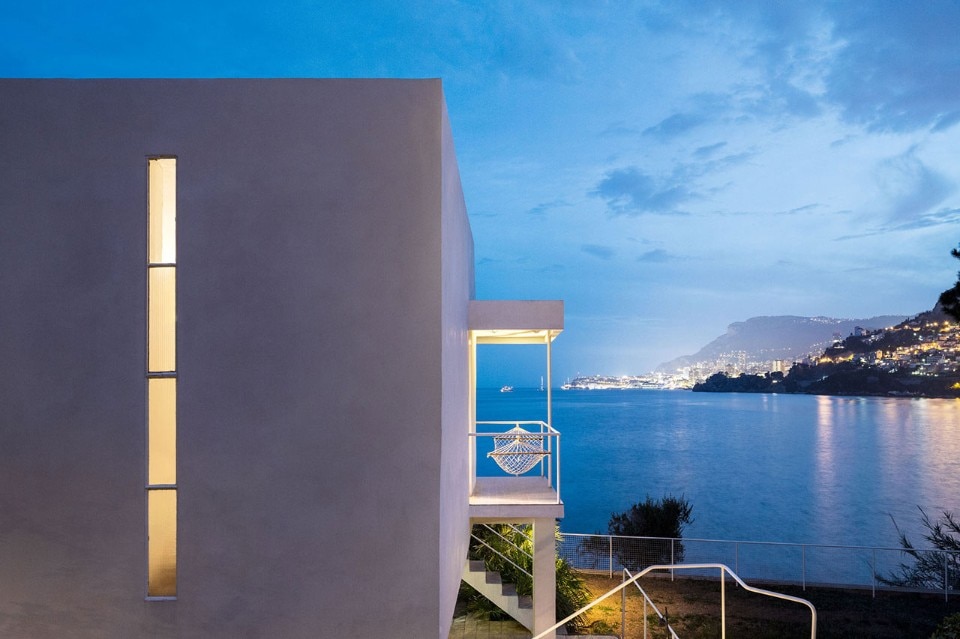
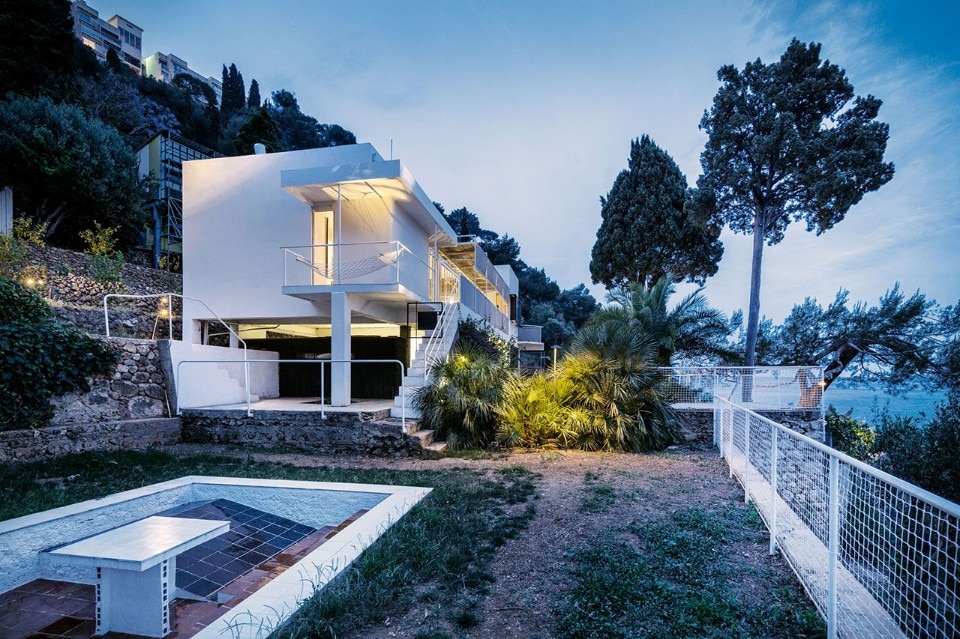
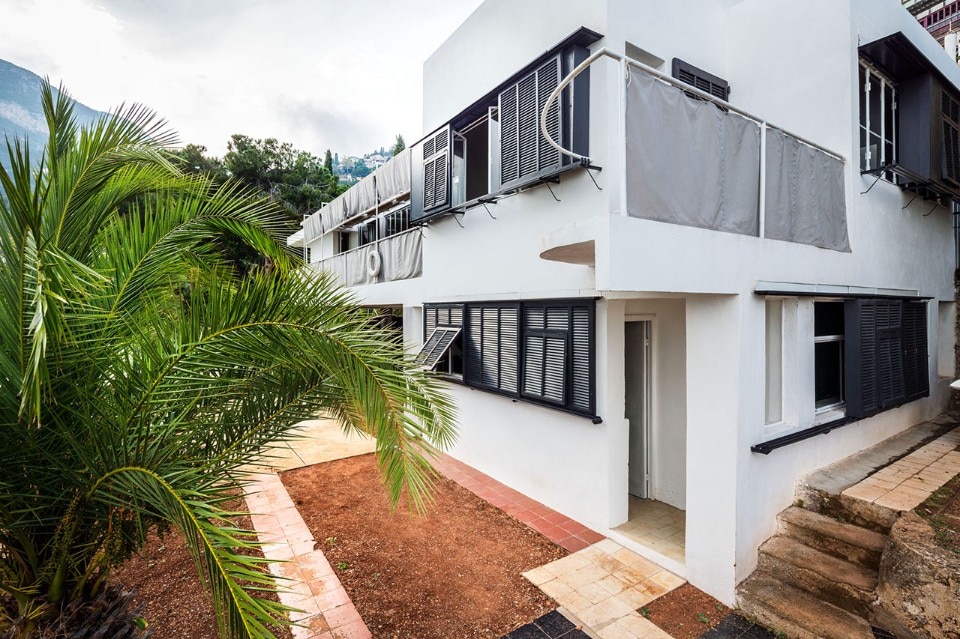
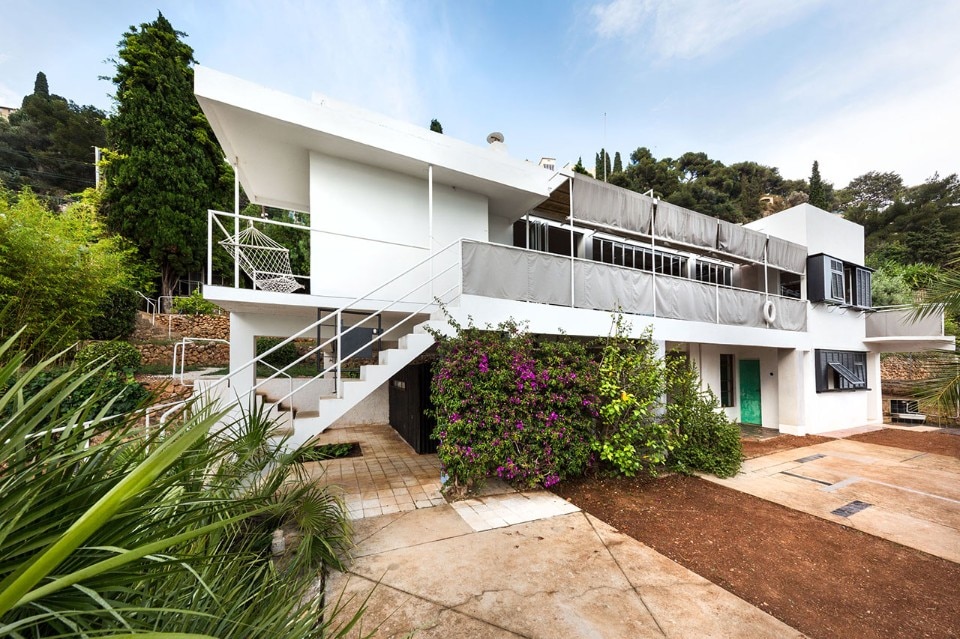
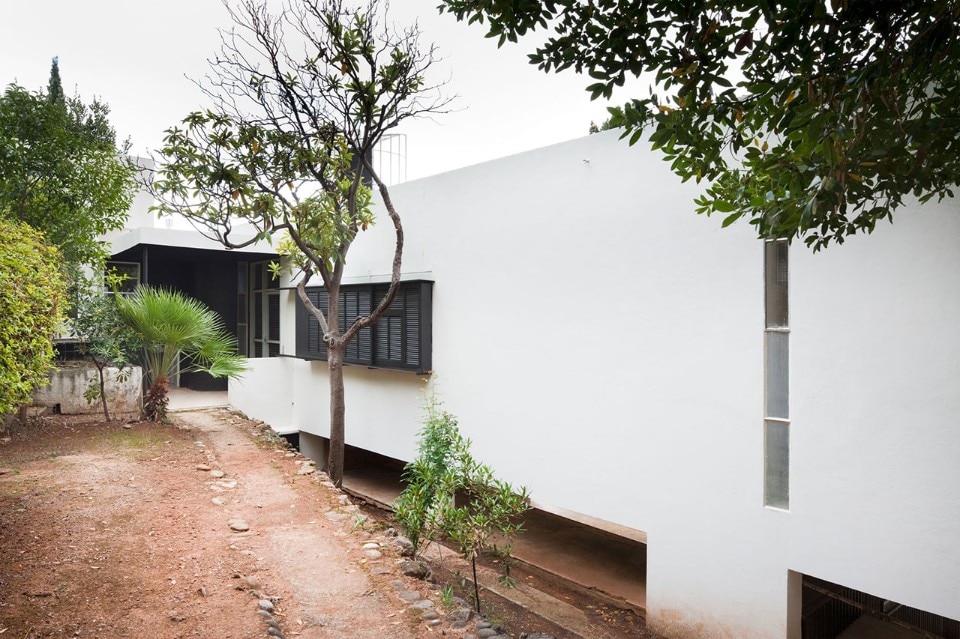
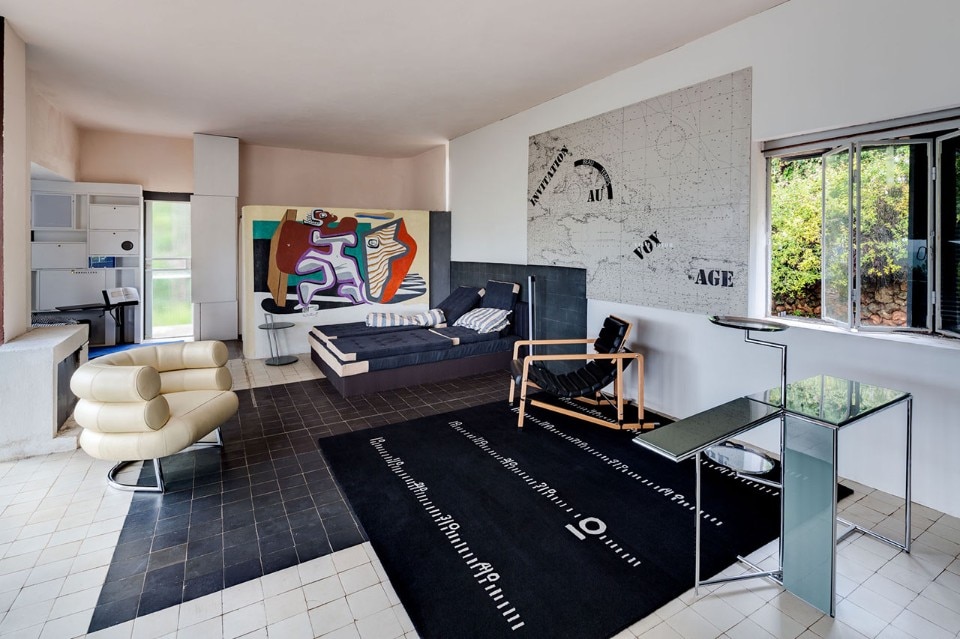
To understand this, we must briefly revisit the history of the villa. Designed by Eileen Gray in collaboration with her partner, the critic and architect Jean Badovici, between 1926 and 1929, E-1027 is located in Roquebrune-Cap-Martin and is considered to be one of the manifestos of modern architecture. The name itself is a reflection of their relationship: E stands for Eileen, 10 for the J of Jean, 2 for the B of Badovici, and 7 for the G of Gray. Every element, from the layout of the spaces to the loose furniture, was conceived as part of a single domestic project built around the lives of its inhabitants.
In the late 1930s, Le Corbusier entered the story. A friend of Badovici’s and a regular guest at the villa, he created eight murals directly on its walls with the homeowners’ agreement between 1938 and 1939. However, Gray, who was no longer involved in the life of the building and had not been consulted on the intervention, disapproved of the paintings deeply, considering them a form of vandalism against her own project.
Since then, the murals have become one of the most widely discussed topics in the history of 20th-century architecture, as well as being one of the house’s most recognisable features. They have been interpreted as an homage to his friends by Le Corbusier, as a contribution to the life of the building, and as a gesture of appropriation. Some of the criticism has suggested that they represent male authority being exercised over a work conceived by a woman without her involvement in the decision-making process.
The notoriety of the paintings has also contributed to Le Corbusier’s presence being overlaid onto the history of the villa. While the murals were not the sole cause of Gray’s long-overdue recognition, their critical reception became part of the broader discussion surrounding the attribution and legacy of E-1027. It is within this ambiguity that Bauer’s work is situated. The artist does not attempt to provide a definitive interpretation of the dispute or to present E-1027 as a straightforward historical document.
The photographs taken in 2017 do not provide an objective view of the villa; rather, they capture fragments, details and surfaces. Alongside these images, Bauer places frames, sculptures, and glass reliefs – mirror-like elements that introduce instability by reflecting and distorting and returning only partial details of images that are already fragments of a larger history.
In this sense, “Maison en Bord de Mer” does not use E-1027 merely as a subject, but as a device. The house becomes the starting point from which to question how a story is constructed and passed down, and how it can be removed or rewritten over time.
- Exhibition:
- Lorna Bauer. House by the Sea
- Where:
- Trotter & Sholer, New York
- When:
- June 18 – August 4, 2026
Opening image: Eileen Gray e Jean Badovici, Villa E-1027, Roquebrune-Cap-Martin, Francia, 1926-1929. Photo Manuel Bougot via Flickr