


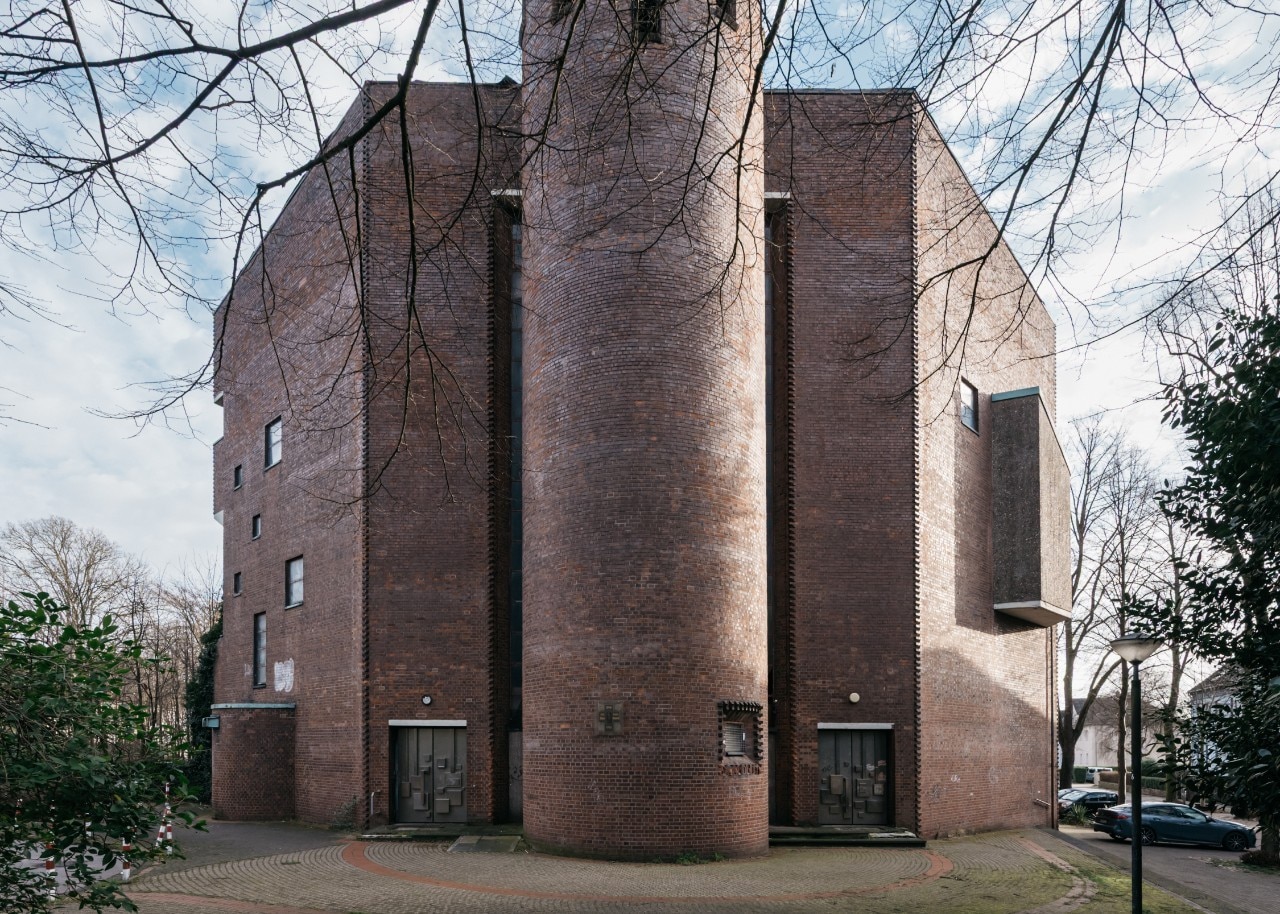

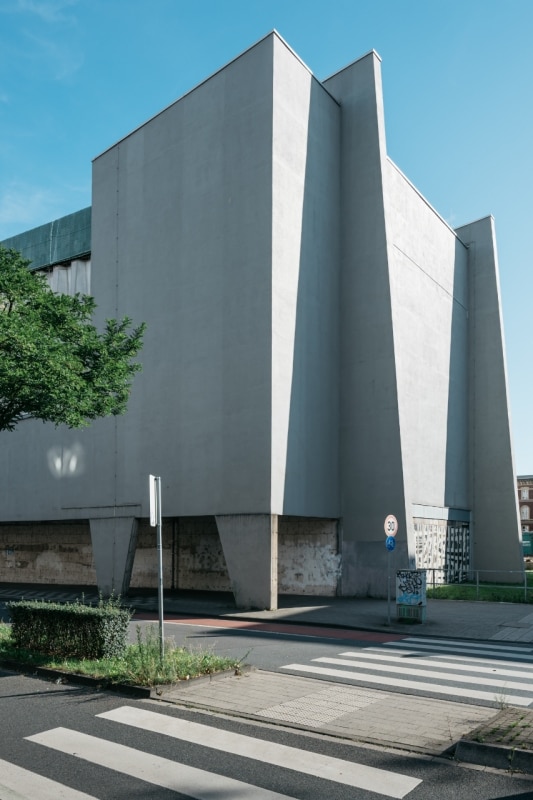
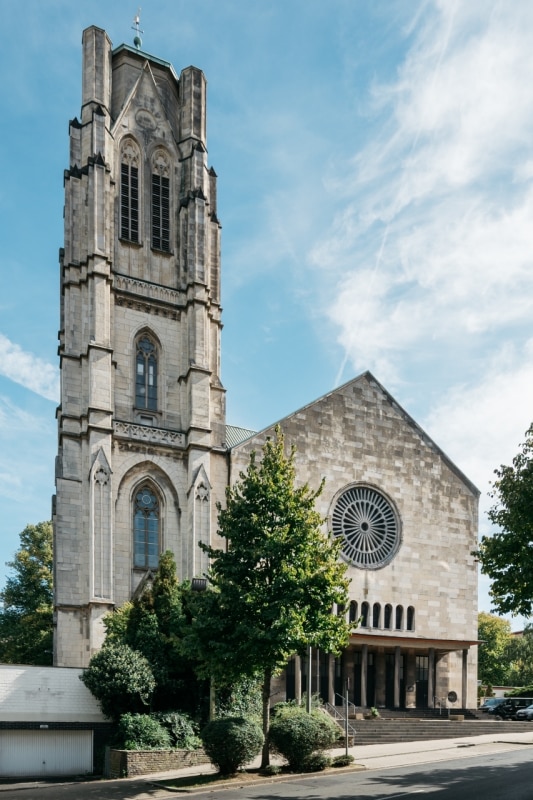
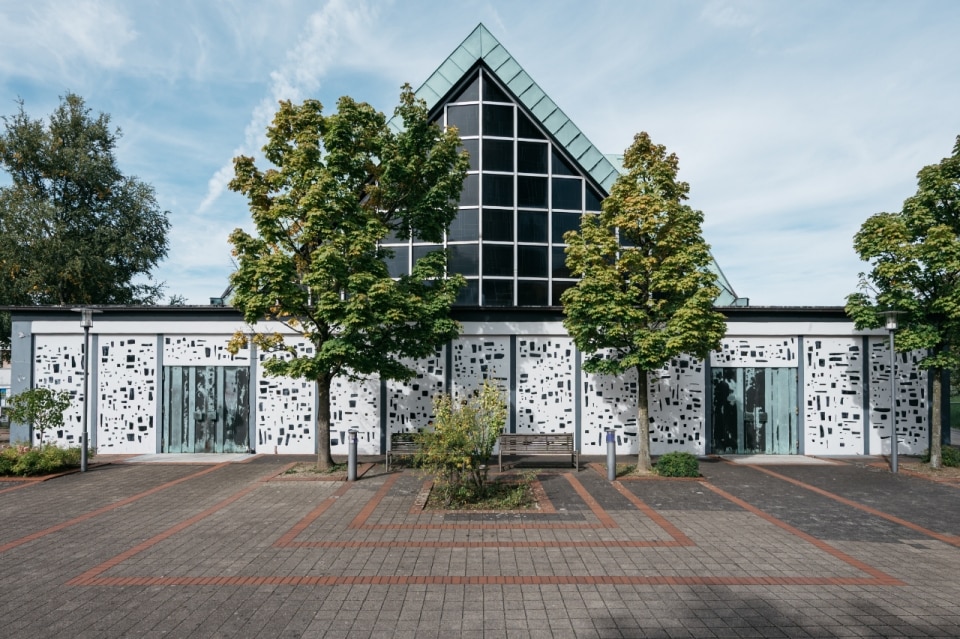
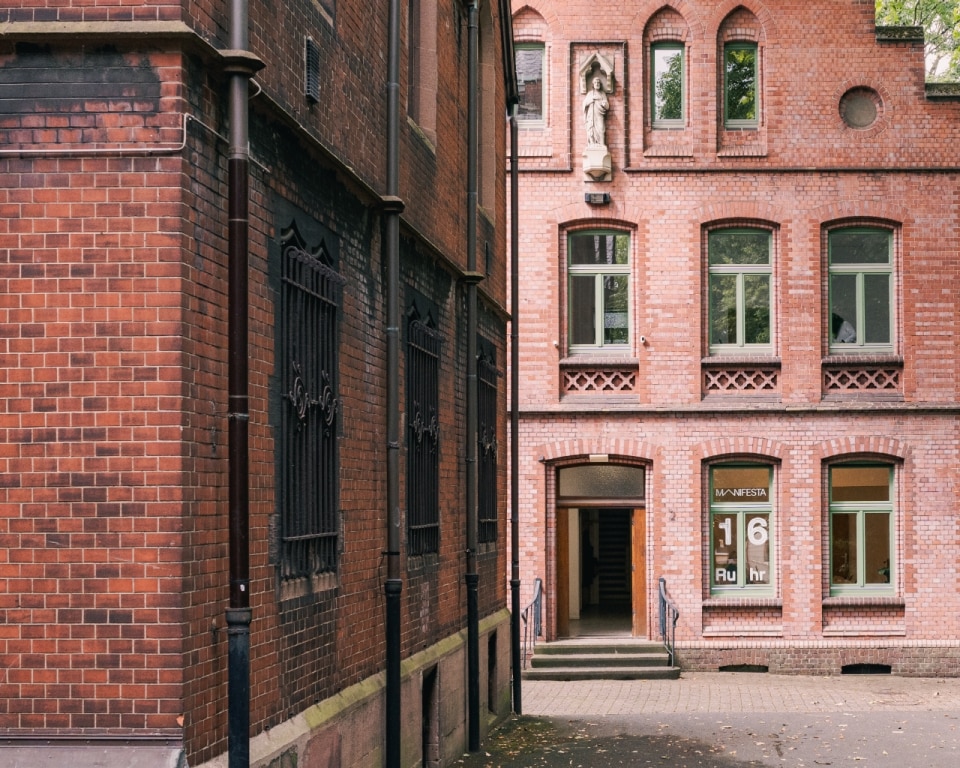
What should be done with religious buildings when the community for which they were built changes, shrinks, or disappears? Having already transformed factories, mines, and industrial infrastructure into museums, parks, and cultural spaces, Europe now faces a new challenge in imagining the future of its churches. Manifesta 16, the nomadic European biennial of contemporary art, takes shape from this question. From June 21 to October 4, 2026, it will unfold across twelve churches in the German region of the Ruhr, in the cities of Duisburg, Essen, Gelsenkirchen, and Bochum.
Since 1996, Manifesta has changed host city with each edition, choosing a different location from which to explore contemporary art and the transformations of the present. Following the fifteenth edition, which was hosted by the metropolitan region of Barcelona in 2024, it arrives in the Ruhr region of Germany this year.
The title chosen for this edition, “This is not a church”, does not merely allude to the temporary change in the use of these buildings. Instead, it raises the question that underpins the entire project: what can a building designed to bring a community together become when that community changes, shrinks, or disappears?
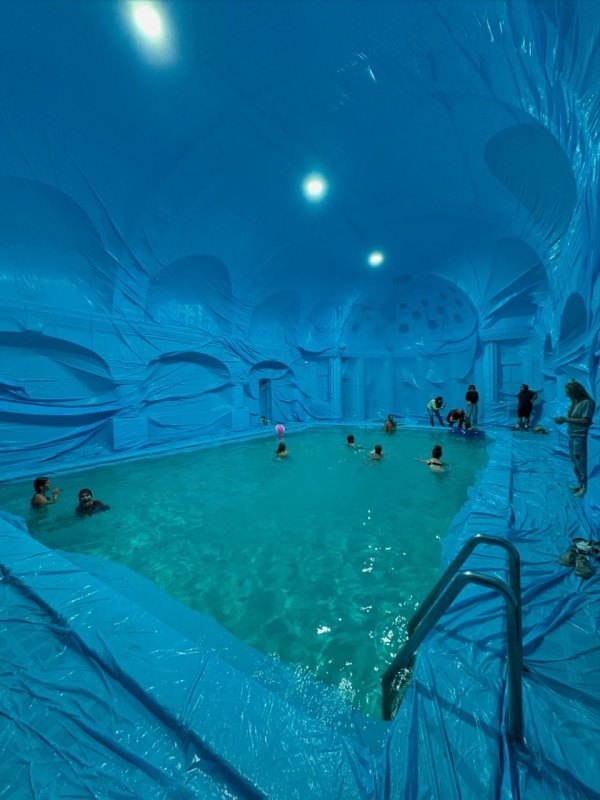
In the Ruhr, this question takes on particular weight. For more than a century, the region was one of Europe’s major centres of heavy industry, shaping its identity around coal, steel, mines, factories, and working-class neighbourhoods. Its growth attracted migrants from within Germany and across Europe, forming a polycentric urban region in which cities such as Duisburg, Essen, Gelsenkirchen, and Bochum developed almost without interruption.
That history is also marked by the fractures of twentieth-century Germany. The Ruhr’s industry played a central role in the war economy, then in postwar reconstruction and West Germany’s economic boom, before entering a long period of crisis and restructuring from the 1970s onward.
While the Ruhr has become an international model for the adaptive reuse of industrial heritage, Manifesta 16 asks whether the same could be true of its religious buildings.
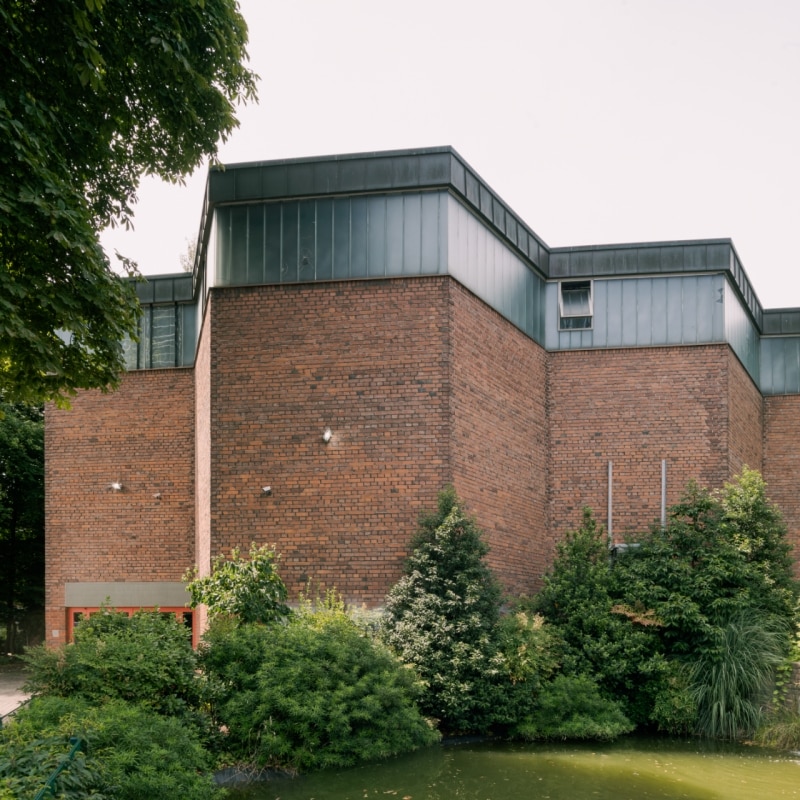
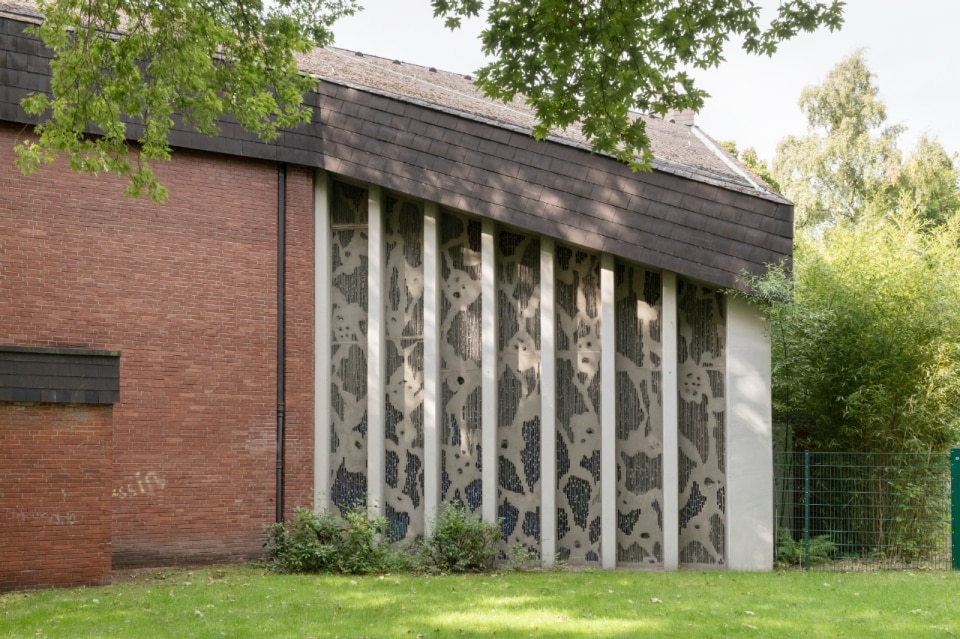
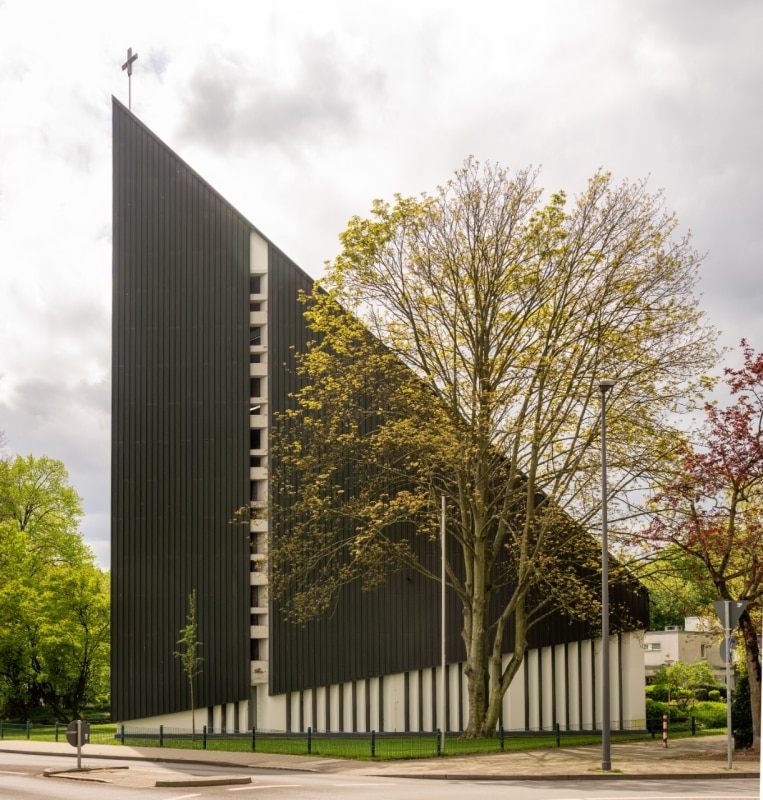
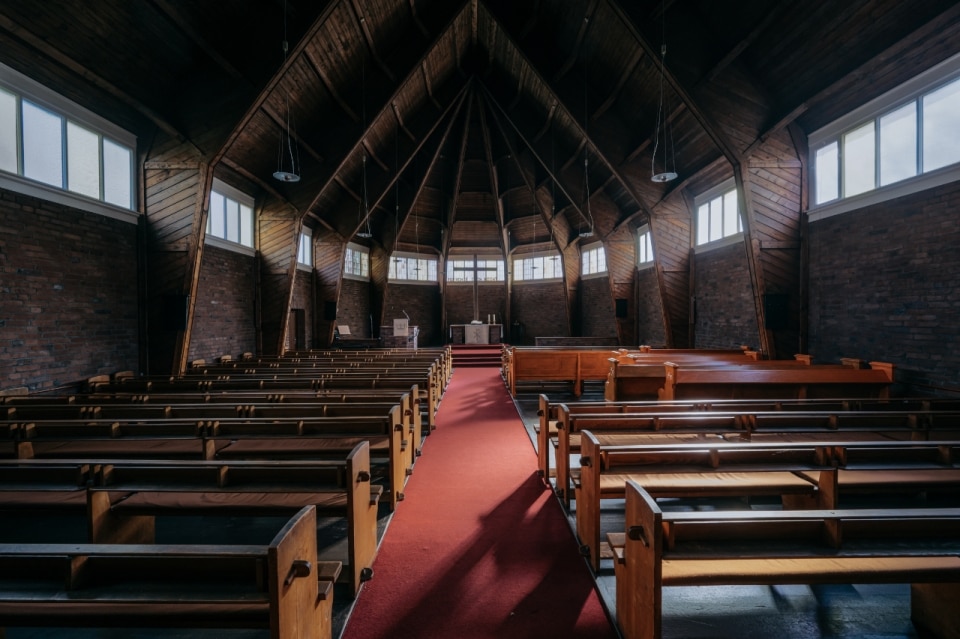
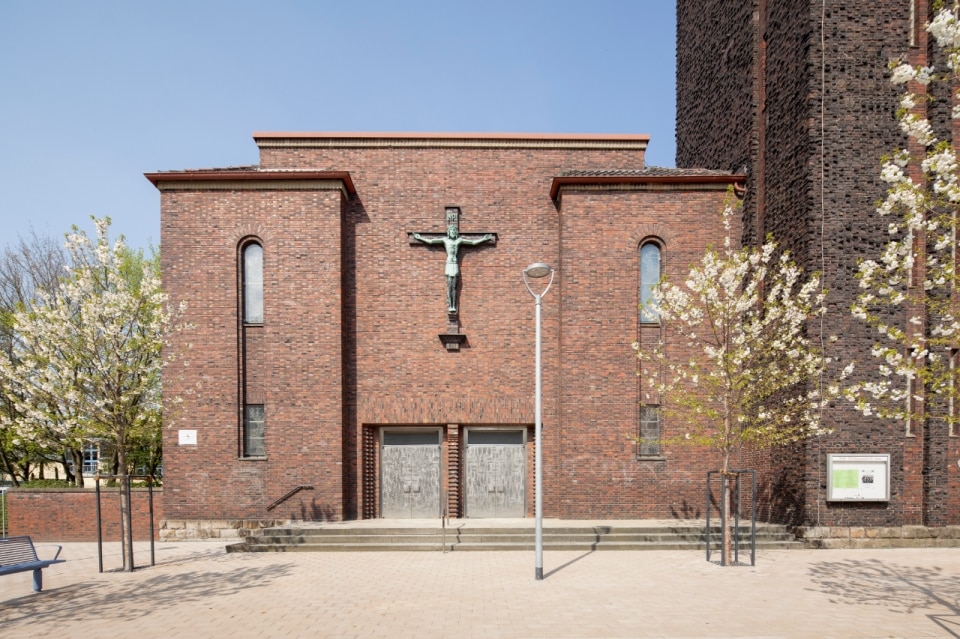
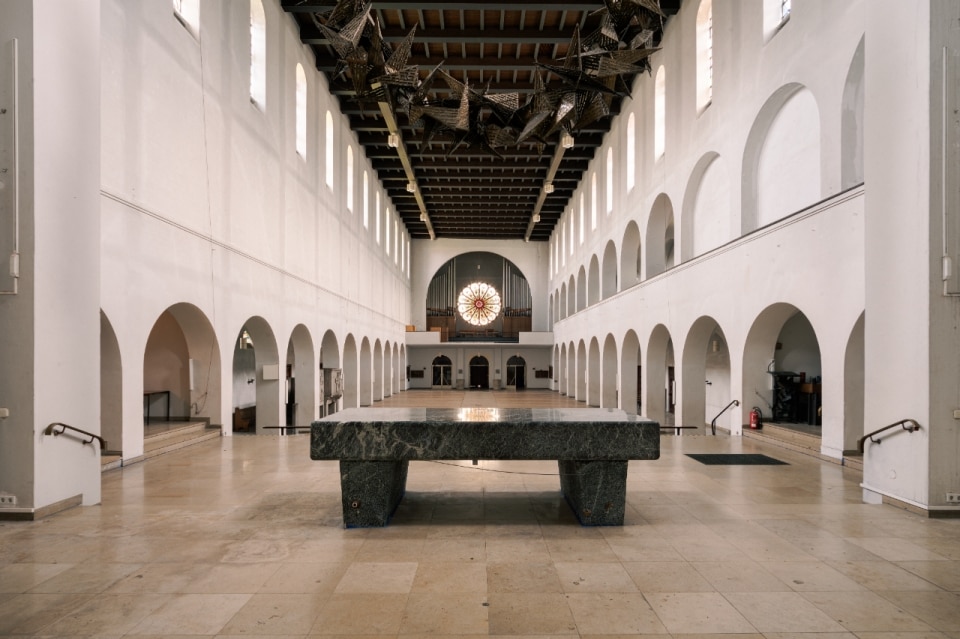
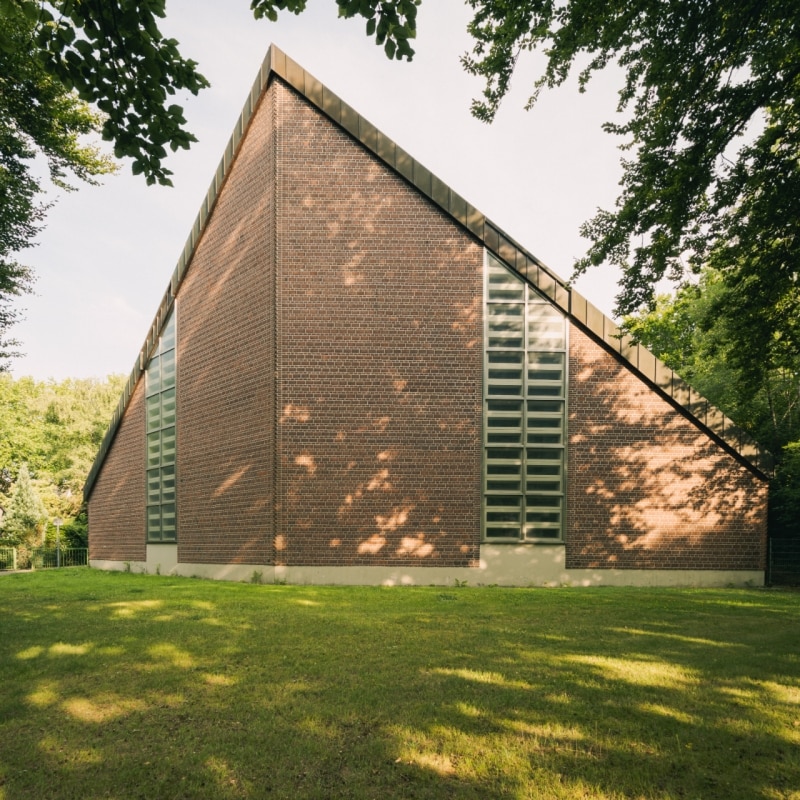
Many of the churches featured in Manifesta belong to this second chapter in the region’s history. Built or rebuilt after the war, often in modernist forms and with an imposing urban presence, they served expanding neighbourhoods, working-class communities, and parishes that also functioned as places of everyday connection. Today, amid secularisation, declining congregations, parish mergers, and rising maintenance costs, many of these buildings occupy a state of limbo: too large for their original use, yet too charged with memory to be treated simply as urban voids.
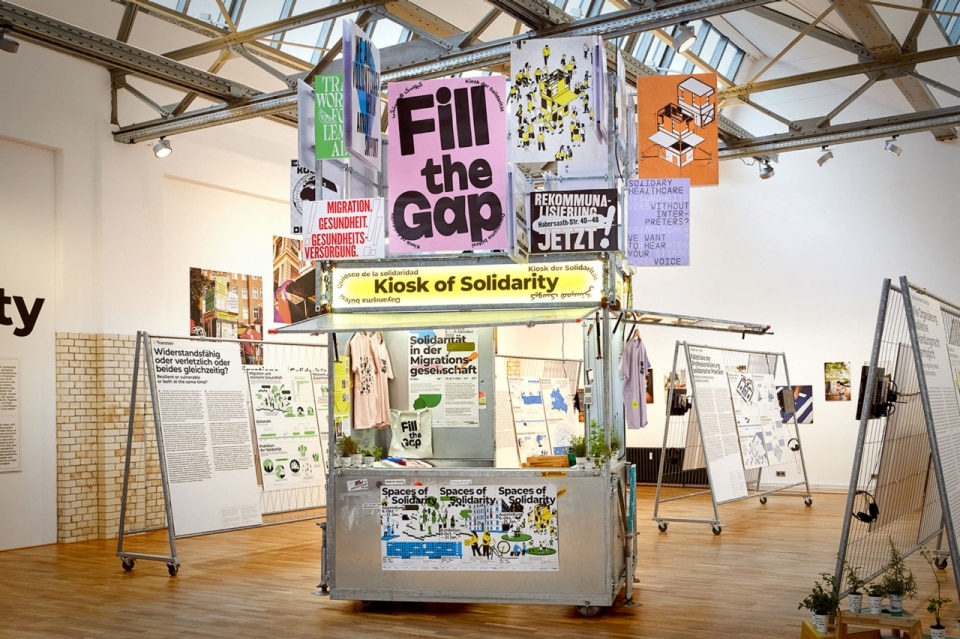
The Ruhr has already built a significant part of its contemporary identity on the adaptive reuse of industrial heritage. From the Zollverein Coal Mine to Landschaftspark Duisburg-Nord and the Gasometer in Oberhausen, factories, mines, and industrial infrastructure have been transformed into museums, parks, cultural spaces, and public venues.
Manifesta now extends that reflection to a different kind of heritage. Temporarily transforming churches into venues for contemporary art means asking whether buildings originally designed for religious use can once again play a public role, without their history being erased or reduced to mere scenery. The issue extends far beyond the Ruhr: according to estimates, thousands of churches across Europe could be decommissioned or repurposed in the coming years.
To discover the history of the buildings involved — Kulturkirche Liebfrauen, Markuskirche, St. Gertrud, St. Marien, St. Josef, St. Anna – Hatay Engin Music Hall, St. Bonifatius – Ferdane Satır Tea Garden, Thomaskirche – Hava Güleç Living Room, Christ-König, St. Anna, Gethsemane-Kirche, and St. Ludgerus — continue through the gallery.
- Exhibition:
- Manifesta16
- Title:
- This is not a church
- Where:
- Duisburg, Essen, Gelsenkirchen, and Bochum, Ruhr, Germany
- When:
- June 21 – October 4, 2026