



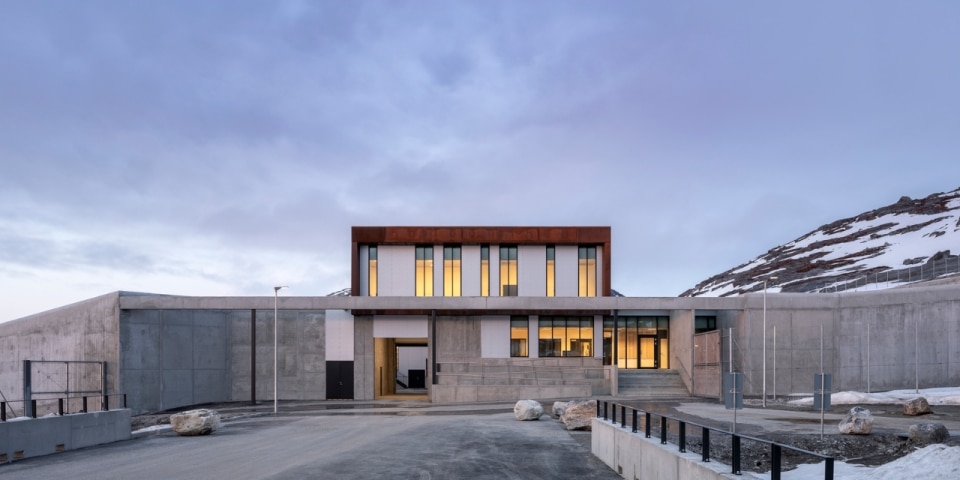
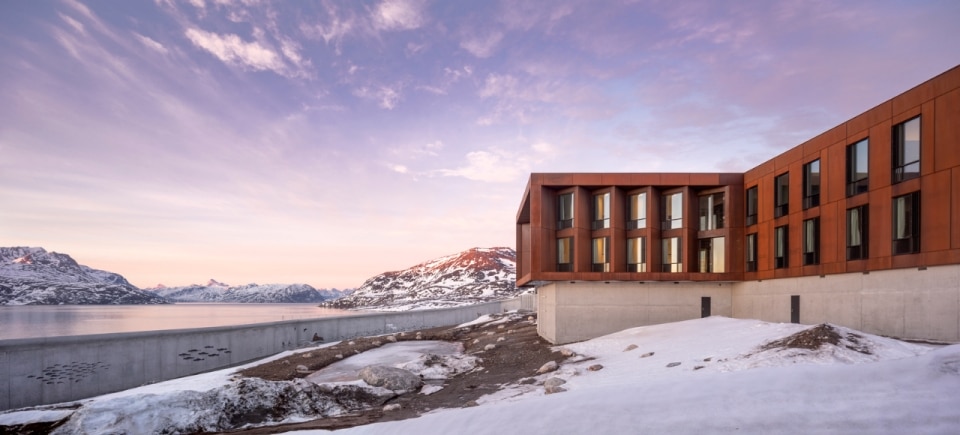
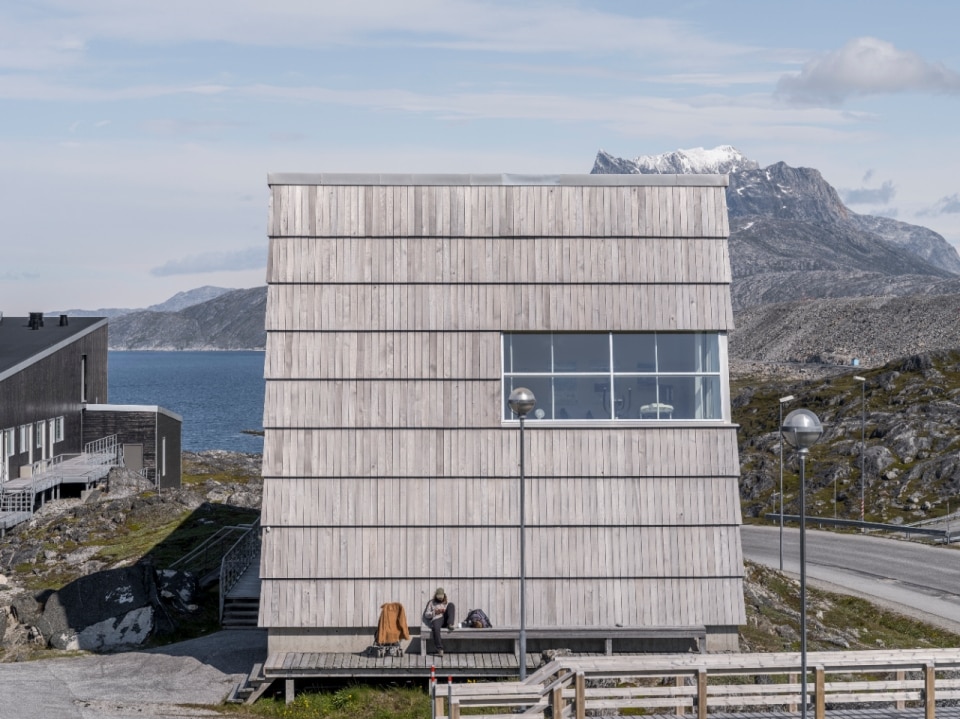
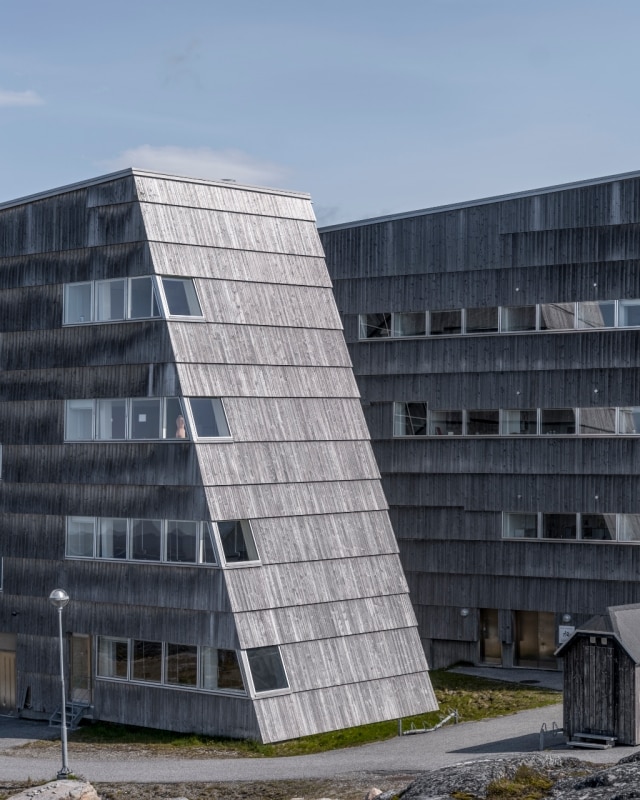
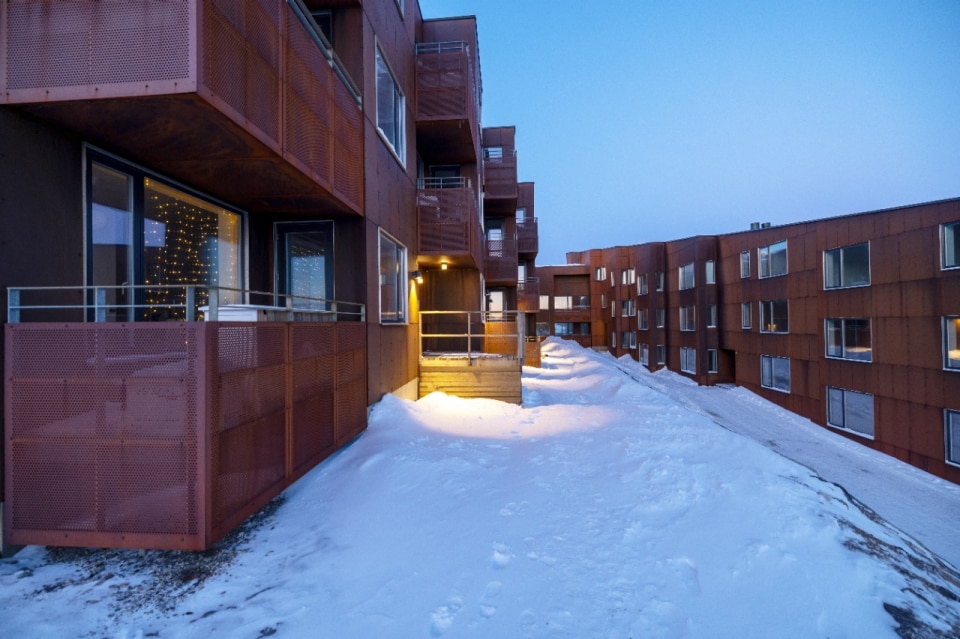
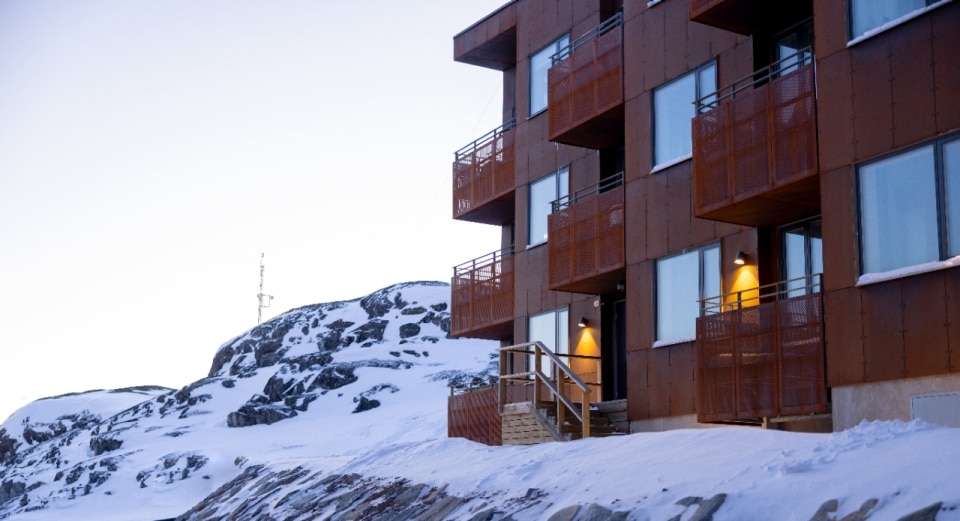
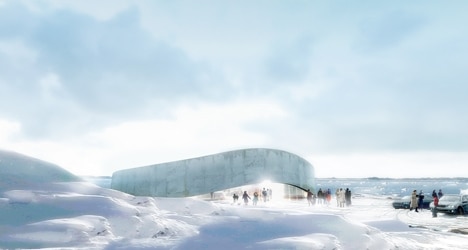
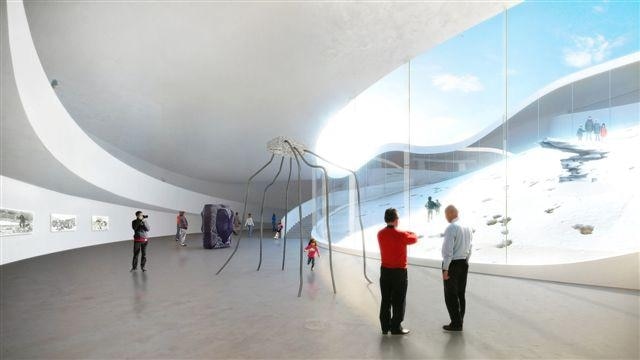
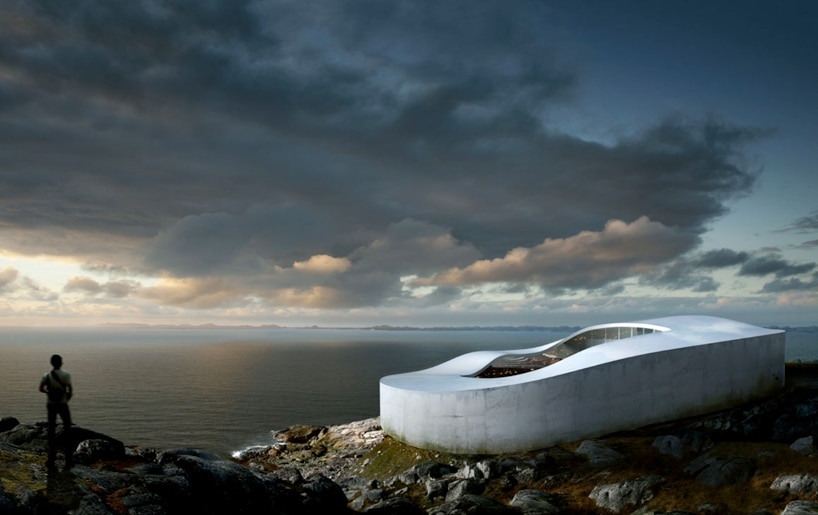
Greenland, “green land”, is the largest island on the planet and is anything but green. Its name was invented as a kind of “advertisement” to encourage colonization during the Viking era. In reality, it is almost entirely covered by ice, except for some portions of the southern coast, which are inhabited. It is also the least densely populated country in the world.
Lately, it has been making headlines. United States President Donald Trump wants to acquire it, by his own account, by fair means or foul, for “national security reasons,” against the will of the Inuit (the indigenous people) and Denmark, of whose kingdom Greenland is part, even though it has been self-governing since 1979.
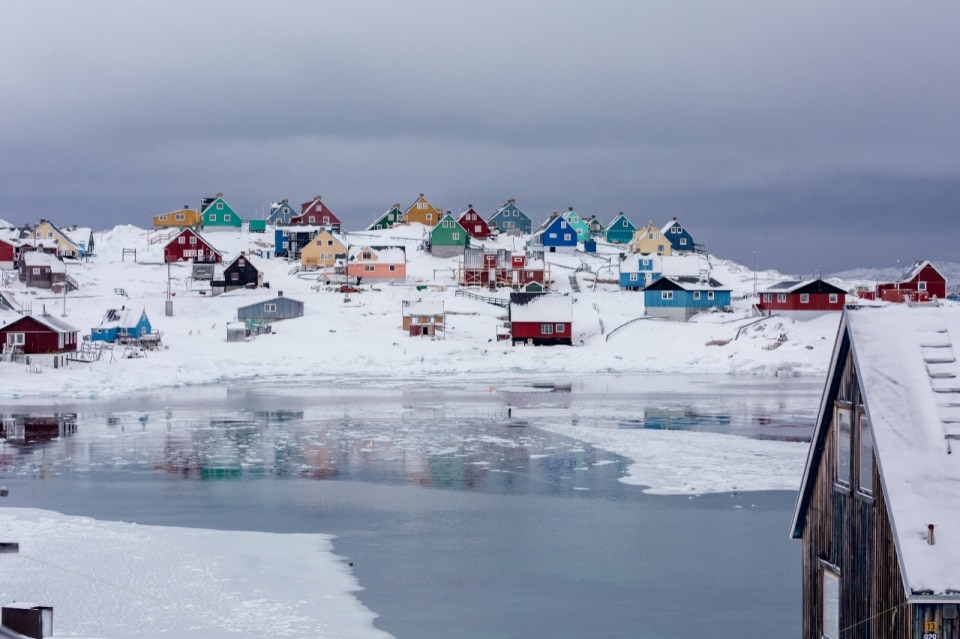
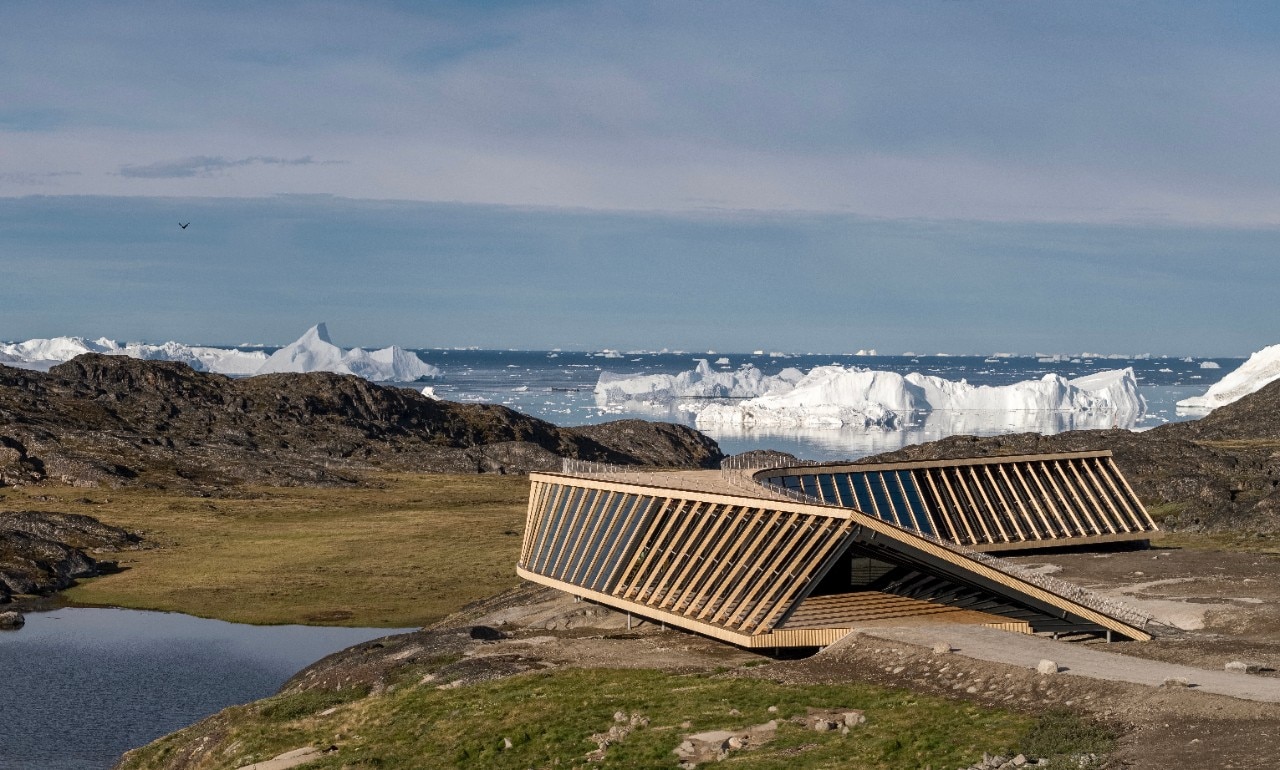
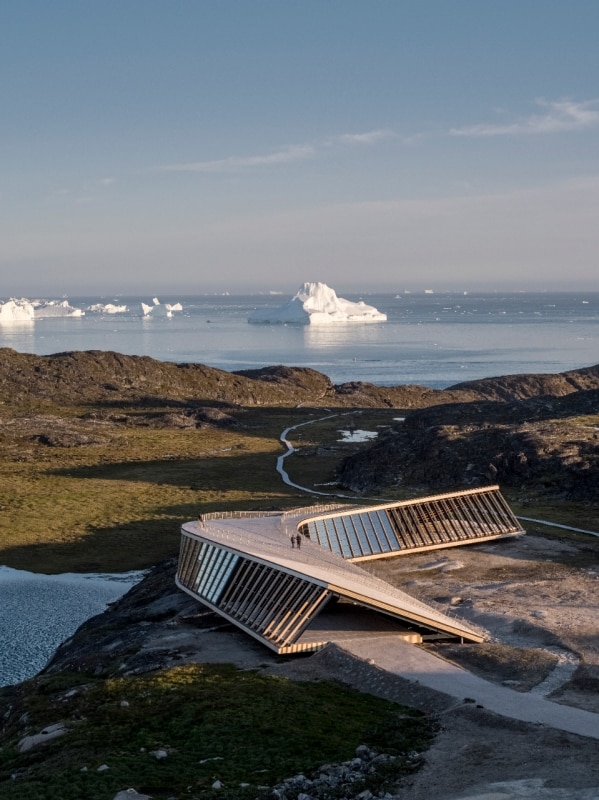
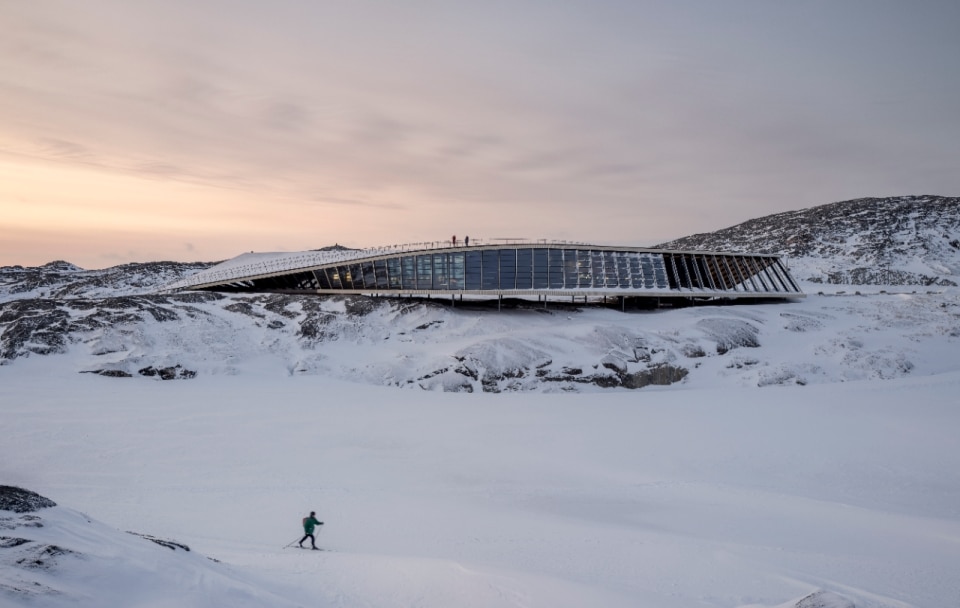
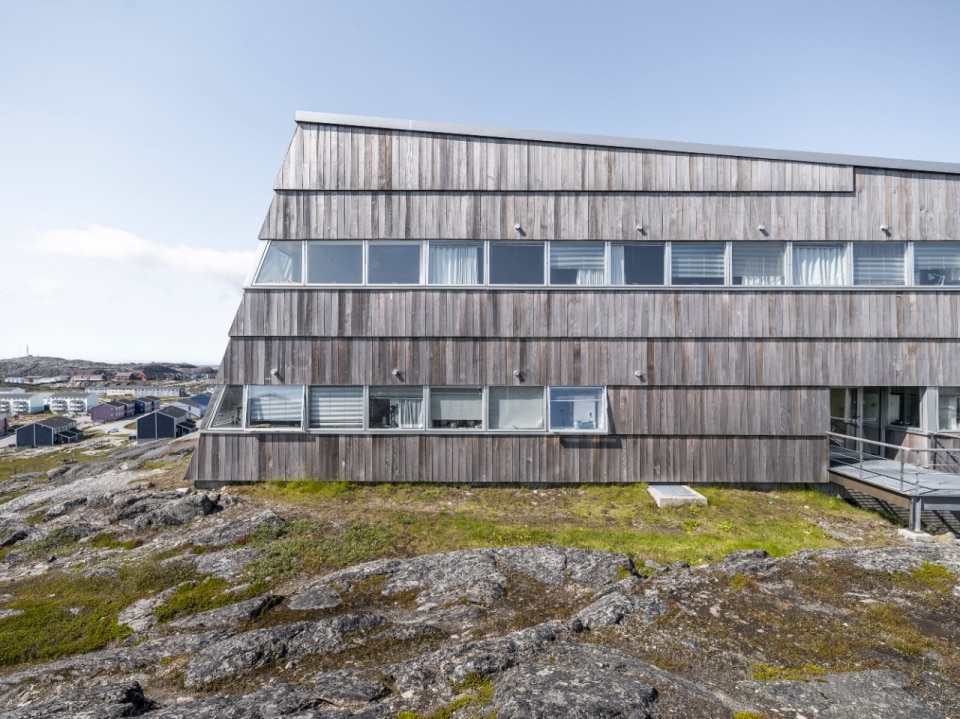
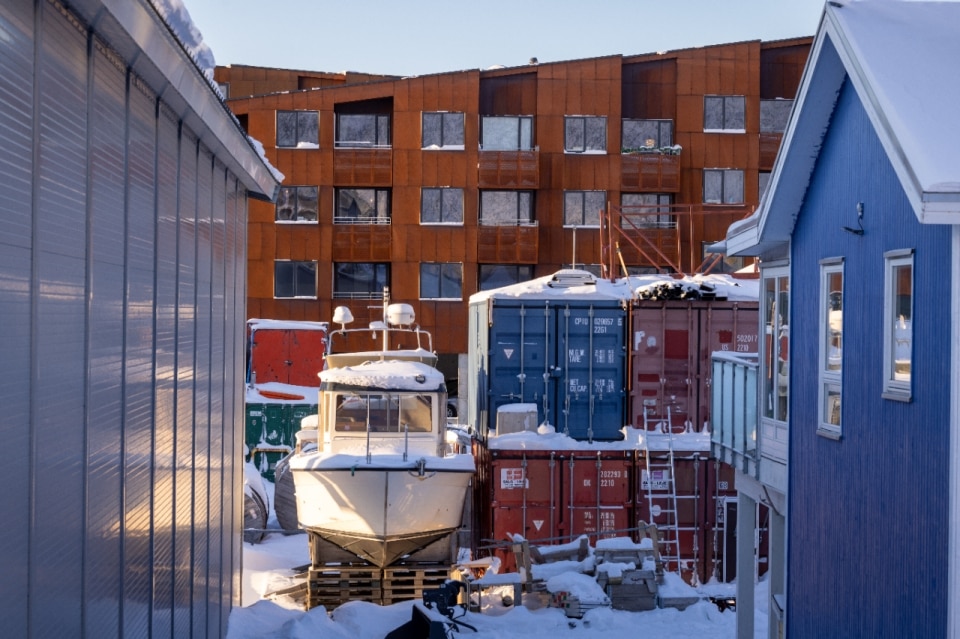
Beyond the political tensions, the island is known for “postcard” landscapes, fjords, and the northern lights. Traditional buildings are recognizable by their sloped roofs and walls clad in brightly colored wooden panels, but in recent decades, building in Greenland has become a real architectural challenge.
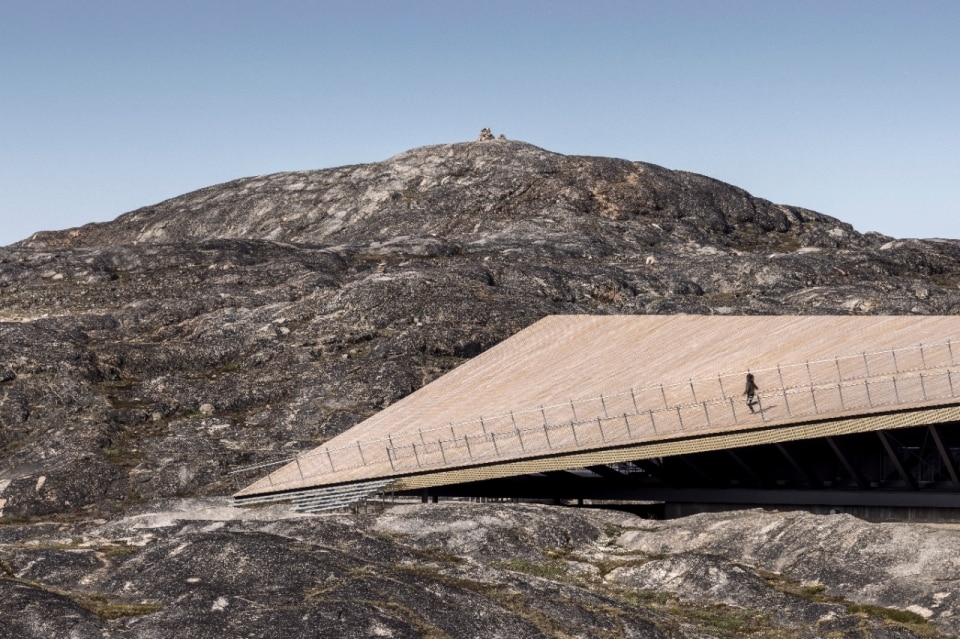
A common thread can be identified, focused on the relationship with the natural environment, referring to its morphological, material, and atmospheric aspects.
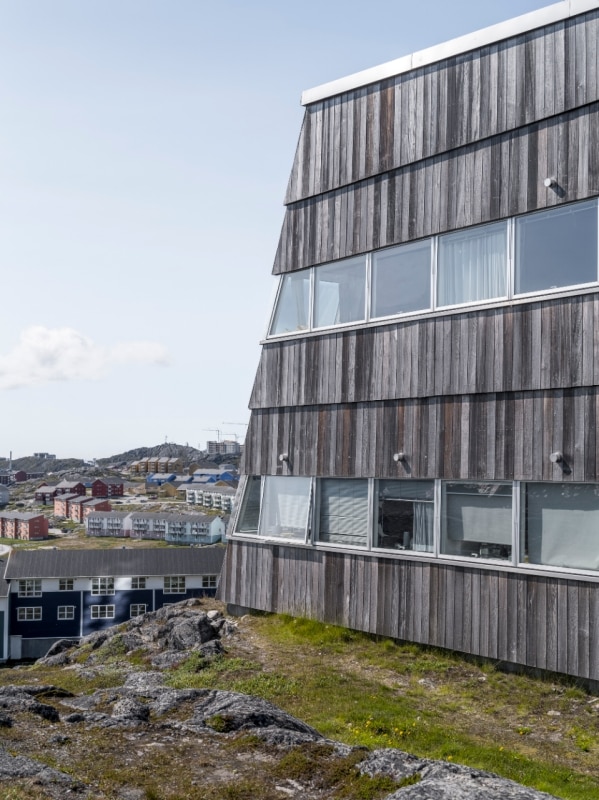
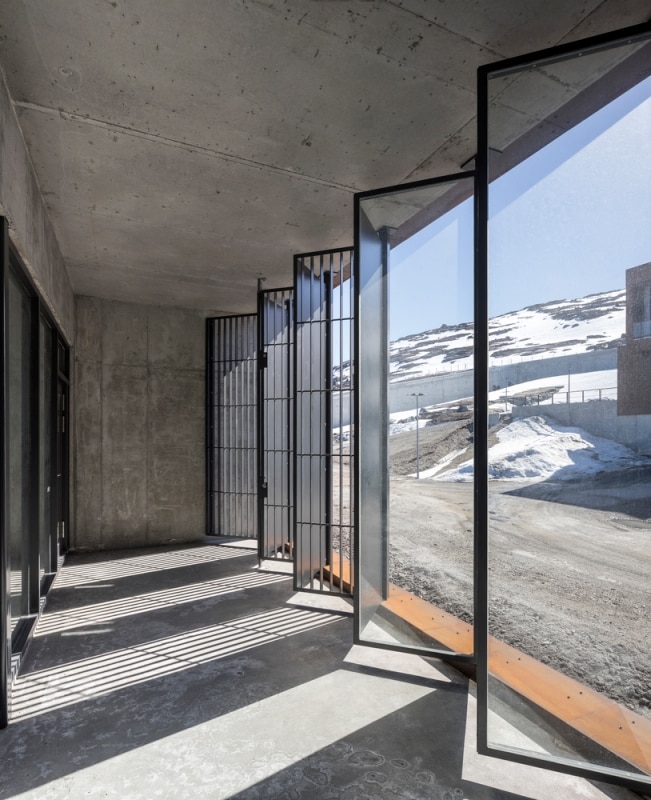
The main challenge is, of course, the climate, the extremely low temperatures and heavy snowfall, as well as the lack of natural light in winter. Looking at modern and contemporary buildings, a common thread emerges: a focus on the relationship with the natural environment, in terms of morphology, materials, and atmospheric conditions. Attention to context, even before ethical concerns, appears as an inevitable response to the constraints it imposes.
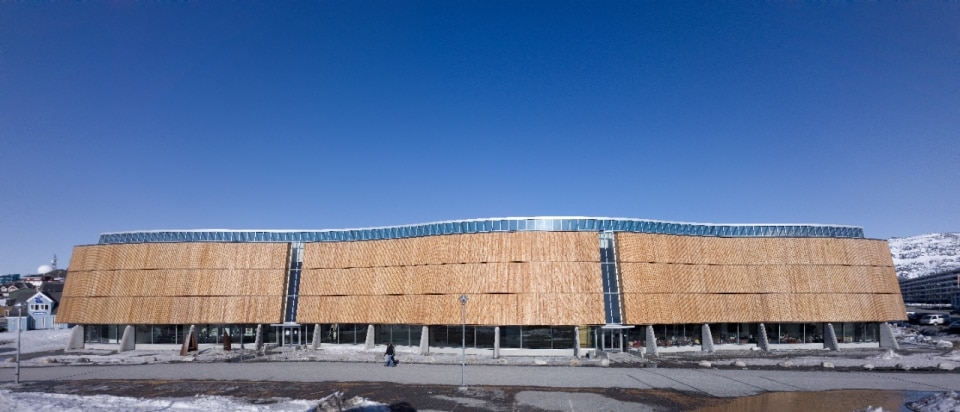
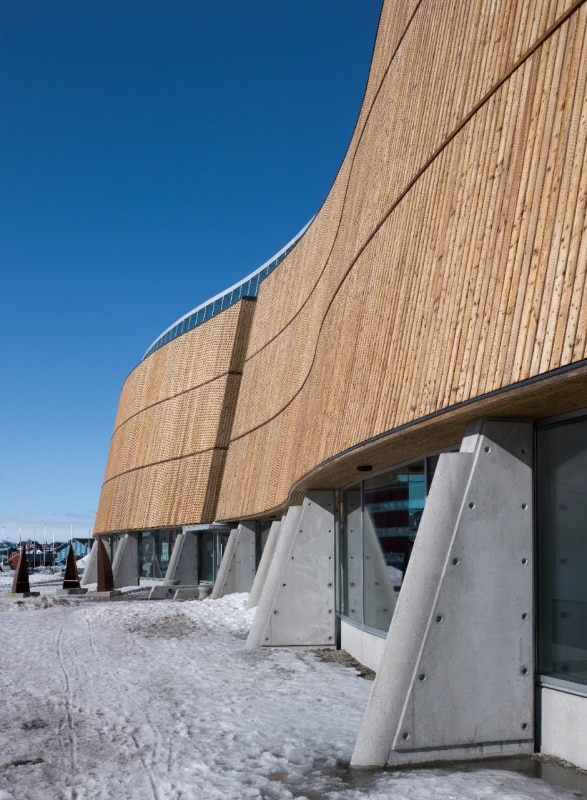
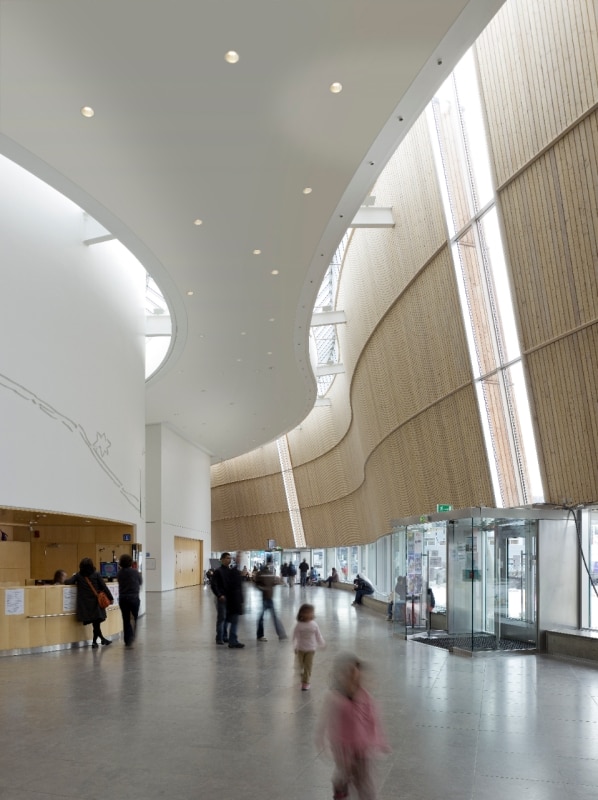
Influenced by European architecture, particularly Scandinavian, today Greenland’s new architecture draws the attention of tourists, enthusiasts, and professionals alike. To introduce it, we have selected five buildings constructed between 1997 and today (plus one not yet realized).